

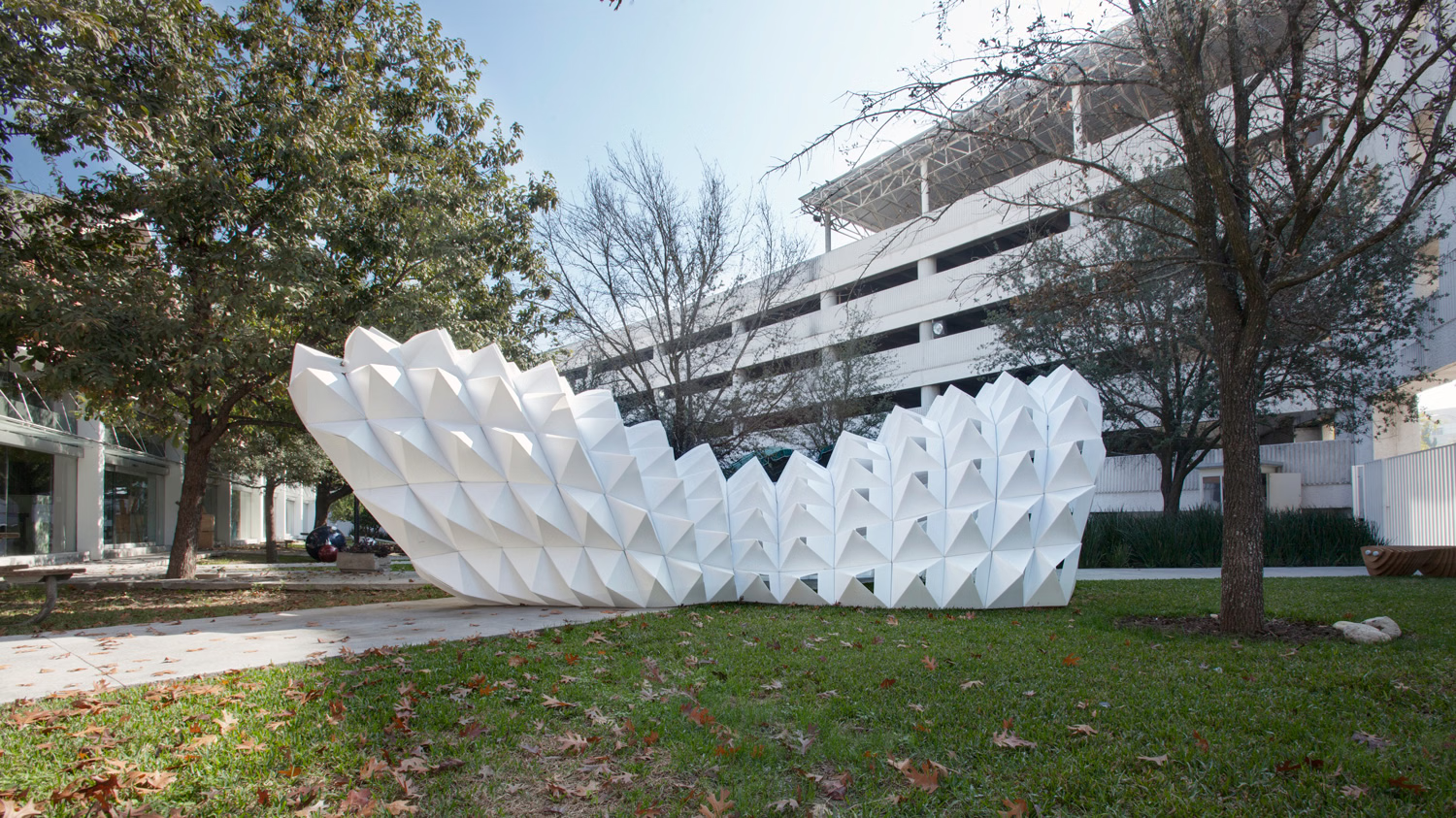
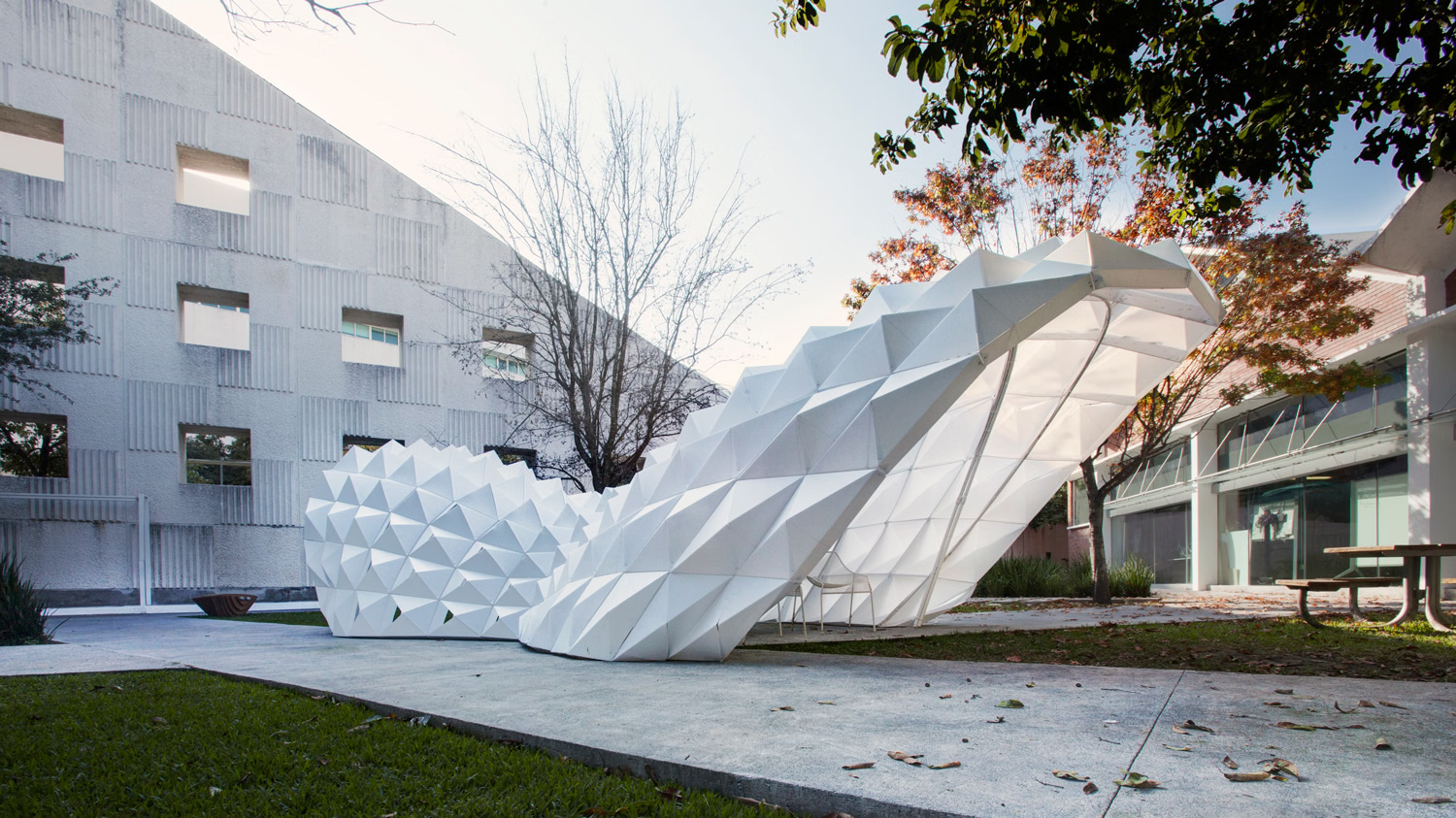
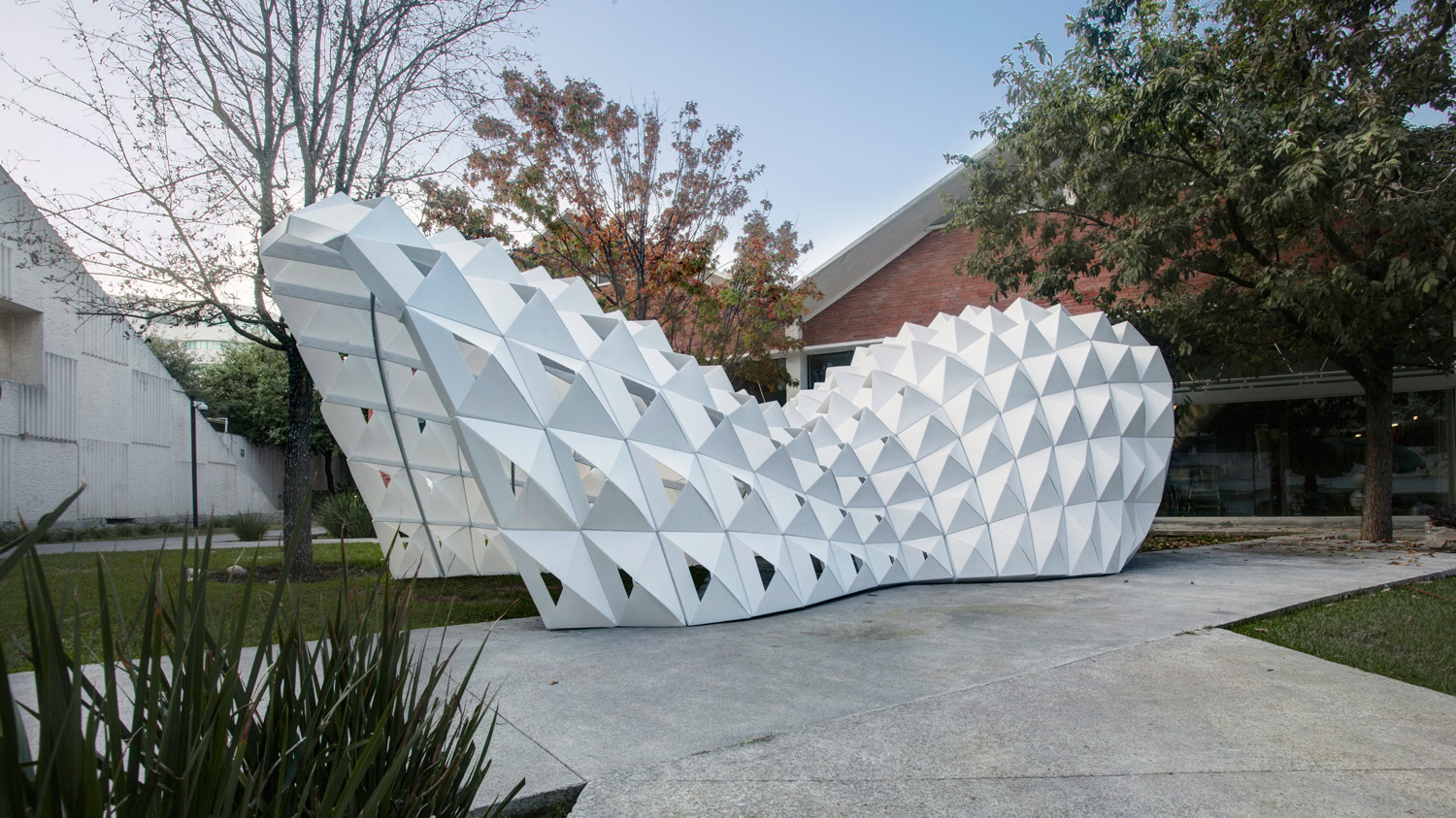
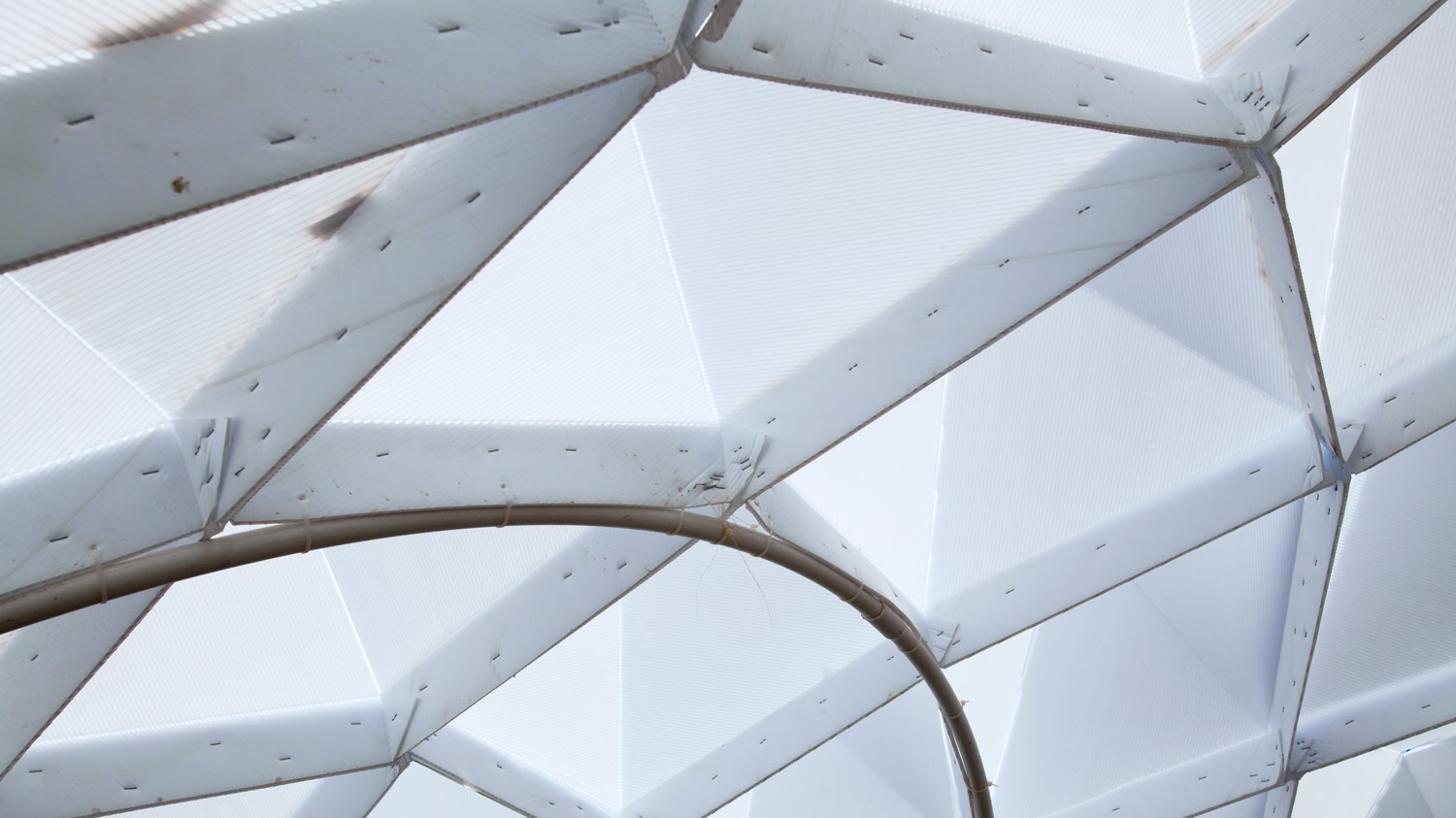
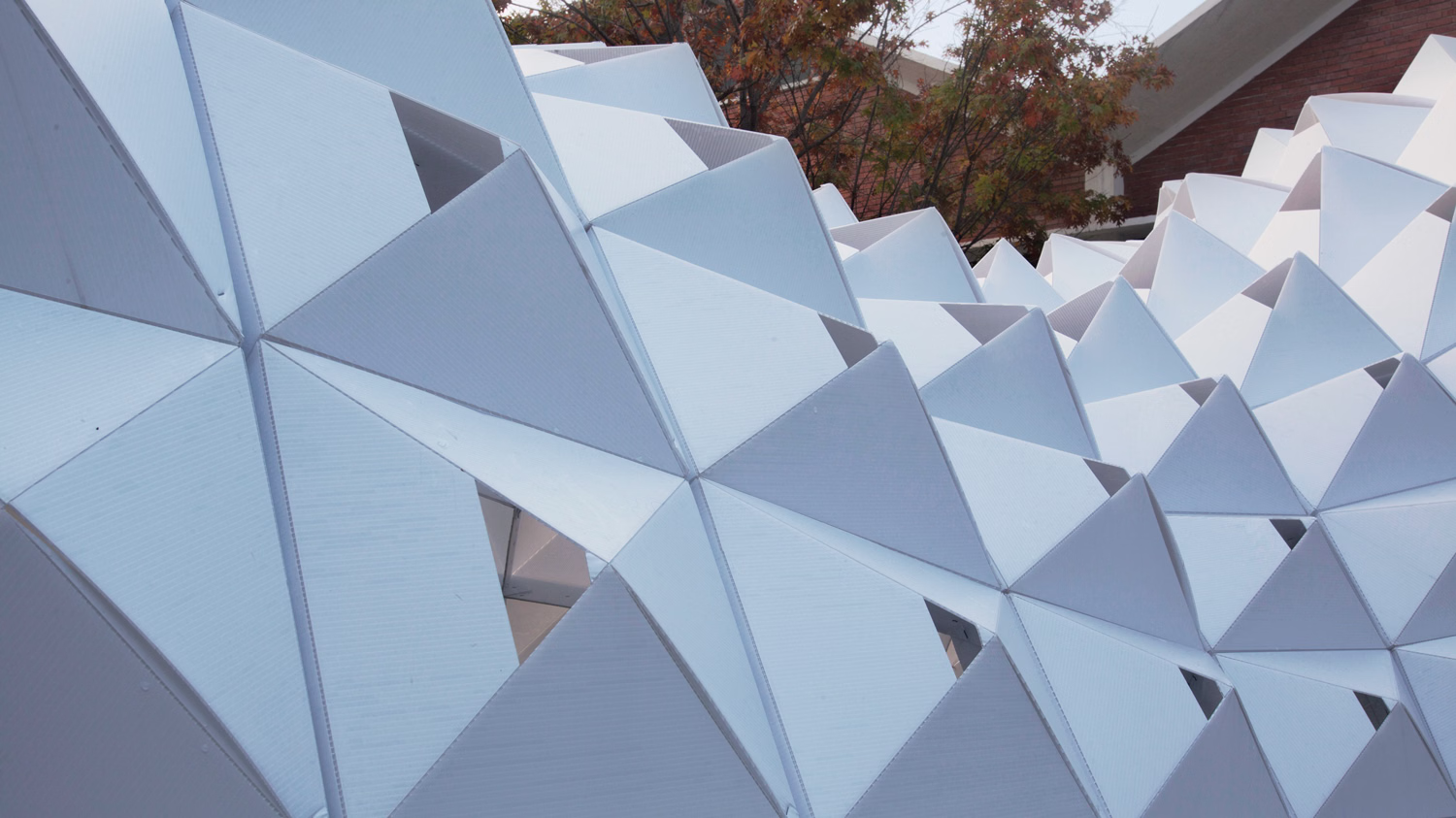
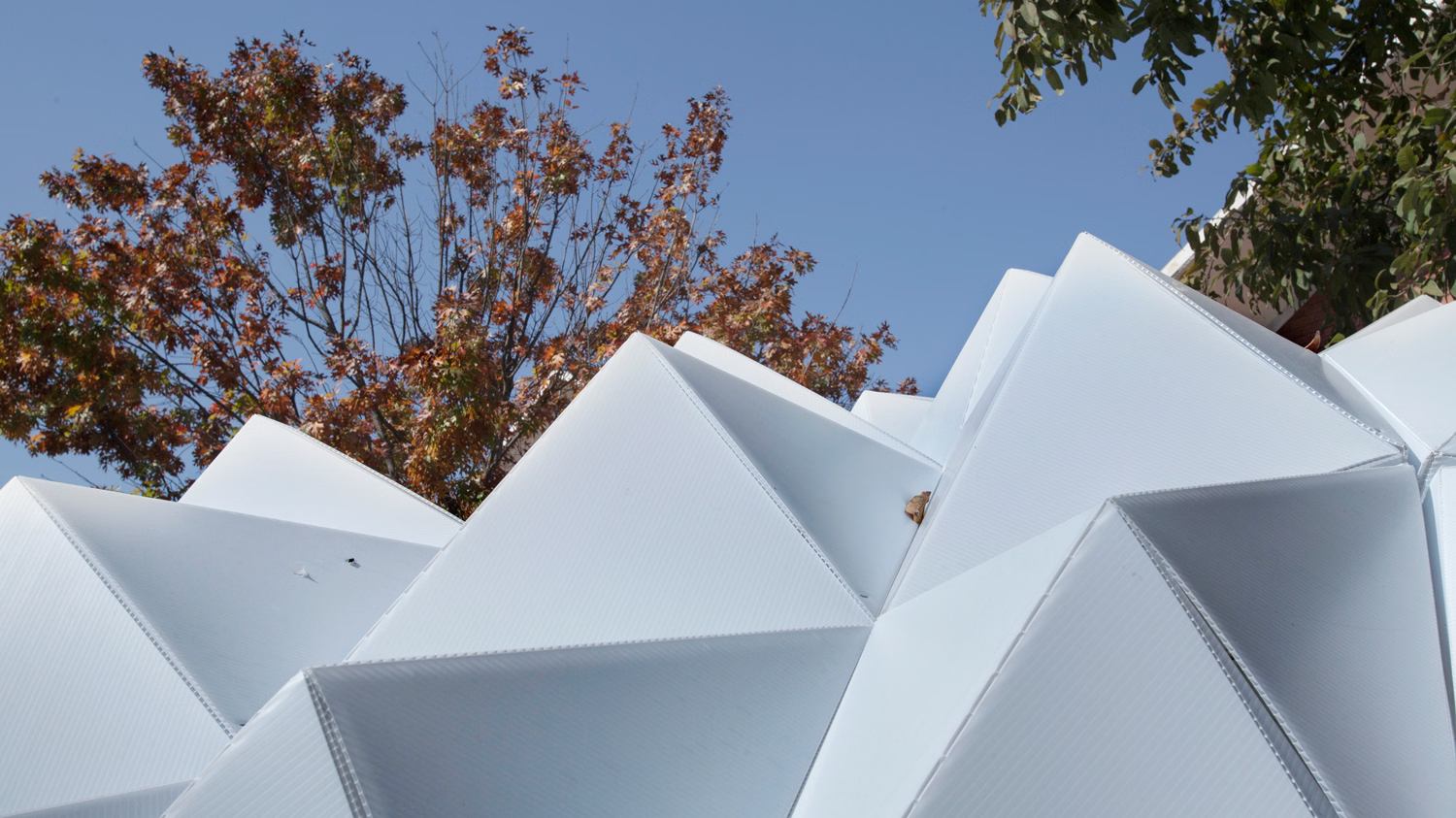
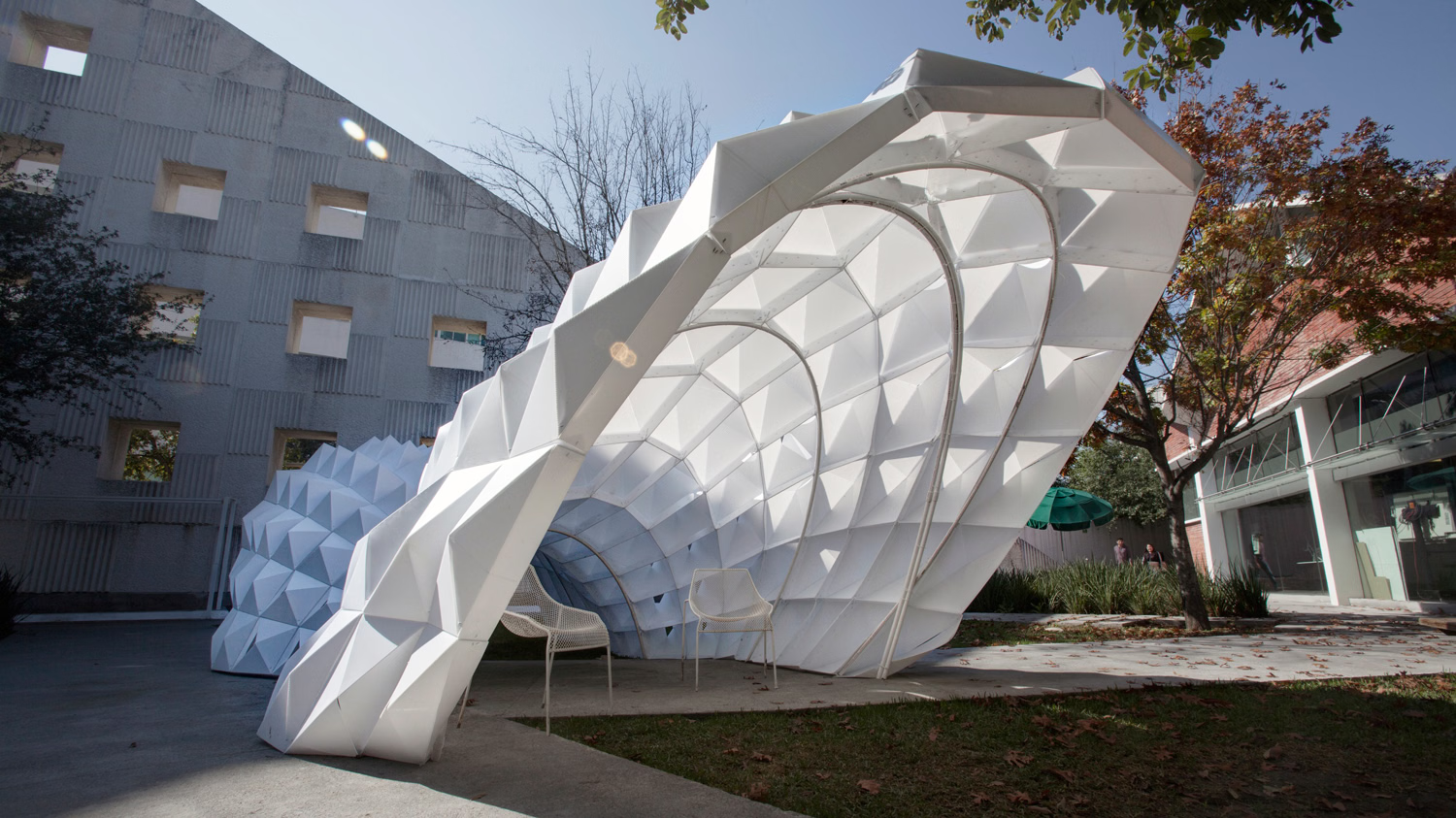
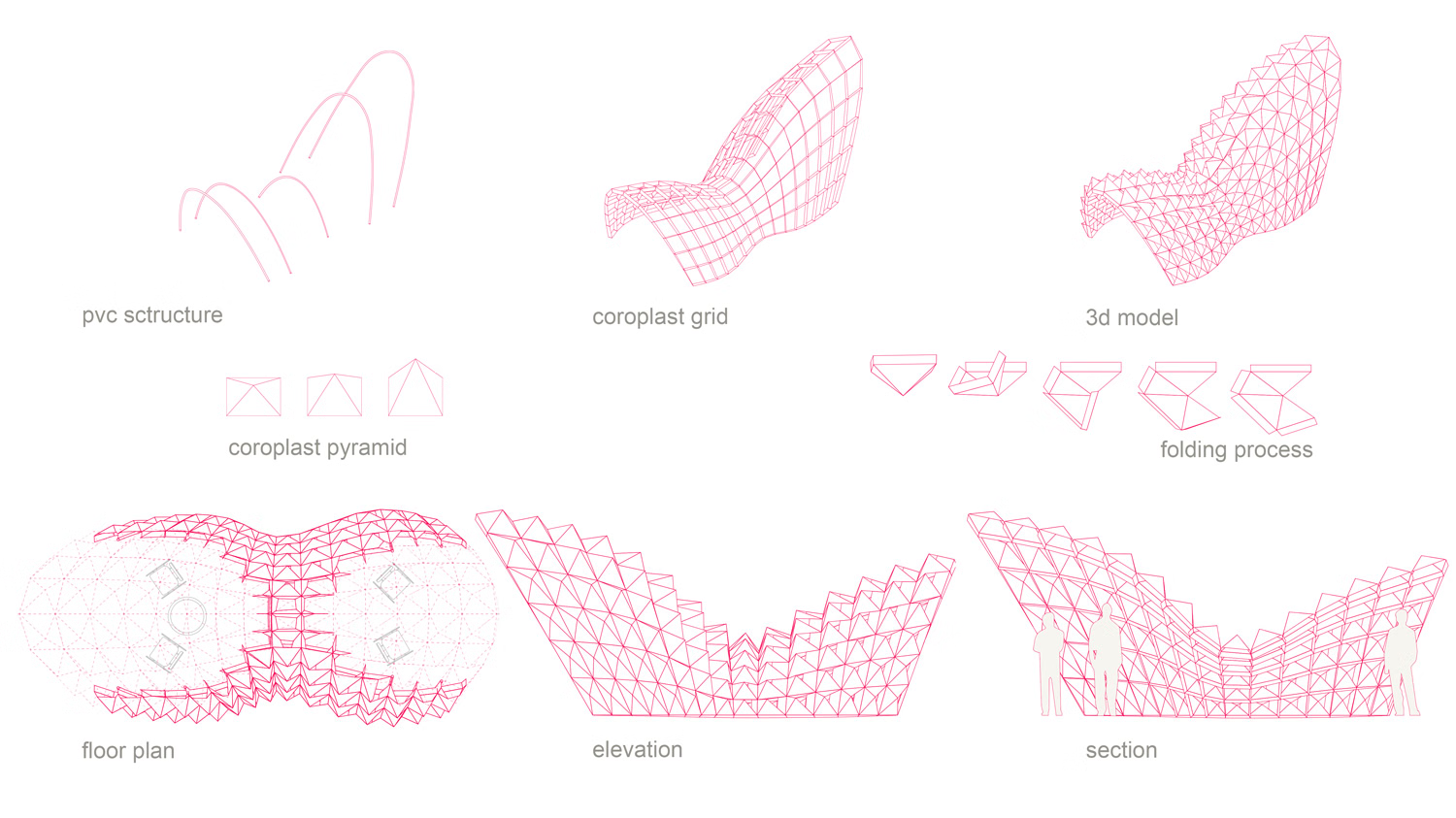
DIGFABMTY 1.0, Laser cut pyramidal shapes (designed mathematically using an algorithm) that are attached to each other by cable ties and PVC piping, result in this naturally-lit porous parametric pavilion. Designed by Andres Martines and coordinated by Alex Rodriguez, the structure was assembled by eleven design students, as a final exercise, in a subject part of their curriculum.
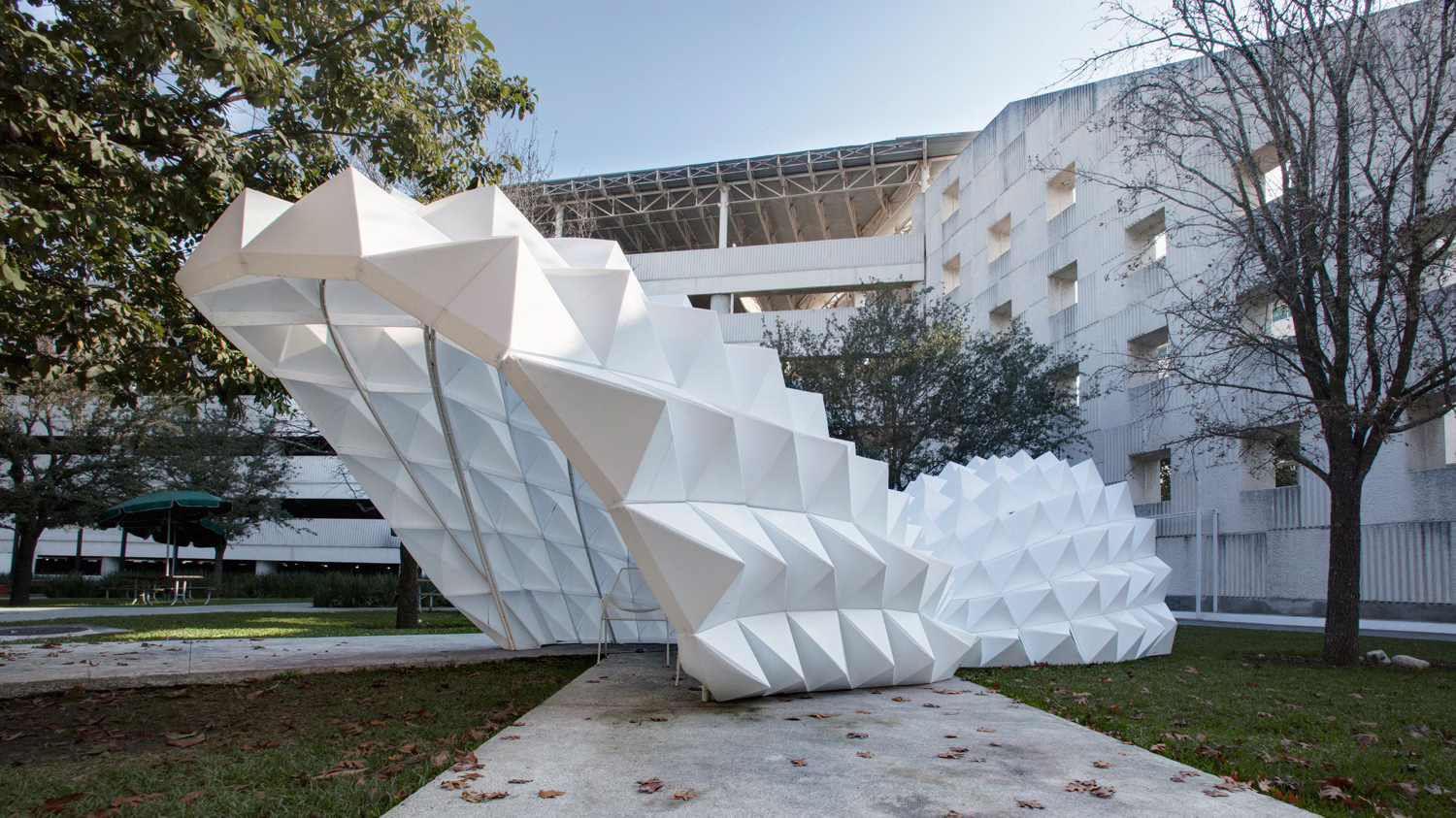
The design is meant to ”encourage future students to use digitally fabrication techniques” and is displayed in the courtyard of the school. Although the group’s budget was under $10 000, the materials and techniques used cost significantly less for the finished product. Arguably, for the size of the pavilion, it is comparatively expensive. The lighting qualities achieved within the pavilion are delicate, much like he structure itself. The vaulting techniques used in the support structure are evident in the height changes and allow for differing light intensity. The pavilion is fixed to the ground using PVC pipes and contrasts the buildings within its context in an inoffensive way

Thelma Ndebele is an editor at Arch2O and a part-time lecturer at the University of Johannesburg. With a background in architecture and critical spatial research, Thelma’s academic work explores the intersections of urbanism, cultural identity, and public space. Their editorial contributions reflect a commitment to unpacking the socio-political dimensions of architecture, especially within African urban contexts. Through both teaching and writing, Thelma engages with emerging discourse on inclusive design, making them a thoughtful and vital voice in Arch2O’s academic and editorial landscape.