


Dead Matter Concept, no cognitive dissonance stands entertained at the question of its certitude. The mere existence of life on this earth, is a basic miracle, one which unweaves slowly to unveil the damning yet glorious advent of death. Owing to this vicious loop of occurrences, life can not be immortalized. Or can it? Australian architect Emily Walkemeyer, strongly avows the conviction of the pertaining question, in an affirmative. Coaxing an Utopian outlook, Emily Walkemeyer puts forth a question that pushes one into introspection. The architect declares, burial, in conventional terms, an unsustainable activity. ‘So what happens when there is simply no more space to put people?’
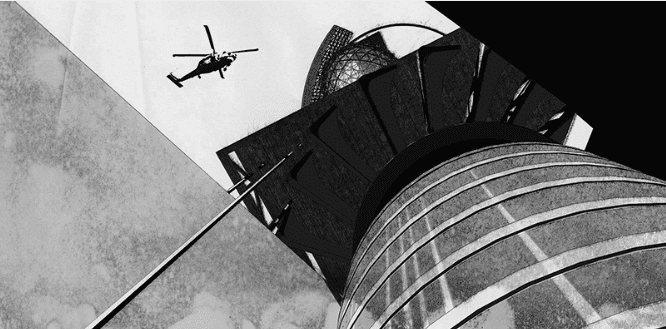
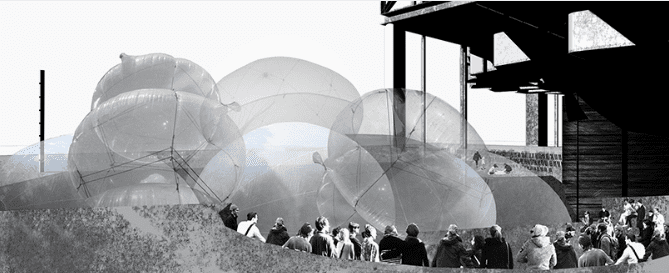
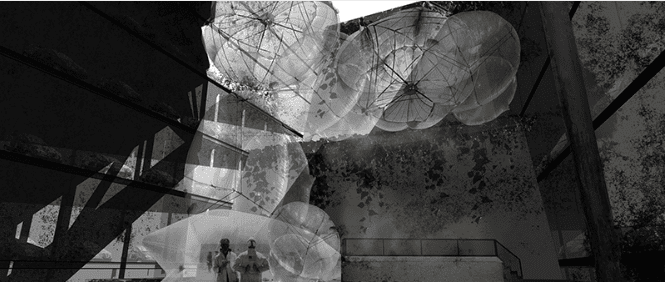
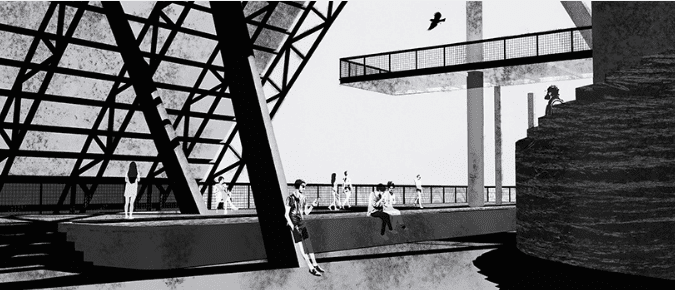
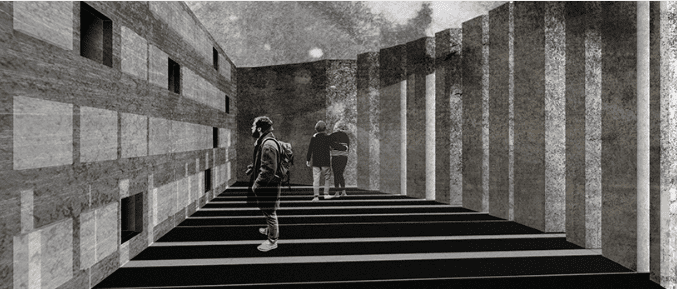
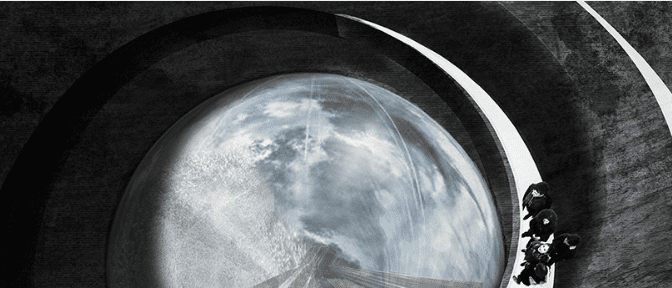
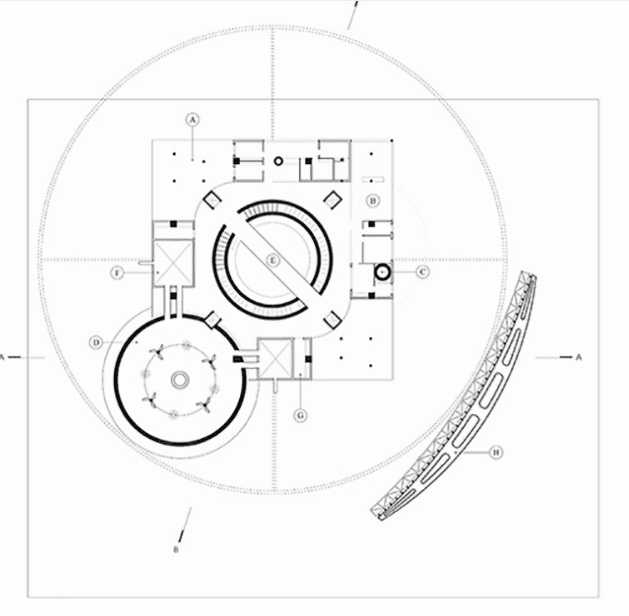
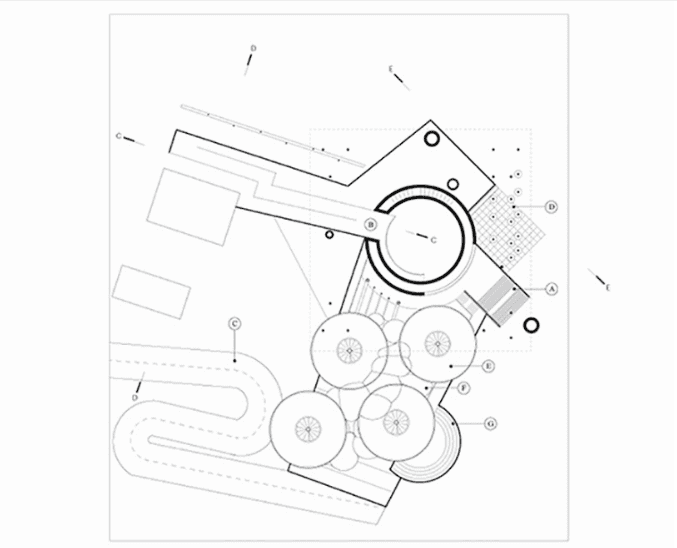
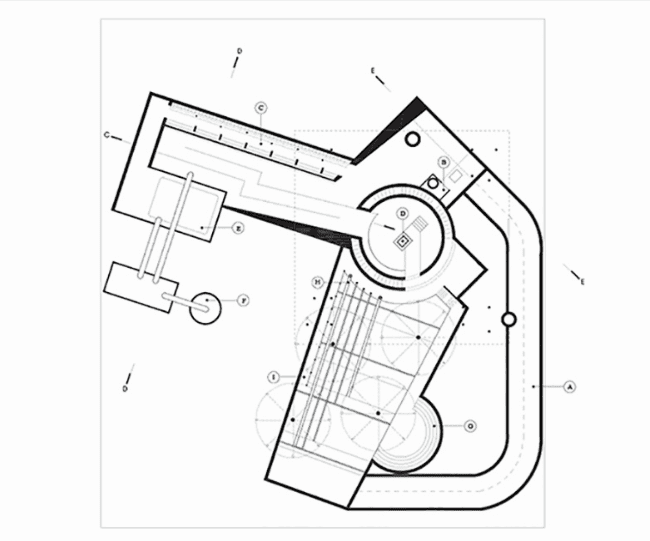
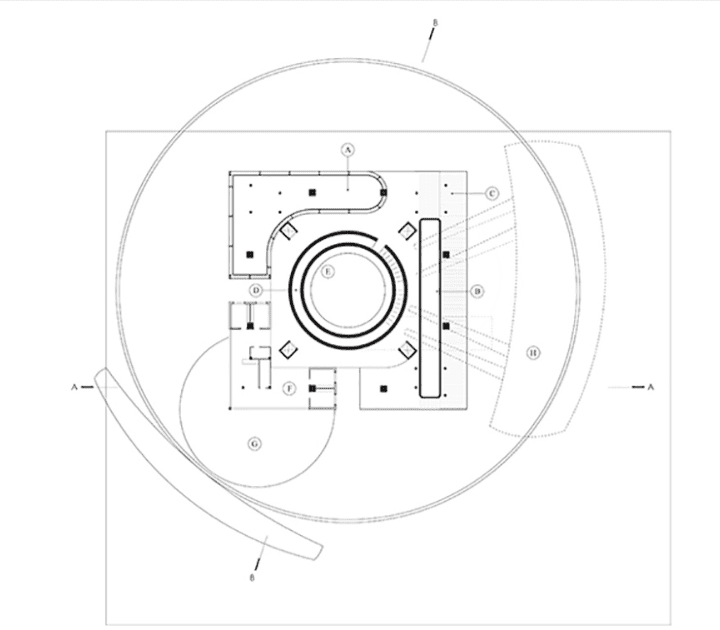
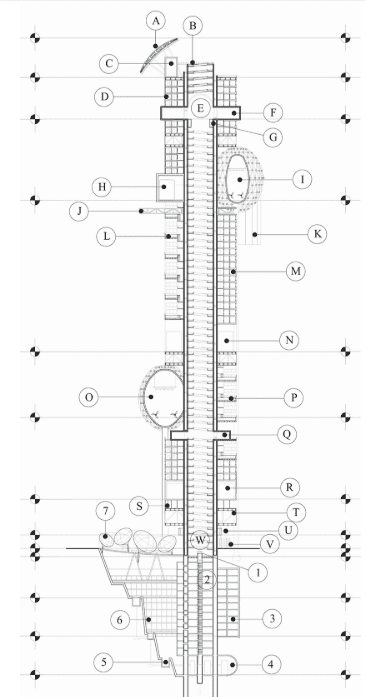
‘Dead matter: a machine for living and dying’, has been cleverly rendered to take the form of a tower. Structurally, the tower acts as vessel, accentuating the creed of entirety of life operates in a closed loop. The existence of the tower’s inhabitants is finite, their reality confined within the proximity of the ‘machine’, which runs autonomously using the ‘fundamental hunger for consumption’ as its fuel. The appearance of death reduces their presence to nothing. Each person, embracing death, will be recycled and re-used within the confines of the tower. With this will continue, a cycle where life will be chased down by death and death will stand haunted by life.

Aleeshba is an architect who champions the philosophy that simplicity and clarity are the foundation of great design. A 2017 Honors graduate from Punjab University, she blends theory with practical expertise to create functional, minimalist spaces. As an editor, Aleeshba brings a strong narrative perspective to her work. She is passionate about socially responsive design, believing that regional constraints often spark the most innovative solutions. Her work is driven by context, curiosity, and a commitment to purposeful exploration throughout the design process.