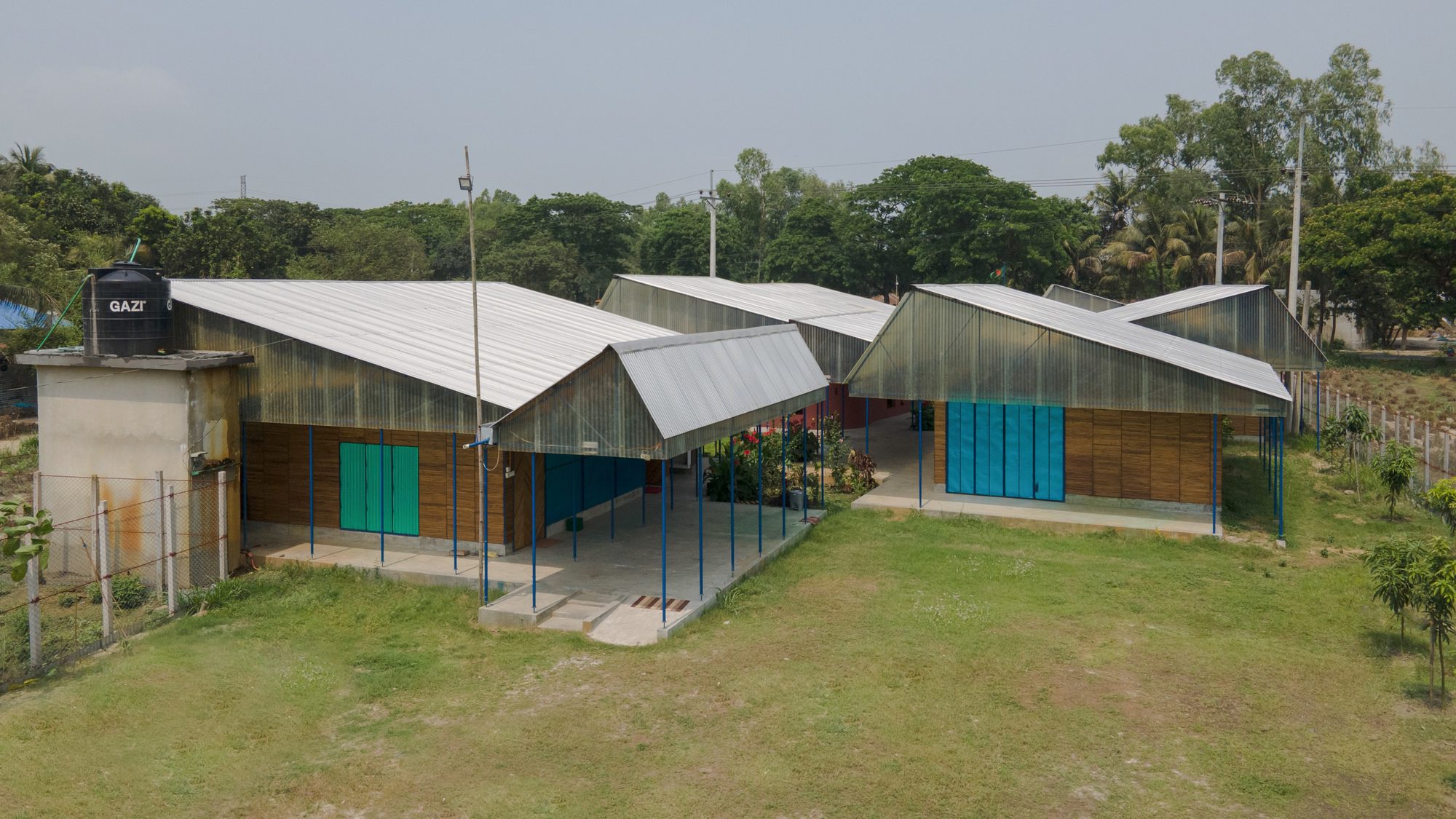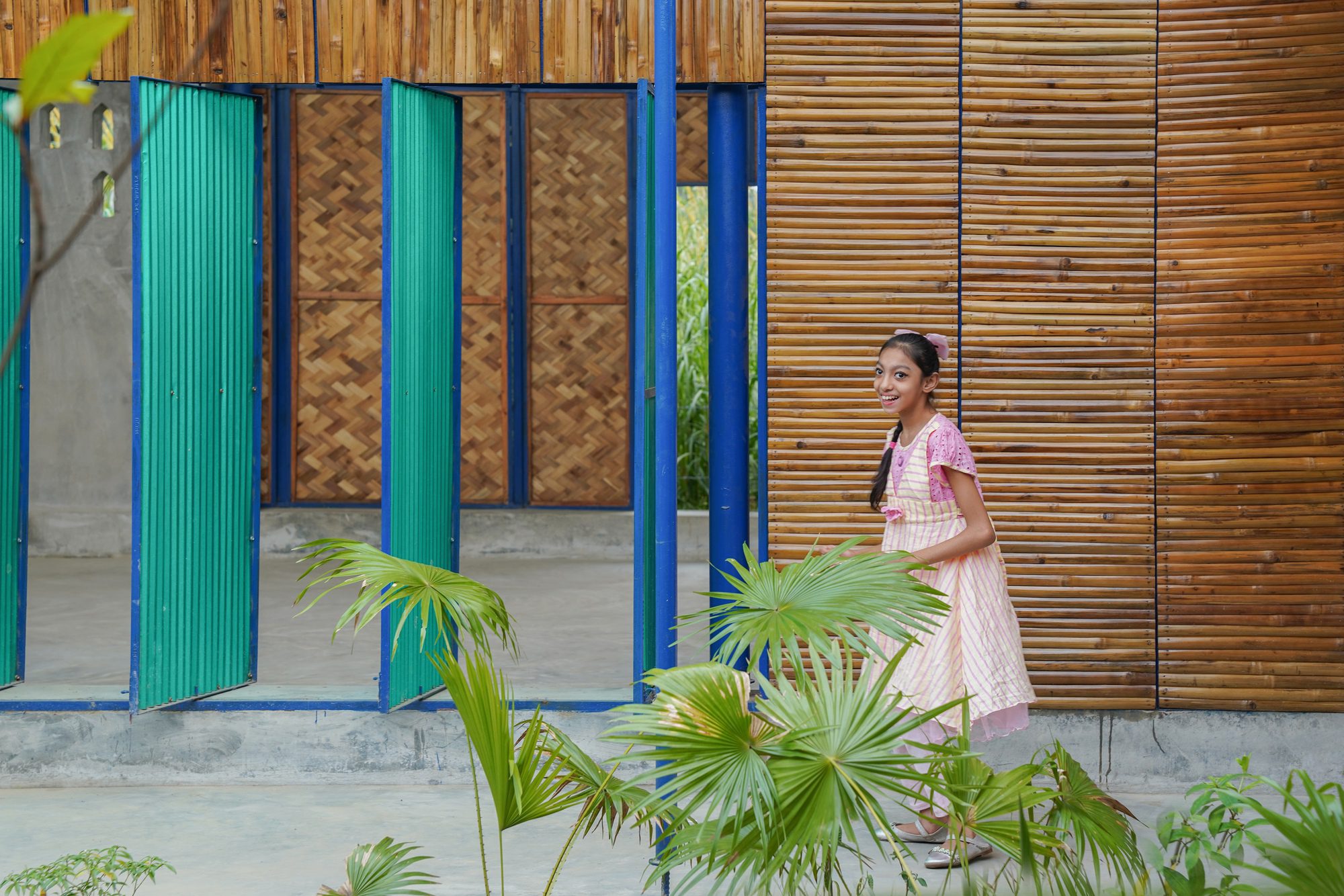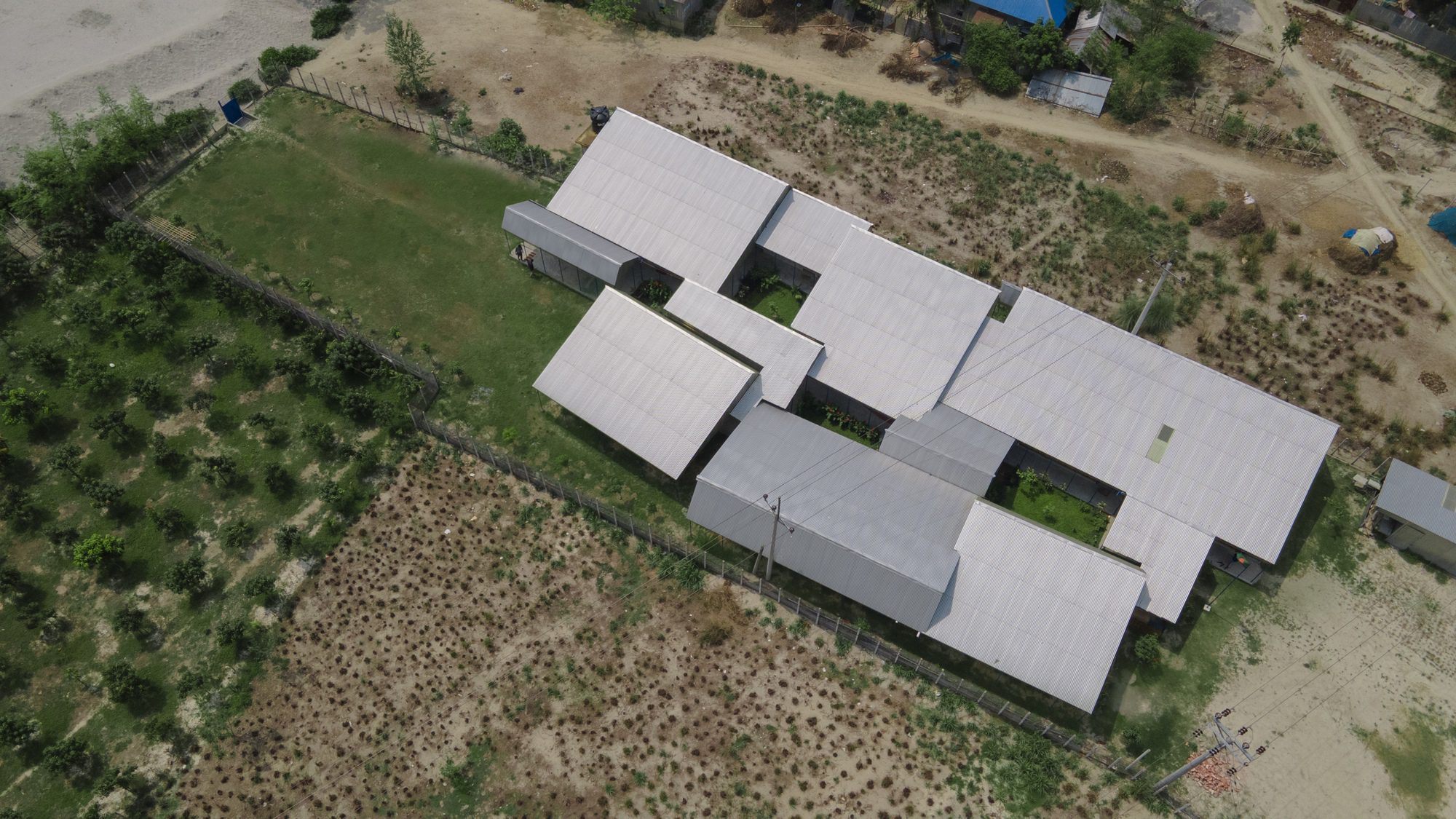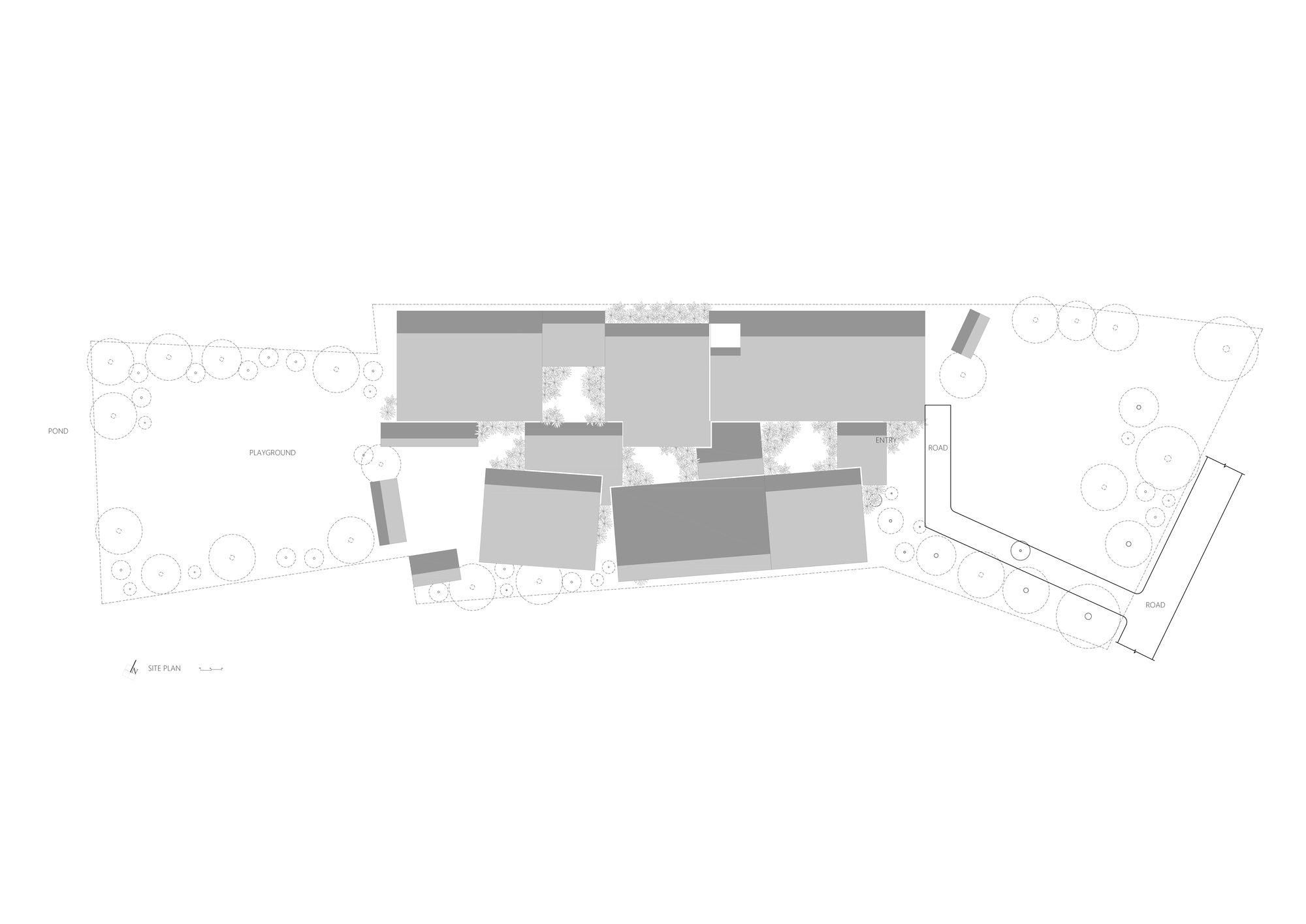

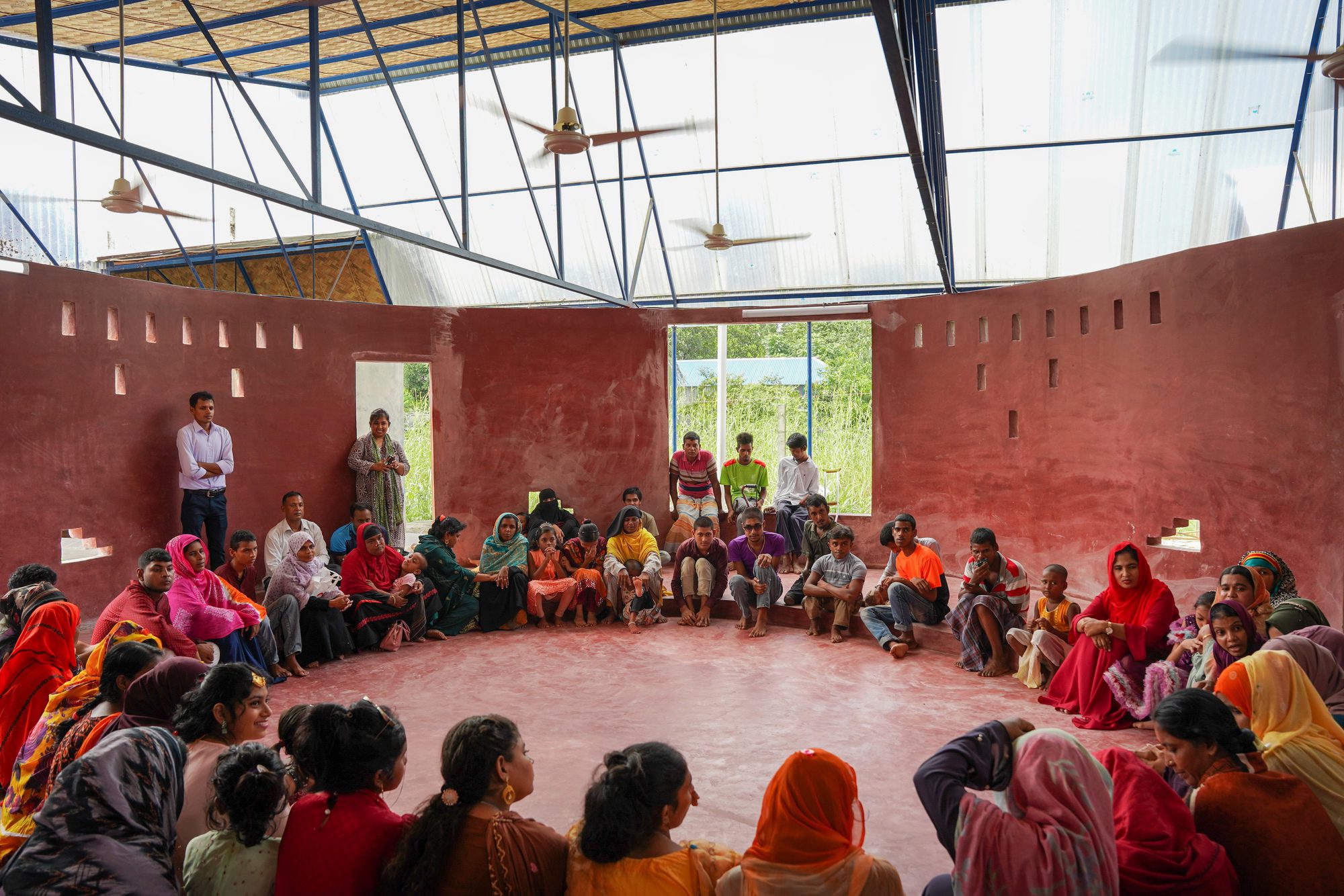
CSF Center for People With Disabilities is a place where people not only ignite hope for children with disabilities, but also strengthen its surroundings in termsof social responsibility and collective wellbeing. A place full of ambition and transformation for children with disabilities. Located in Shahzadpur, Bangladesh, the center provides a safe and welcoming space where these children, along with their families, can come together, receive support, and grow. Since 2000, CSF Global (formerly the Child Sight Foundation) has been working to create an inclusive society where children with disabilities are given equal opportunities to thrive. Their goal is to make sure no child is left behind, whether due to preventable health conditions or social barriers, and that both children with disabilities and their families have access to high-quality services and care.
© Rizvi Hassan
When we were approached by CSF Global to design and construct a space for children with disabilities, we were entrusted with an extraordinary responsibility. The task was clear but profoundly impactful: to create a space that would serve not only as a school and therapy center, but as a place of belonging for children and their families who are often excluded from society. Our vision was to create an environment where these children could feel empowered and included, where they could develop their skills, share experiences, and form connections. We wanted them to be able to invite their friends and families to visit a place they could call their own.
© Rizvi Hassan
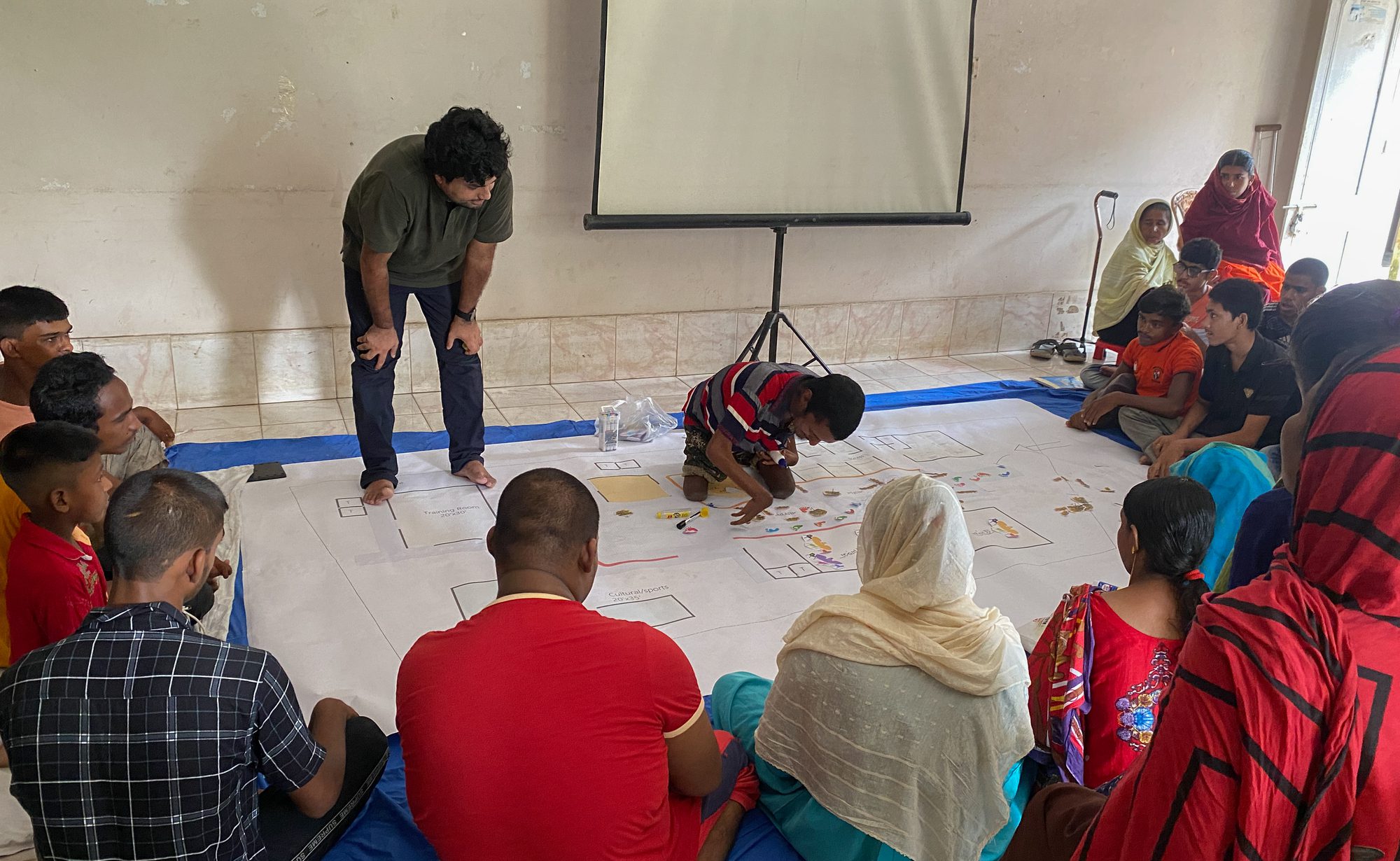
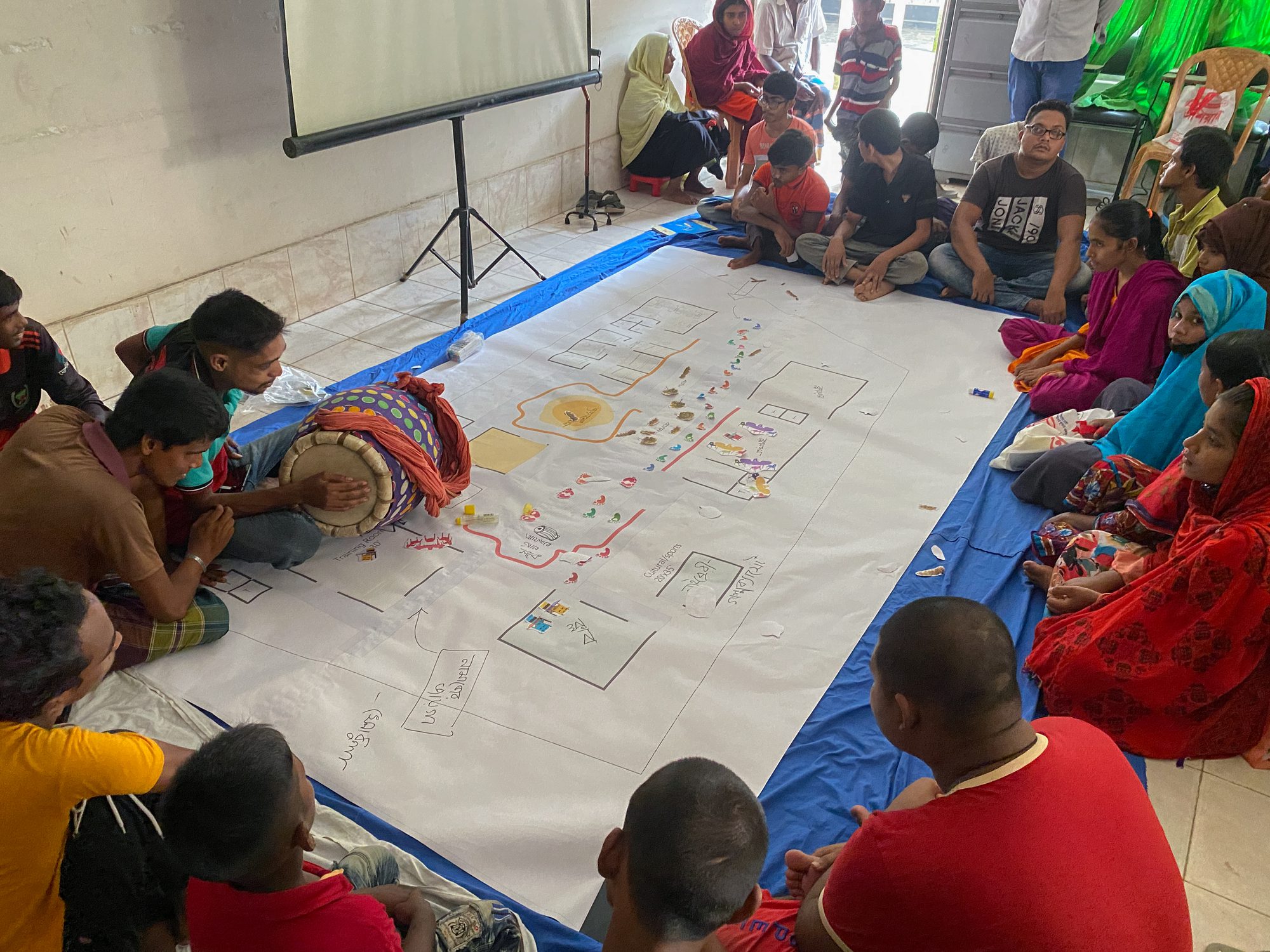
From the beginning, our design process was built on collaboration and inclusivity. We employed a participatory design method, where the children, their families, and the community were actively involved in shaping the space. We started by sitting down with the families and children, sharing thoughts, ideas, and dreams. Through a series of discussions, sketches, and even walking on large-scale printed plans, we co-created a space that reflected the needs and aspirations of everyone involved. This process allowed us to listen, to understand, and to design a place that was not just functional, but deeply meaningful.
© Rizvi Hassan
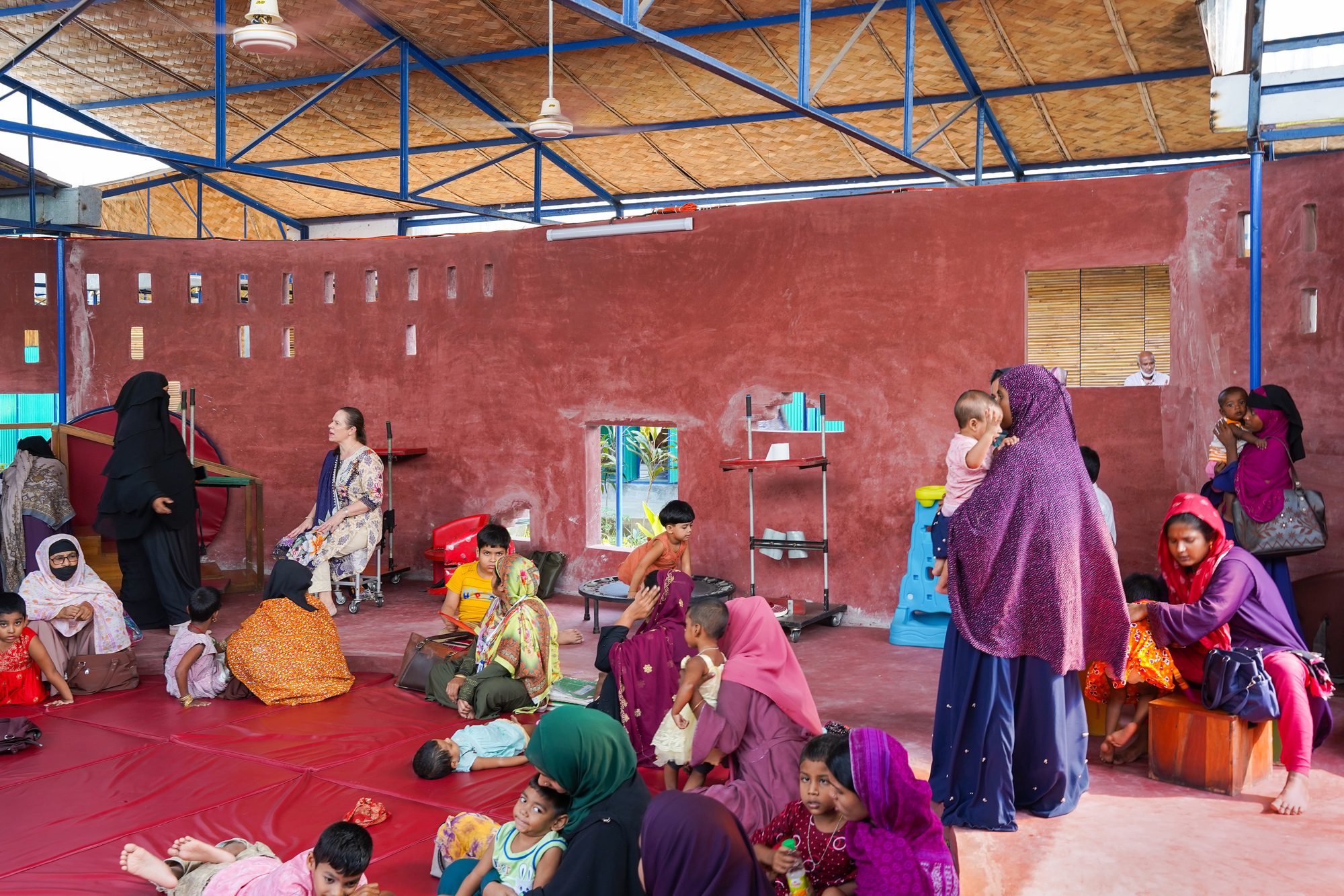
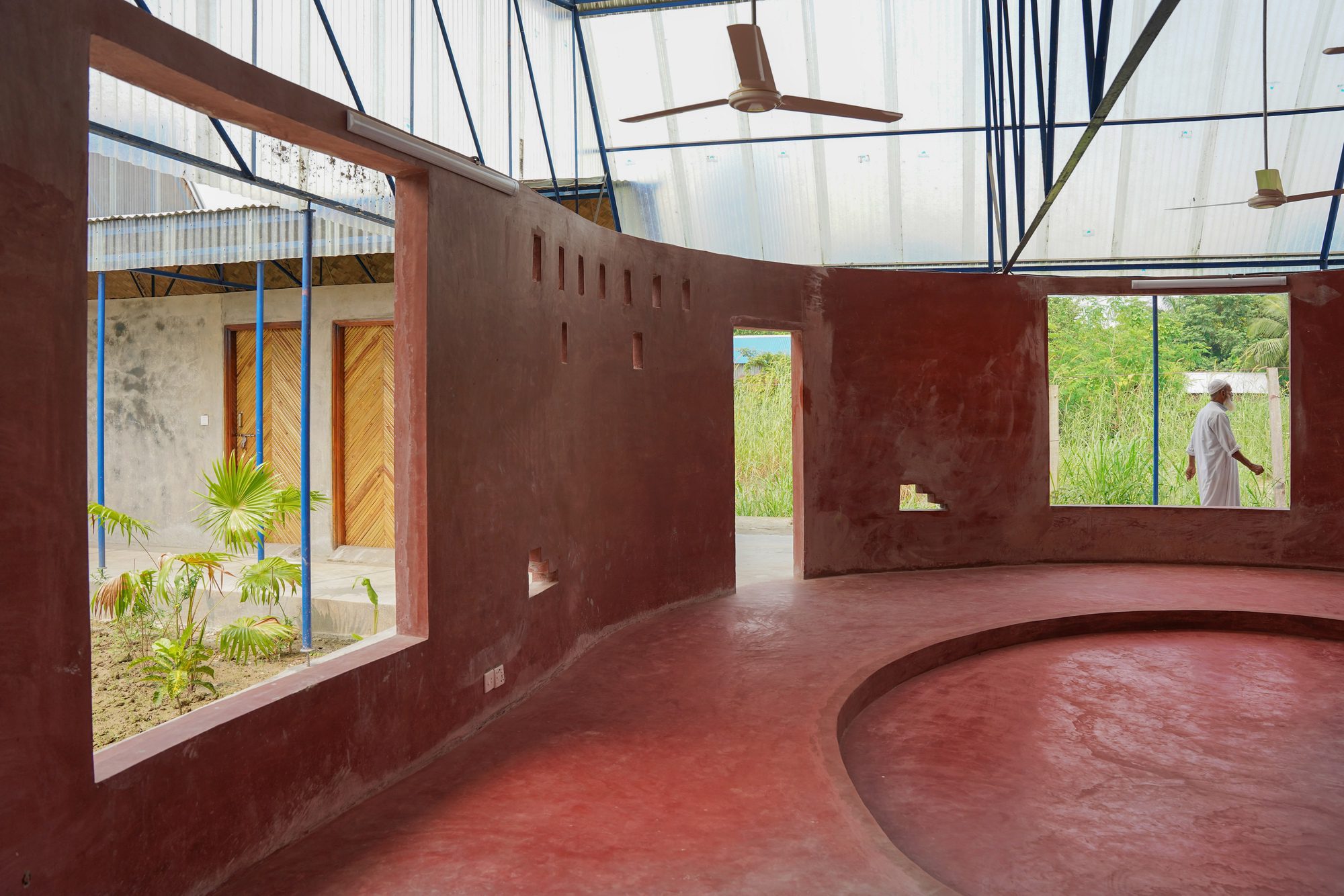
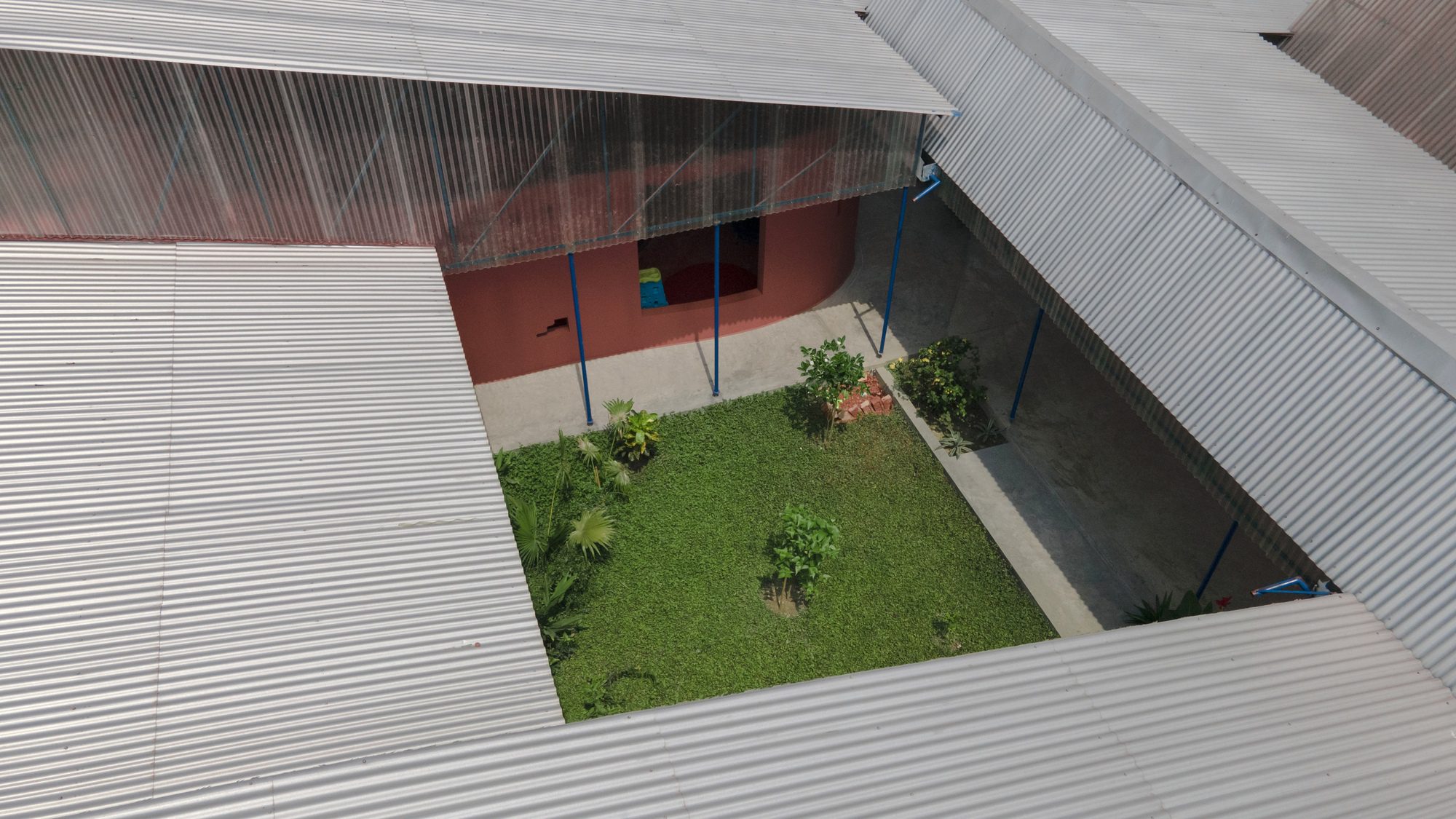
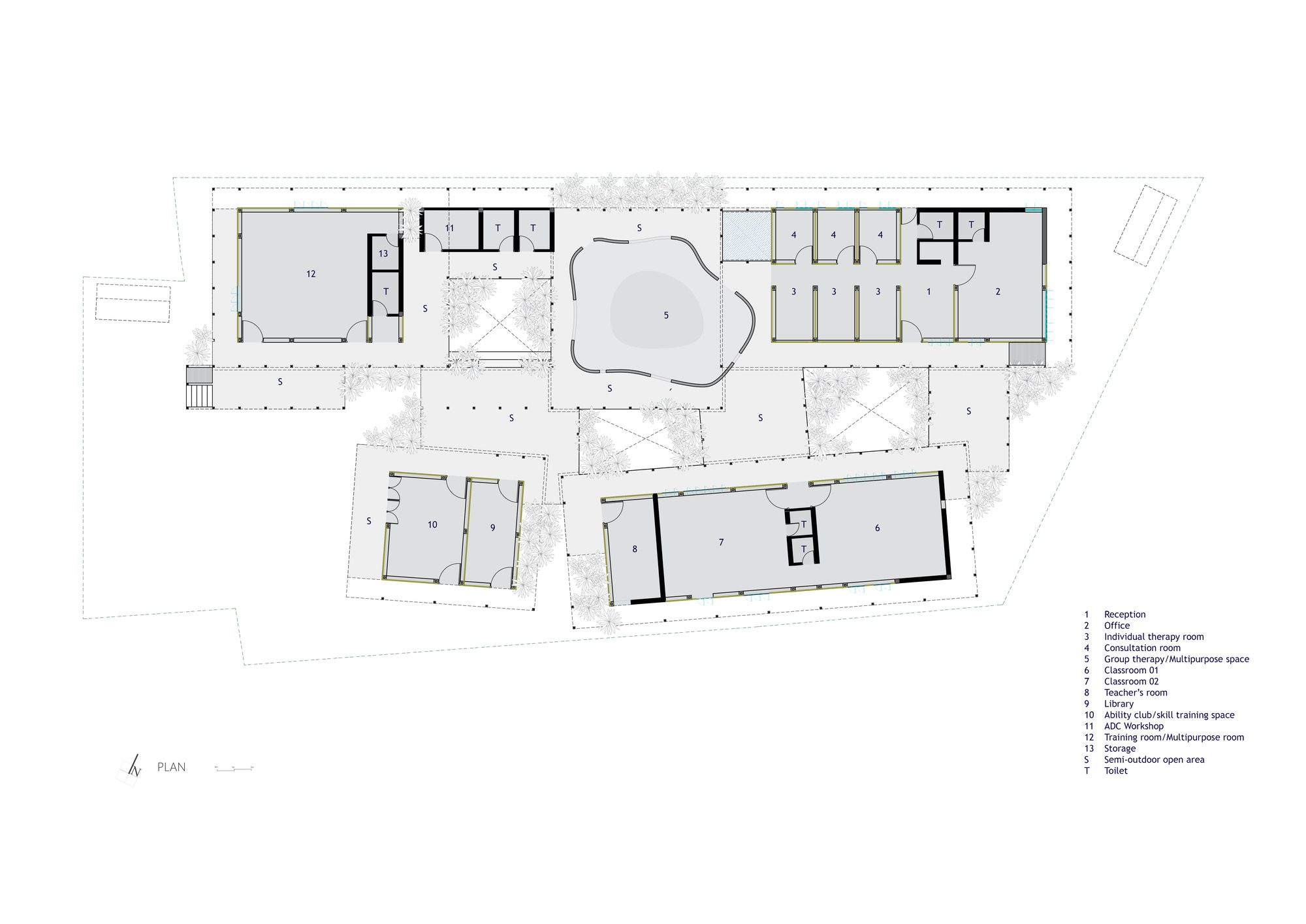
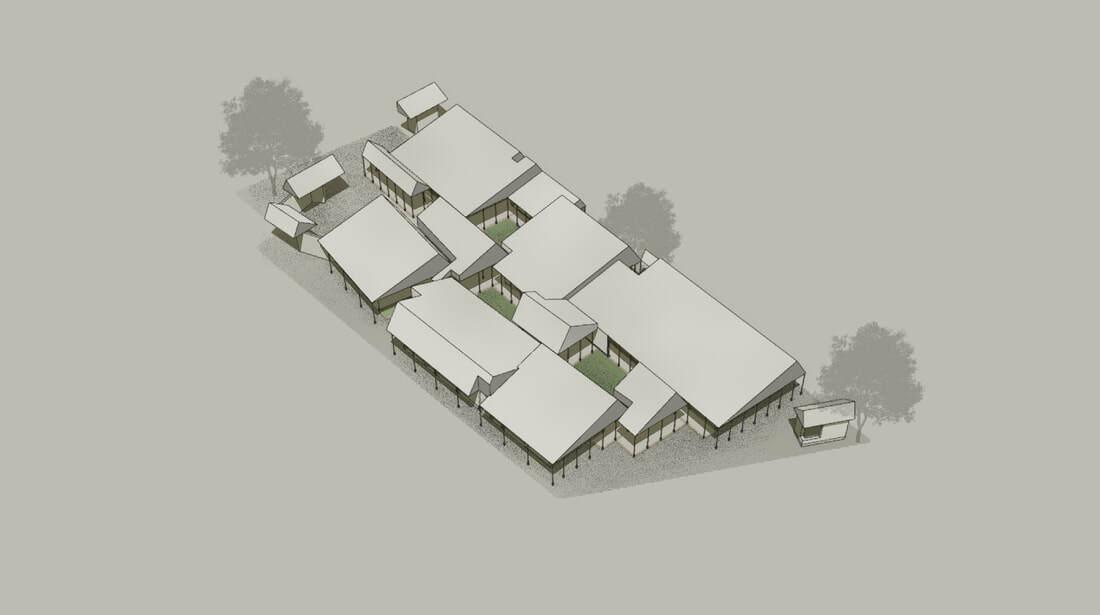
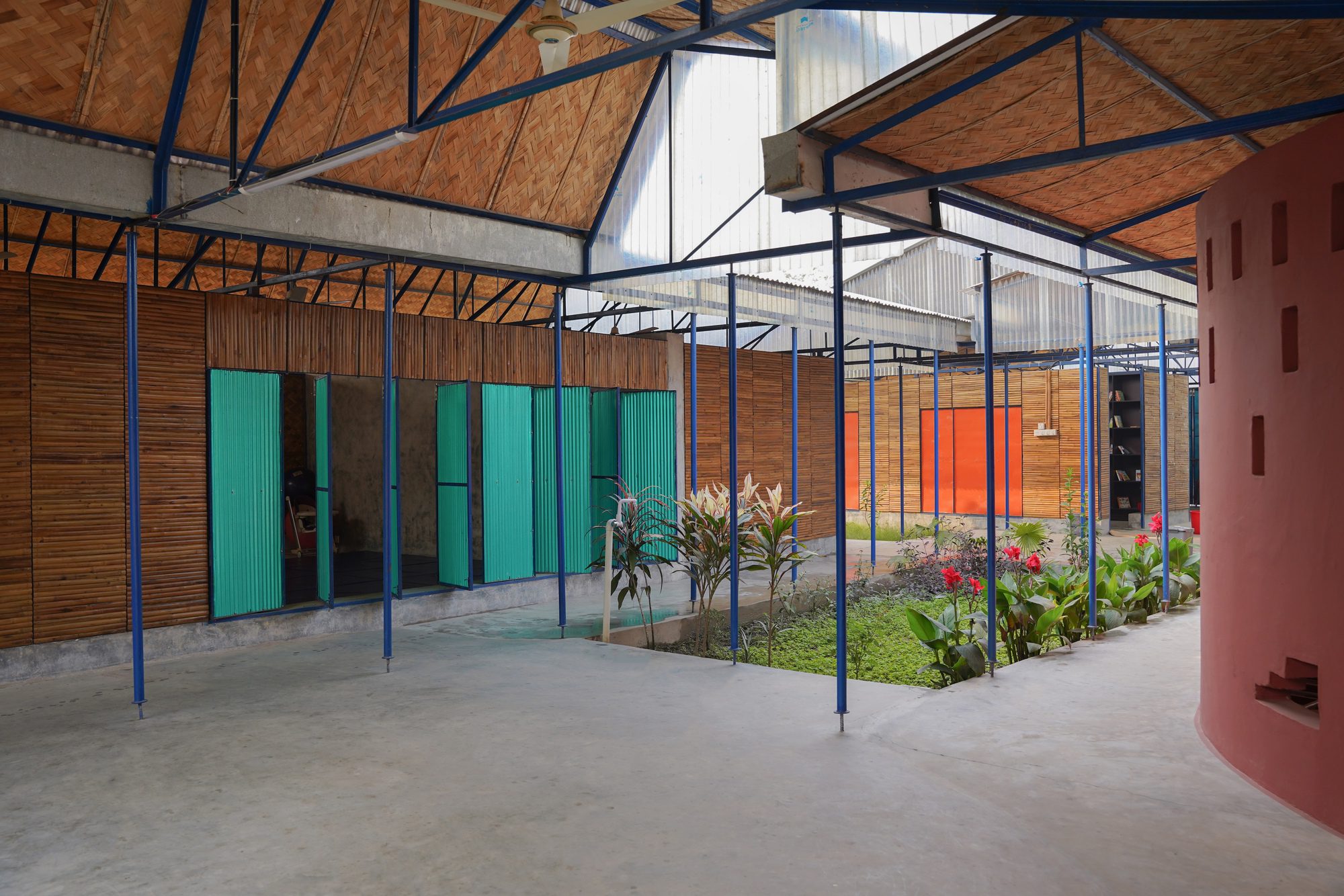
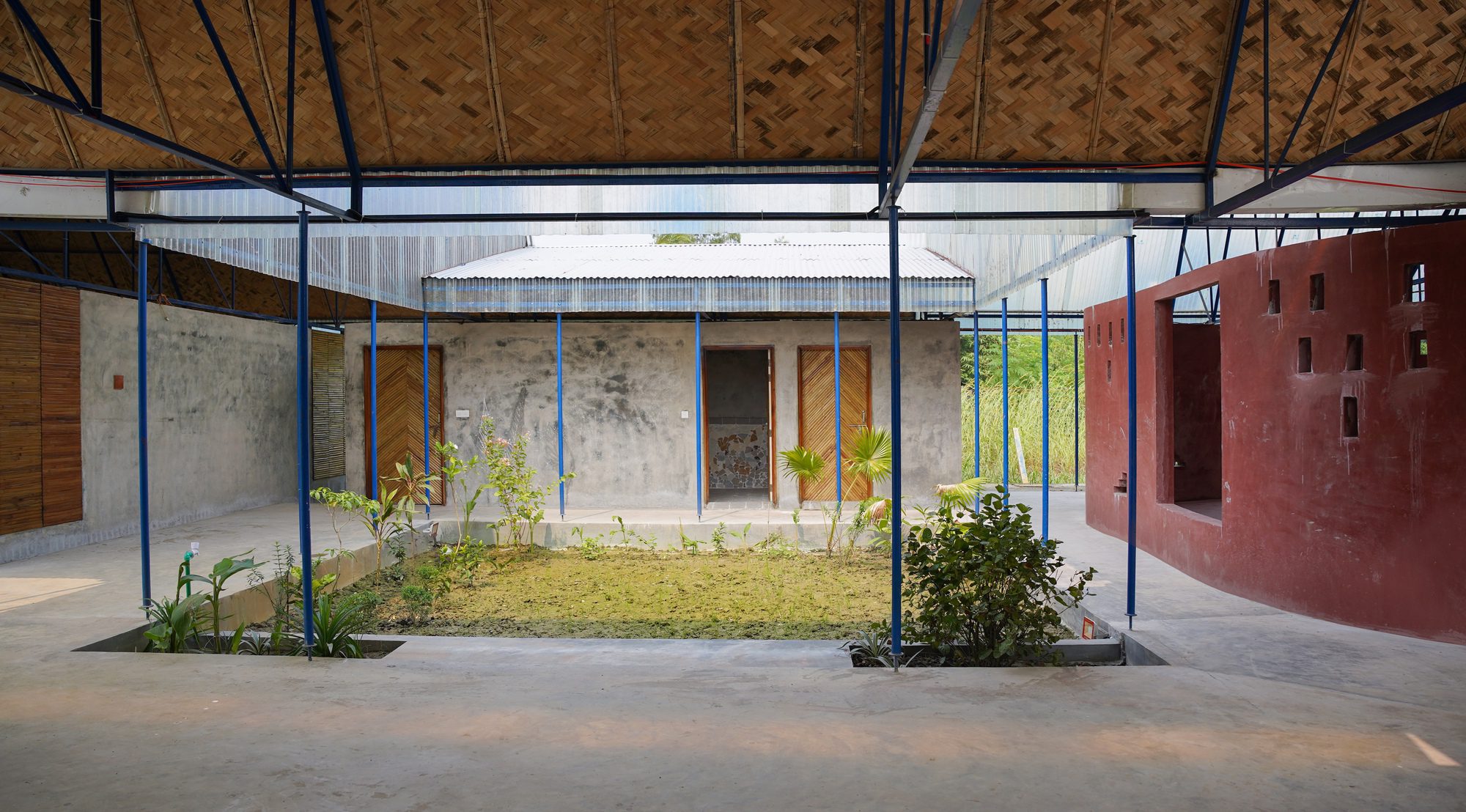
The design of the CSF Center focuses on creating an environment that is flexible, open, and sensitive to the needs of its users. At the heart of the design is a central space—the Orbital/Group Therapy Room—which connects all other spaces in the building. The therapy rooms, classrooms known as Shishu Shorgo (Children’s Heaven), consultation rooms, training spaces for parents, professionals, and volunteers, and even the Ability Club Room, where children learn to operate computers, demonstrate their creativity through arts and crafts, all revolve around this central therapeutic space. We made sure that nature would be an integral part of this environment, with gardens woven throughout the center. Four distinct gardens provide moments of calm, sensory engagement, and connection with the outdoors, making the school a place where the children can enjoy the natural world while enhancing their physical and emotional well-being.
© Rizvi Hassan
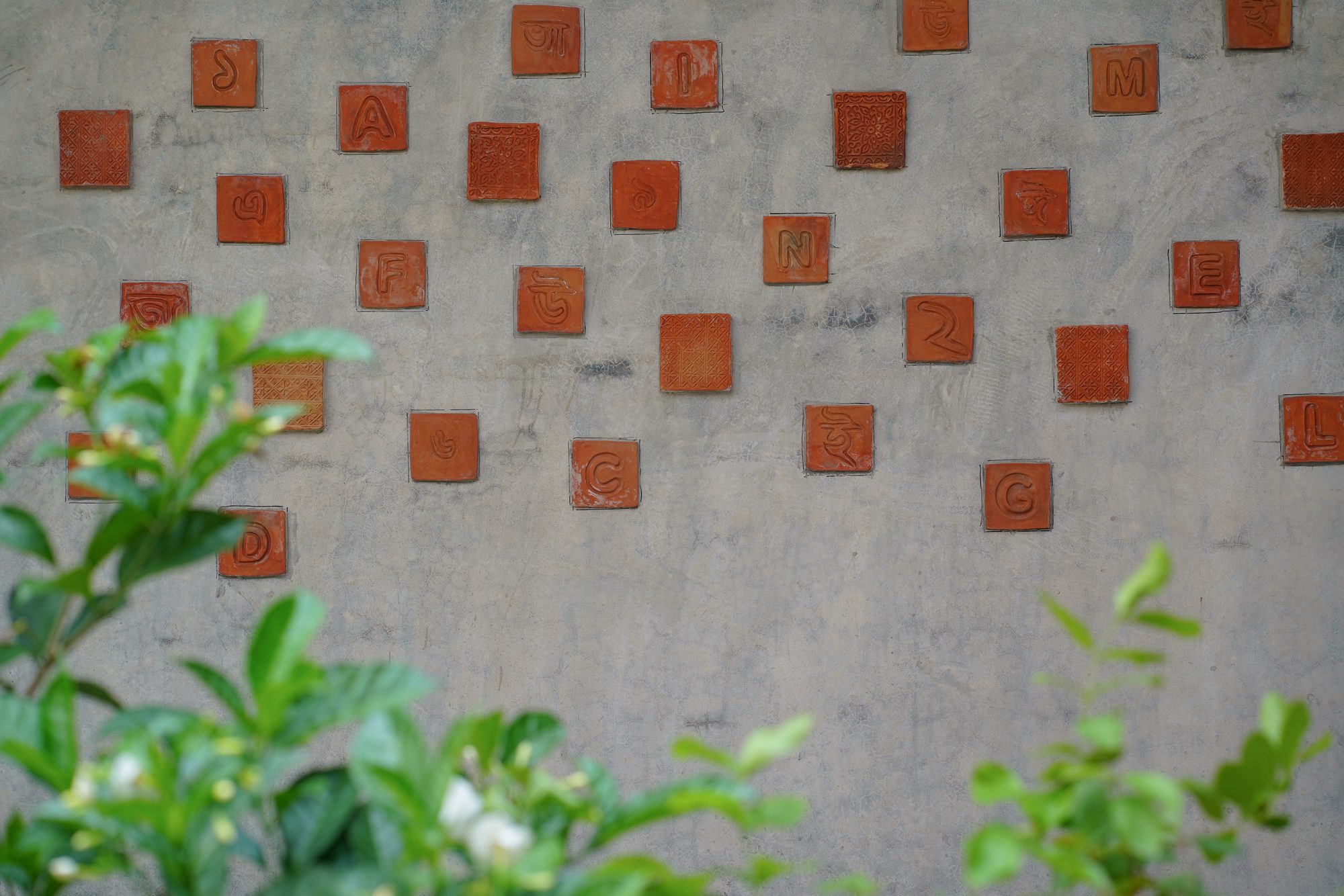
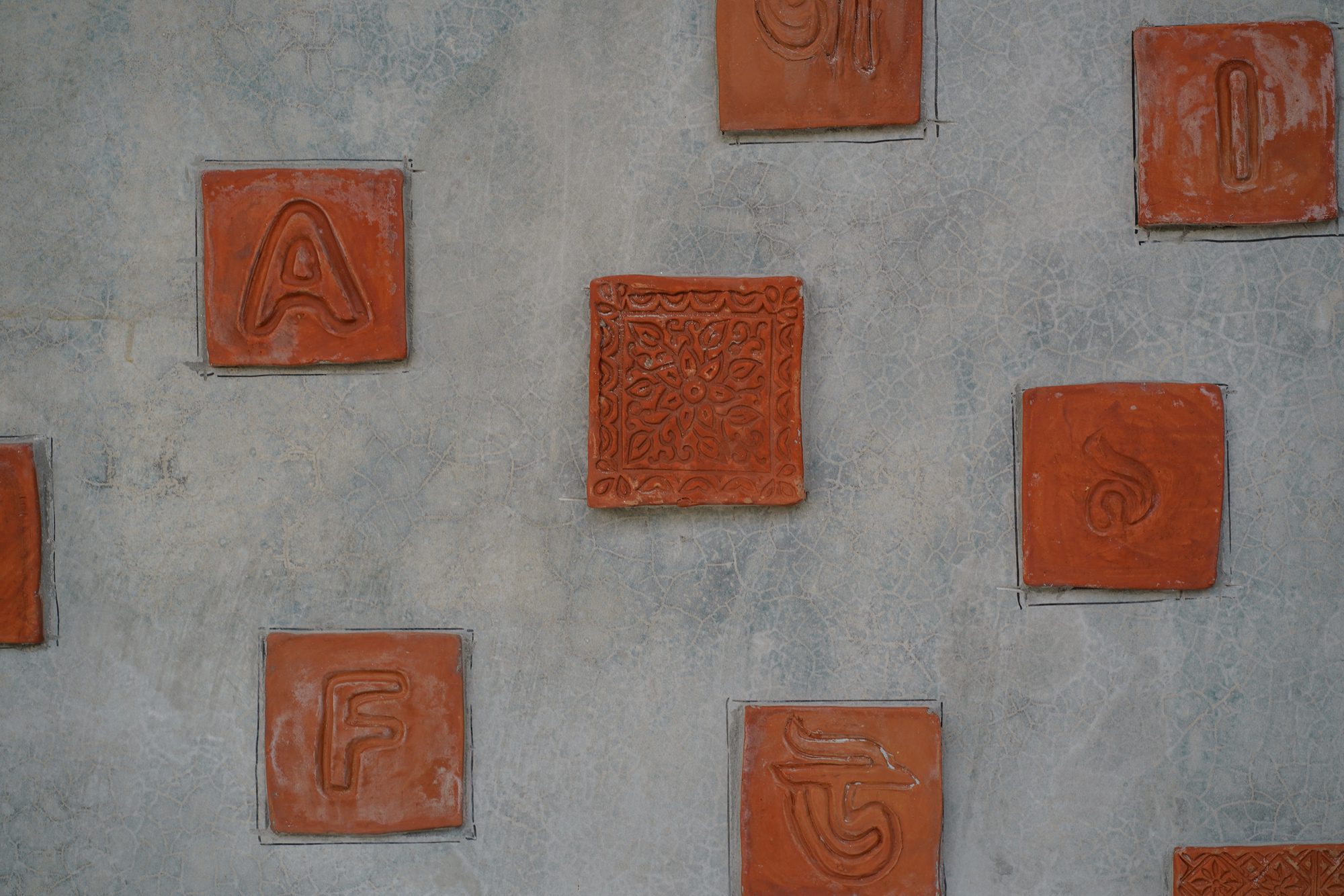
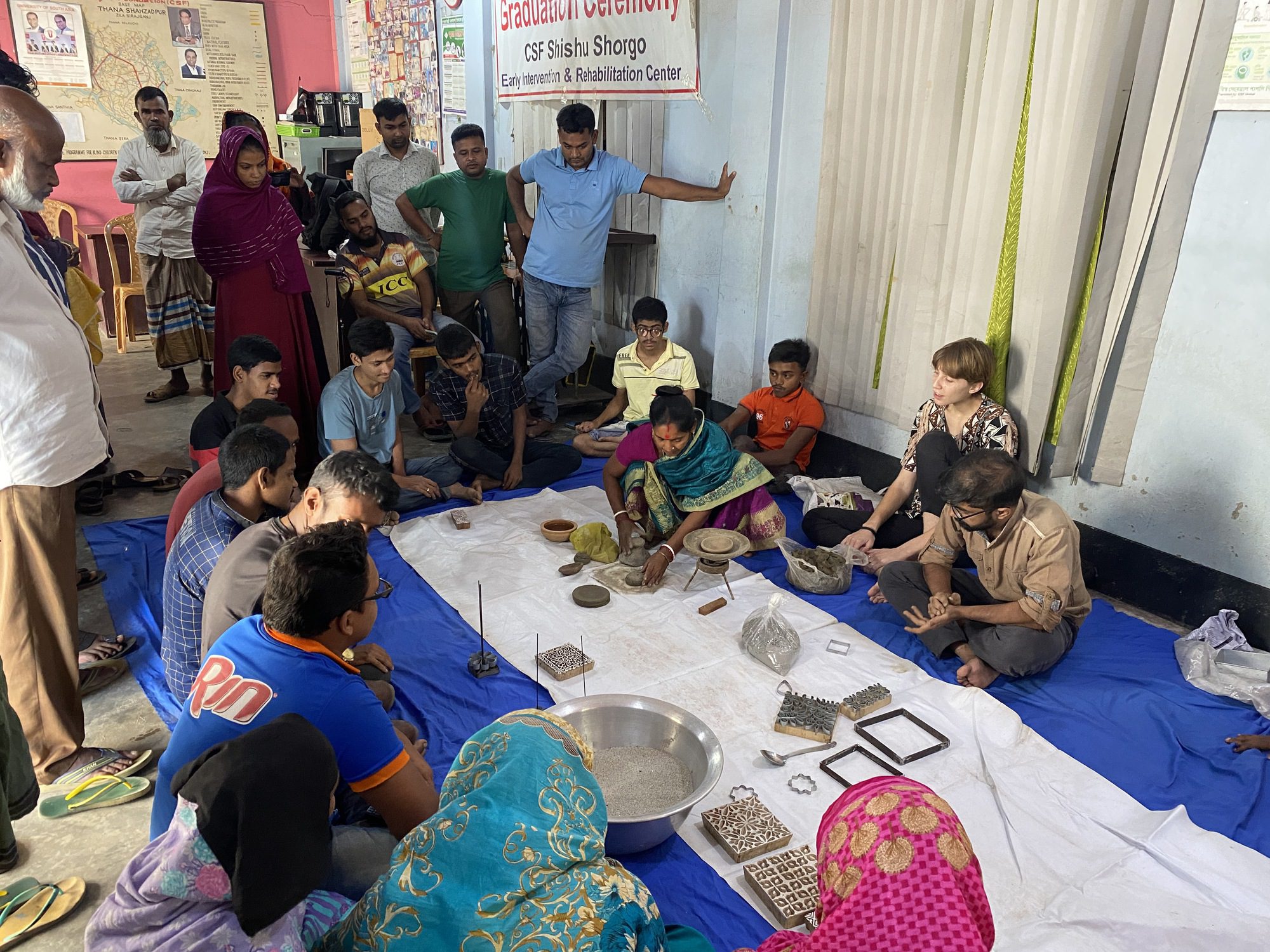
The process of construction was equally participatory and hands-on. One of the most memorable aspects of this project was the pottery workshops we conducted with local artisans. We had the privilege of learning from ‘Niva di,’ a talented female potter from the local community, who taught the children how to create beautiful murals and clay dolls. These artworks now adorn the walls of the school, creating a sense of ownership and pride for the children. The murals and clay sculptures serve as both artistic expressions and as symbols of the children’s journey—pieces that carry their stories, creativity, and resilience.
© Rizvi Hassan
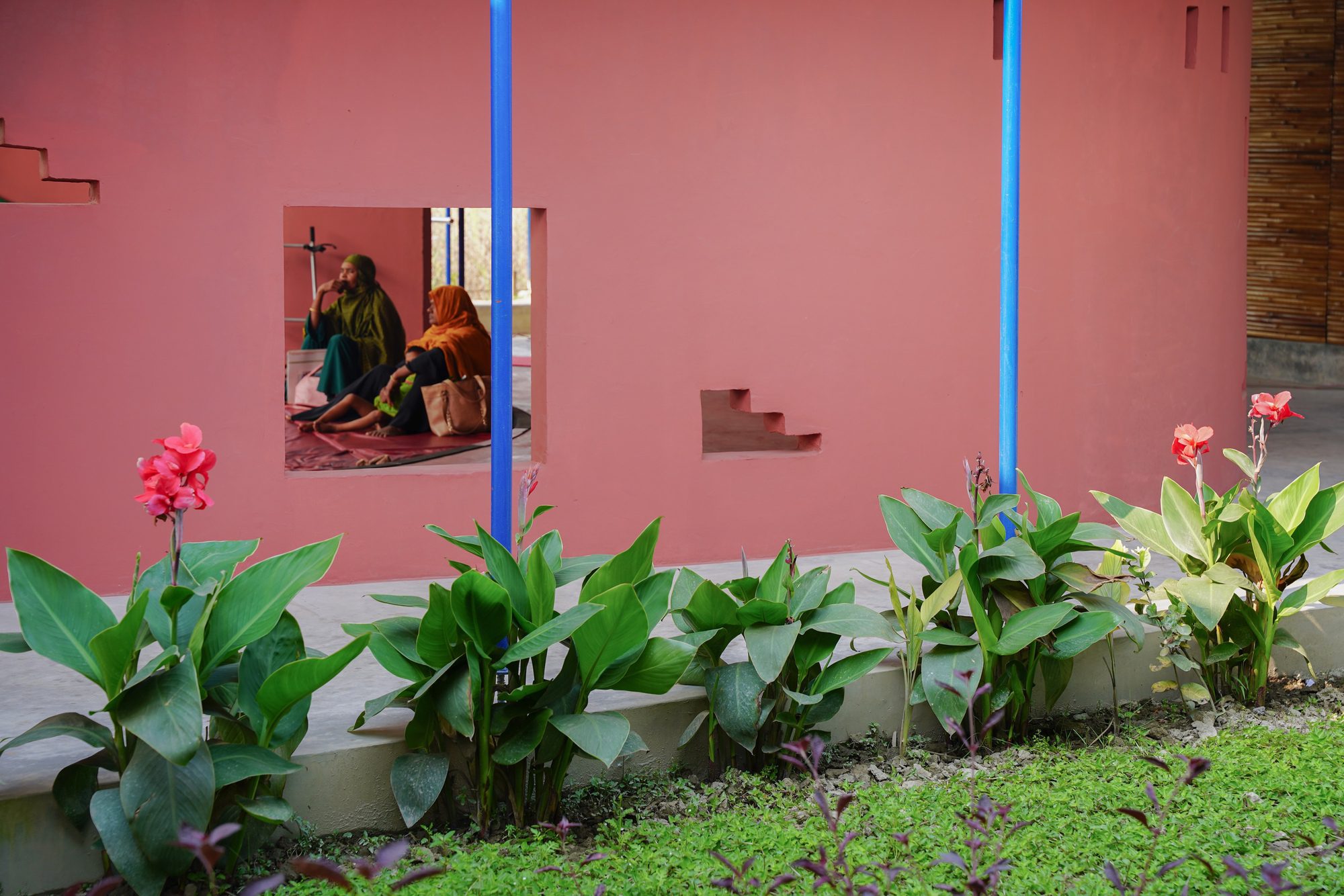
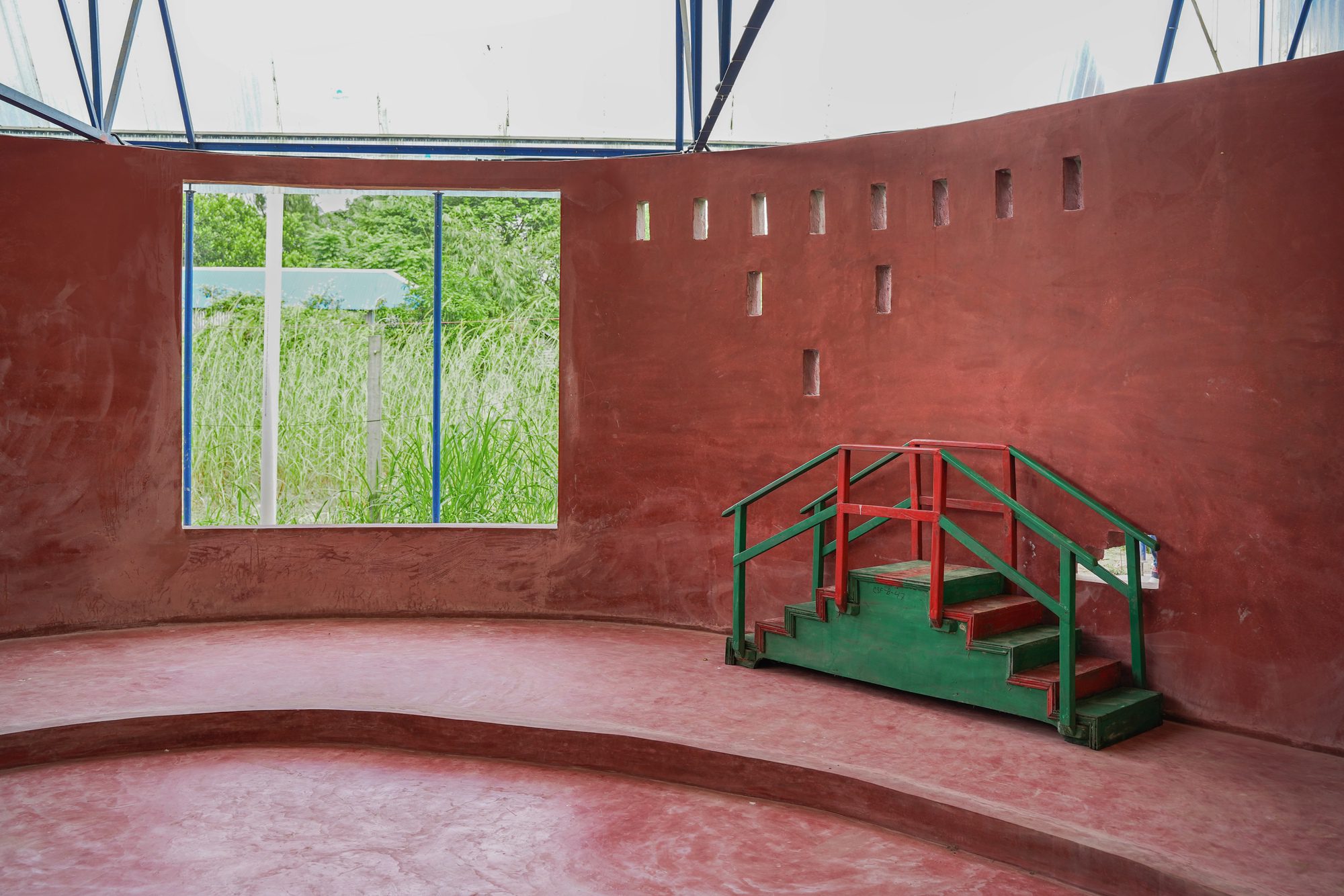
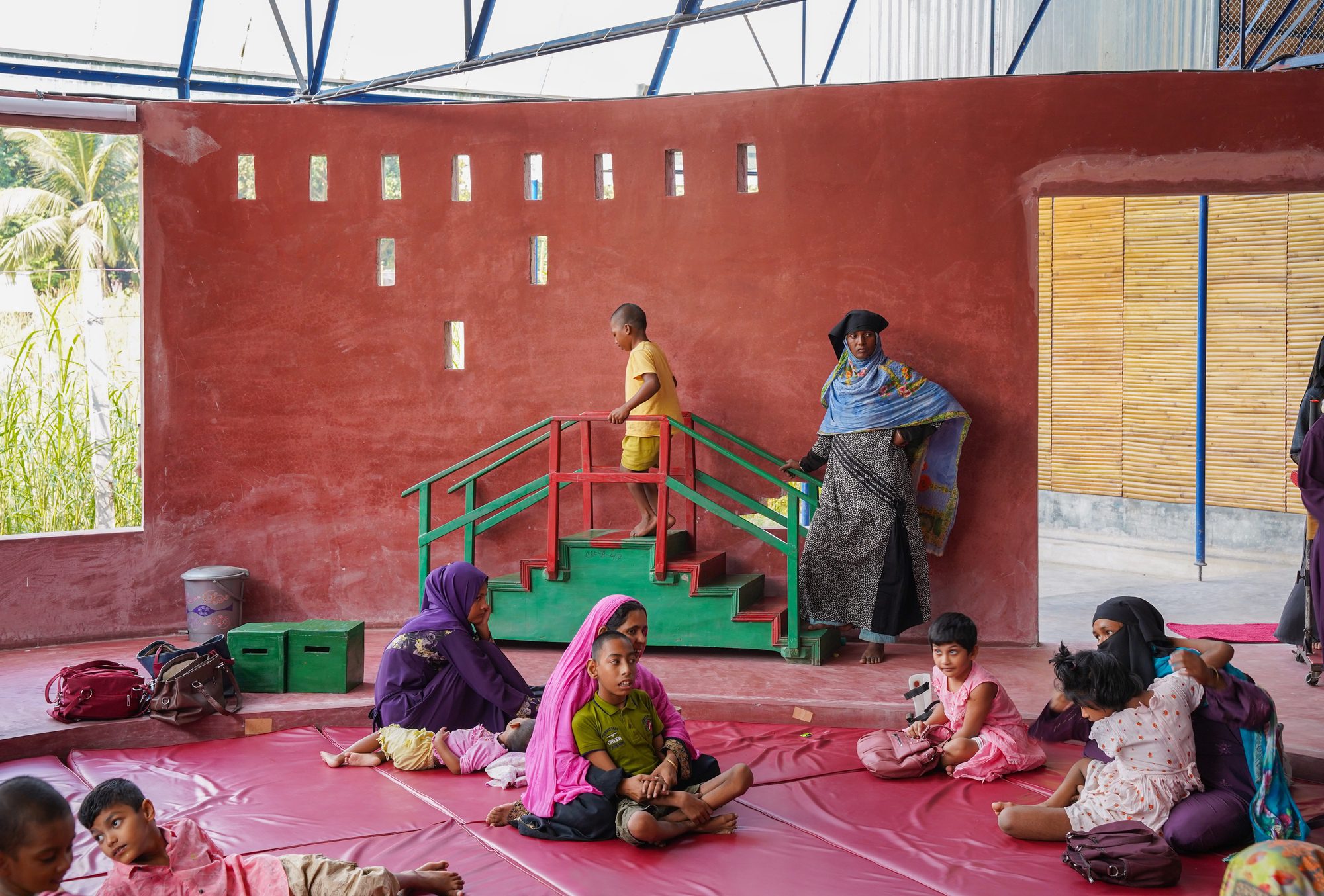
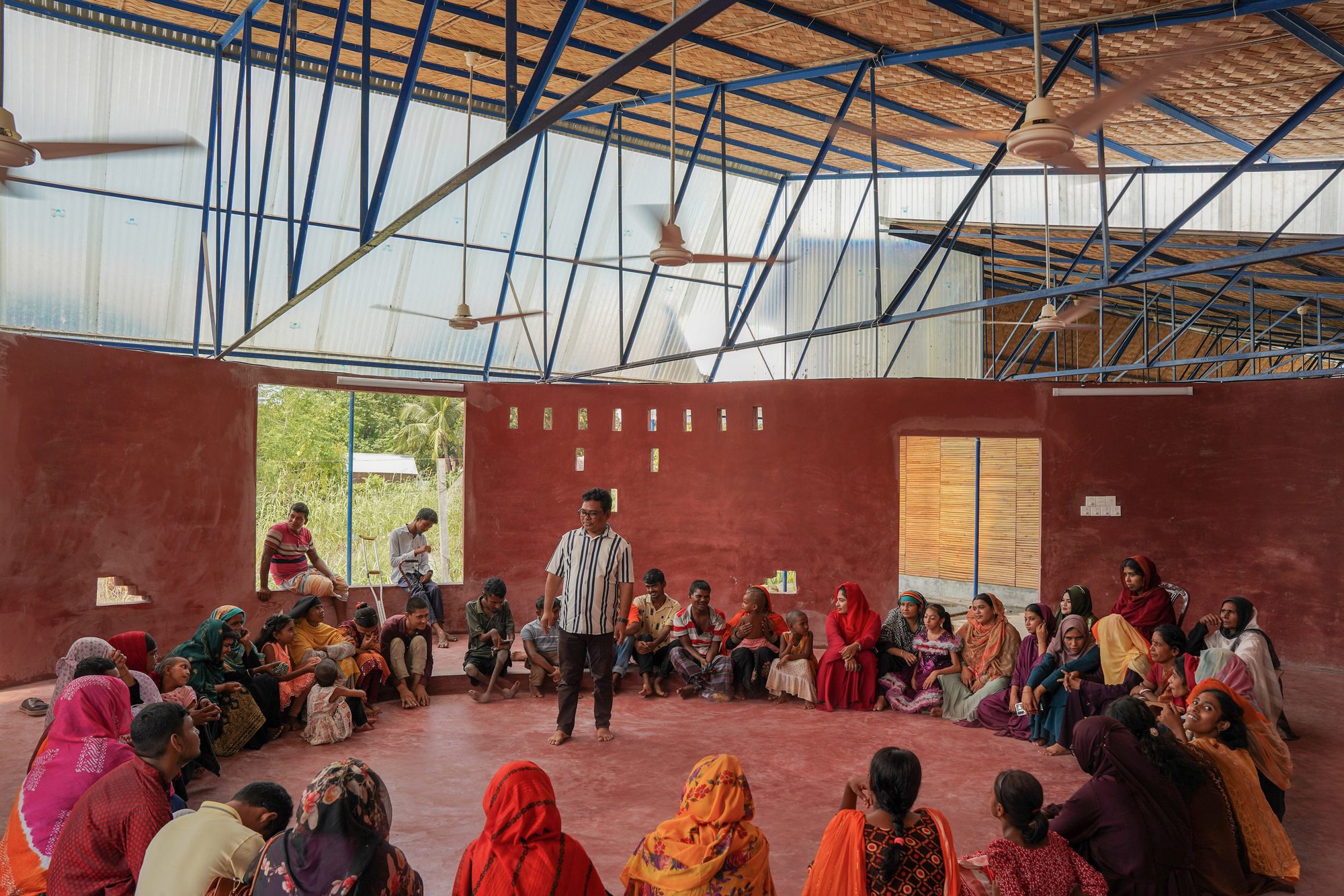
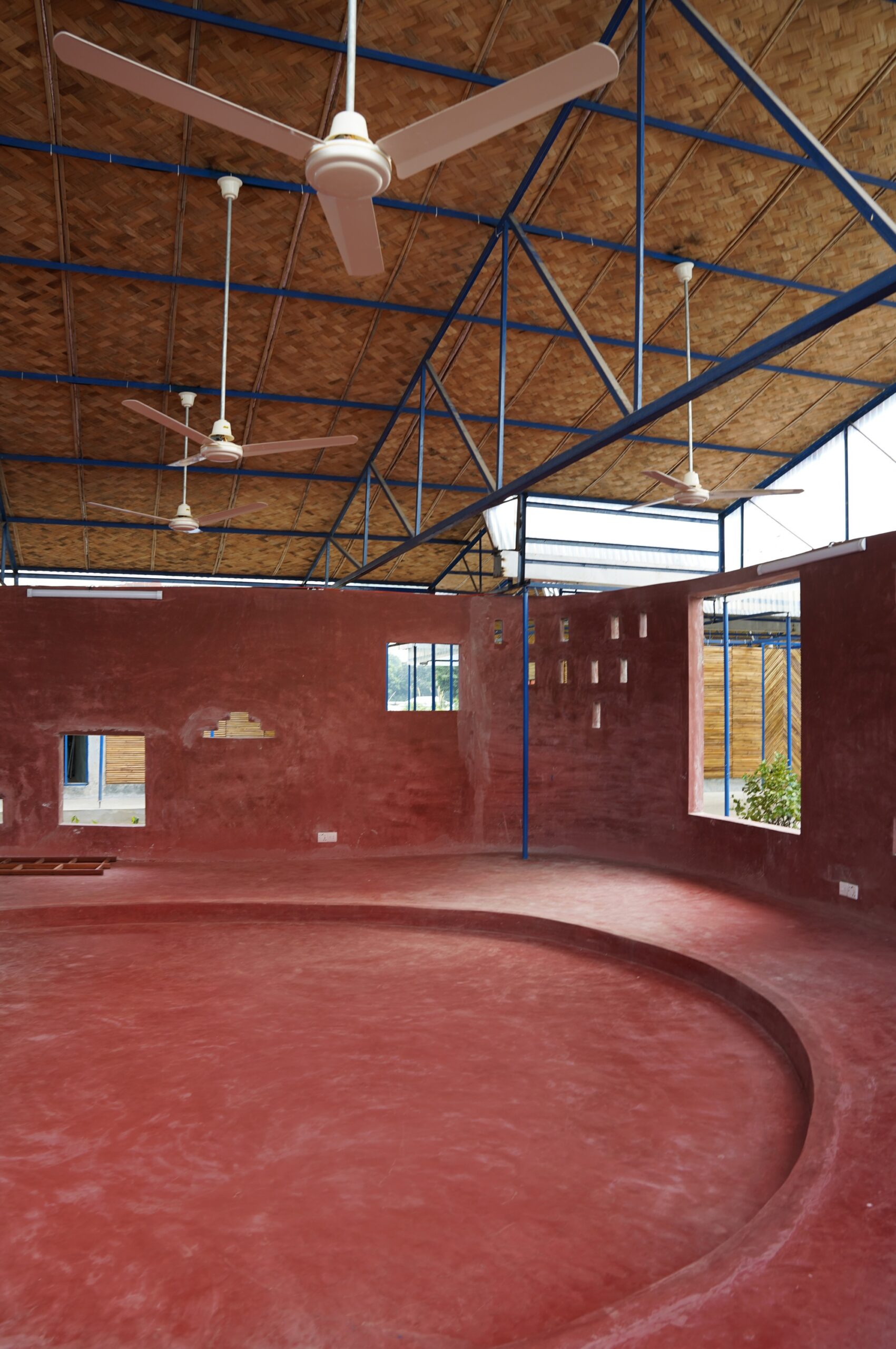
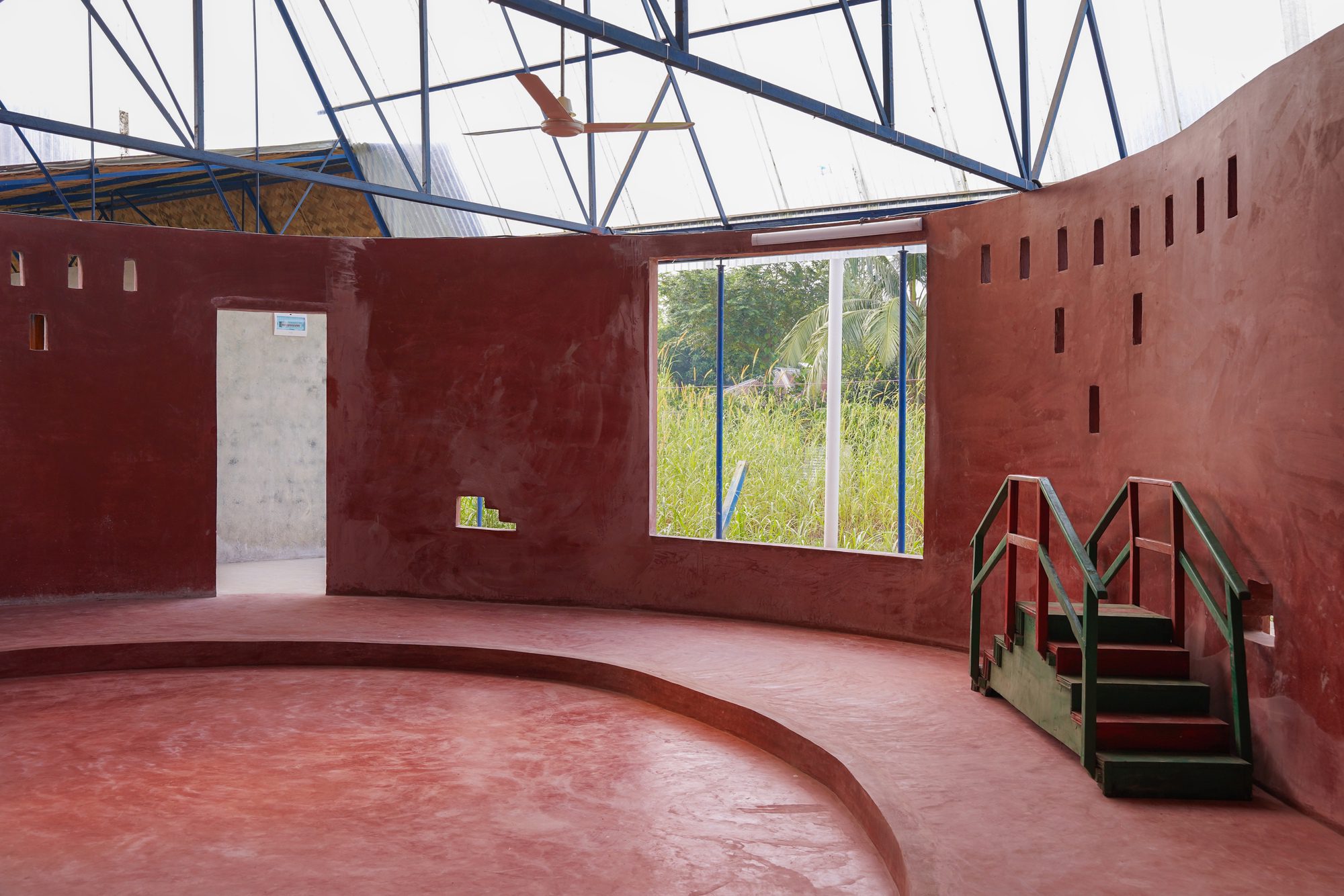
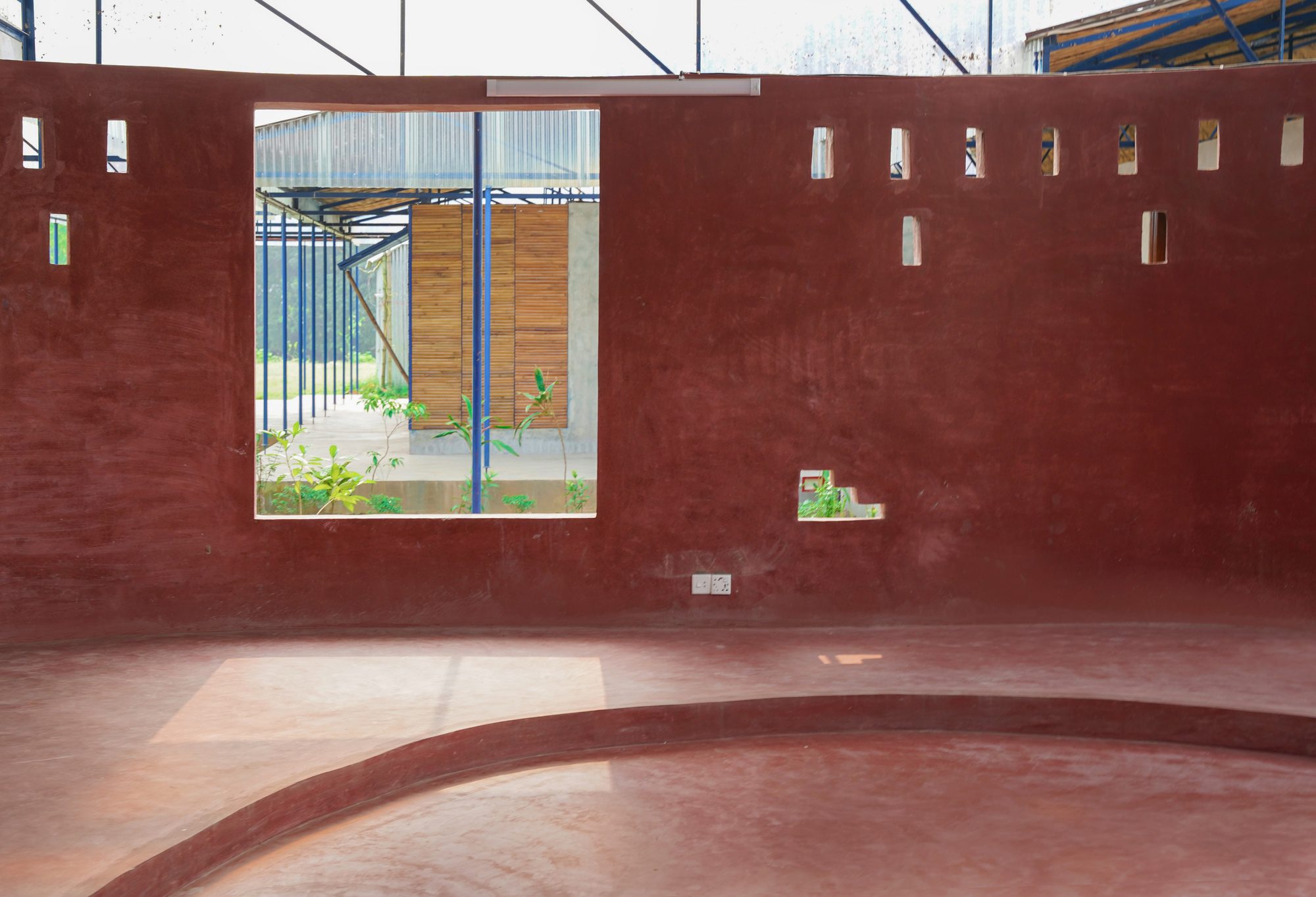
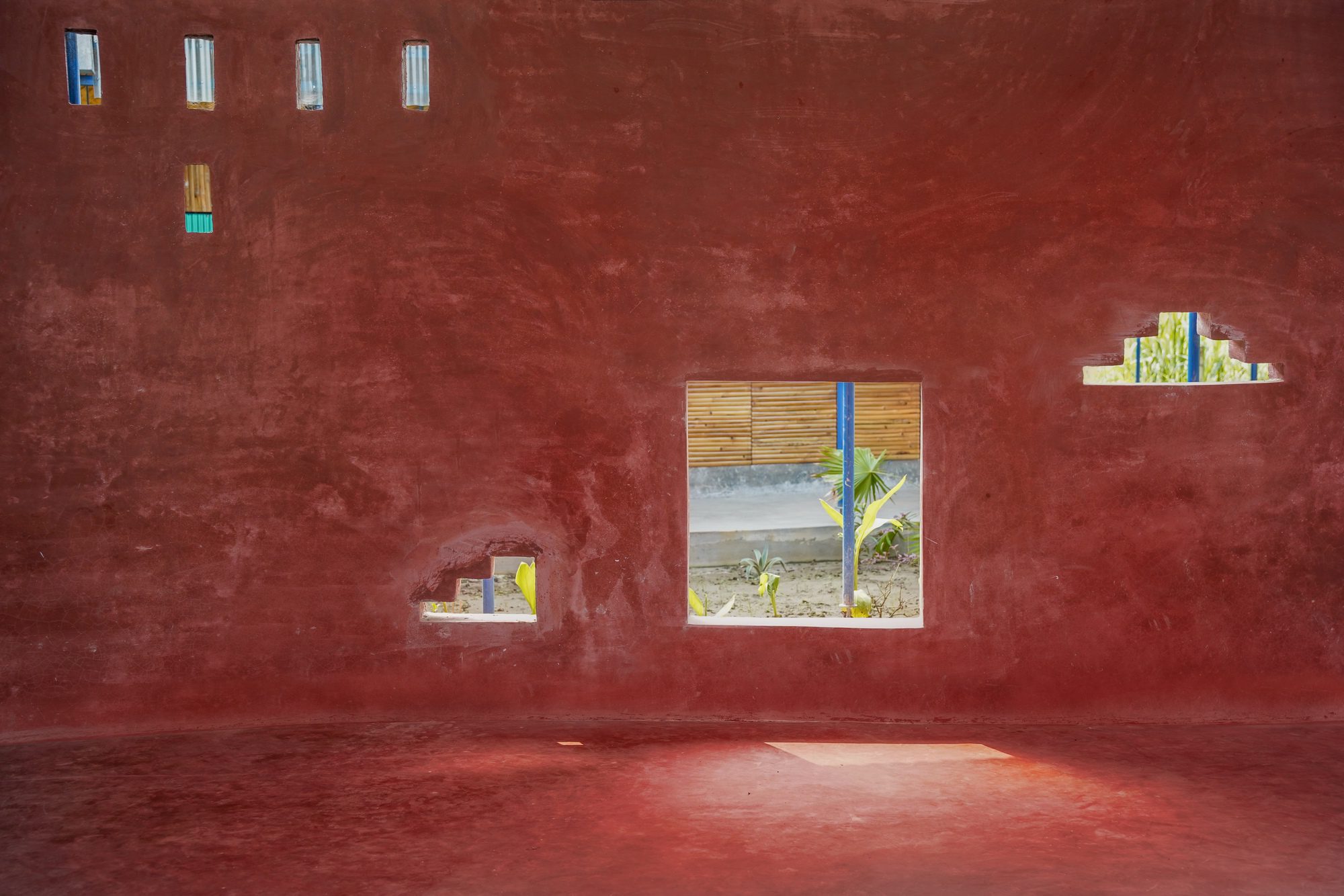
The Group Therapy Room itself is a unique, oval-shaped space where children can participate in physical therapy, music therapy, vocal training, and other activities. The curved walls of the room are designed to provide privacy for therapy sessions while still allowing the children to engage with the environment through playful openings in the walls. These little “peek-through” holes allow the children to interact with the space, encouraging them to explore, run around, and engage in a way that promotes physical and emotional growth.
© Rizvi Hassan
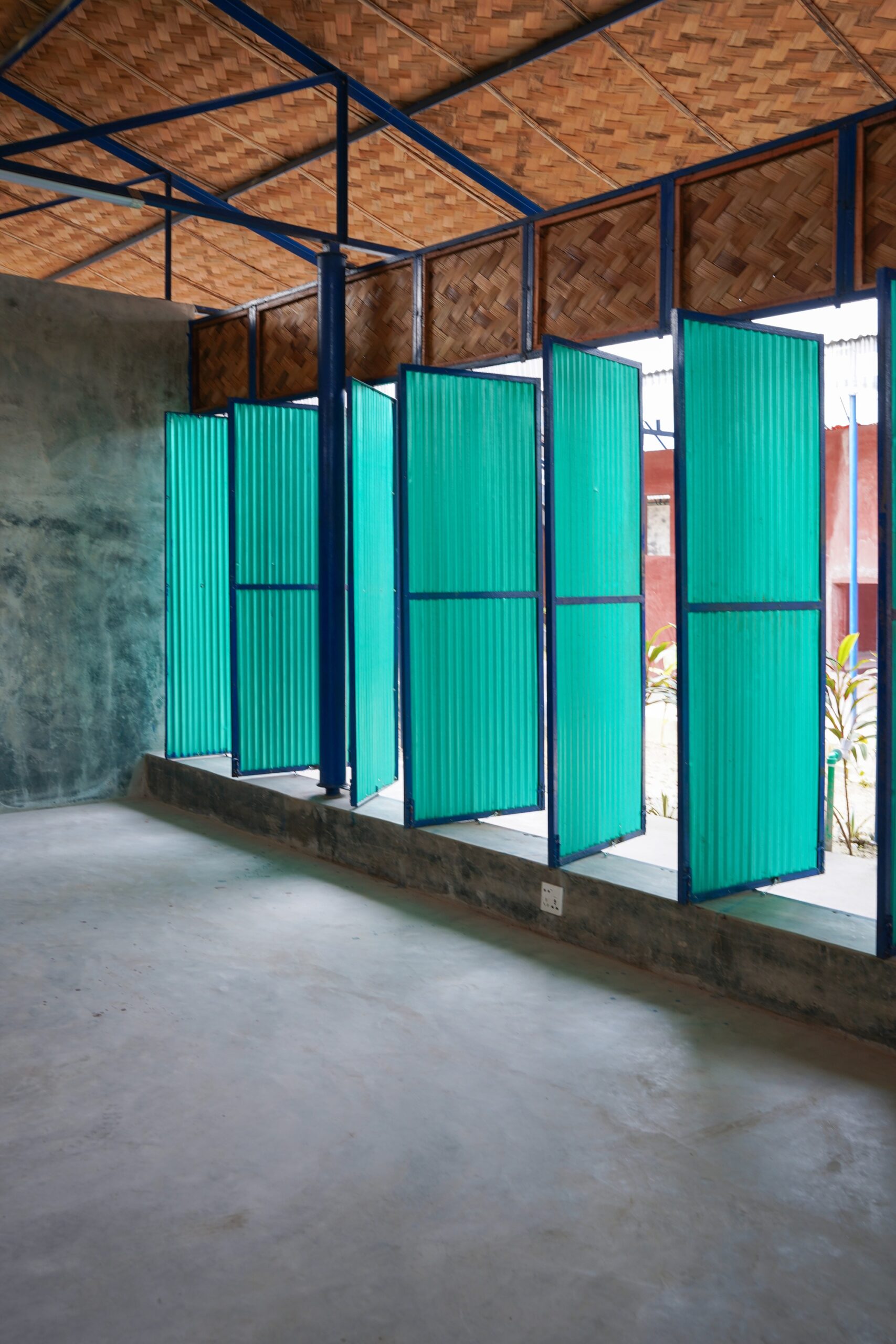
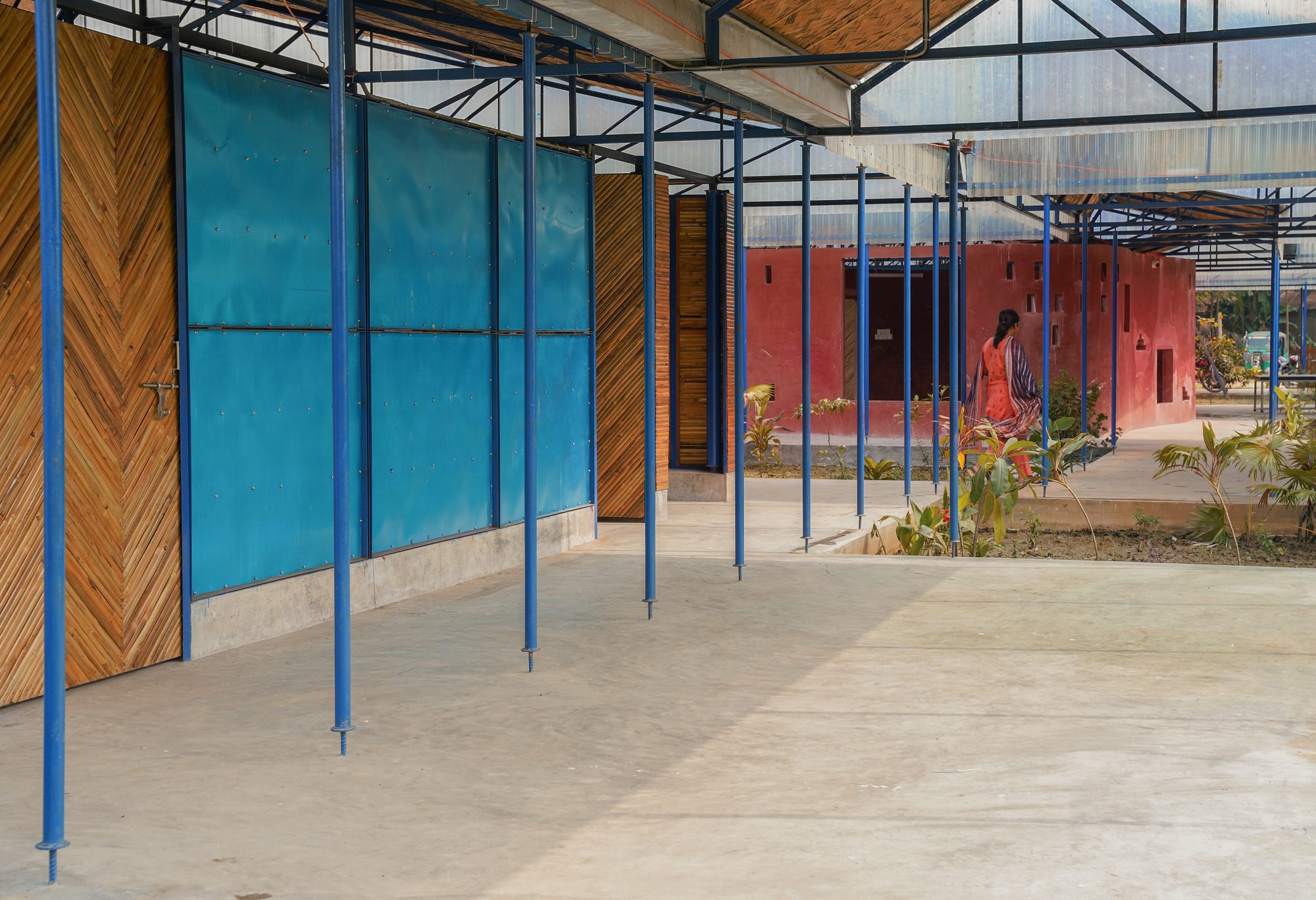
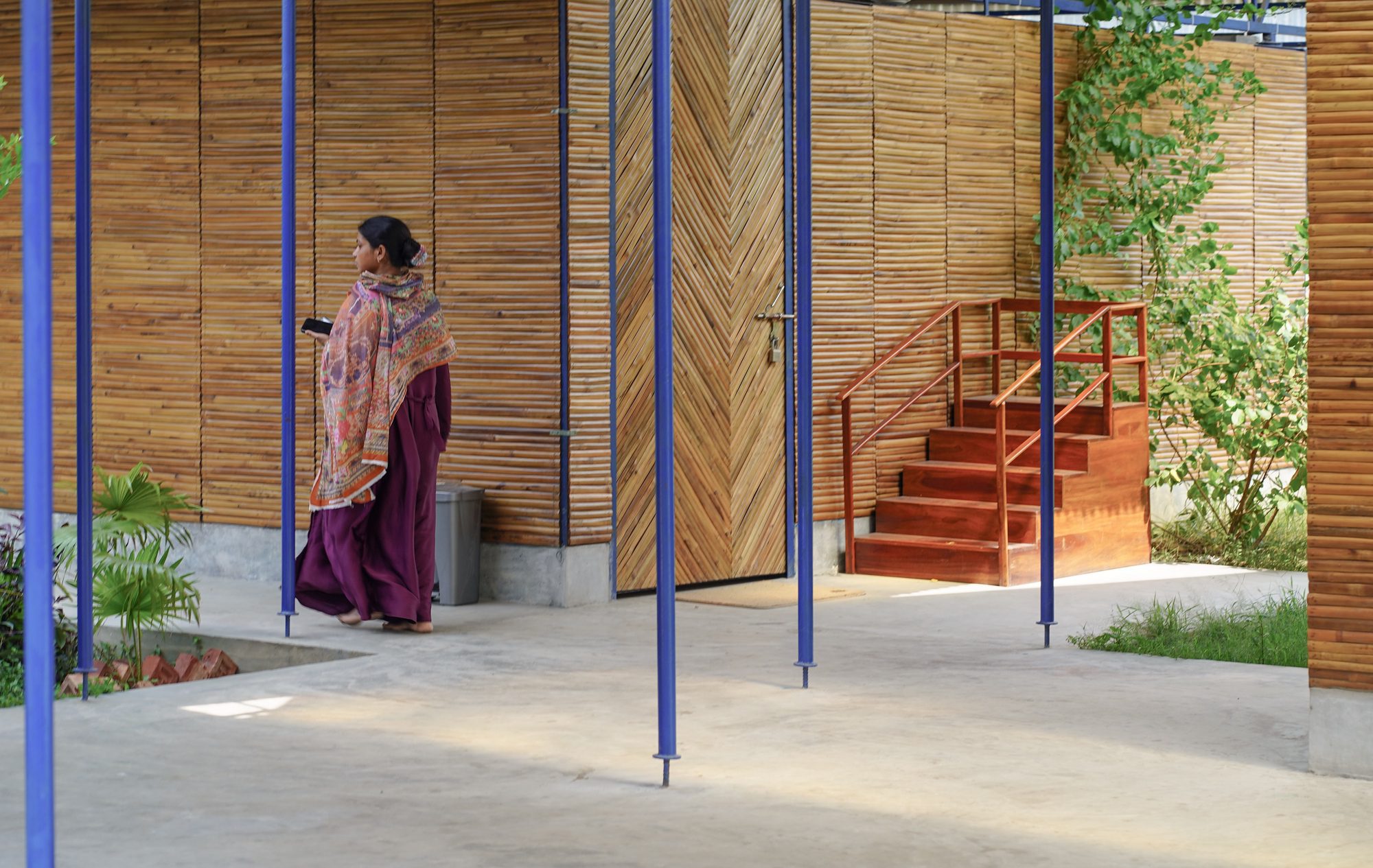
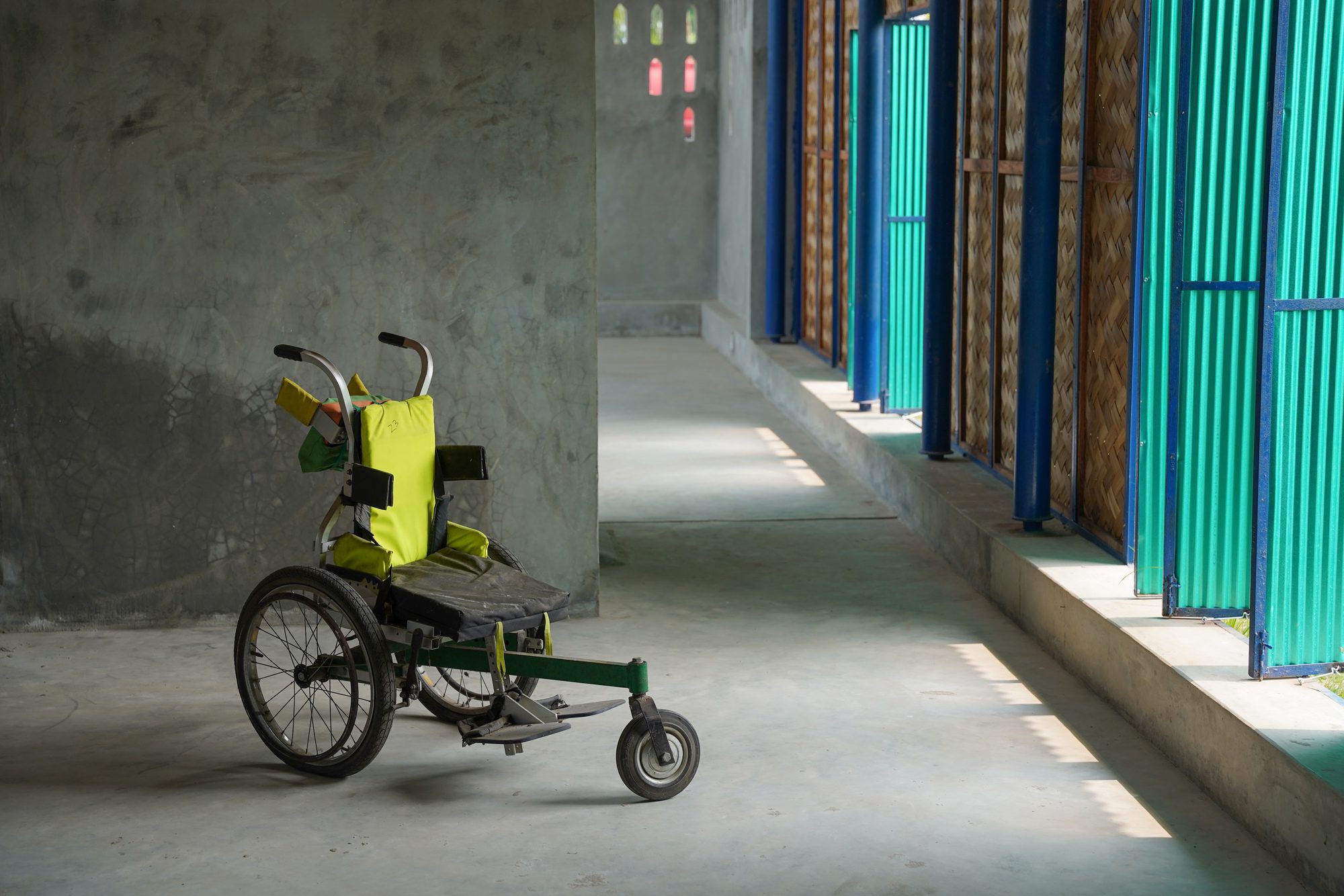
The design of the center also focuses on making the environment accessible and comfortable for everyone. There are textured walkways, climbing steps, and low walls throughout the building that encourage exploration while ensuring parents can easily stay nearby to support their children. These small details create a sense of comfort and security for both children and families.
© Rizvi Hassan
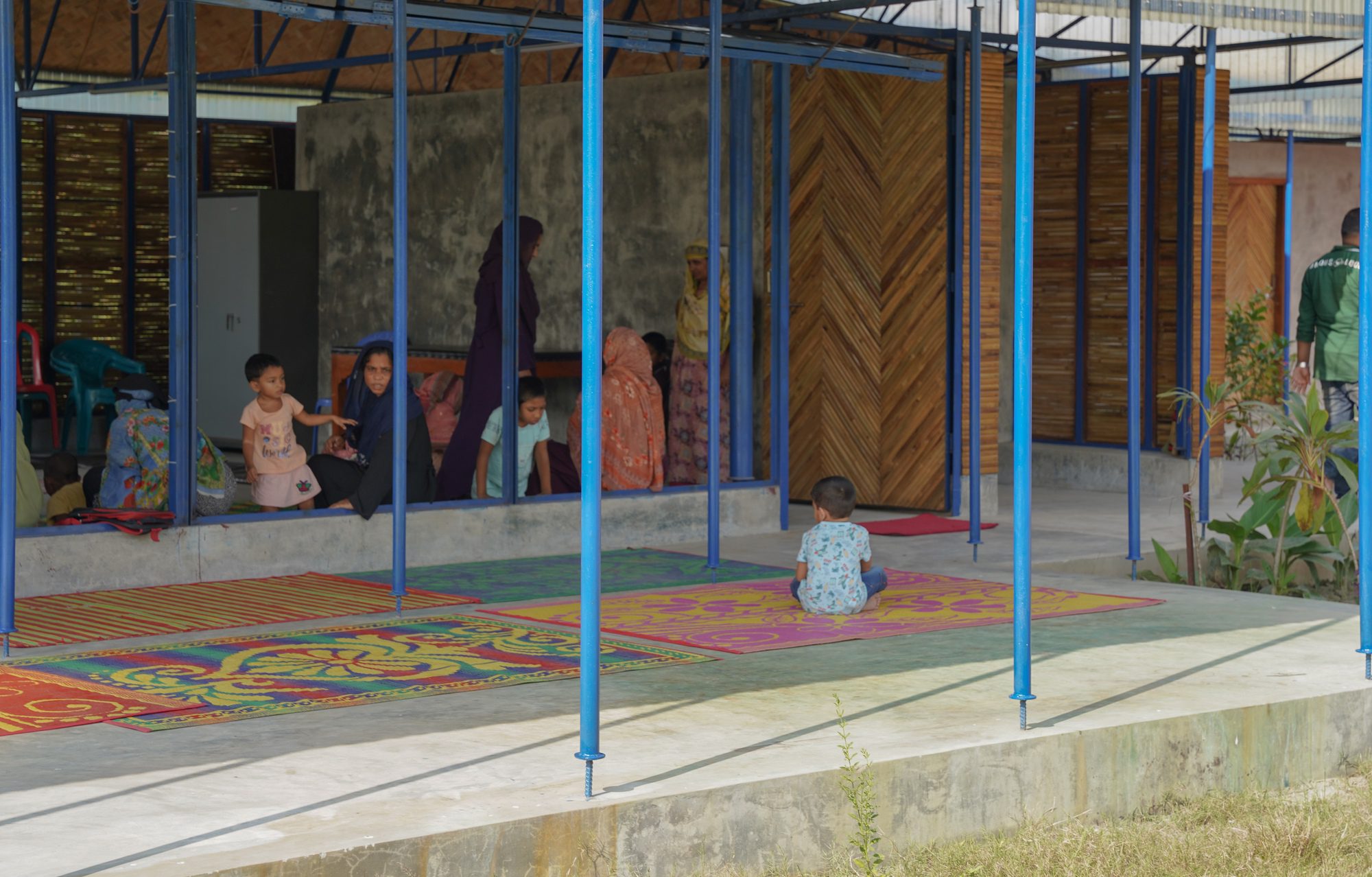
The connected classroom structure of the Shishu Shorgo Special School not only supports learning but also nurtures peer networks and friendships among children. The design encourages connection between students, teachers, and the broader world, fostering a sense of belonging and shared growth.
© Rizvi Hassan
Likewise, the open structure of the Ability Club, seamlessly linked to the green field and open ground, reflects a space where kindness, generosity, and lived wisdom naturally unfold. It’s a place shaped not just by activities but by the life experiences of adolescents with disabilities, where learning extends beyond walls and into the heart of the community.
© Rizvi Hassan
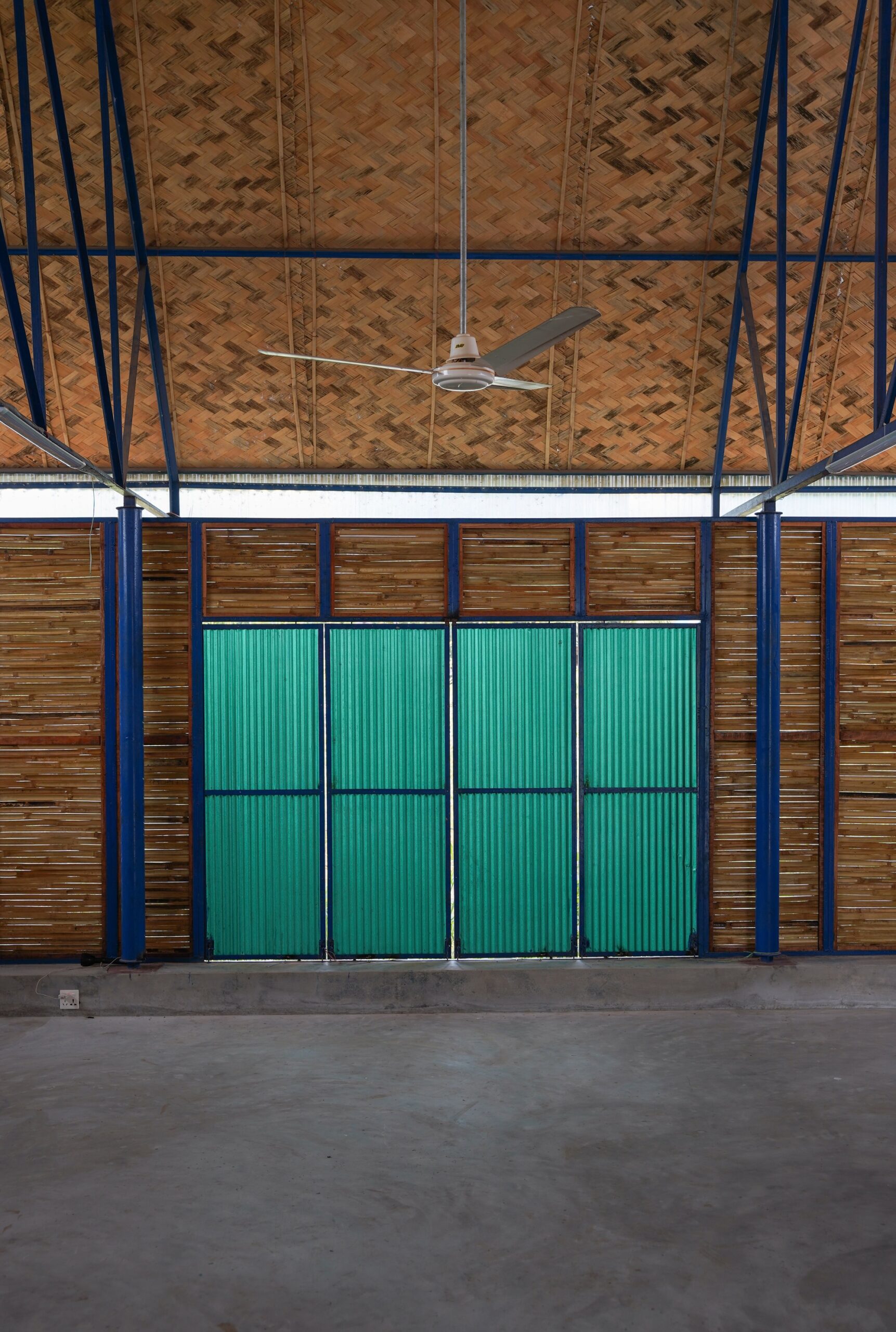
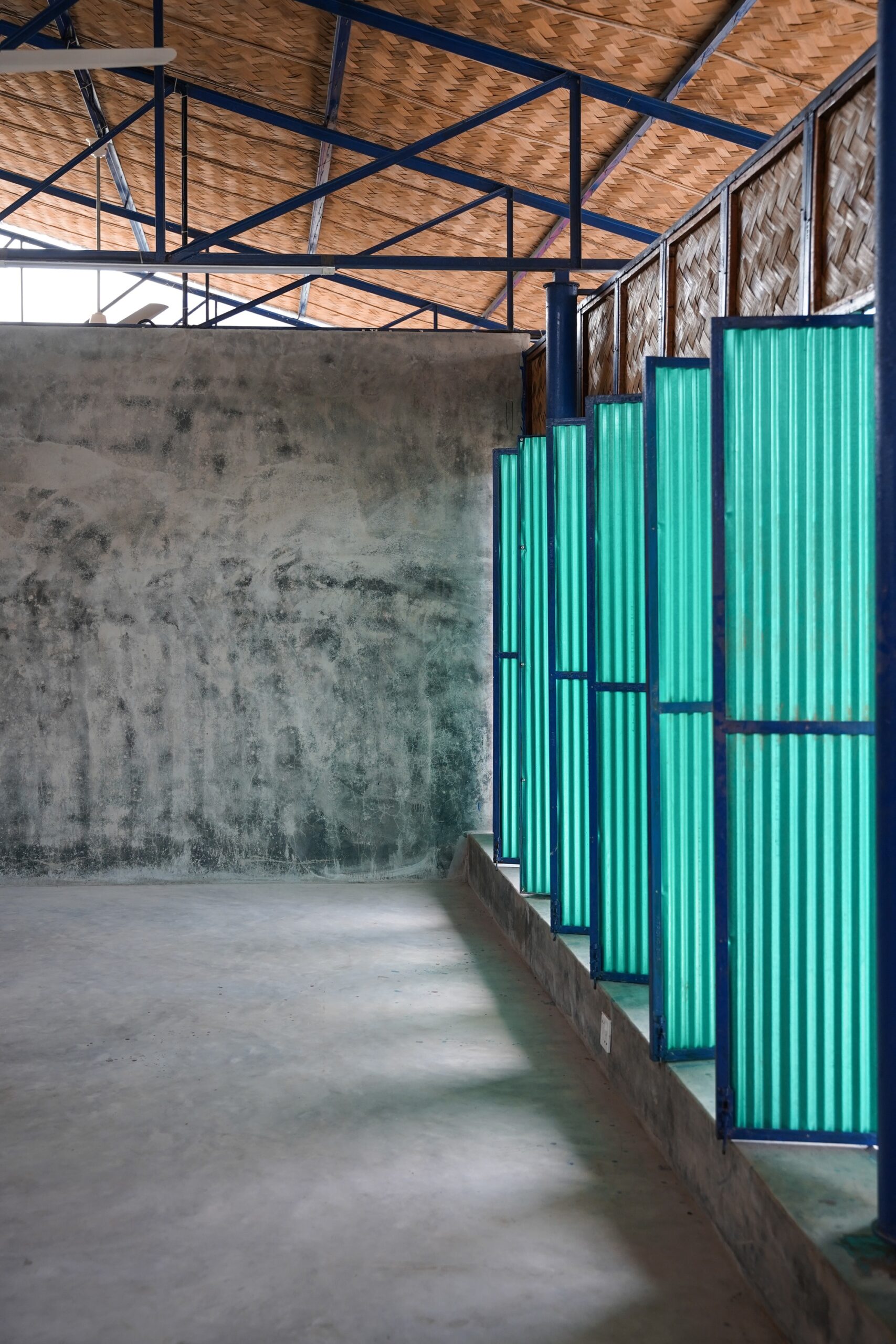
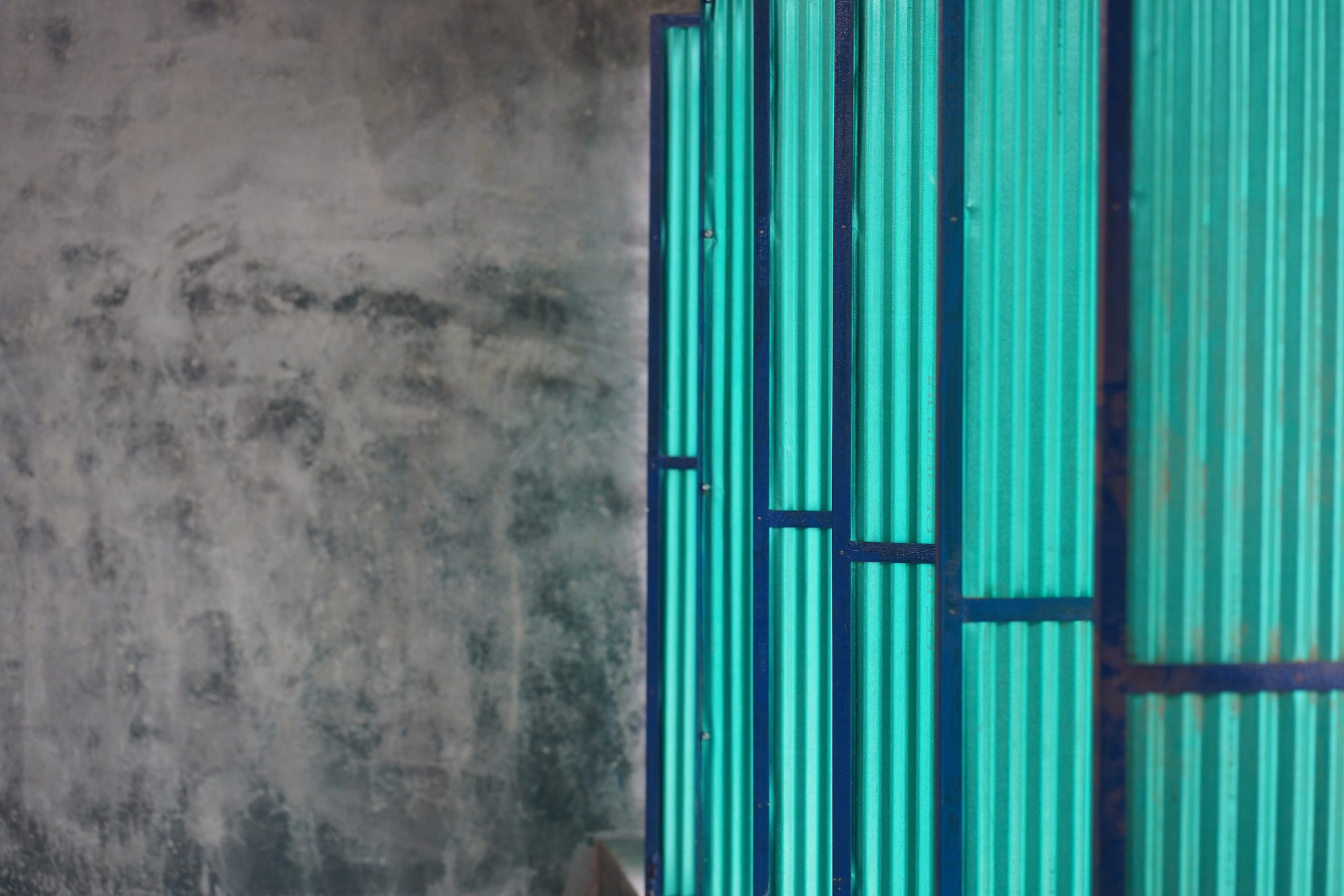
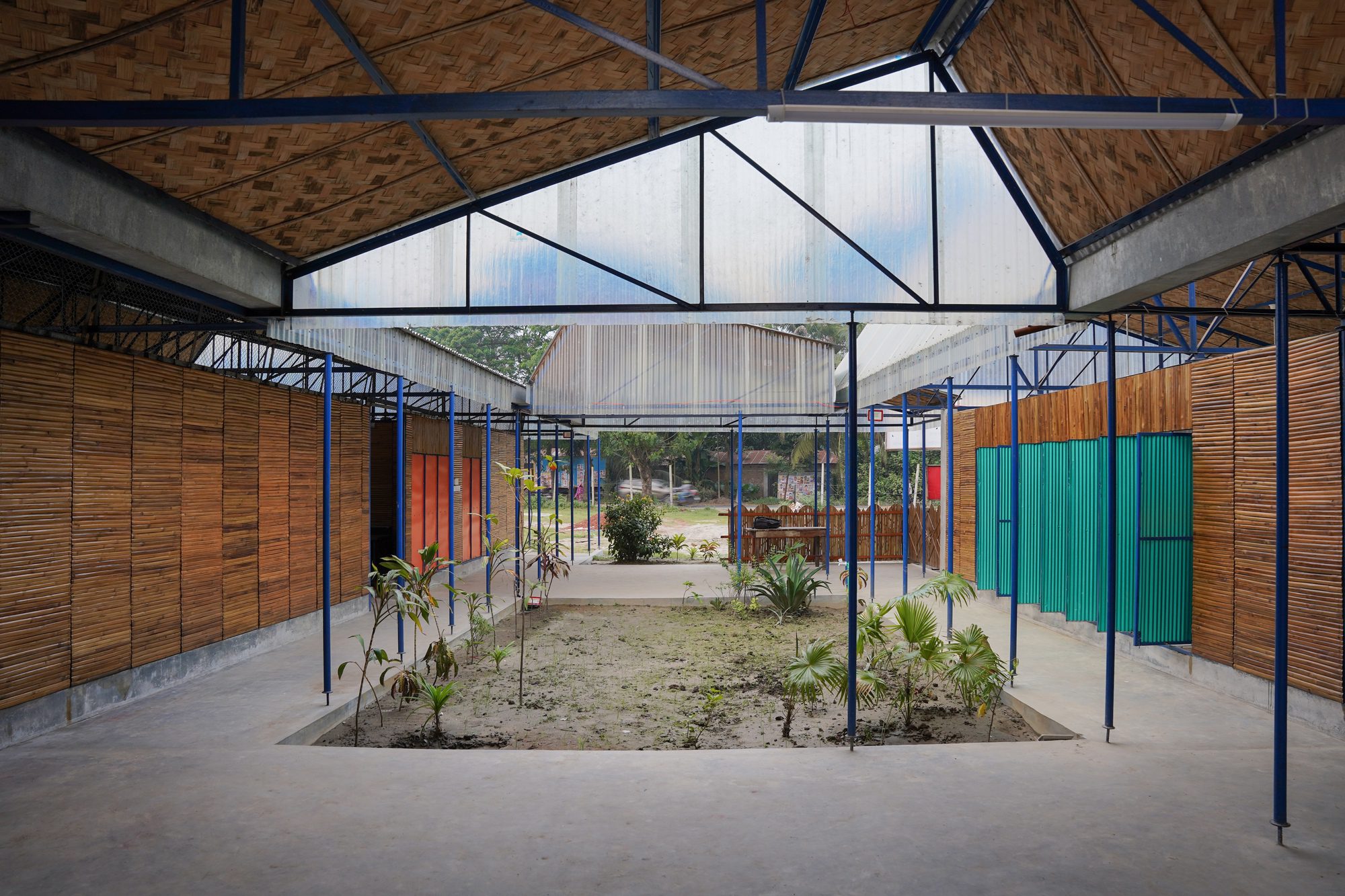
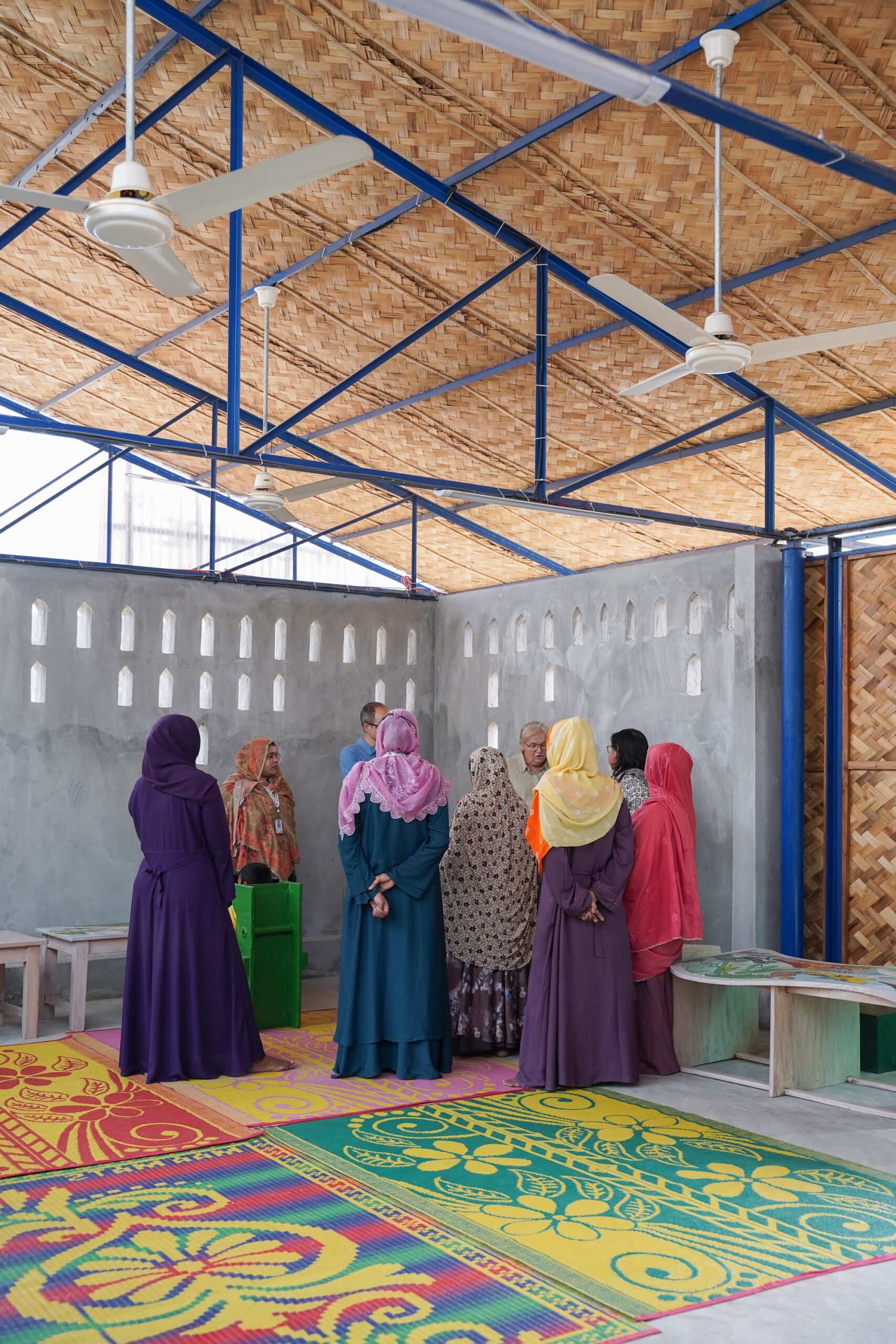
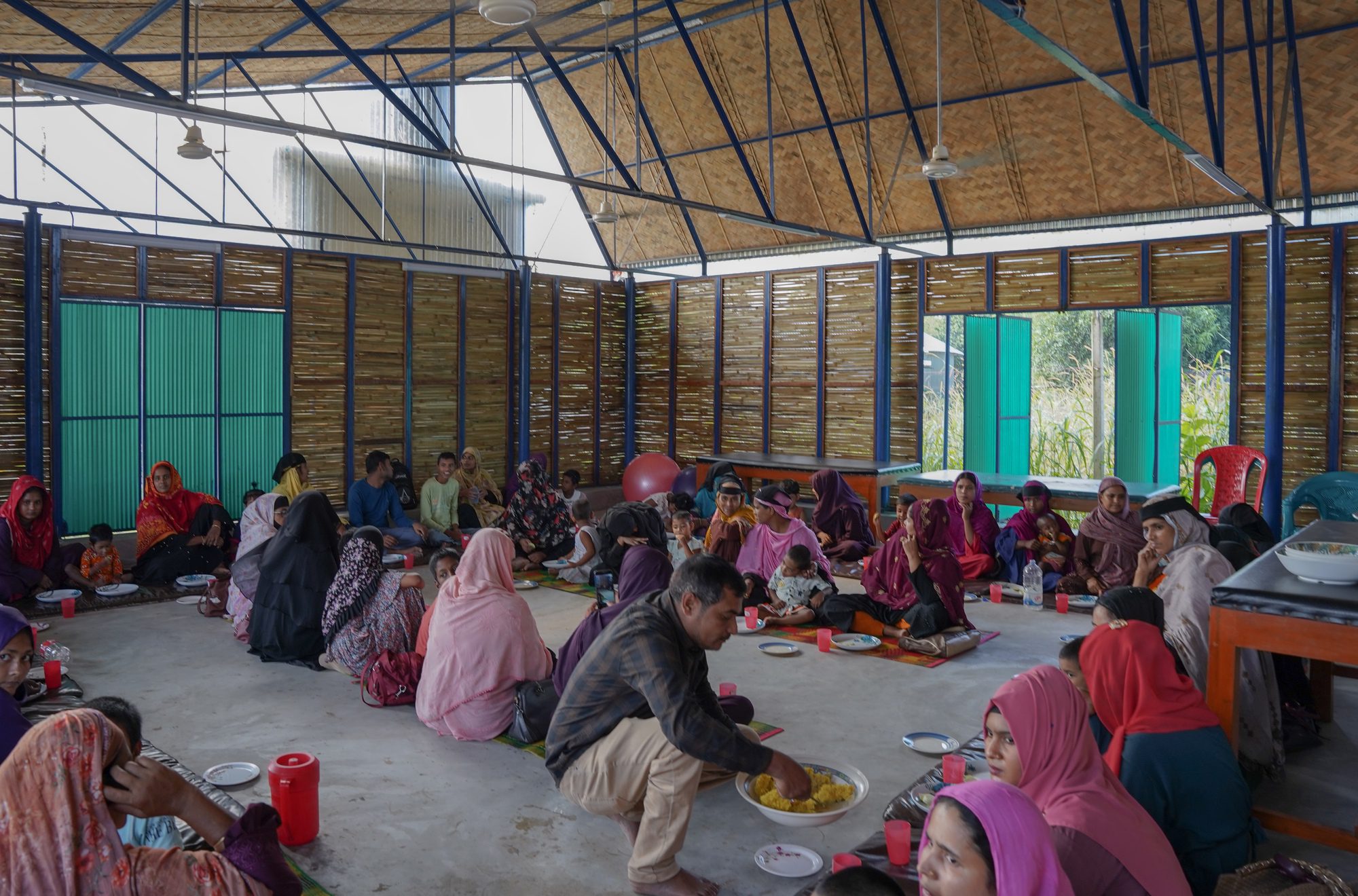
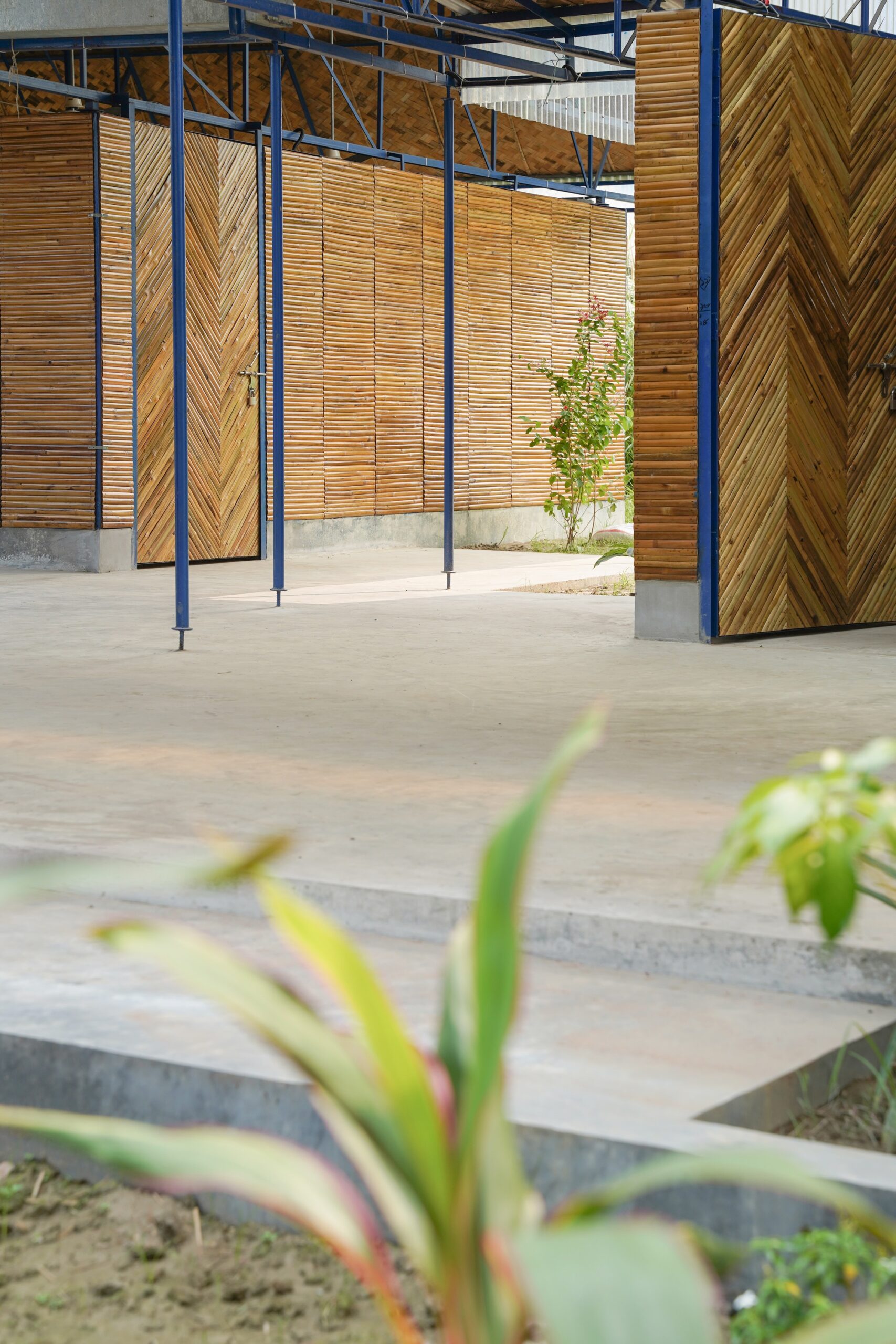
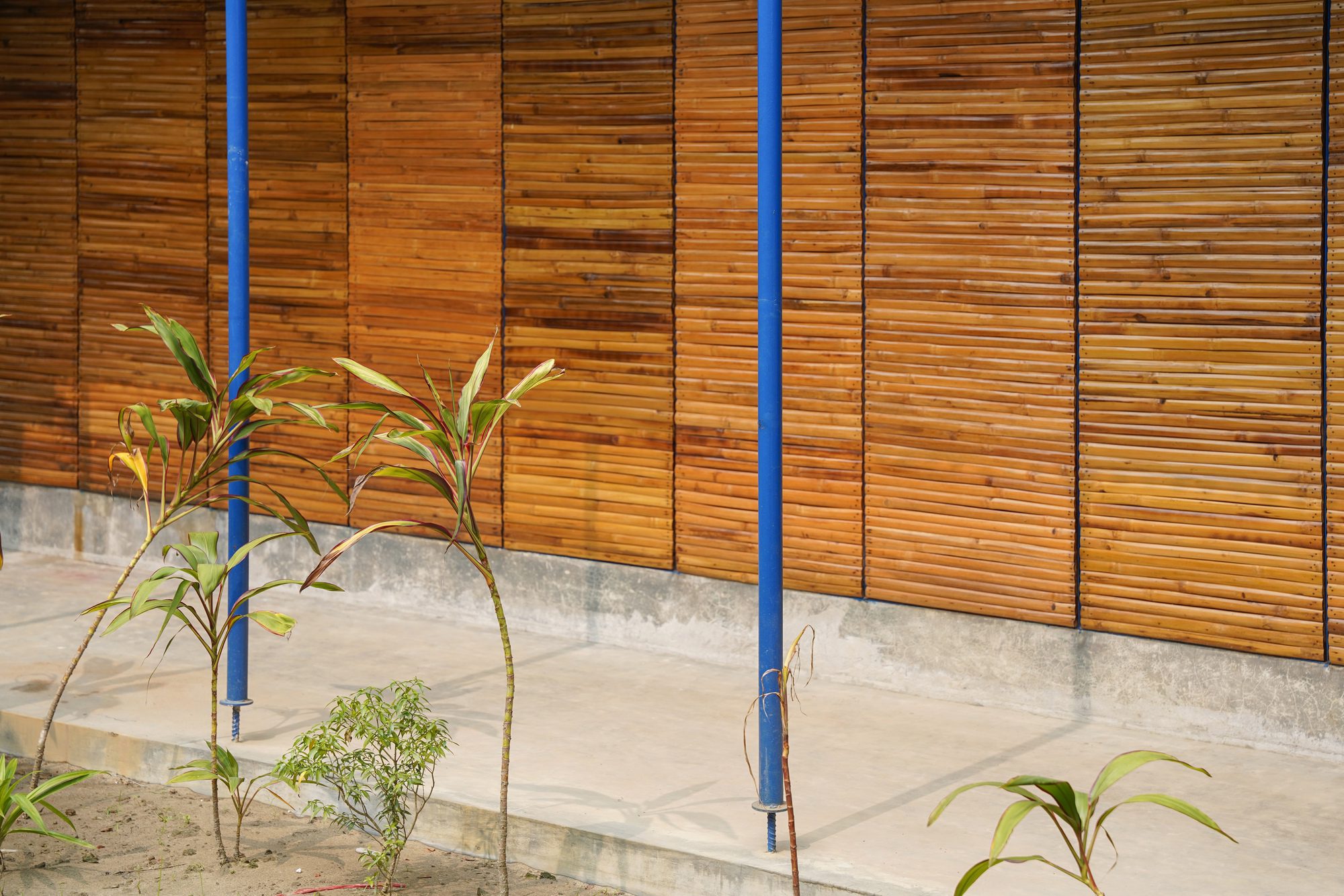
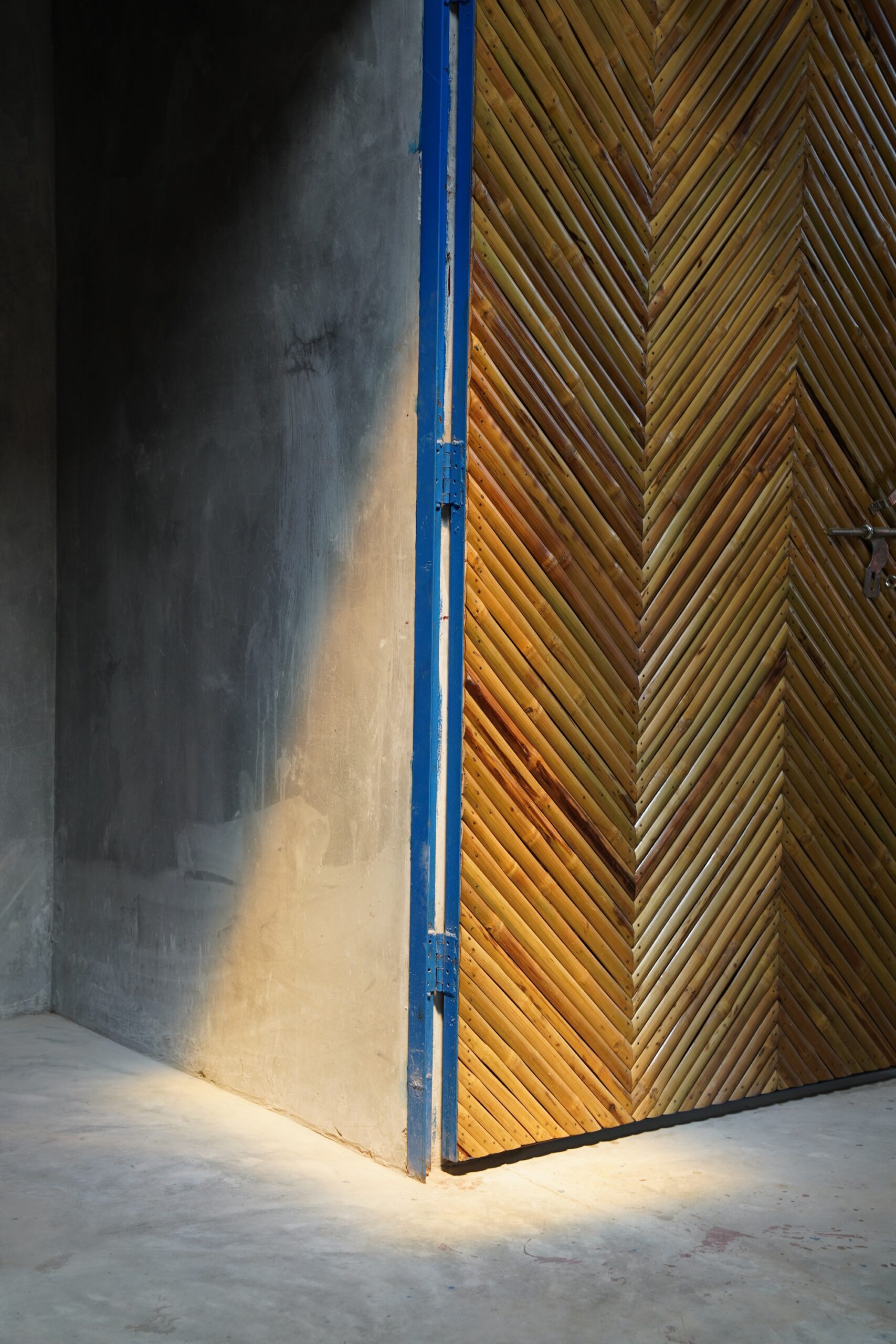
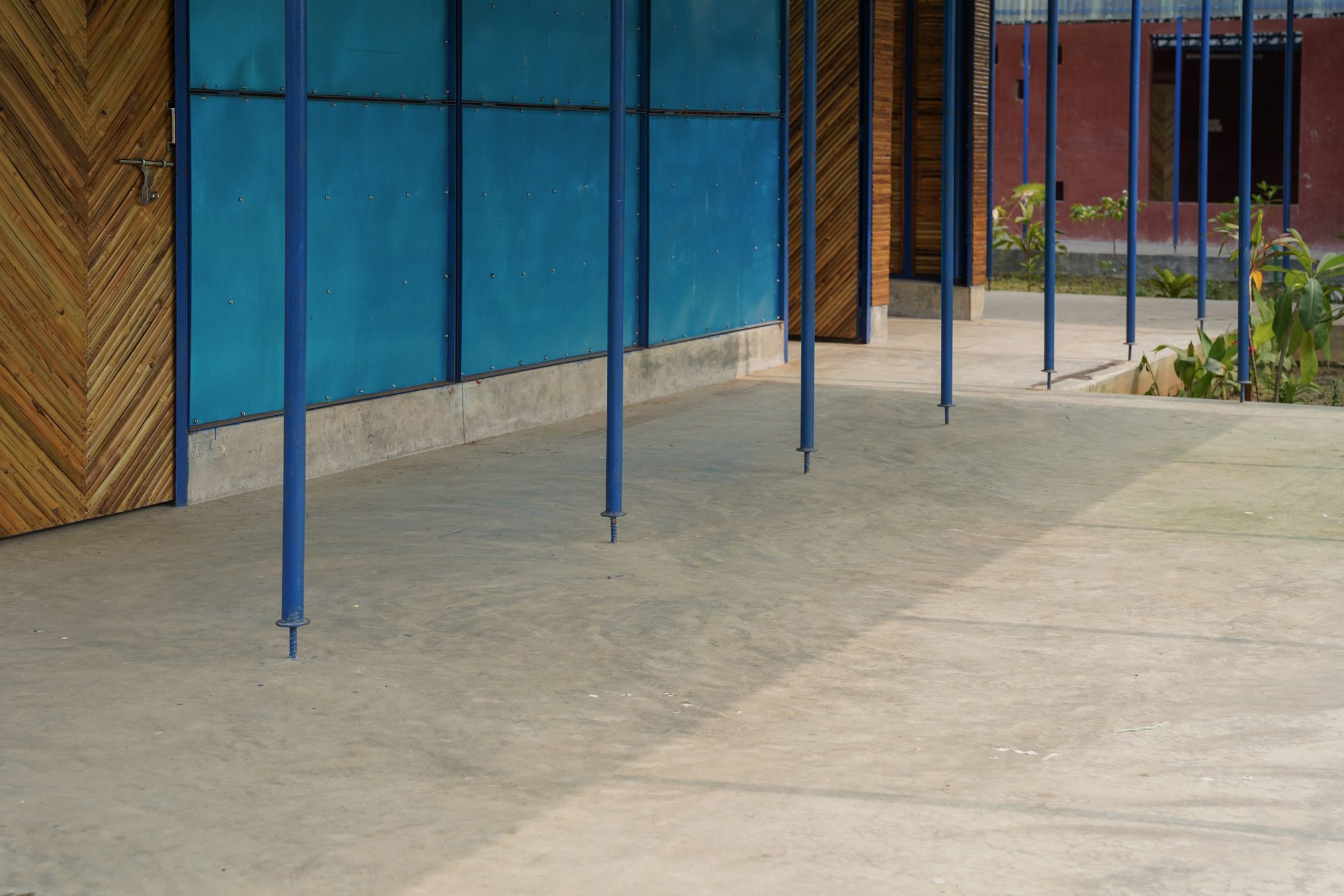
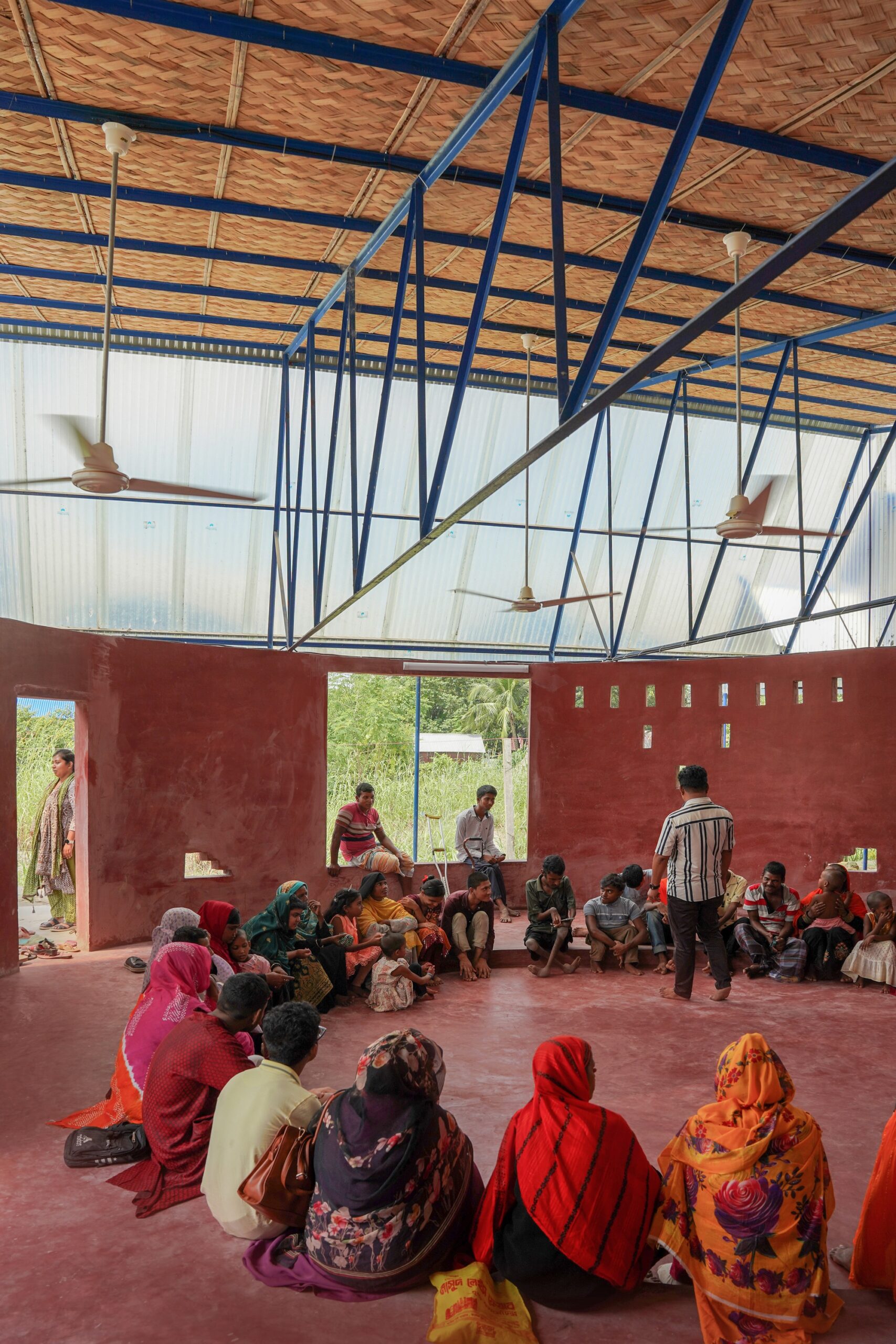
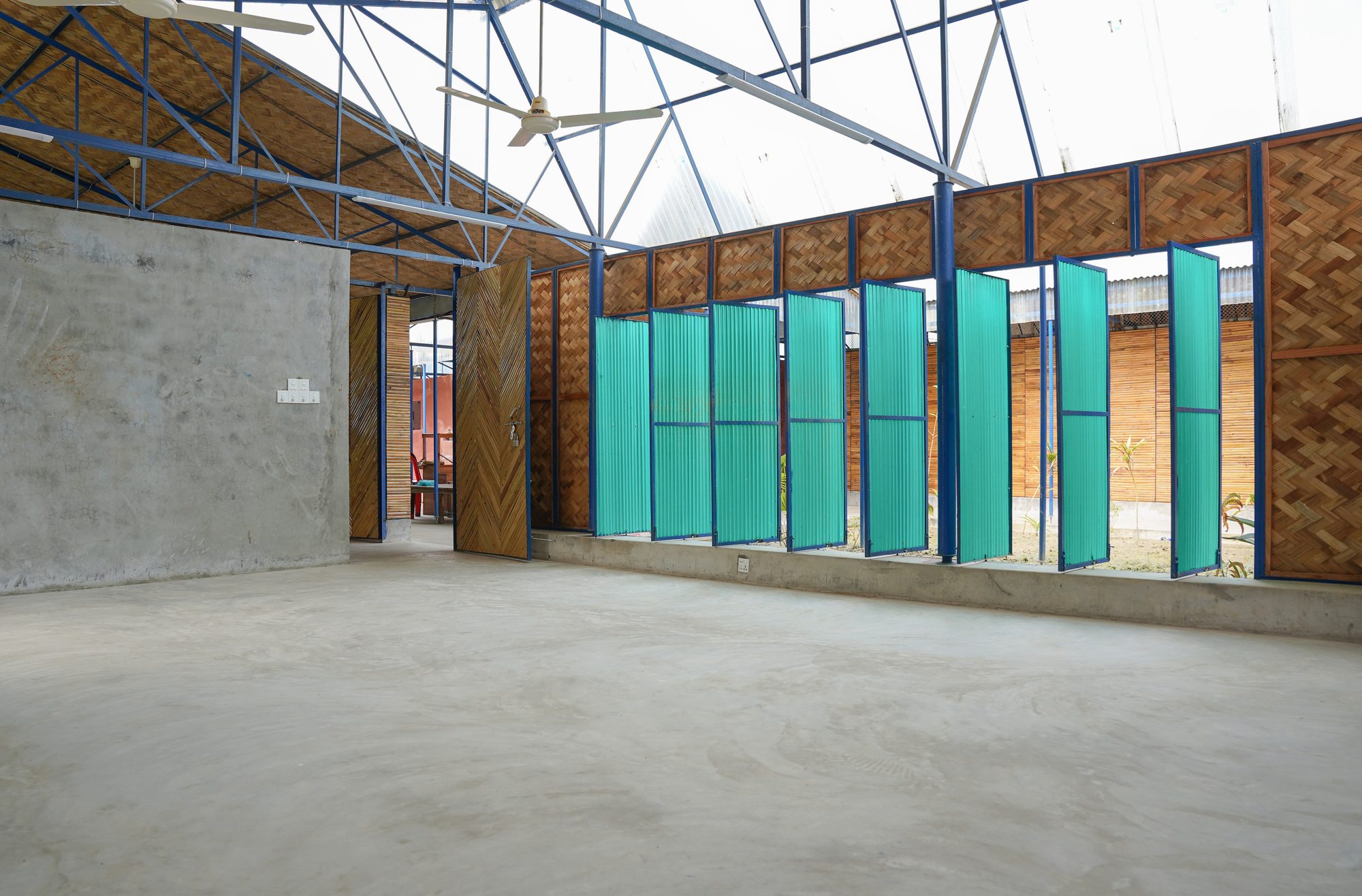
The budget for the project was tight, so we had to be creative with our materials. We used locally available, cost-effective resources to build the space. For the structure, we used simple metal pipes and trusses, while the partitions were made from locally-sourced Makla Bamboo and wood. The bamboo, carefully crafted by local artisan Md. Rofiq and his team add warmth and texture to the building. The high ceilings keep the spaces cool even in the humid summer months, and the roof was designed with heat-resistant materials like bamboo chatai and insulation sheets to keep the building comfortable.
© Rizvi Hassan
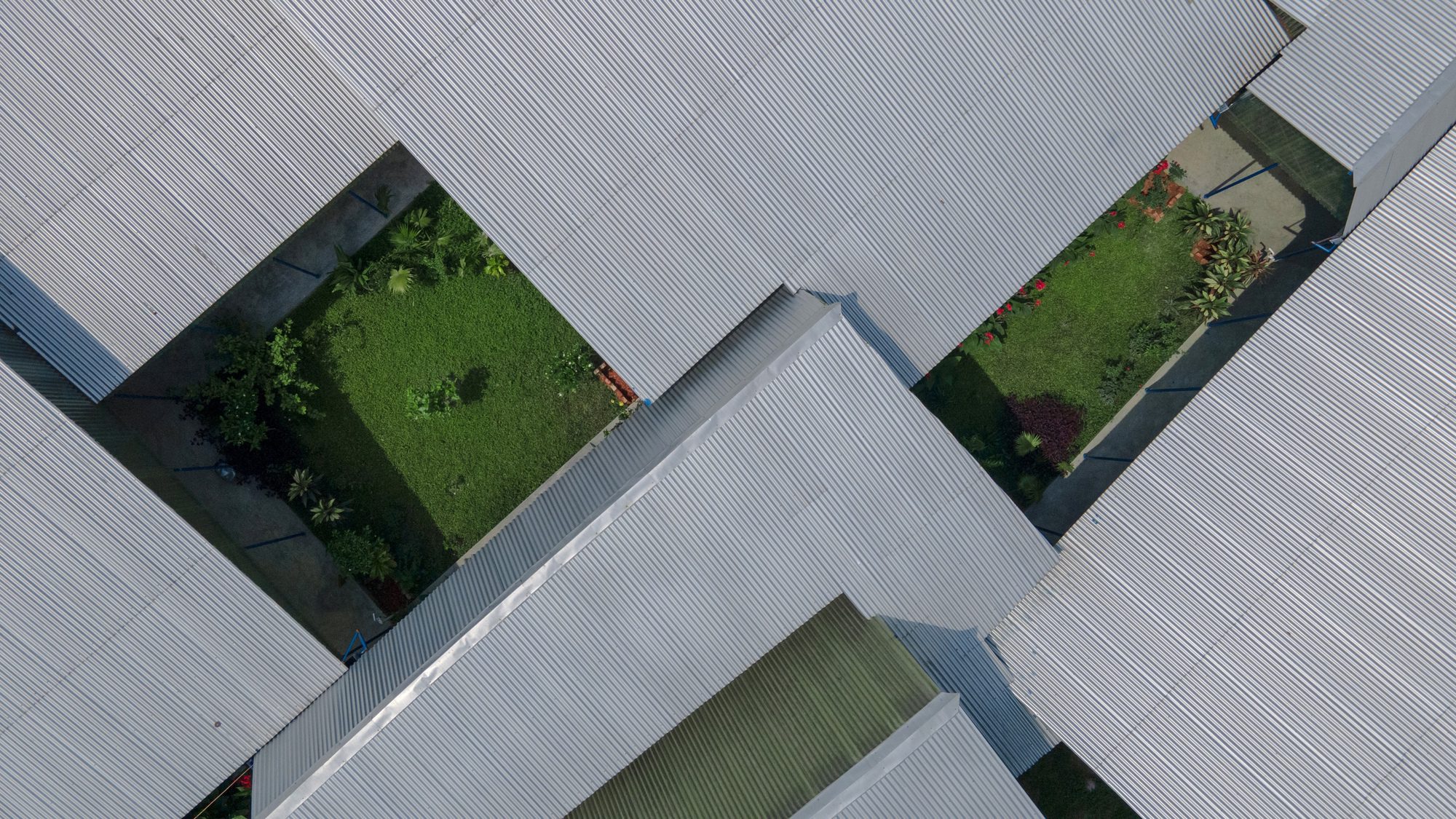
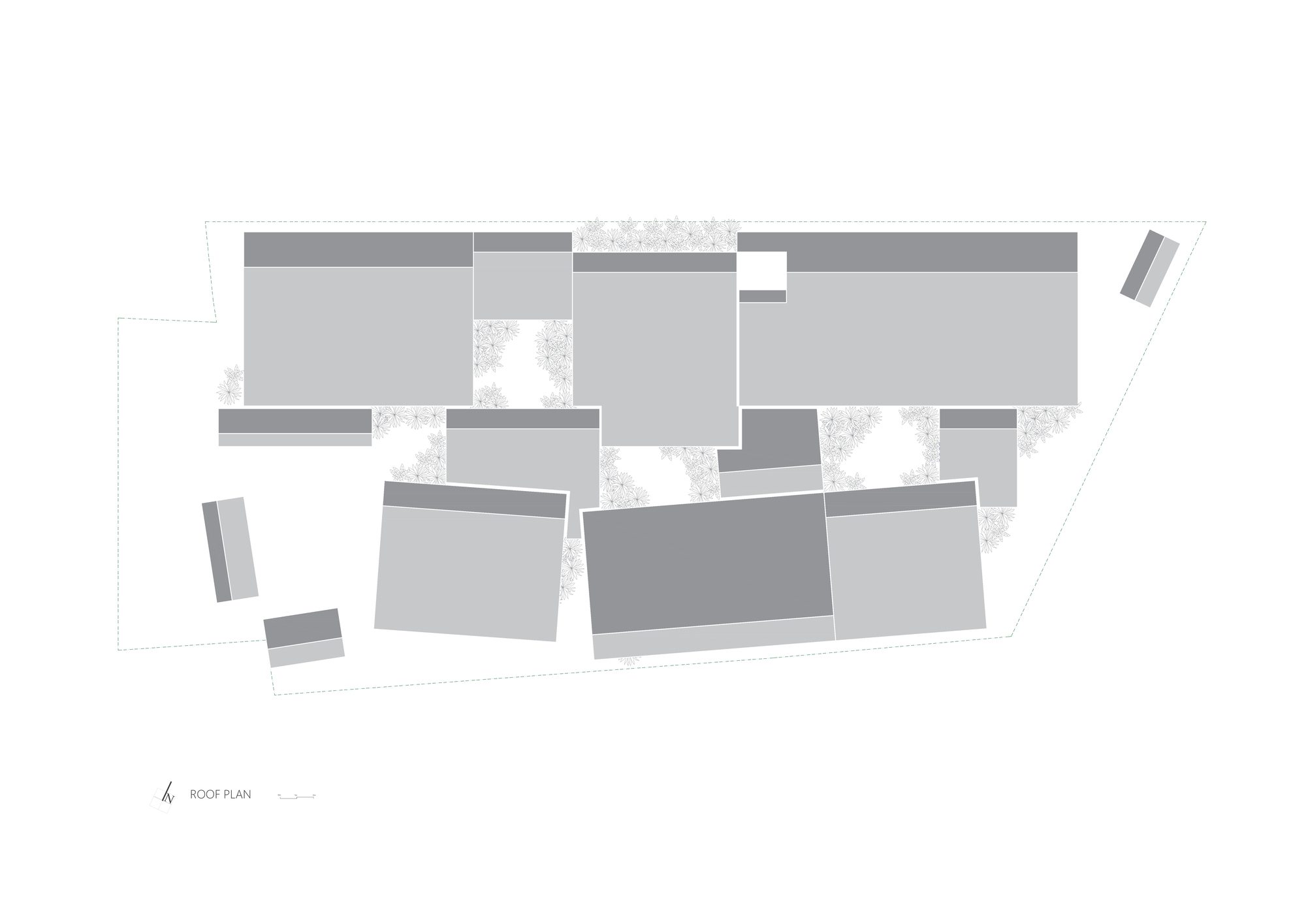
The roofing system itself is designed with flexibility in mind, allowing for spaces to be reconfigured or removed as necessary to accommodate the evolving needs of the children and the program. The fragmented roofs come together to form a continuous flow of space beneath, offering the children the freedom to move, play, and explore without constraints. The formal orientation of the building ensures that it remains protected from the noisy, active environment outside, while still maintaining visual connections to the sky and the surrounding greenery.
© Rizvi Hassan
As we reflect on this project, what inspires us the most is the children and their parents. We are deeply moved by the strength of these children, who show incredible resilience and joy every day despite the challenges they face. And we are equally inspired by their parents, whose dedication and love drive them to provide their children with the best possible future. Their strength and courage motivate us to do more and to design better spaces that can make a real difference in people’s lives.
© Rizvi Hassan
The CSF Center is not just a building—it’s a symbol of what can happen when communities come together, when people care, and when everyone is given a chance to belong. We’re incredibly proud to have played a part in creating a space where children with disabilities can learn, grow, and, most importantly, be themselves. This project has left us with a deep sense of purpose and gratitude. The strength of the children, the commitment of their families, and the support of the community remind us that we have a responsibility to do more and to continue designing spaces that are inclusive, thoughtful, and full of heart.
Project Info
Architects: Rizvi Hassan
Country: Bangladesh, Shahjadpur
Area: 1115 m²
Year: 2024
Photographs: Rizvi Hassan
Design Team: Rizvi Hassan, Fahmid Mahib, Anika T. Ahamed-Khan, Alice Cochrane
Structural Design: Rizvi Hassan, Forhadul Hasan Sammo
Csf Global Team: Gulam Khandaker, Mohammad Muhit, Israt Jahan, , Mahatabur Rahaman, Shimiown Galiver Mrong, Pias Sutrodhar, Rubel Sarkar, Mahabubul Islam, Shafiq Hossain, Nazmul Hossain, Mayanul Haque, Zoynul Shiekh, Asif Chowdhury, Md.Akter Hossain, Ansar Ali, Johurul Islam Jewel, Dr Aynul Khan, Al Mamun and the BCPR Ability Club members and their caregivers