


Concert Hall: Architecture of Symmetry
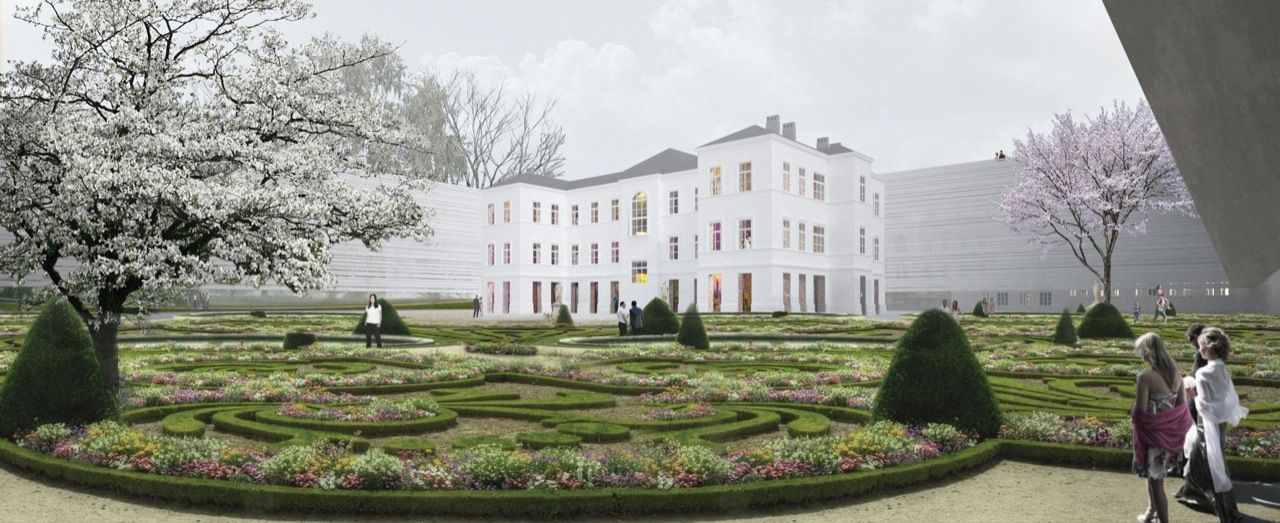
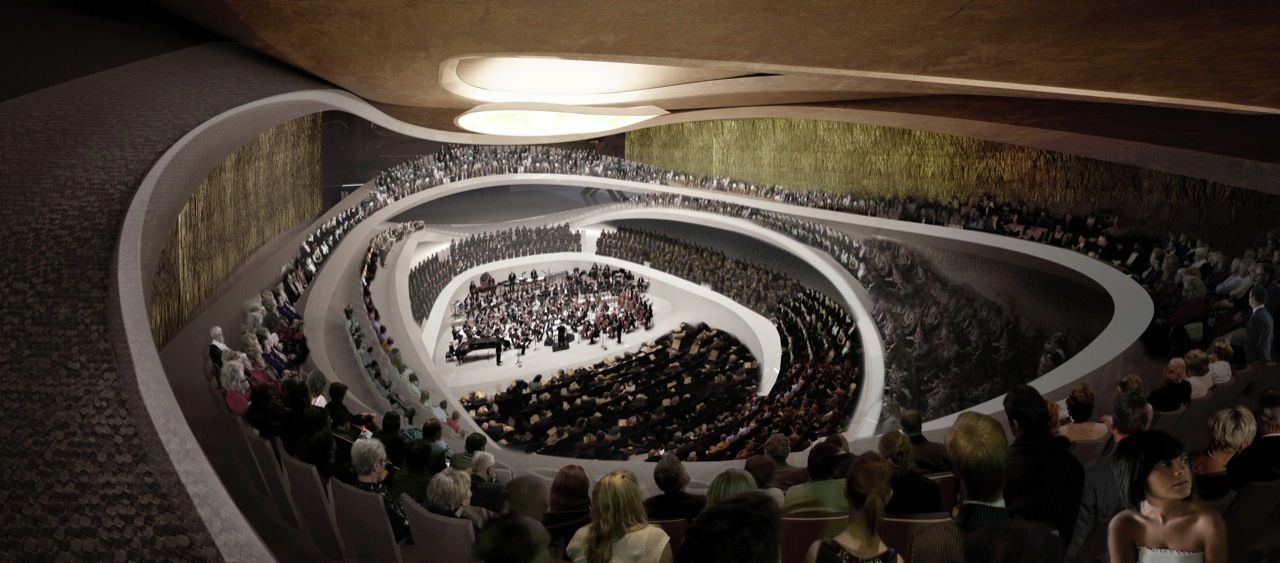
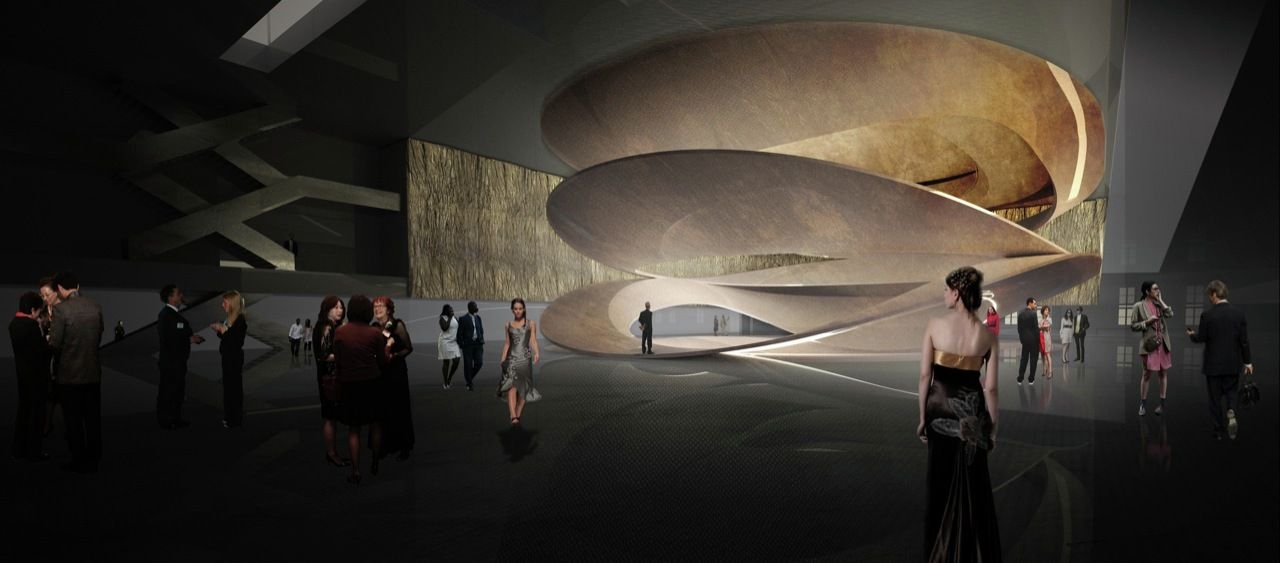
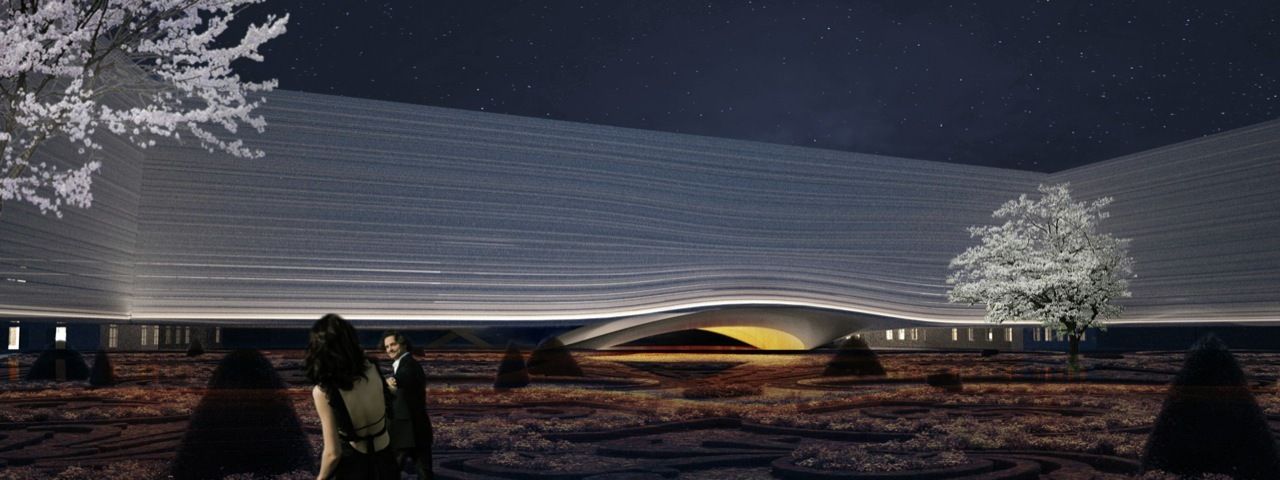
Architecture is apt to be spasmodic for some minds, with appearances that are seldom simultaneous or conclusive while others predominantly mould an arithmetic of congruence finding the serenity in unity rather compelling. Thomas PUKLJAK, from University of Innsbruck-Institute of Urban Design has attempted to unveil an unparadoxical state of harmony while revealing that symmetry can be perfectly invested in contemporary architecture, with his work for the Concert Hall: Architecture of Symmetry.
courtyesy of Atelier Thomas Pucher
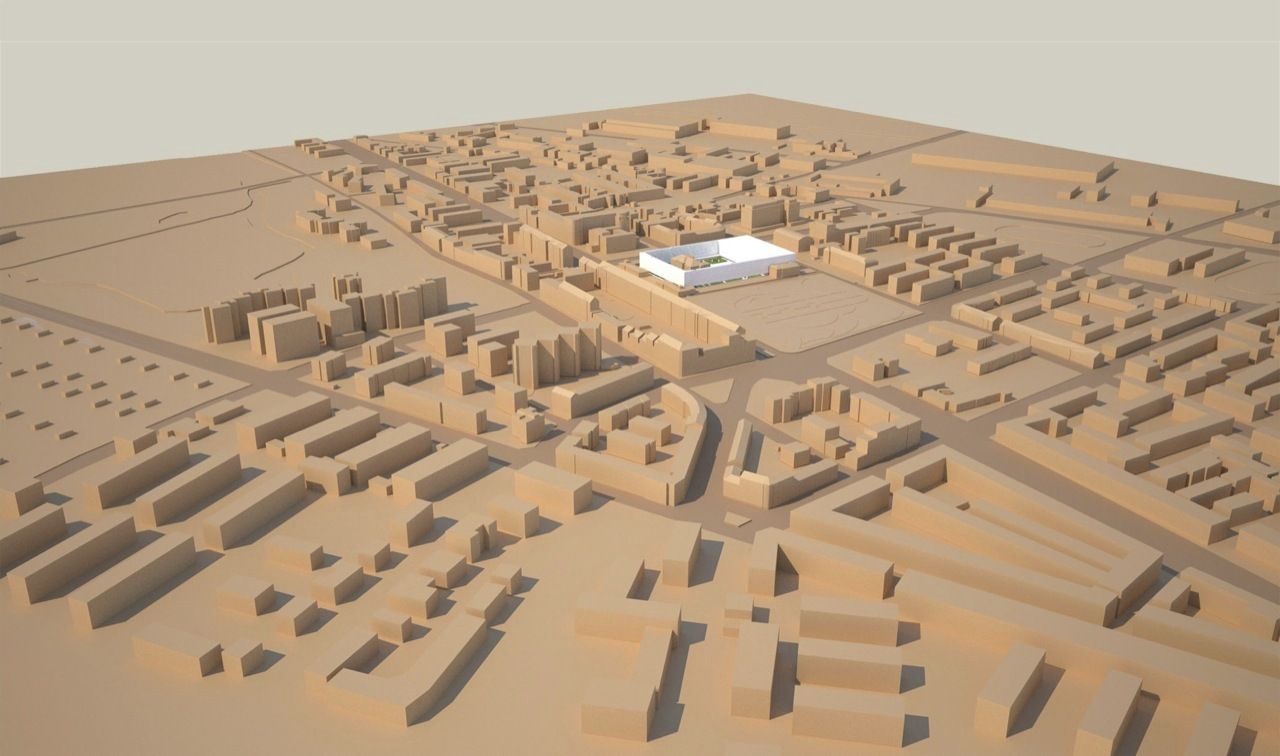
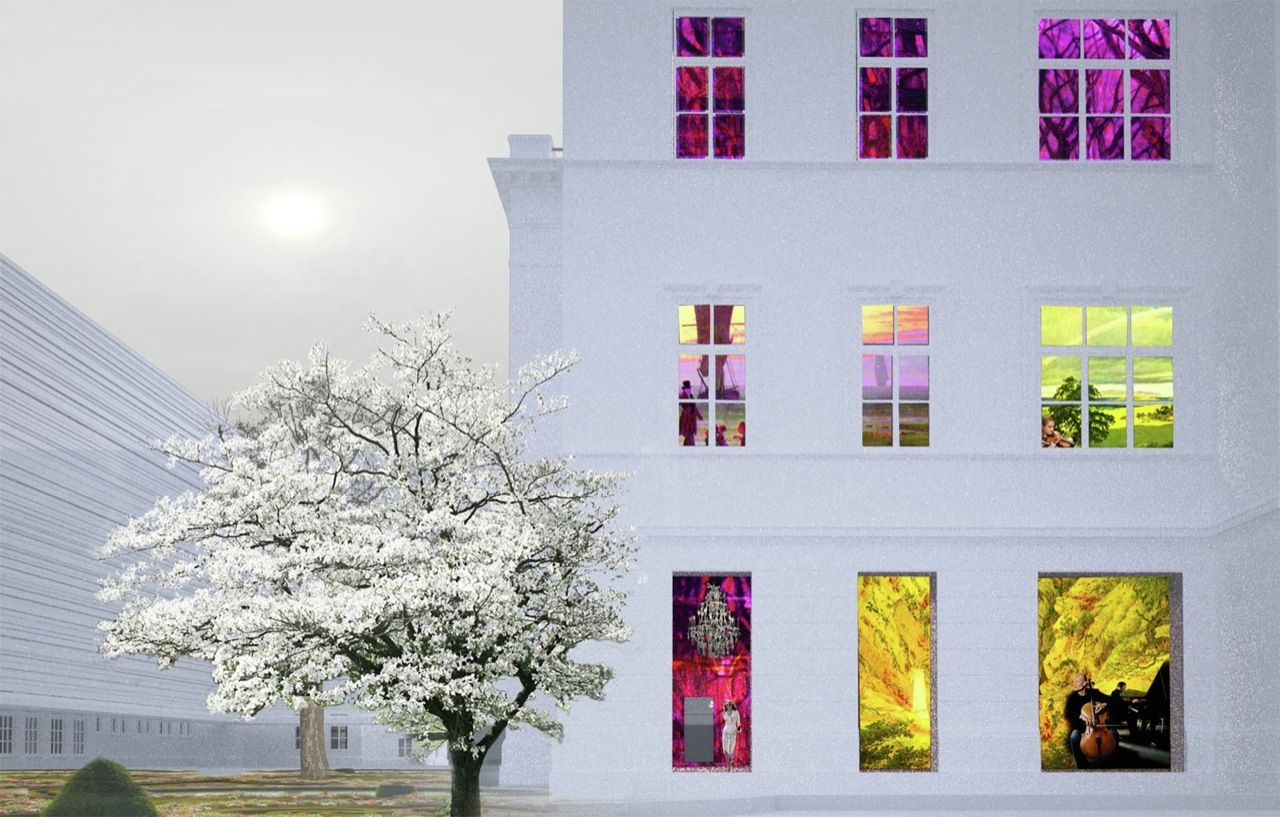
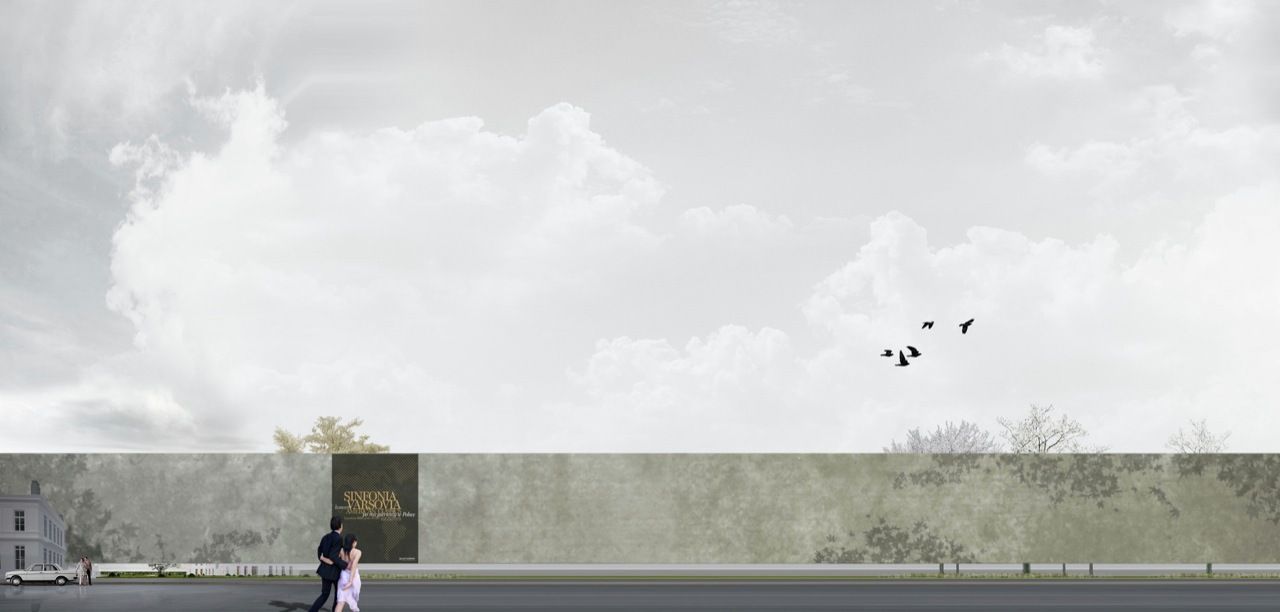
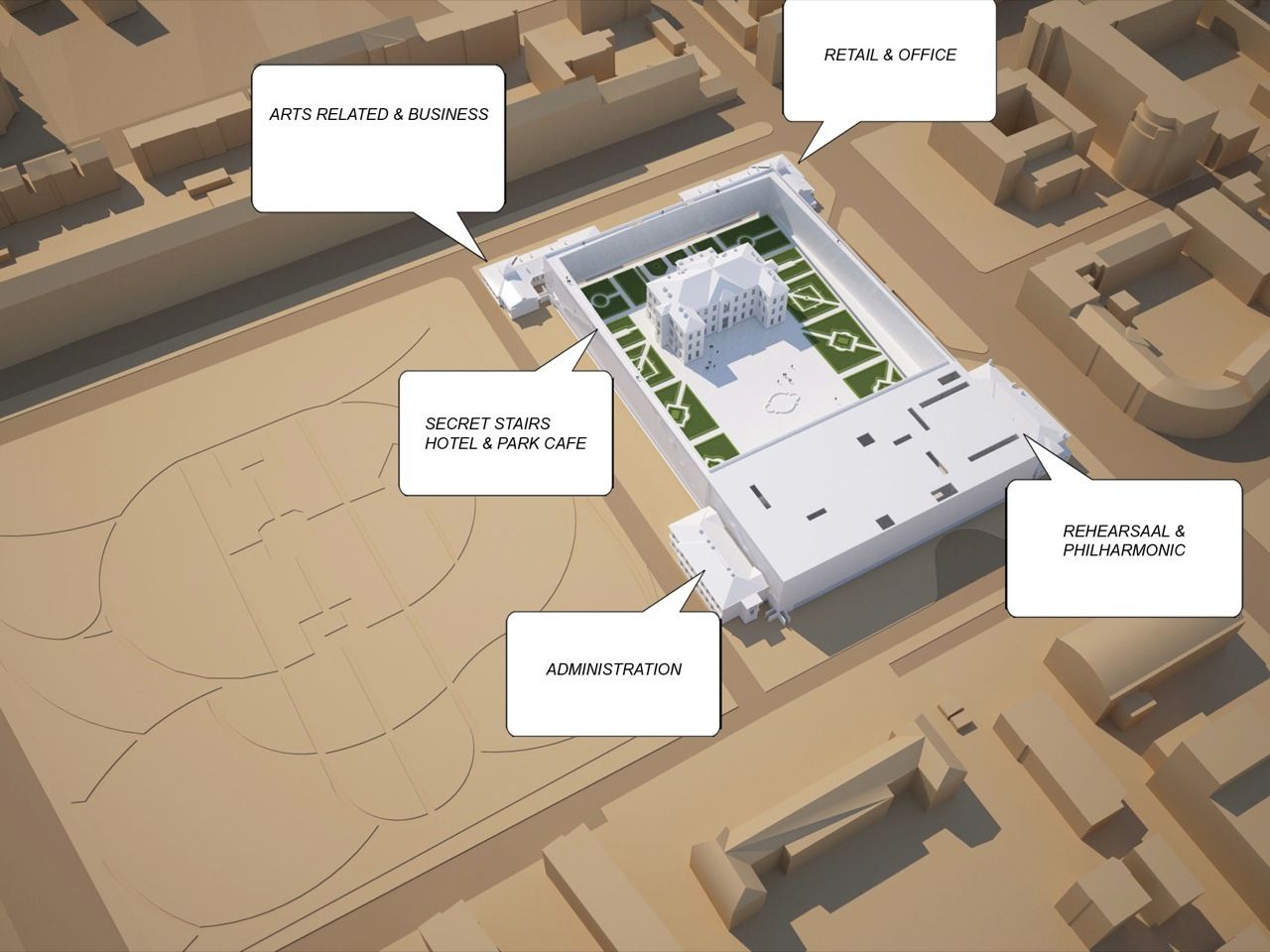
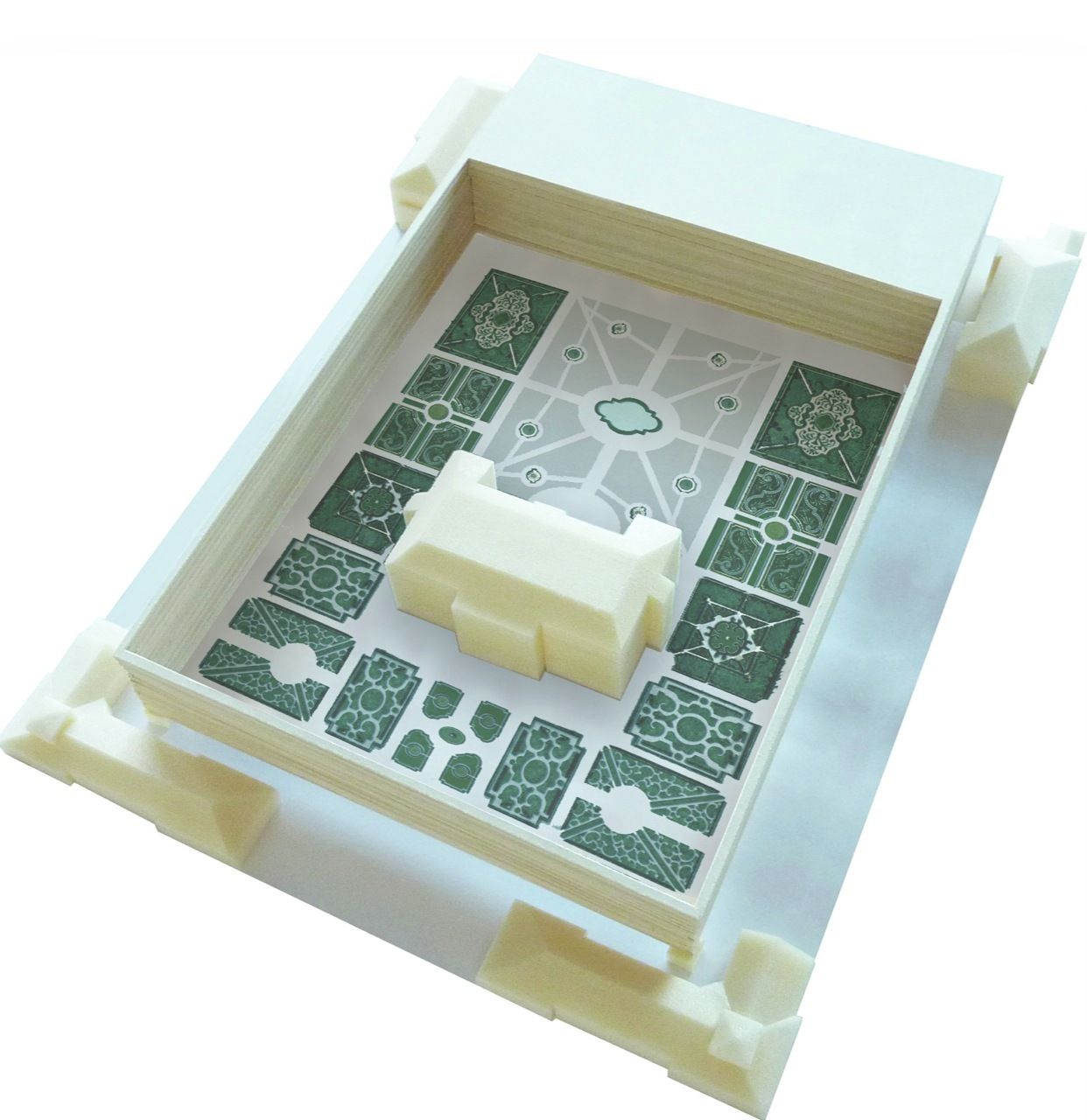
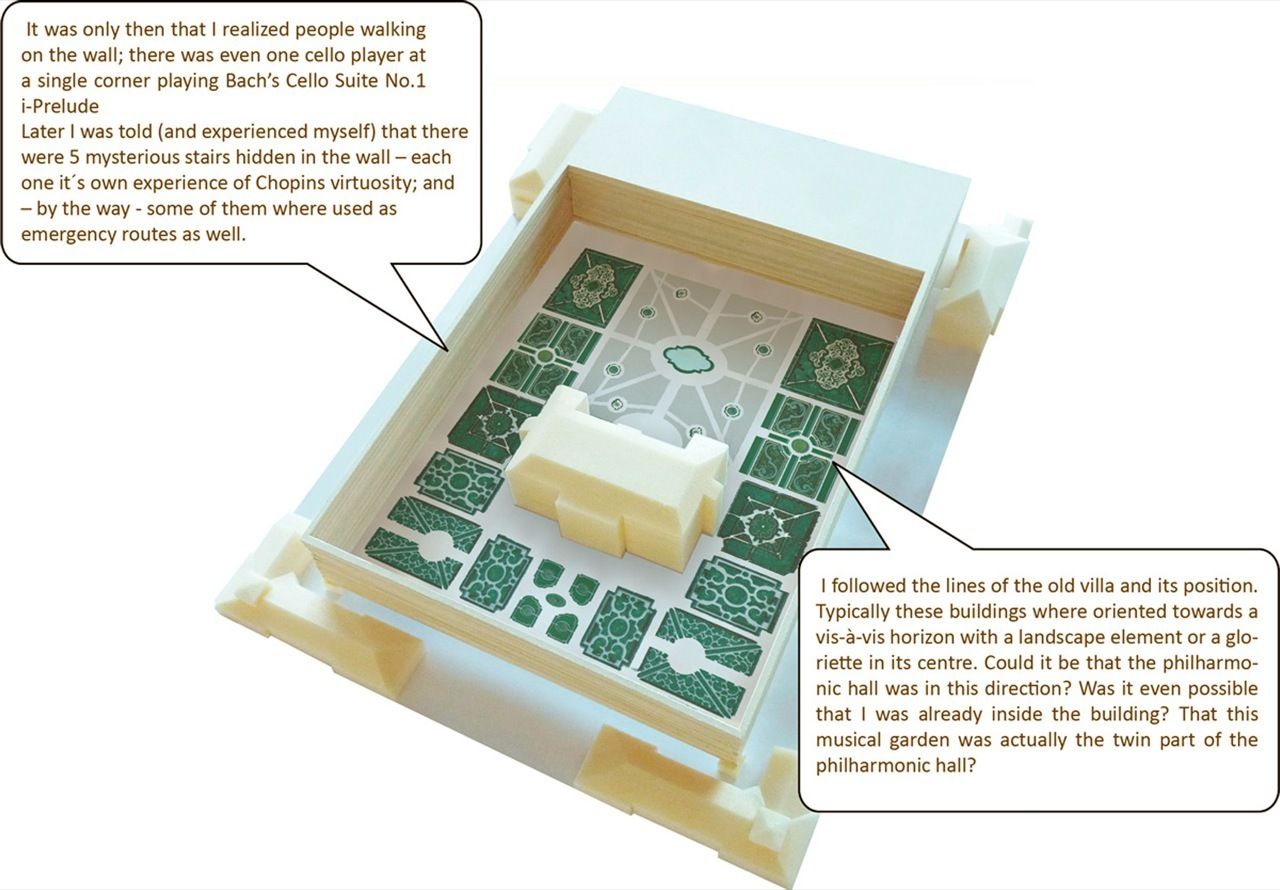
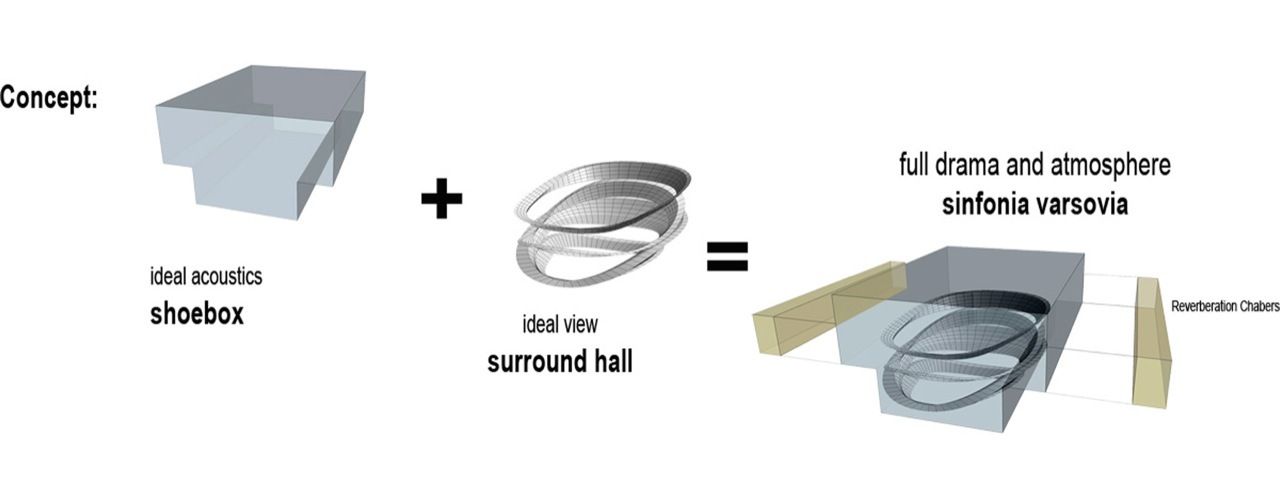
For the aesthetics, the Austrian-based architect comprehended a design methodology which attends to the idea of “form follows form.” The design strategy coherently couples the site and the design proposal, implying a congruent DNA. Symmetry has played an integral part in architecture that defines the design history of concert halls around the world. Hence, in the city of Innsbruck where the architect proposed his design, the Concert Hall pledges architectural conformity.
courtyesy of Atelier Thomas Pucher
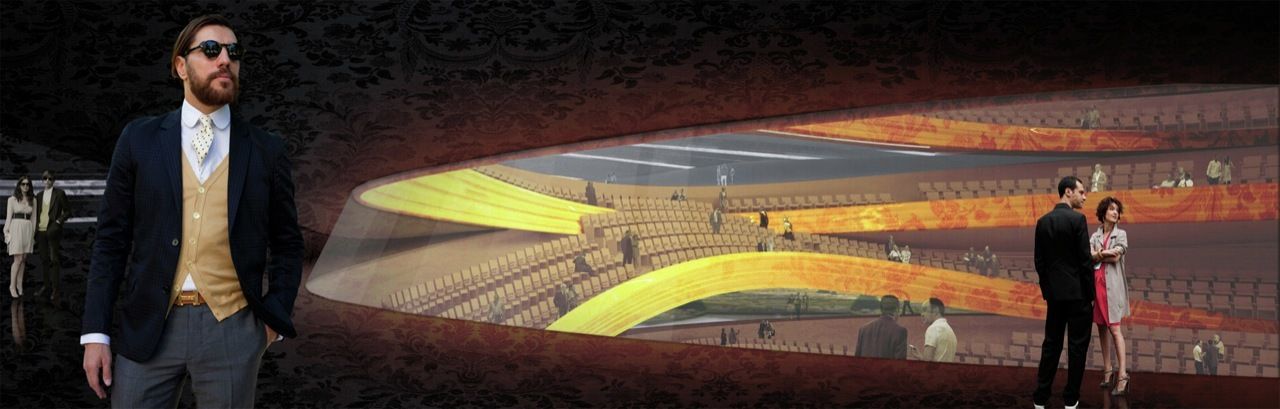
The project is embedded in an aesthetic context starting with Charles Hartshorne’s 1970 “Diagram of Aesthetic Values,” to which Lars Spuybroek refers in his 2012 essay “The Ages of Beauty,” and harks back to the definition of “Vital Beauty” by John Ruskin approximately 150 years ago. The architect sees the potential of symmetry as a “Tool of Production,” more than taking credit for it’s powerful visual effect. In his words, ‘The proposal, should be seen as an extreme and excessive framework for music. A concert hall.’
Thomas expressed gaining inspiration from Studio Soqotra, Hernan Diaz Alonso, X|Atelier, and David Ruy, while his reading priorities involved Jeffrey Kipnis’ “Fearless Symmetry”; Peter Eisenman’s “Aura and Excess”; and Lars Spuybroek’s “The Sympathy of Things.” The architect chalked out his ideology and its tangible adaptation while listening to Björk.
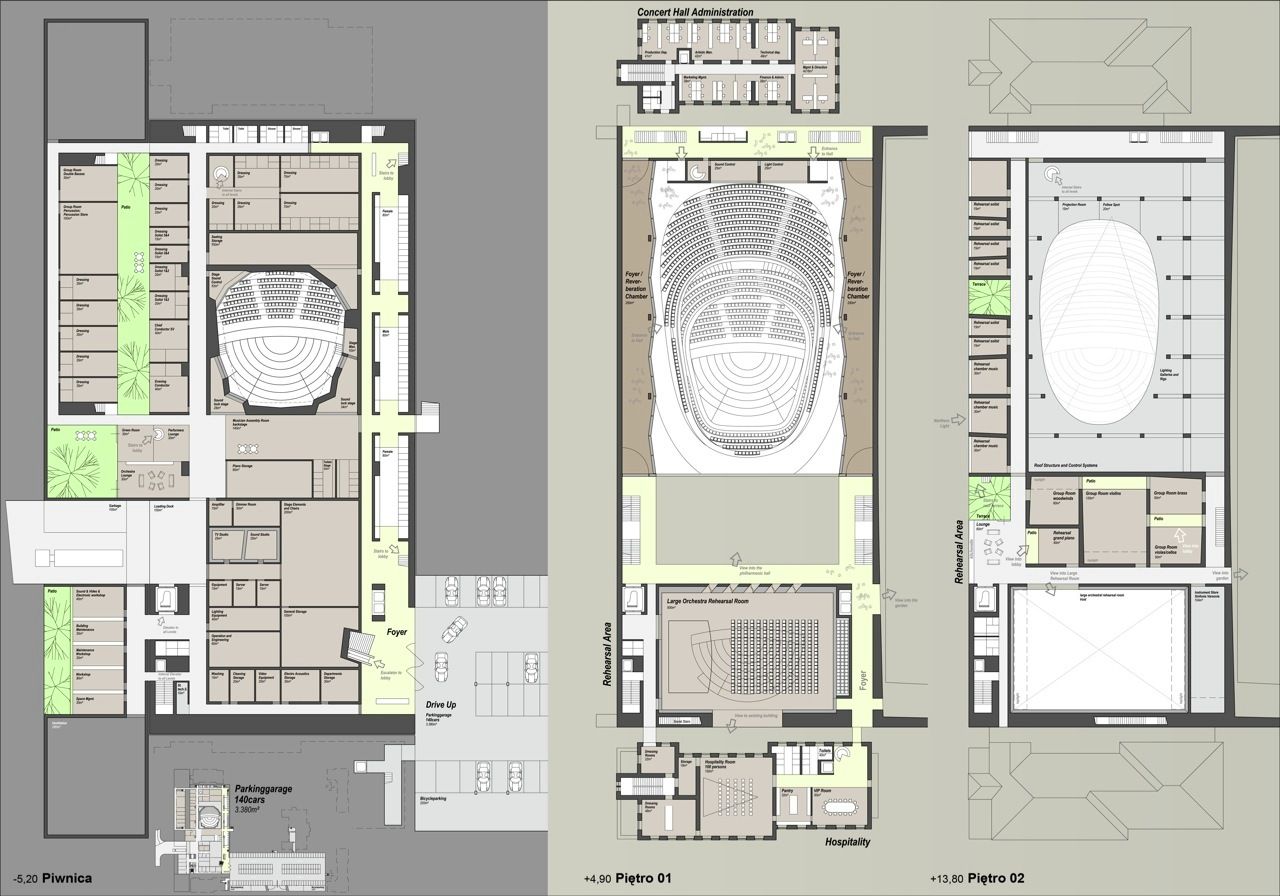
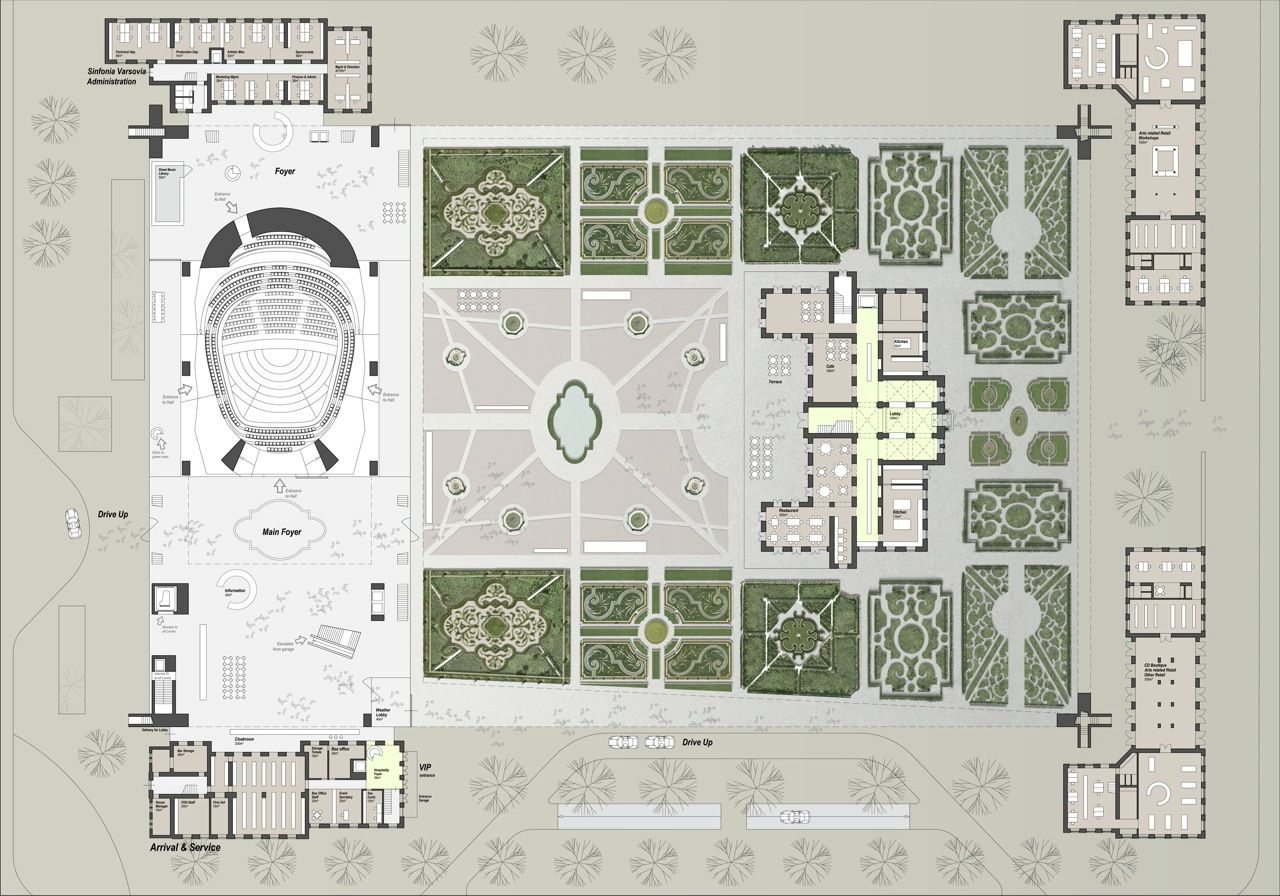
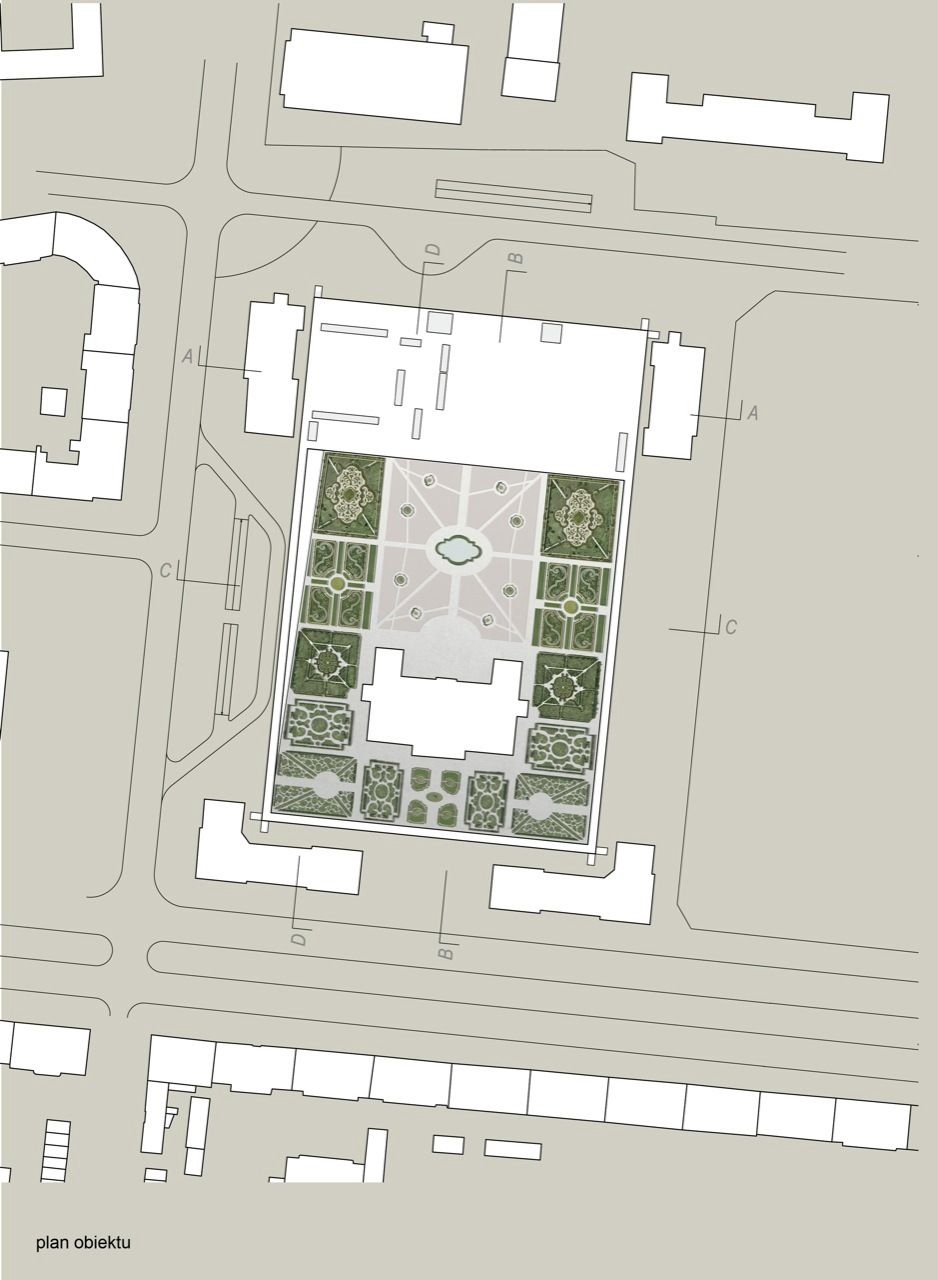
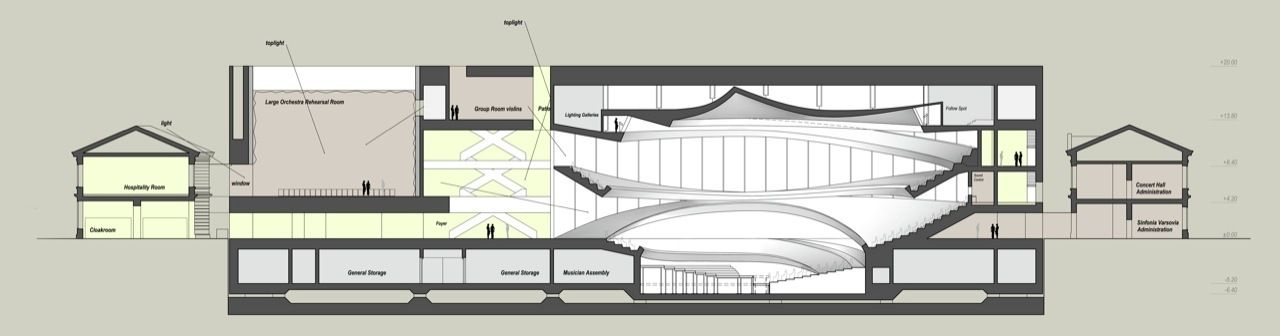
plan




Aleeshba is an architect who champions the philosophy that simplicity and clarity are the foundation of great design. A 2017 Honors graduate from Punjab University, she blends theory with practical expertise to create functional, minimalist spaces. As an editor, Aleeshba brings a strong narrative perspective to her work. She is passionate about socially responsive design, believing that regional constraints often spark the most innovative solutions. Her work is driven by context, curiosity, and a commitment to purposeful exploration throughout the design process.