


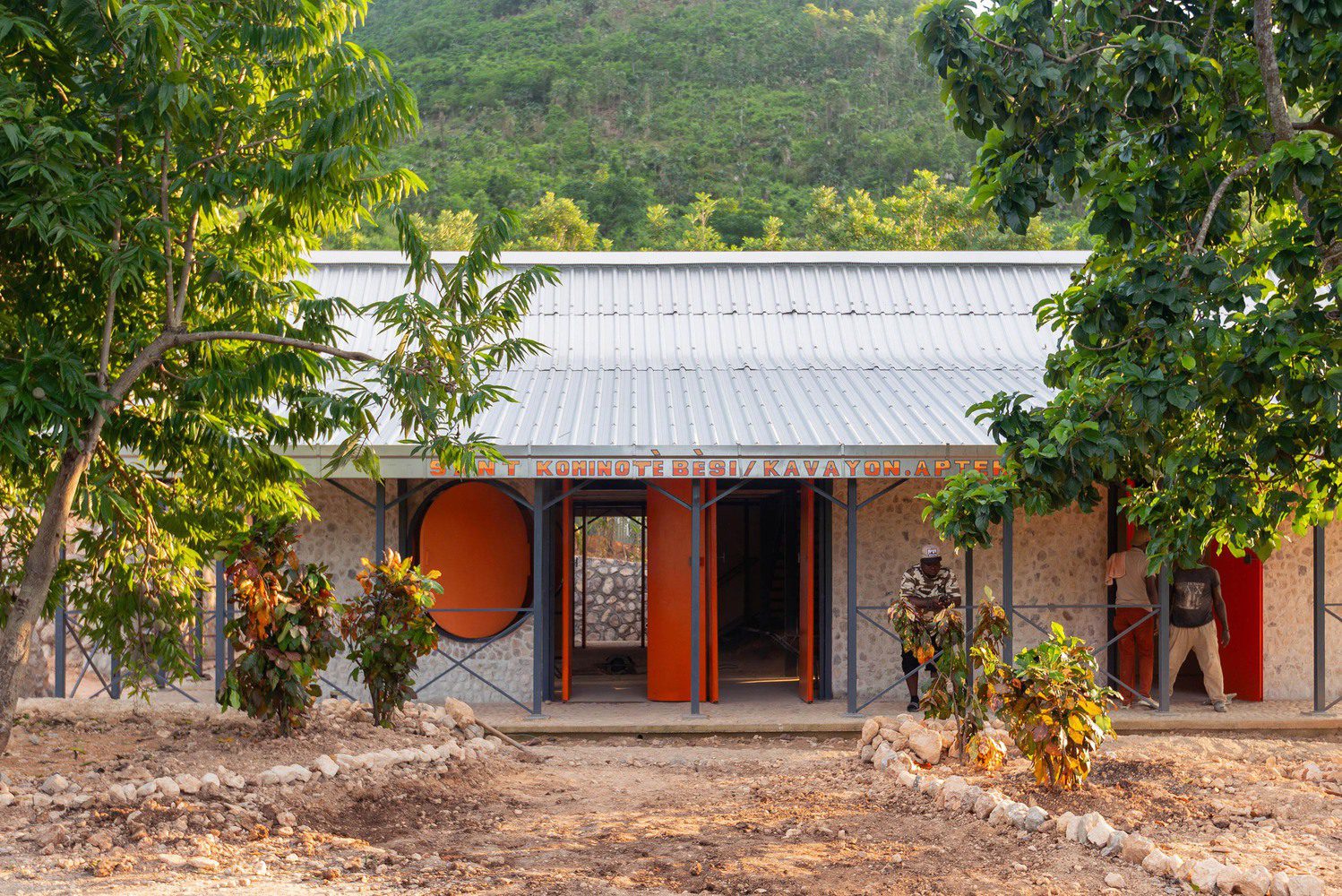
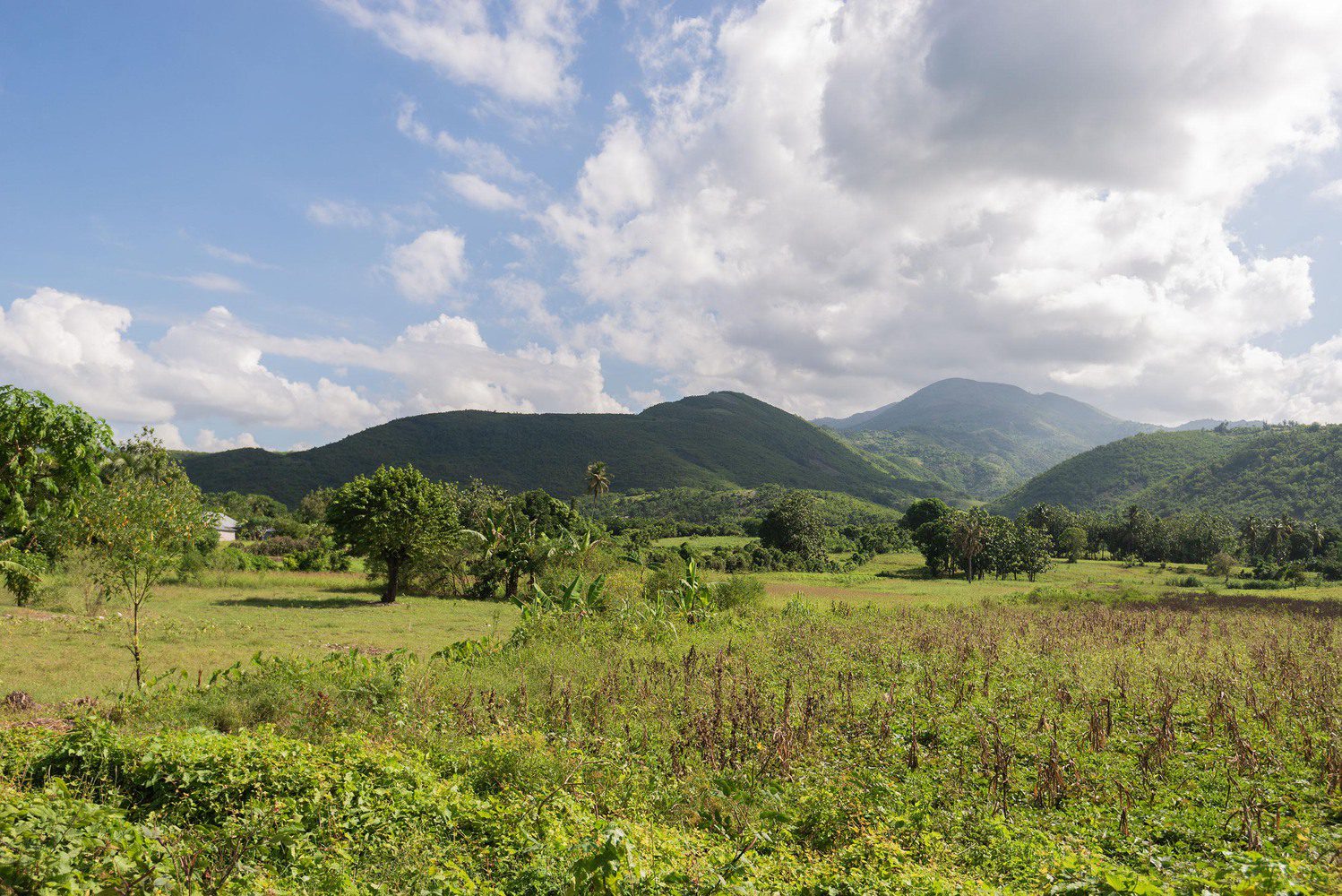
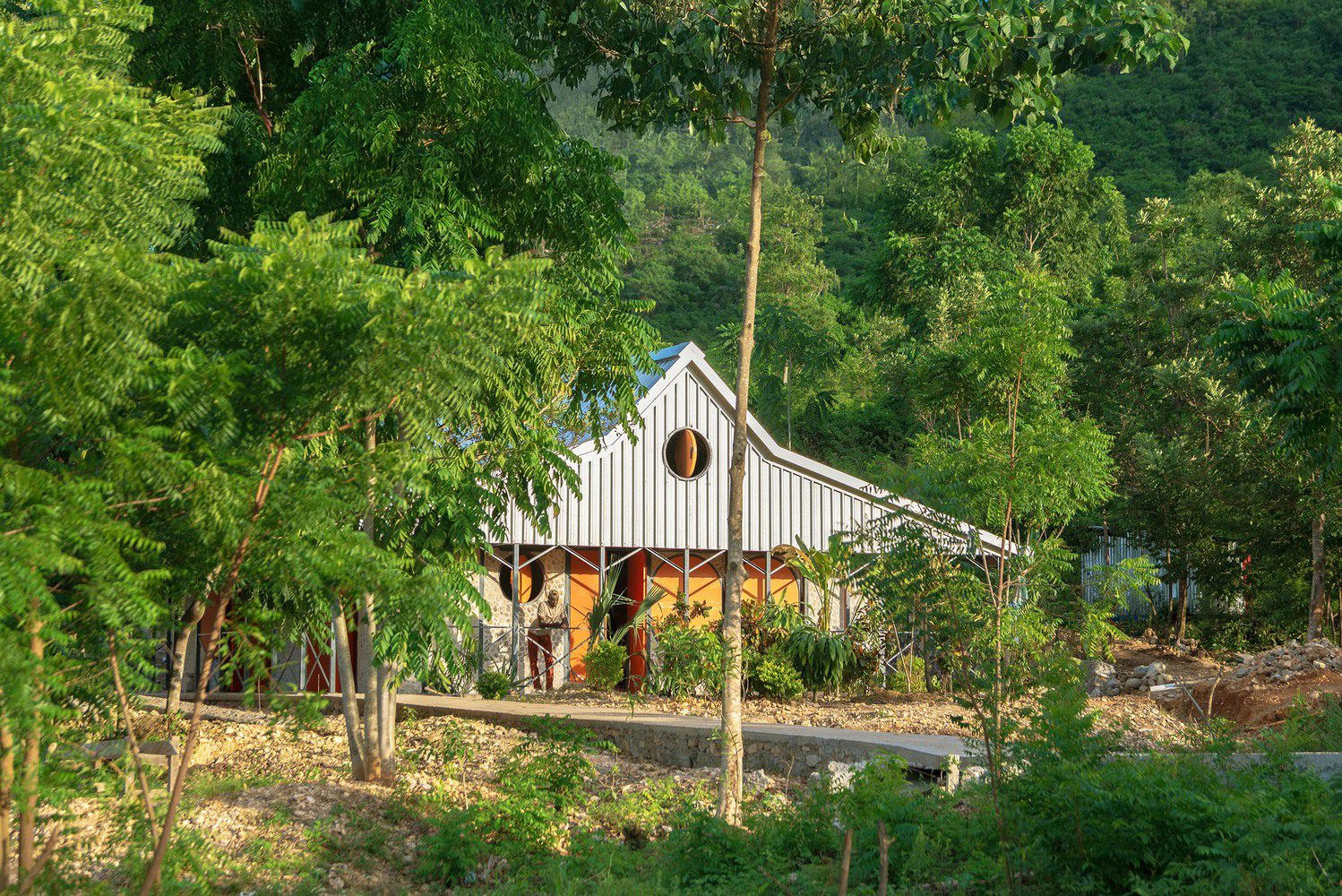
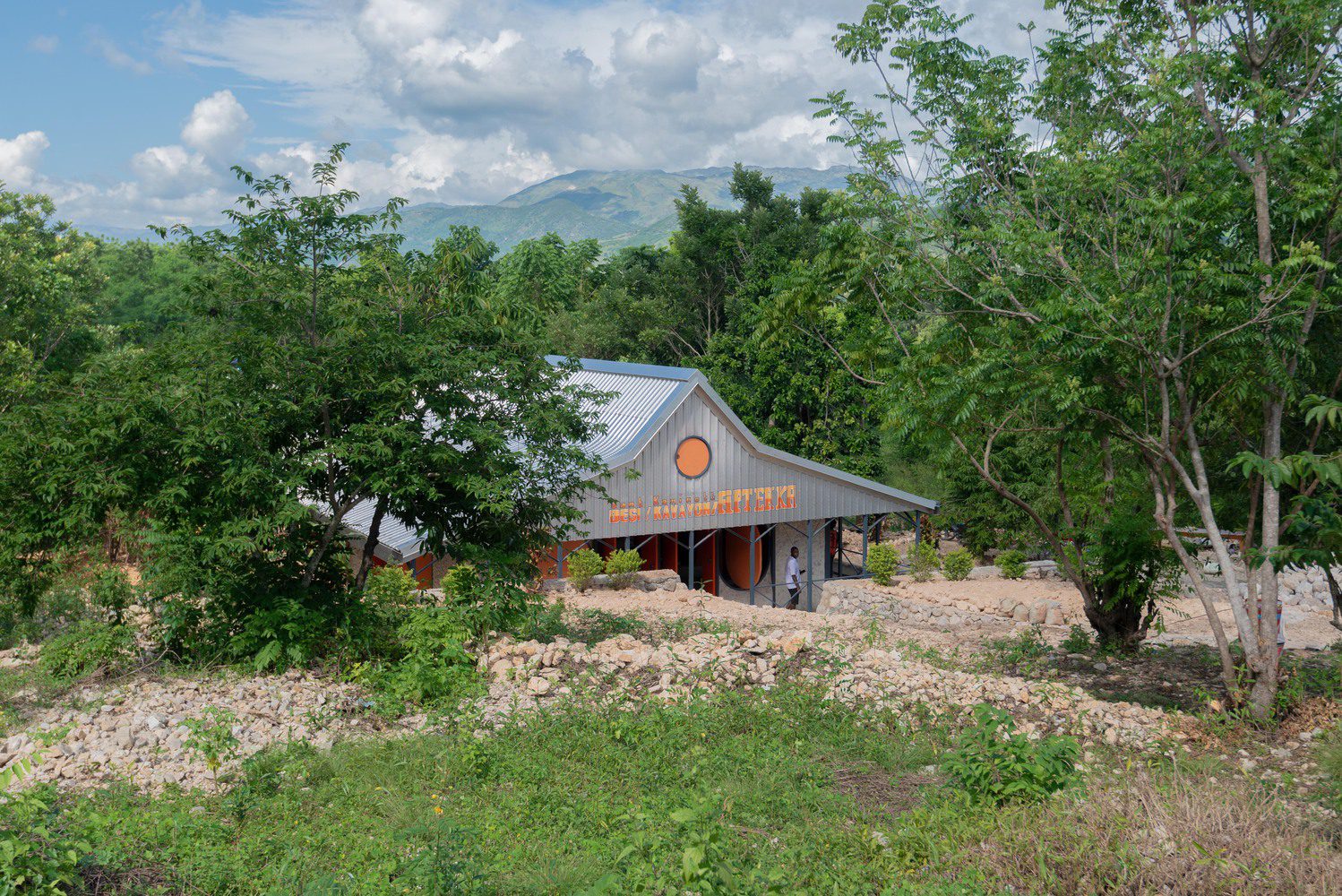
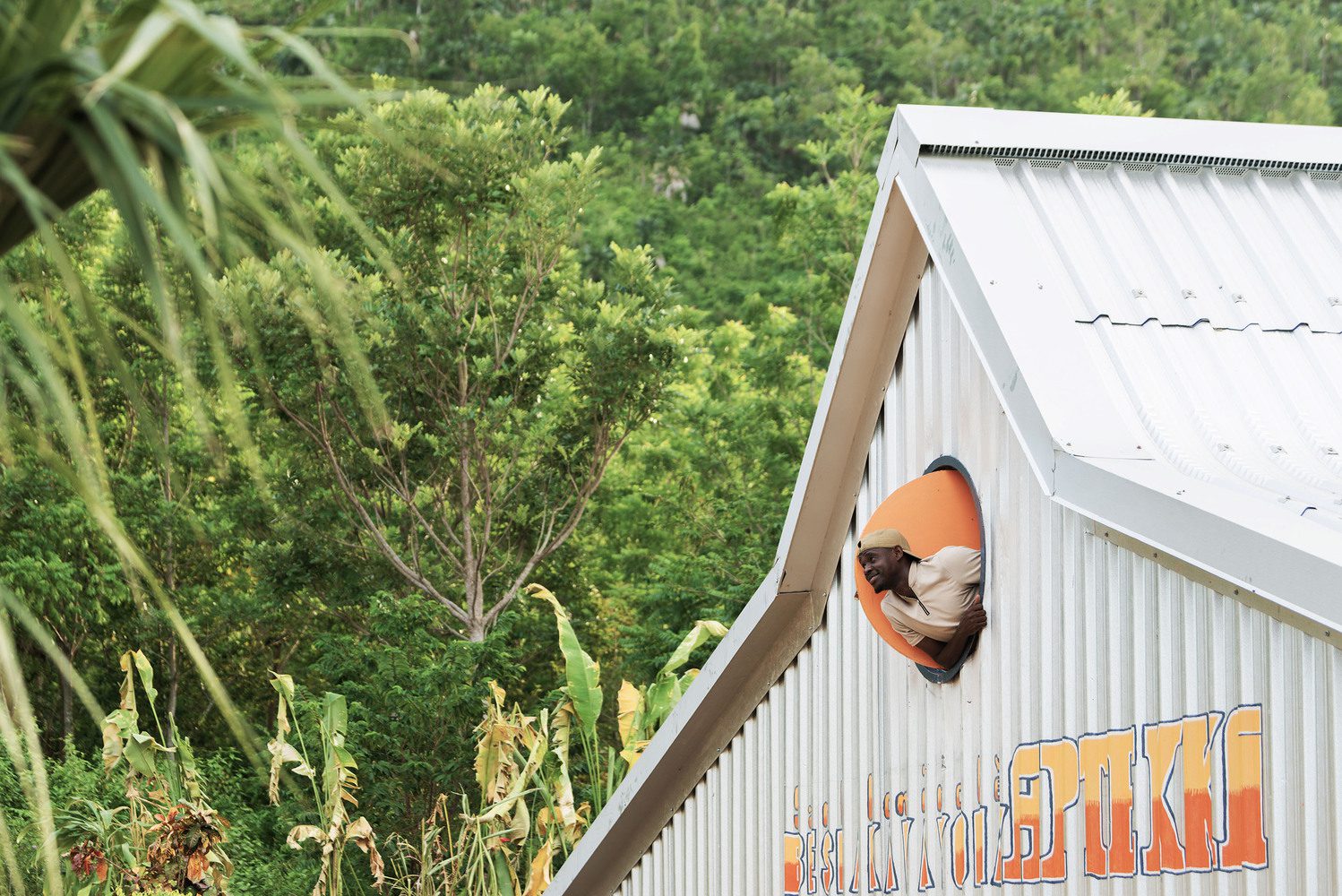
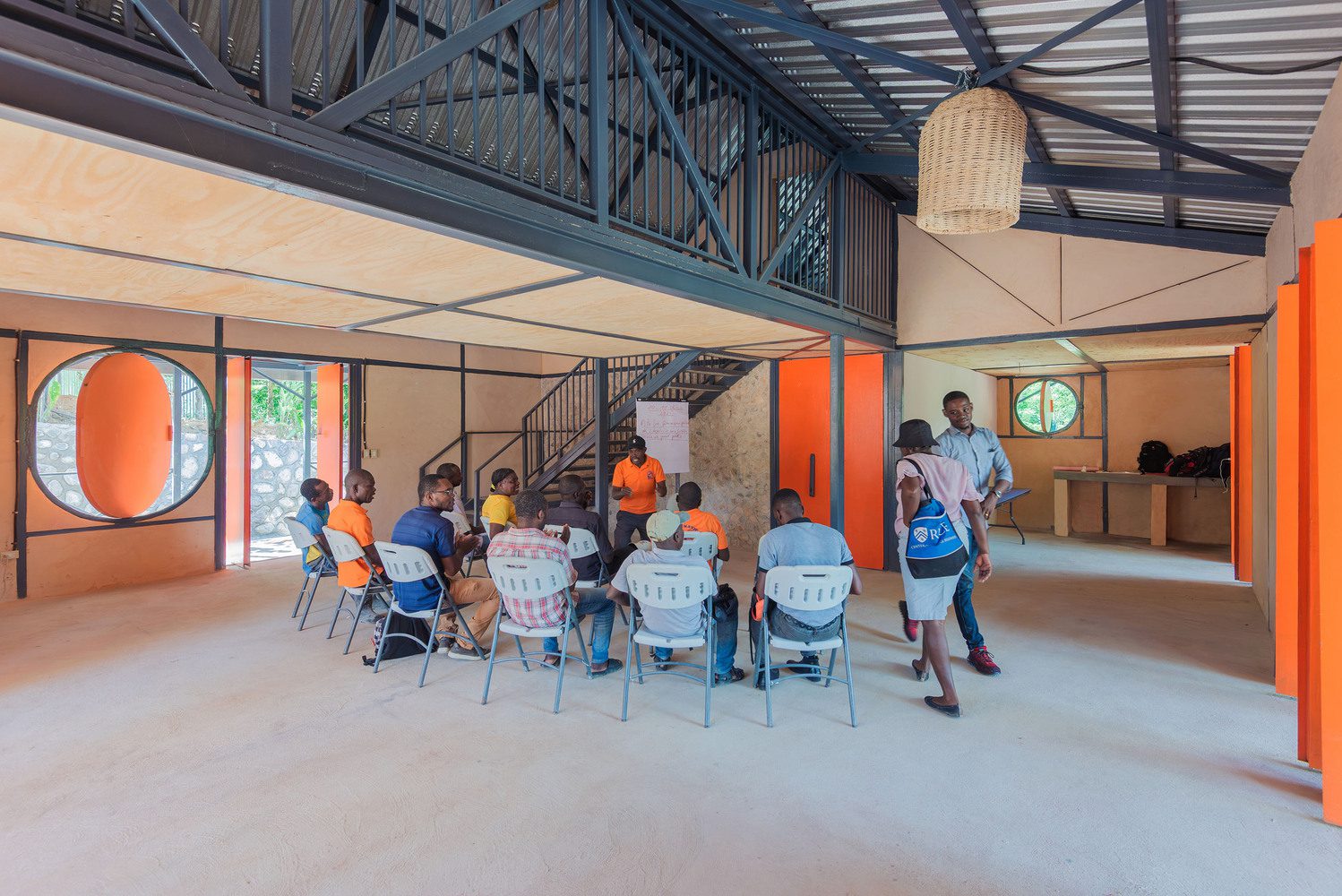
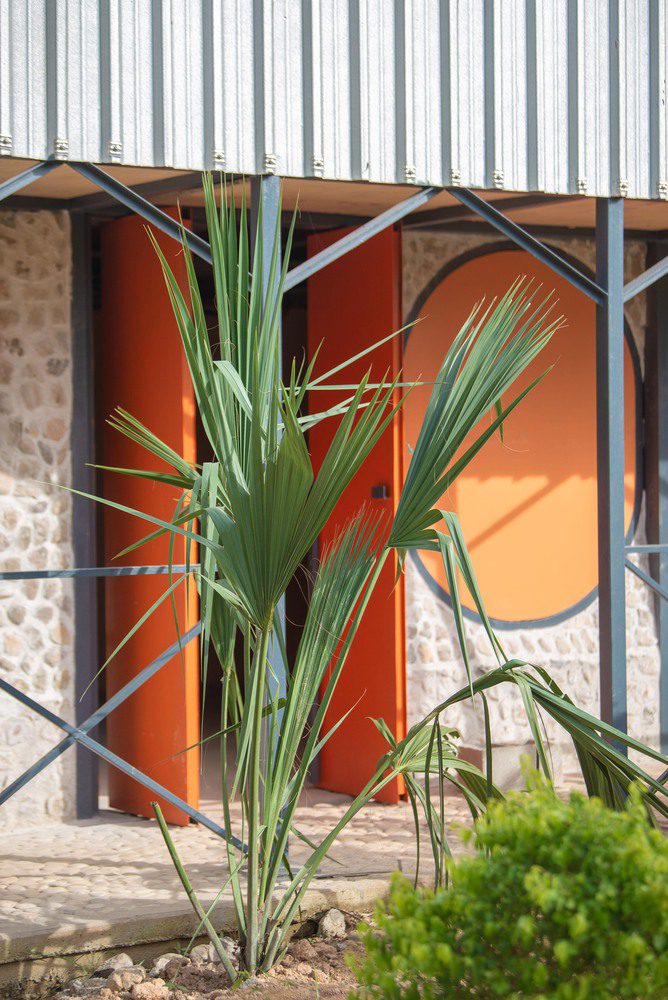
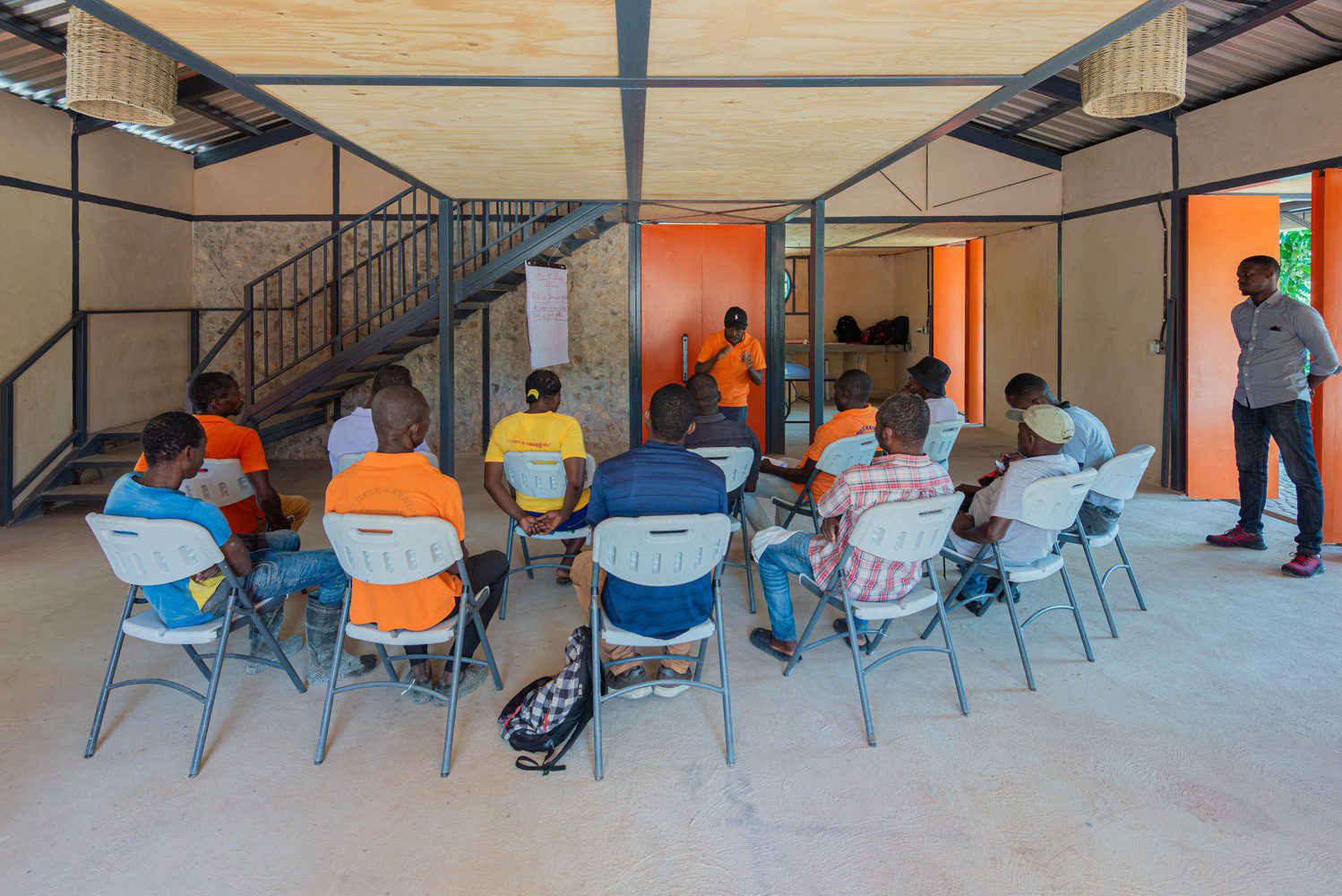
Community Center in Bercy-Cavaillon Haiti, Hidden in the rich tropical vegetation of southern Haiti, the project consists of a community centre for the rural community of Bercy-Cavaillon, as well as the office of the local farmers’ association APTEKKA. The Community Center in Bercy-Cavaillon Haiti is the only shared facility in this remote area, conceived as a place for training, cultural events, collective gatherings, and rest.
© Andrea Panizzo
Funded by FOKAL (Fondasyon Konesans ak Libète), the project is one of three located in Haiti’s Southern Peninsula, a region severely affected by climatic and socio-economic instability. Food insecurity in rural Haiti, particularly in the south, has become a chronic issue, driven by climate hazards, political instability, and economic crisis. The work of local organisations such as APTEKKA is essential in supporting smallholder farmers, protecting agricultural practices, and strengthening community resilience.
© Andrea Panizzo
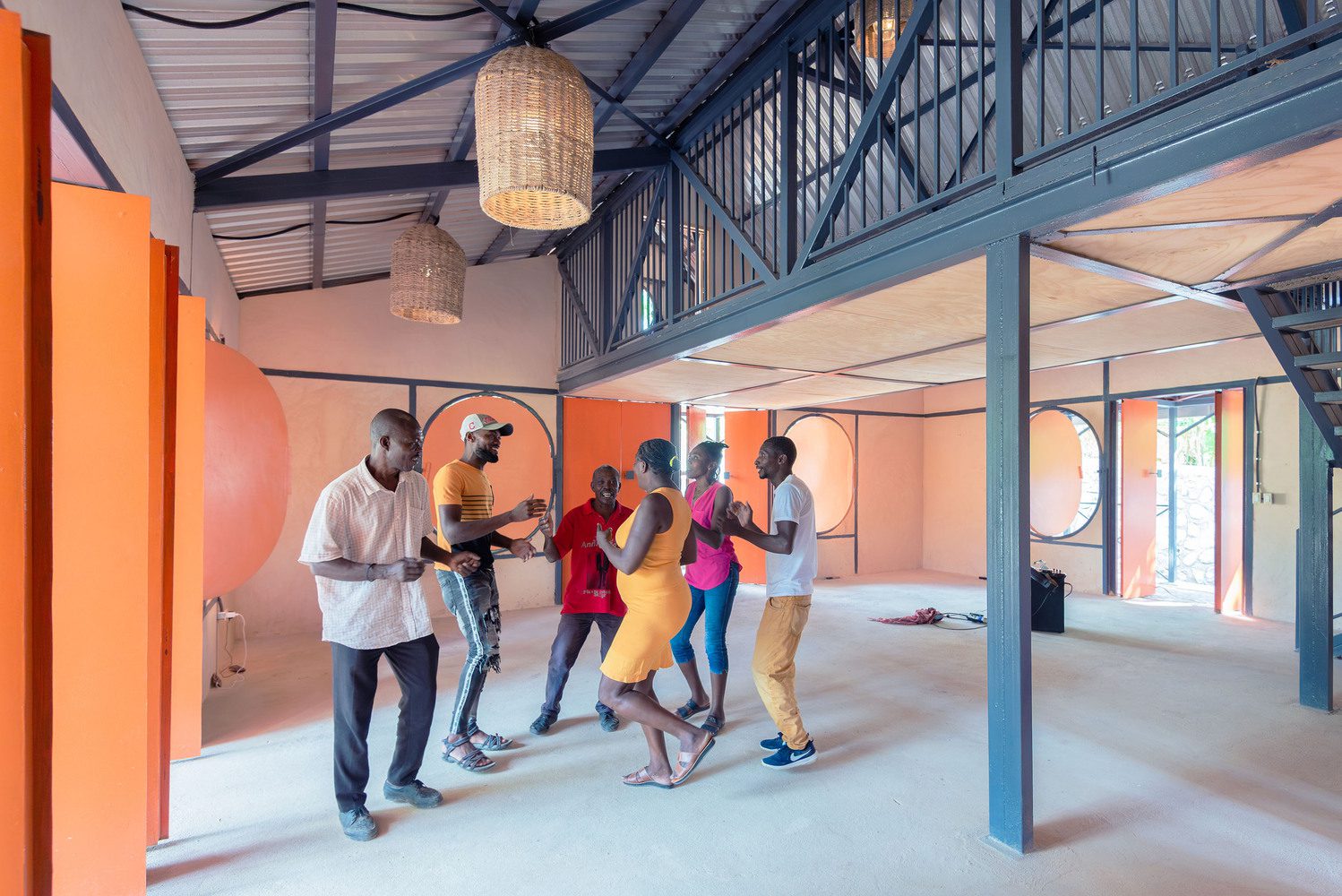
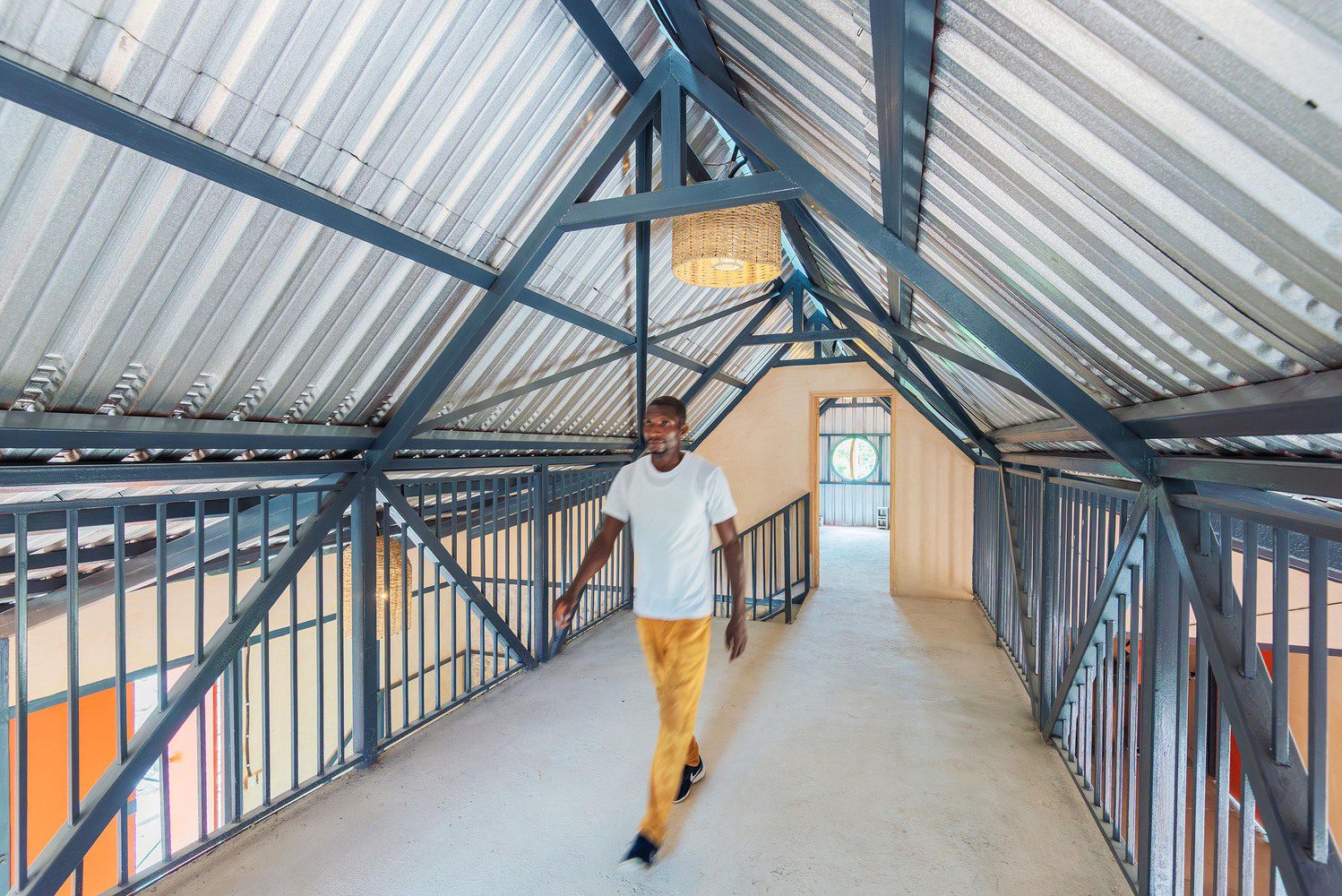
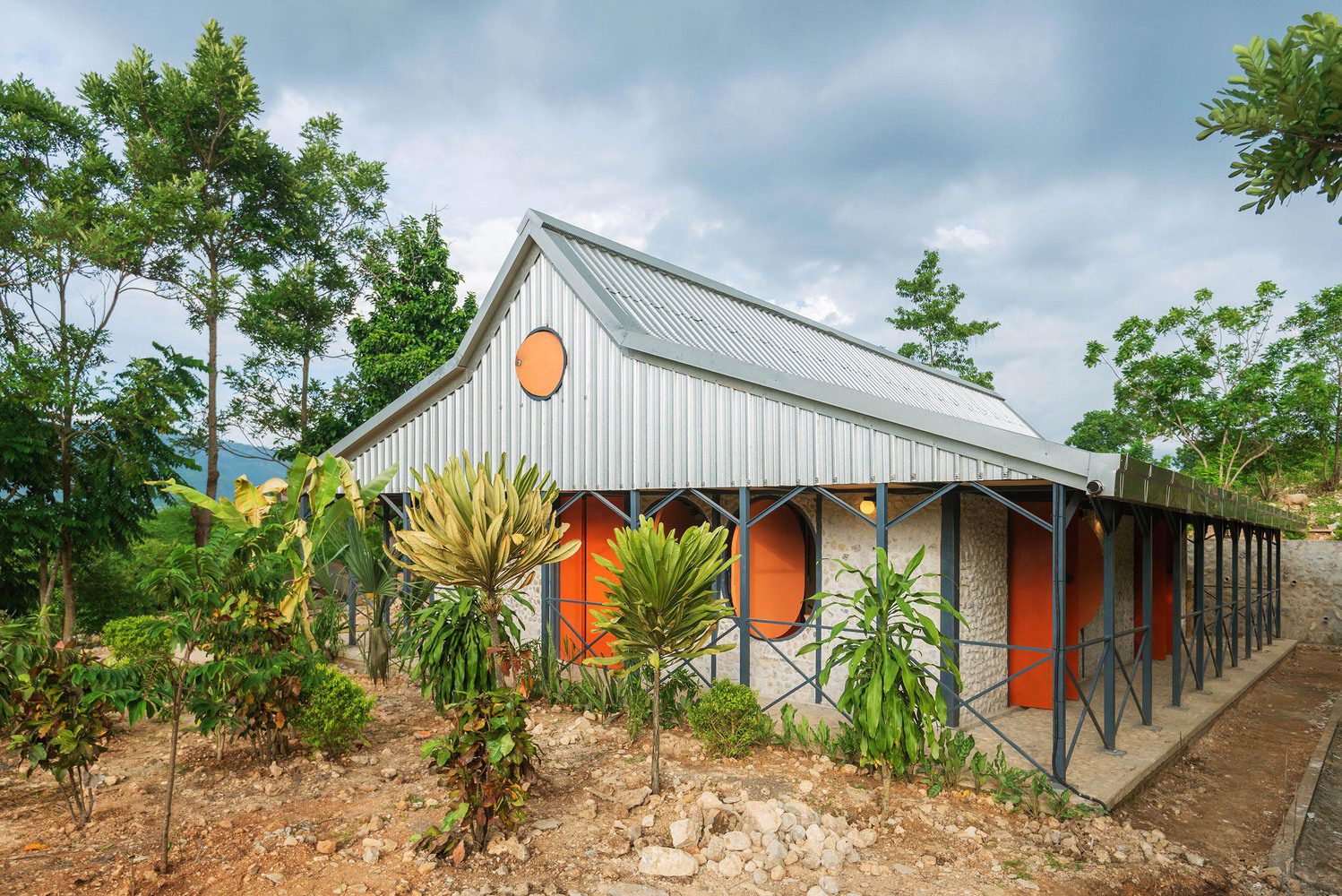
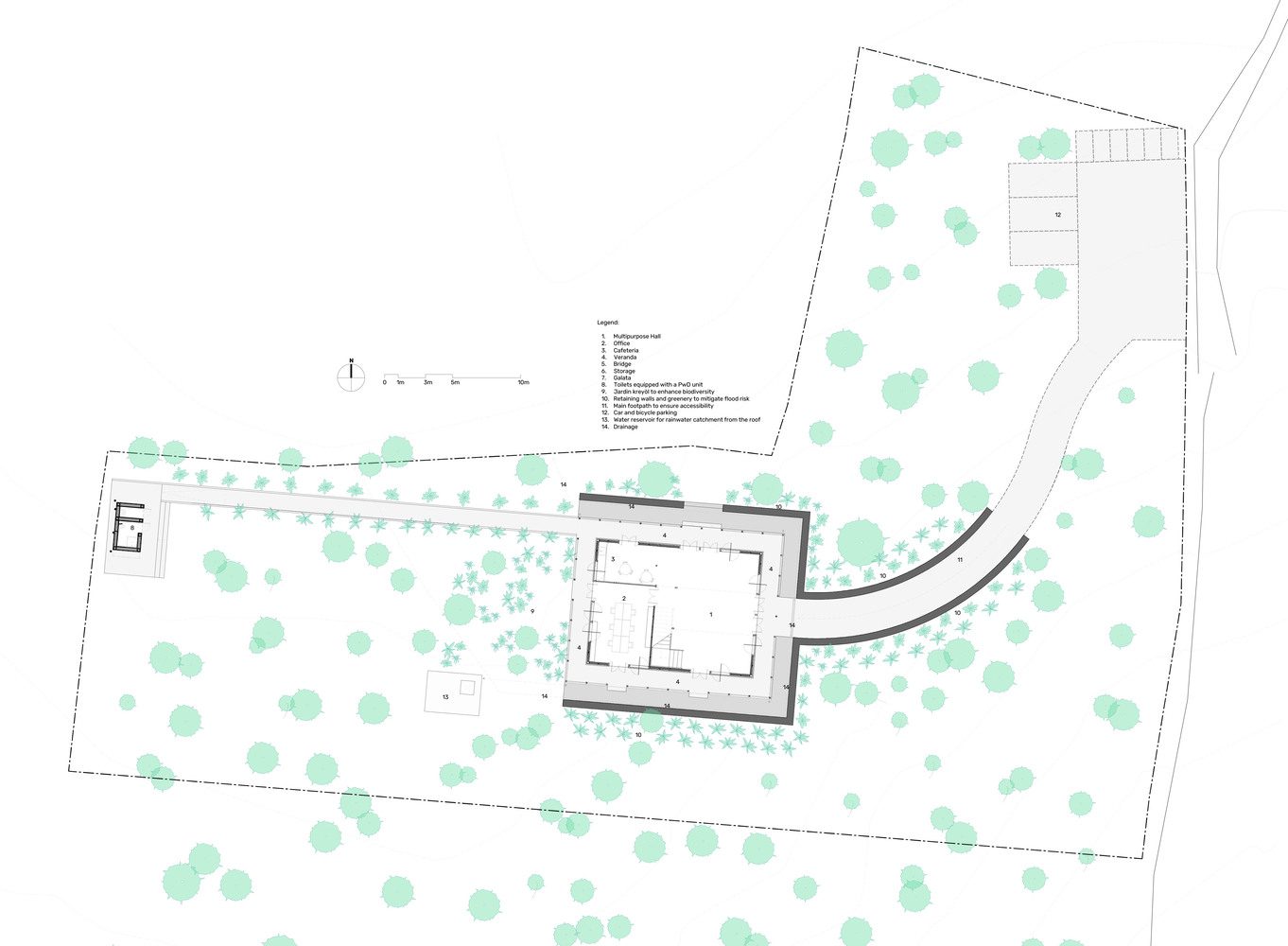
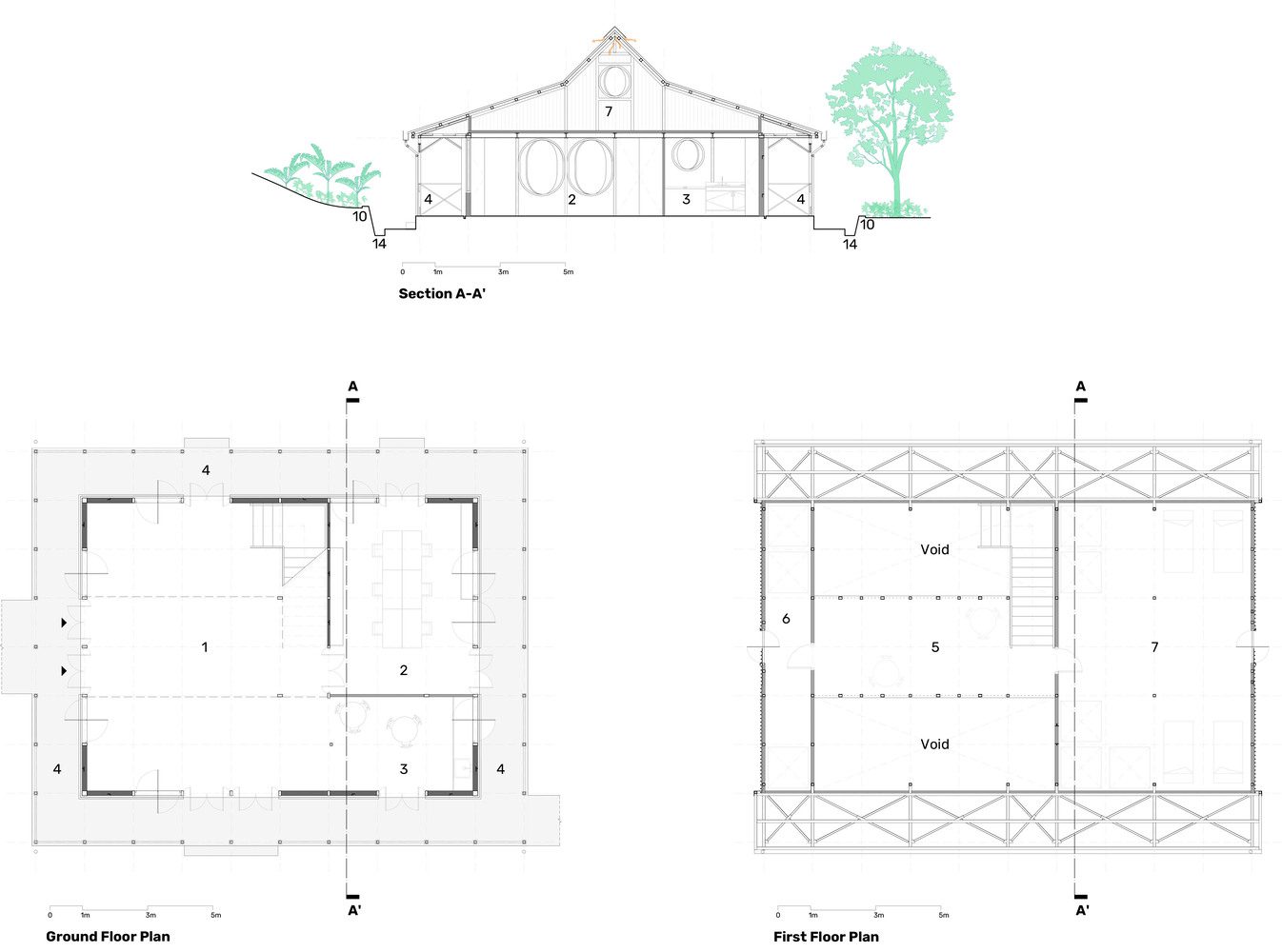
Developed through extensive engagement with the community, the centre comprises two storeys: the ground floor includes a multipurpose hall, an office, and a cafeteria, while the upper floor accommodates storage and a large space used for storing local products, as well as a dormitory for participants attending training sessions from distant villages. The upper floor was inspired by the Haitian galata, a cross-ventilated granary traditionally used for storing crops. A continuous veranda encircles the building. The design integrates rainwater catchment from the roof as well as passive strategies to enhance interior comfort, such as cross-ventilation and ridge openings for hot-air extraction, drawing on the vernacular and bioclimatic principles of the tropical house.
© Andrea Panizzo
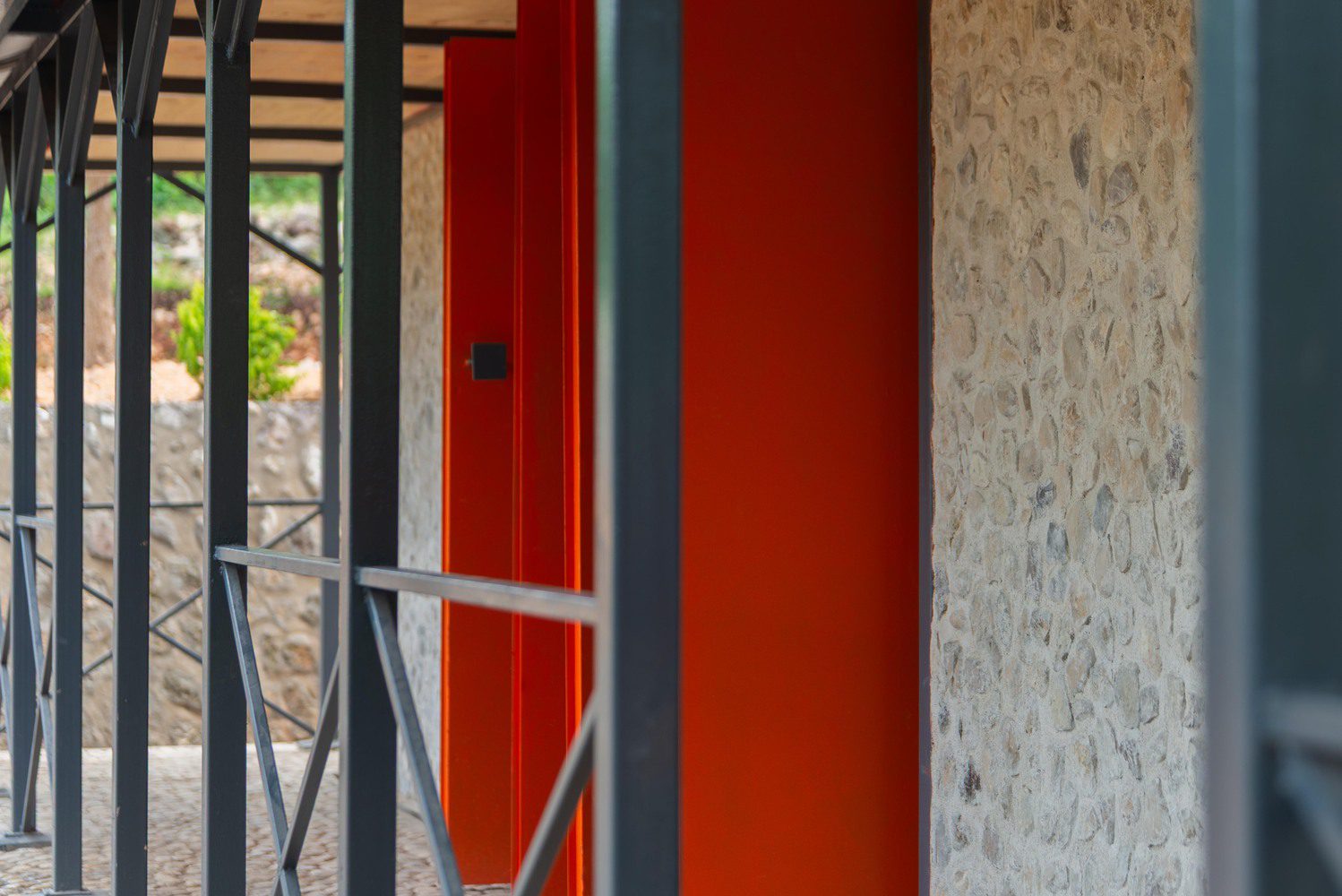
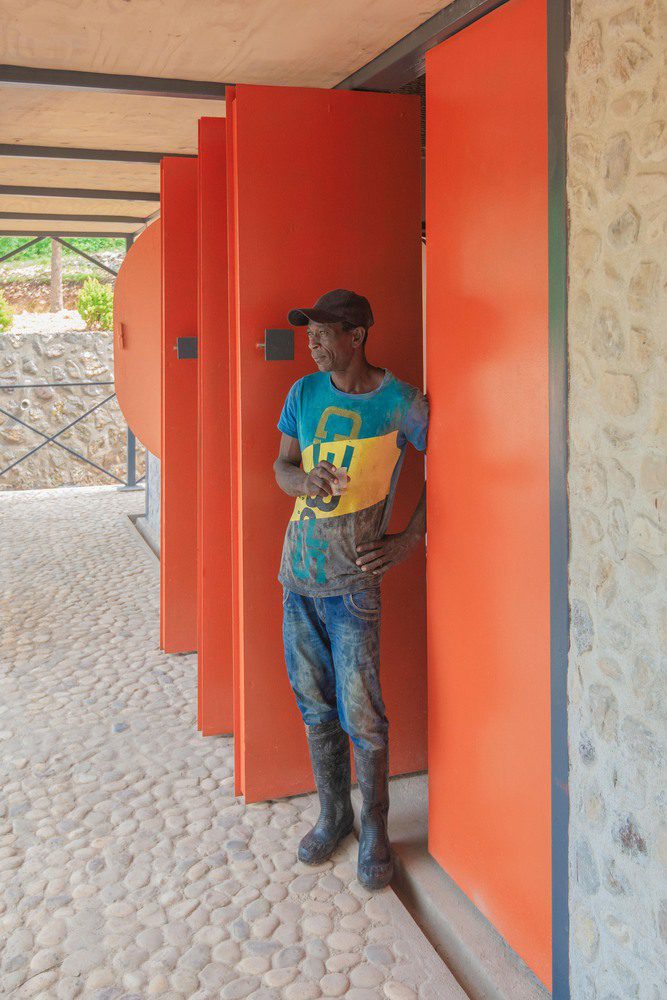
With low maintenance and sustainability in mind, the design prioritises locally available natural materials to minimise its carbon footprint. Apart from the steel structure and roof, designed to be dismantled and reused, the project employs stones from a nearby river and reuses excavated soil for the earth plaster.
© Andrea Panizzo
The region has endured two major natural disasters in recent years: Hurricane Matthew, a Category 4 storm, in 2016, and a 7.2-magnitude earthquake in 2021—both events causing massive destruction. In this context, finding alternative and resilient ways of building became an urgent necessity. Inspired by the vernacular lakay riral (rural house in Haitian Creole), the project adopts a hybrid construction approach, combining the local know-how in steelwork with traditional techniques that are simple to maintain. This system ensures both seismic resistance and thermal comfort, while allowing easy local replication.
© Andrea Panizzo
Construction, which spanned over two years, faced considerable challenges: heavy rains, flooding, repeated hurricane warnings (including Hurricane Melissa), and blockades organised by gangs that disrupted supply routes from Port-au-Prince to the south. Inflation and shortages of materials and fuel forced several redesigns, but the determination of the local community proved decisive. Through the traditional konbit practice—collective, non-monetary work for a common cause—residents supported the contractor and contributed directly to the building process.
© Andrea Panizzo
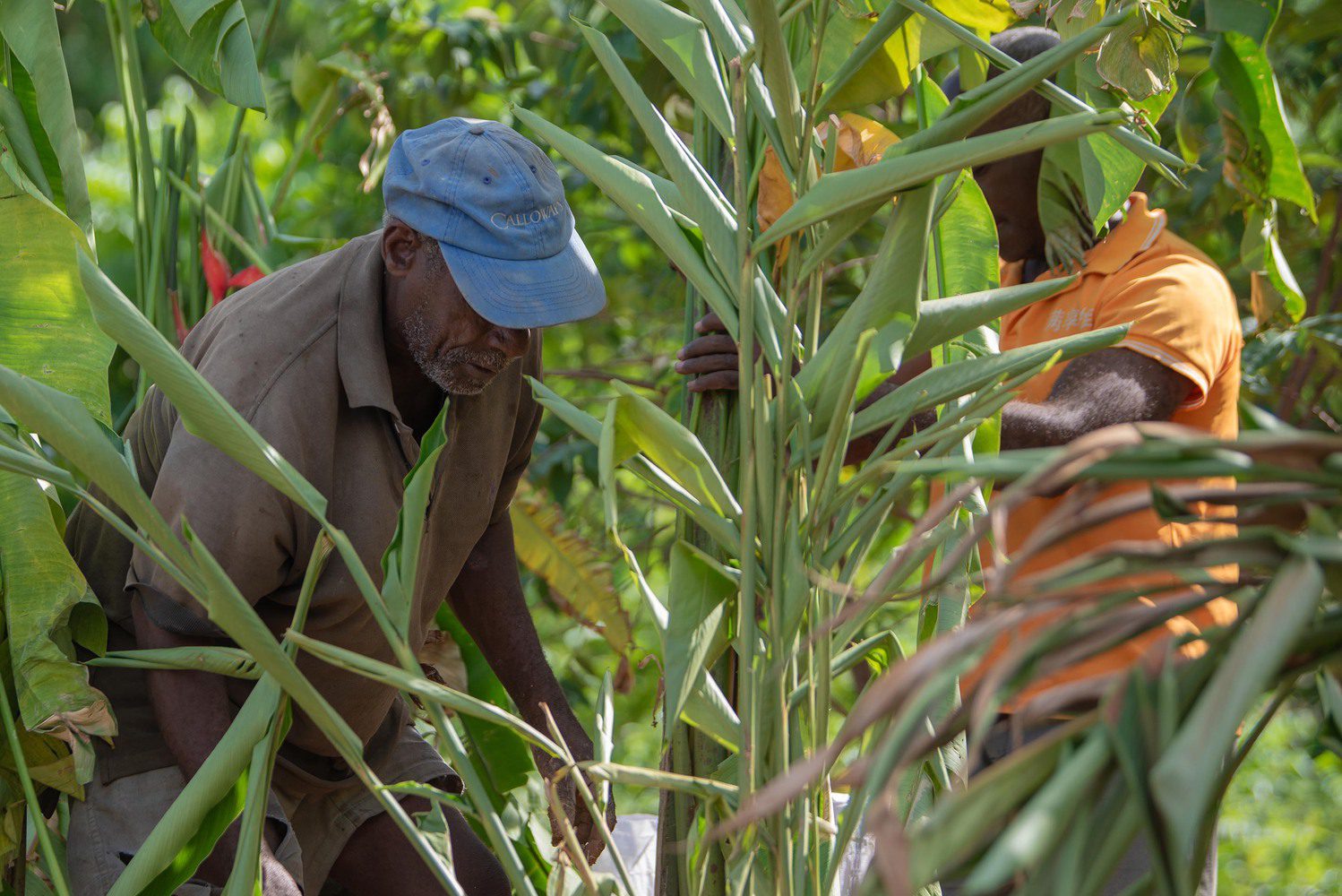
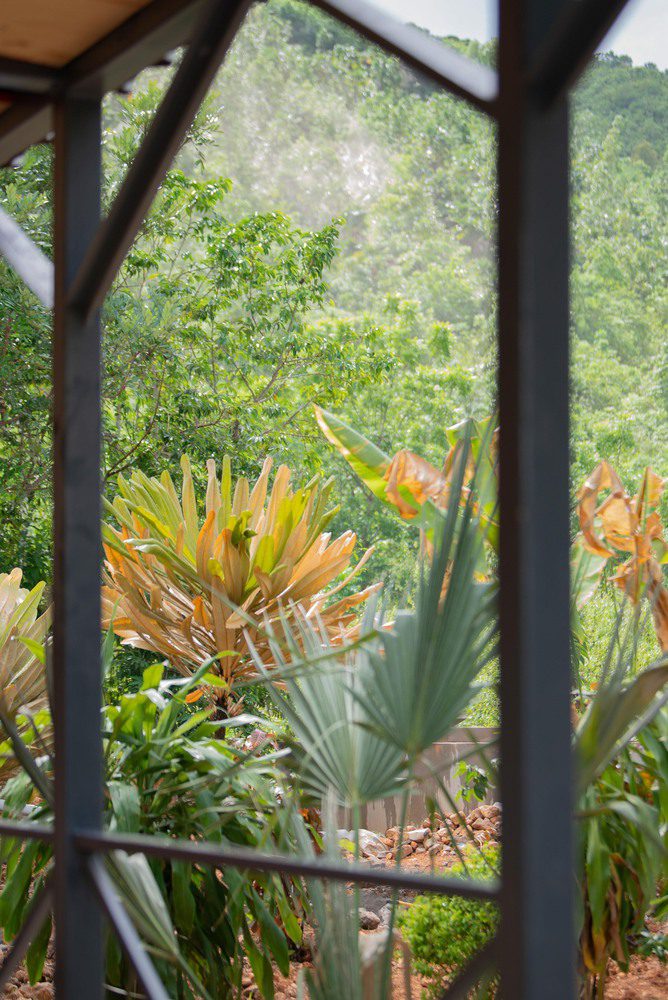
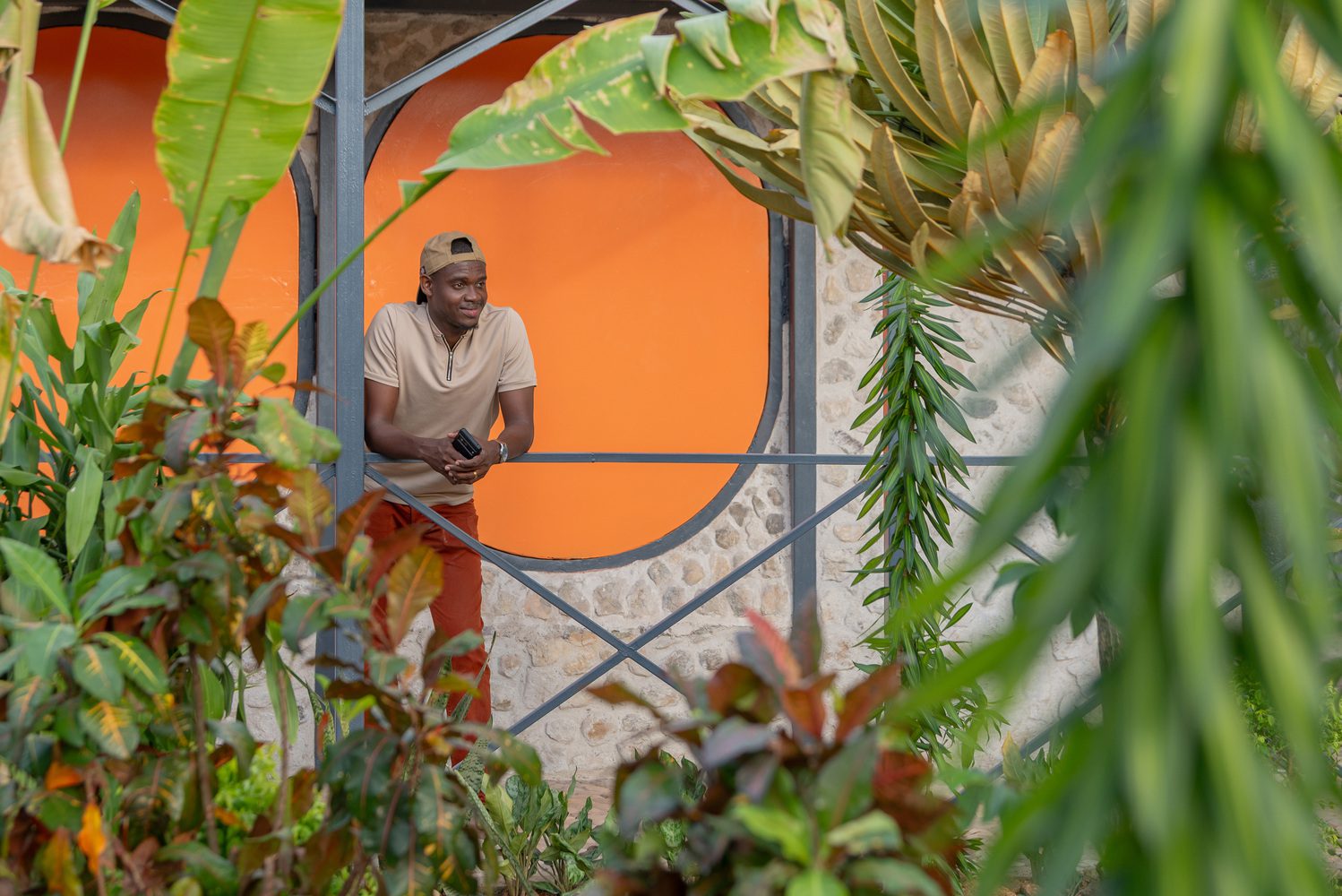
Finally, in collaboration with agronomists from Jardin Botanique des Cayes and inspired by the jardin kreyòl, a traditional agro-ecological farming system in Haiti, more than 100 trees and plants were introduced around the site, including some endemic and endangered species, restoring ecological diversity and transforming the centre into a cultural and environmental landmark for the region.
Architects: Emergent Vernacular Architecture (EVA Studio)
Photography: Andrea Panizzo

Anastasia Andreieva is an accomplished Architectural Projects Editor at Arch2O, bringing a unique blend of linguistic expertise and design enthusiasm to the team. Born and raised in Ukraine, she holds a Master’s degree in Languages from Taras Shevchenko National University of Kyiv. Her deep passion for architecture and visual storytelling led her to transition from translation and editorial roles into the world of design media. With a keen eye for conceptual clarity and narrative structure, Anastasia curates and presents global architectural projects with precision and flair. She is particularly drawn to parametric and digital design, cultural context, and emerging voices in architecture. When I’m not analyzing the latest architectural trends, you’ll probably find me searching for hidden gems in cityscapes or appreciating the beauty of well-crafted spaces. After all, great design—like great connections—can be found in the most unexpected places. Speaking of connections, because architecture isn’t the only thing that brings people together.