


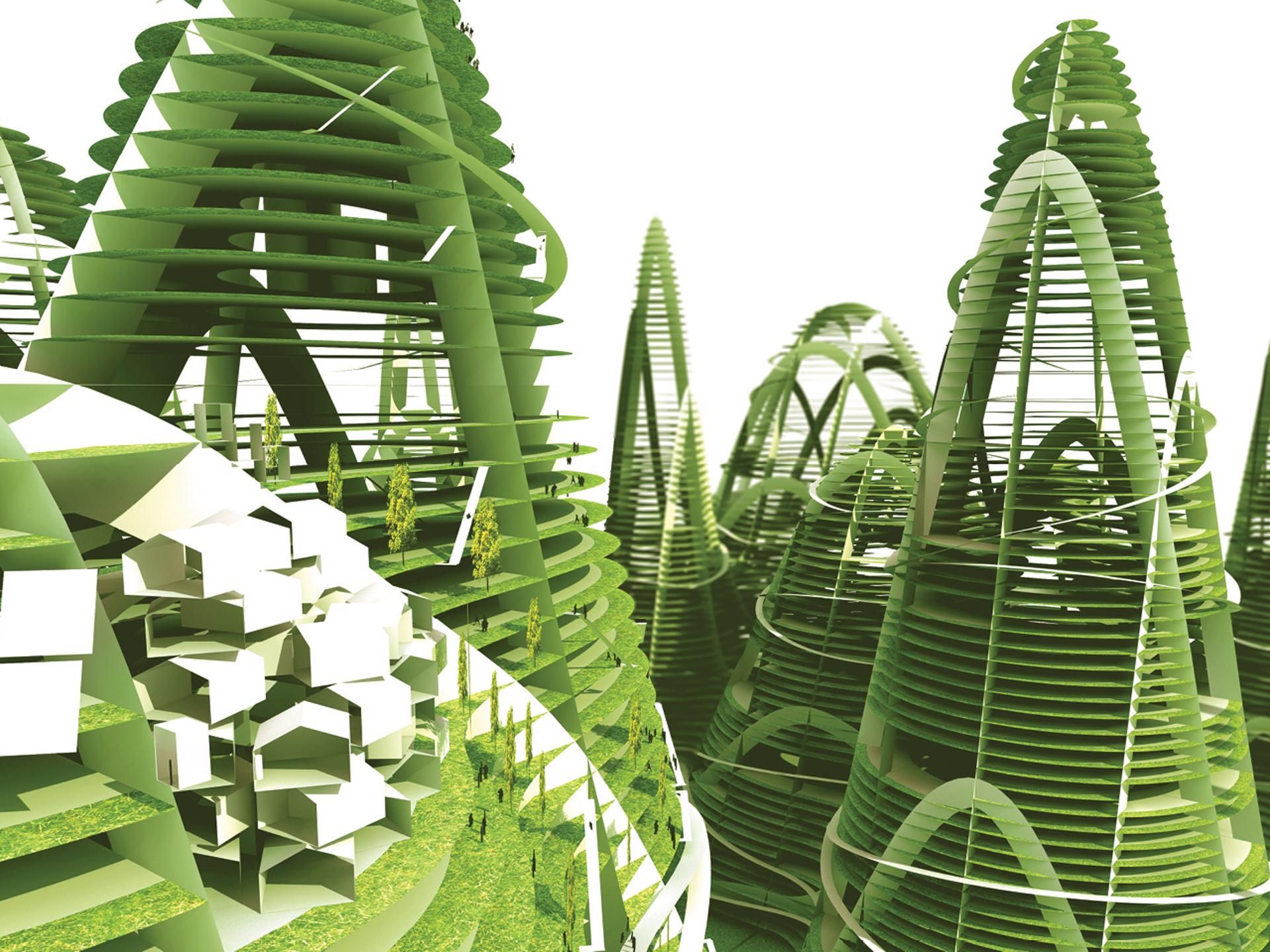
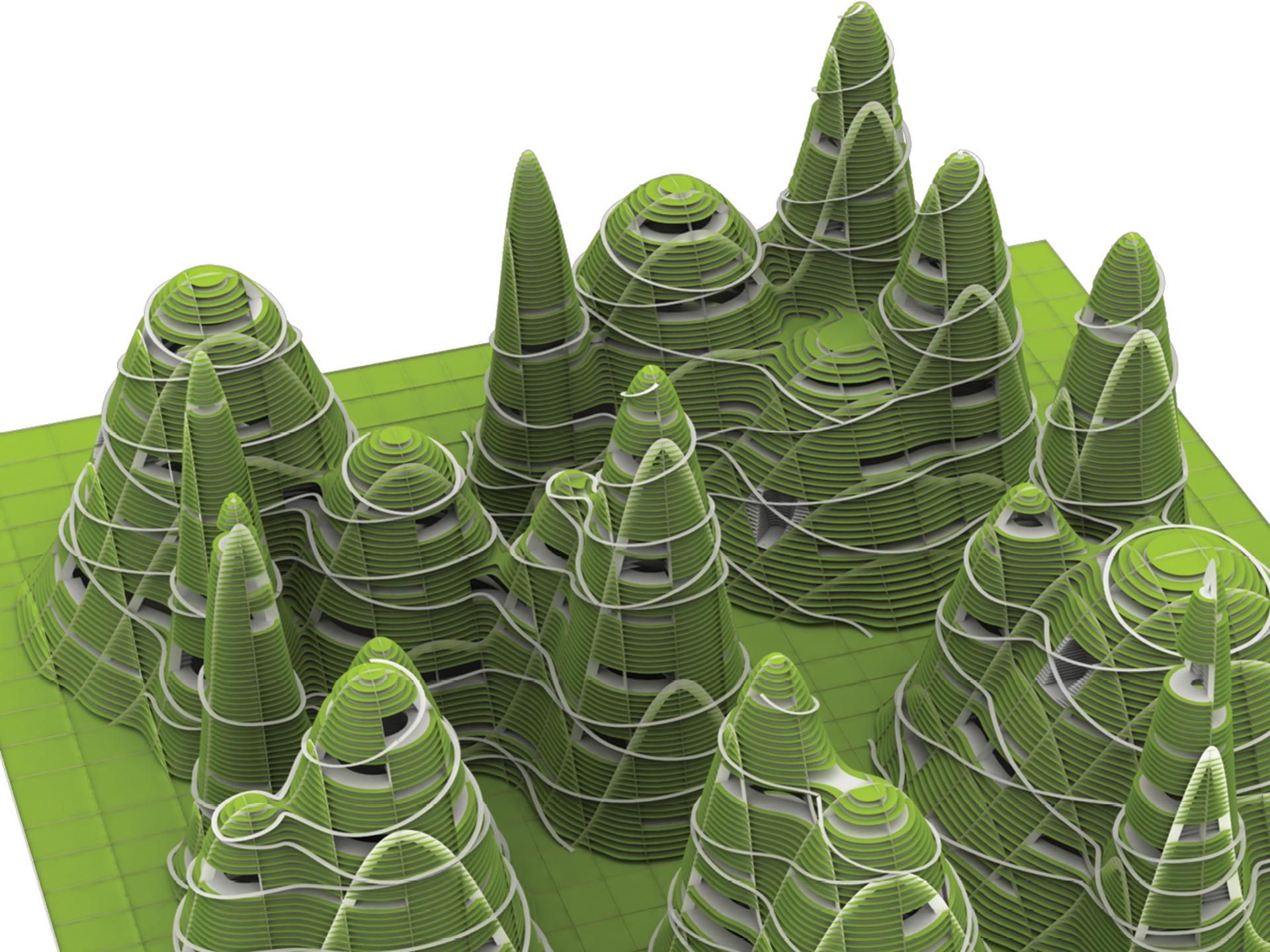
At the University of Technology in Iodz, Poland, the P3 workshop design team made a pavilion based on parametric origami. The P3 Pavilion is an expression of a combination of applied physical forces and imposed design decisions representing a shape guild line criteria.
Courtesy of © MVRDV
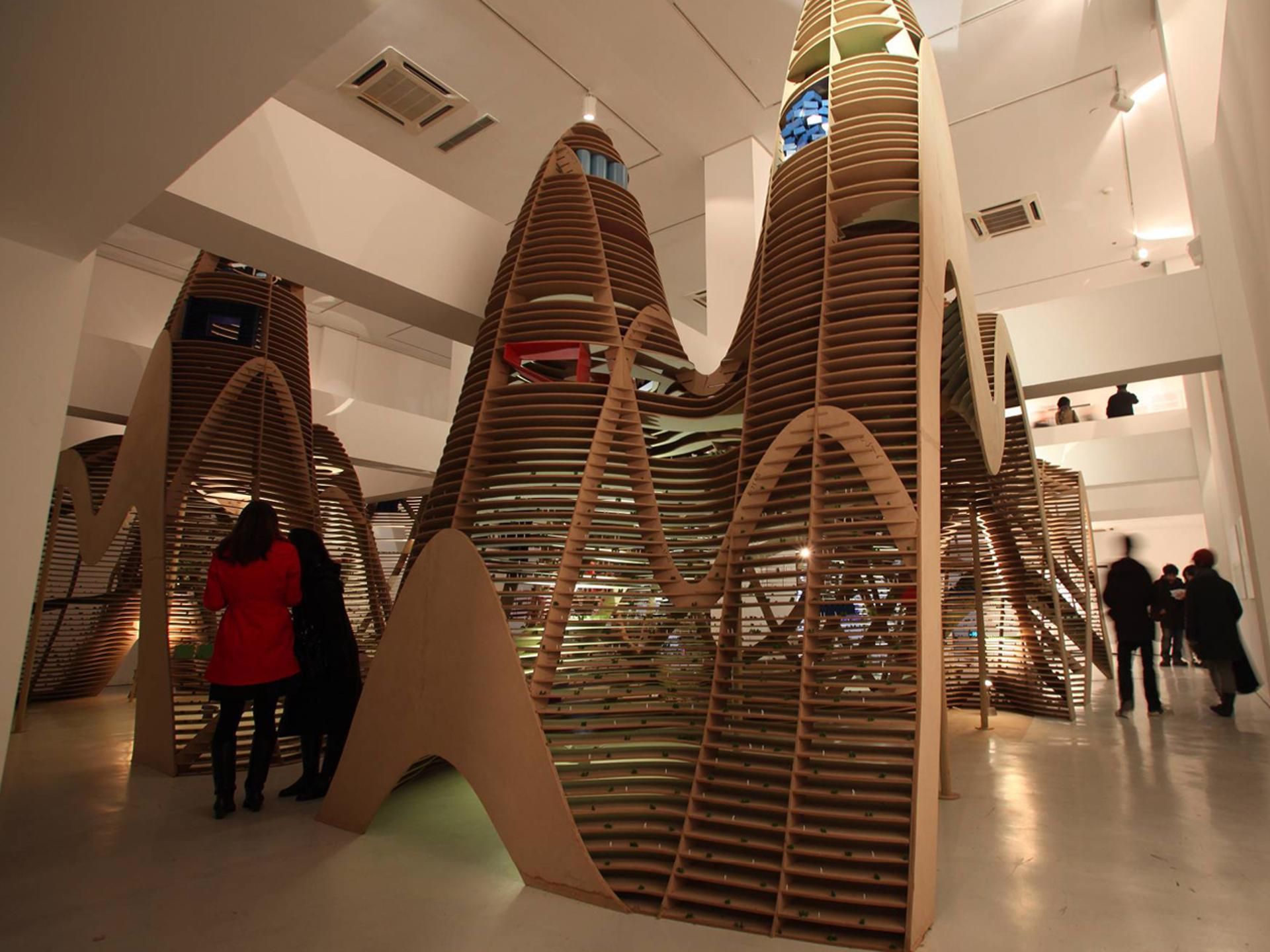
This leads to the concluding design that is formed from a formal concept, using natural forces to define the generated and a structural concept, resulting in a origami logic in order to locate the load bearing and structural elements with an intelligent assembly process. The pavilion does not rely on binder and it allows the repetitive construction and deconstruction of the structure.
Courtesy of © MVRDV
This process was split in to unique parts due to its complexity. First part is finding a script that would give the given form results and the second a script for connection and perforation.
Courtesy of © MVRDV
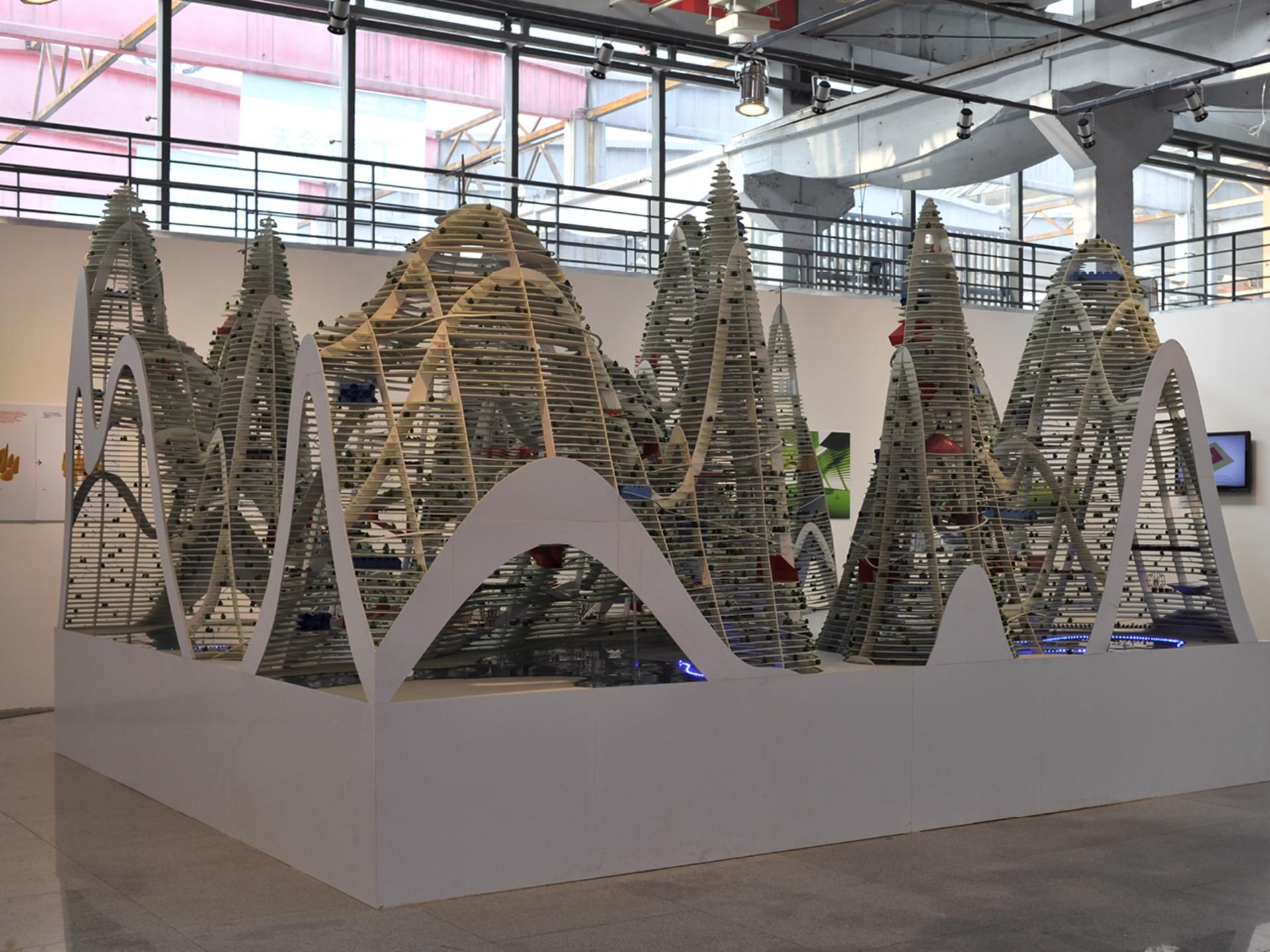
The construction is made up of 570 triangular elements, so the team used wood joints to avoid the need for extra binding, totaling 200 square meters of 15mm plywood. The puncture of each piece evolves on as it increases in height and emphasizes the structural arches rooted in the pavilions design.
Courtesy of © MVRDV

Anastasia Andreieva is an accomplished Architectural Projects Editor at Arch2O, bringing a unique blend of linguistic expertise and design enthusiasm to the team. Born and raised in Ukraine, she holds a Master’s degree in Languages from Taras Shevchenko National University of Kyiv. Her deep passion for architecture and visual storytelling led her to transition from translation and editorial roles into the world of design media. With a keen eye for conceptual clarity and narrative structure, Anastasia curates and presents global architectural projects with precision and flair. She is particularly drawn to parametric and digital design, cultural context, and emerging voices in architecture. When I’m not analyzing the latest architectural trends, you’ll probably find me searching for hidden gems in cityscapes or appreciating the beauty of well-crafted spaces. After all, great design—like great connections—can be found in the most unexpected places. Speaking of connections, because architecture isn’t the only thing that brings people together.