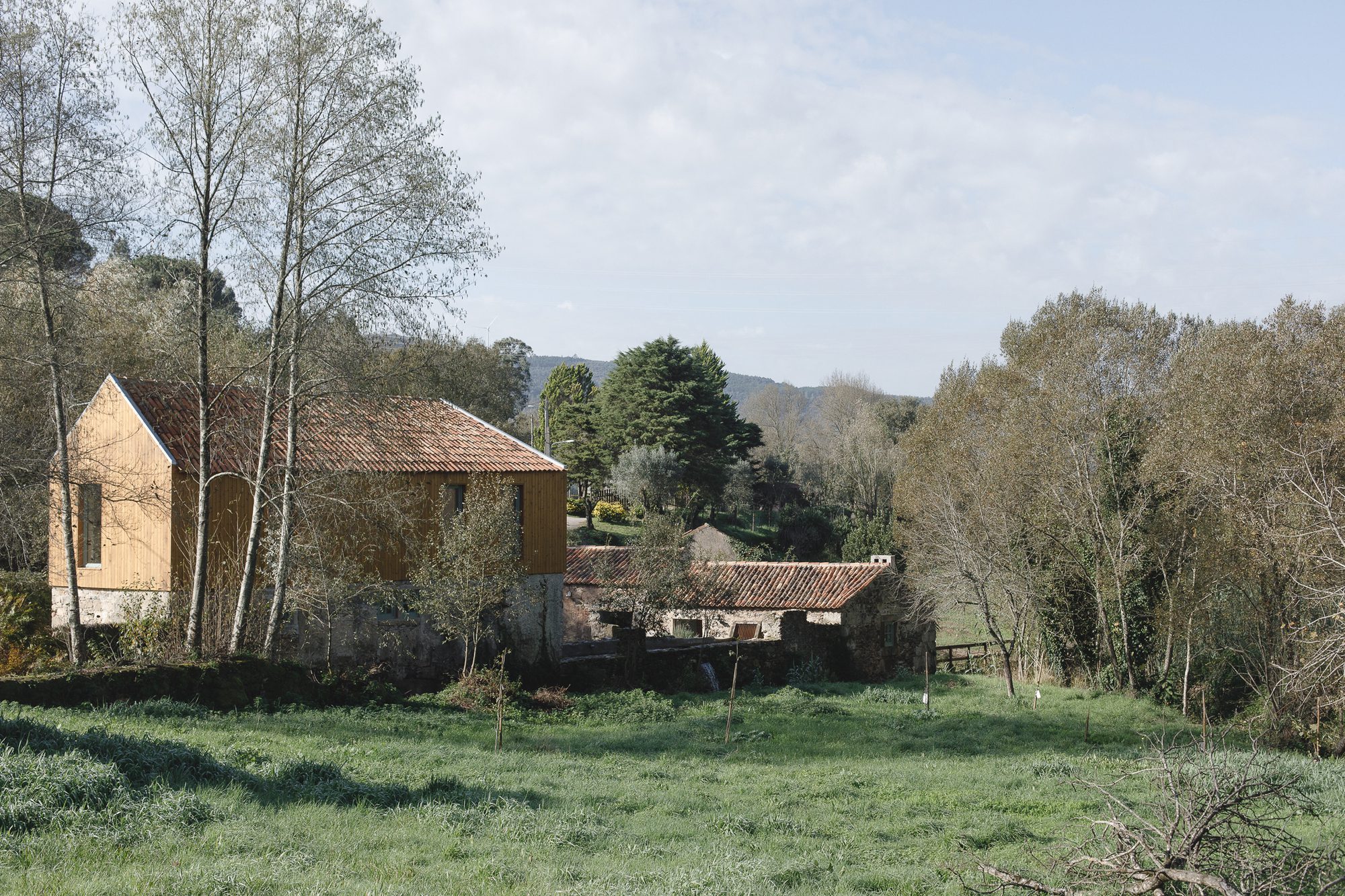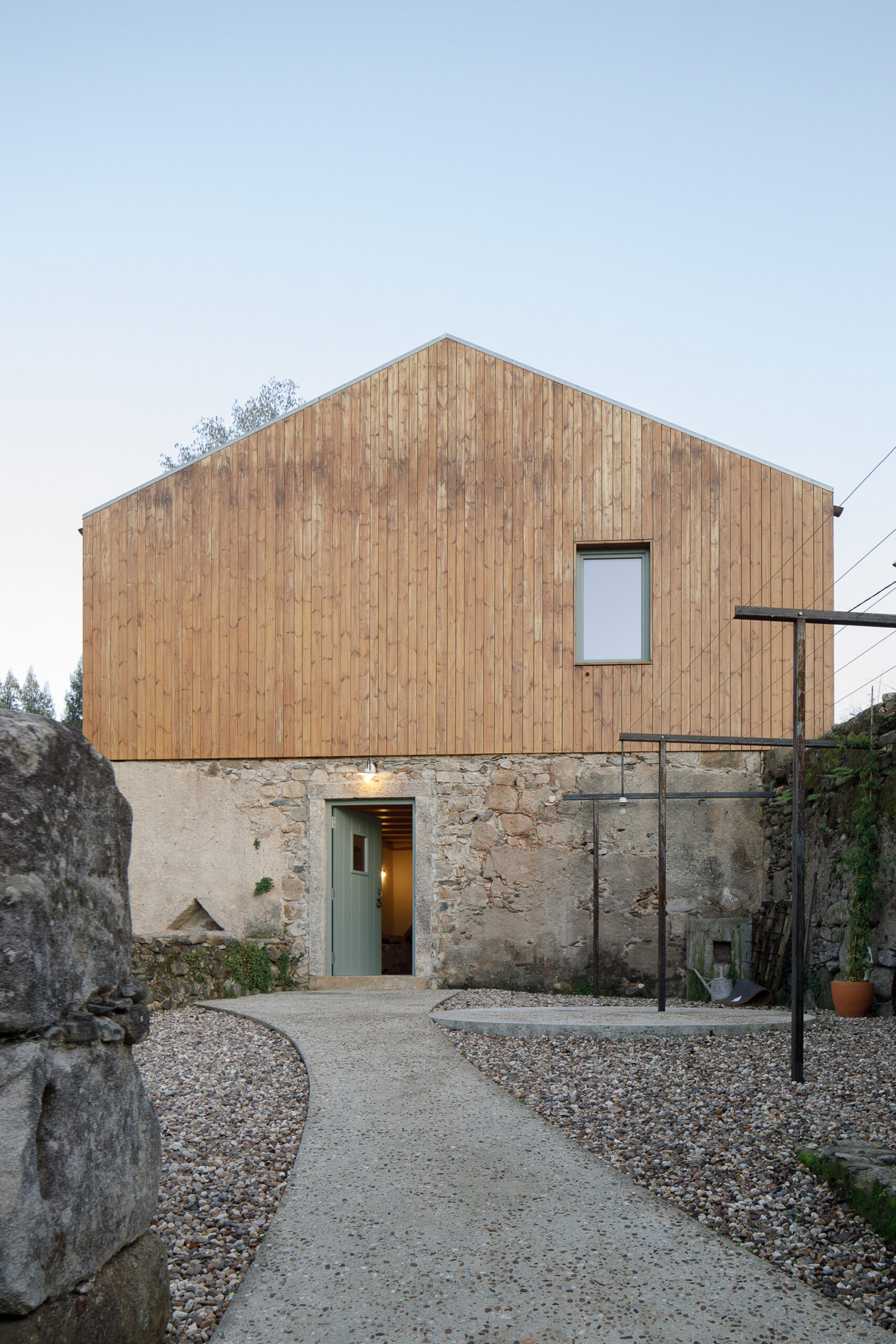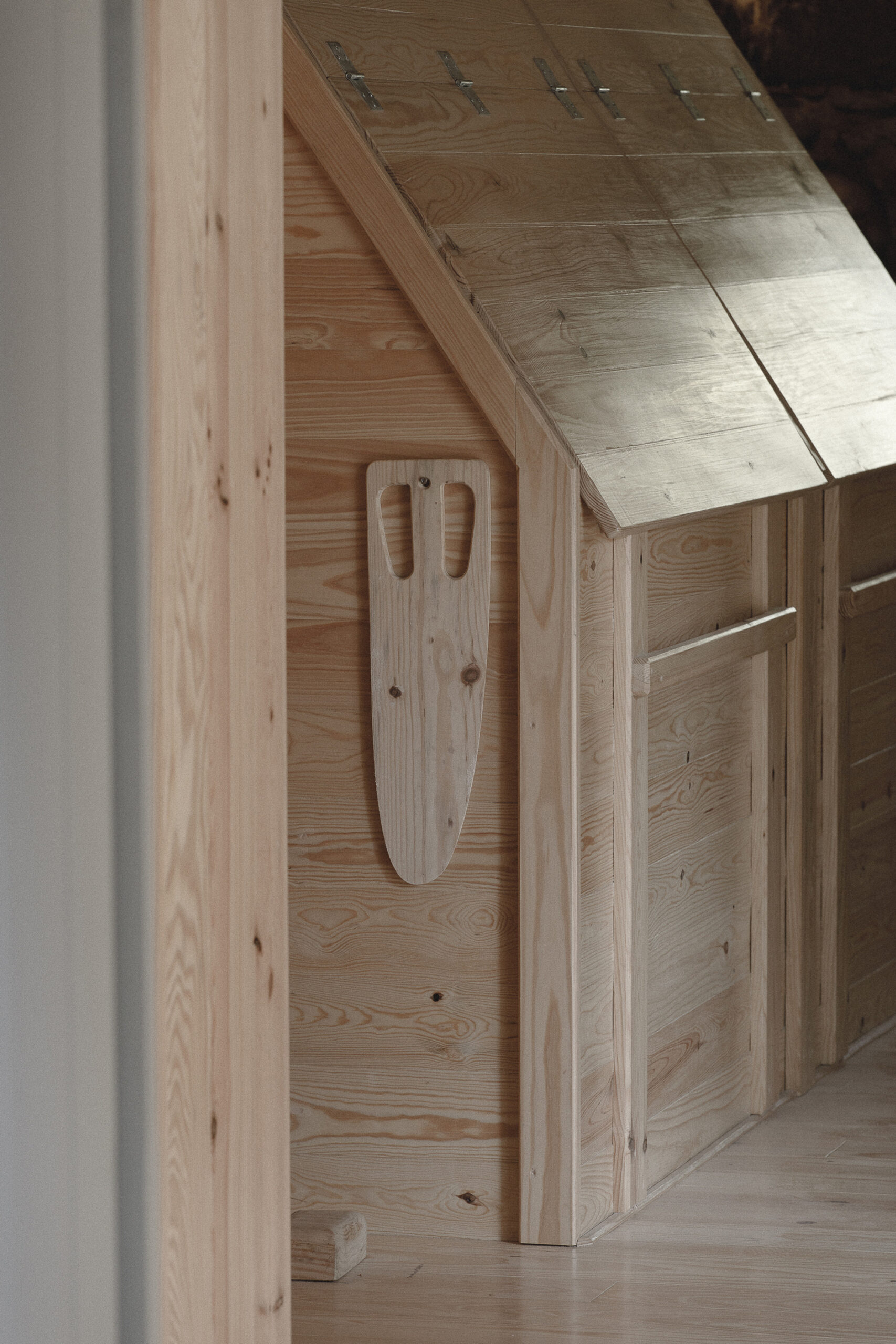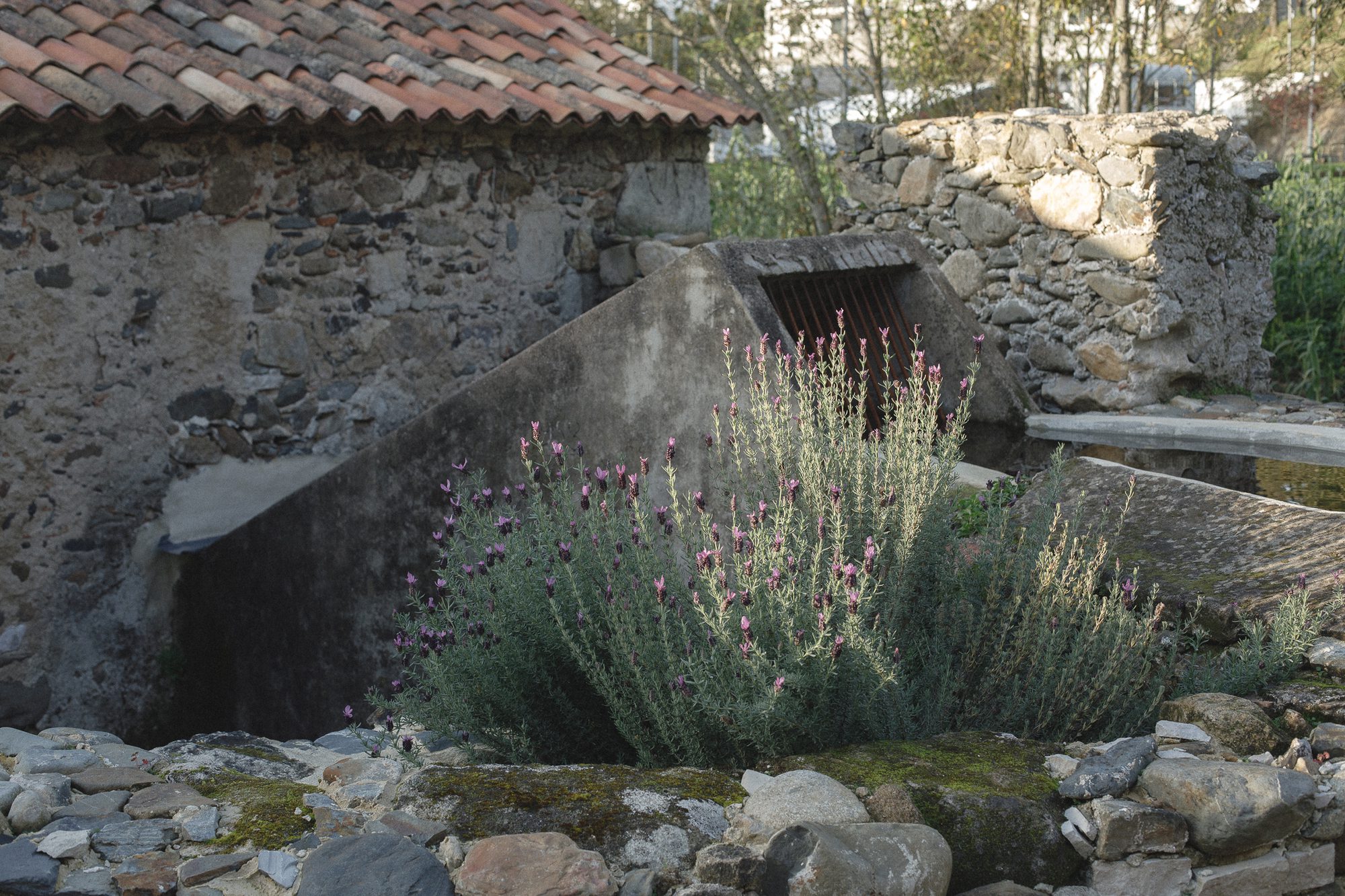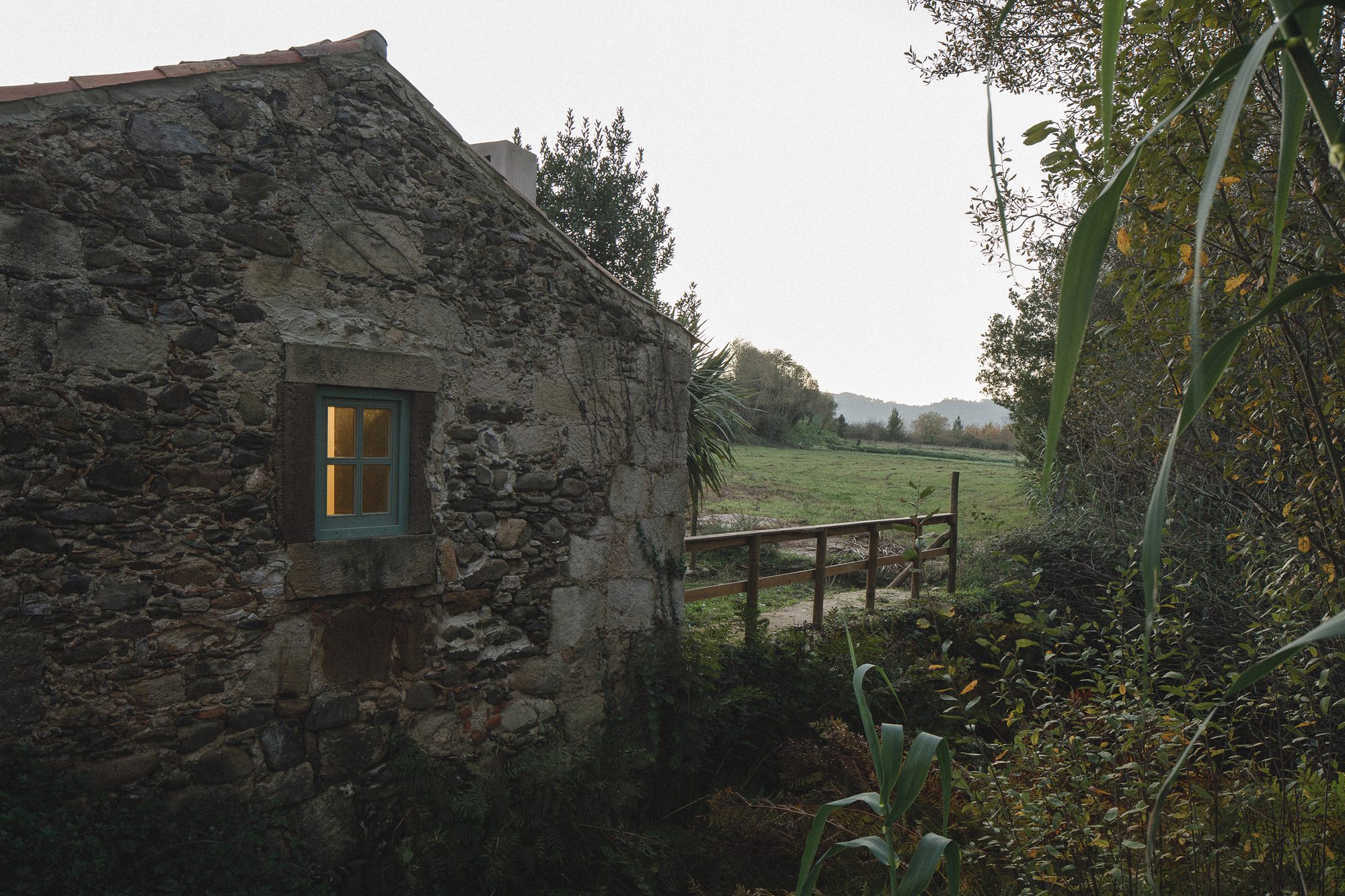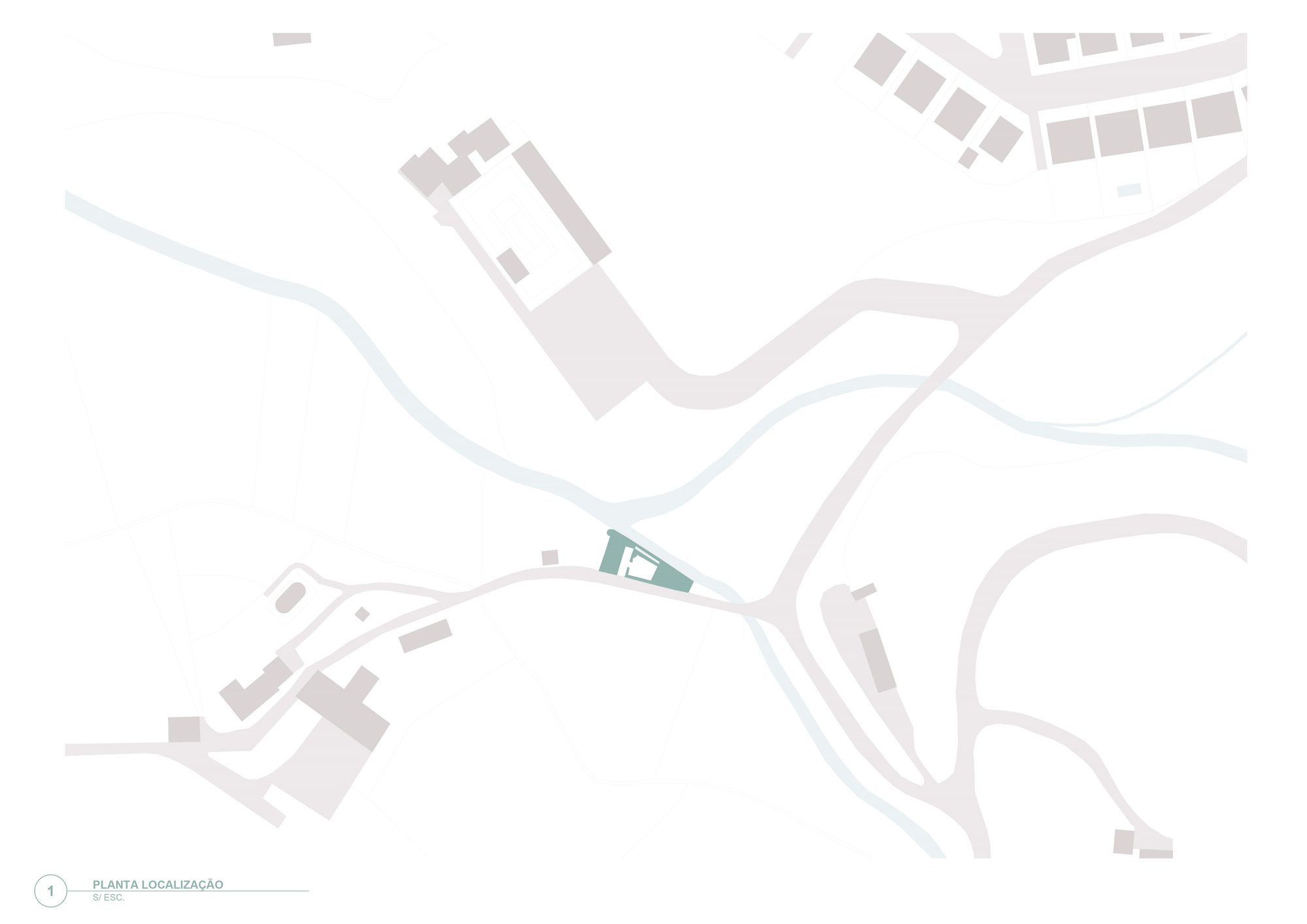

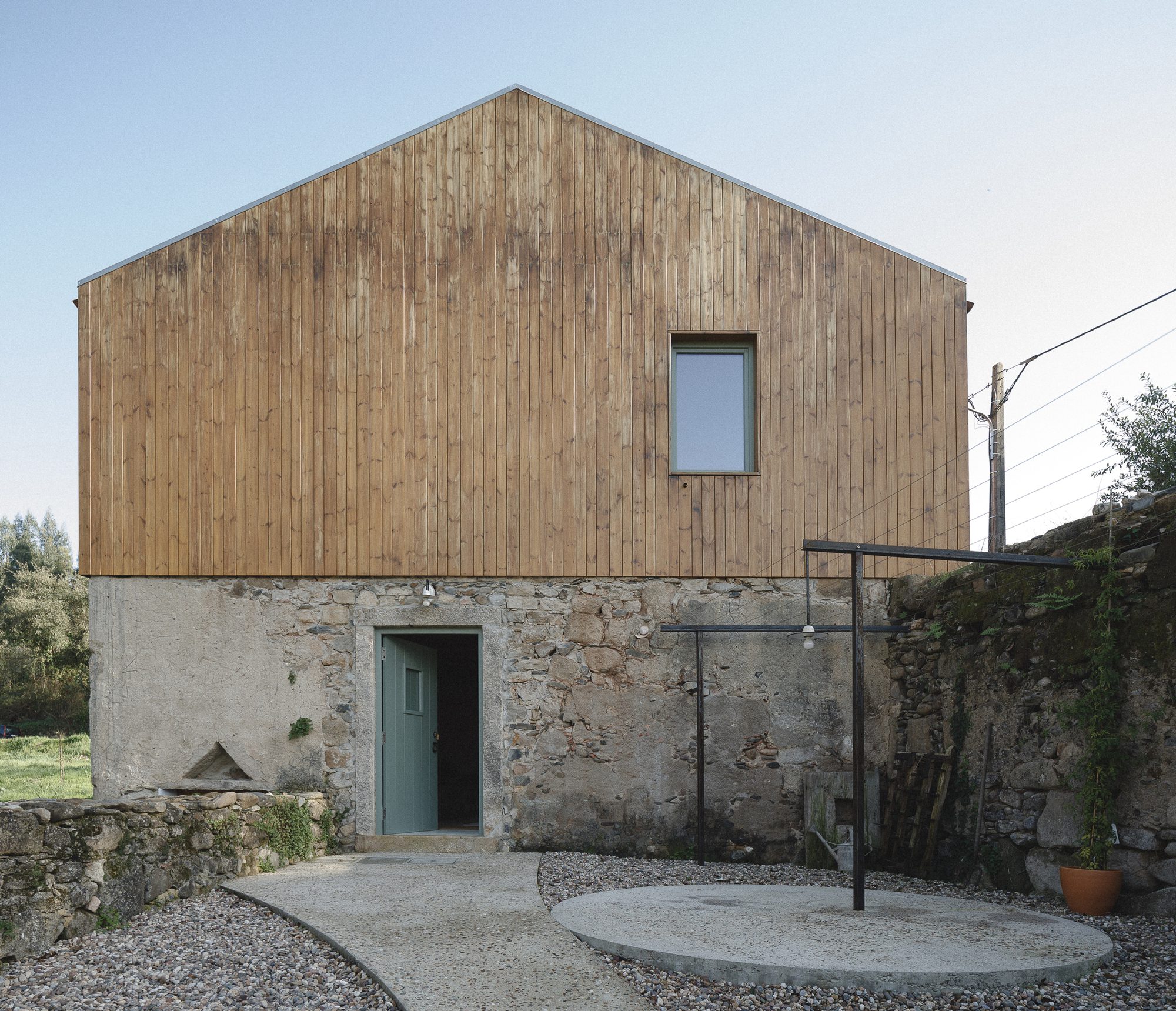
Cereal Interpretation Center, Surrounded by nature, the locality of Santa Eufémia, near the village of Espinhal, is a region known for its high cultural and historical value due to its antiquity. Among its attractions, the watermills stand out.
© José Campos
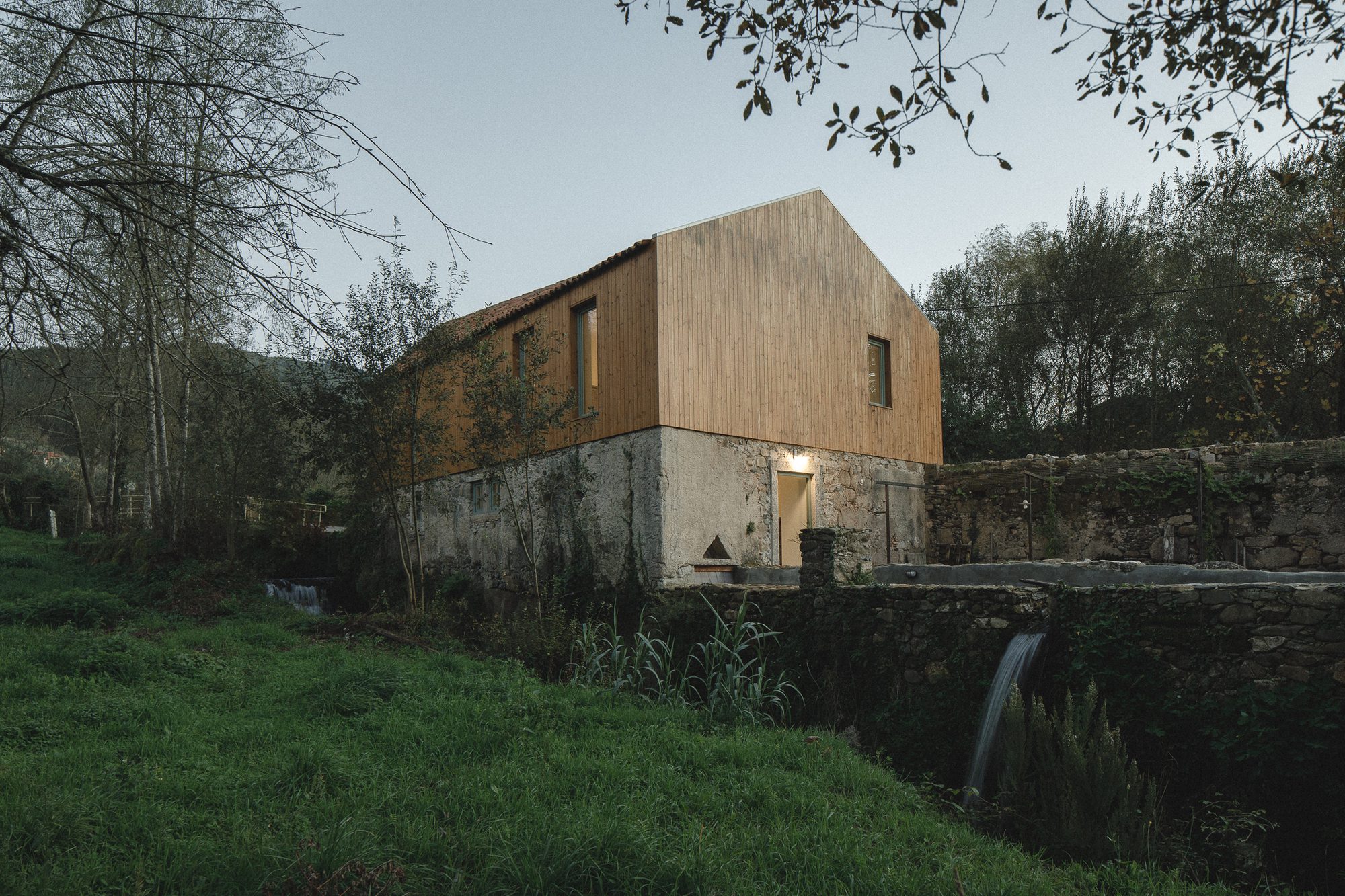
The restoration of this heritage contributes to benefiting and enhancing the territory, representing a stimulus for the local economy and development, especially in a social and environmental context. With the construction of the “CIC,” the aim is to promote and share the ancient practices related to the milling process and the production of bread and broa, as well as to raise awareness for sustainable actions, allowing different audiences to have direct contact with the surrounding nature and the opportunity to learn about the areas of significant cultural and natural value.
© José Campos
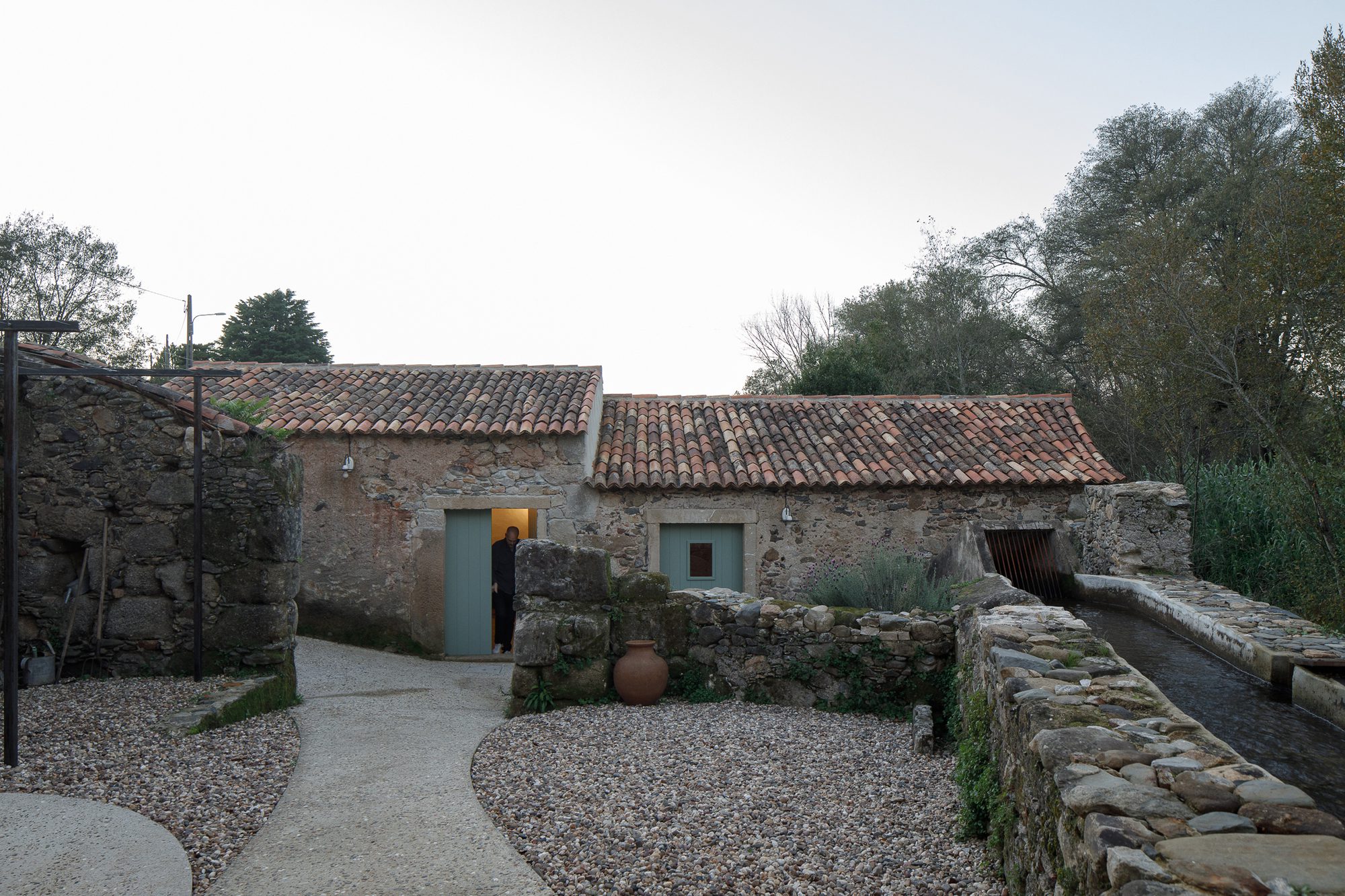
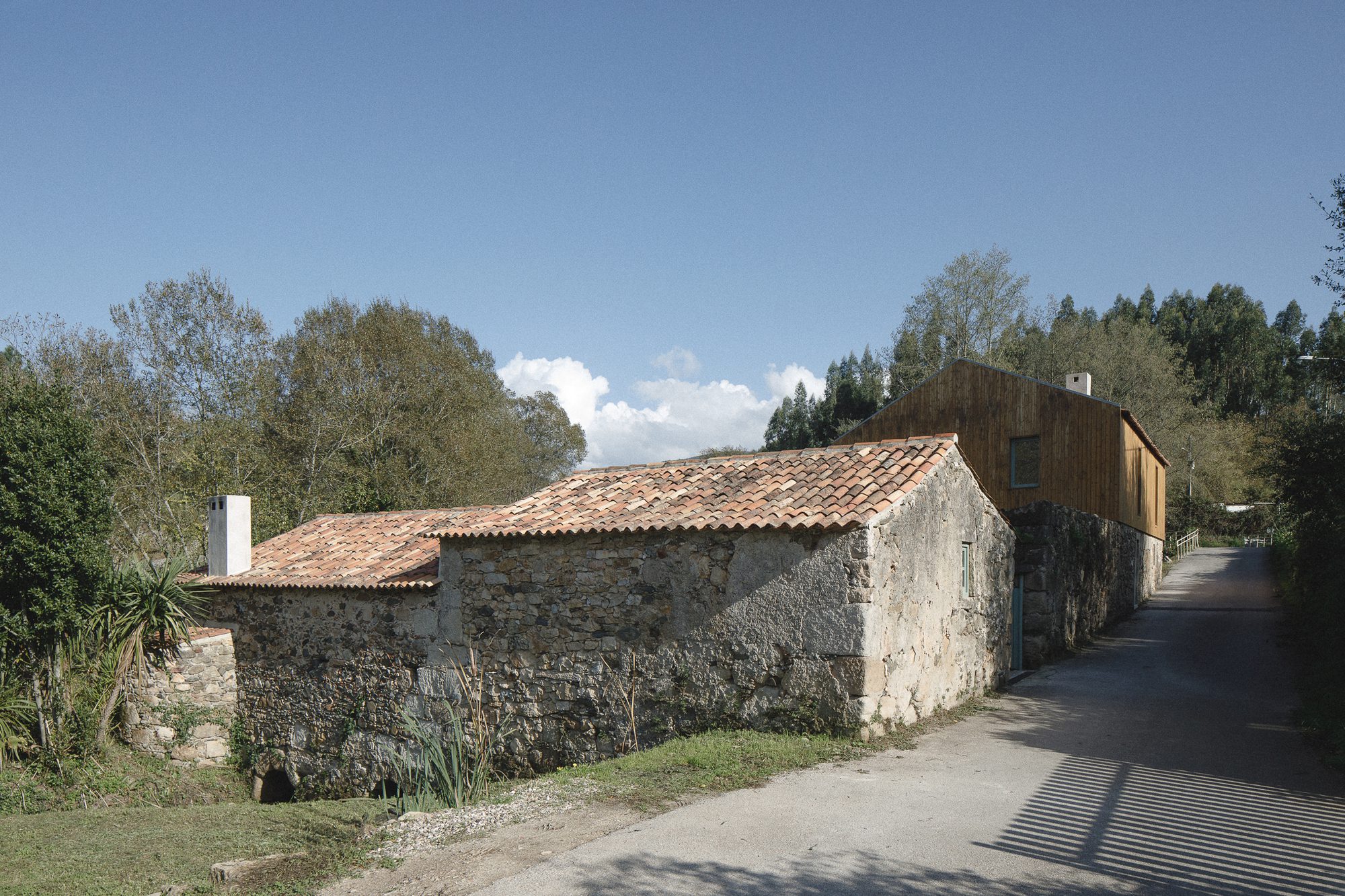
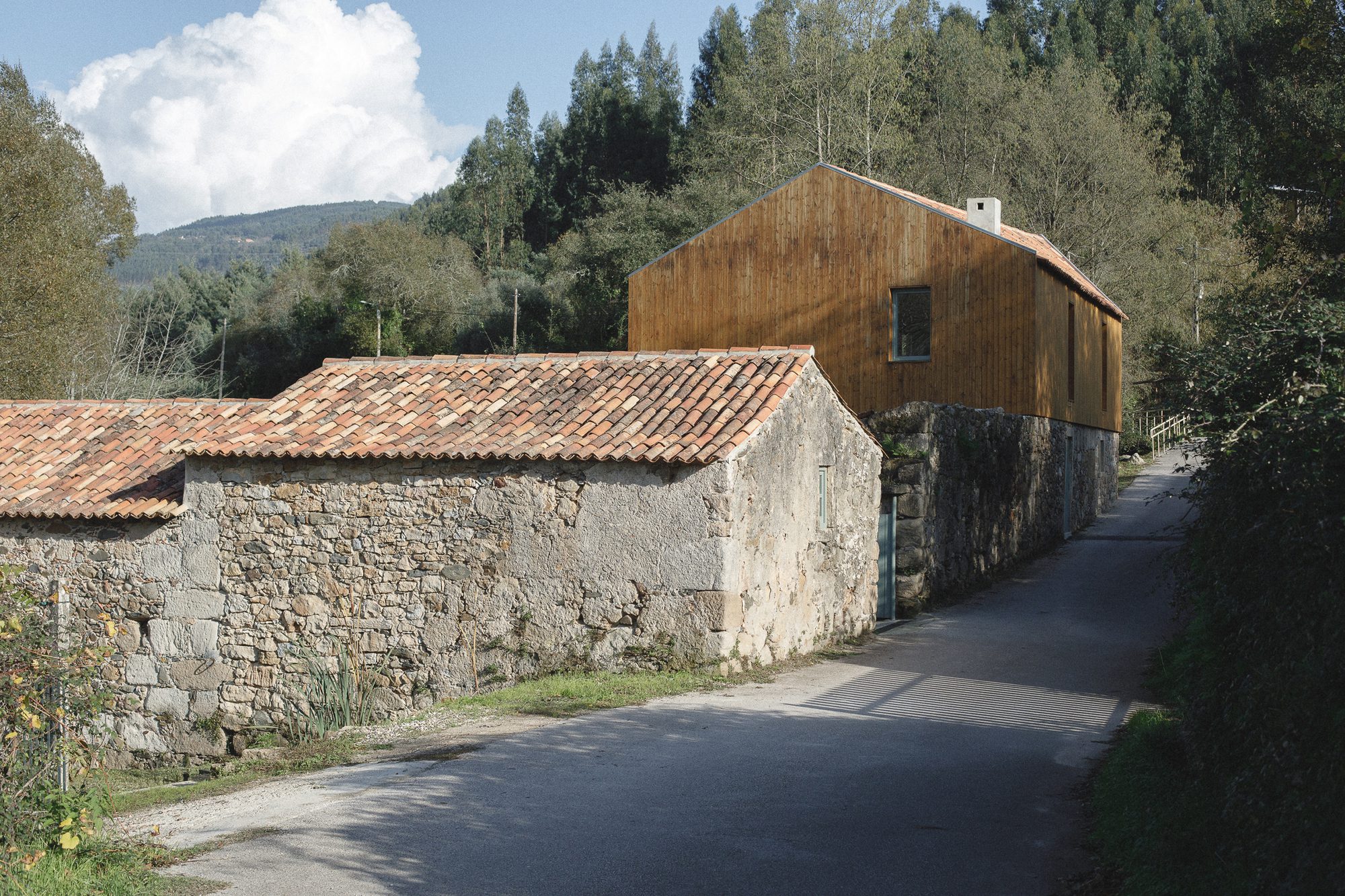
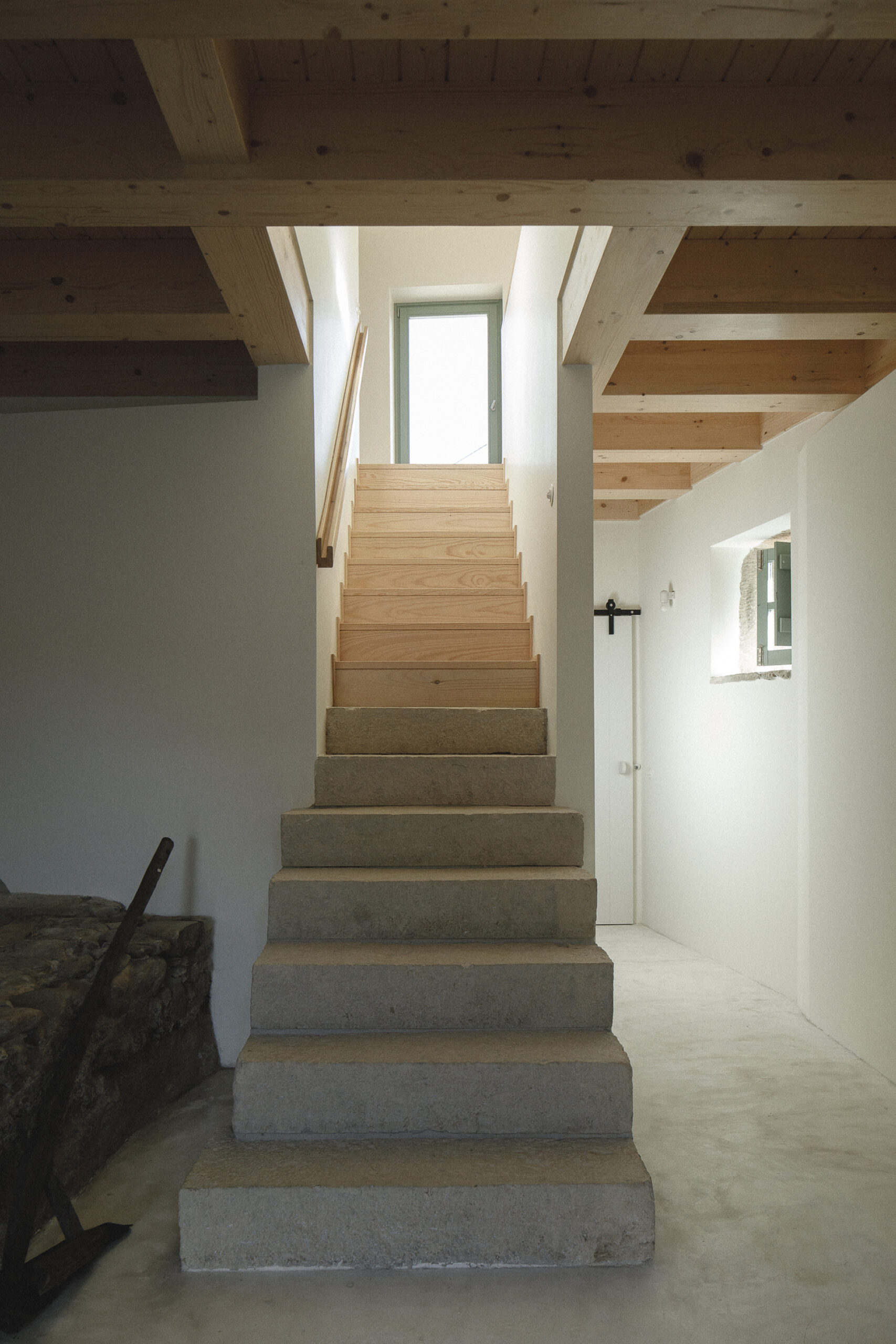
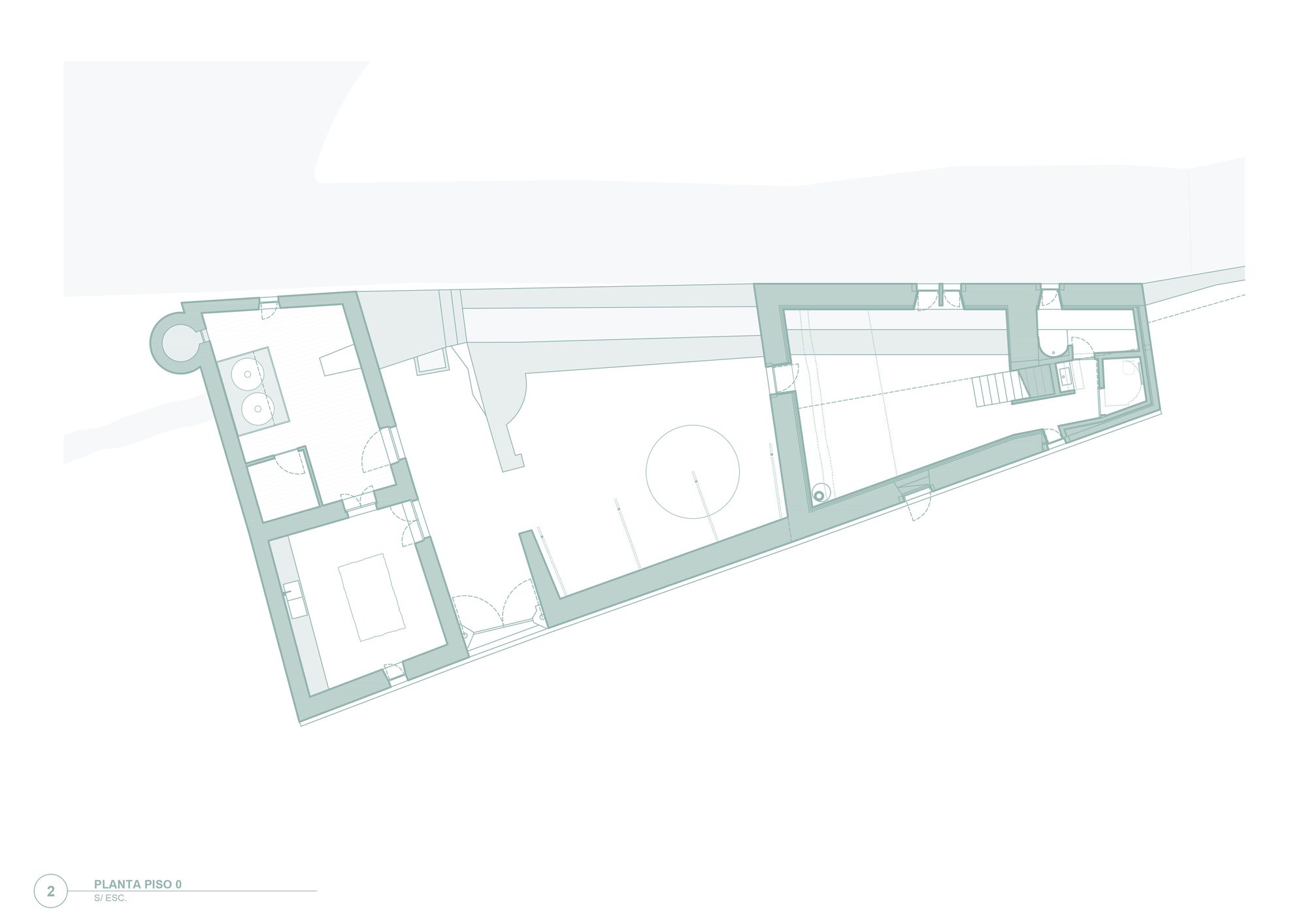
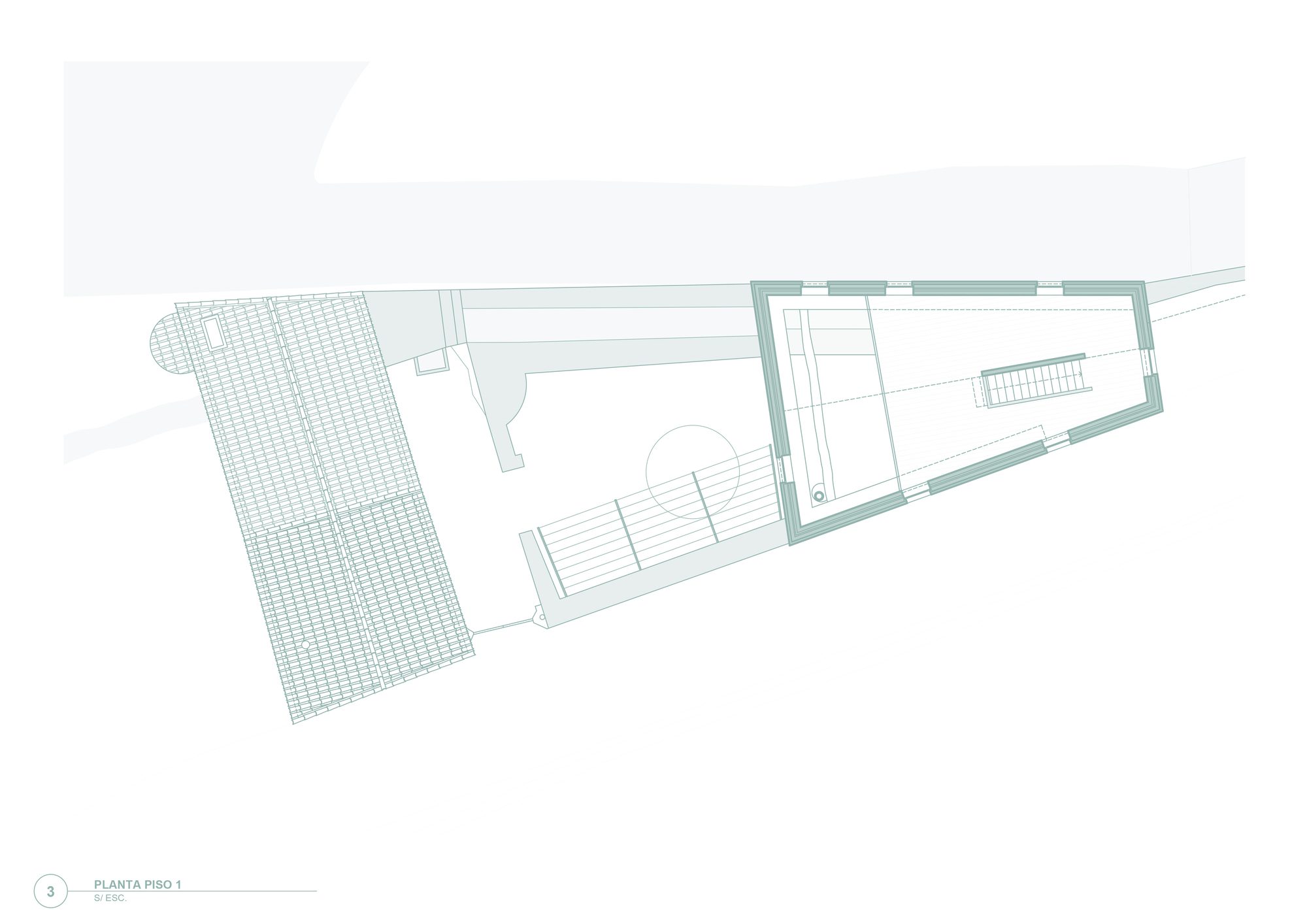
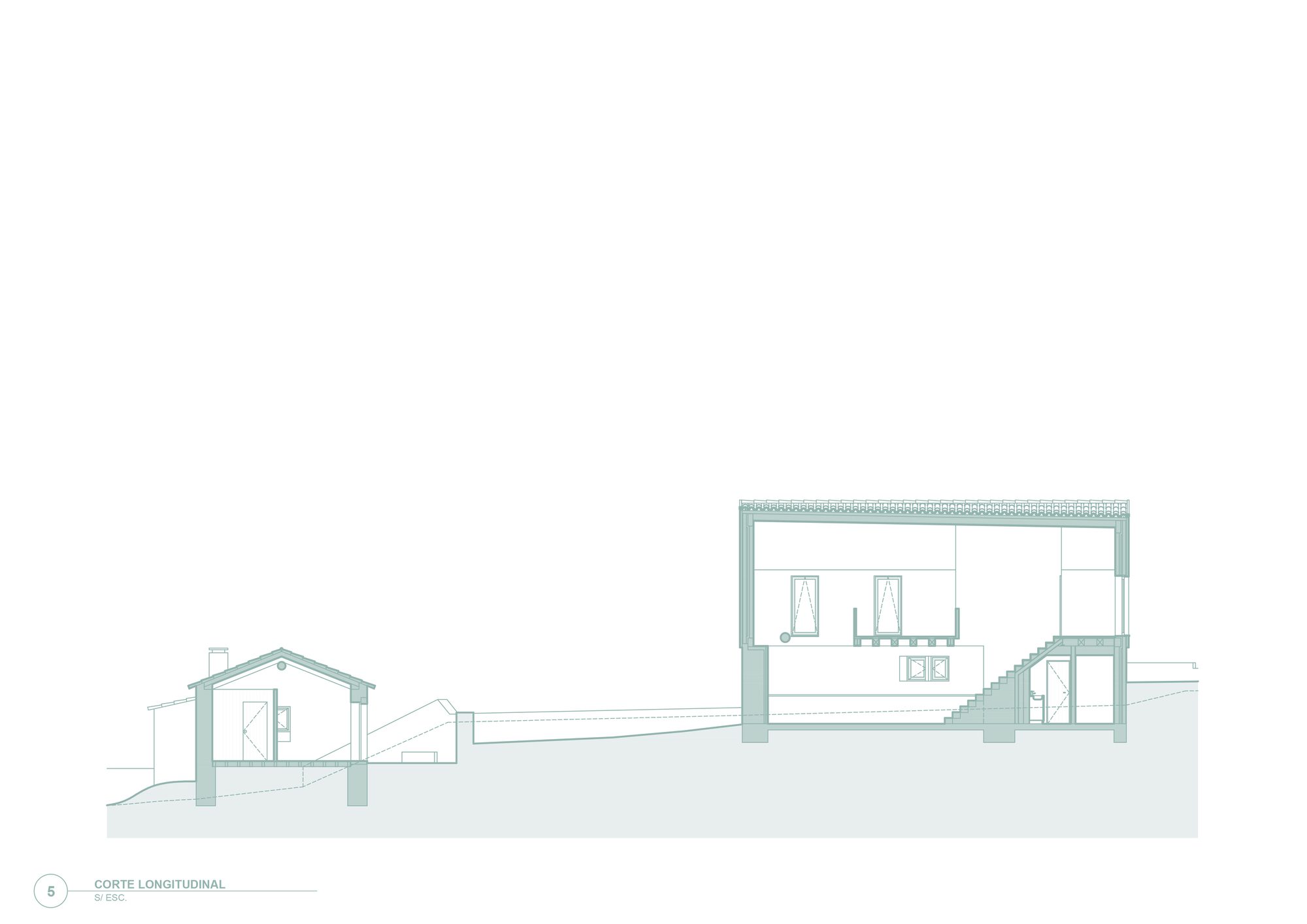
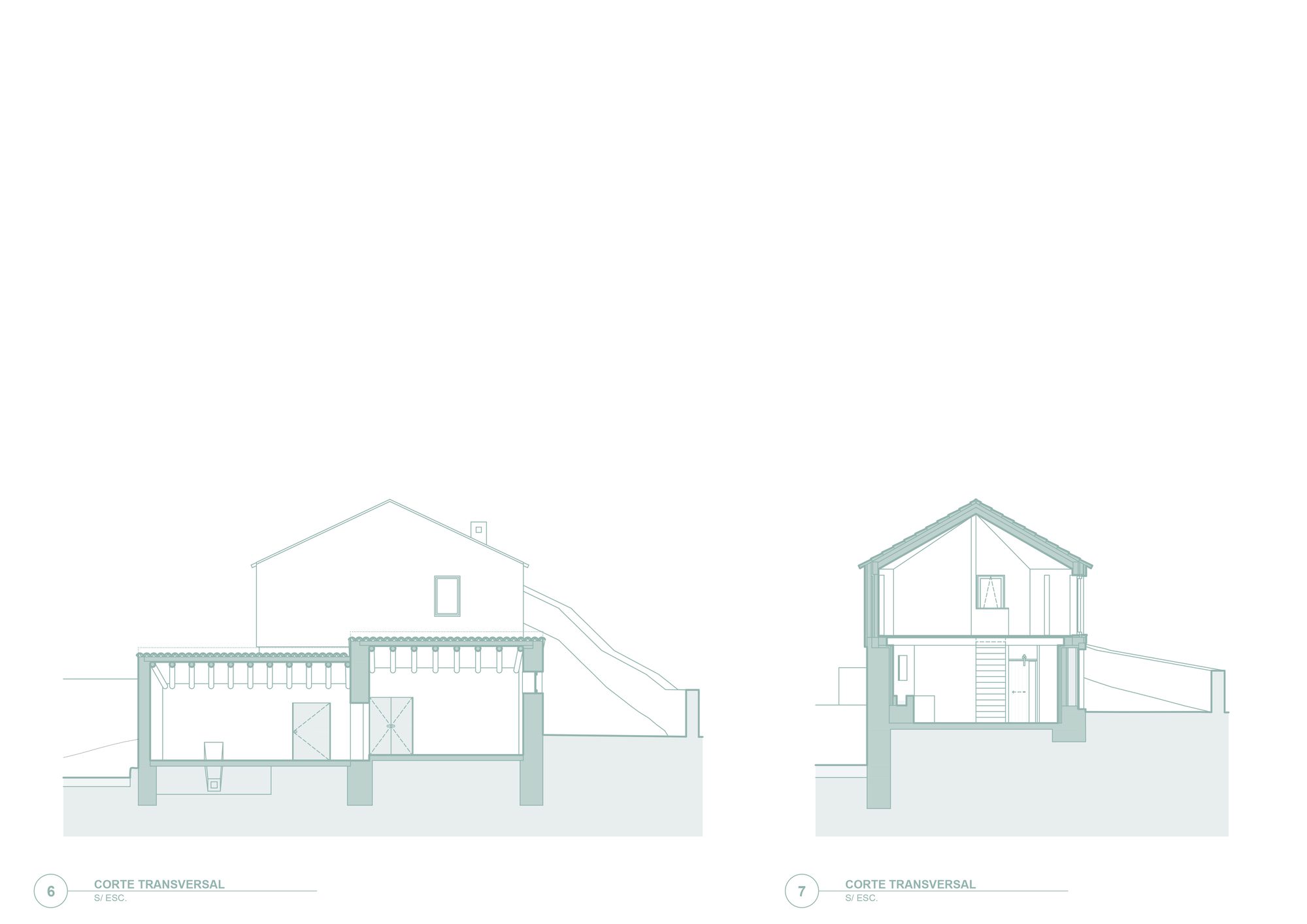
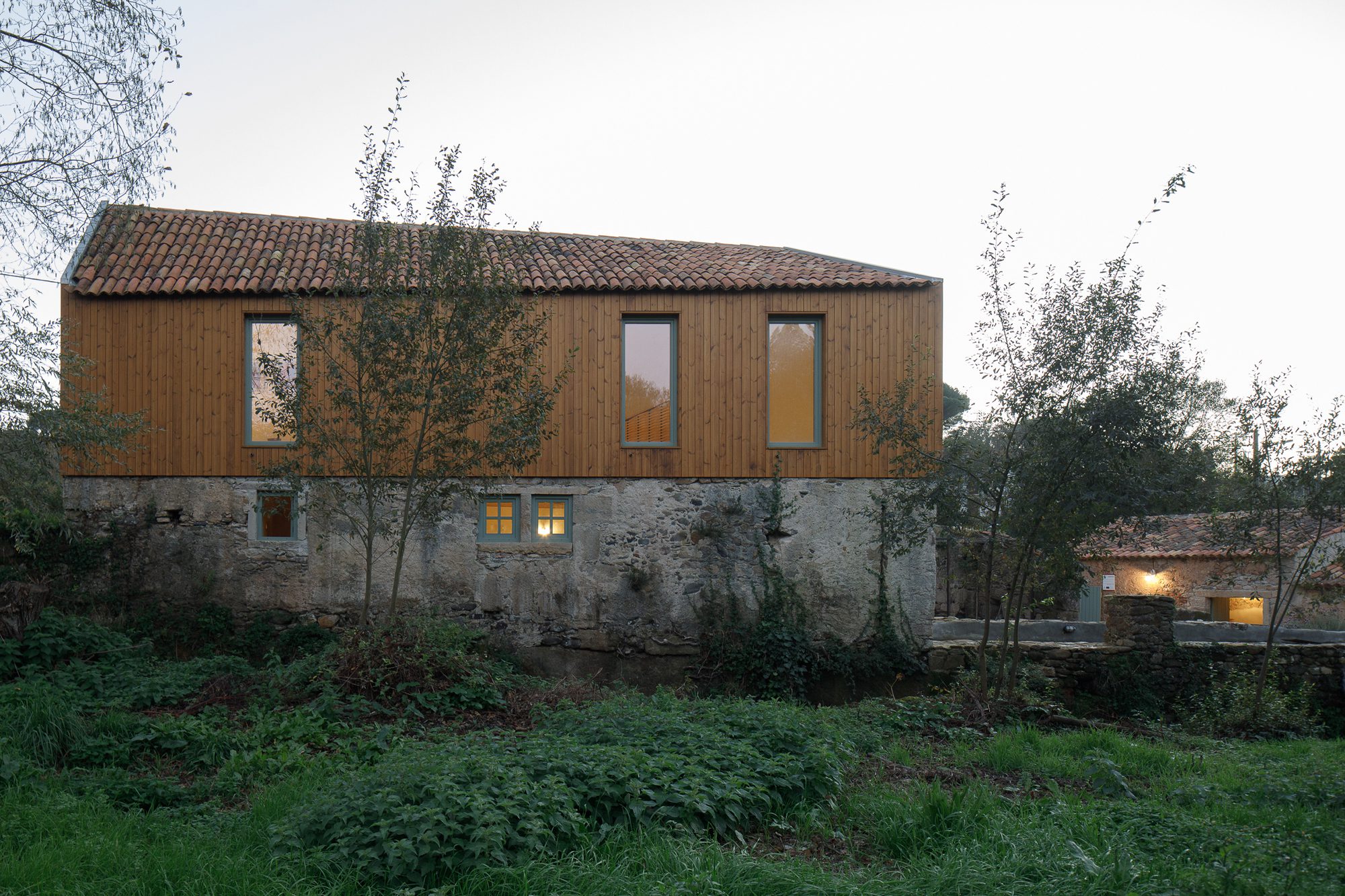
The main objective of the intervention is the preservation and enhancement of the existing heritage, namely the mill, the adjacent building, and the outdoor courtyard. The overall proposal is based on the premises of maintaining and elevating the existing elements of clear architectural value.
© José Campos
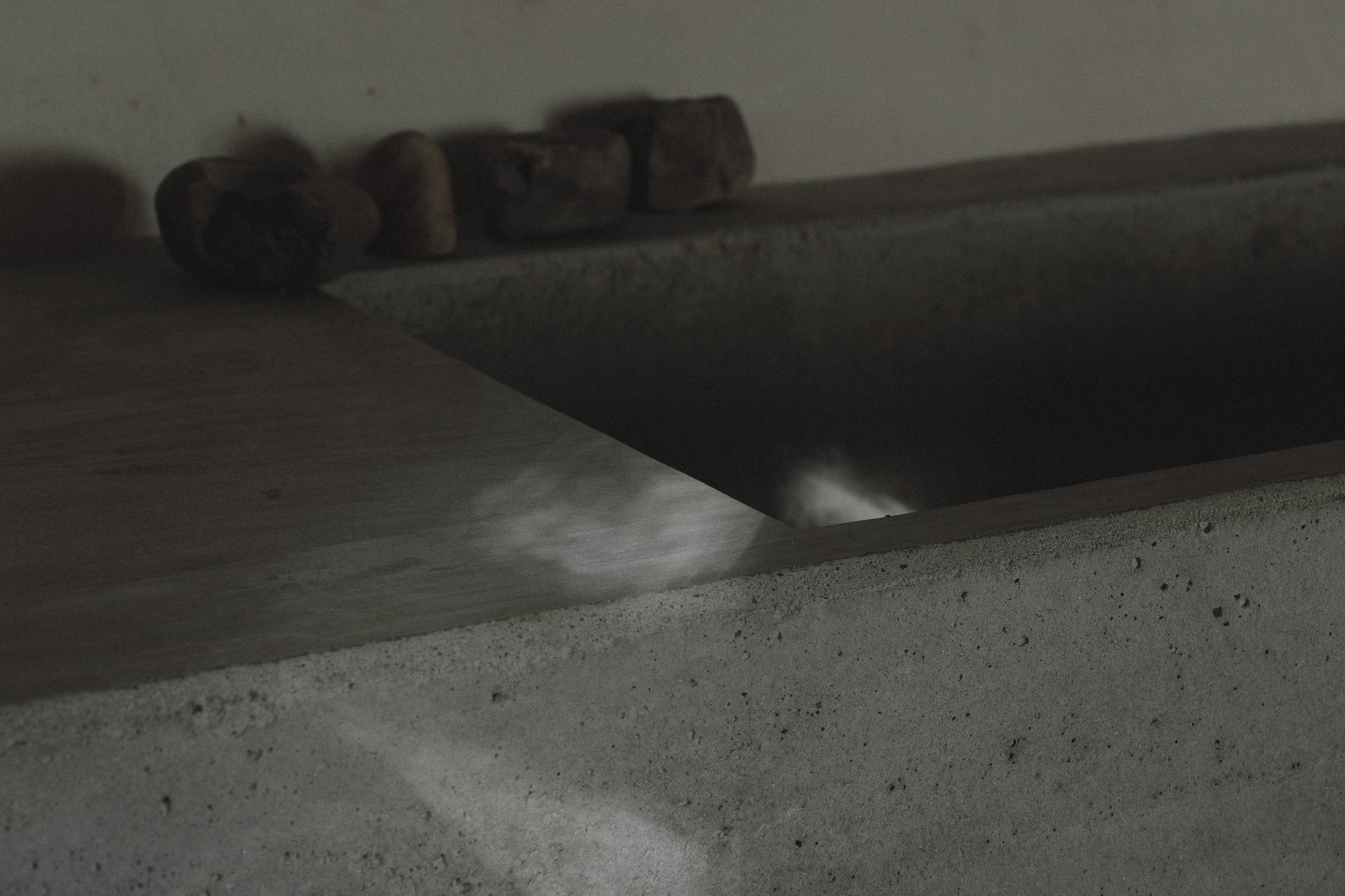
The set is programmatically divided into three purposes: the exhibition of museological elements related to the milling activity and endogenous products; the requalification of the mill for the production of cereals and bread; and a shared space. Water diverts from the river, flows through the interior of the buildings until it fulfills its function – to power the mill to turn the large stones that grind the cereal, returning again to its original path.
© José Campos
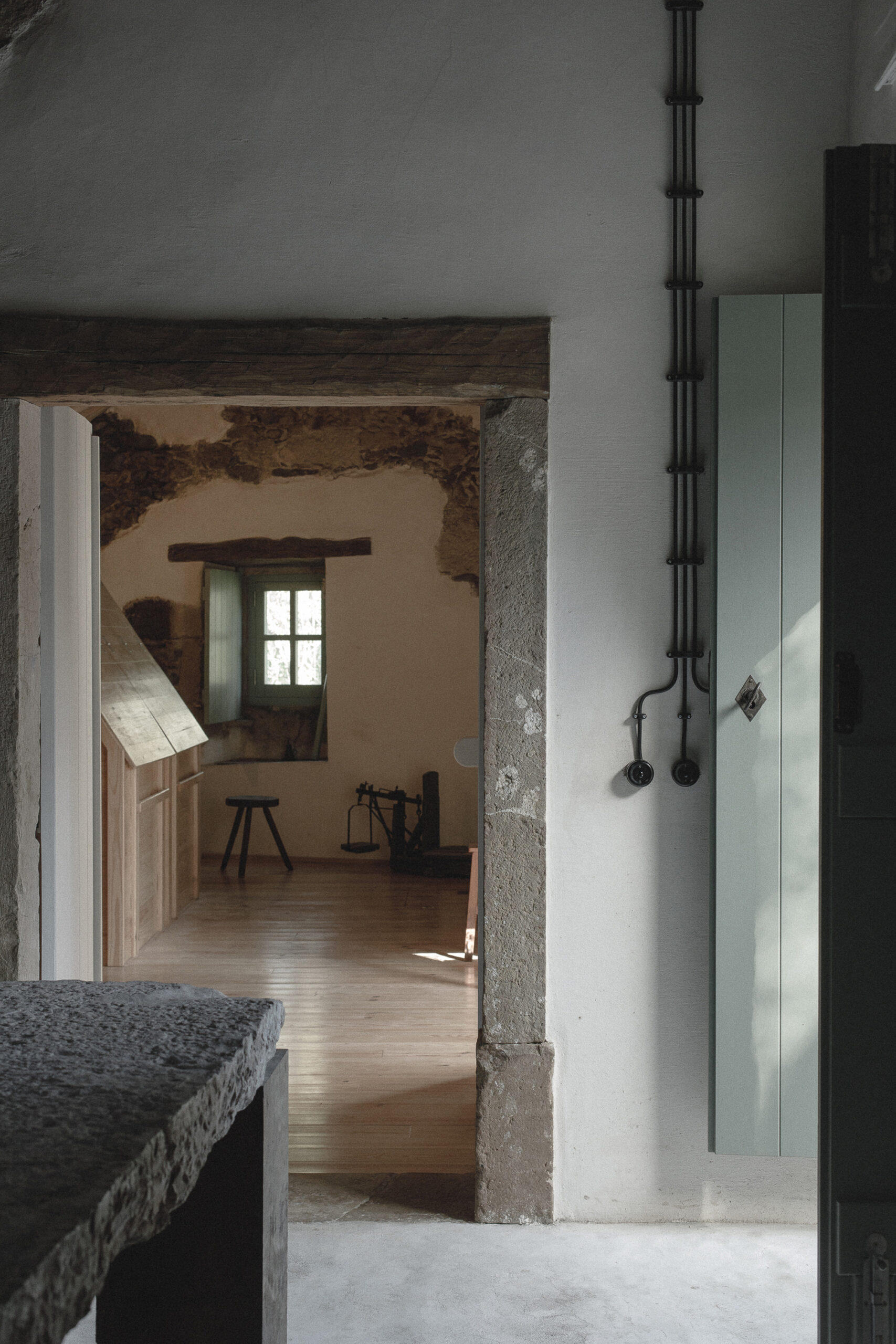
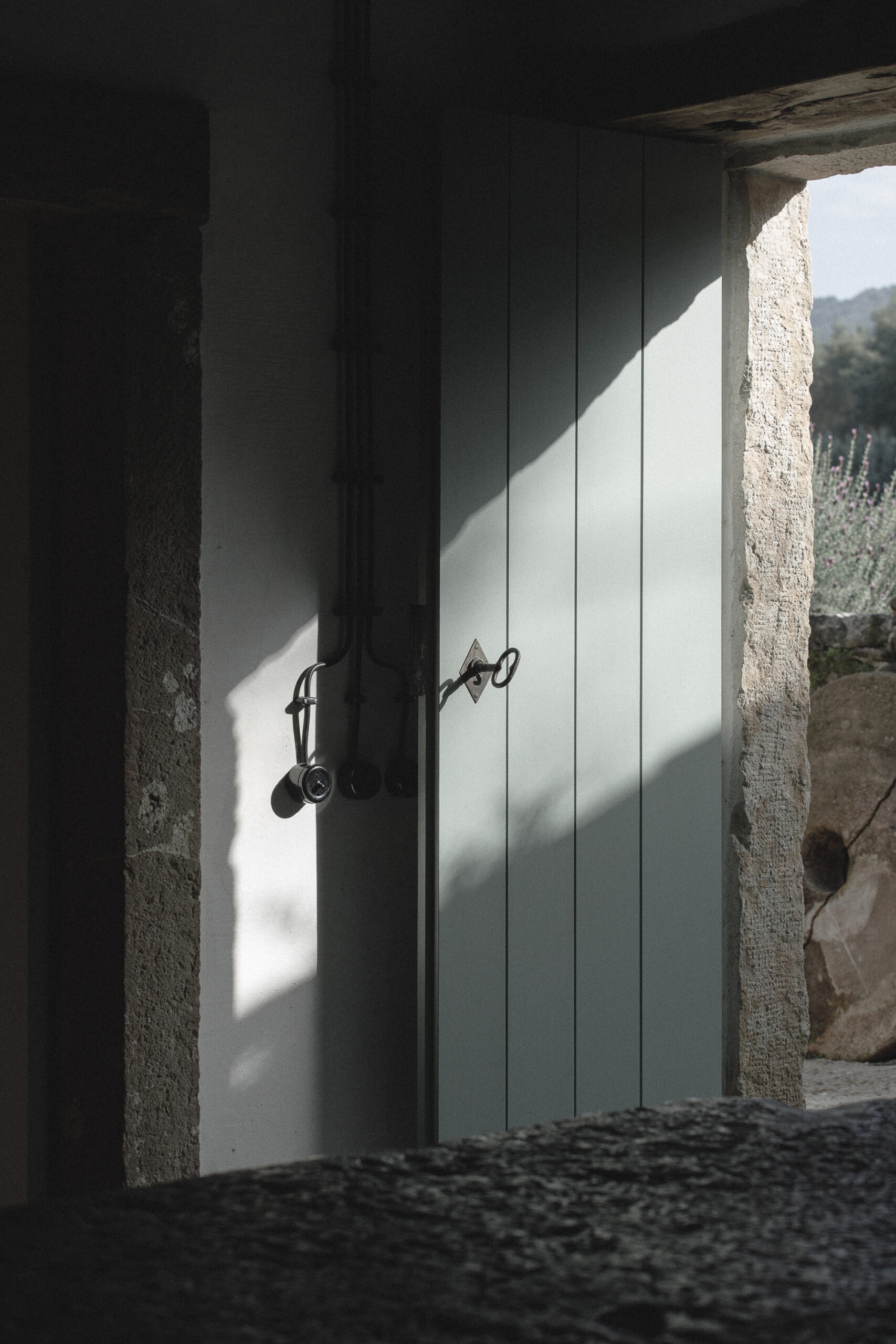
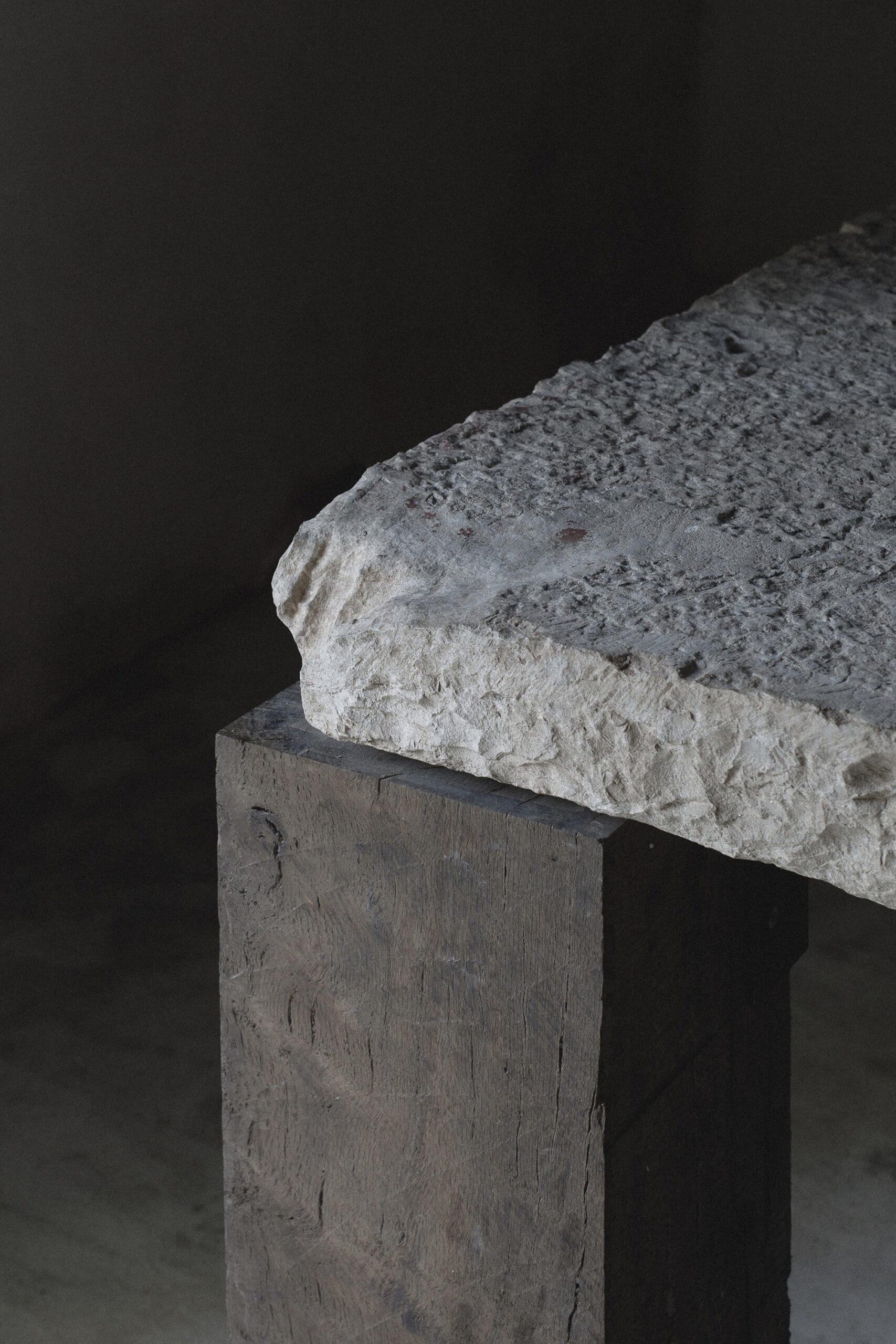
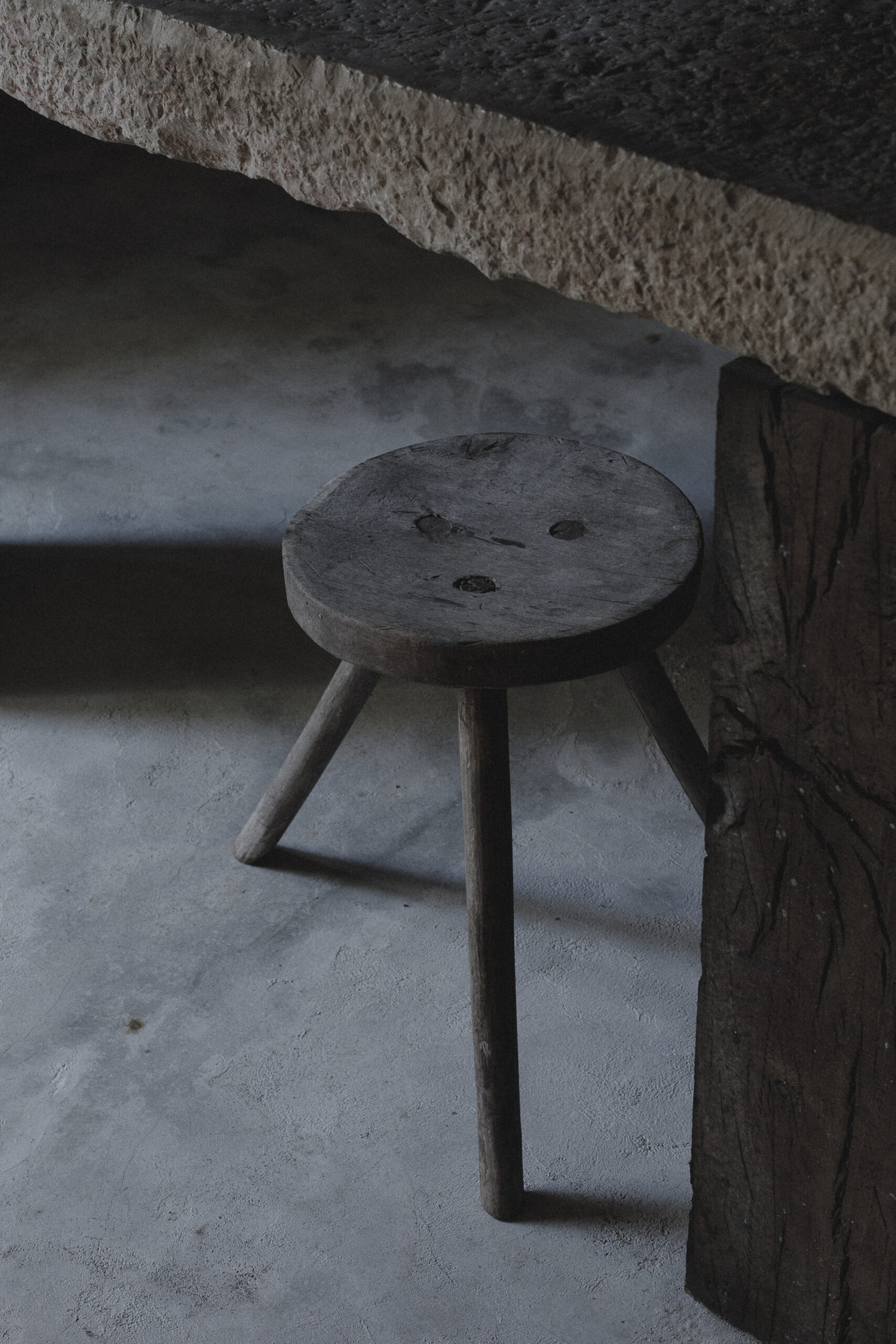
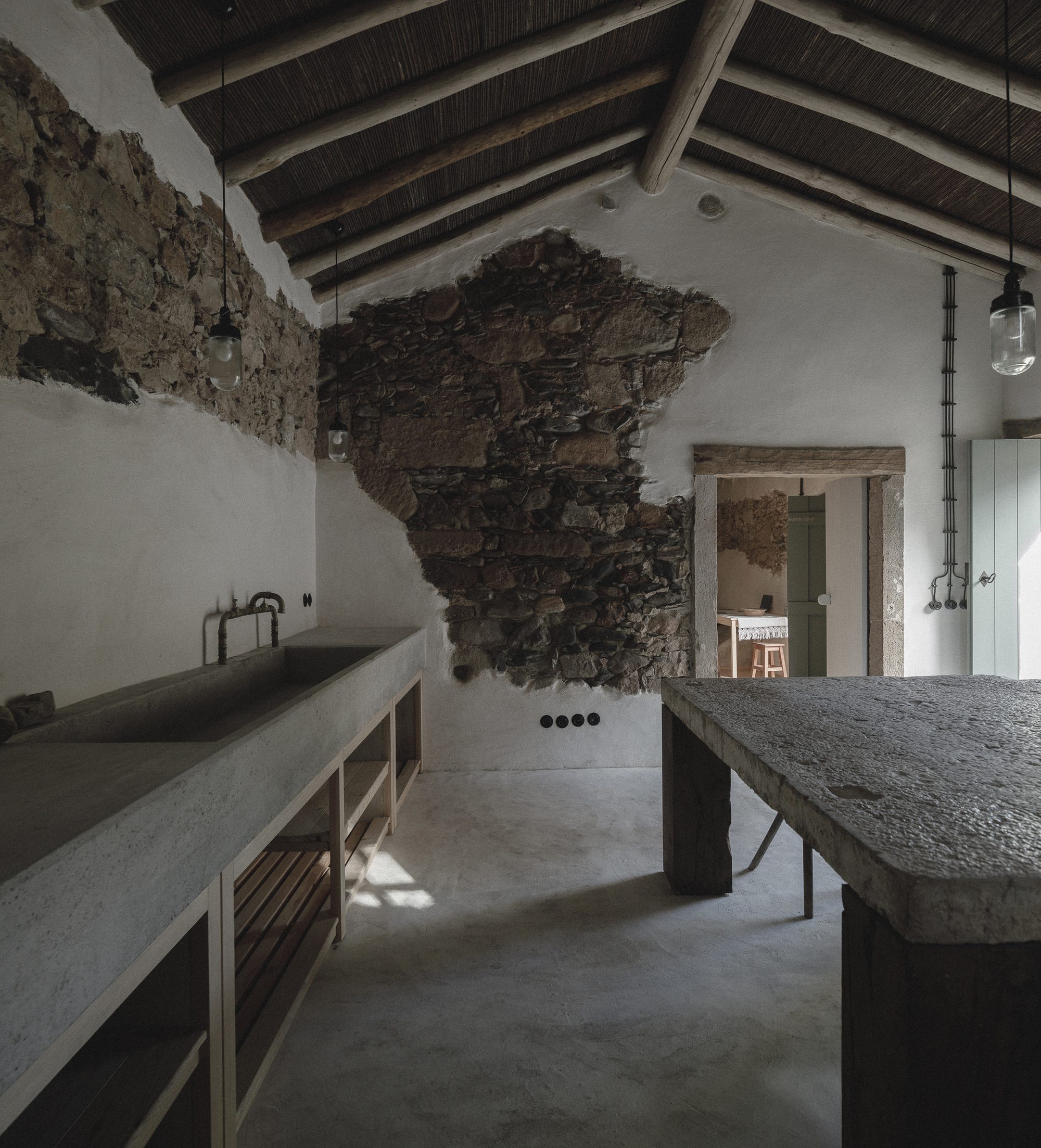
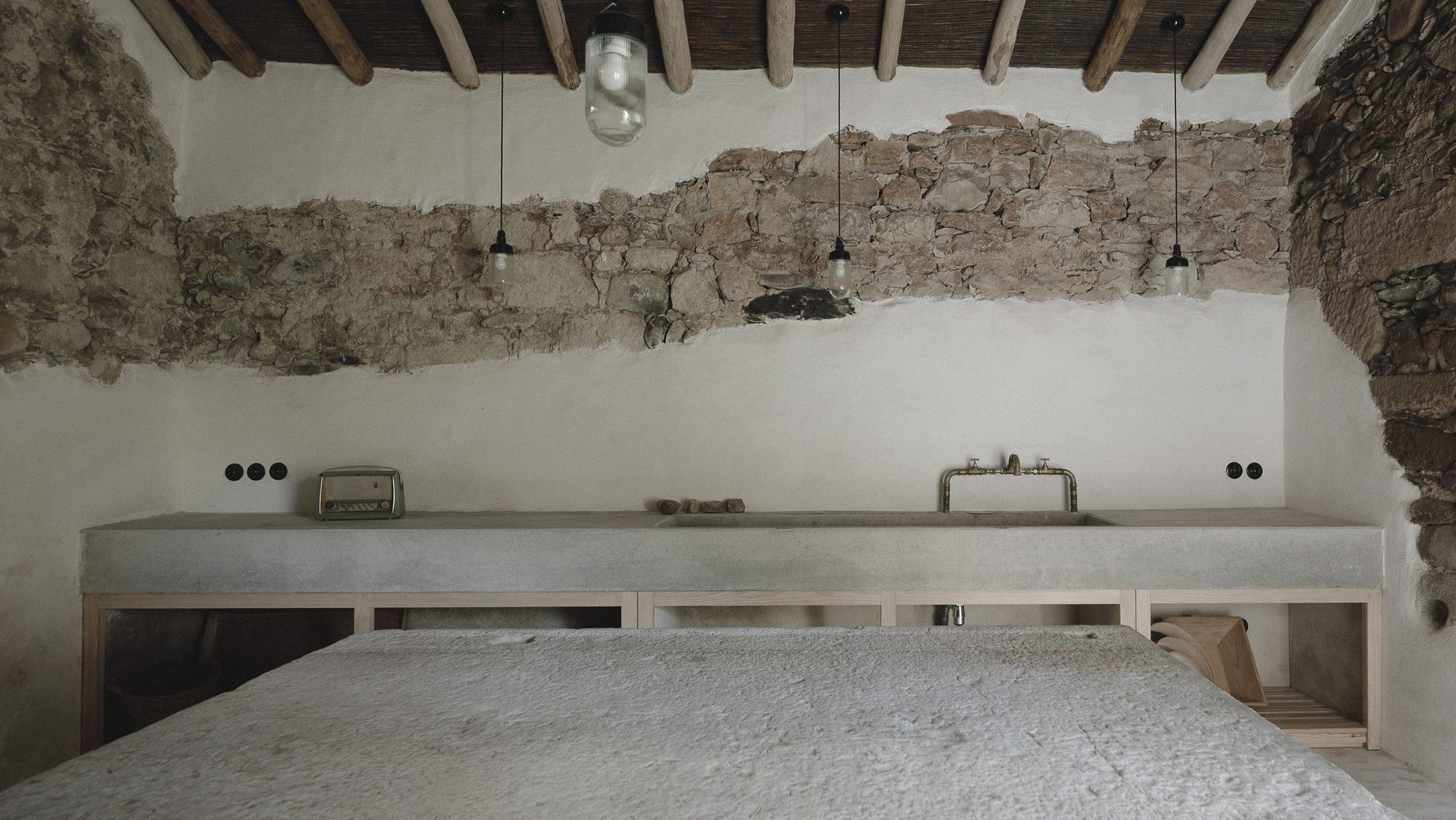
The water moves away from the riverbed, crosses the interior of the buildings until it fulfills its purpose of activating the mill that turns the large grinding stones of the cereal, eventually flowing back into its original course. Inside the mill, a central piece stands out that synthesizes the project’s approach: a large table made of rough stone, originally part of the access balcony to the old dwelling, is now repurposed as an element for use and gathering.
© José Campos
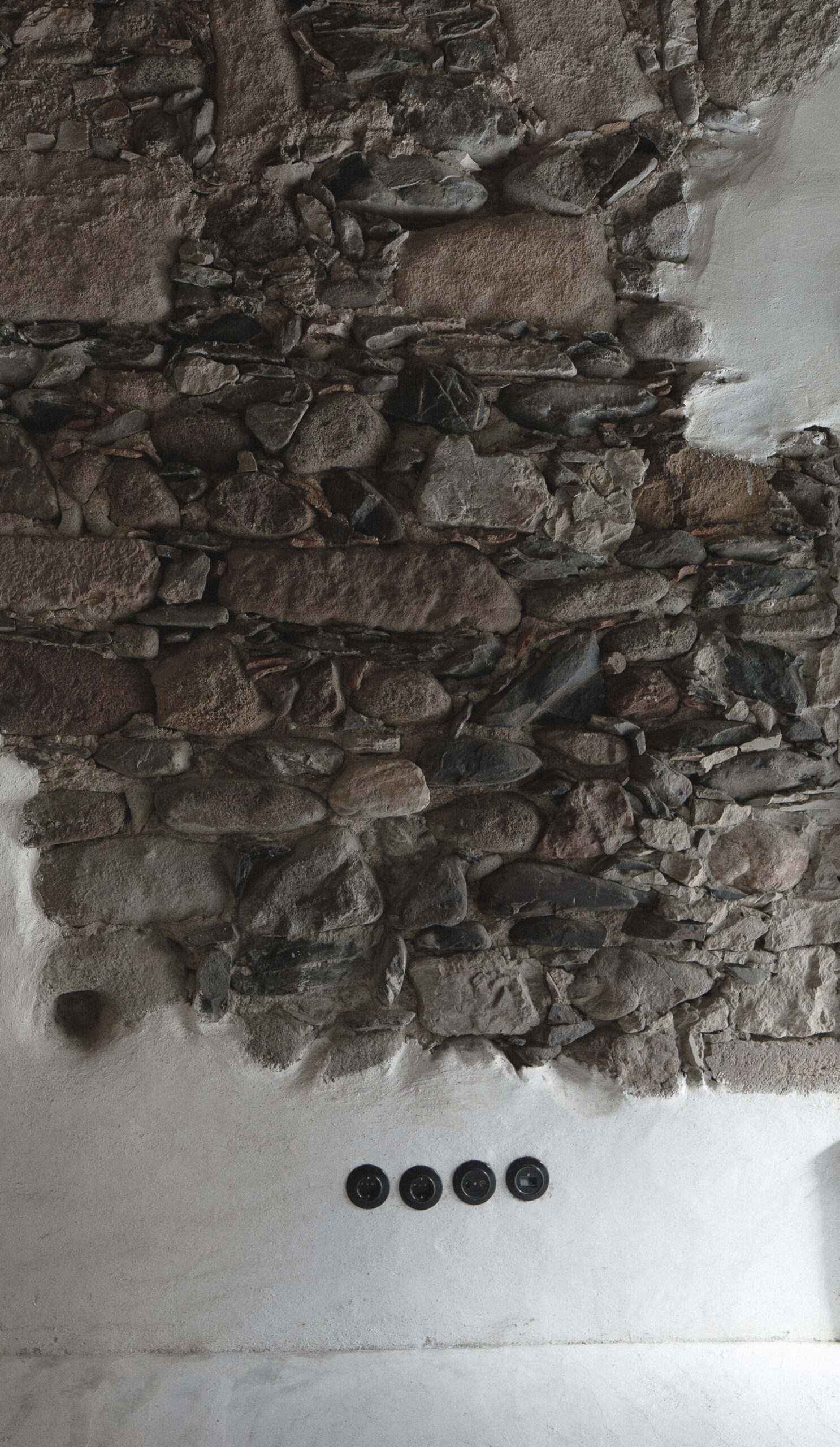
This surface rests on legs made of exotic solid wood, repurposed from the original beams of the building, which have already been destroyed. The table thus becomes a symbol of permanence and renewal, combining materials with memory into a new collective function. The intervention is guided by a respectful reading of the pre-existence, where each material and constructive decision seeks to balance the authenticity of the place.
Project Info
Architects: há.atelier
Country: Portugal, União das freguesias de São Miguel, Santa Eufémia e Rabaçal
Area: 210 m²
Year: 2024
Photographs: José Campos