

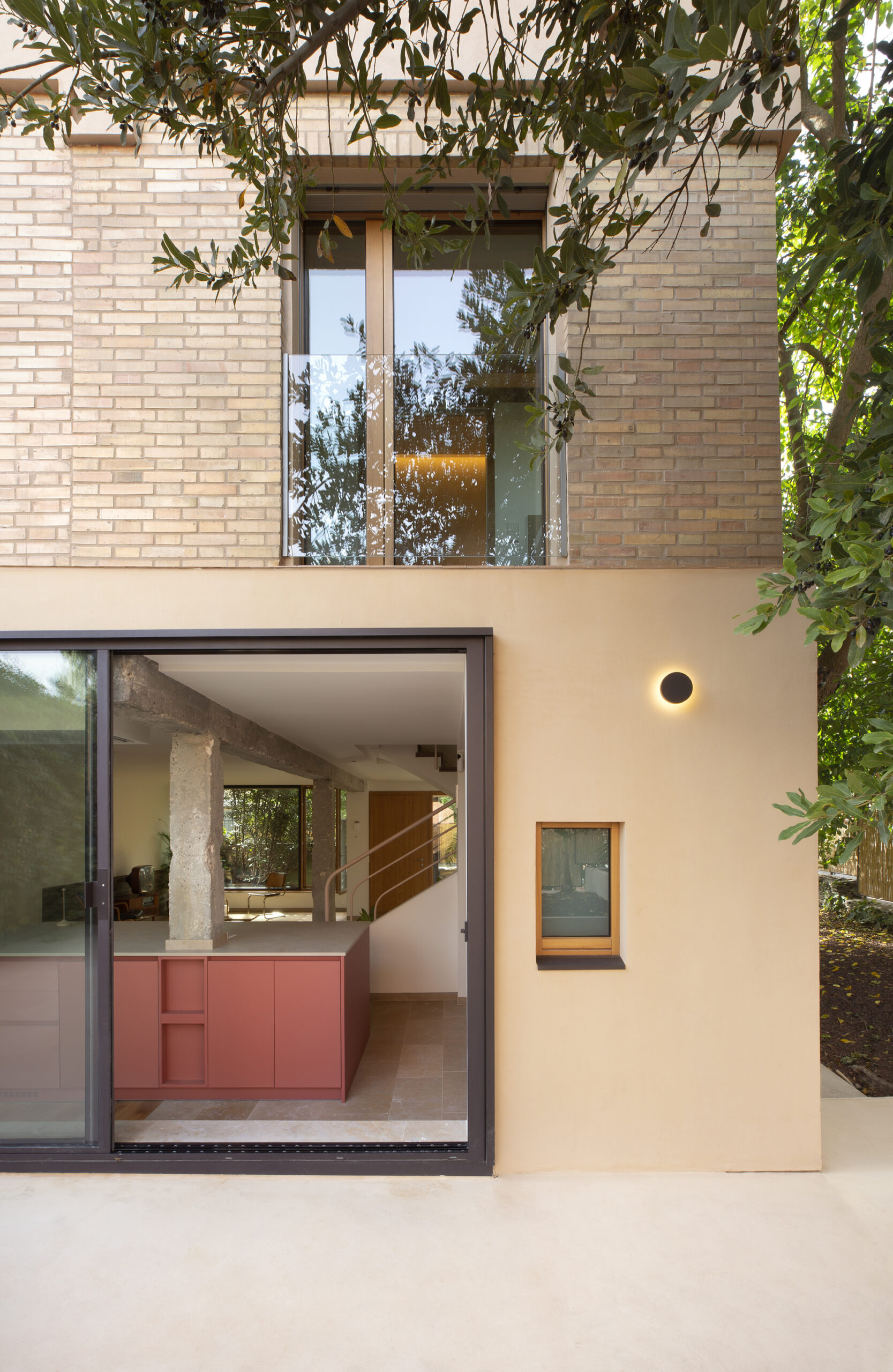
Casa Fátima transforms a semi-detached house built in the 1970s through a process of reinterpretation rather than replacement, revealing the latent qualities of the existing architecture while adapting it to contemporary ways of living.
© Elena Almagro
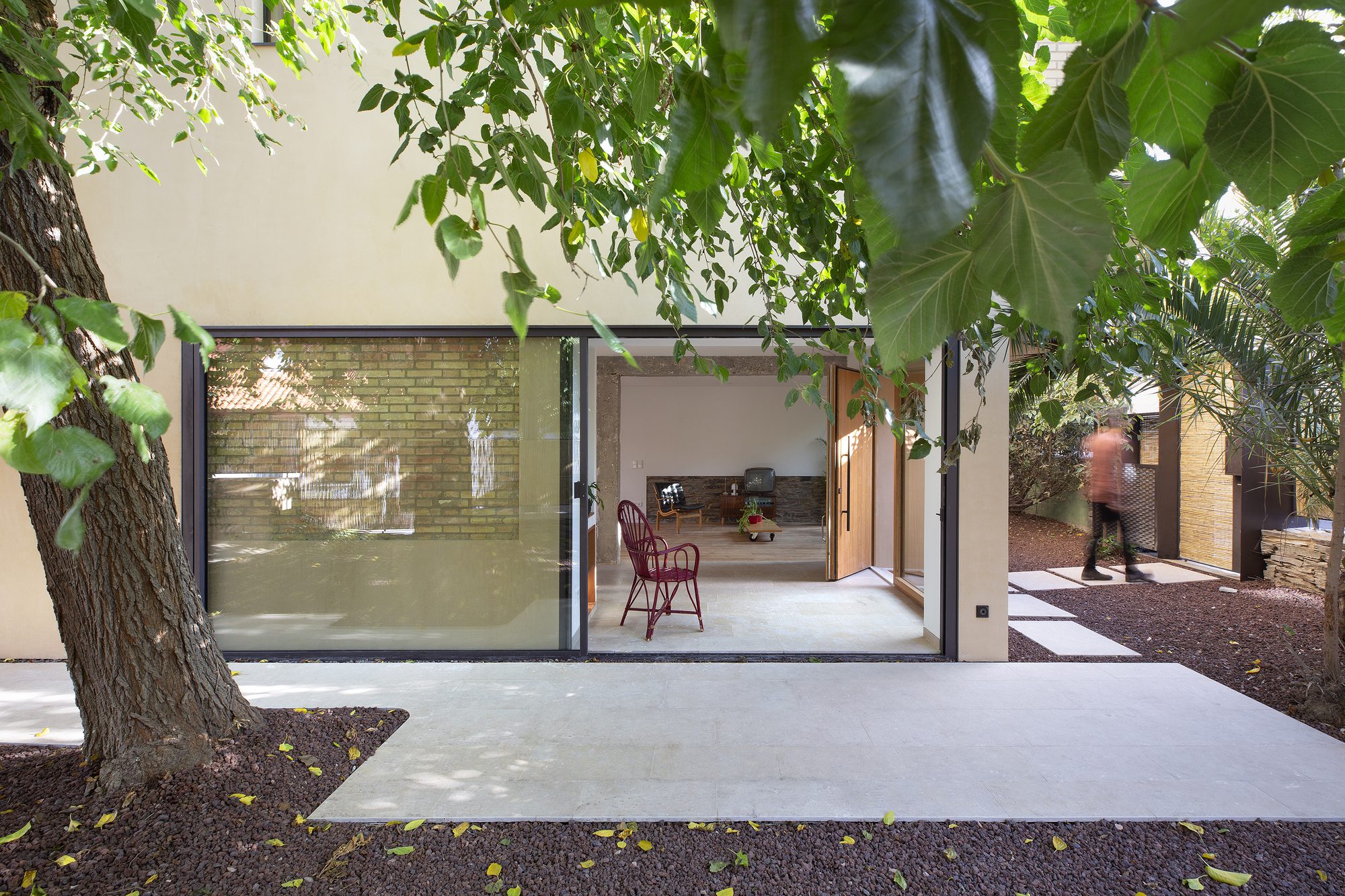
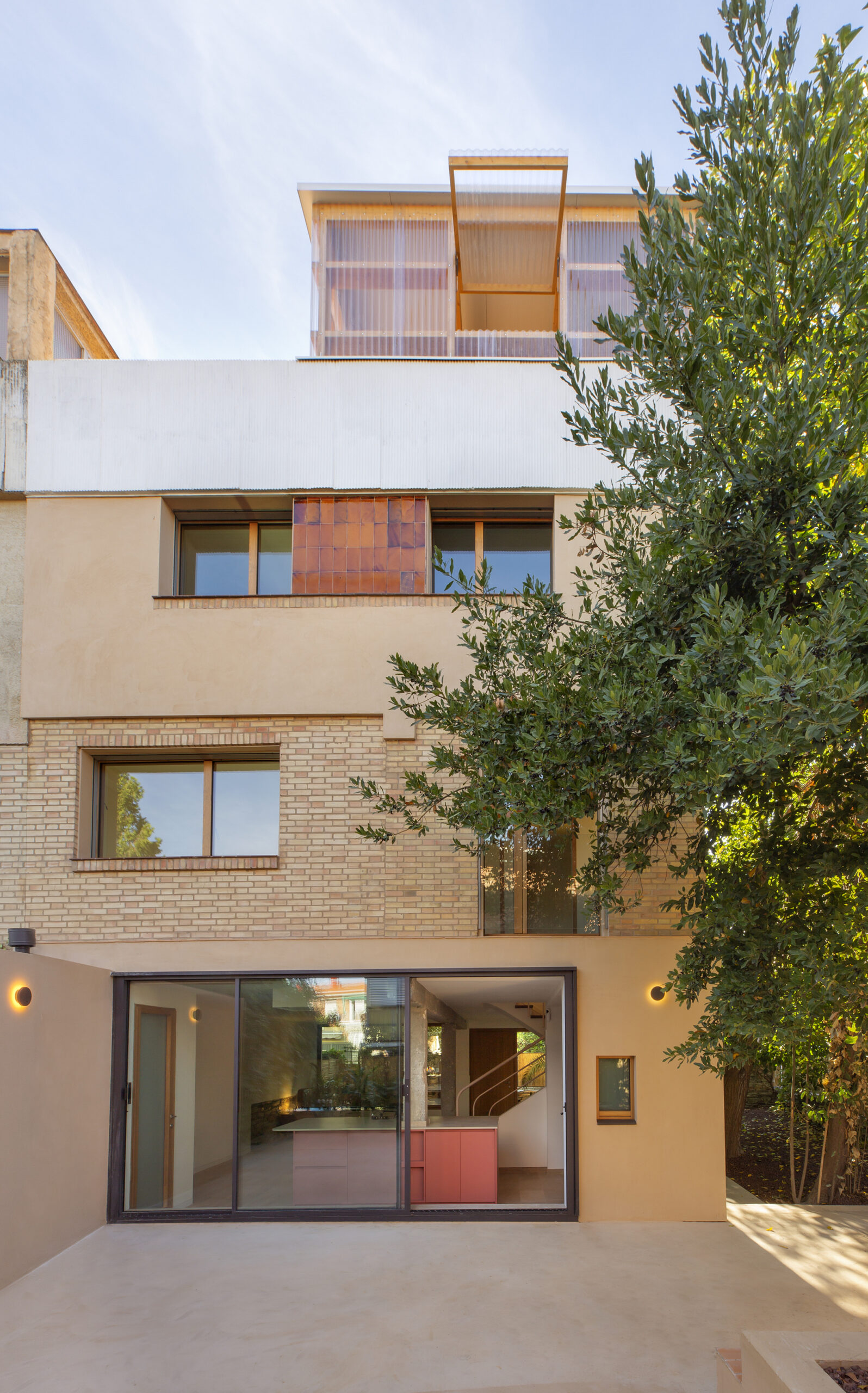
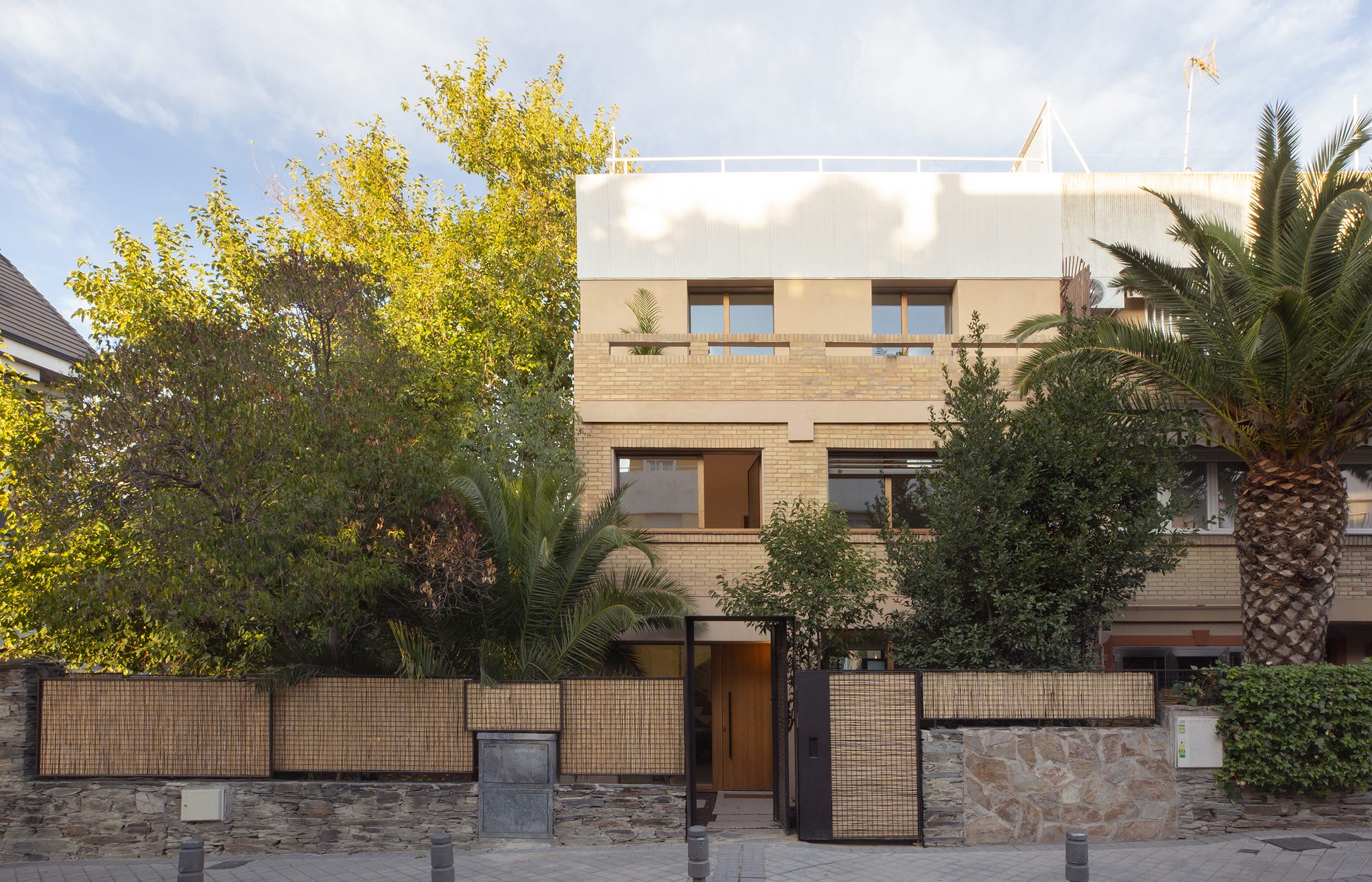
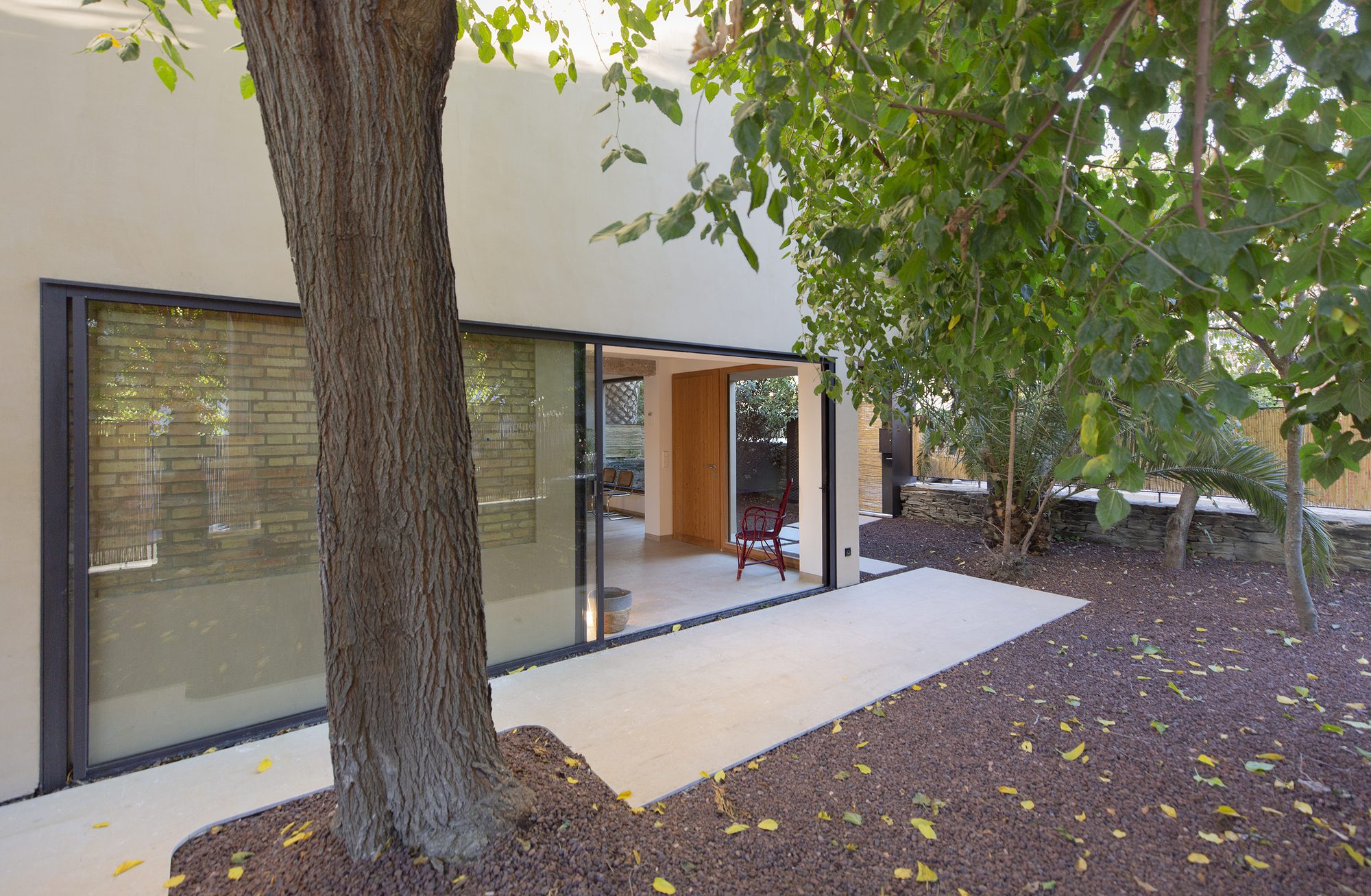
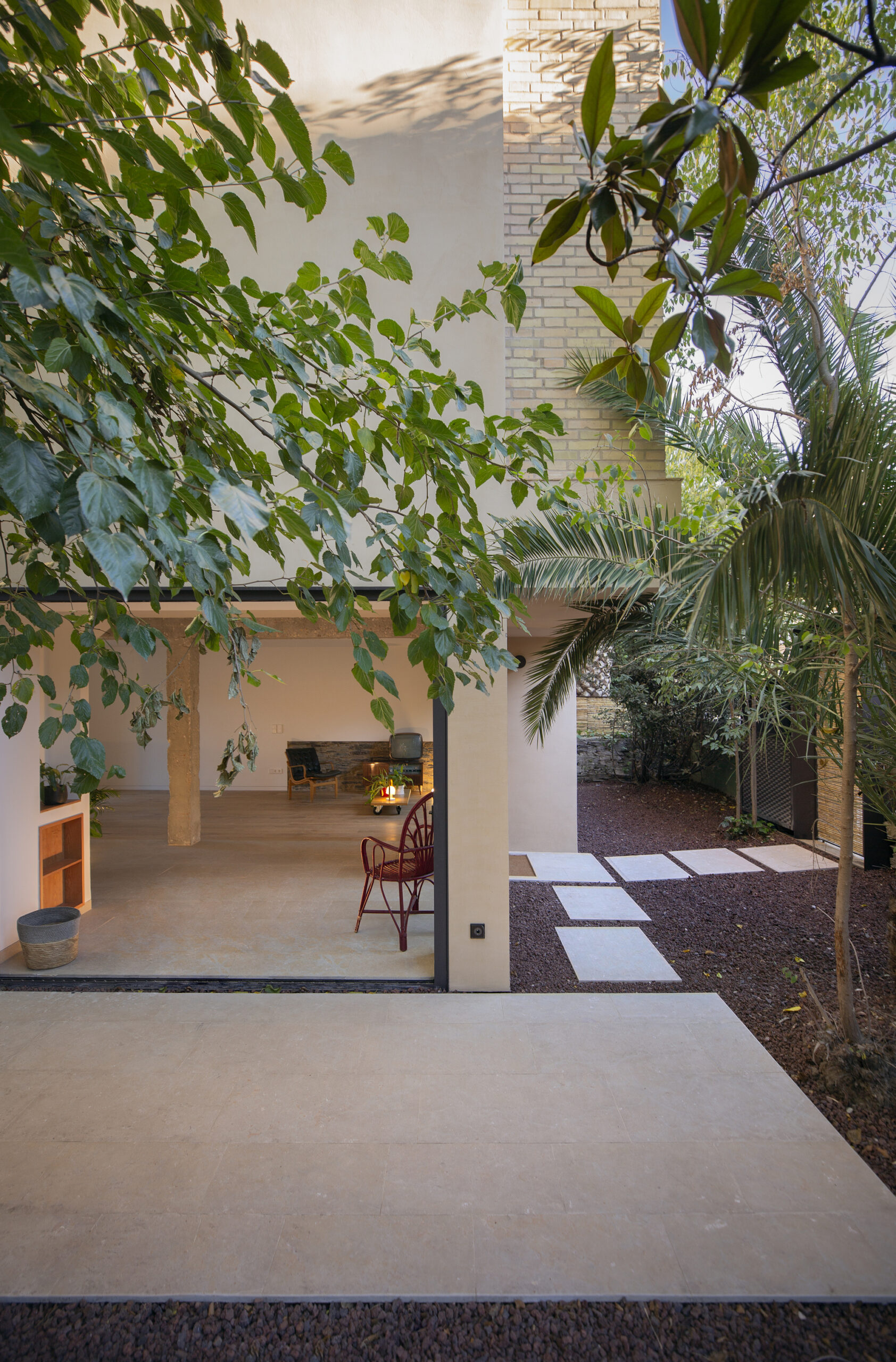
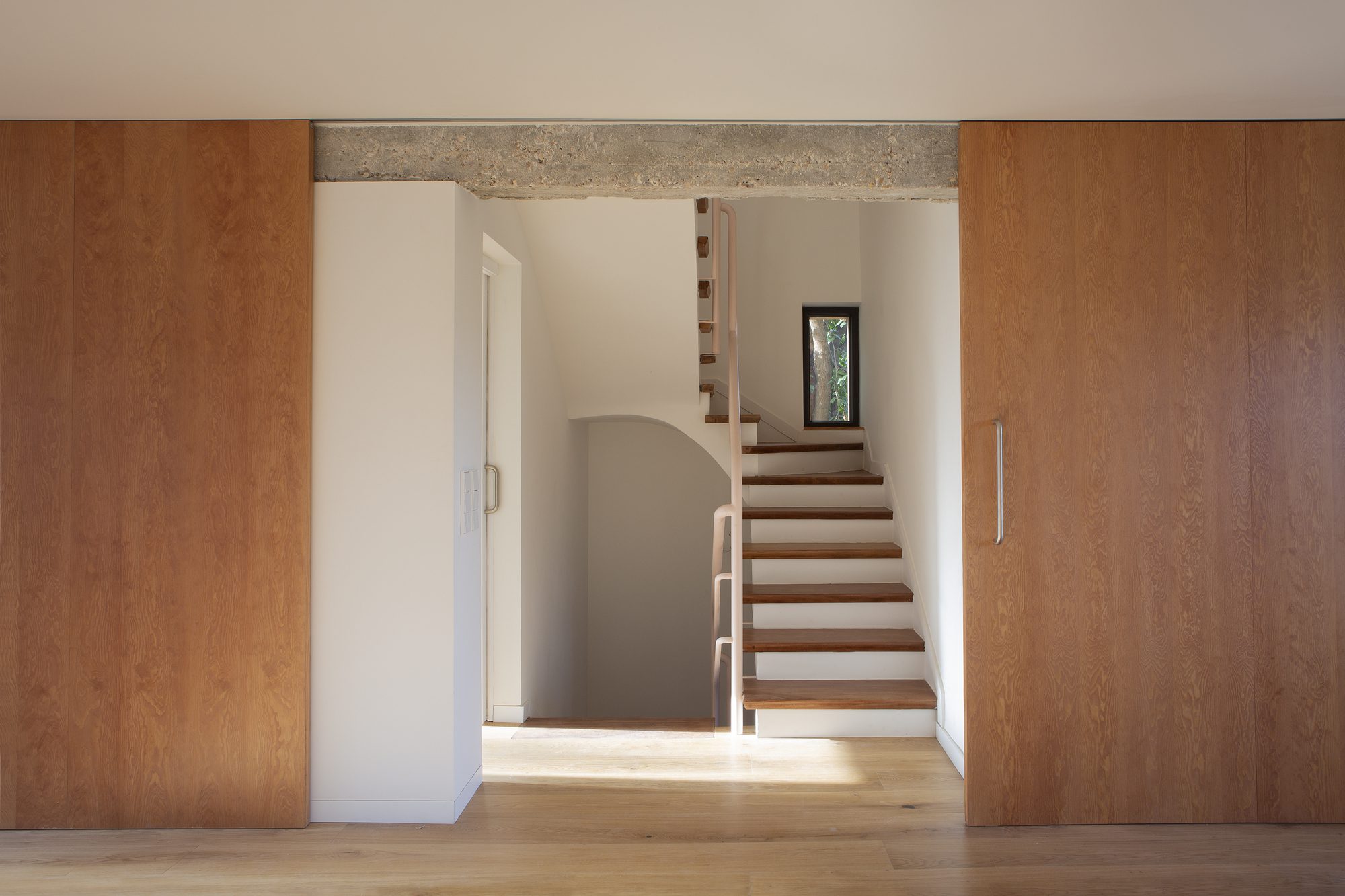
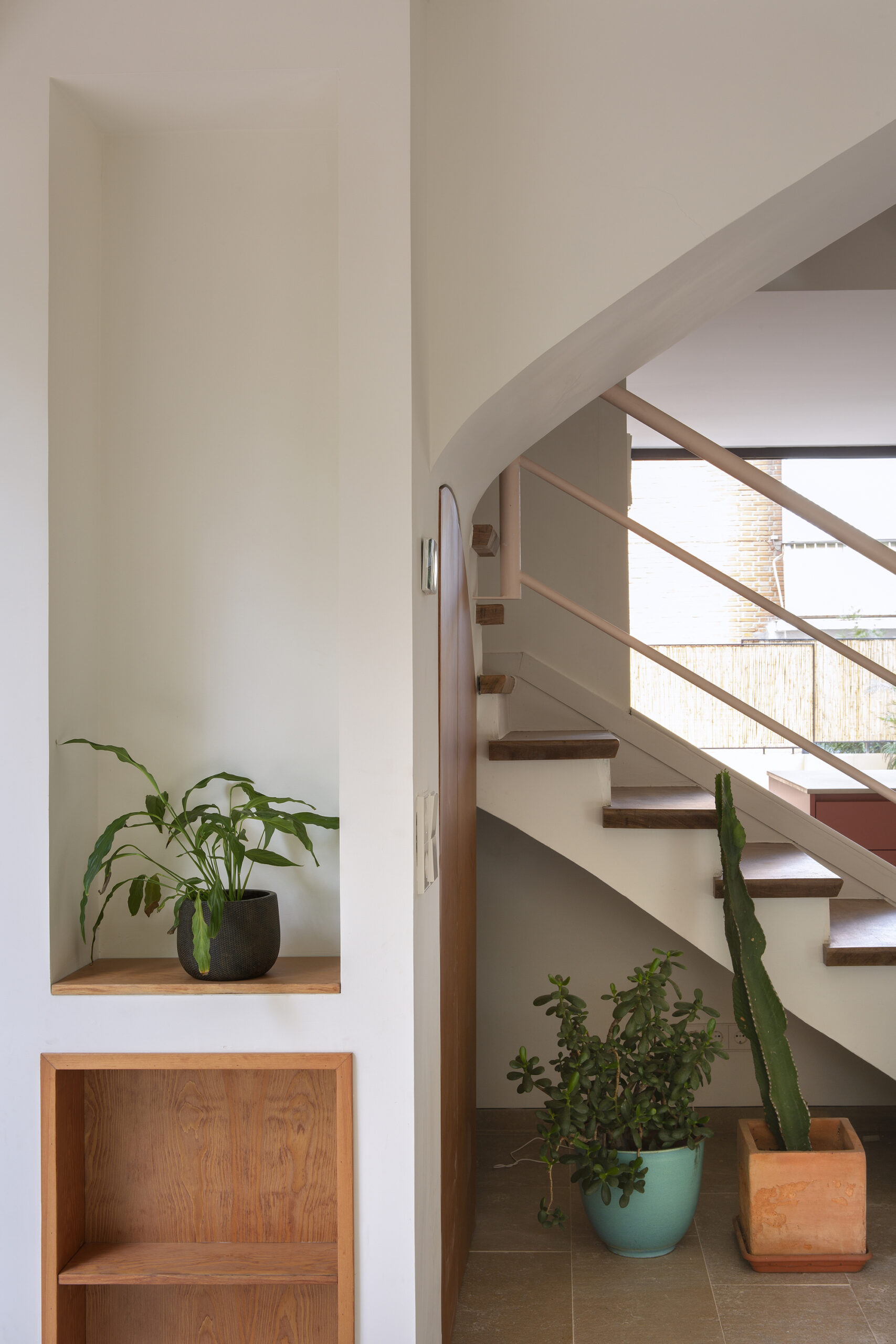
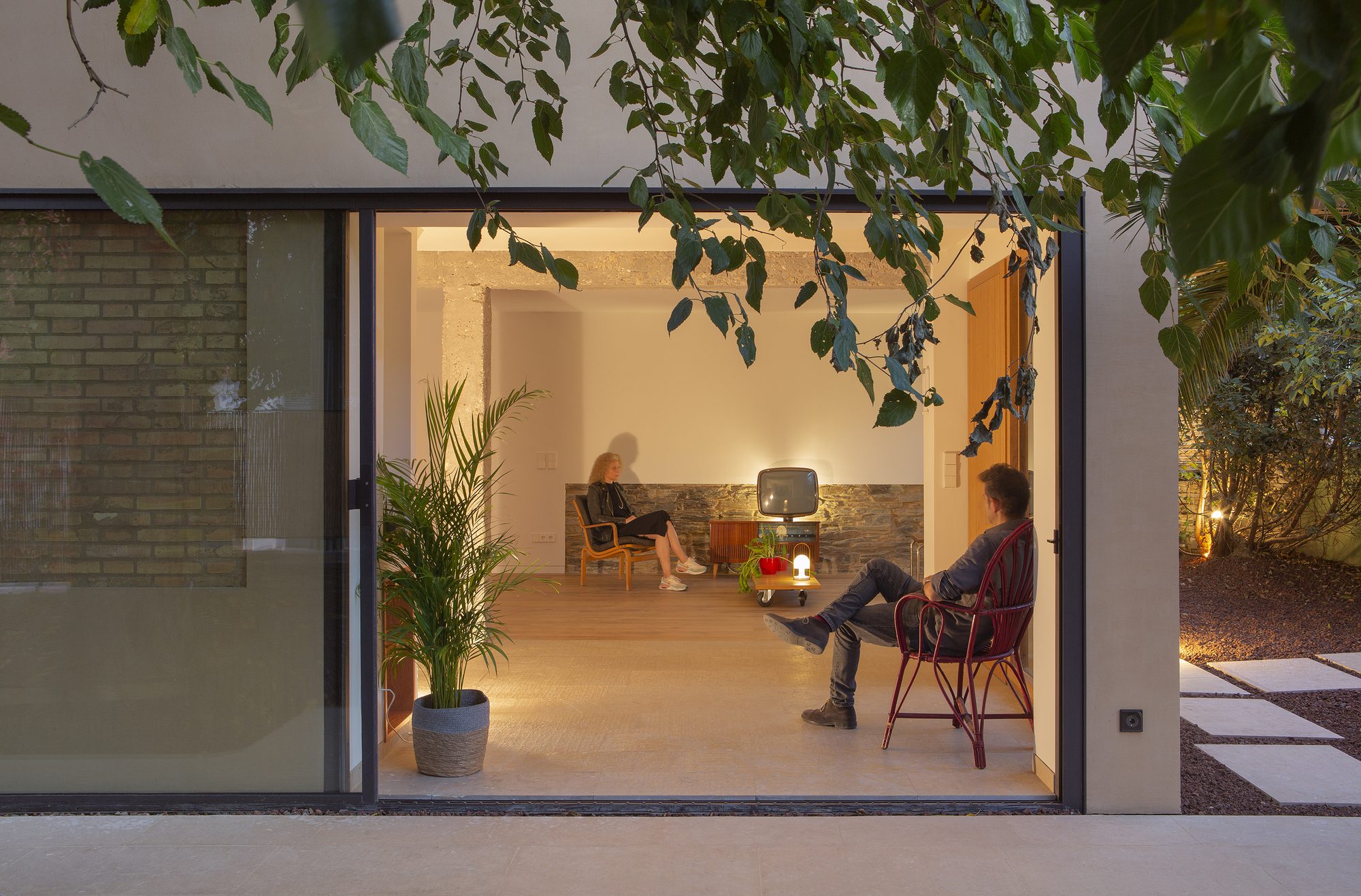
Located in a residential neighborhood of Pozuelo de Alarcón, the house already possessed its greatest asset: a mature garden that had grown alongside the building for decades. Rather than imposing a new architectural order, the project embraces this landscape as an active component of domestic life. The intervention preserves the rational character of the original building, removes spatial barriers, strengthens the relationship between indoors and outdoors, and allows natural light and vegetation to accompany everyday life as permanent elements of the domestic experience.
© Elena Almagro
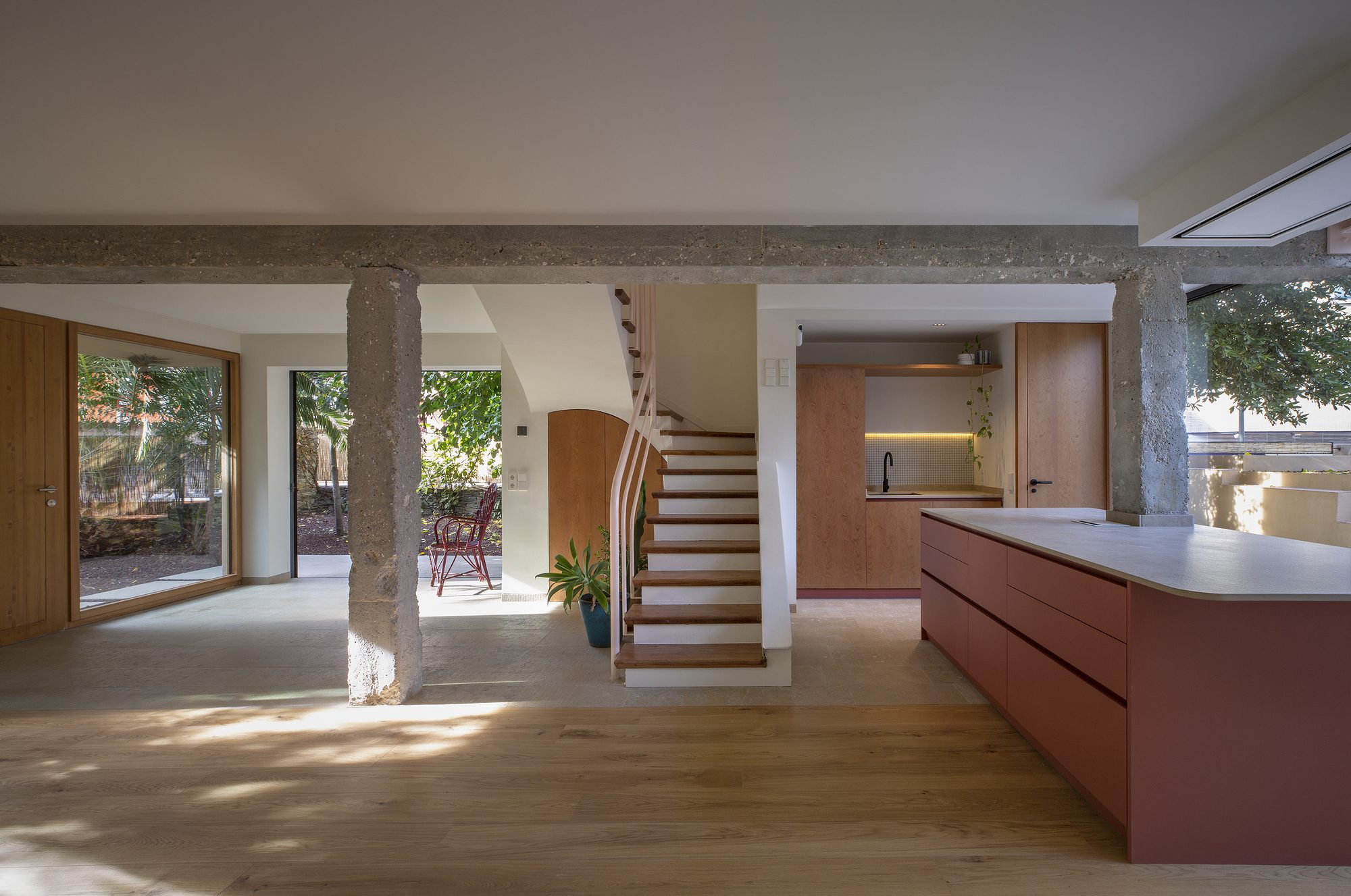
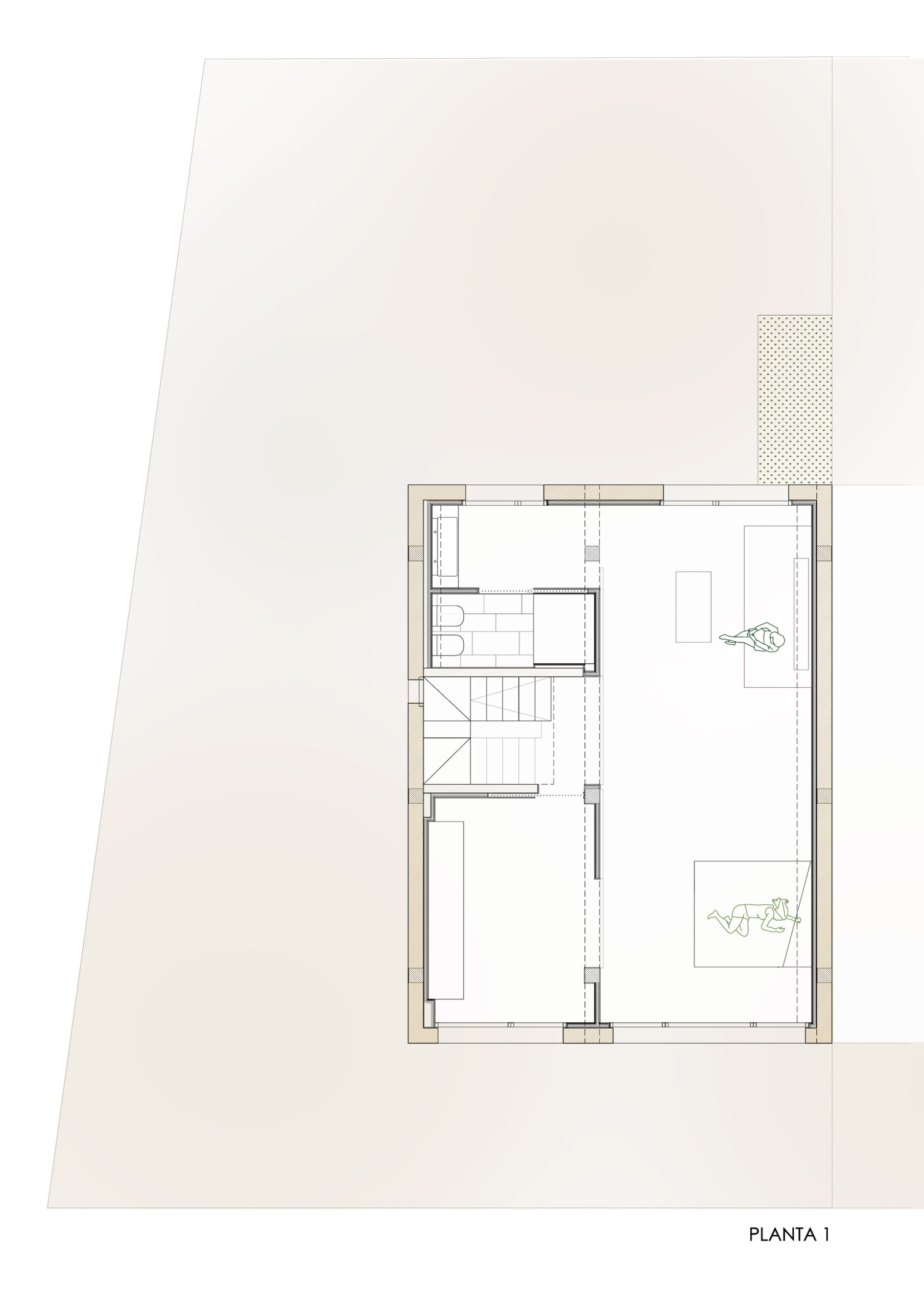
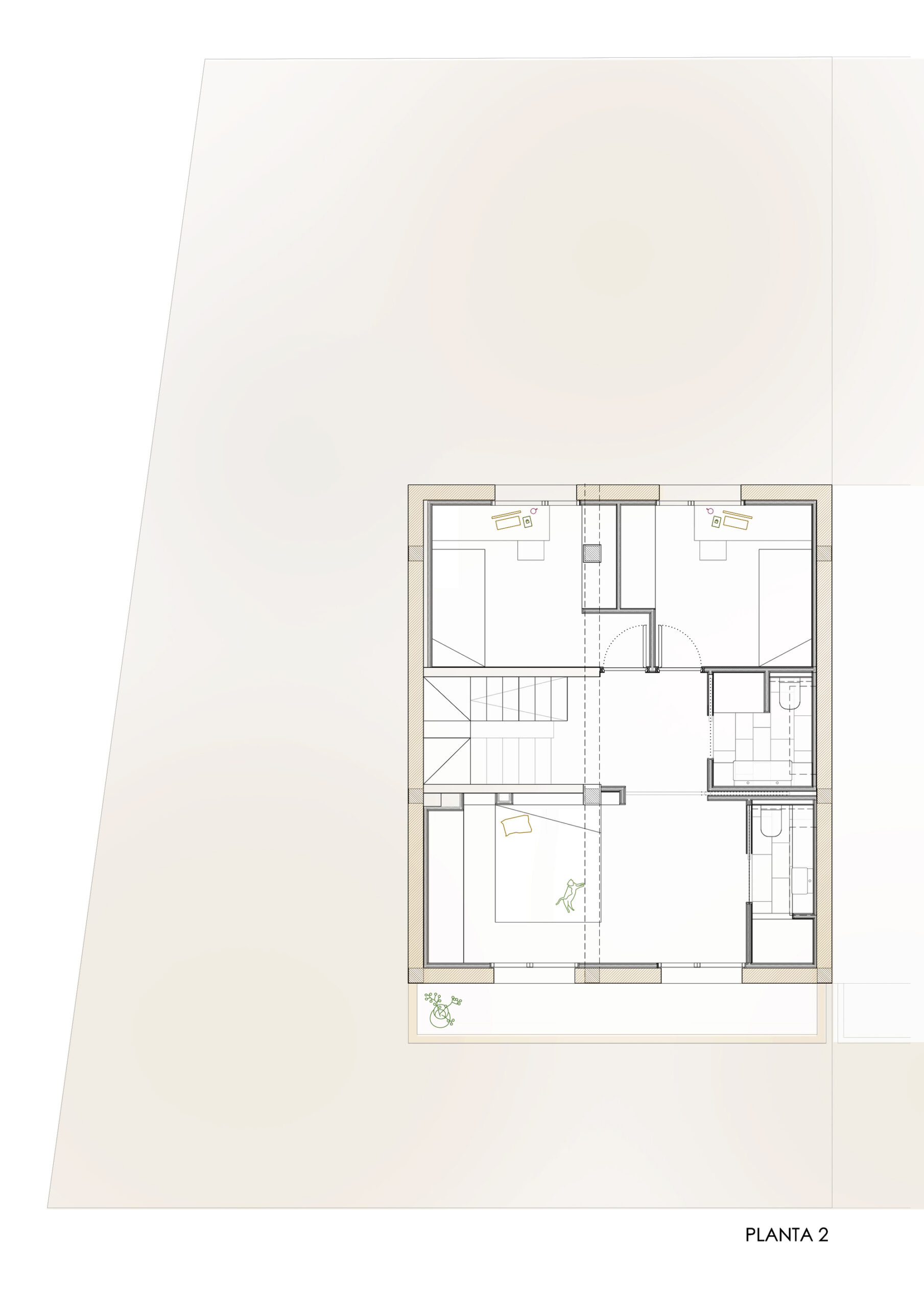
Flexibility is the organizing principle of the project. Instead of assigning fixed functions to each room, the house is conceived as a sequence of adaptable spaces capable of accommodating different ways of living and evolving over time.
© Elena Almagro
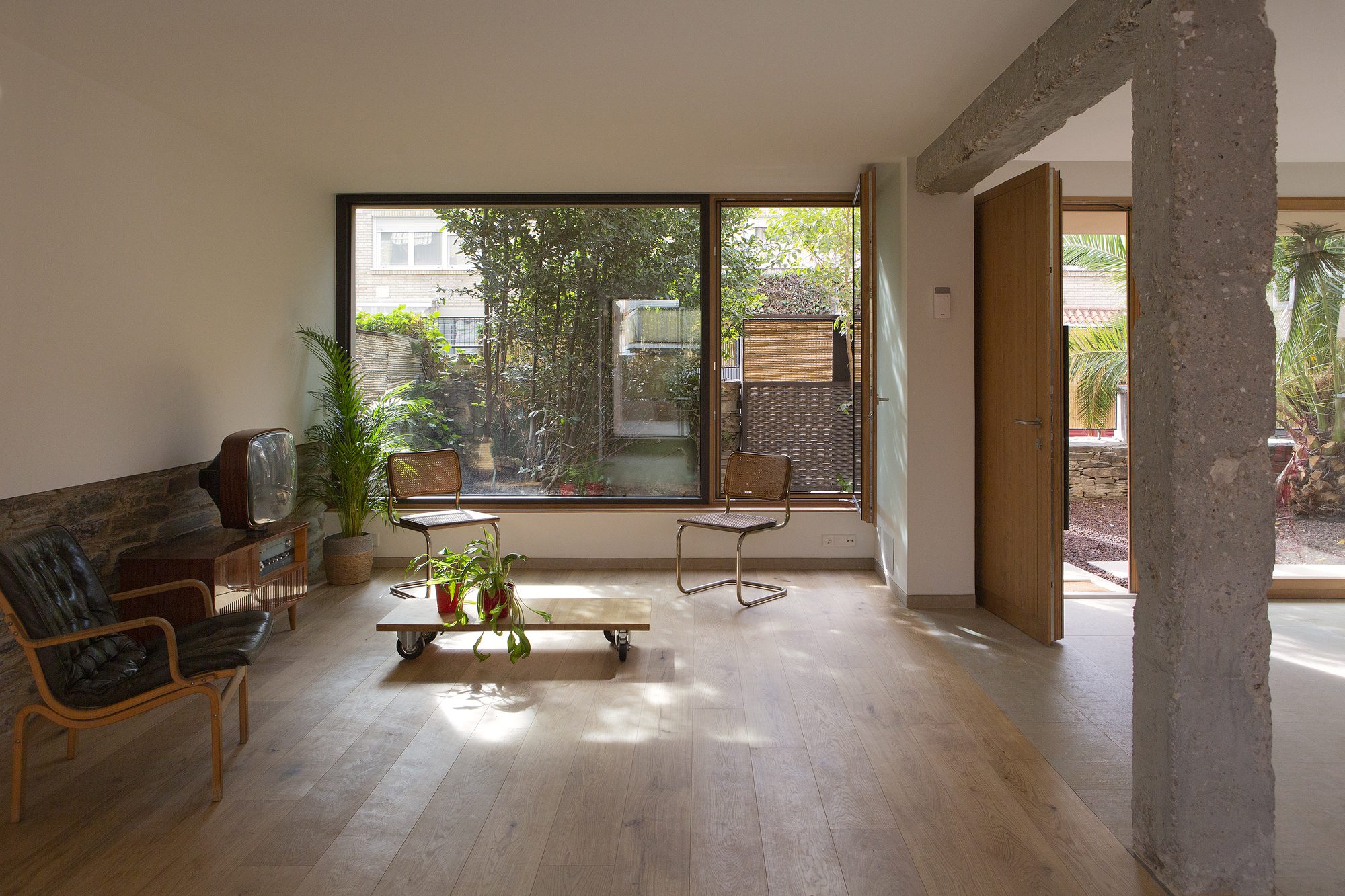
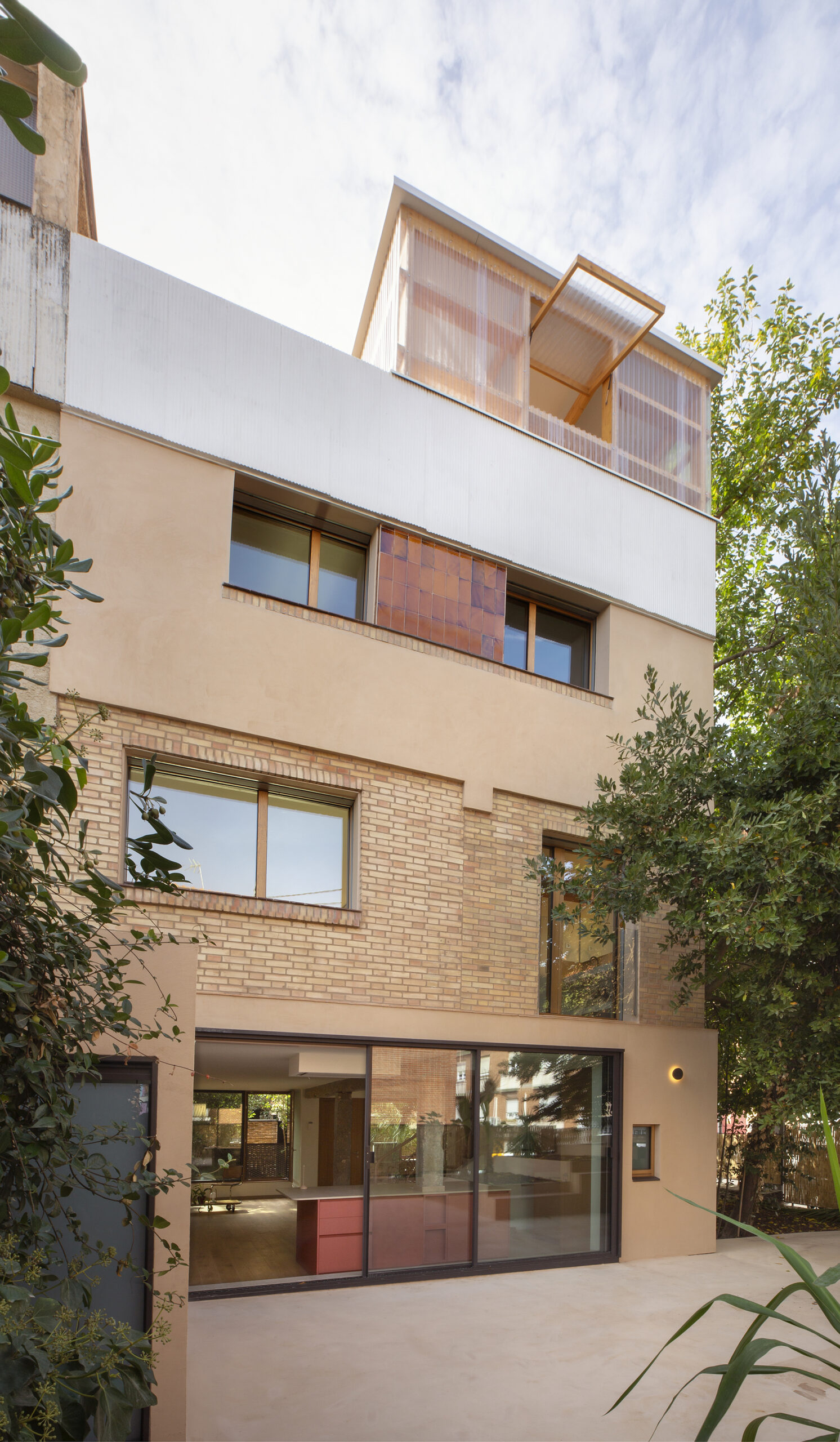
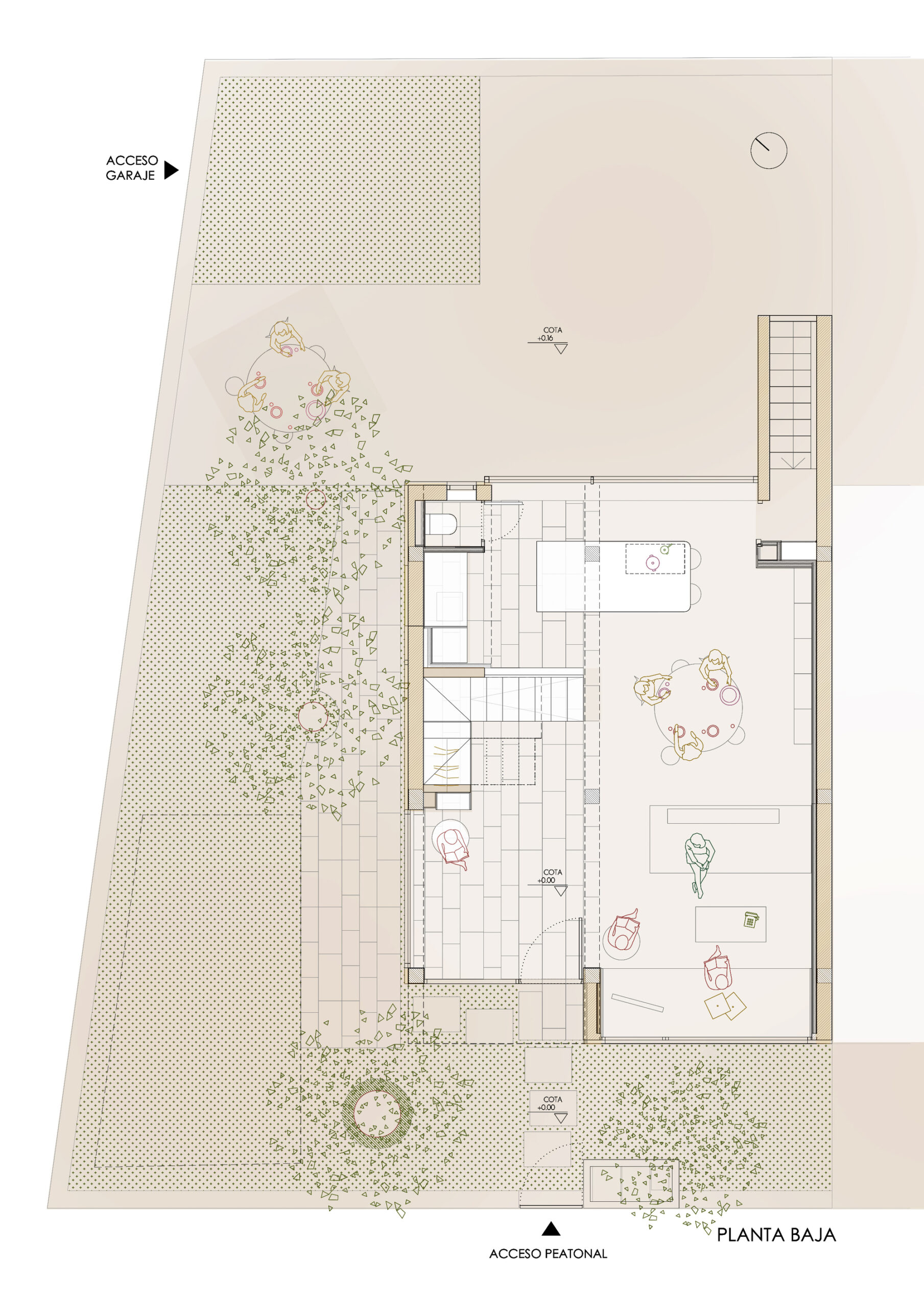
On the ground floor, the living room, dining area, entrance, and garden are connected through visual and physical continuity, naturally extending domestic life outdoors. The upper floors follow the same logic through spaces open to multiple configurations, ready to respond to changing family needs, remote work, or future transformations without altering the architecture itself.
© Elena Almagro
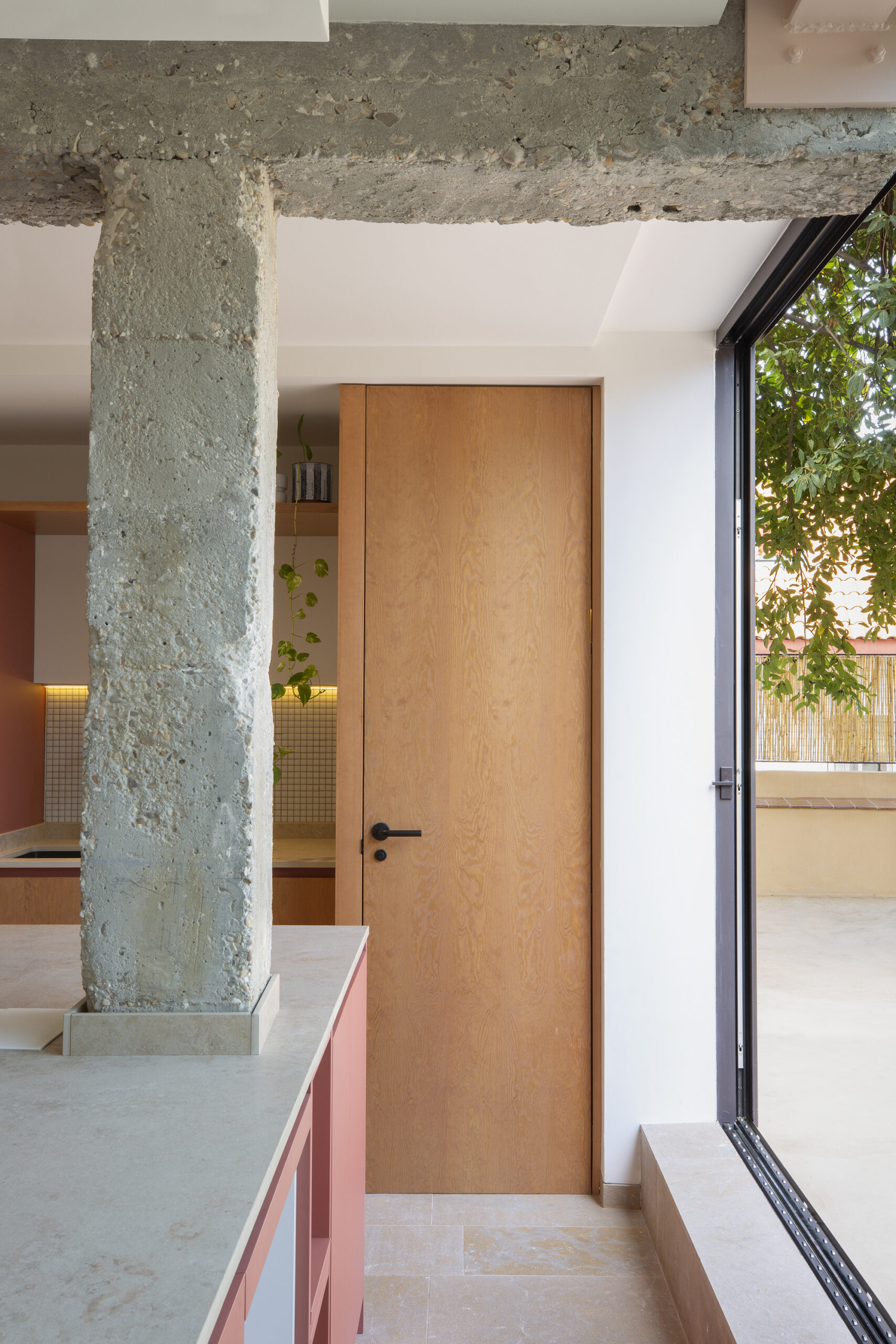
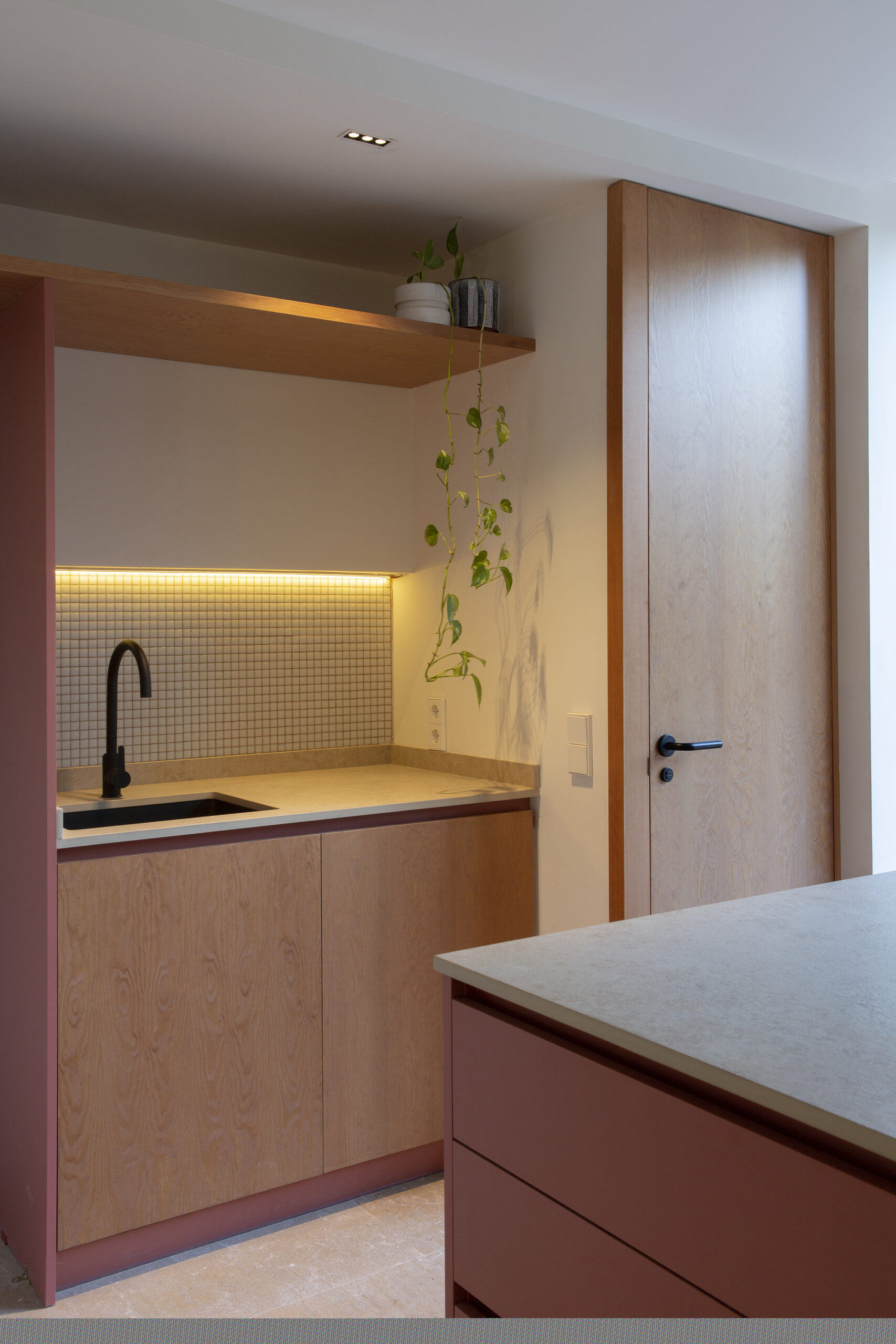
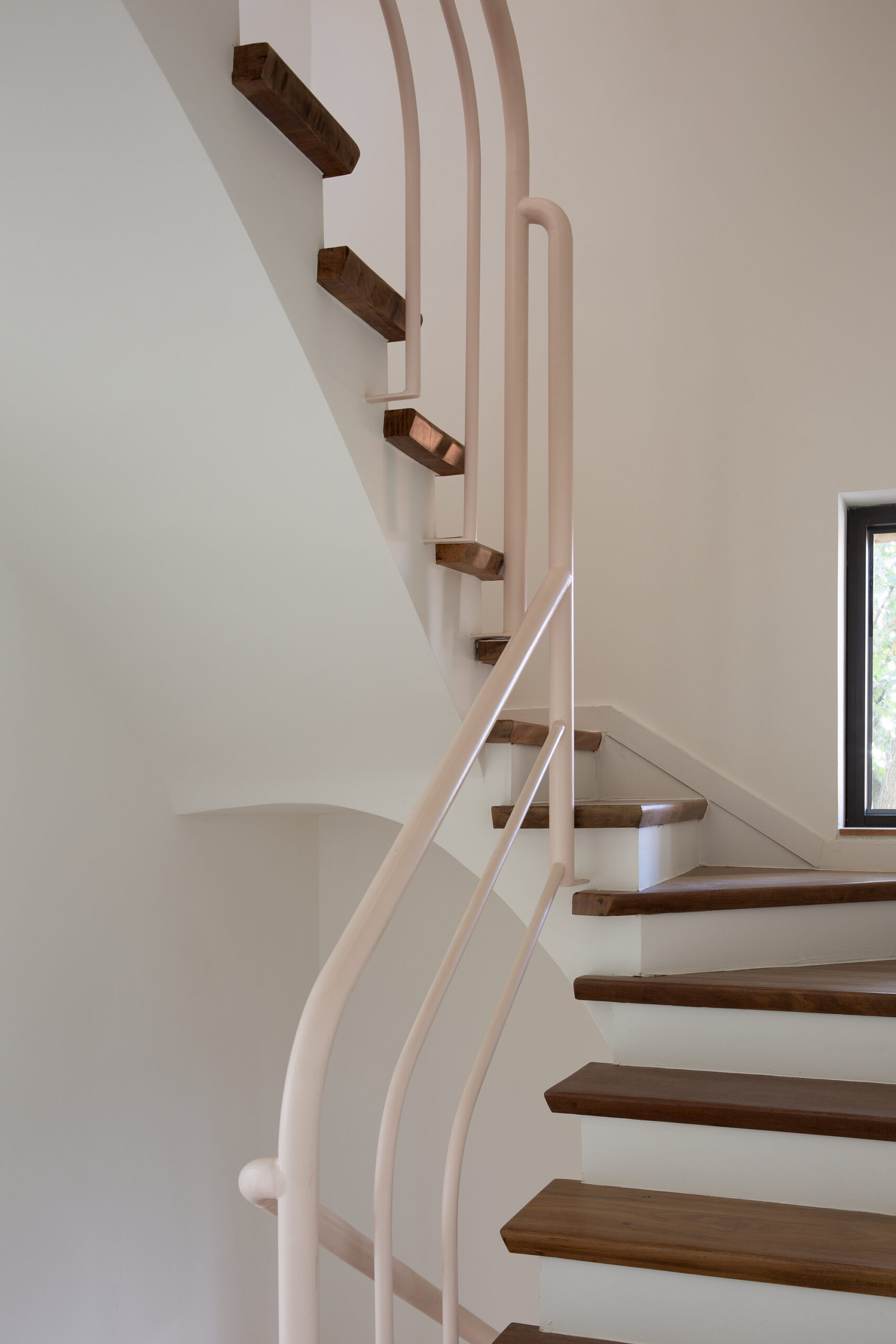
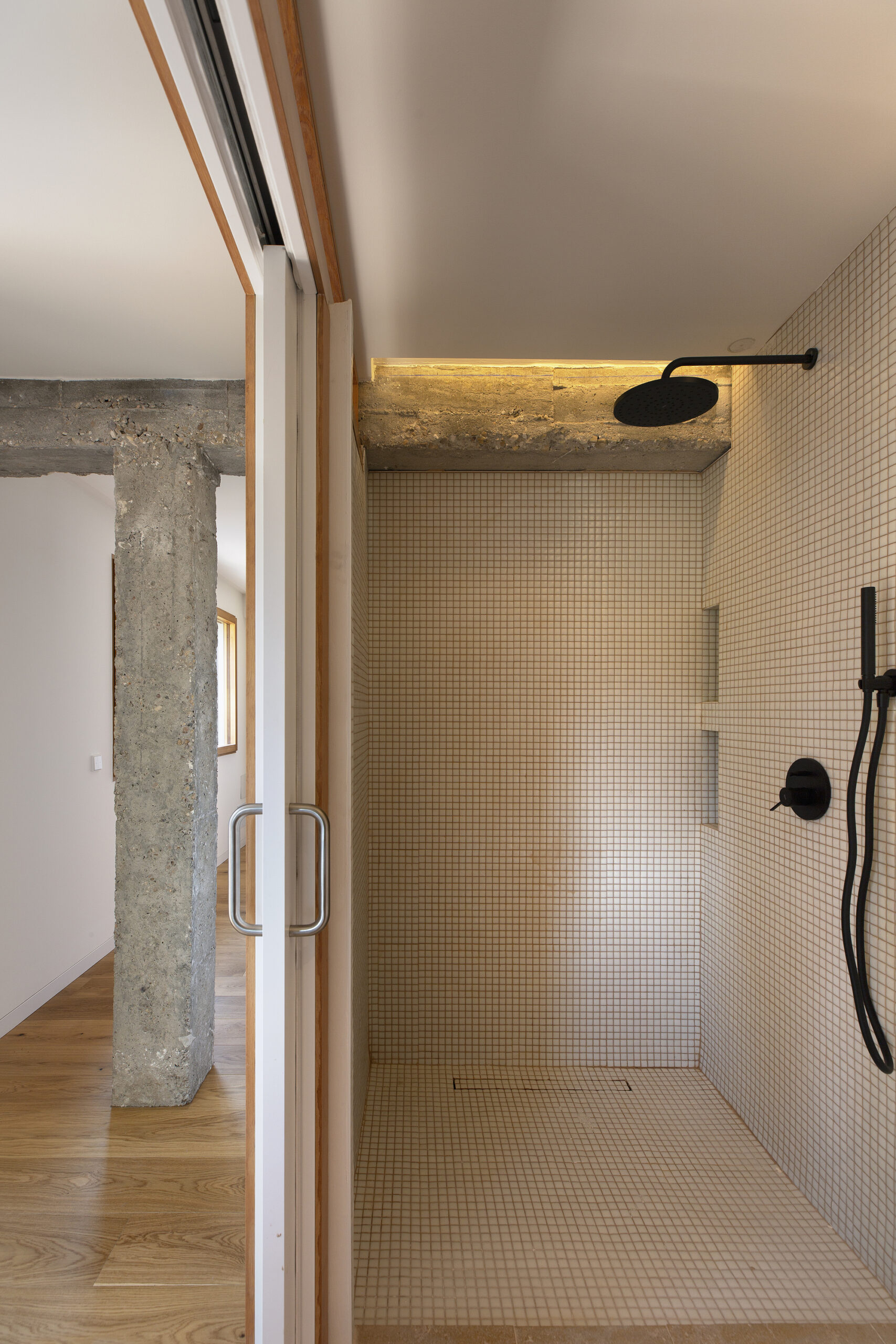
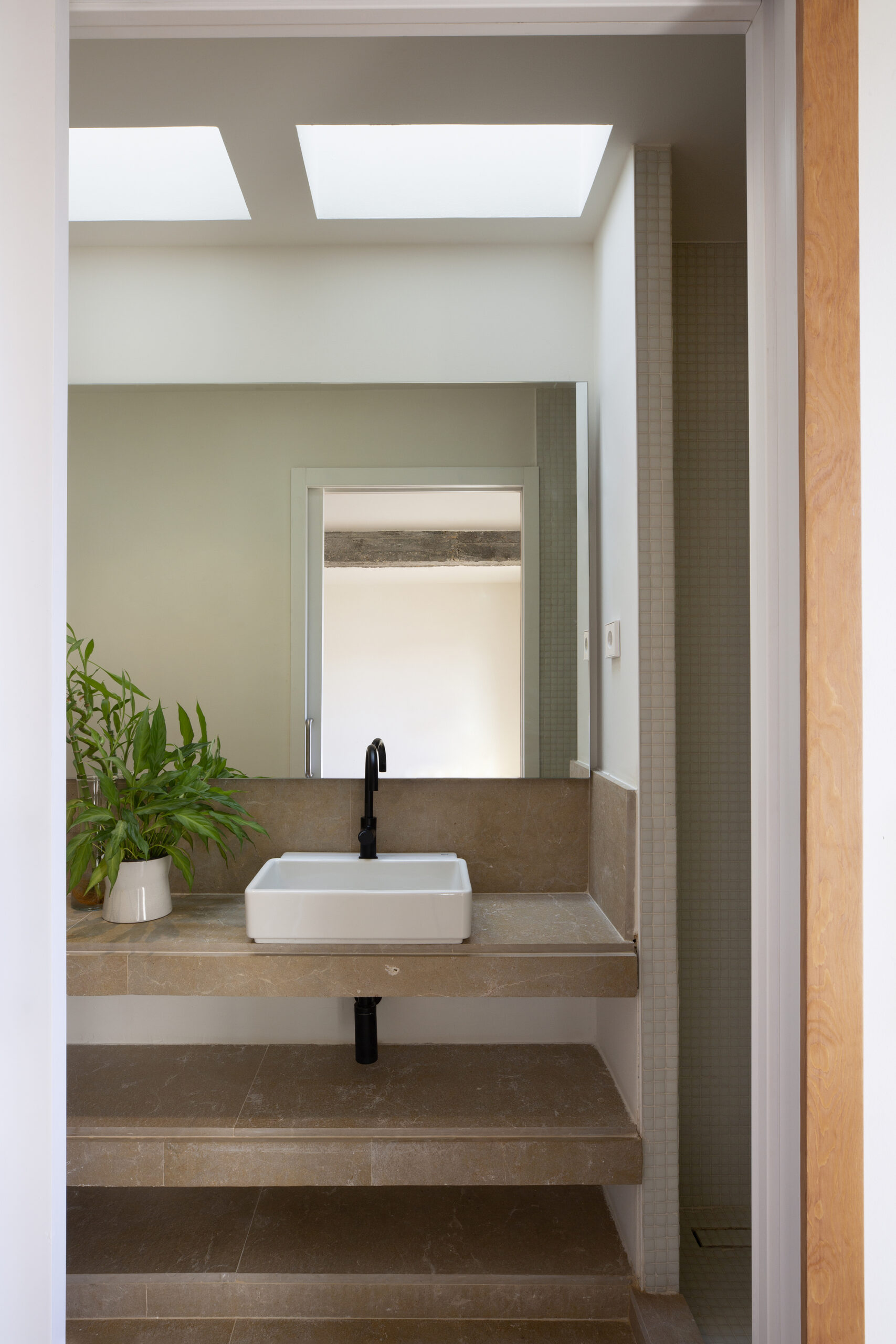
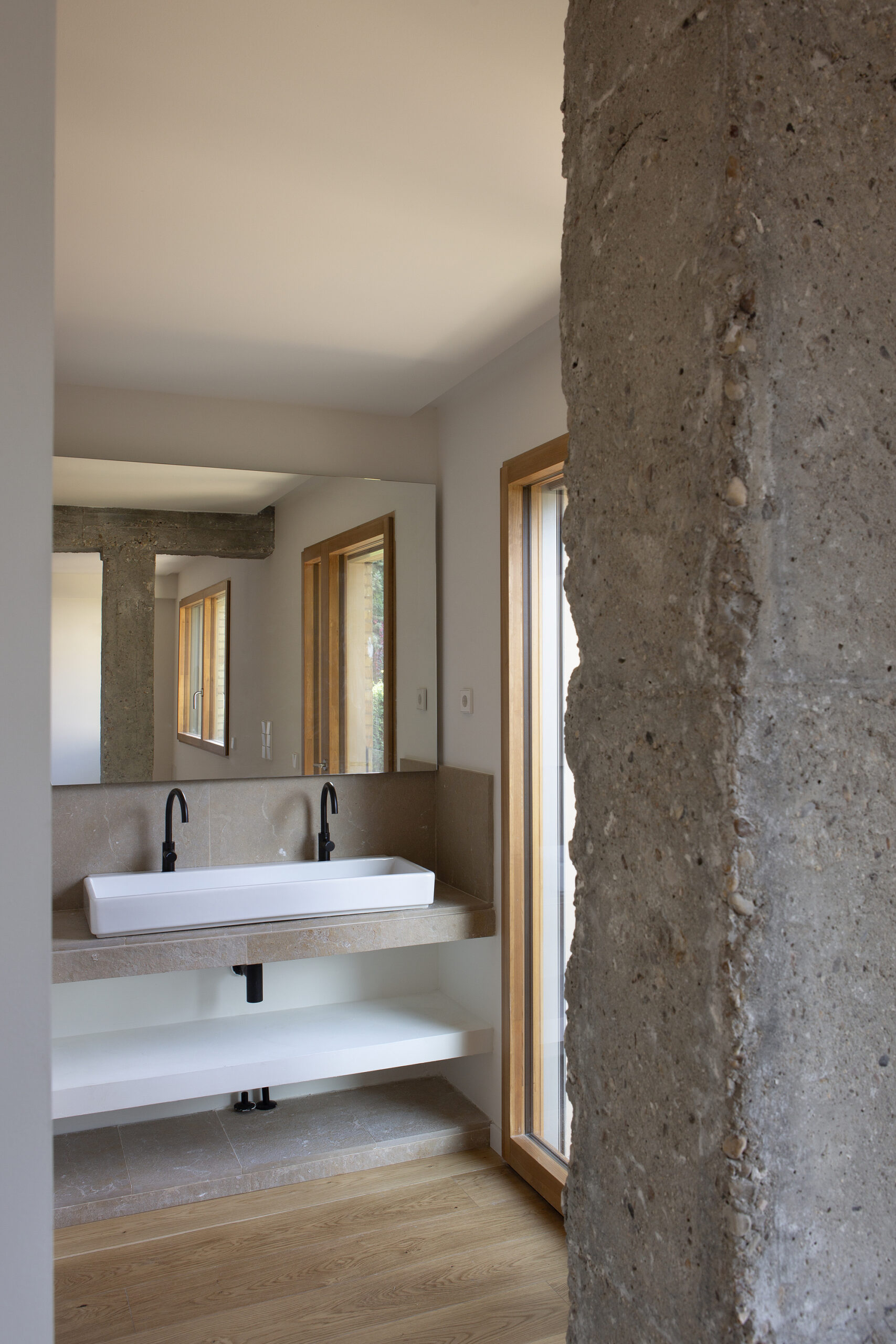
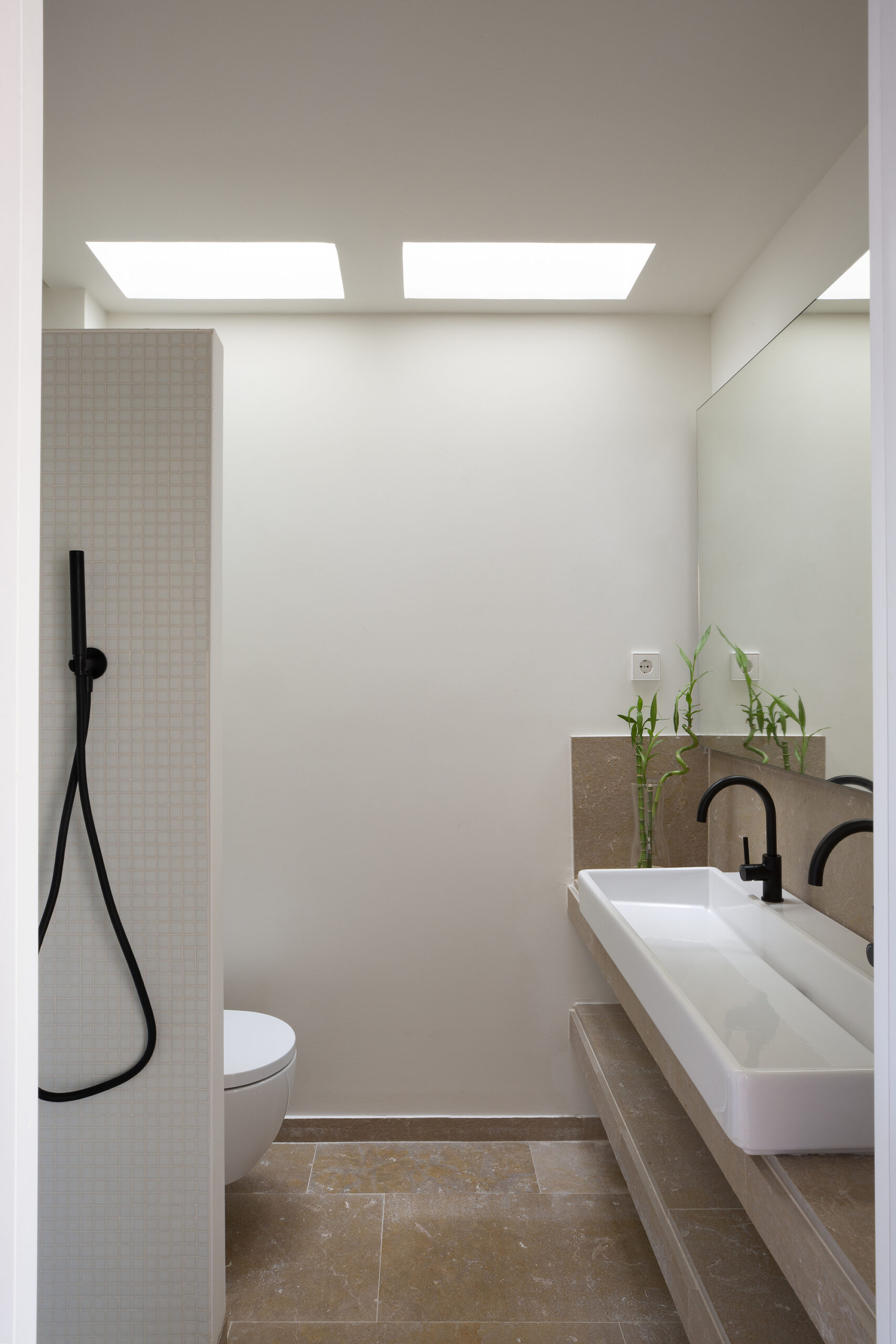
The project engages with the existing building on its own terms rather than opposing it. The new materials are expressed through a restrained contemporary language, establishing a respectful dialogue with the original architecture and its materiality. Timber, carefully crafted joinery, and a palette of natural ceramic finishes and neutral-toned mineral plasters reinforce the continuity between old and new while enhancing both the comfort and the emotional atmosphere of the home.
© Elena Almagro
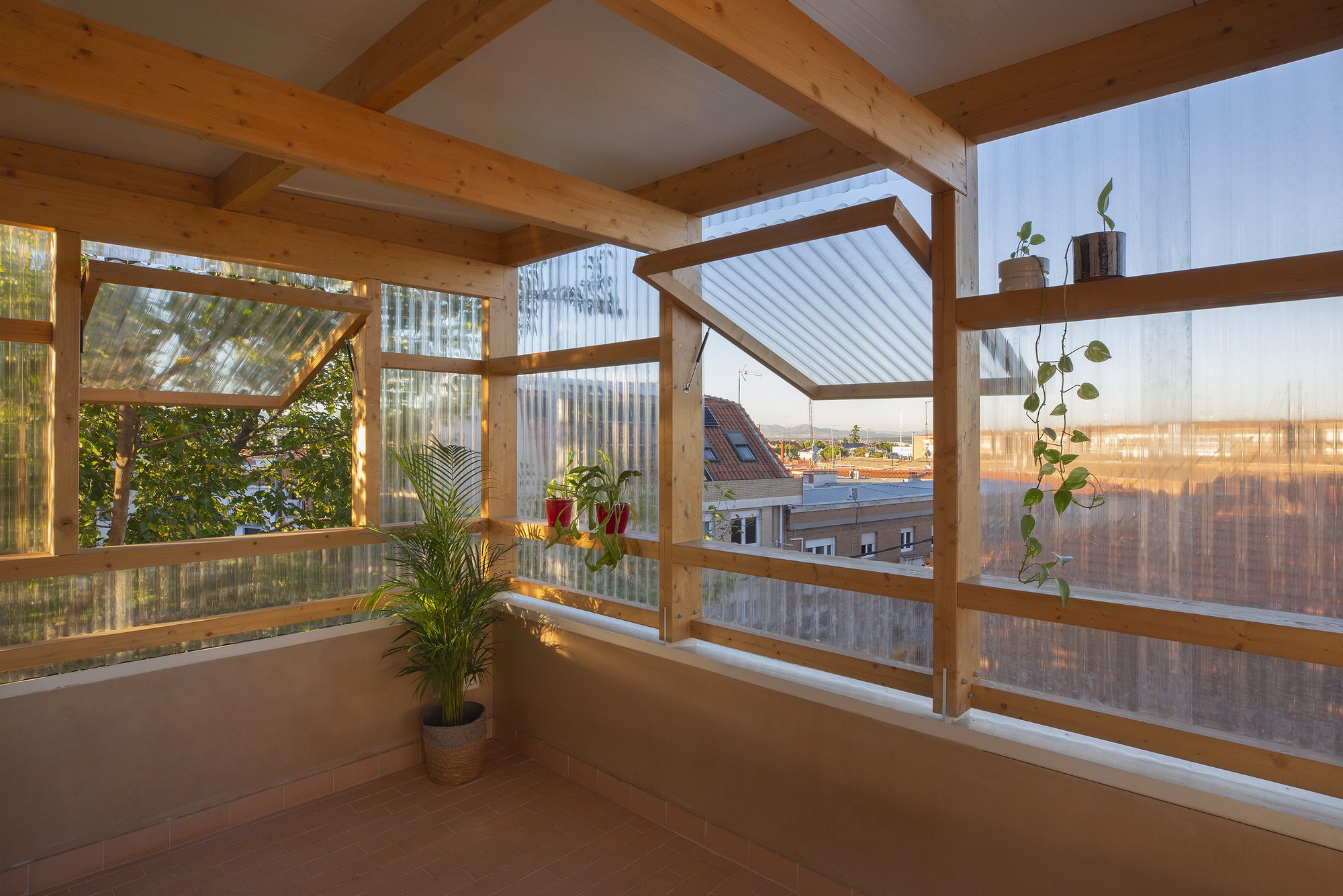
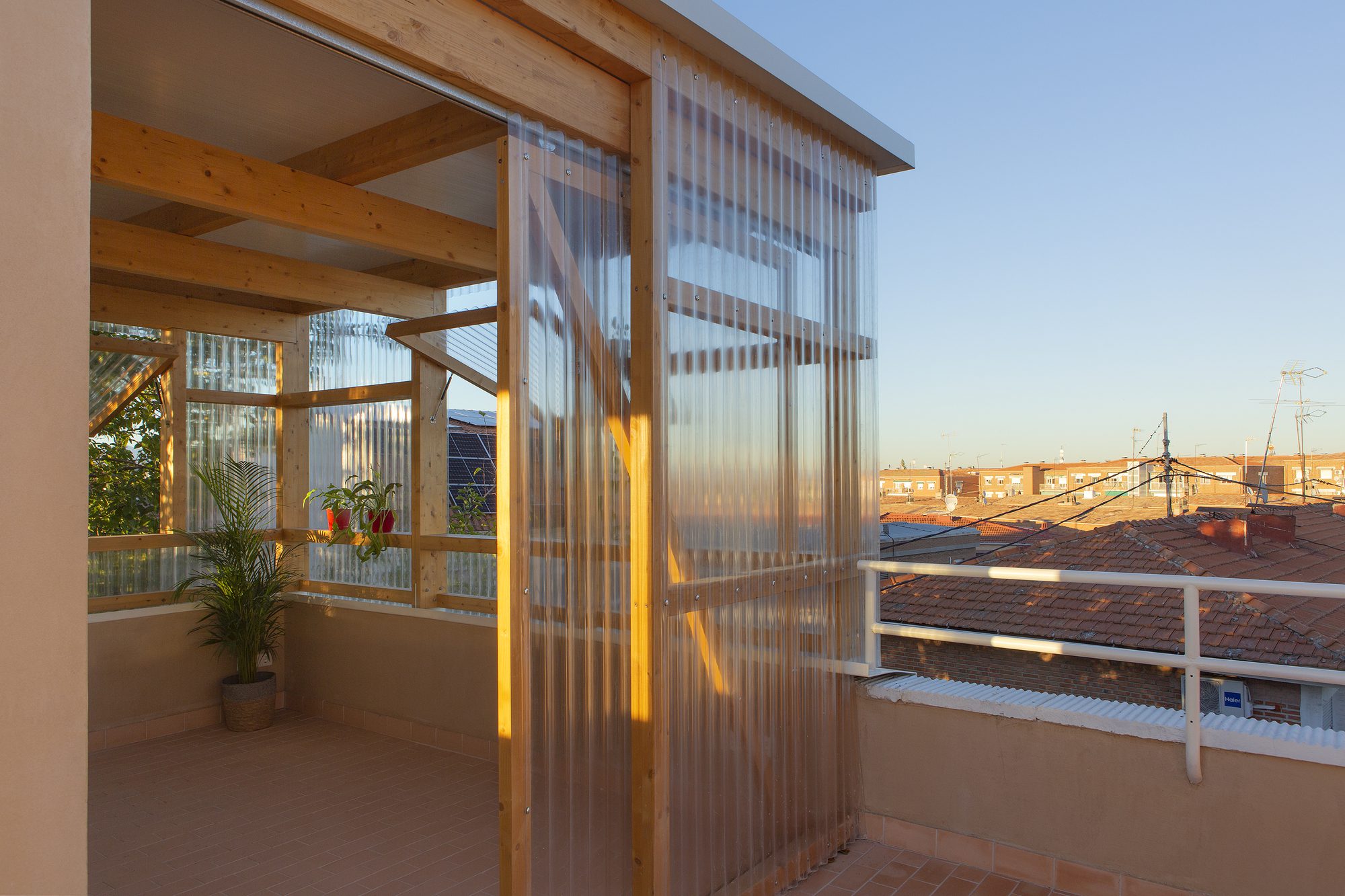
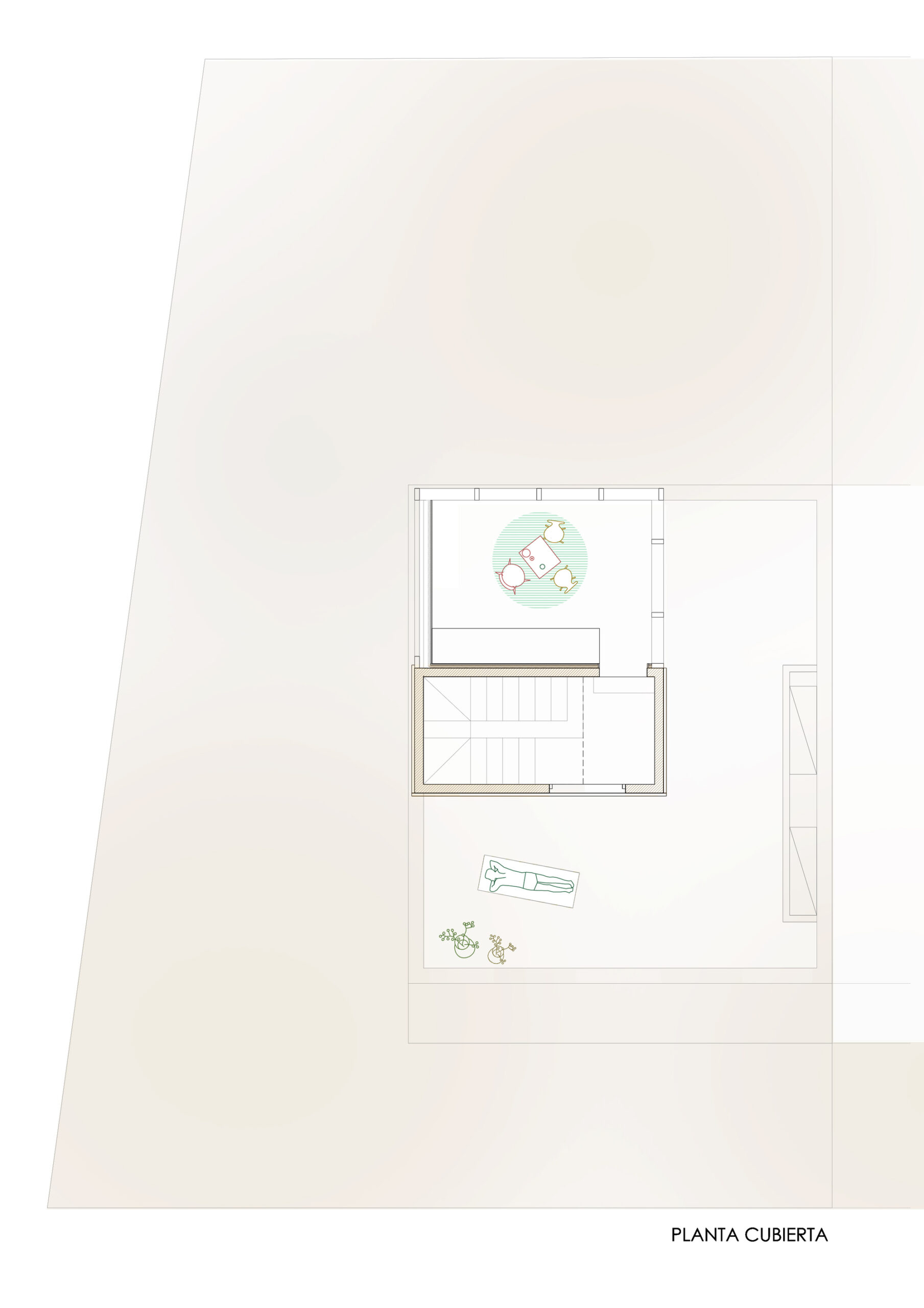
The intervention culminates in a generous rooftop terrace, where a lightweight greenhouse made of timber and corrugated poly-carbonate creates an intermediate space between the house and the sky. Neither entirely indoors nor outdoors, this space changes with the seasons, filters natural light, and expands the home’s possibilities for use, offering a place for contemplation, gathering, and everyday appropriation.
© Elena Almagro
Rather than defining a finished architectural object, Casa Fátima proposes an architecture open to the passage of time: a home capable of adapting to its inhabitants and demonstrating that the most sustainable transformation lies not in replacing what already exists, but in discovering and enhancing the value it already holds.
Project Info
Architects: MARMOLBRAVO
Country: Pozuelo de Alarcón, Spain
Area: 300 m²
Year: 2026
Photographs: Elena Almagro
Manufacturers Technal, Baumit, Torinco: Technal
Lead Team: Marina del Mármol, Mauro Bravo
Design Team: Blanca Mas
Technical Team: Esther González

Anastasia Andreieva is an accomplished Architectural Projects Editor at Arch2O, bringing a unique blend of linguistic expertise and design enthusiasm to the team. Born and raised in Ukraine, she holds a Master’s degree in Languages from Taras Shevchenko National University of Kyiv. Her deep passion for architecture and visual storytelling led her to transition from translation and editorial roles into the world of design media. With a keen eye for conceptual clarity and narrative structure, Anastasia curates and presents global architectural projects with precision and flair. She is particularly drawn to parametric and digital design, cultural context, and emerging voices in architecture. When I’m not analyzing the latest architectural trends, you’ll probably find me searching for hidden gems in cityscapes or appreciating the beauty of well-crafted spaces. After all, great design—like great connections—can be found in the most unexpected places. Speaking of connections, because architecture isn’t the only thing that brings people together.