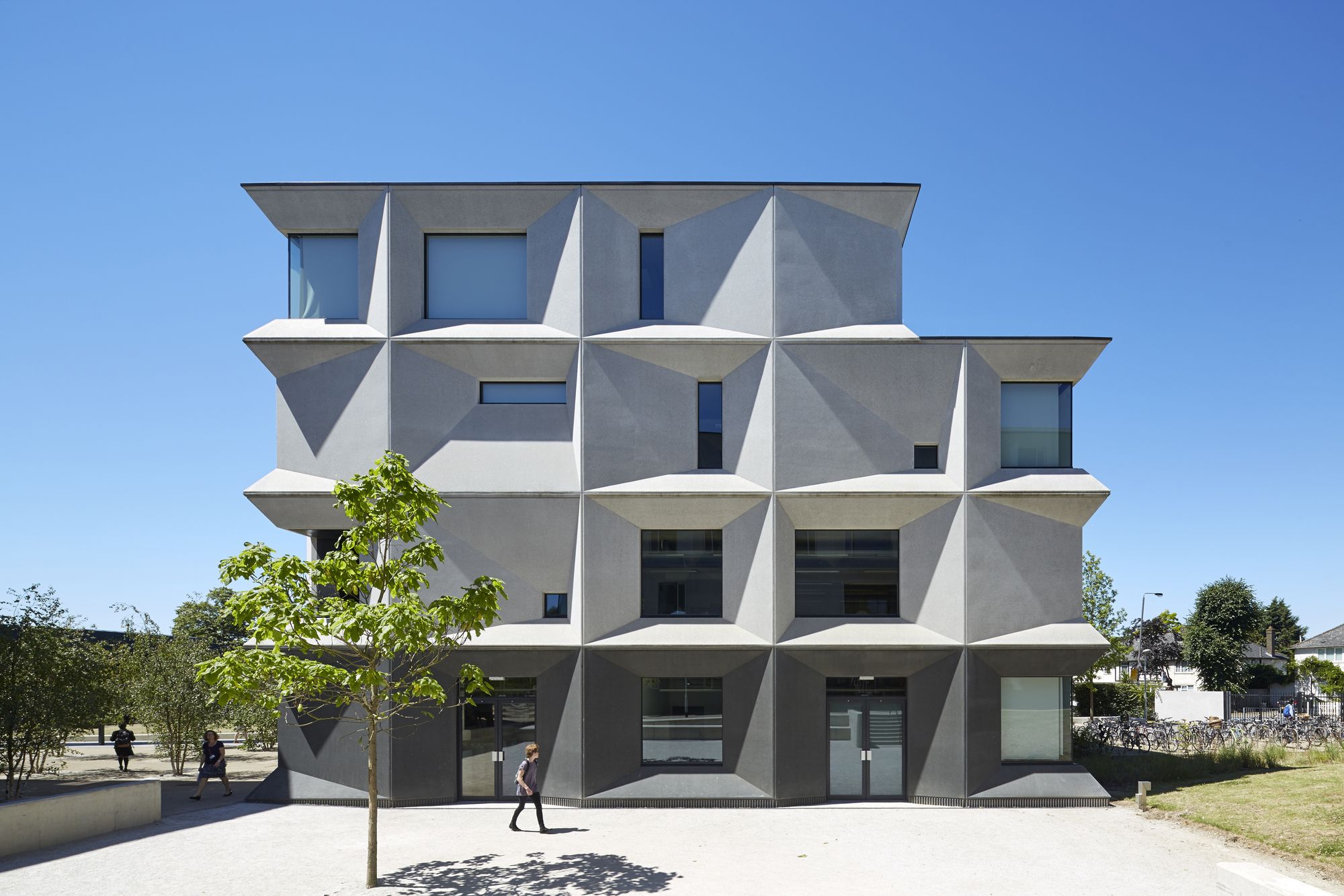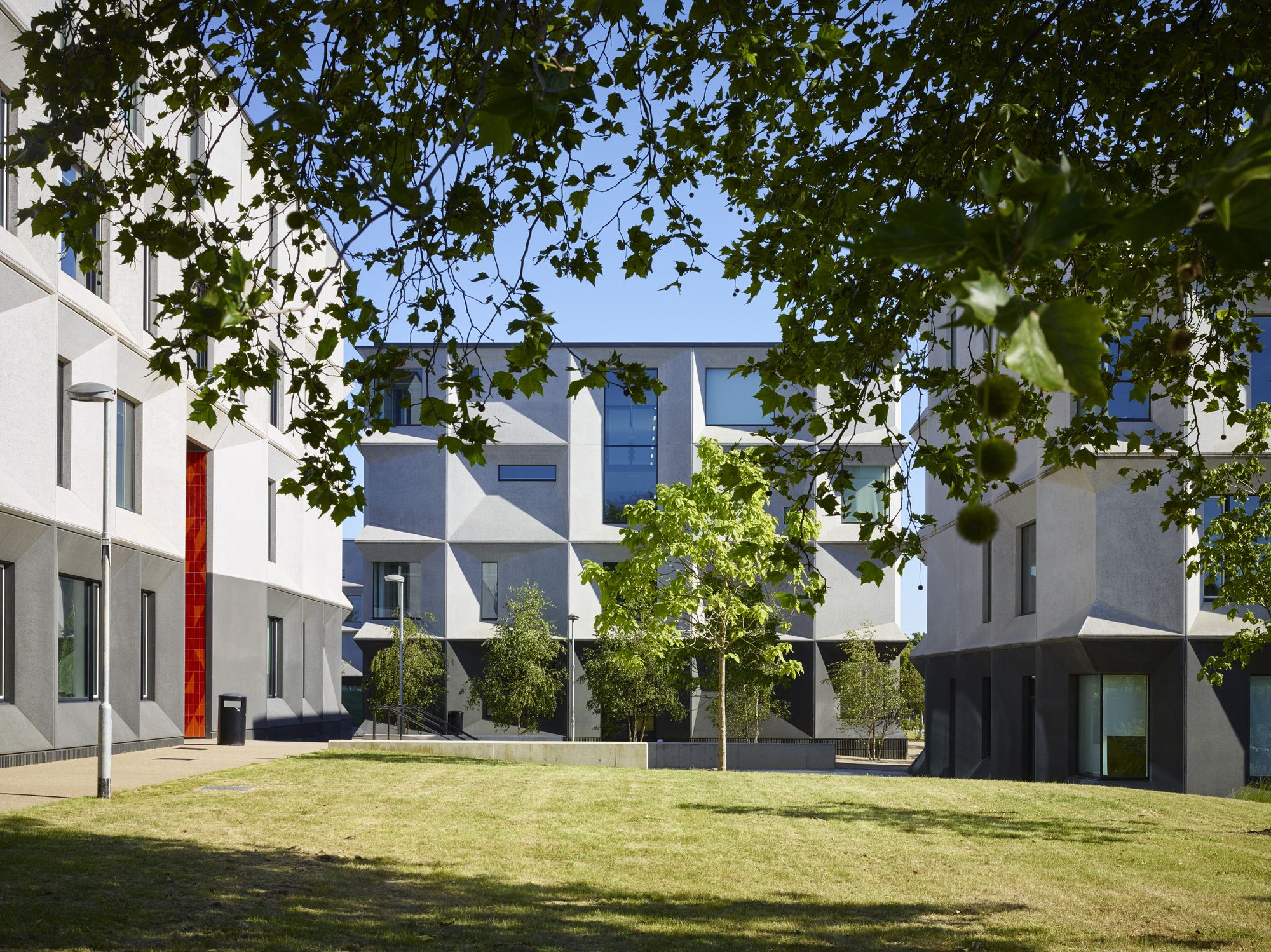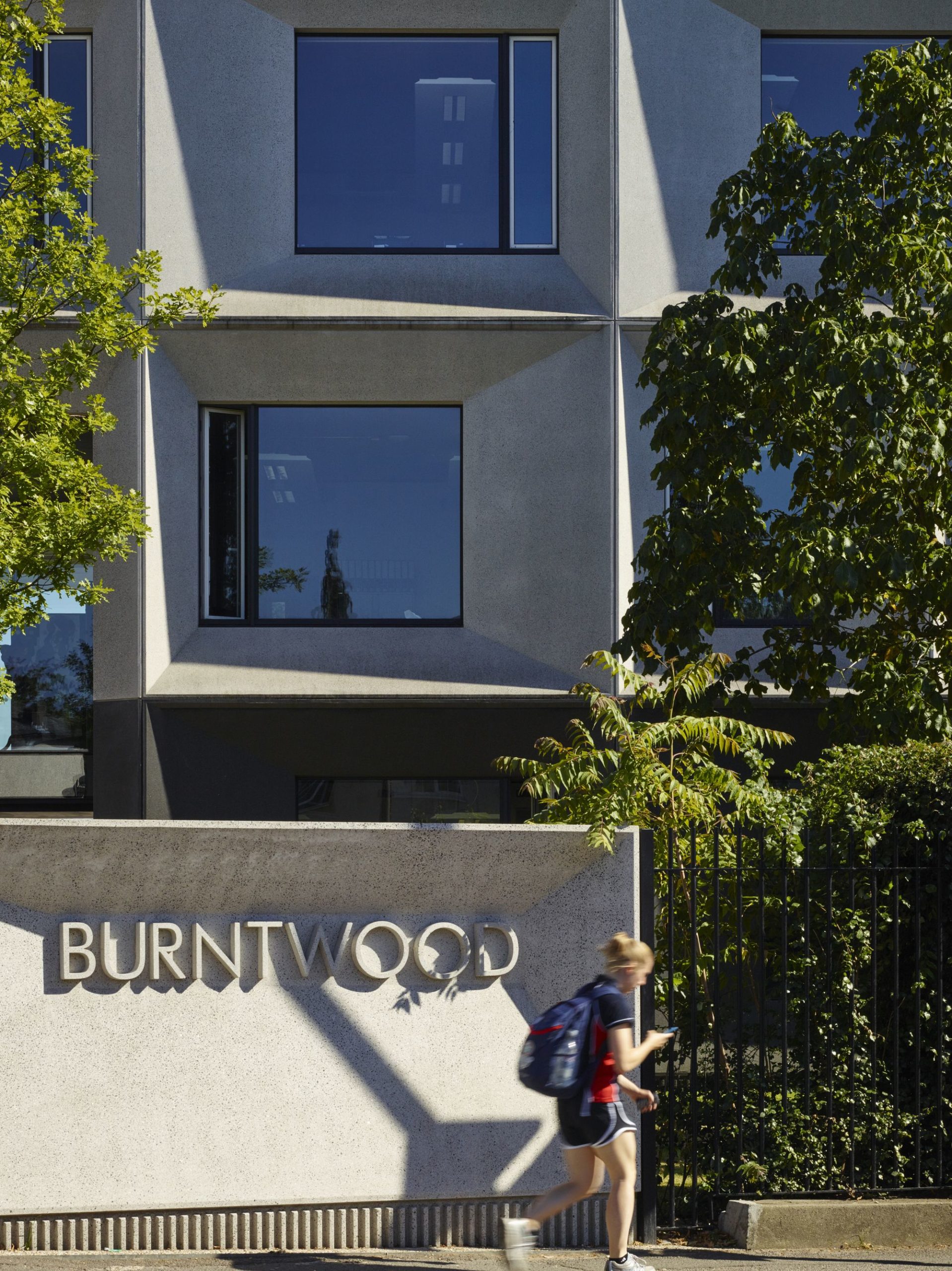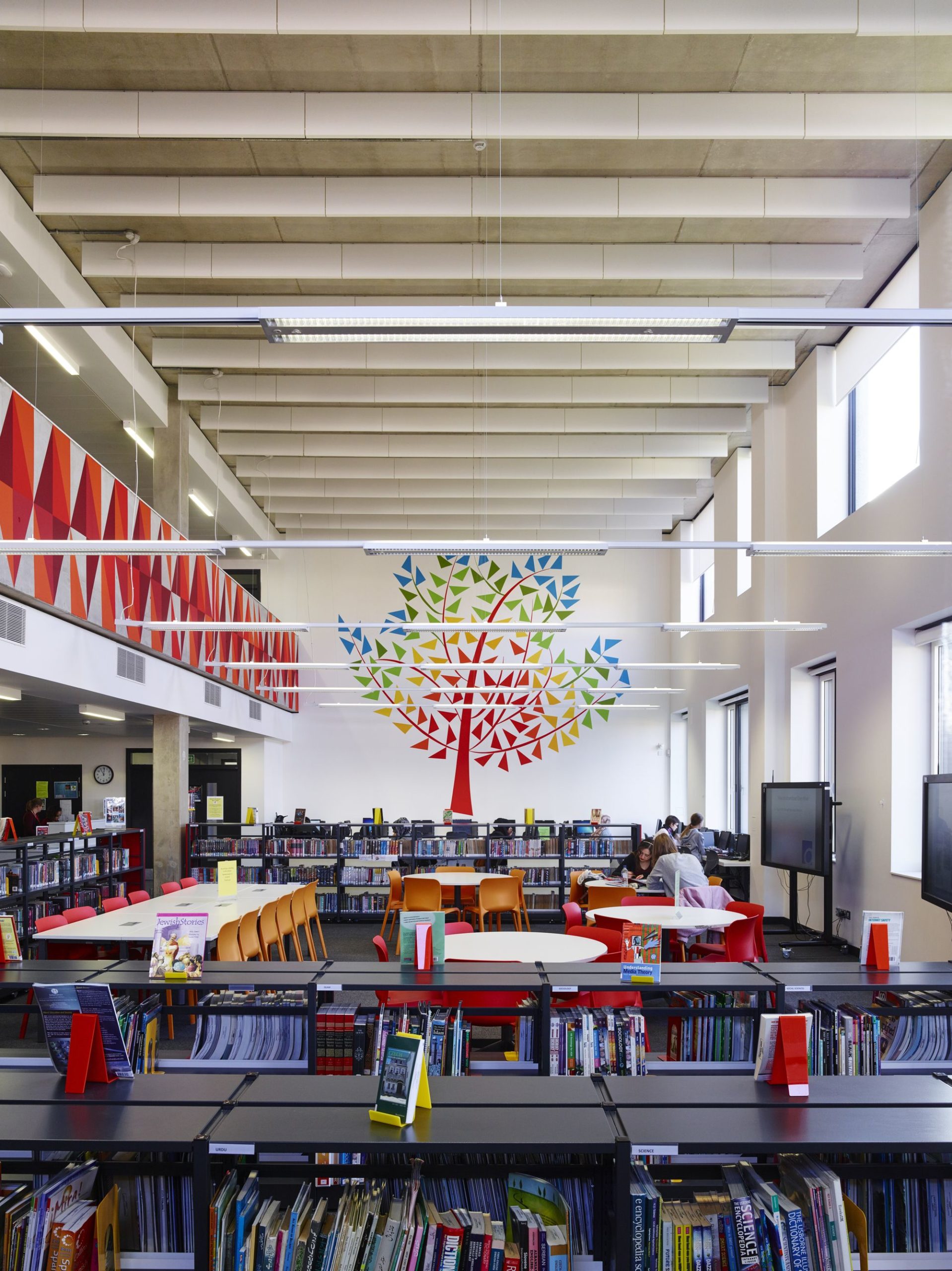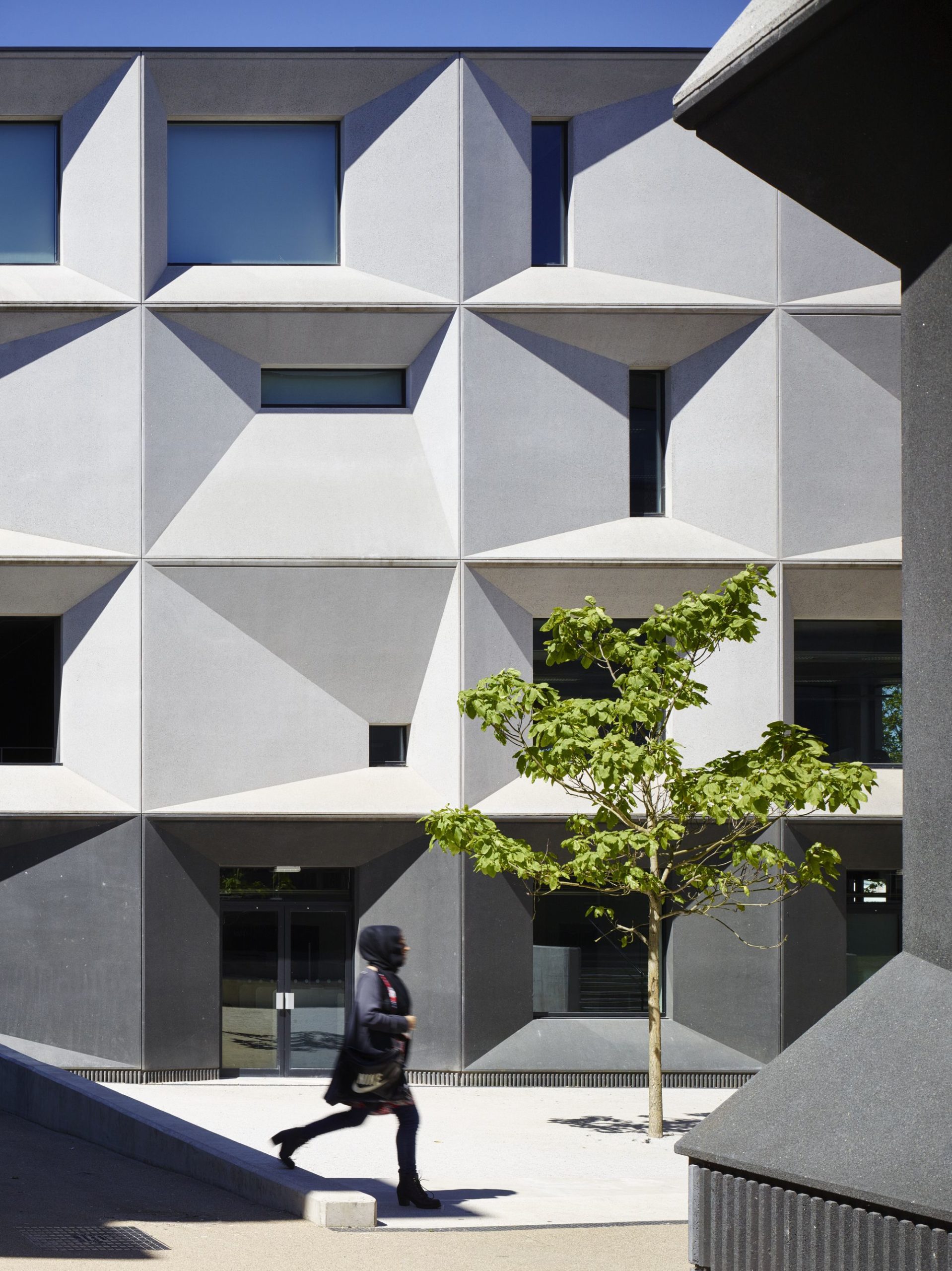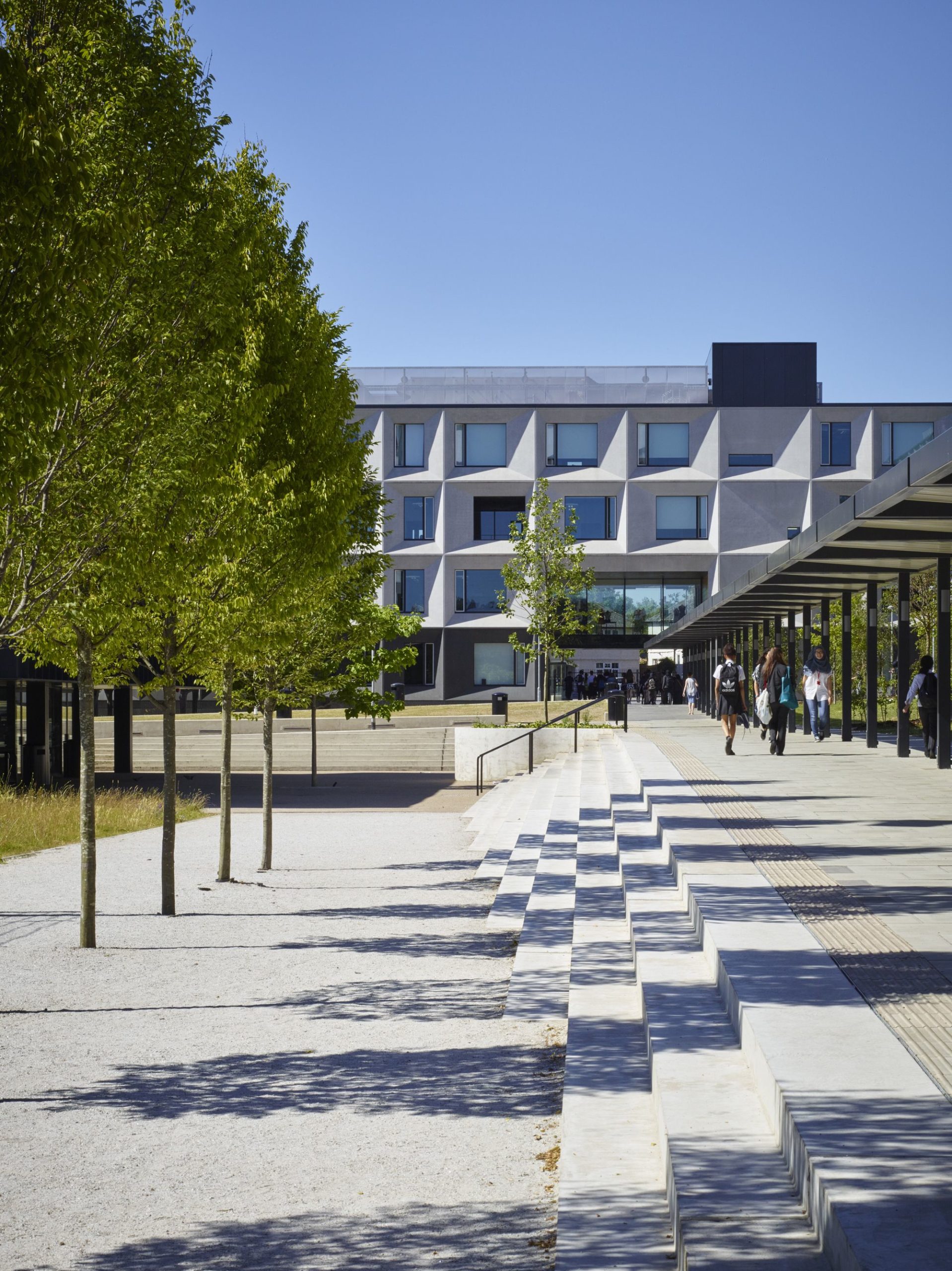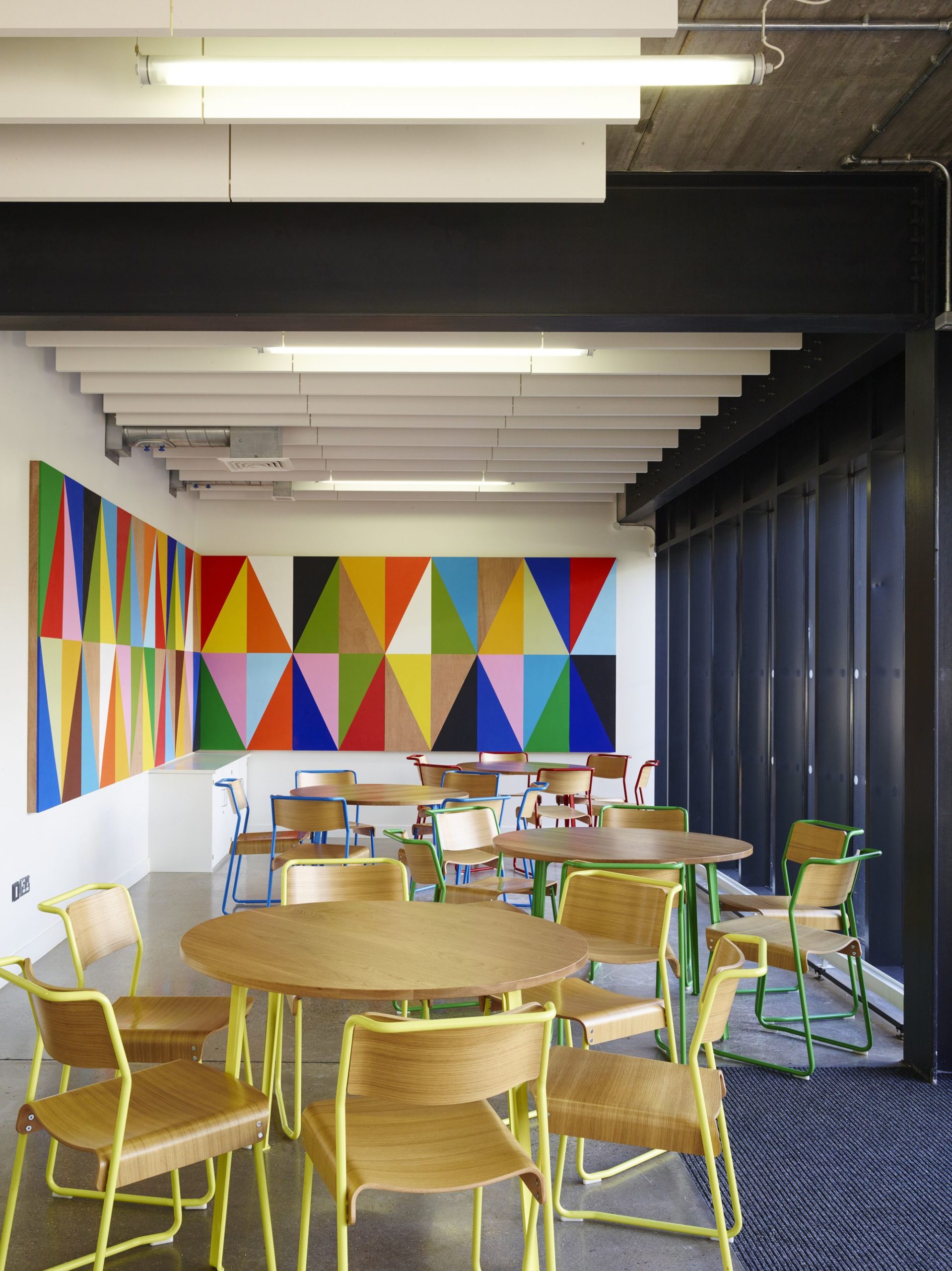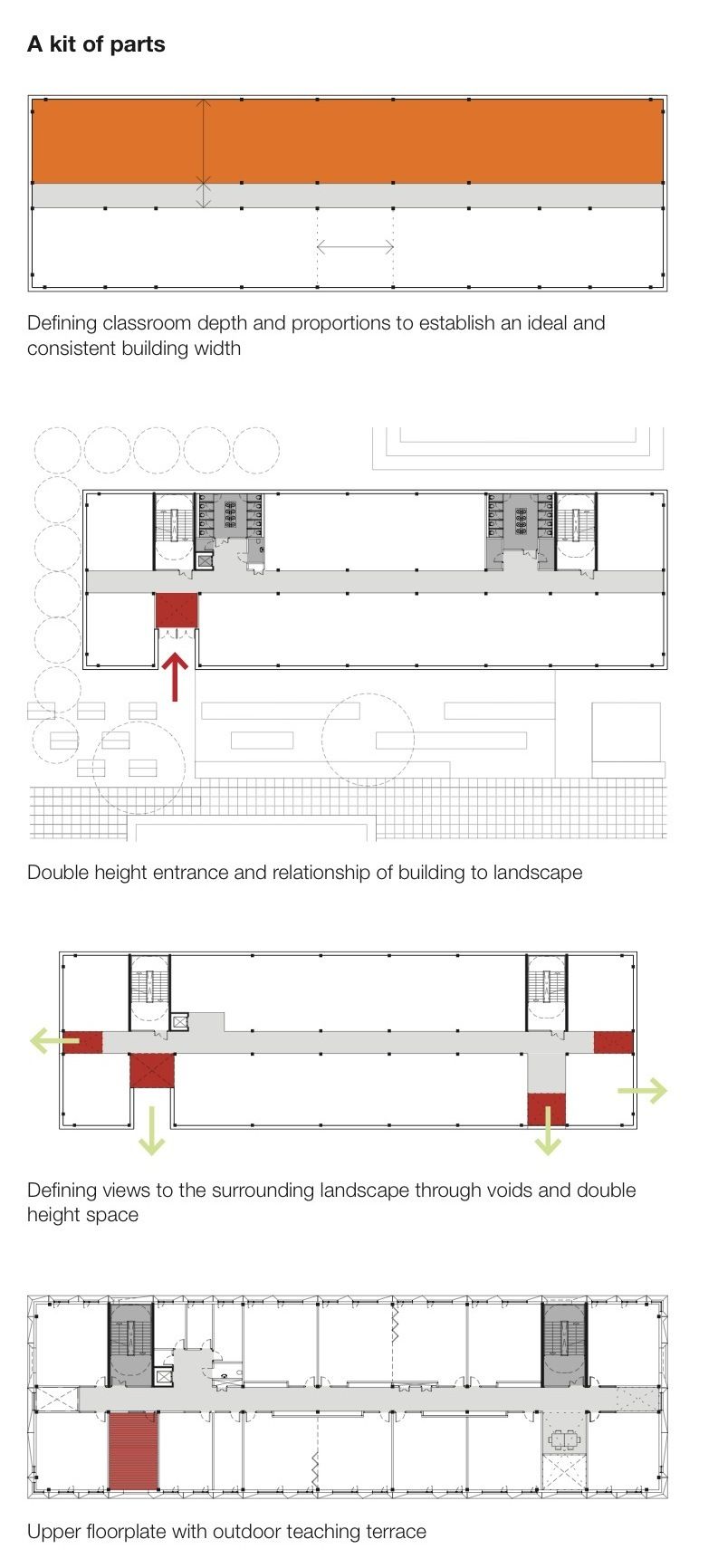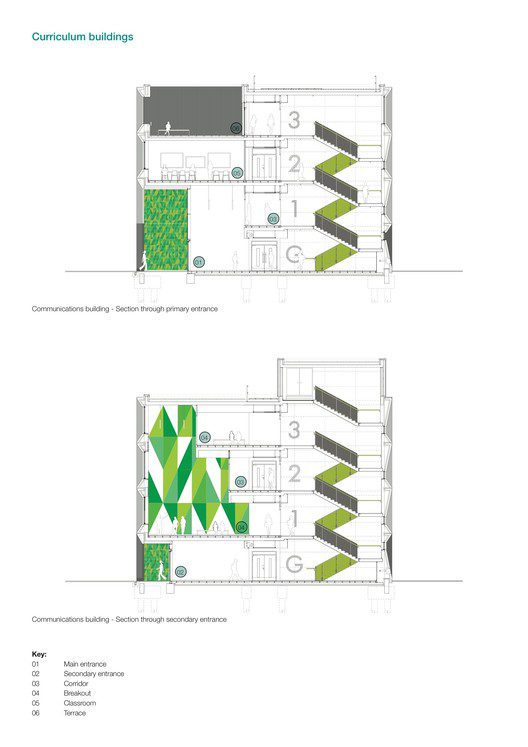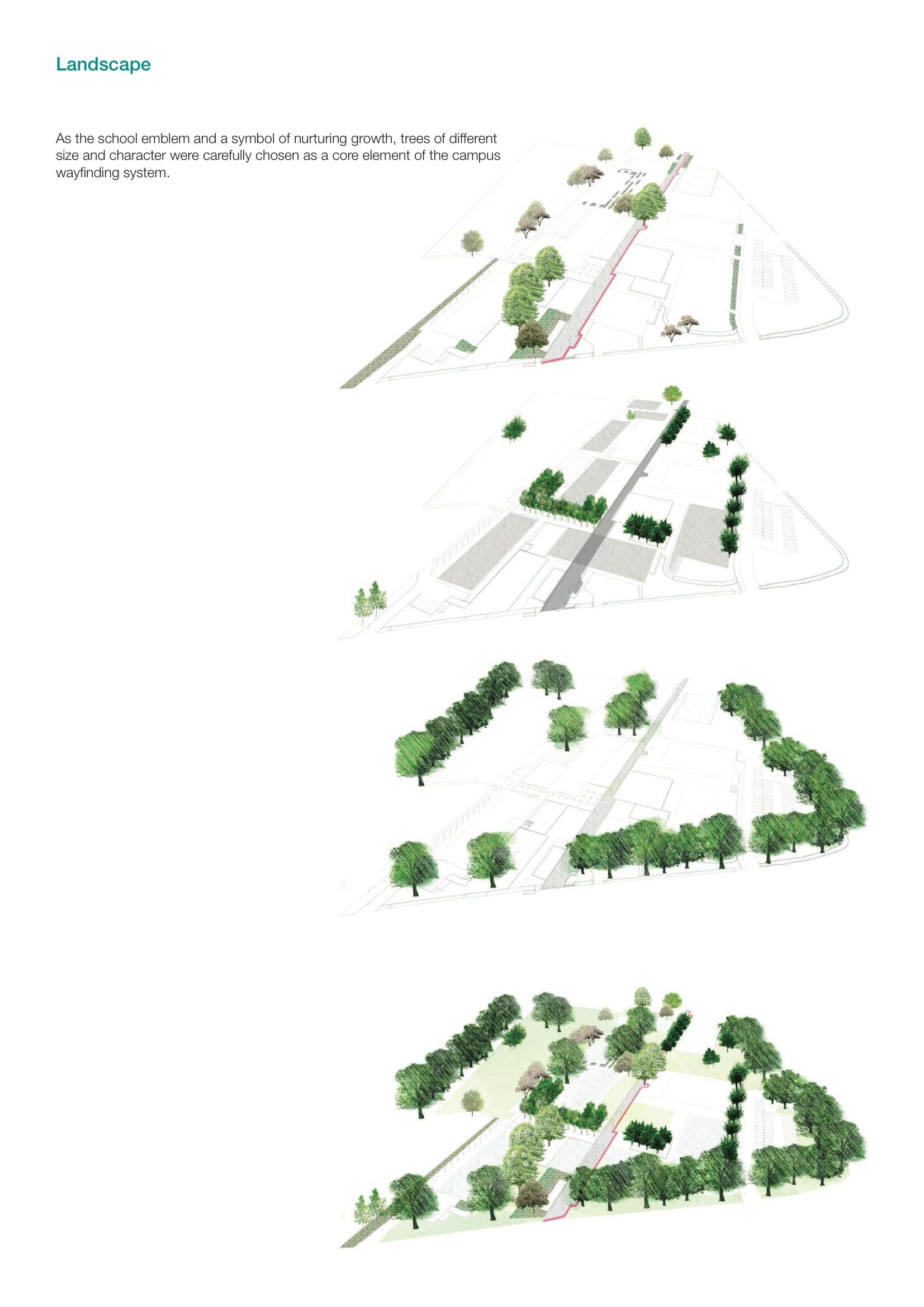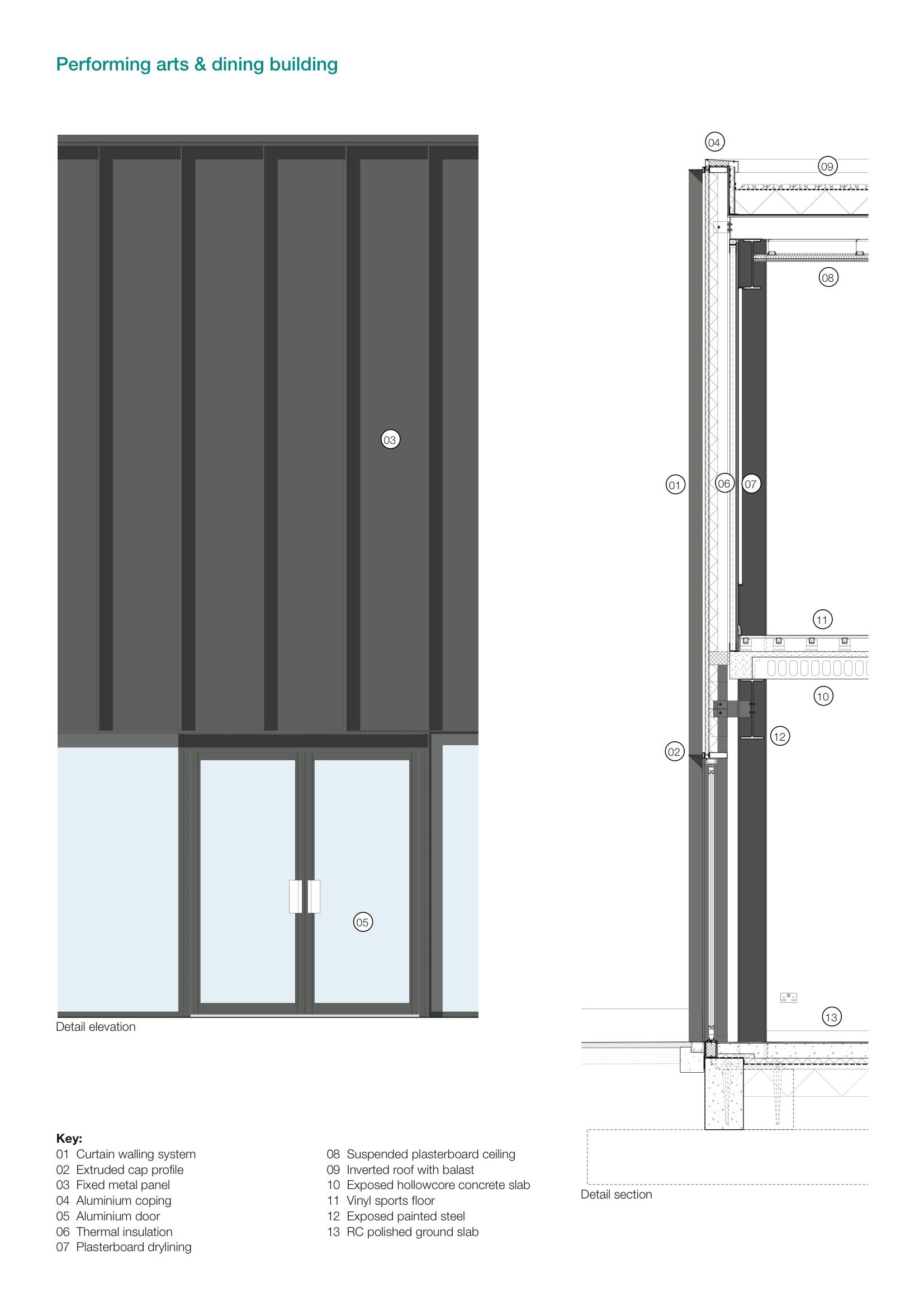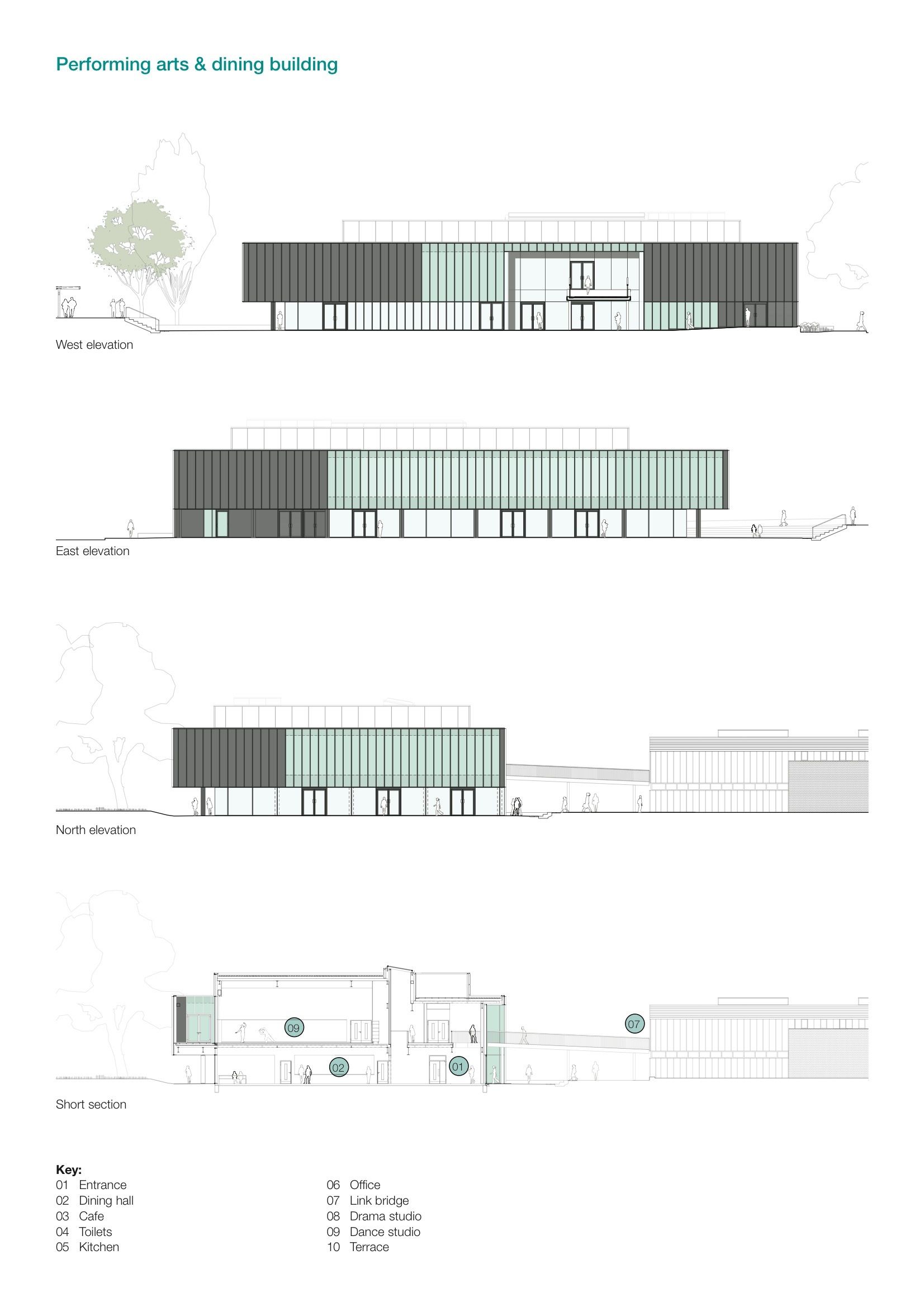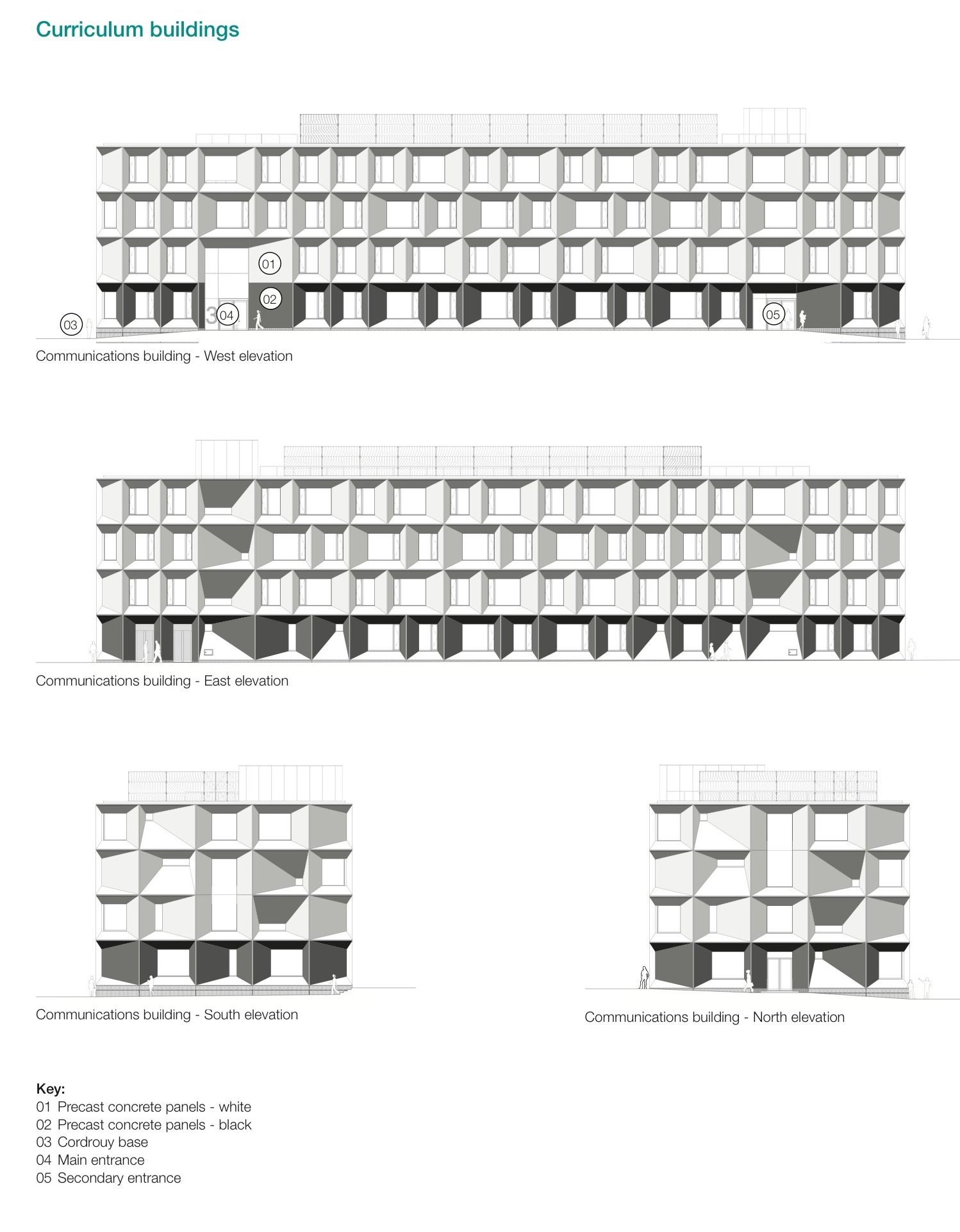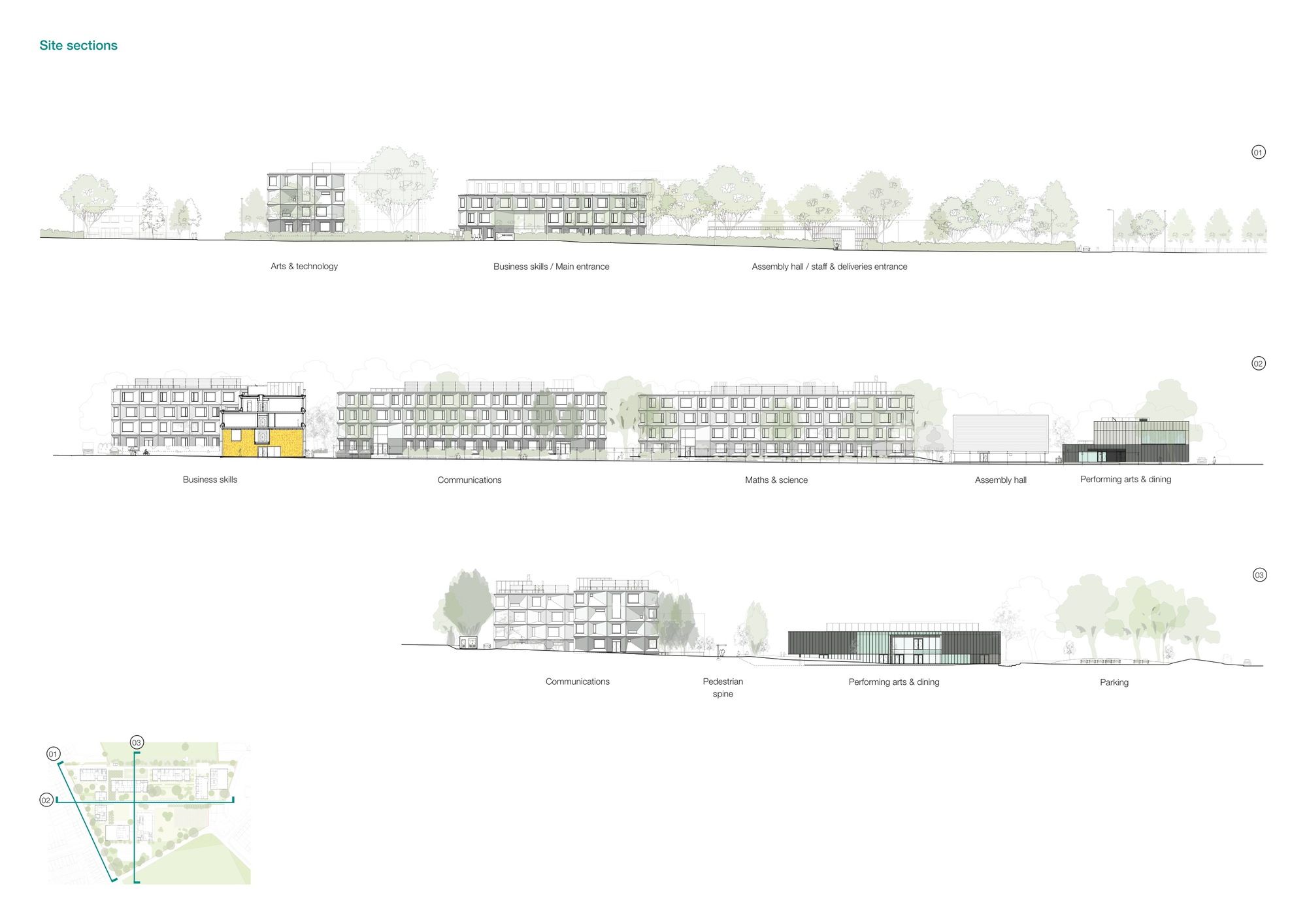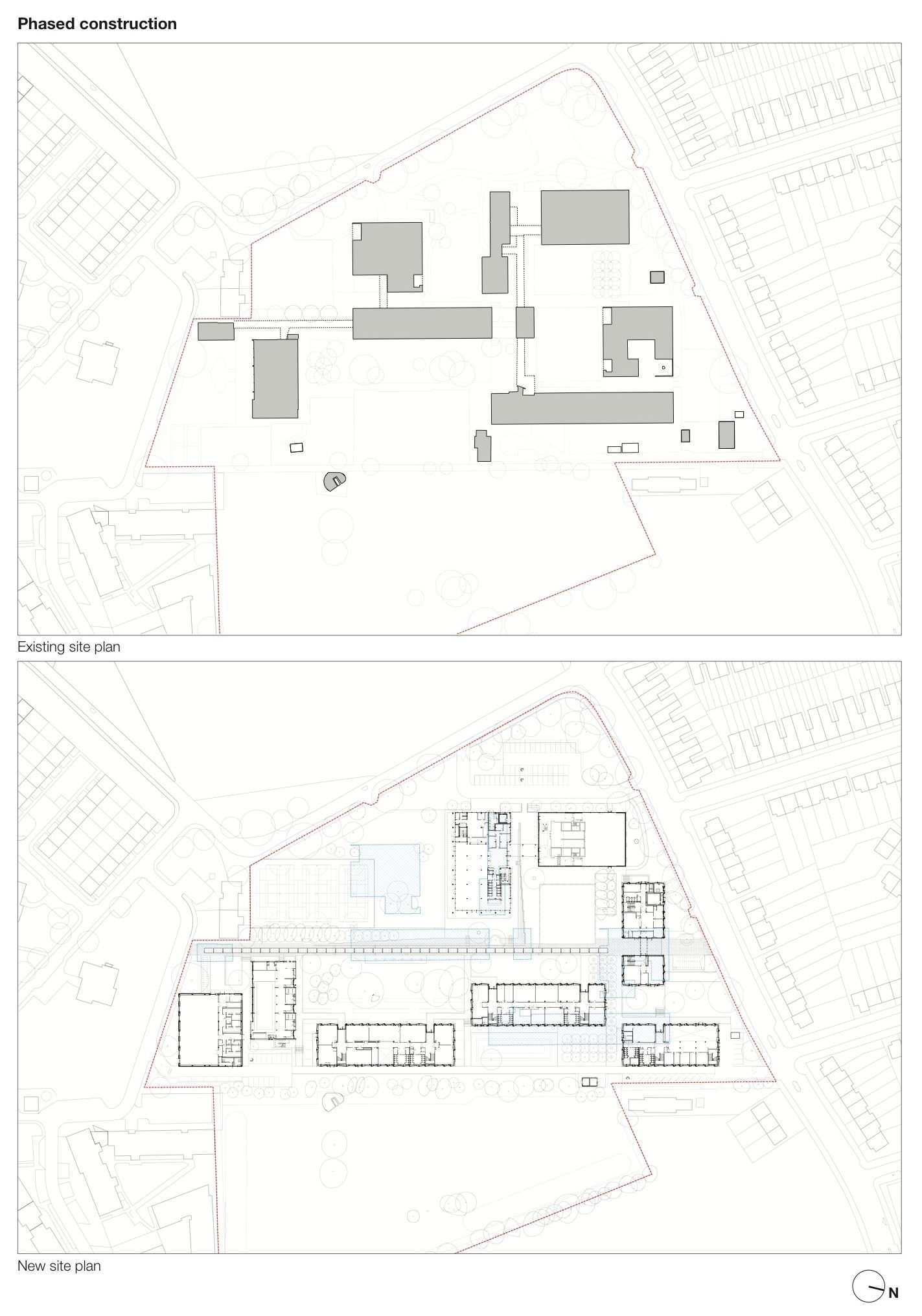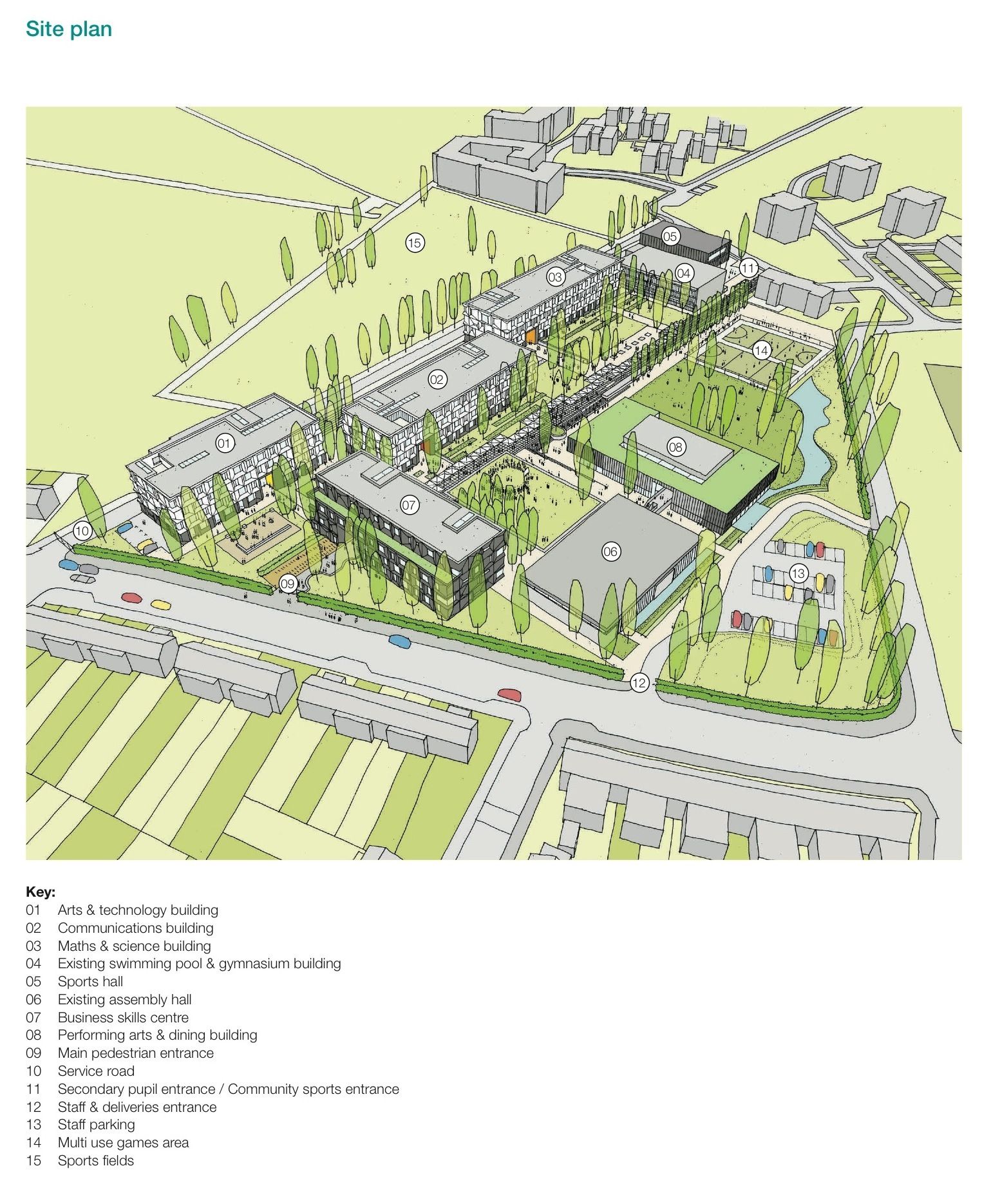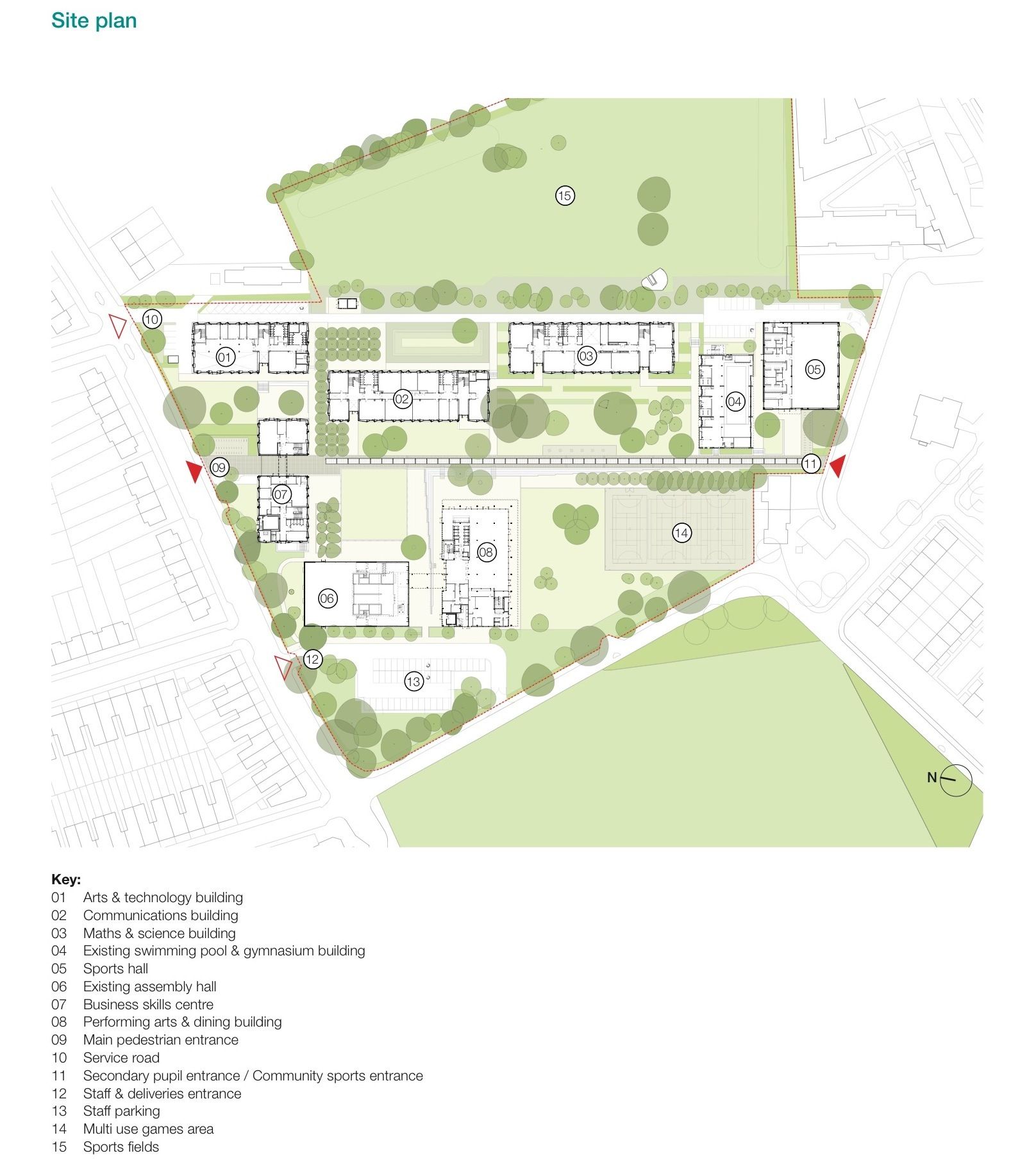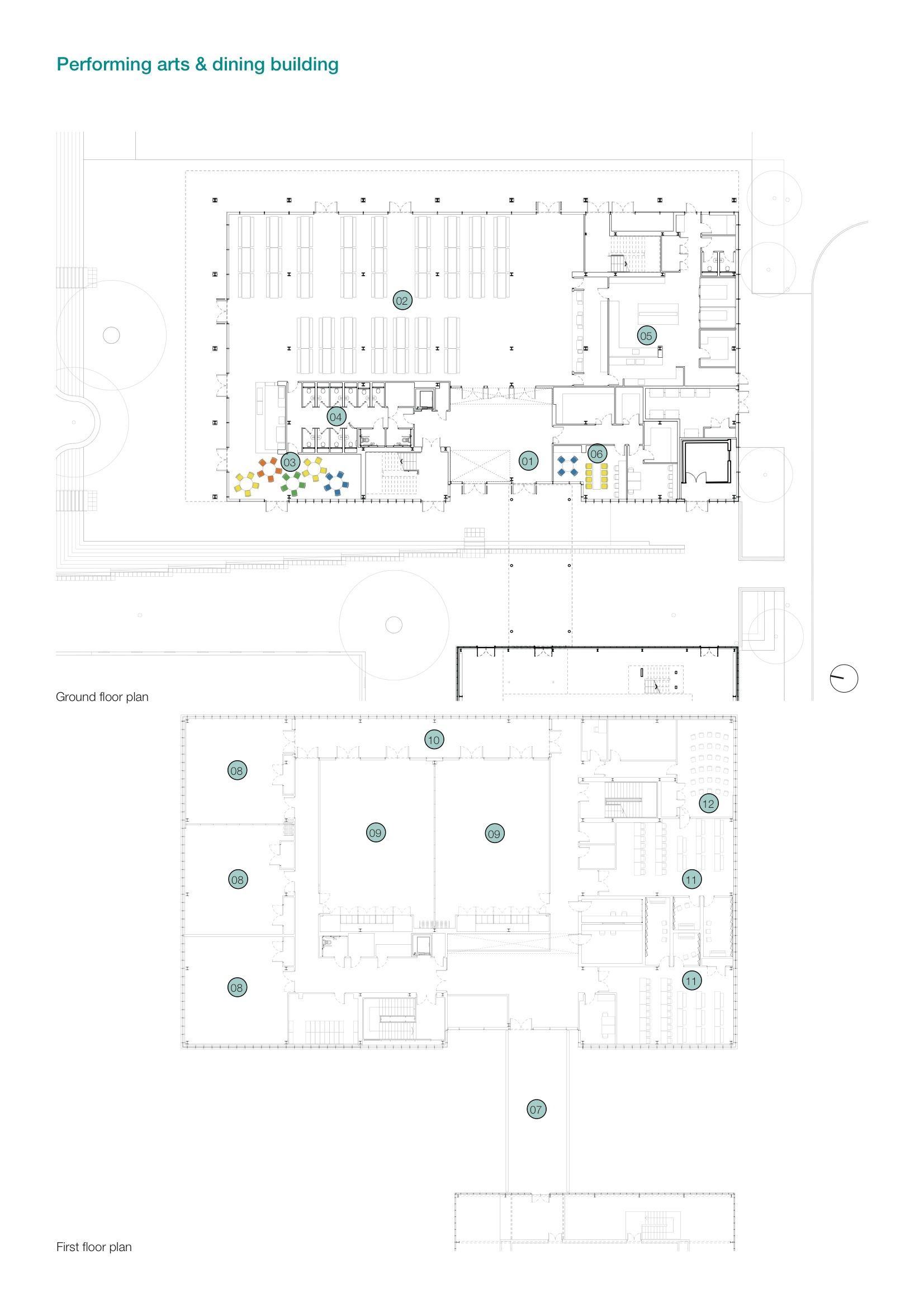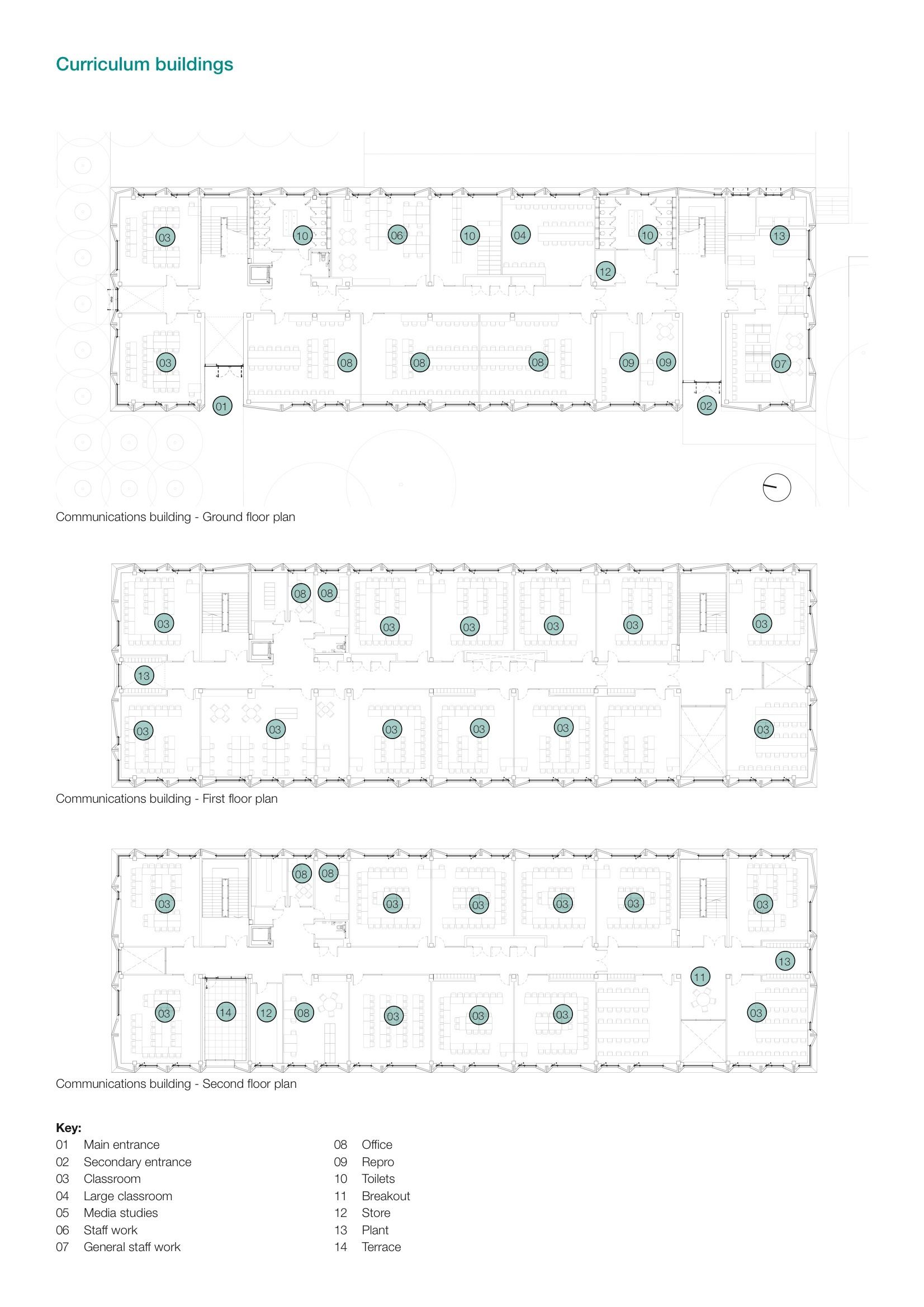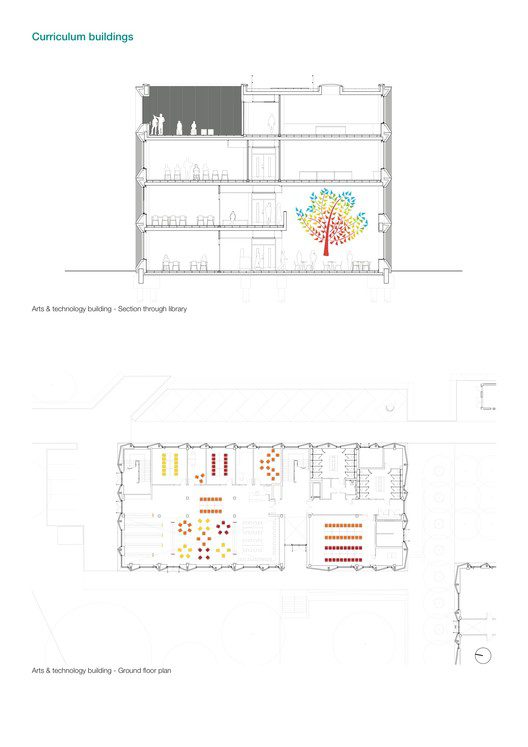


Finally, after a long wait, the winner of the RIBA Stirling prize for UK’s best building has been revealed. It is the Burntwood school, Wandsworth by Allford Hall Monaghan Morris. This is the first Sterling prize for the firm, although it was also shortlisted previously for the design of Westminster Academy, in 2008. The firm has a lot of experience in the design of educational buildings and have done nearly eight secondary schools in the past decade.
© Timothy Soar
The project faced a neck to neck competition from Richard Roger’s complex of luxury Thames-side flats Manchester’s Whitworth Art Gallery Peabody social housing project, a Maggie’s Cancer Care Centre and a university building in Greenwich.
© Timothy Soar
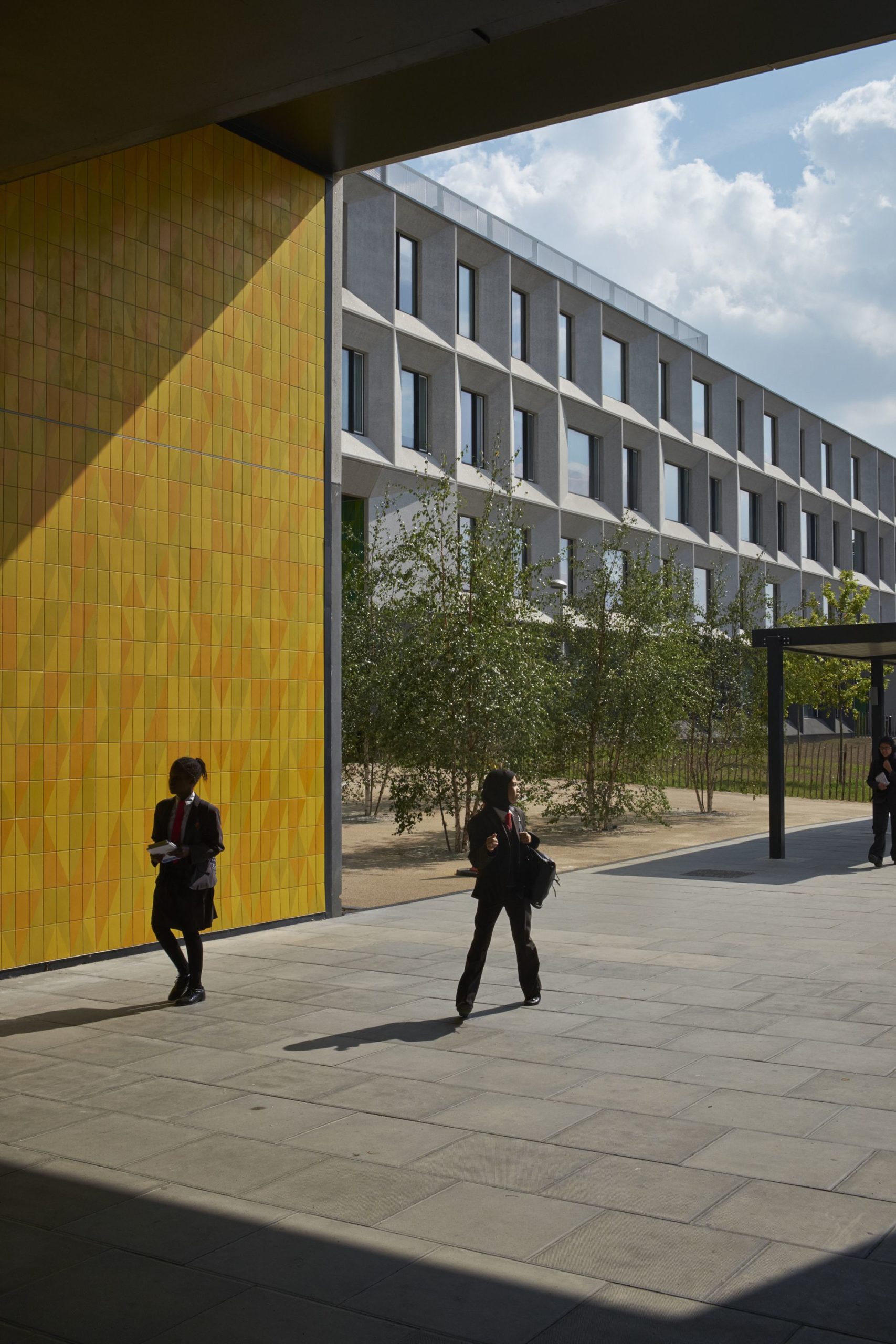
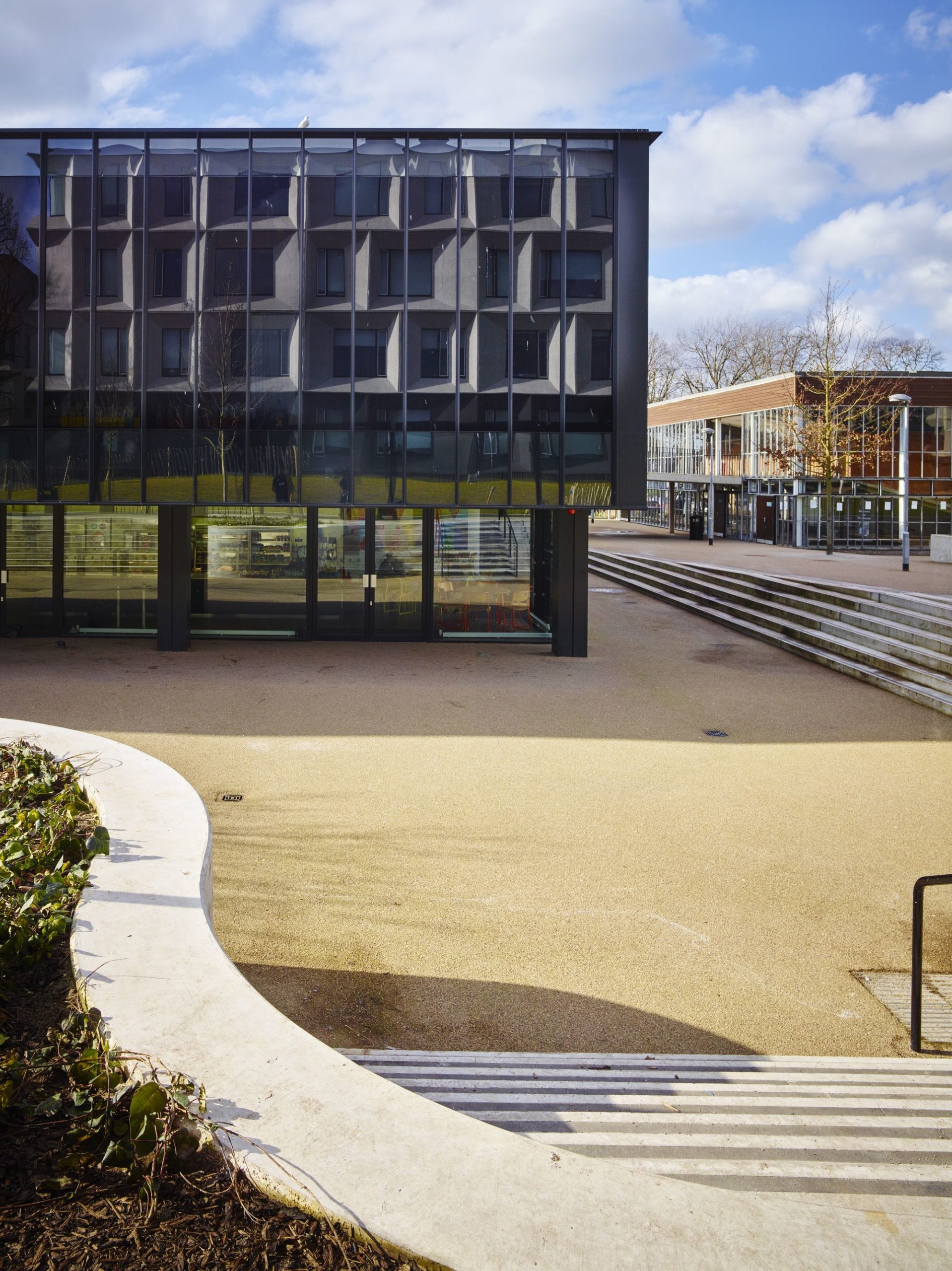
The judges explained its win as follows, “Burntwood school is the clear winner of the 2015 RIBA stirling prize. It is the most accomplished of the six shortlisted buildings because it demonstrates the full range of the skills that architects can offer to society. It encompasses great contemporary design and clever reuse of existing buildings as well as superb integration of artwork, landscaping and engineering. It is a genuine collaborative project. There was a wonderful working relationship between the head teacher and the architect: a true partnership of equals.”
© Timothy Soar
Burntwood school shows us how superb school design can be at the heart of raising our children’s educational enjoyment and achievement,” commented RIBA president Jane Duncan.
© Timothy Soar
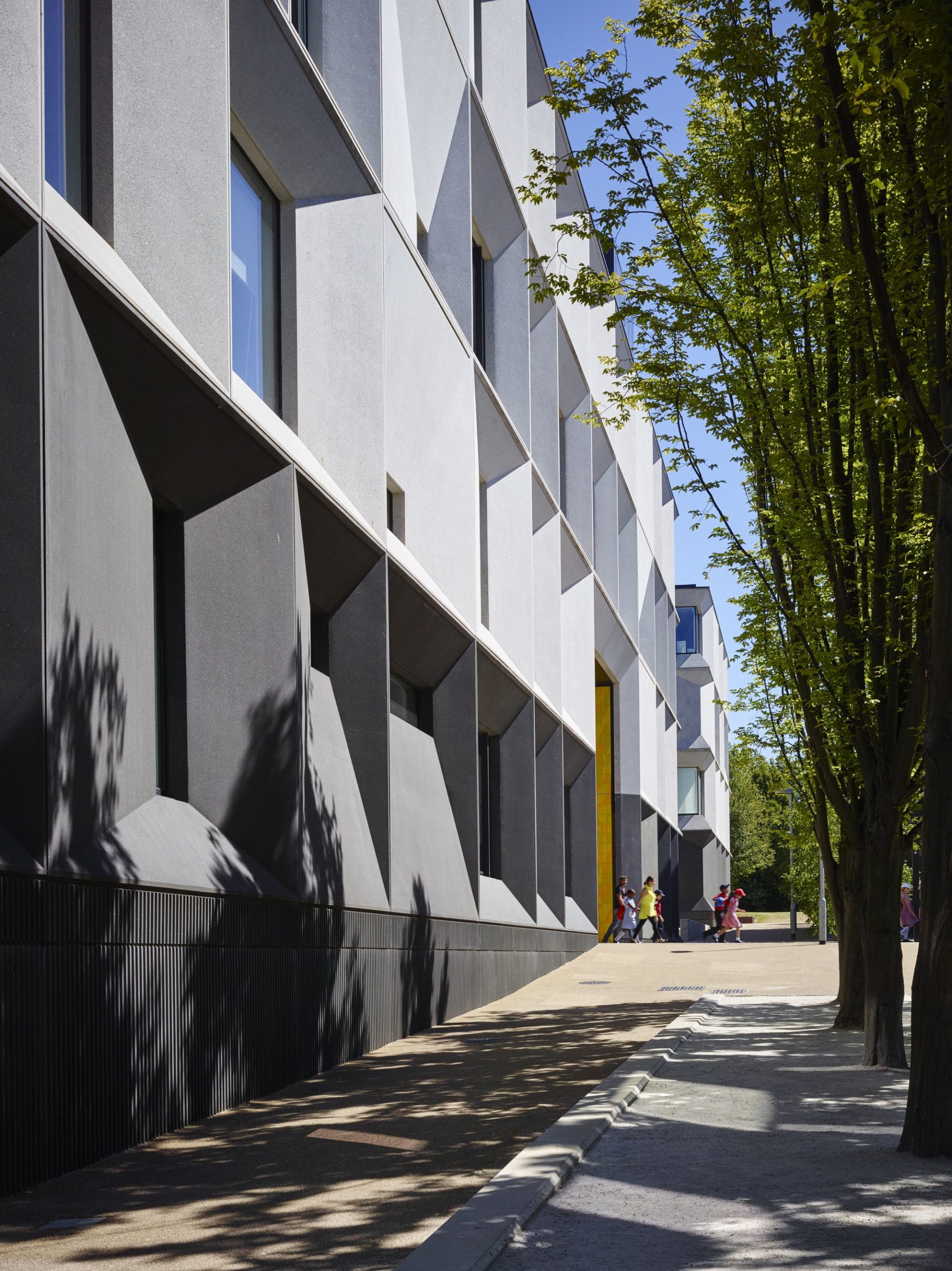
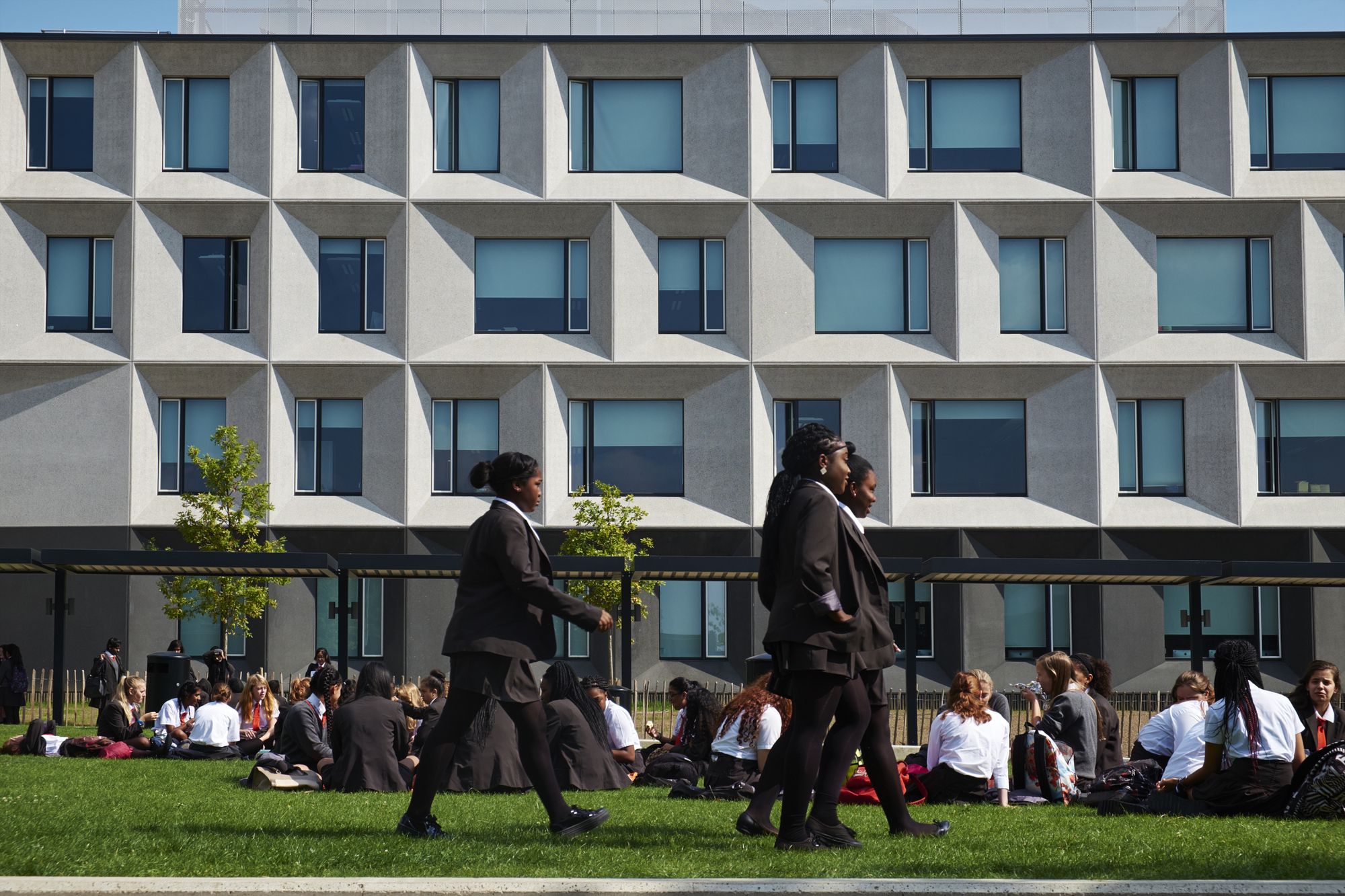
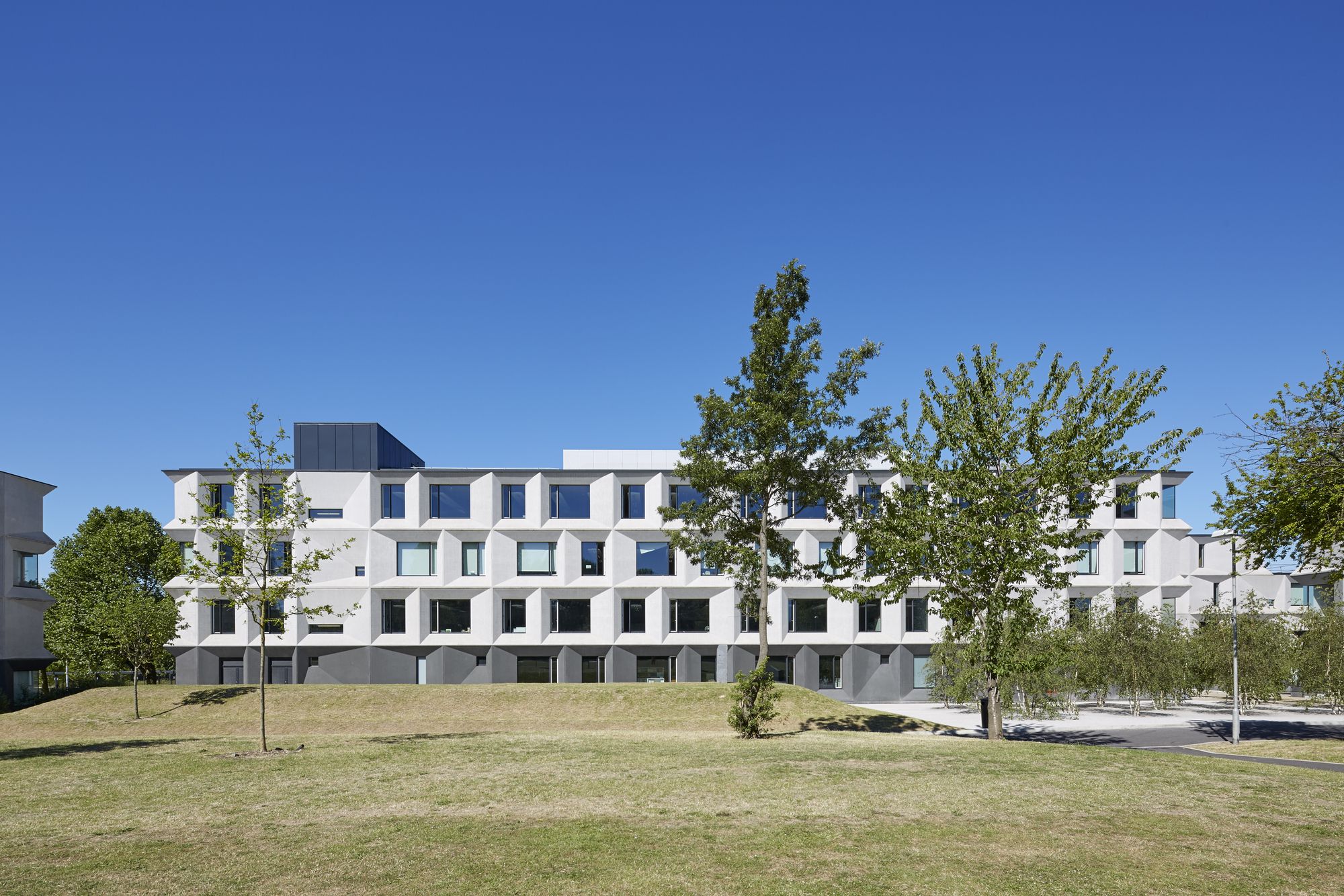
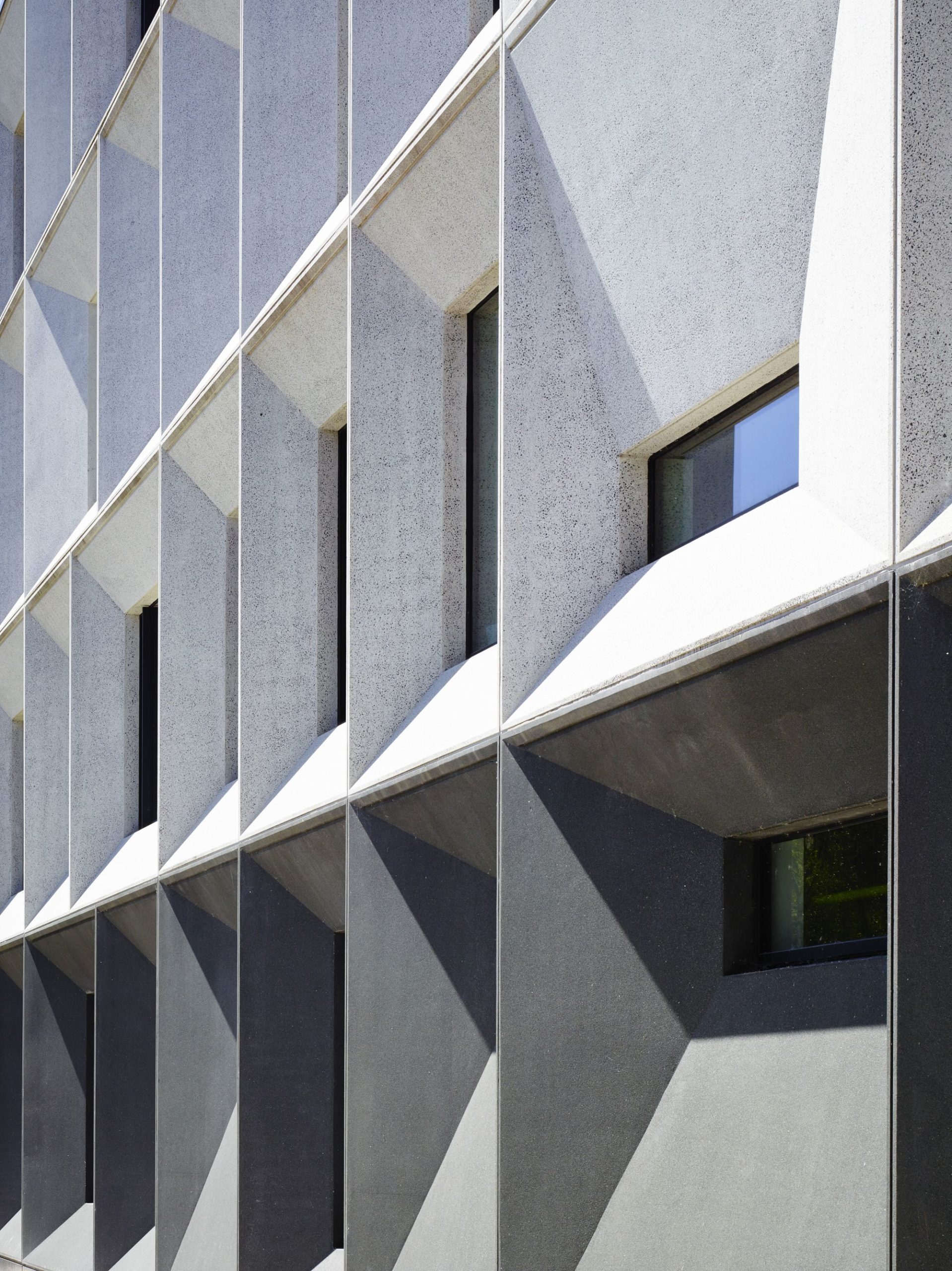
The building design has motivated the students and staffs to come every day and filled them with enthusiasm which has boosted their work output. A school in Boston in 1970’s by Marcel Breuer, a Bauhaus Designer, had similar chamfered facades which acted as the source of inspiration for this project.
© Timothy Soar
Paul Monaghan, director of Allford Hall Monaghan Morris said, “Schools can and should be more than just practical, functional buildings – they need to elevate the aspirations of children, teachers and the wider community. Good school design makes a difference to the way students value themselves and their education, and we hope that Burntwood winning the RIBA stirling prize shows that this is worth investing in.

© Timothy Soar
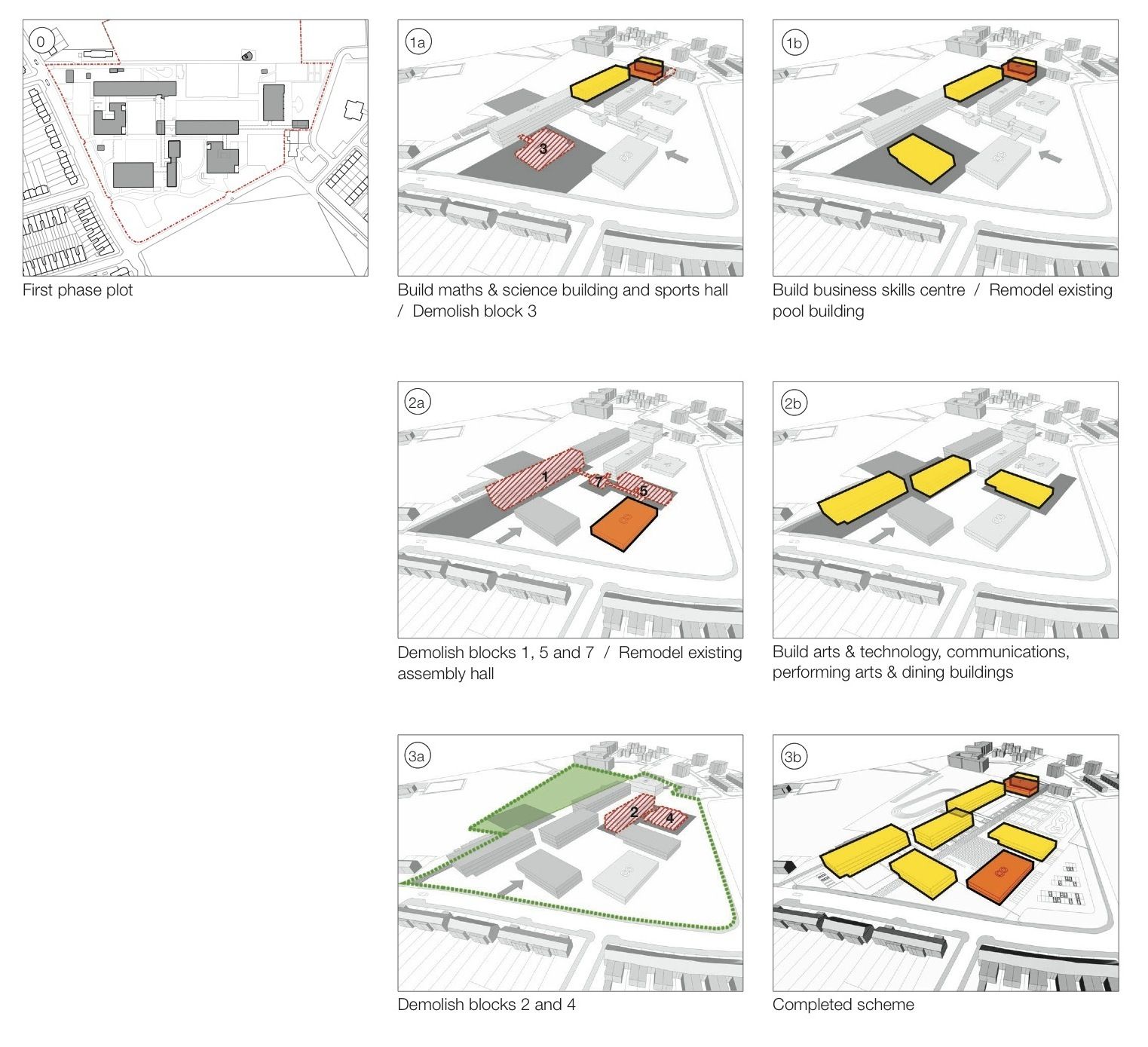
” He compared the process of construction with the Japanese game of Sudoku, as it had to fit in the new structures in between the old ones without meddling in with the regular school activities. The school was absolutely functioning throughout the construction phase of 5 years. This project is all set to create a mark in the segment of school design and may even act as a base for upcoming designs in the field of education, glally.
Architects: Allford Hall Monaghan Morris
Year: 2013
Country: United Kingdom, London
Photographs: Rob Parrish, Timothy Soar
Manufacturers: Aluk, KI Europe
Acoustics Consultant: Mott MacDonald
Civil Engineer: Buro Happold
Mechanical & Electrical Engineer: Mott MacDonald
Landscape Architect: Kinnear Landscape Architects
Environmental Designer: Studio Myerscough, Morag Mysercough
Ecology Consultant: The Ecology Consultancy
Structural Engineer: Buro Happold
Planning Consultant: Nathaniel Lichfield and Partners
Stakeholders: Burntwood School & Wandsworth Children’s Services
Contractor, Project Manager, Quantity Surveyor, Cdm Coordinator: Lendlease
Party Wall Surveyor: Anstey Horne
FF&E: Smart FFE
Approved Inspector: Butler & Young Approved Inspectors
Access Consultant: David Bonnett Associates
Fire Consultant: Tenos Fire Engineering
Ict Consultant: Civica Ltd
Catering Consultant: Design Catering Equipment Ltd
Security Consultant: Mott MacDonald