

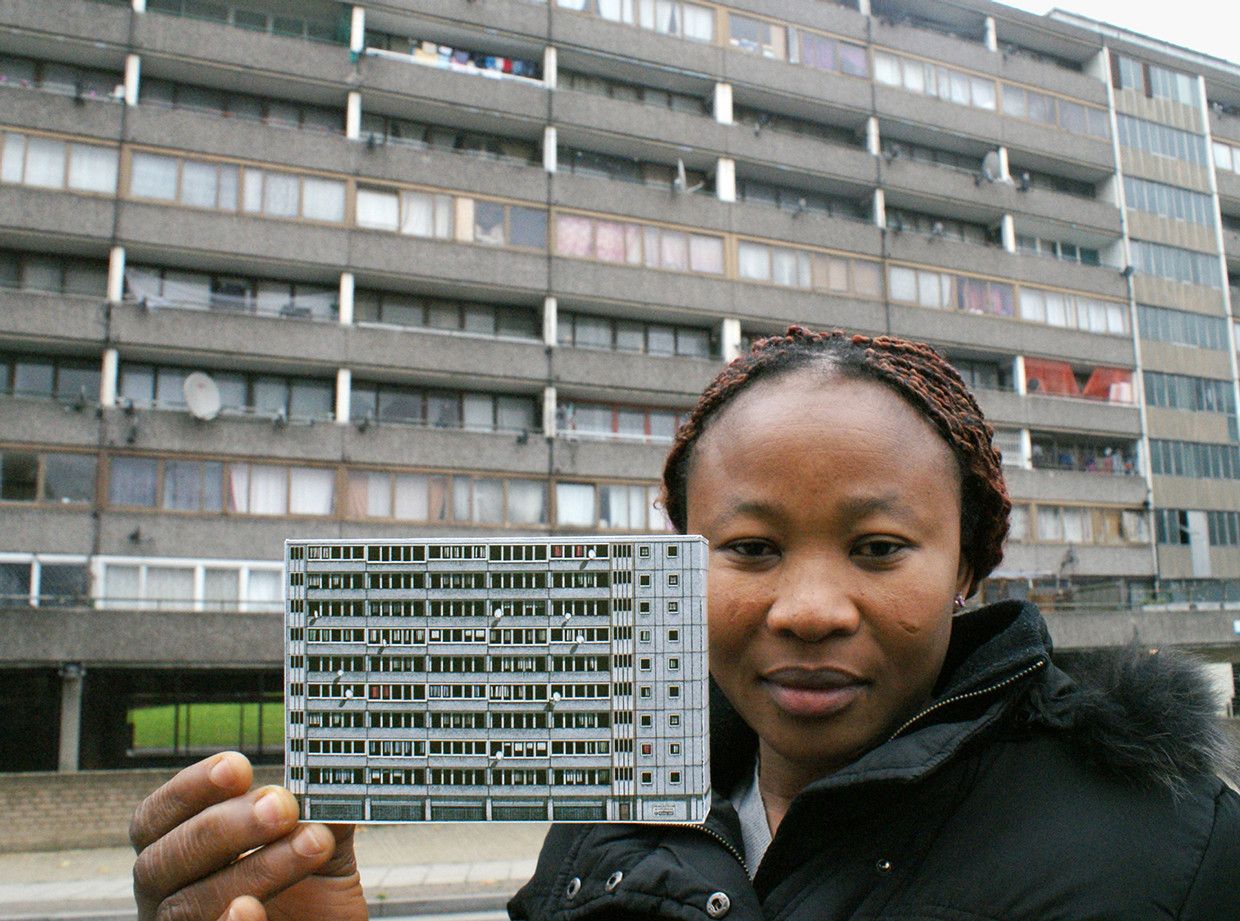
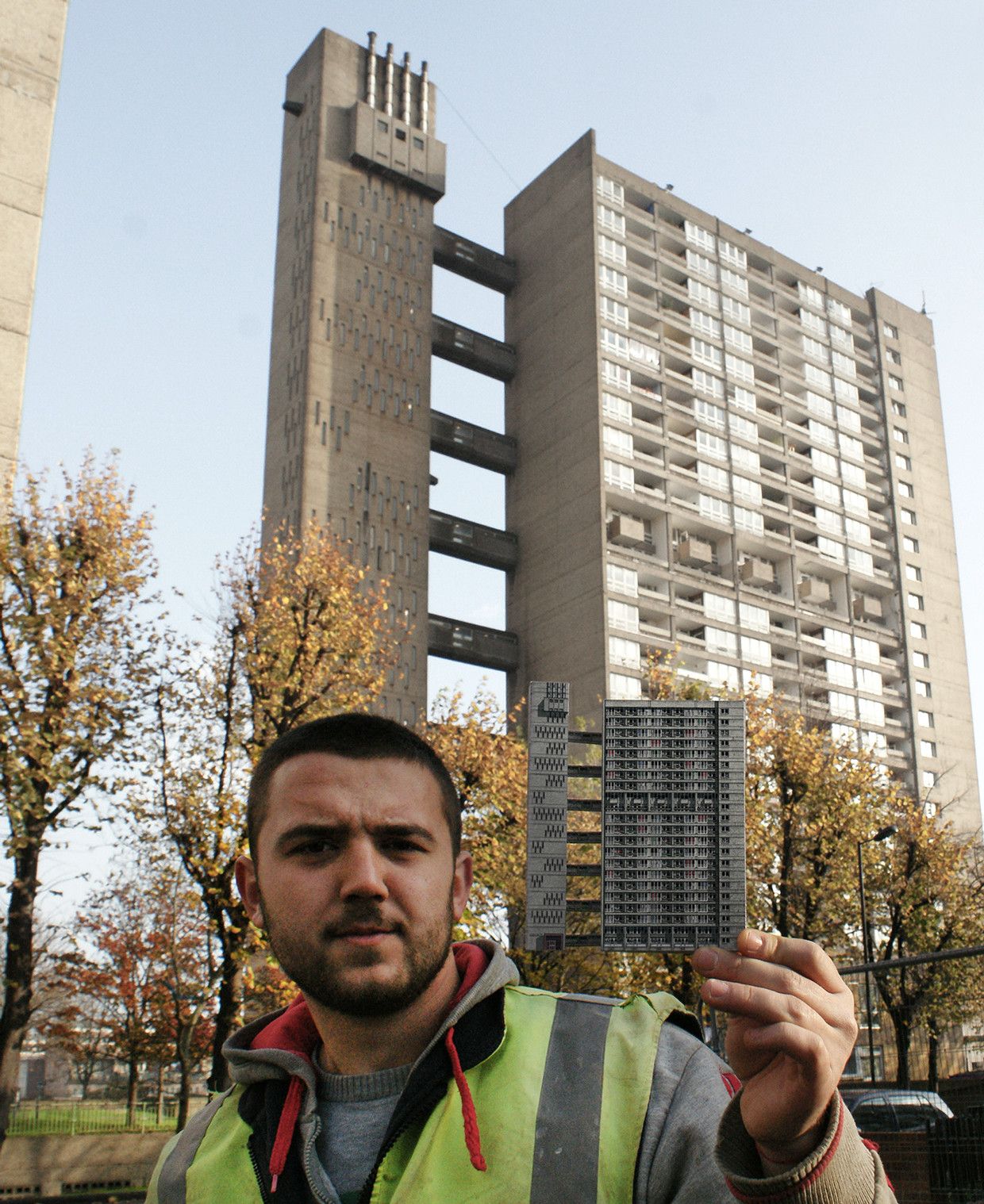
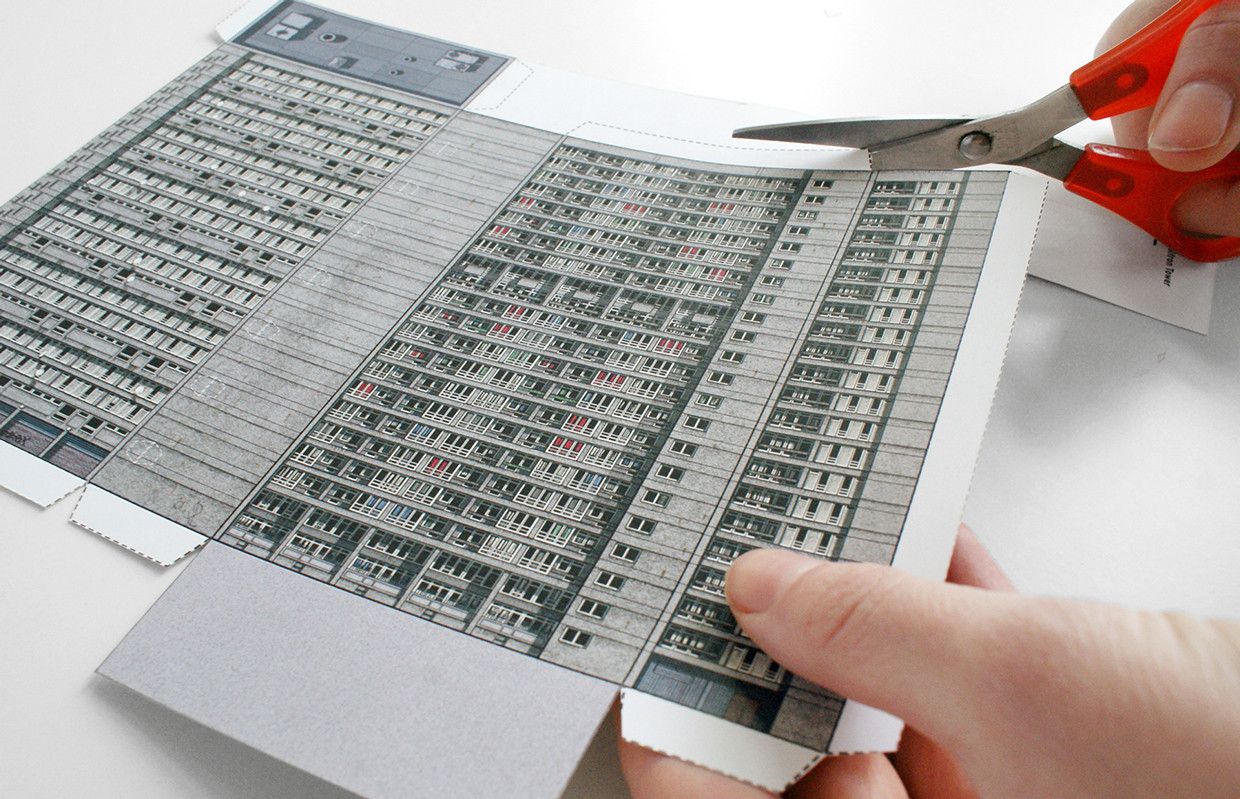
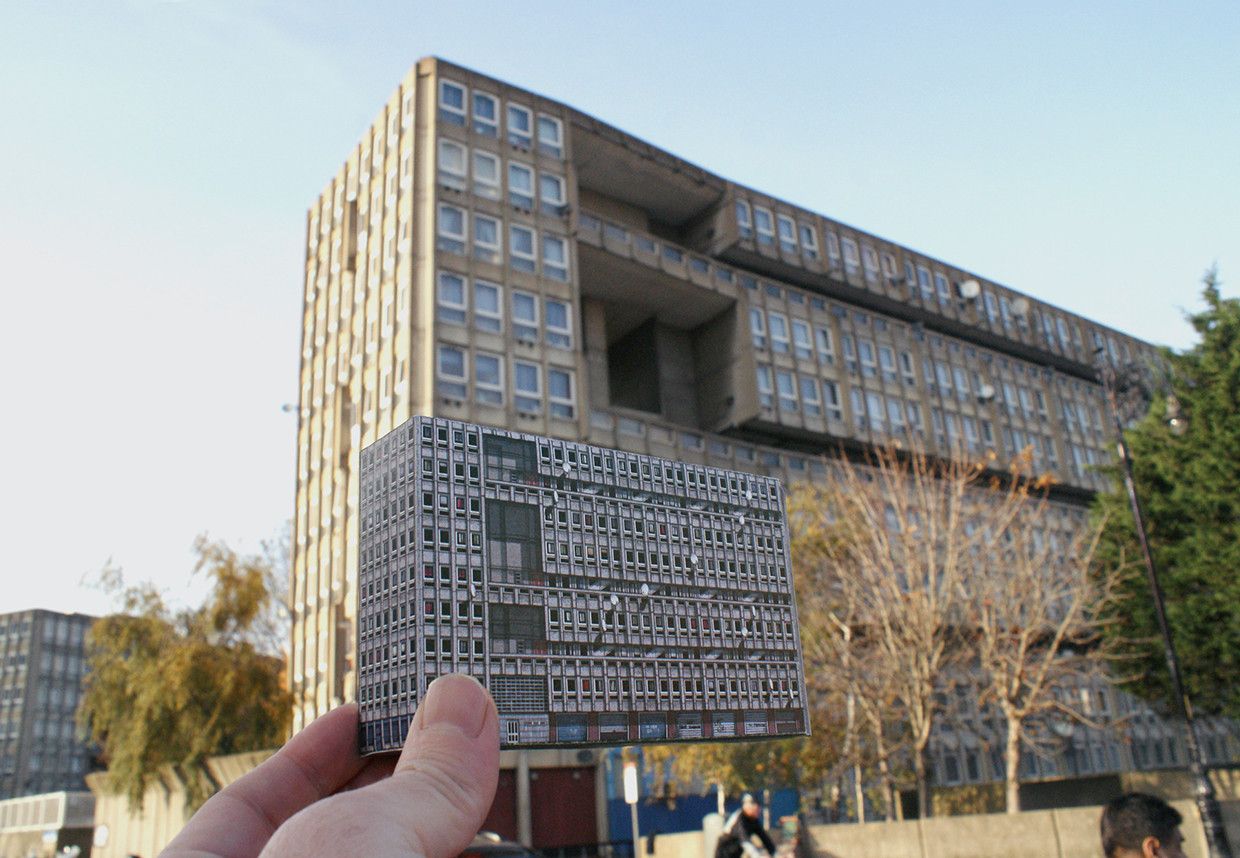
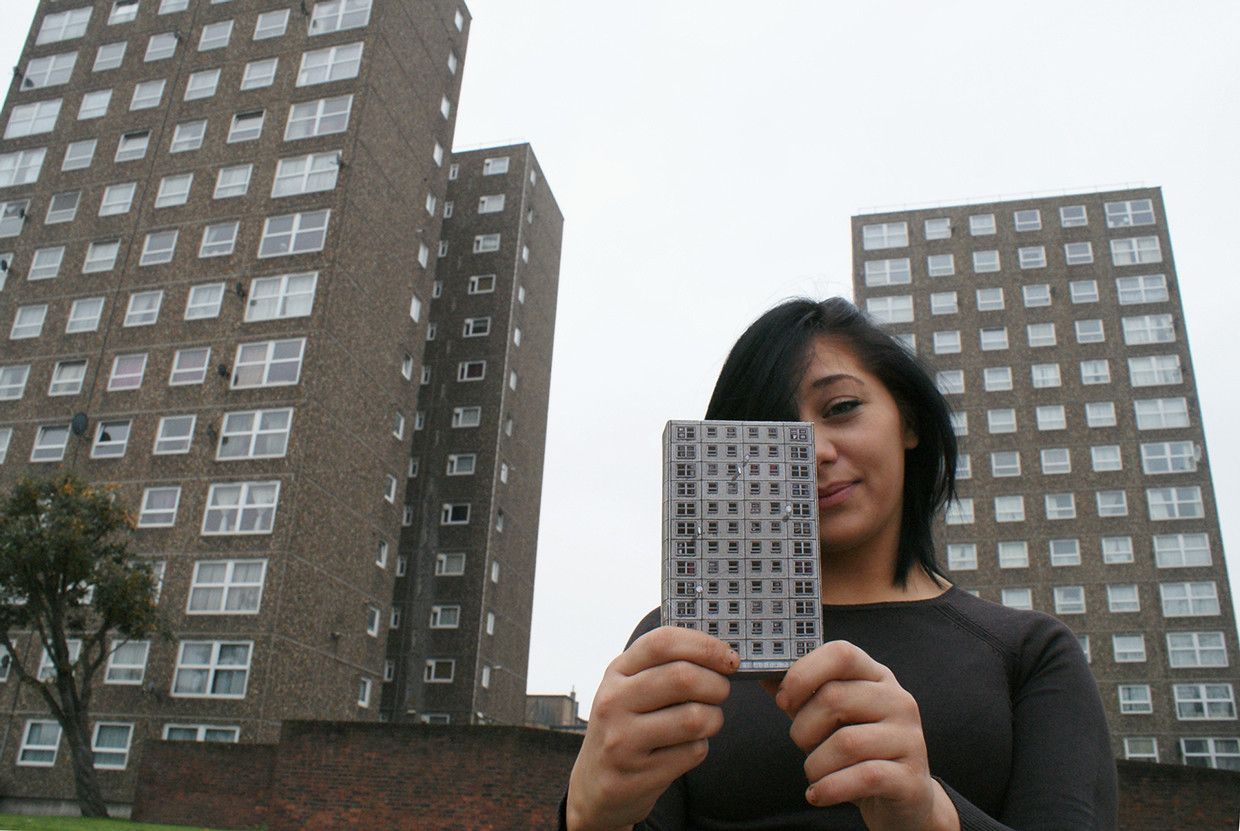
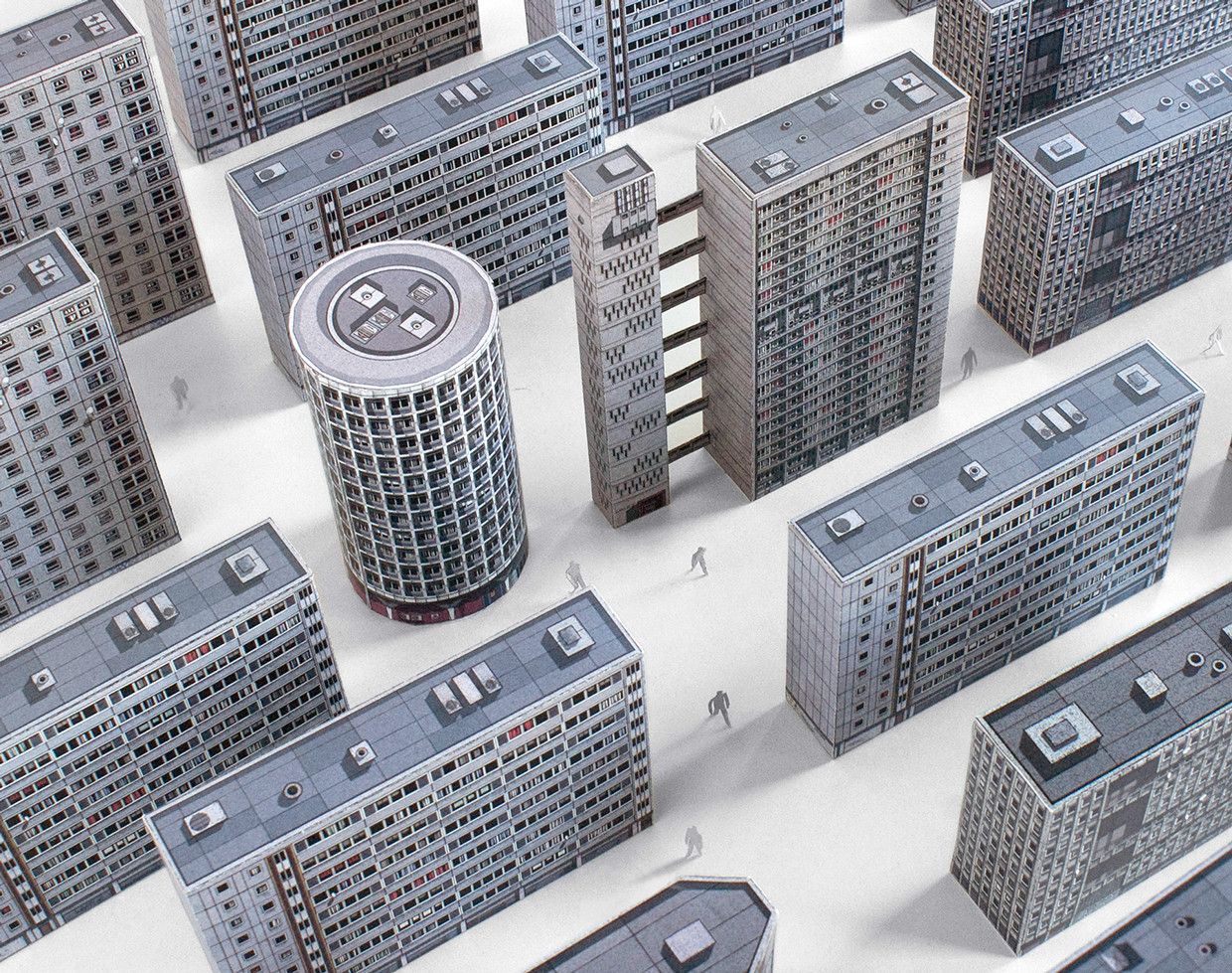
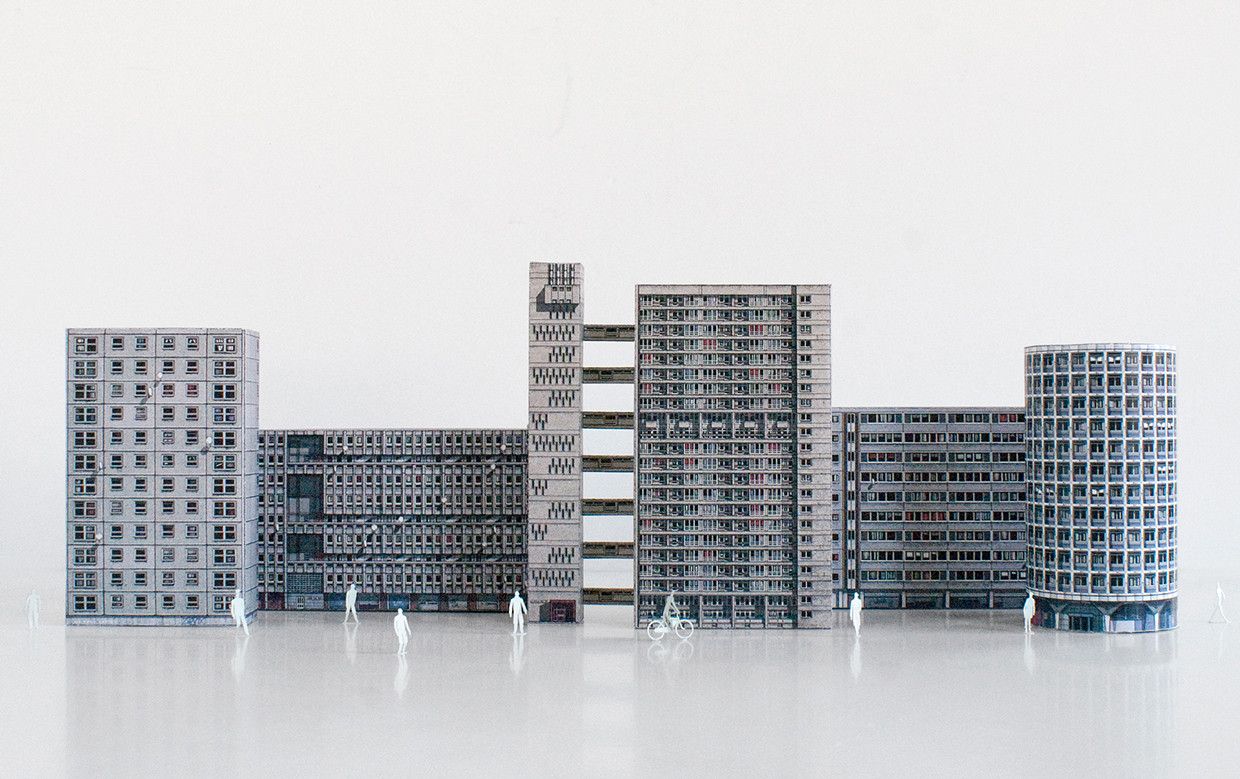
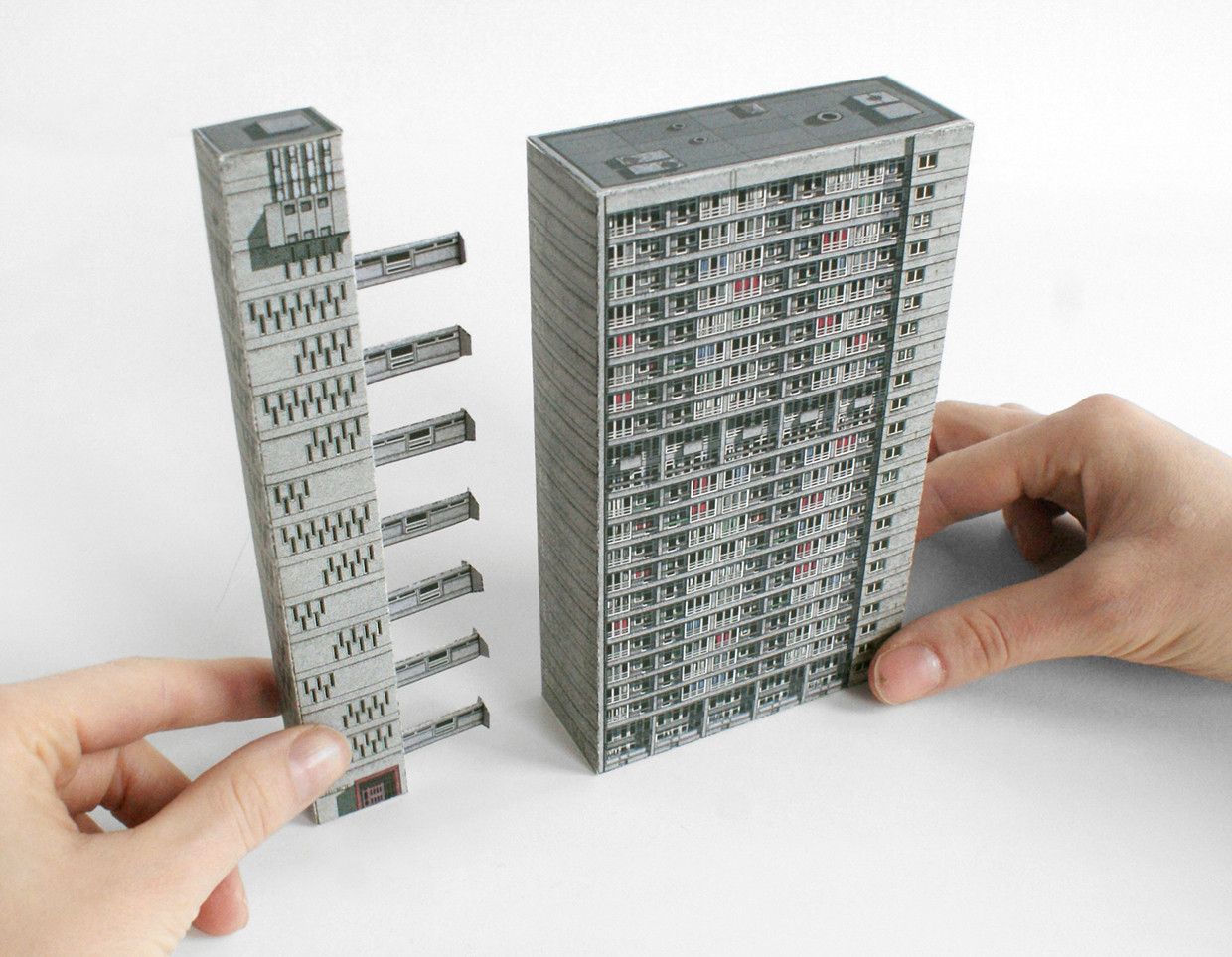
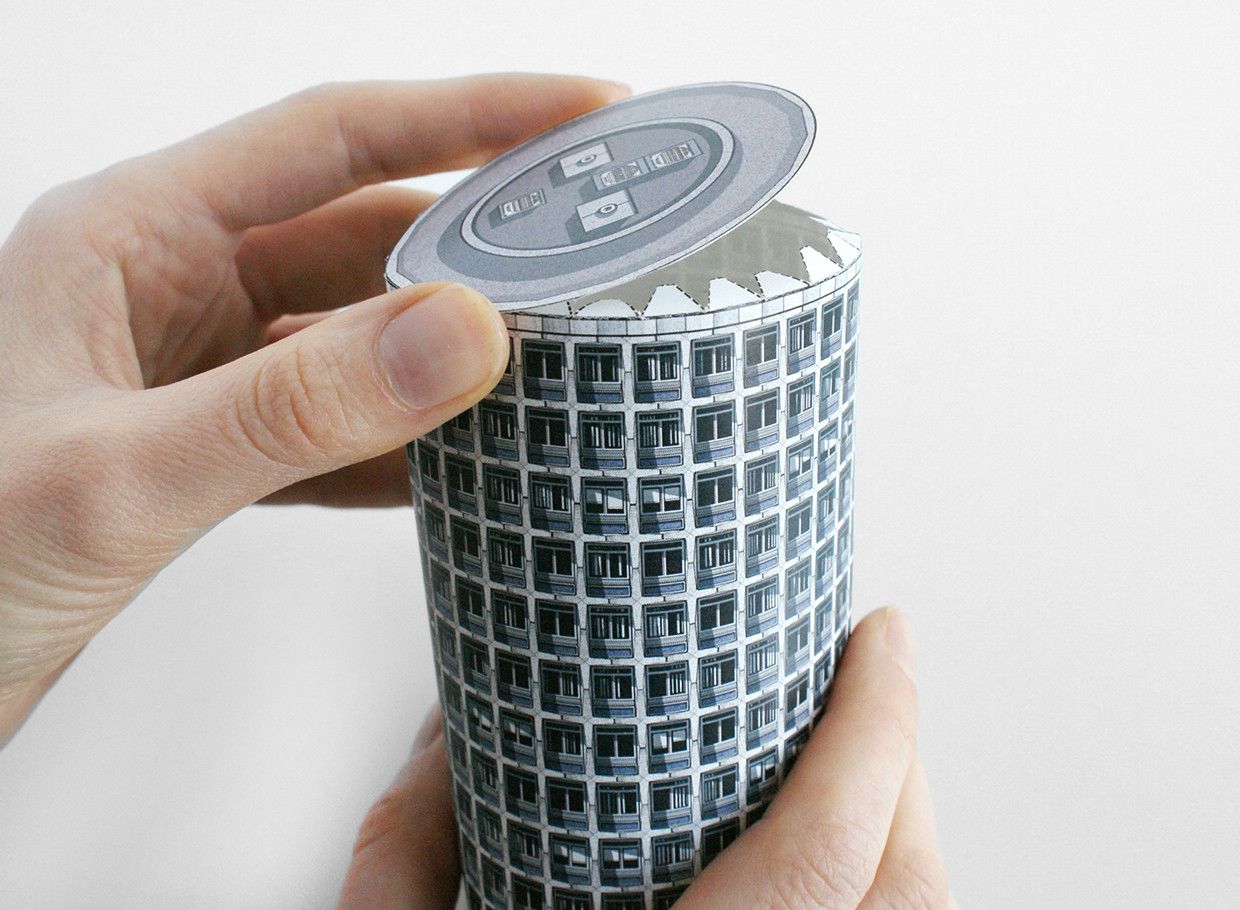
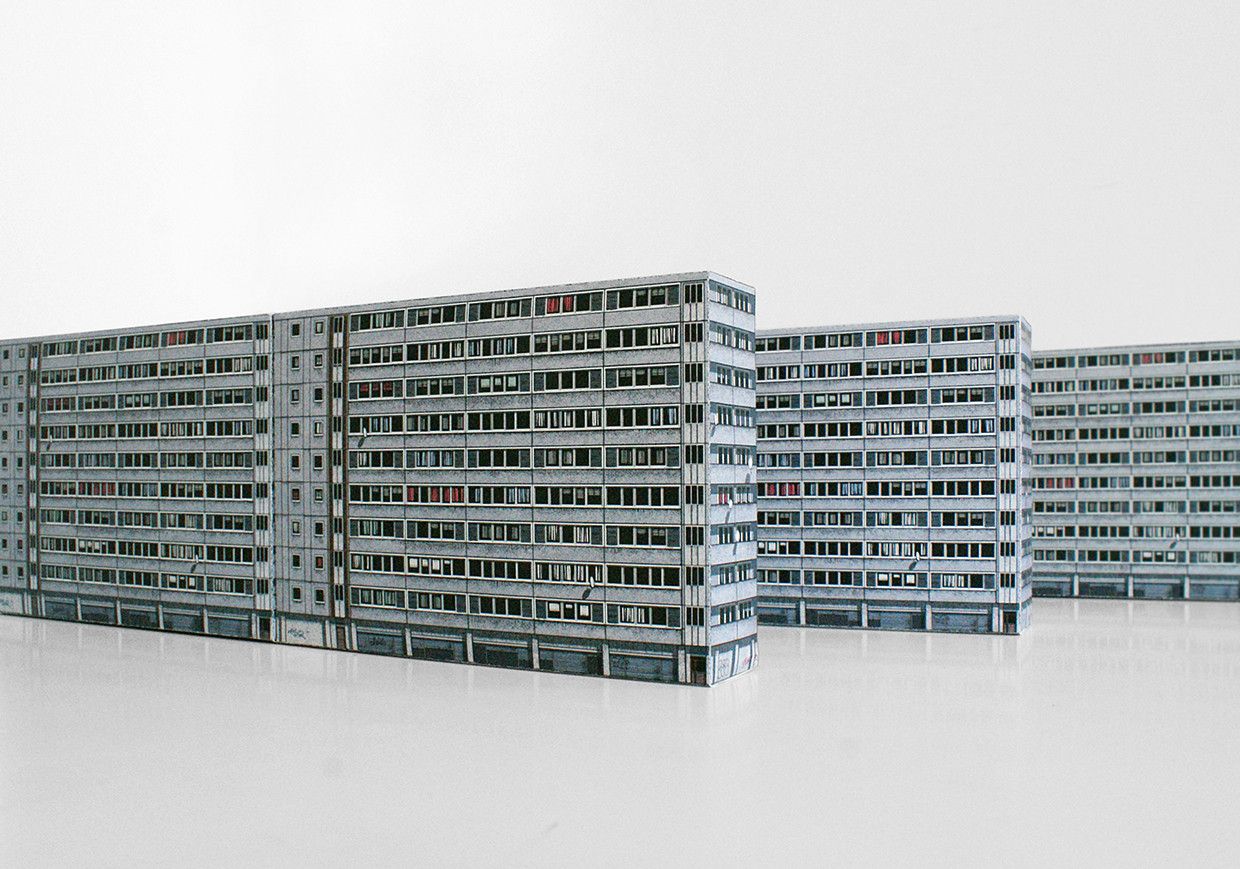
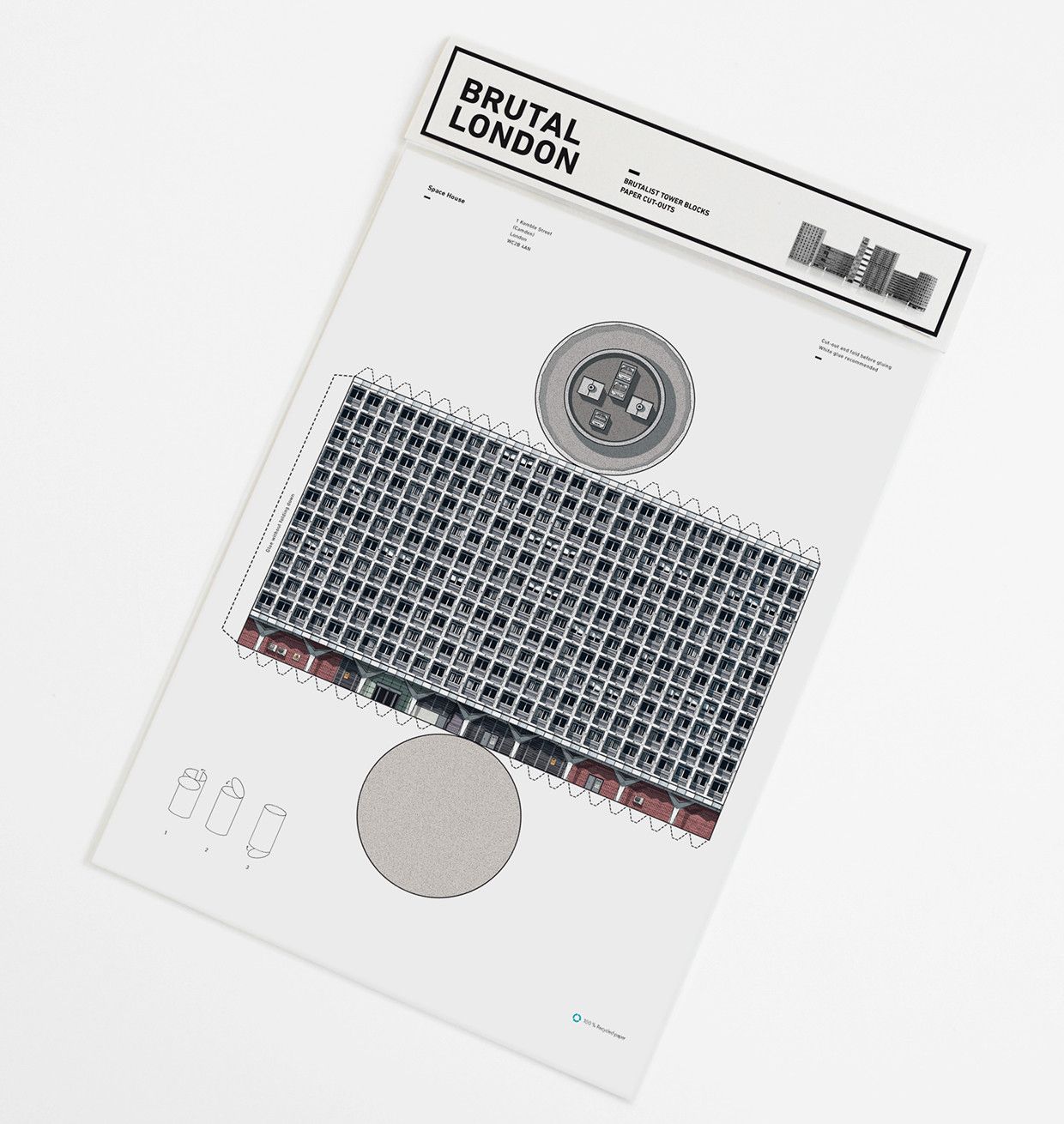
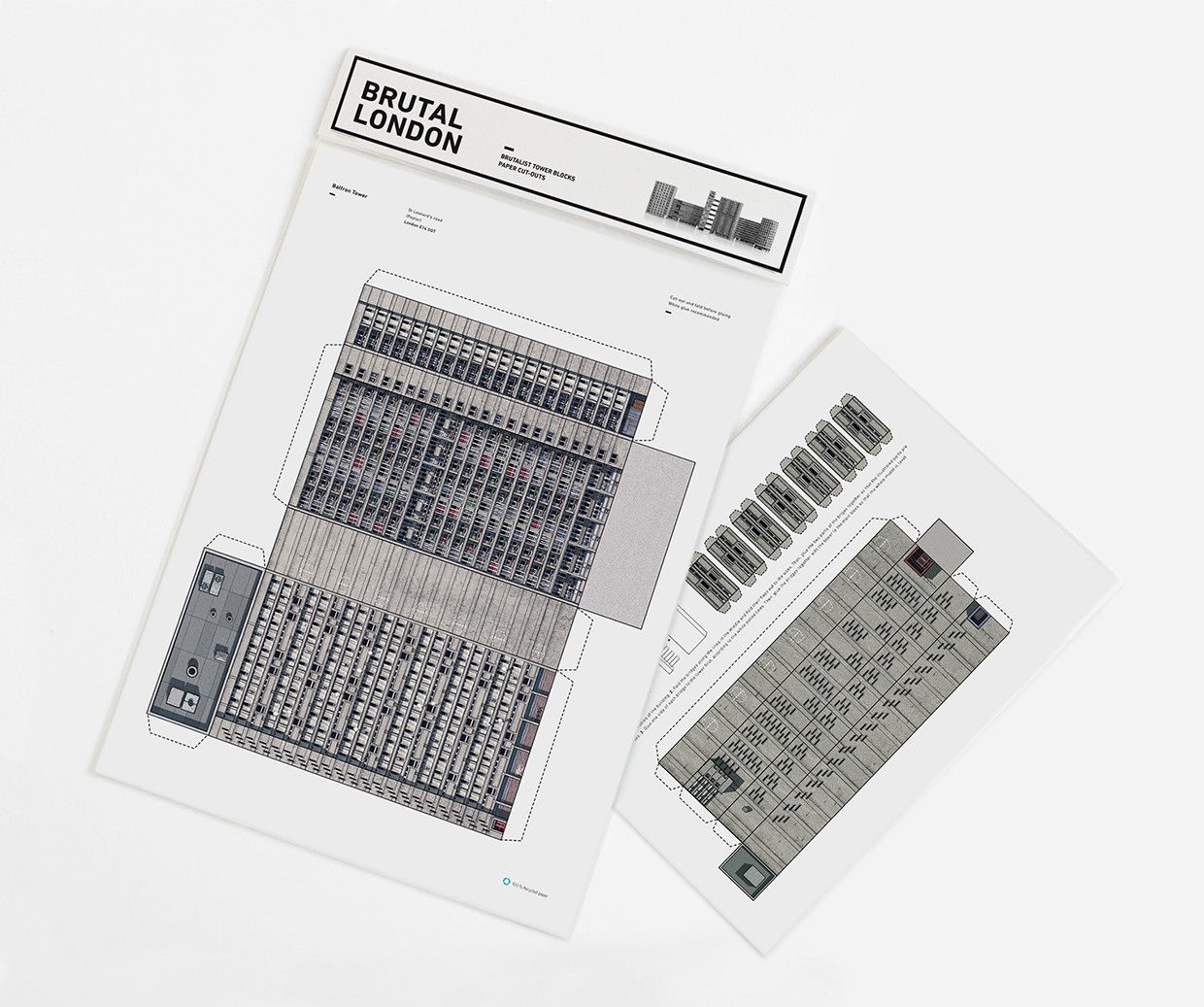
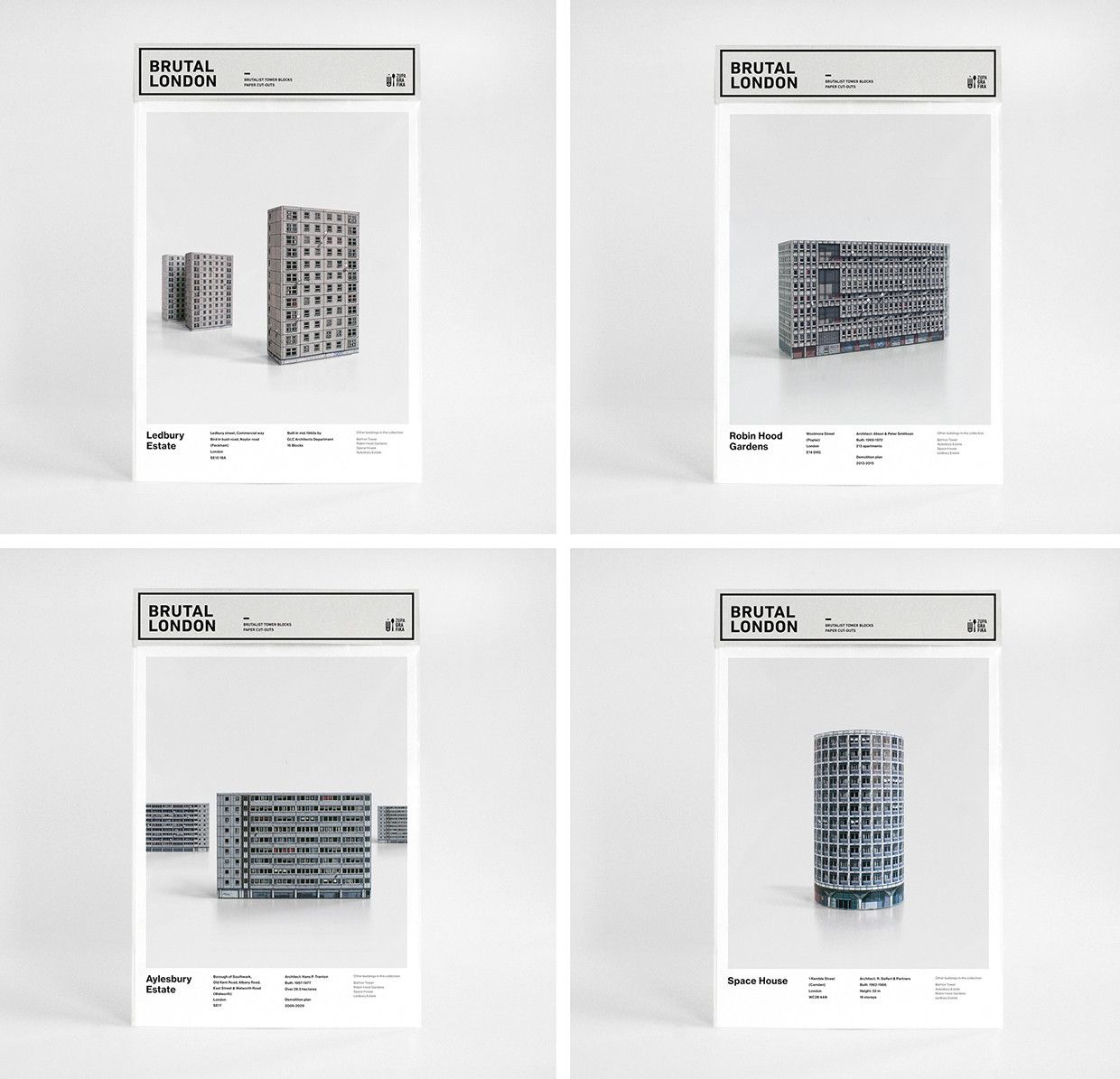
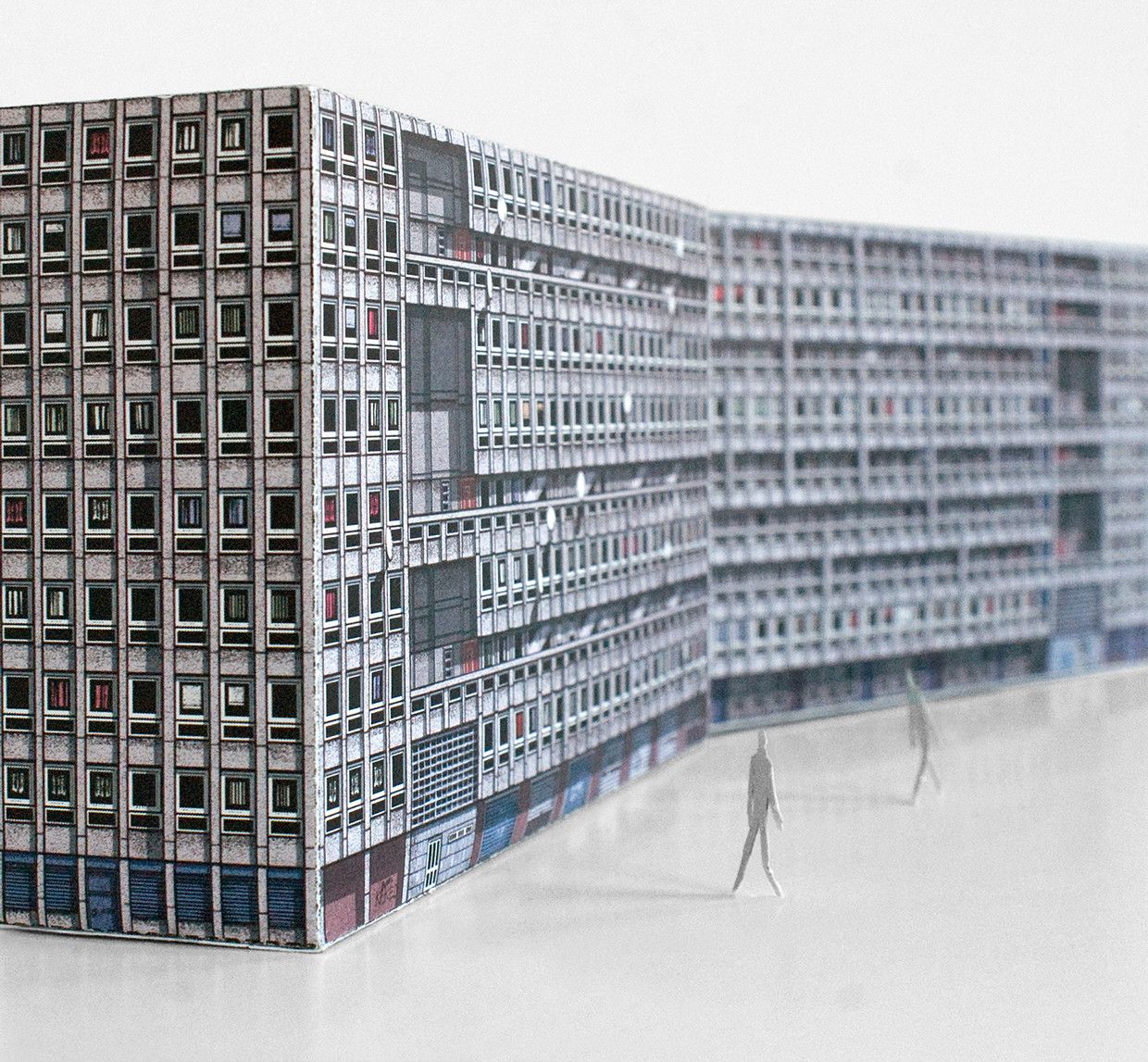
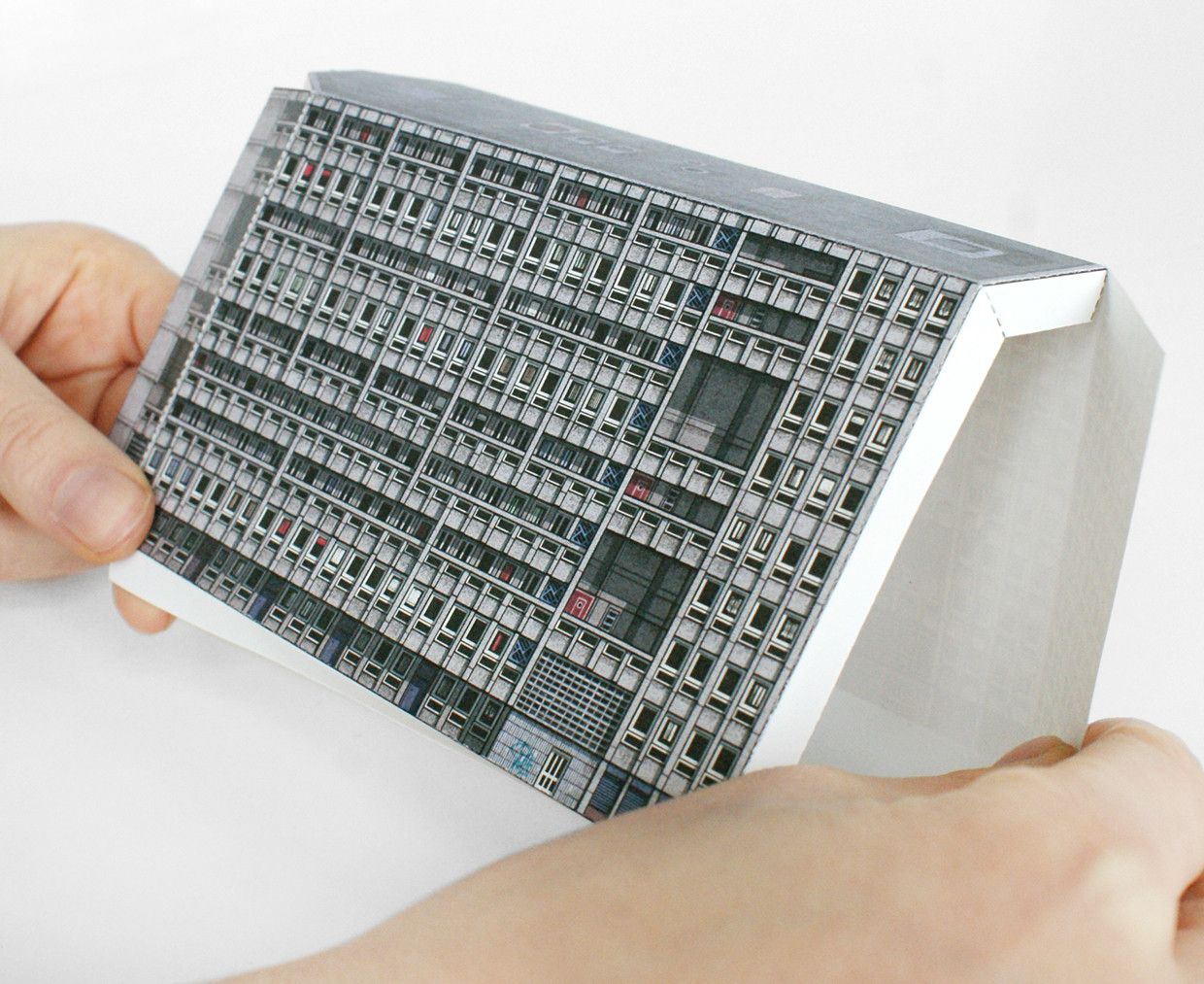
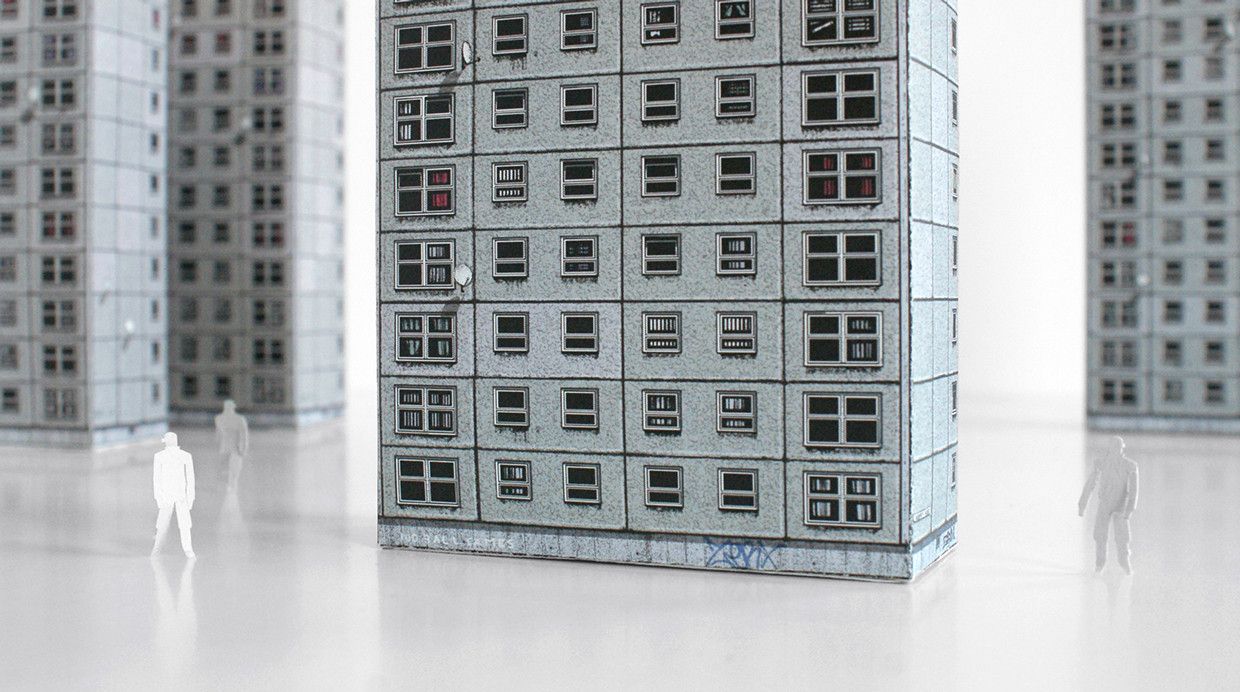
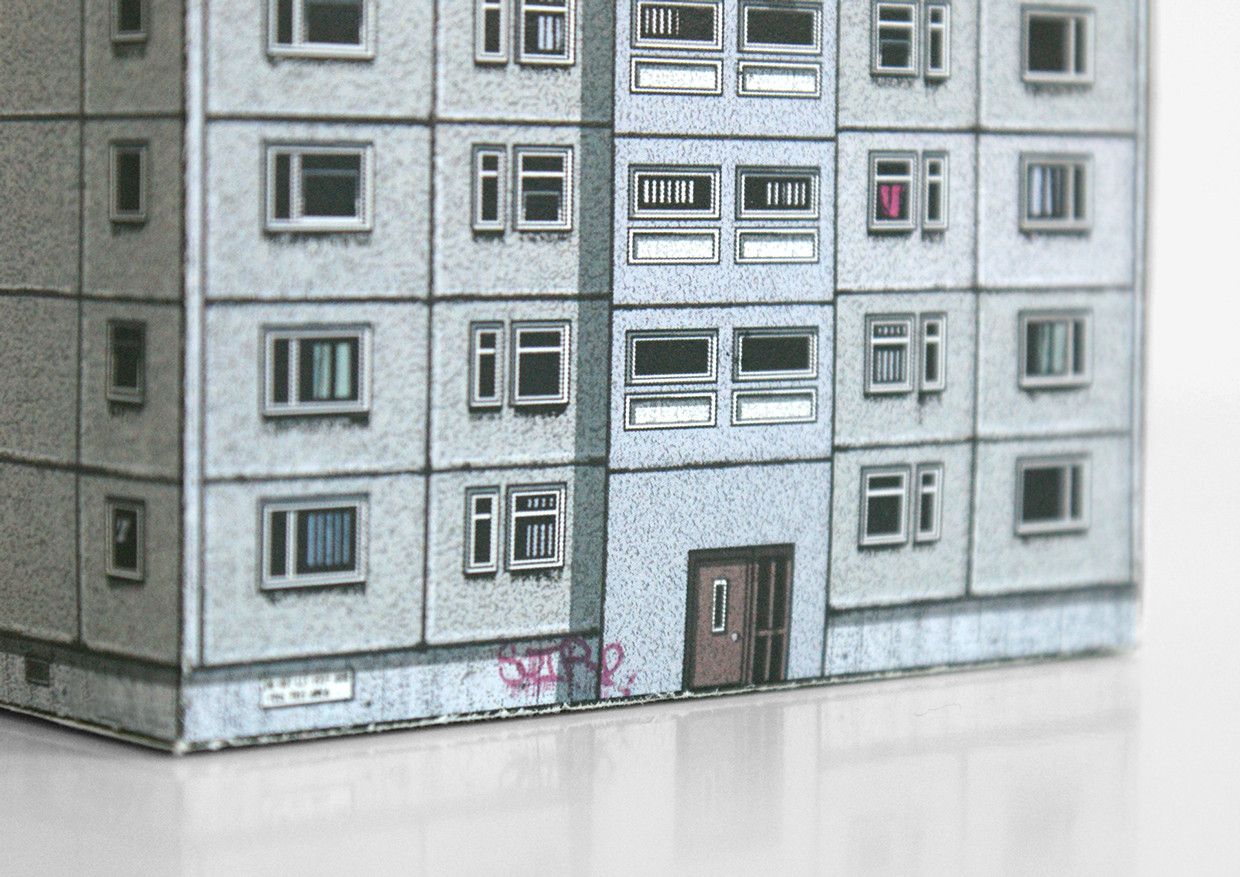
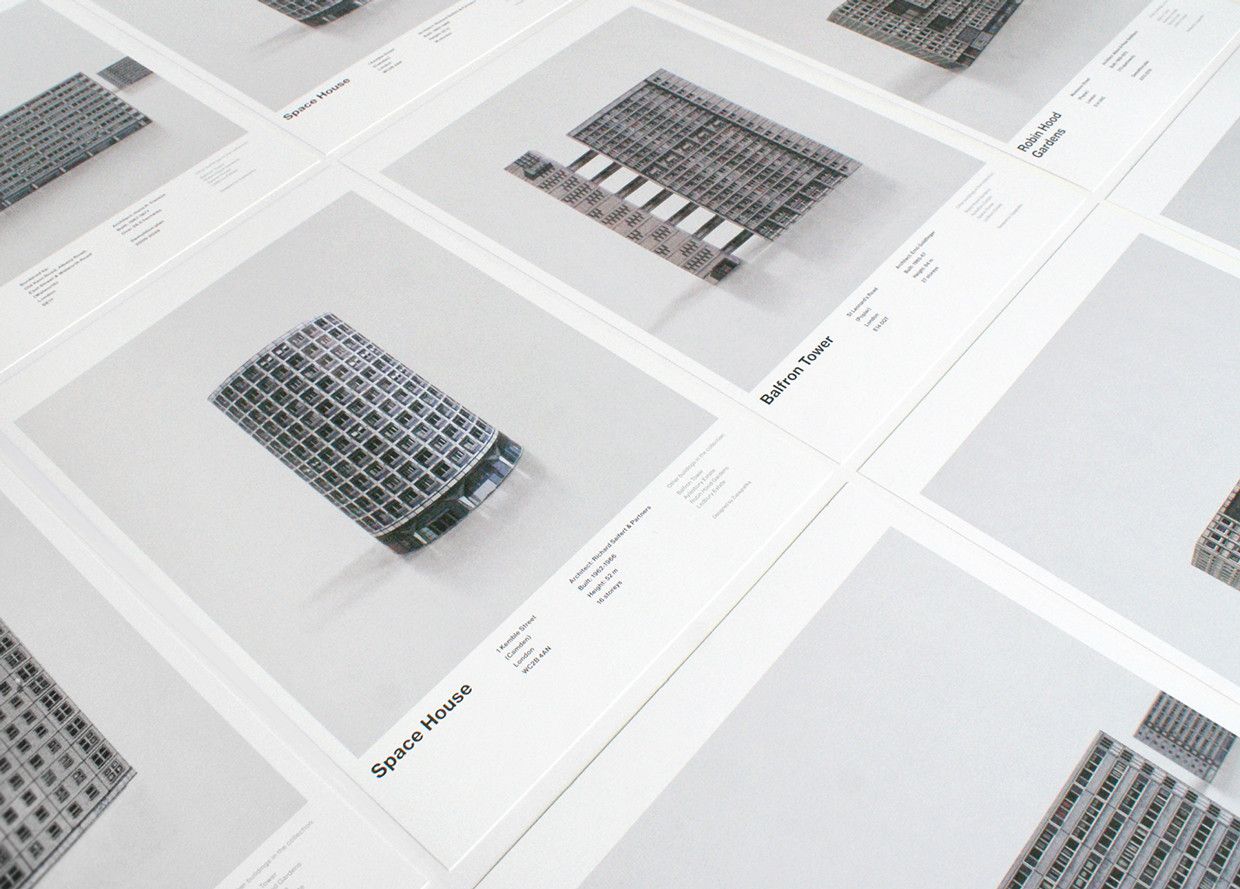
5 paper cut-out models. 5 London brutal landmarks. 5 hand-drawn representations of the central architectural current behind the most important era of the modernist British architecture. The approach Zupagrafika presents in this set of “toys” entitled ‘Brutal London‘ goes far beyond the fun of it; it is more about the introduction of a British heritage to collectors, fun seekers, and the most recent generations of art-orientated potential architects.
Courtesy of © Zupagrafika
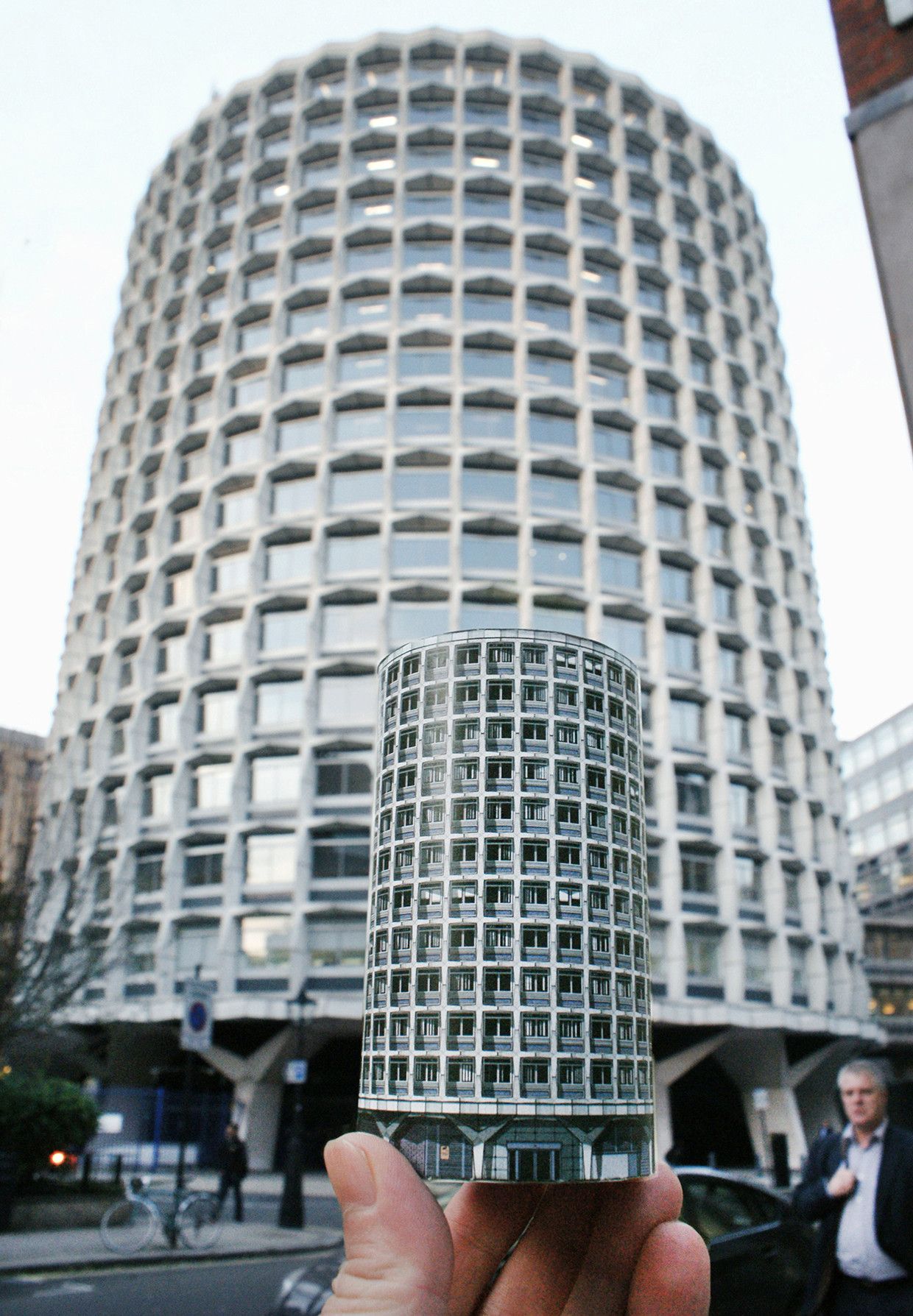
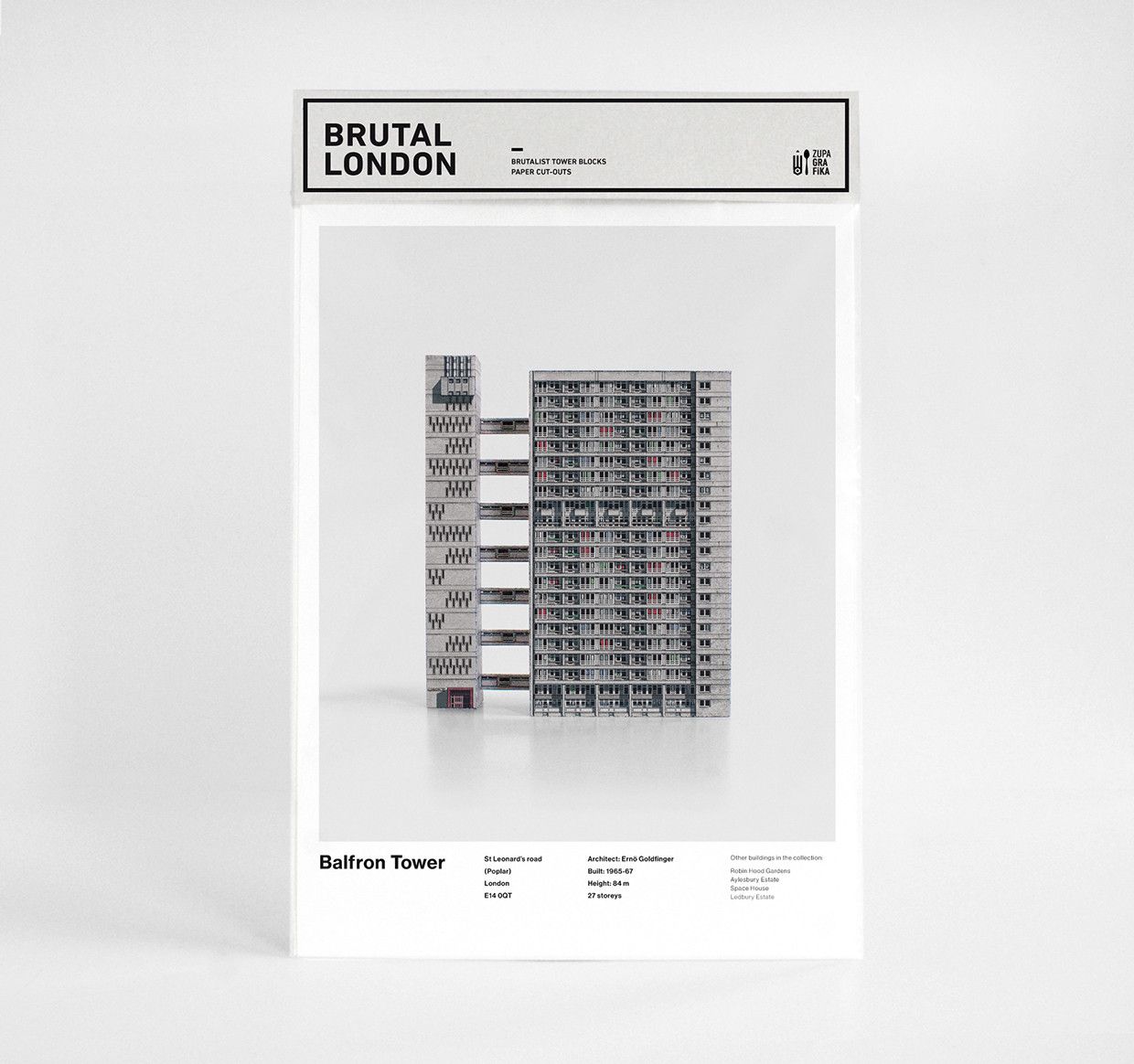
The models are made of 100% recyclable paper, and represent the following buildings:
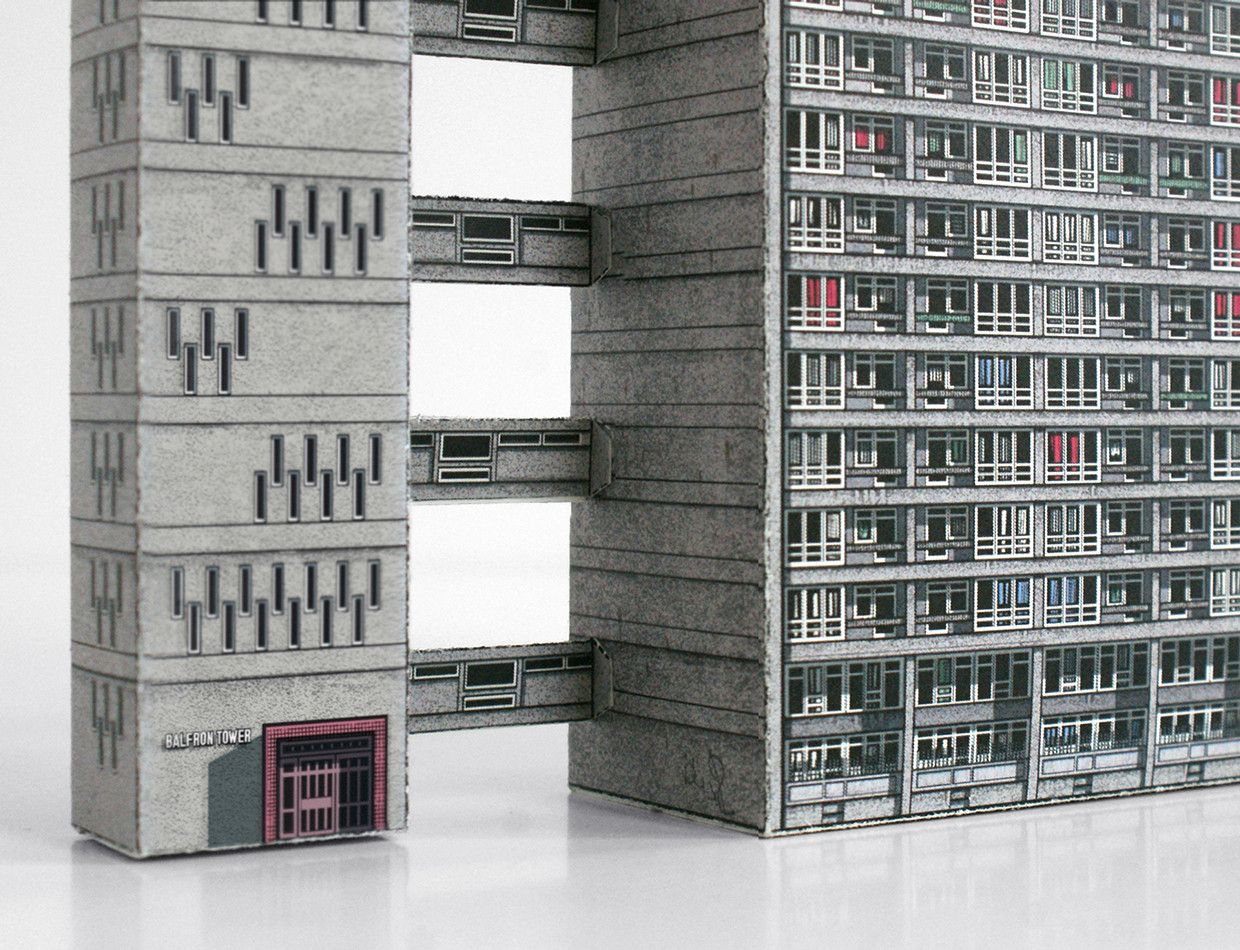
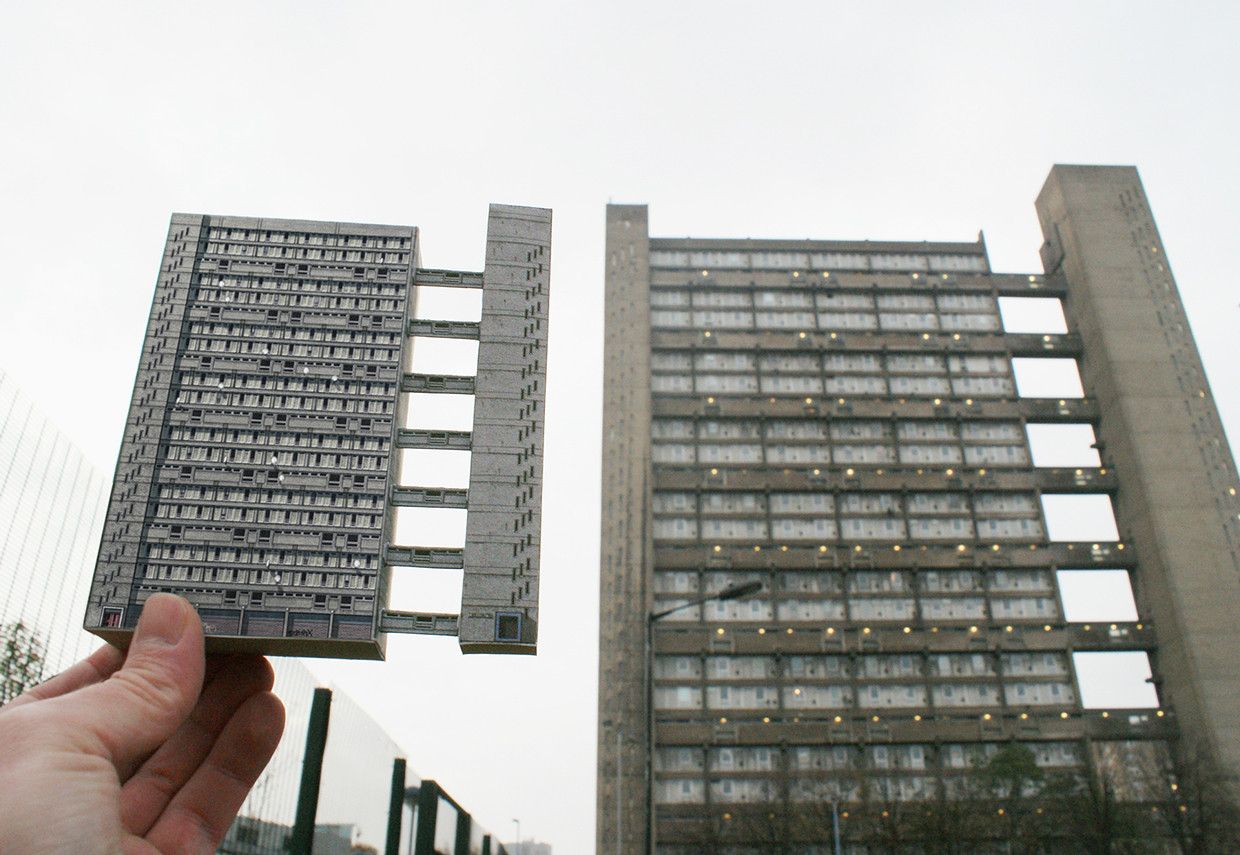
- Balfron Tower
- Space House
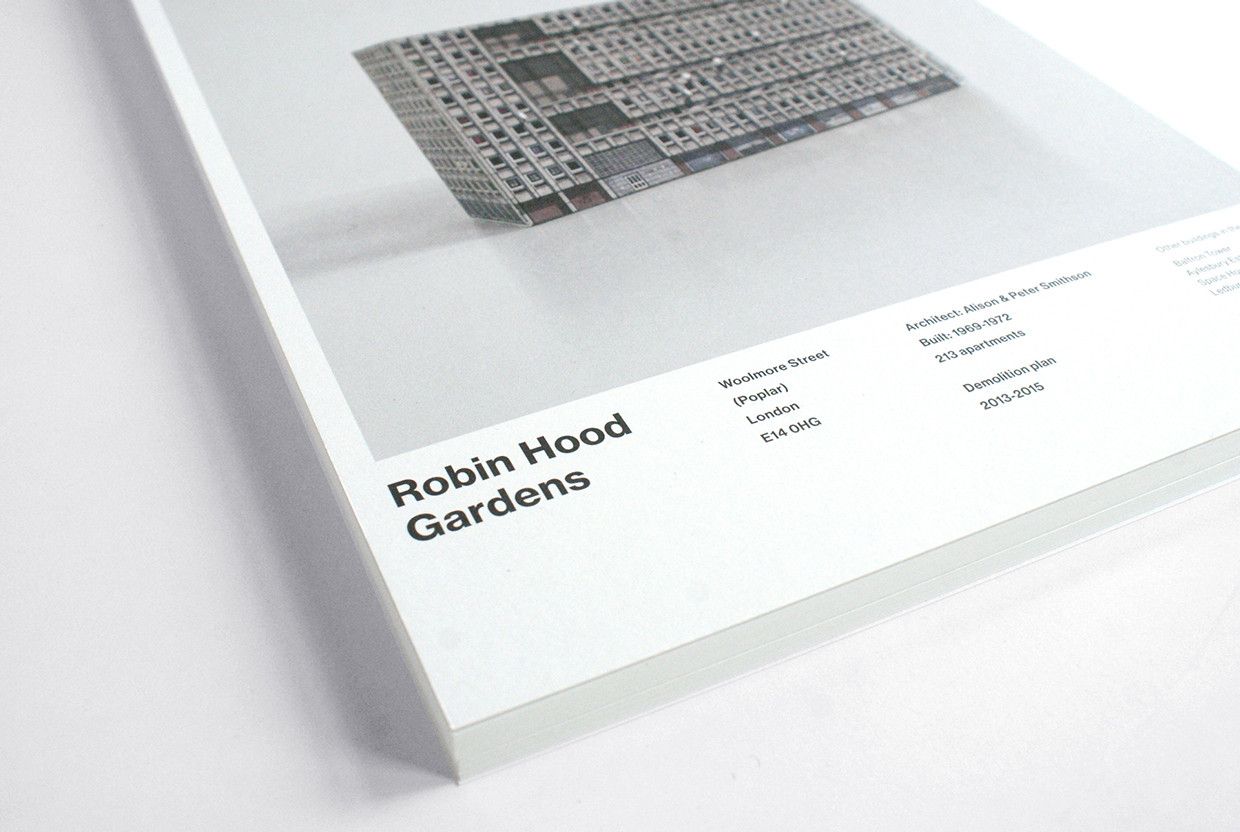
- Robin Hood Gardens
- Aylesbury Estate
- Ledbury Estate
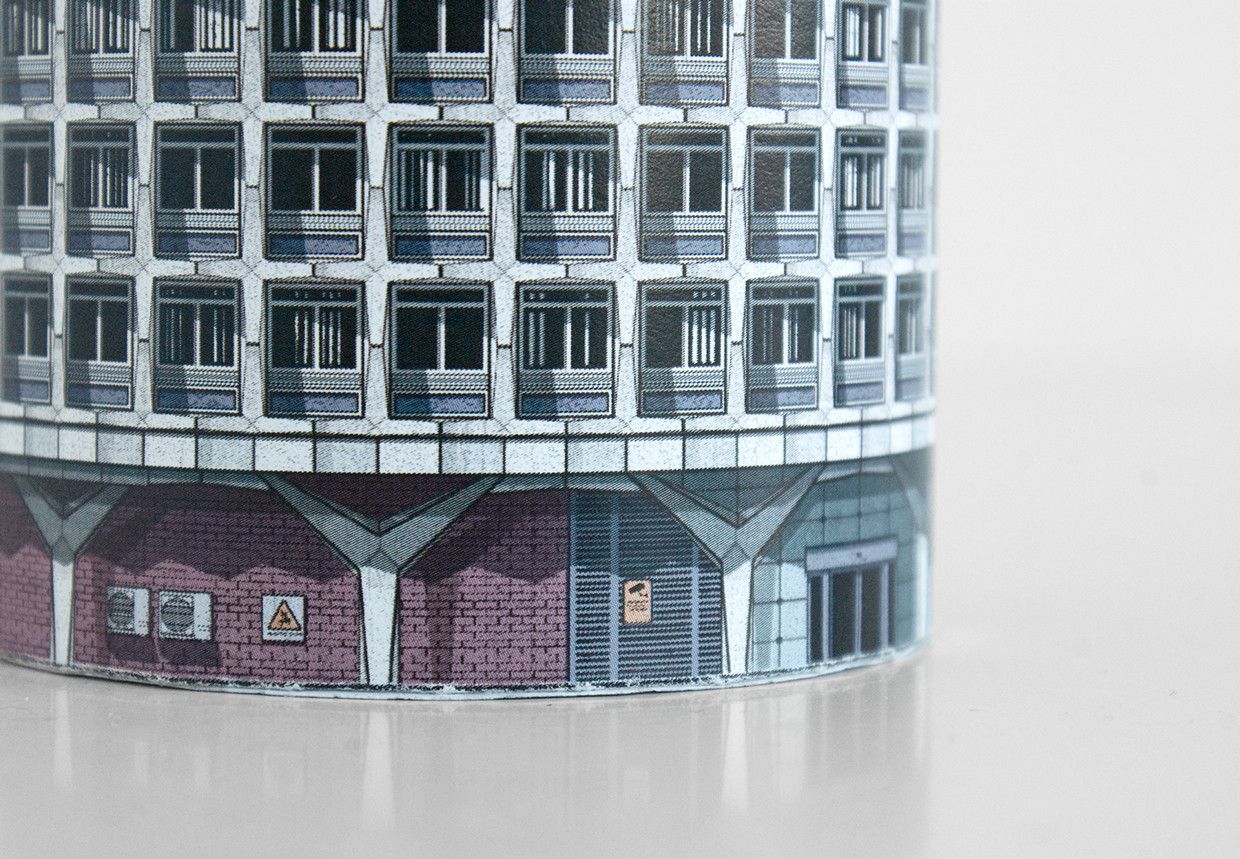
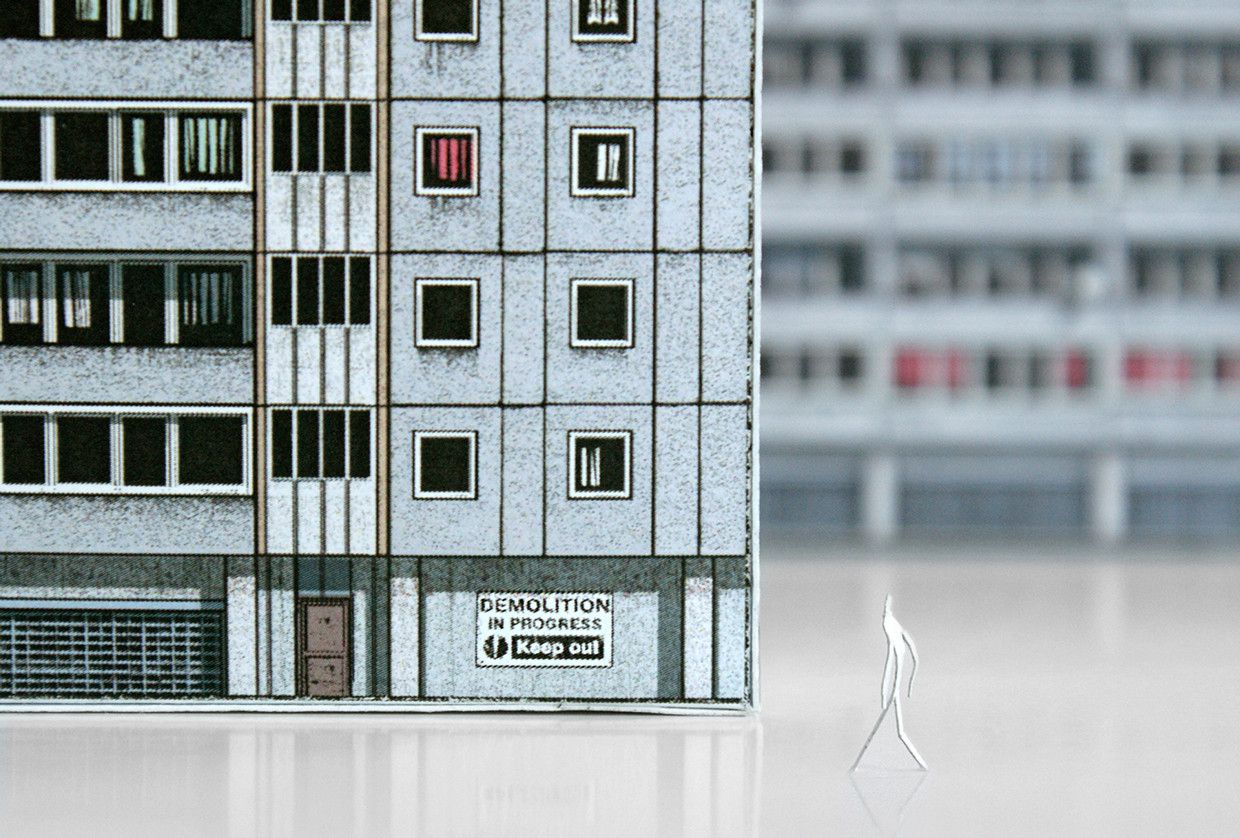
with notes on the architects, year of construction and exact location of each building, as well as the demolition plans if applicable. Each model is hand drawn and includes details originally present on the building’s facade.
Courtesy of © Zupagrafika
Located in Poland, Zupagrafika tries its best to achieve the uniqueness required not only to thrive in the massively creative atmosphere from which it comes, but also to flourish despite the heavy competition. The firm has its simple, clear inspirations: “Zupa`s realizations stem from conceptual simplicity, purity of form and content coherence. We have a special bond with architecture and typography…” These inspirations mixed with amazingly thorough handcraft will always result with great results, and this is but one of them.
Zupagrafika has received many awards over the past years, and it has participated in many global exhibitions. The last was in the course of the Milan Design Week, where the firm has displayed its artifact “Brutal London”, with great approving reviews received.
Courtesy of © Zupagrafika
By: Hazem Raad

Hazem Raad is an editor at Arch2O with a keen interest in the intersection of urban planning, politics, and technology in the Middle East. Holding a Master of Science in Urban Planning from The Bartlett's Development Planning Unit at University College London, his editorial lens is shaped by critical inquiry into contestation, border-making practices, and the role of big data in urban governance. Hazem’s writing explores how spatial dynamics and digital infrastructures intersect with socio-political realities, bringing analytical depth and regional nuance to Arch2O’s urban discourse.