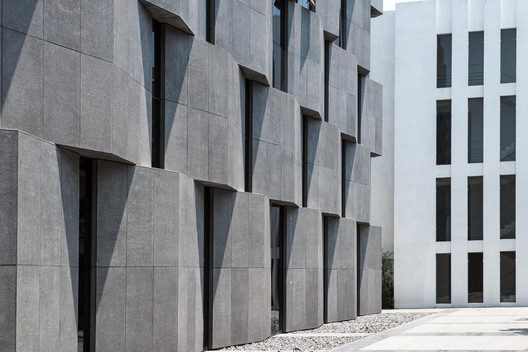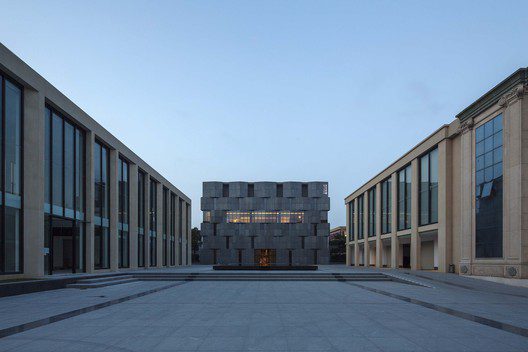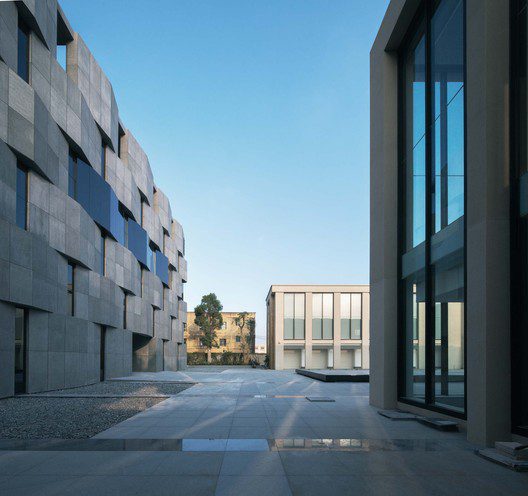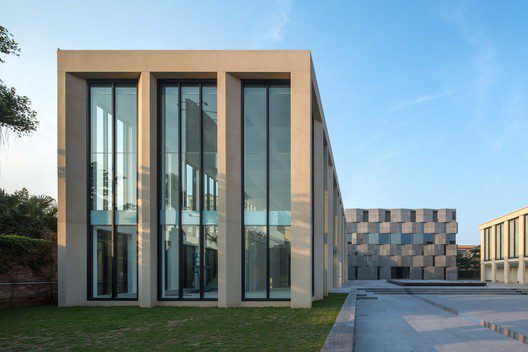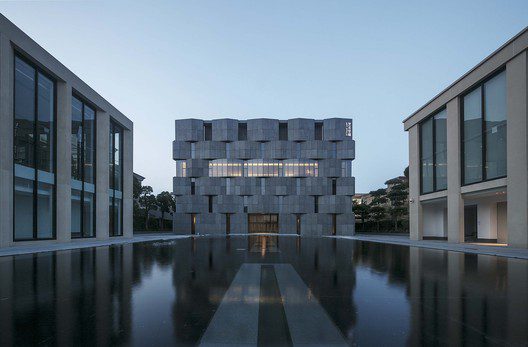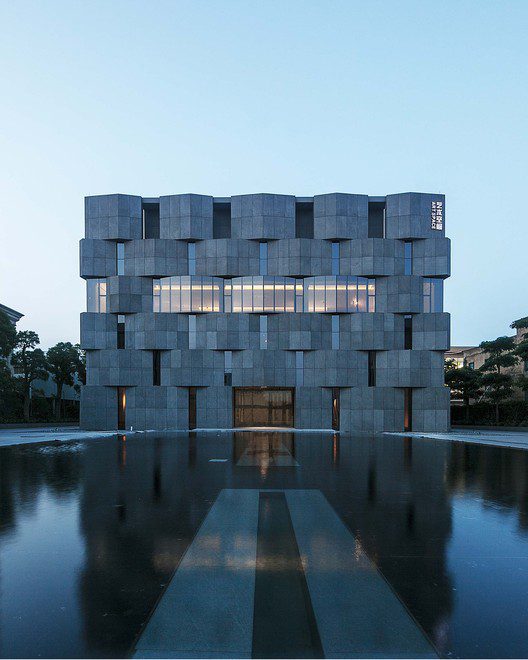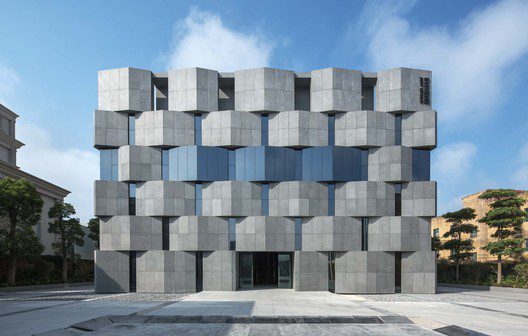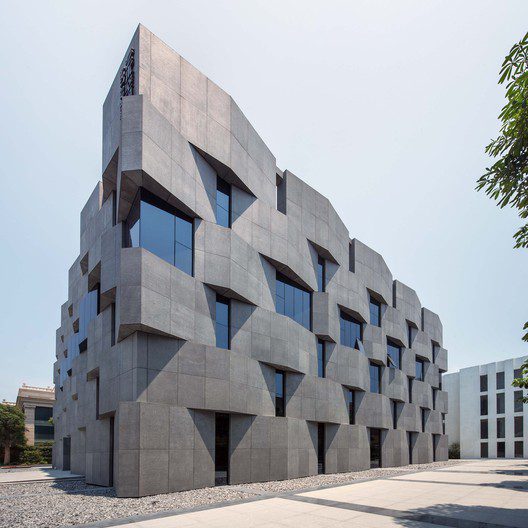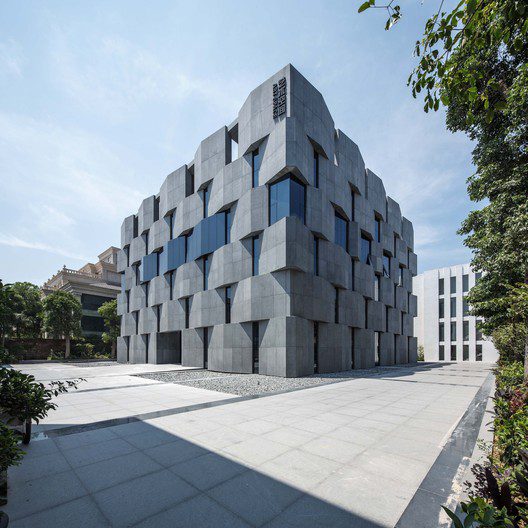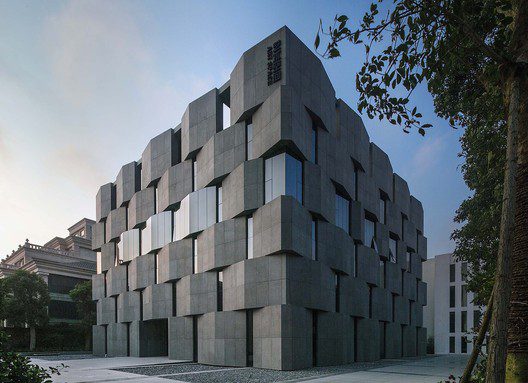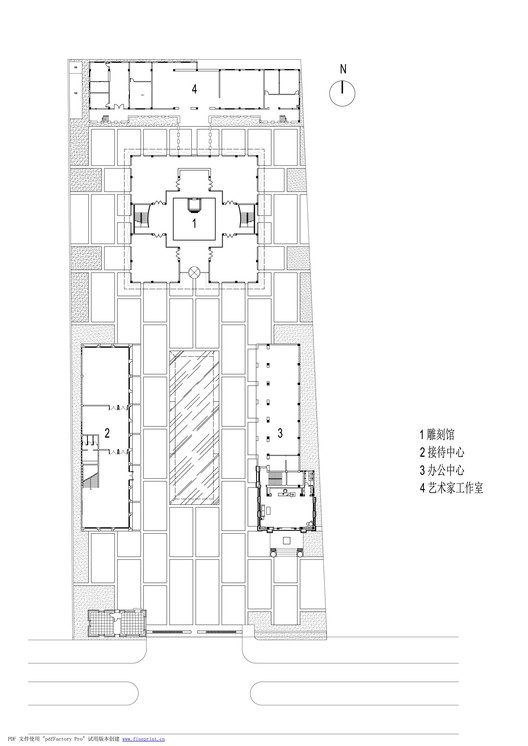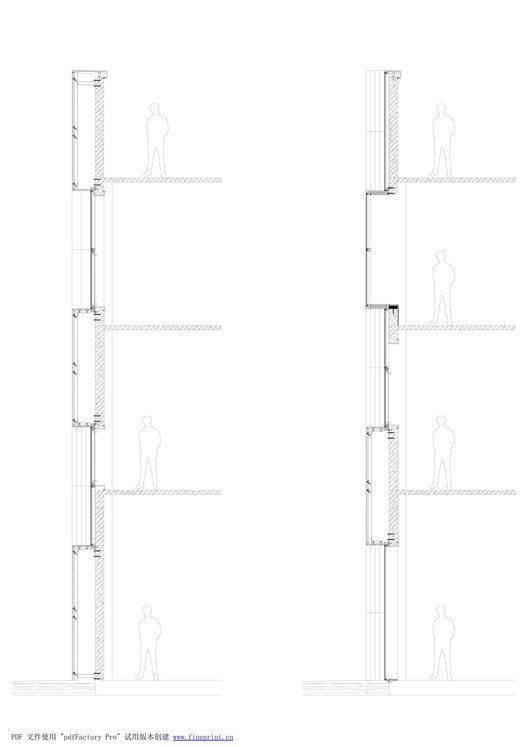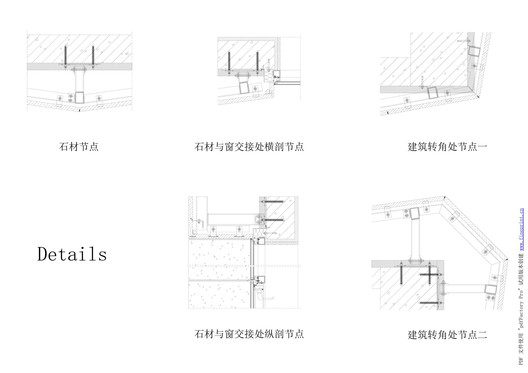

Dingli Art Museum, a look at the whole museum complex tells a kind of historical story of working with stone and material in general. The office building located to the East has a classic look to it with the extensive use of the Corinthian order.
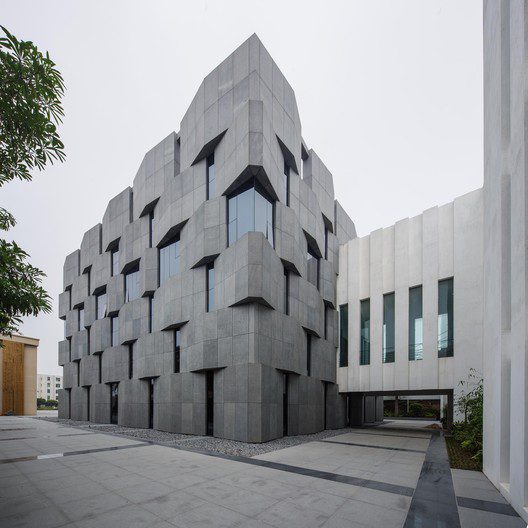
© Lu Hengzhong
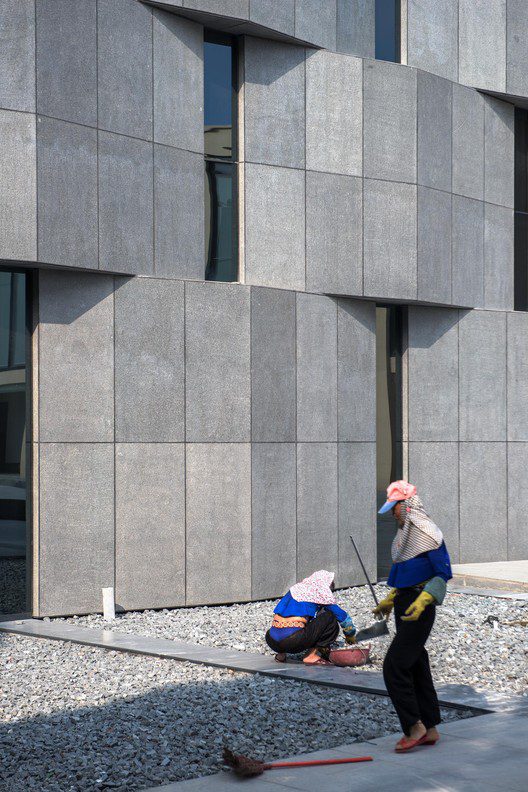
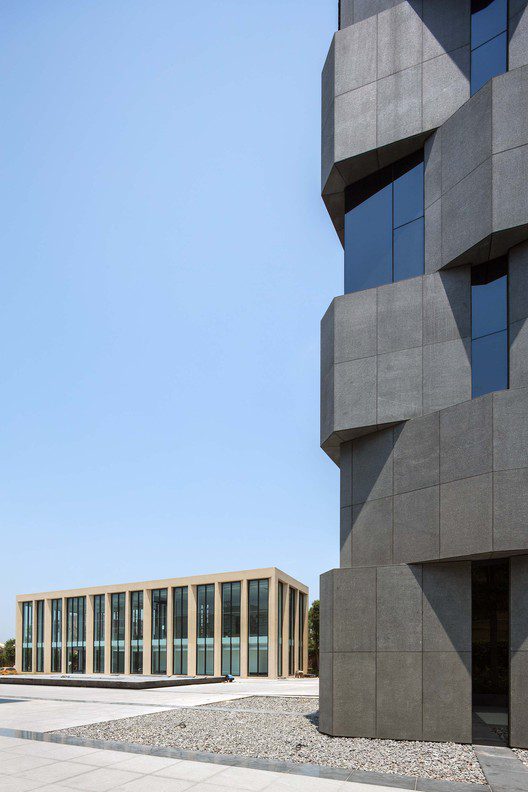
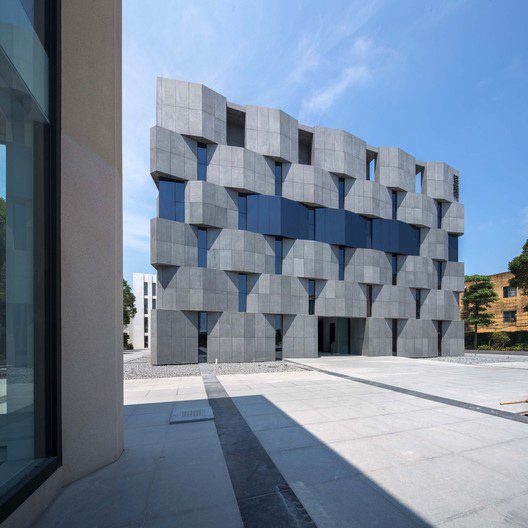
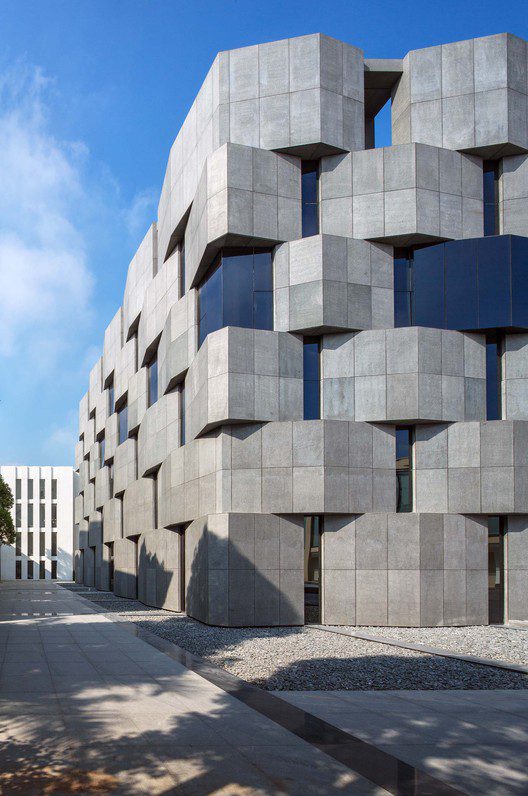
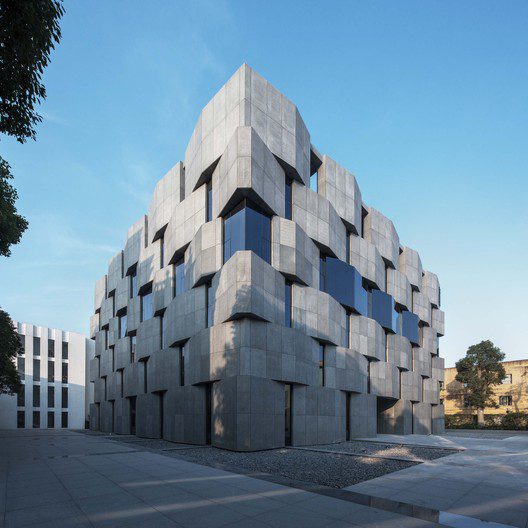
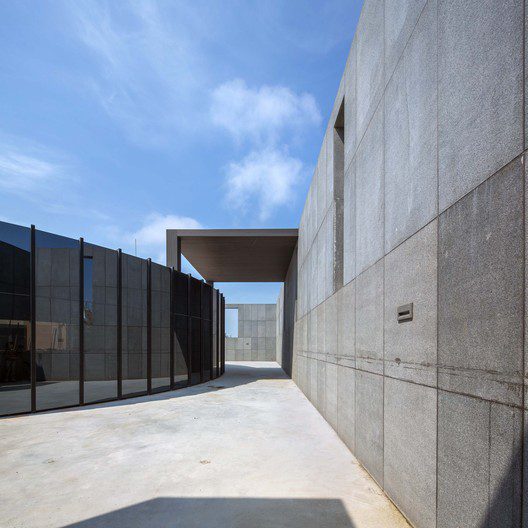
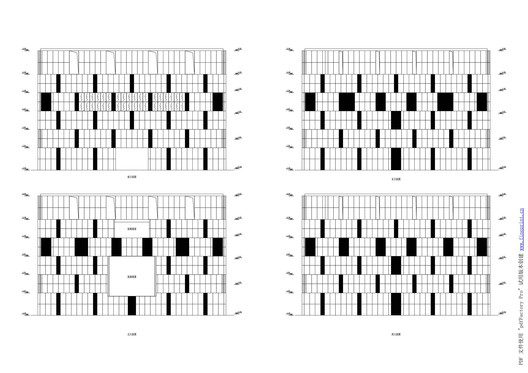
The West wing which houses the new reception centre is open and expresses a modernist language. The main museum building is a play of stone and glass. The huge stones are stacked on each other in a form of a weave creating a dynamic façade that contrasts the solid unity of the cubic volumetry.
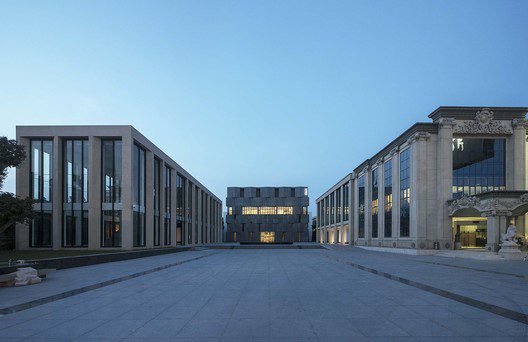
© Lu Hengzhong
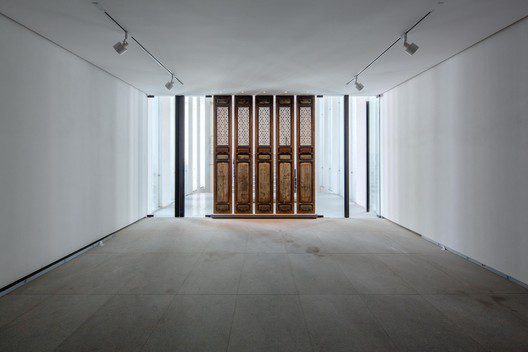
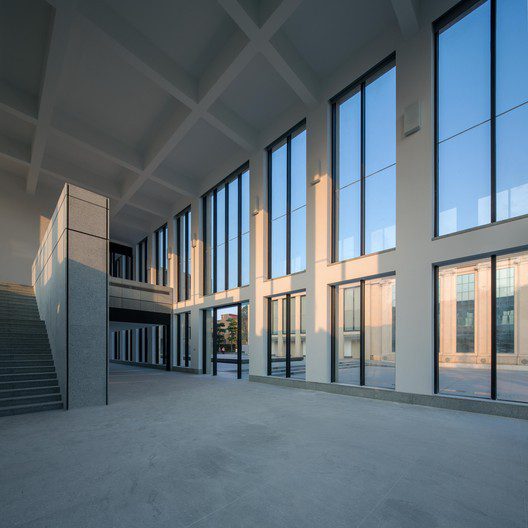
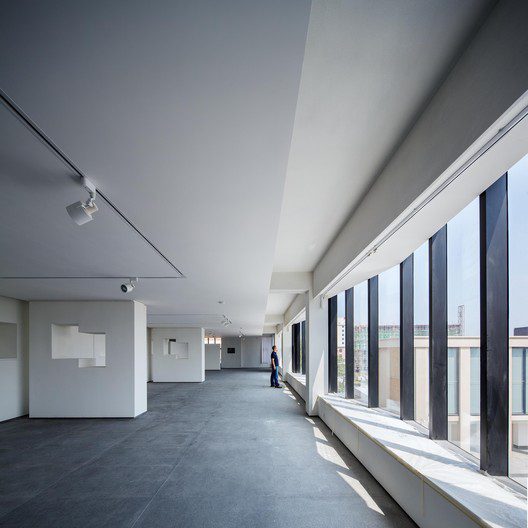
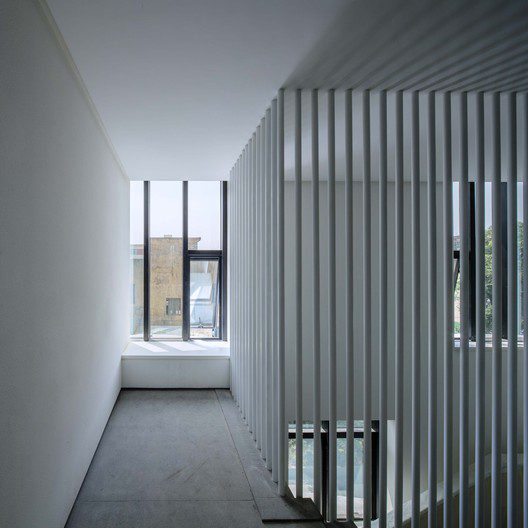
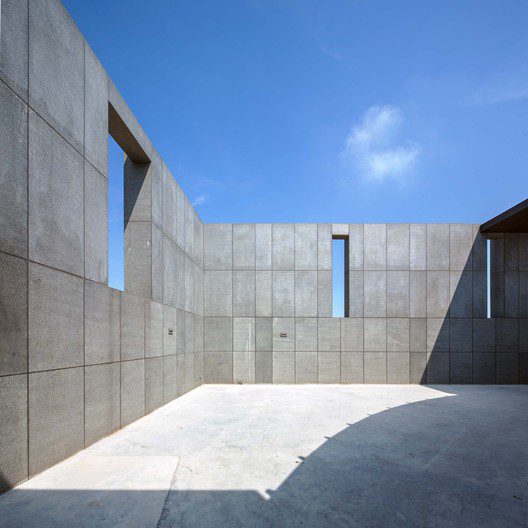
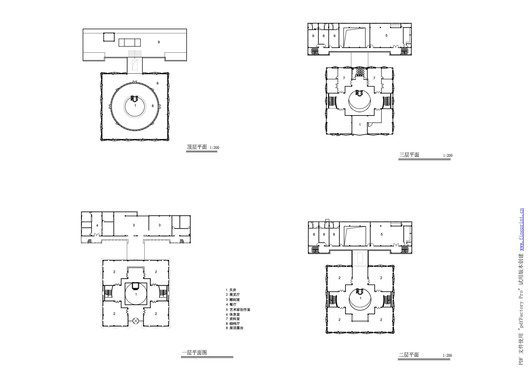
The interior space of the museum is symmetrical, housing a round patio in the centre and four exhibition rooms at the corners. The interior spaces contrast drastically the exterior look of the building as the express a kind of lightness from the openness and natural lighting. The use of stone in this museum is locally inspired as Chongwu is famus for its stone aand is best known as the ancient stone city of China.
Project info:
Architects: ATR Atelier
Country: China, Quanzhou
Area: 3900 m²
Year: 2013
Photographs:Lu Hengzhong
Landscape Design: ATR Atelier
Contractor: Fujian Fengying Construction Co. Ltd
Structural Design: Shanghai Tong Zhu Structure Design Co.
Architect In Charge: Wang Yan
Design Team: Gao Guangye, Zhang Xu
Cost: 15 million RMB