

On the International Day of Democracy, the United Nations returns to a familiar idea within the concept, which is broad citizen participation in government decision-making. The international body asks how including diverse voices in those decisions can help build a more equitable society. Architecture and democracy meet here, because a spatial reading of the theme moves past the vertical relationship between citizen and state and finds meaning in encounter instead. The question becomes what makes a space democratic and how design can serve the principles long tied to democratic life.
That question matters more as political systems face crisis around the world. This day works as a platform to challenge individualization and authoritarianism through the socio-spatial tools available to designers and citizens alike. The concept of democracy is broad, but it is neither neutral nor objective, because history shows it used to justify colonization, to validate abusive power structures, and to protect private property. Even so, most people read democracy as a channel toward shared values such as justice, equity, and social security.
The United Nations describes democracy as “as much a process as a goal,” which leaves architects a clear task. You can pursue those values through the design of the built environment and the study of territory, and three scales help organize the work. Public space becomes a platform for encounters between strangers, capable of fostering dialogue and tolerance. Territorial justice gives designers and property regulation tools to confront the climate crisis, questions of representation, and access to housing.
At the scale of the single building, construction reads as a political activity while the finished structure carries social symbols. This selection of work runs across four themes, which are public spaces for participation, climate resilience and property in the territory, public policies for fair access to housing, and symbolism in design. The aim is to open reflection on architecture and democracy from a global, open, and civic perspective rather than to settle the argument.
Public space is where the first theme lives, because streets, squares, and parks host the dialogue, participation, and protest that democratic life depends on. Movements shape cities and cities shape movements, a relationship visible across seven sites of resistance and protest in the United States. Washington Square Park in New York shows how a green square in a dense city becomes a stage for gathering and dissent.
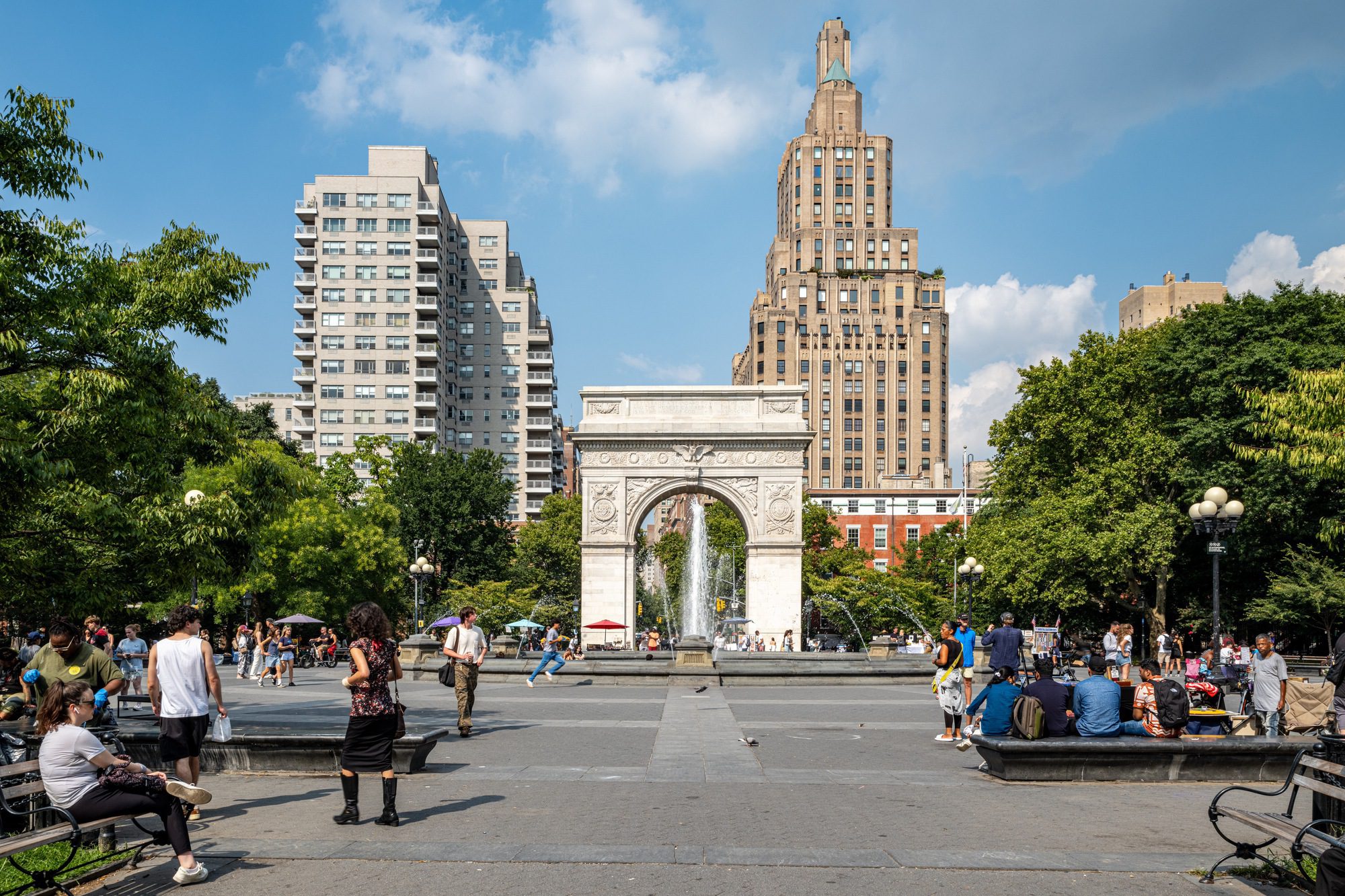
Washington Square Park, New York, NY, 2024. Image © Barrett Doherty courtesy The Cultural Landscape Foundation
The same lesson holds across other continents, where public squares carry the weight of civic assembly. In Africa, open spaces engage people and foster democracy, and Jemaa el-Fna in Marrakech, Morocco, shows how a working plaza binds daily commerce to public life. These are places of protest as much as places of trade, so their design decides who feels welcome to speak.
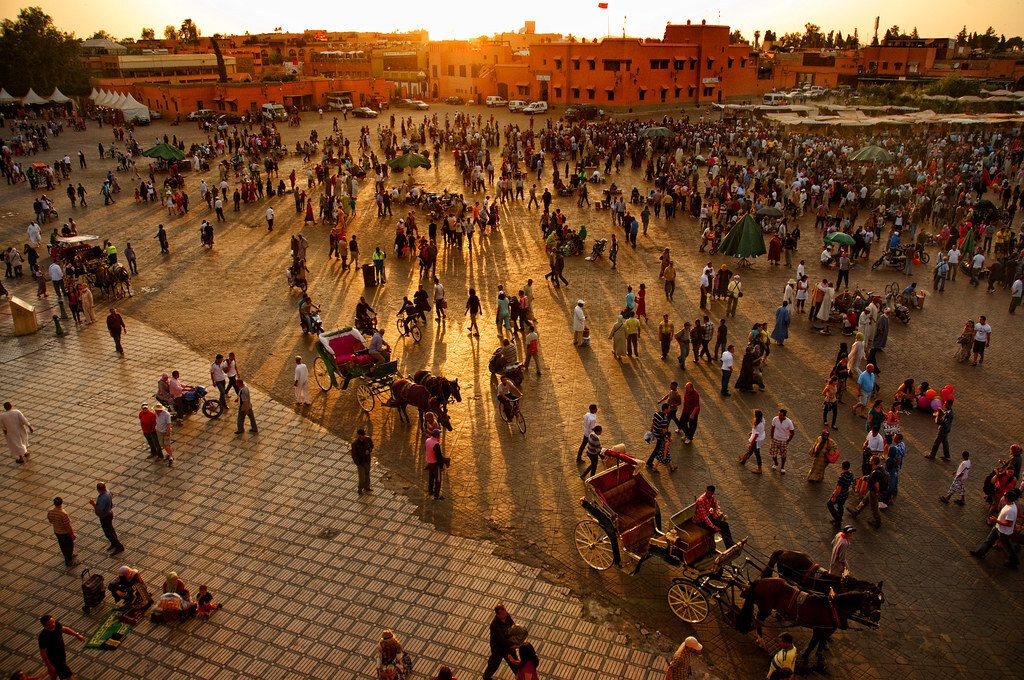
Morocco – Marrakech – Jemaa el-Fna. Image © Darrell Godliman/Flickr
Who feels safe in public space is a design question as much as a social one, which urban design can address directly. Lessons from four public spaces show how layout, sightlines, and activity shape women’s safety, and the House of the Pink Spot by Frankie Pappas International offers one case study. Color plays its own part in this work, because it guides people and signals safety and accessibility across a street or plaza.
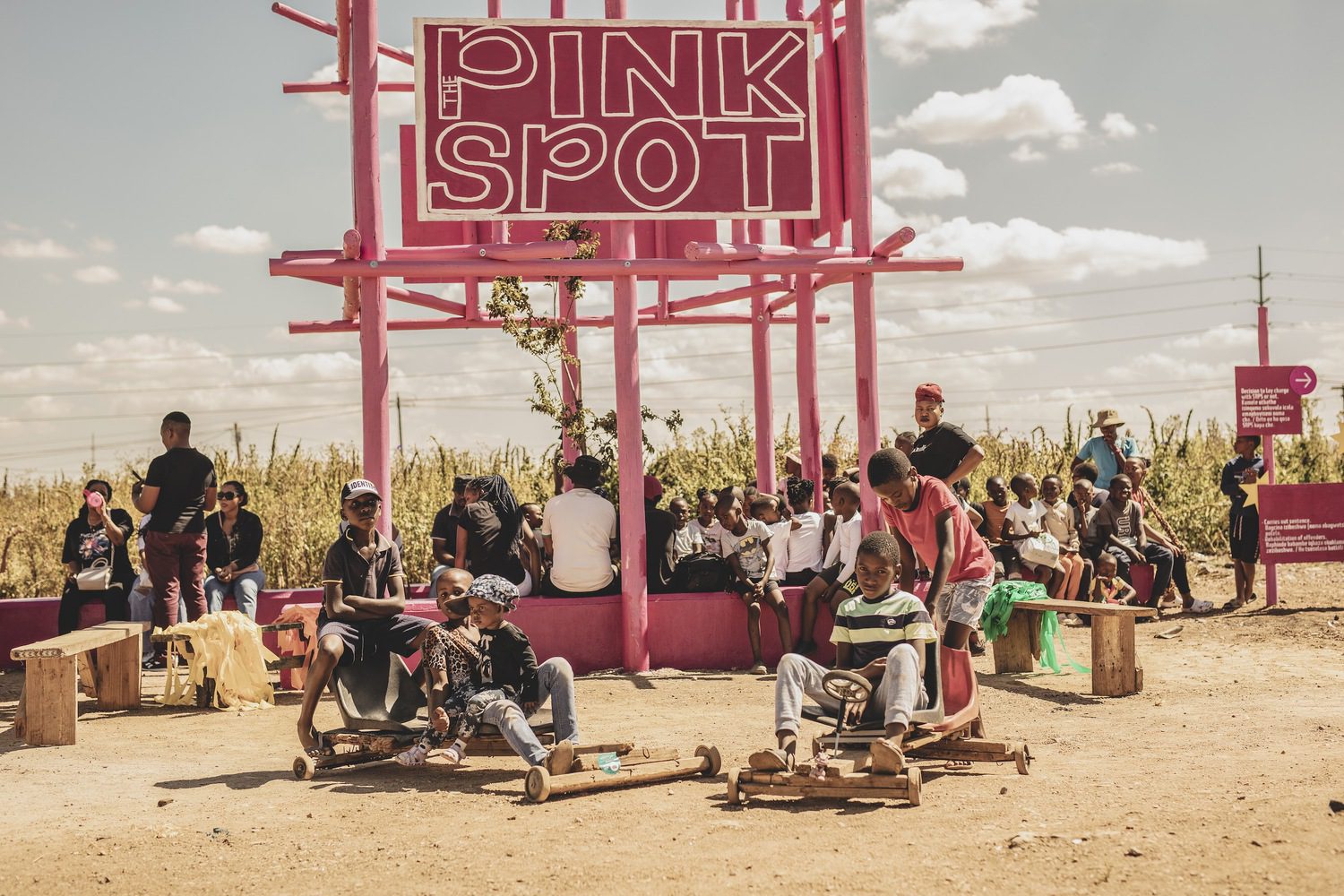
House of the Pink Spot / Frankie Pappas International. Image © Tshepiso Seleke
Tactical urbanism, meaning small quick interventions that test ideas in real streets, puts these tools to work. The Ãgora Maximus project by LAAB Collective with Signature Design Communication uses color and temporary structures to reclaim space for people. Such projects prove that a democratic public realm does not always wait for large budgets or long timelines.
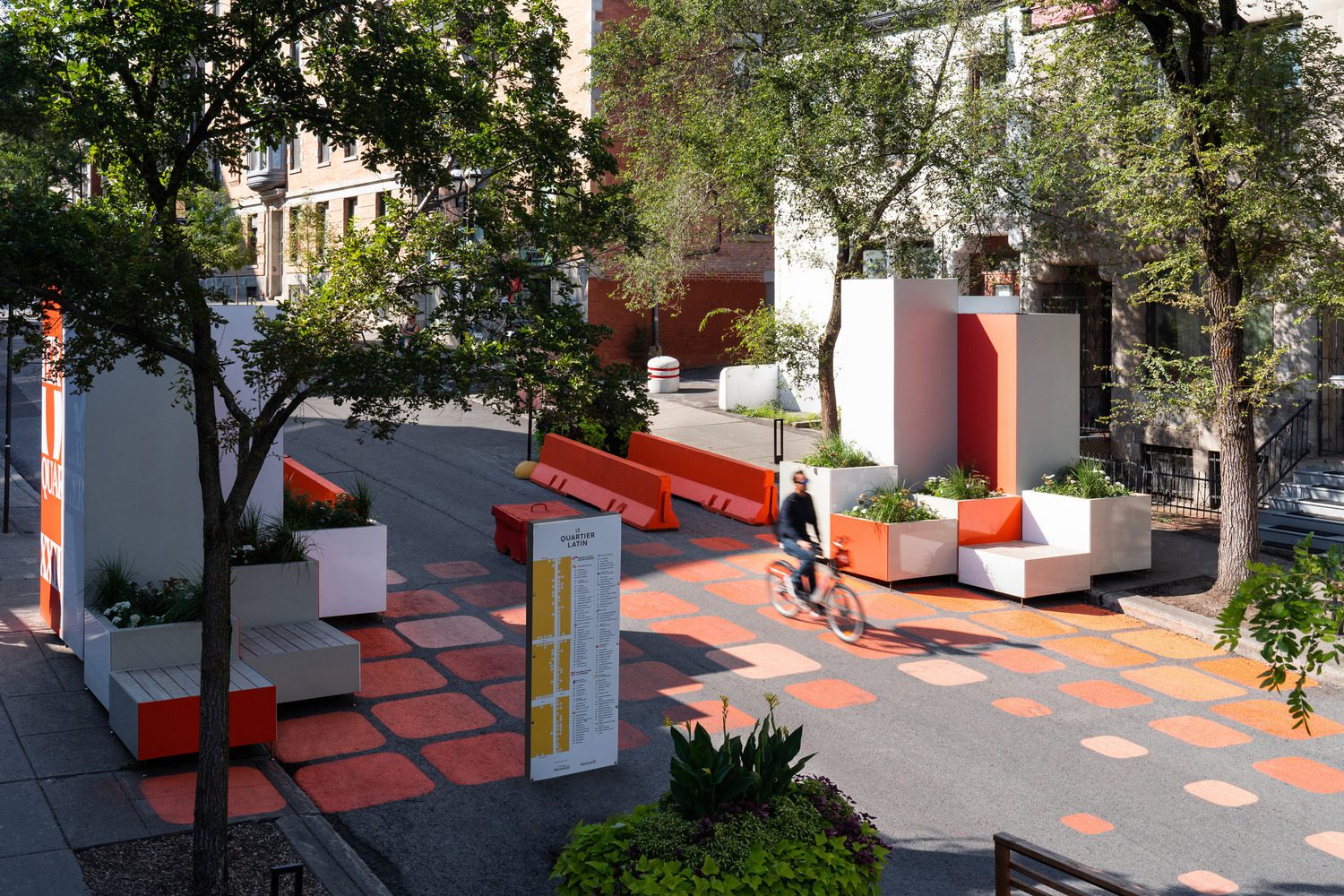
gora Maximus, Tactical Urbanism Project / LAAB Collective + Signature Design Communication. Image © Raphael Thibodeau
The second theme moves from the street to the territory, where property, climate resilience, and representation shape justice. Maps carry politics, so the UN map based on the Gall–Peters projection reveals how cartography can support symbolic reparations by correcting the sizes of continents. A school mural using that projection makes the point visible to anyone who walks past it.
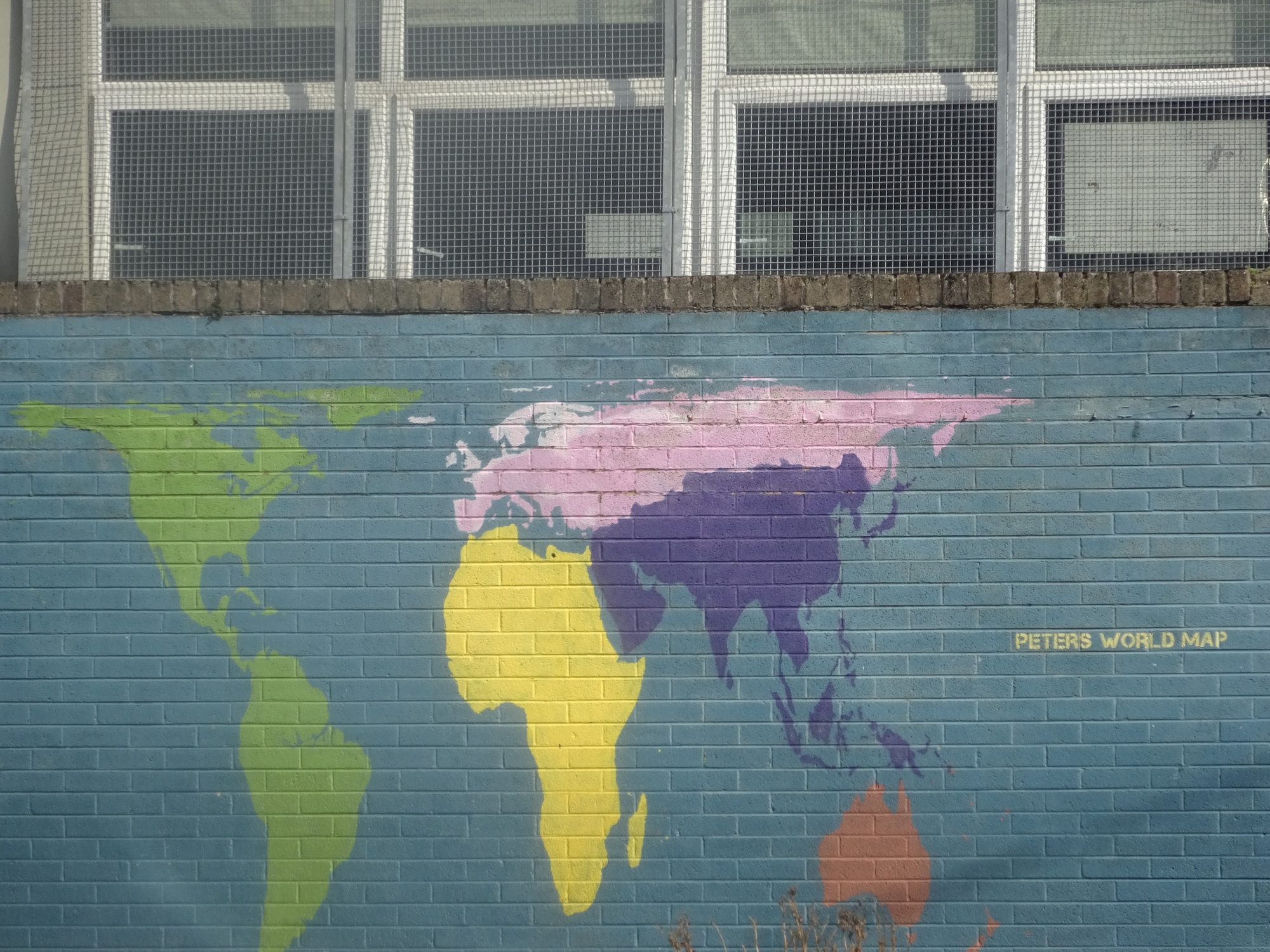
Mural at a school depicting the Gall–Peters projection, with continents coloured. Image © Sheila1988 via Wikimedia Commons
The ground itself carries politics as clearly as any map, which the Kya Sands settlement in Johannesburg, South Africa, makes plain from the air. An aerial view of unequal land divides shows how soil, ownership, and inequality meet in the built environment. Reconciling the environment with housing offers a counterexample, seen in the case of the chinamperos of Tlacoapa, who tie land, water, and dwelling together.
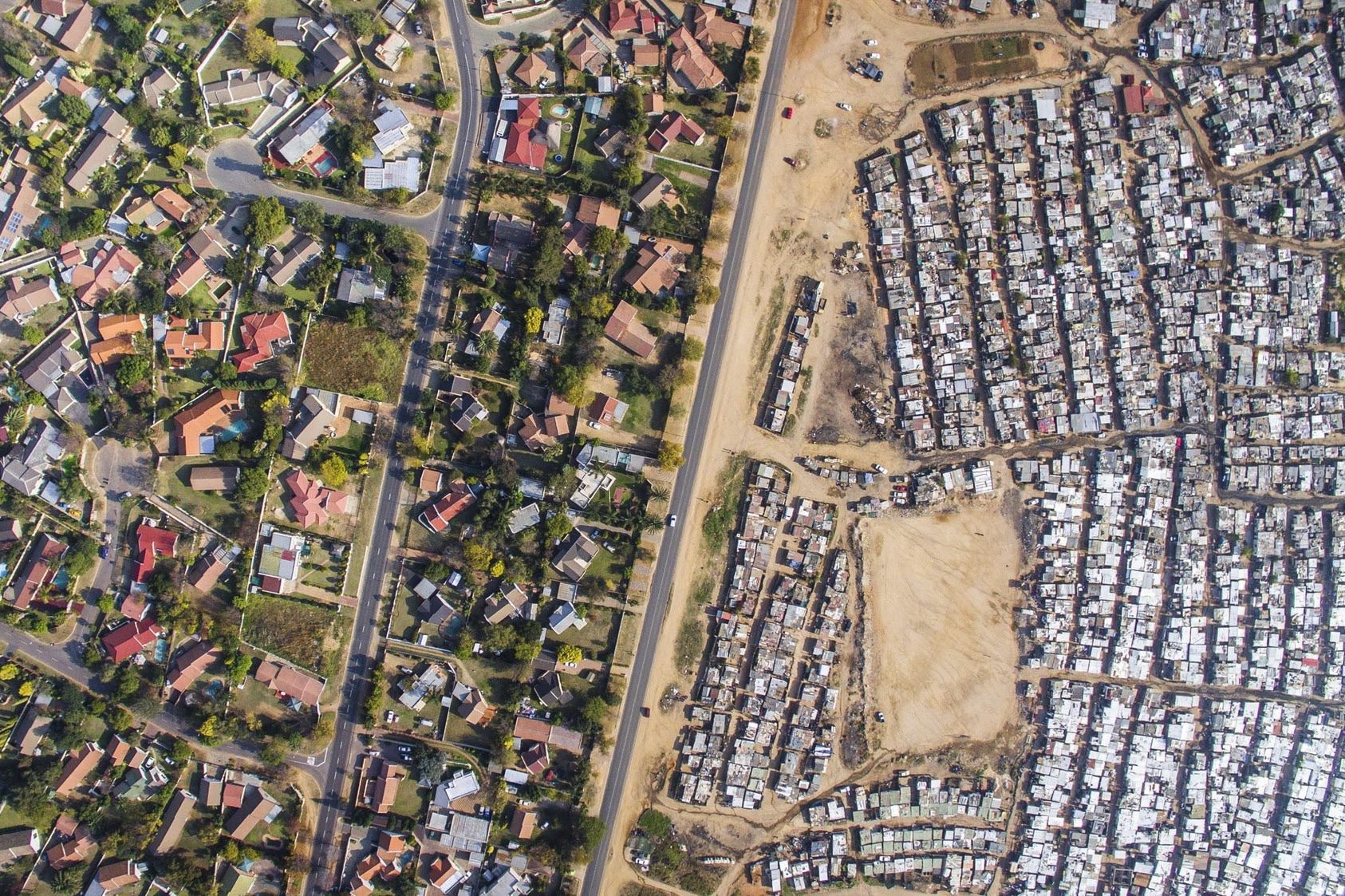
Kya Sands settlement in Johannesburg, South Africa. Image © Johnny Miller / Unequal Scenes
That case connects land rights to the daily need for shelter, which the third theme takes up directly. The right to housing depends on public policies that expand access, and several places show how design and law can work together.
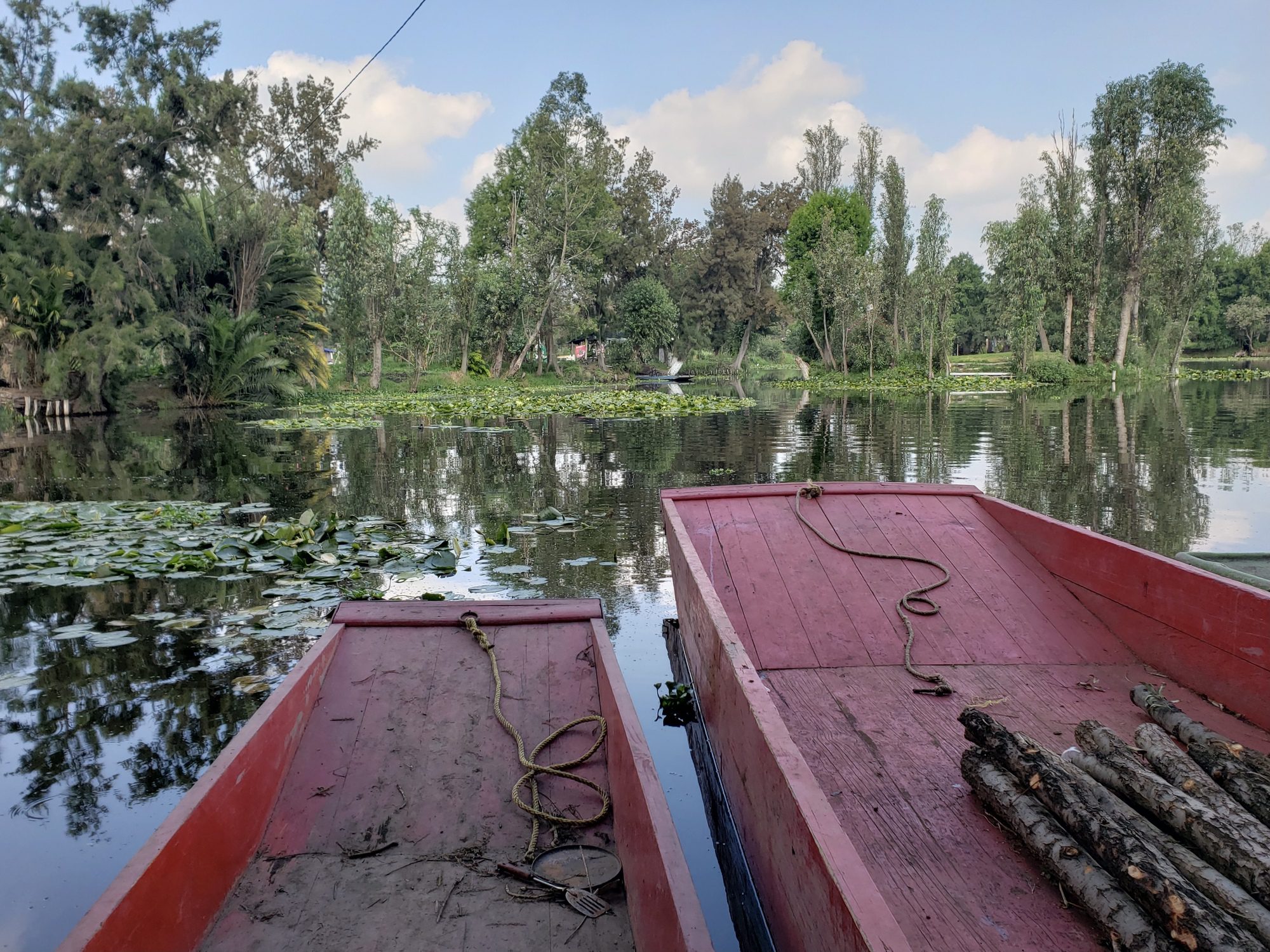
© Carla Luisa Escoffié Duarte
New York City offers a clear test of that idea through recent measures on building, taxing, and financing to tackle the housing crisis. The East Side River Park by BIG shows how public investment can pair flood protection with housing goals along the waterfront. Policy and design here answer the same problem from two directions at once.
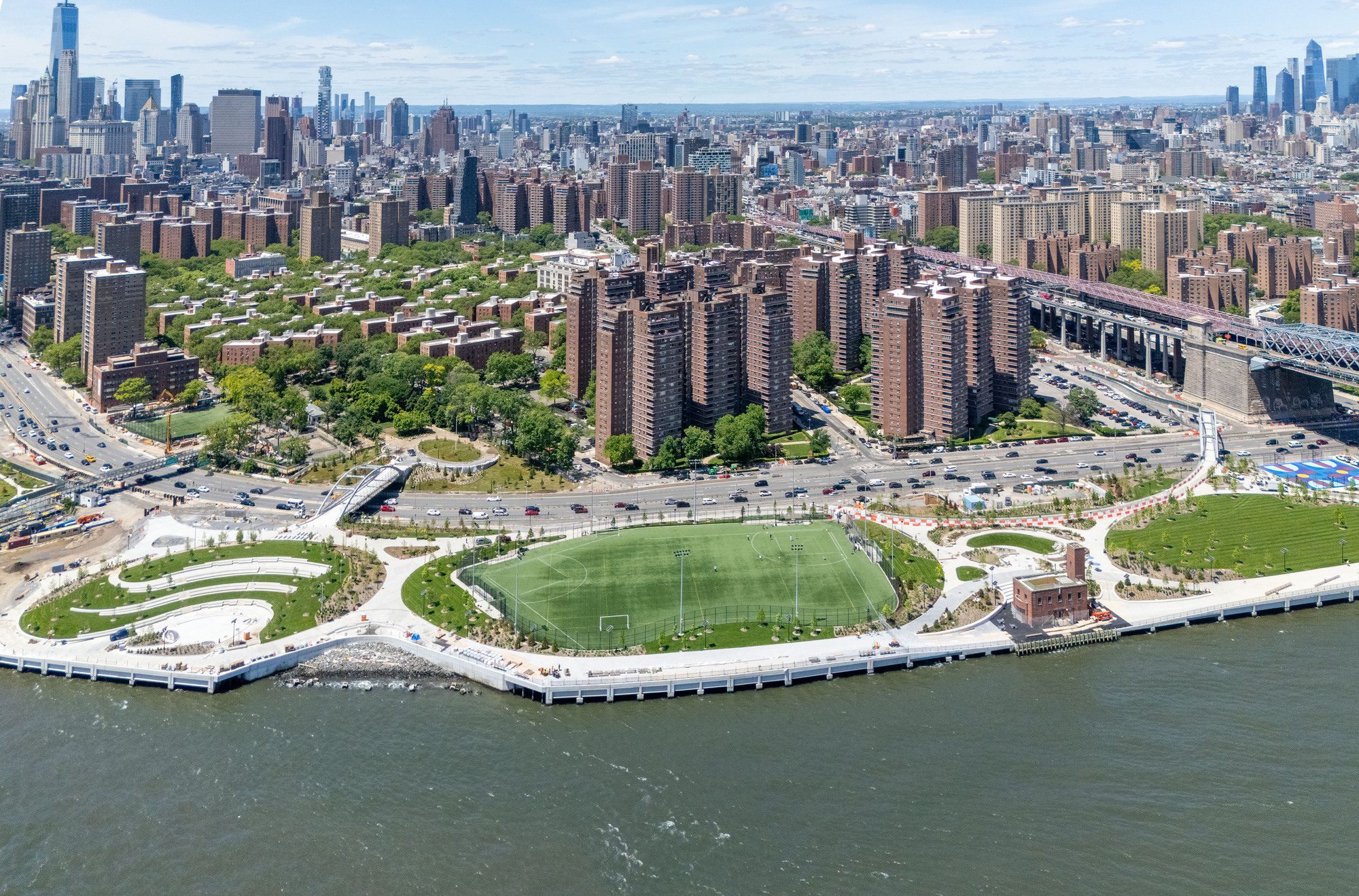
East Side River Park / BIG. Image © BIG/Jeff Tao
The affordability crisis crosses borders, so architectural and policy responses from Spain, France, Australia, and the United States each address it in their own way. The Las Americas Residential Complex by SO-IL shows how design quality and affordability can share the same building. Comparing four countries makes clear that no single fix works everywhere.
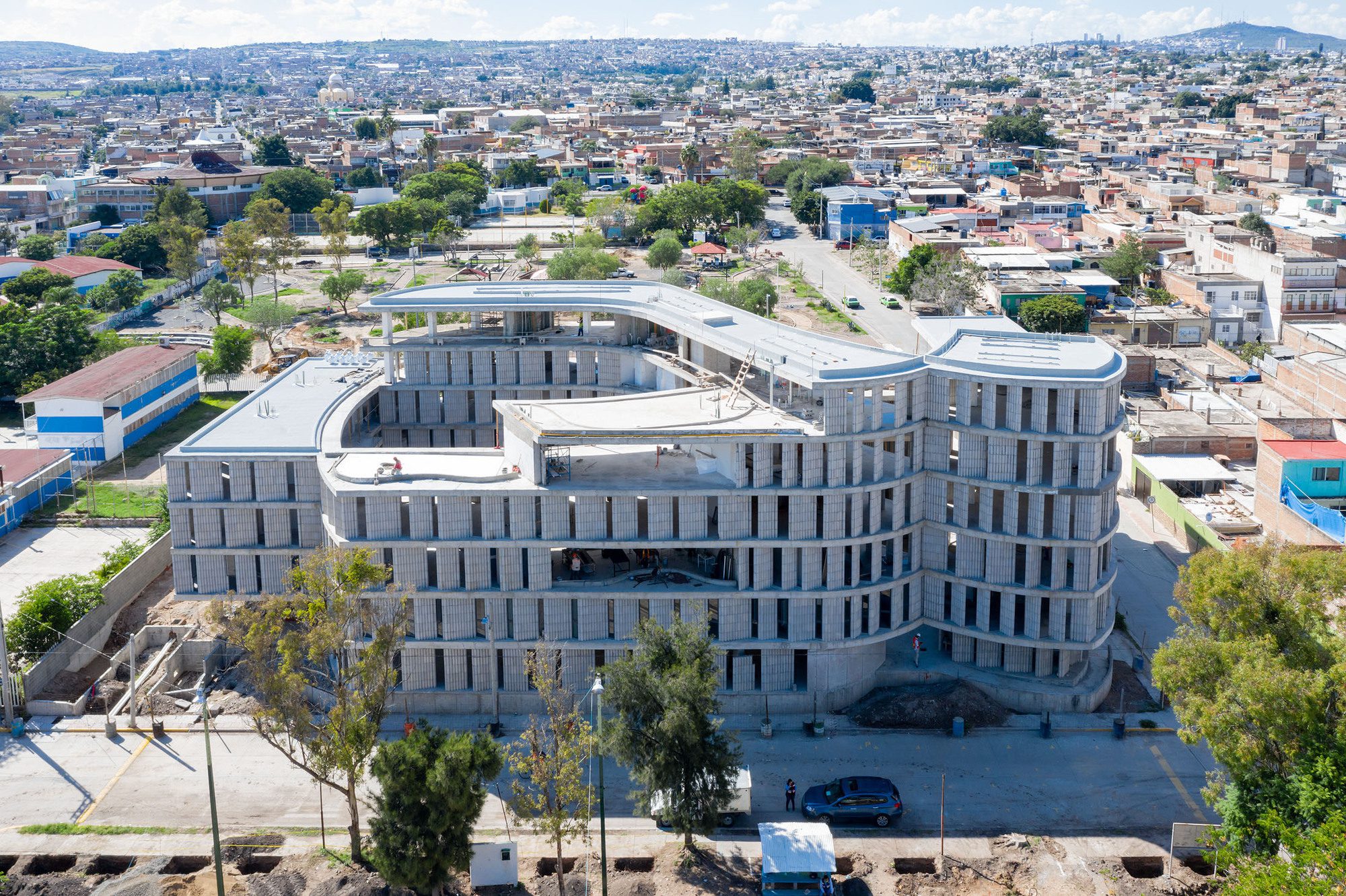
Las Americas Residential Complex / SO-IL. Image © Iwan Baan
Legislation can widen access at national scale, which the United States showed by enacting sweeping housing reform to expand affordable housing. Boston Road by Alexander Gorlin Architects stands as a built example of what such reform can deliver. The project proves that policy change reaches ground when it produces homes people can afford.
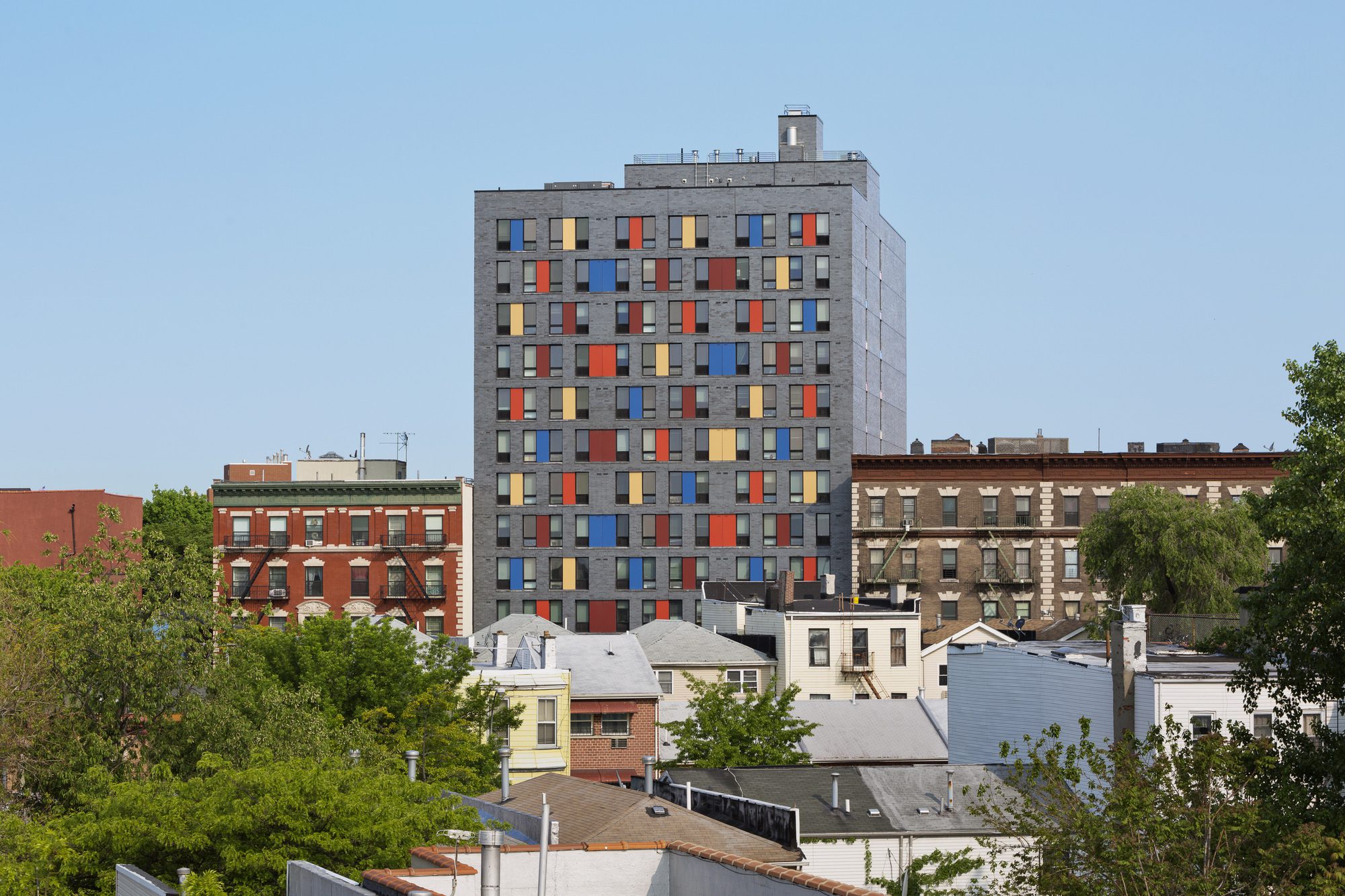
Boston Road / Alexander Gorlin Architects. Image © Michael Moran
The final theme returns to the single building, where openness, heritage, and horizontality carry meaning. Glass towers often promise transparency, yet transparent buildings can create only the illusion of democracy, as the Westland Town Hall by architectenbureau cepezed invites you to consider. A building can look open while keeping real power behind the glass.
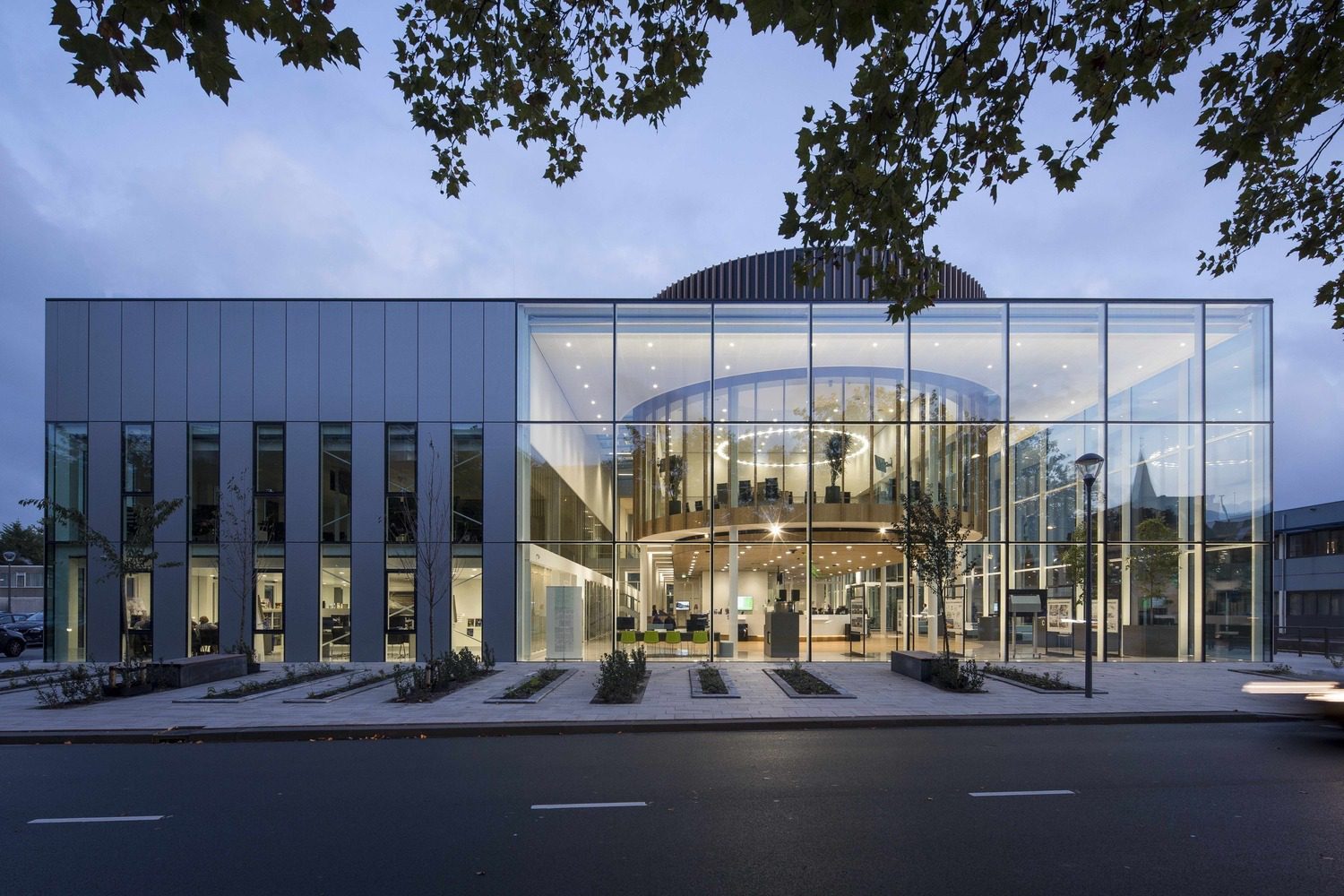
Westland Town Hall / architectenbureau cepezed. Image © Lucas van der Wee
Construction itself can be a political practice, which the work of USINA in Brazil demonstrates through collective building. The União da Juta project carries the legacy of communities constructing their own housing together. Here the process of building, not only the result, becomes the democratic act.
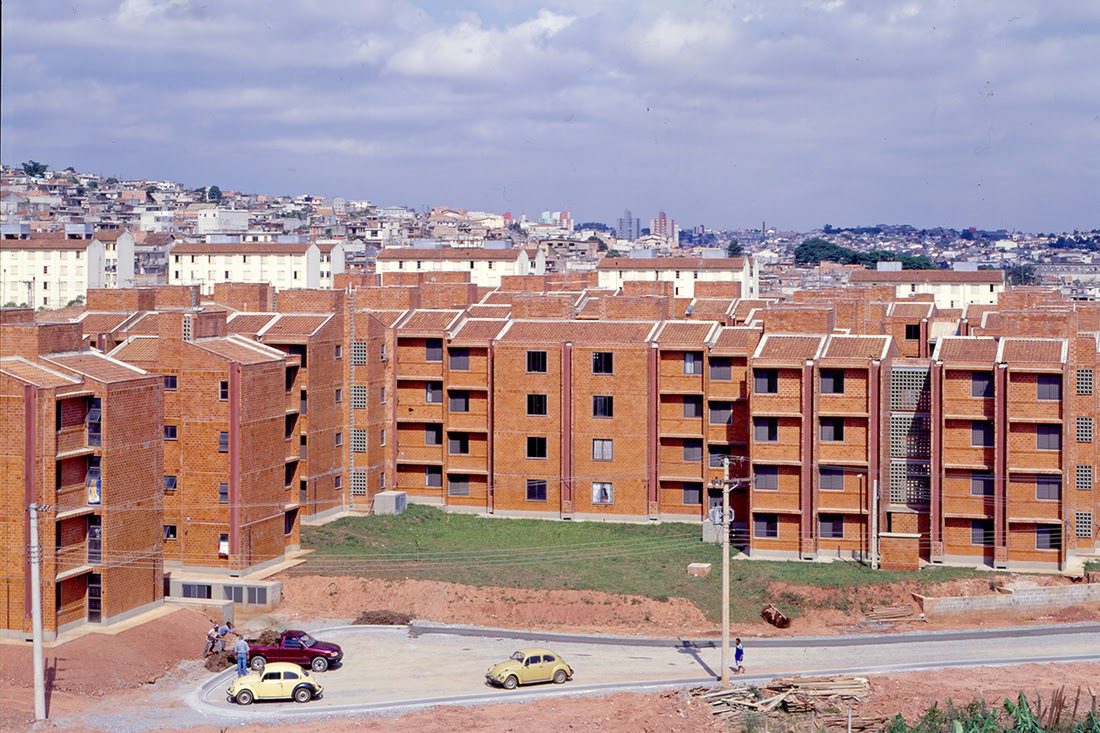
União da Juta. Image © USINA CTAH
Heritage raises the same question of power, because someone always decides what deserves to be preserved. In Latin America, that choice shapes memory, as the Ruínas de São Miguel in Rio Grande do Sul, Brazil, show through the remains of the St. Michael of the Missions. What a society keeps, and what it lets fall, tells you who holds authority over its history.
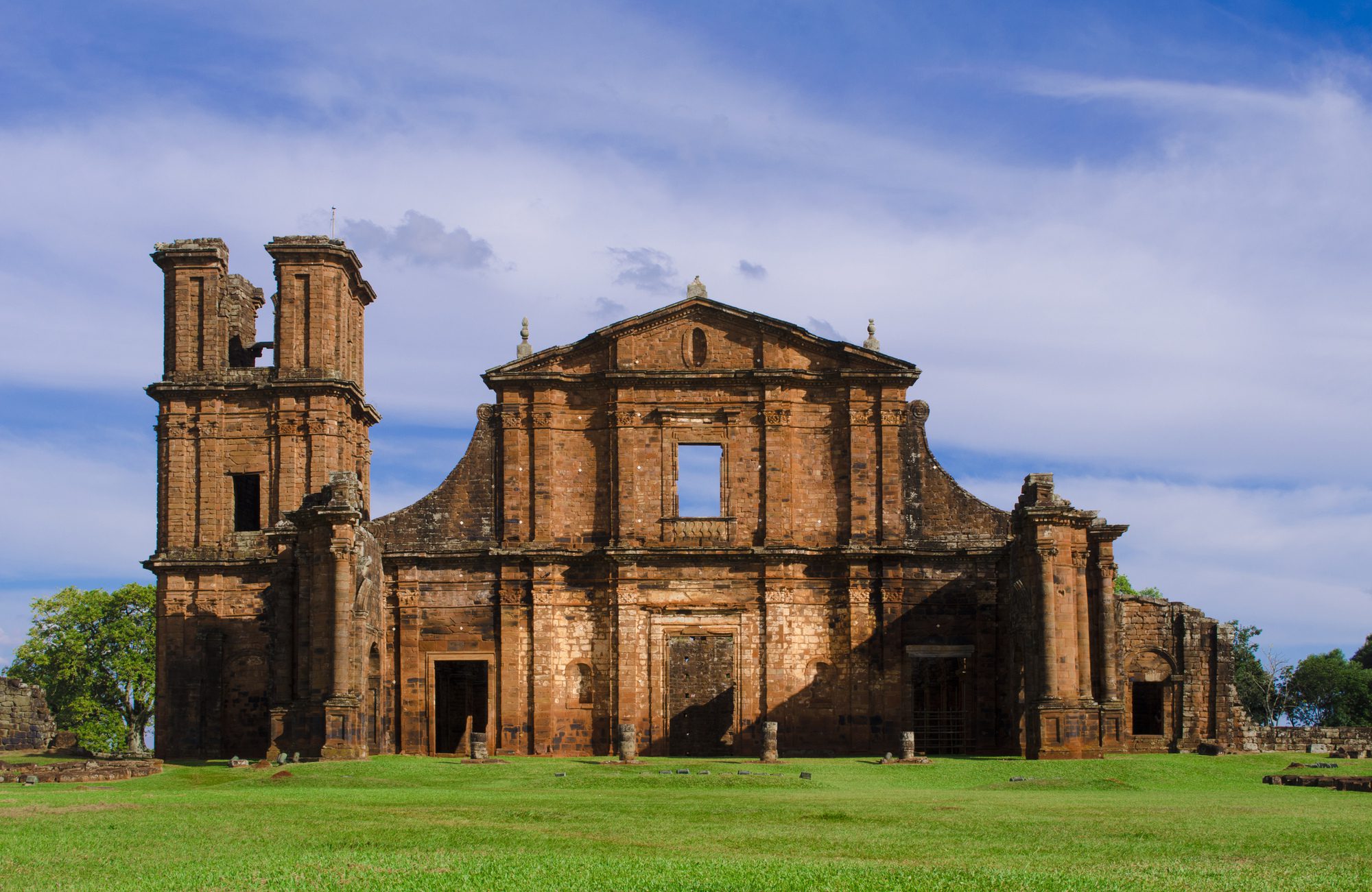
Ruínas de São Miguel – St. Michael of the Missions – Rio Grande do Sul – Brazil. Image © Dicklyon via Wikimedia Commons, licensed under CC BY-SA 4.0
These four themes join public space, territory, housing, and symbolism into one reading of architecture and democracy. This entry continues ArchDaily’s work on United Nations International Days, which has already covered International Youth Day, International Day of the World’s Indigenous Peoples, World Population Day, World Environment Day, Africa Day, and International Mother Earth Day.

Nora is an architect and editor with a degree from Pratt Institute. She bridges design practice and architectural criticism, documenting contemporary urban transformations through compelling visual narratives.