

The most unsustainable building materials, measured by their carbon footprint, are those made with very high heat or energy and used in large quantities: Portland cement and the concrete made from it, virgin steel, primary aluminium, and plastics such as PVC and polystyrene insulation, along with glass in heavily glazed façades. But no material is unsustainable everywhere: what matters is how much you use, how long it lasts, and whether it can be reused. This explainer sets out why materials matter, how embodied carbon is measured, which materials have the highest impact per kilogram and per building, the alternatives, and the design strategies that cut carbon most.
It is written for architects, students and clients who want a practical, evidence-based view rather than a blacklist.
Why materials matter
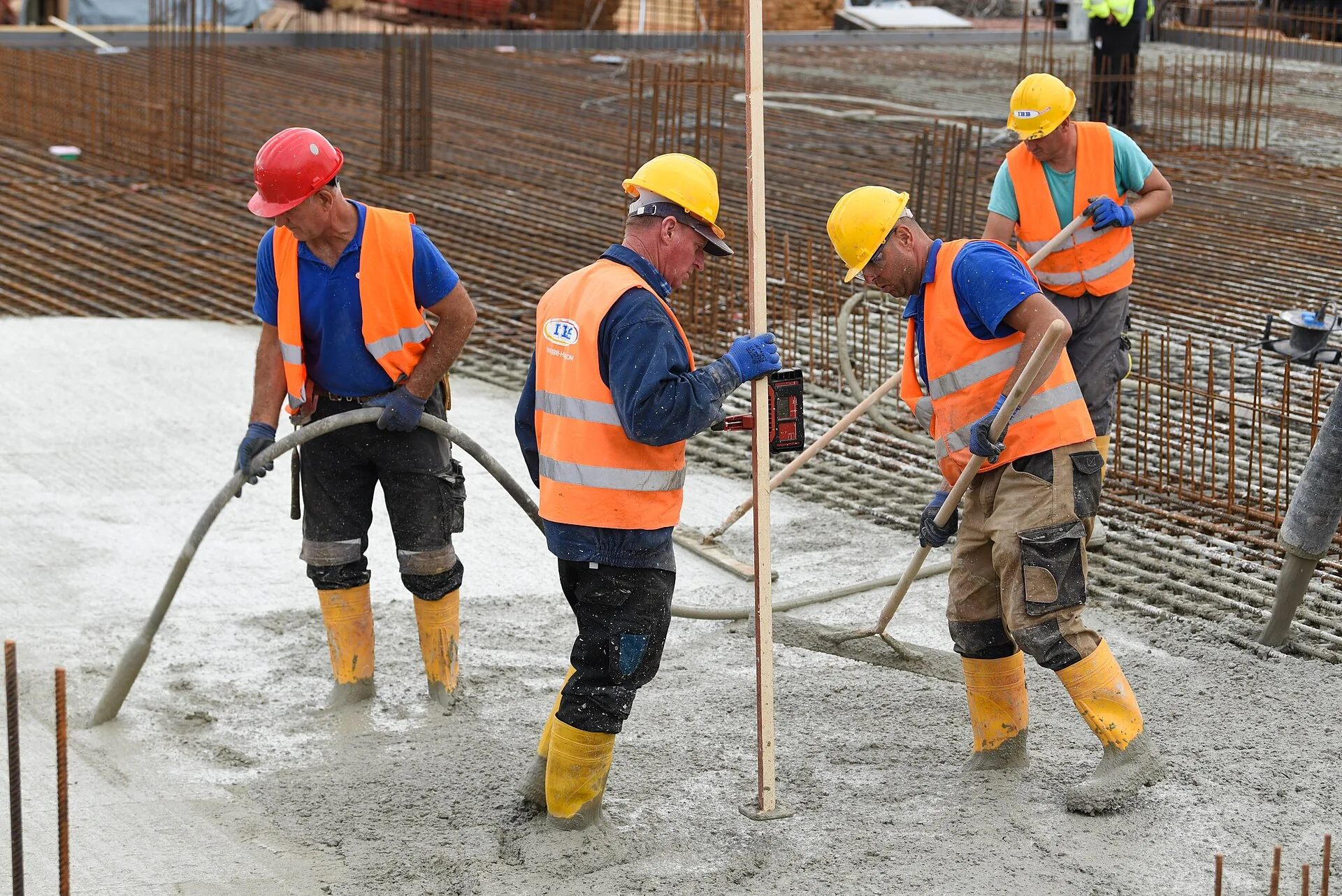
As buildings become more energy-efficient to run, the carbon emitted to make their materials becomes a larger share of their total life-cycle footprint. That carbon is emitted before anyone moves in, and it cannot be reduced later by switching to renewable electricity. Cement alone is a major source: Chatham House’s 2018 report found that cement production, at more than 4 billion tonnes a year, accounts for around 8% of global CO2 emissions. Steel production is another large industrial source, and the construction sector is one of its biggest customers.
Choosing materials is therefore one of the most powerful climate decisions in a project, and it is made early, at the design stage. For the wider context, see what sustainable architecture means in practice.
Embodied carbon basics
Embodied carbon is the greenhouse gas emitted to extract, manufacture, transport, install, maintain and finally dispose of a material, as opposed to operational carbon from heating, cooling and powering a building. It is usually expressed in kilograms of CO2 equivalent (kgCO2e) per kilogram of material, or per square metre of building.
The life cycle is divided into stages under the European standard EN 15978: product stage (A1–A3: raw materials, transport to the factory, manufacturing), construction (A4–A5), use (B), end of life (C) and benefits beyond the building, such as reuse or recycling (D). Most published comparisons focus on A1–A3, the “cradle to gate” figure found in environmental product declarations (EPDs) and databases.
For an early estimate, use an identified database with its version, geography and system boundary recorded. For procurement, request product-specific environmental product declarations using compatible product-category rules. A kilogram of aluminium, concrete and insulation does not provide the same building function; a meaningful comparison must also include the required quantity, service life and performance.
| Material family | Main factors to examine | Comparable decision to test |
|---|---|---|
| Concrete | Cement content, strength, binder substitution, quantity and curing constraints | Structurally equivalent design and supplier-specific mixes |
| Steel | Production route, electricity, recycled input, quantity and reuse potential | Equivalent member capacity and connection/reuse strategy |
| Aluminium | Smelter electricity, alloy, recycled content, finish and recovery | Equivalent façade performance and service life |
| Insulation and membranes | Declared functional unit, thickness, durability, moisture and fire requirements | Whole assembly meeting the same thermal and safety performance |
| Timber and bio-based materials | Traceable supply, land-use assumptions, moisture, durability and biogenic accounting | Consistent life-cycle boundary including end of life |
| Glass and façade systems | Glazing ratio, frames, coatings, shading, replacement and operational loads | Equal daylight, comfort and envelope requirements |
Source: Arch2O comparison framework informed by Circular Ecology’s database scope; no unsourced universal factors (as of 23 October 2026).
Read a material’s impact alongside the quantities in the design. A low figure per kilogram can still produce a large project total when used in great volume. Conversely, a thin high-impact component may represent a small share of the building. The following table is a specification checklist rather than a numerical ranking of unlike materials.
High-impact materials: the most unsustainable building materials in practice
Portland cement and concrete
Concrete heads most lists of unsustainable building materials because of its sheer volume. Cement is made by heating limestone and clay to about 1,450°C to make clinker. Emissions come both from the fuel and from the chemical reaction itself, as limestone (calcium carbonate) releases CO2 when it becomes lime; more than half of cement’s emissions are linked to clinker production. Because concrete is cheap, strong and versatile, it is often overused: thick slabs, deep basements and oversized foundations multiply its footprint.
Virgin steel
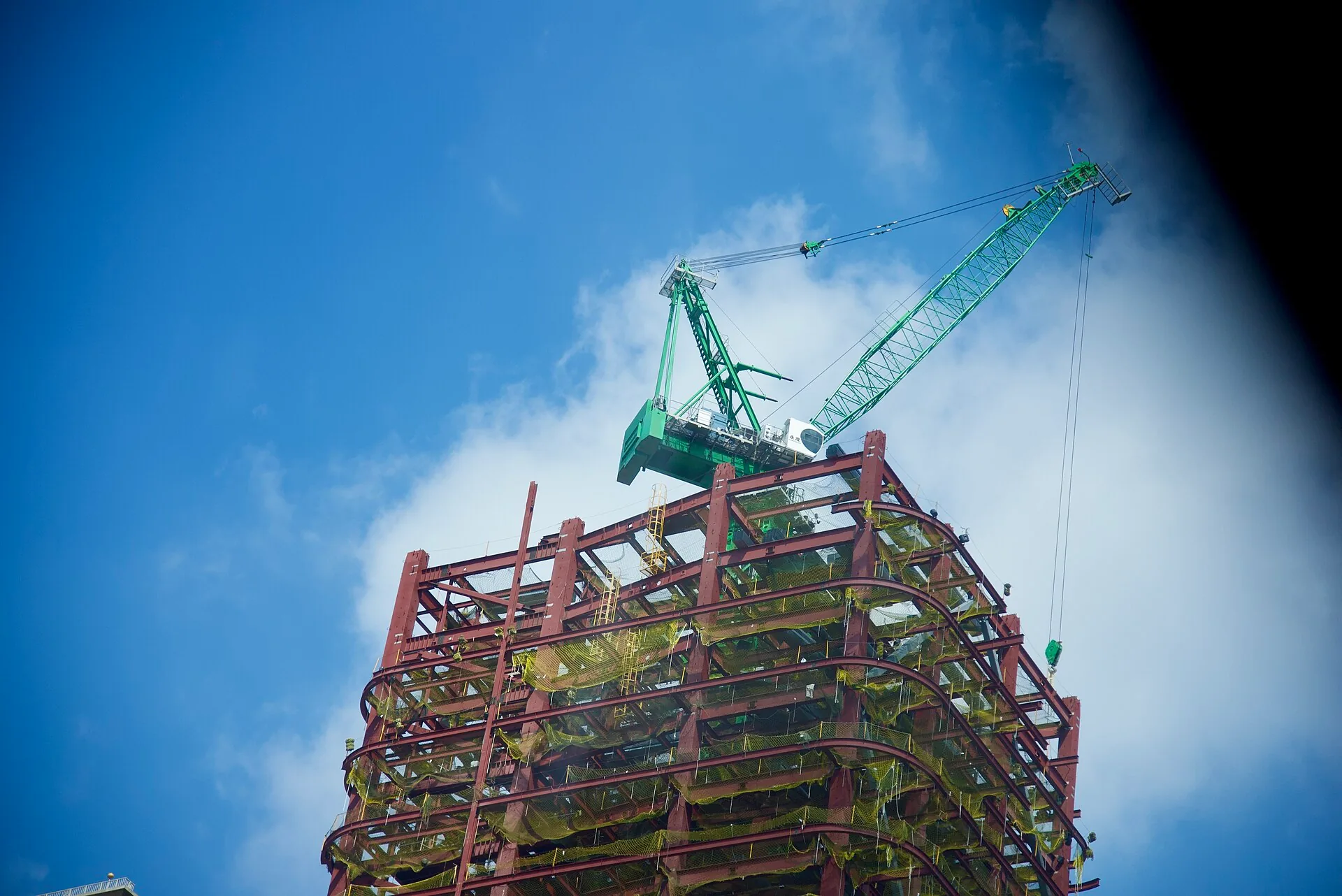
Steel made from iron ore in blast furnaces uses coal-derived coke and is far more carbon-intensive than steel made from scrap in electric arc furnaces. The emissions depend on the production route, electricity supply, recycled input and product; do not assign one generic steel factor to every supplier. Steel’s advantage is that it can be recycled repeatedly and, if designed for disassembly, reused without melting.
Primary aluminium
Aluminium smelting uses huge amounts of electricity, so its footprint depends heavily on the grid powering the smelter. Per kilogram, it is among the highest-impact common building materials, which matters for curtain walls, window frames, cladding and solar mounting systems. Recycled aluminium needs only a fraction of the energy, so recycled content and end-of-life recovery are essential.
PVC and plastic foams
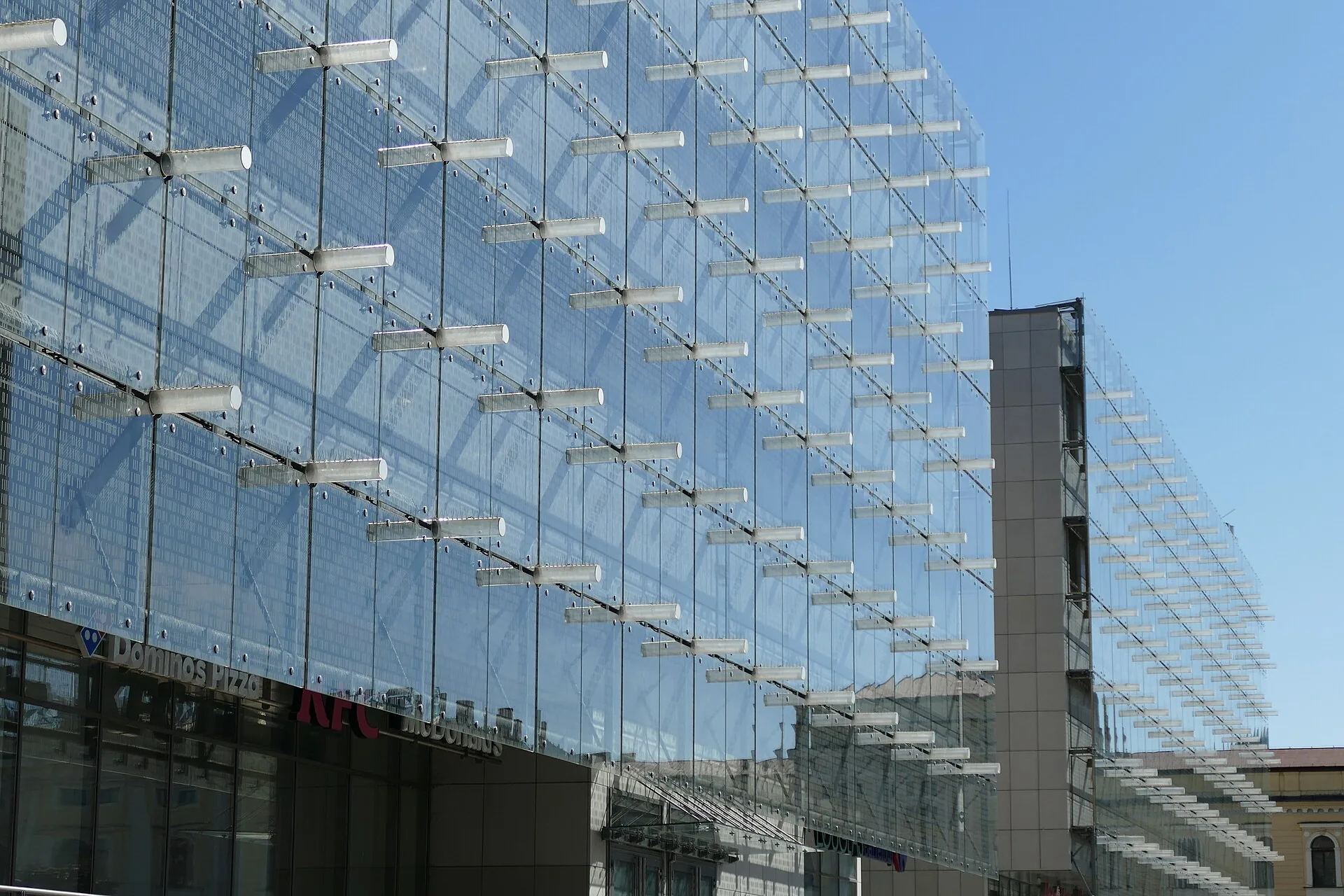
PVC windows, pipes, membranes and flooring, and polystyrene and polyurethane insulation, are made from fossil feedstocks and are high in embodied carbon per kilogram. Some also raise concerns about additives, fire behaviour and limited recycling at end of life. Insulation is the paradox: the operational savings from insulation must be assessed alongside its embodied impact over the building’s actual life, so the aim is to choose lower-carbon insulation where it performs, not to abandon insulation.
Glass in fully glazed façades
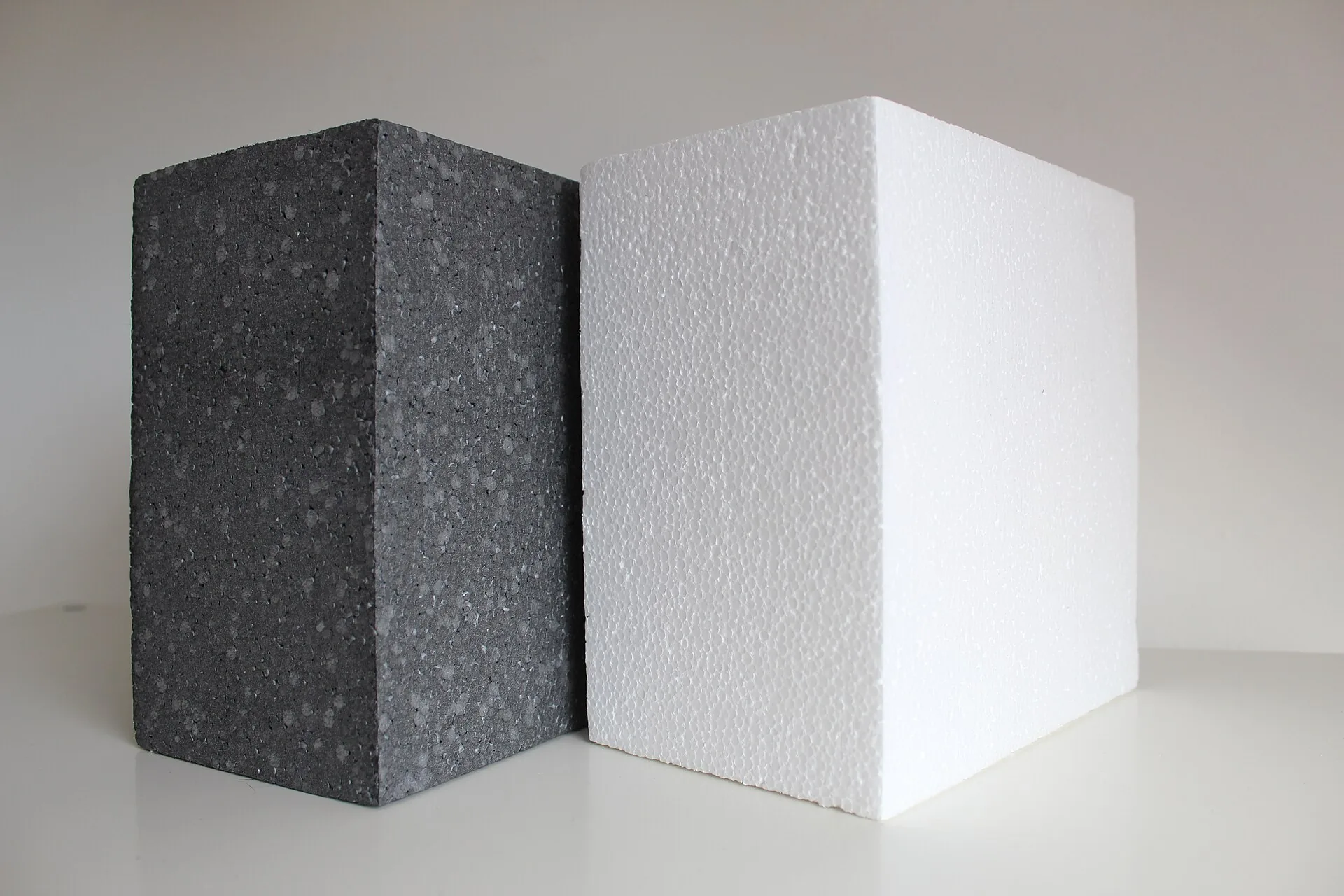
Glass itself is moderate per kilogram, but fully glazed towers combine large amounts of glass with aluminium frames, and often need heavy cooling. The issue is less the material than the design choice to glaze every façade regardless of orientation.
Unsustainably sourced timber and stone
Timber from illegal or unmanaged logging contributes to deforestation, and stone shipped across the world carries a large transport footprint. These are sourcing problems: certified timber and local stone can be among the lowest-impact materials available.
Alternatives to unsustainable building materials
- Low-carbon concrete: replace part of the cement with supplementary materials such as ground granulated blast-furnace slag (GGBS), fly ash or calcined clay, specify the strength actually needed, and design slabs efficiently.
- Timber and mass timber: certified sawn timber, glulam and cross-laminated timber (CLT) for structure, which also store carbon for the life of the building.
- Recycled and reused steel: electric-arc steel with high scrap content, and reclaimed sections from demolished buildings.
- Earth and bio-based materials: rammed earth, compressed earth blocks, straw bale, and hempcrete for walls and insulation.
- Natural insulation: wood fibre, cellulose, cork, sheep’s wool and hemp, where their thickness and moisture behaviour suit the build-up.
- Reused components: bricks, steel, timber, raised-access floors and façade panels from deconstructed buildings.
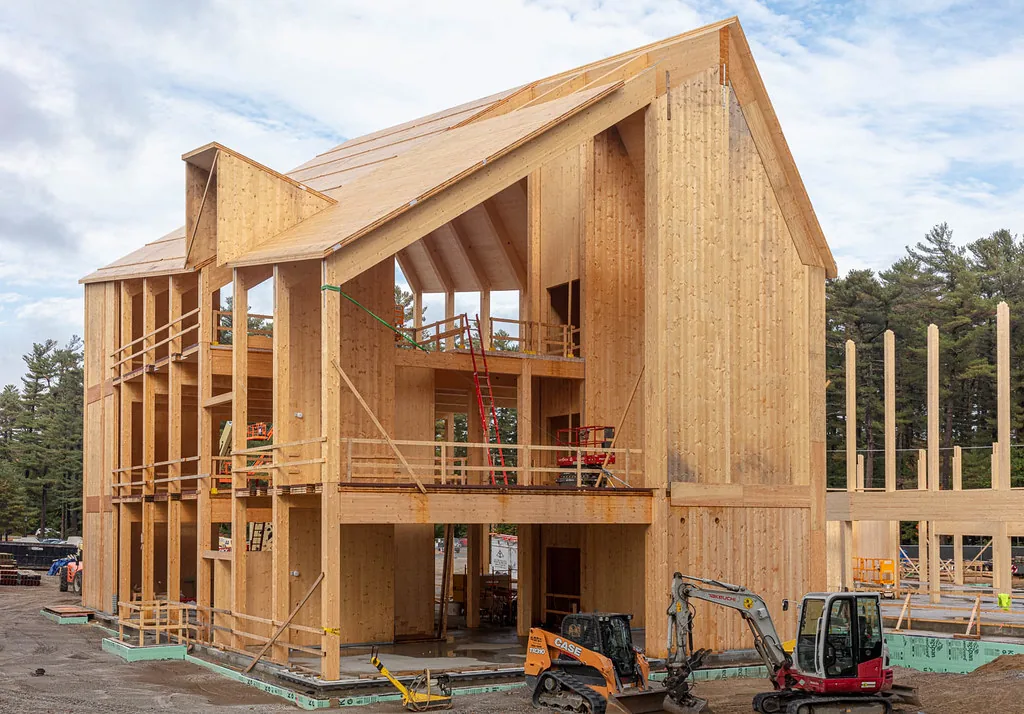
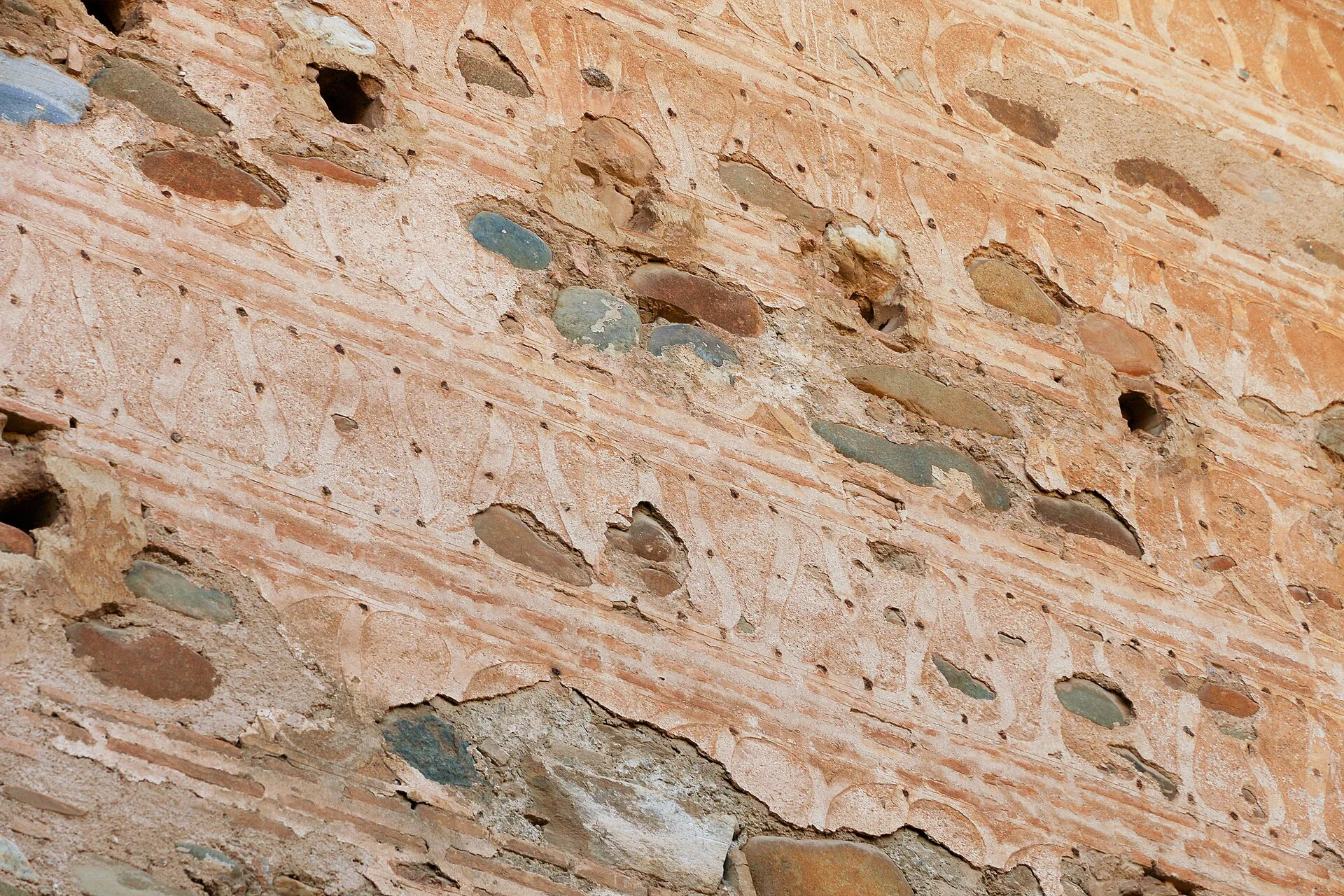
Alternatives have their own limits: timber needs fire, moisture and acoustic design; earth needs protection from rain; recycled content depends on supply; and every product should be compared with EPDs on the same functional basis. For more on the options, see our article on the potential of sustainable products and materials.
Design strategies that reduce unsustainable building materials
- Build less: reuse and refurbish existing buildings before building new; retrofit usually has far lower embodied carbon than demolition and rebuild.
- Build light: efficient structural grids, shorter spans and optimised slabs reduce concrete and steel.
- Choose by function: compare materials per square metre of wall, floor or roof for the same performance and service life, not per kilogram.
- Specify, then measure: set carbon limits in the brief and ask suppliers for product-specific EPDs.
- Design for disassembly: bolted rather than welded connections, accessible fixings and material passports allow future reuse.
- Use local materials: reduce transport and support local skills, as long as the material suits the climate.
A checklist for reducing unsustainable building materials on your project
- Reuse first: keep existing structure, façades and floors wherever possible.
- Measure: run an embodied carbon assessment at concept stage and again at technical design.
- Use less: optimise structural spans, avoid unnecessary finishes and oversized members.
- Specify lower-carbon versions of necessary materials, such as cement replacements in concrete and recycled steel.
- Prefer materials with verified Environmental Product Declarations.
- Avoid hazardous substances and materials that are difficult to recycle, such as composites bonded with adhesives.
- Design for disassembly with mechanical fixings, so materials can be recovered.
- Source locally where it reduces transport and supports traceability.
Applied consistently, this checklist turns the question of which unsustainable building materials to avoid into a design process that can be audited and improved on every project.
Replace a material only after defining its job
Start with the required strength, durability, fire performance, moisture exposure and design life. Then compare technically suitable assemblies with a consistent life-cycle boundary. Concrete, steel, timber and earth are not interchangeable simply because they have different embodied-carbon figures per kilogram. Reducing quantities, reusing components and retaining a building can be more useful options than swapping a material name. Document the data source and uncertainty, and avoid calling a material universally unsustainable regardless of how and where it is used.
For the wider specification process, our guide to selecting architectural building materials explains how to compare requirements before choosing a product.
Summary
The most unsustainable building materials in carbon terms are cement-heavy concrete, virgin steel, primary aluminium and plastics such as PVC and polystyrene, especially when they are overused or cannot be recovered. The answer is rarely to ban them; it is to use less, choose lower-carbon versions, keep existing buildings, and compare materials by function using EPDs. Start with reuse and efficient structure, then specify low-carbon concrete, recycled metals and bio-based materials where they perform.

Luca Moretti is a content strategist with a foundation in urban design and architecture. Based in Milan, he focuses on writing that bridges aesthetics, material culture, and everyday spatial experiences.