

Household dust is more than a cosmetic nuisance. It’s typically a mixture of dust-mite waste, pollen tracked in from outside, pet dander, skin flakes, mold fragments, and tiny fibers shed from furniture and textiles. For most people, this blend is just part of everyday indoor life, but for anyone with allergies or asthma, it can be a real source of discomfort. Reducing exposure to household dust isn’t really about eliminating every last particle—it’s about building a consistent, whole-home routine. Cleaning floors and upholstery with a vacuum can be one useful part of that routine, alongside humidity control, fabric care, and proper ventilation. No single tool or product does the job alone.
Key takeaway: Source control and regular cleaning work better together than relying on any one intervention, whether that’s a specific cleaning product, an air purifier, or an occasional deep clean.
It’s also worth drawing a line between general dust reduction for everyday comfort and the more specific needs of someone managing diagnosed allergies or asthma. The strategies below are aimed at the former; anyone dealing with ongoing respiratory symptoms should still check in with a healthcare professional for guidance tailored to their situation.
Why Household Dust Matters
What household dust can contain
Settled household dust is rarely just one substance. It usually includes dust-mite body fragments and waste, pollen that sneaks in through doors, windows, and on clothing, pet dander, small amounts of mold spores, and fibers released from carpets, upholstery, and clothing. These particles build up on floors, shelves, window coverings, bedding, and other soft surfaces—often invisibly, until the right light or a bit of disturbance makes them obvious.
Why cleaning can temporarily worsen airborne particles
Dry dusting, sweeping, and brisk cleaning motions can actually lift settled particles back into the air instead of removing them. Vacuuming can do the same, temporarily raising airborne allergen levels, particularly with older equipment or techniques that stir up more dust than they capture. Public-health resources, including guidance referenced by the U.S. Environmental Protection Agency, generally recommend ventilating a space during and after cleaning and giving disturbed dust time to resettle before assuming a room is truly “clean.”
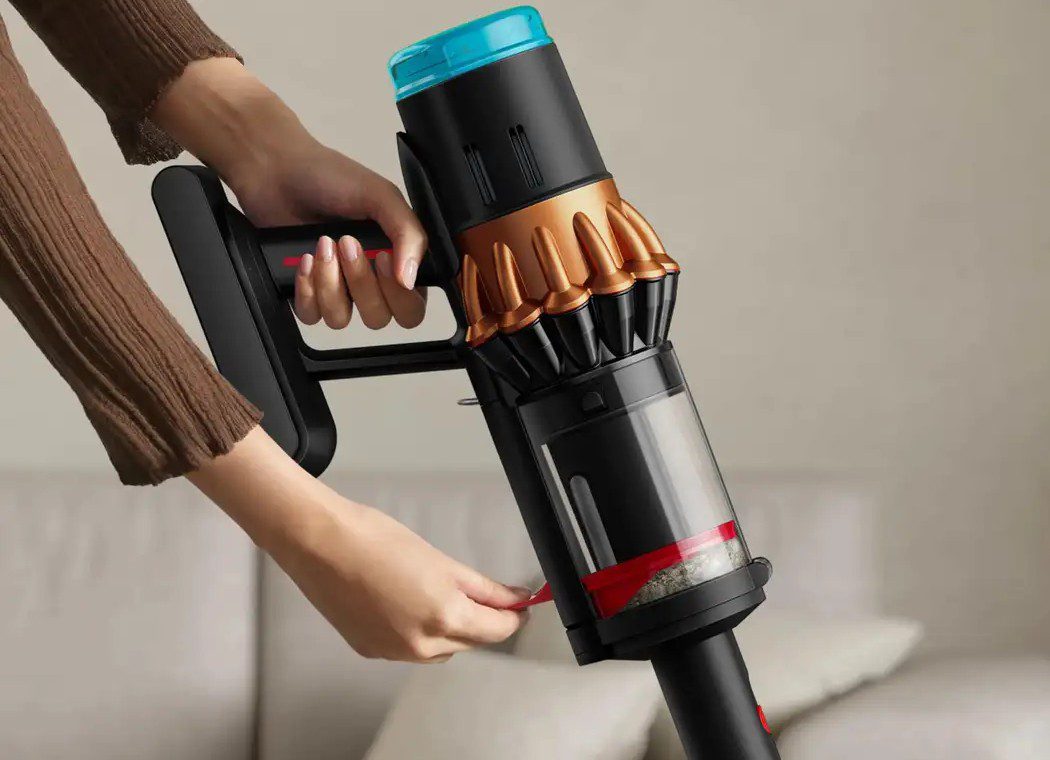
Dyson V16 Piston Animal Cordless Vacuum
Control Moisture to Limit Dust Mites and Mold
Dust mites and mold both thrive in damp conditions, which makes moisture control a foundational—if incomplete—part of managing household dust. Keep indoor humidity at or below 50% where practical, especially in bathrooms, kitchens, and basements. Practical steps include fixing plumbing leaks promptly, running exhaust fans during and after showers or cooking, improving airflow between rooms, and using air conditioning or a dehumidifier in persistently humid climates. Address leaks and visible moisture problems right away, since damp materials can support mold growth in as little as one to two days. That said, moisture control only addresses the conditions that contribute to dust and allergens—it doesn’t remove what’s already accumulated.
Clean Surfaces Without Spreading Dust
Use damp methods on hard surfaces
A damp microfiber cloth or damp mop traps particles rather than scattering them, which is where dry cloths and feather dusters tend to fall short. Working from higher surfaces downward—shelves, then furniture, then floors—lets loosened dust settle somewhere it can still be collected, rather than drifting back onto areas you’ve already cleaned. Commonly overlooked spots include baseboards, window blinds, electronics, the space beneath furniture, and air-return grilles, all of which should be cleaned according to manufacturer guidance.
Use a consistent cleaning sequence
A simple sequence helps keep things manageable: declutter first, dust high surfaces with a damp method, move on to upholstery and floors, wash removable fabrics, and ventilate the space once you’re done. Frequent, light cleaning sessions are often easier to sustain—and less disruptive to settled dust—than occasional marathon cleanups.
Picture a renter sharing a small bedroom with a roommate, who notices dust piling up on a desk and nightstand just days after cleaning. Often, simply reordering the routine—dusting shelves before vacuuming, then opening a window afterward—cuts down on visible dust without buying a single new product.
Manage Carpets, Rugs, and Upholstered Furniture
Textiles hold onto dust, pollen, and dander far more readily than hard surfaces do. Clean carpets and rugs based on household traffic and sensitivity levels, follow manufacturer care instructions, and periodically move furniture to reach the spots hiding underneath. Wash removable covers whenever labels allow, and try to minimize unnecessary fabric clutter. People with allergies may find it helpful to leave the room during cleaning or wear a mask while doing it.
A HEPA-filtered, or high-efficiency particulate air, system may help cut down on particles released through a vacuum’s exhaust. That said, real-world performance depends heavily on the overall design of the device, how well it’s sealed, and how consistently it’s maintained—filtration is a complement to source control, not a replacement for it.
Reduce Dust in Bedrooms and Soft Furnishings
Bedrooms deserve extra attention, since mattresses, pillows, bedding, and carpets give dust mites plenty of places to settle in. Wash bedding regularly according to care instructions, ideally in hot water when the fabric allows it. Use allergen-impermeable covers for mattresses and pillows when appropriate, opt for washable soft toys, keep clutter near sleeping areas to a minimum, and consider hard or washable flooring where it’s practical.
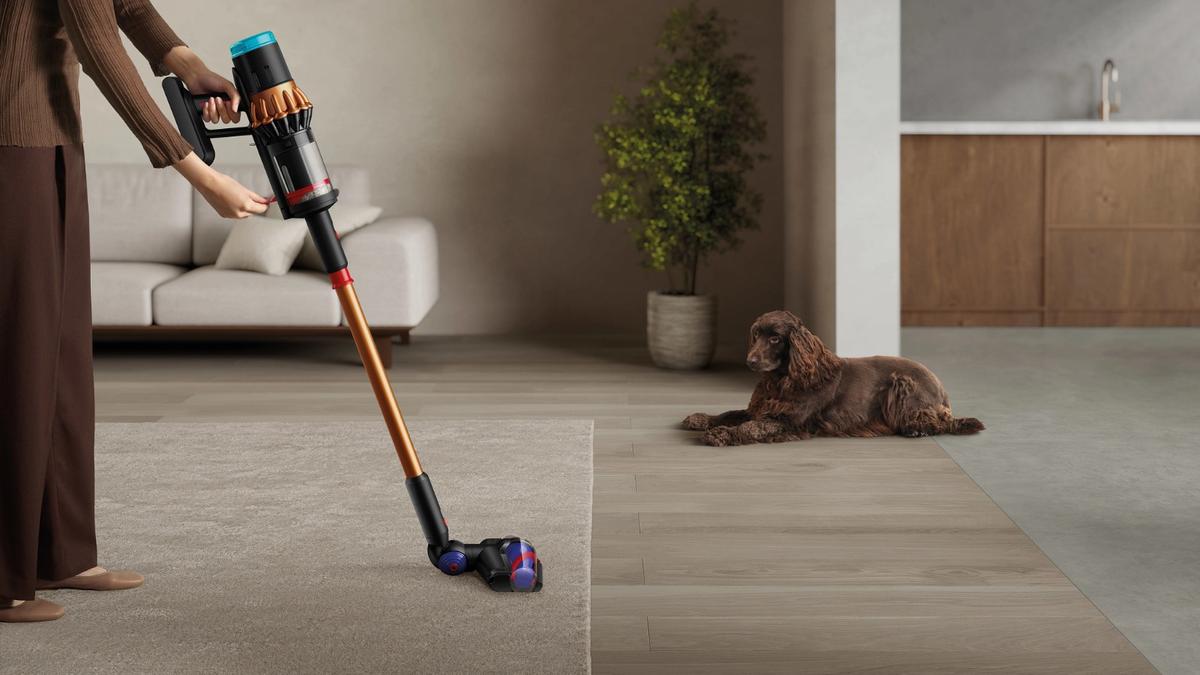
Dyson PencilVac and AI-powered robot vacuum cleaner Spot+Scrub
Safety note: These measures can reduce exposure, but they won’t eliminate dust mites entirely or cure allergies. Anyone dealing with persistent respiratory symptoms should talk to a qualified healthcare provider.
Improve Ventilation and Limit Indoor Pollutants
Indoor air quality is shaped by cooking, combustion appliances, cleaning products, and how much outdoor air makes its way in. Use kitchen and bathroom exhaust fans, ventilate when outdoor air quality allows, keep combustion appliances properly maintained, avoid smoking indoors, and follow manufacturer guidance on HVAC filter replacement. Ventilation and filtration serve different purposes: ventilation swaps indoor air for outdoor air, while filtration removes some particles from the air already circulating inside. Adjust your approach based on local pollen counts, wildfire smoke, or pollution advisories.
A Practical Dust-Reduction Routine
- Address leaks, dampness, and visible mold safely.
- Reduce clutter and get rid of unnecessary dust-collecting items.
- Dust hard surfaces with a damp cloth or mop.
- Clean carpets, rugs, and upholstery per care instructions.
- Wash bedding and frequently handled fabrics regularly.
- Maintain appropriate humidity and ventilation.
- Replace or clean filters as directed by the manufacturer.
- Adjust precautions for household members with asthma or allergies.
Choose your priority:
– Visible dust: focus on damp dusting and floor cleaning.
– Bedroom symptoms: prioritize bedding, encasements, and humidity.
– Pet-related particles: focus on grooming and washable fabrics.
– Damp or musty areas: investigate moisture sources first.
Common Mistakes to Avoid
Avoid promising yourself a completely dust-free home—it’s not realistic. Skip the dry dusting that just redistributes particles instead of removing them, and don’t ignore moisture problems while fixating only on floors. Don’t skip fabric or equipment care instructions, and don’t assume a filter can replace routine cleaning. Take precautions when cleaning around sensitive individuals, and steer clear of making unverified medical claims about allergy prevention.
A Cleaner Home Is Built on Consistent Habits
Effective dust management comes down to moisture control, careful surface cleaning, fabric maintenance, and ventilation—working together, not any single method carrying the load. Start with the rooms that affect your daily comfort the most, rather than trying to overhaul the entire house at once. A modest routine repeated consistently tends to beat an elaborate one-time effort every time. Keep track of which changes actually reduce visible dust or symptoms, and consult a healthcare professional if respiratory concerns stick around.

Ruba Ahmed, a senior project editor at Arch2O and an Alexandria University graduate, has reviewed hundreds of architectural projects with precision and insight. Specializing in architecture and urban design, she excels in project curation, topic selection, and interdepartmental collaboration. Her dedication and expertise make her a pivotal asset to Arch2O.