

photography by © Sobajima, Toshihiro
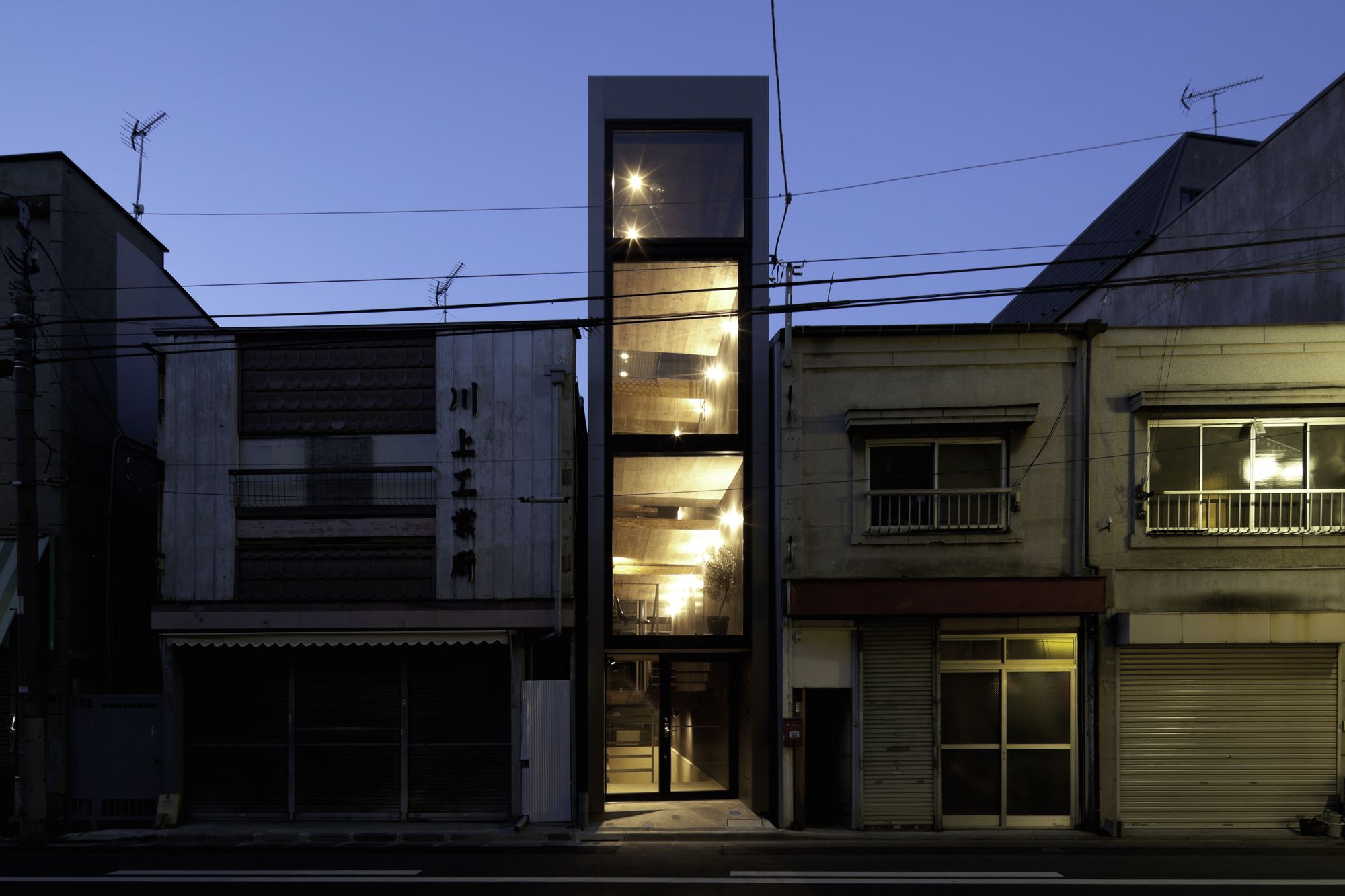
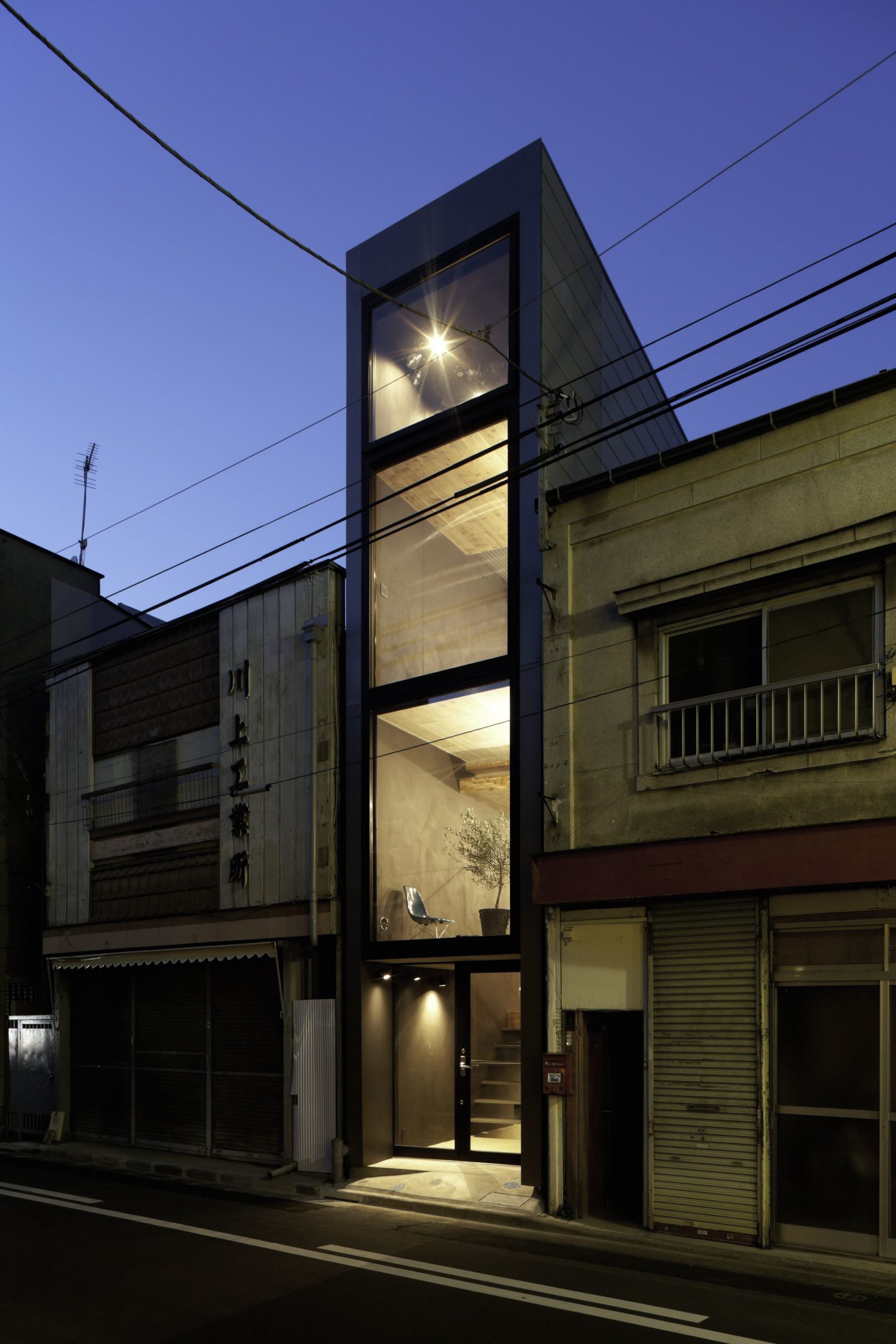
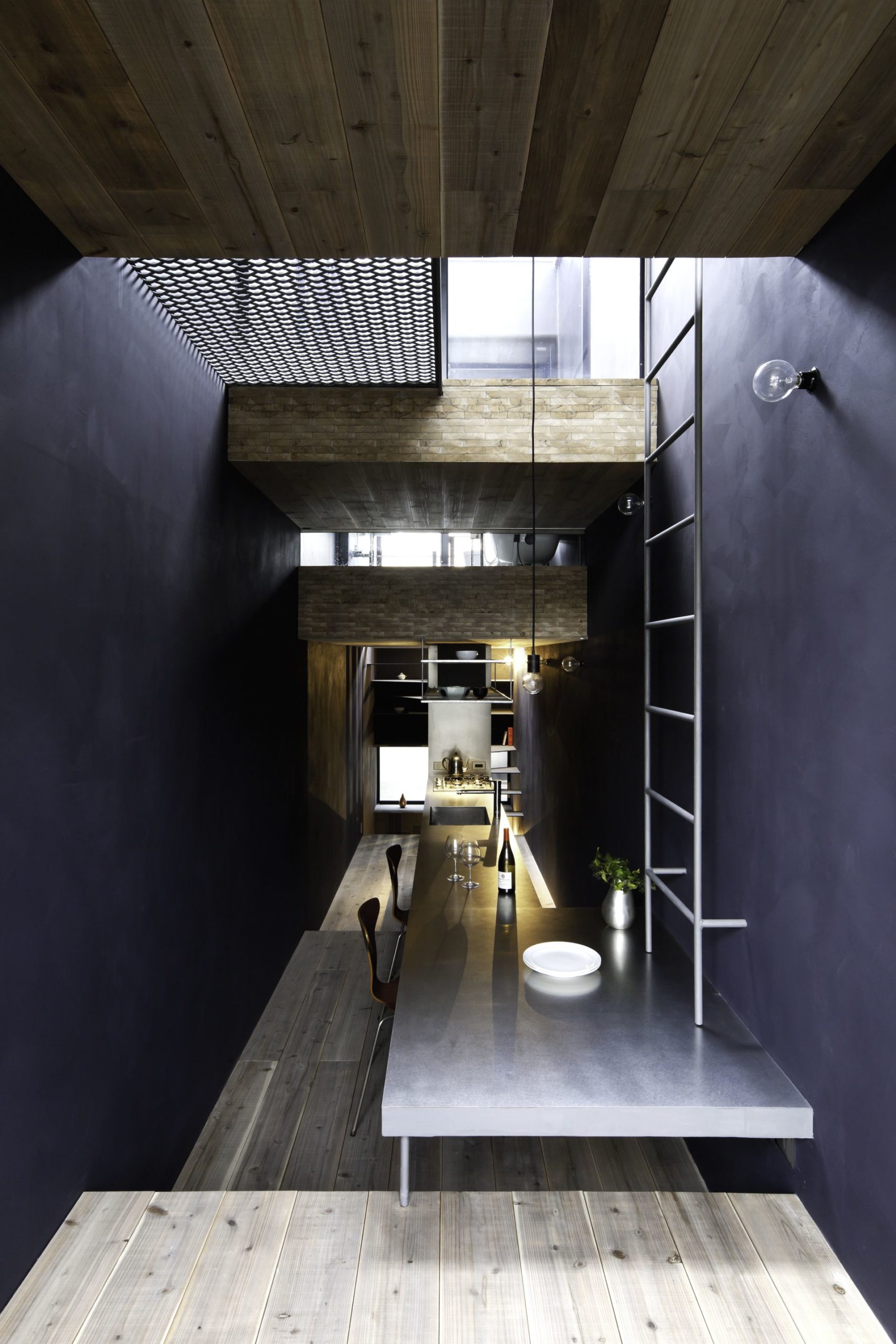
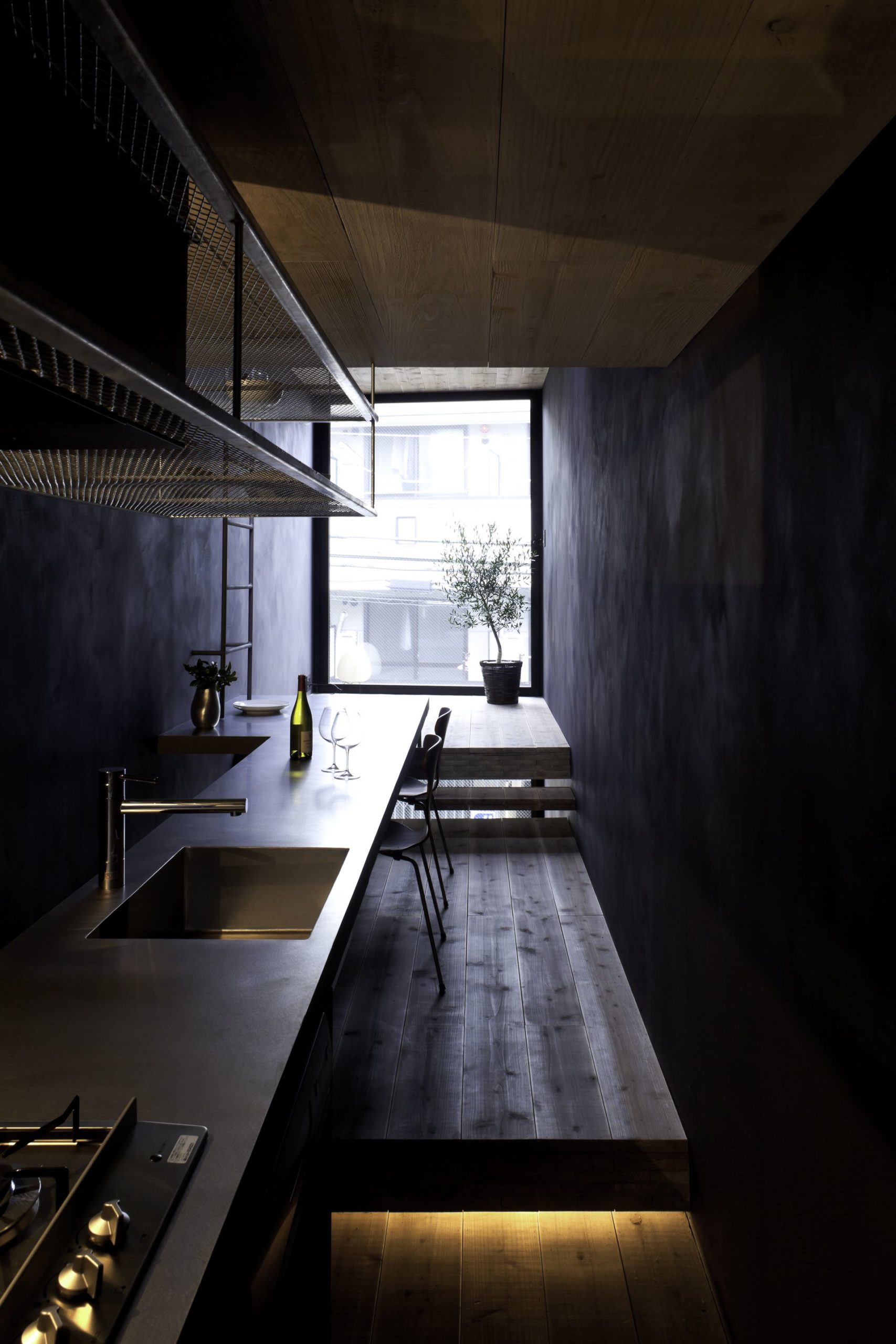
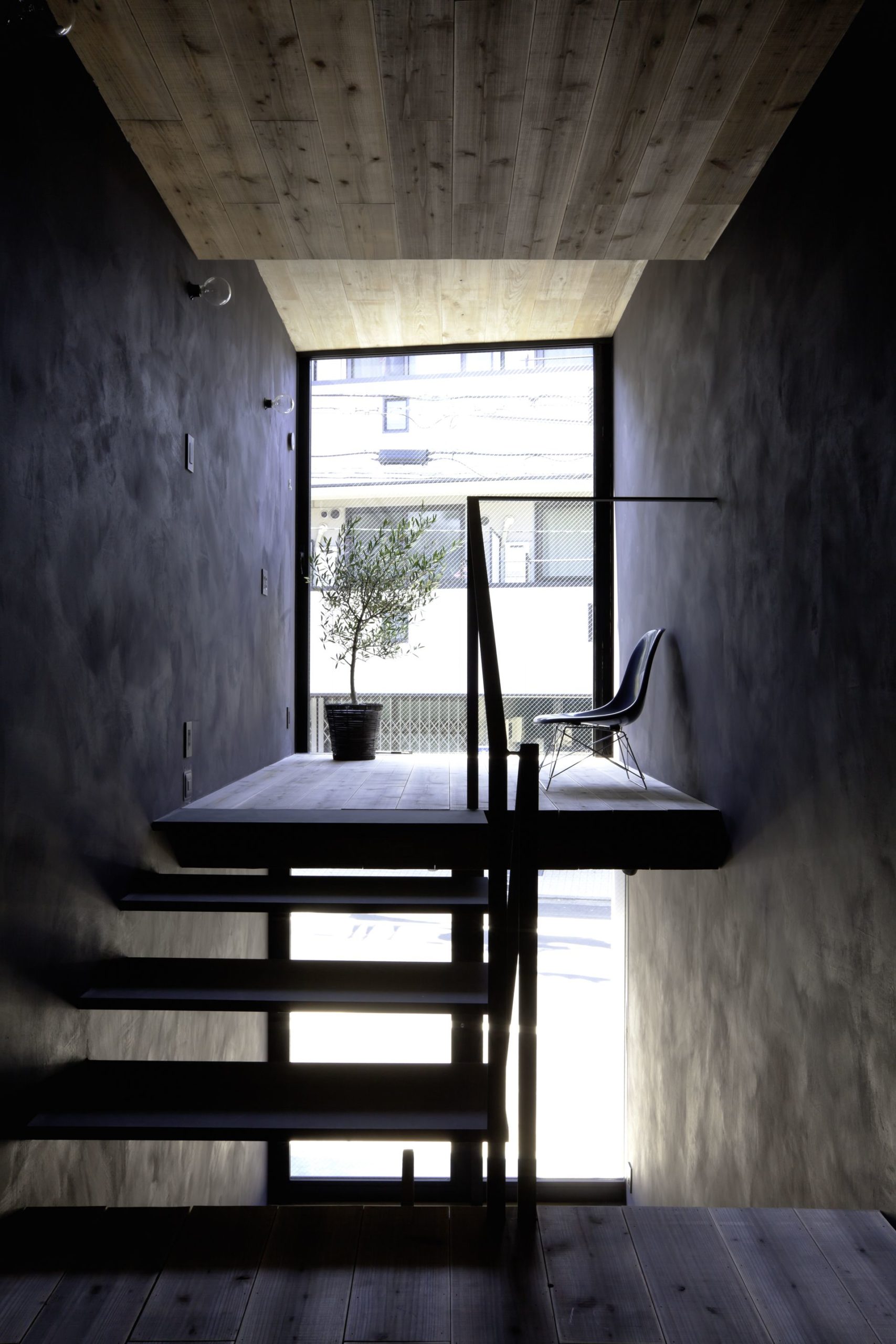
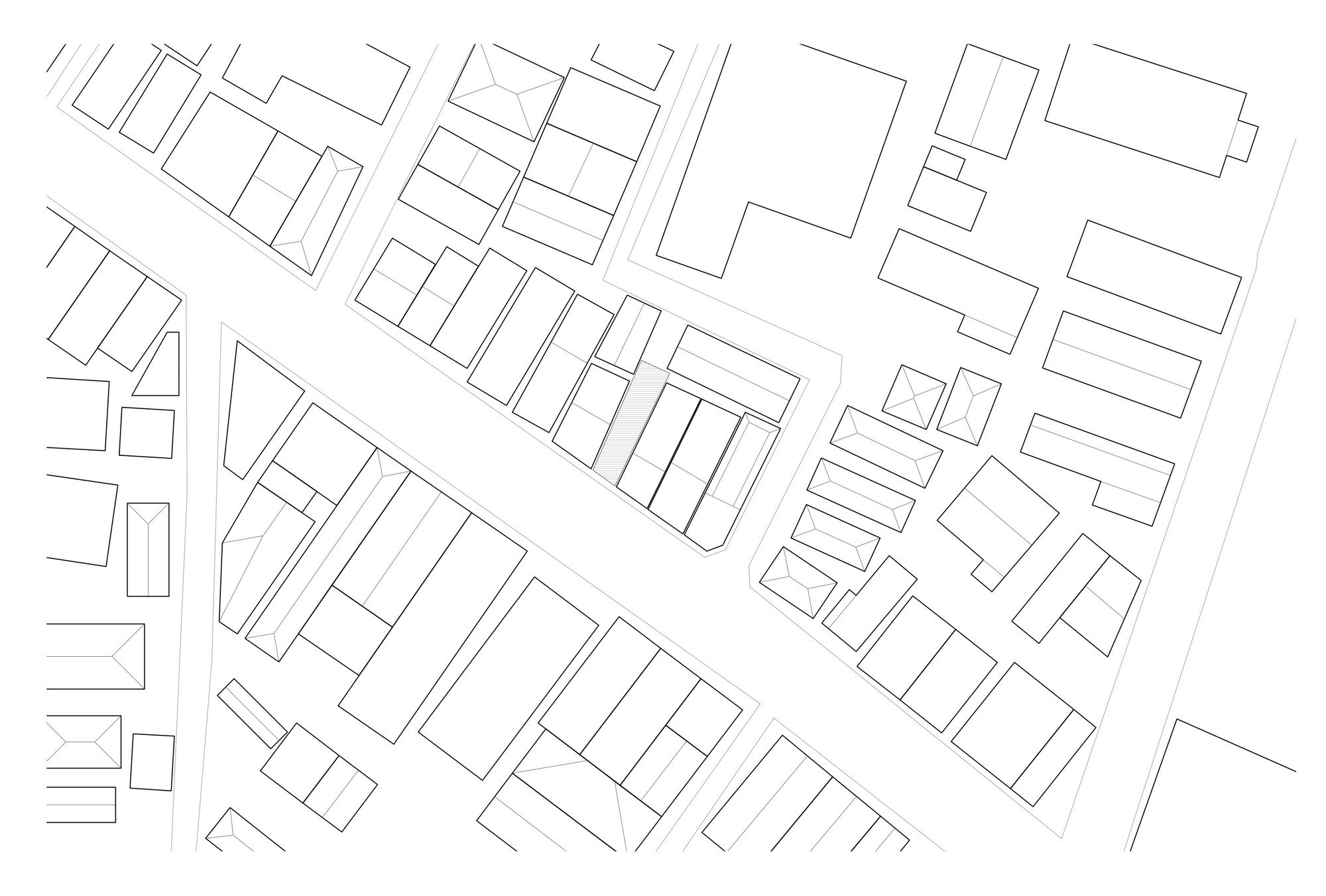
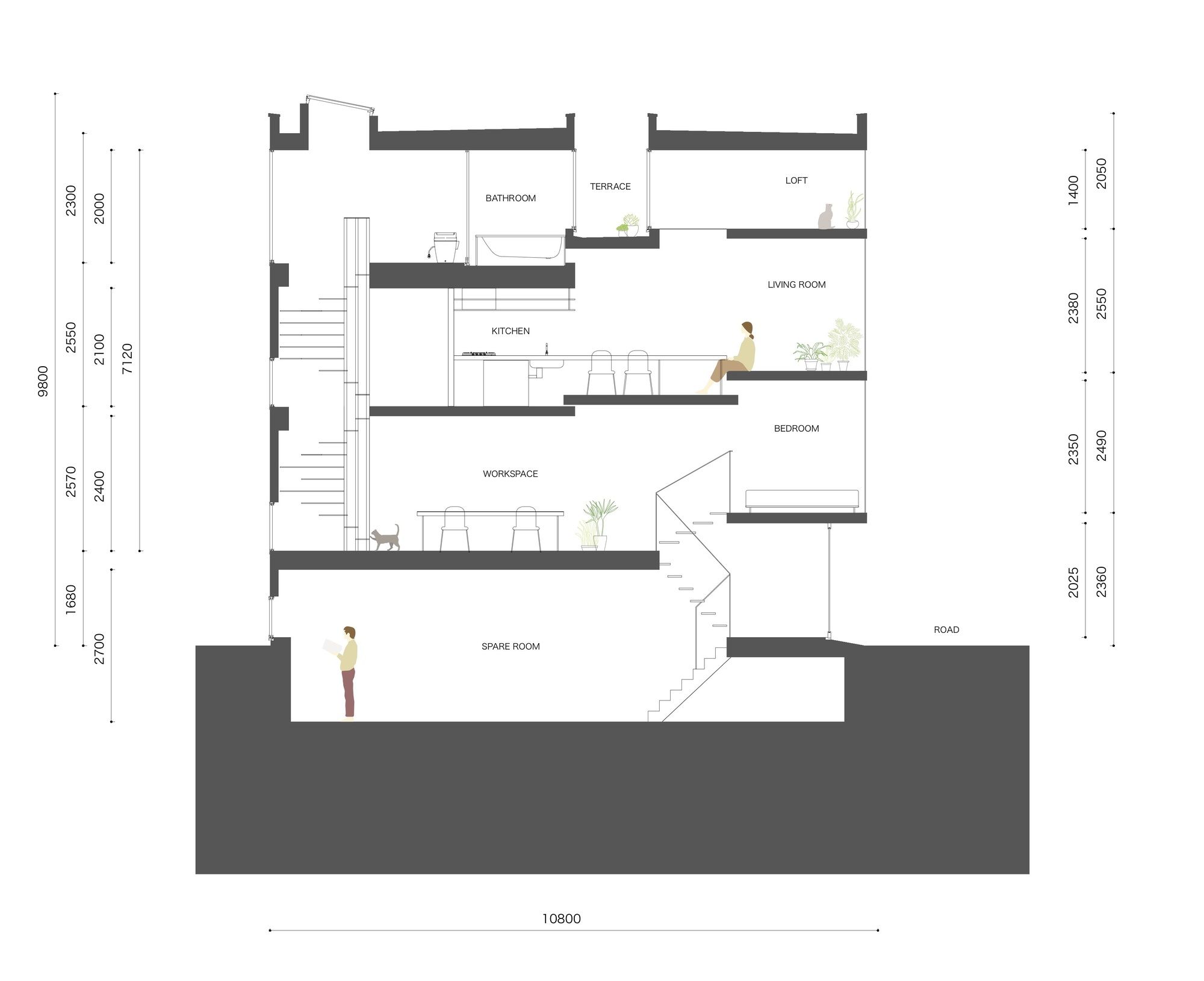
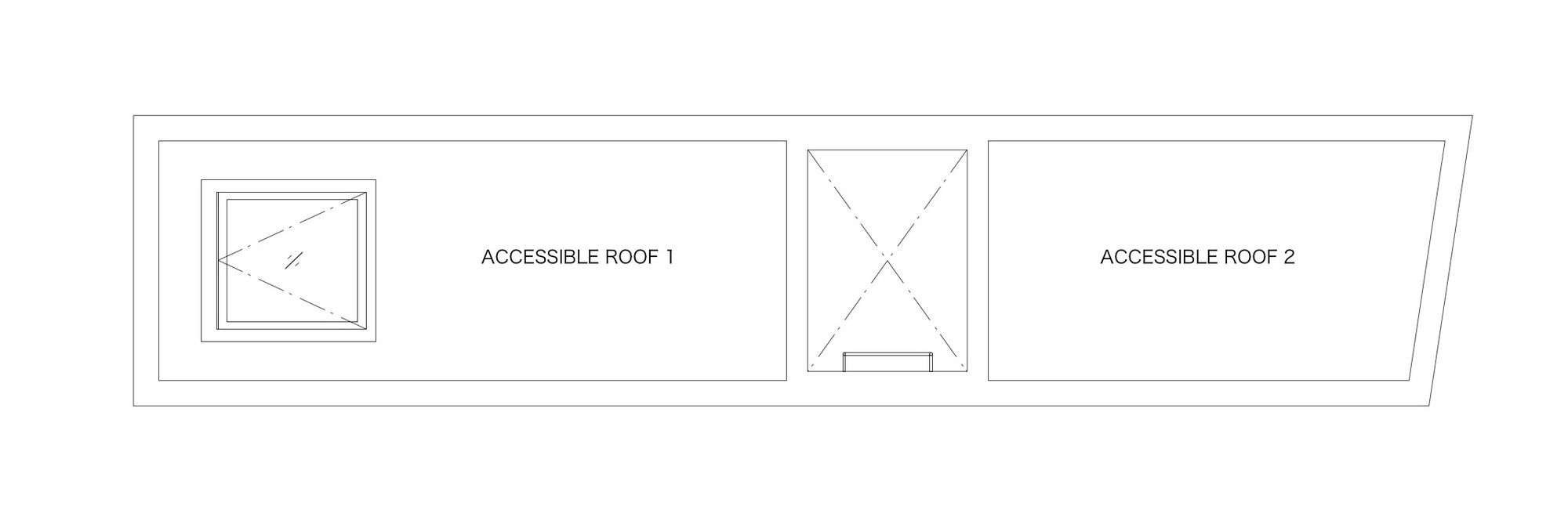
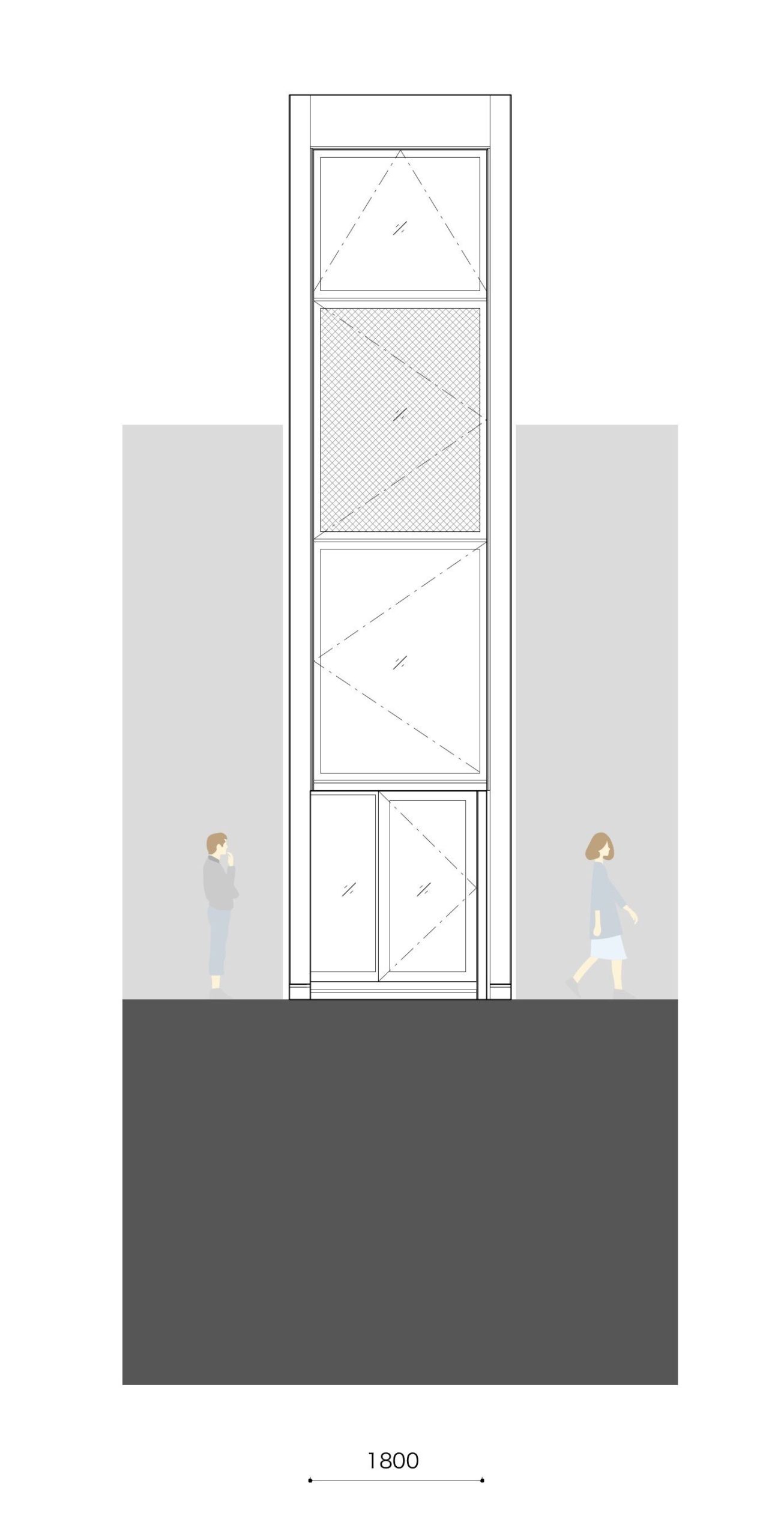
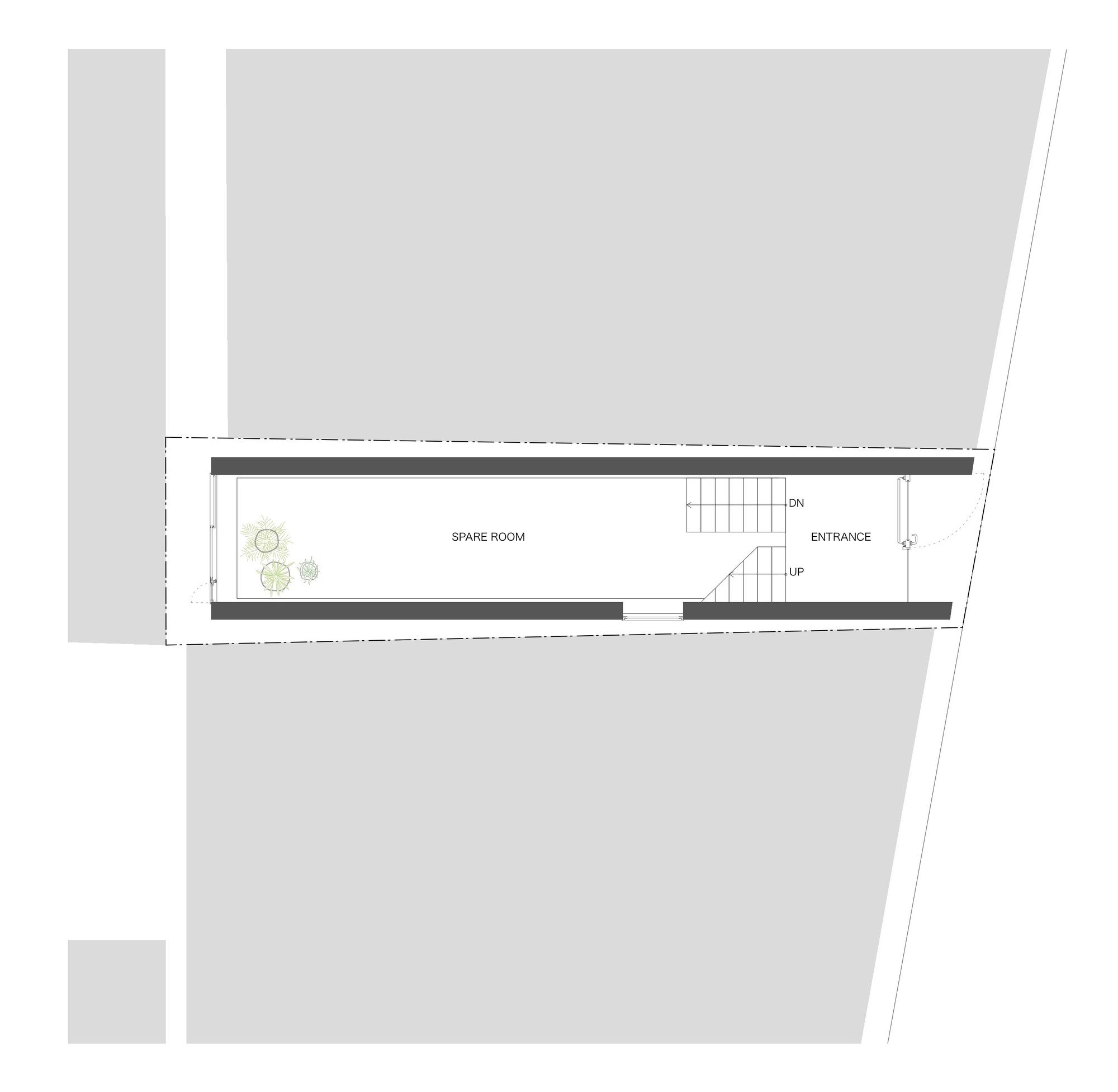
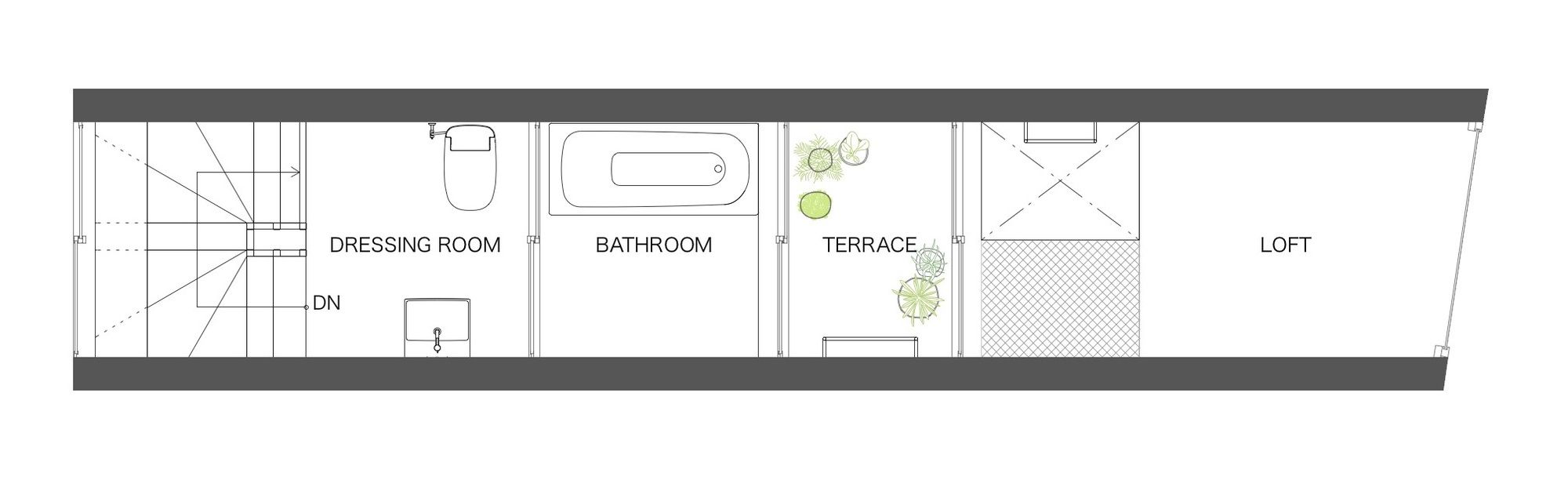
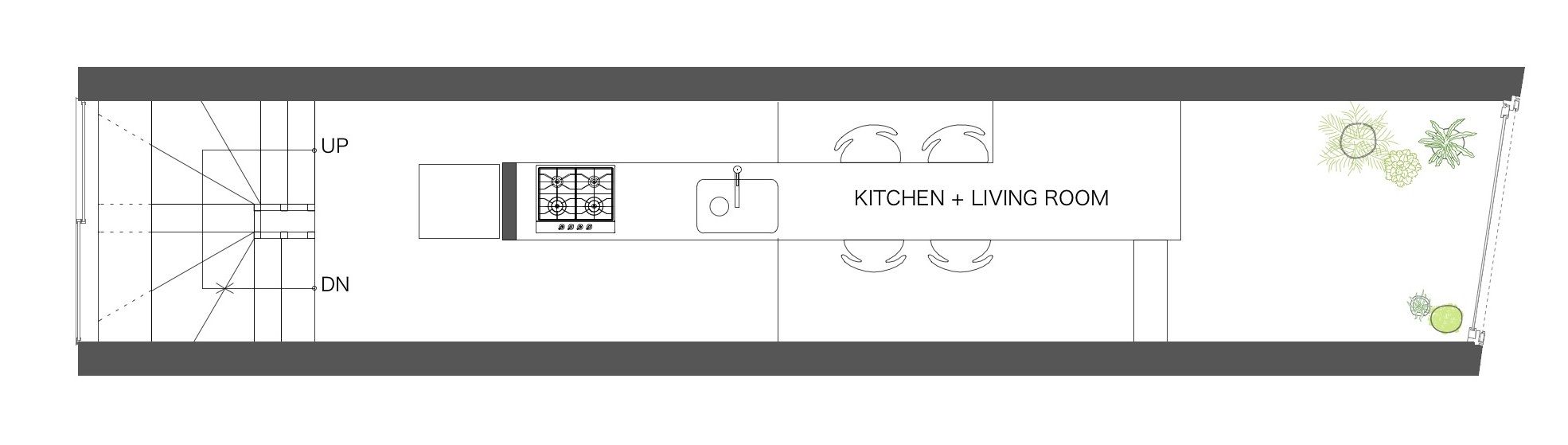
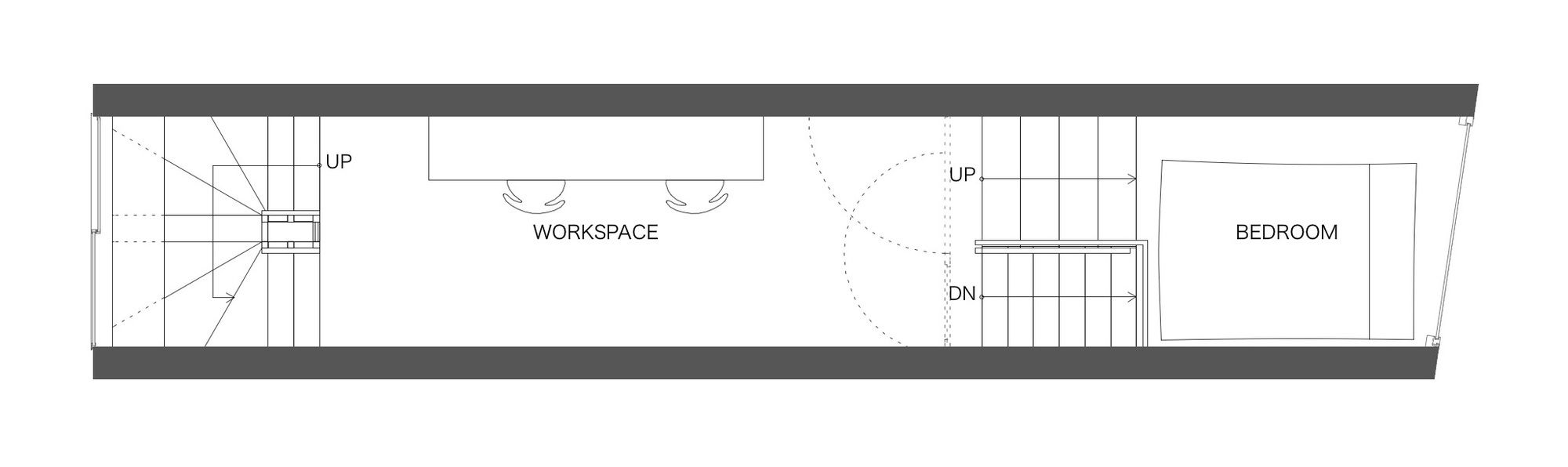
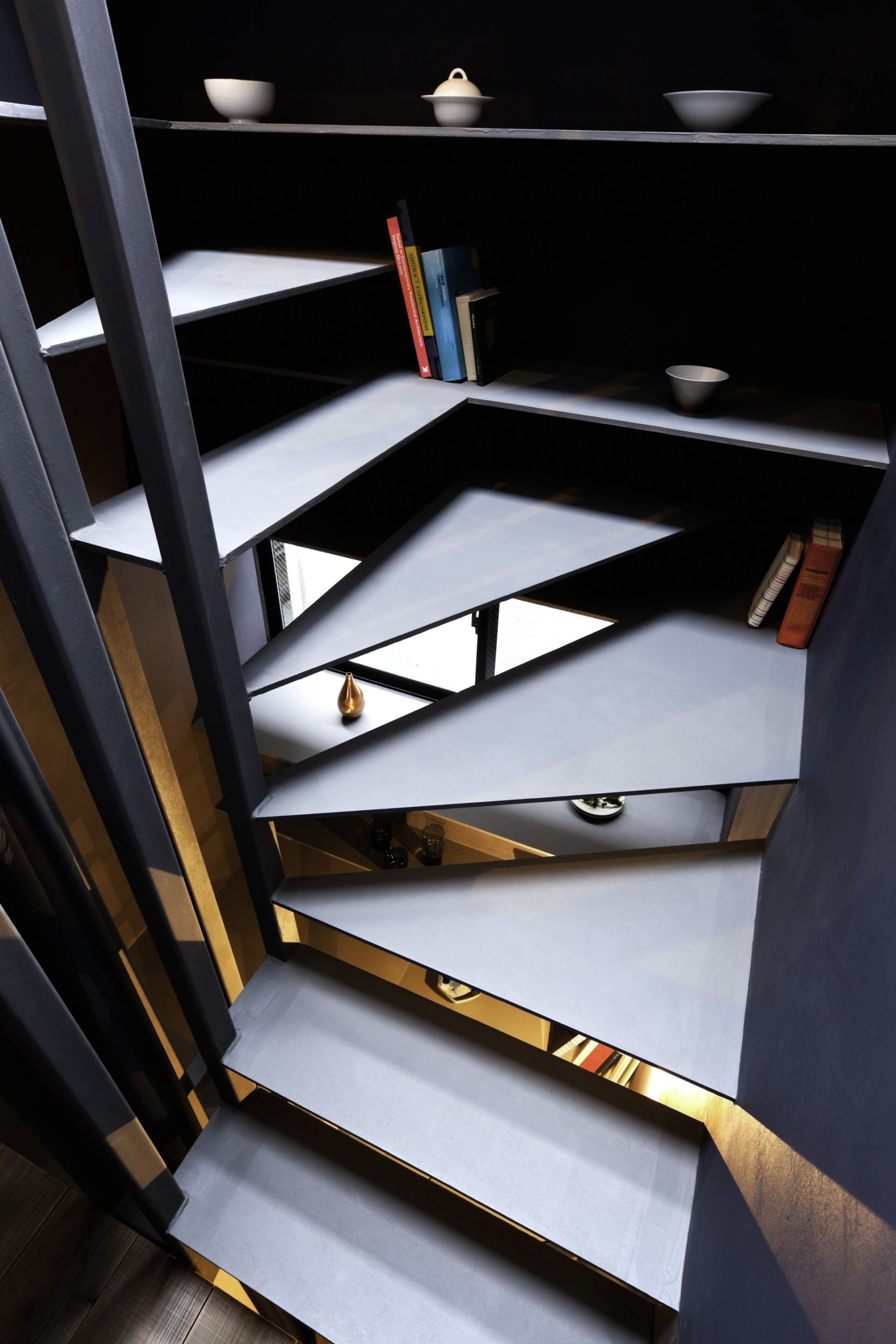
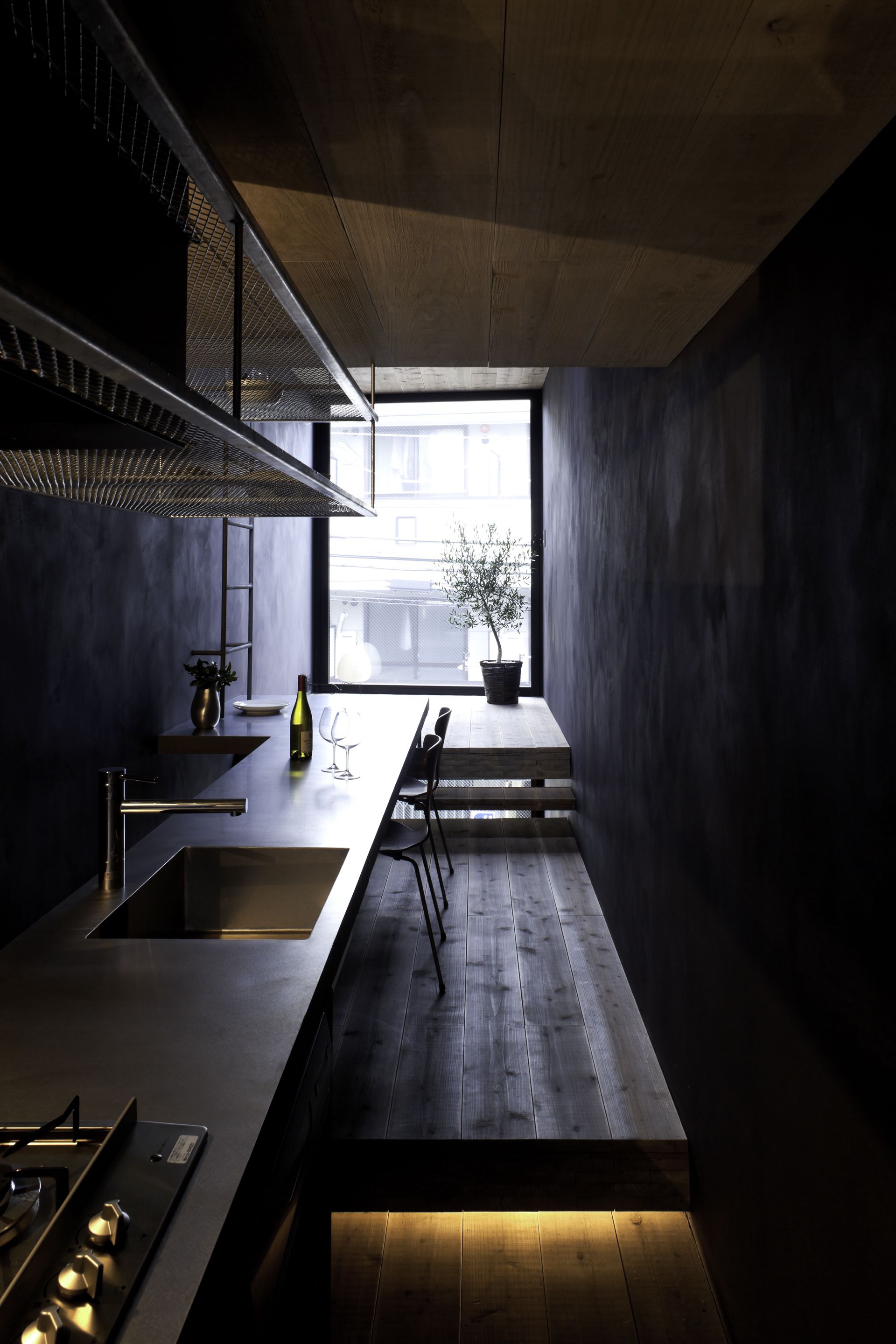
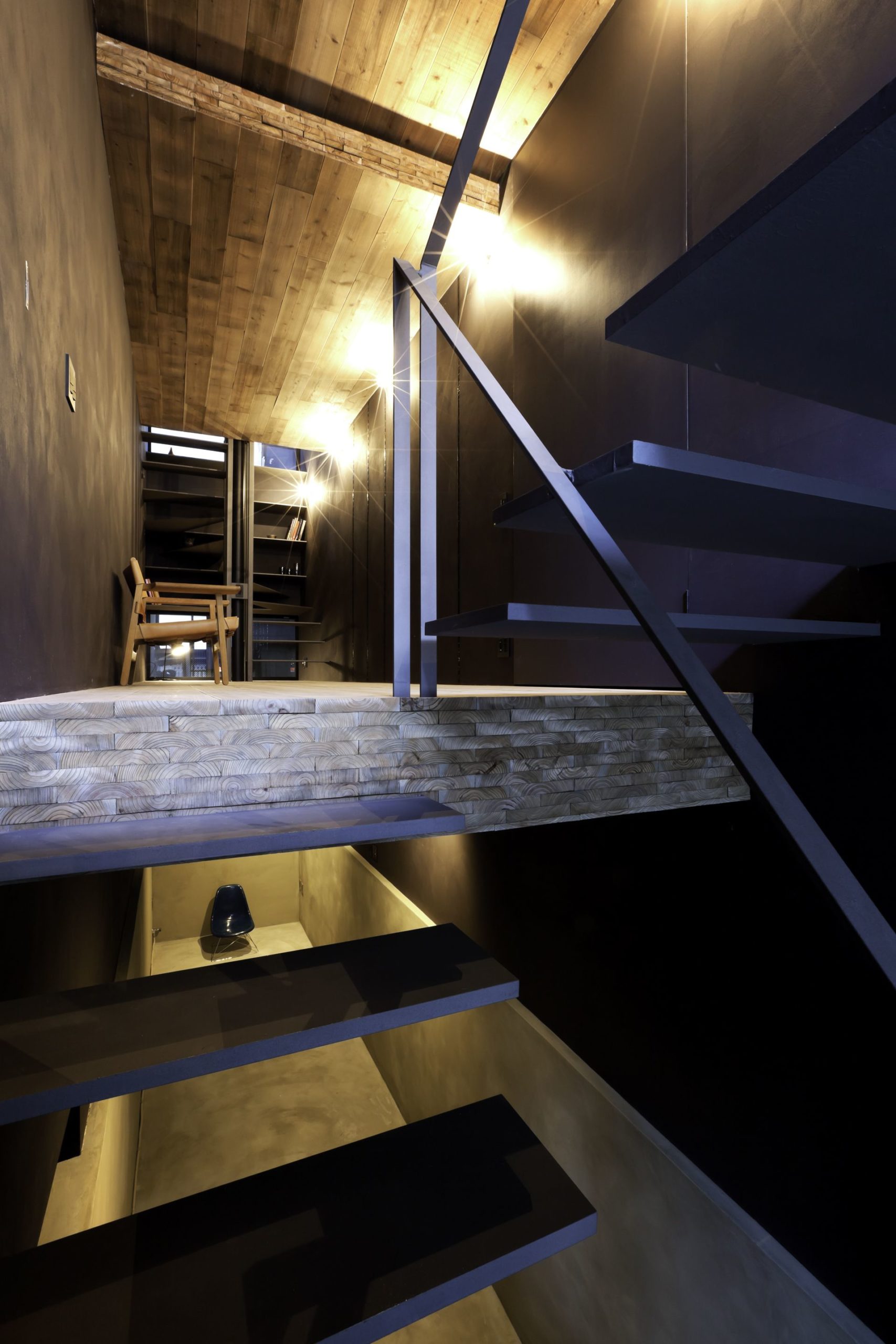
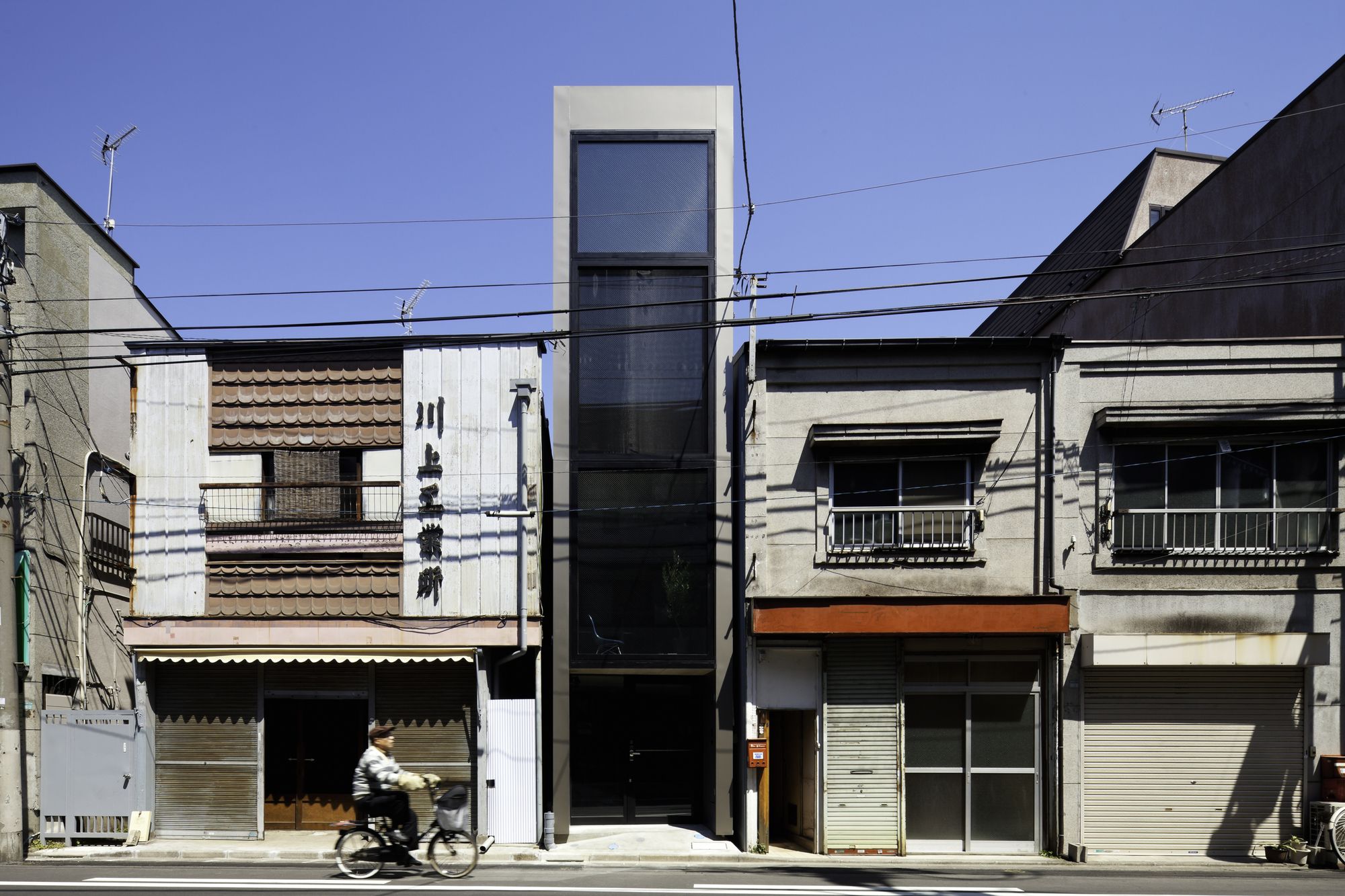
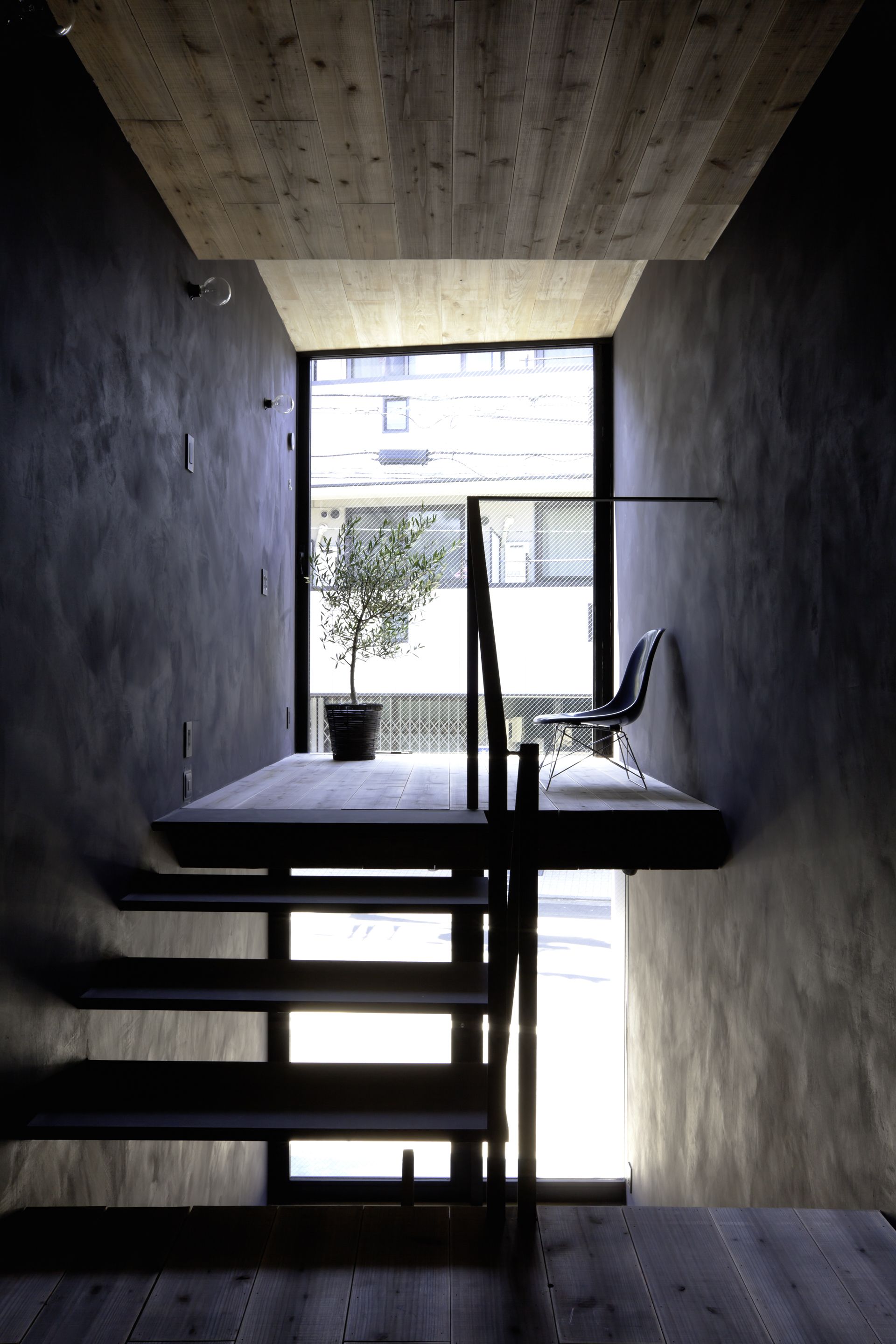
Watching an alley being turned into a liveable space filled with light is really magnificent. To design such a dwelling it is increasingly challenging due to the numerous issues and restrictions associated with it, such as light, psychological feeling of openness and the biggest one circulation. Clever furniture works together with ingeniously carved out solid forms in order to create YUUA Architects’ new addition in a long series of dwelling units. This award-winning design has been designed for an extremely dense neighbourhood in Tokyo, Japan and has been completed in 2012. It is located on a site that measures 11 meters in length and a staggering 1.8 meters in width. A piece of land that was previously considered as impossible to build on. It is easy to design something for a tight site like this and end up as a claustrophobic’s nightmare.
photography by © Sobajima, Toshihiro
photography by © Sobajima, Toshihiro
photography by © Sobajima, Toshihiro
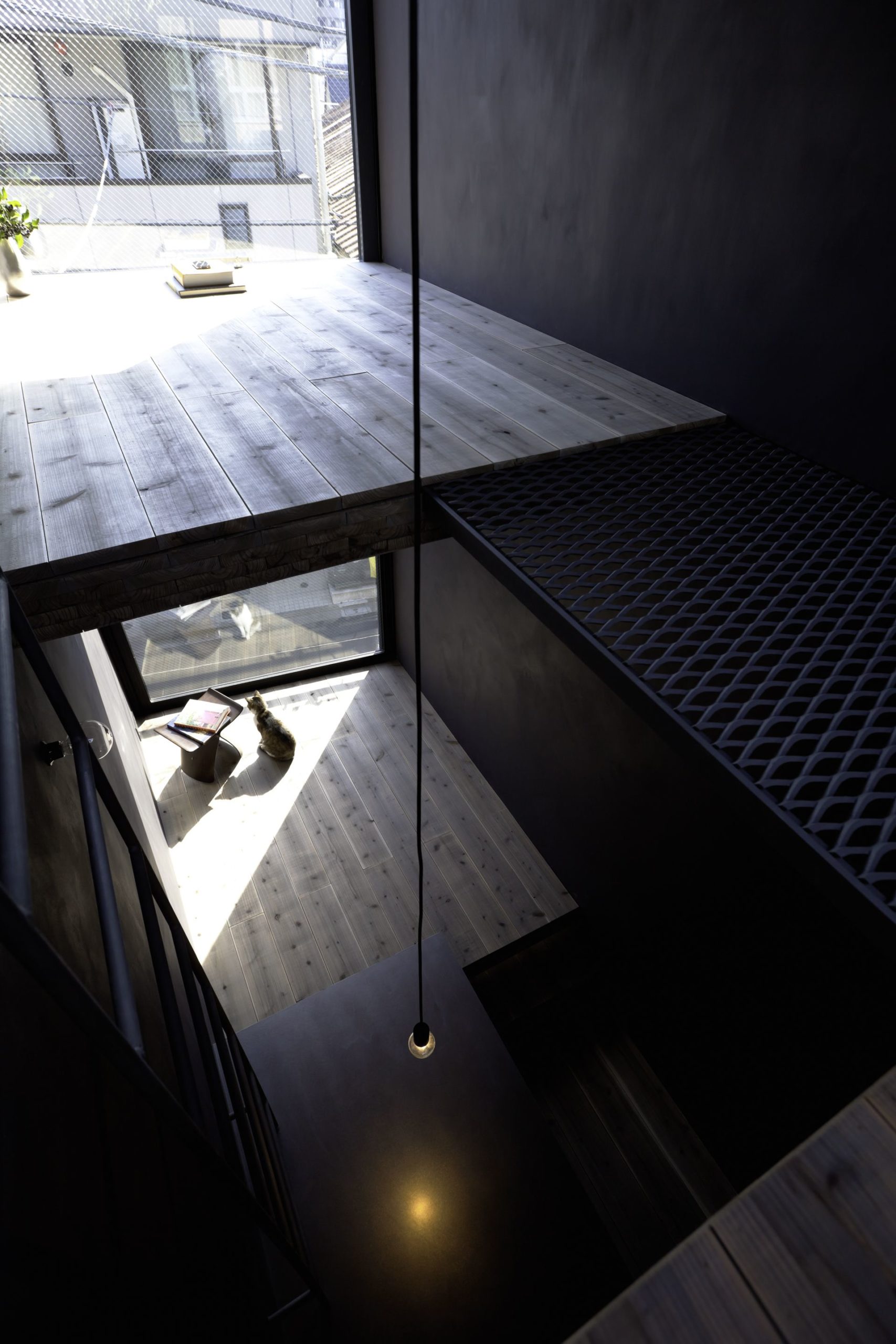
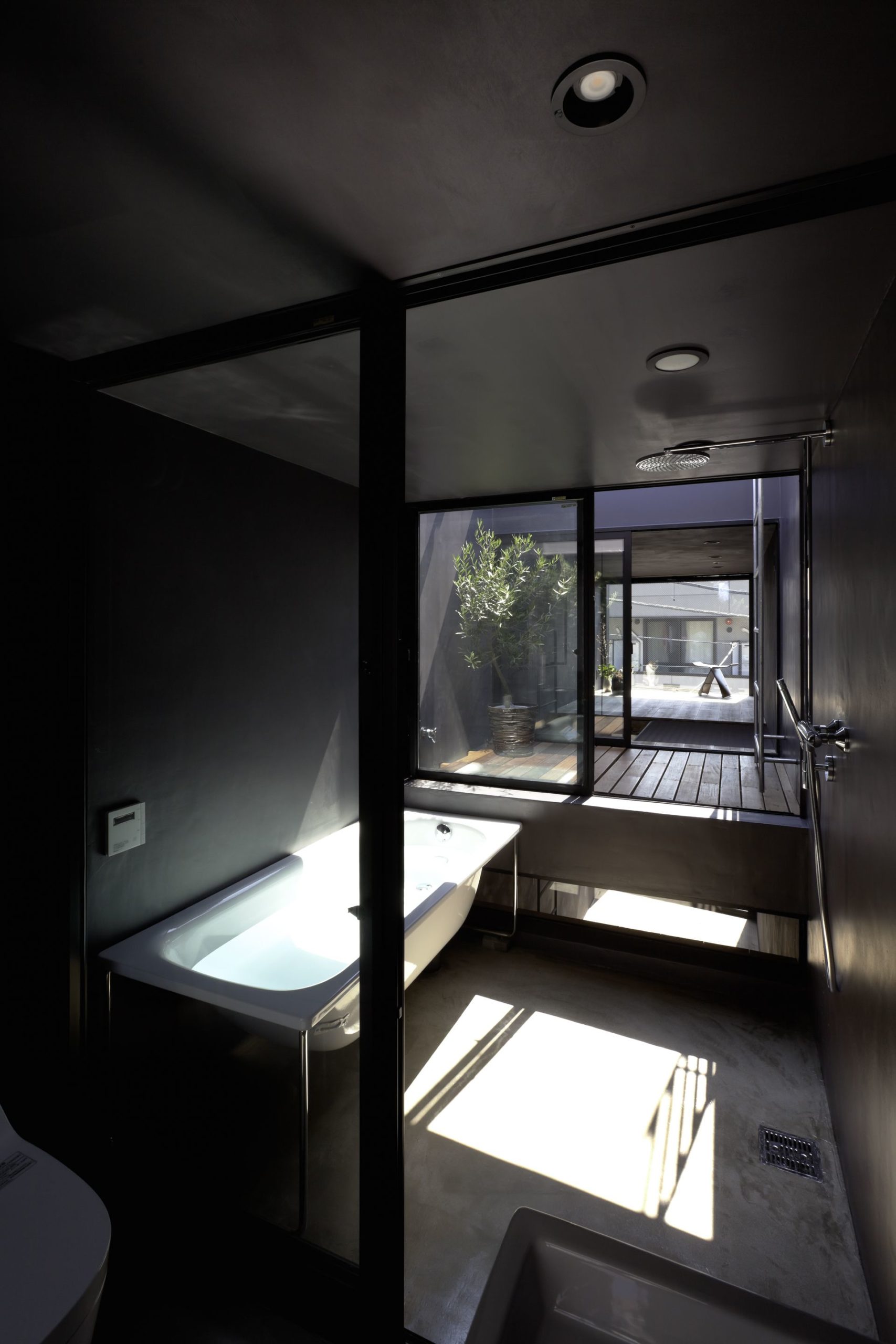
The most important thing in narrow houses like this is being able to see and visualise the spaces that surround you, in my opinion. Either this is through a window or an opening. It is what is lost in normal or large private houses. The space available is so much that each room is designed separately on its own with the only connection to the rest of the house being is a closed door. This availability of space often results in unused space through the creation of spaces that are not needed by the people that occupy it, such as two living rooms. Moreover, through the art of narrow or skinny houses we learn that every single centimetre counts and we have to respect it and use it wisely.
photography by © Sobajima, Toshihiro
Location: Toshima, Japan
Area: 80 m²
Year: 2012
Photographs: Toshihiro Sobajima
Manufacturers: Hansgrohe, Kaldewei, Kurosawa Metal, Showa Denko Building Materials, WOODPRO WOODPRO
Lead Architect: Aihara Madoka
Other Participants: Hirotsugu Tsuboi Structural Engineers