

Irori
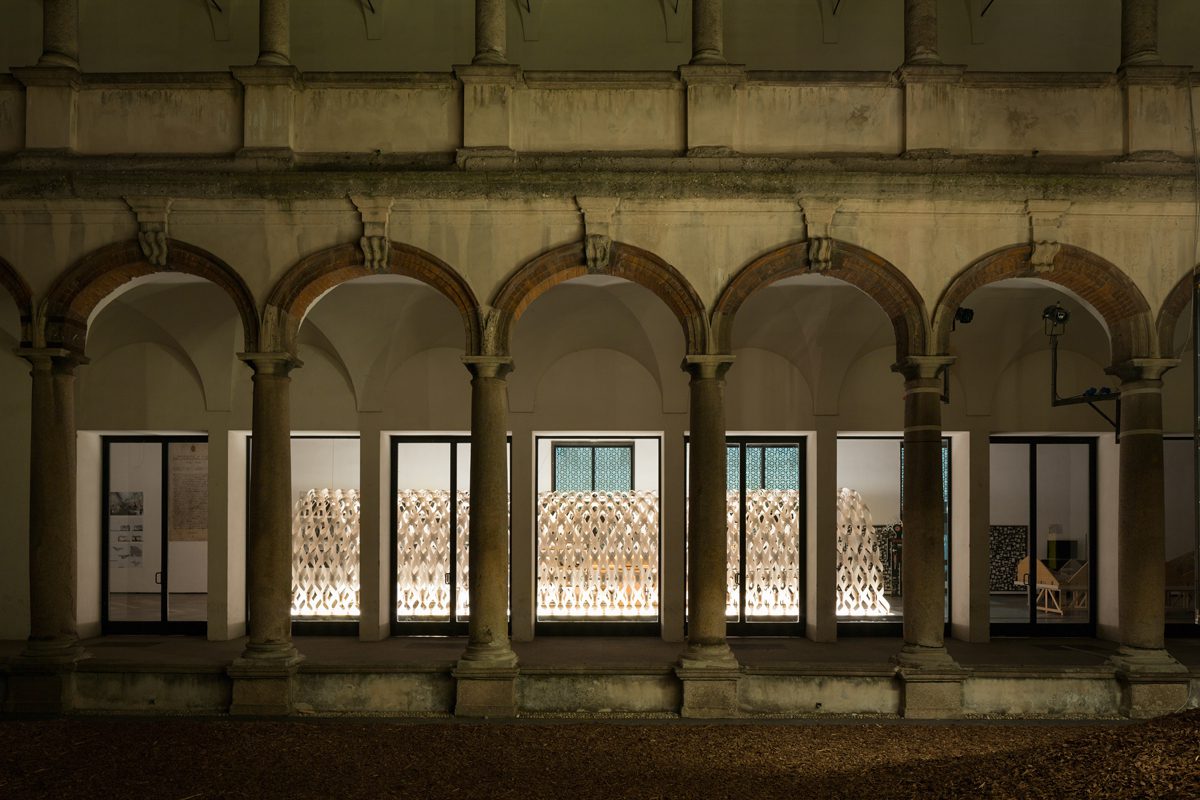
Energy for Creativity is an initiation of design exhibitions, conferences and architectural installations that are run by the University of Milan and organised by Interni Magazine and Mondadori. It forms part of the Milan Design Week 2015 which ended one month ago with yet again significant performance, showcasing worldwide innovation in the world of design. Irori is one of the designs that were fabricated and presented during the third week of April 2015, and it has been designed by the highly rated Japanese architect Kengo Kuma in collaboration with Kitchenhouse. Irori is a new type of kitchen space that, according to the architect, represents a new way of living. Kuma stated upon his design, “As your life expands and contracts, so does the kitchen.”
©︎ Takumi Ota
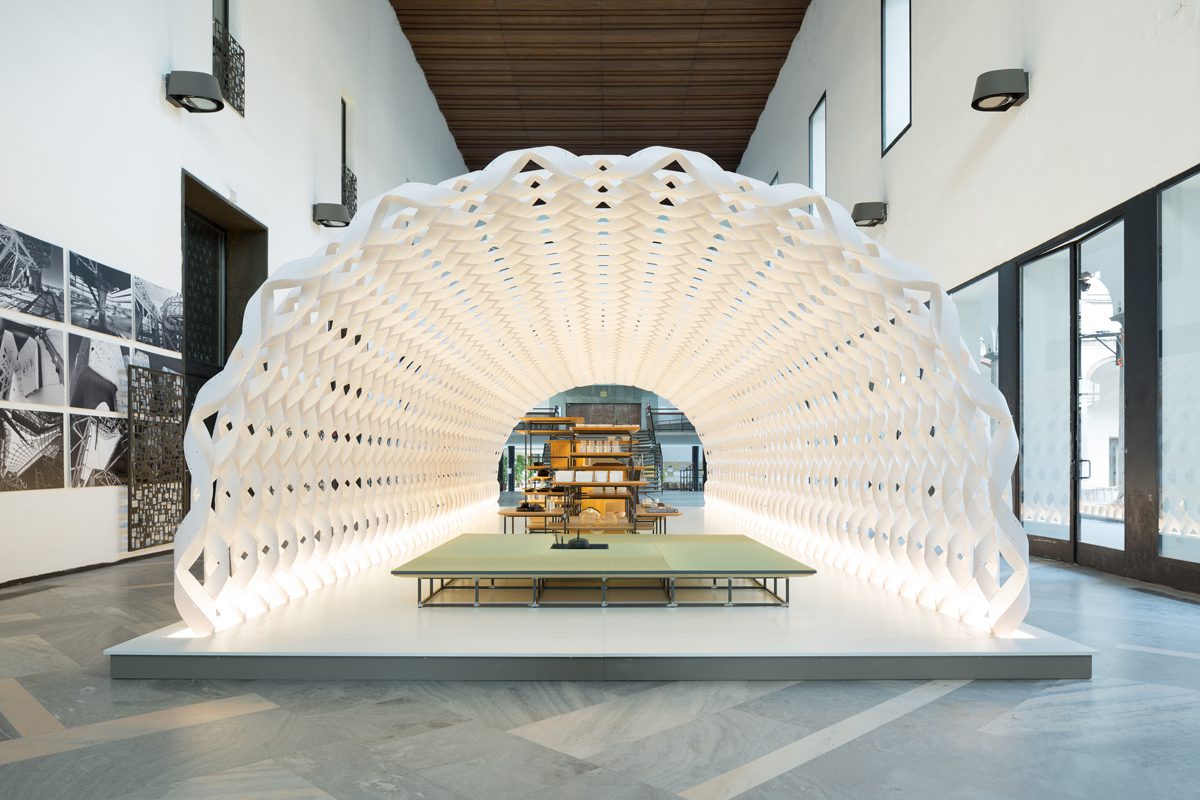
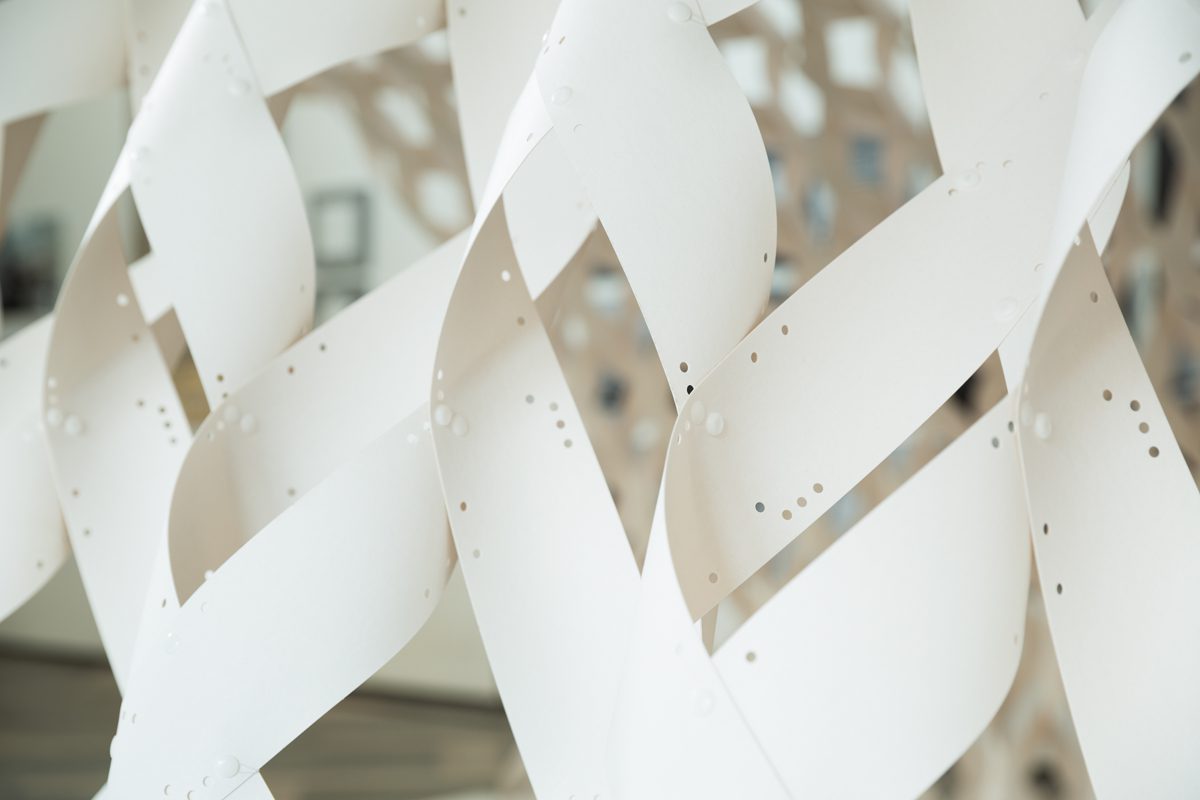
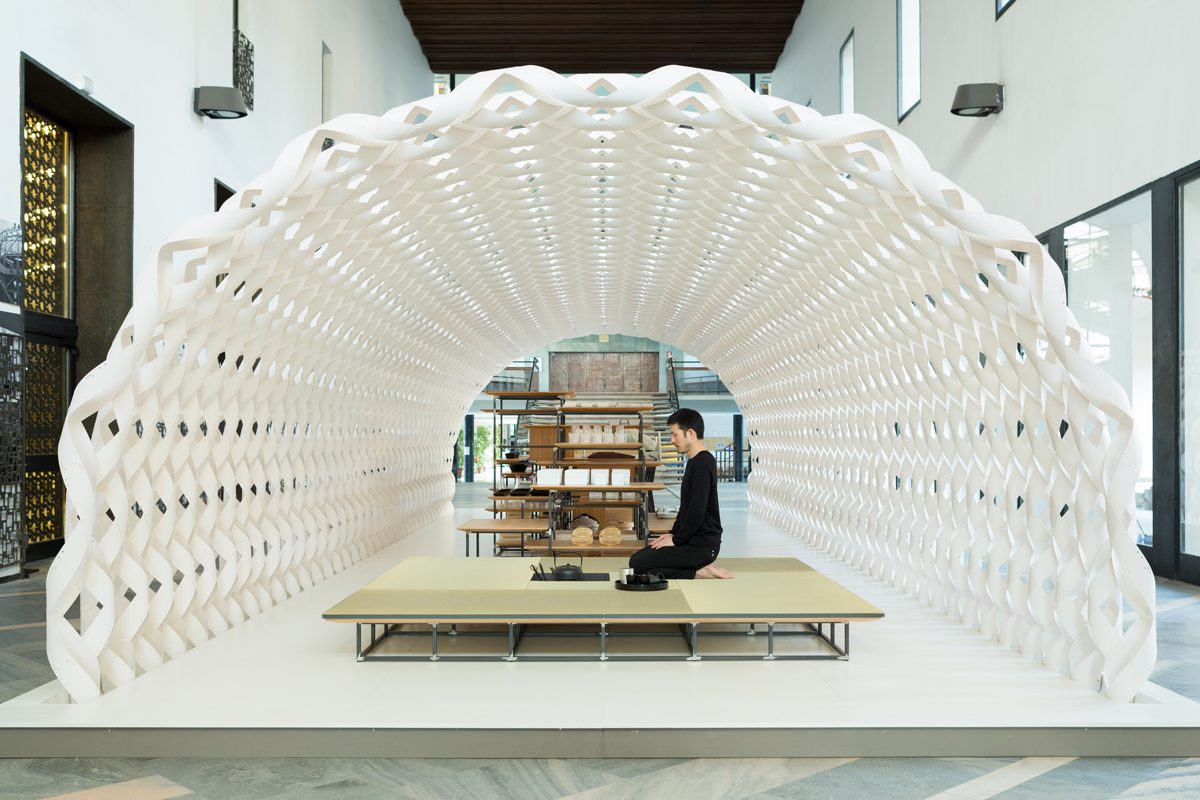
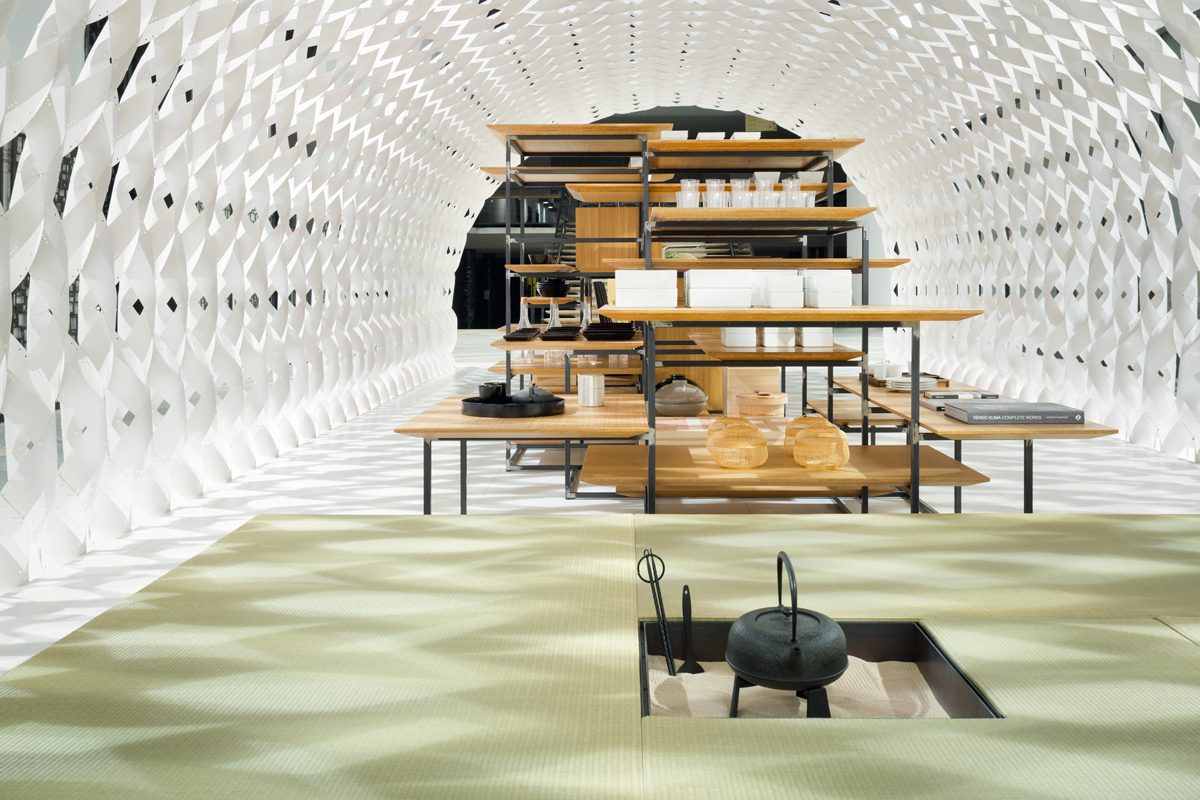
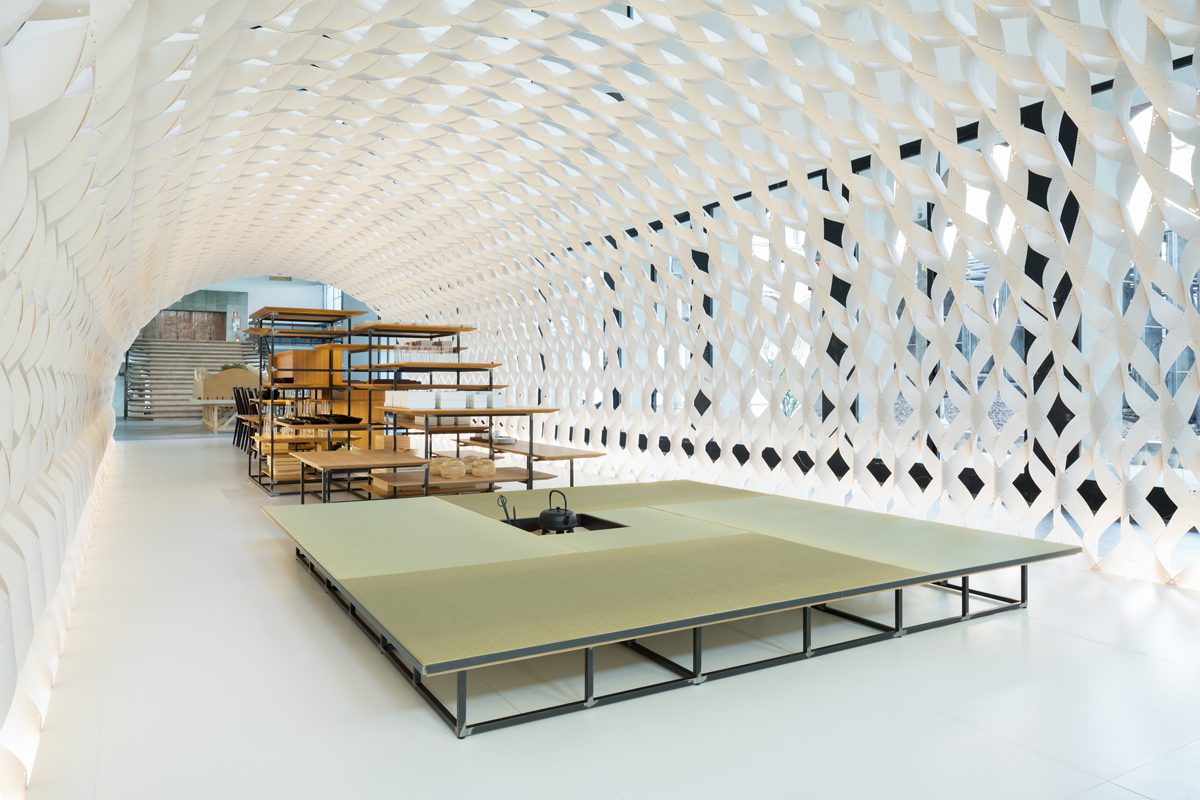
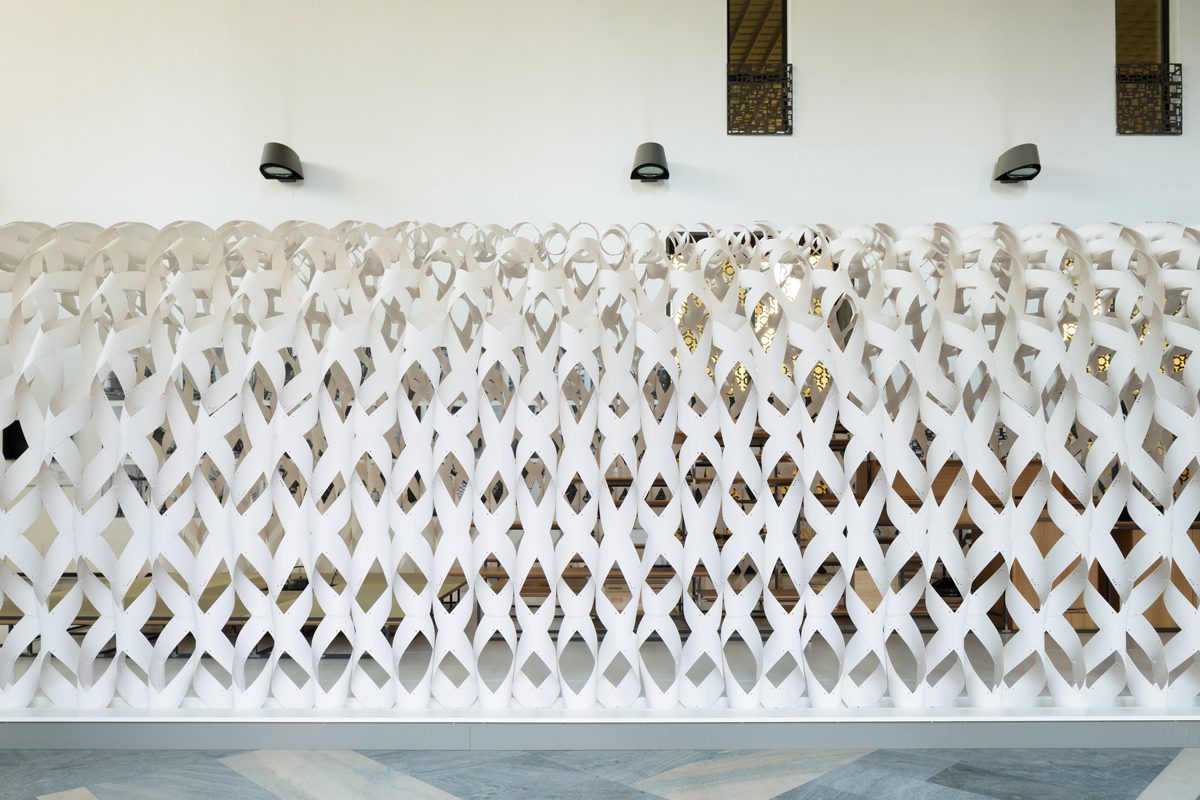
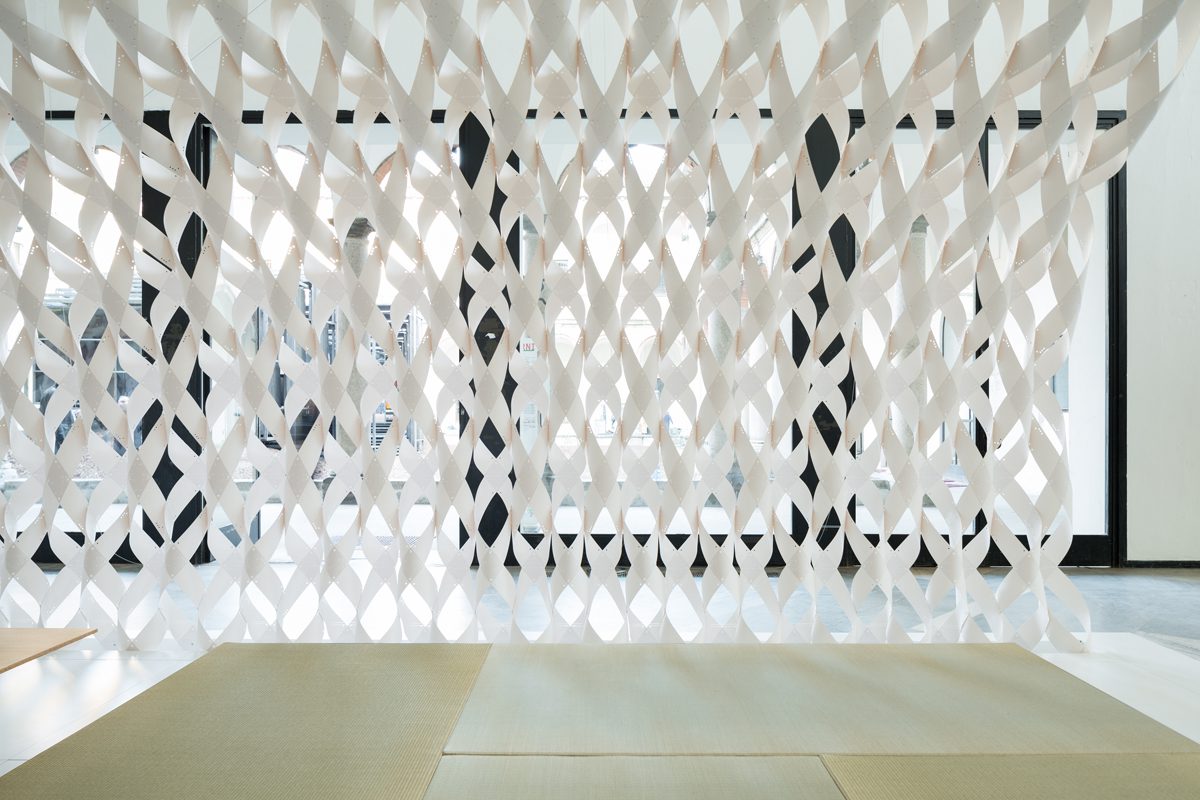
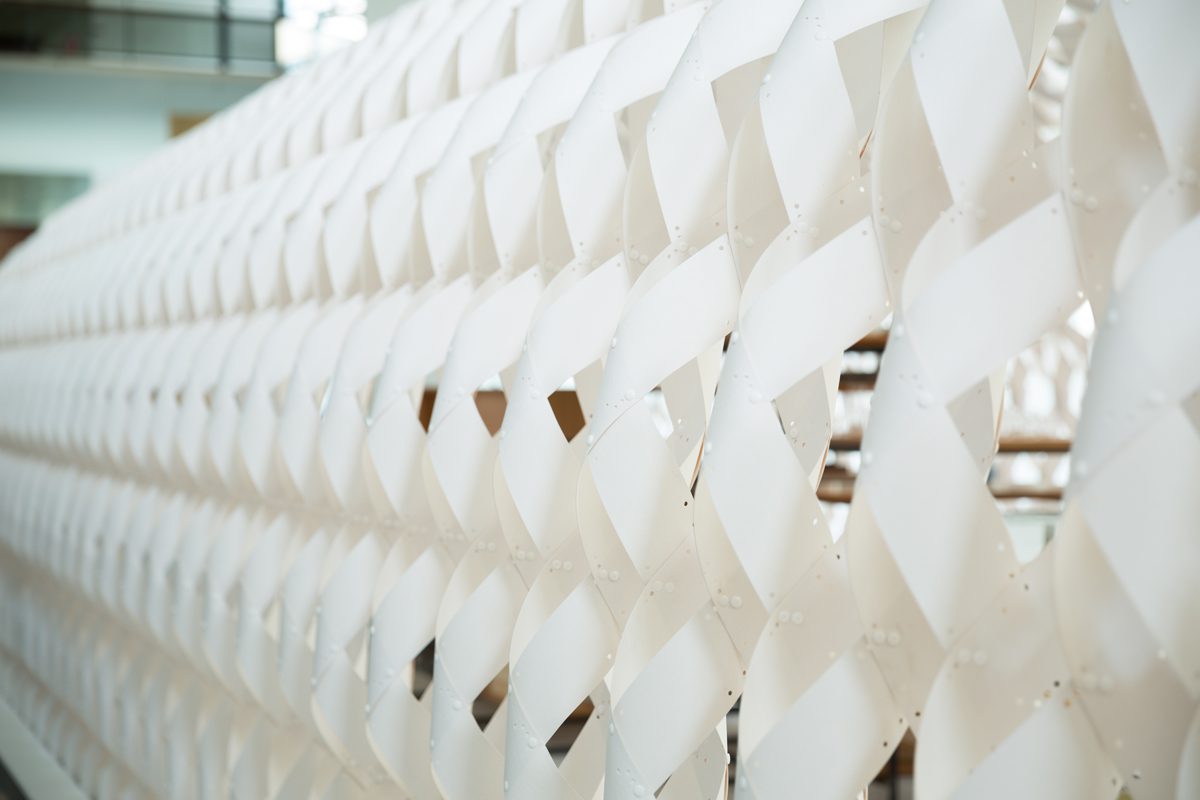
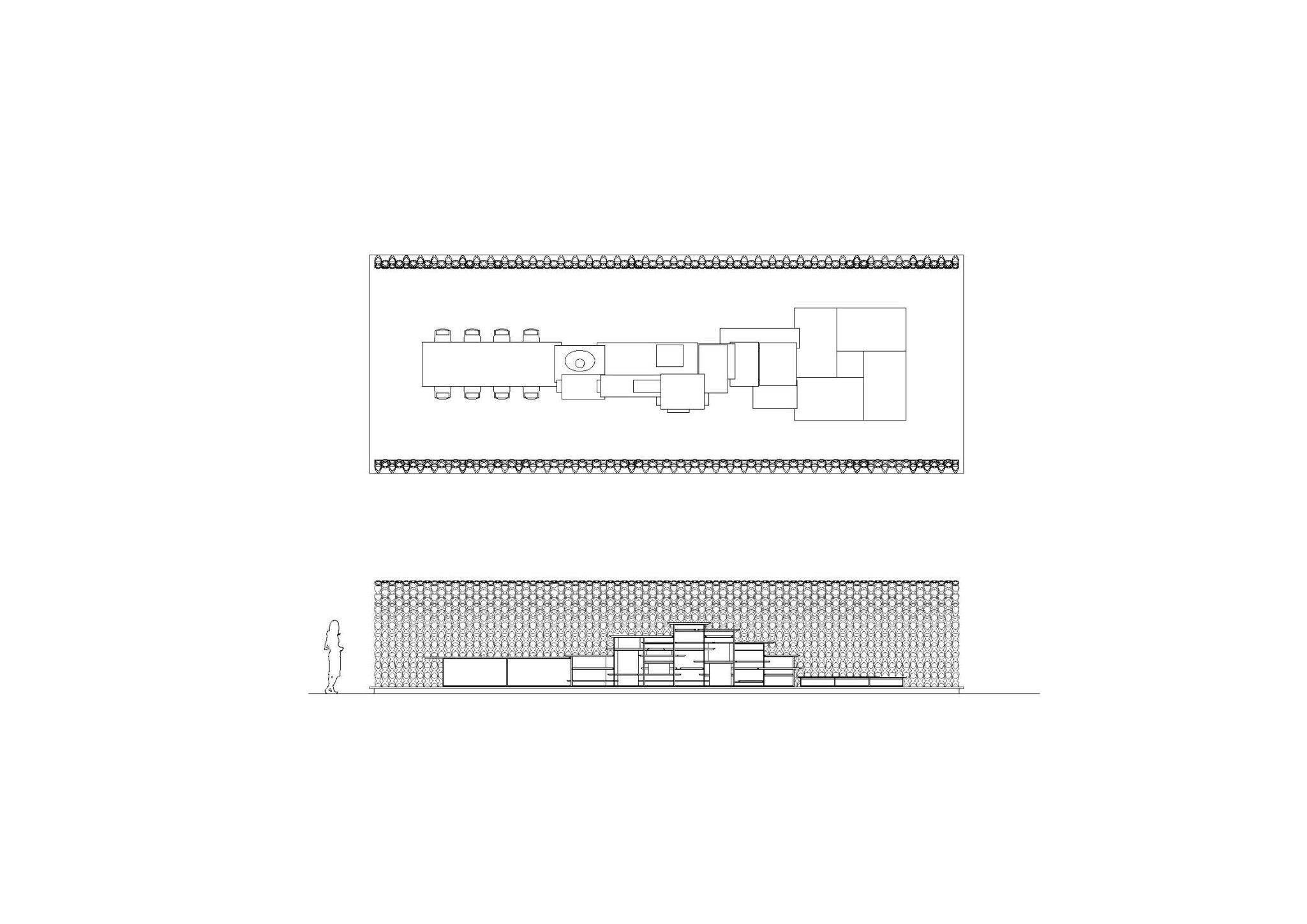
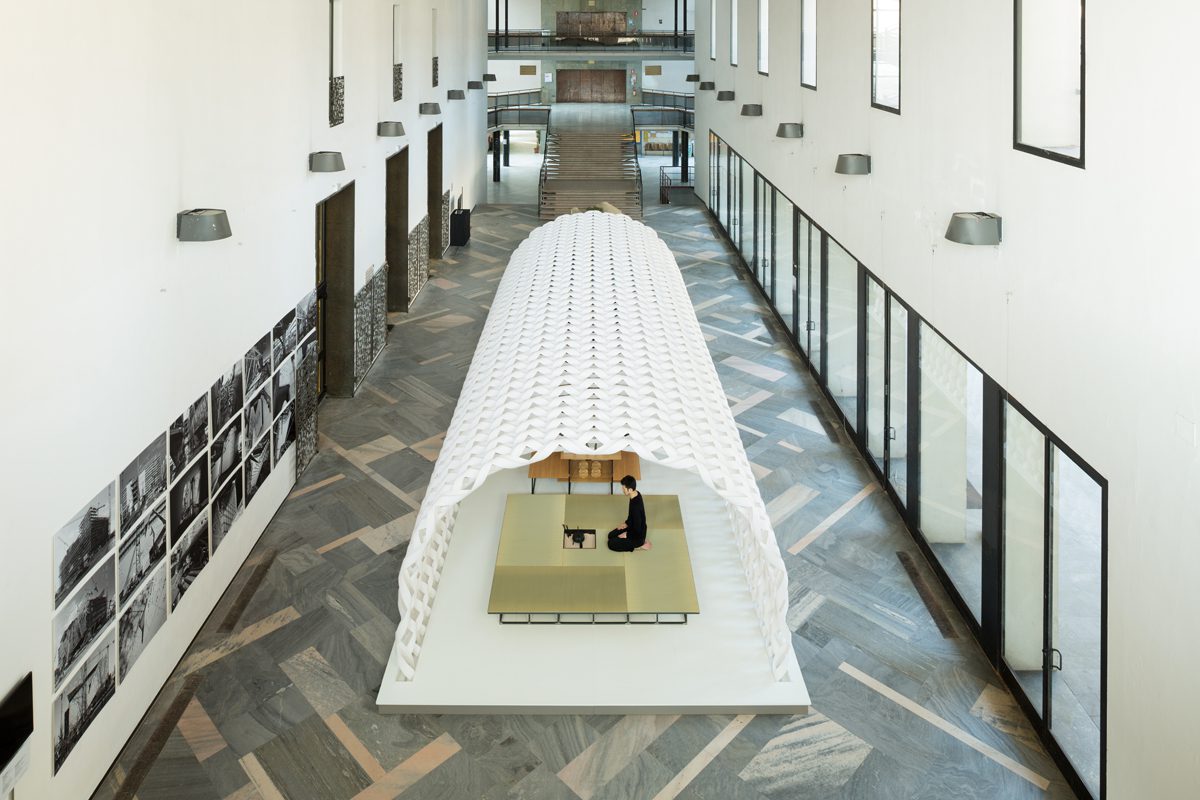
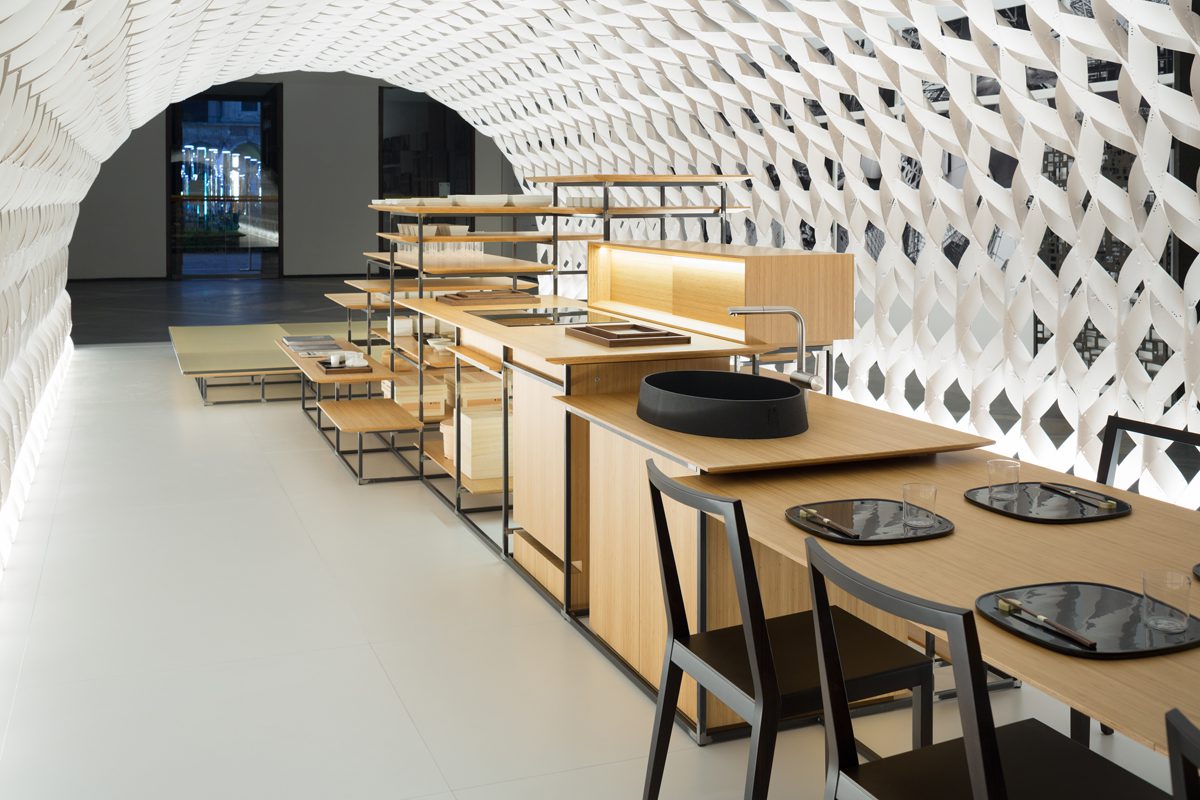
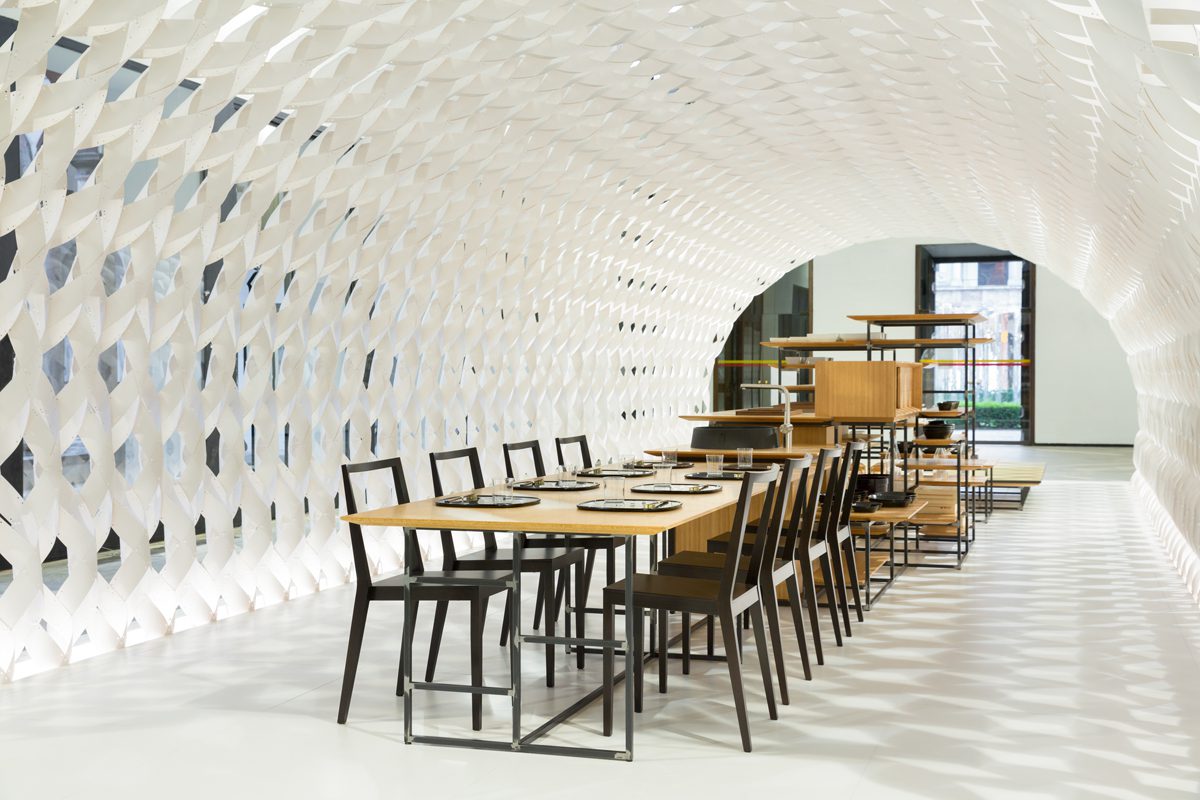
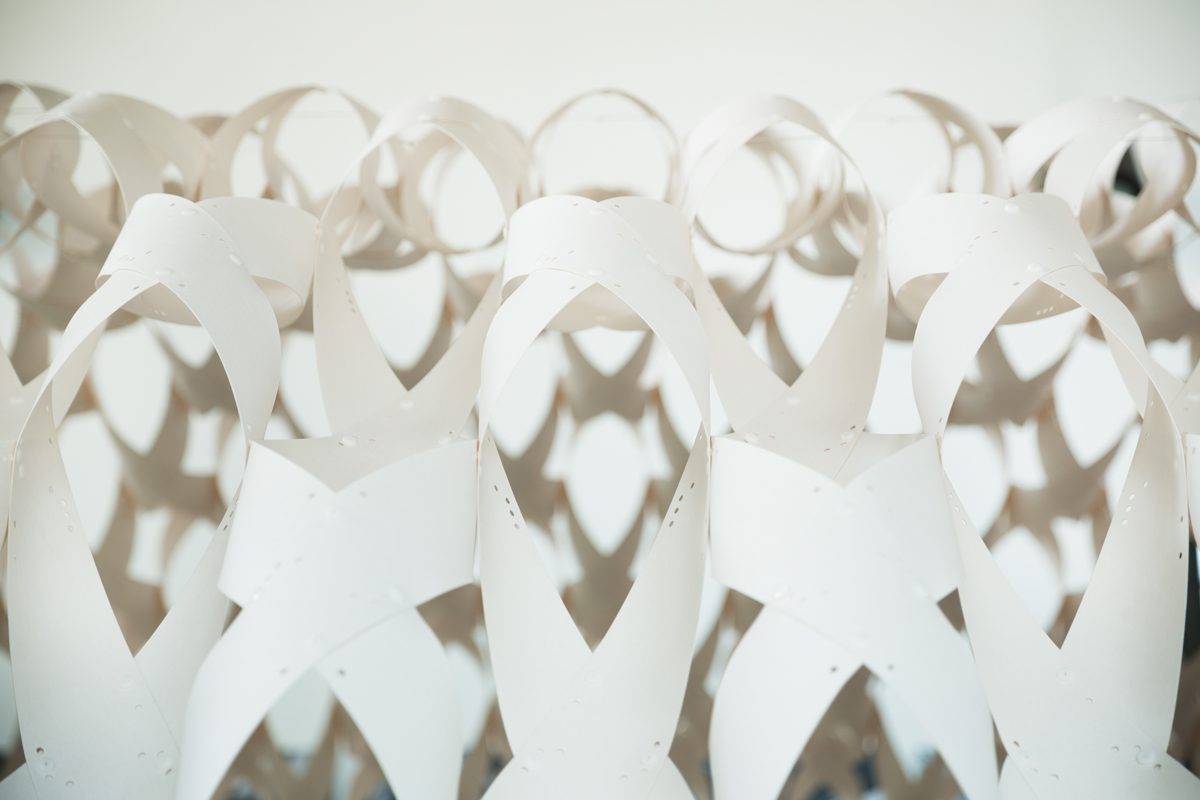
This highly sophisticated installation is another example of Kuma’s subtle, sensible and detailed work. Irori it is essentially a soft white tunnel measuring 13 meters long and 5 meters wide. It is made out of a special kind of vulcanised paper having greater rigid properties than normal paper while maintaining a level of softness. The material is just 1mm thick and has been twisted, joined and stretched to form this tunnelled pure white cocoon.
©︎ Takumi Ota
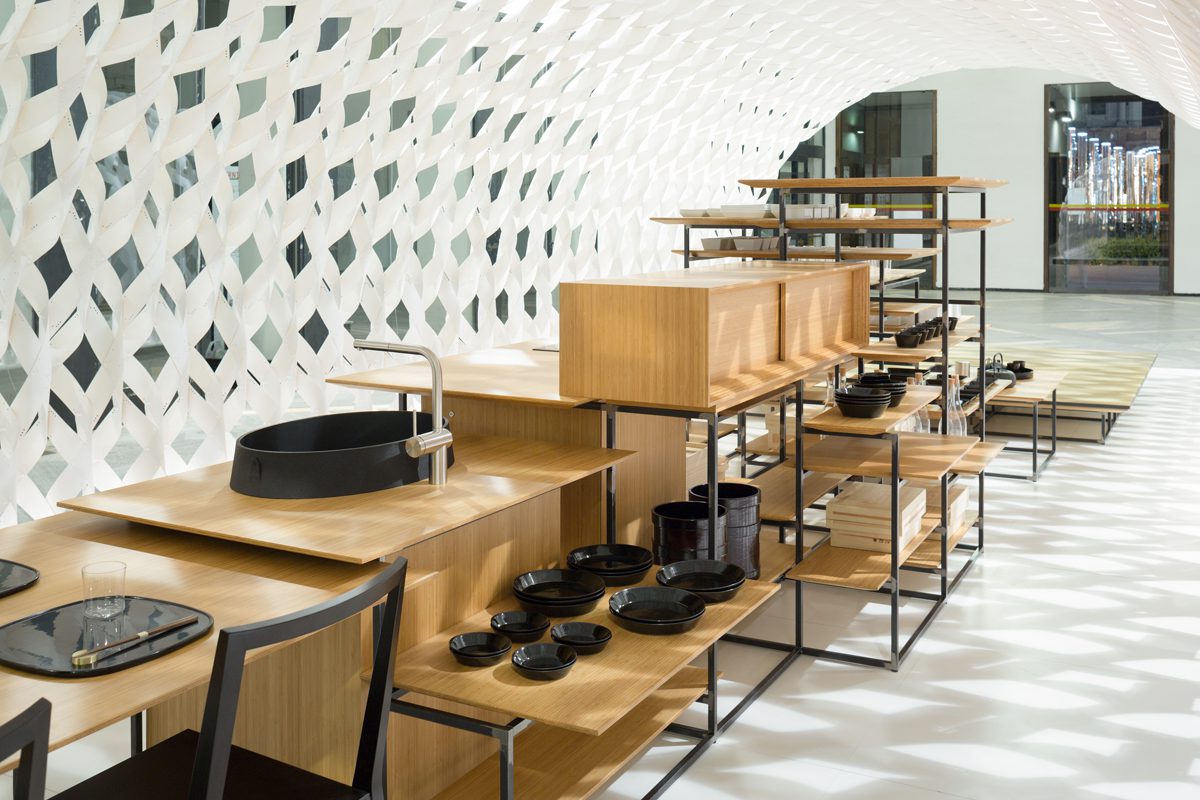
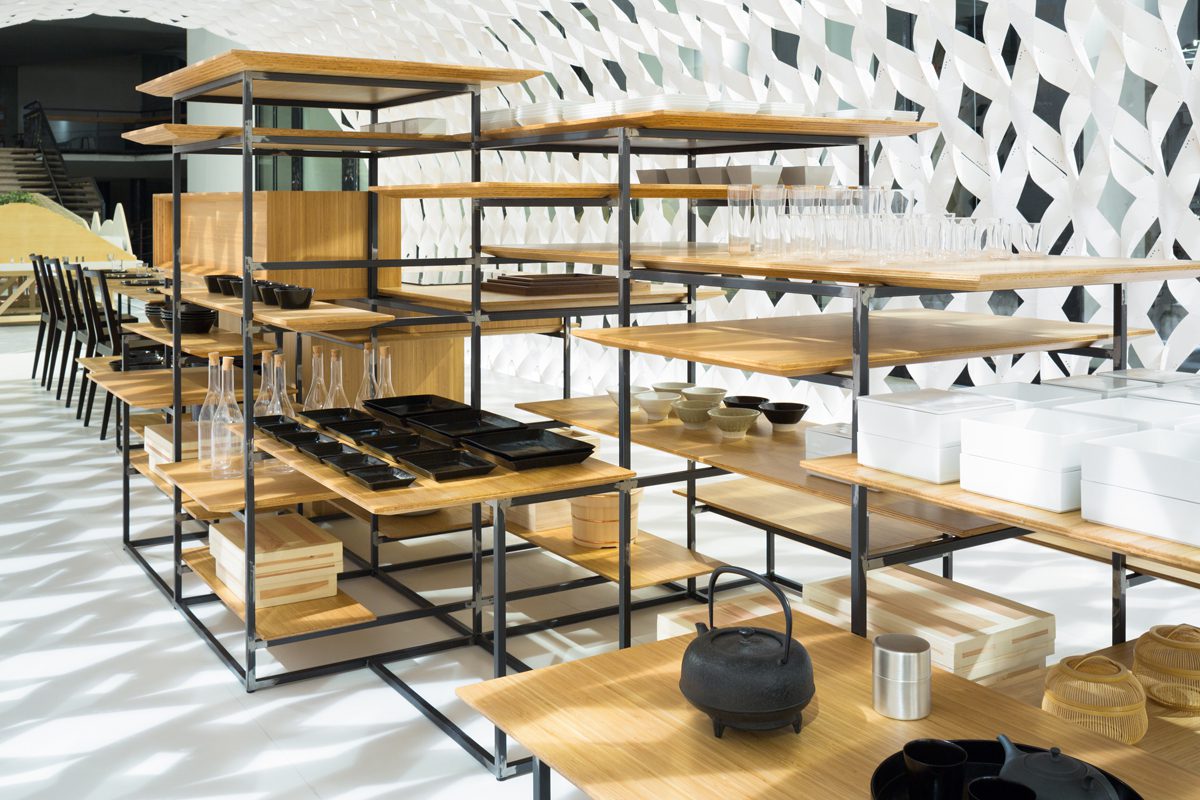
The almost floating cocoon acts as an enclosure and shelter for the Irori Kitchen, which is comprised of a kitchen and living-room system, both made out of abstract steel tubes and bamboo panels. The materials turn the space into a kitchen that has never been seen before. The space is extremely flexible as the light materials and detailed design allow for the fixtures to be configured accordingly. Table, bench and shelves can be subtracted or added from the original configuration depending on individual private will.
©︎ Takumi Ota
According to the architect, the design was firstly thought to be made out of rice paper, but this option seemed extremely soft and fragile and was not suitable for the purpose of this work. Even after the Design Week, the question of whether the white cocoon is able to withstand external climatic conditions is still not answered. I suppose some formal experimentation will prove this new typology.
©︎ Takumi Ota
The kitchen is a complex and diverse space where the activity is not purely controlled by the design and typology of it. Because cooking is a habitual activity that takes place in every different kind of kitchen. It is great to look at this model of a kitchen which does not really resembles the image of a kitchen that most of us have in our mind. This particular model can prove to be radical in the way we design for food in the future, and what the architect reminds us here is that a kitchen is not just the appliances and fixtures, but also the space surrounding it. Its cover and envelope that keeps all the fascinating smells and actions inside.
©︎ Takumi Ota
By: Andreas Leonidou
Project Info:
Architects: Kengo Kuma
Location: Milan, Italy
Team: Shin Oba, Mamiya Tanaka*, Shanyun Huang*, Erika Mikami (* Former Staff)
Construction: Time & Style
Structure: Ejiri Structural Engineers
Illumination: Viabizzuno
Award: EDIDA: ELLE DECO International Design Awards Best in Kitchens Nominated by Japan Edition 2015
Publication: Shinkenchiku 2015/07 , Casa BRUTUS 2015/07 vol.184 , GA HOUSES 142 , GA JAPAN 133
Photography: Takumi Ota
Location: Milan, Italy
Team: Shin Oba, Mamiya Tanaka*, Shanyun Huang*, Erika Mikami (* Former Staff)
Construction: Time & Style
Structure: Ejiri Structural Engineers
Illumination: Viabizzuno
Award: EDIDA: ELLE DECO International Design Awards Best in Kitchens Nominated by Japan Edition 2015
Publication: Shinkenchiku 2015/07 , Casa BRUTUS 2015/07 vol.184 , GA HOUSES 142 , GA JAPAN 133
Photography: Takumi Ota