

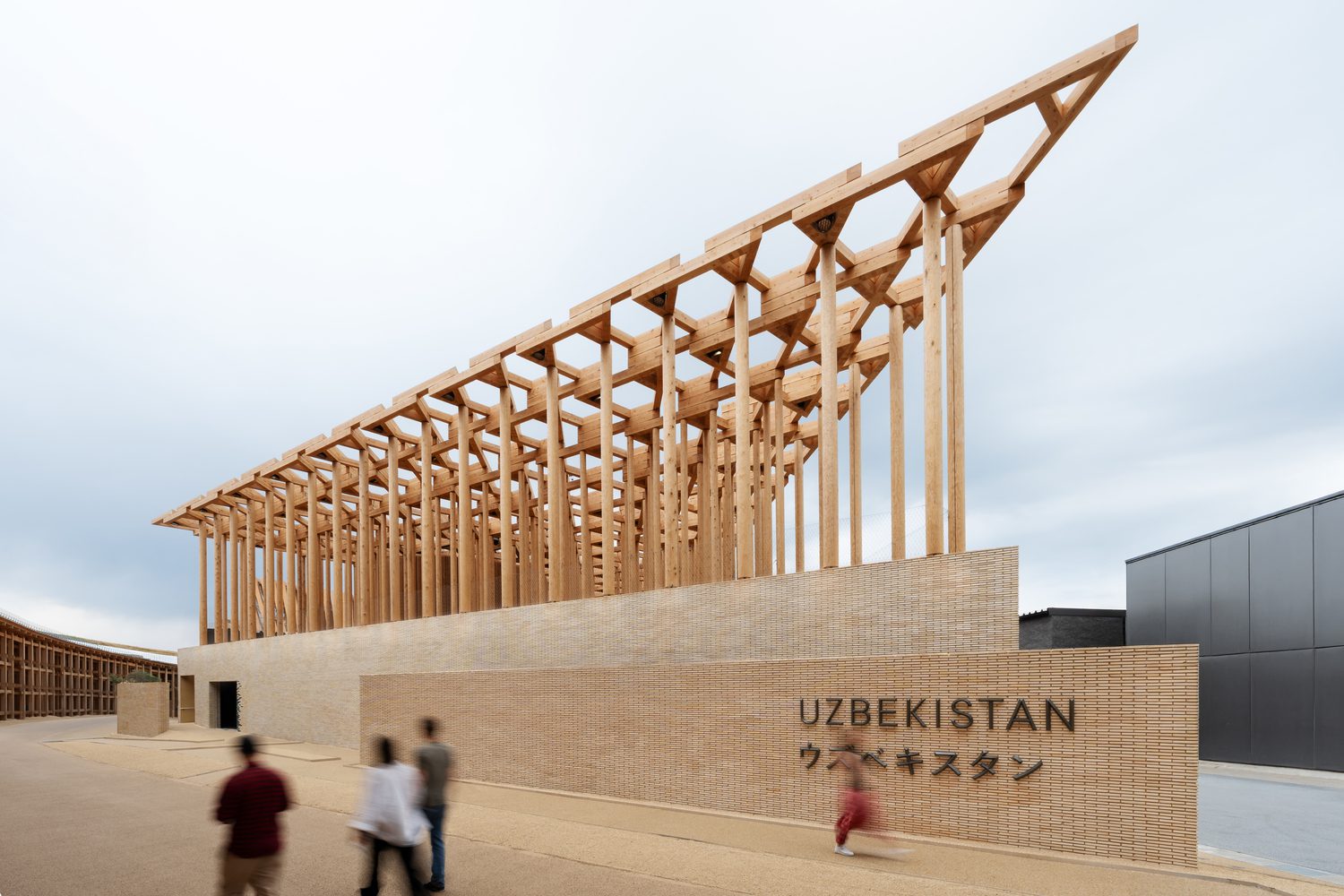
Uzbekistan Pavilion Expo 2025 Osaka ,Rising from the ground as a cultivated landscape of learning, the Uzbekistan Pavilion “Garden of Knowledge” at Expo 2025 Osaka translates national transformation into a spatial and material narrative.
© Josef Šindelka
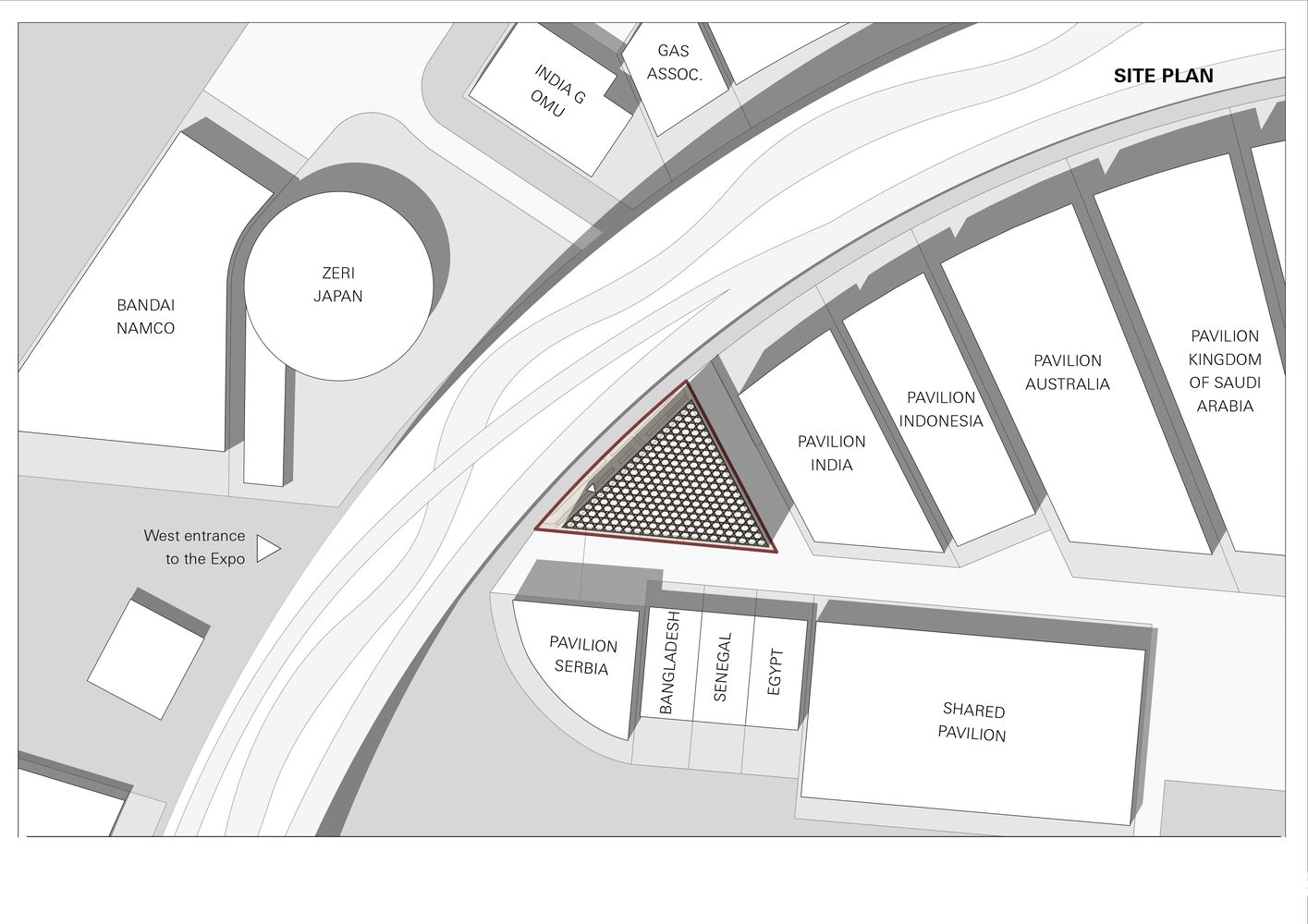
Located on Yumeshima, the artificial island developed for Expo 2025 Osaka, the pavilion is set within a dense international exhibition environment characterized by compact plots, temporary construction, and an emphasis on reuse and circular building strategies. Commissioned by the Uzbekistan Art and Culture Development Foundation (ACDF), the project was conceived as a national pavilion that communicates Uzbekistan’s cultural heritage while presenting a forward-looking perspective on education, innovation, and sustainable development. As a temporary structure with a defined post-Expo lifecycle, the pavilion was required to balance architectural clarity with modular construction, material responsibility, and efficient assembly and disassembly.
© Josef Šindelka
The architectural concept is structured around the metaphor of growth; the pavilion is organized as a vertical journey from soil to forest, from origin to future. This narrative informs both the spatial sequence and the material strategy, creating a close relationship between architecture, exhibition, and visitor movement.
© Josef Šindelka
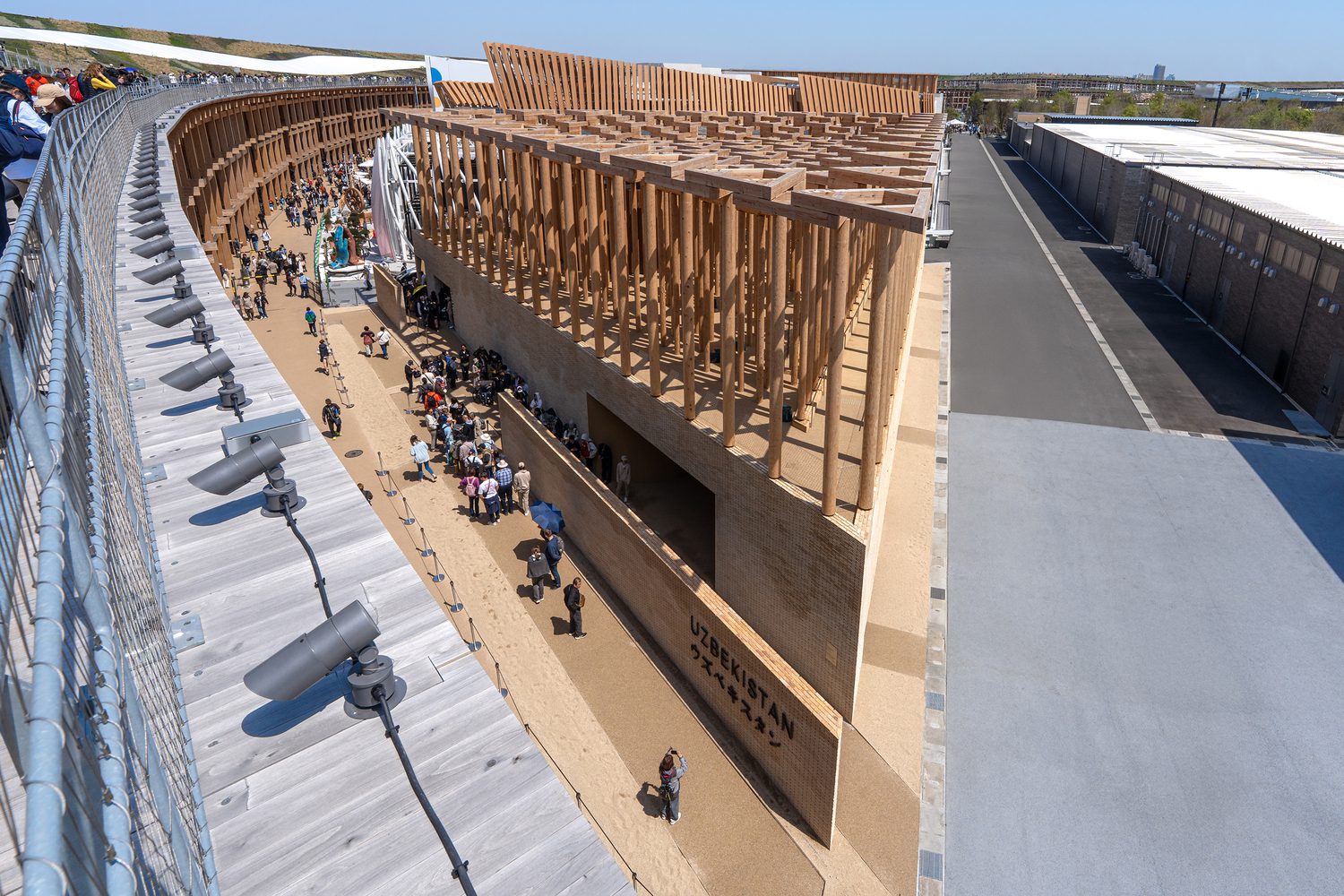
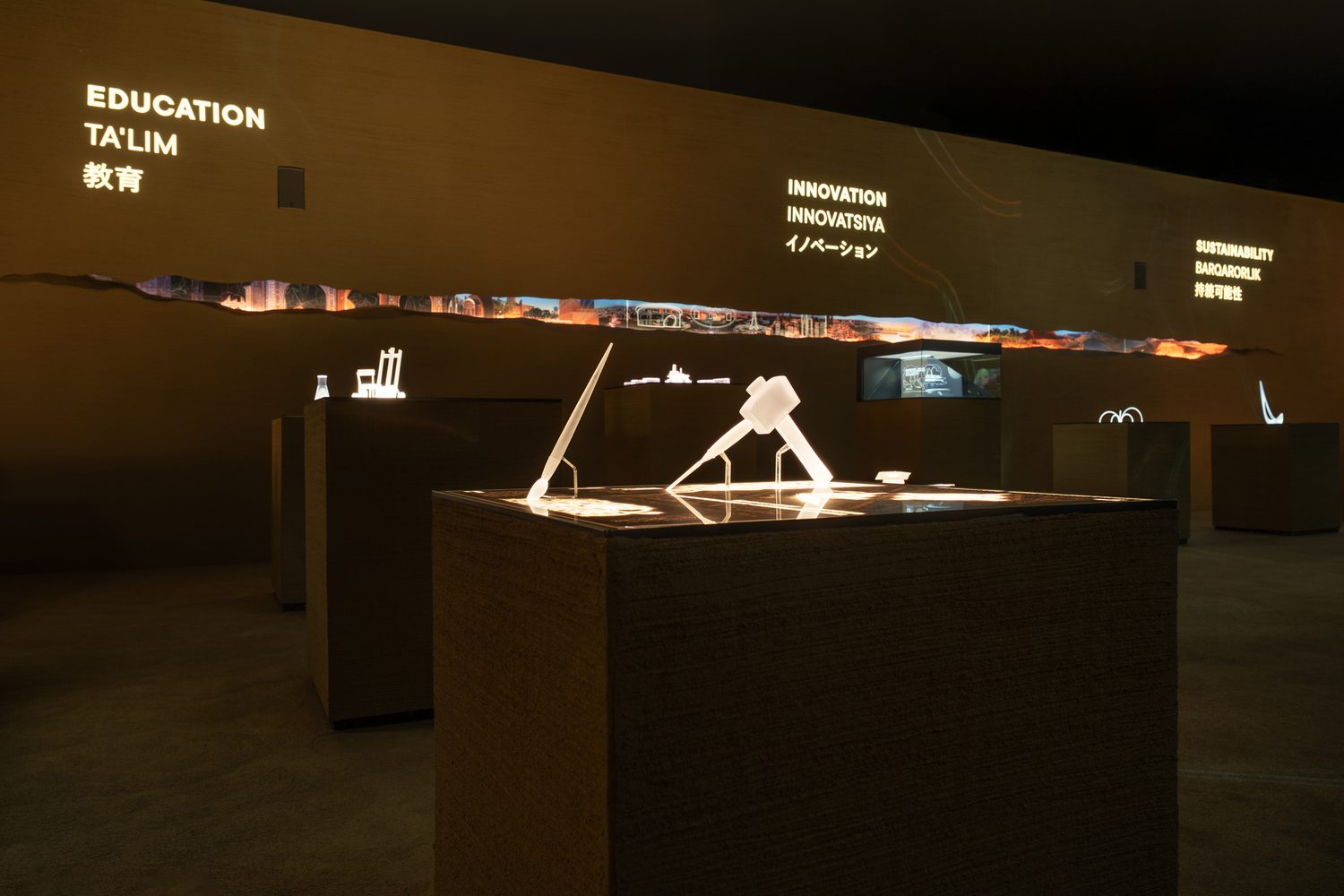
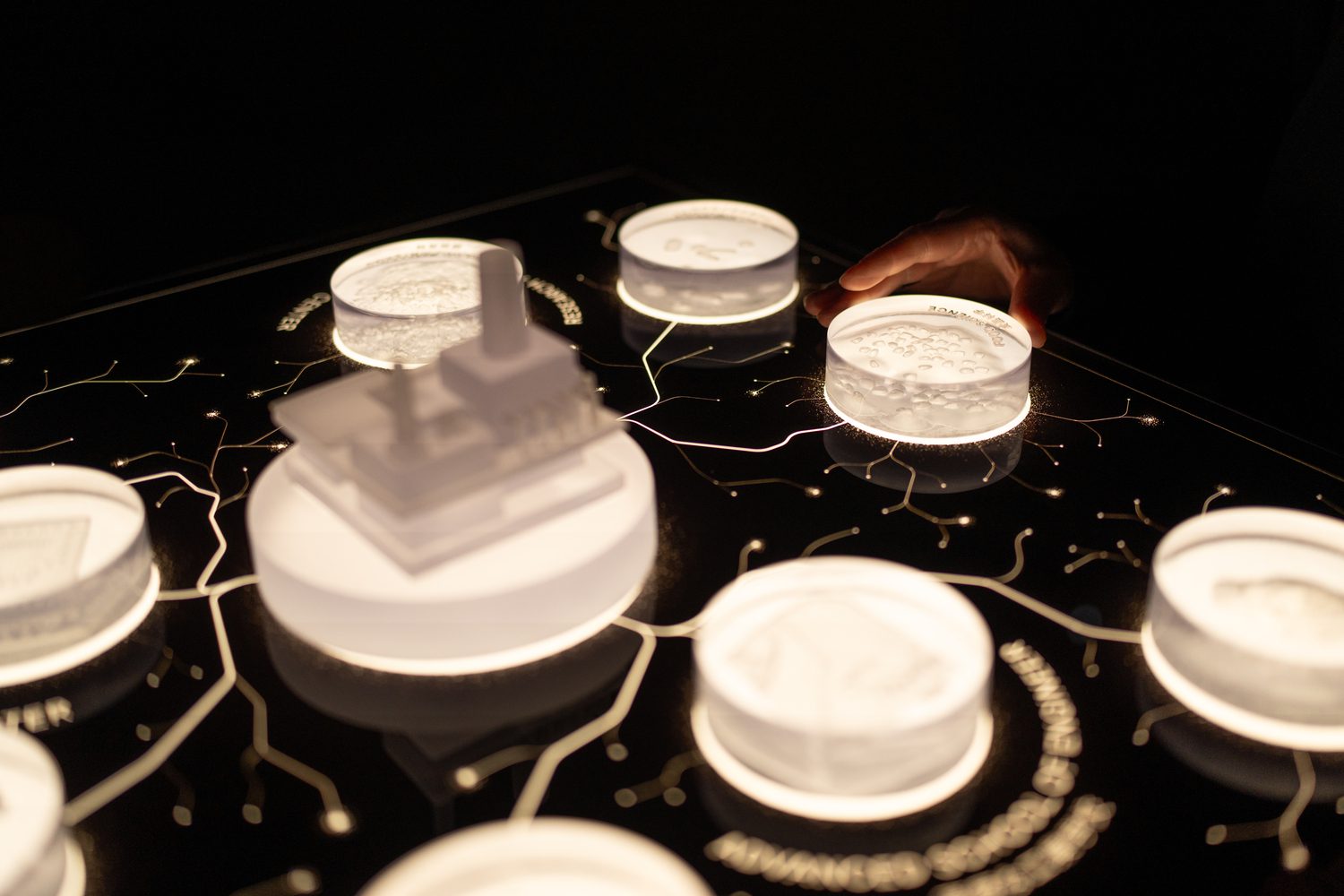
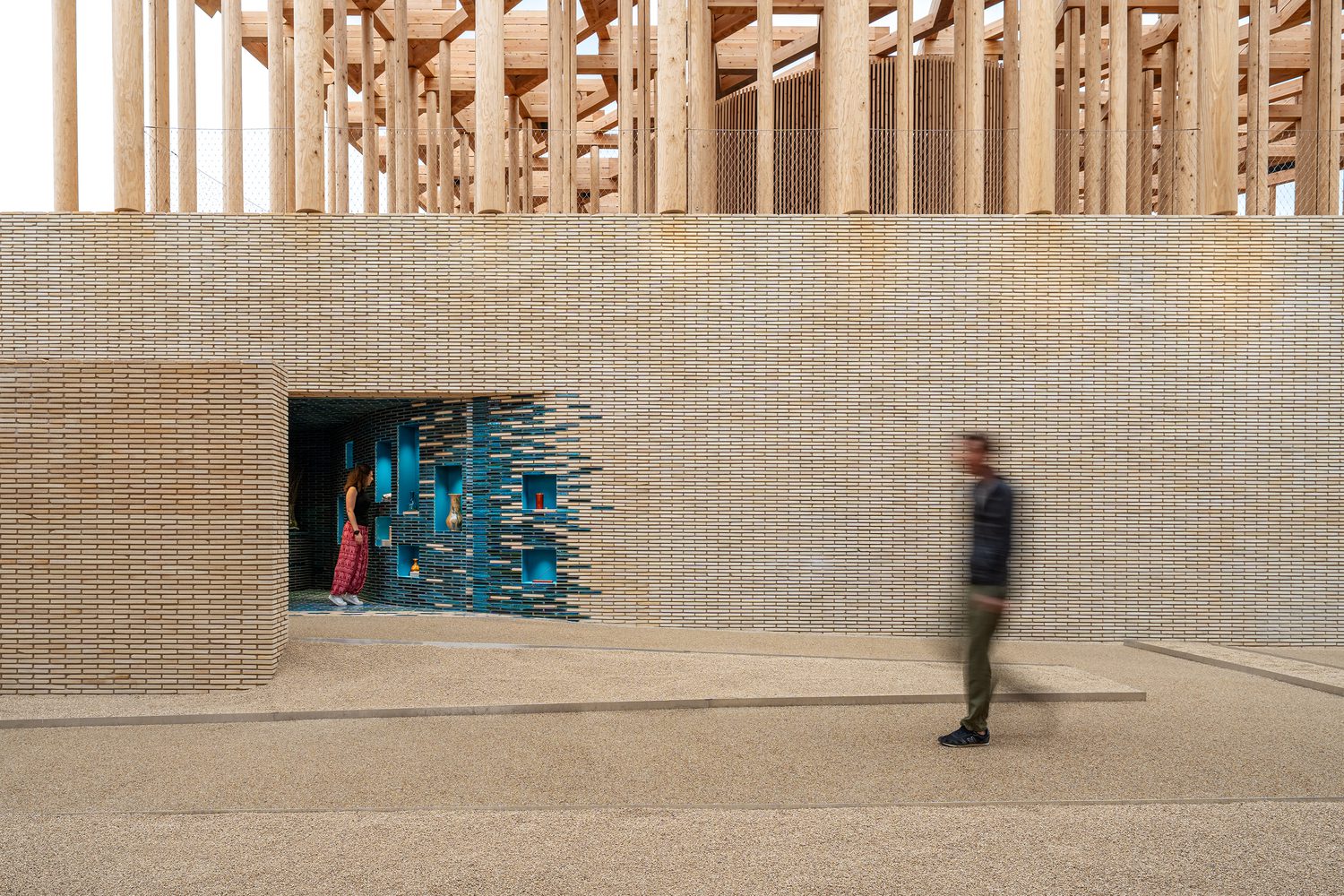
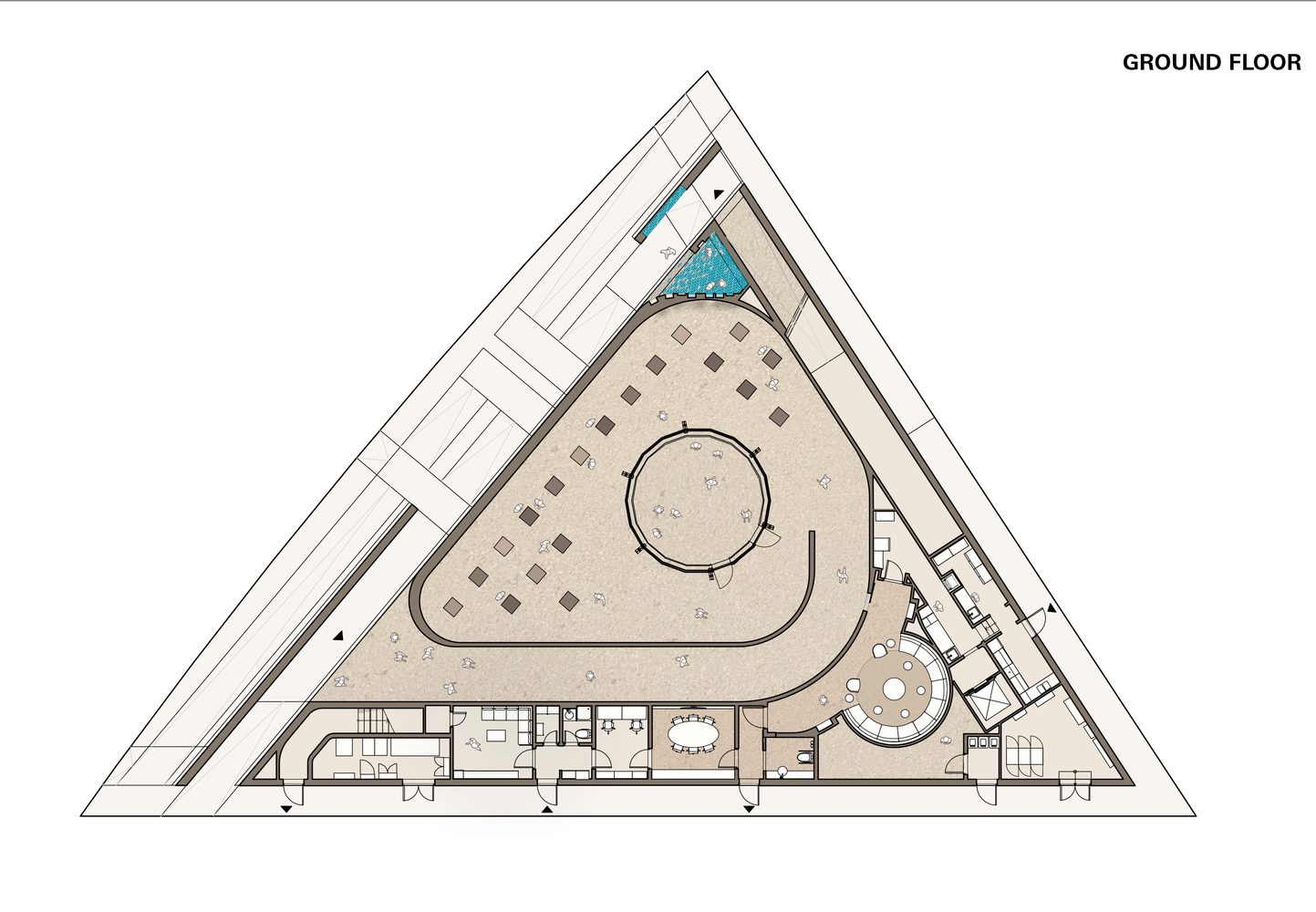
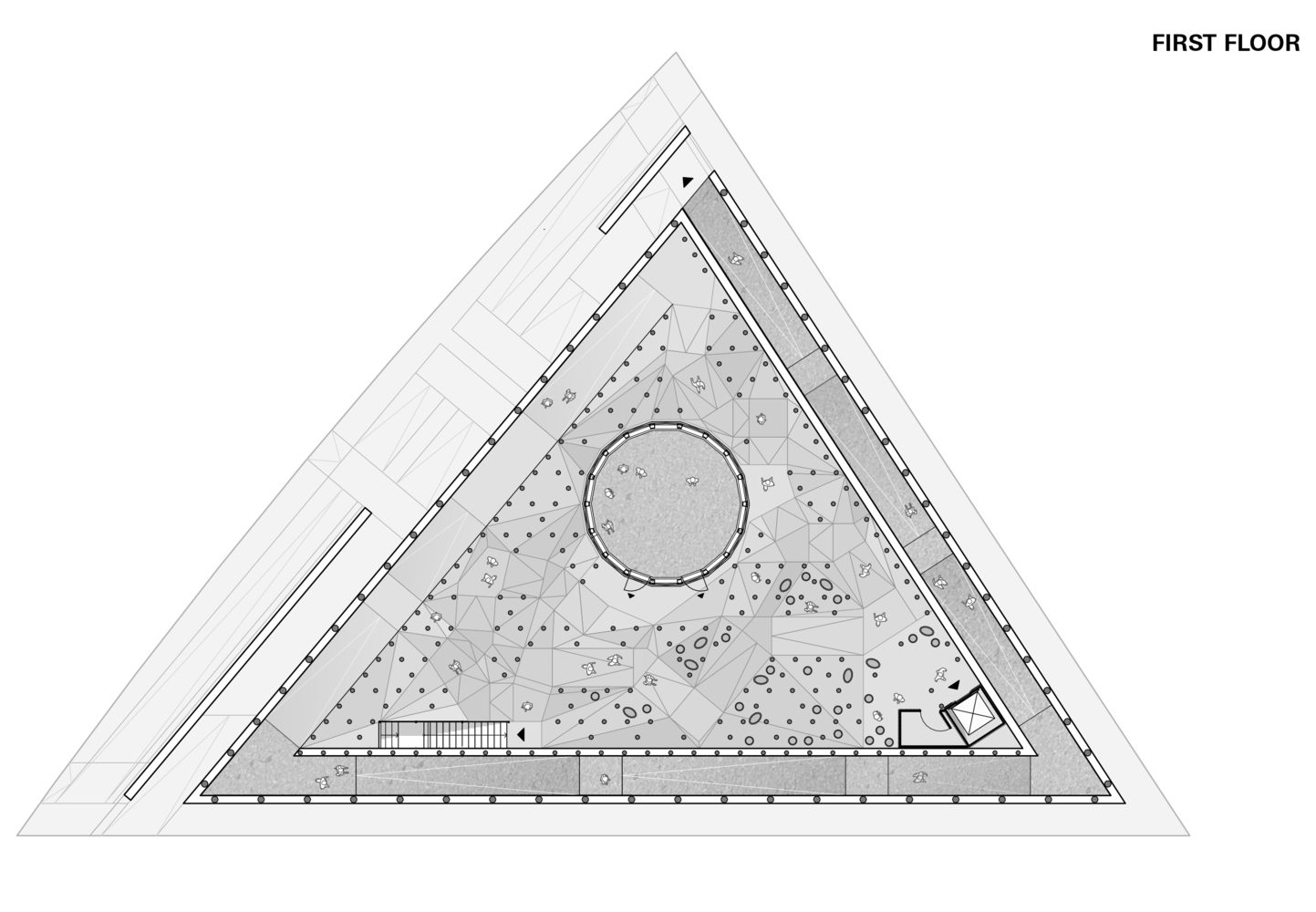
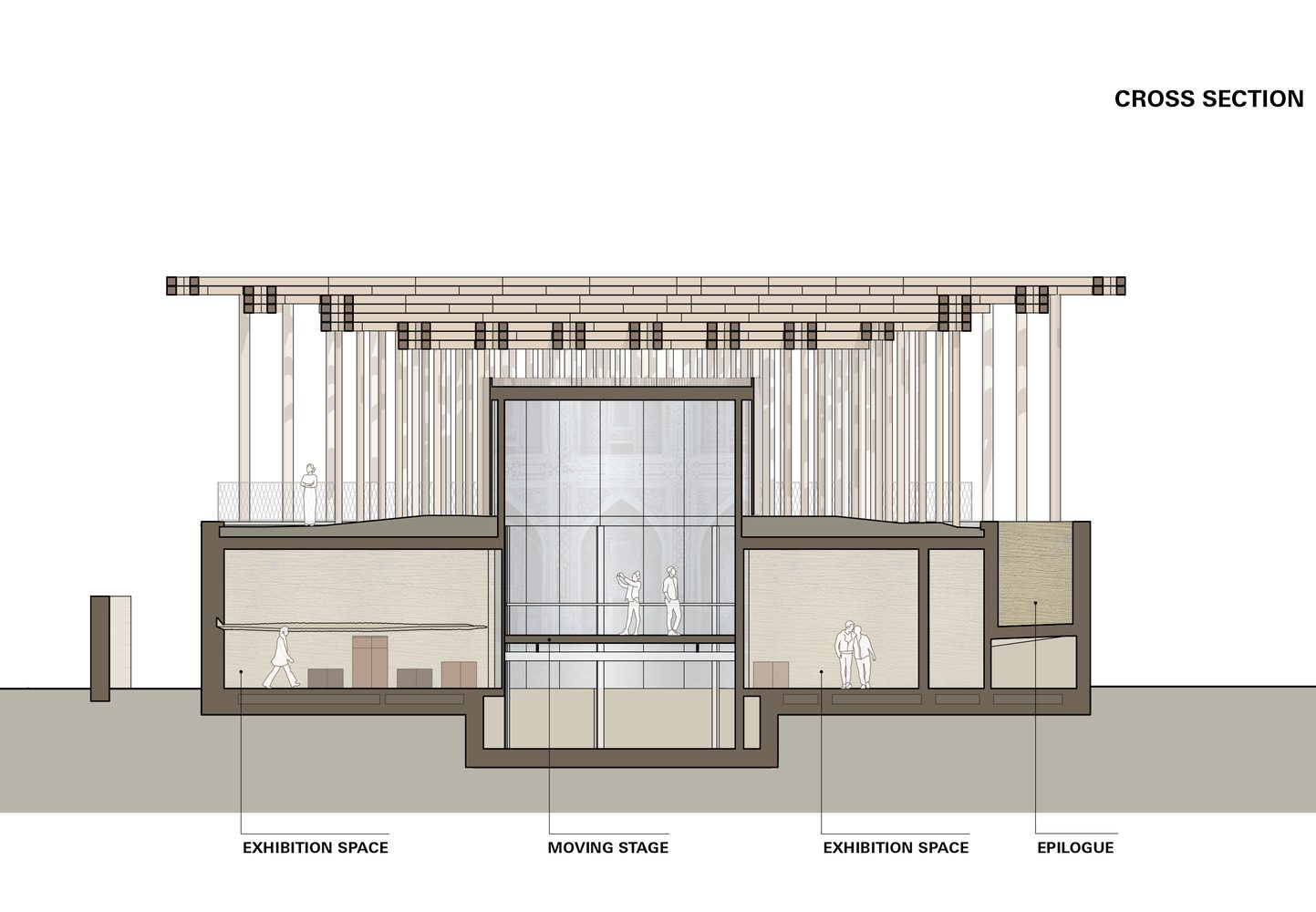
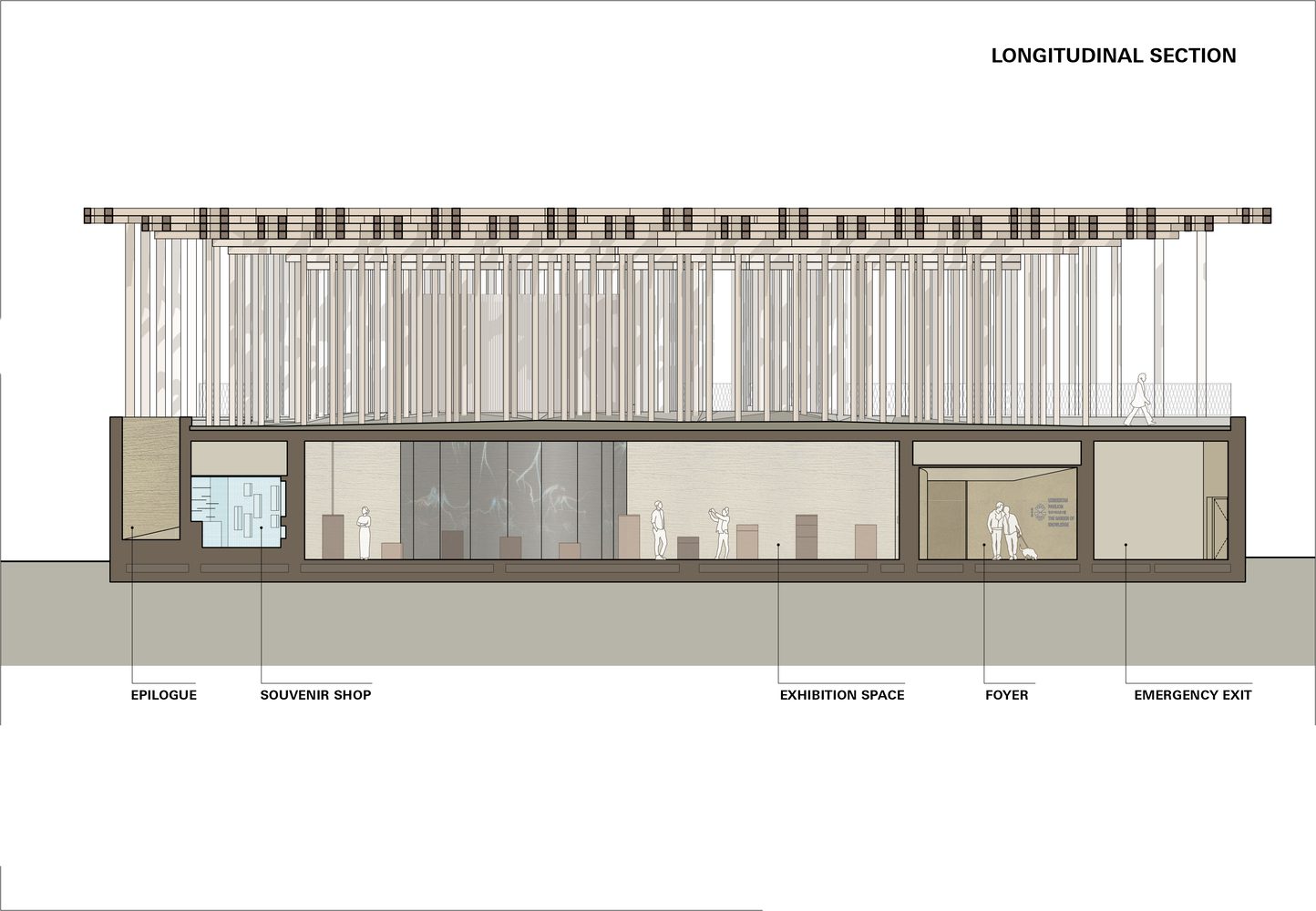
The ground floor forms a dense, enclosed base that houses the main exhibition. Constructed with clay, brick, and earthen finishes, it references traditional building materials while providing thermal mass and humidity regulation. The absence of daylight openings minimizes solar gain and allows for a controlled interior climate, supporting energy efficiency and immersive exhibition design. Within this grounded environment, scenographic installations explore themes of sustainability, innovation, and education.
© Josef Šindelka
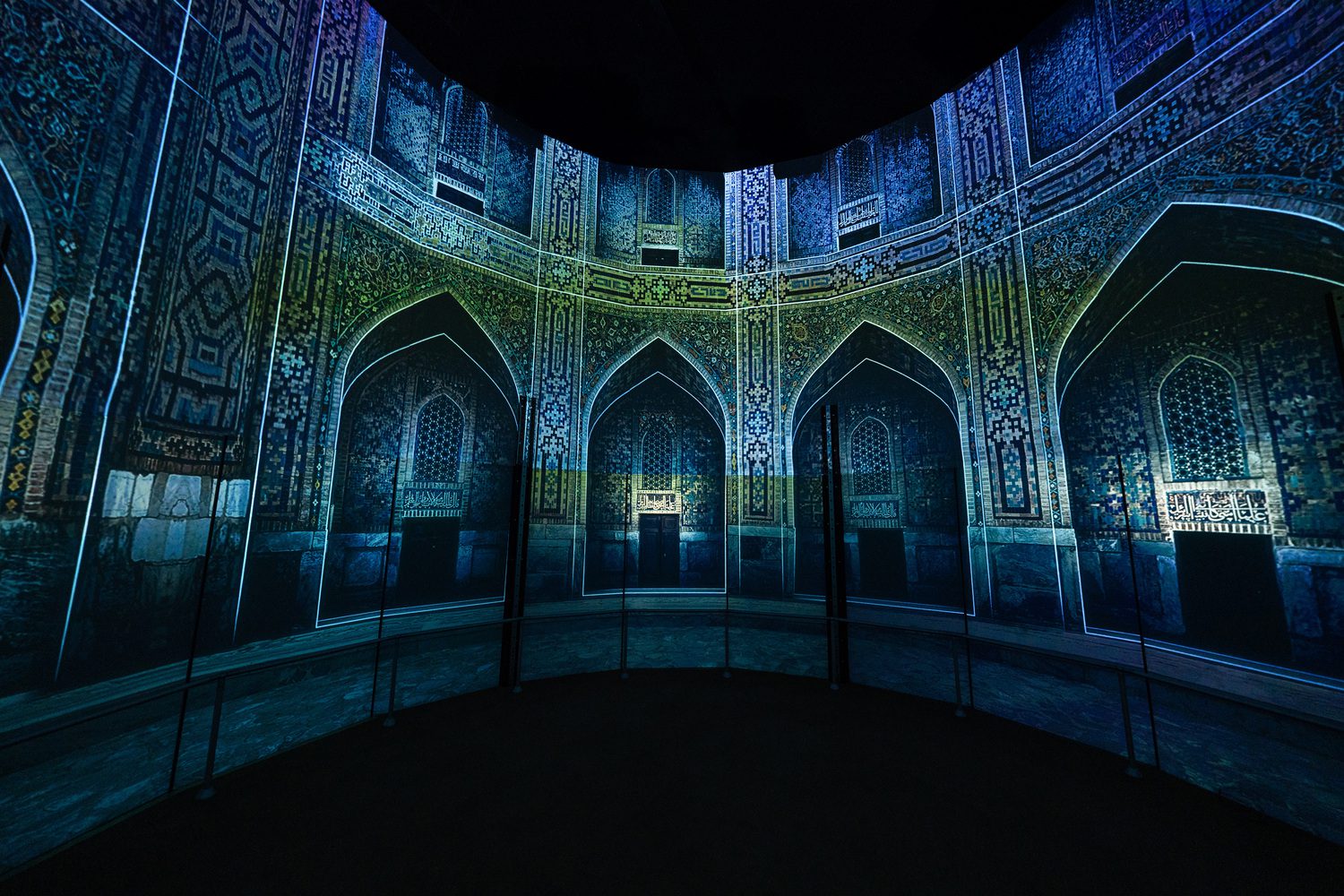
At the center of the building, a rising platform connects the ground floor with the terrace above. Accompanied by a 360-degree multimedia projection, this vertical movement becomes an integral part of the visitor journey. Images, light, and sound extend the exhibition narrative into motion, guiding visitors upward through a sequence that reflects cycles of growth, craftsmanship, and transformation. The ascent culminates in a direct transition from the enclosed interior to the open upper level.
© Josef Šindelka
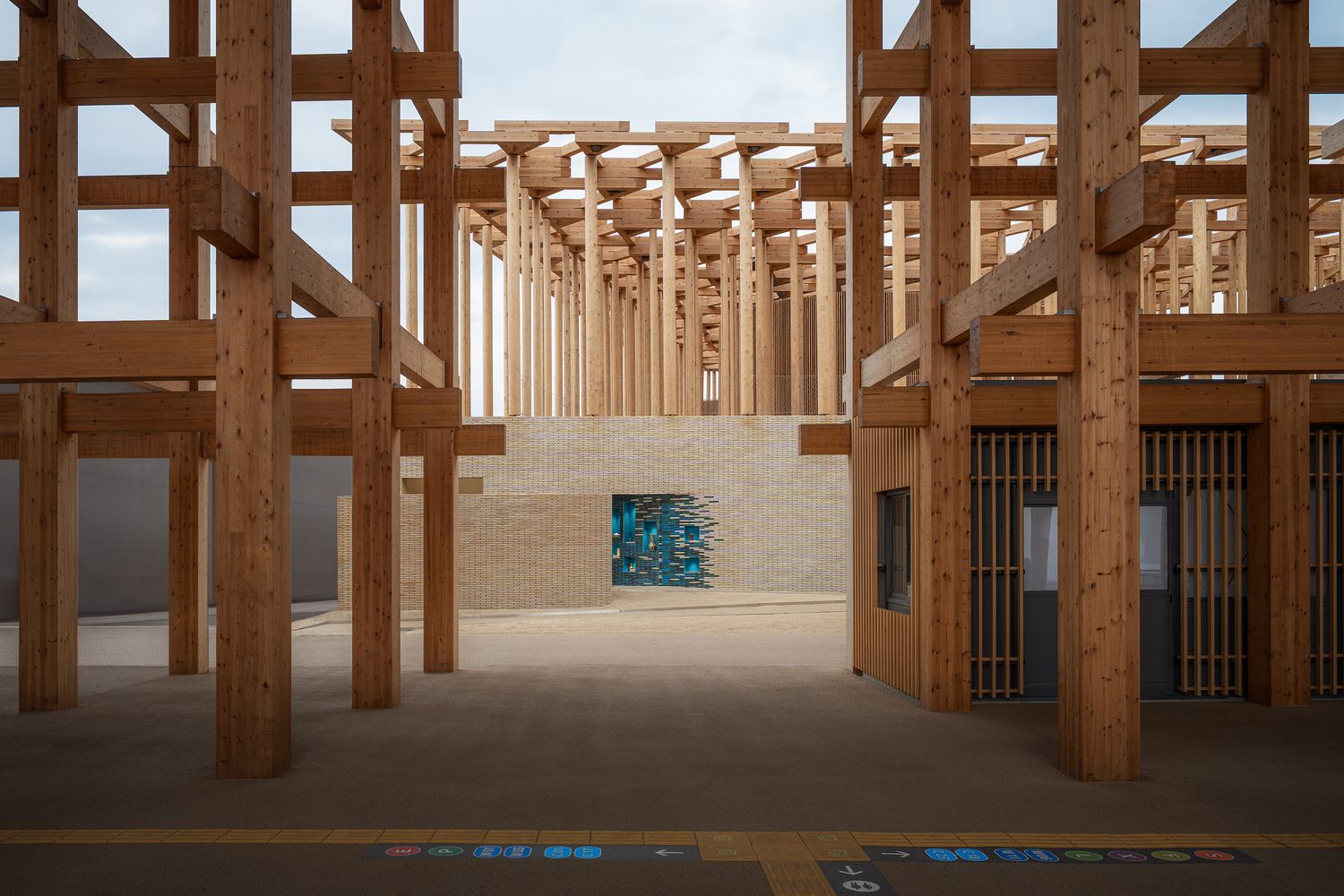
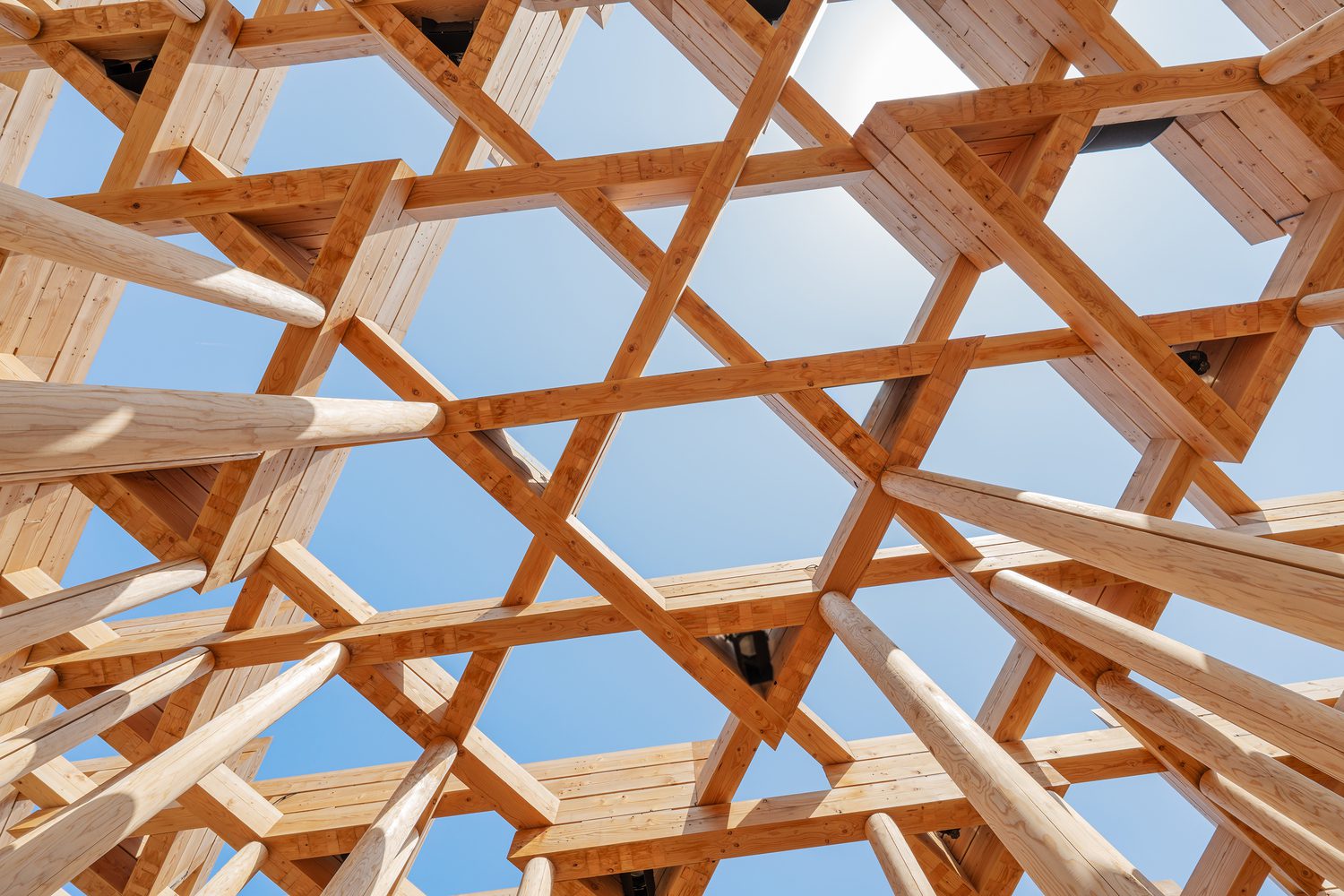
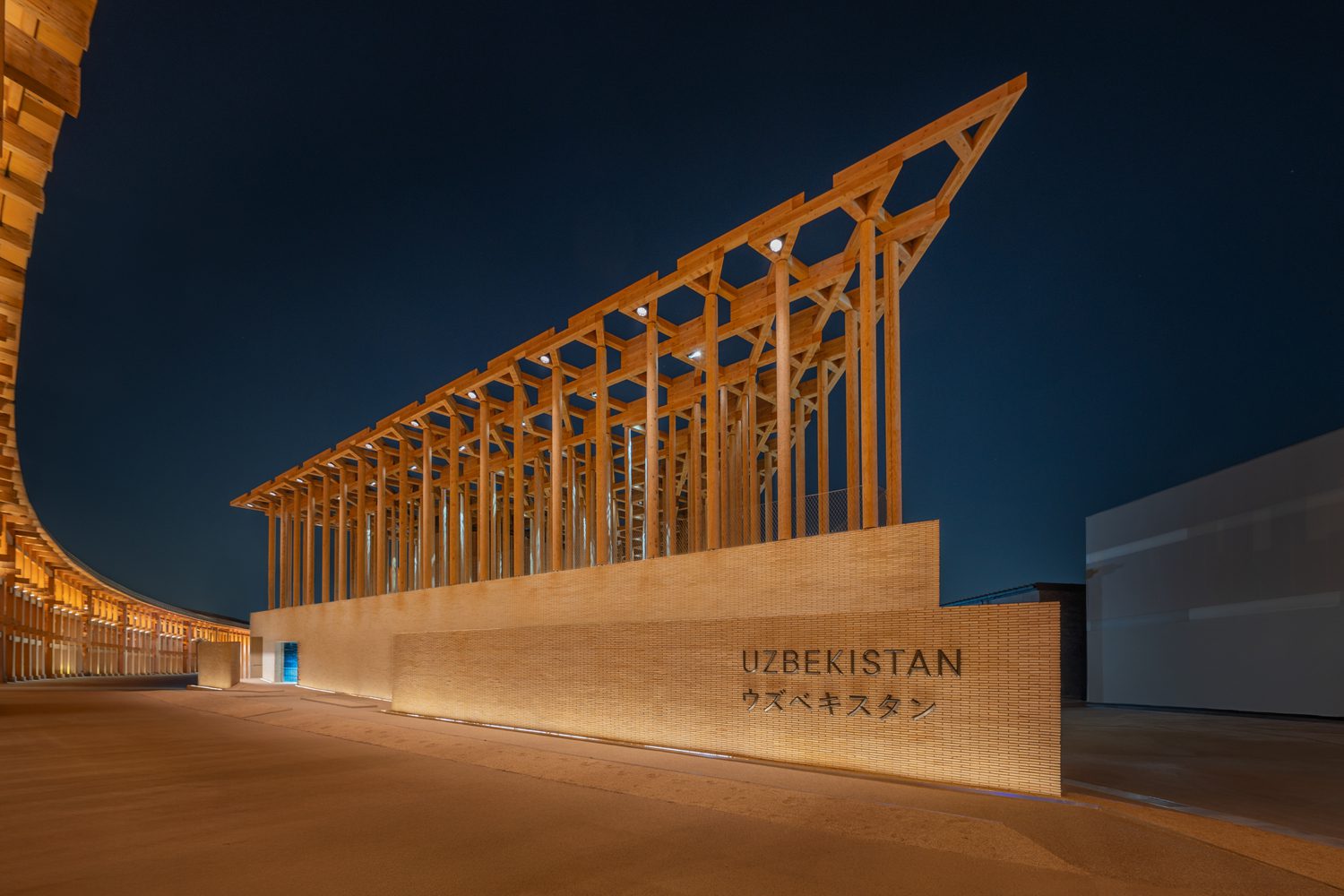
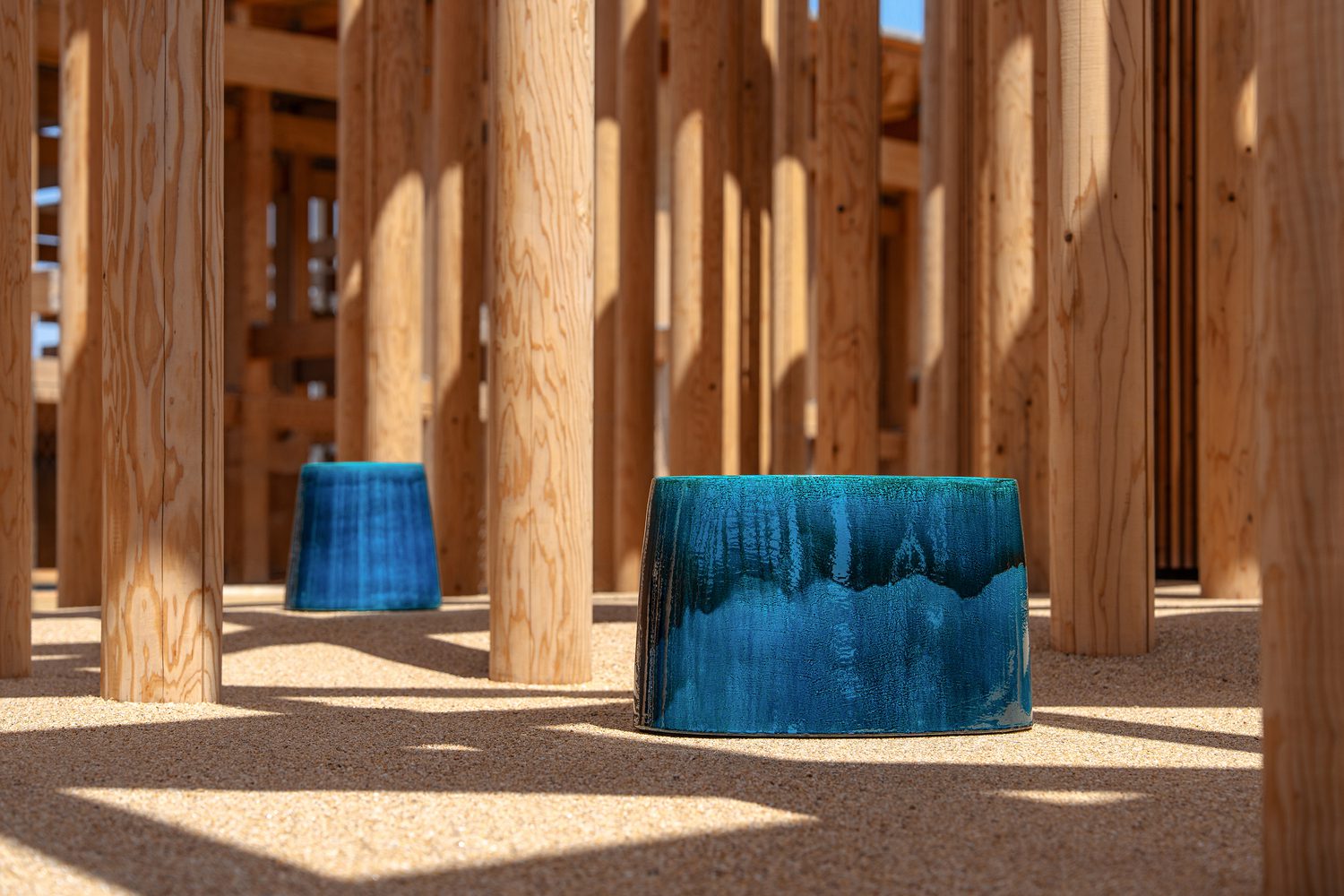
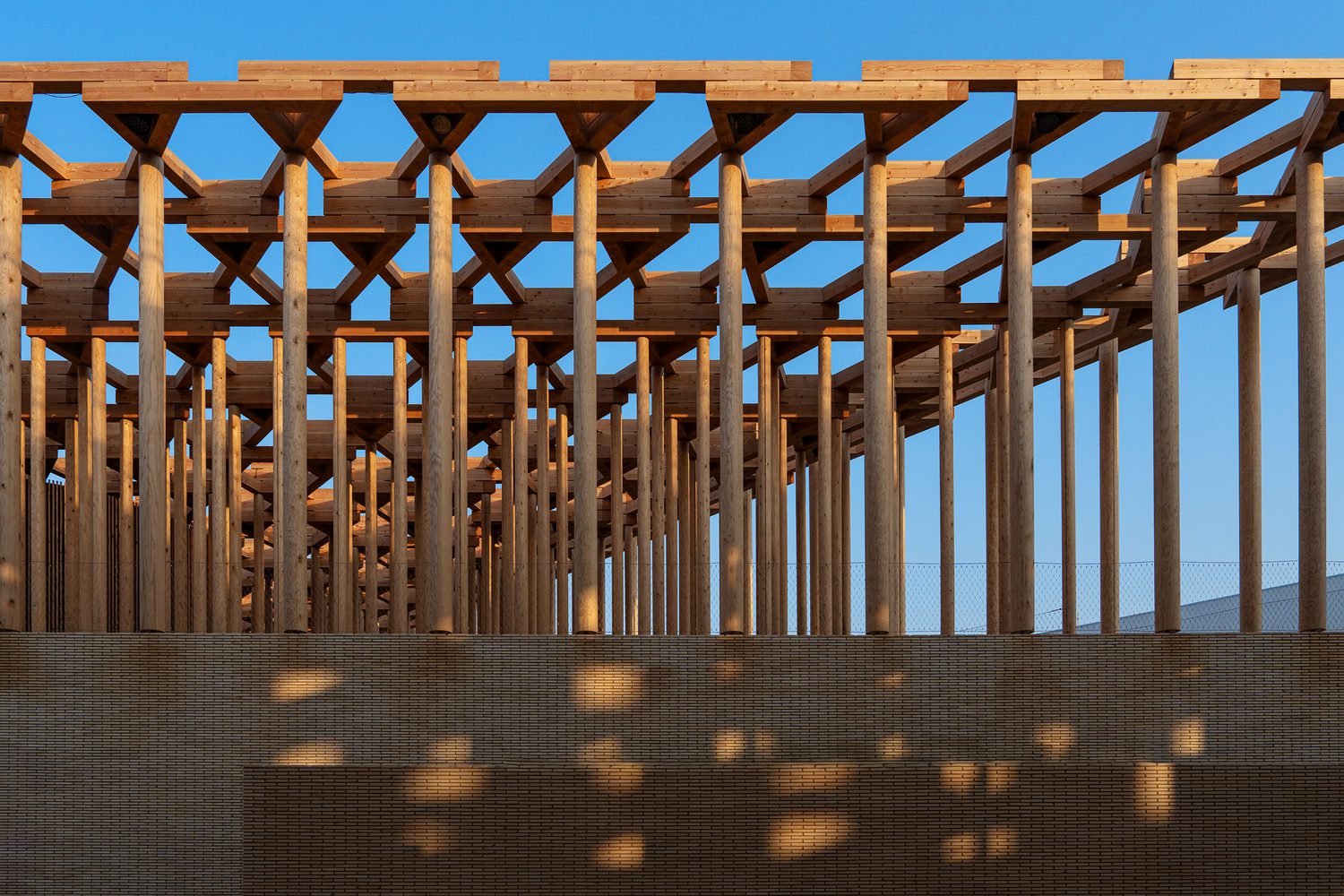
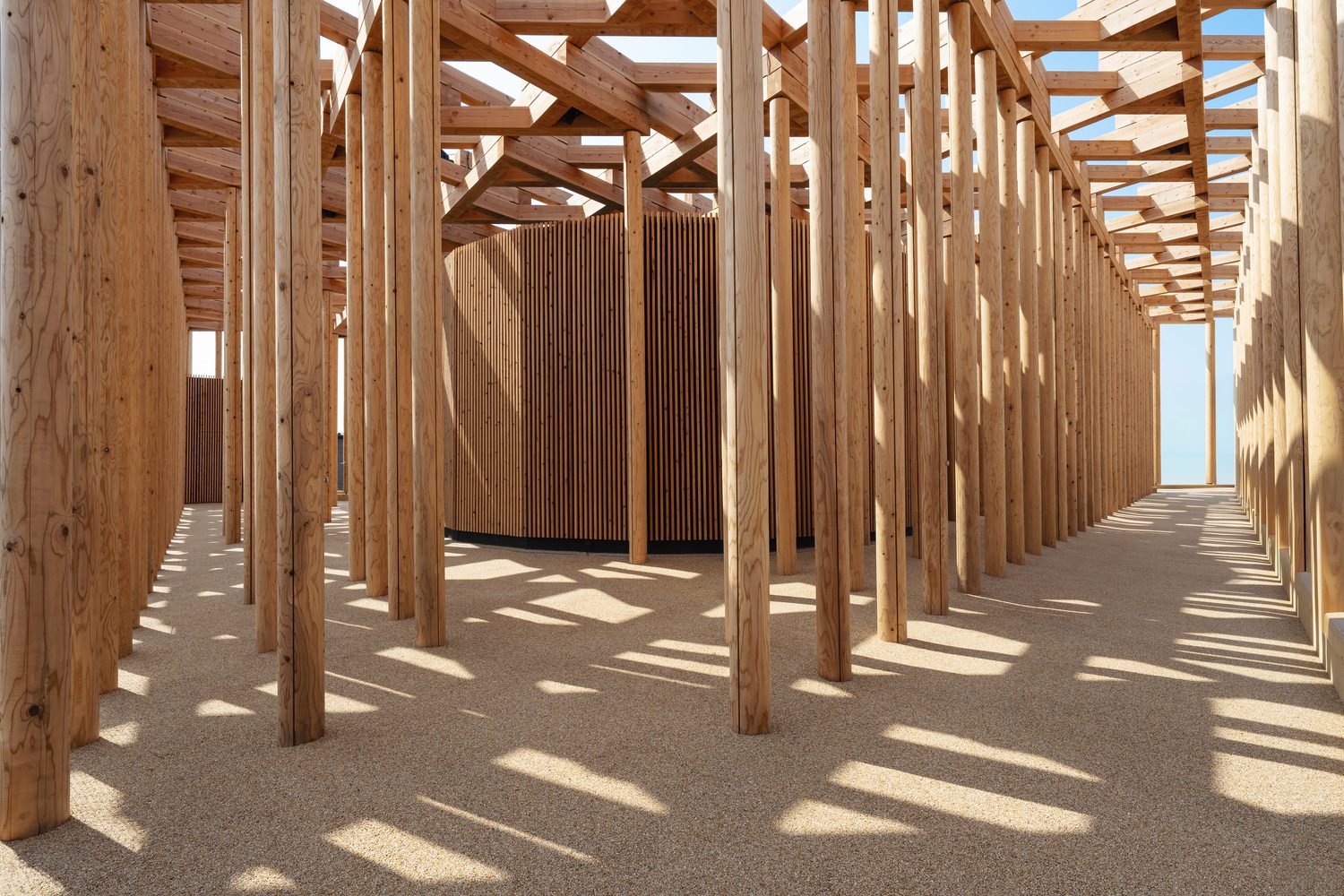
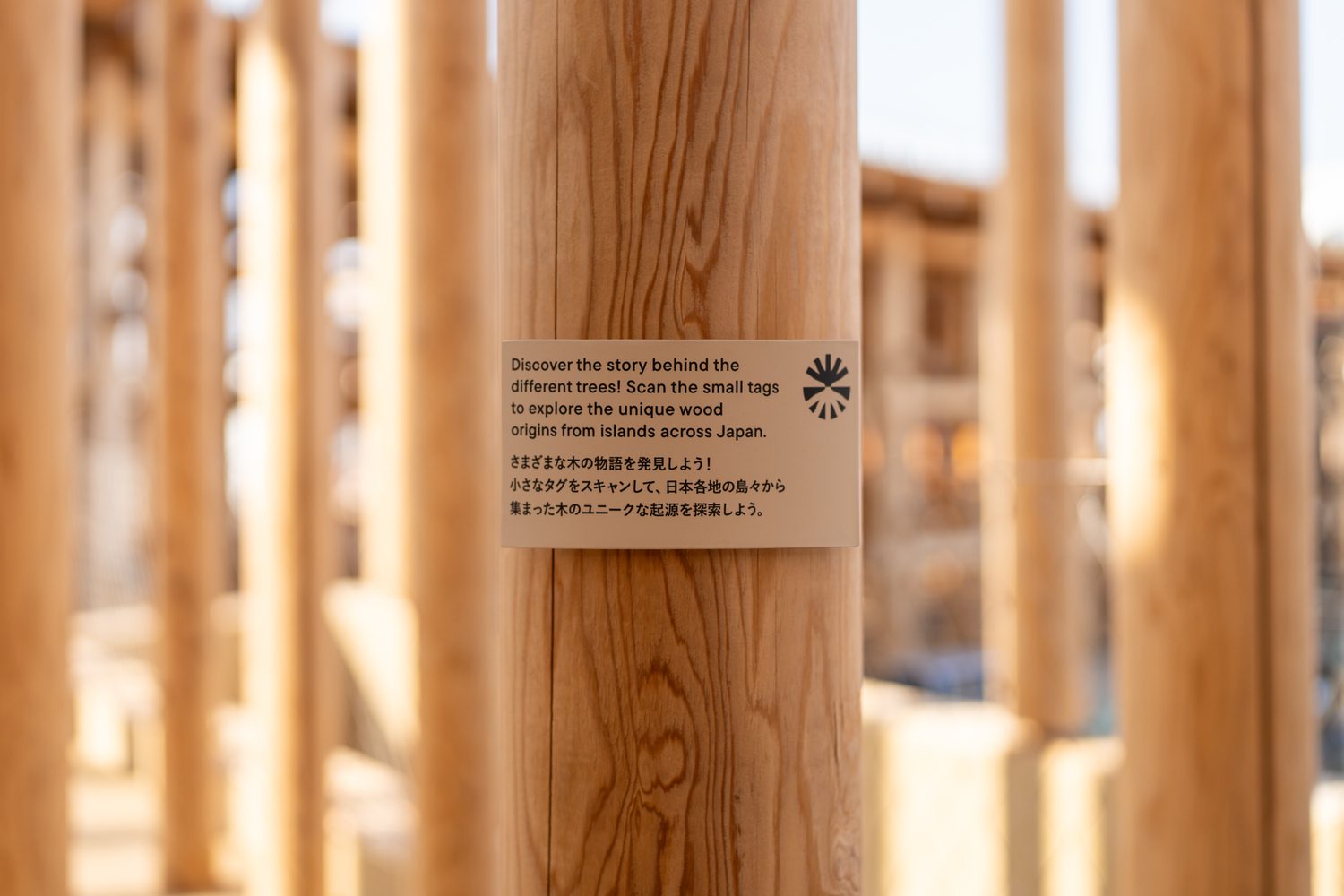
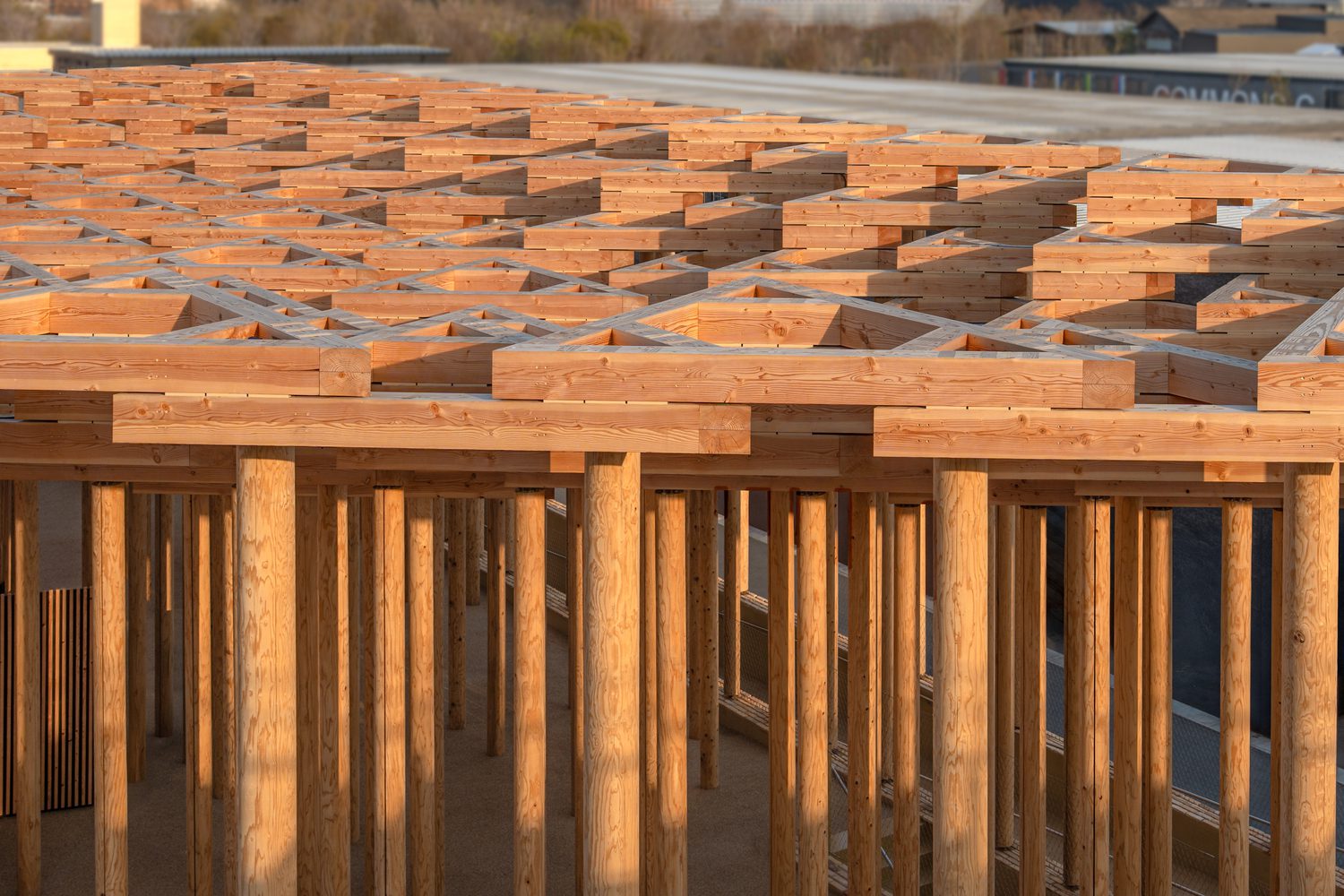
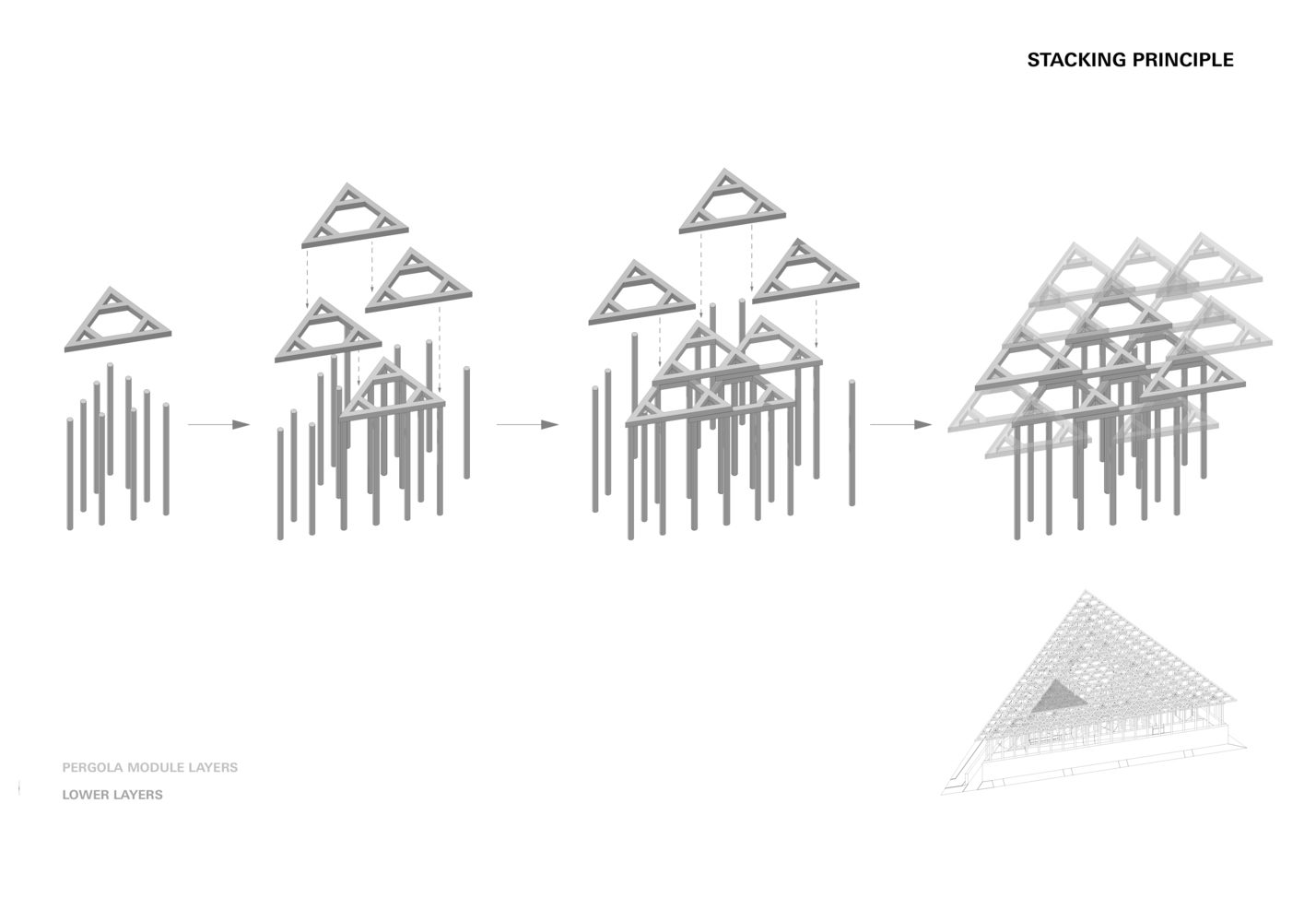
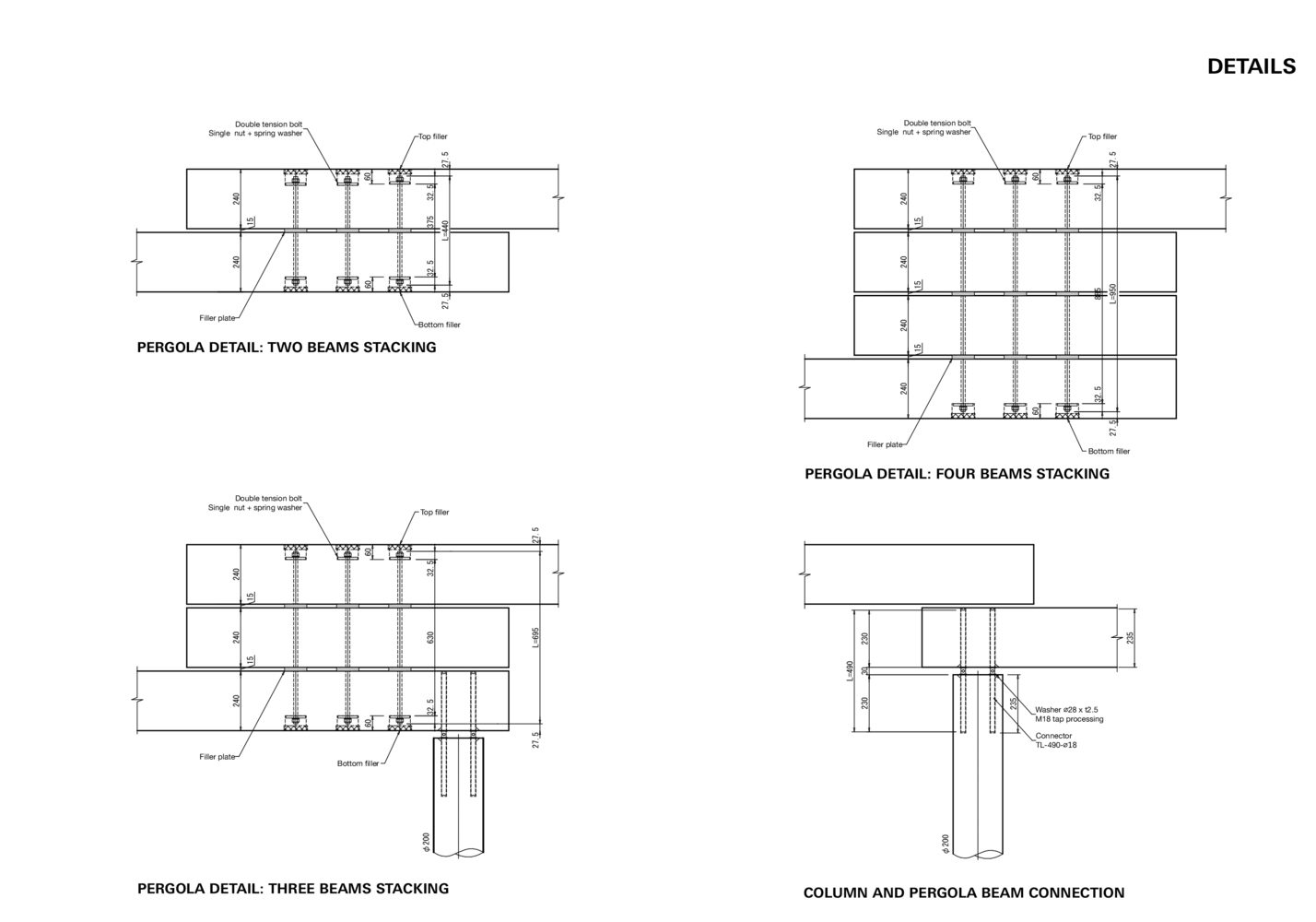
In contrast to the introverted base, the terrace unfolds as an open, forest-like structure defined by a grid of timber columns and a modular pergola. The lightweight wooden construction provides passive shading while allowing air and light to permeate the space. This level serves as a place for rest, reflection, and exchange, completing the architectural metaphor of knowledge branching outward.
© Josef Šindelka
Material selection plays a central role in the pavilion’s sustainability strategy. The structure is primarily built from locally sourced Japanese timber, while clay and earth finishes originate from nearby Awaji Island, reducing transportation distances. Reclaimed bricks were incorporated into the façade, and key elements of the timber structure, including the pergola, are intended to be reassembled in Nukus, Uzbekistan, where they will form a children’s library and community hub, extending the pavilion’s lifecycle beyond the Expo.
© Josef Šindelka
As a completed work, the Uzbekistan Pavilion offers a calm, materially grounded presence within the Expo context. By combining narrative spatial sequencing with sustainable construction principles, the project functions as both an exhibition space and an architectural expression of cultural continuity and transformation.
© Josef Šindelka
Project Info:
- Architects: ATELIER BRÜCKNER
- Country: Osaka, Japan
- Area: 1272 m²
- Year: 2025
- Photographs: Josef Šindelka
- Lead Architects: Shirin Frangoul-Brückner, Jannis Renner, Nils Scheffler, Irina Stepanova, Kathrin-Milic Grunwald
- Design Team: Sayaka Koike
- Engineering & Consulting > Services: NÜSSLI Group, medienprojekt p2, Tamschick Media+Space
- Engineering & Consulting > Lighting: KLEE Technisches Planungsbüro

Anastasia Andreieva is an accomplished Architectural Projects Editor at Arch2O, bringing a unique blend of linguistic expertise and design enthusiasm to the team. Born and raised in Ukraine, she holds a Master’s degree in Languages from Taras Shevchenko National University of Kyiv. Her deep passion for architecture and visual storytelling led her to transition from translation and editorial roles into the world of design media. With a keen eye for conceptual clarity and narrative structure, Anastasia curates and presents global architectural projects with precision and flair. She is particularly drawn to parametric and digital design, cultural context, and emerging voices in architecture. When I’m not analyzing the latest architectural trends, you’ll probably find me searching for hidden gems in cityscapes or appreciating the beauty of well-crafted spaces. After all, great design—like great connections—can be found in the most unexpected places. Speaking of connections, because architecture isn’t the only thing that brings people together.