

Red House Ipiranga Bom Pastor, With the growth of Red House Ipiranga, the school sought a new space to accommodate its elementary school students. The school’s first unit was located in a nearby house, a heritage property that underwent renovations and restorations to become a welcoming environment for children. The major challenge in this new phase was finding a space that met the educational needs of the institution without losing the unique and historic character of the neighborhood.
© Hugo Chinaglia
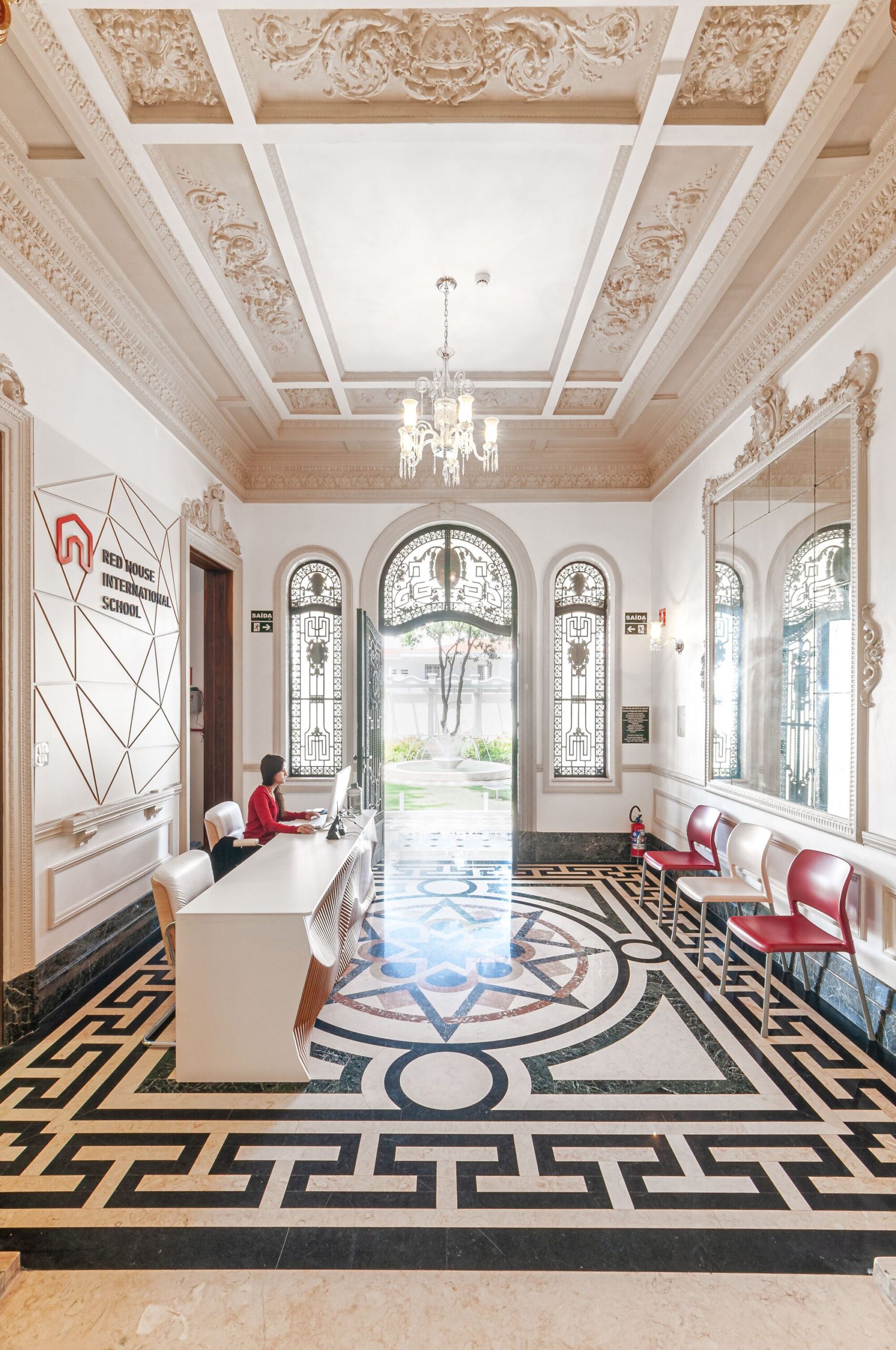
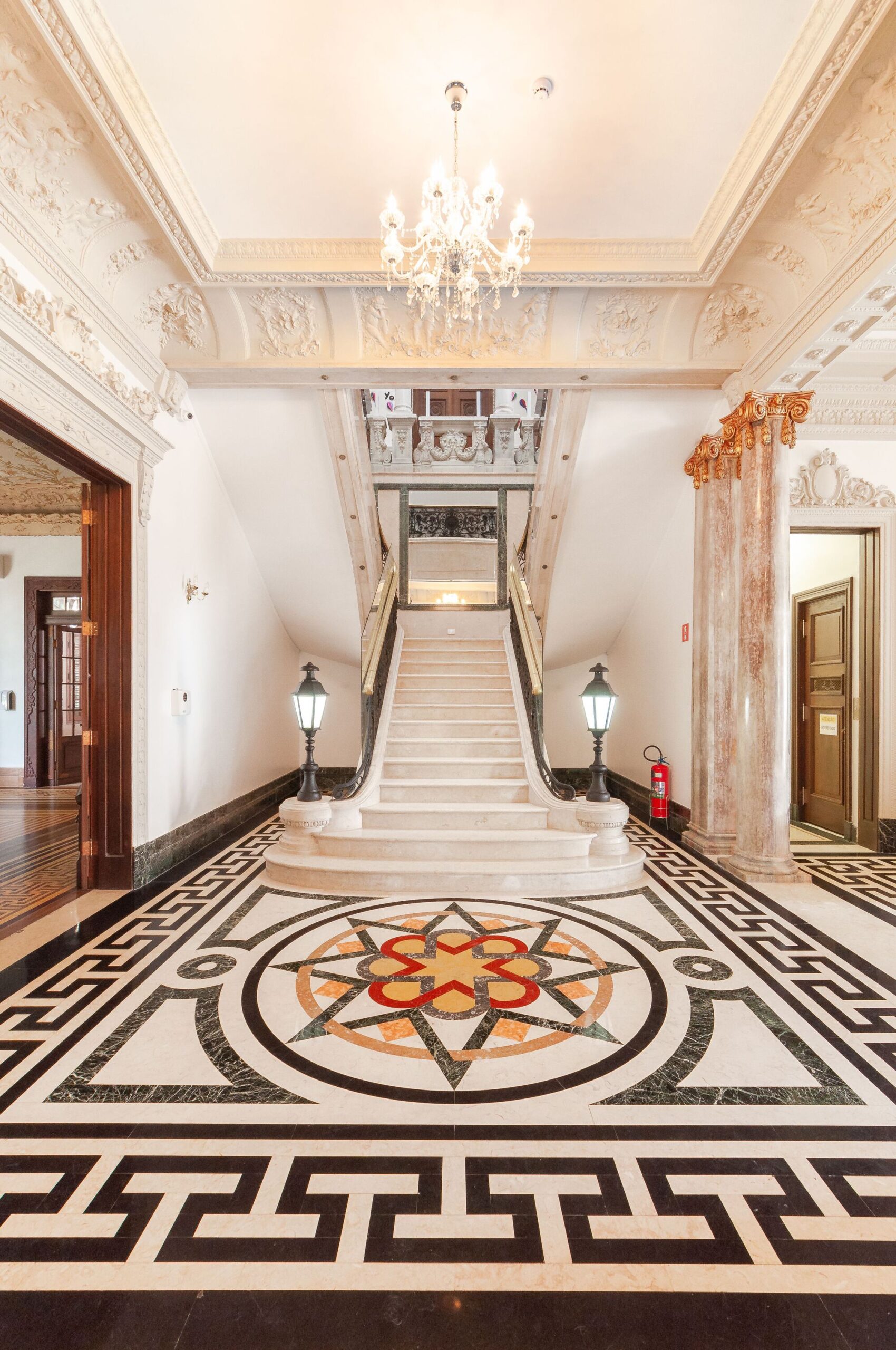
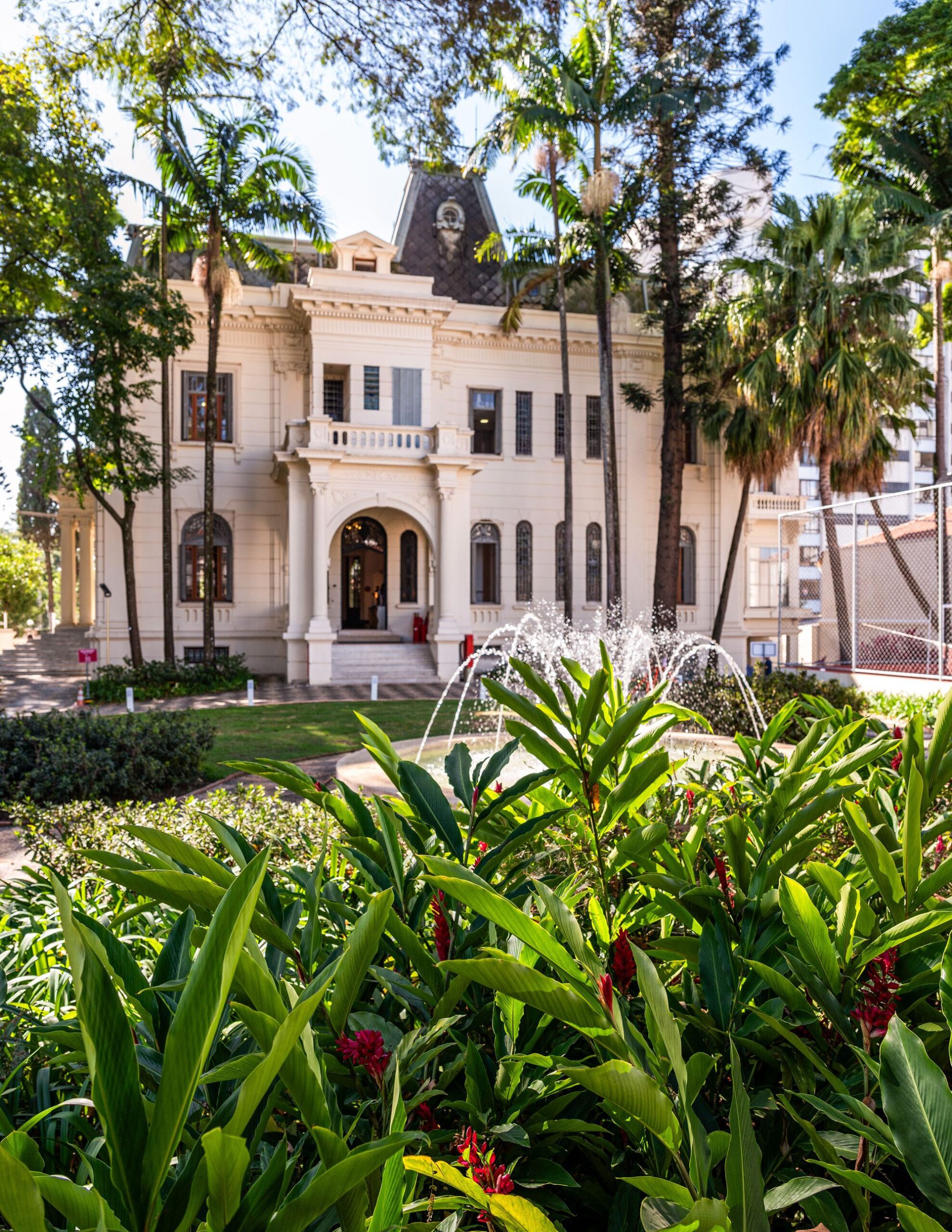
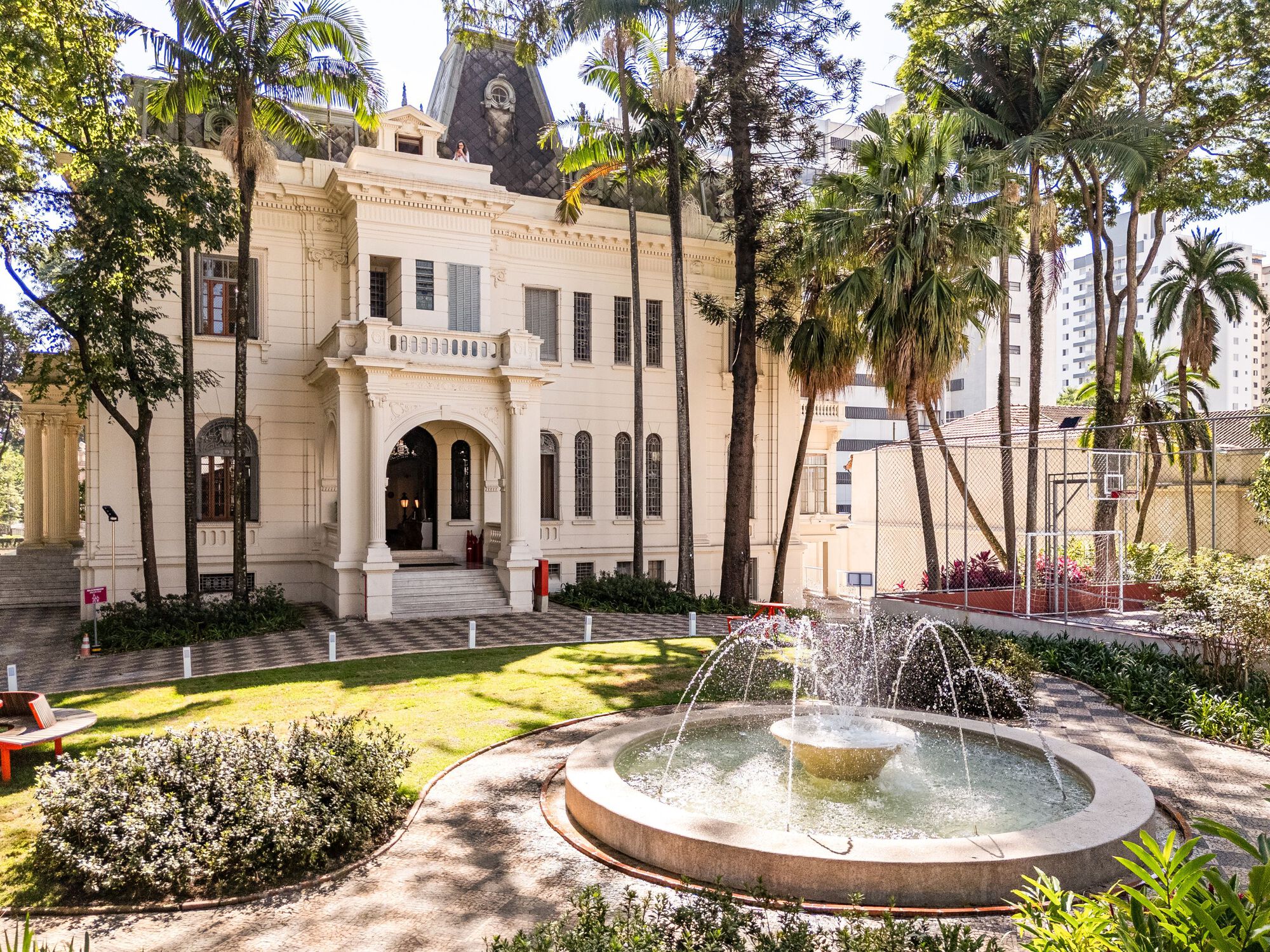
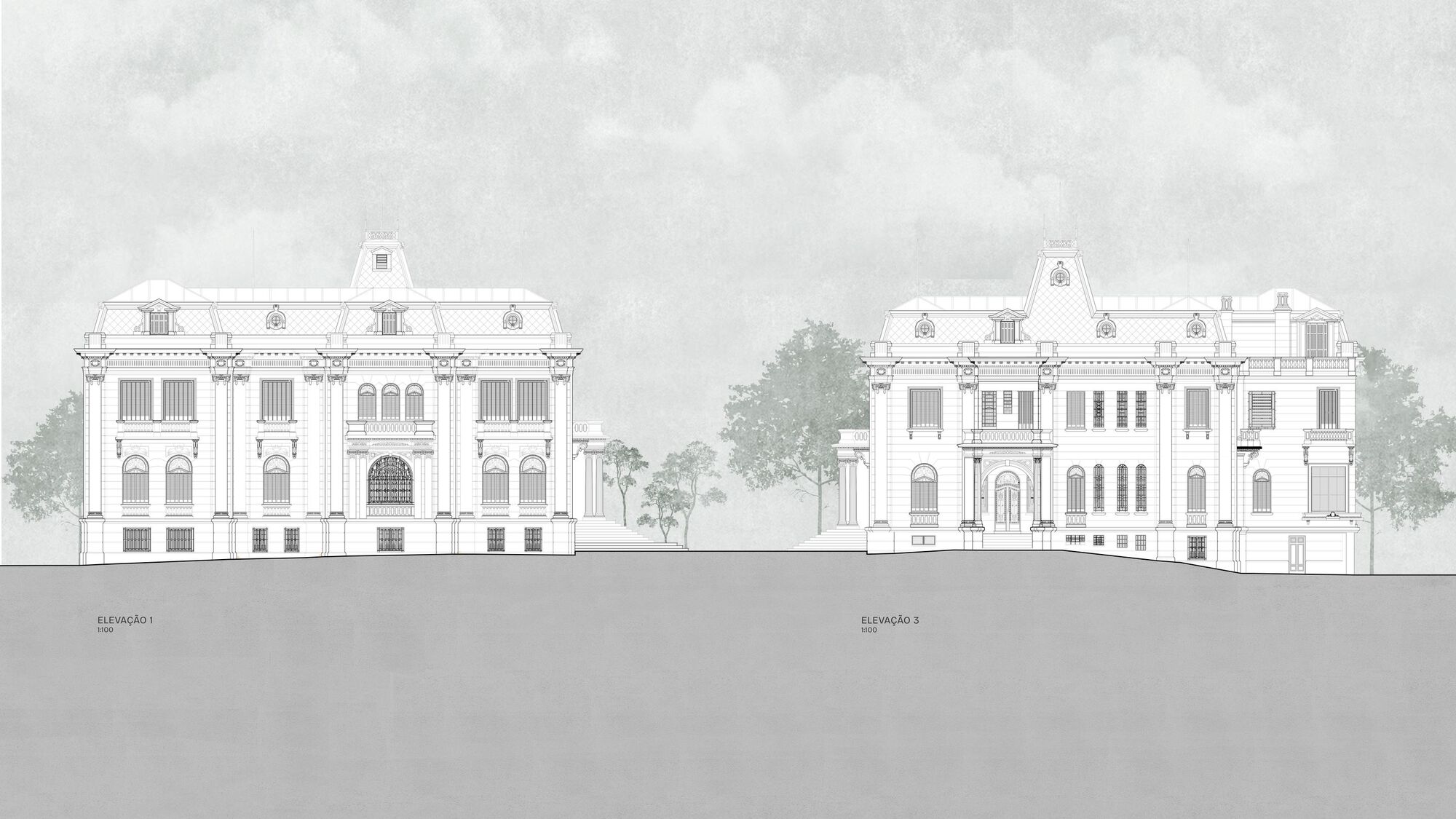
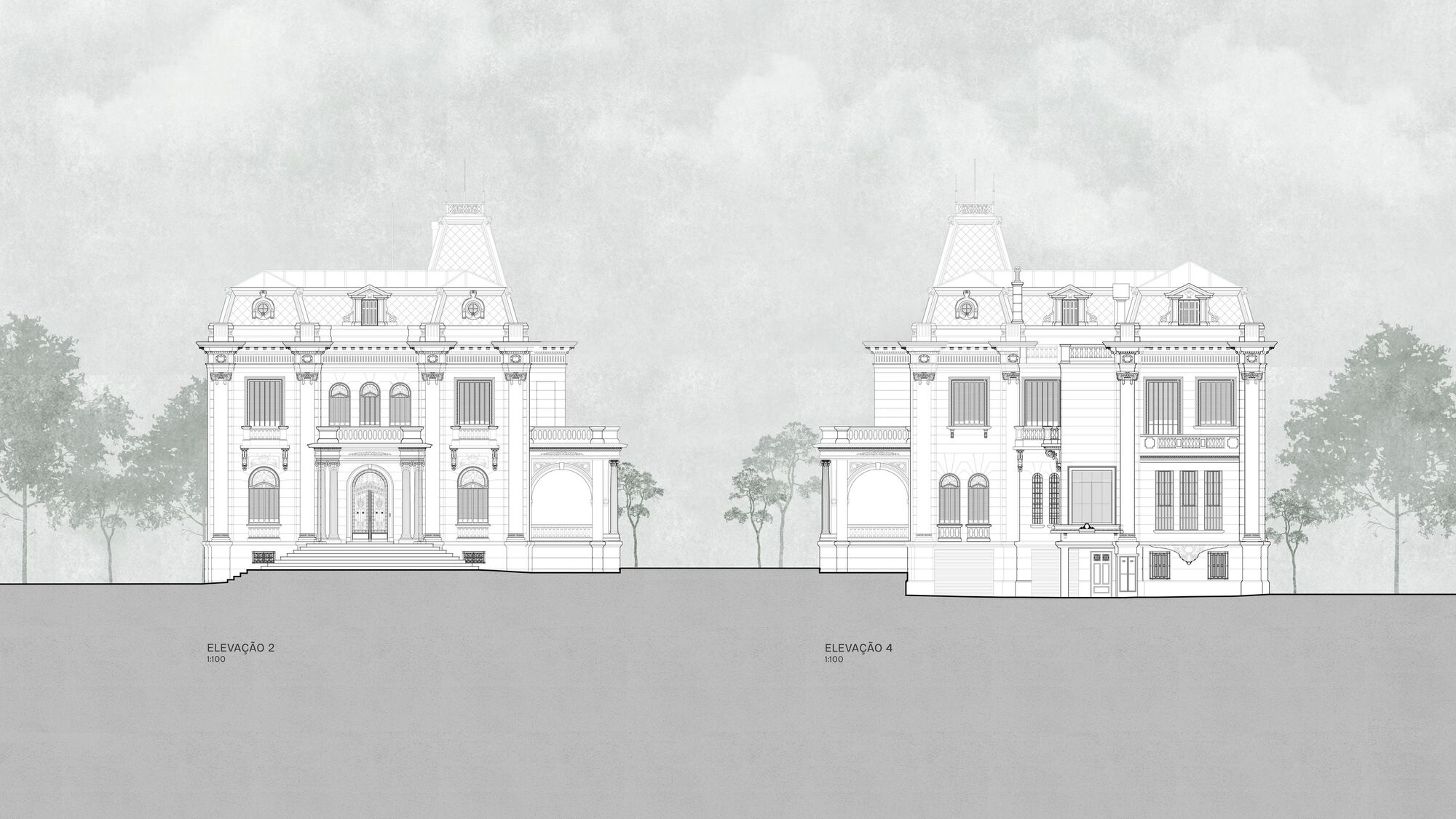
Situated in Ipiranga, one of São Paulo’s most iconic neighborhoods, the new building chosen is an architectural example from the 1930s. The house, built between 1933 and 1934 by the Jafet family, has a timeless charm that aligns perfectly with the educational proposal of Red House Ipiranga. Upon entering the property located at Rua Bom Pastor, number 825, it felt like a predestined encounter: the house, in excellent condition, turned out to be the ideal space for the school’s new unit.
© Hugo Chinaglia
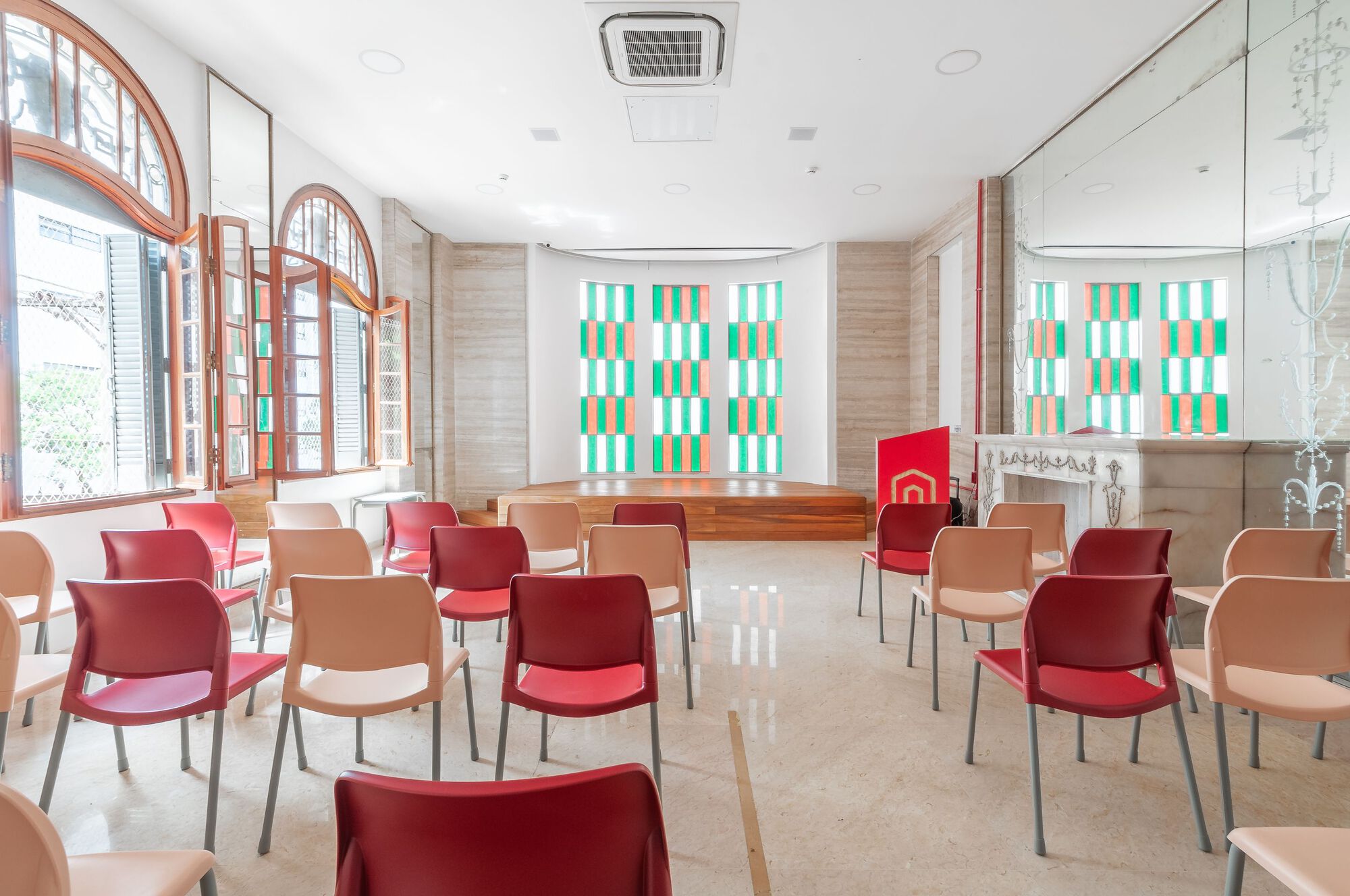
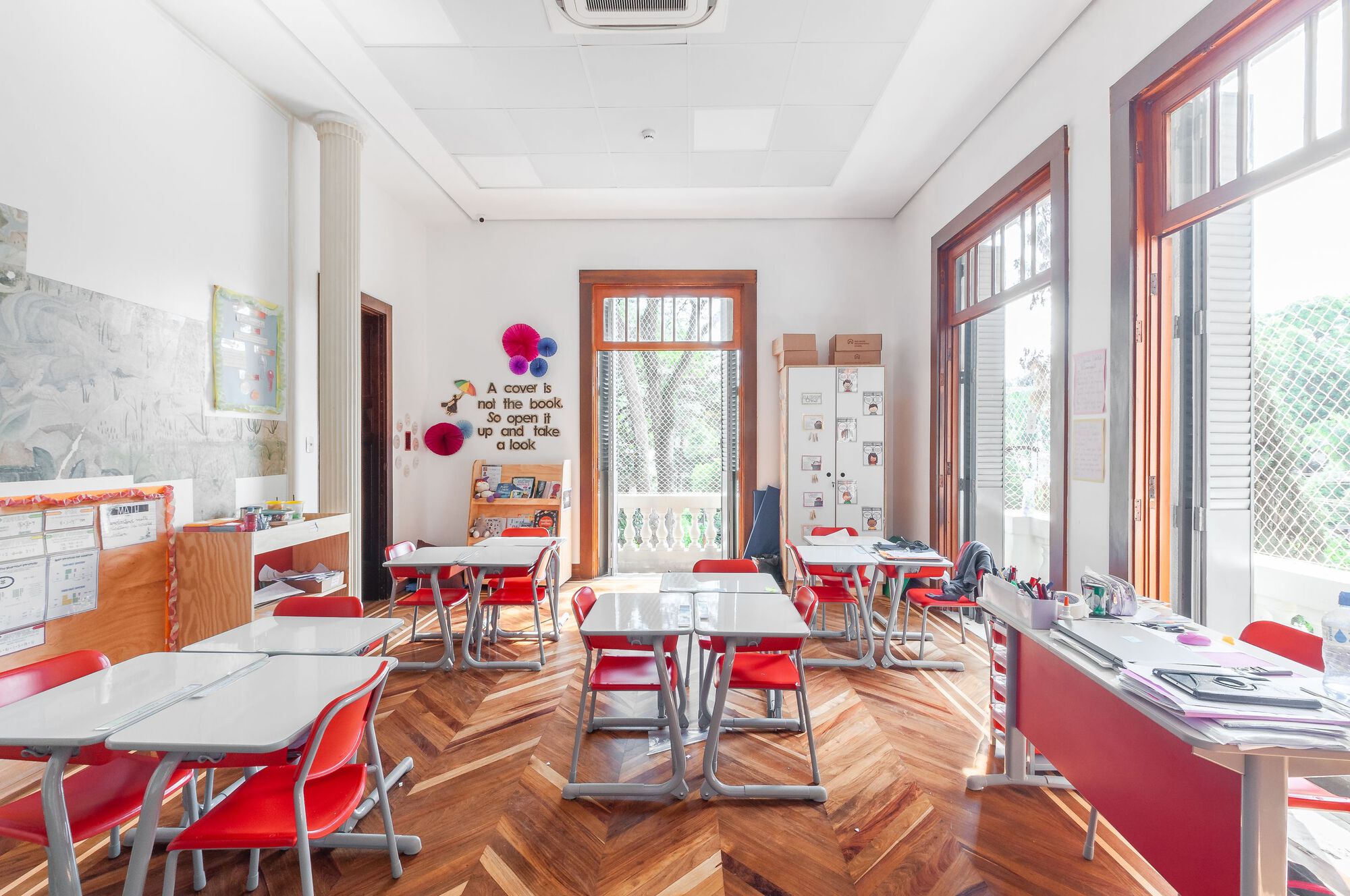
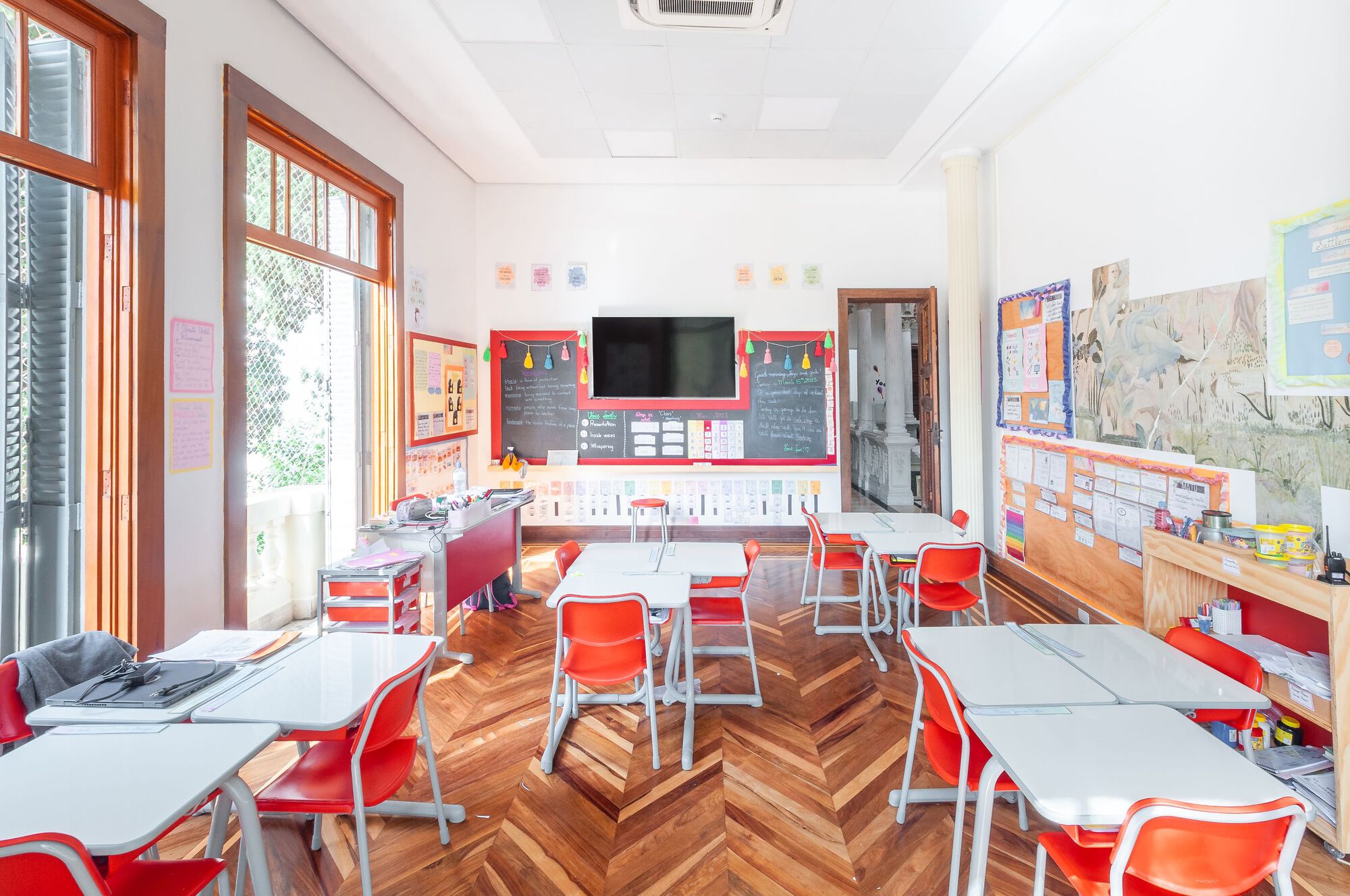
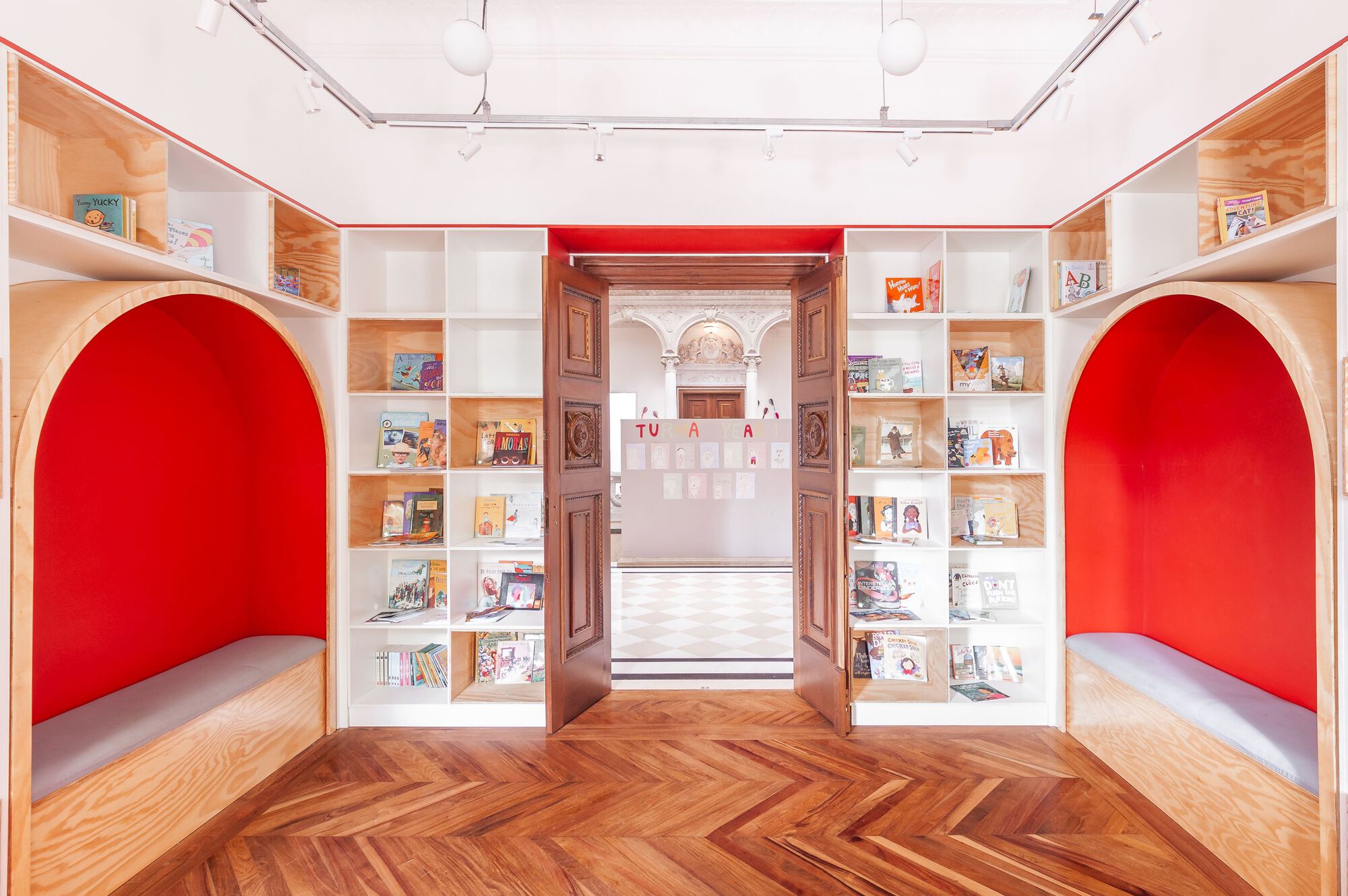
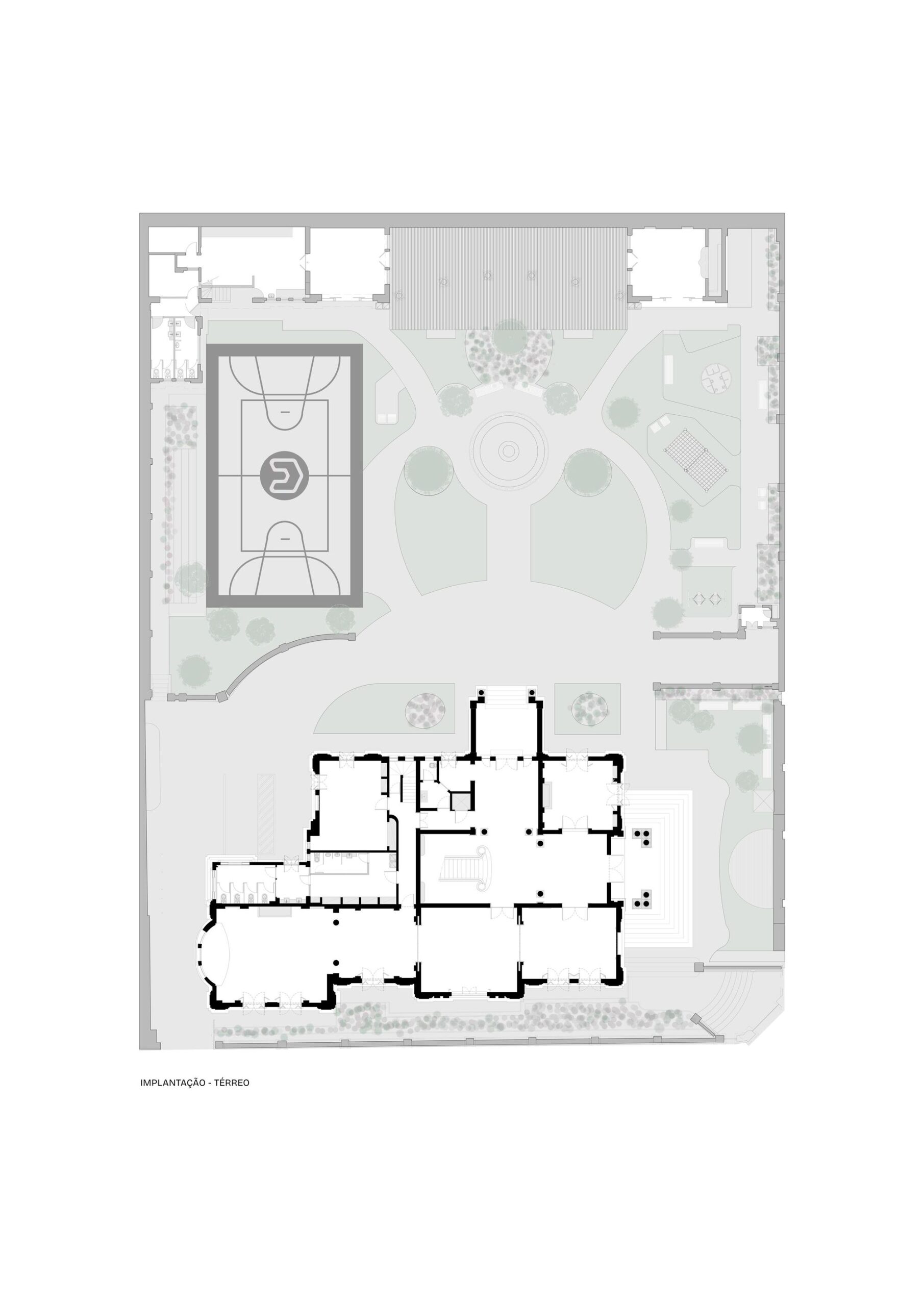
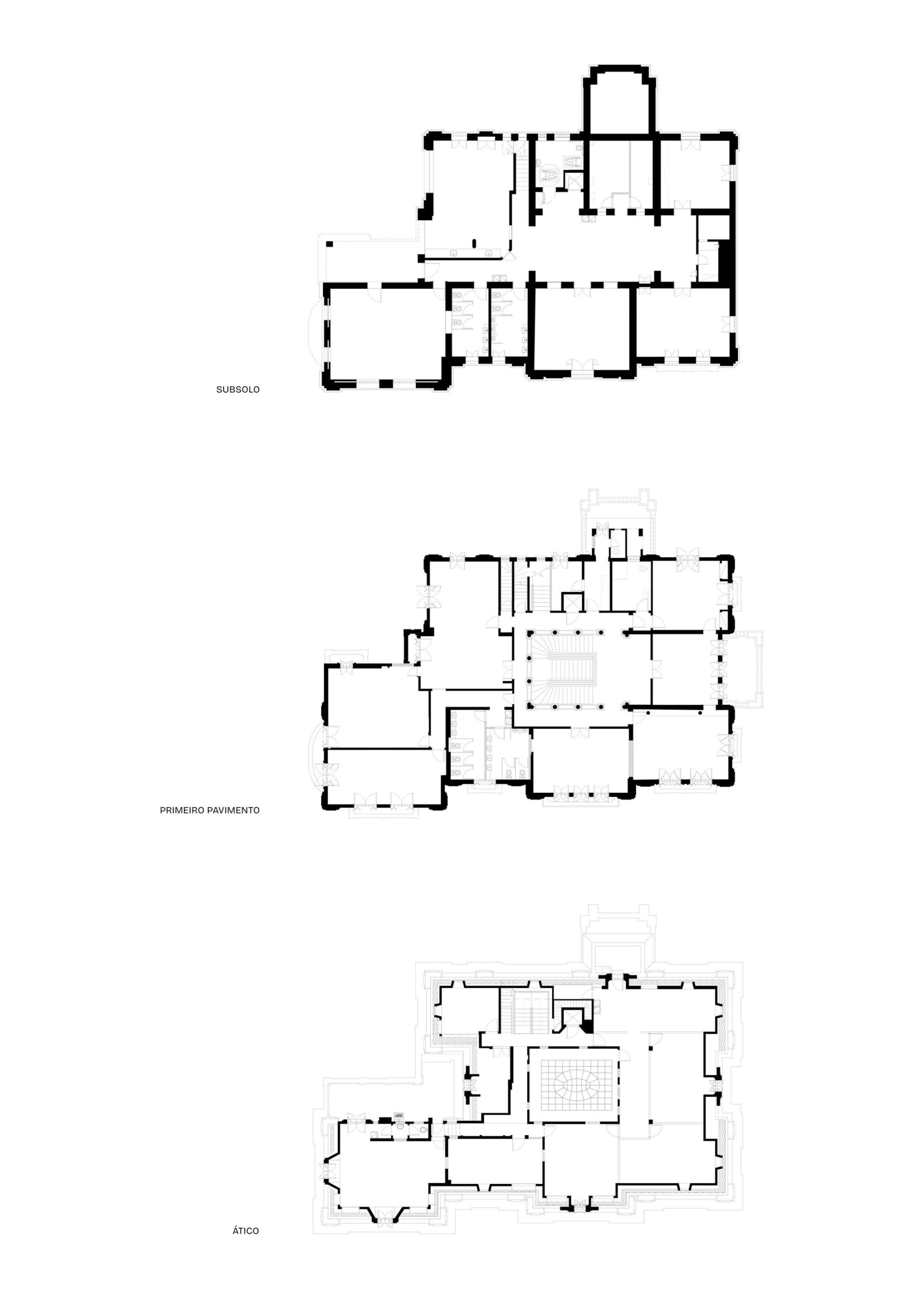
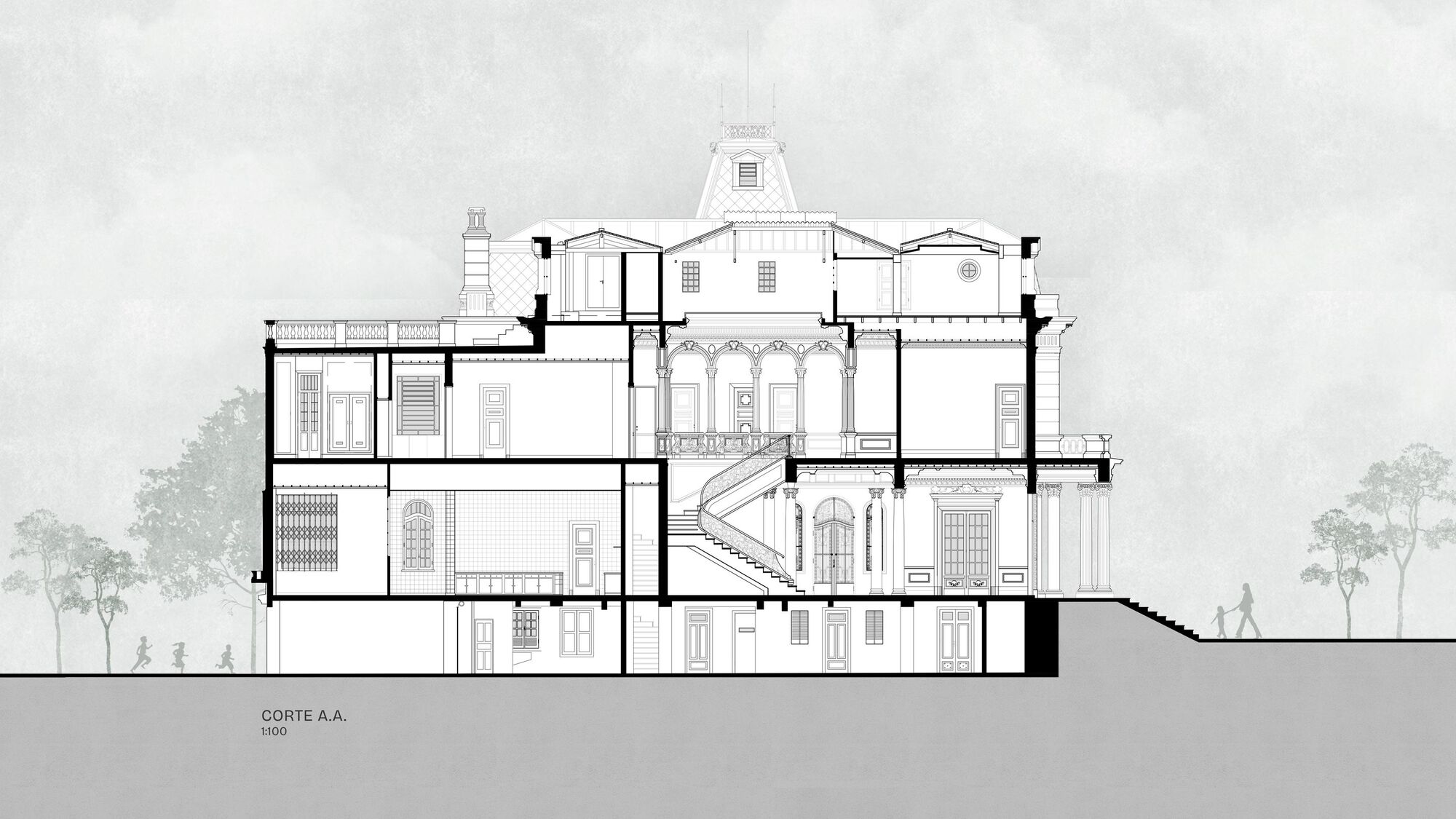
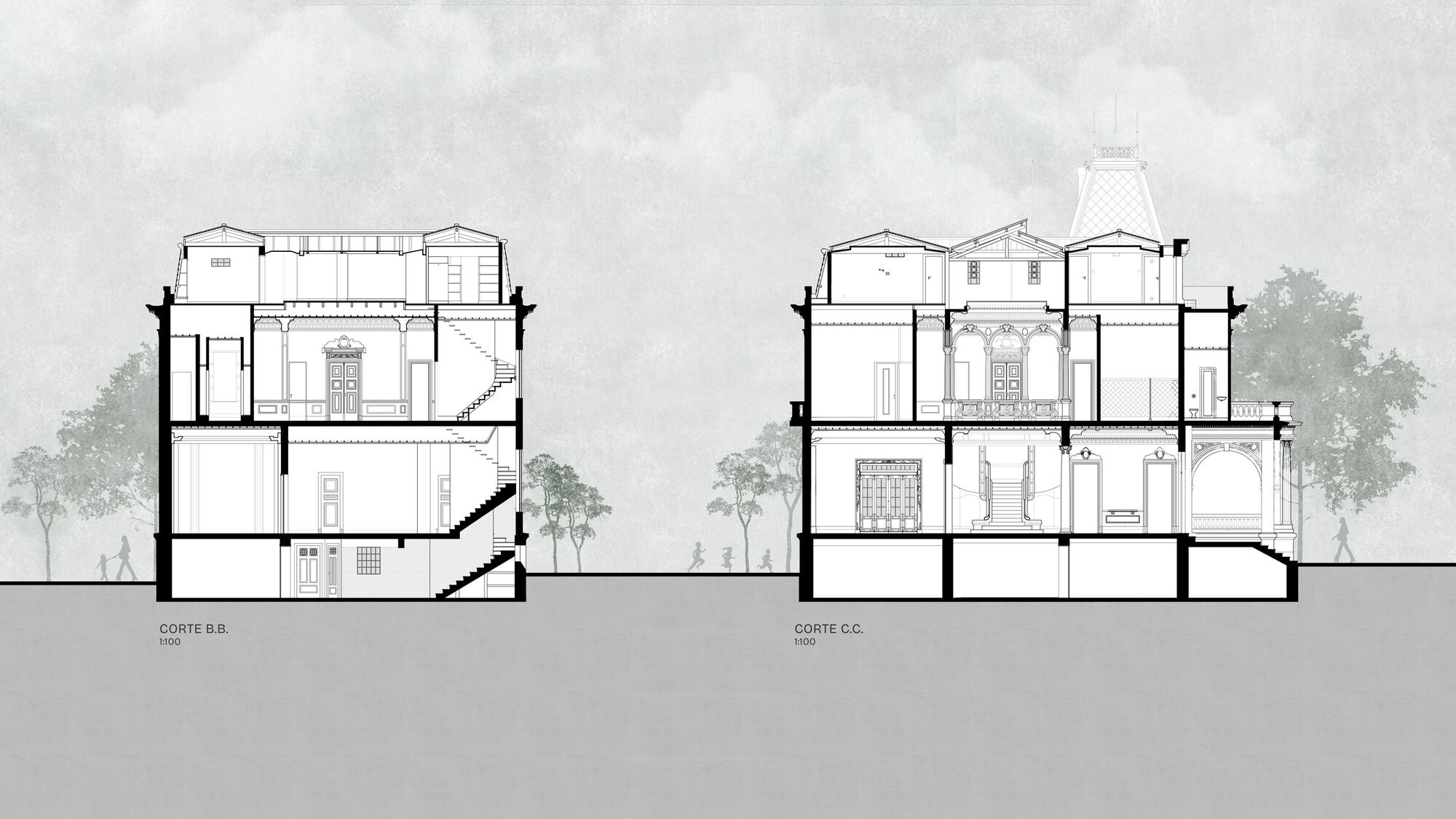
The adaptation project aimed to integrate the functional needs of education with respect for the historical characteristics of the house. We preserved the original architectural elements, ensuring that the beauty of the property, both inside and out, was maintained. The proposal included creating classrooms and spaces for other activities, respecting the original layout of the house while simultaneously creating suitable environments for learning.
© Hugo Chinaglia
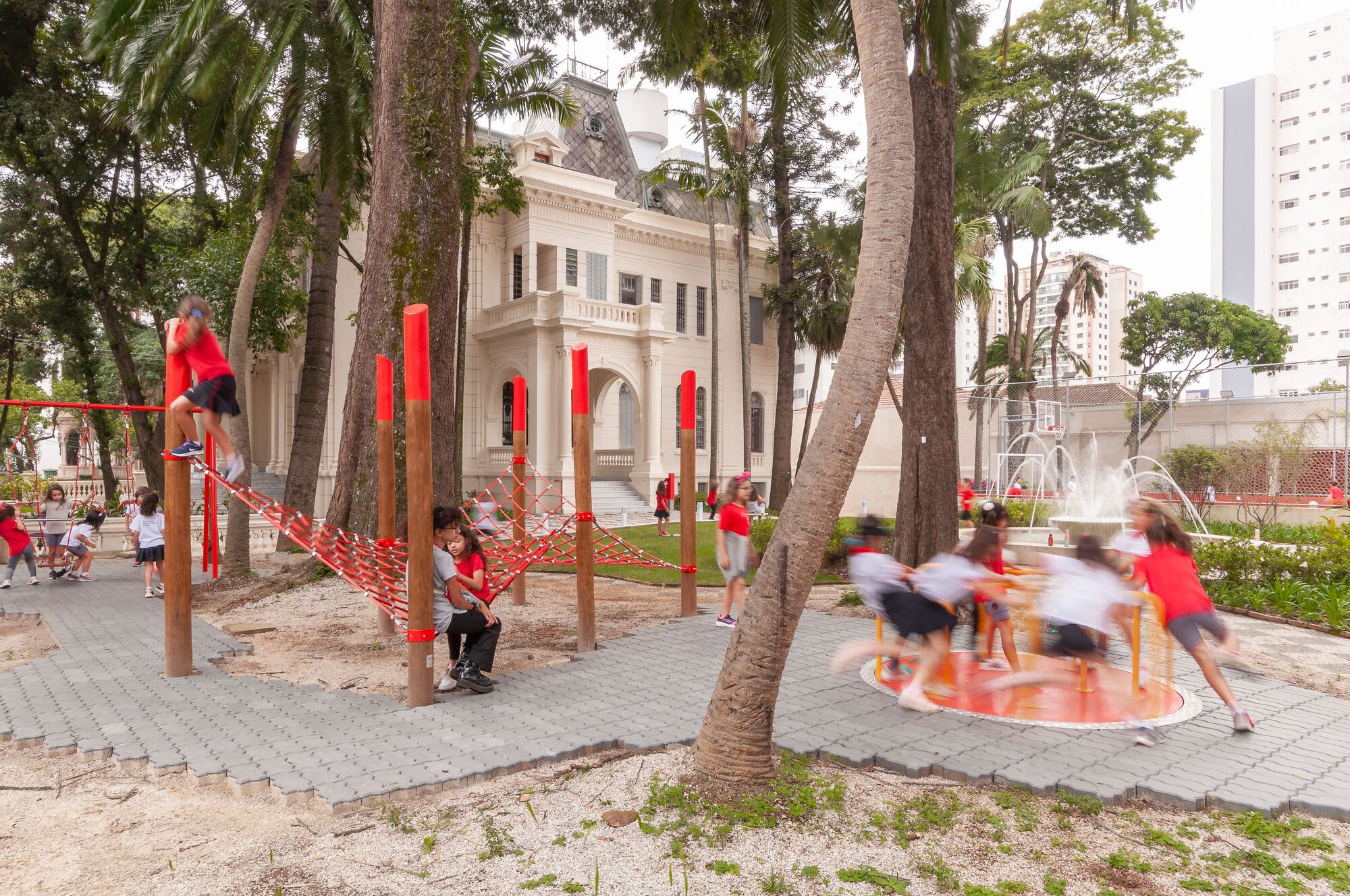
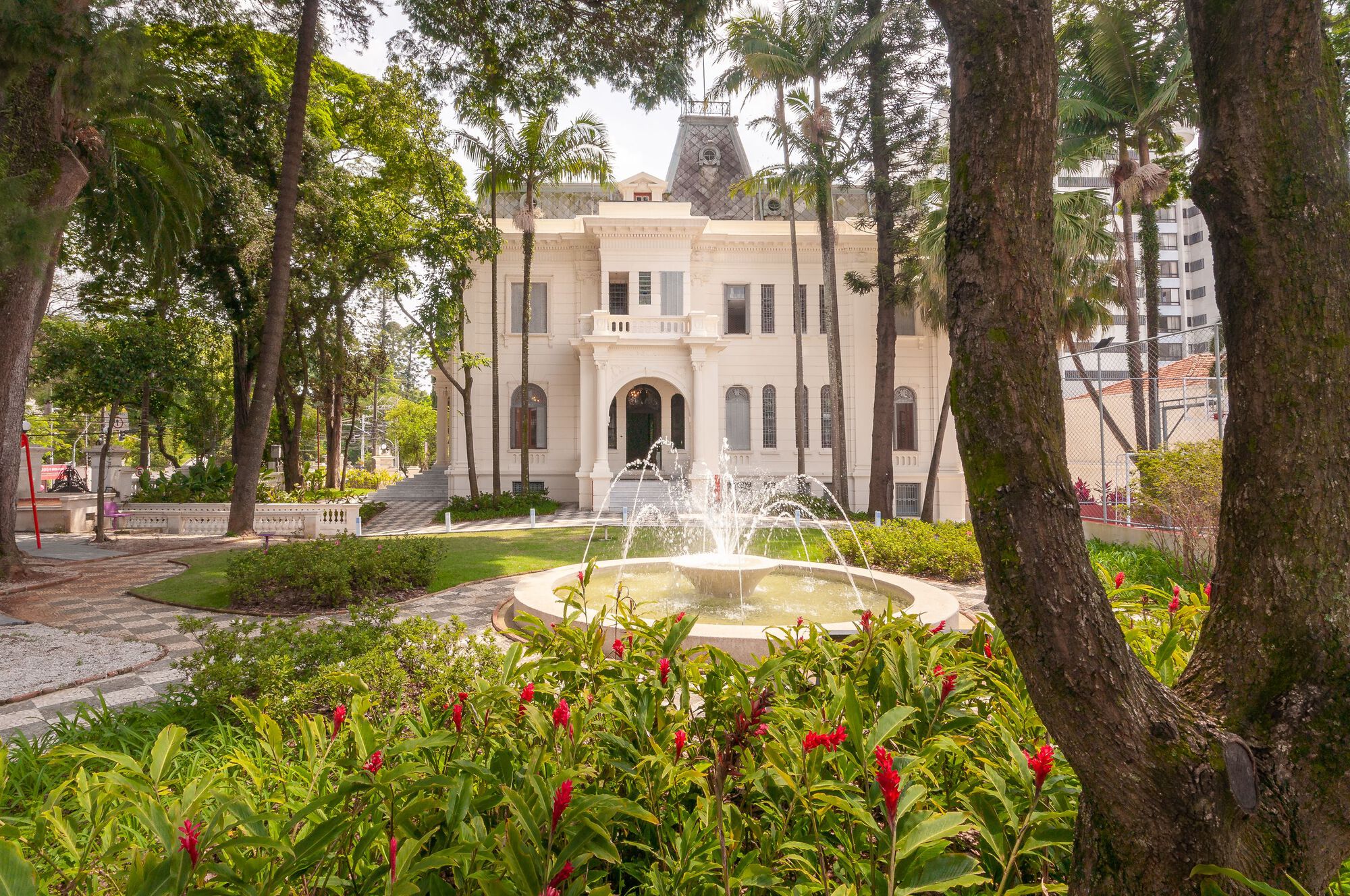
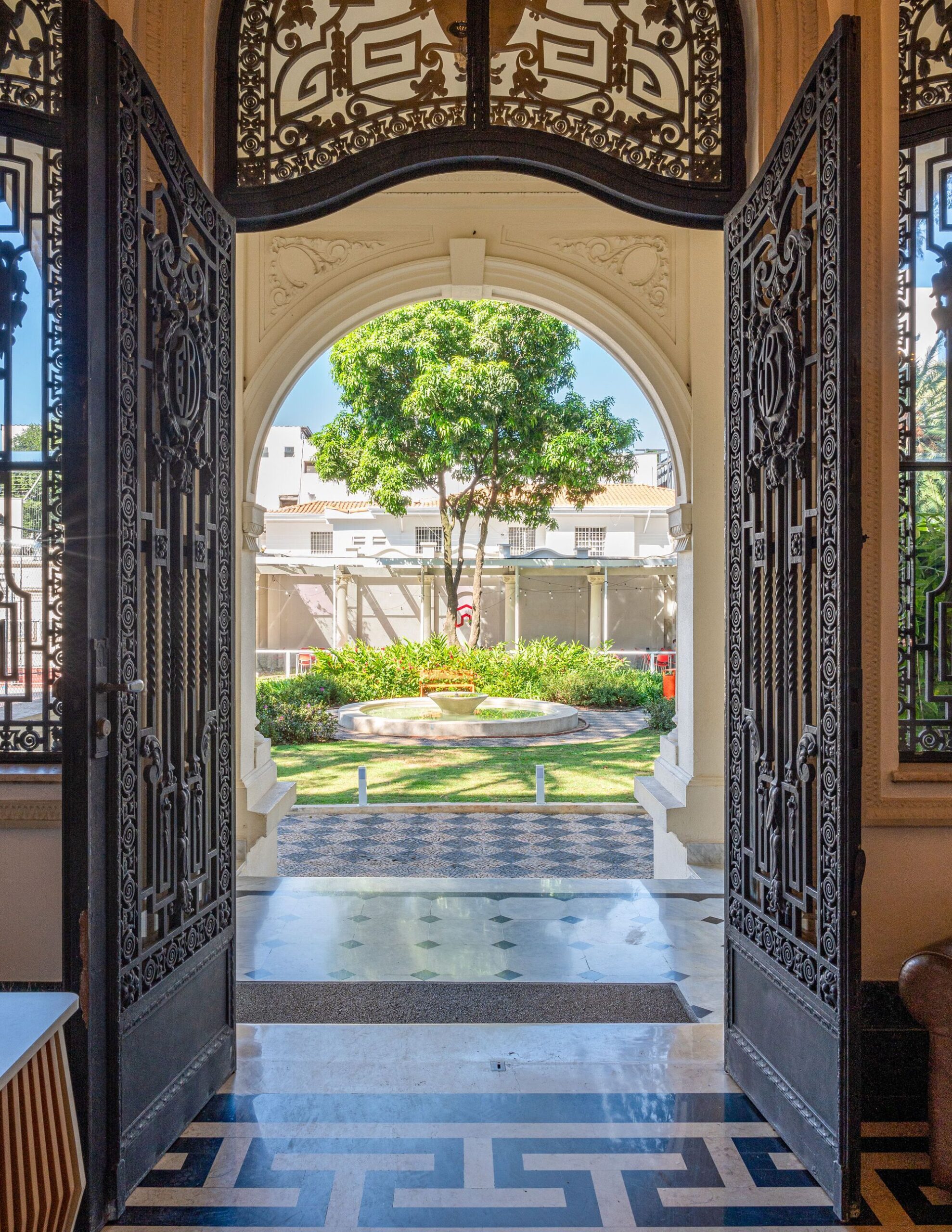
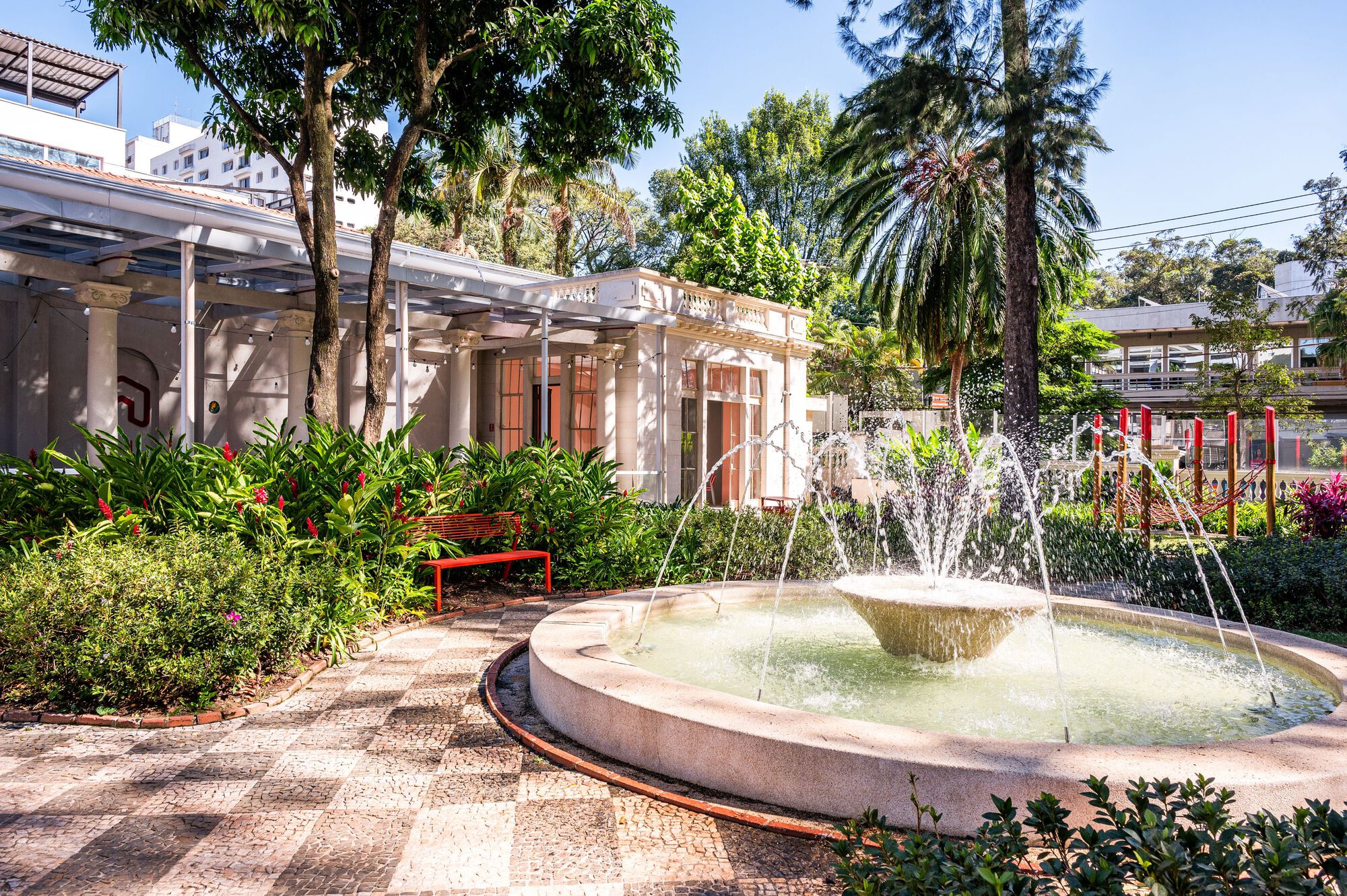
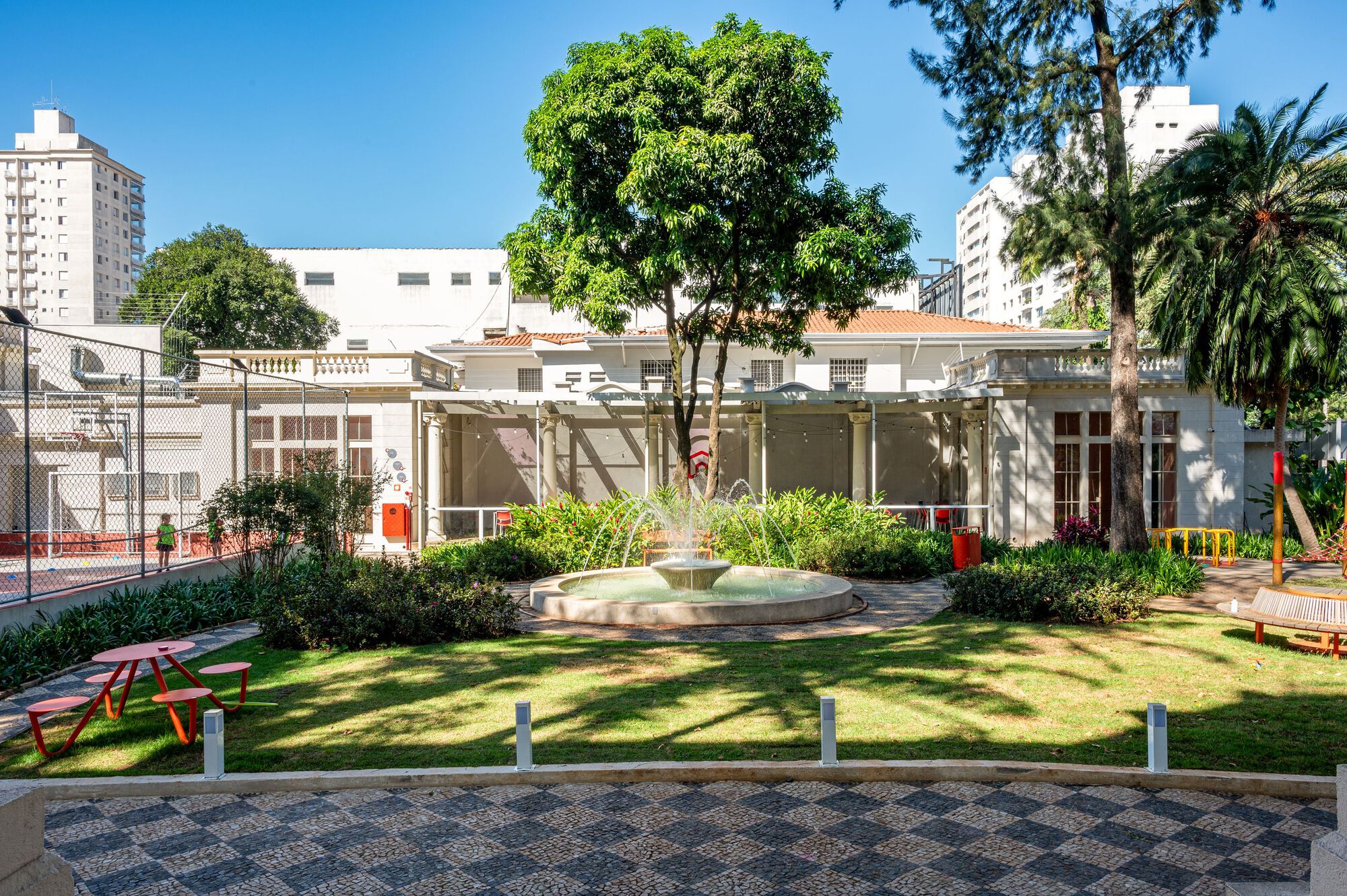
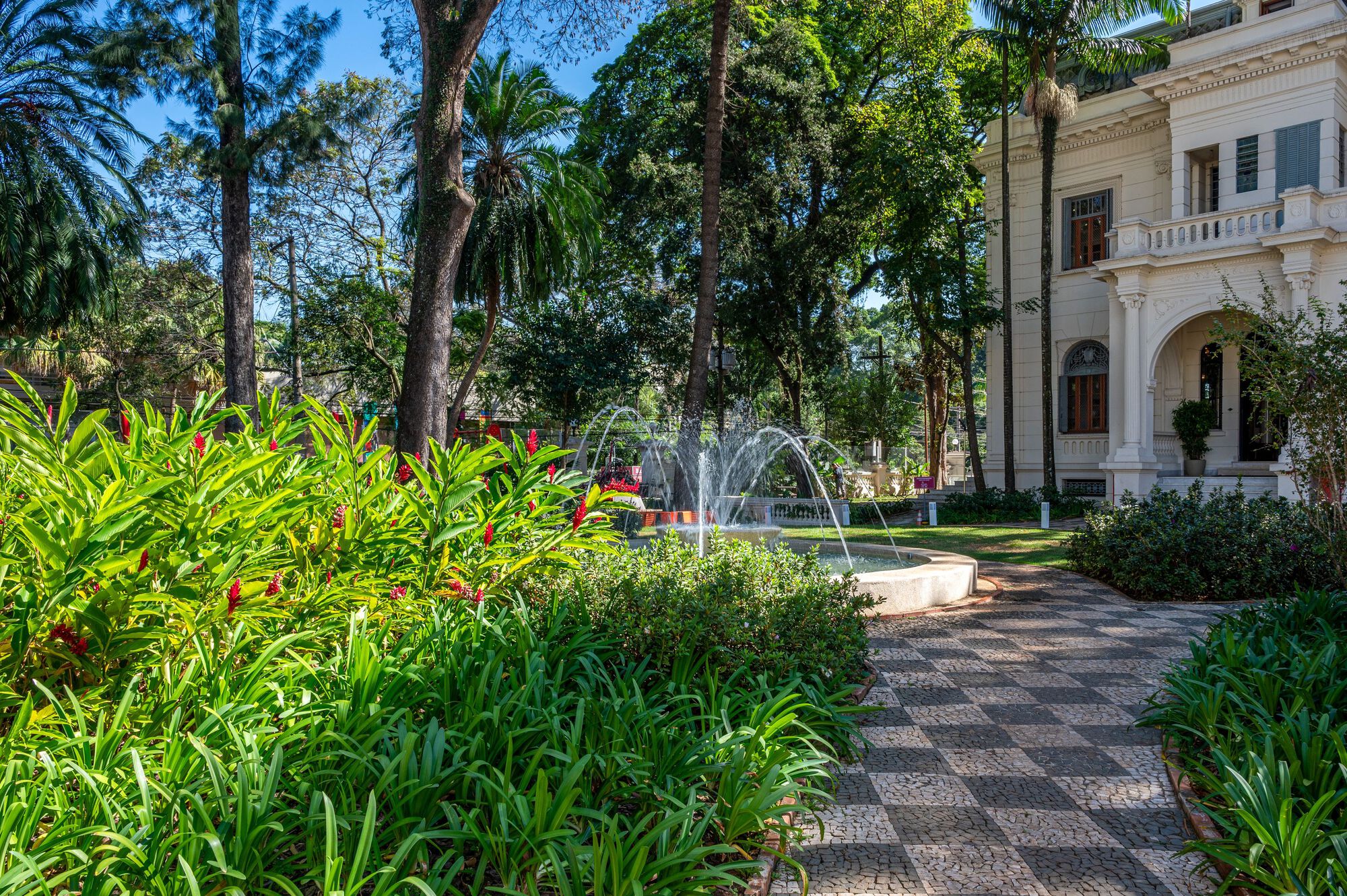
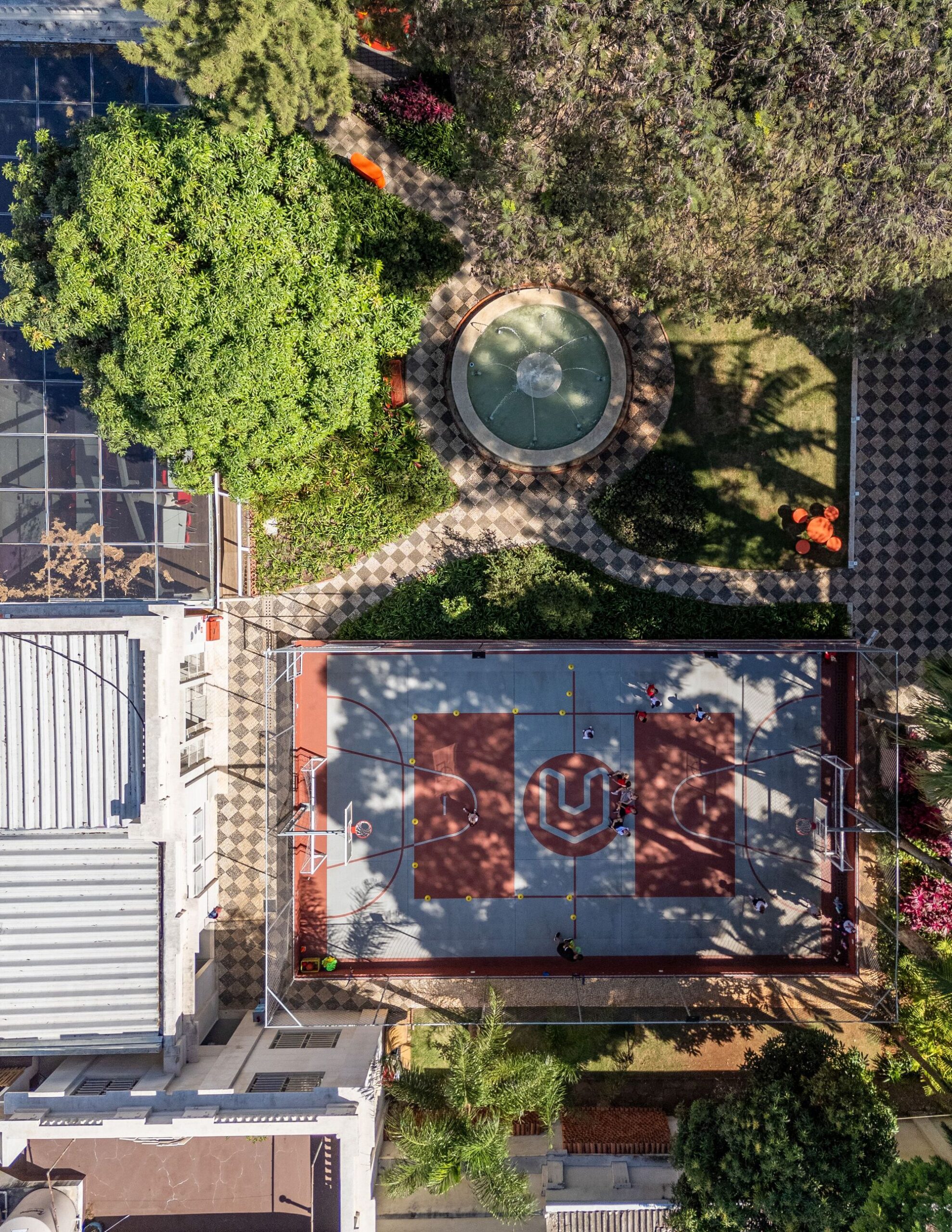
Among the interventions, the restoration of the fountain, one of the property’s most significant symbols, stands out. It had been deactivated for years, and its reactivation brought back an important historical and aesthetic element to the space. Additionally, we renewed the gardens, restoring the landscape beauty that has always been part of the property’s identity. With the adaptation of the new space, Red House Ipiranga not only expanded its facilities but also reaffirmed its commitment to preserving the historical memory of the neighborhood, providing its students with an environment that reflects the harmony between tradition and innovation in the educational process.
© Hugo Chinaglia
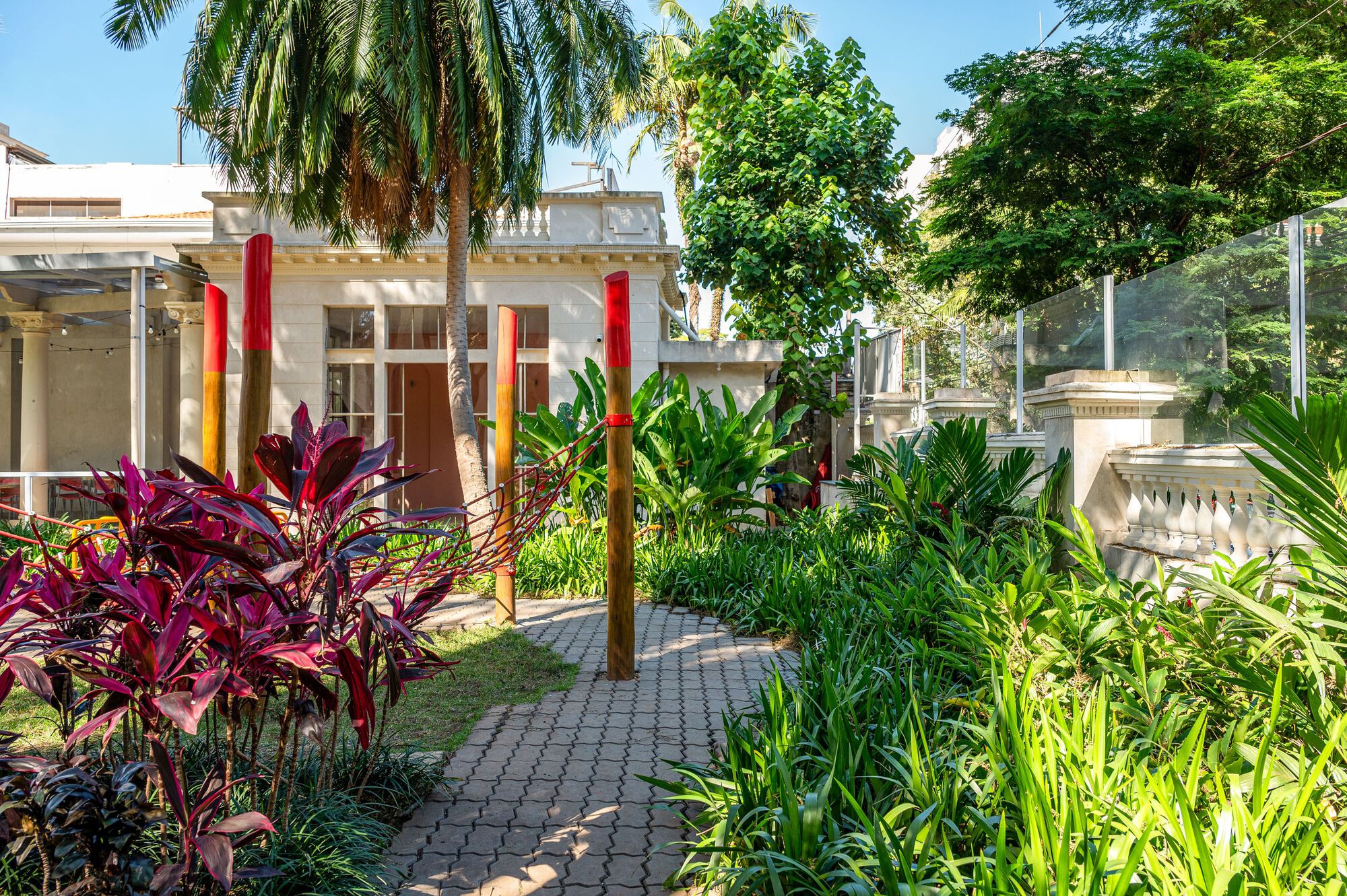
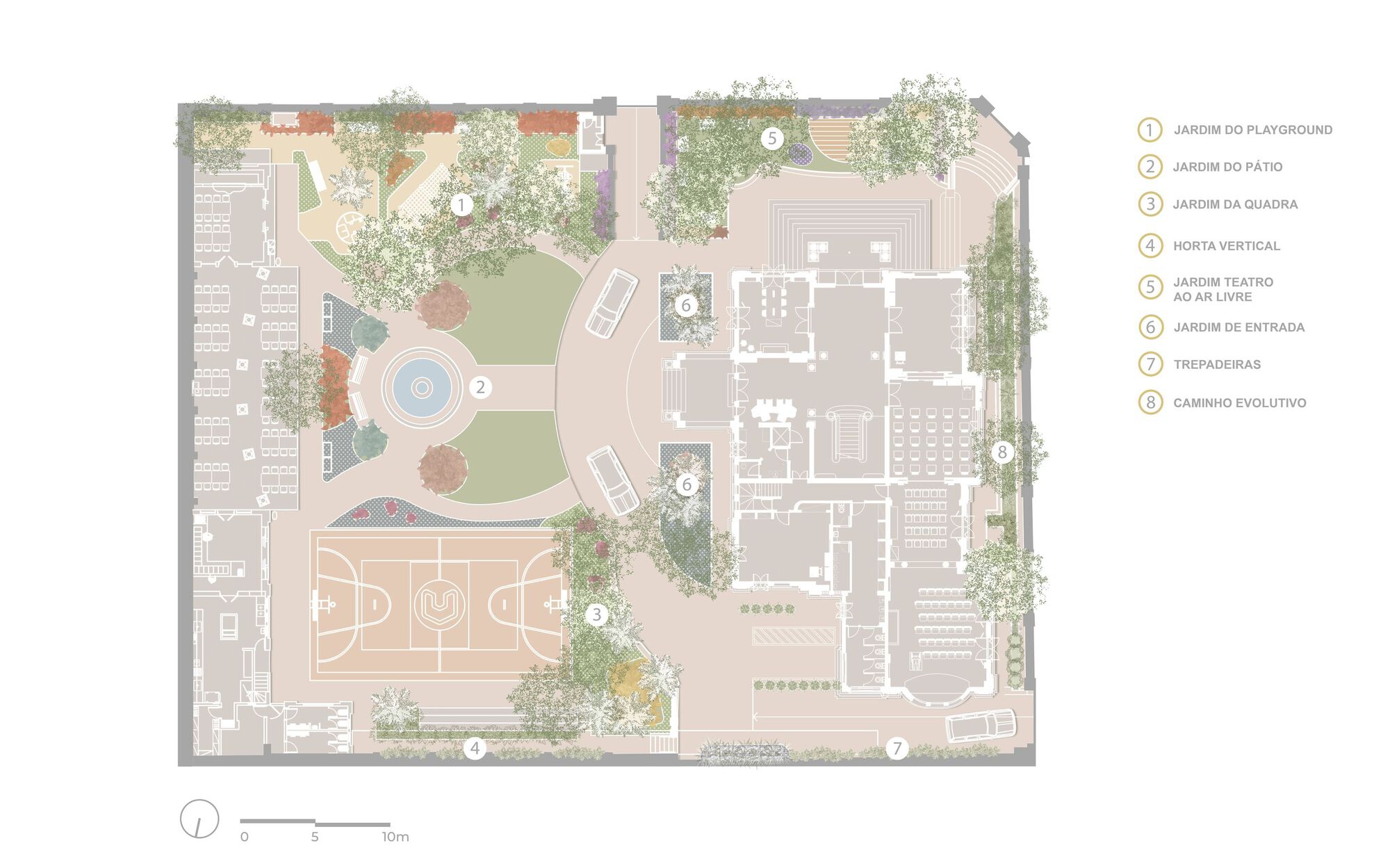
Red House International School, Bom Pastor Unit, located in the old and listed Eduardo Benjamin Jafet Palace, is an educational space that values the integration of historical heritage, sustainable landscaping, and active pedagogy. Located on a large plot of land, the school uses pre-existing built elements to create an environment that not only welcomes but also educates its students through interaction with nature and local history. The school’s landscaping project incorporates historical elements such as the garden fountain and surrounding floors, adapted for accessibility and comfort. The flower beds have been revitalized with ornamental vegetation, some species referring to the historical period of the Ipiranga mansions, others introducing low-maintenance plants of educational interest.
© Hugo Chinaglia
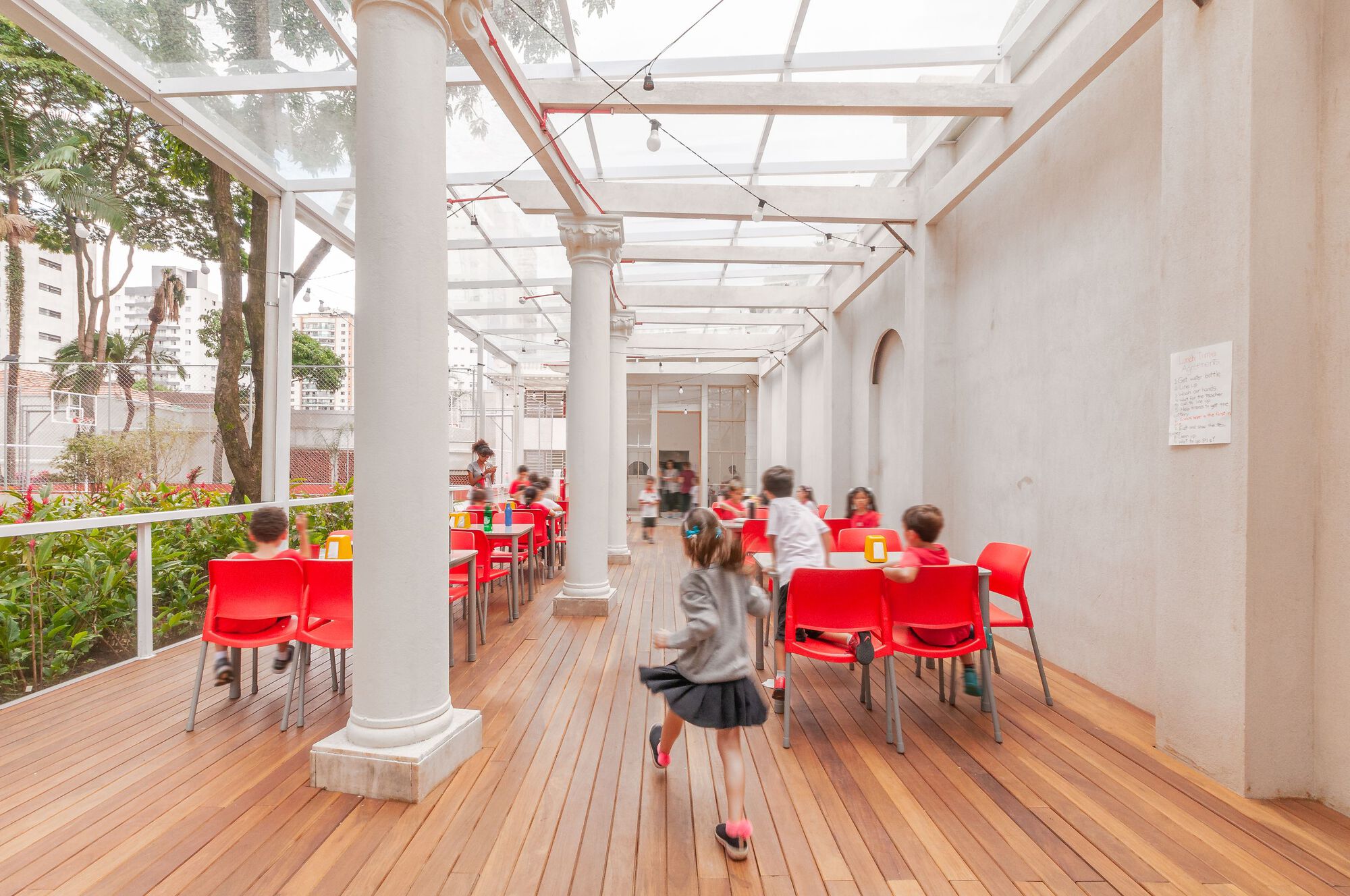
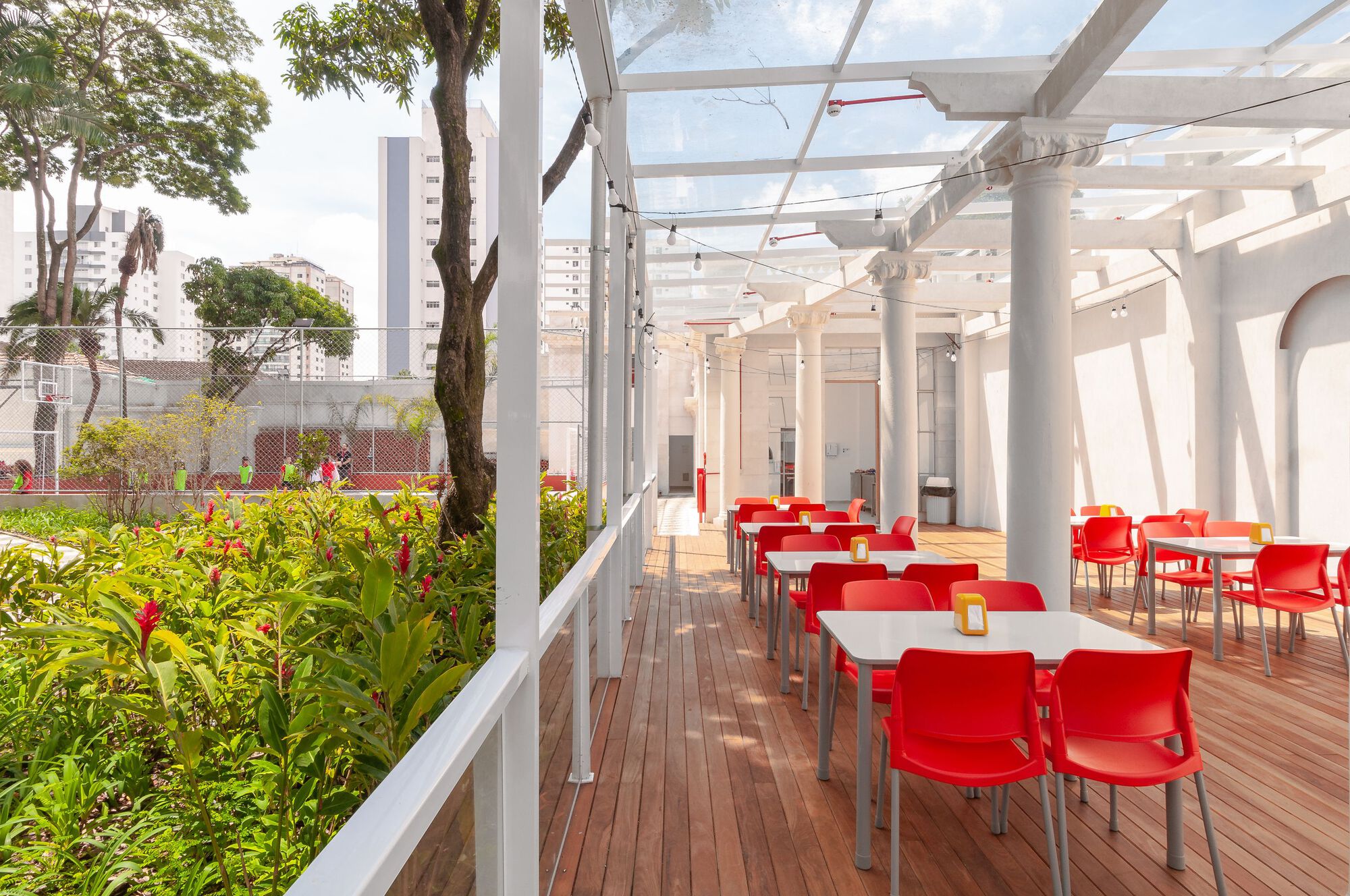
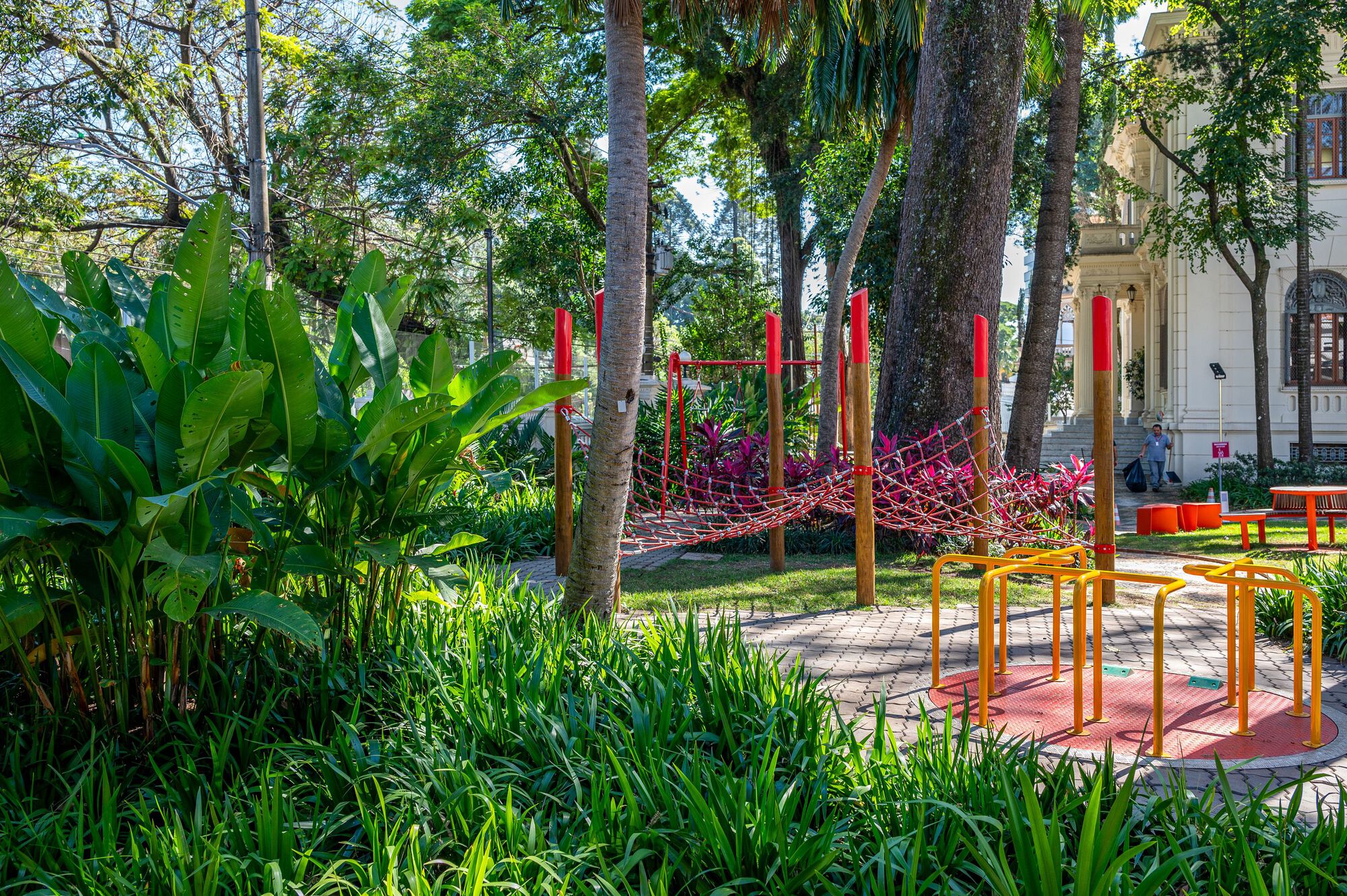
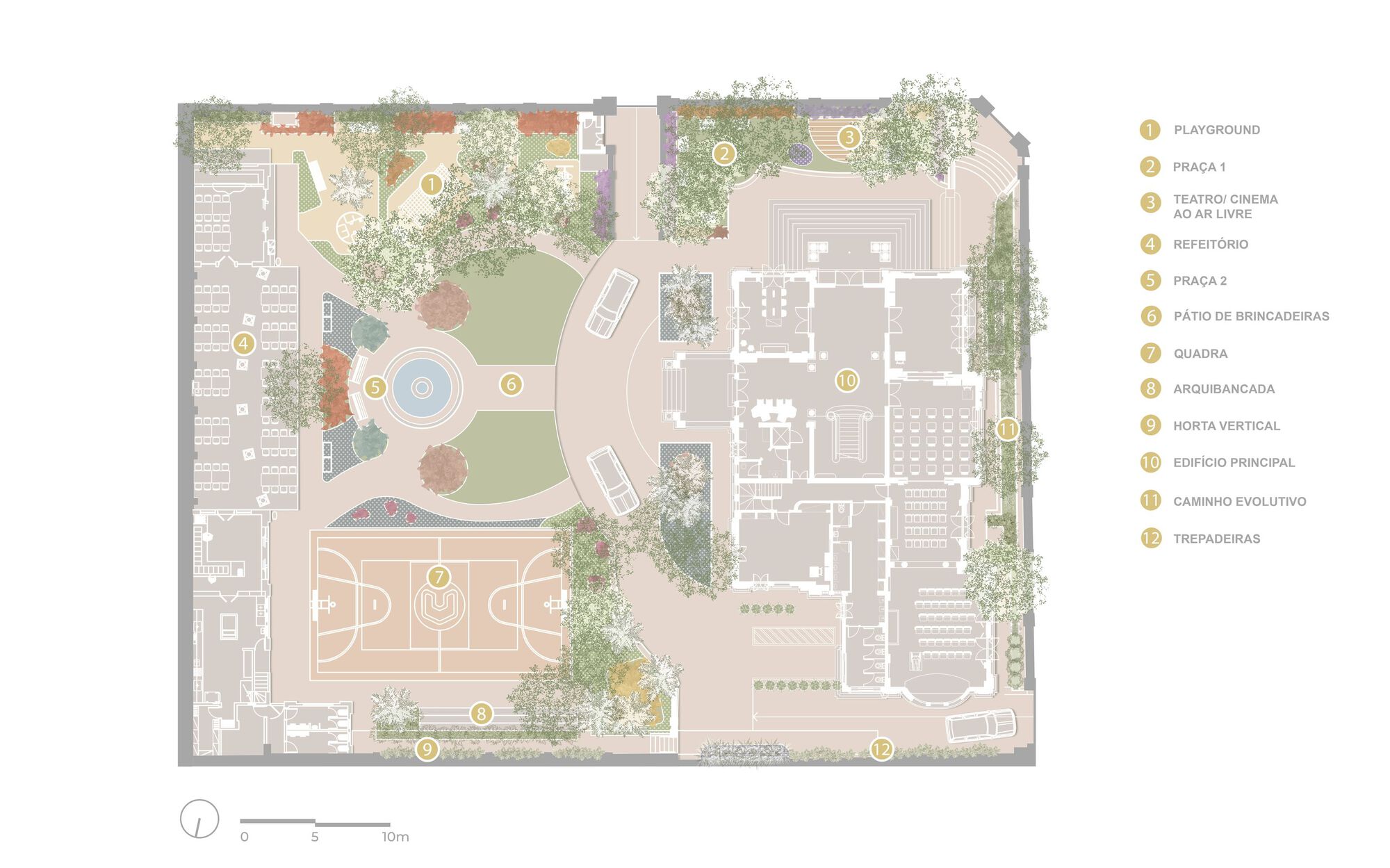
The outdoor area is subdivided into distinct spaces, each designed to meet different educational needs and activities. Plaza 1, next to the theater/cinema, has a stage with a screen structure, integrated with a lawn with tropical species such as Alpinias and Heliconias, attracting local fauna such as birds and butterflies. Square 2, near the cafeteria deck, is symmetrical around the restored fountain, with vegetation predominantly in light shades of blue and pink, such as Agapanthus and Azaleas. A central aspect of the project is the educational gardens, where students grow aromatic and medicinal plants and vegetables, participating from planting to harvesting, which is used in school meals. These gardens not only teach about agriculture and sustainability, but also encourage healthy eating habits.
© Hugo Chinaglia
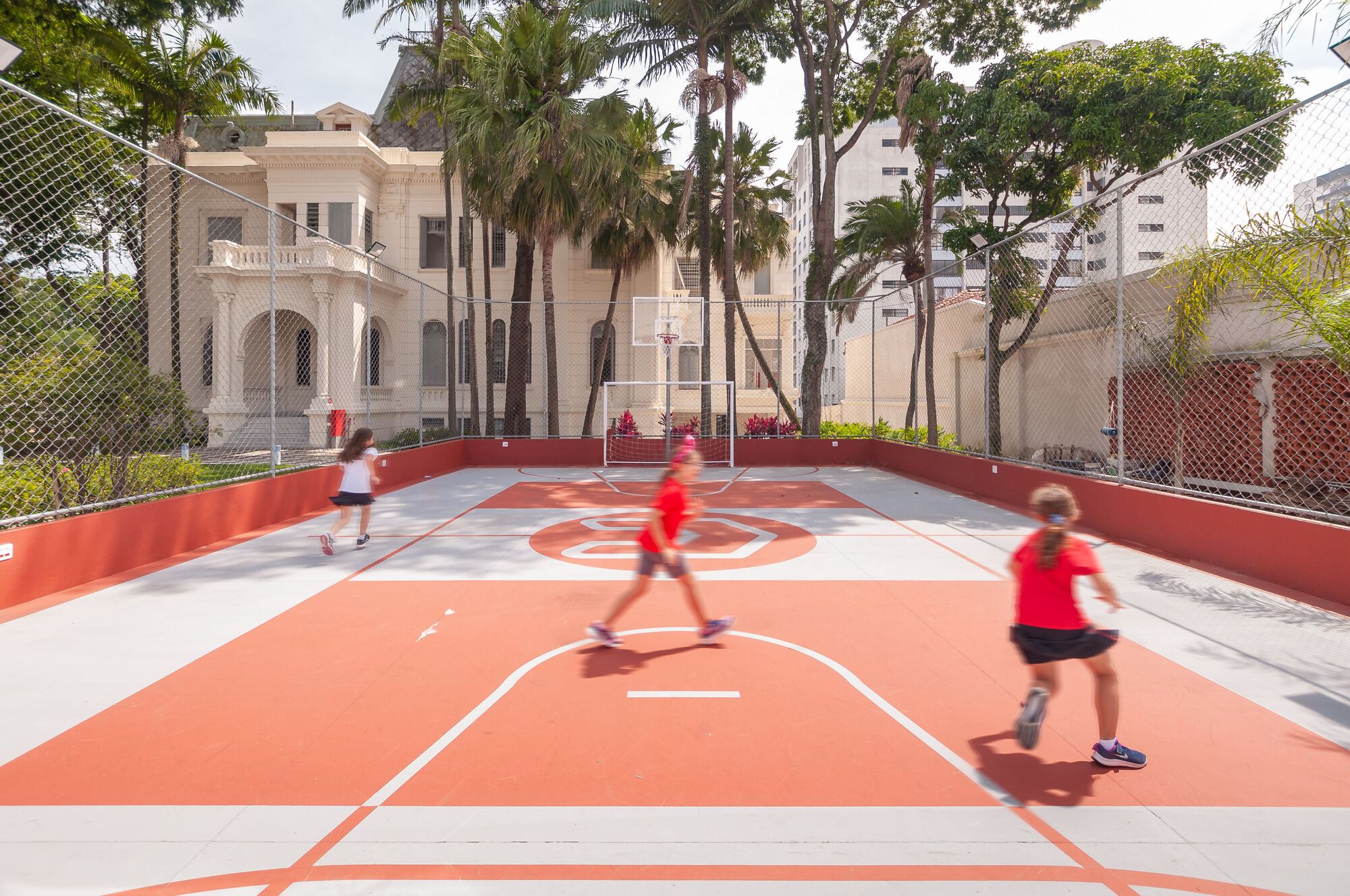
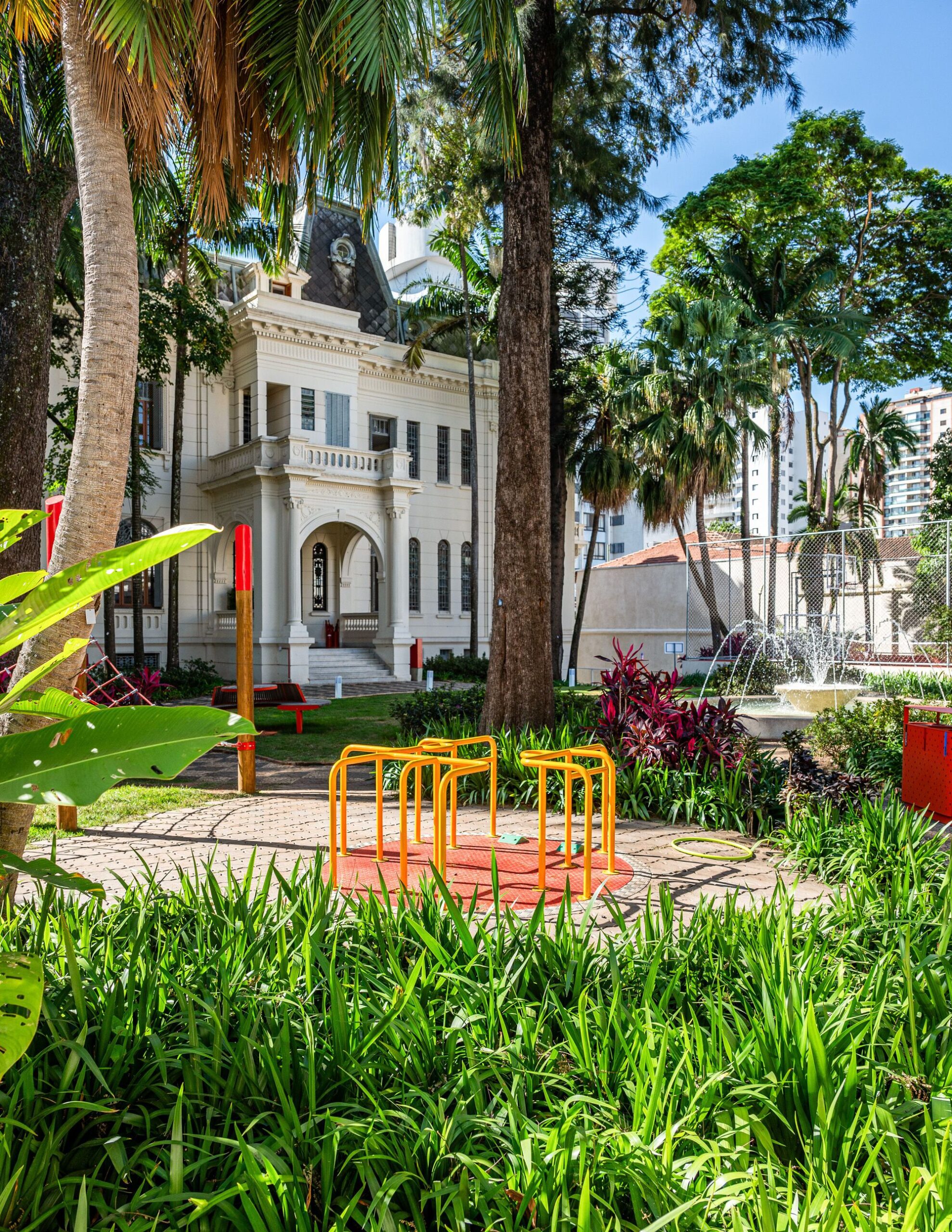
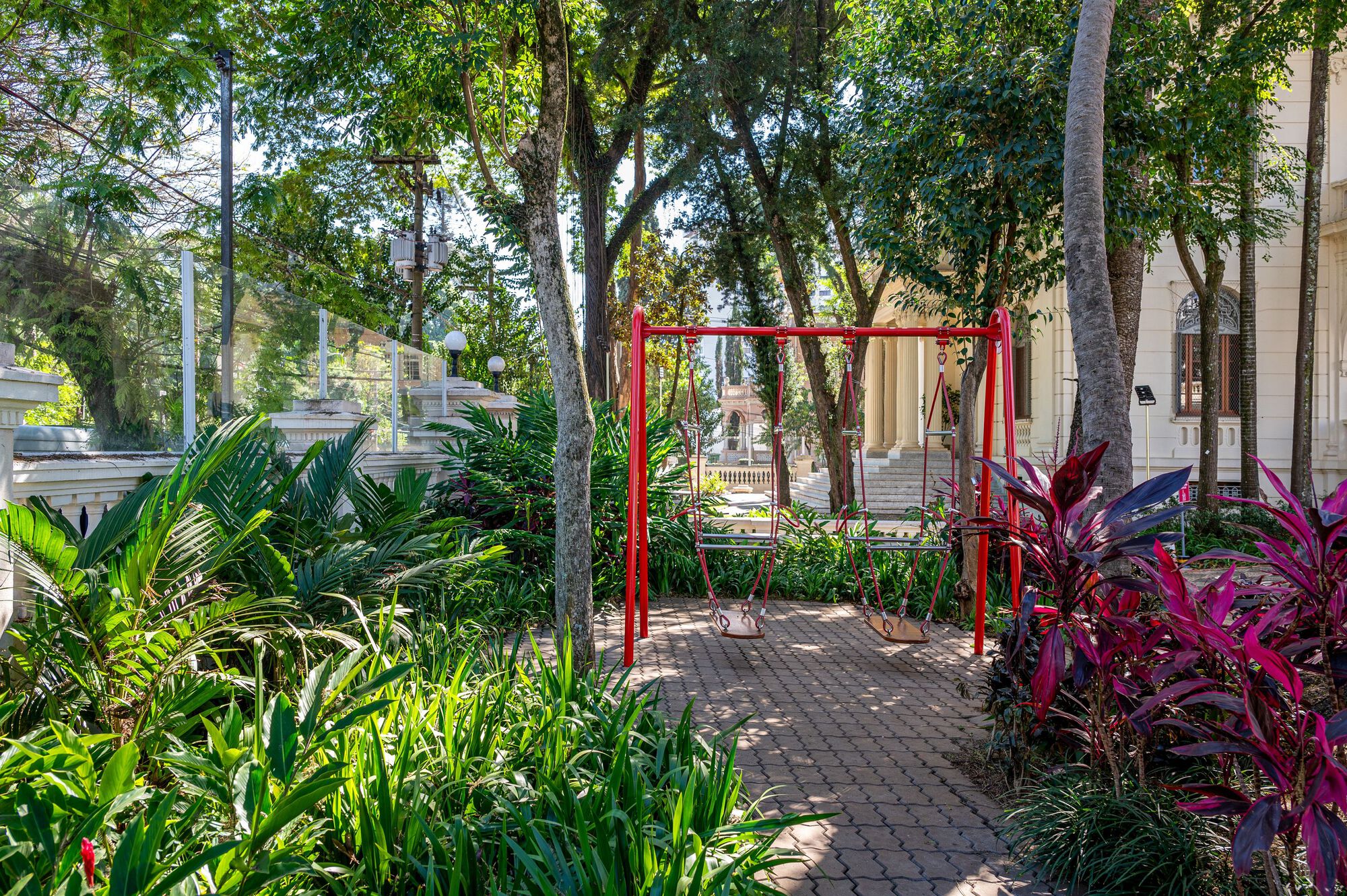
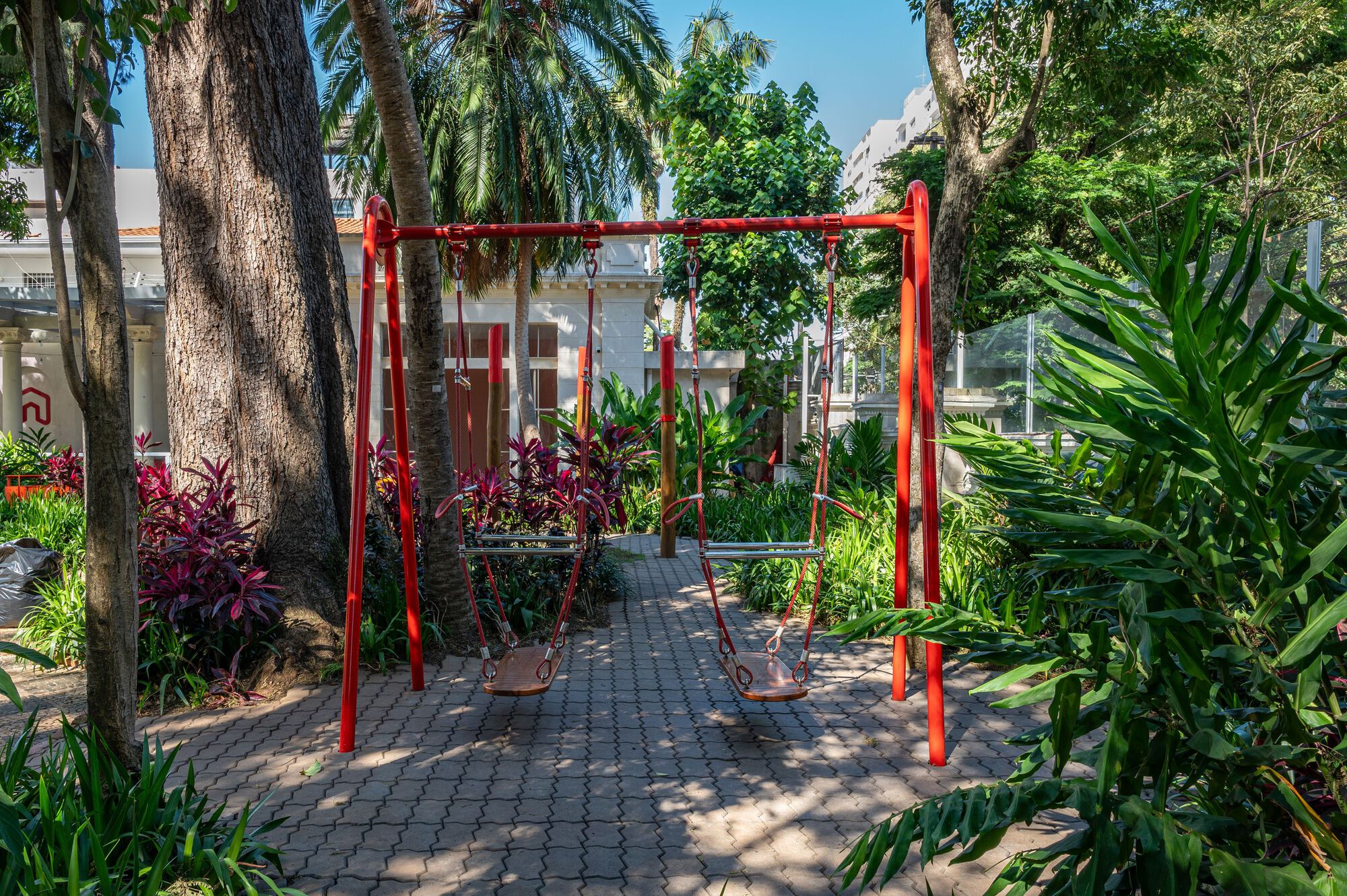
The playgrounds were built with rubber flooring and surrounded by a border of beach irises, complemented by focal points of heliconias and dracaenas, providing a safe and pleasant environment for children to play. The multi-sport court, with an exclusive design in line with the school’s visual identity, is surrounded by metal railings and has wooden bleachers between beds of guaimbês, promoting not only sports activities but also social gatherings. In the side and front gardens, various species such as walking palms, water trees, nandinas, and leias were used, creating an “evolutionary path” that demonstrates global botanical diversity. Orchids and bromeliads attached to existing trees are used to educate about the origin and adaptation of species in the Brazilian context.
© Hugo Chinaglia
In addition to its educational role, Red House International School is committed to heritage and environmental sustainability, integrating modern practices that value natural and cultural heritage. The school not only preserves the historical legacy of the Jafet Mansion, but also uses it as a dynamic educational tool, encouraging learning through interaction with the built and natural environment. Therefore, the school is not only a place of formal education, but an environment where history, the environment, and education merge to create a rich and meaningful learning experience for its students.
Project Info
Architects: STUDIO DLUX
Country: Brazil
Area: 16146 ft²
Year: 2022
Photographs: Hugo Chinaglia, Favaro Jr.
Architecture: STUDIO DLUX
Landscape Design: Licuri Paisagismo

Madeline Brooks is a Projects Editor at Arch2O, where she has been shaping and refining architectural content since March 2024. With over a decade of experience in editorial work, she has curated, revised, and published an array of projects covering architecture, urbanism, and public space design. A graduate of the Harvard University Graduate School of Design, Madeline brings a strong academic foundation and a discerning editorial eye to each piece she oversees. Since joining Arch2O, she has played a pivotal role in shaping the platform’s editorial direction, with a focus on sustainability, social relevance, and cutting-edge design. Madeline excels at translating complex architectural ideas into clear, engaging stories that resonate with both industry professionals and general readers. She works closely with architects, designers, and global contributors to ensure every project is presented with clarity, depth, and compelling visual narrative. Her editorial leadership continues to elevate Arch2O’s role in global architectural dialogue.