

Pedestrian Bridge for Koge | COBE, DISSING + WEITLING, COWI
Bridges have lately become one of the most popular architectural structures, since they have such unique aesthetic opportunity. From parametric forms to simple, clean lines, we are assisting a multitude of bridge design that shape the way in which a city neighborhood looks.
Courtesy Of COBE, DISSING+WEITLING and COWI
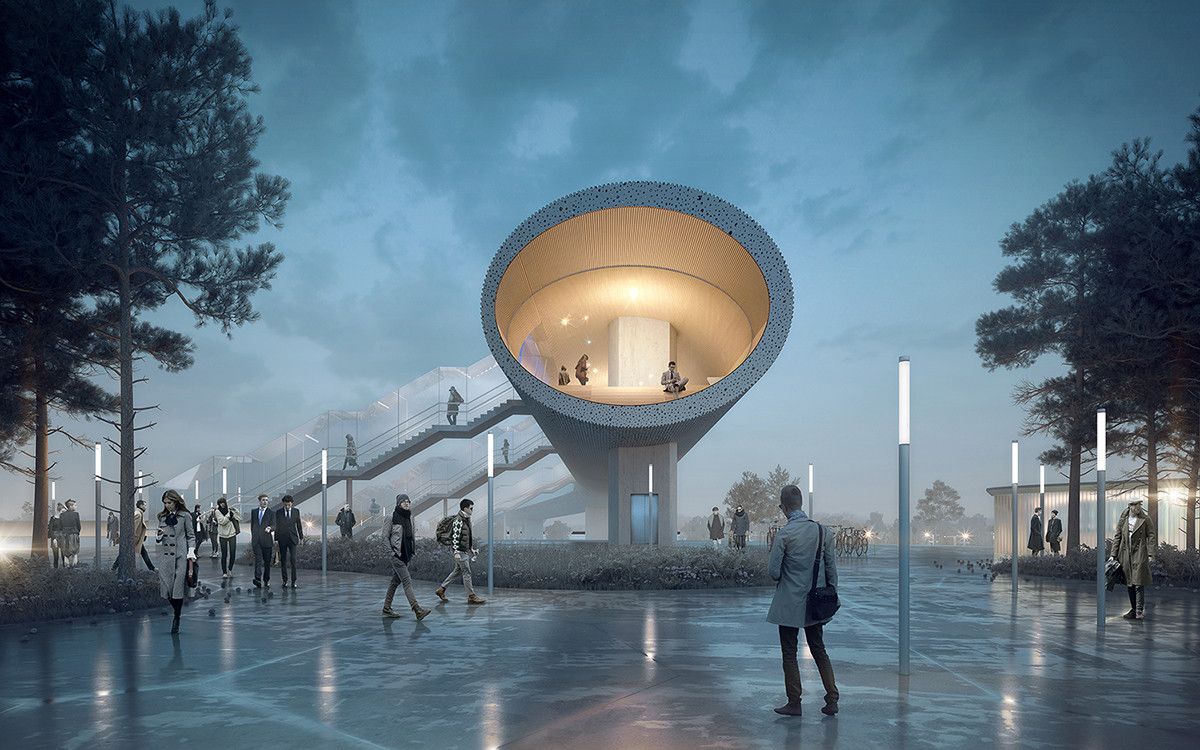
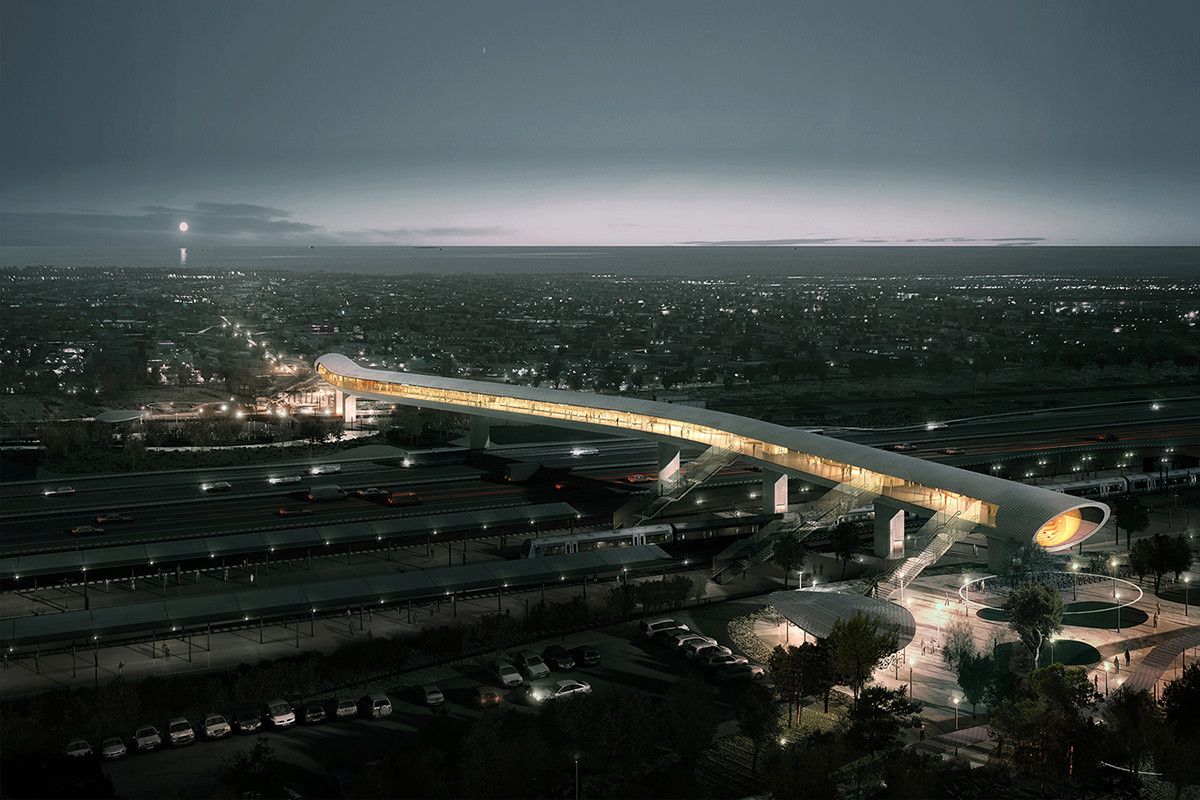
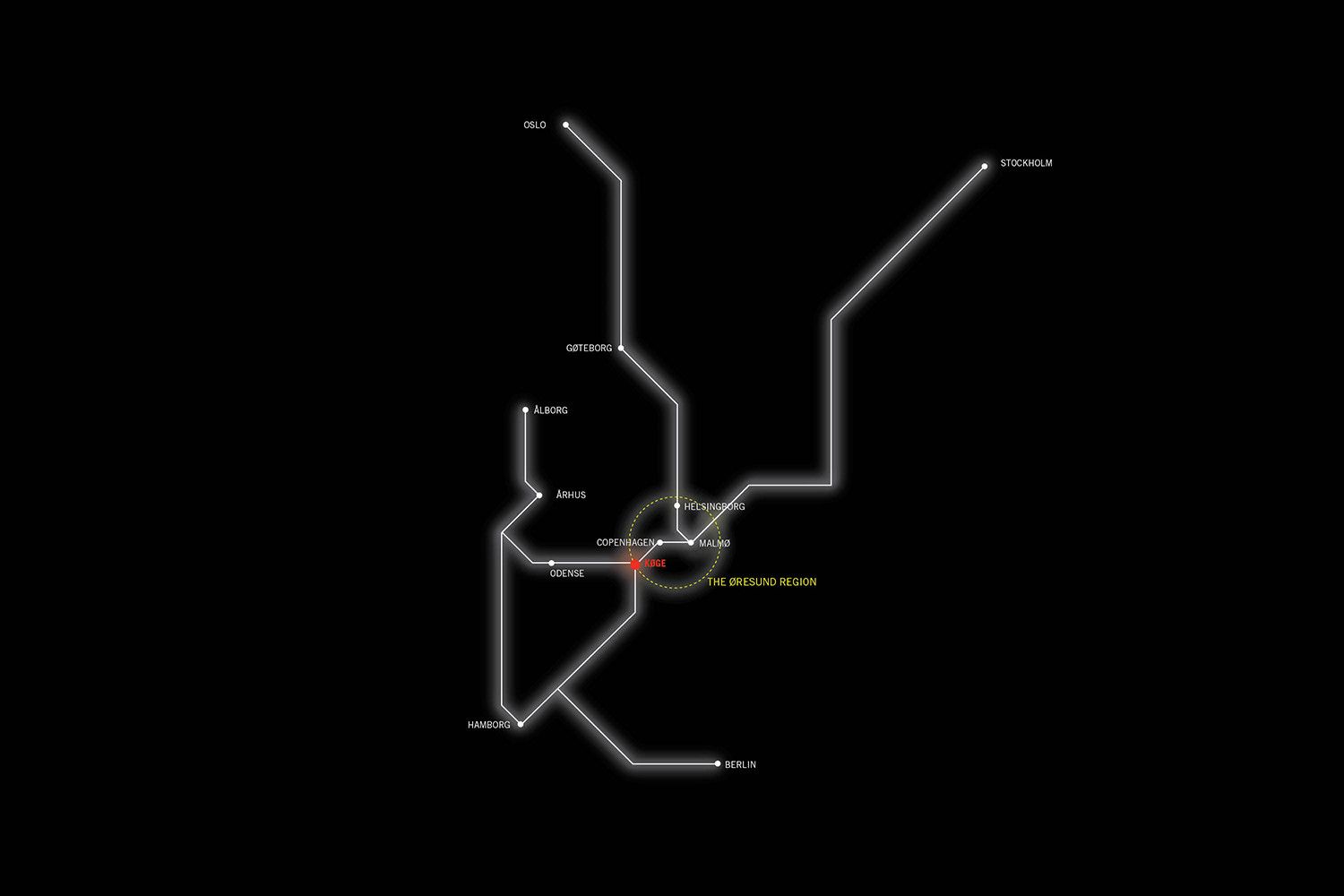
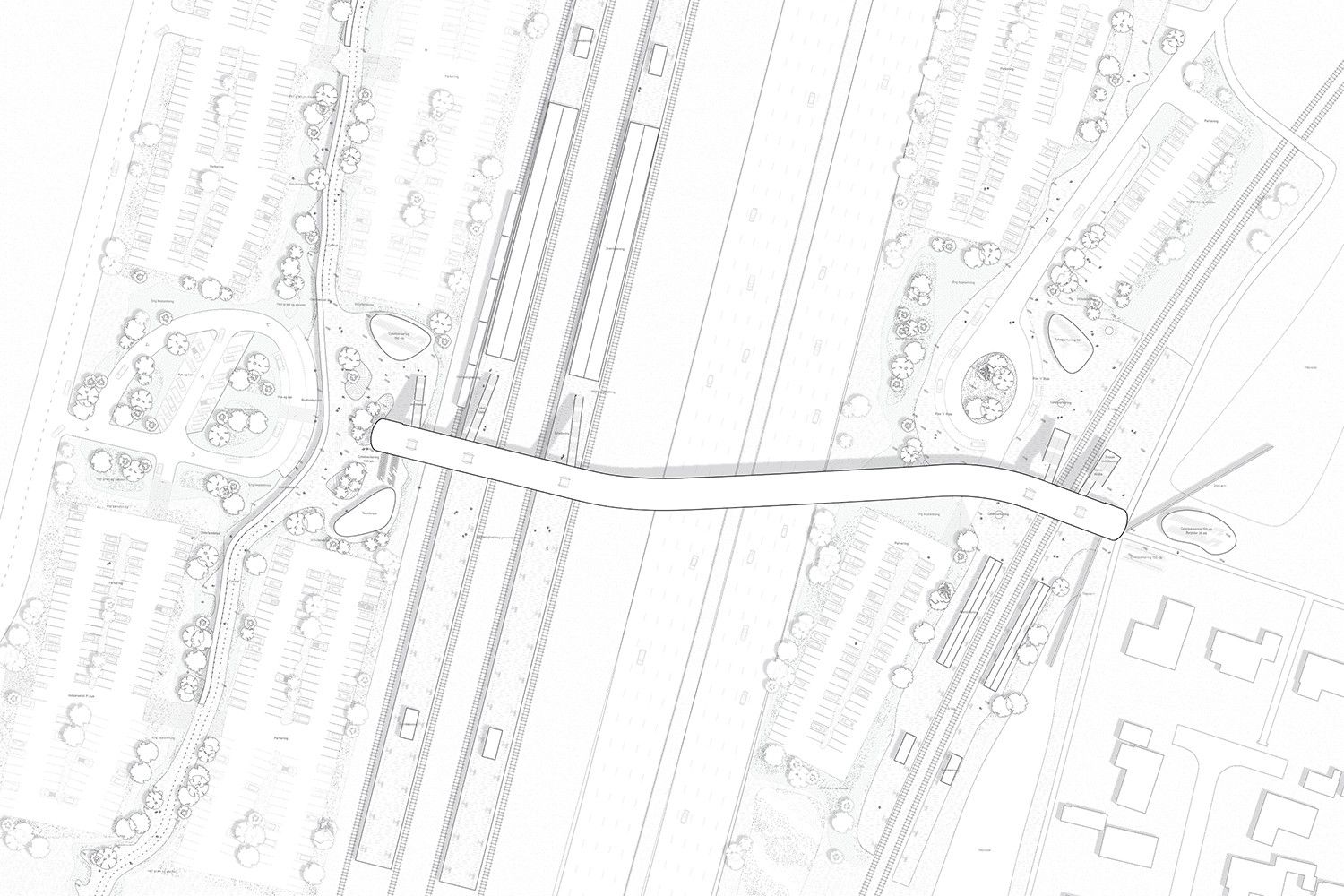
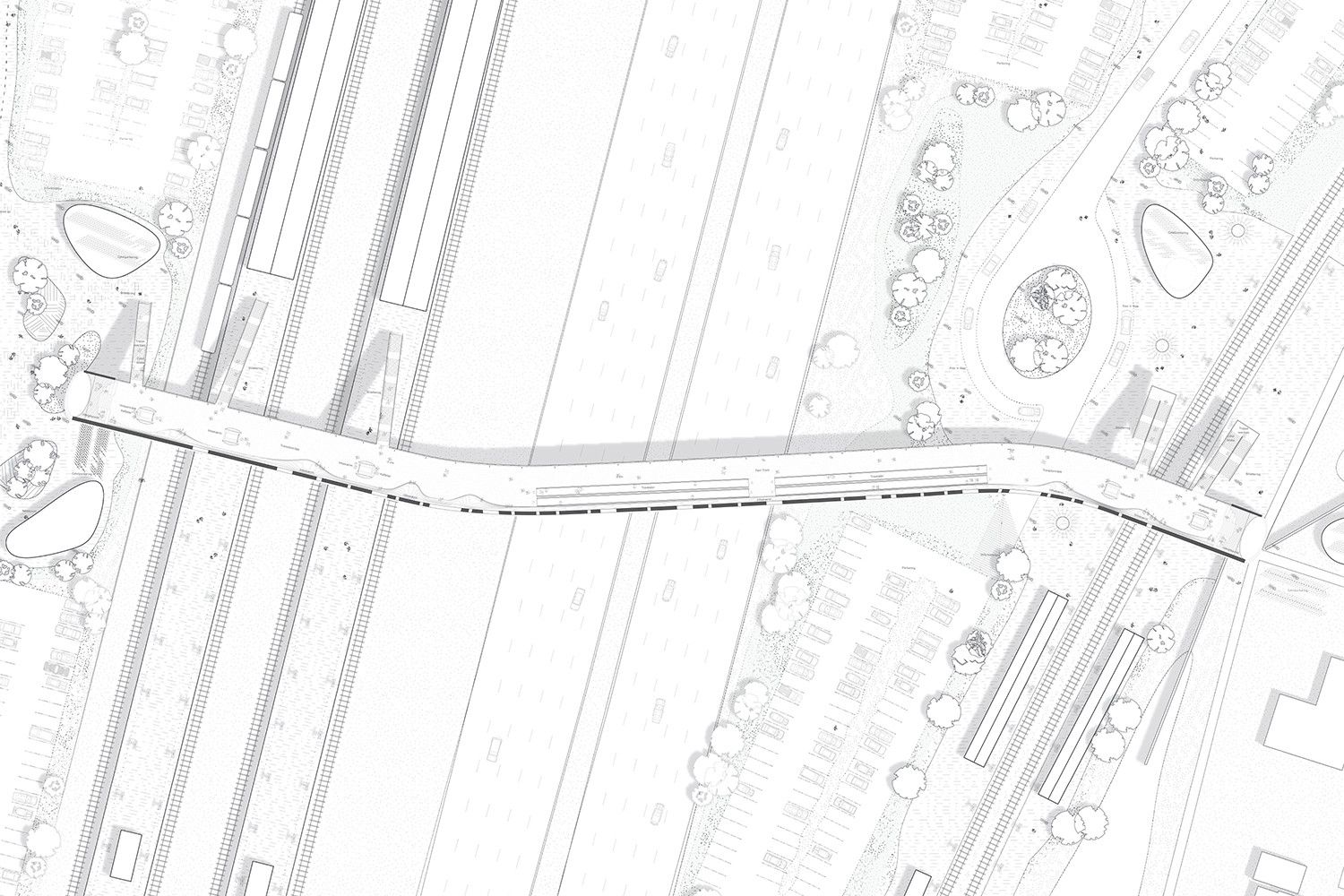
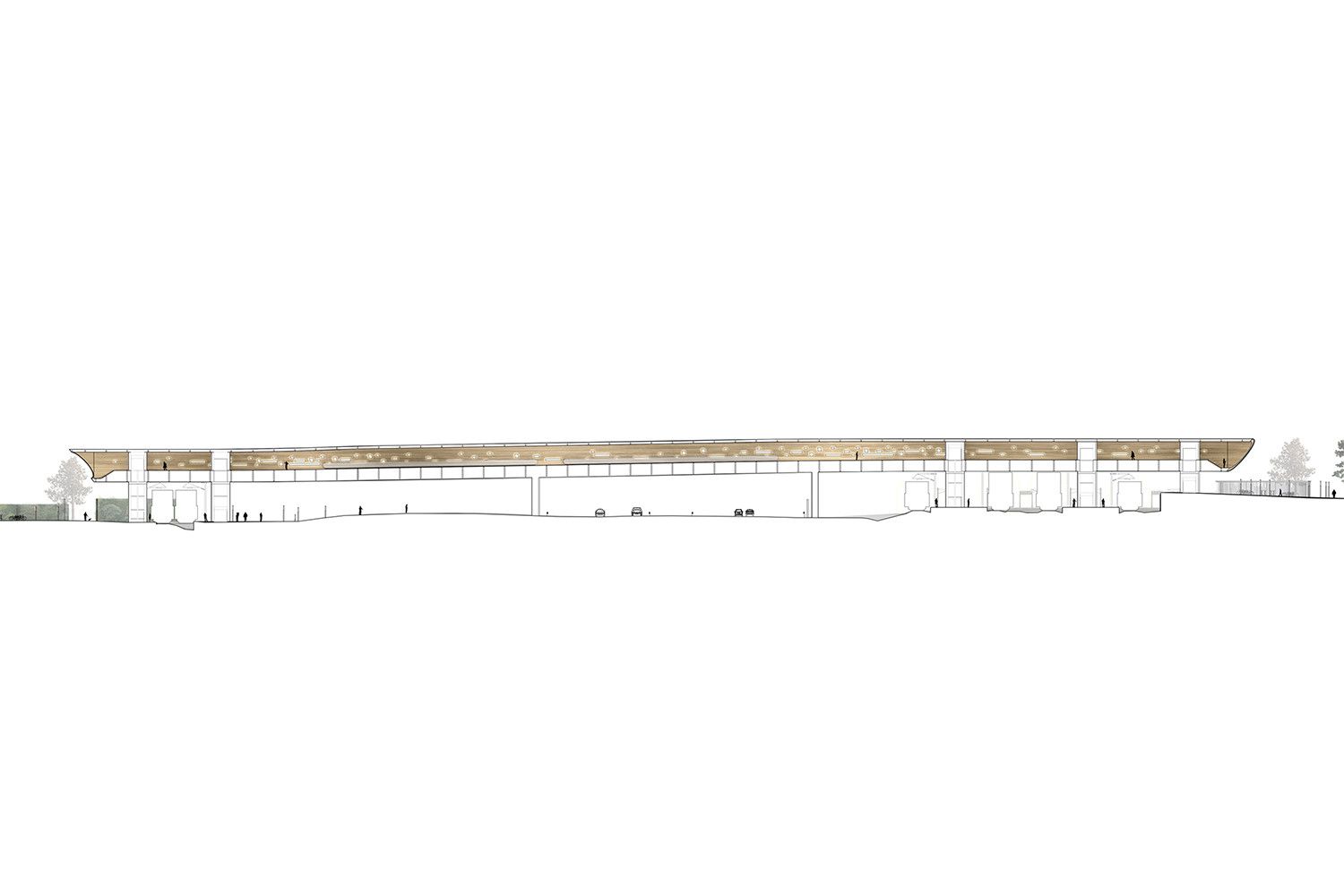
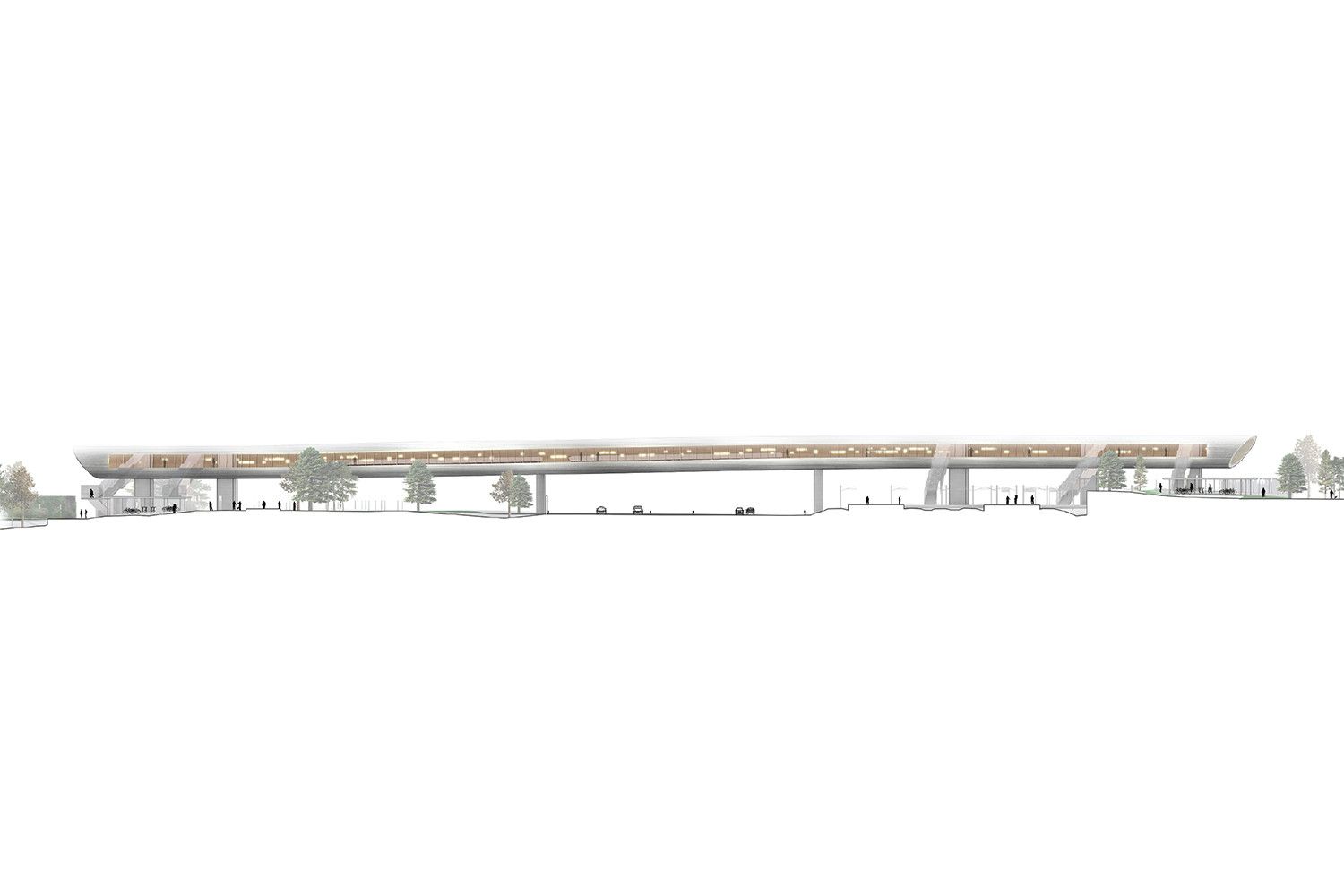
COBE, DISSING + WEITLING and COWI have won the competition to design a 225 meter long pedestrian bridge in Koge , Denmark, paired with a station, park and park-and-ride facility. The bridge will span over a heavy traffic area, with a train line and highway lane. Since the scale of the construction is so big, the overall shape is somewhat simplistic, with many glazed walls and discrete access stairs.

Courtesy Of COBE, DISSING+WEITLING and COWI
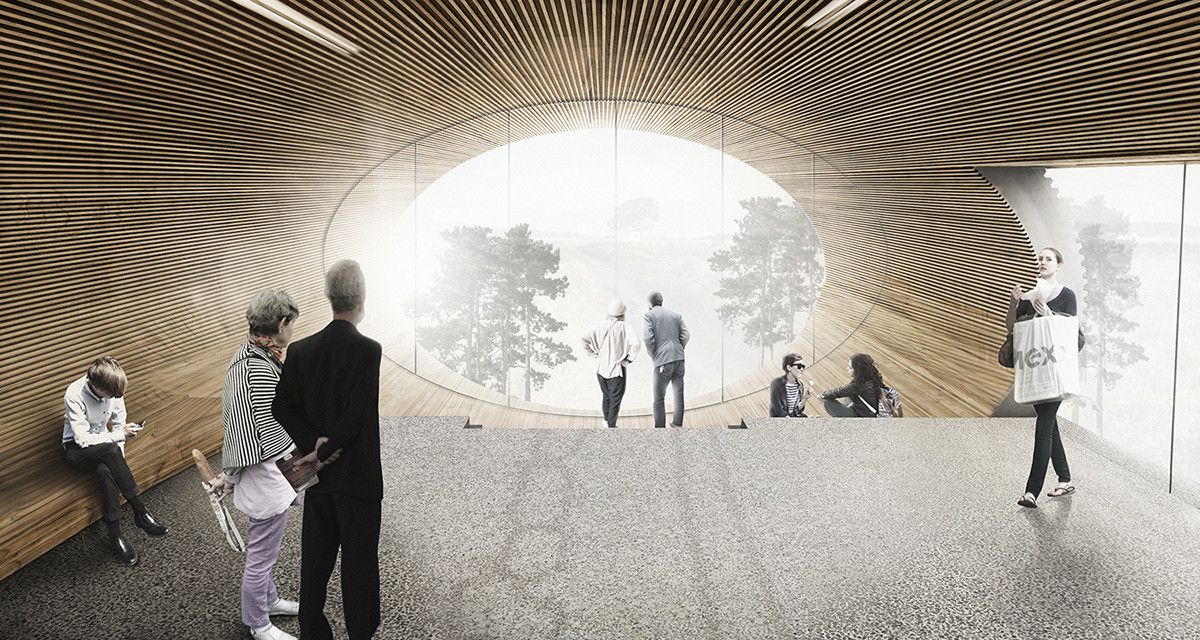
“We have designed a symbol of the development that the City of Køge is currently undergoing – a development characterized by innovation, pioneering spirit and audacity. This development will be reflected and materialized in the bridge and the surrounding park and ride facility that besides being the traffic junction of the region, also will be a distinctive landmark for the area and a symbol of Denmark’s strive towards a sustainable future,” says Dan Stubbergaard, Founder and Creative Director at COBE.The materials used are contrary, but also complementary. The exterior will imitate its surrounding architectural environment, use cladding of perforated steel plates (which will also help improve time spent on building, since the bridge is scheduled to be finished by 2018) while the interior is covered in wooden lamellae, in order to counterbalance the harsh aesthetic of the steel and to create an inviting environment, in which pedestrians will enjoy the travel from one part to another.
Courtesy Of COBE, DISSING+WEITLING and COWI

Lidia Ratoi is a Romanian architect, educator, and researcher, currently serving as Assistant Professor at the University of Hong Kong’s Department of Architecture. With a background in both architectural design and theory, her work explores the intersections of technology, media, and politics in the built environment. Ratoi’s research focuses on the aesthetics of power, surveillance, and virtuality, with a strong interest in critical and speculative design. She has practiced internationally and exhibited in venues across Europe and Asia. Passionate about challenging conventional narratives, Ratoi integrates digital tools with philosophical inquiry, encouraging experimental approaches to architecture. Her contributions continue to shape emerging discourses in design and architectural pedagogy.