

Joan Maragall House arises from the initiative of a young couple looking to renovate an old family house with the goal of transforming it into their home and a place where they will start a family.
© Pol Masip
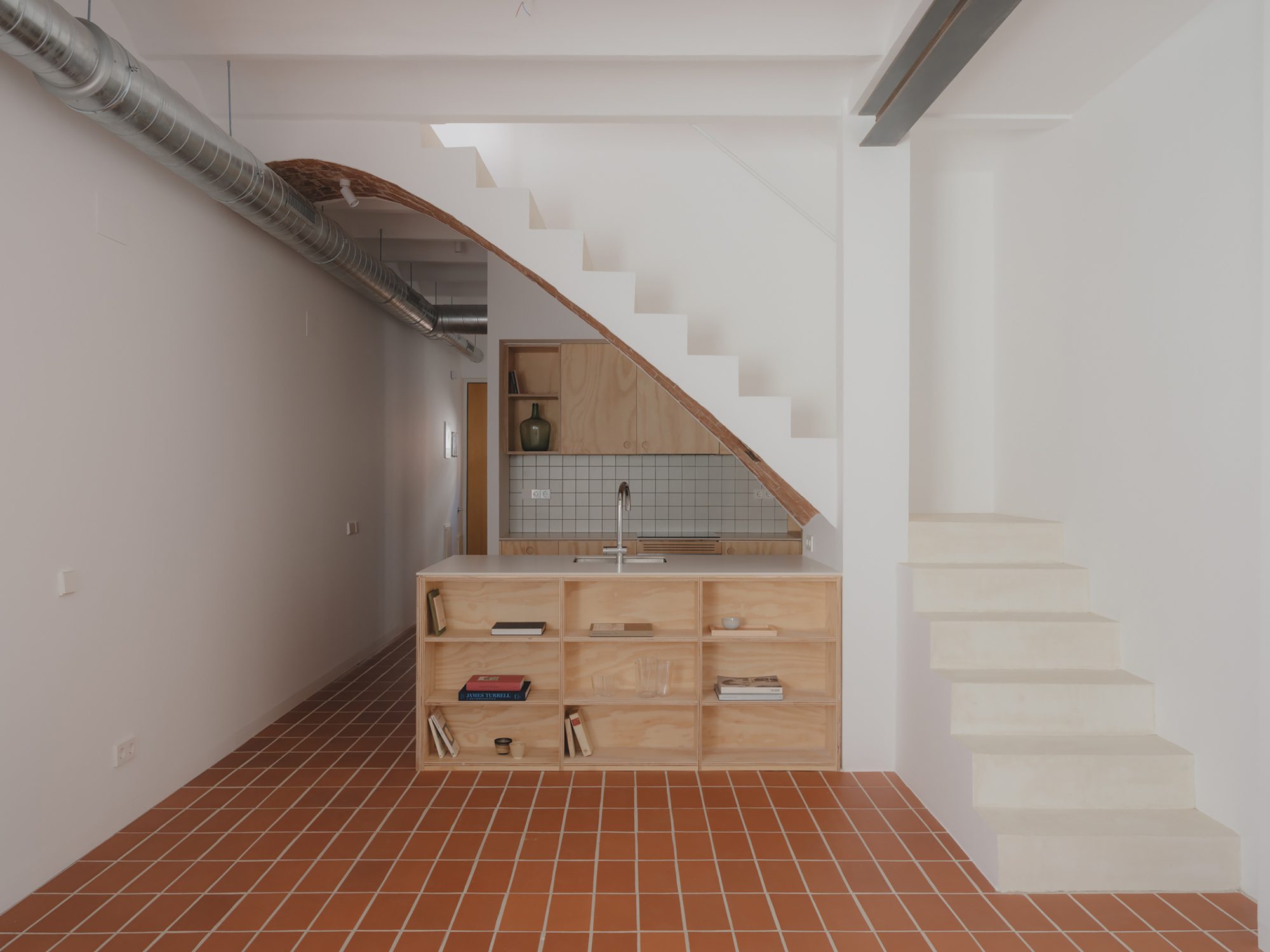
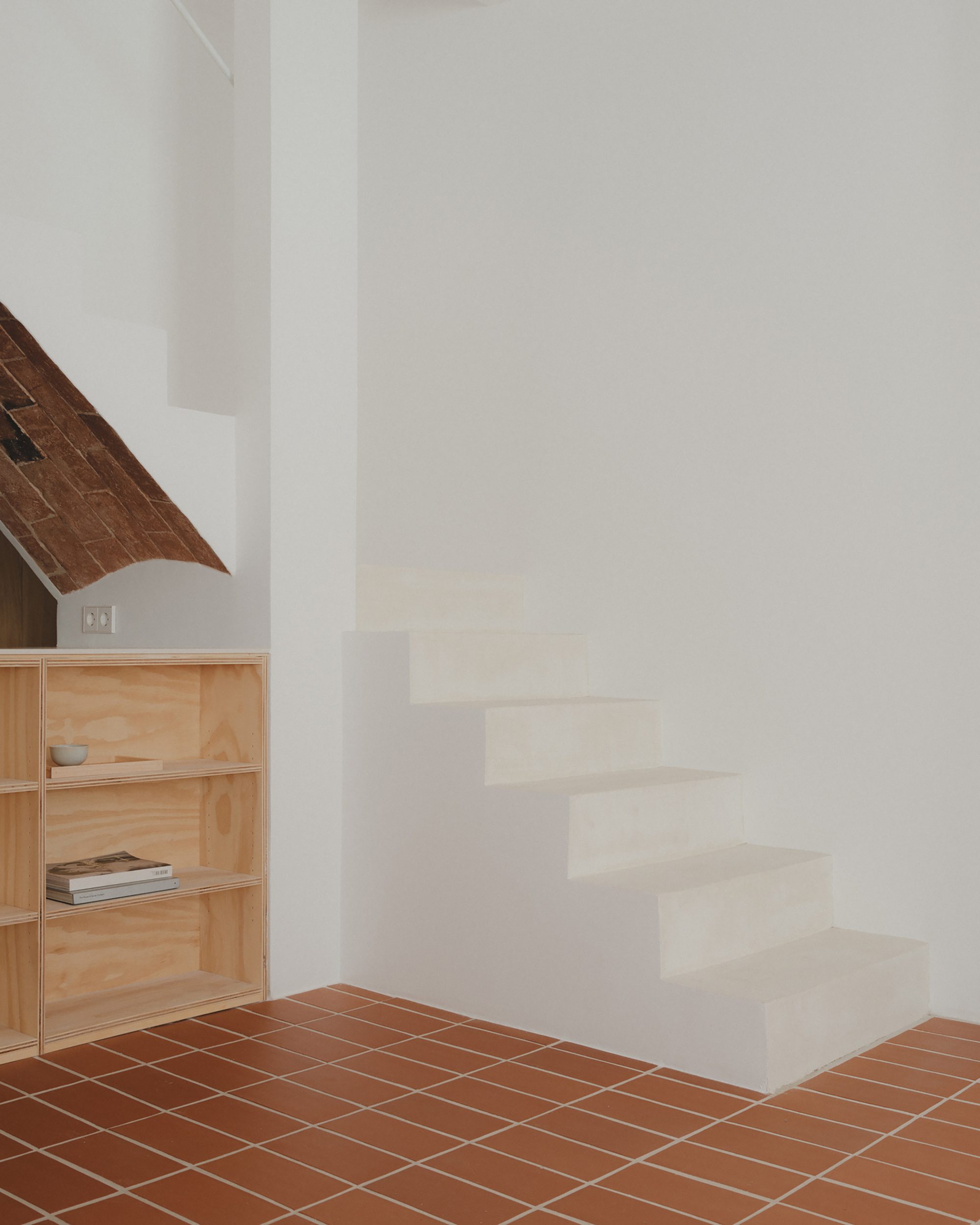
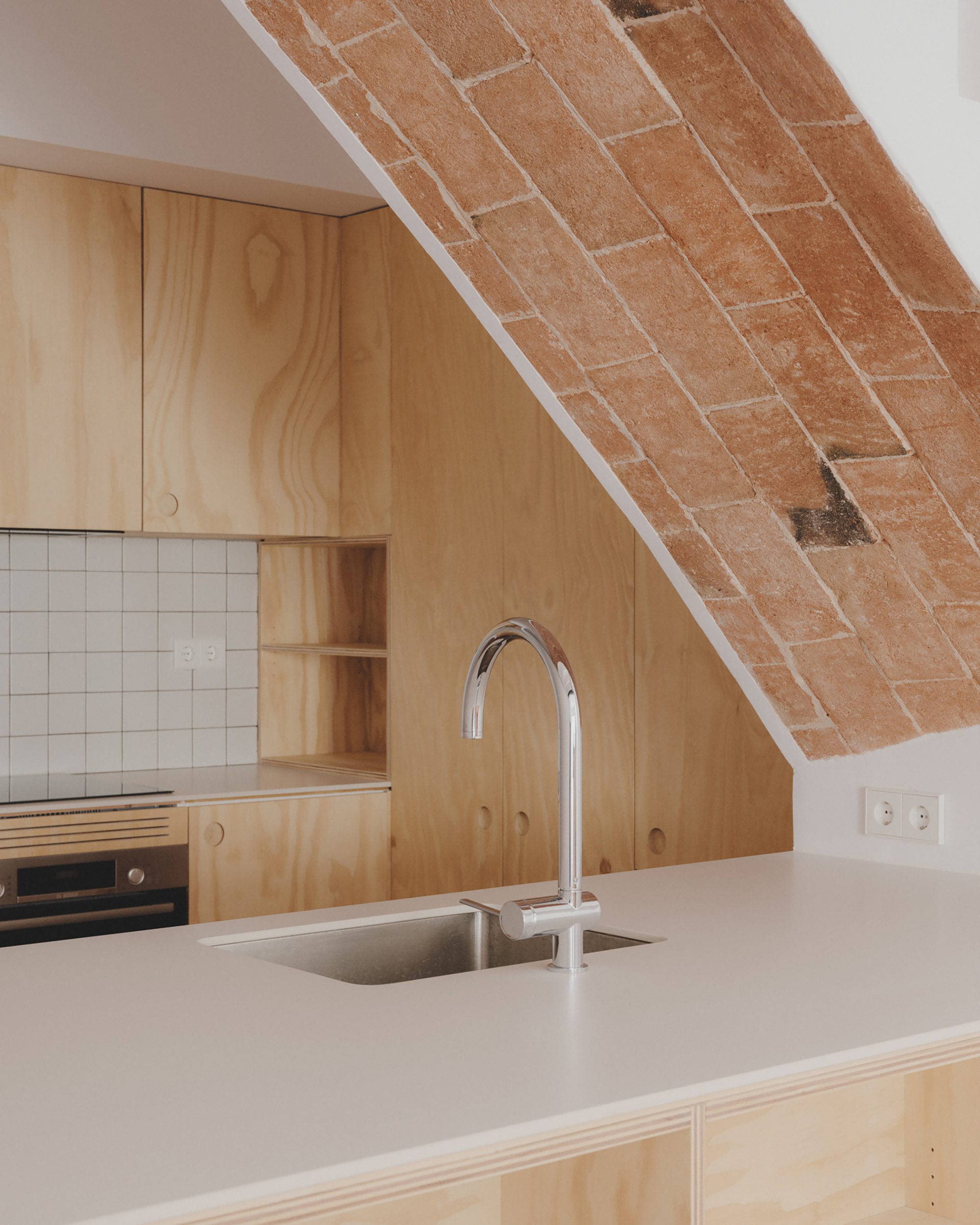
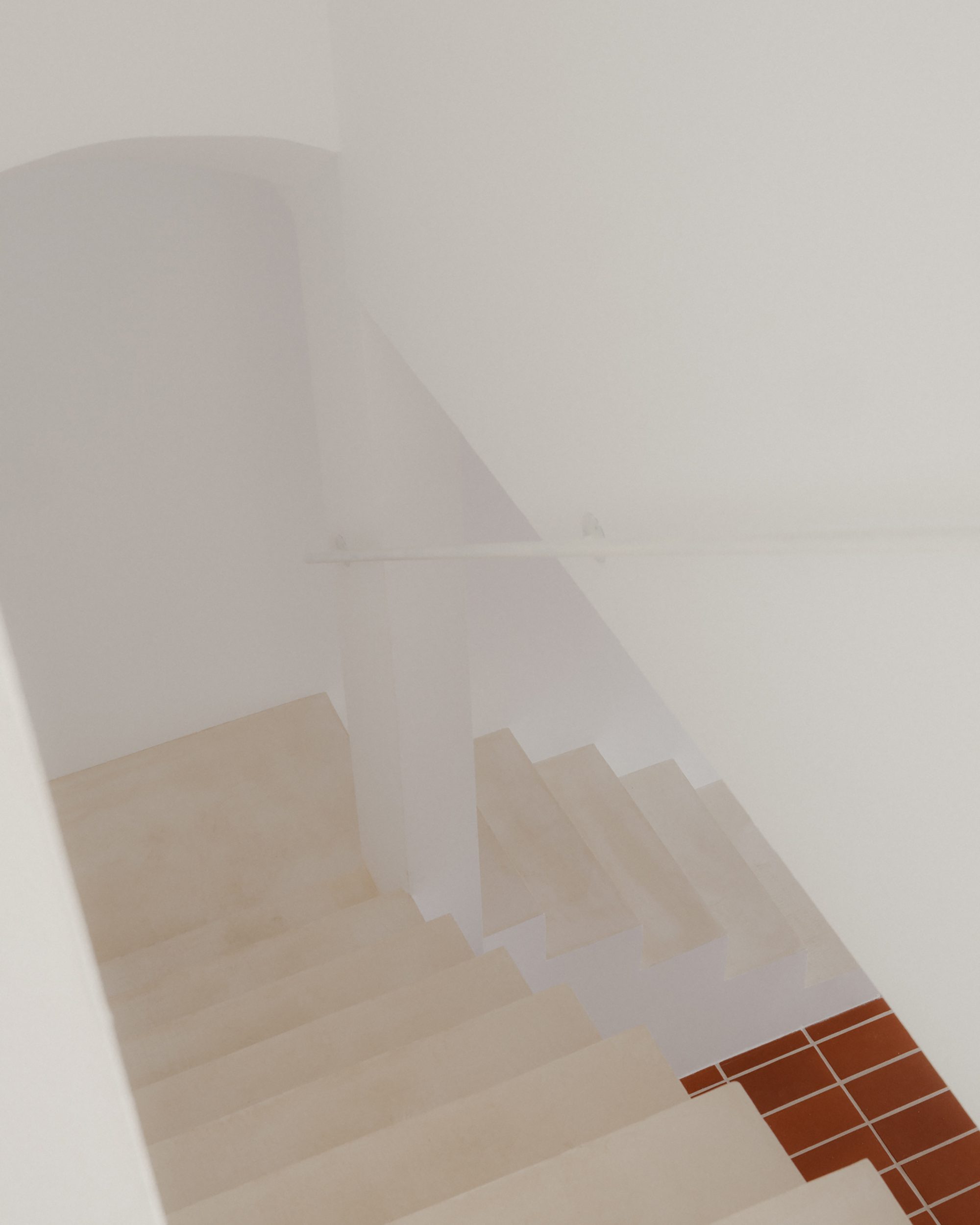
Built in the 1950s on a plot of just four meters wide, the original house had a fragmented layout adapted to the needs of the time. Although the house was in perfect condition, its layout did not meet the contemporary concepts of functionality and open spaces that the owners desired. This allowed for the preservation and enhancement of several original elements, such as the Catalan vaulted ceiling and part of the original staircase, which were integrated into the new proposal.
© Pol Masip
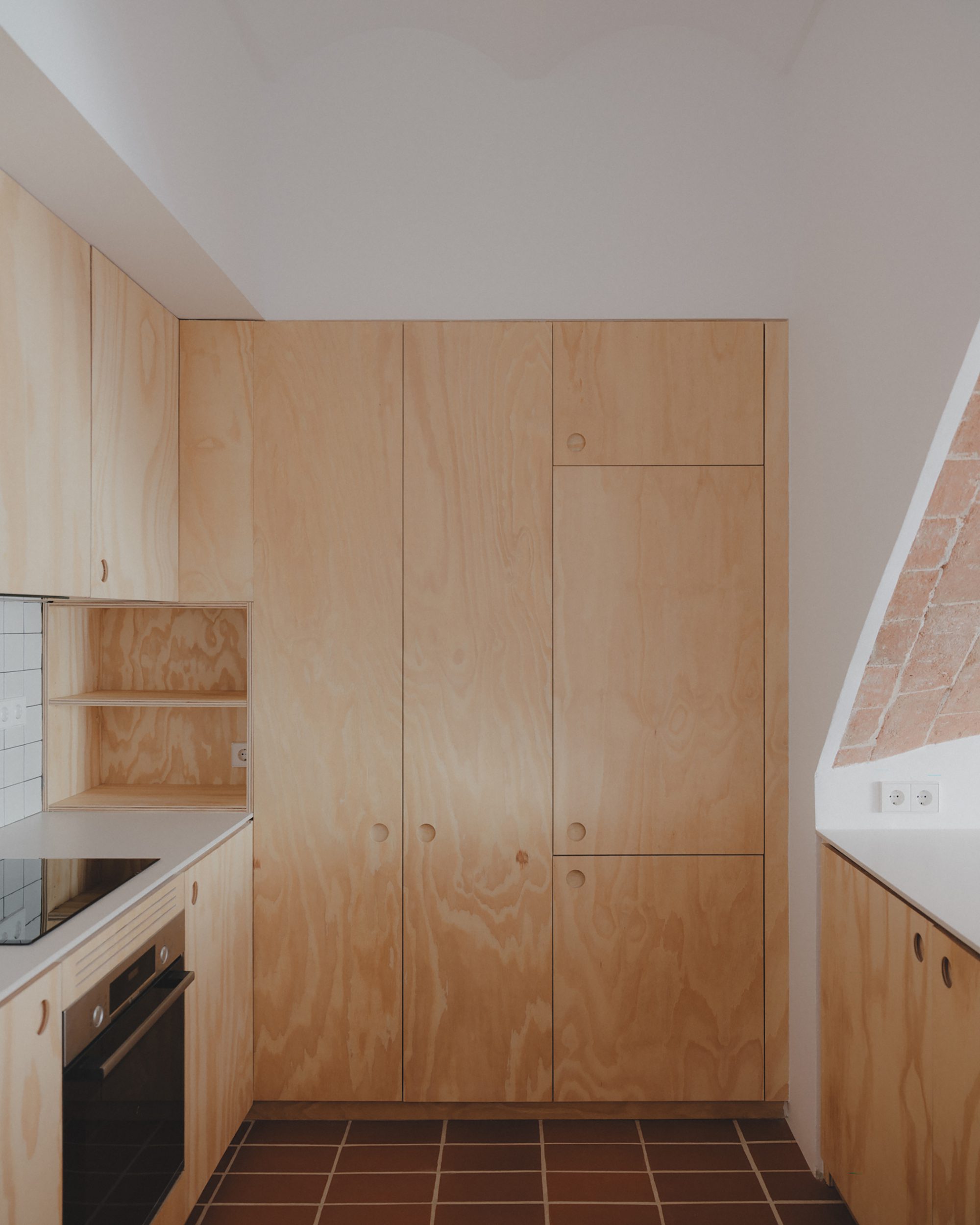
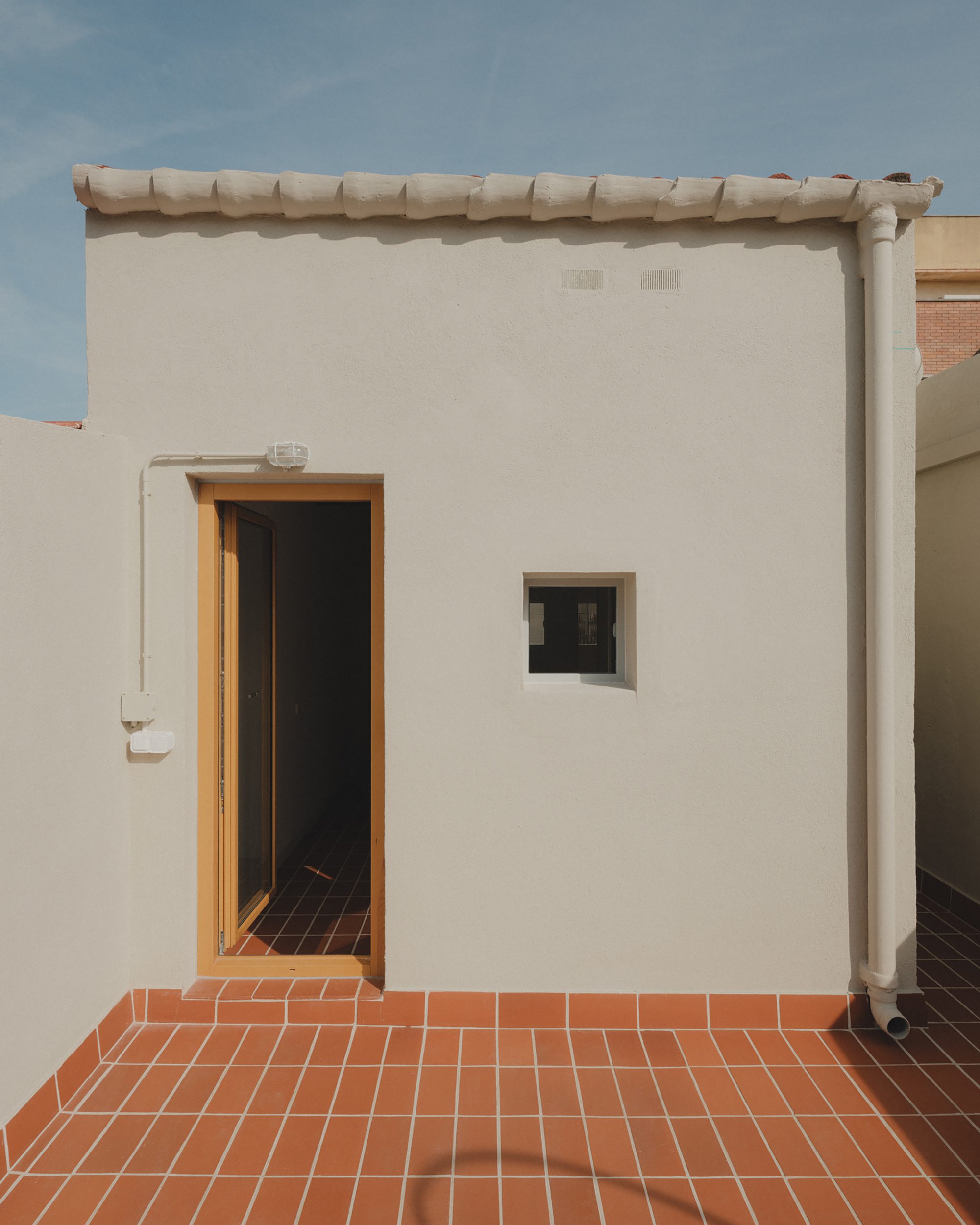
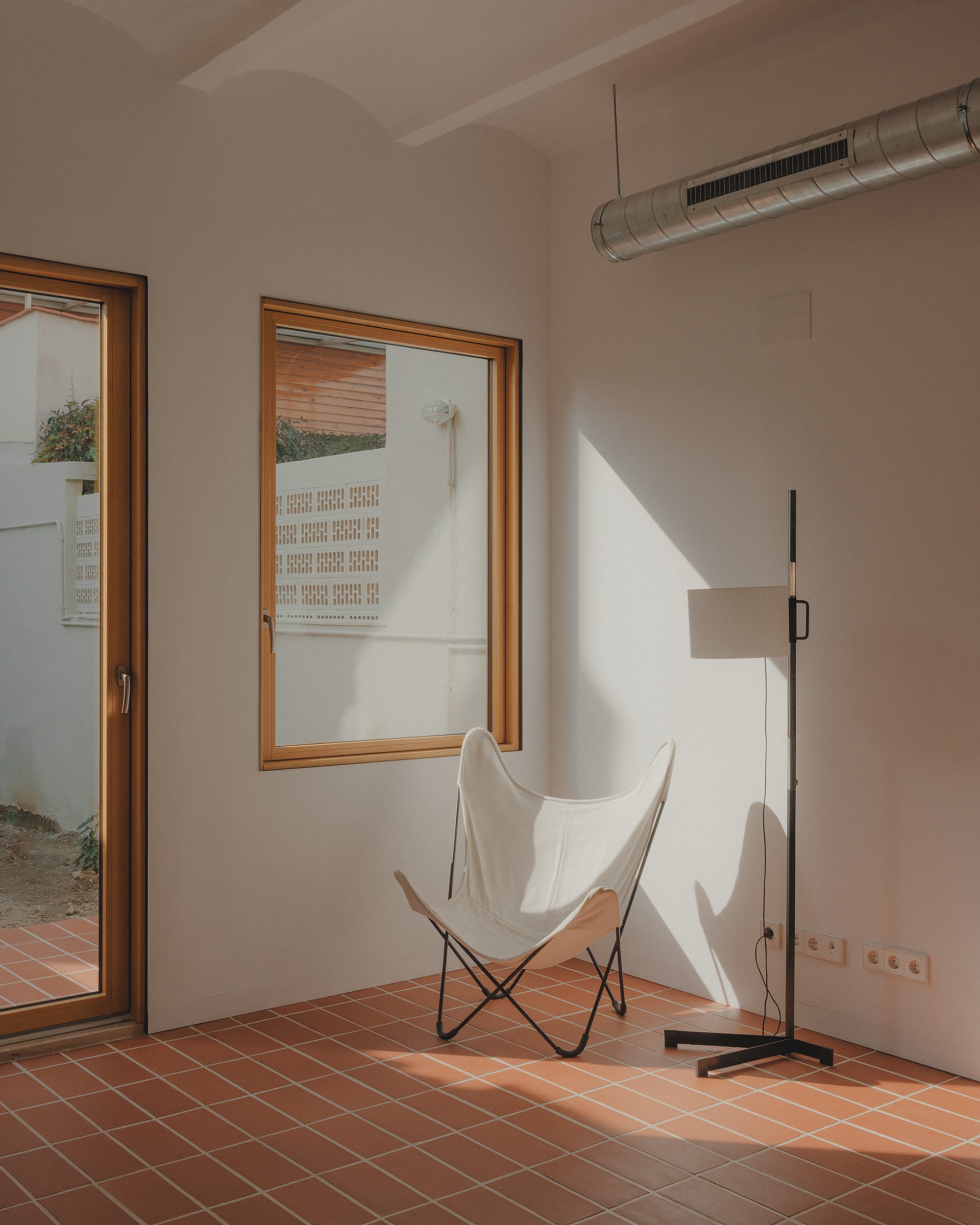
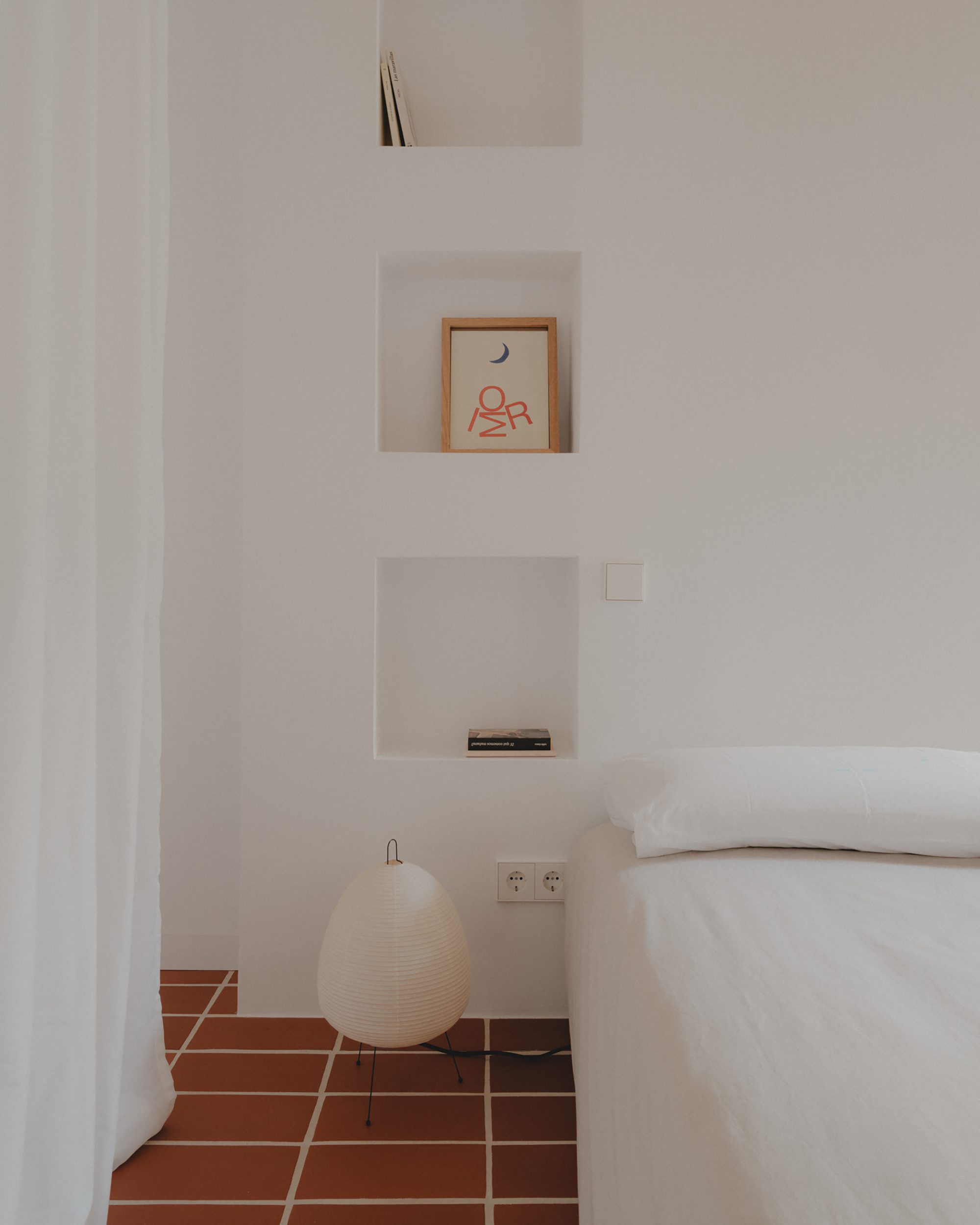
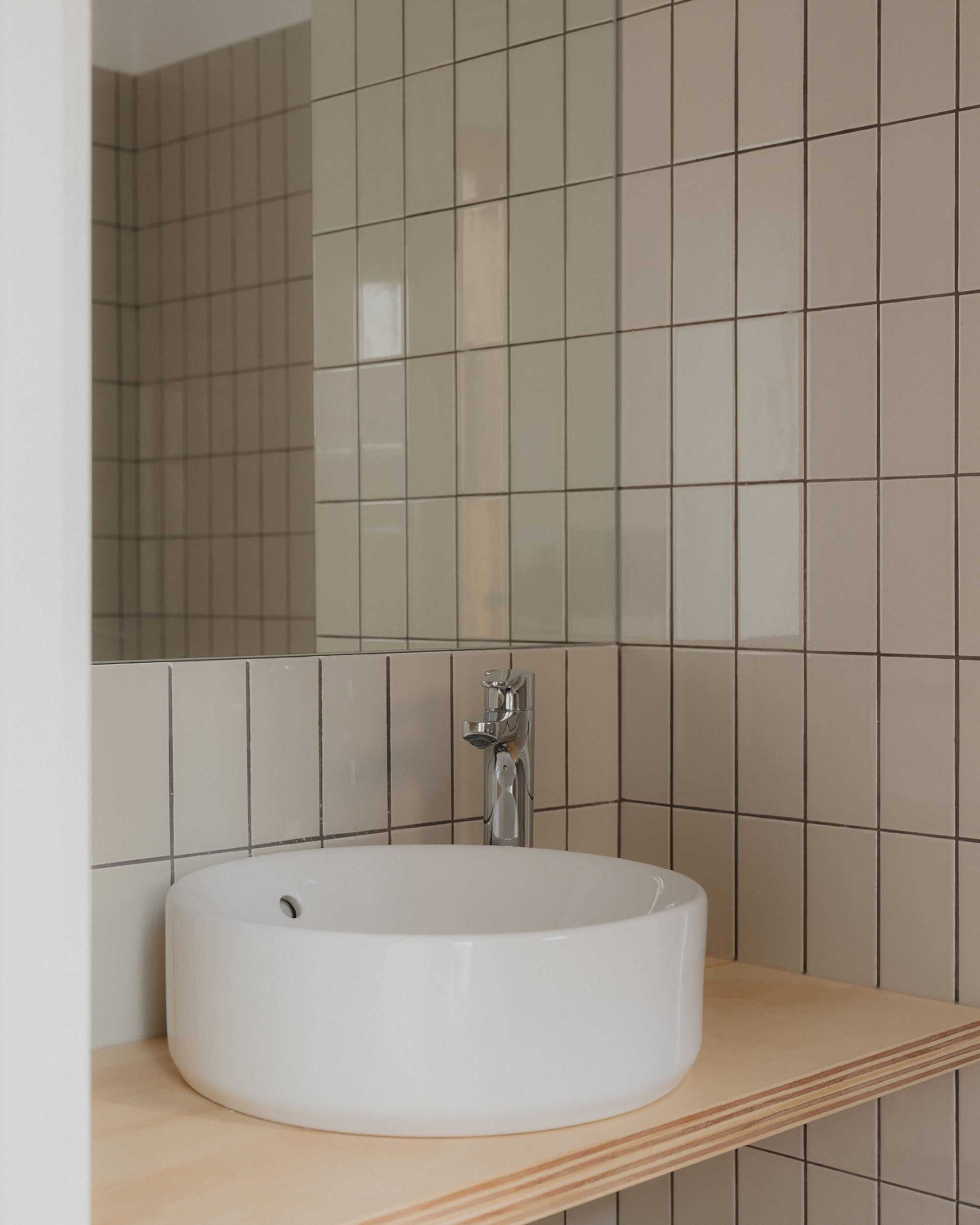
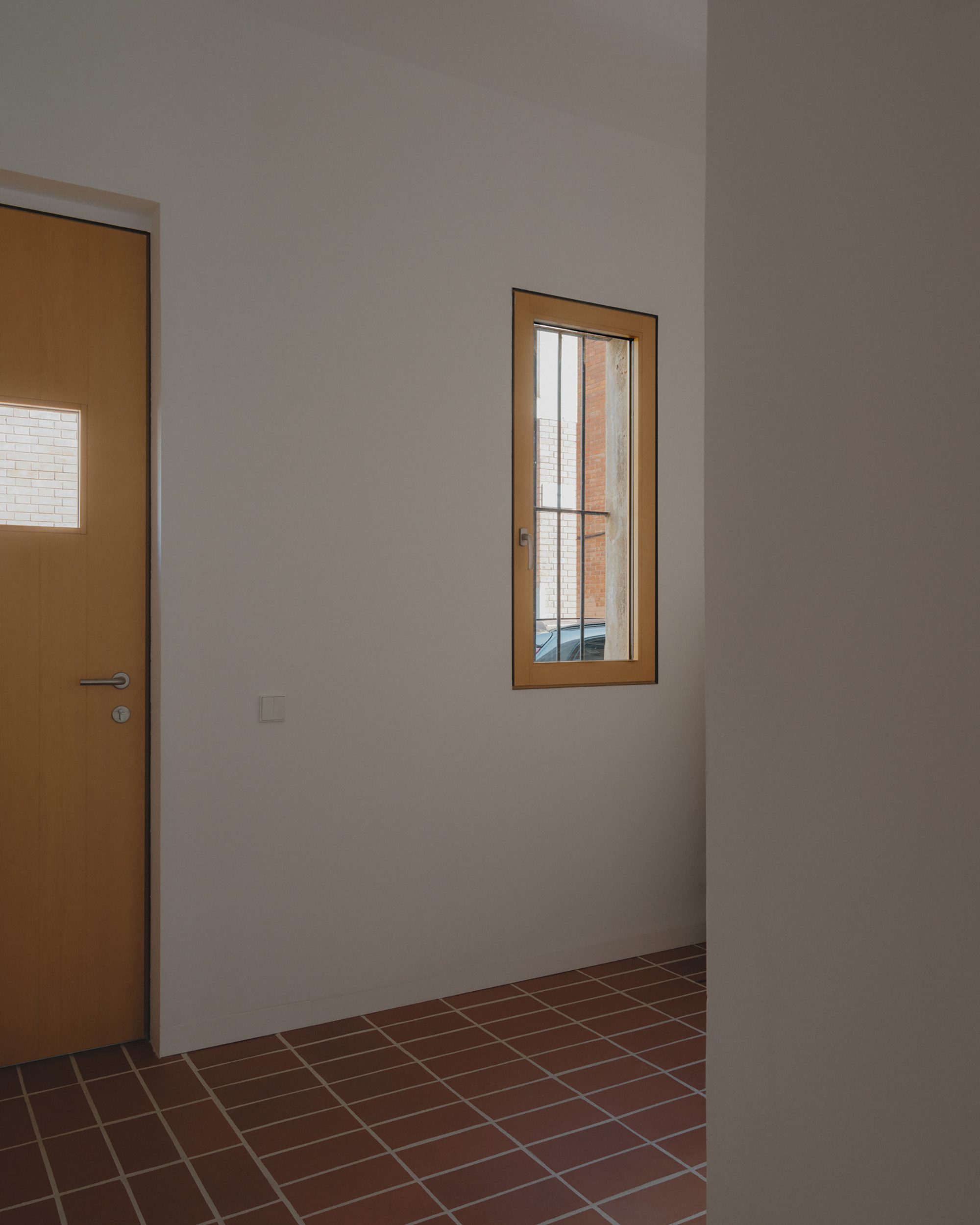
From a design perspective, the aim was to establish connections with local Mediterranean architecture, drawing from the constructive austerity of the original building. Authentic materials with a natural character were used, such as pine wood, ceramic tiles, and handmade glazed tiles.
© Pol Masip
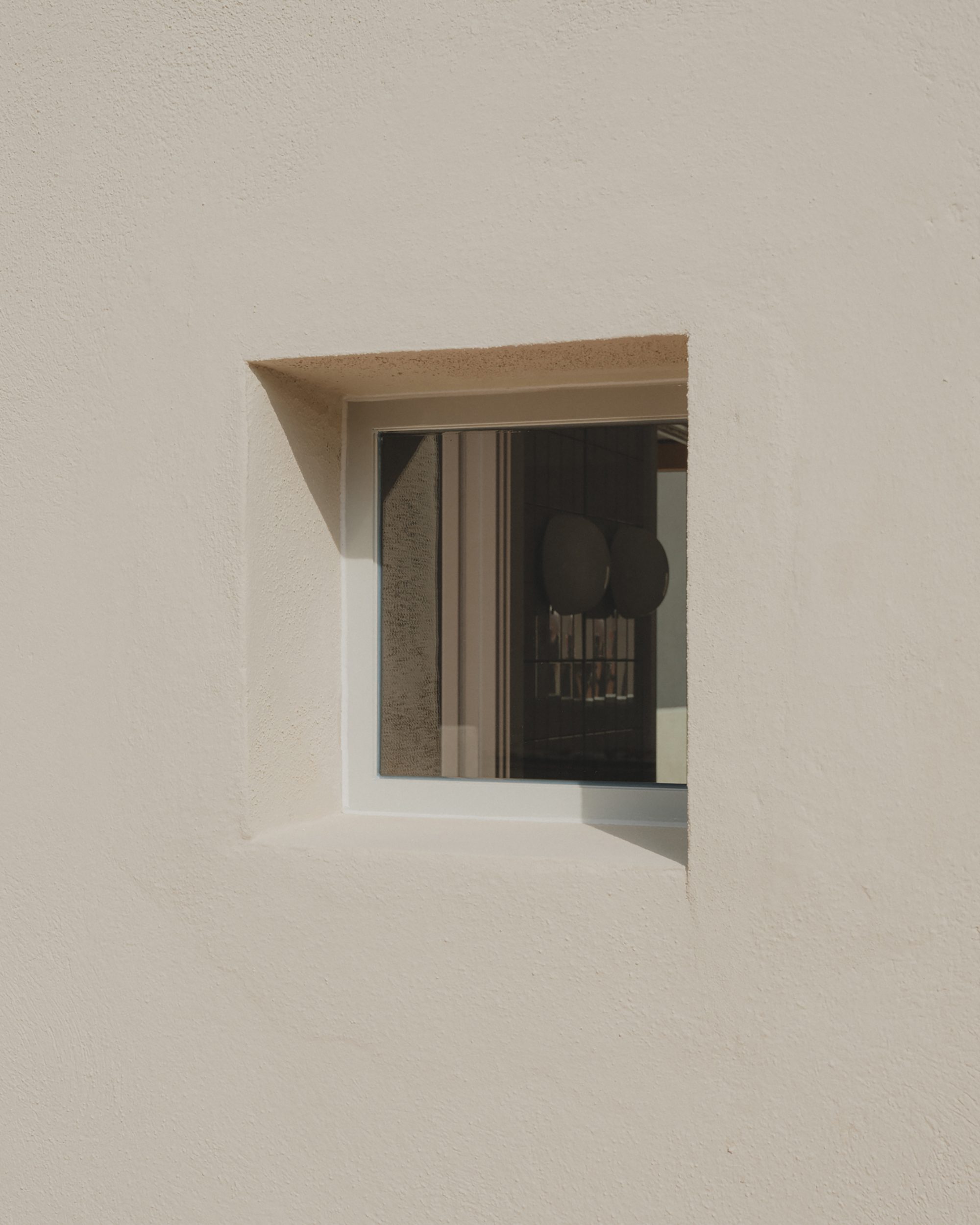
The intervention focuses on opening up spaces and creating three bedrooms and two bathrooms, as well as designing a garden and terraces that provide functionality. The first step involved demolishing the interior courtyard to integrate this space into the living room and enable a terrace on the upper floor. This reconfiguration allowed for the reversal of access to the staircase, changing its direction. From these large openings, the kitchen opened up to the living room and visually extended to the garden, respecting the original proportions of the windows.
© Pol Masip
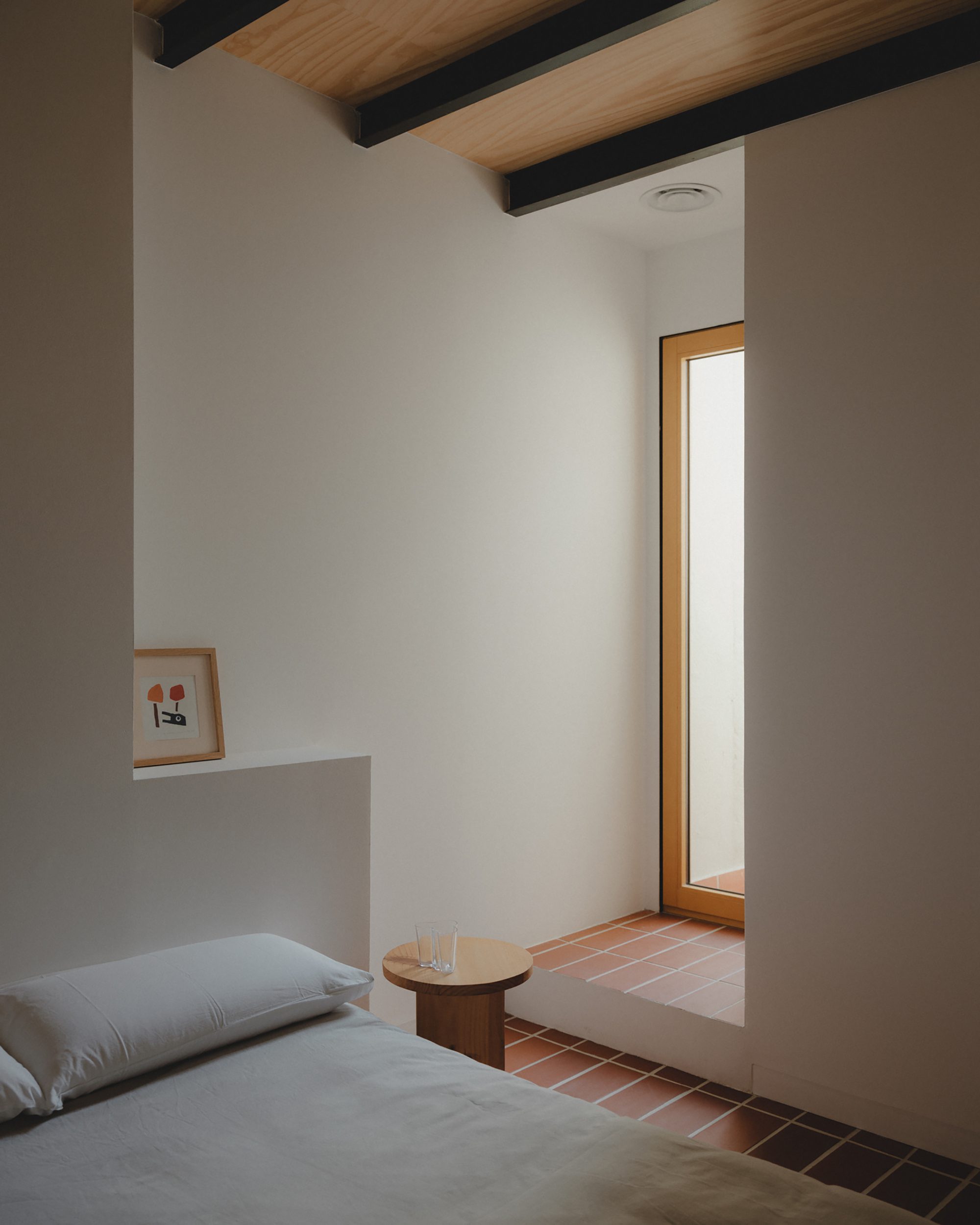
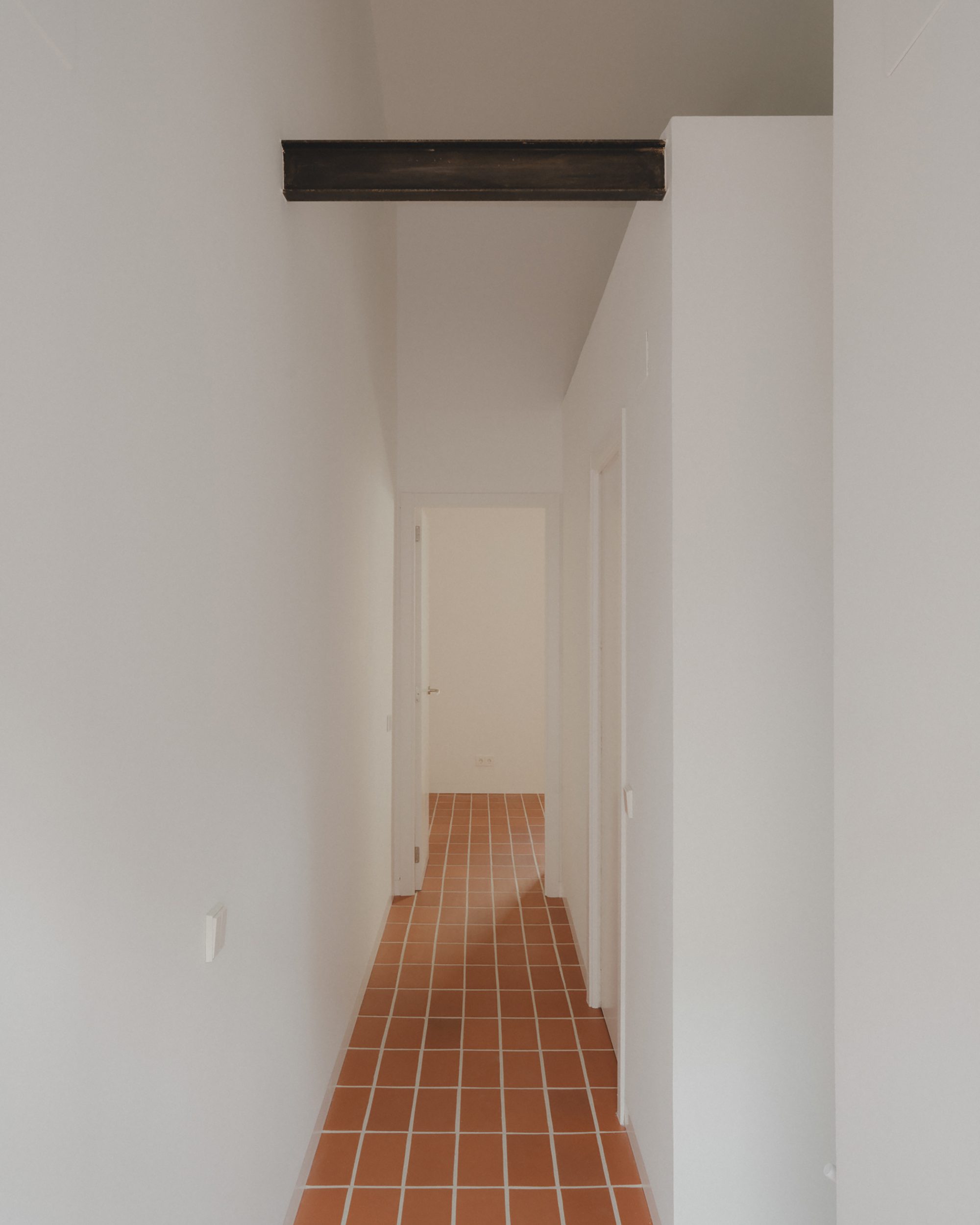
On the upper floor, the false ceiling was removed to create a double-height space that reinforces the sense of height and spaciousness, compensating for the narrow four-meter width of the house. To make the most of the space, the master bedroom does not reach the ceiling, allowing for the creation of a storage area and incorporating natural light from the exterior.
© Pol Masip
Finally, in the garden, the existing structures were demolished to maximize the available outdoor space. The flooring extends from the interior, forming a continuous slab that extends the living area outdoors, creating a fluid living experience between the interior and the garden.
Project Info
Architects: CA-N Estudi
Country: Barcelona, Spain
Area: 87 m²
Year: 2025
Photographs: Pol Masip

Anastasia Andreieva is an accomplished Architectural Projects Editor at Arch2O, bringing a unique blend of linguistic expertise and design enthusiasm to the team. Born and raised in Ukraine, she holds a Master’s degree in Languages from Taras Shevchenko National University of Kyiv. Her deep passion for architecture and visual storytelling led her to transition from translation and editorial roles into the world of design media. With a keen eye for conceptual clarity and narrative structure, Anastasia curates and presents global architectural projects with precision and flair. She is particularly drawn to parametric and digital design, cultural context, and emerging voices in architecture. When I’m not analyzing the latest architectural trends, you’ll probably find me searching for hidden gems in cityscapes or appreciating the beauty of well-crafted spaces. After all, great design—like great connections—can be found in the most unexpected places. Speaking of connections, because architecture isn’t the only thing that brings people together.