

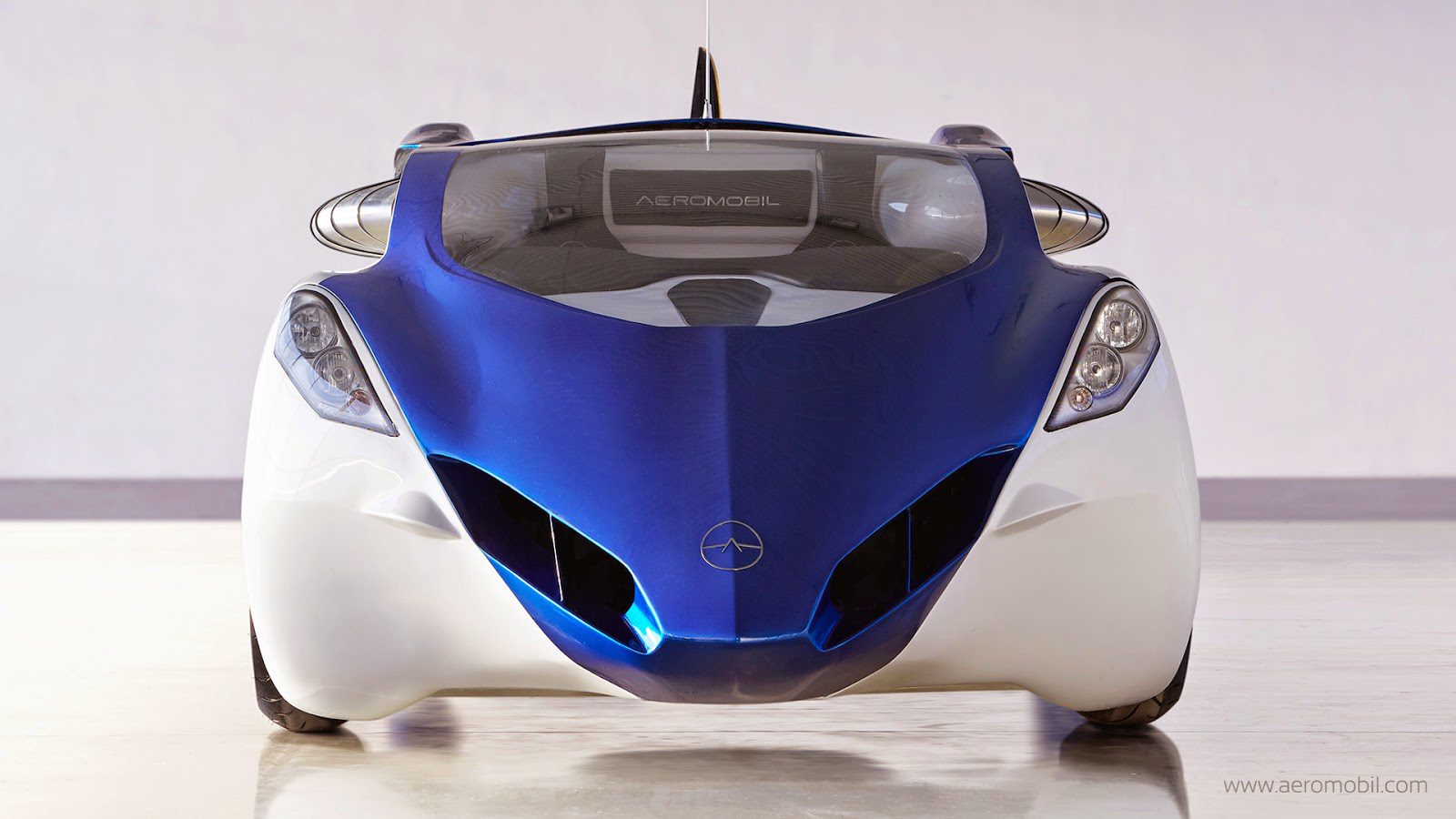
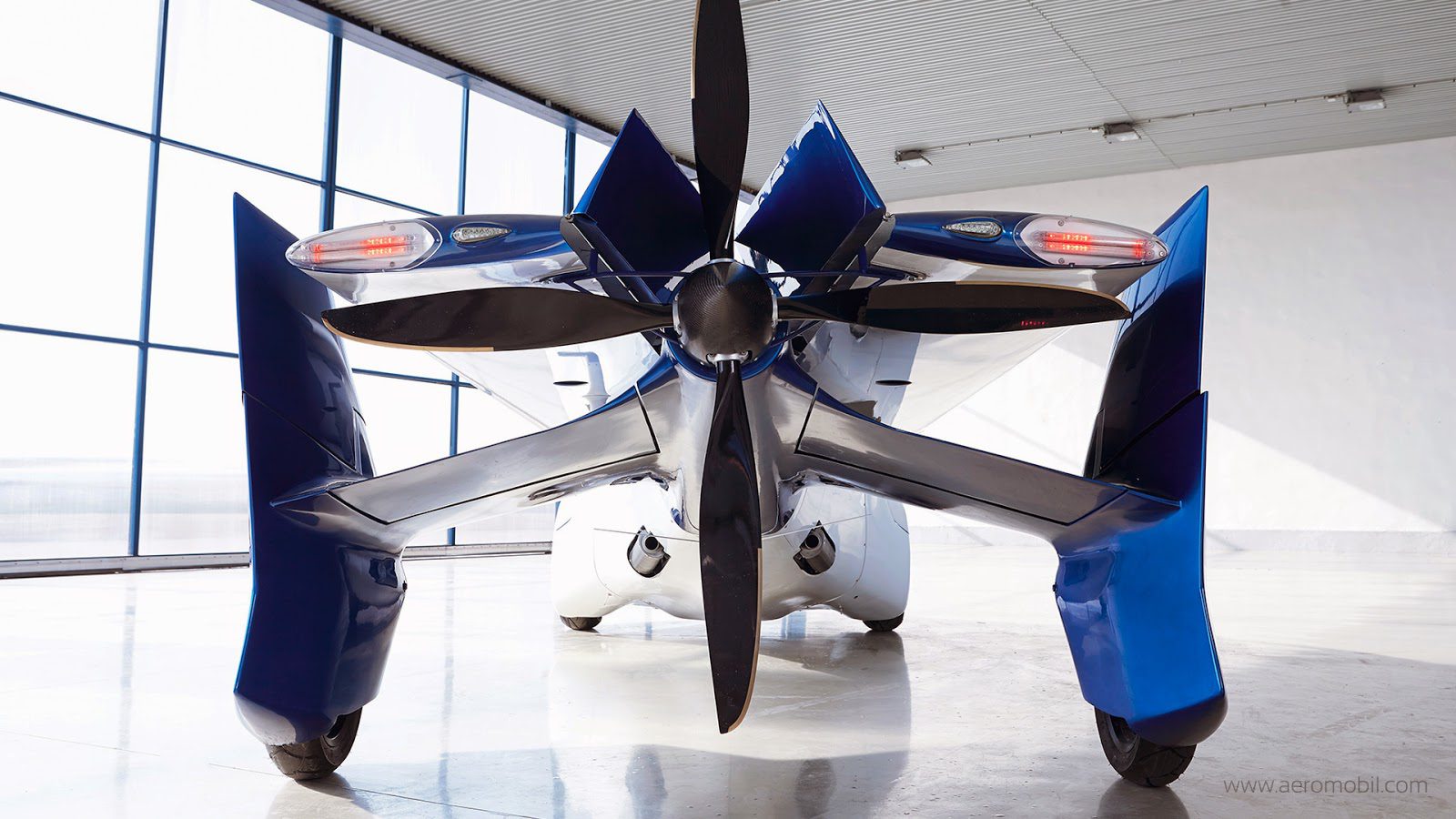
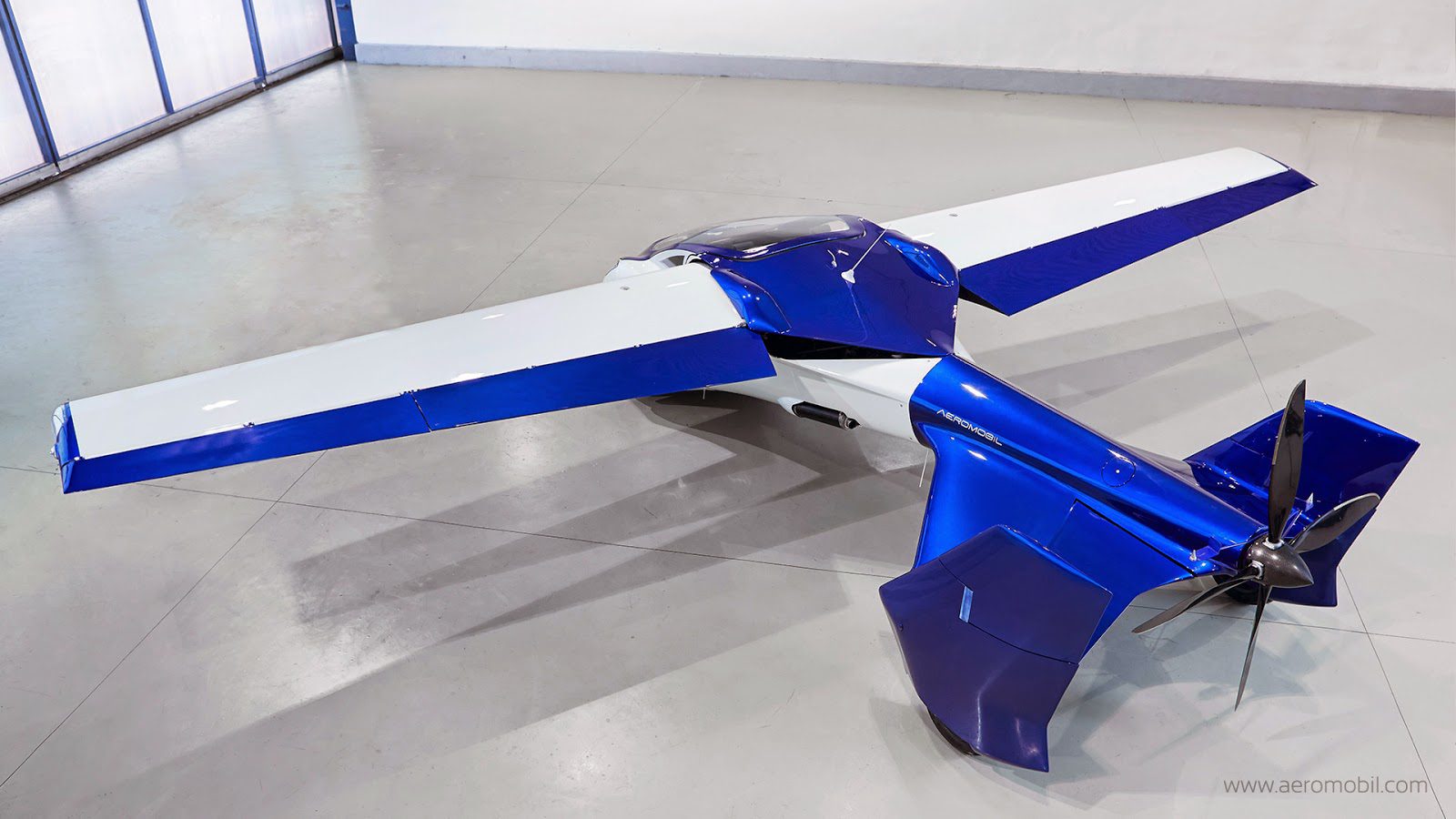
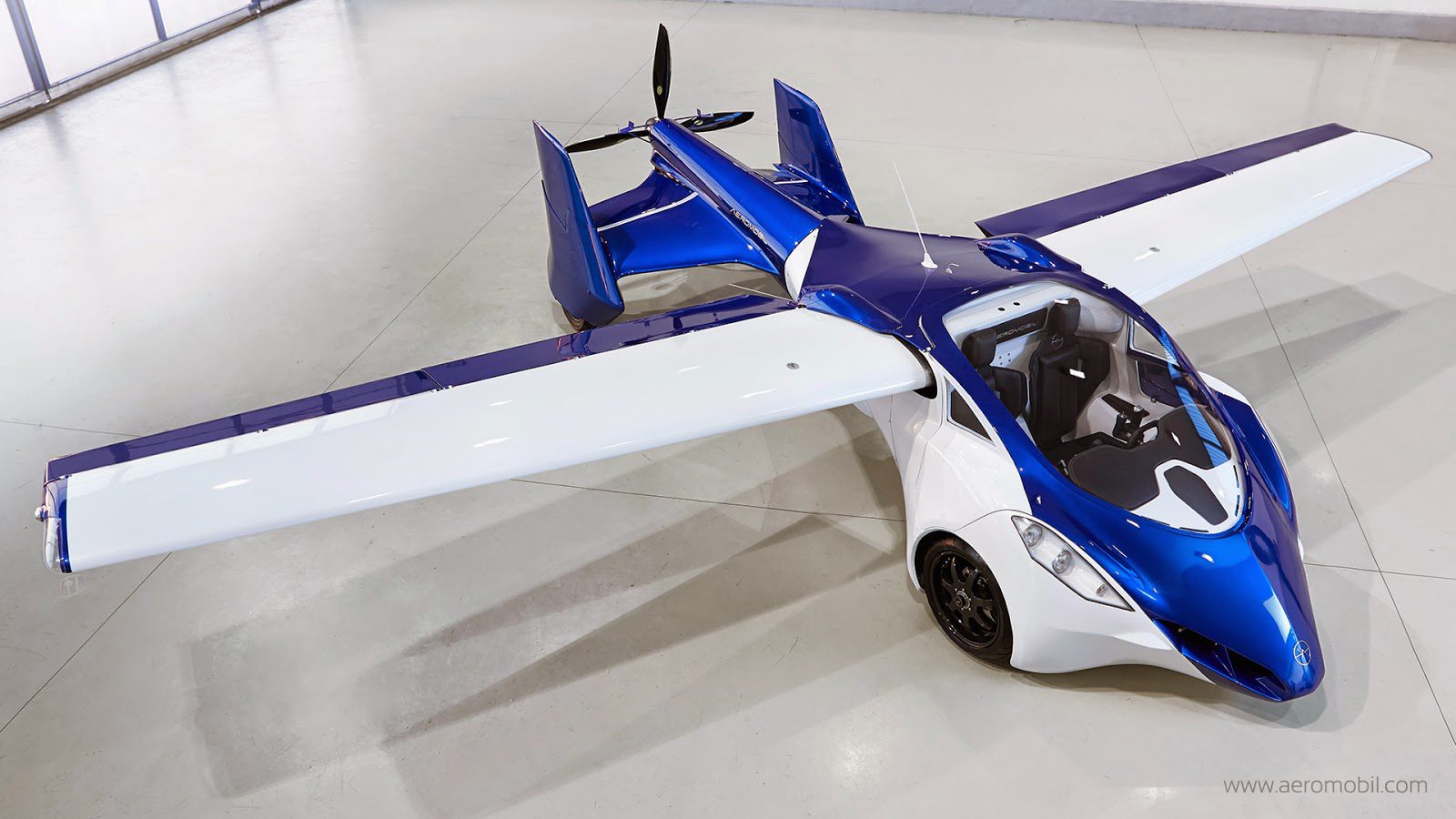
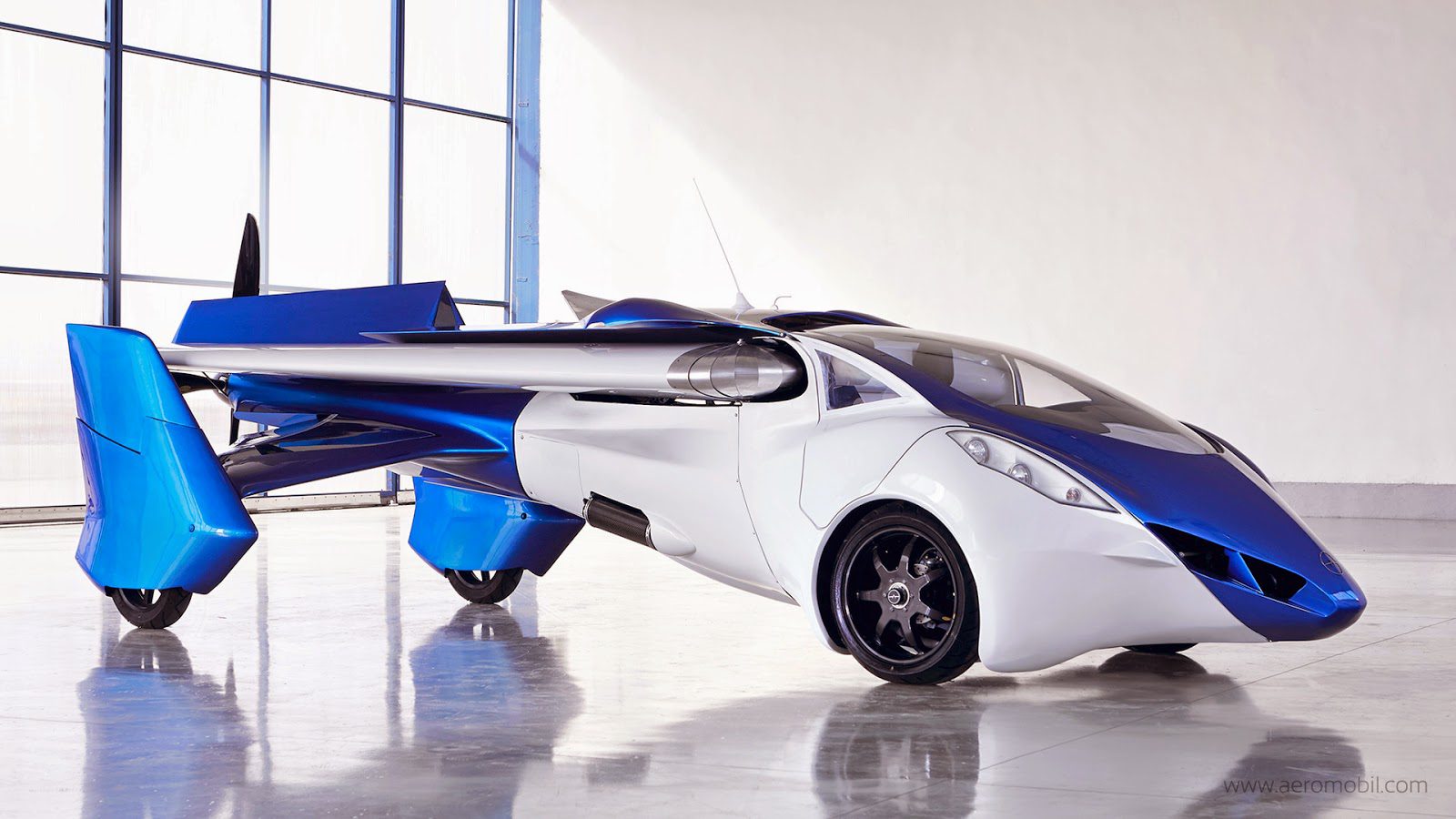
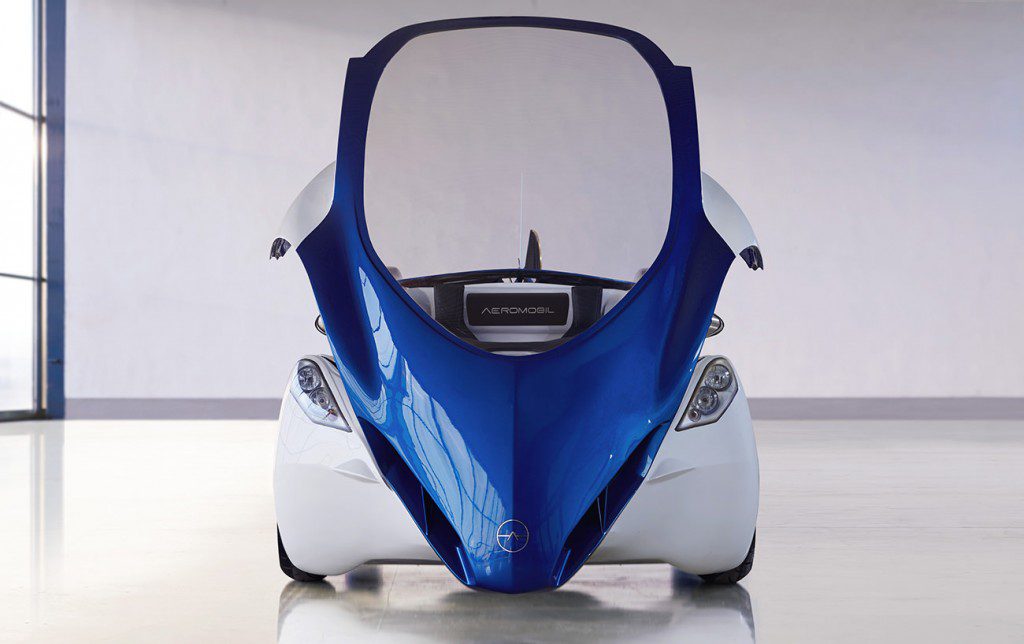
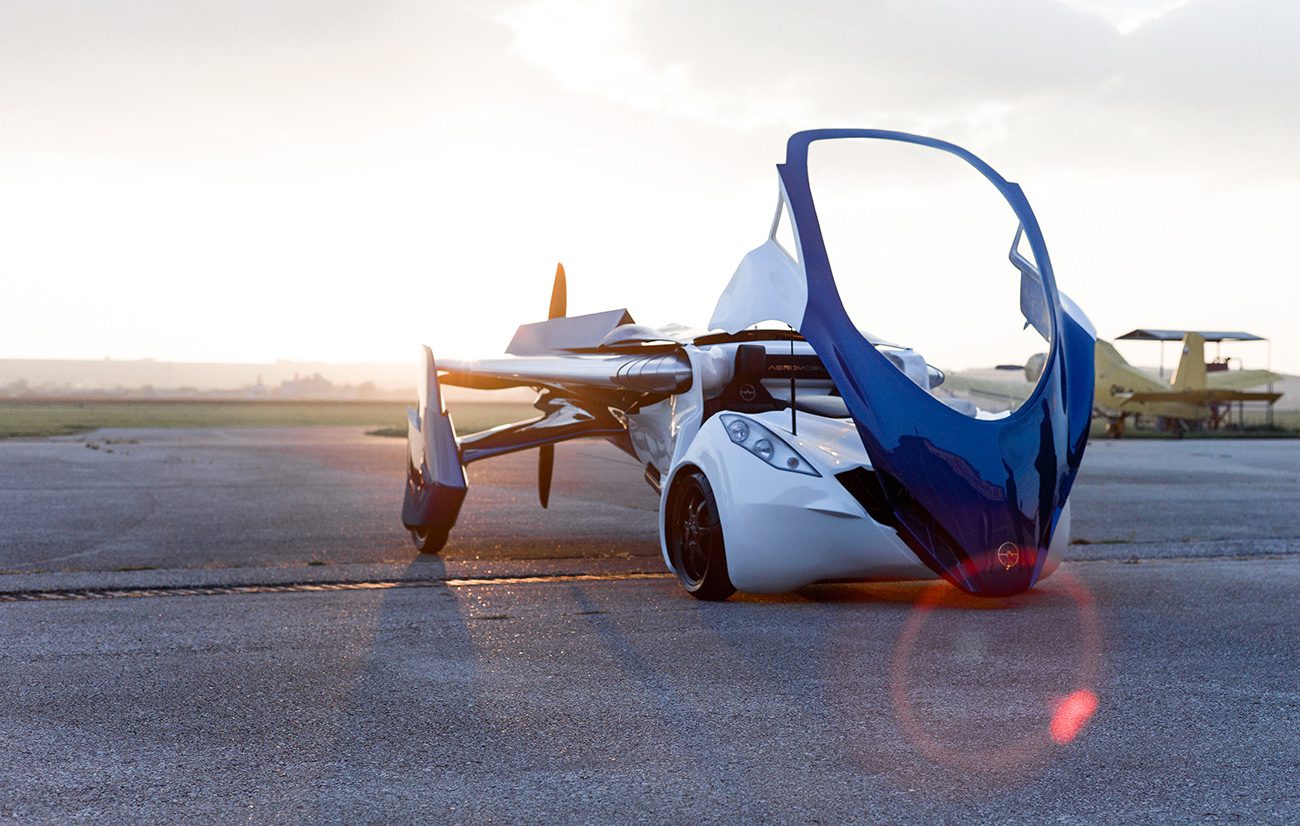
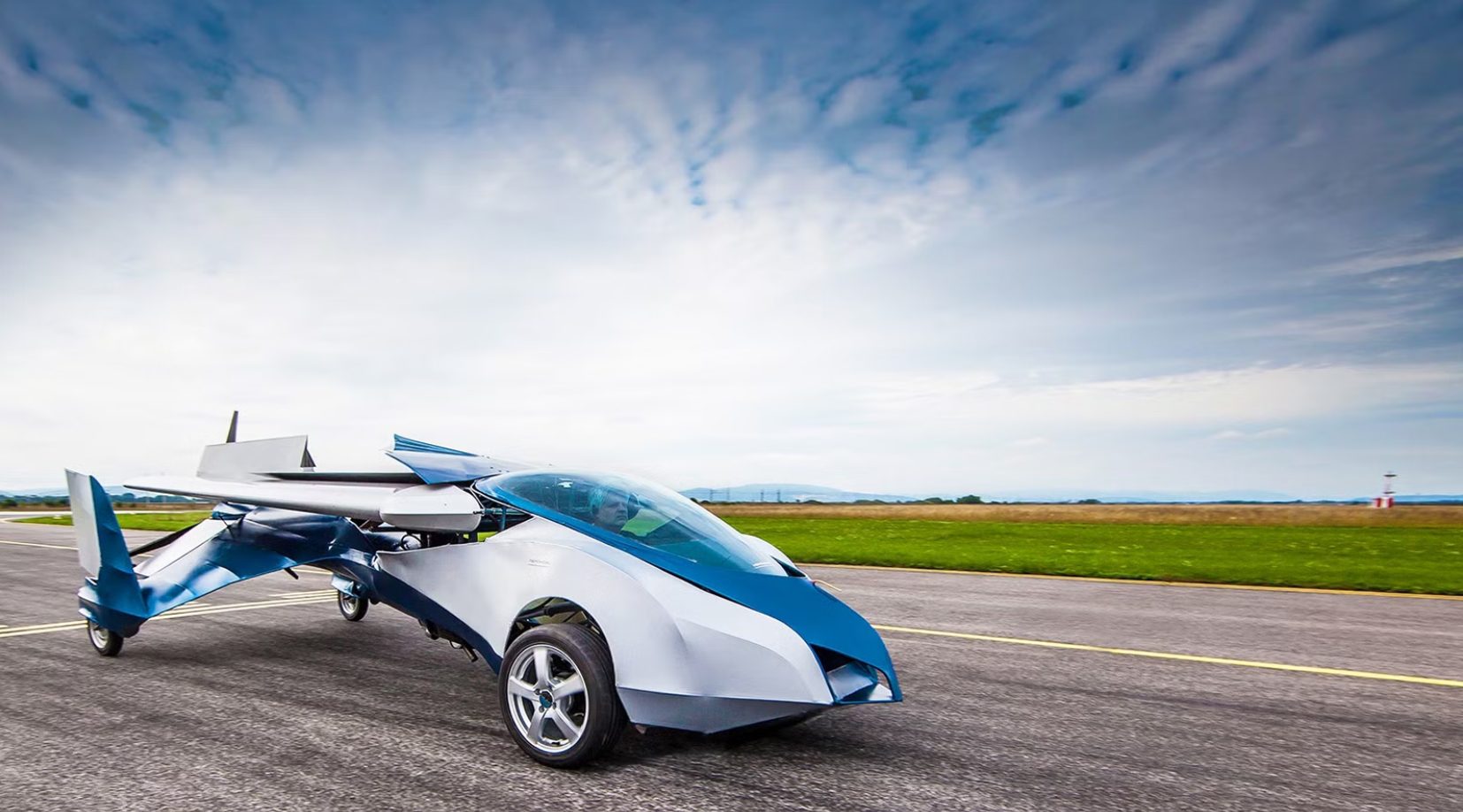
Aeromobil 3.0, from automobile to airplane, that is just a matter of seconds when it comes to the fourth prototype of the flying car – The Aeromobil 3.0 , presented this year at the Pioneers Festival in Vienna. It is perhaps one of the best technological pieces of the year, since it manages to bring something as popular air traveling to such a convenient, small scale level.
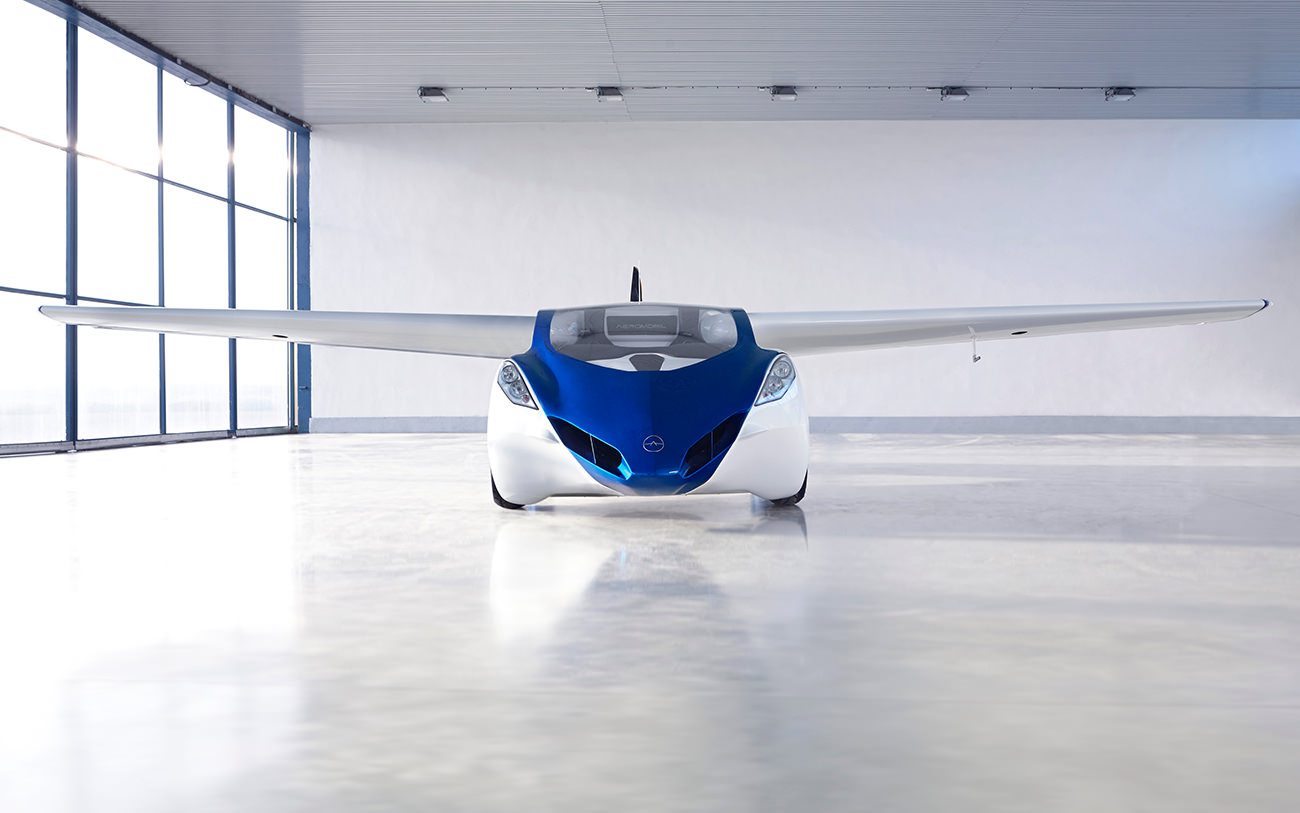
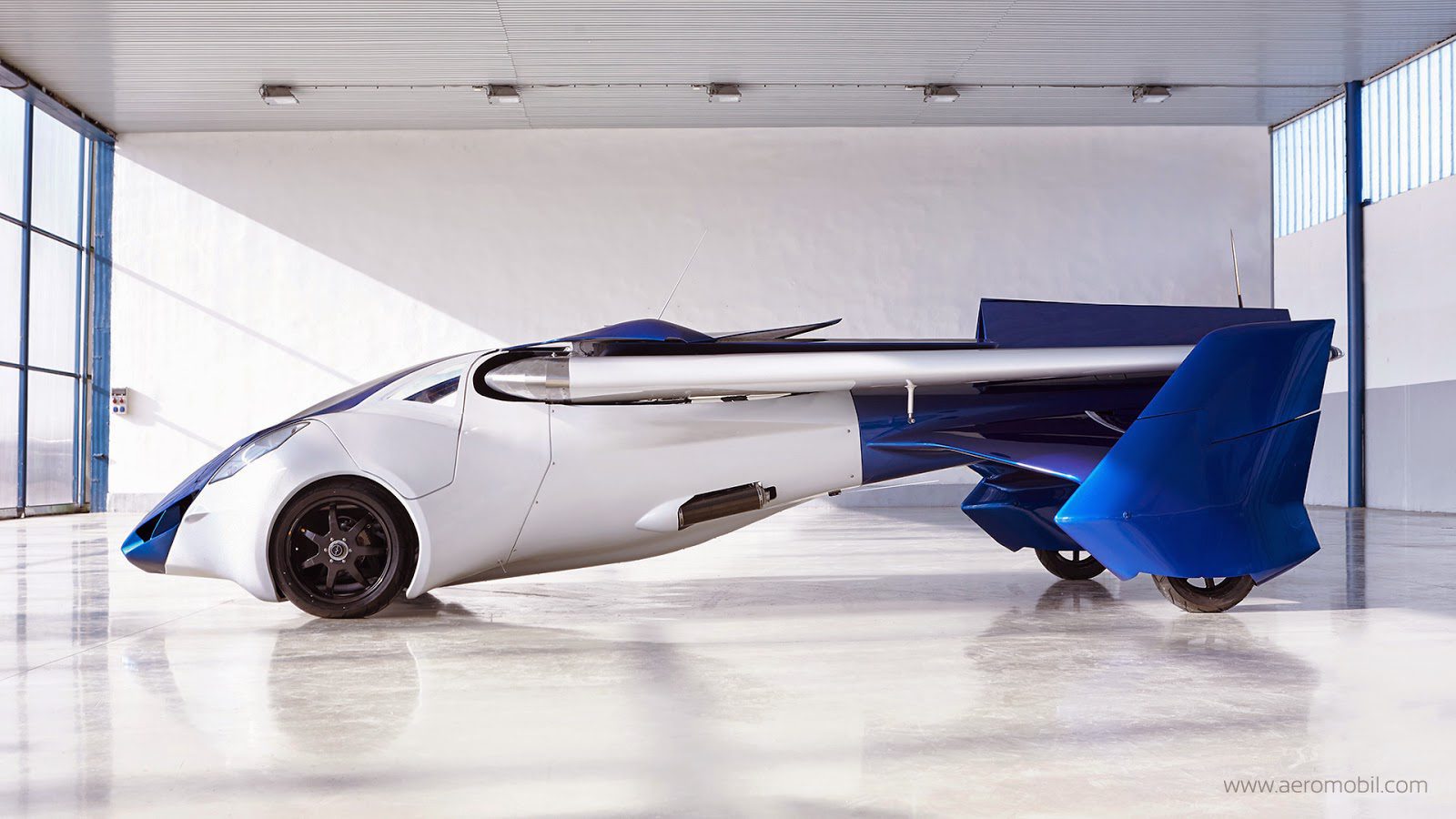
The Aeromobil 3.0 offers every convenience a regular car has to offer- it fits into any standard parking scape, it uses regular gasoline, and has no particular needs in road traffic. Transformed into an airplane, it can take off from grass strips or paved surfaces, and of course any airport, with a runway of just a few hundred meters.
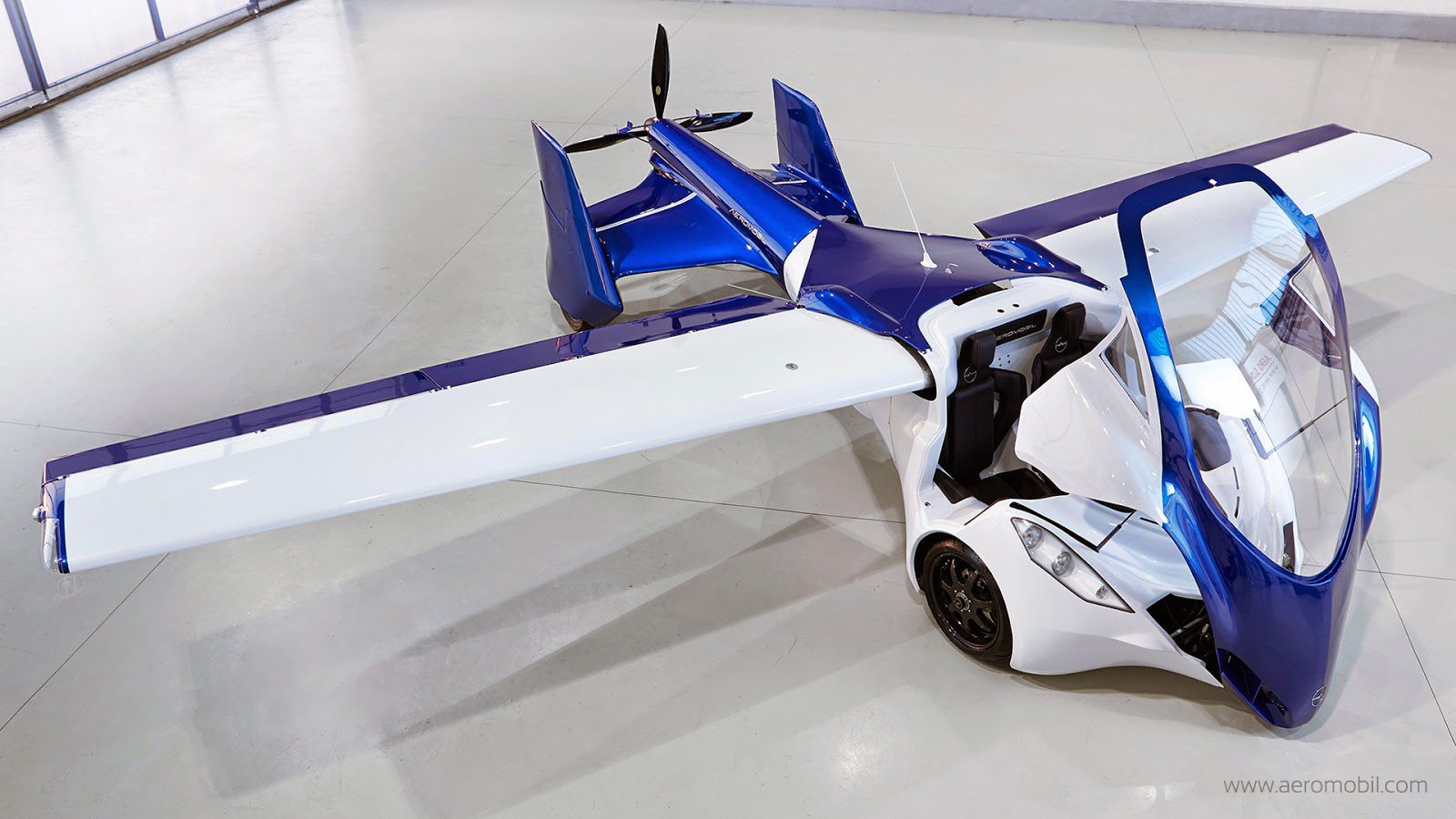
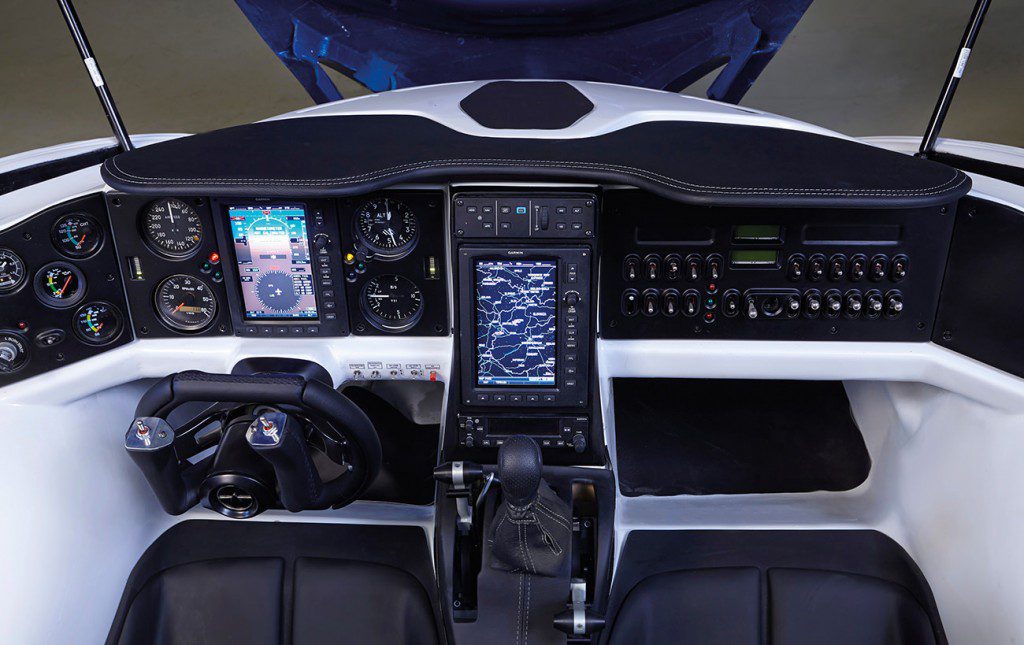
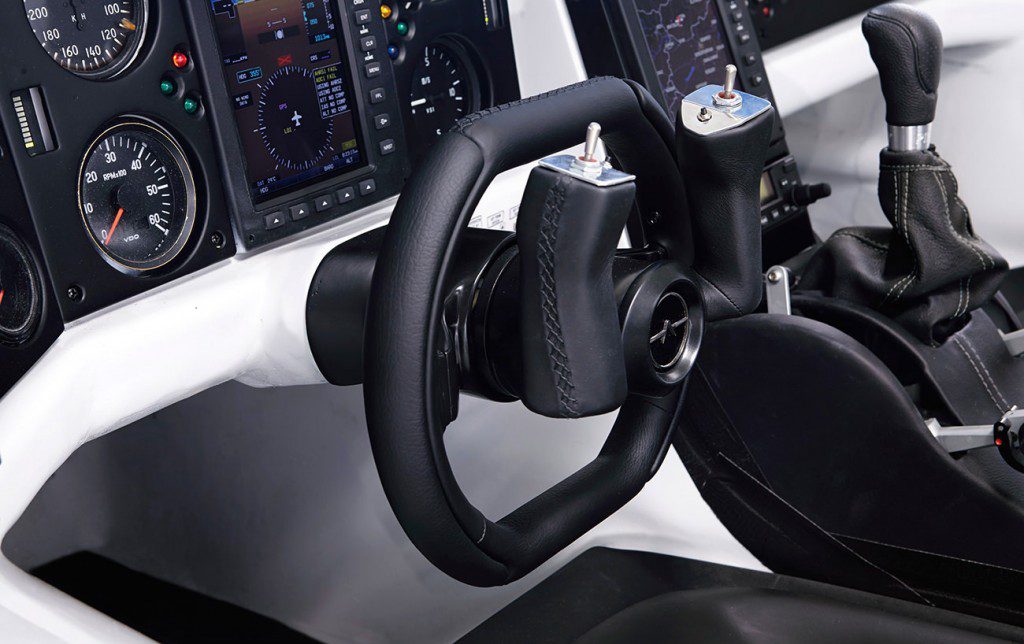
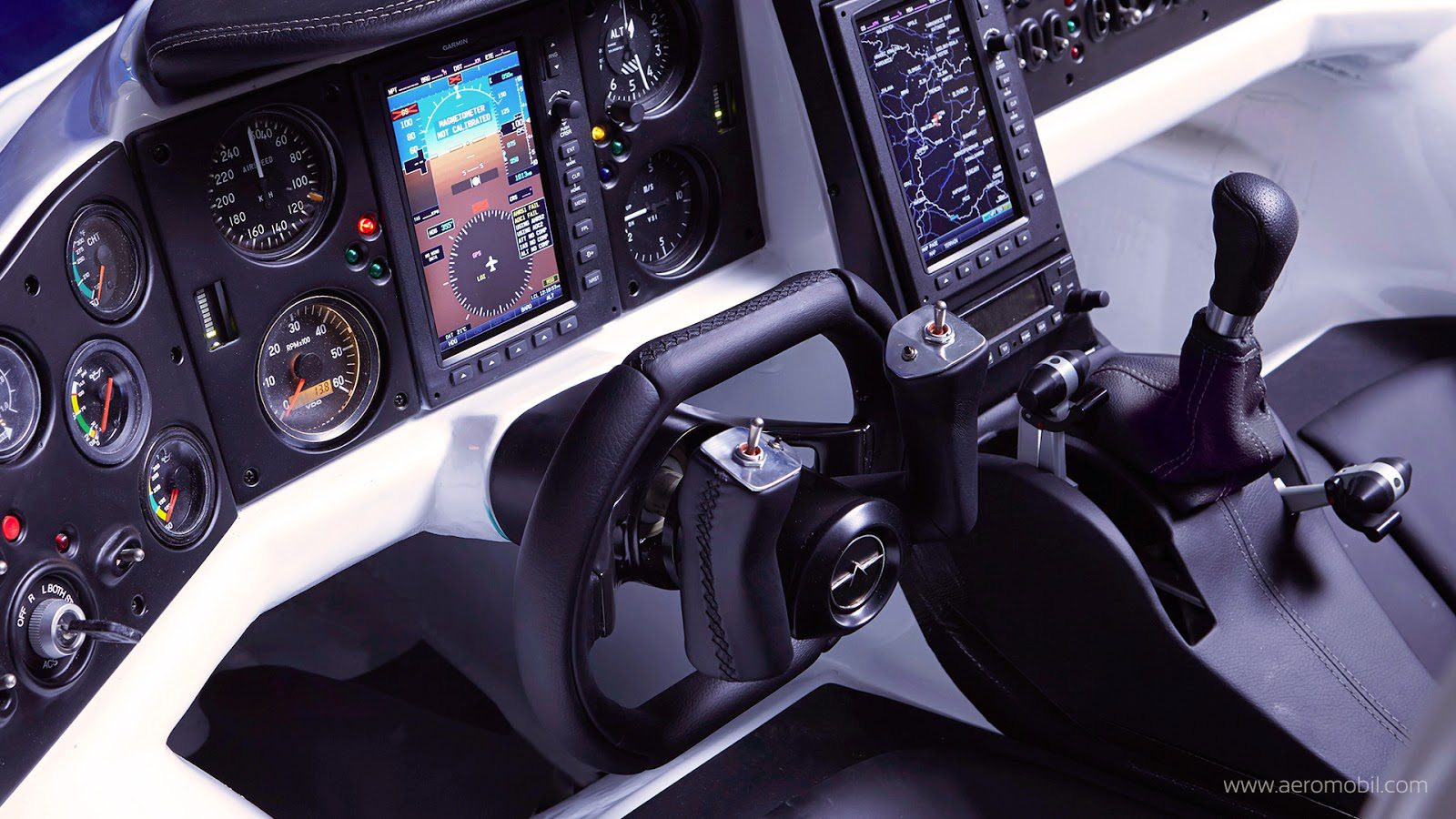
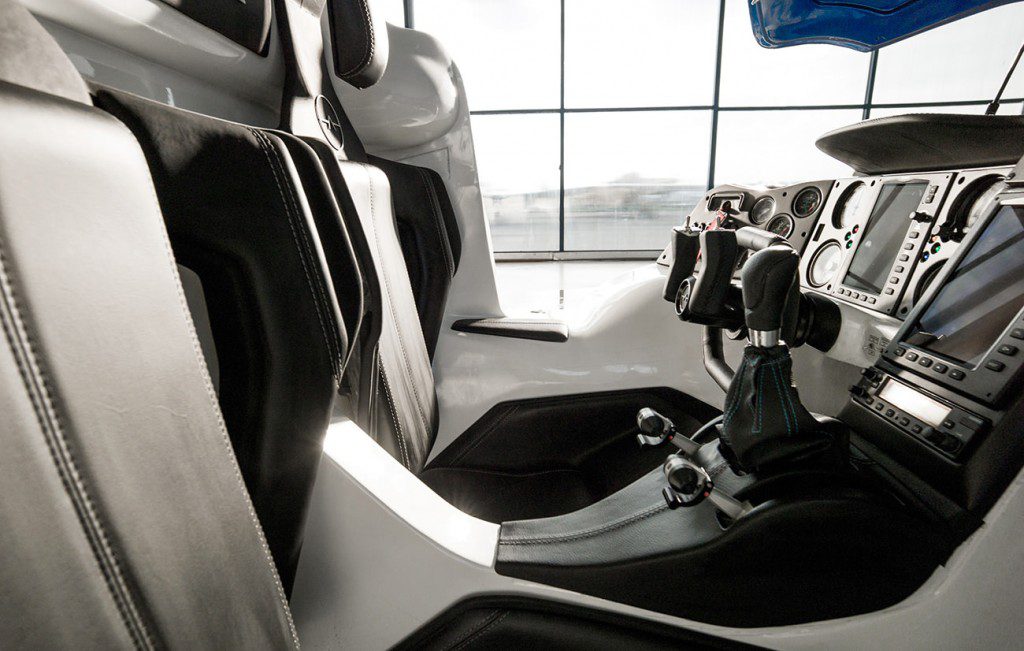
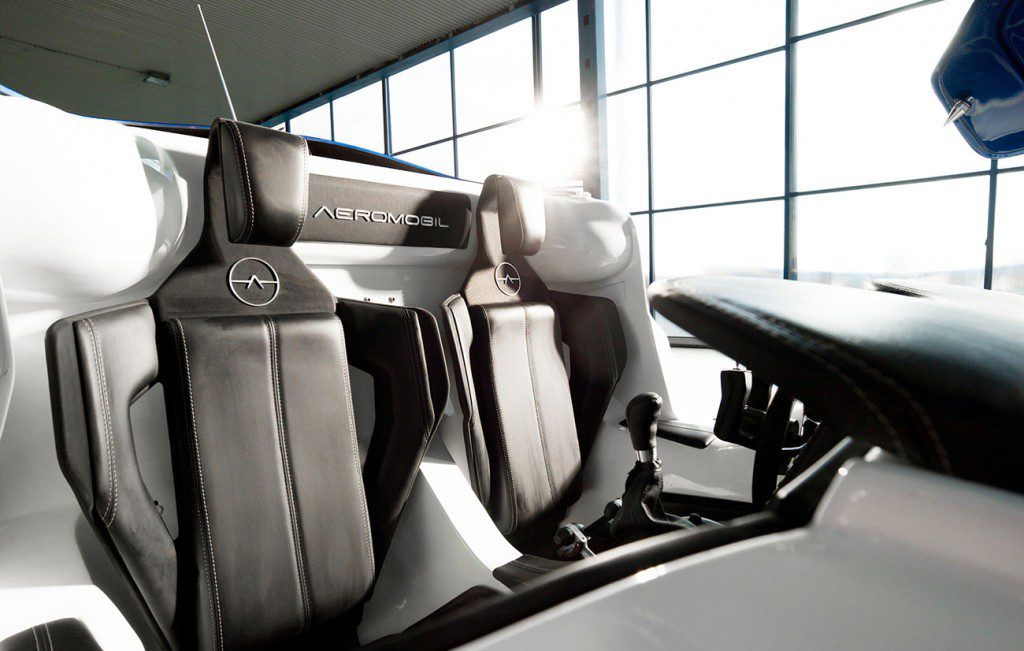
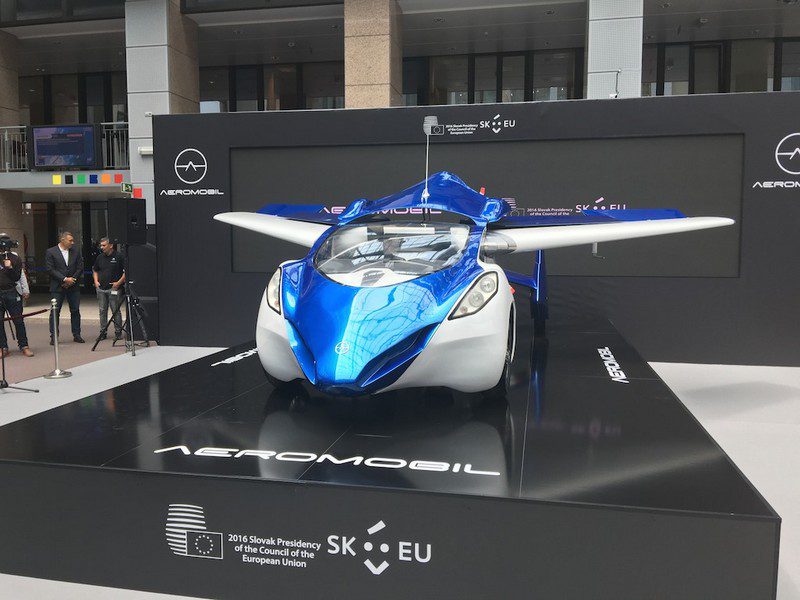 The vehicle is constructed from advanced composite material, but also has features such as avionic equipment, autopilot and an advanced parachute deployment system, in order to secure its passengers. Leaving behind all the amazing technological features the Aeromobil 3.0 has, the design itself of the vehicle is simply stunning. The fluid form, the harmonious way in which car and airplane come together, the smart mix of colors and shapes, the ergonomic chairs, everything is thought of in the most specific of details, in order to create not only a futuristic piece of technological design, but a beautiful one, that will appeal to buyers through all aspects possible.

Lidia Ratoi is a Romanian architect, educator, and researcher, currently serving as Assistant Professor at the University of Hong Kong’s Department of Architecture. With a background in both architectural design and theory, her work explores the intersections of technology, media, and politics in the built environment. Ratoi’s research focuses on the aesthetics of power, surveillance, and virtuality, with a strong interest in critical and speculative design. She has practiced internationally and exhibited in venues across Europe and Asia. Passionate about challenging conventional narratives, Ratoi integrates digital tools with philosophical inquiry, encouraging experimental approaches to architecture. Her contributions continue to shape emerging discourses in design and architectural pedagogy.