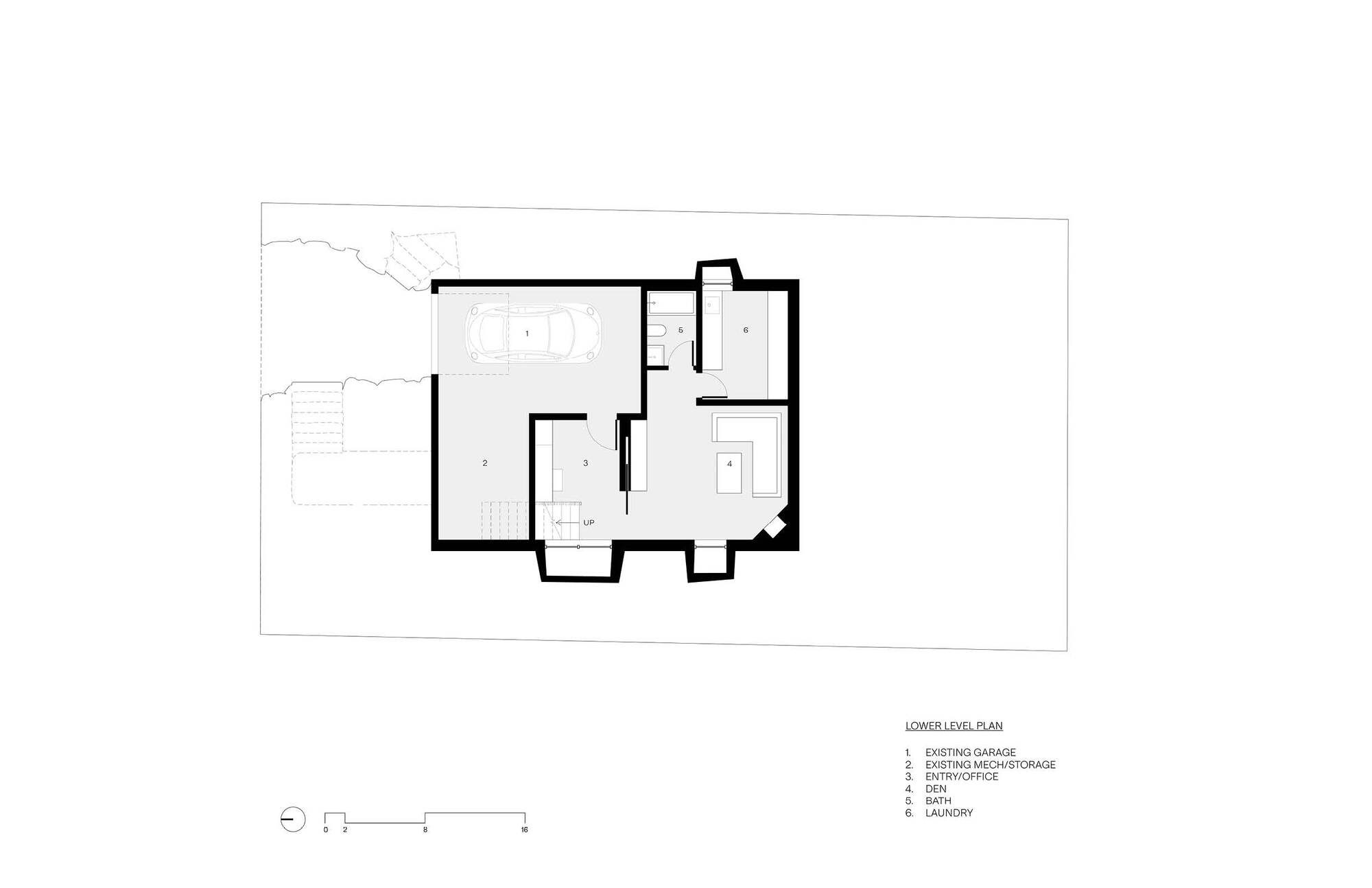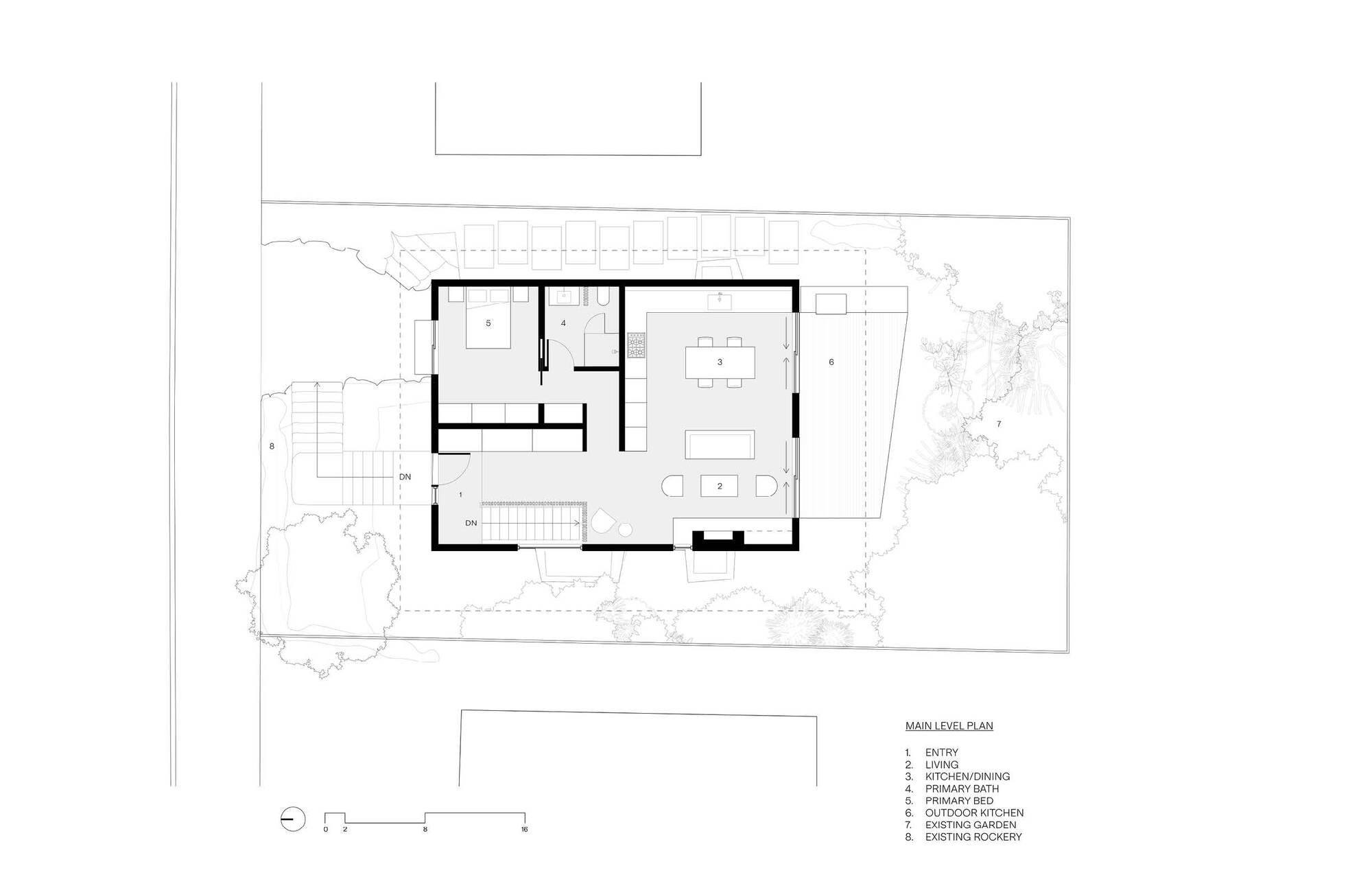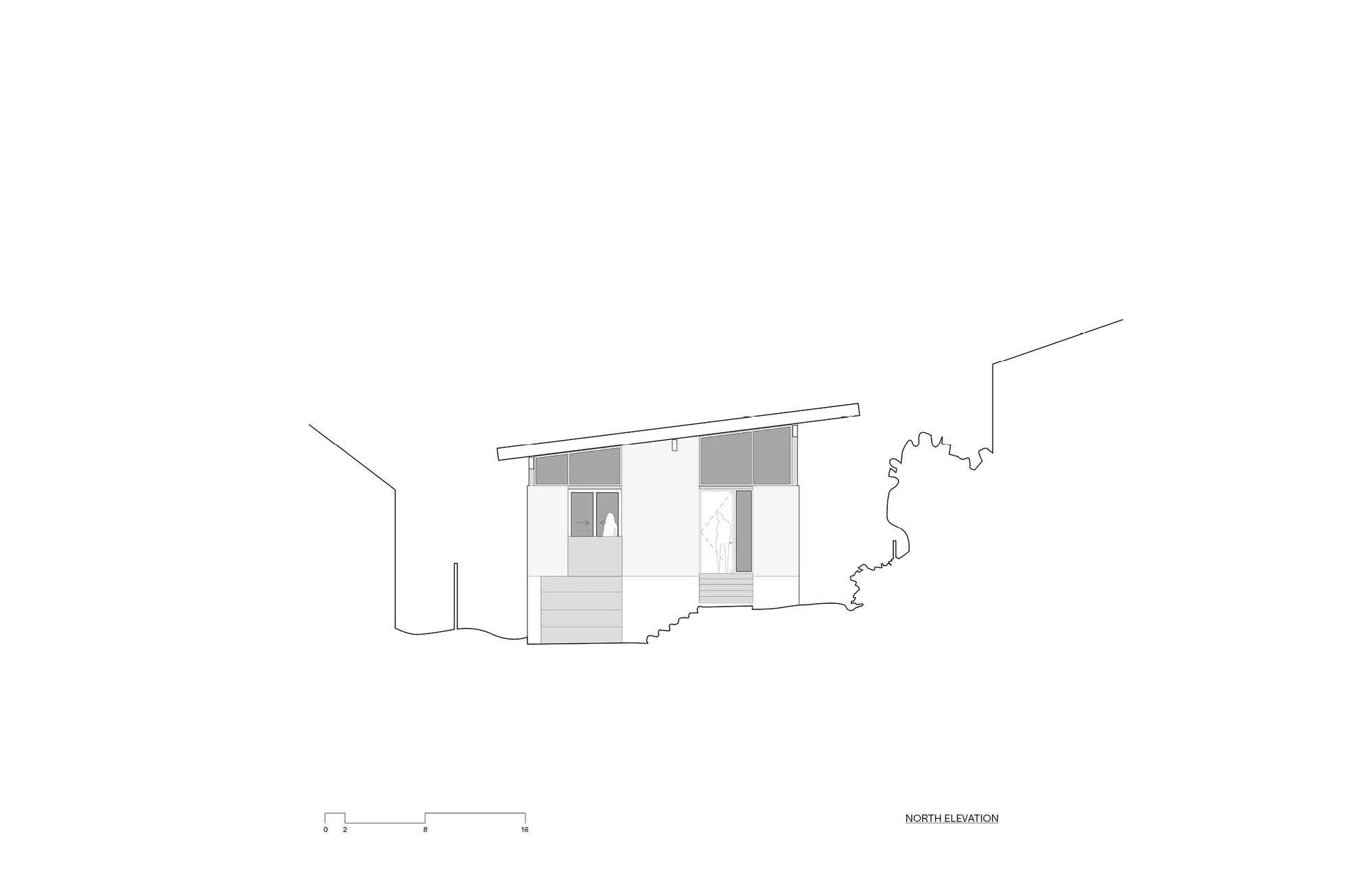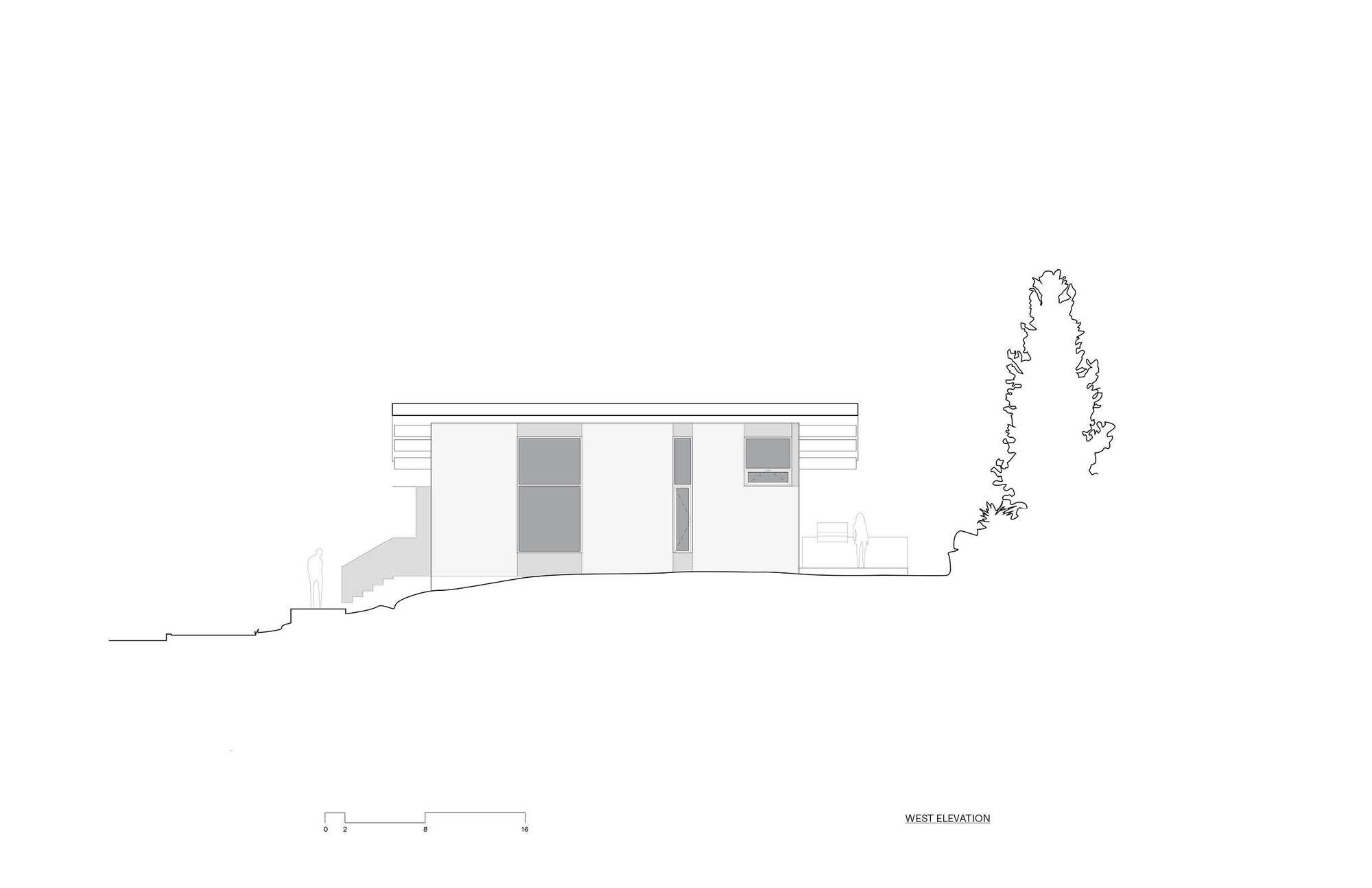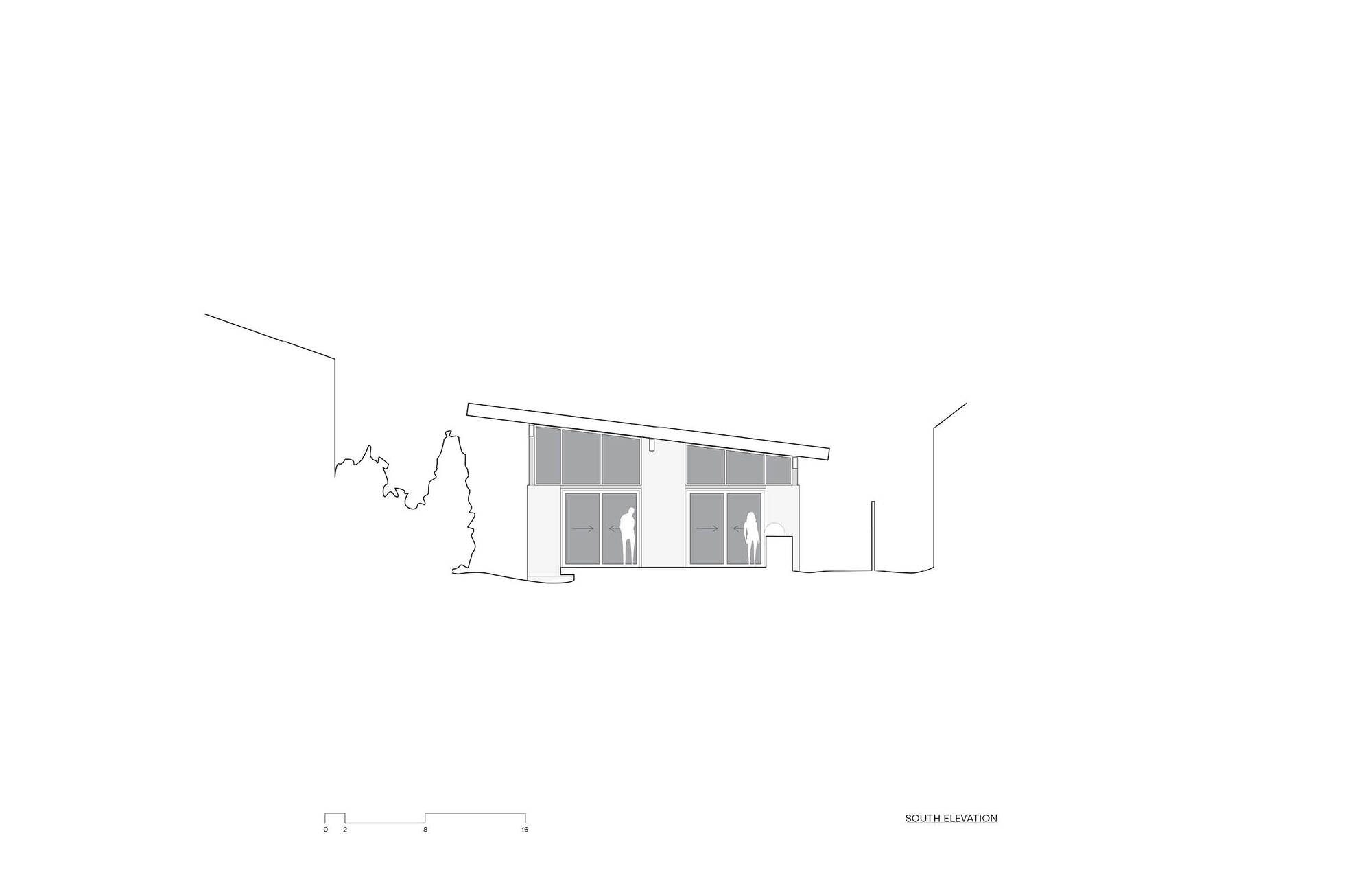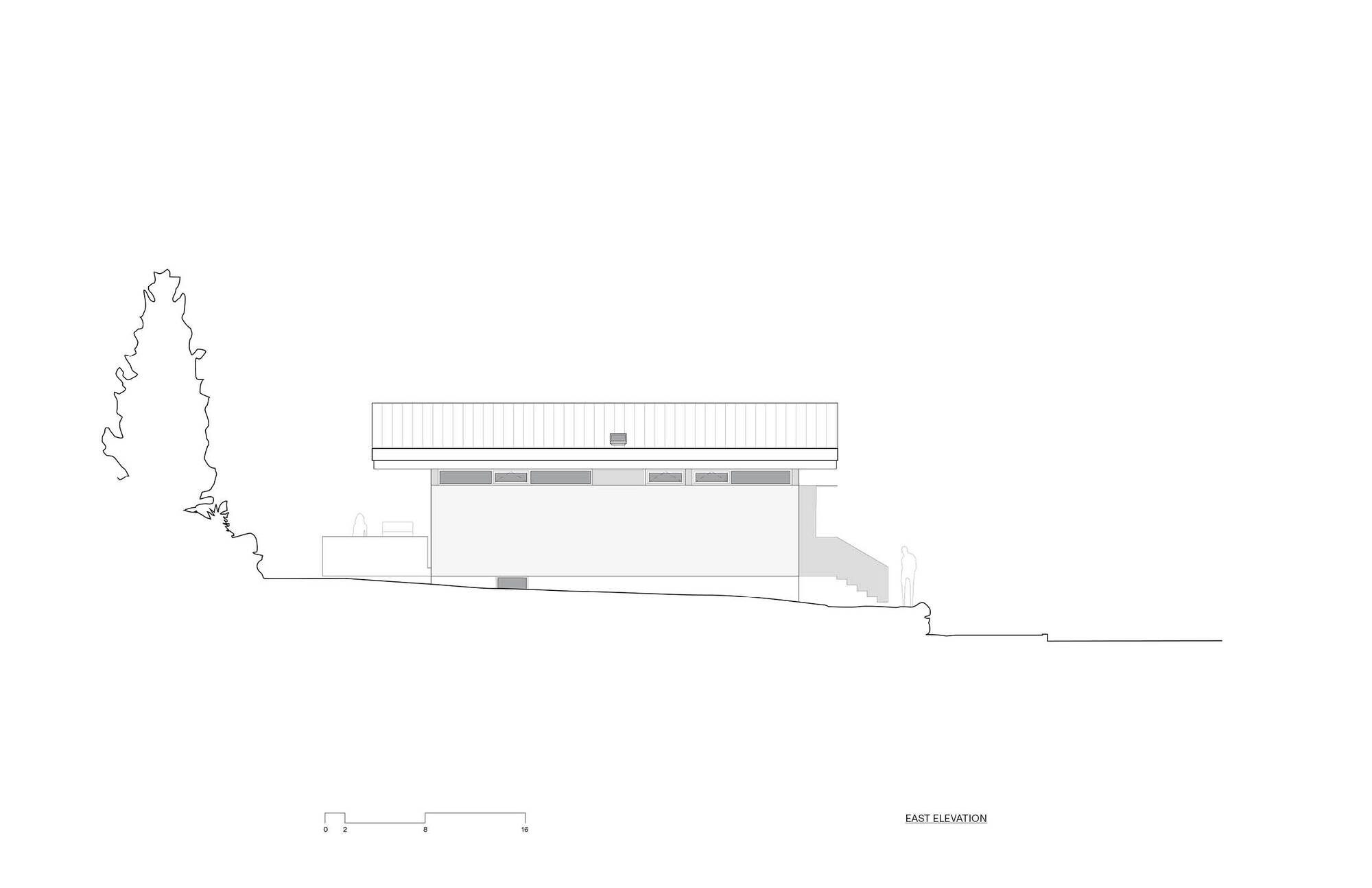


In-Kind House, This new Seattle house was built atop an existing 1950s concrete foundation with a strong connection to a mature south-facing garden.
© Kevin Scott
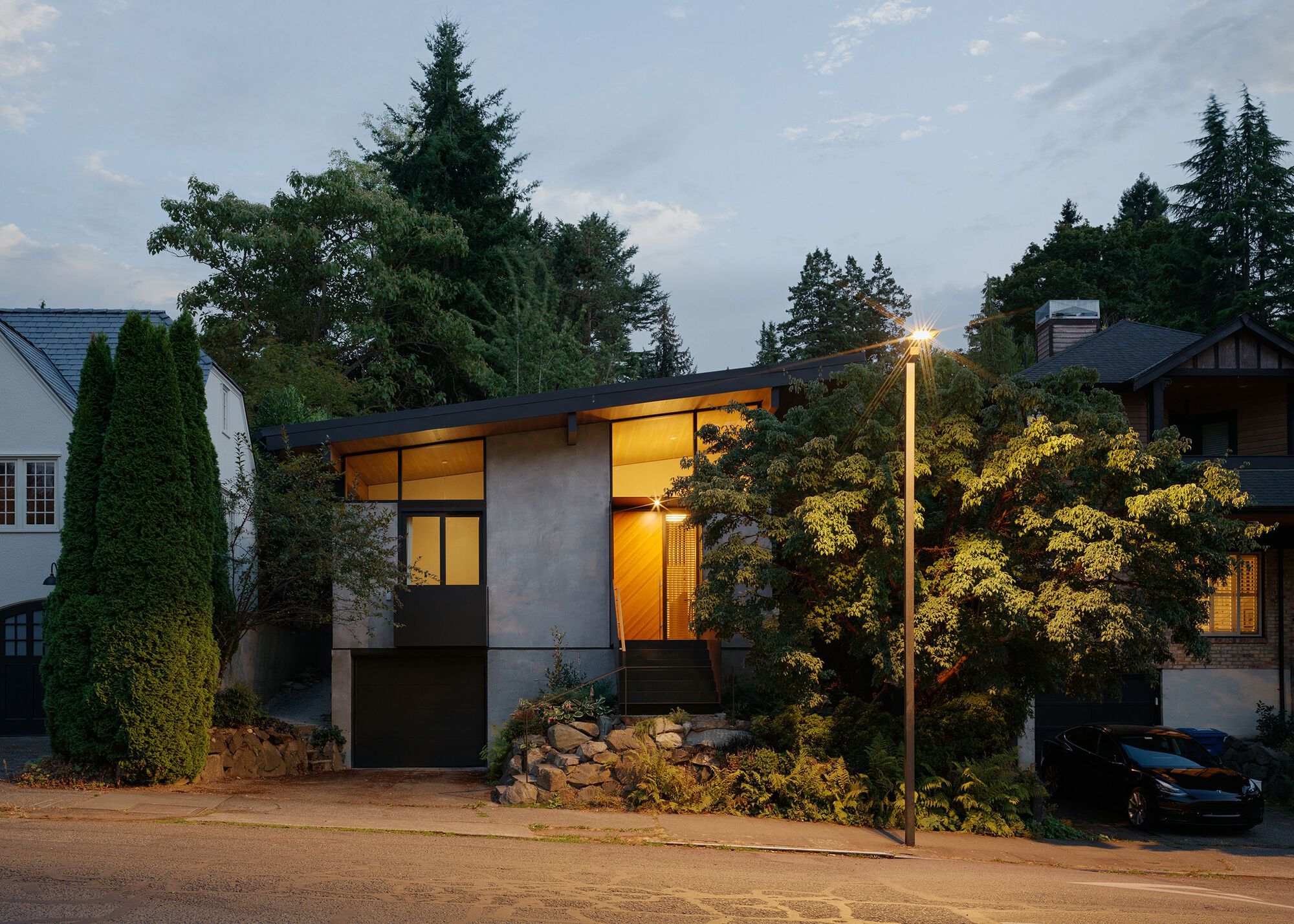
The goal of this project was not to increase square footage or add amenities, as is often the case in a remodel. Instead, the desire was to create a thoughtfully designed home with just enough space for the needs of the client. No more, no less. An in-kind trade, so to speak, for the 1950s brick house that sat on the site. It was clear from the first site visit that the house was poorly laid out, and despite having enough square footage, it could not able to be utilized in a way that benefited the inhabitants.
© Kevin Scott
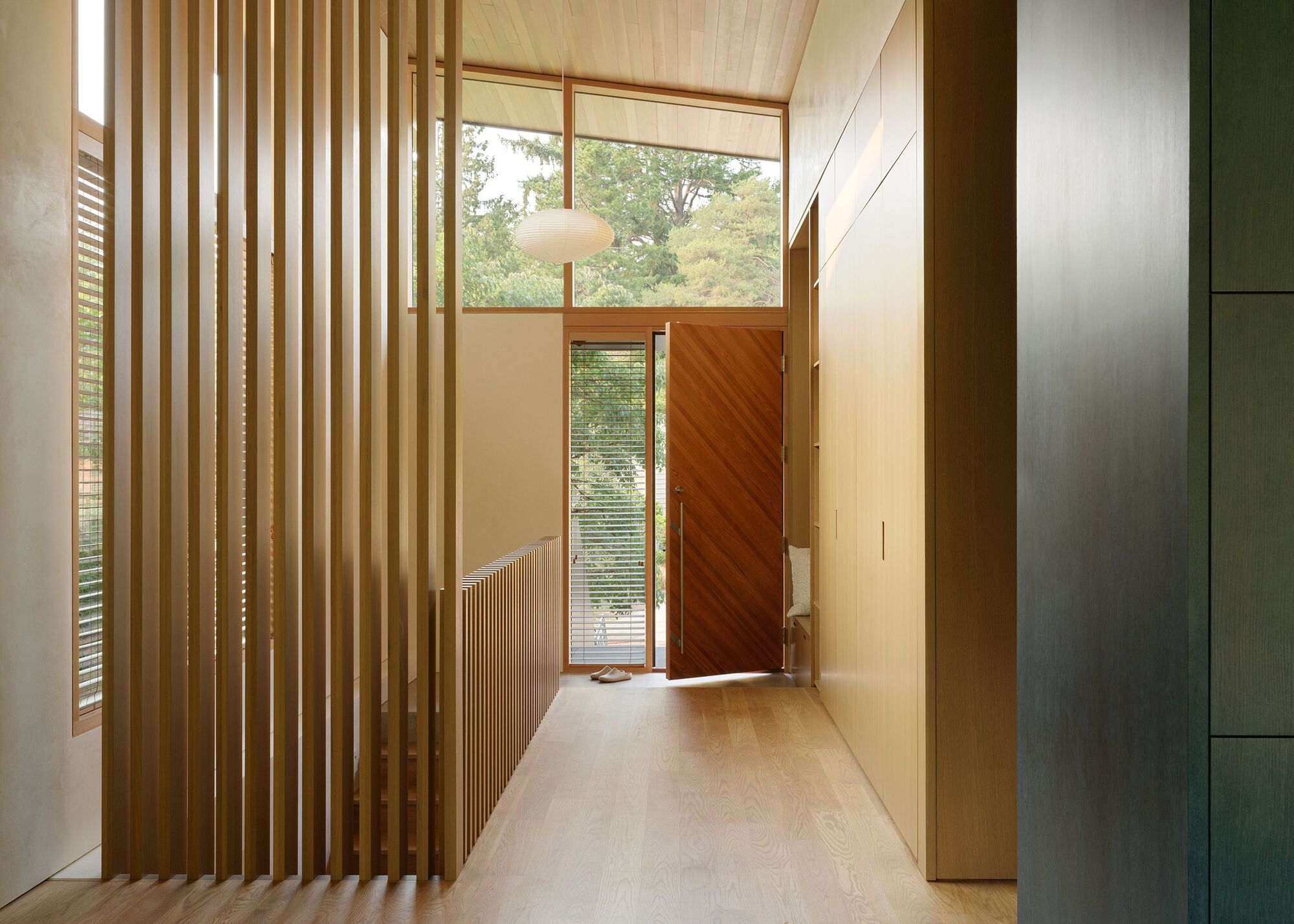
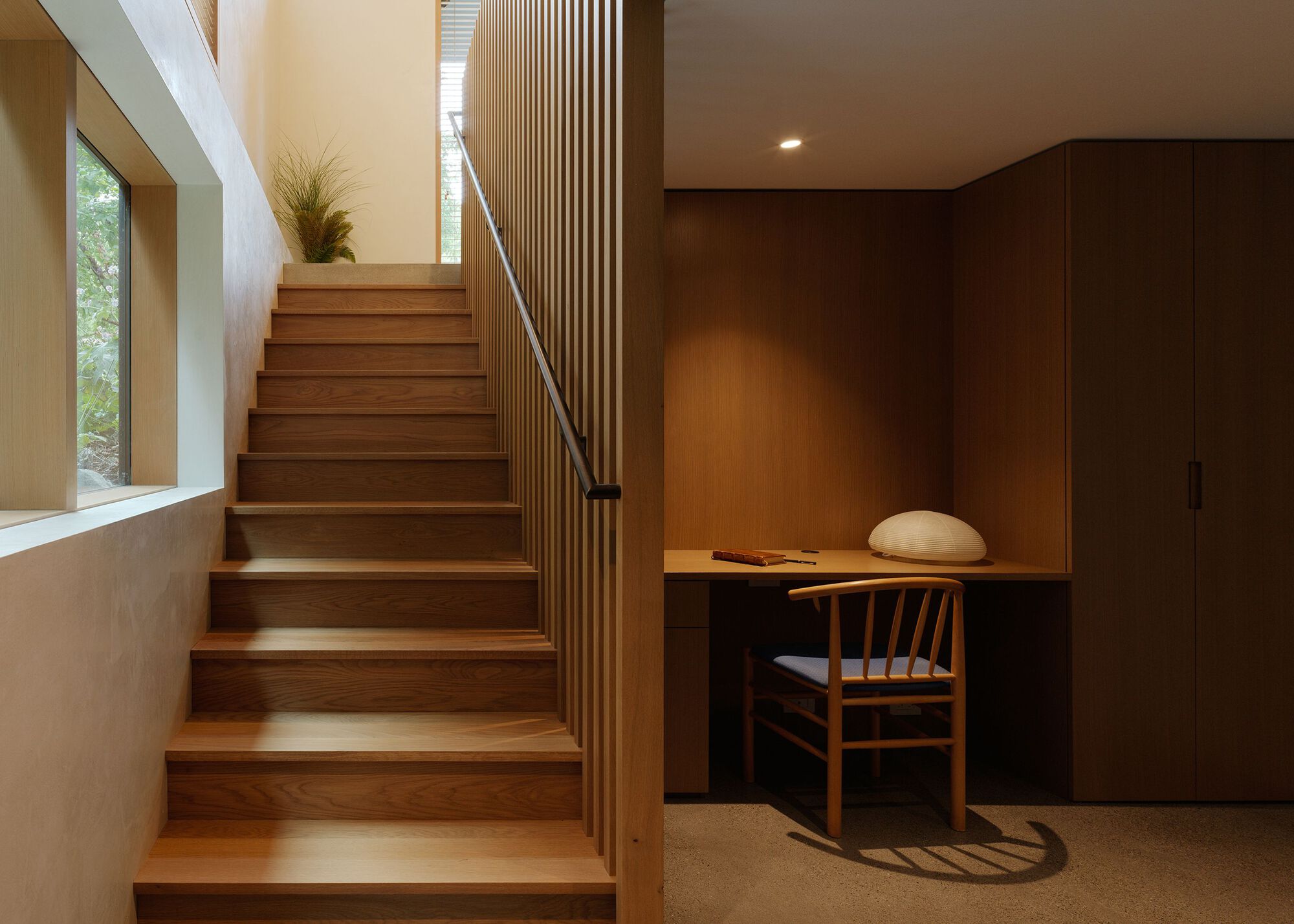
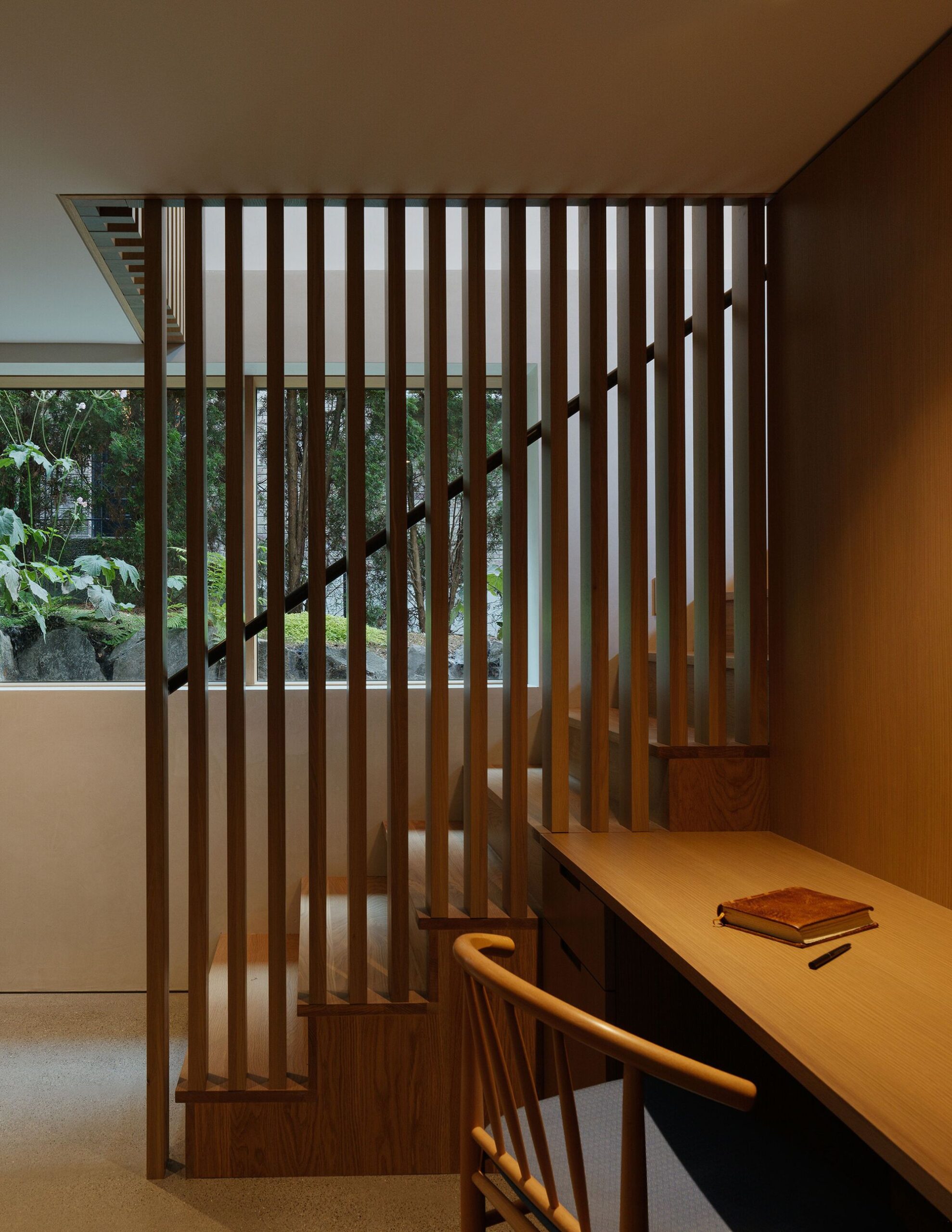
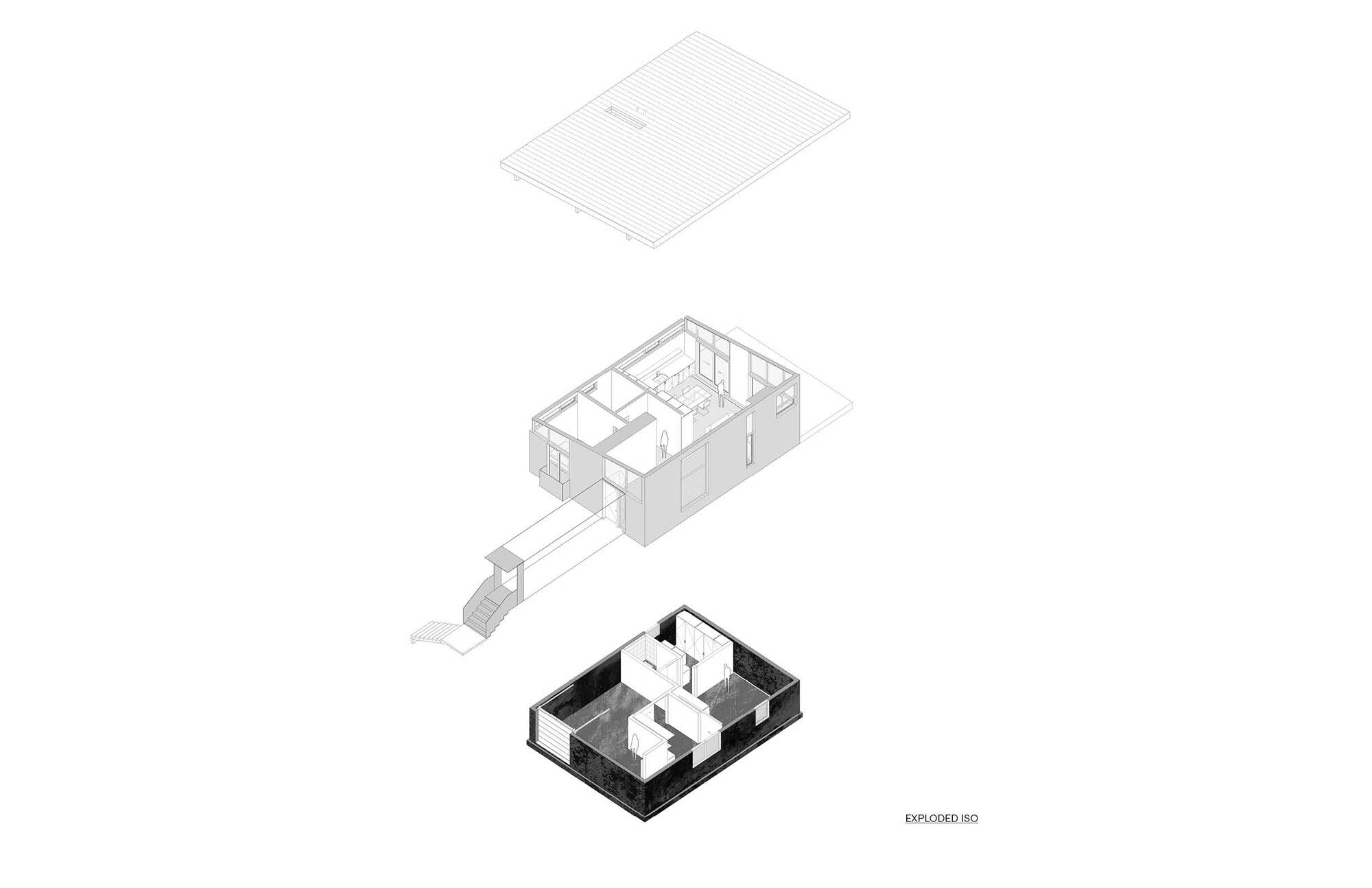
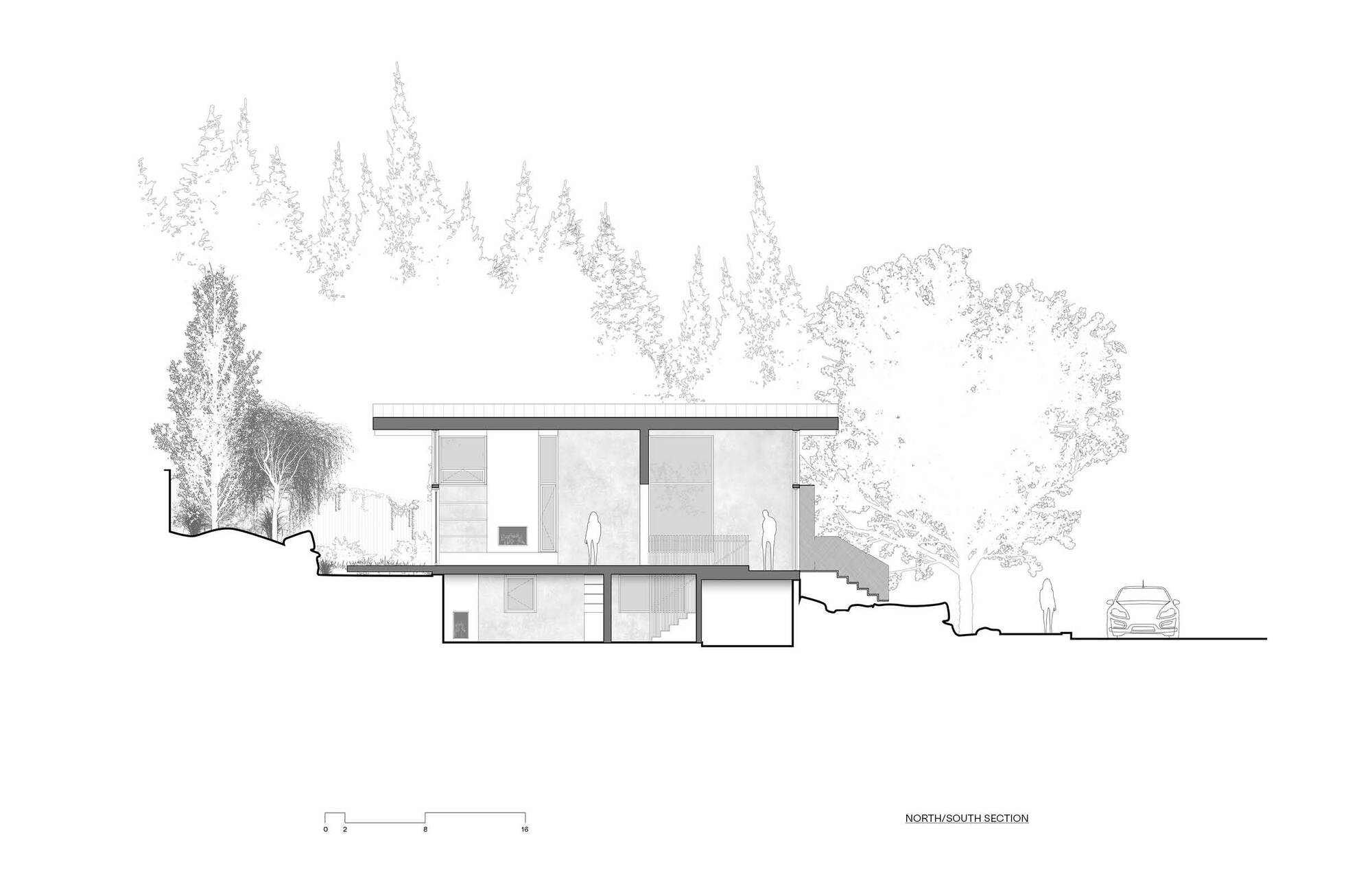
An ill-located staircase limited the options for the floor plan, and small dark spaces in the basement only added to our clients ‘basement phobia.’ The task was simple: create more generous spaces within the footprint of the house with a direct relationship to the established and well-loved back yard, as well as an inviting and usable basement that, most importantly, didn’t feel like a basement. Some elements from the original house were maintained in spirit if not in their original form—a large window to the west that frames a maple tree was recreated in the same location, this time it allows a cascade of natural light into the entryway and new stairs, spilling down into the basement.
© Kevin Scott
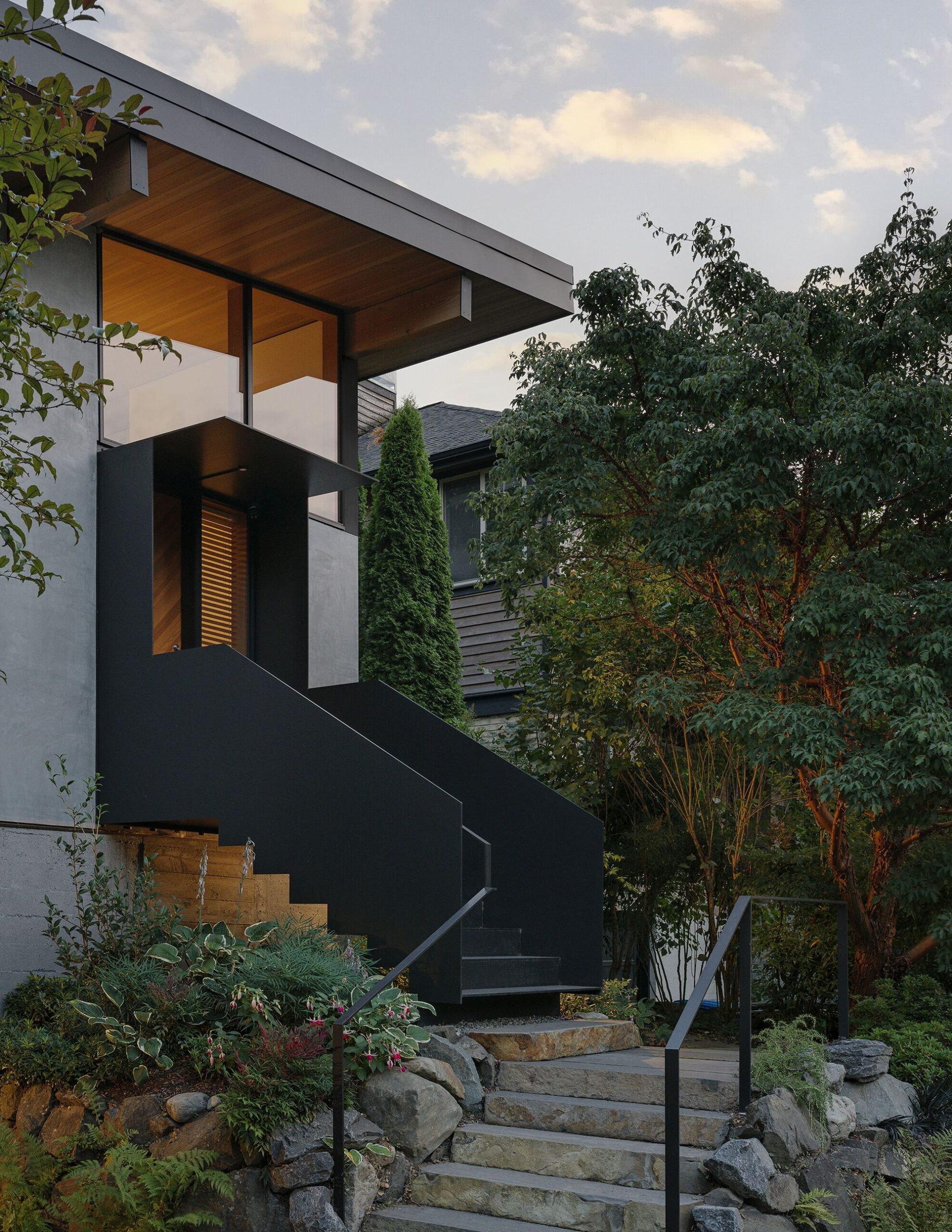
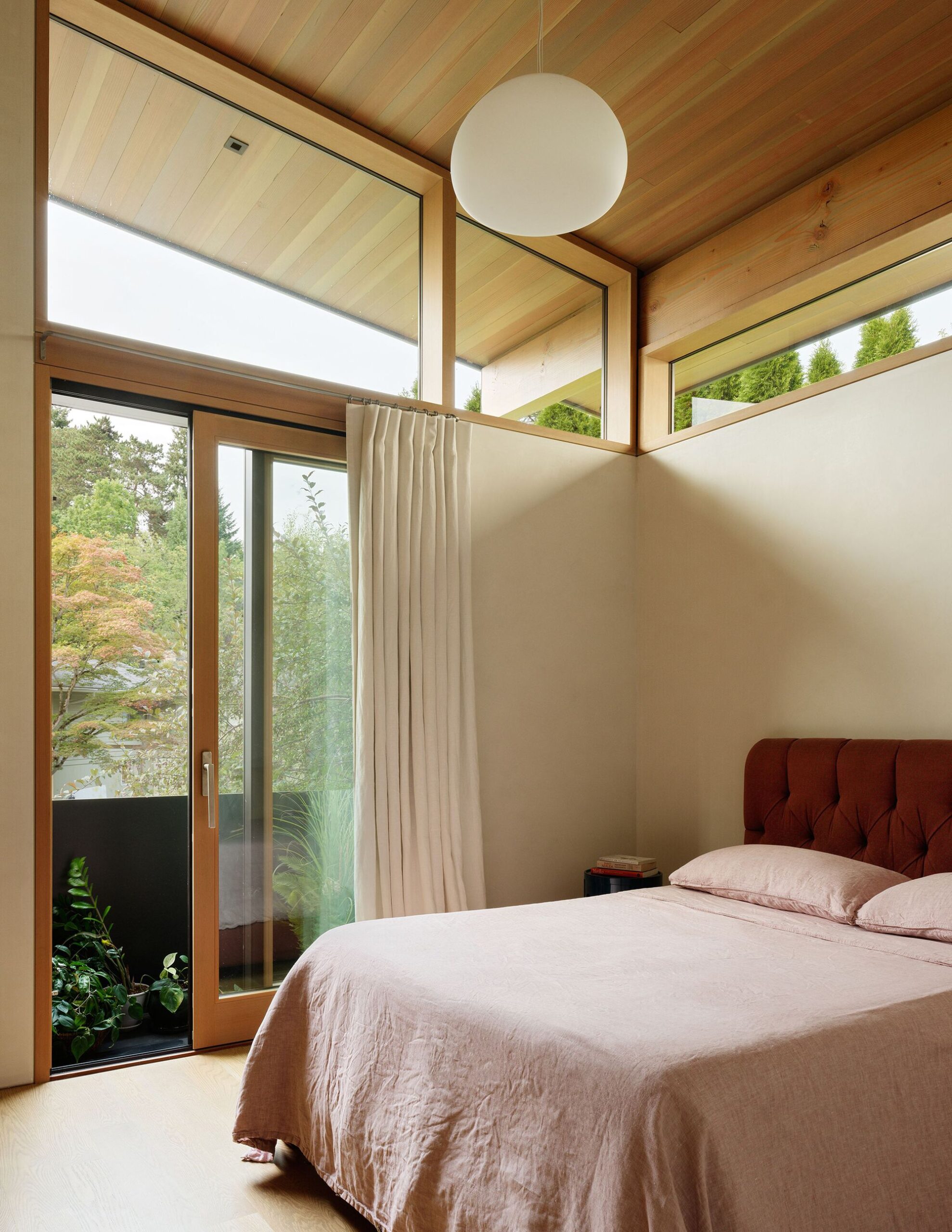
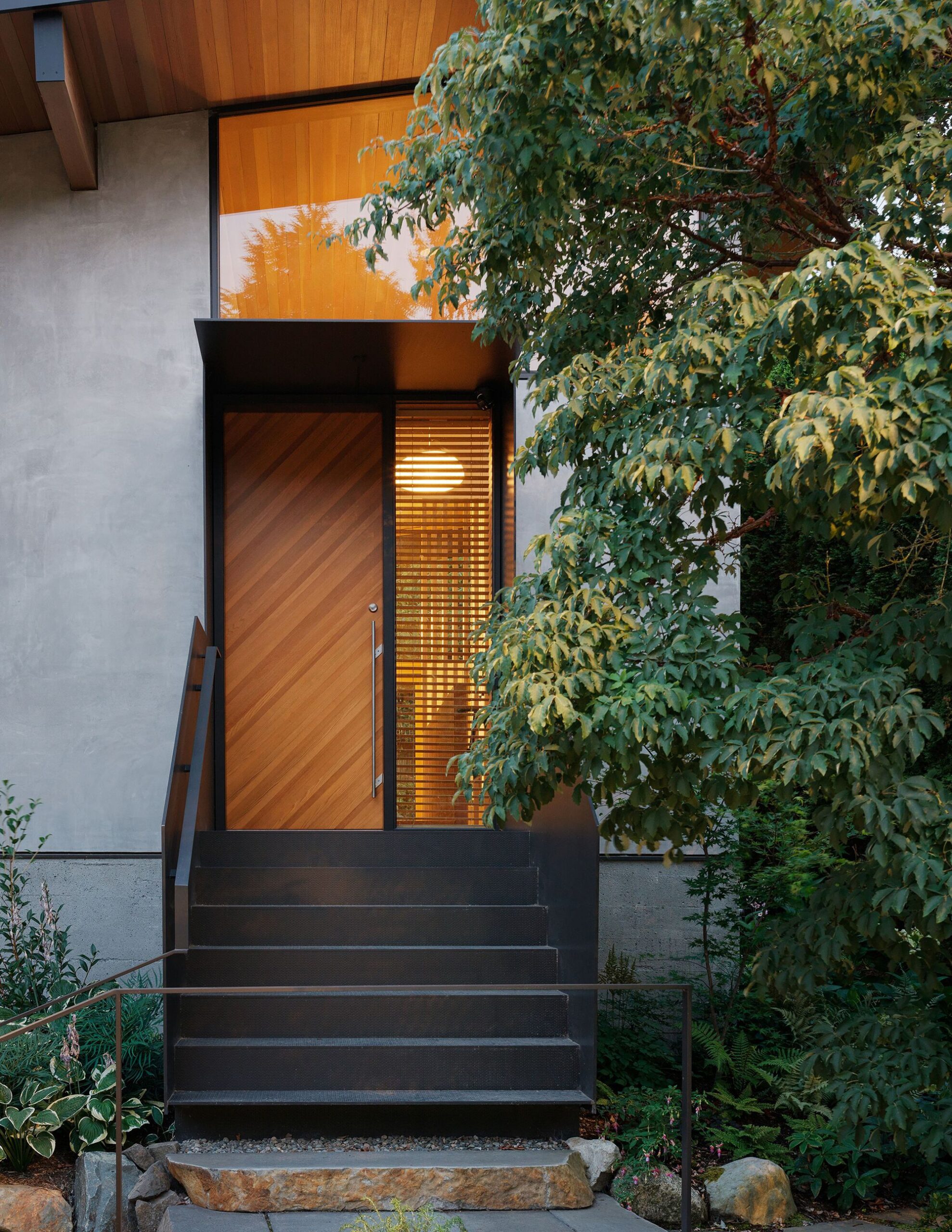
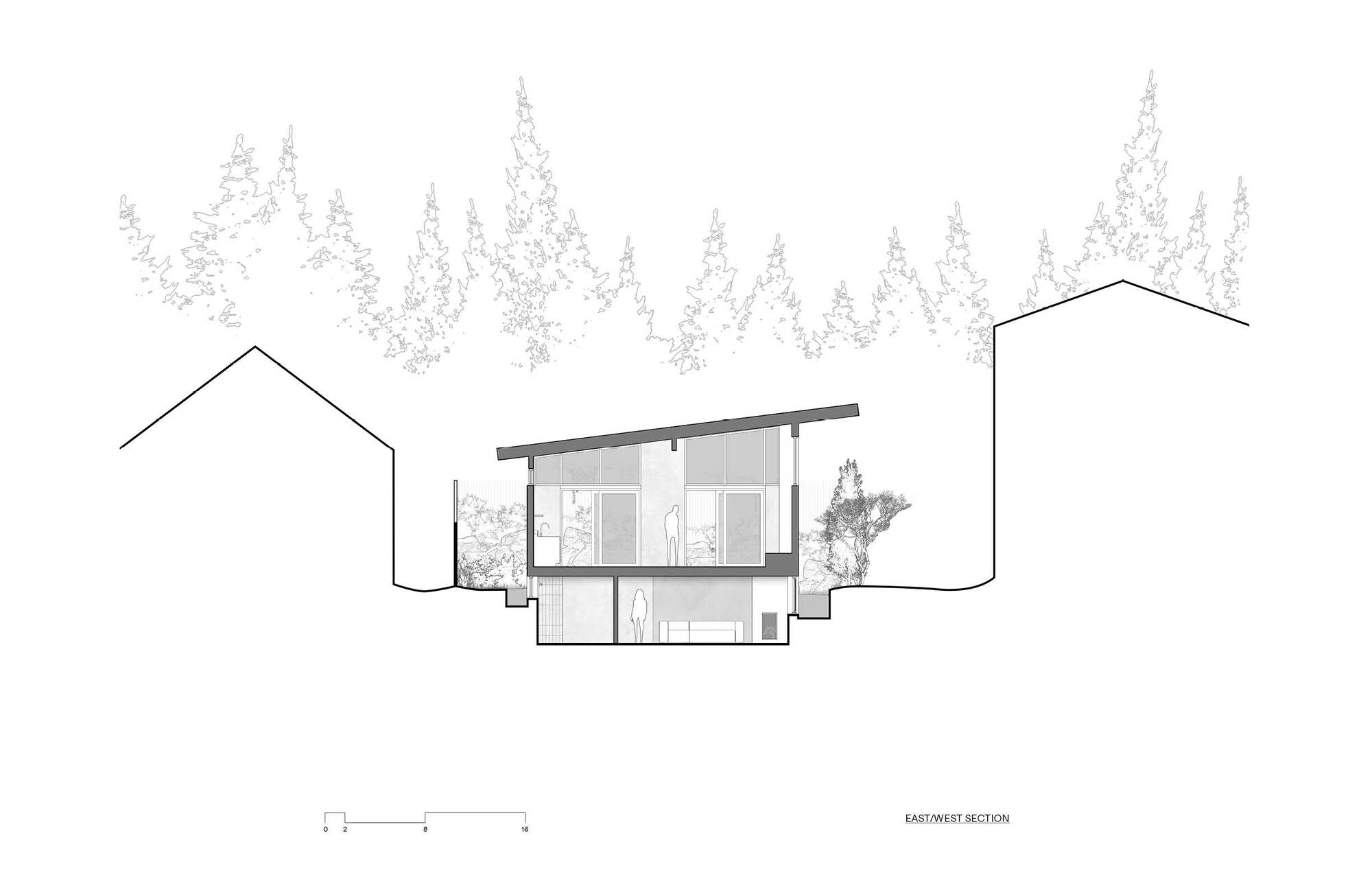
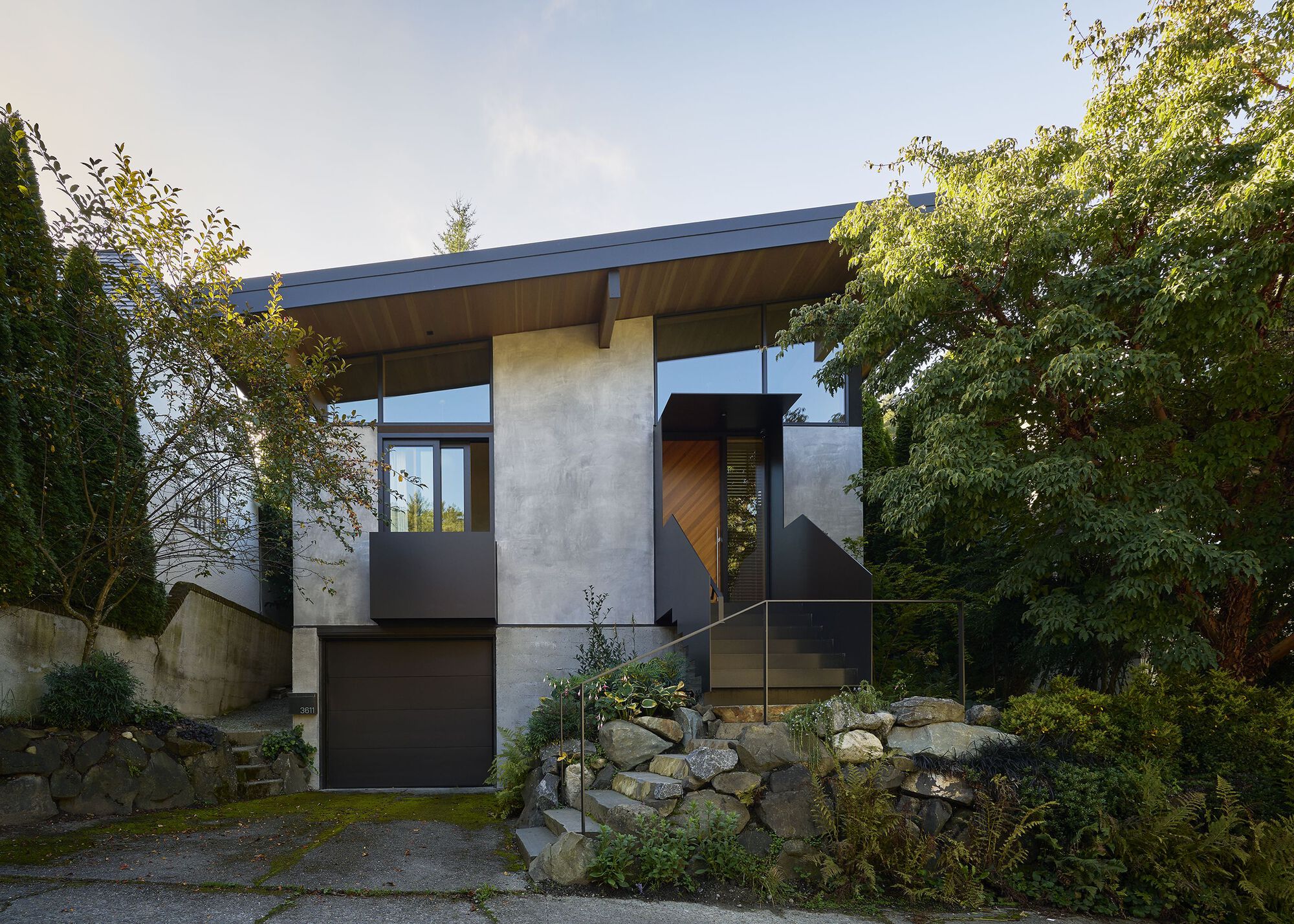
The owners are avid gardeners, and so areas at the front of the house were designed to include extensive plantings. On the street-facing facade, a cantilevered stair gently touches down to engage the existing rockery, as if this new main level were always there. At 1,900 square feet, this project is a modest build that was constructed on top of the existing concrete stem walls. A high shed roof with exposed wood beams and clerestory windows below makes the small spaces feel bright and open.
© Kevin Scott
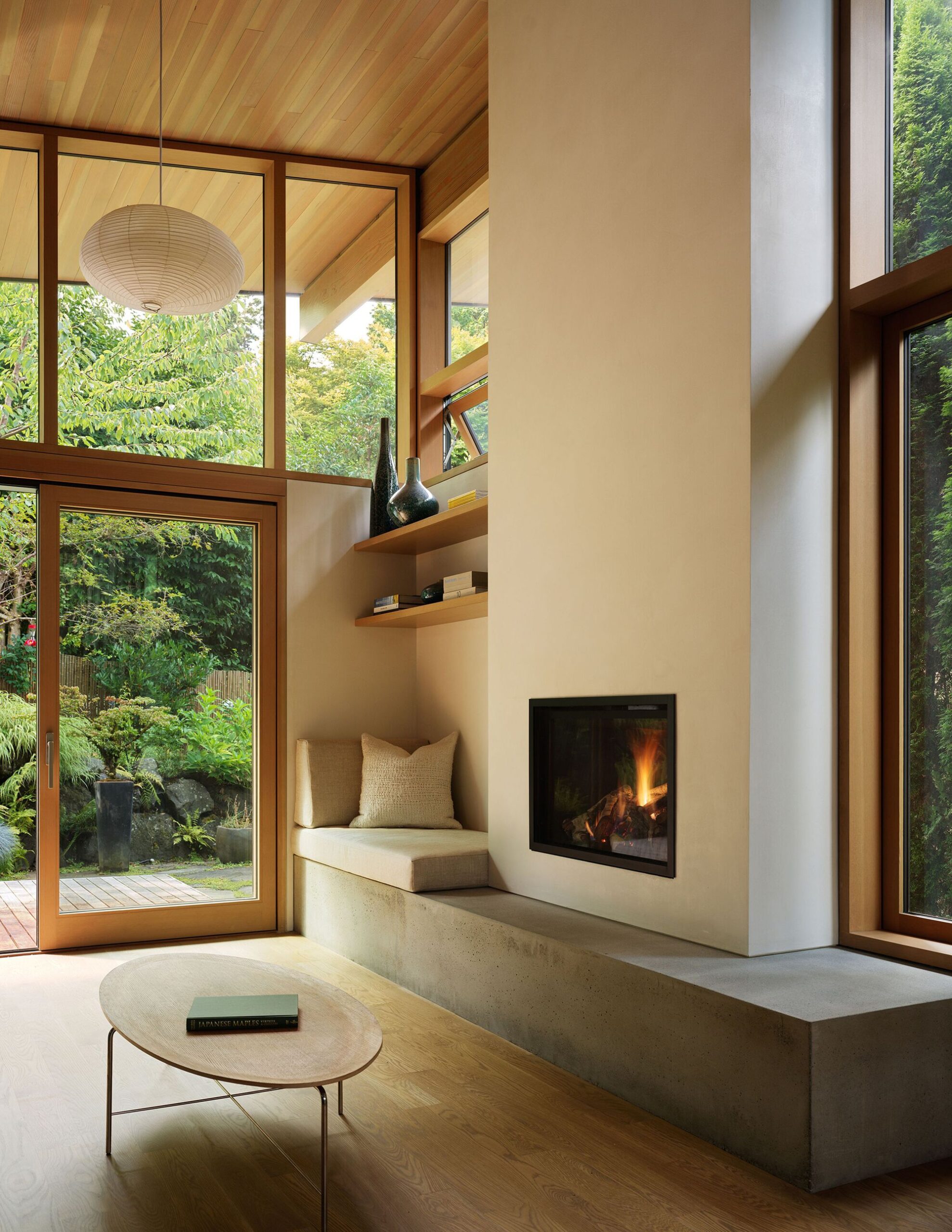
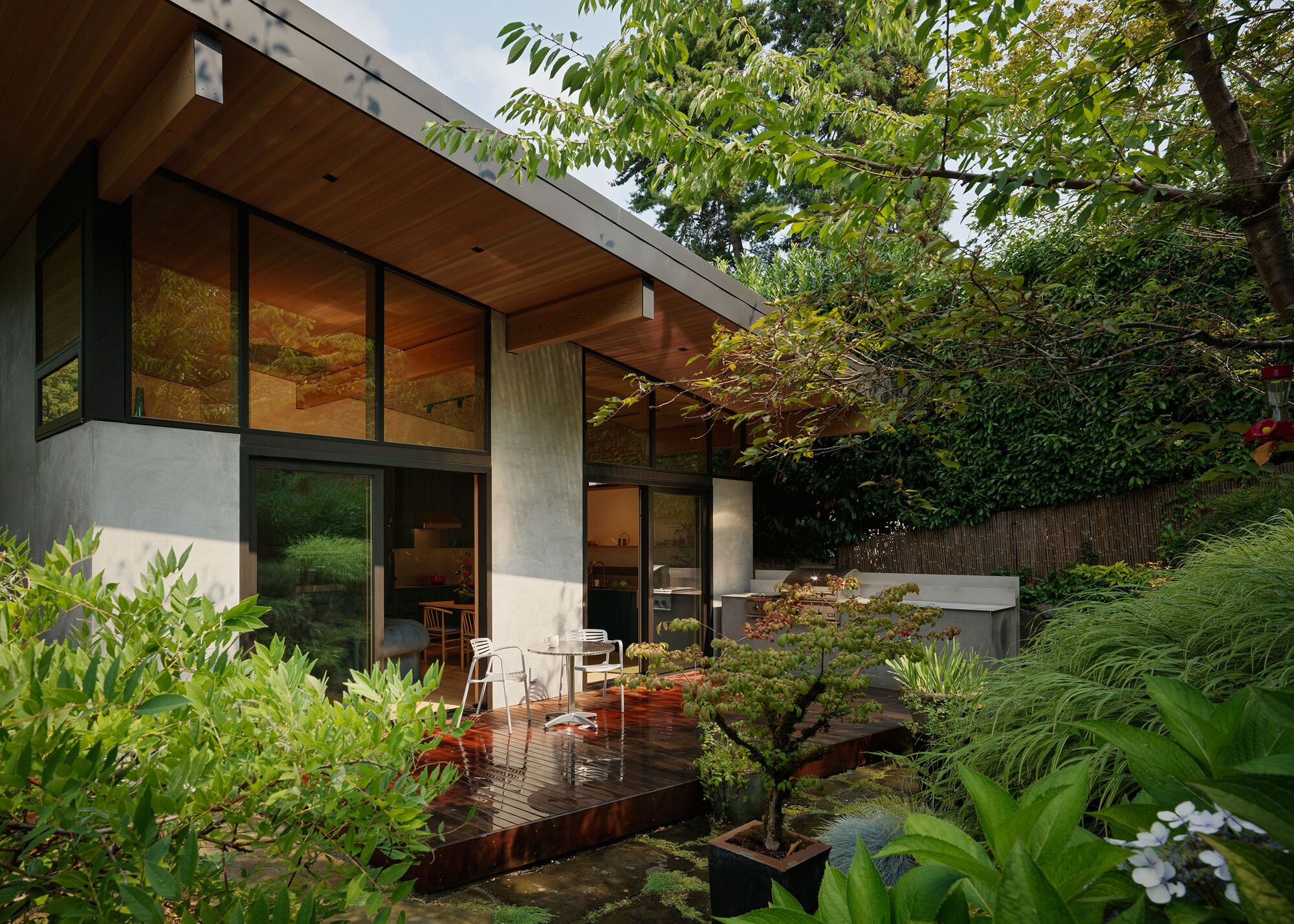
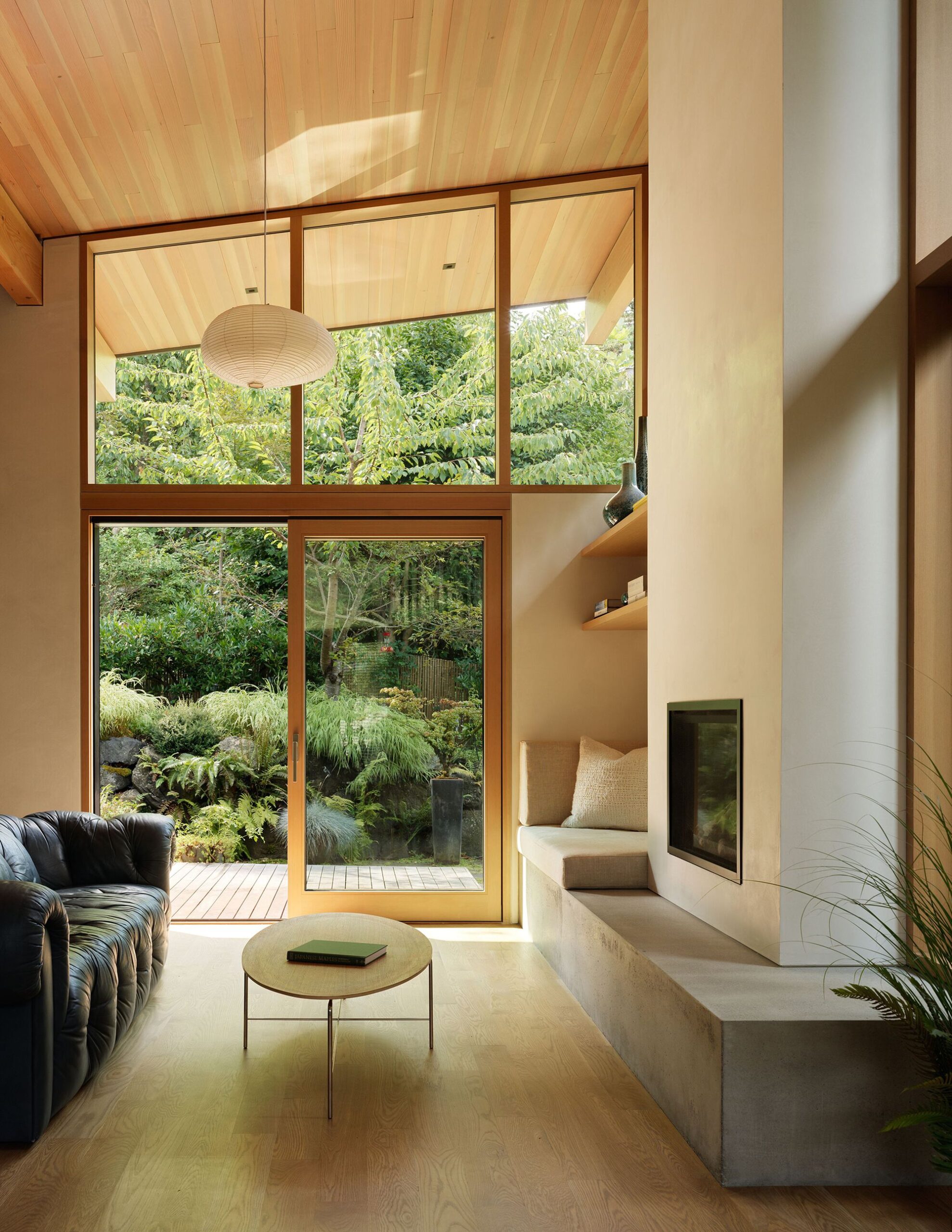
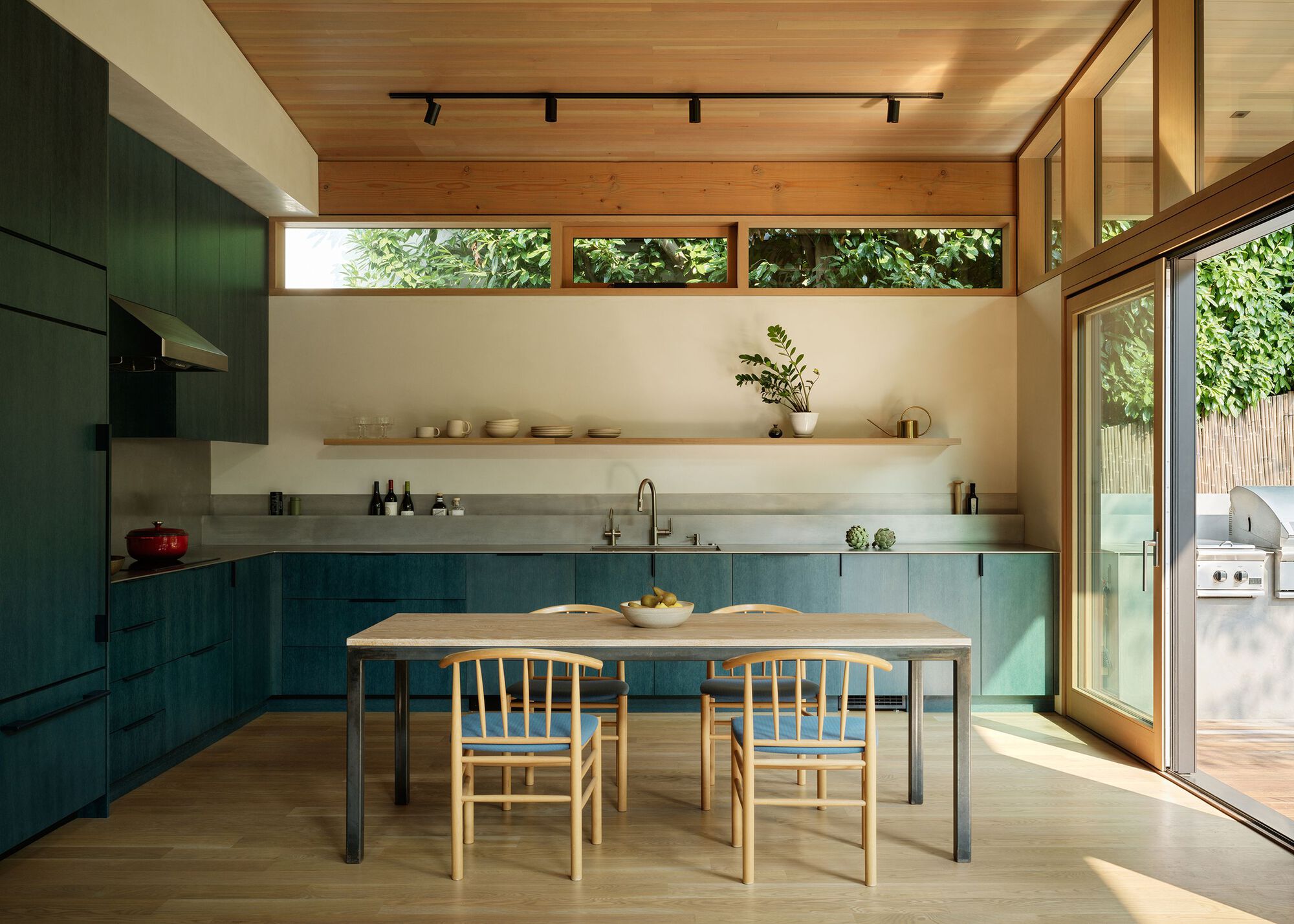
Large lift-and-slide doors to the south draw the garden into the main living space and allow the interior to flow out to the deck and outdoor kitchen. Beyond the deck, a lush northwest garden rises up a small hill to the south. Receding layers of large moss-covered rockery, ferns, and native trees provide a soft and natural backdrop for the main living spaces. Large windows, connections to the garden, and the use of natural materials make this modest house feel welcoming and spacious.
© Kevin Scott
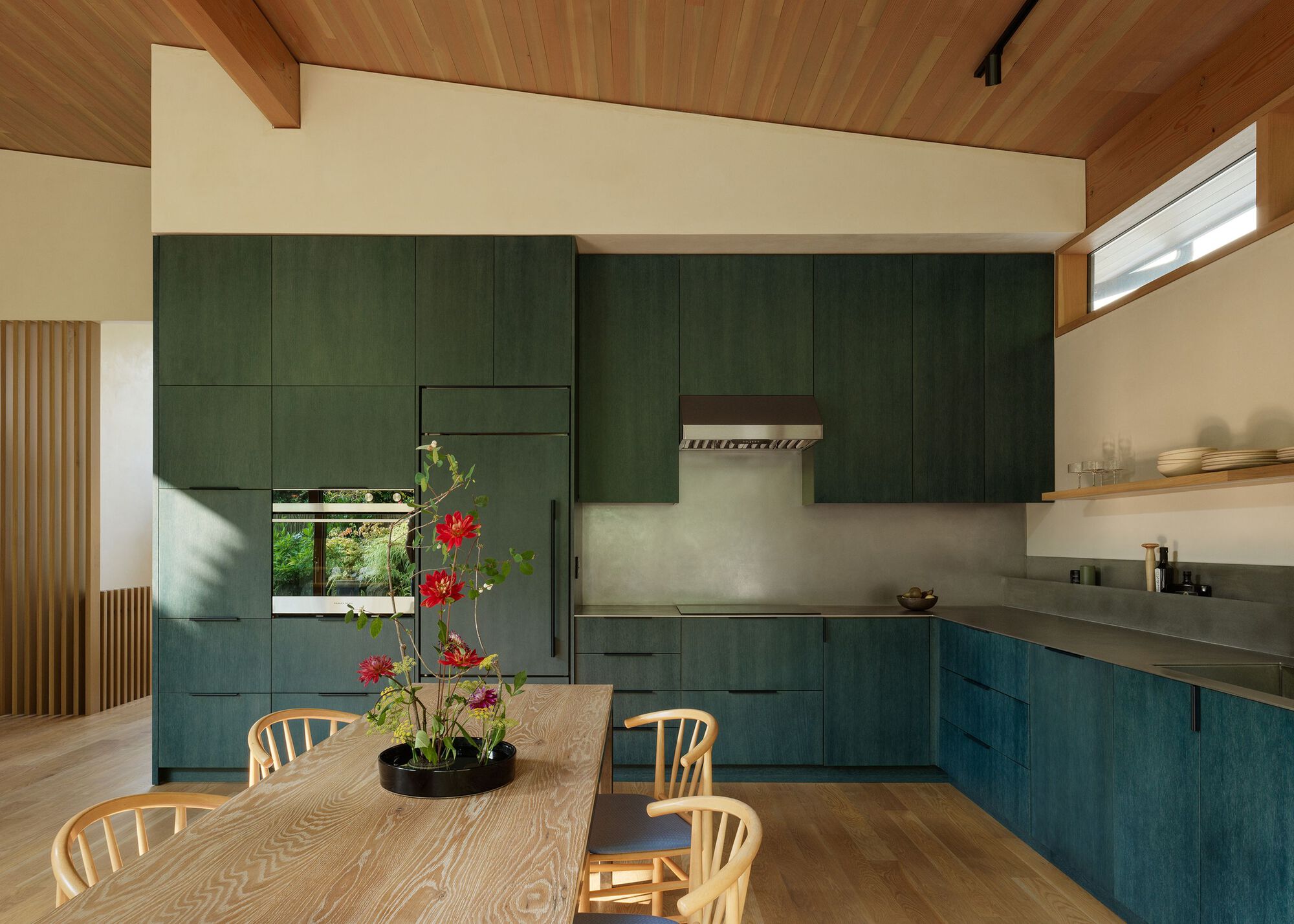
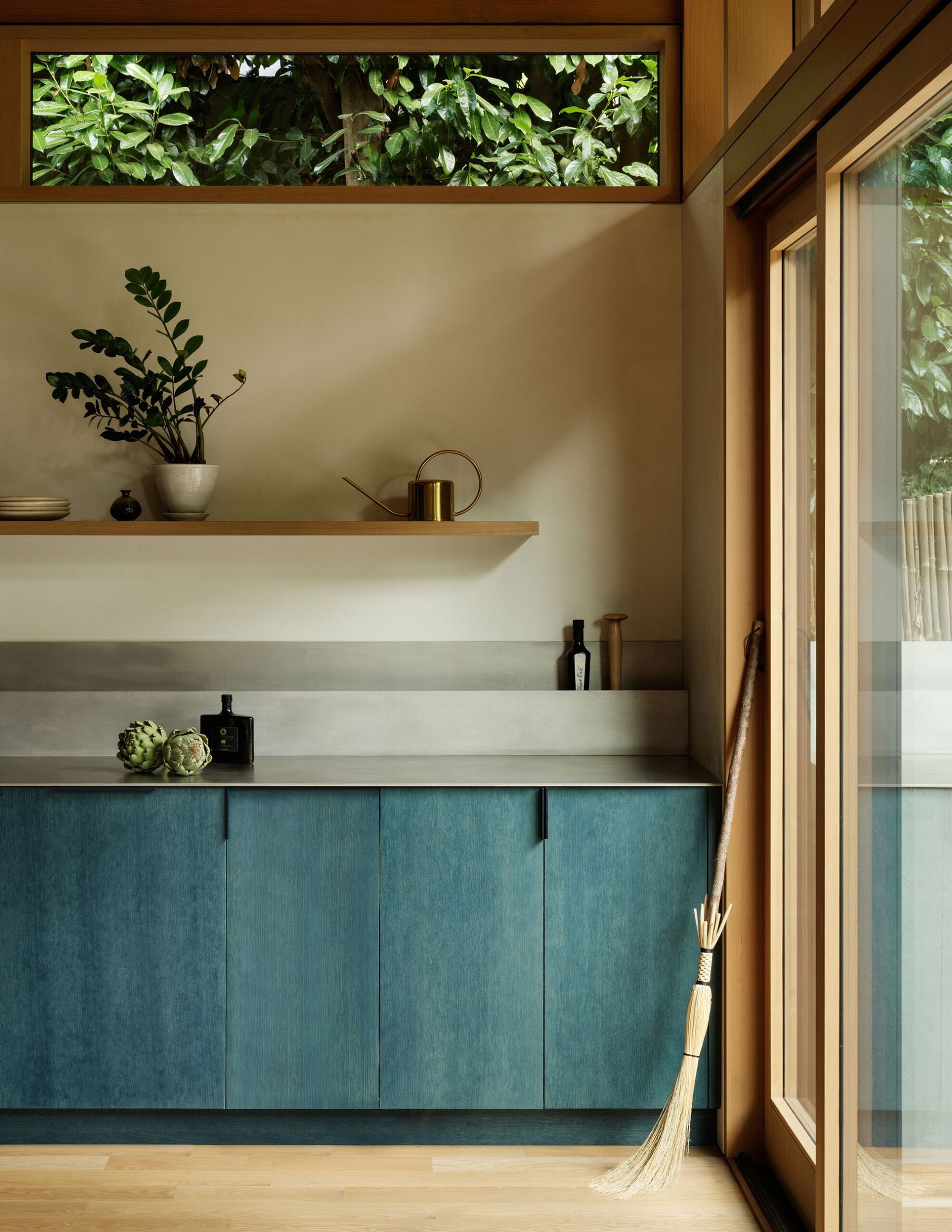
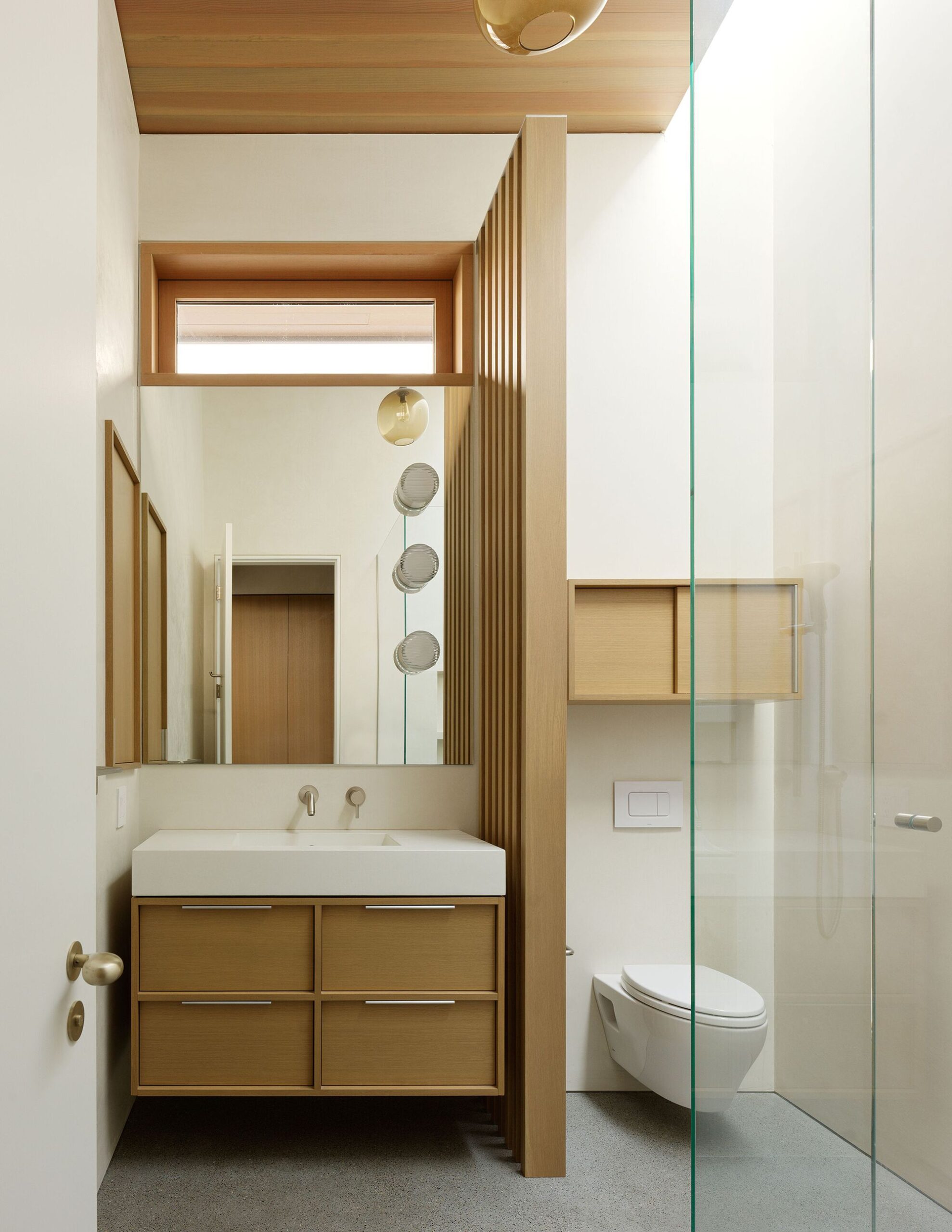
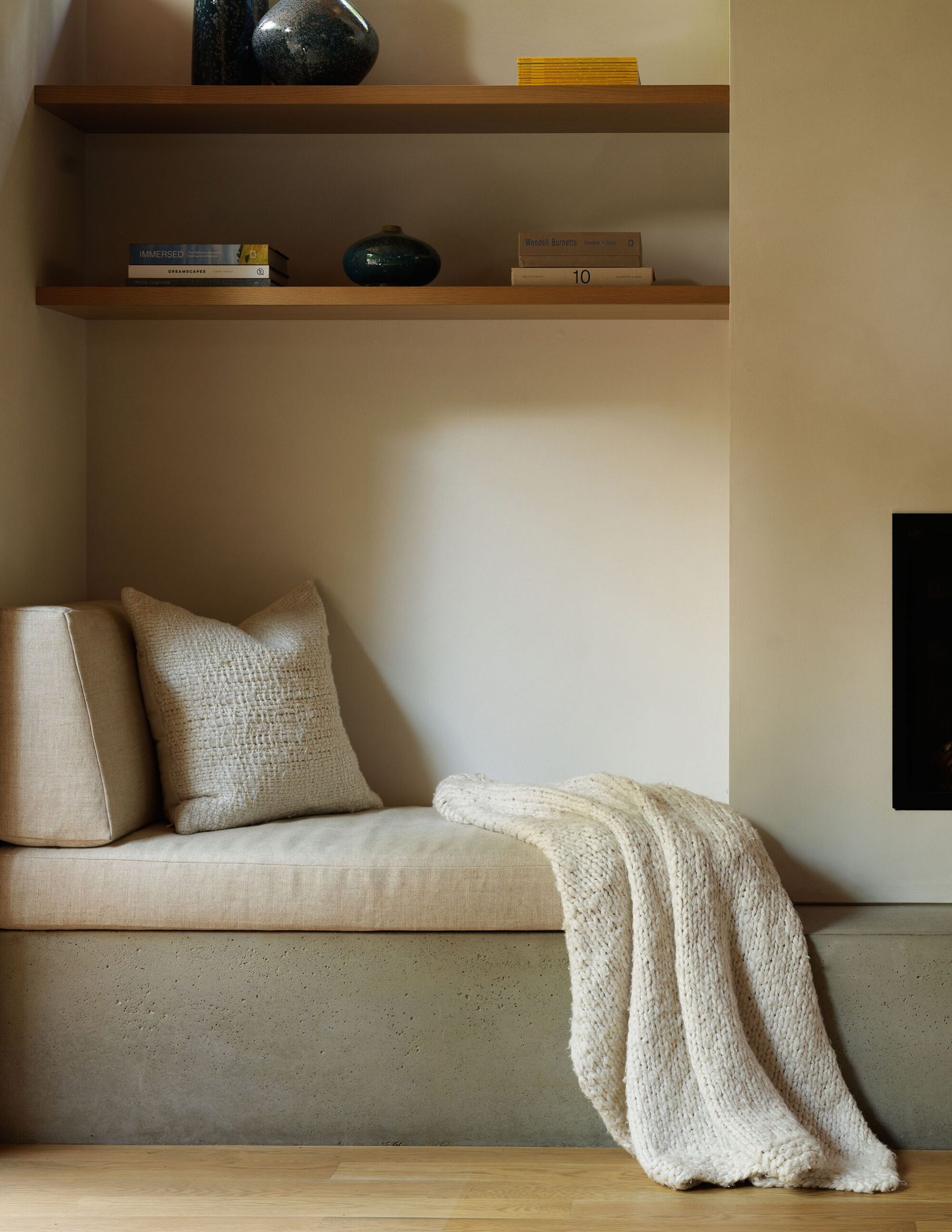
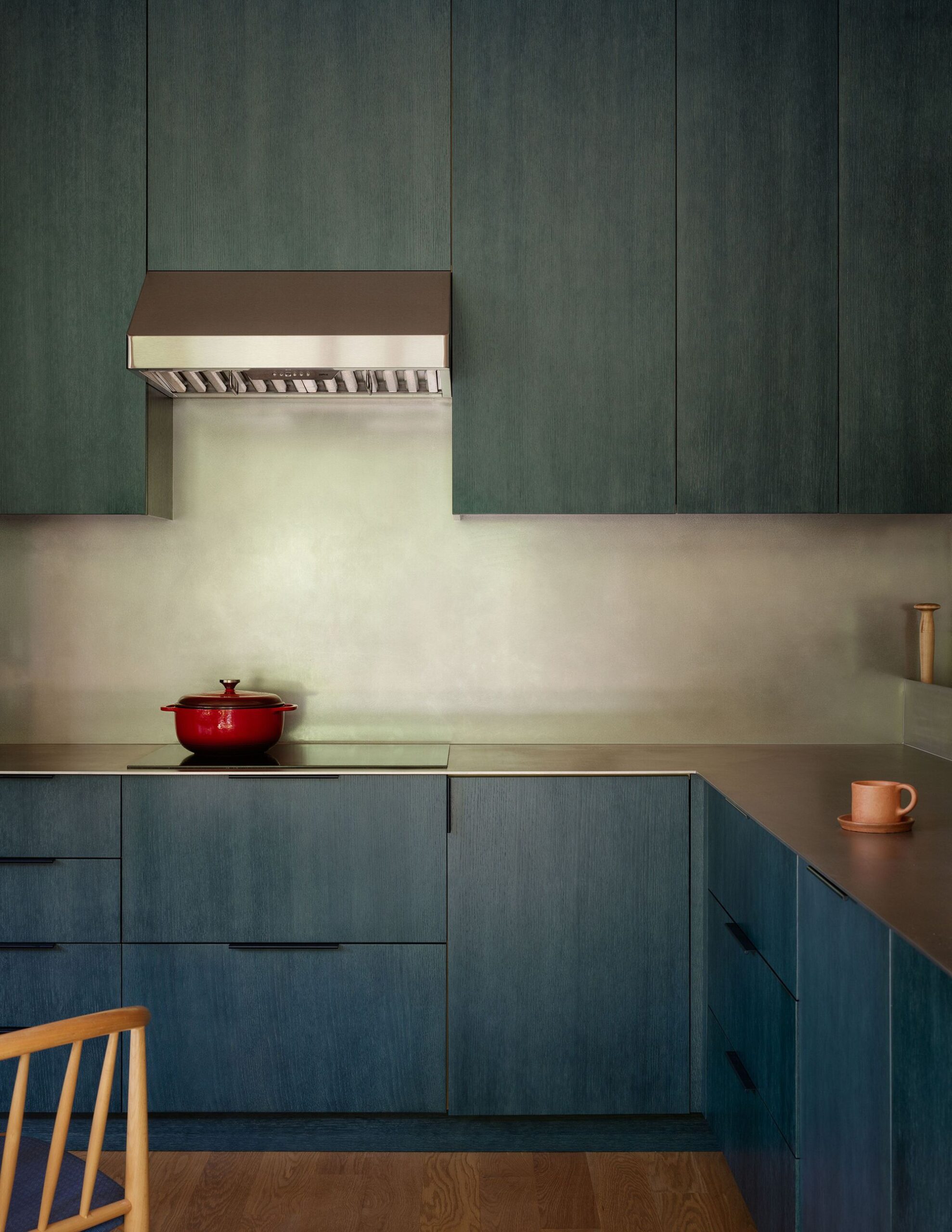
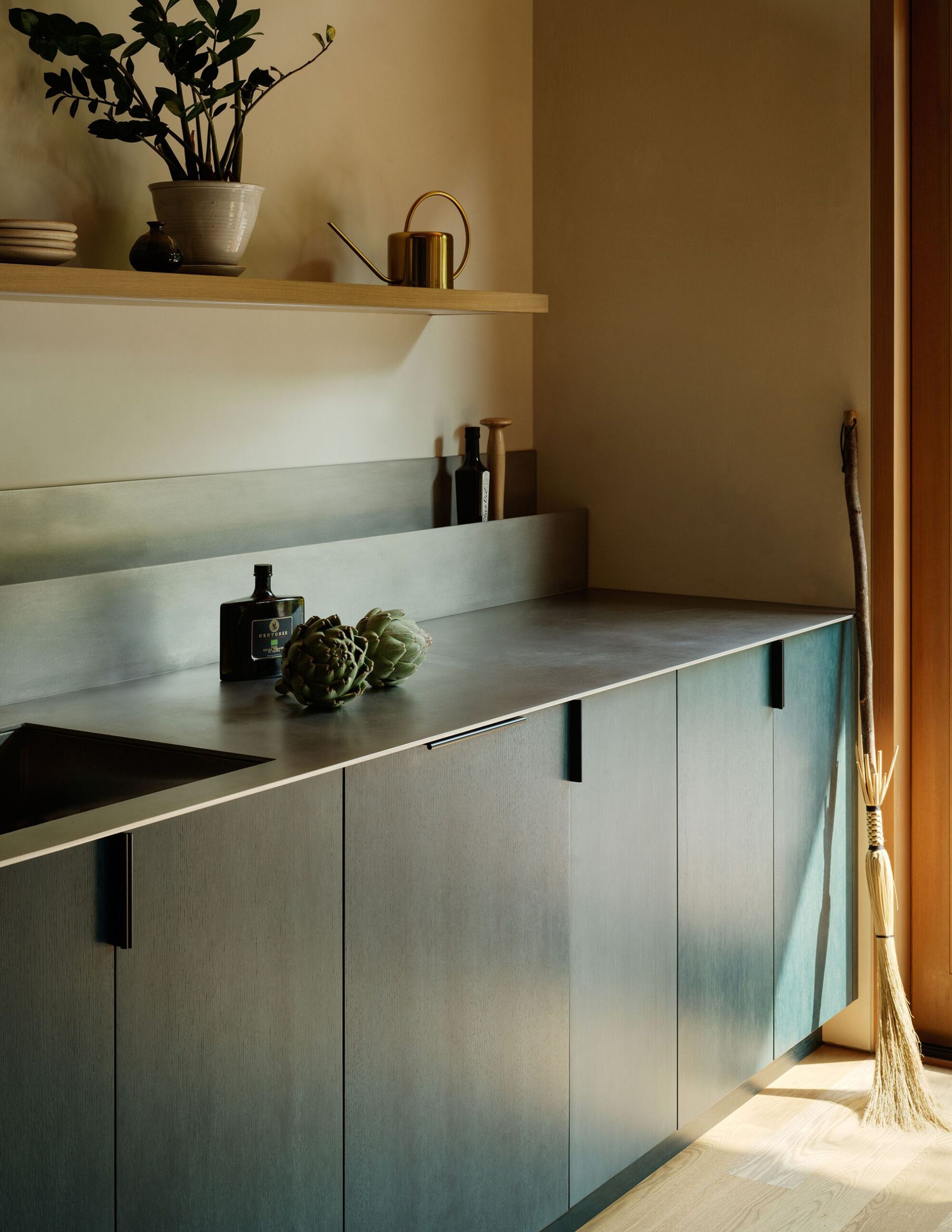
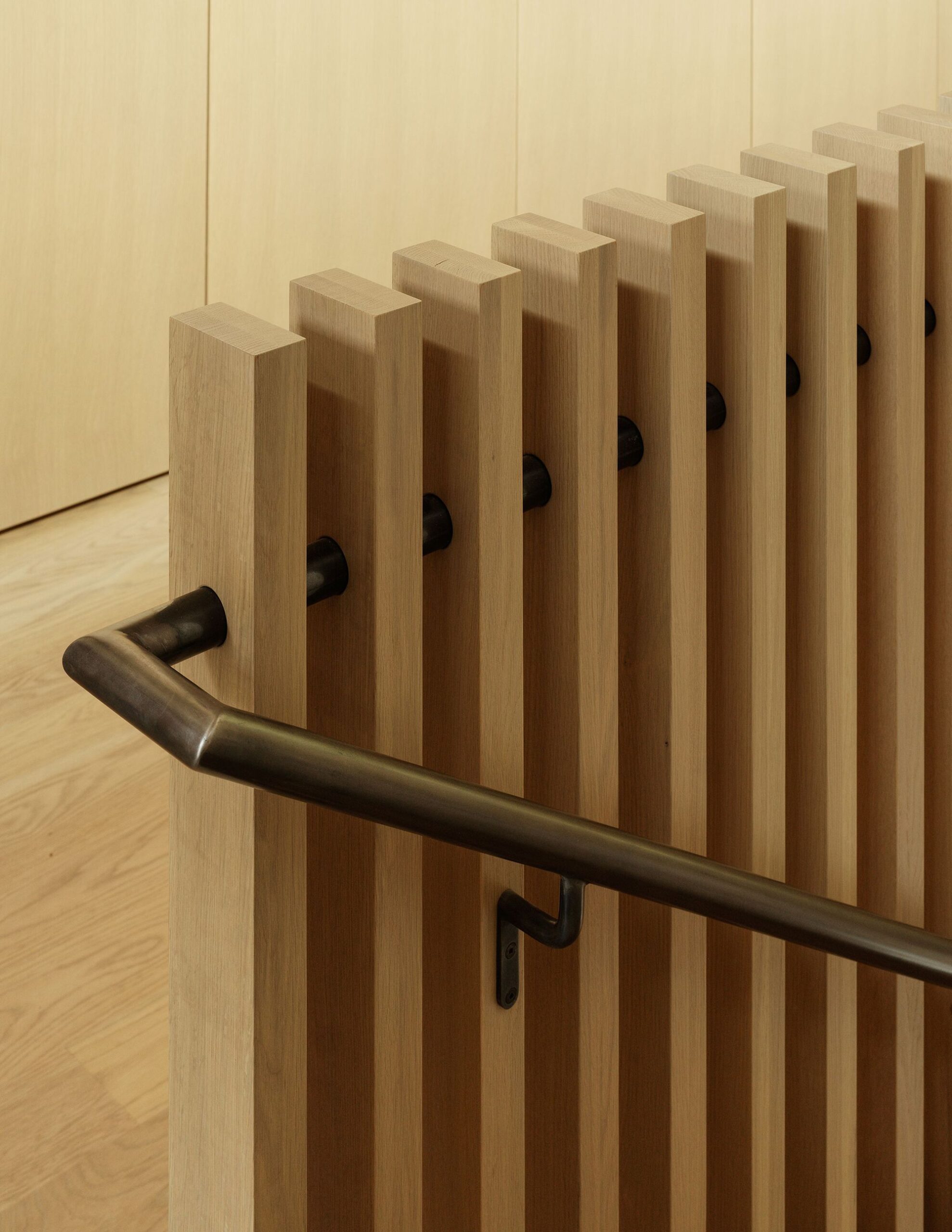
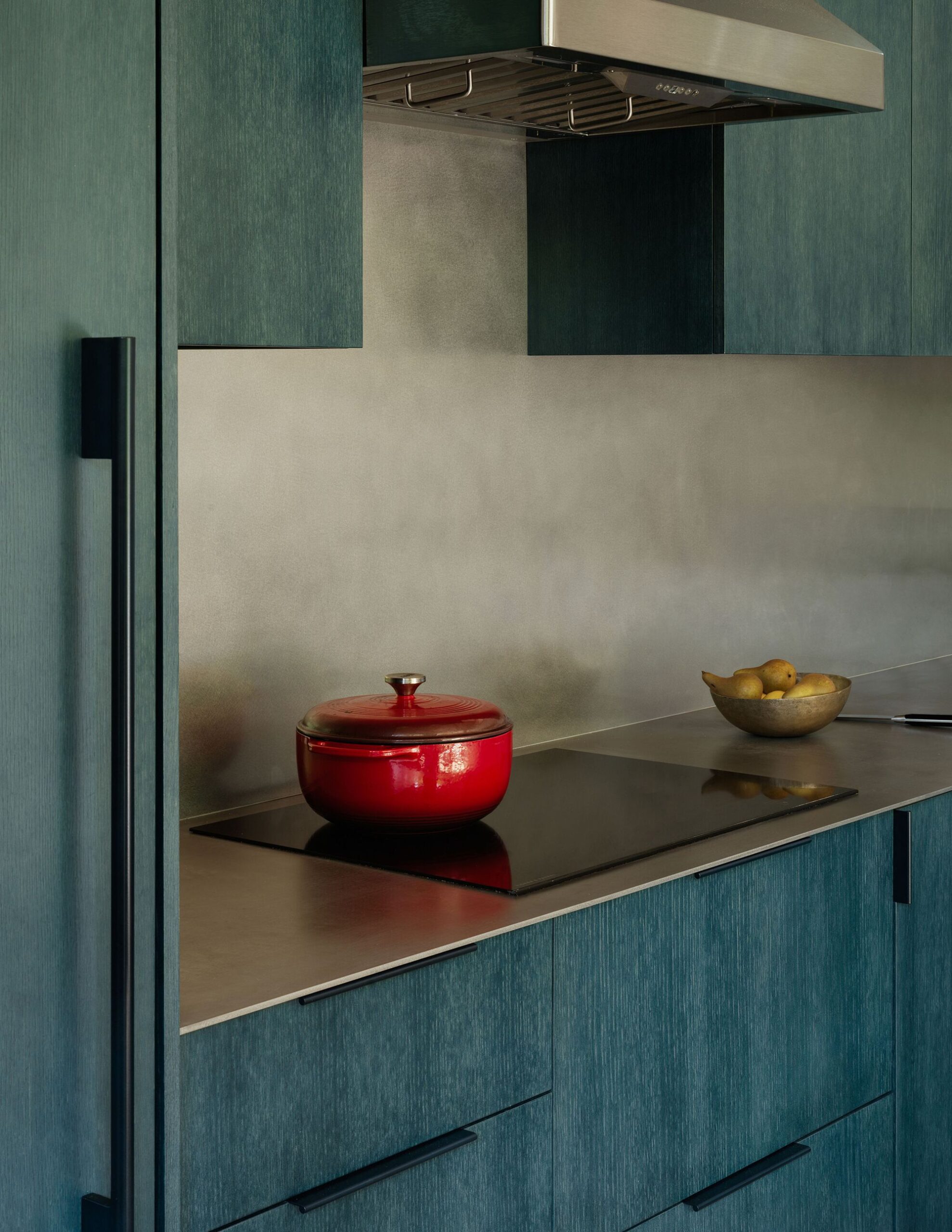
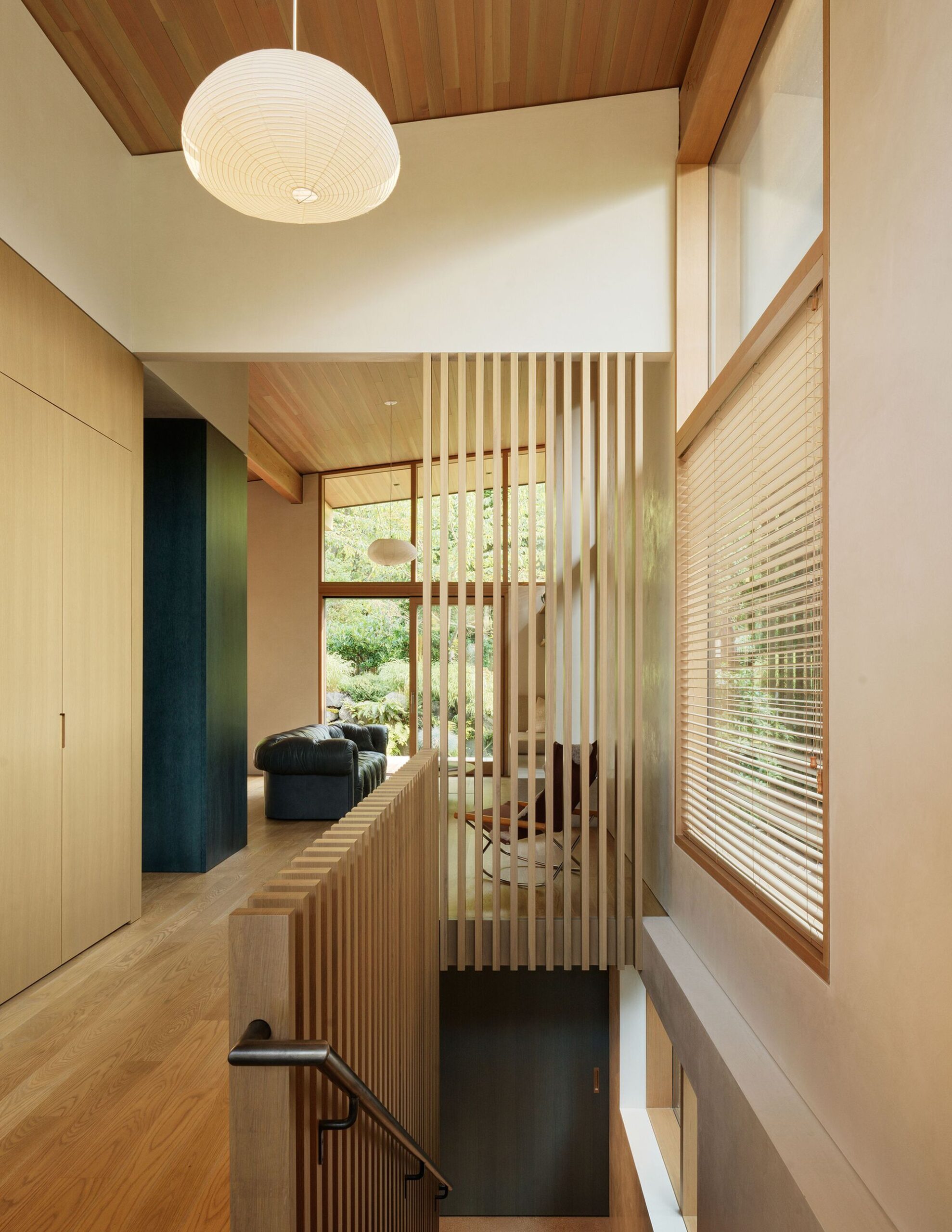
A light and natural interior material palette ties the house together, while a playful use of finishes provides contrast and differentiates the spaces. White-oak cabinetry, plaster walls, and hardwood floors unify the spaces between the main and lower levels. The oak cabinetry in the kitchen and dining area is stained a deep blue to characterize the more social gathering spaces. A recessed Japanese-style entry with a built-in wood bench and storage cabinets provides space to take off shoes and coats before entering the house. A natural white oak screen filters views and light between the entry, the main stair, and the living room
Project Info
Architects: GO’C
Country: United States, Seattle
Area: 1900 ft²
Year: 2024
Photographs: Kevin Scott
Project Team: Jon Gentry AIA, Aimée O’Carroll ARB, Ashley Skidmore