

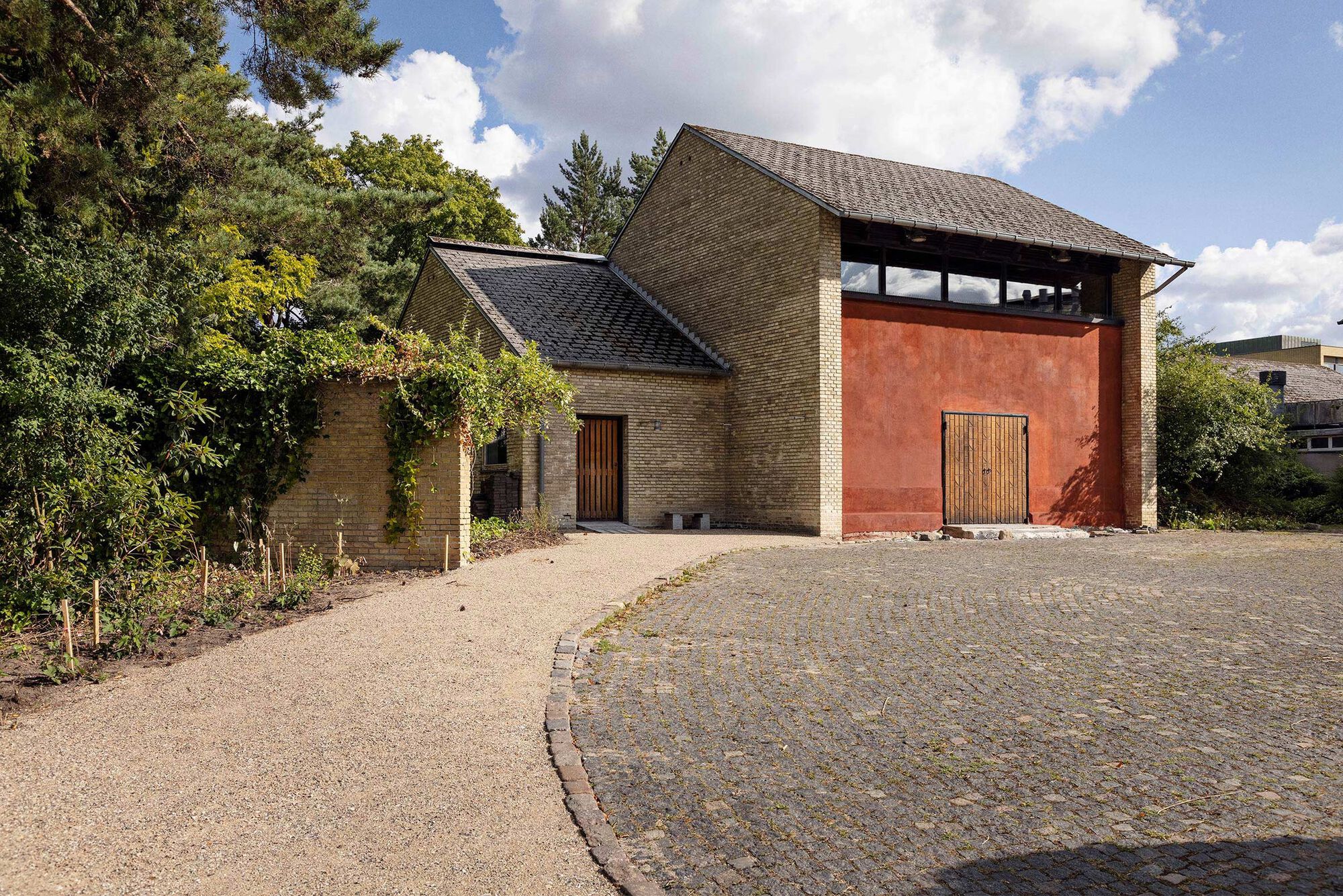
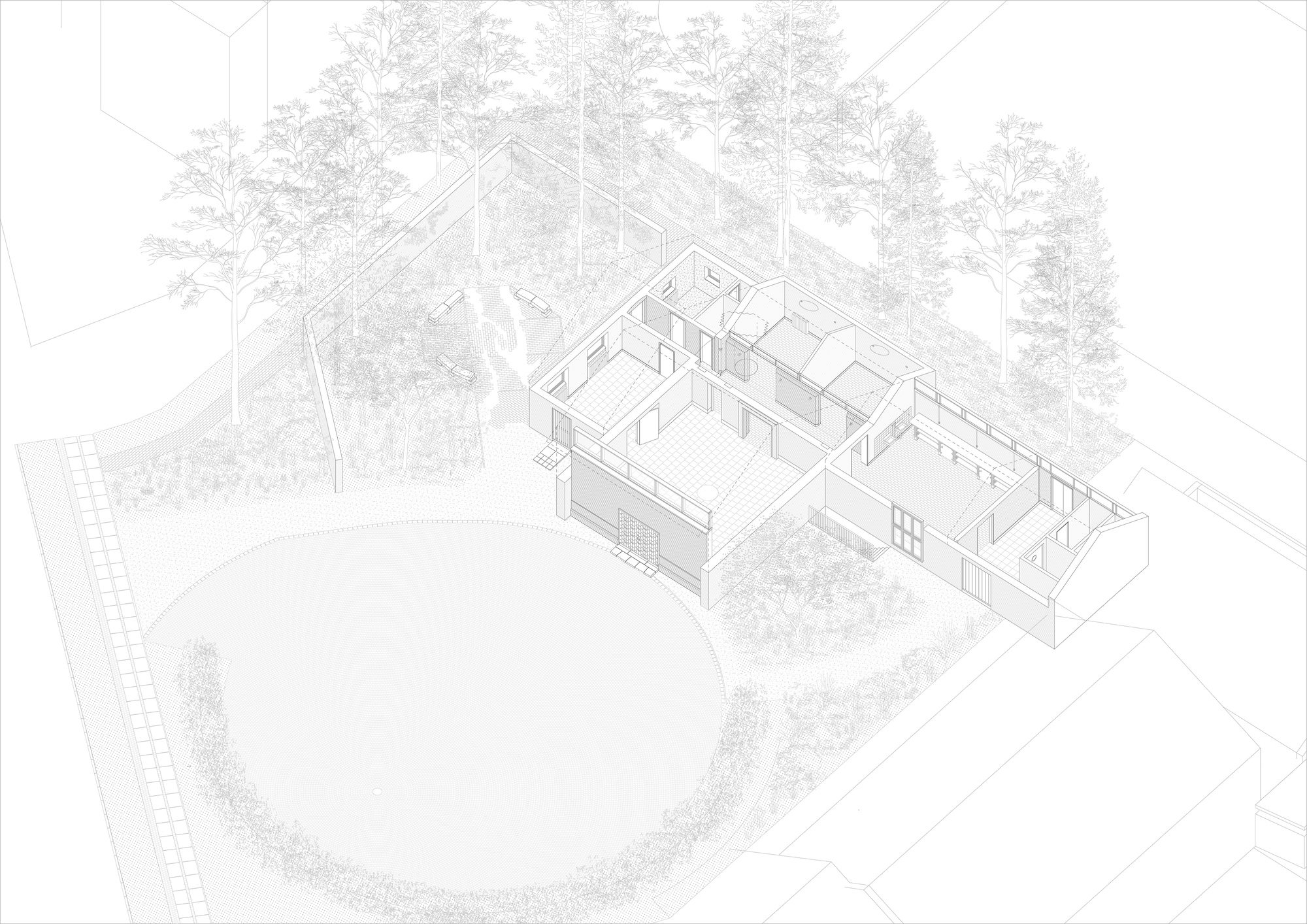
The Chapel Retold: A quiet transformation – A group of Danish architects, artists, and artisans has temporarily taken over a former funeral chapel and garden. In collaboration, they have focused on the site’s distinctive qualities and potentials – all with a view to transforming and adapting it for new purposes while adding as little as possible. The project reflects a new trend in architecture that calls for less demolition, urging us to instead recognize the value of what is already there.
© Laura Stamer
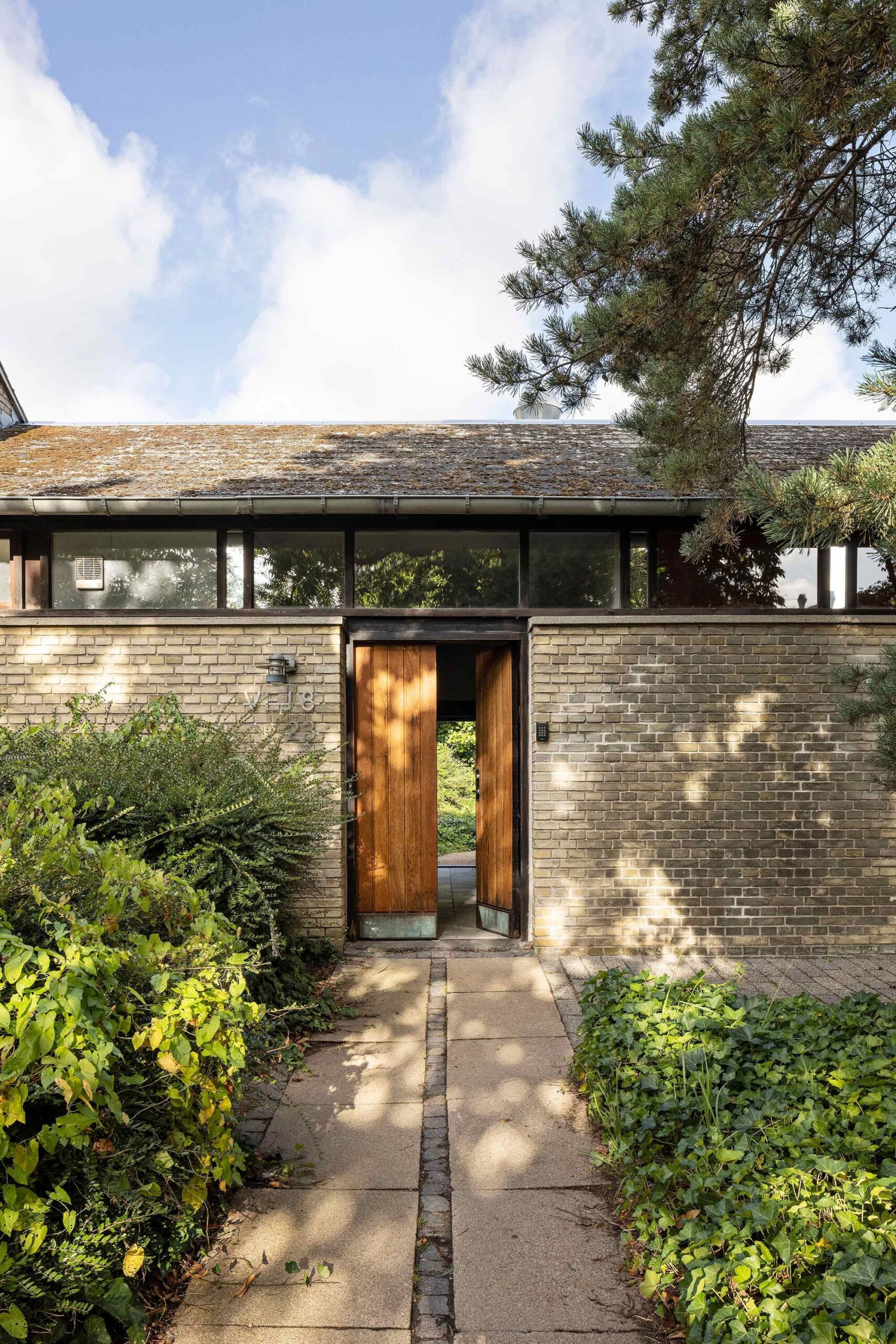
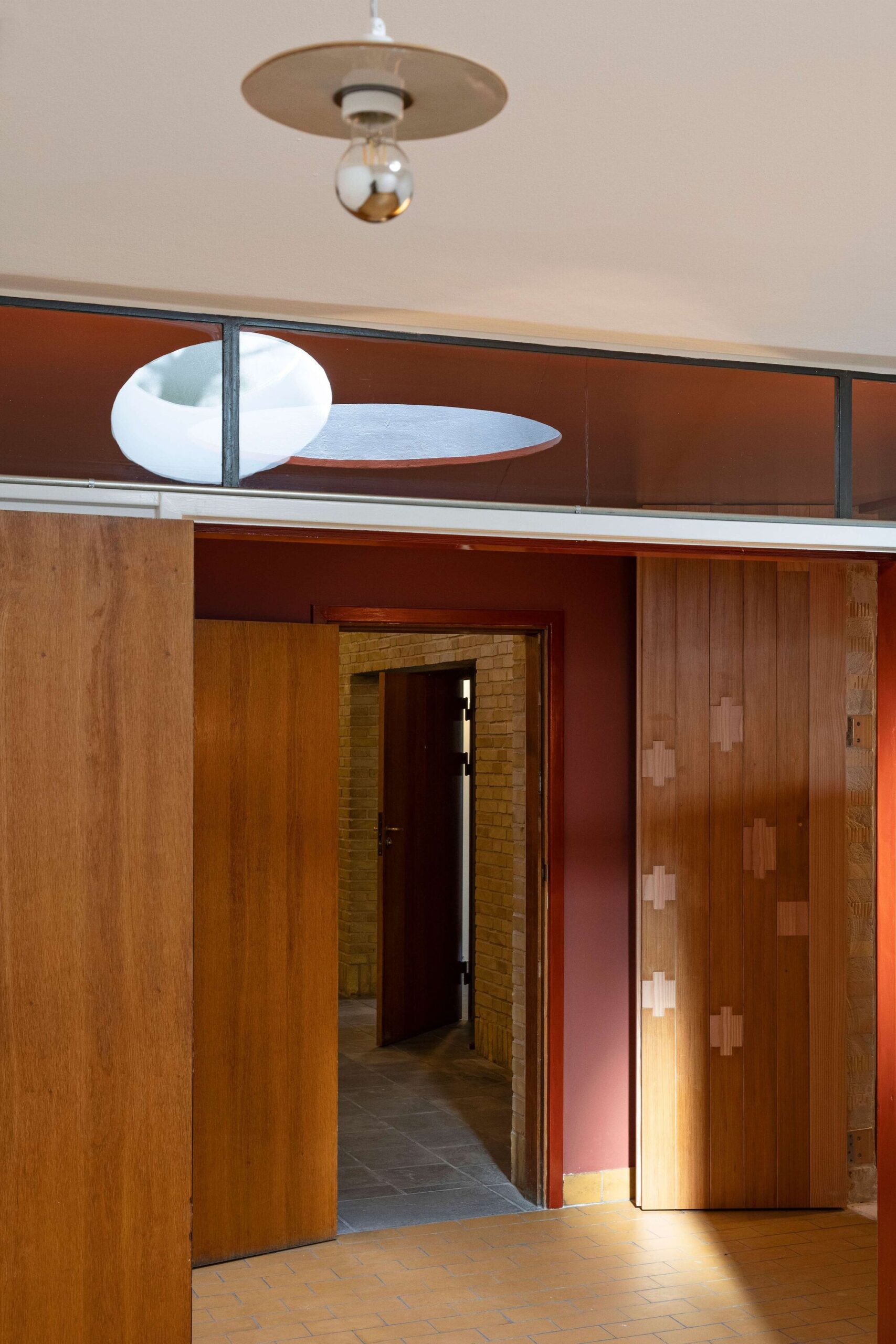
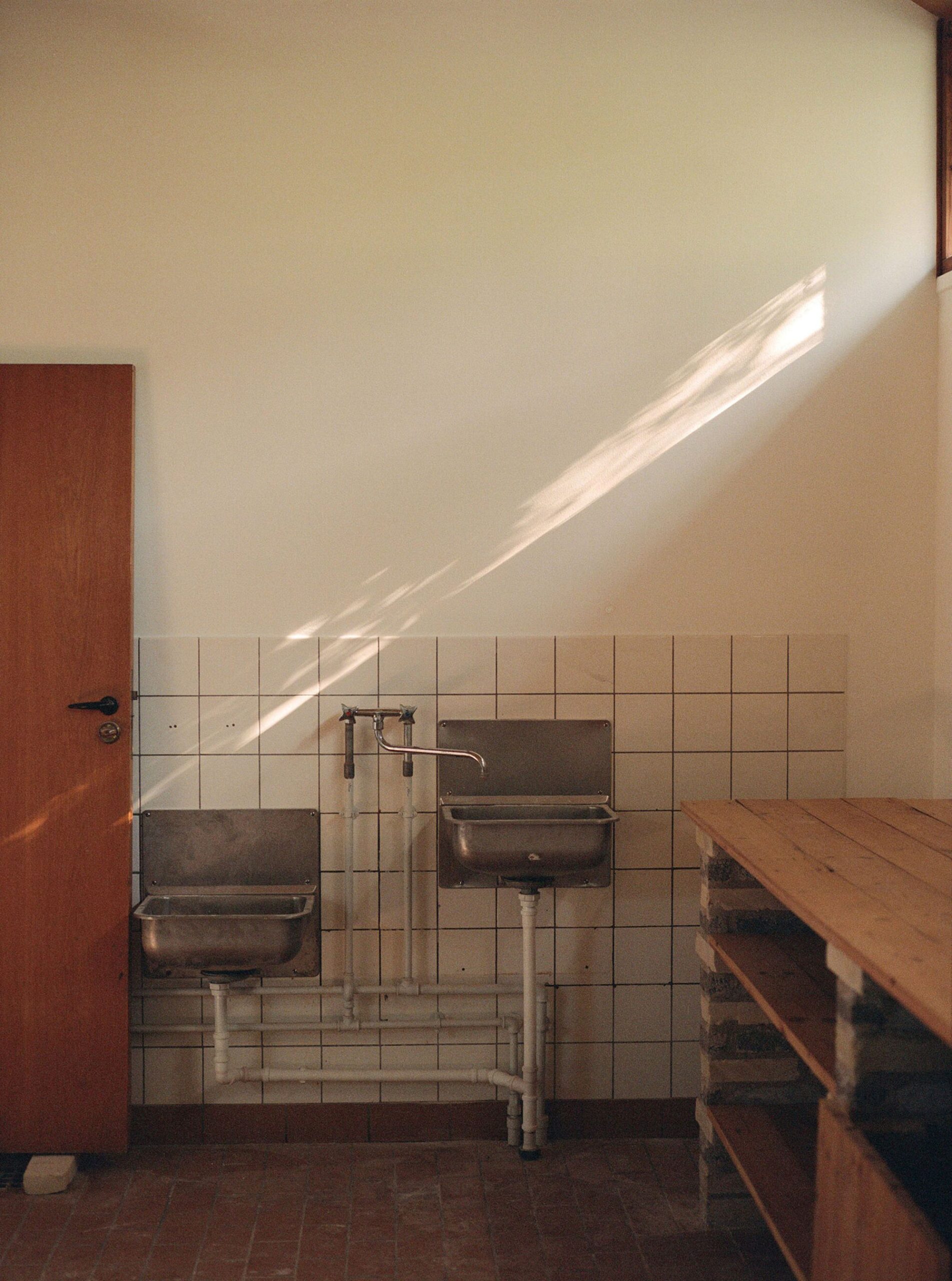
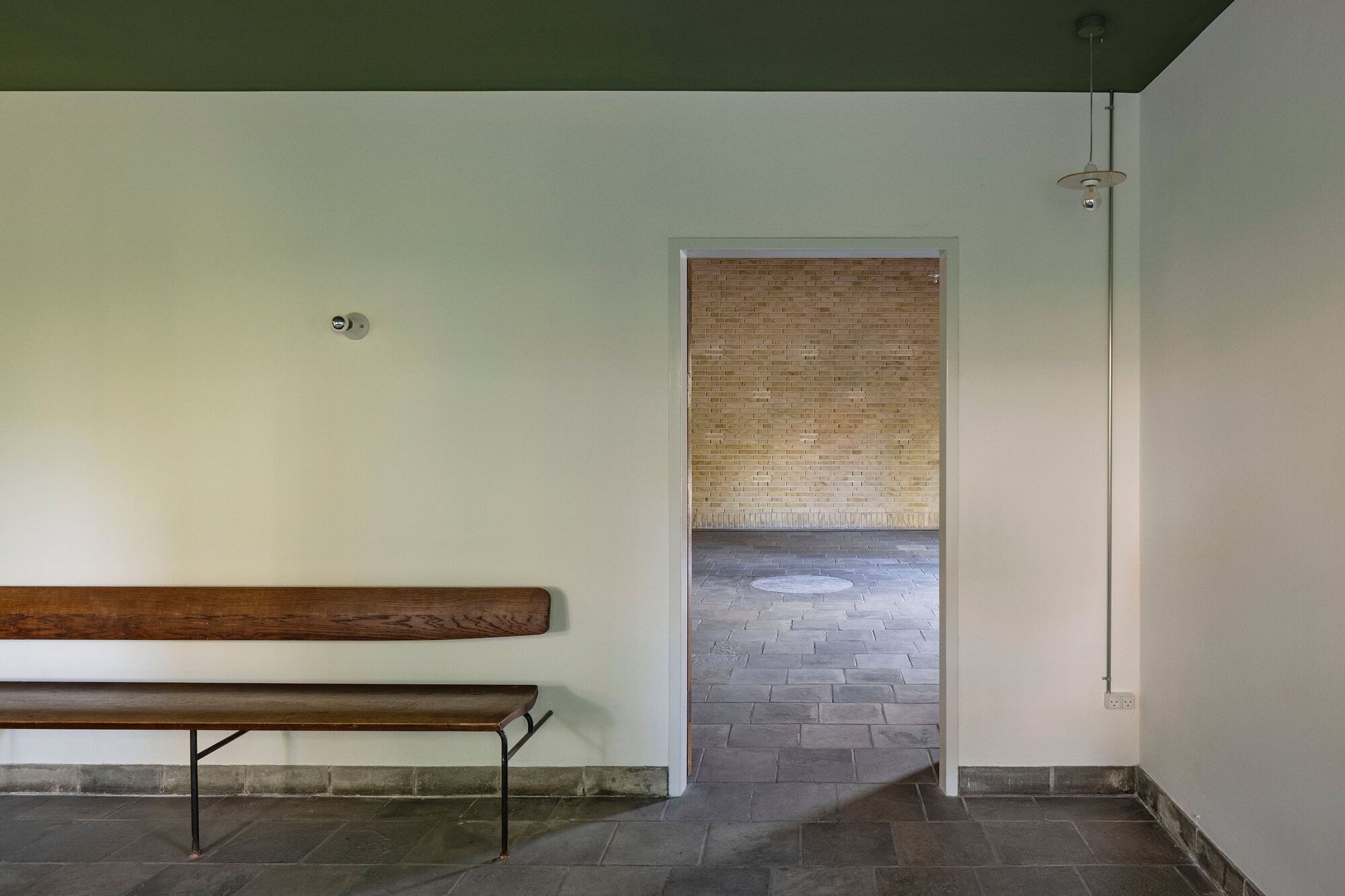
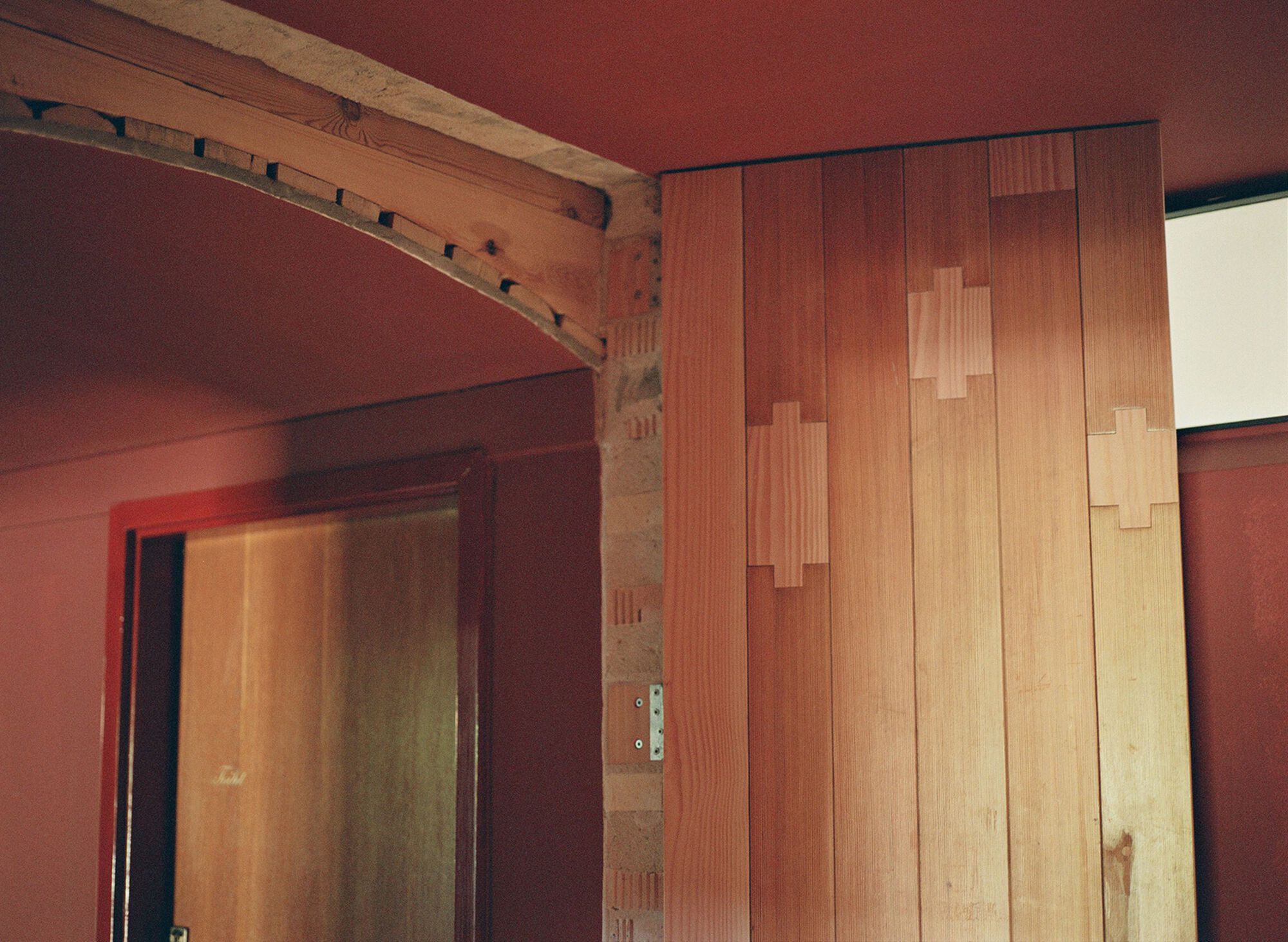
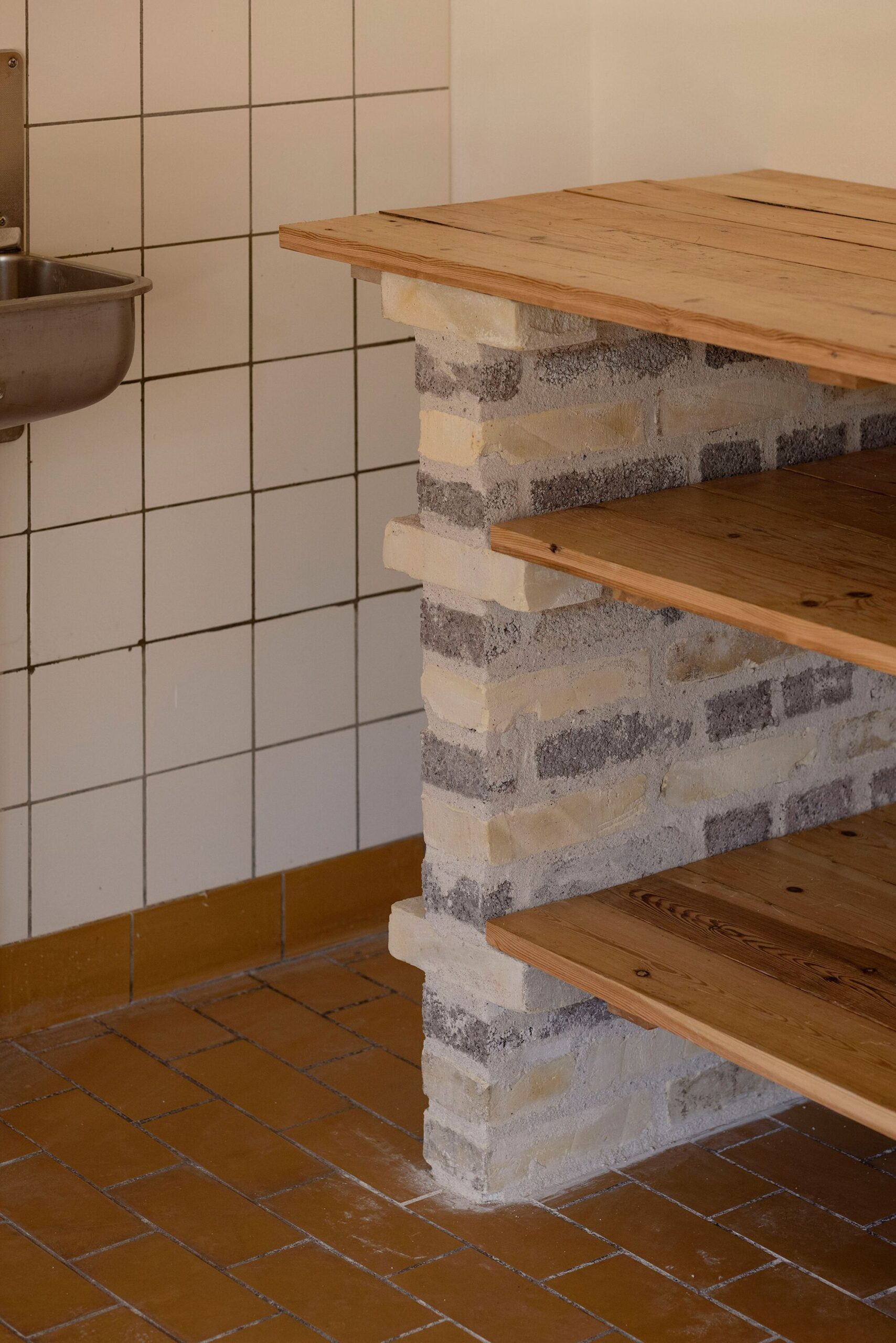
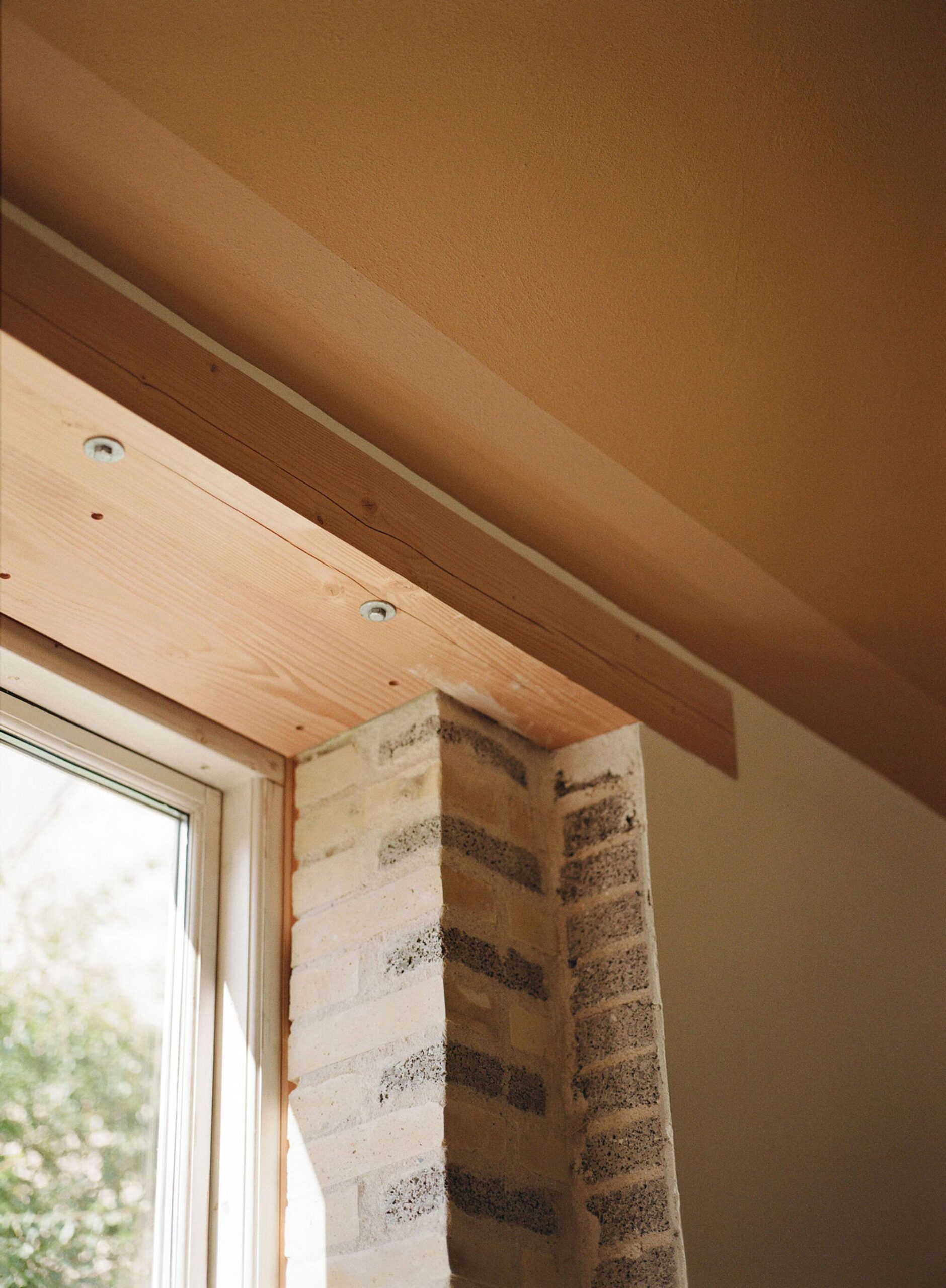
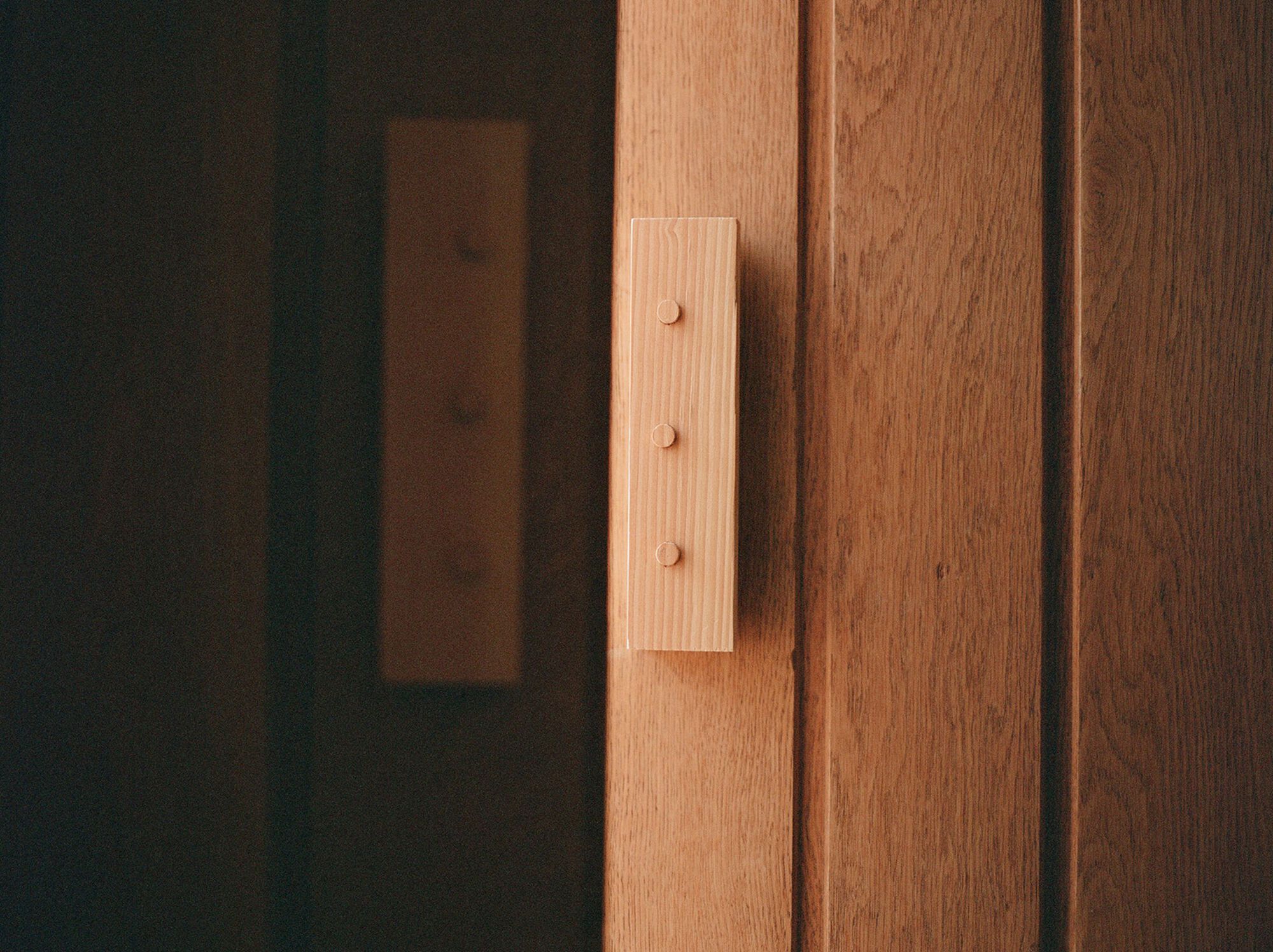
A radical approach to transformation – In their transformation of the chapel, the selected architects, artists, artisans, and other creatives explore how much they can achieve by cleaning, cutting back, treating and processing the various materials already found at the site: stone, masonry, surfaces, doors, and windows. Likewise, they strive to add as little new material to the building as possible – aside from what can be ‘foraged’ from the grounds or other building sites, basements, etc.
© Laura Stamer
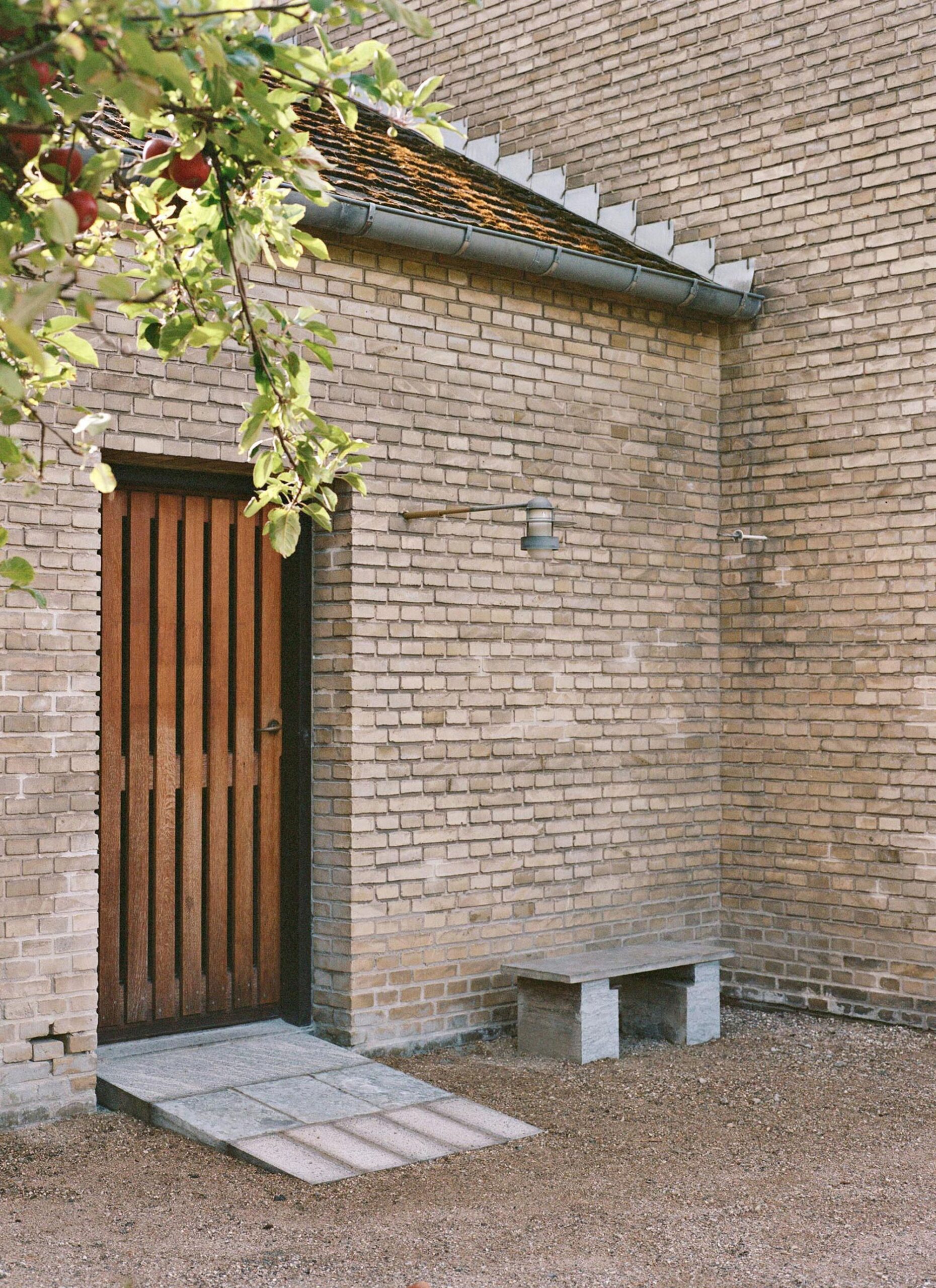
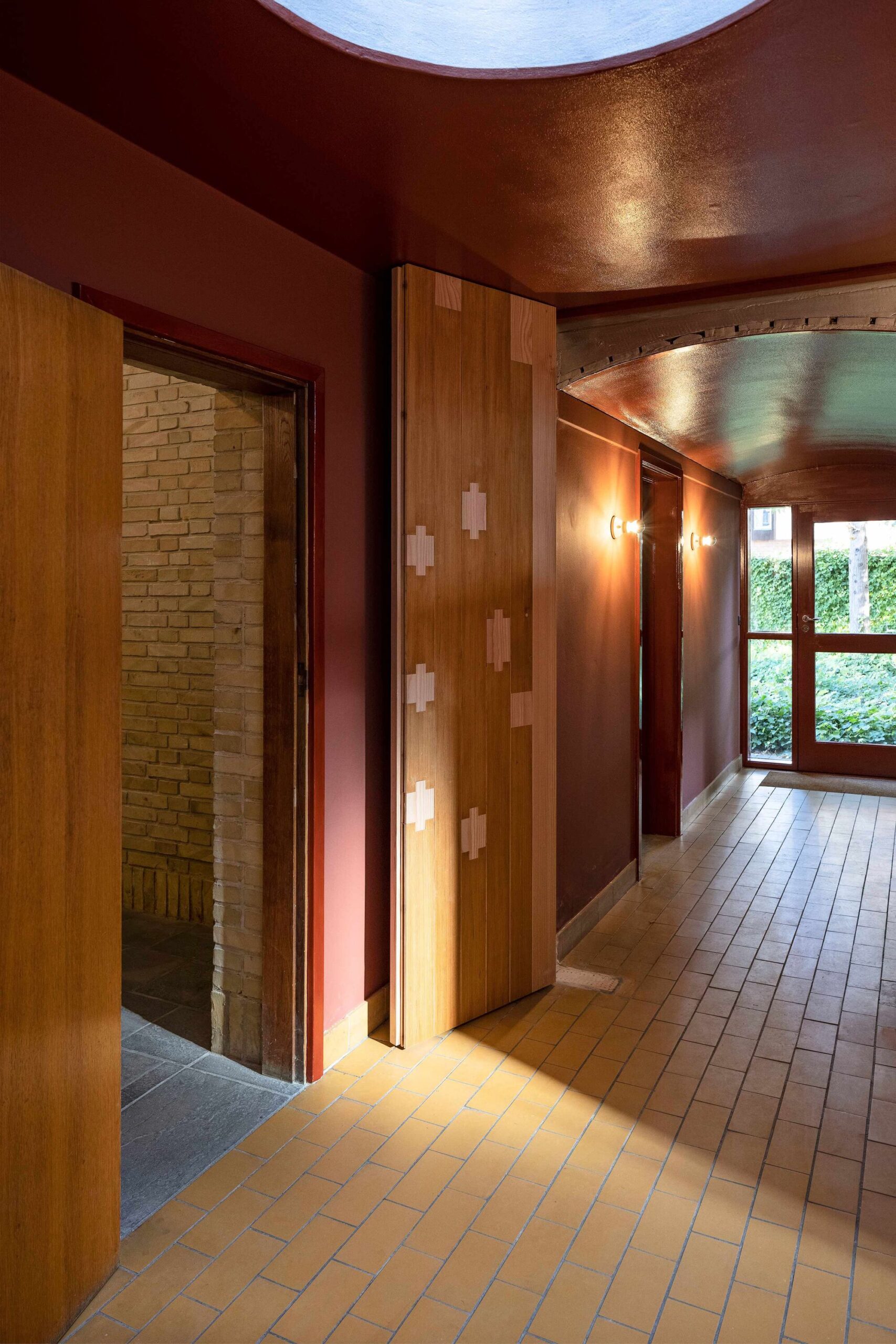
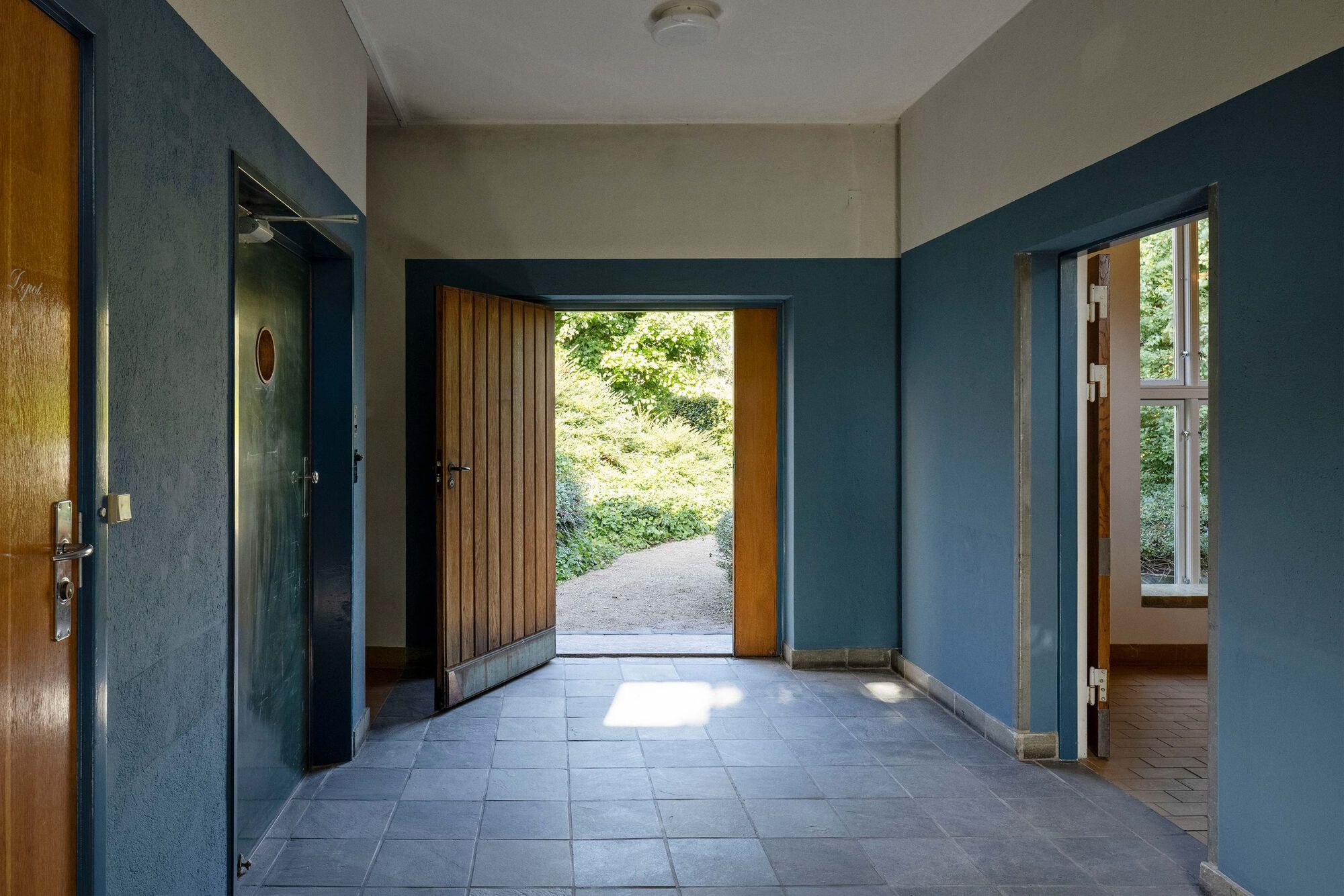
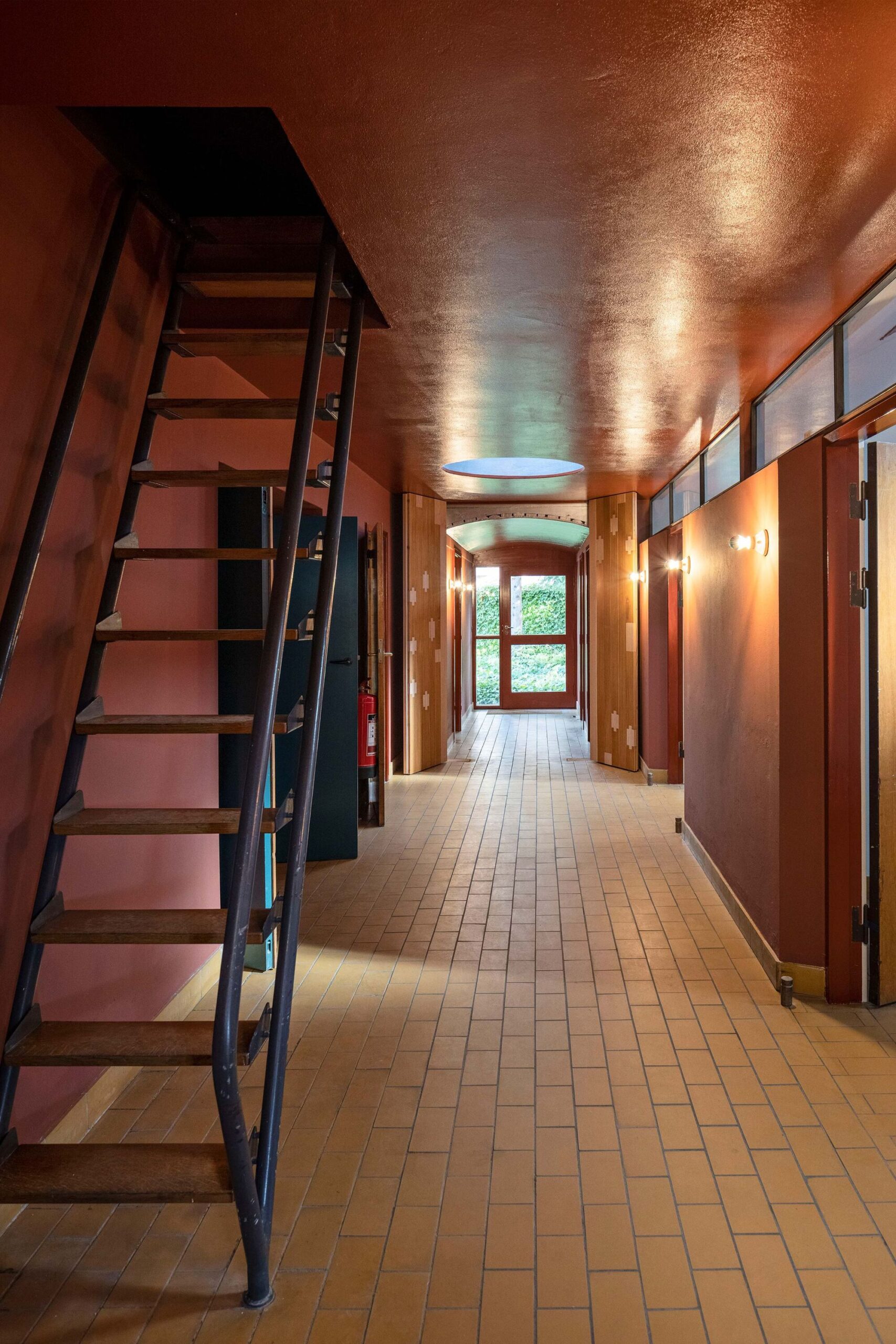
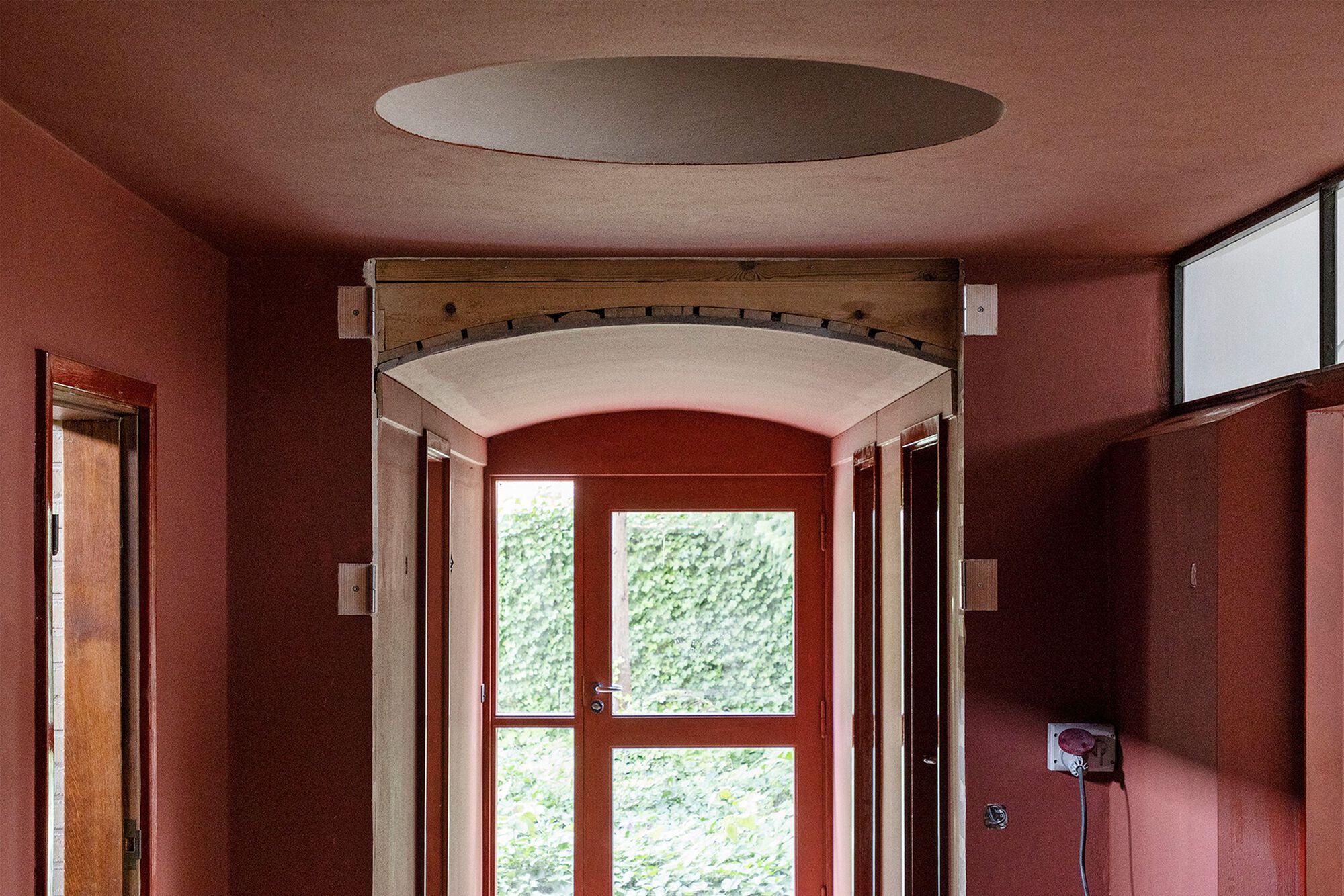
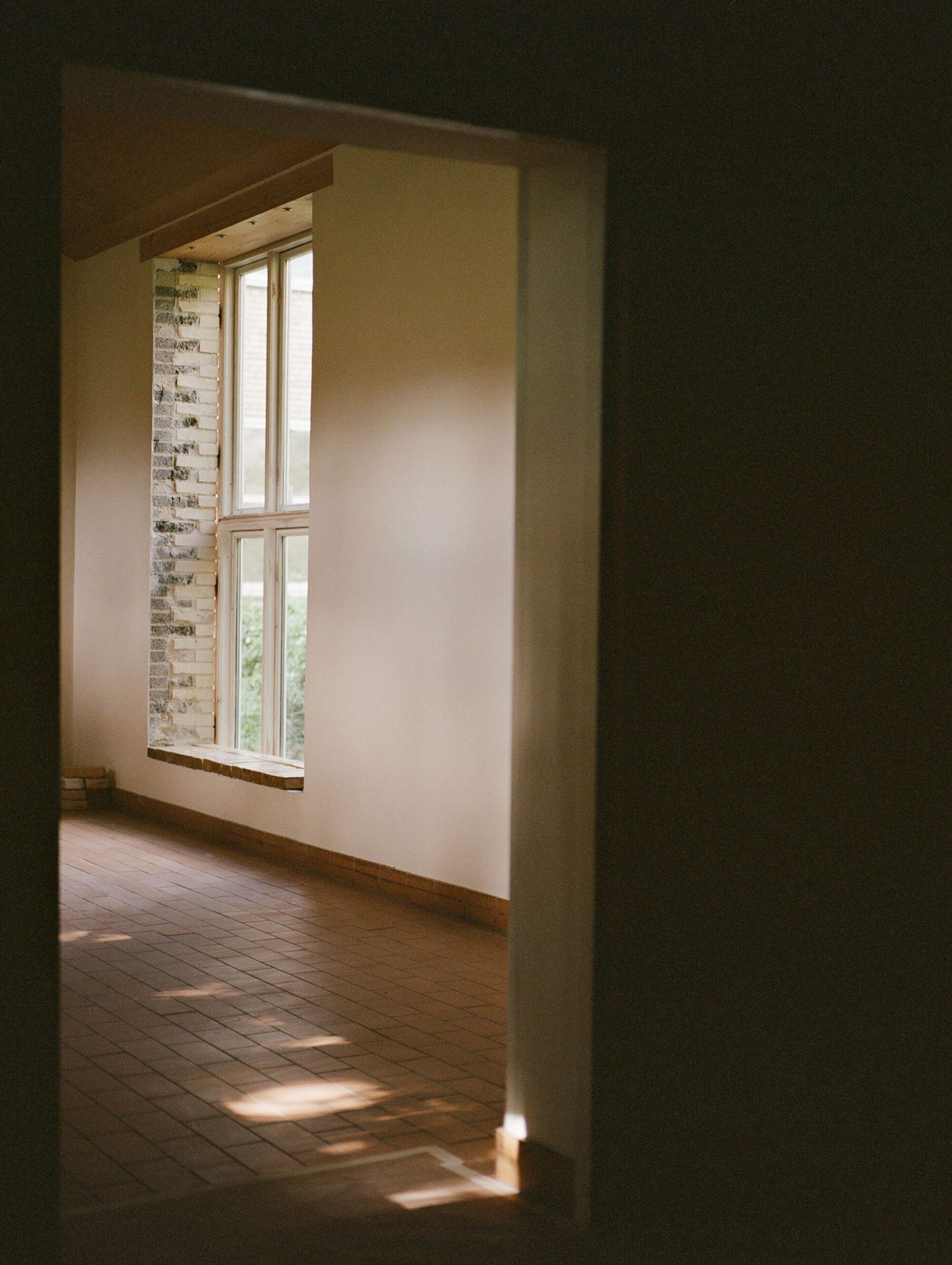
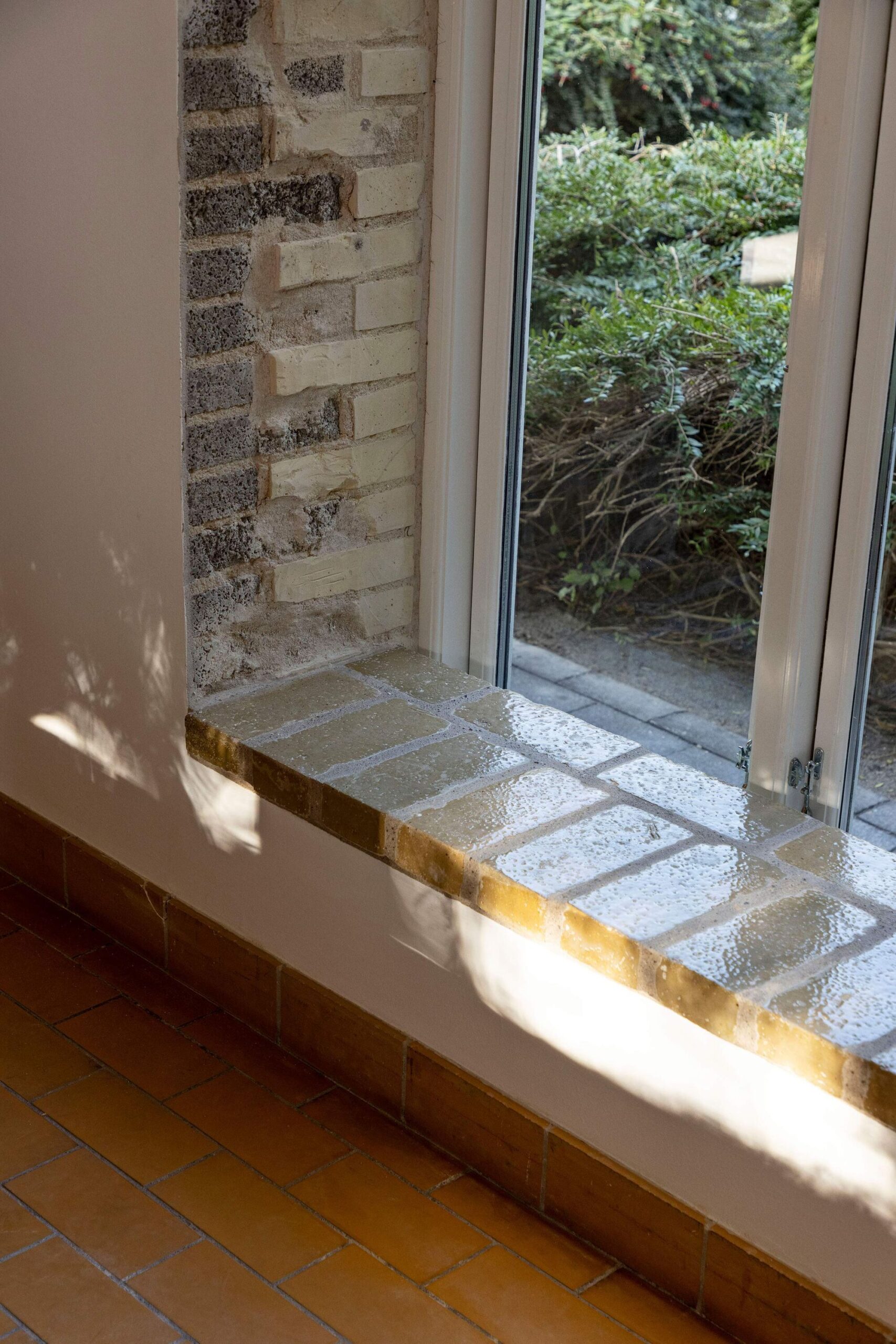
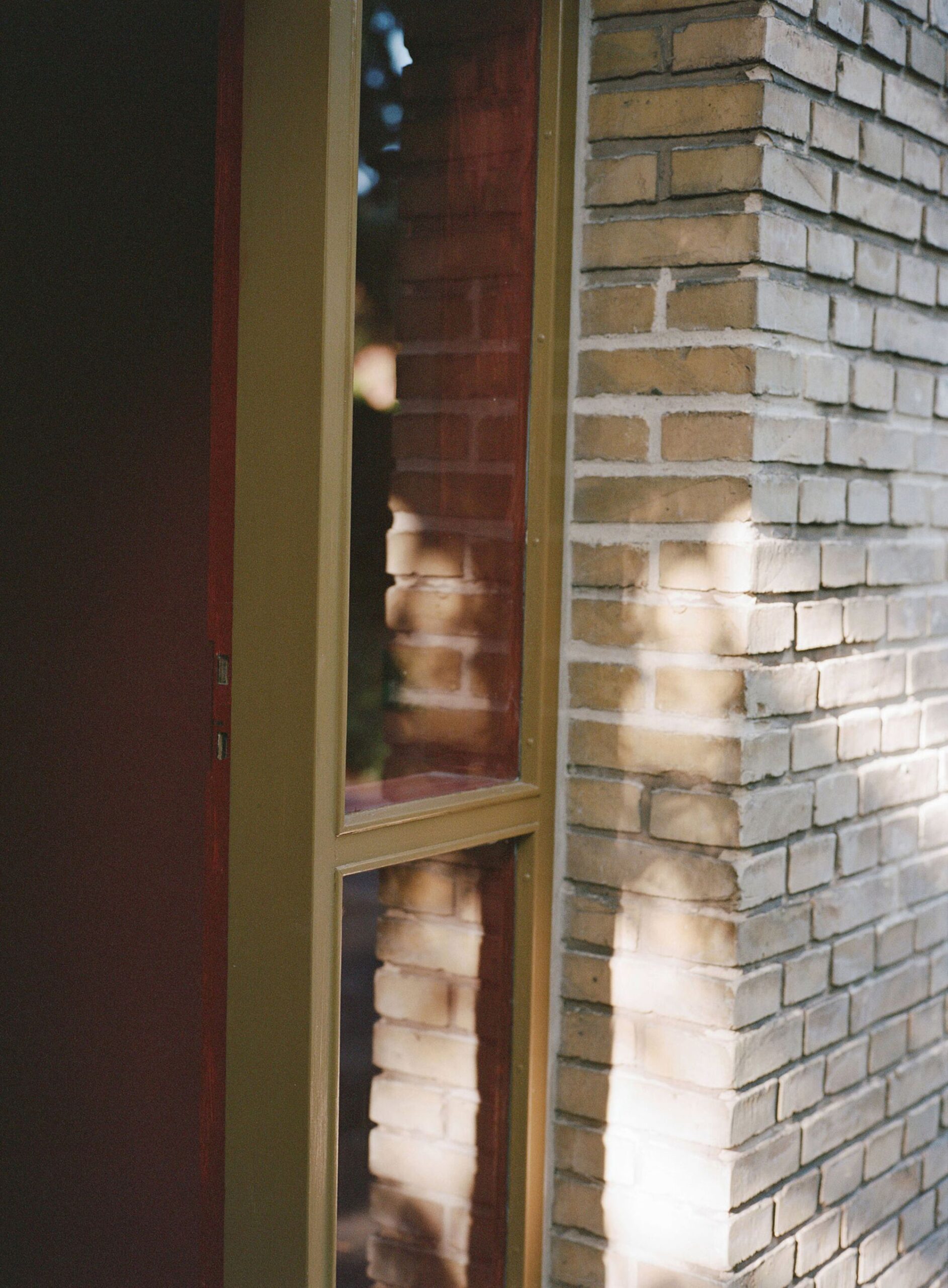
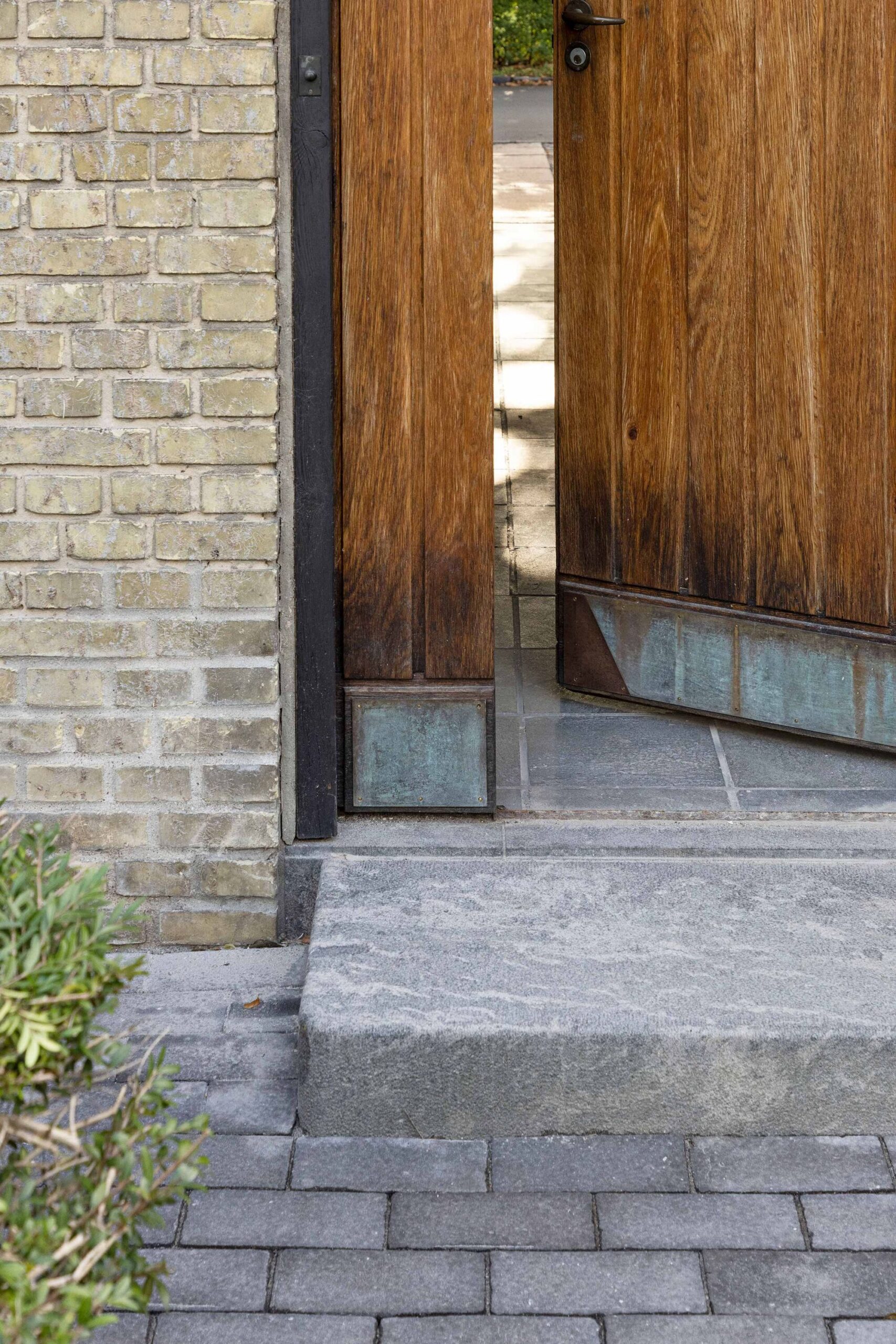
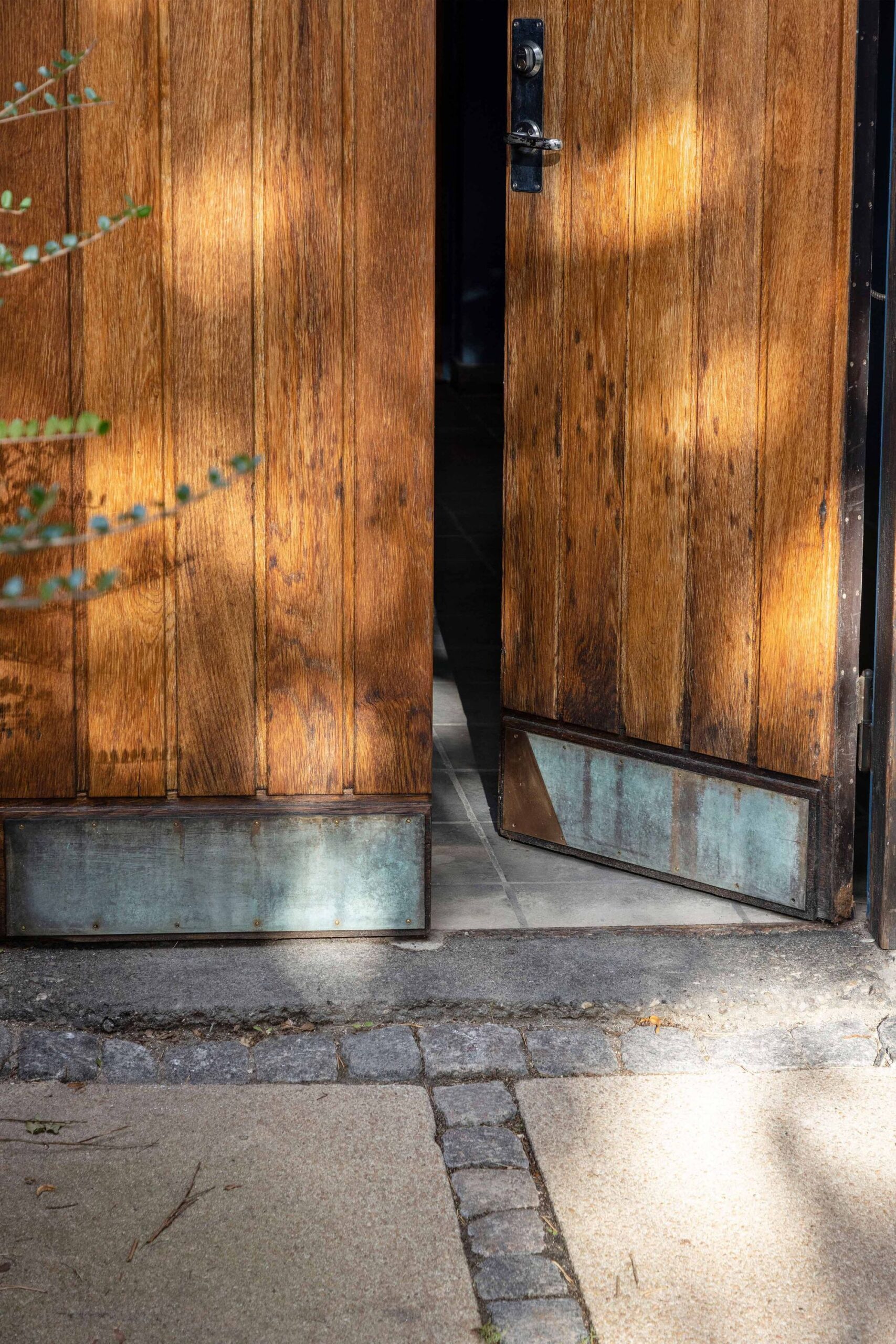
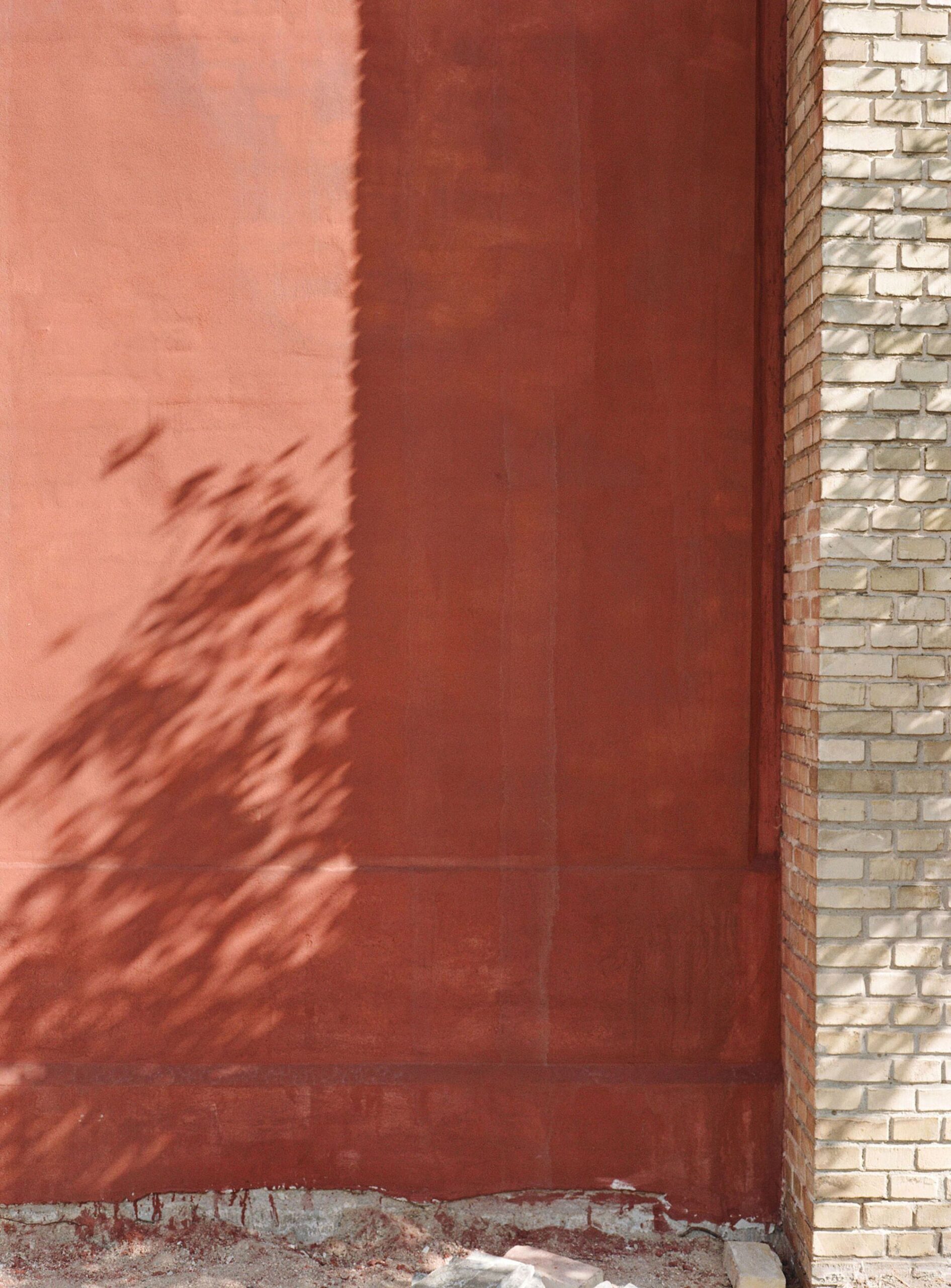
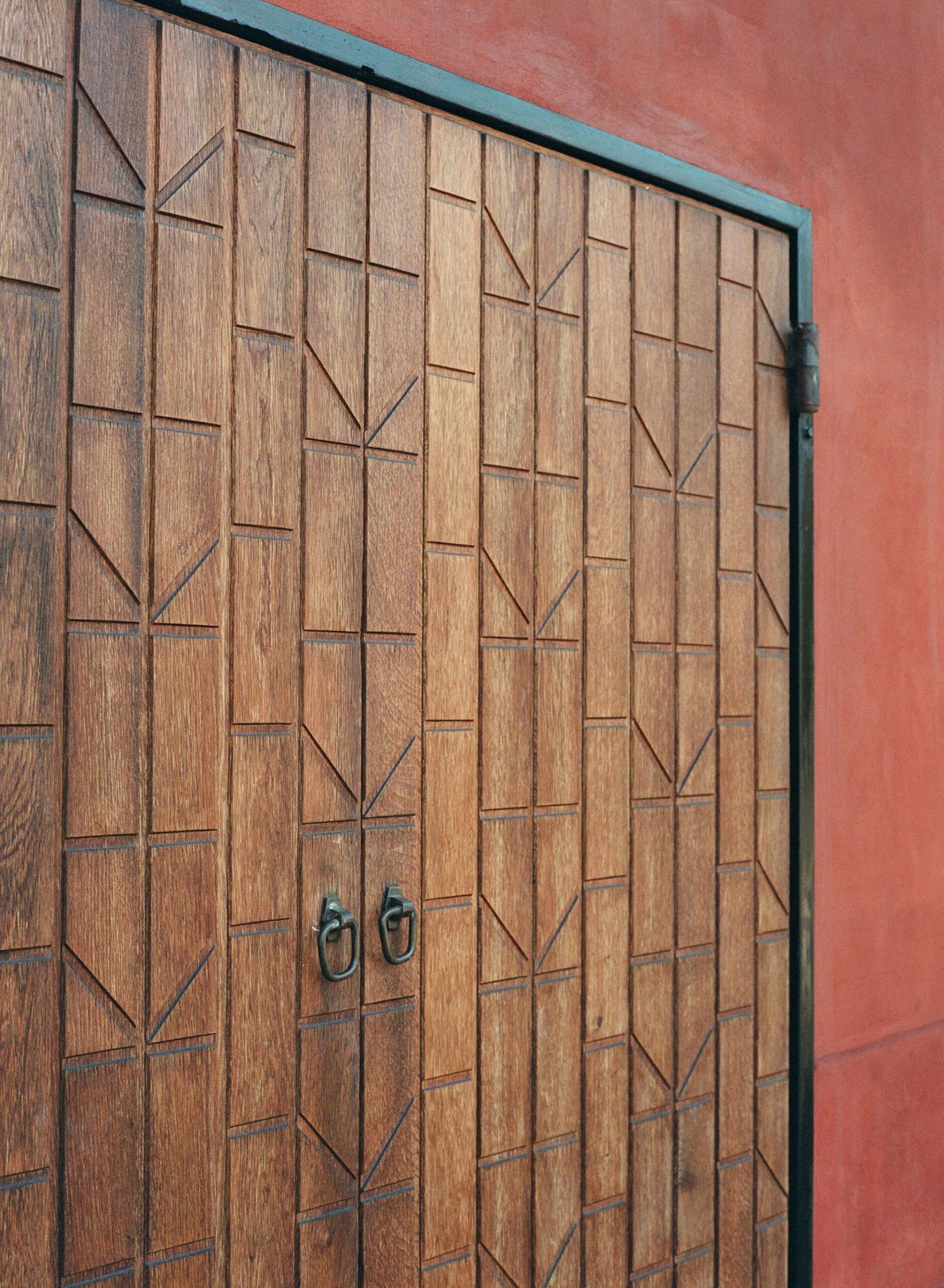
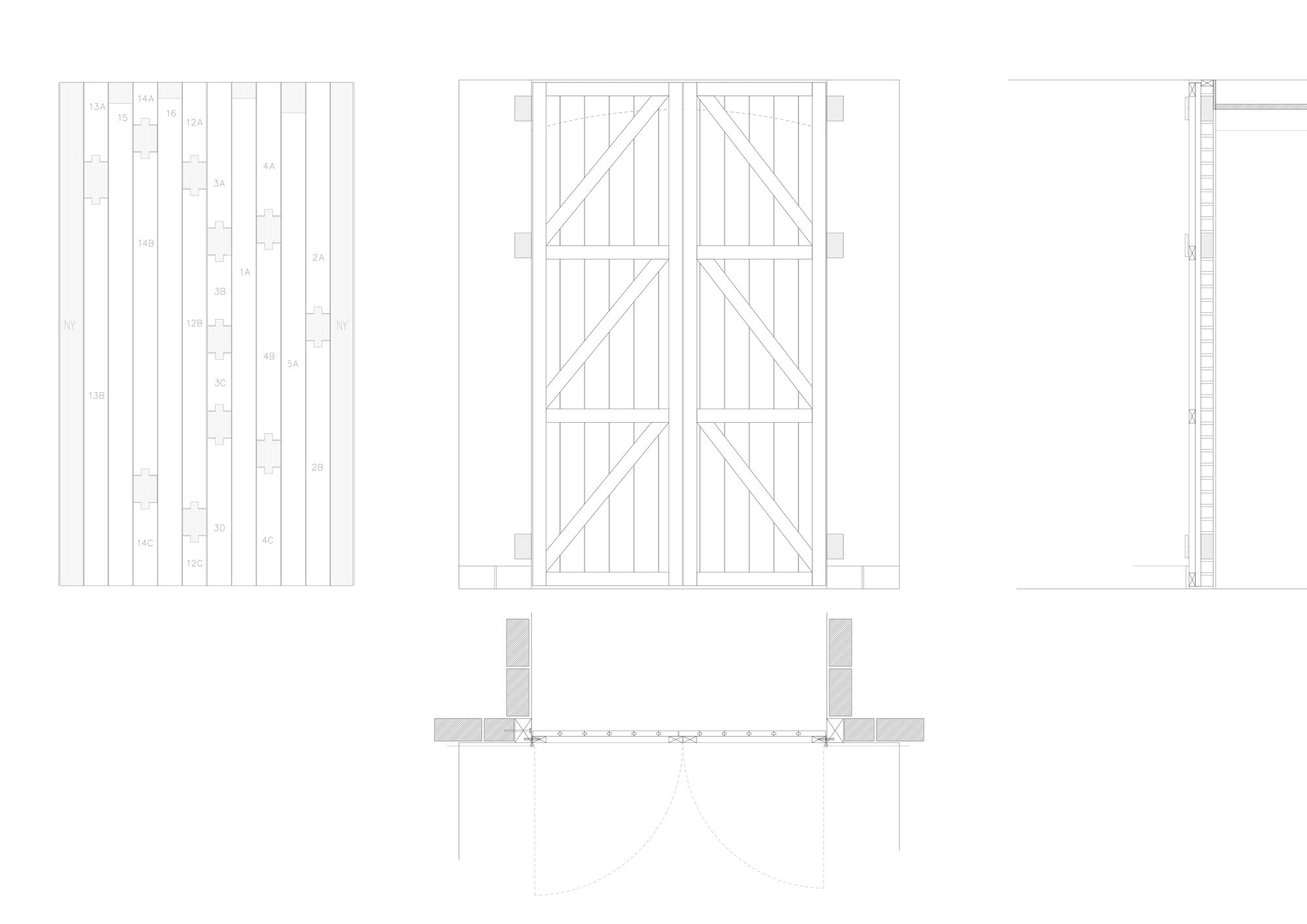
The quiet transformation – Specifically, the group has worked to enhance the building’s original qualities through small interventions. The gate’s original decoration has been converted into new functions. Damaged bricks have been repaired with visible traces that tell the story of the building’s age and wear, and the building has been limewashed and painted based on the color scheme of the original architect.
© Laura Stamer
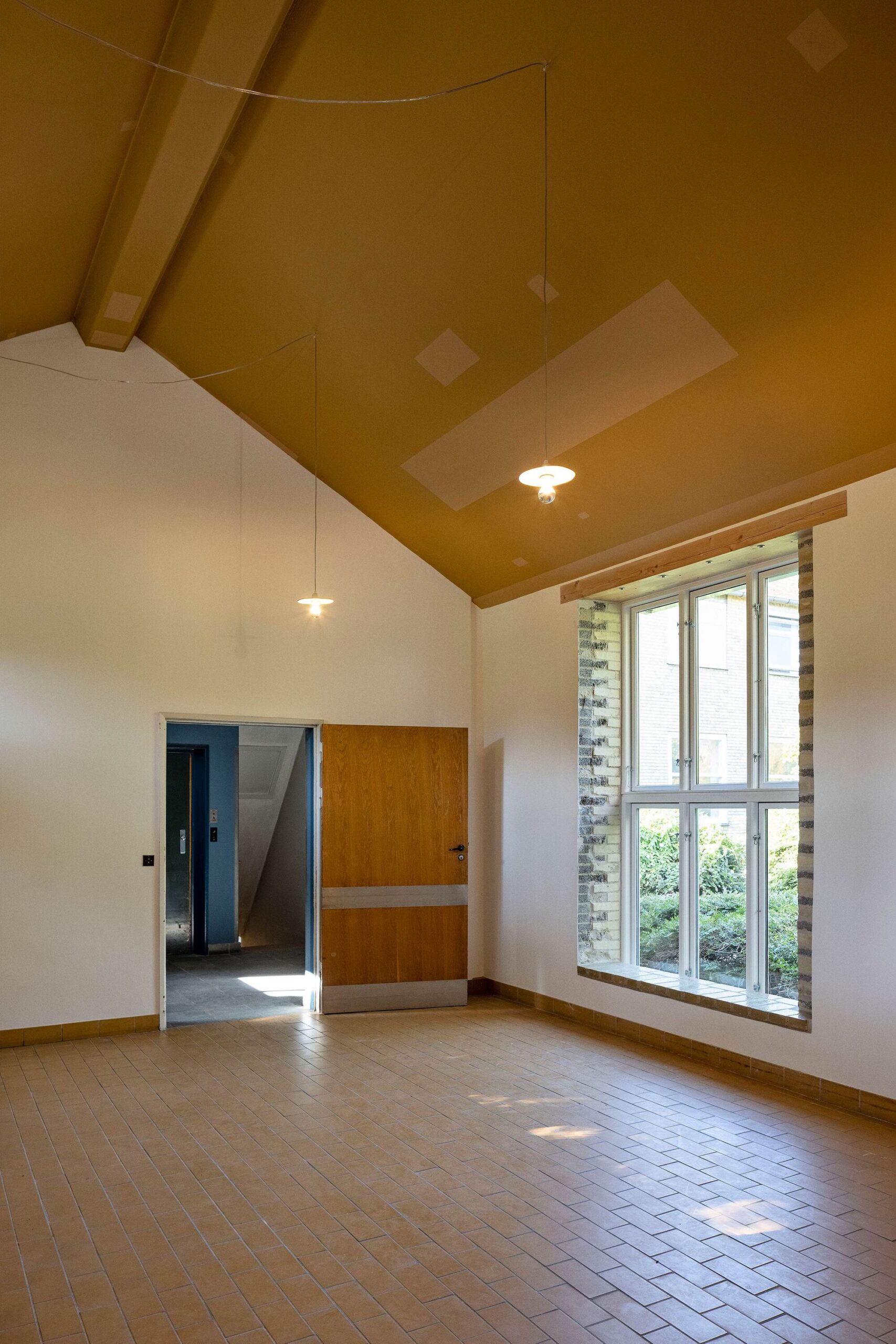
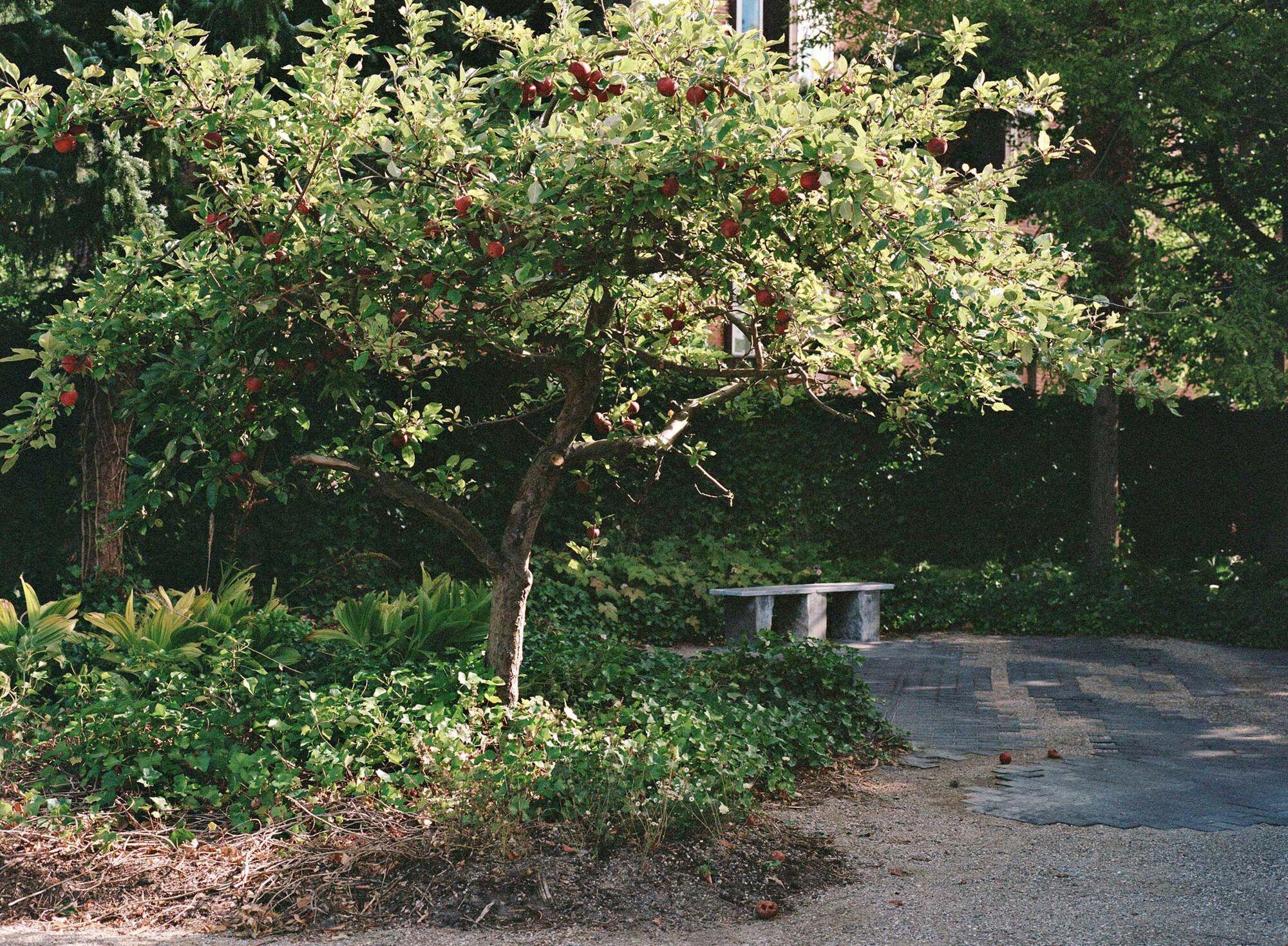
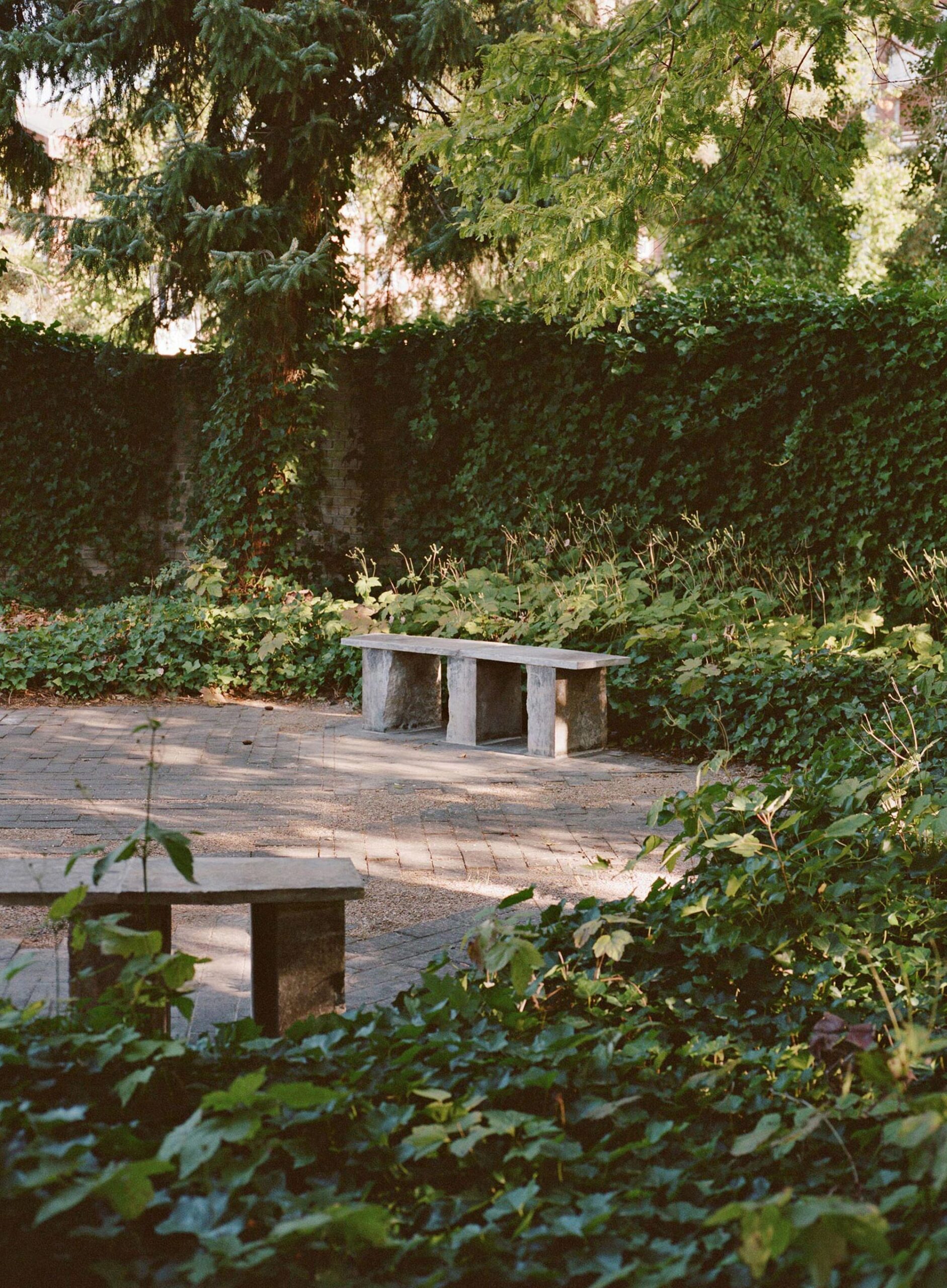
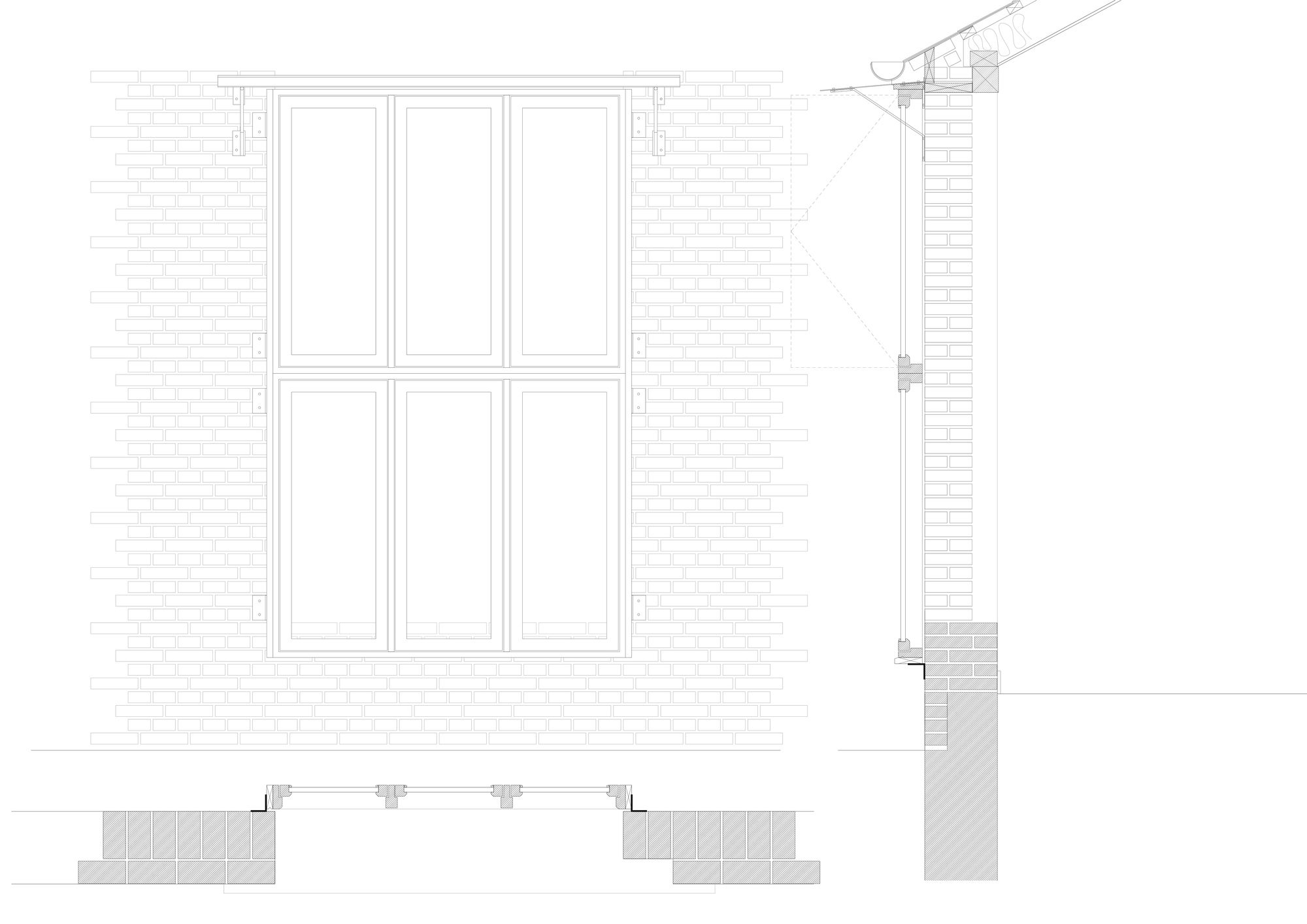
At the same time, the architecture has been made more open and inviting. A large window from a construction site in Amager has been restored and reused in the façade, allowing daylight to flood into the now decommissioned funeral preparation space. The garden has been opened to the city, and the hedge that previously demarcated the private area has been removed to make room for new connections and encounters.
© Laura Stamer
The people behind The Chapel Retold – Sustainable transformation requires thorough analysis of the existing assets, the state of the building, its natural breathability, architectural qualities, and its interaction with nature and the surrounding environment. Such analyses call for a collective and interdisciplinary approach. The transformation of the former chapel on the Frederiksberg Hospital site is being realised through close collaboration between architects, artists, and artisans.
© Laura Stamer
Part of a wider initiative – The Chapel Retold is part of the initiative Agenda Earth, a project which envisions the built environment and landscapes of the future, presenting new possibilities in words and images. The initiative is run by the Danish Association of Architects and developed in collaboration with the Foundation Dreyers Fond. It is supported by the foundation Dreyers Fond. The project is also supported by the Danish Arts Foundation, and the foundations Bestles Fond, Knud Højgaards Fond, and Aage and Johanne Louis-Hansens Fond.
Project Info
Architects: The Danish Association of Architects
Country: Denmark, Copenhagen
Area: 300 m²
Year: 2025
Photographs: Laura Stamer
Curator, Art Historian And Ph D: Marianne Krogh
Curator, Architect Maa: Sidsel Hodge
Architects From A Part Of Sum: Emilie Boye Kjær, Philip Lütken, Laurids Bager
Construction Management: Emilie Boye Kjær, A Part of Sum
Architects From Verna: Nanna Kley, Frederik Koefoed
Architects From Hahn Lavsen: Ebbe Lavsen, Caroline Hahn
Visual Artist: Rasmus Søndergaard Johannsen
Writer And Cultural Geographer: Emmy Laura Pérez Fjalland
Visual Artist And Carpenter: Line Hvidbjerg
Architect And Bricklayer Apprentice: Lasse Buus
Ceramicist: Karoline Bach Larsen
Tapestry Weaver: Marianne Noer
Facade Work: NordSten Aps
Shutters: HP Byg
General Contractor: TB Byg & Entreprise ApS

Madeline Brooks is a Projects Editor at Arch2O, where she has been shaping and refining architectural content since March 2024. With over a decade of experience in editorial work, she has curated, revised, and published an array of projects covering architecture, urbanism, and public space design. A graduate of the Harvard University Graduate School of Design, Madeline brings a strong academic foundation and a discerning editorial eye to each piece she oversees. Since joining Arch2O, she has played a pivotal role in shaping the platform’s editorial direction, with a focus on sustainability, social relevance, and cutting-edge design. Madeline excels at translating complex architectural ideas into clear, engaging stories that resonate with both industry professionals and general readers. She works closely with architects, designers, and global contributors to ensure every project is presented with clarity, depth, and compelling visual narrative. Her editorial leadership continues to elevate Arch2O’s role in global architectural dialogue.