

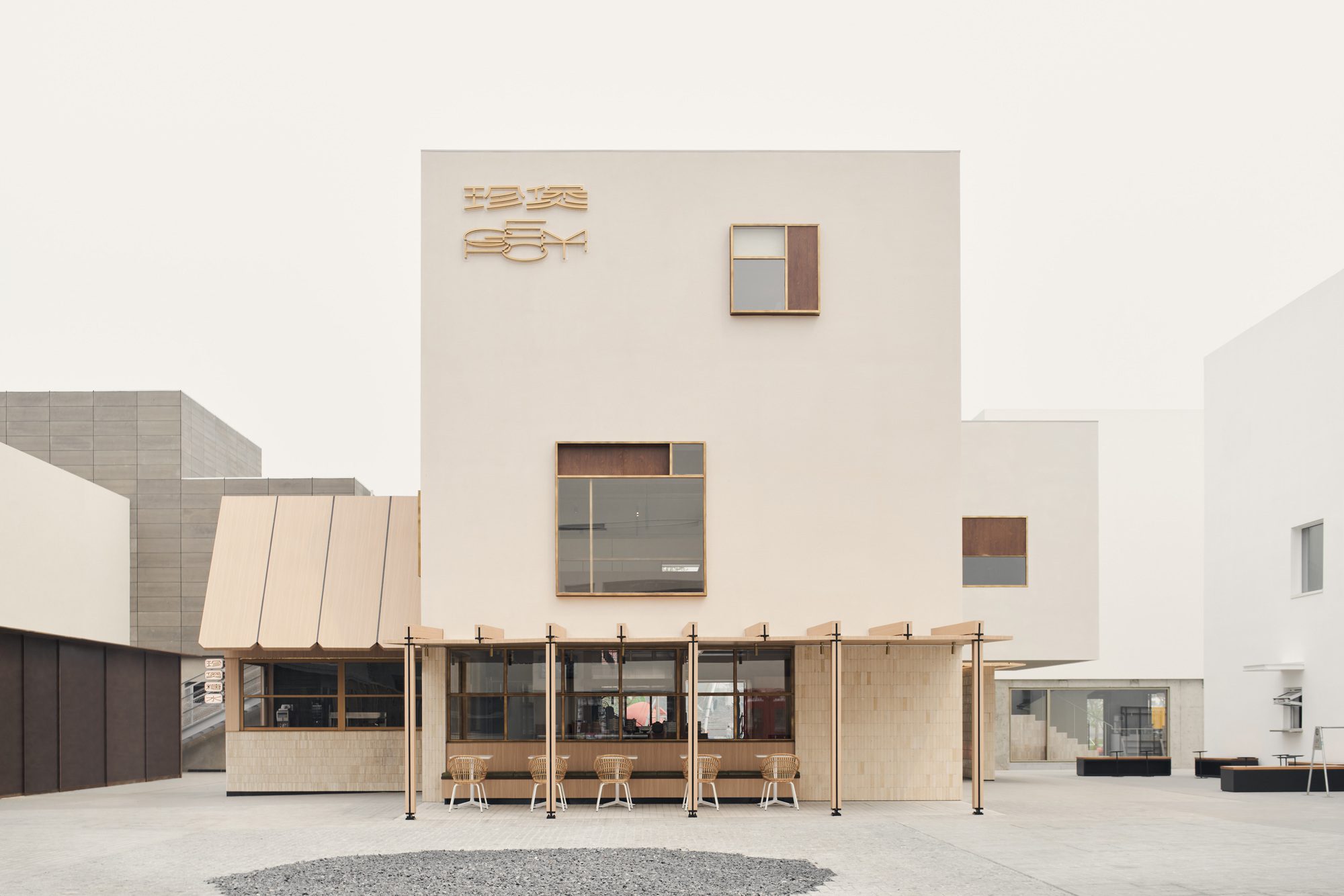
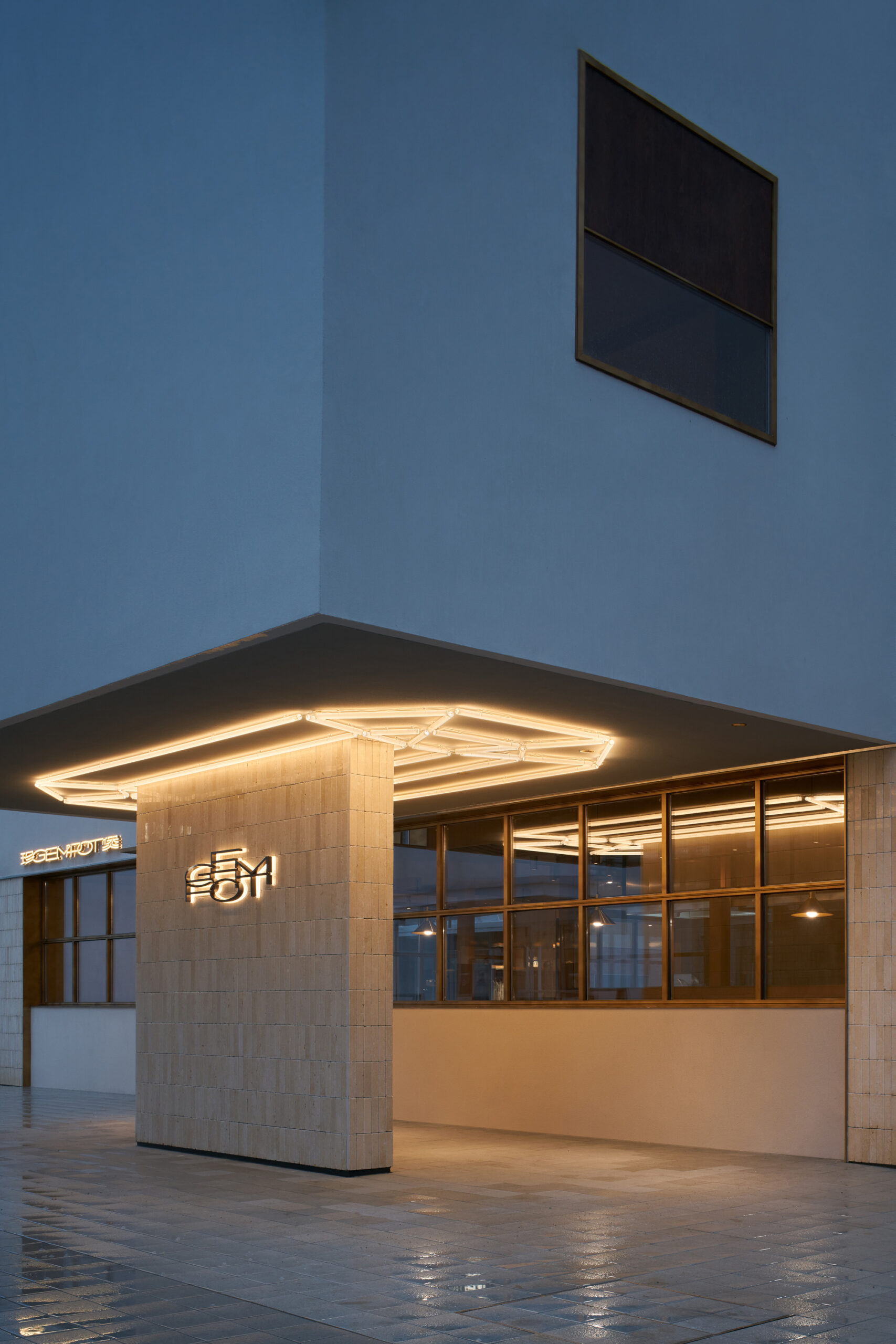
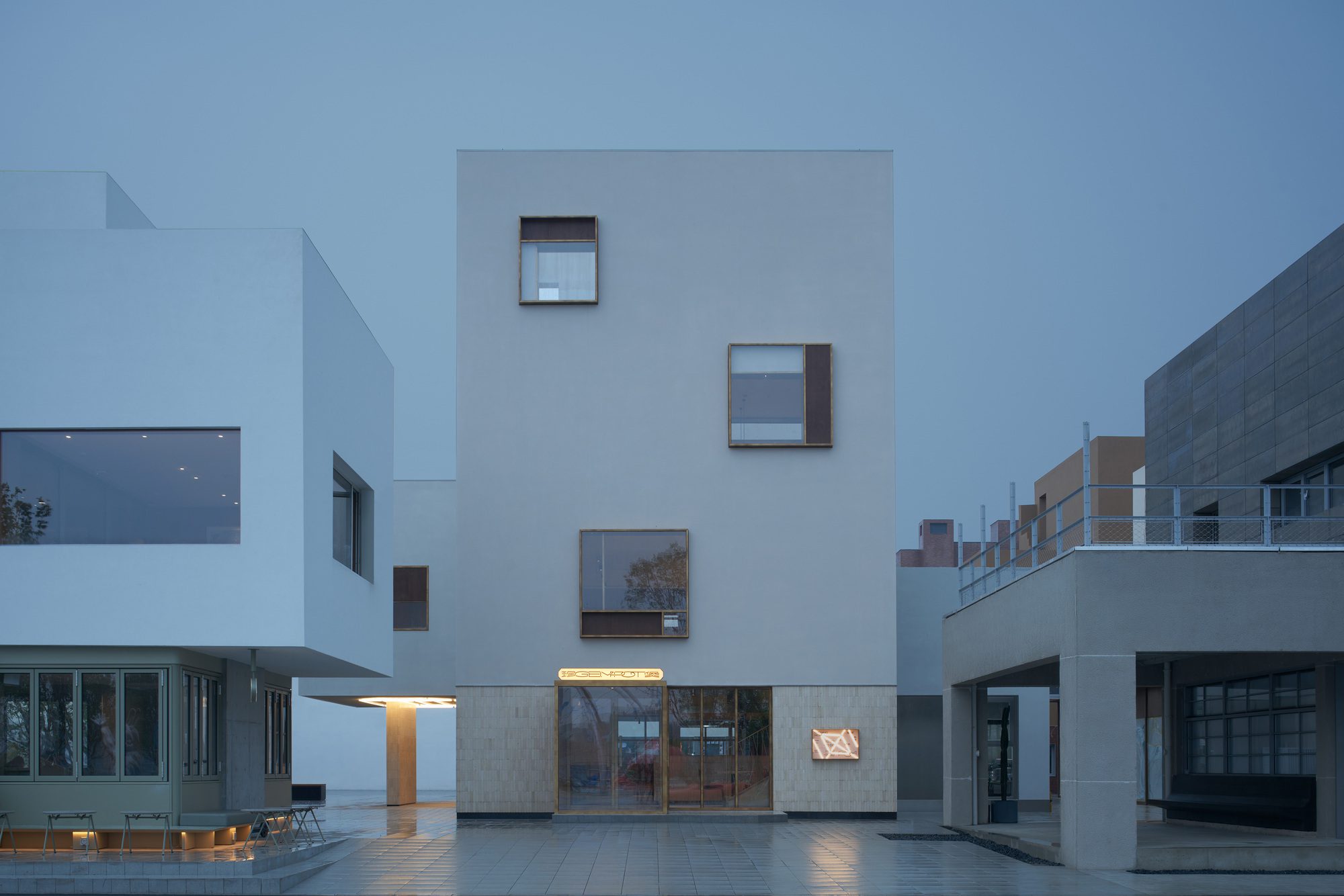
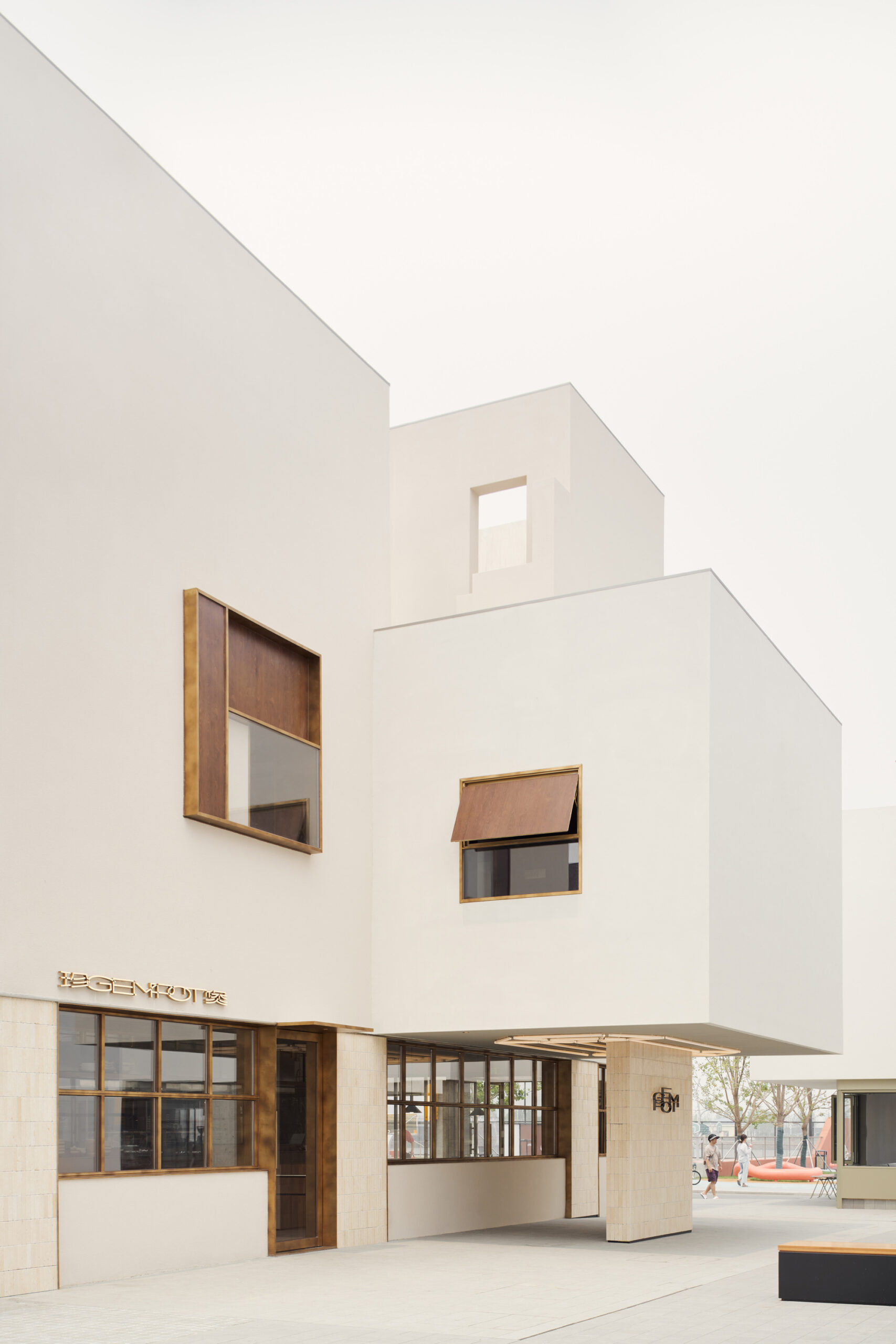
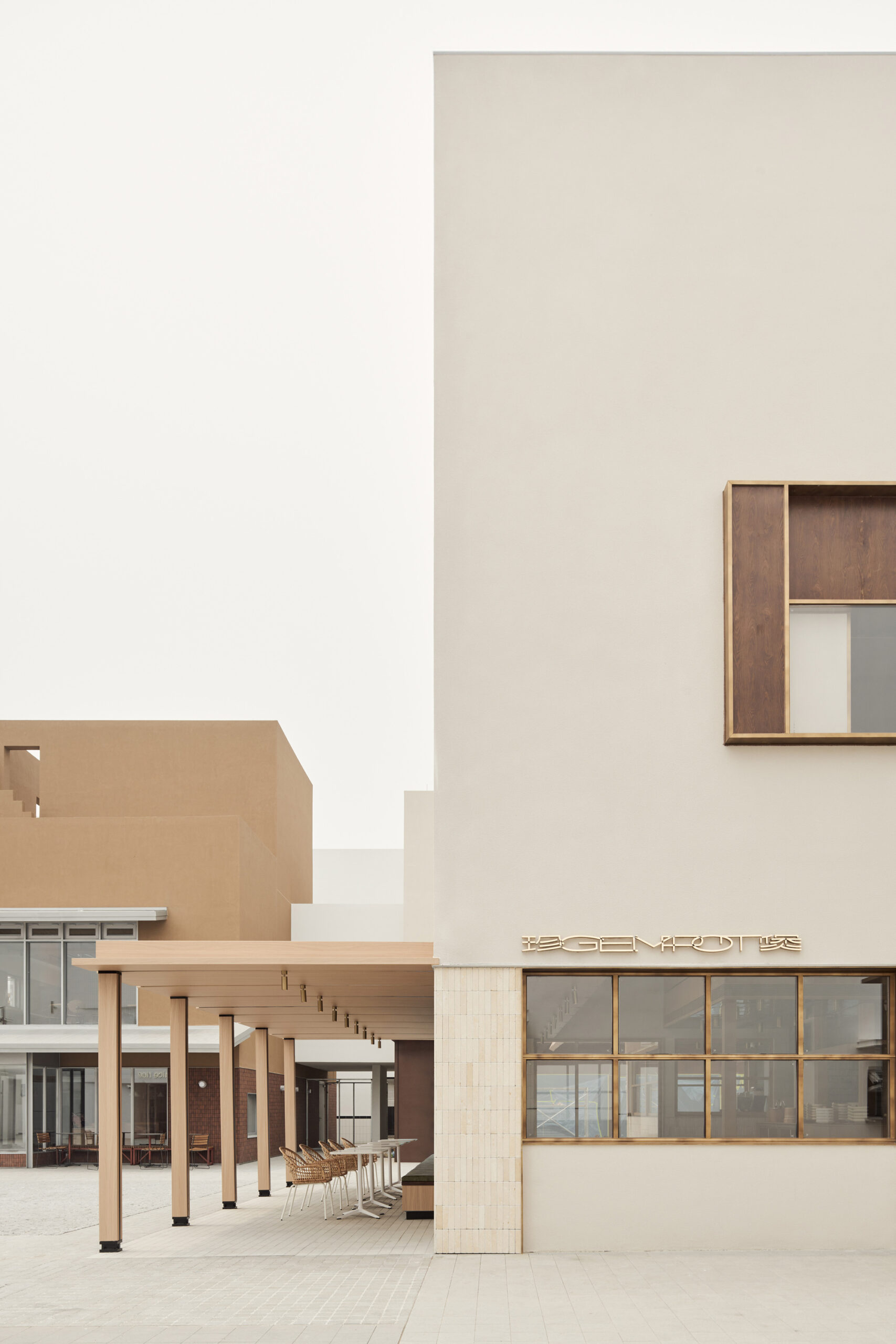
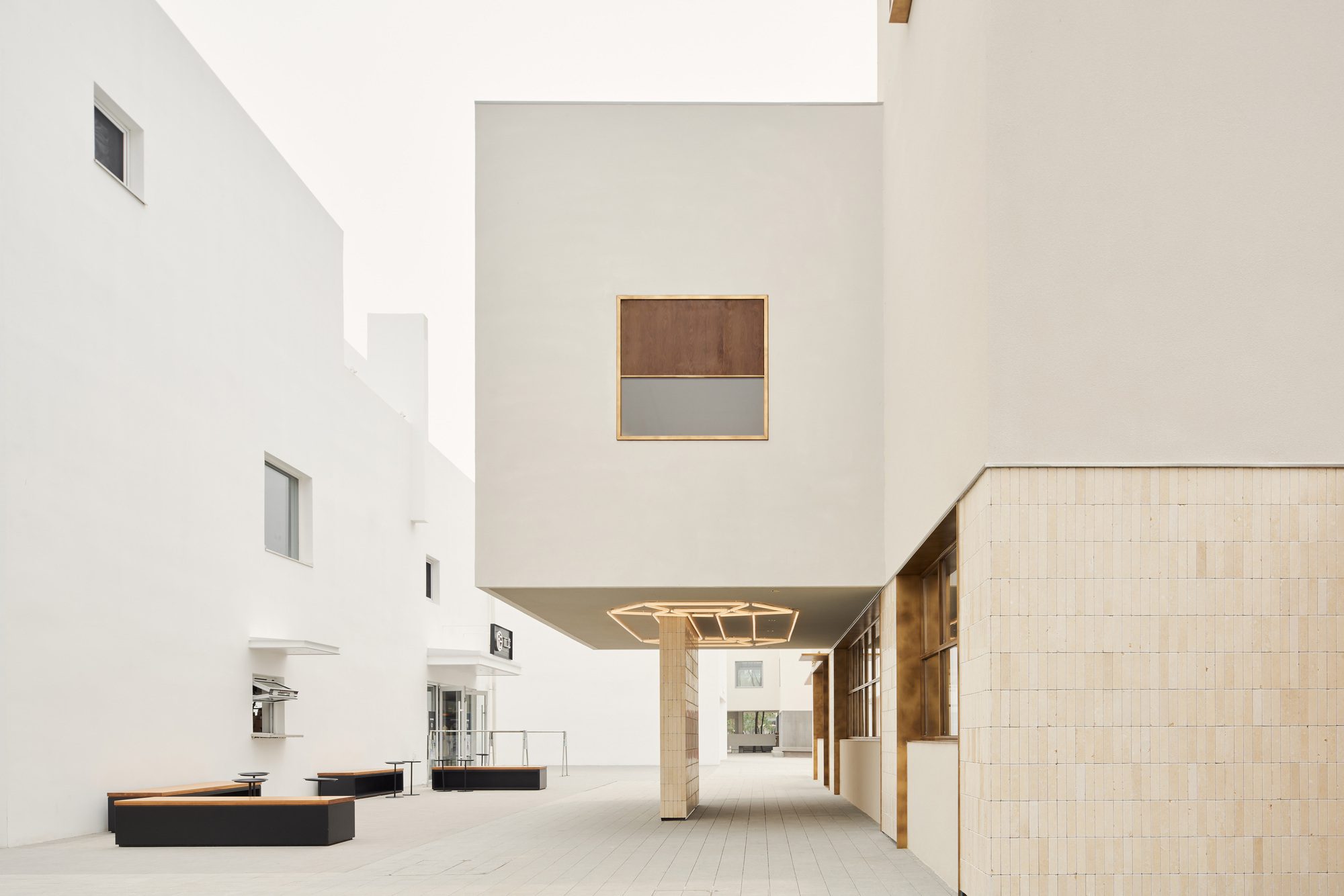
GEMPOT is located in the new community of Anaya’s North Shore. Positioned on the expansive riverbank, the restaurant overlooks serene waters. Just a few steps behind the river, in contrast to the vibrant streets, stands a collection of 12 contemporary and futuristic buildings. These low-rise white architecture are arranged in an artfully staggered manner, creating a subtle, almost ethereal beauty. Visitors wander through the area, curiously exploring the diverse boutique shops and restaurants hosted within the architecture, evoking the feeling of strolling through a mysterious and delightful Curio box. The restaurant is like a carefully concealed gem, with only glimpses of its intriguing architectural details visible from various angles, sparking curiosity. As one turns a corner, as if a secret is being unlocked, revealing the delightful culinary surprises hidden within.
© Junning Yang
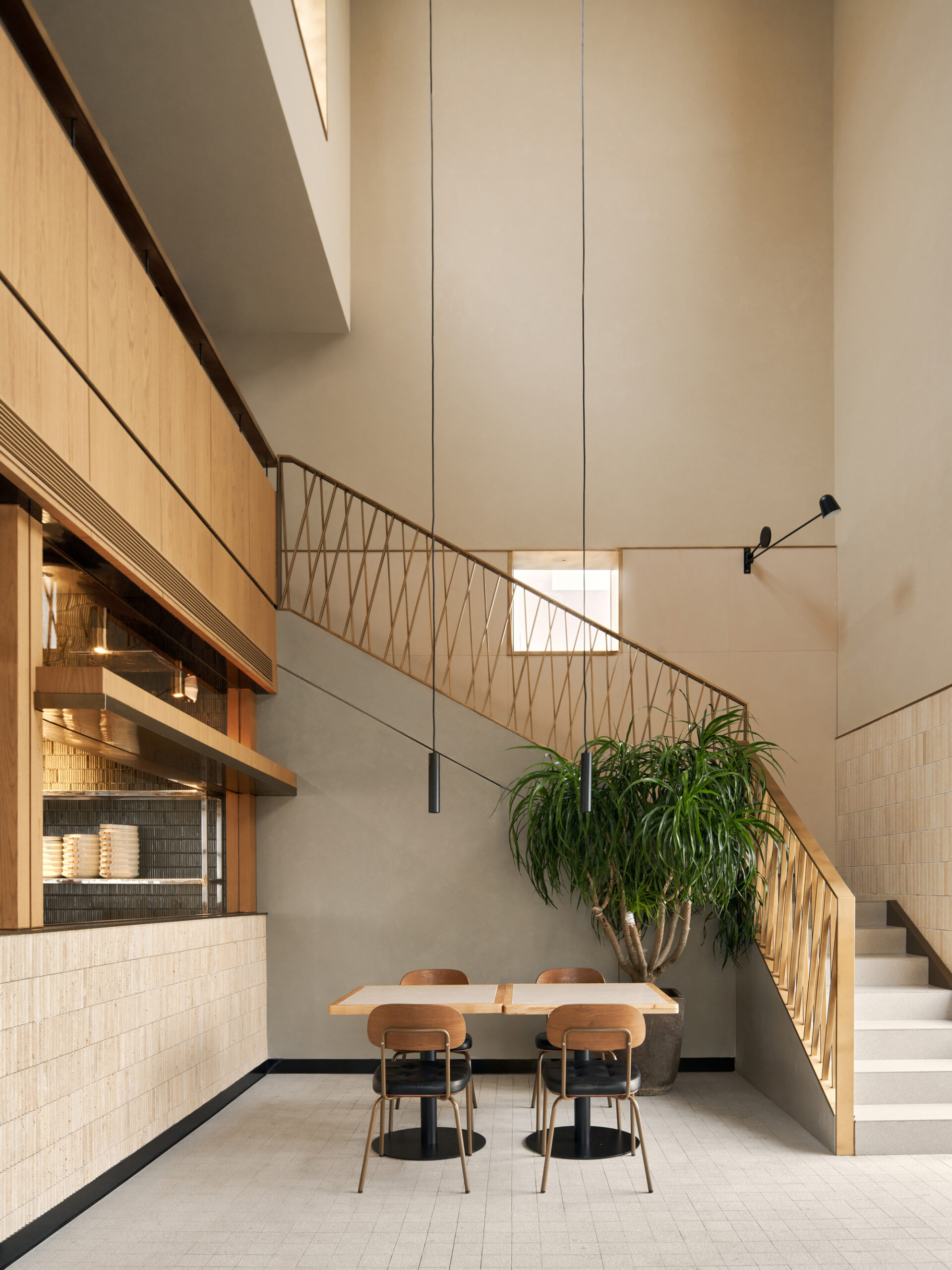
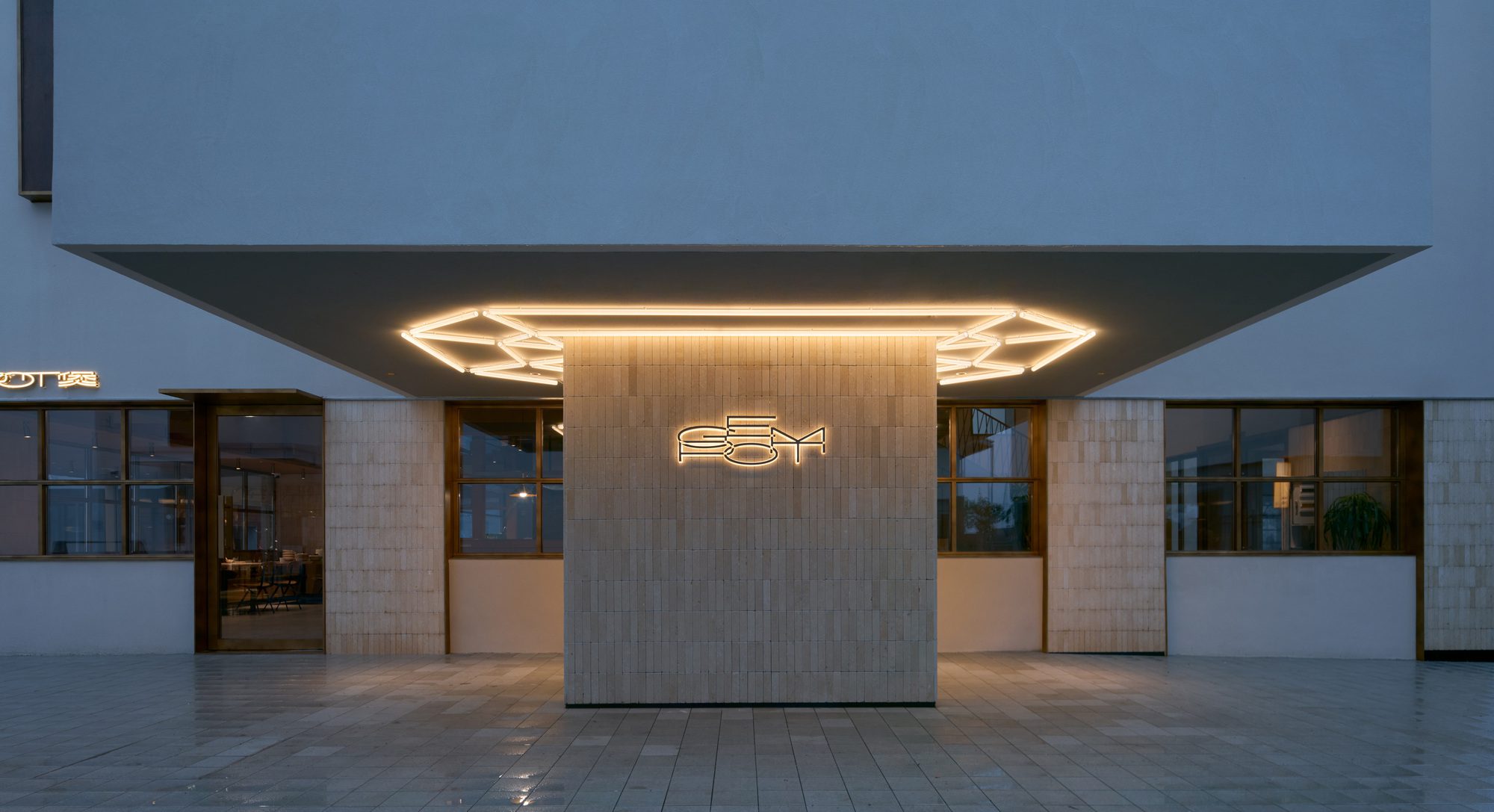
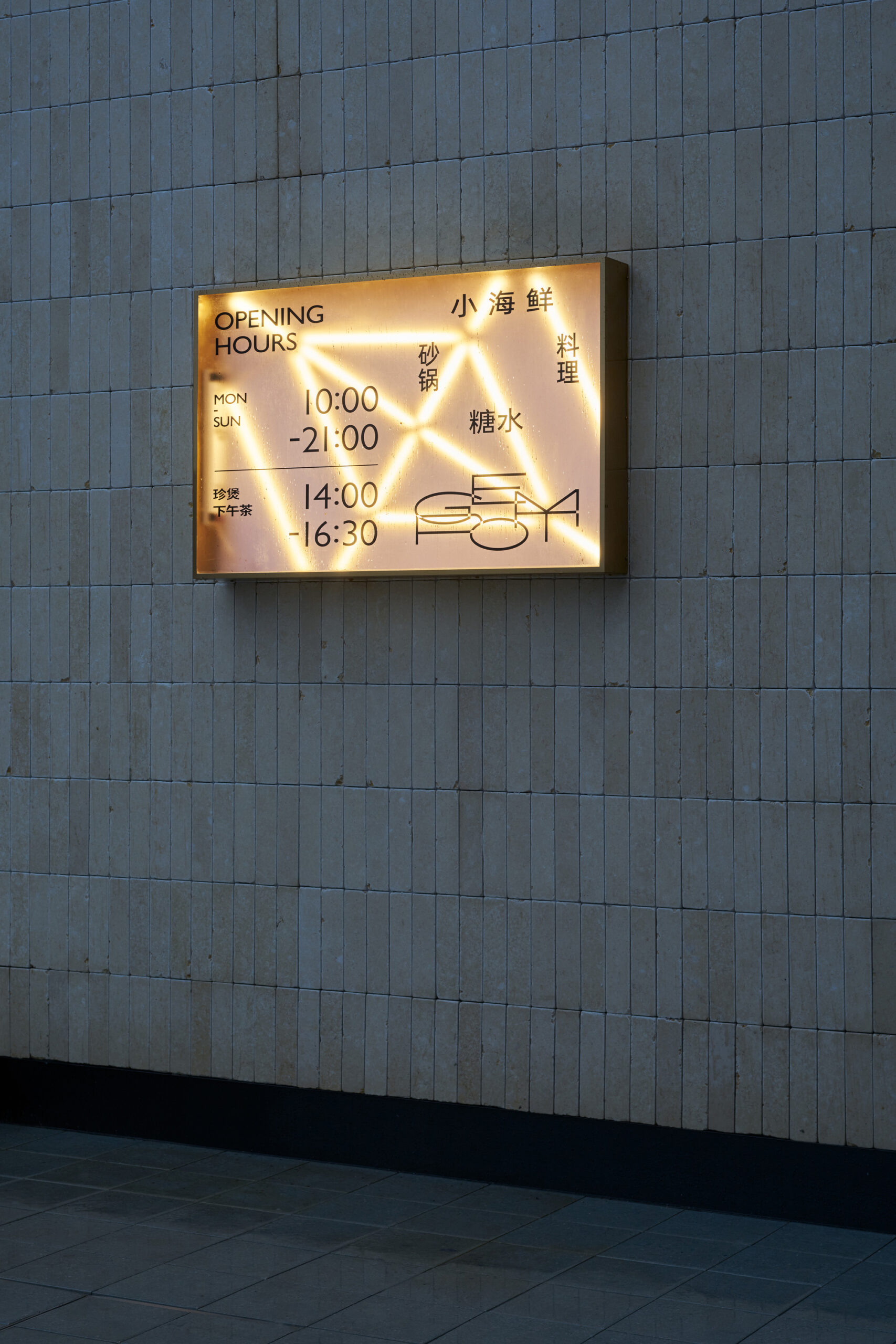
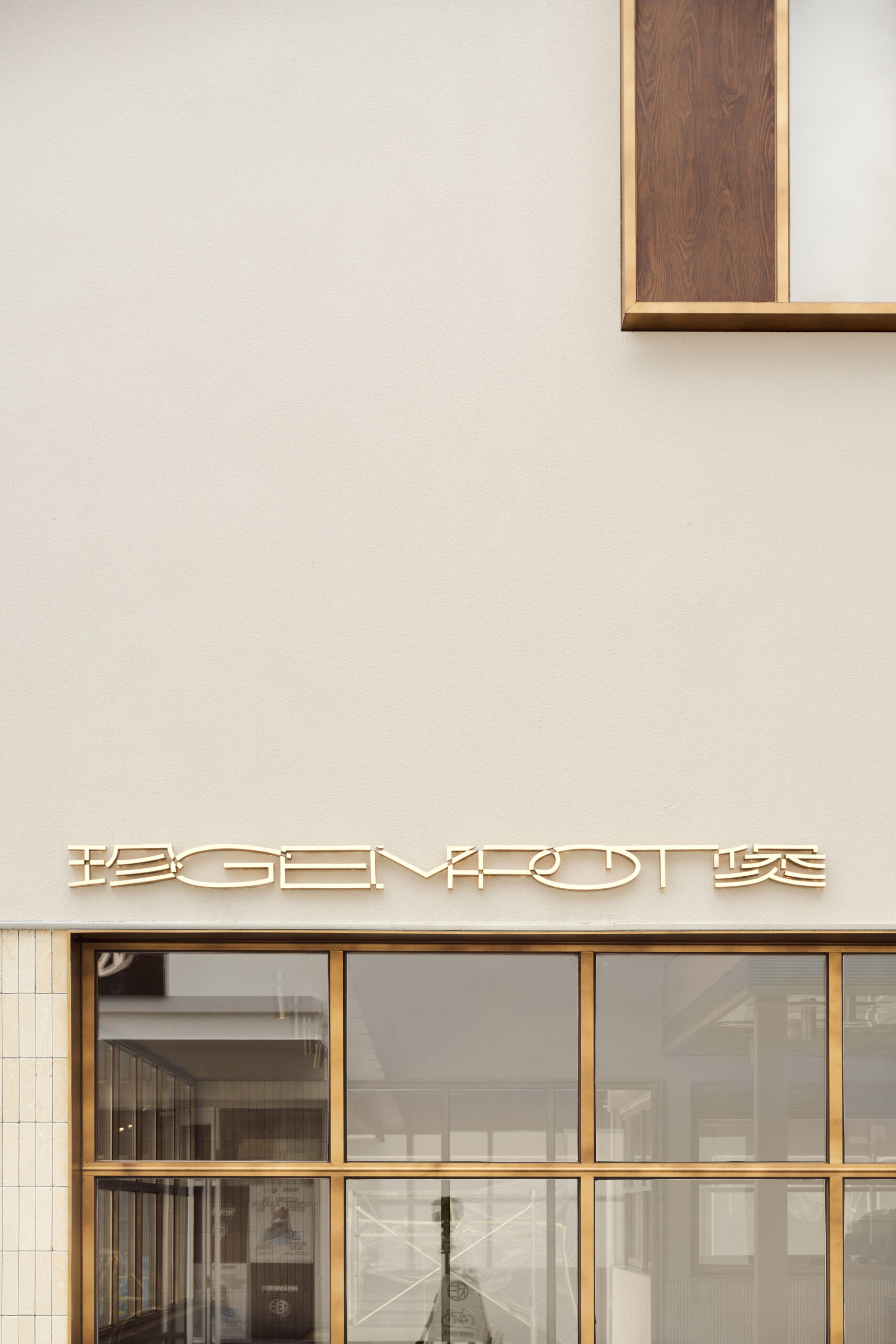
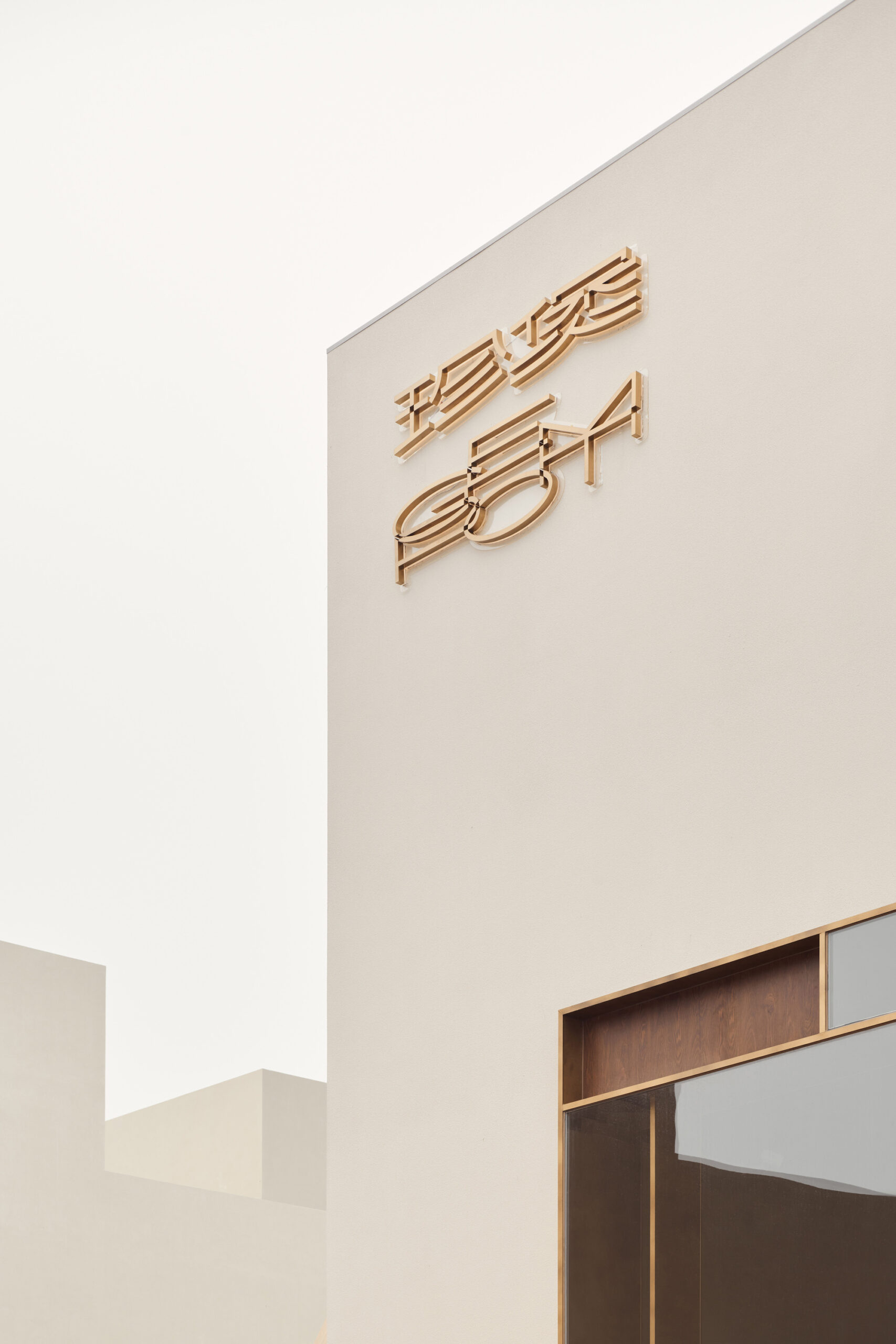
The name GEMPOT is inspired from the concept of treasures. The design strategy is based on the idea of delicacies from land and sea, in the form of precious jewels and pearls. We distilled the beauty of the shapes and textures of ancient treasure artifacts into graphic elements, seamlessly integrating them into the brand identity and spatial design.
© Junning Yang
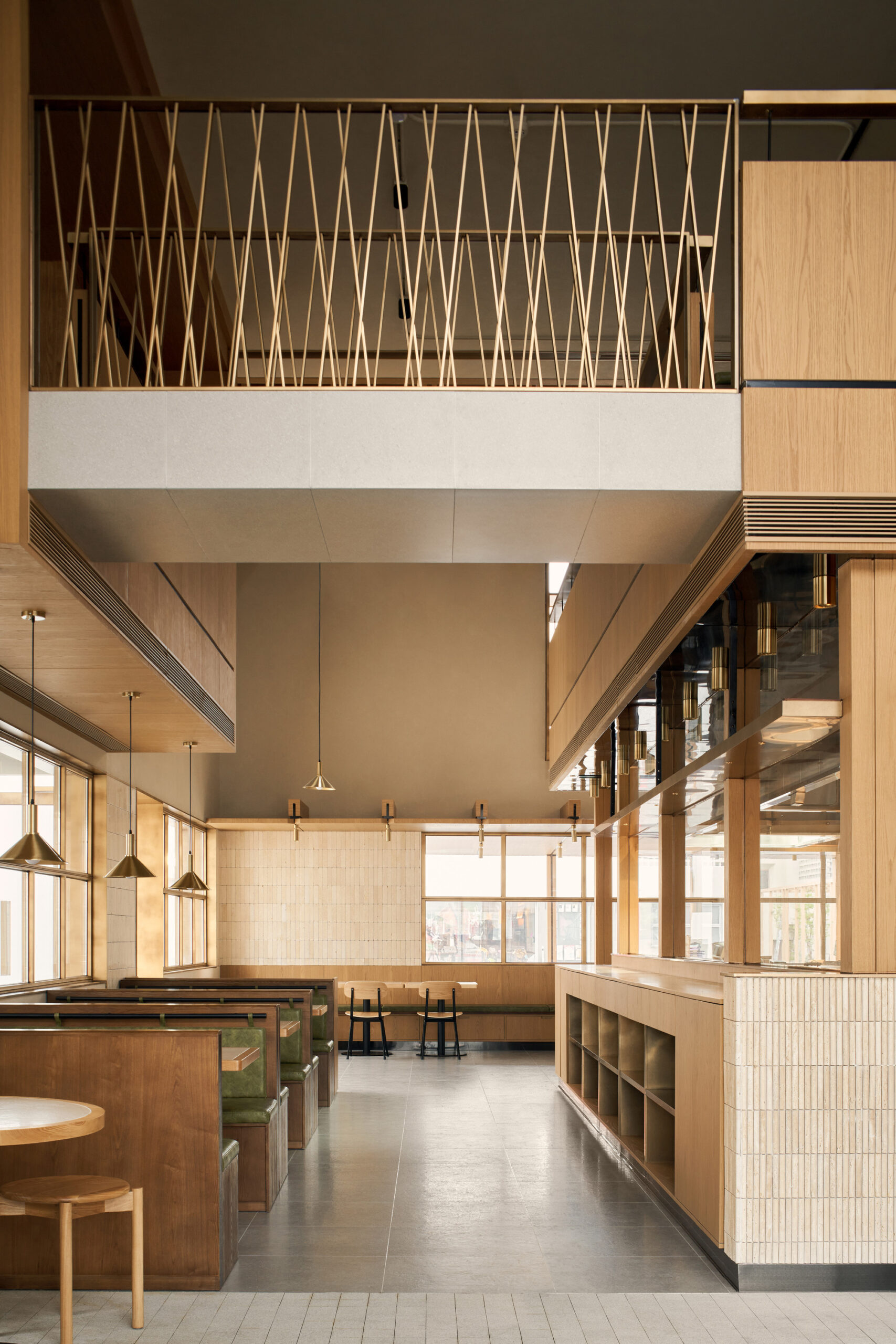
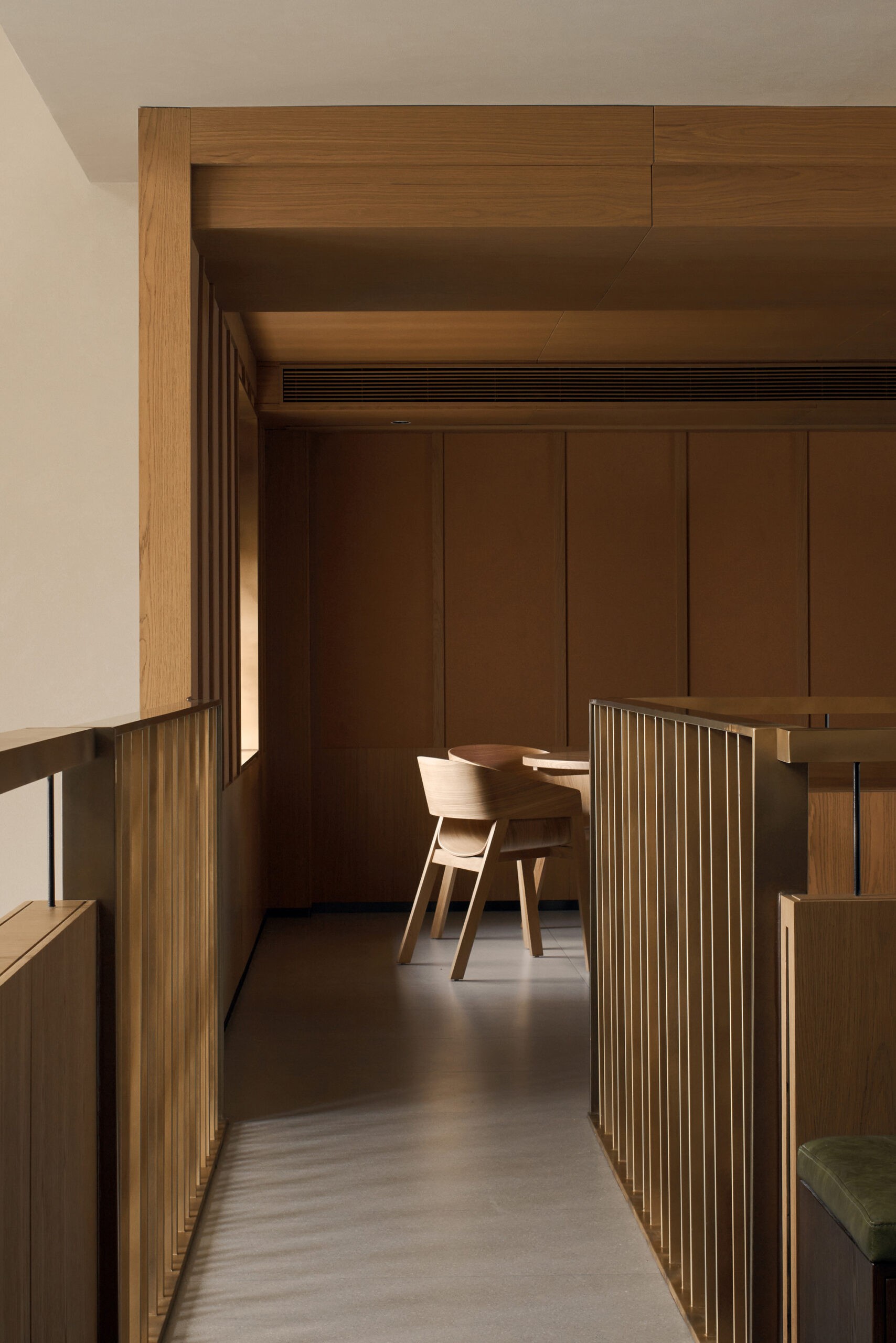
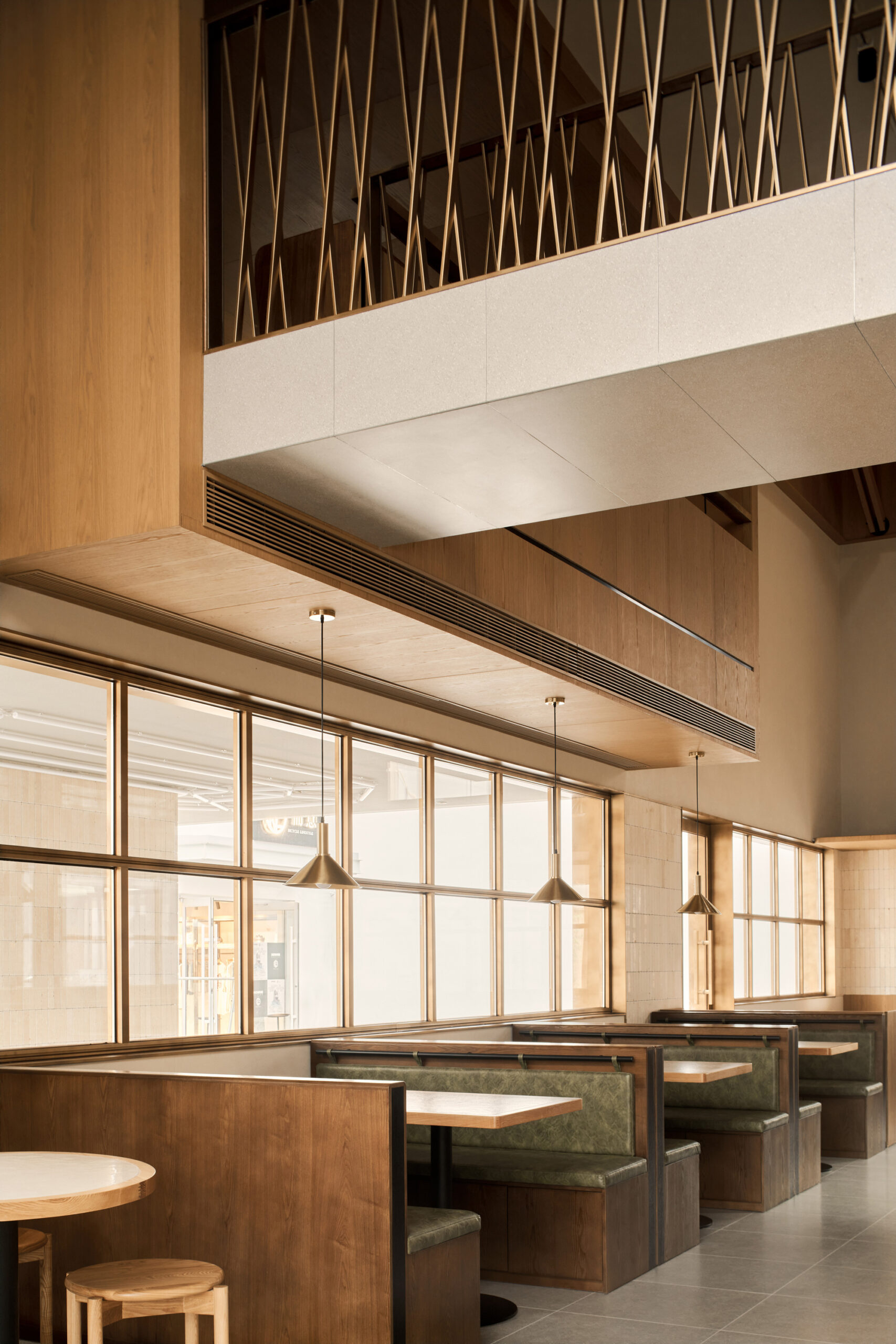
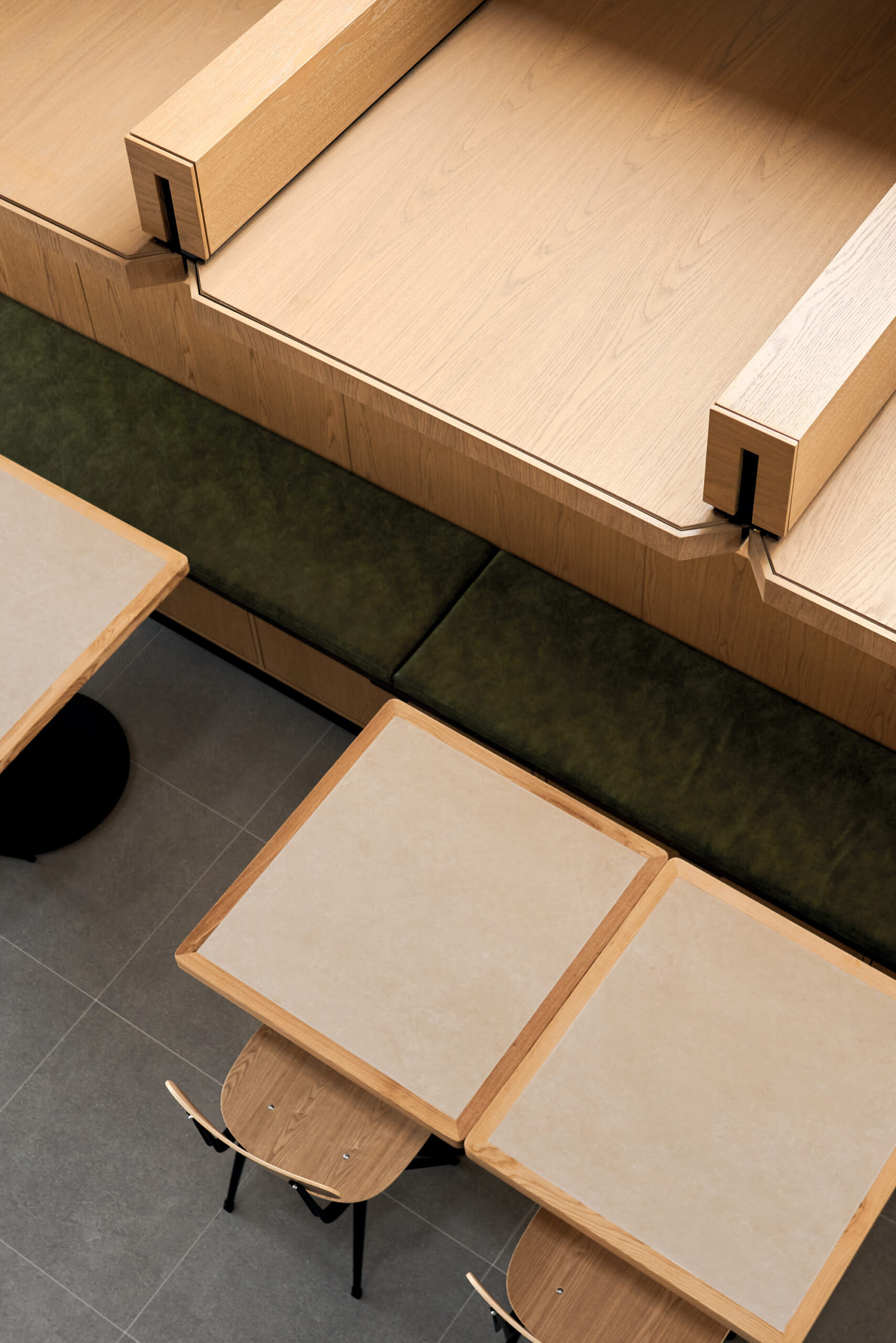
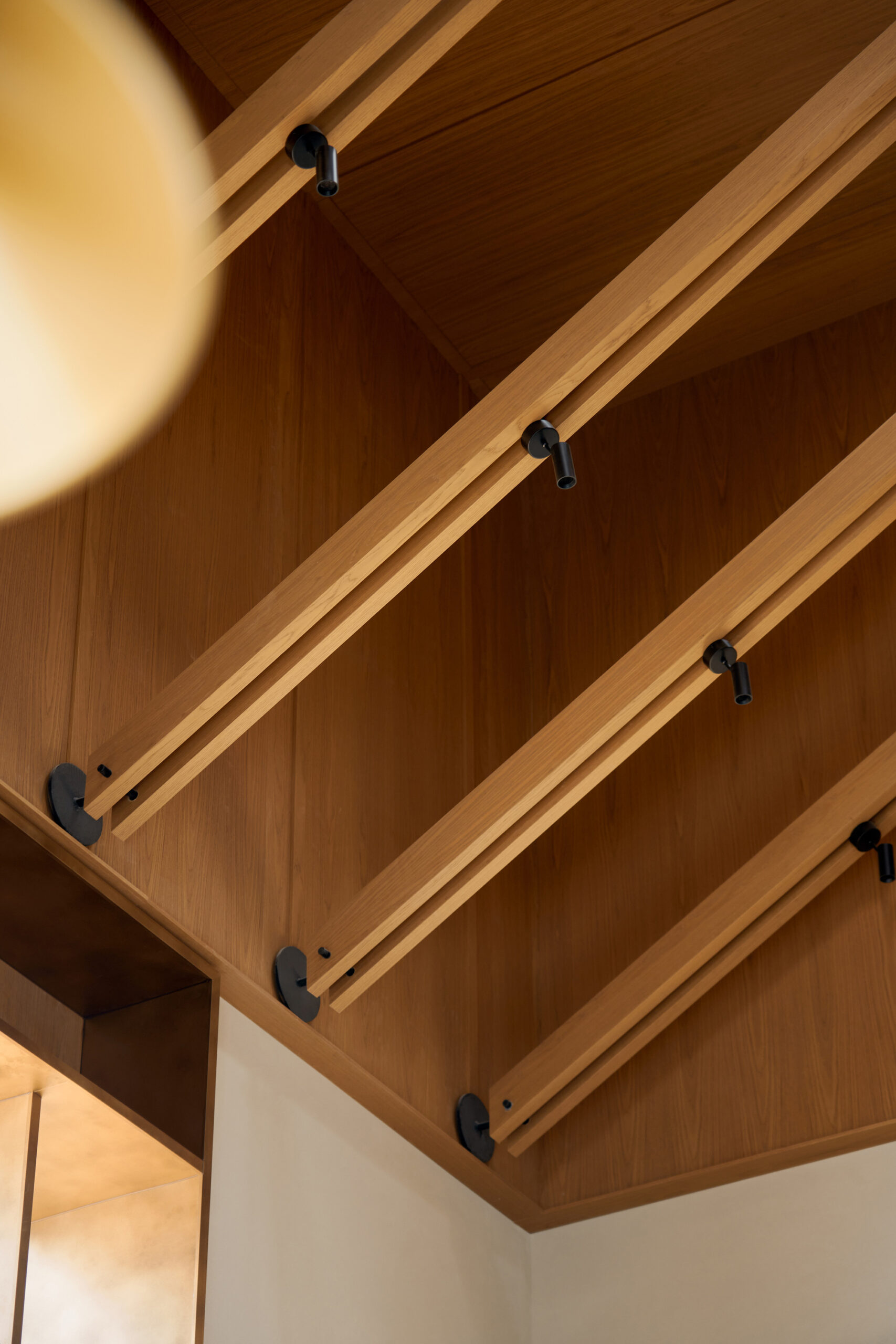
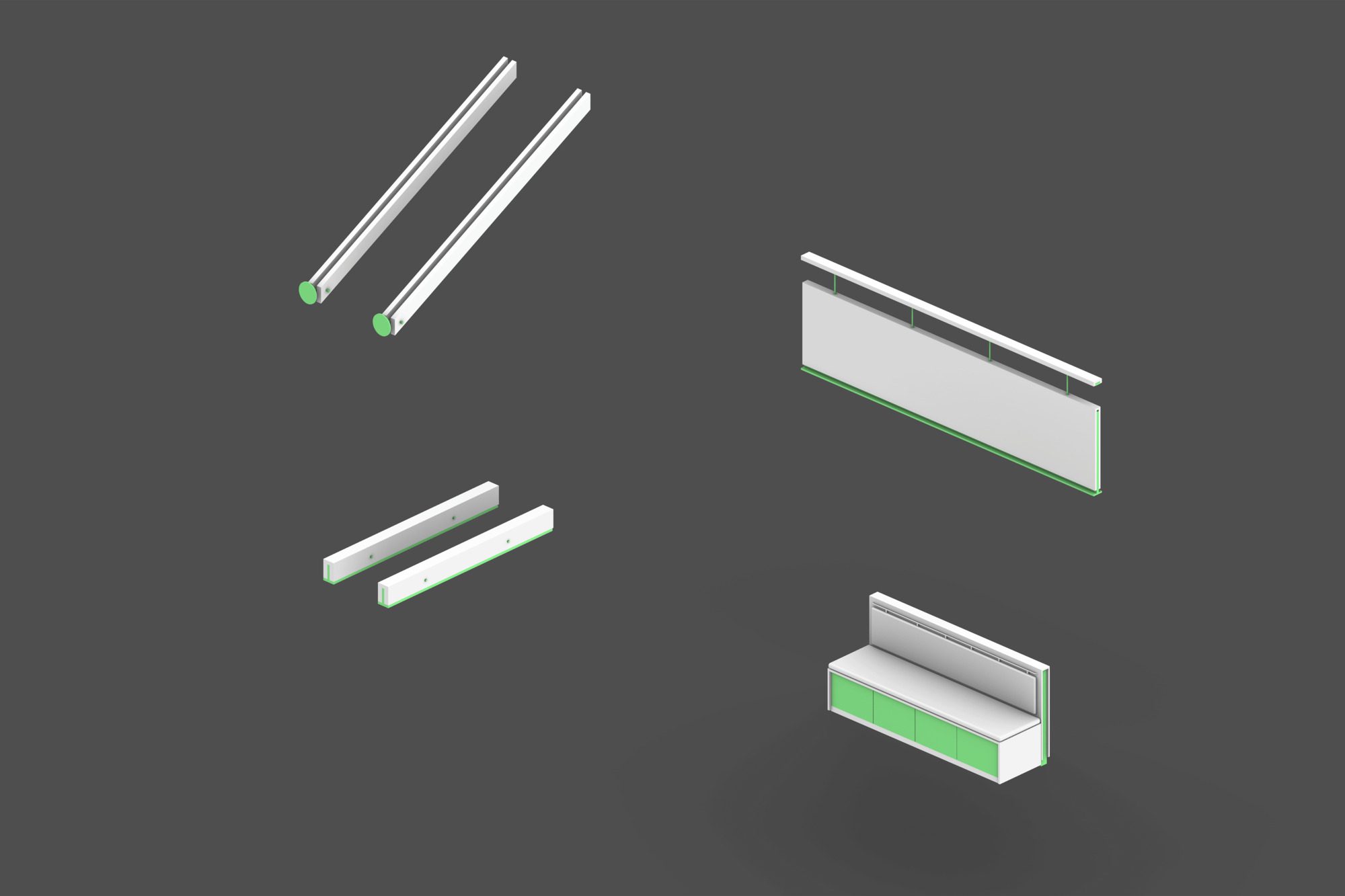
The spatial design extends the concept of the Curio box to a richer and more varied scale. Much like the Curio box’s delightful and surprising way of opening, with its intricate and layered spatial relationships, a box measuring 28×32 cm can house dozens of precious treasures. By incorporating numerous drawers, sliding doors, and flipping mechanisms, meanwhile creating apertures with artistic shapes, the design emphasizes the process of opening, discovering, handling, and storing treasures. This process is made exceptionally refined, all built upon the foundation of meticulous craftsmanship.
© Junning Yang
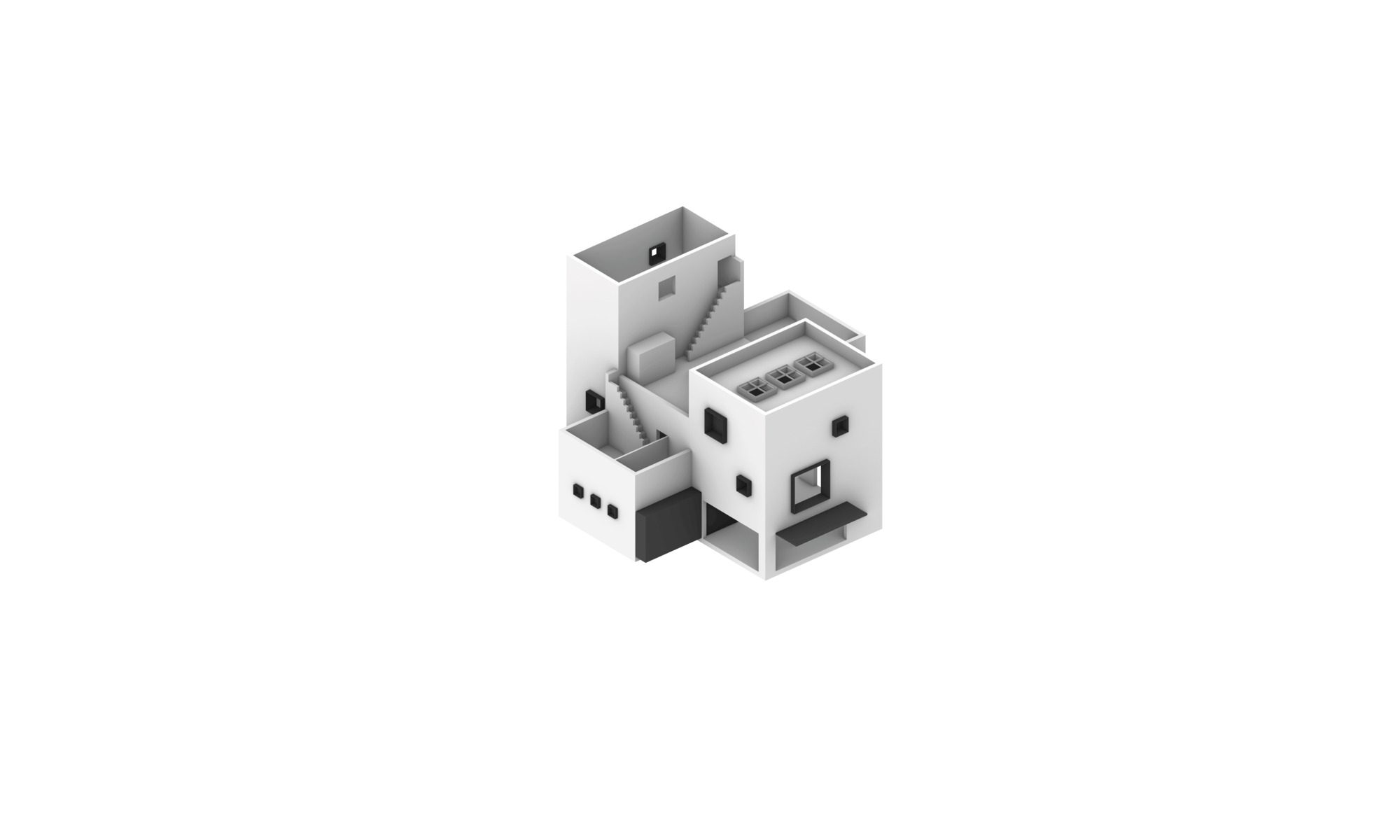
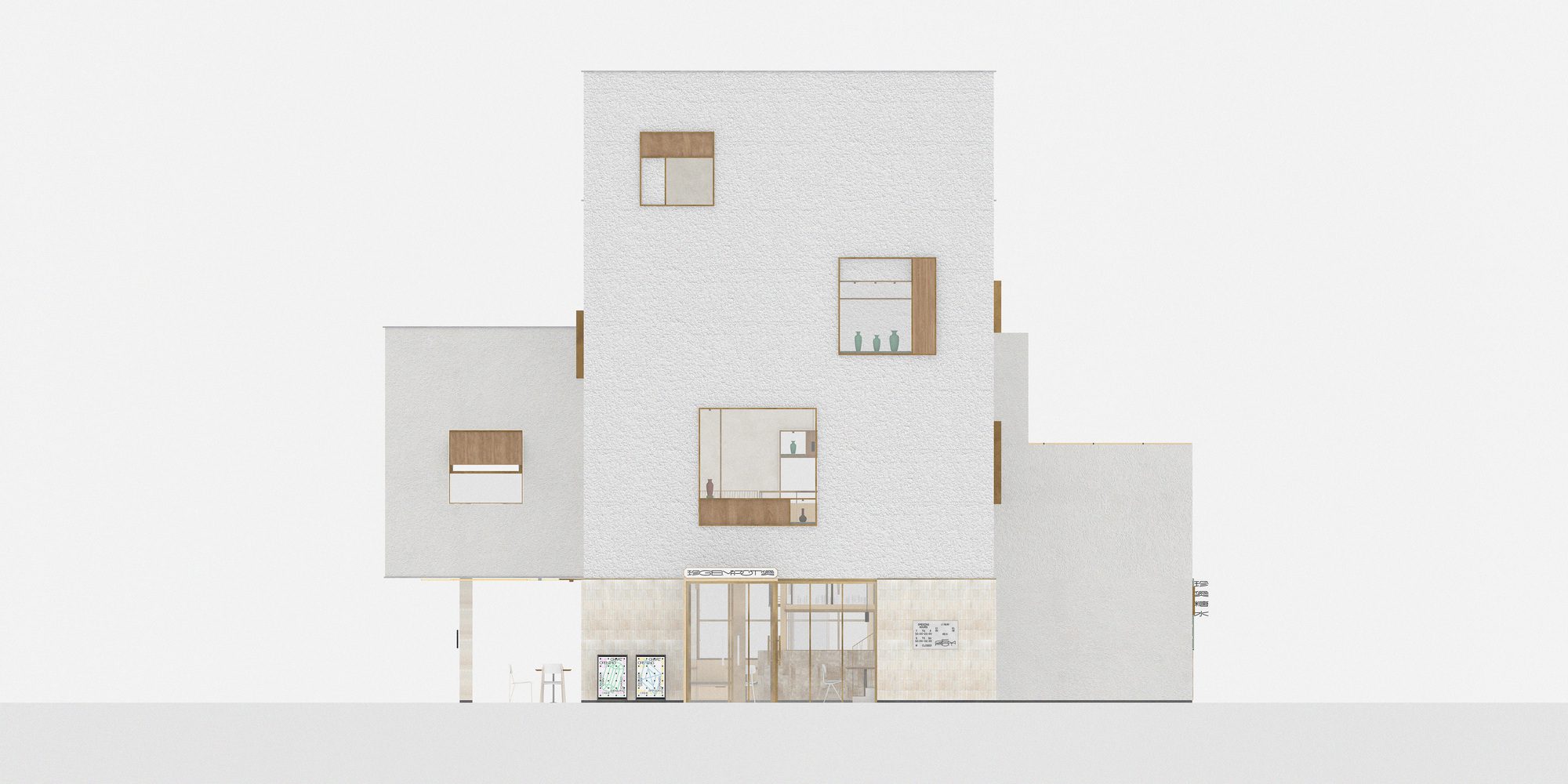
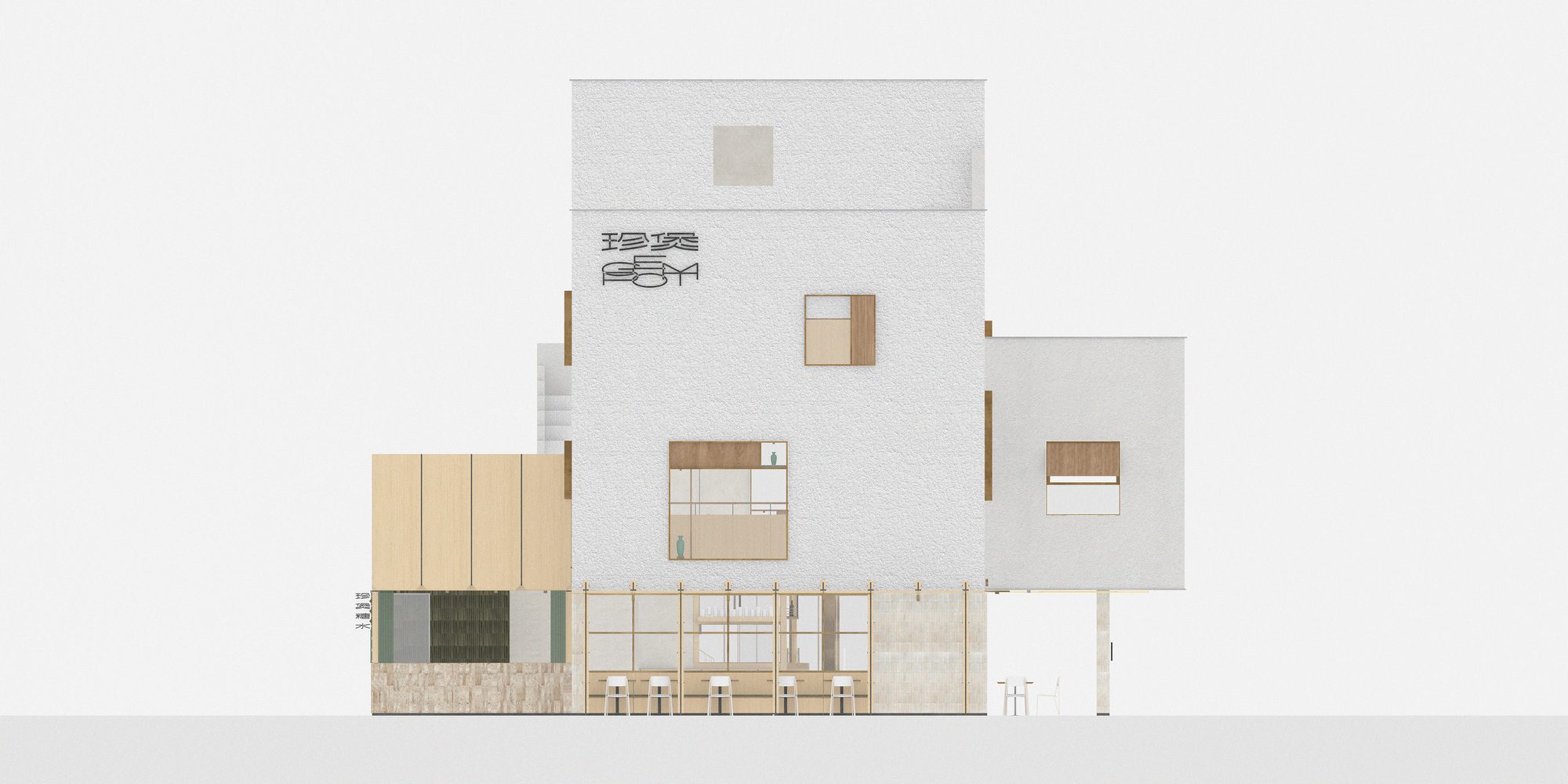
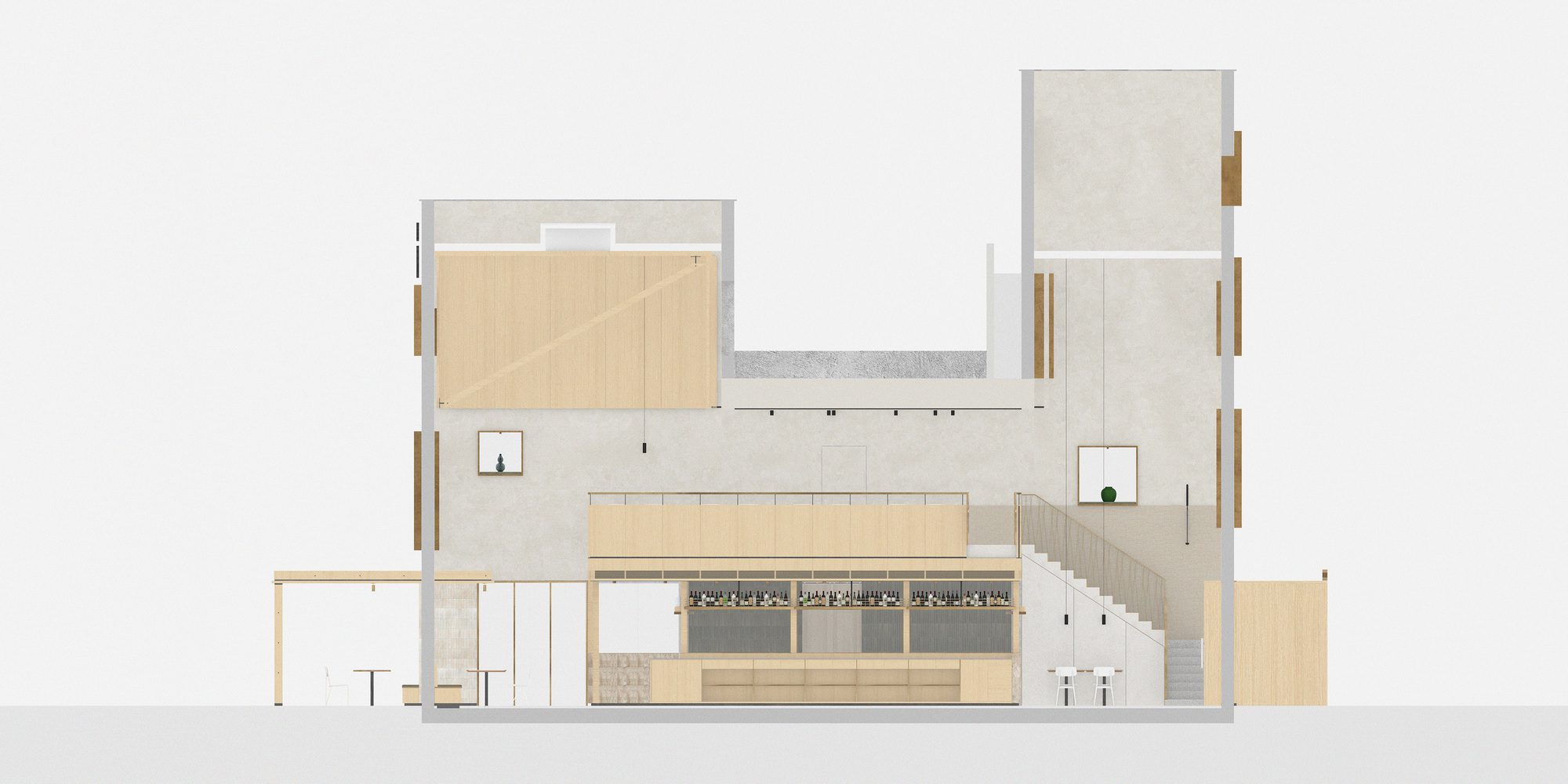
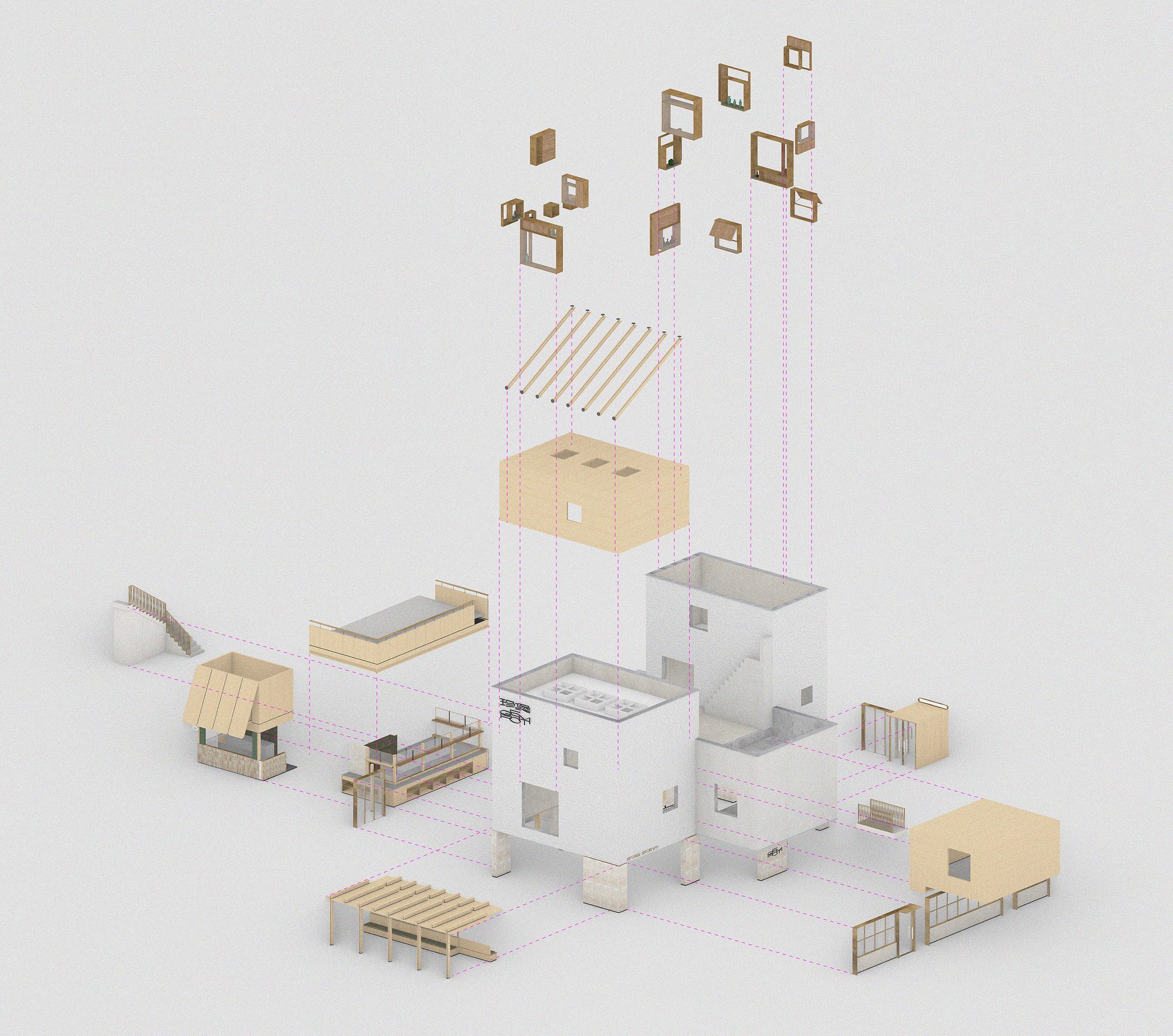
Interestingly, the building housing GEMPOT shares many design similarities with the Curio box. Both utilize a method of stacking different volumes, creating various openings, overlaps, alignments, enclosures, and cuts that result in a dynamic and staggered spatial experience. This consistent design logic is applied across both architectural and the smaller design scales.
© Junning Yang
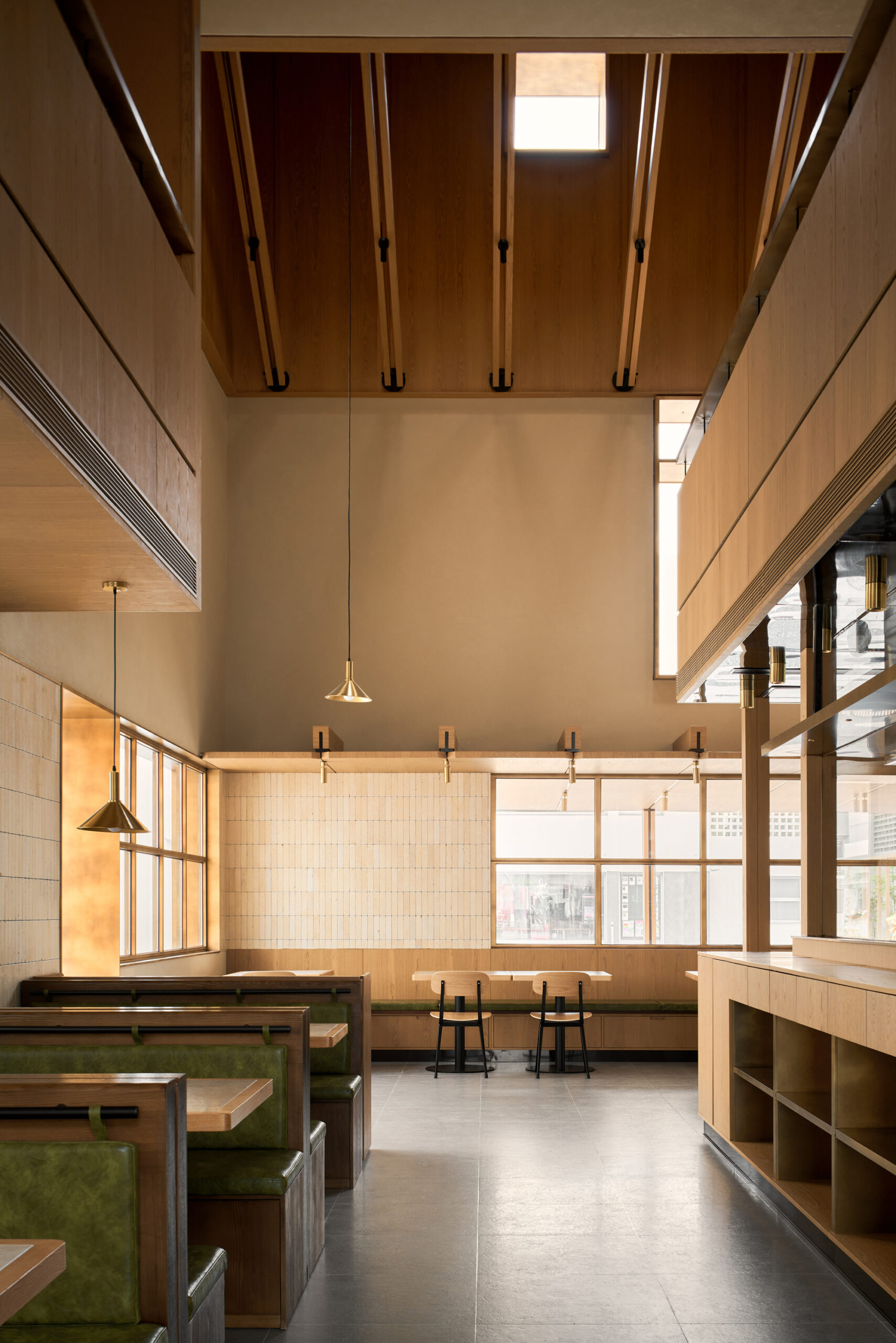
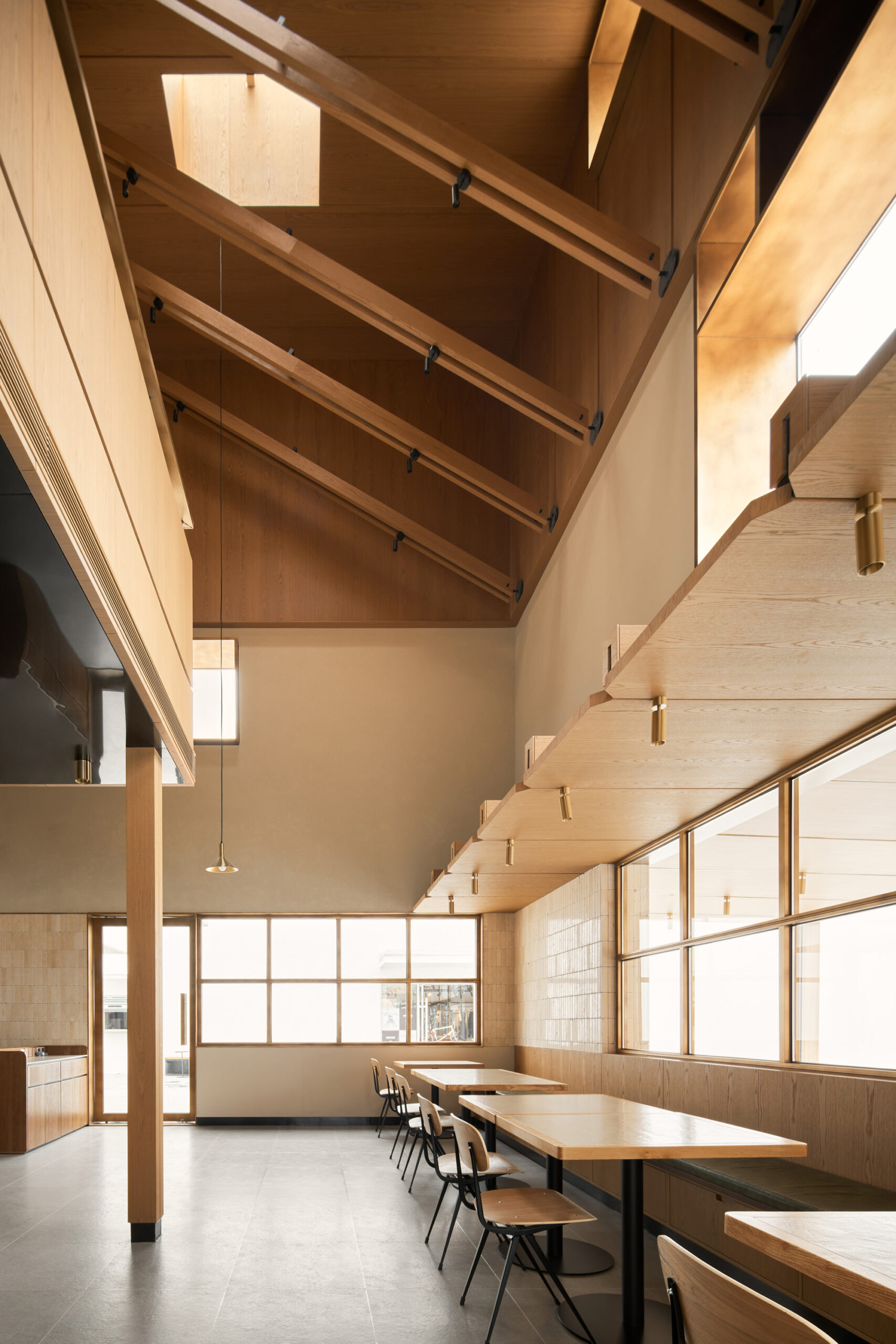
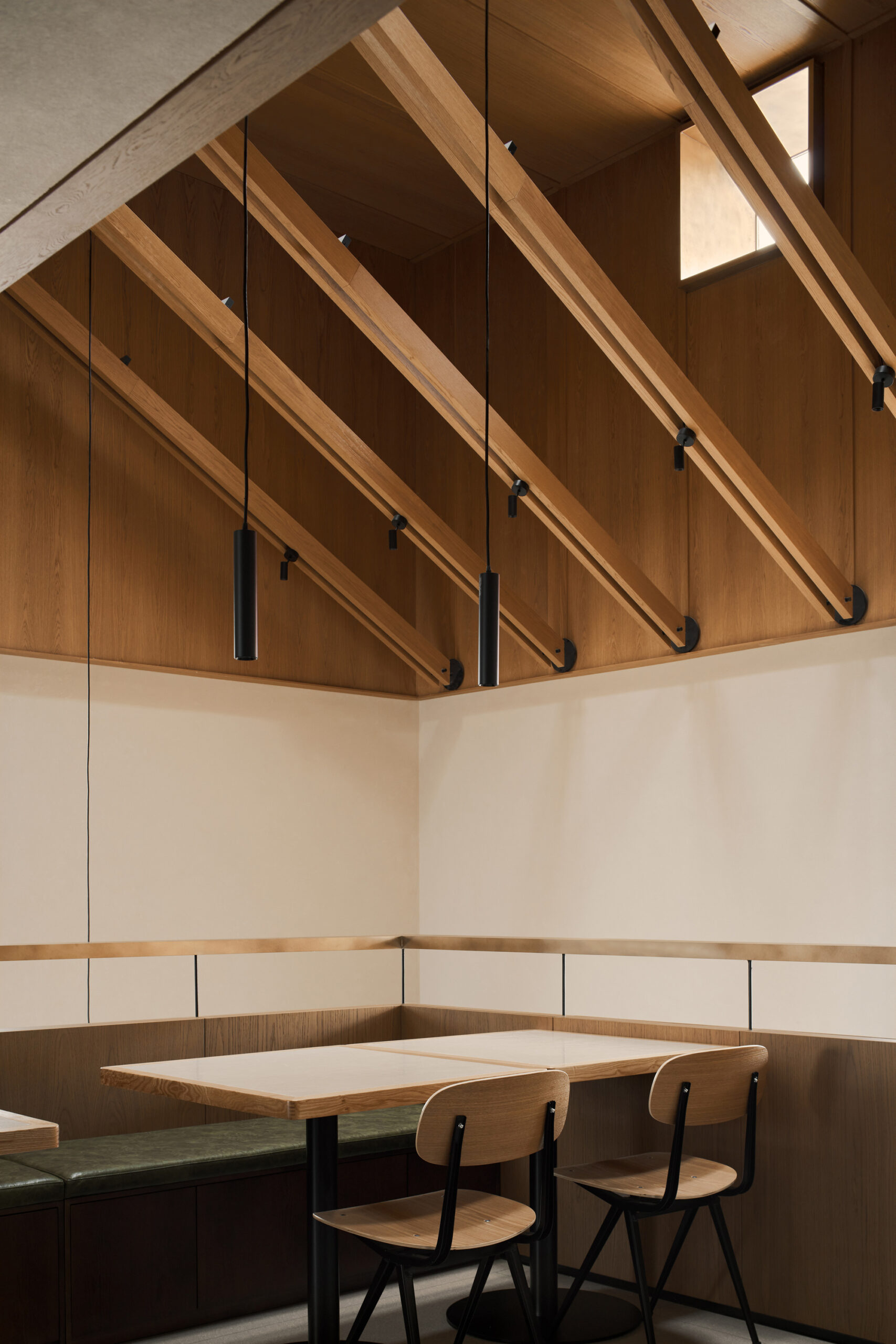
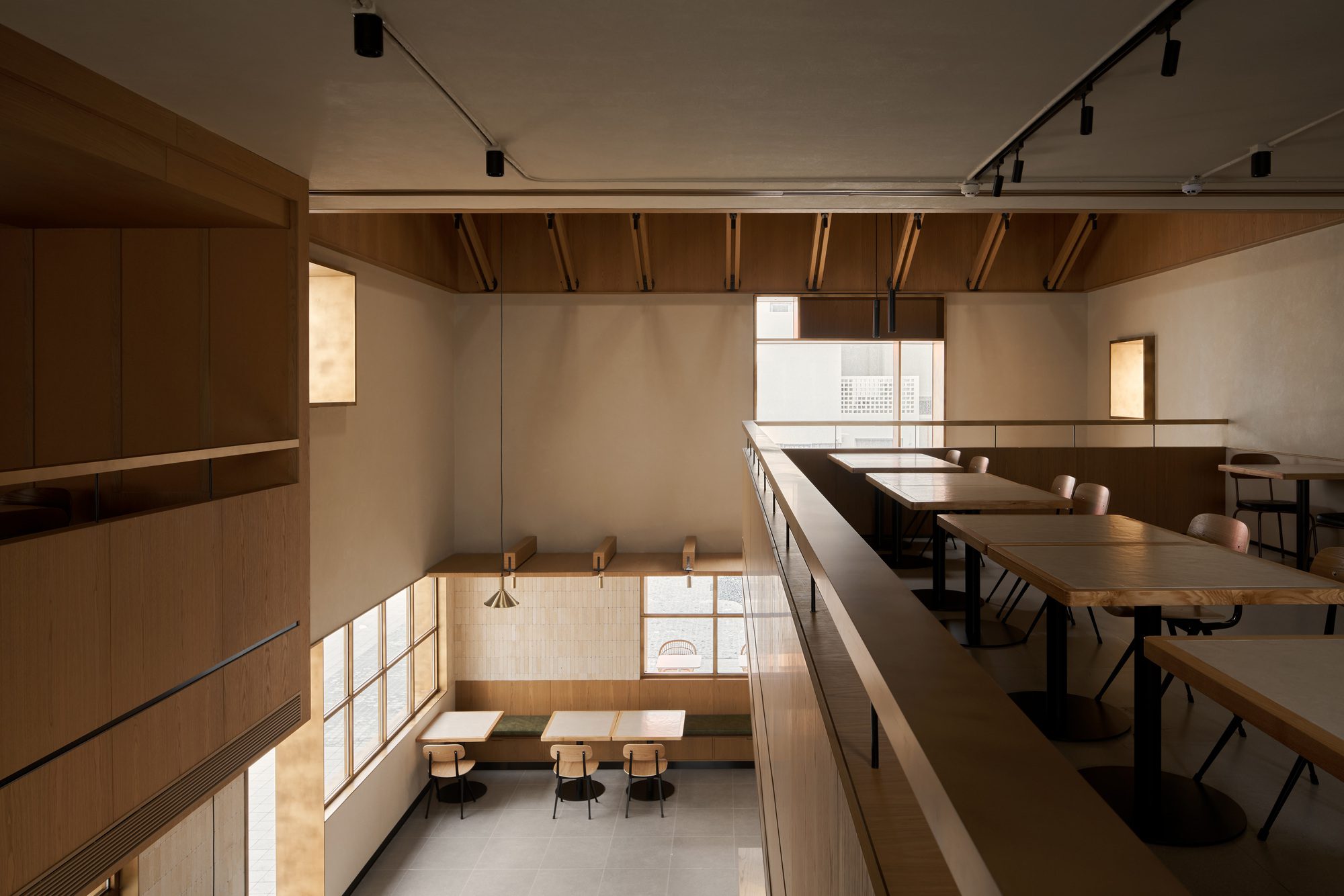
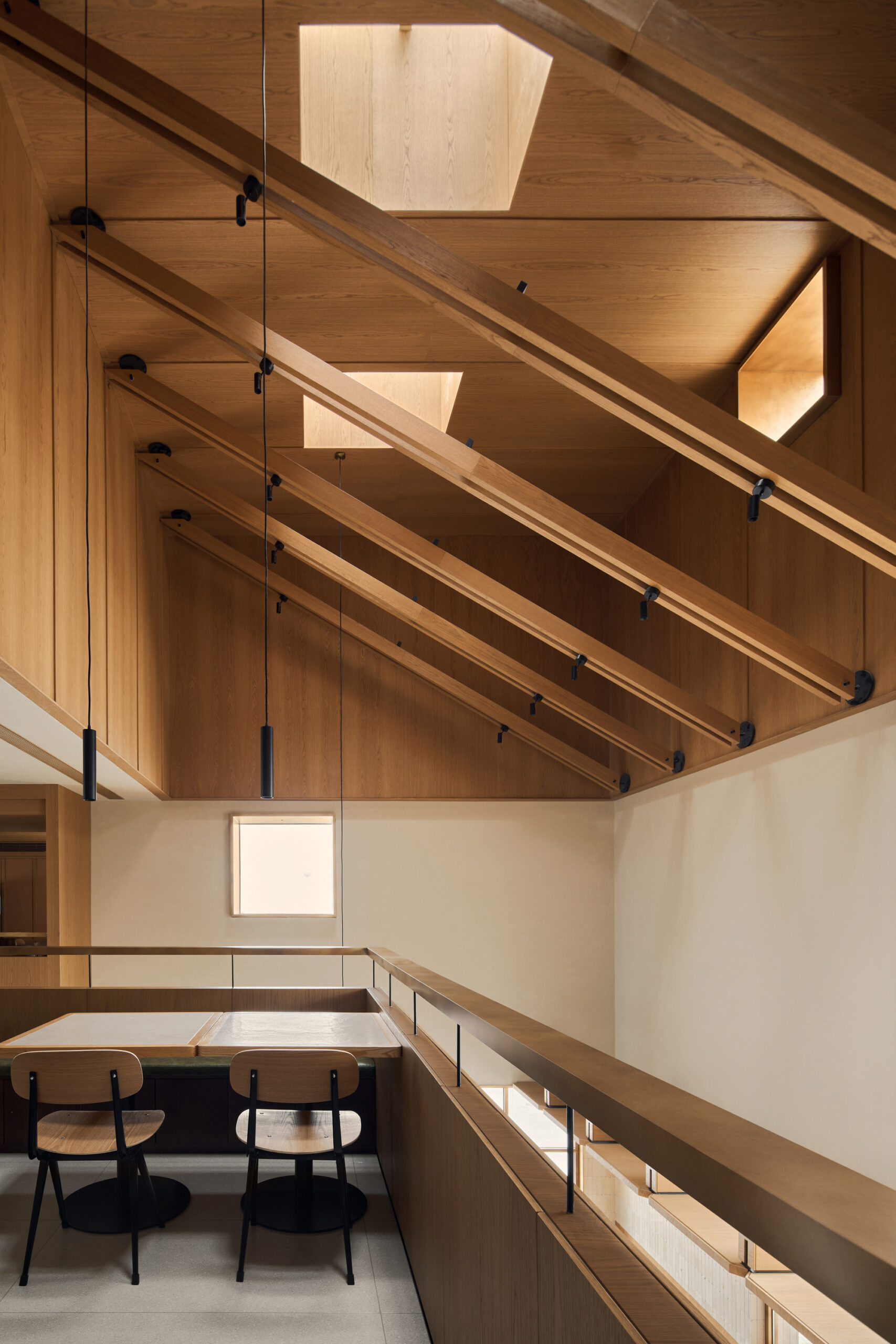
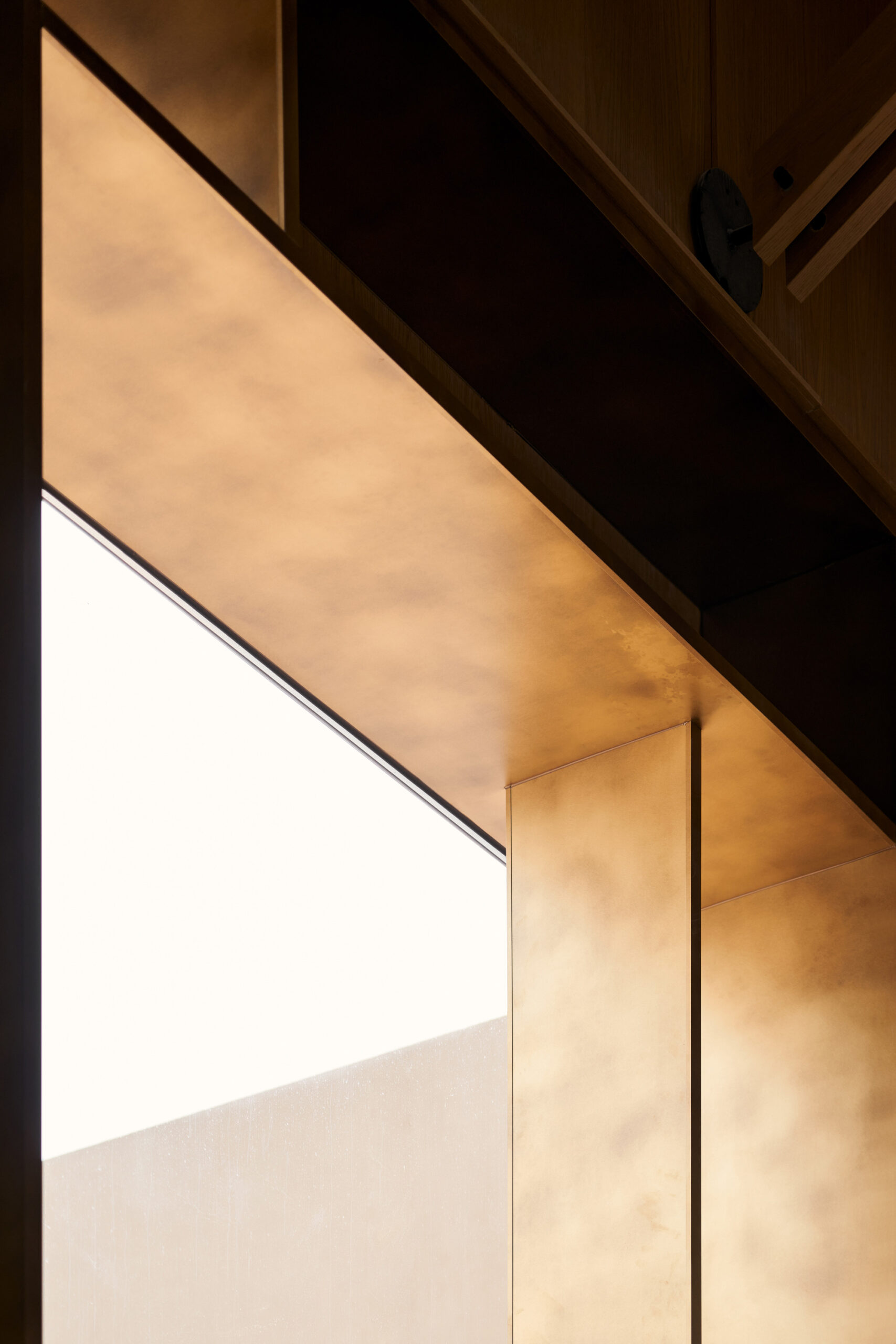
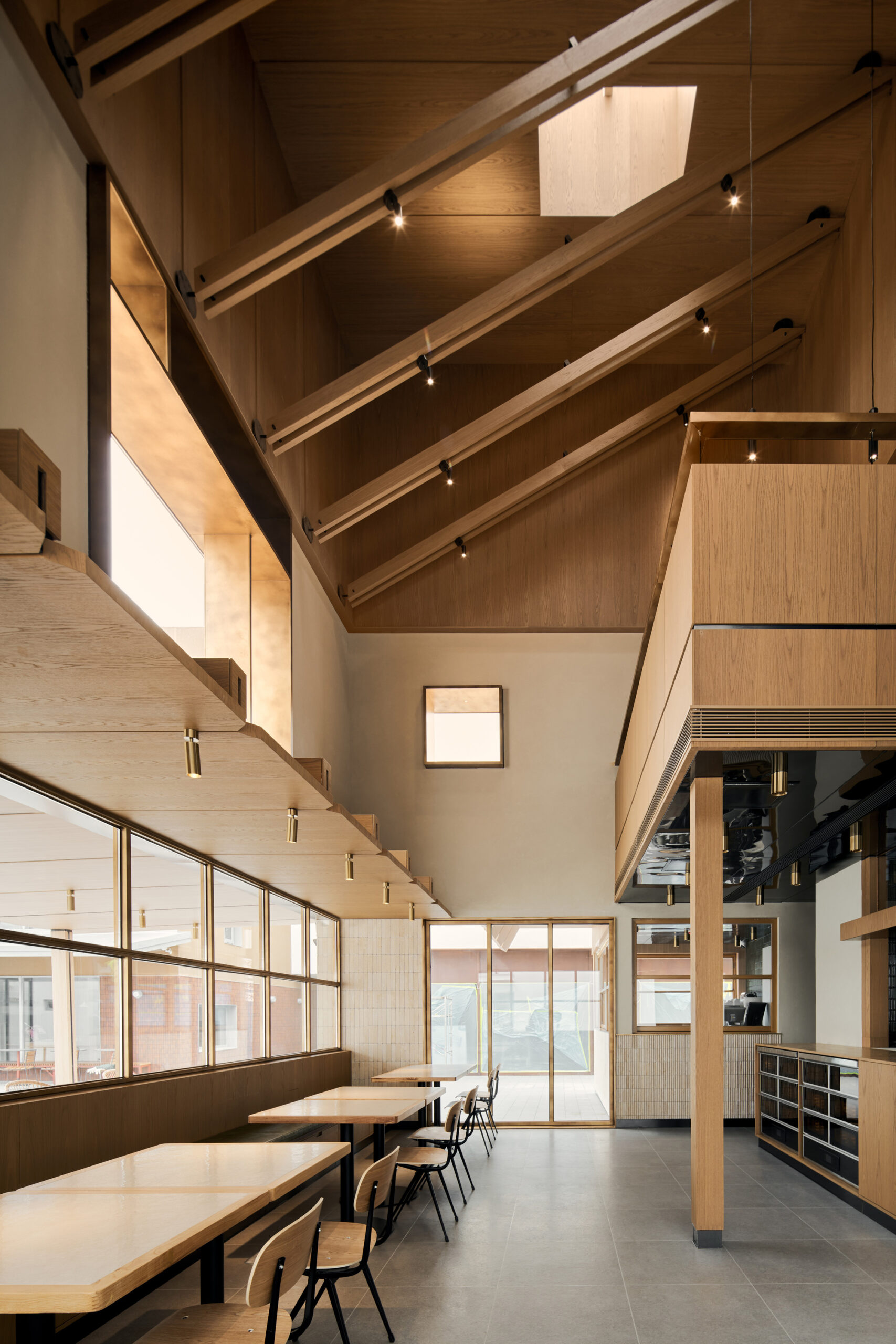
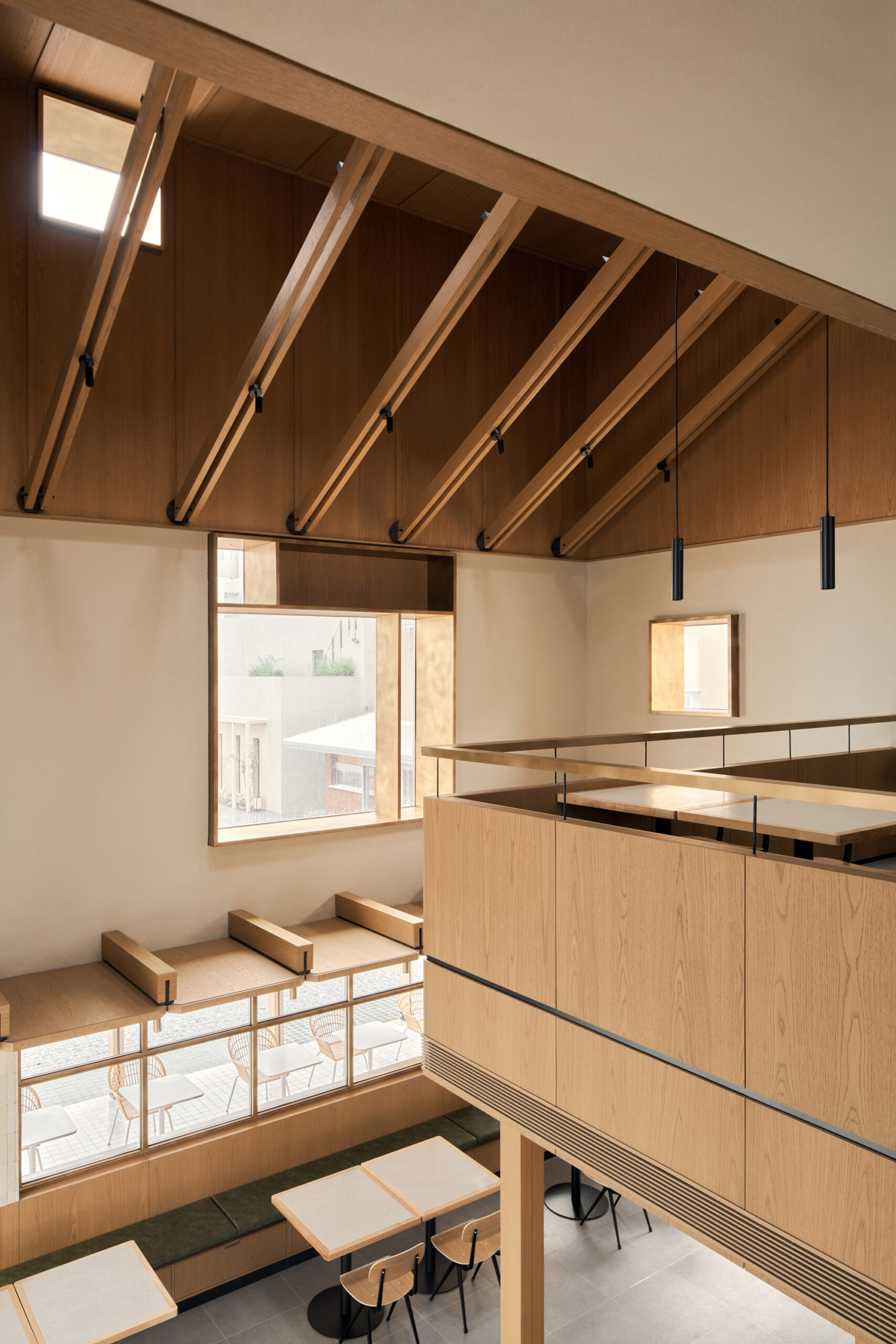
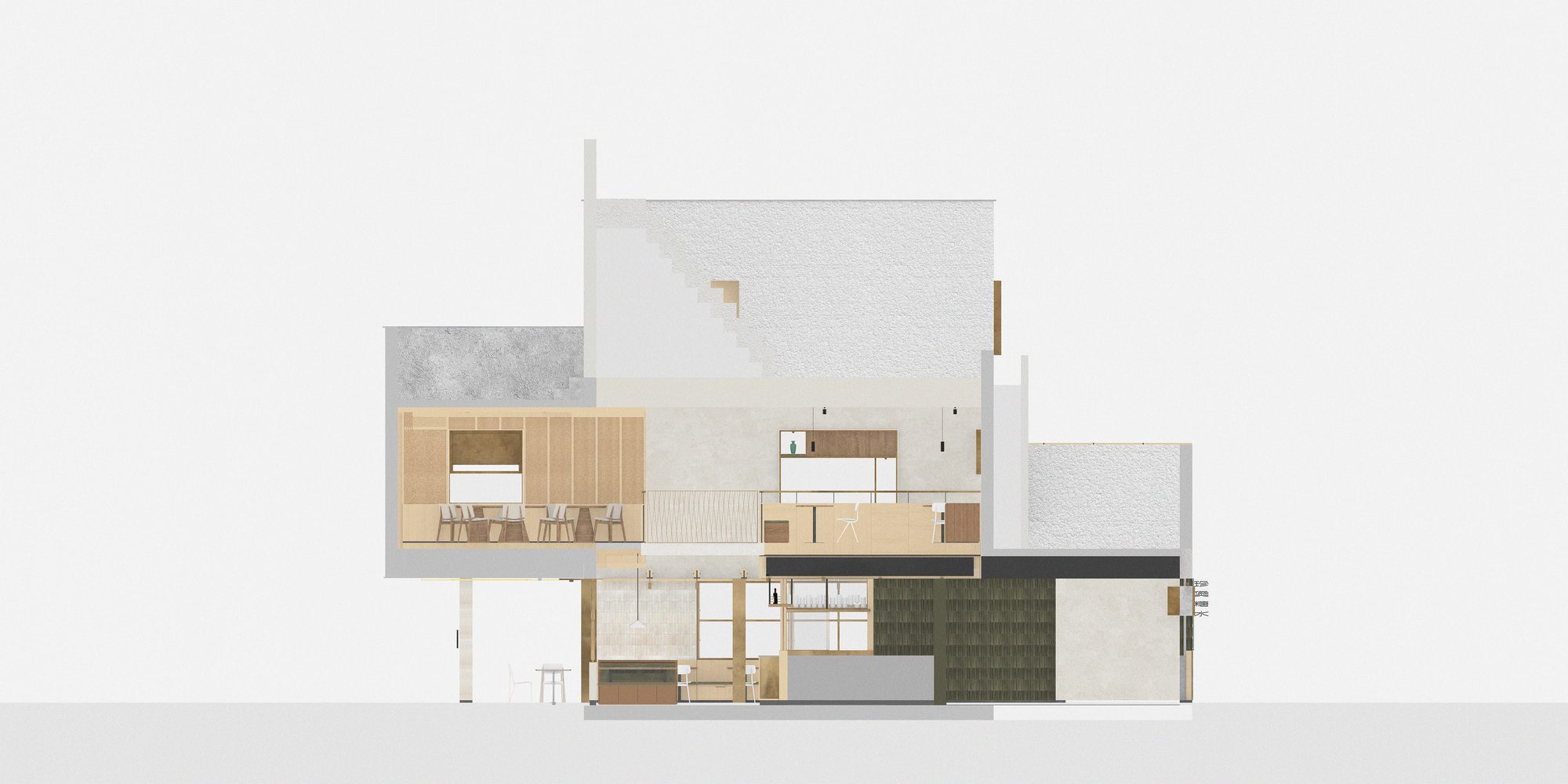
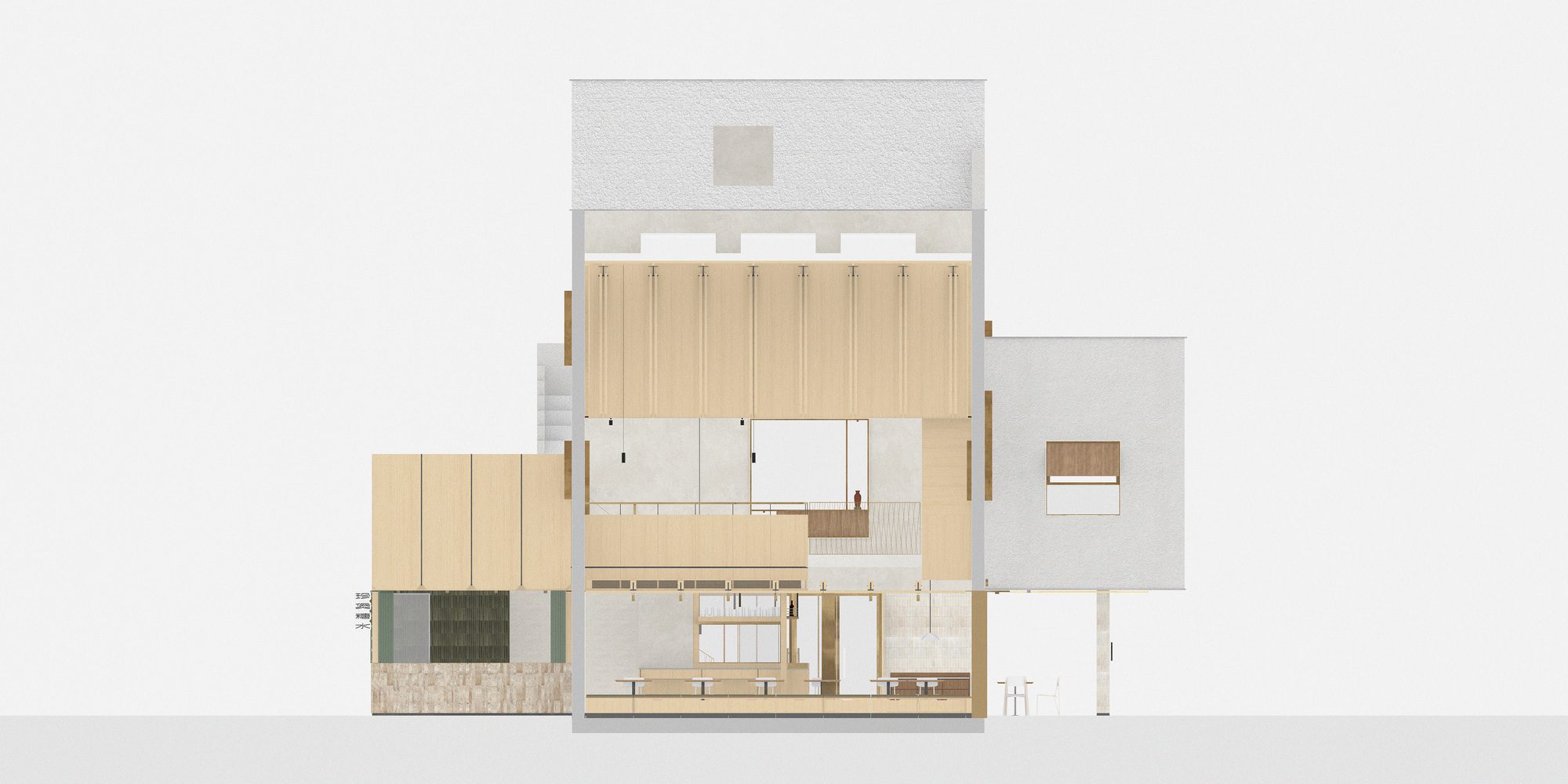
The spatial design for the restaurant extends this concept across multiple scales and dimensions. The openings on the building’s facade are distributed in a seemingly random pattern, offering diverse and curated views for both interior and exterior. The windows function similarly to drawers and doors in the Curio box, framing each view as though it were a “treasure” on display. The original building features a three-story structure with a staggered box-like form, with ample natural light penetrating through facades and ceiling.
© Junning Yang
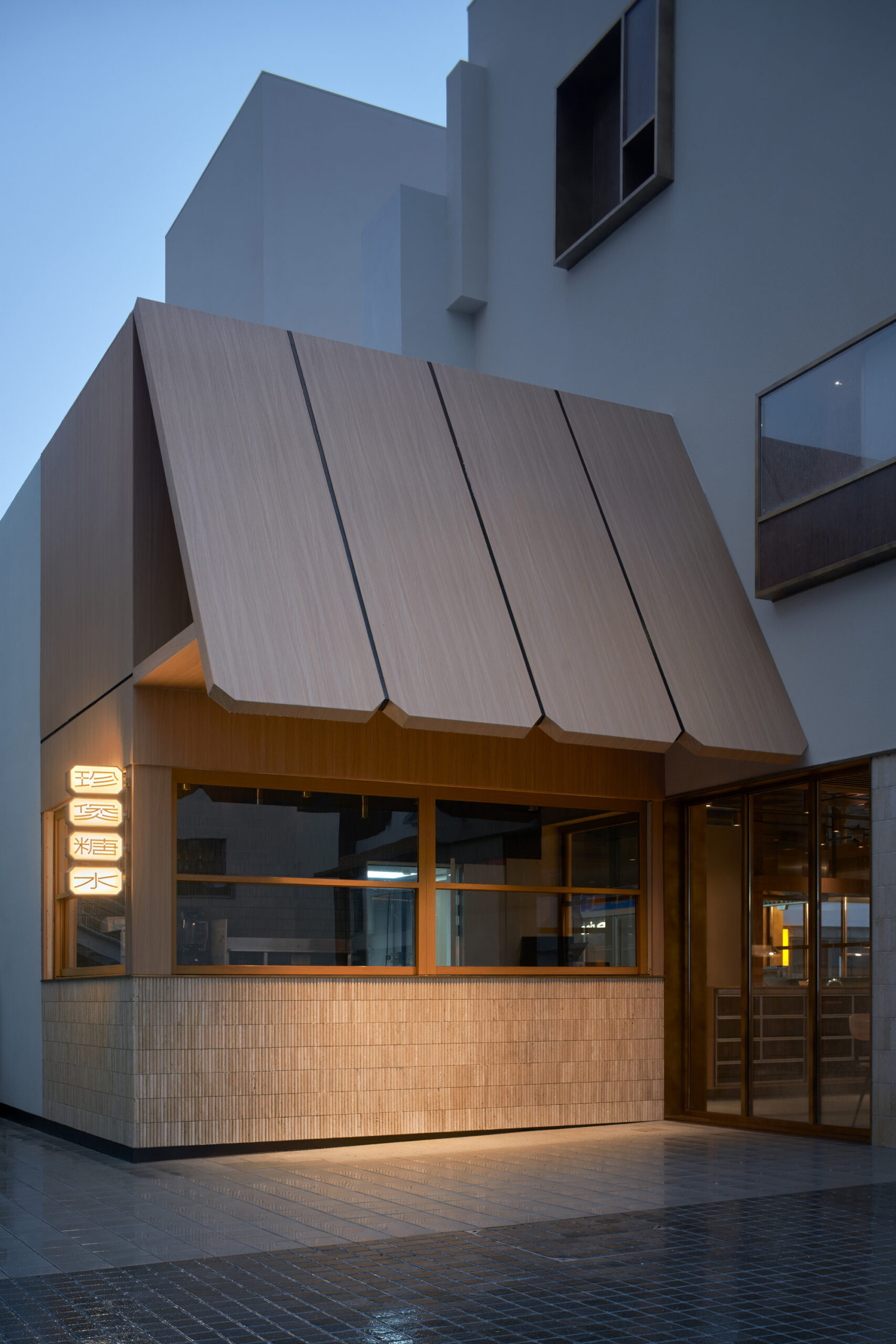
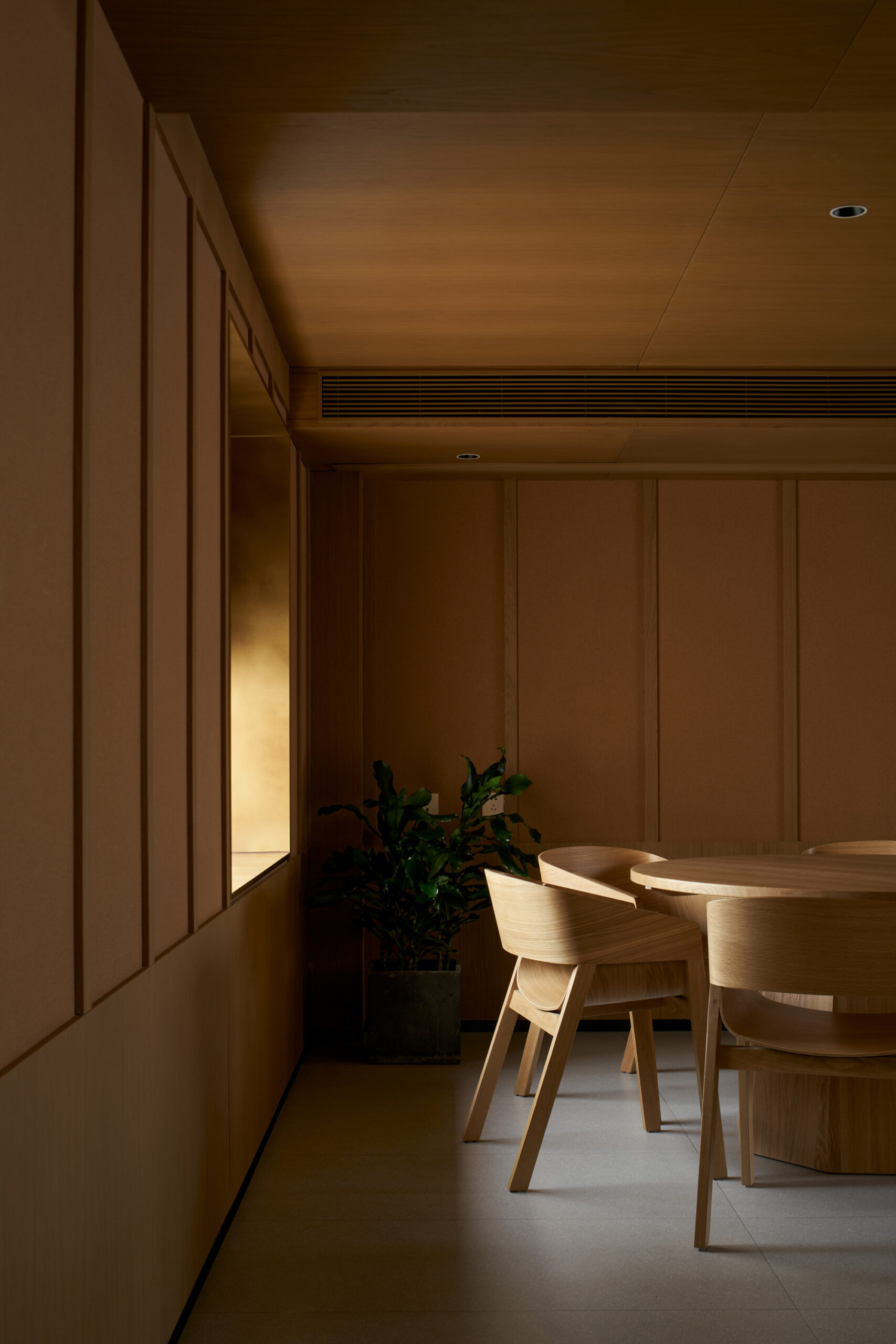
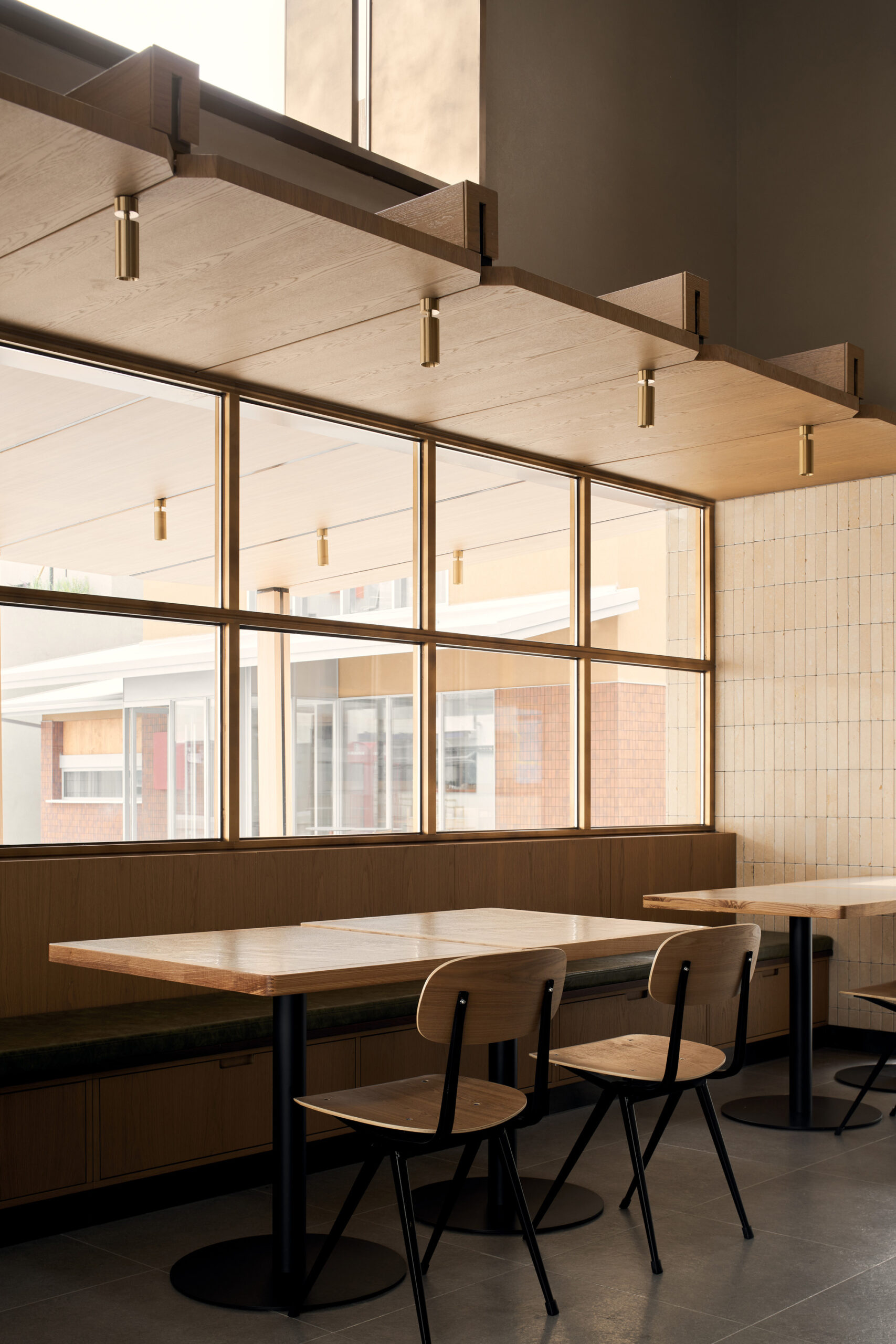
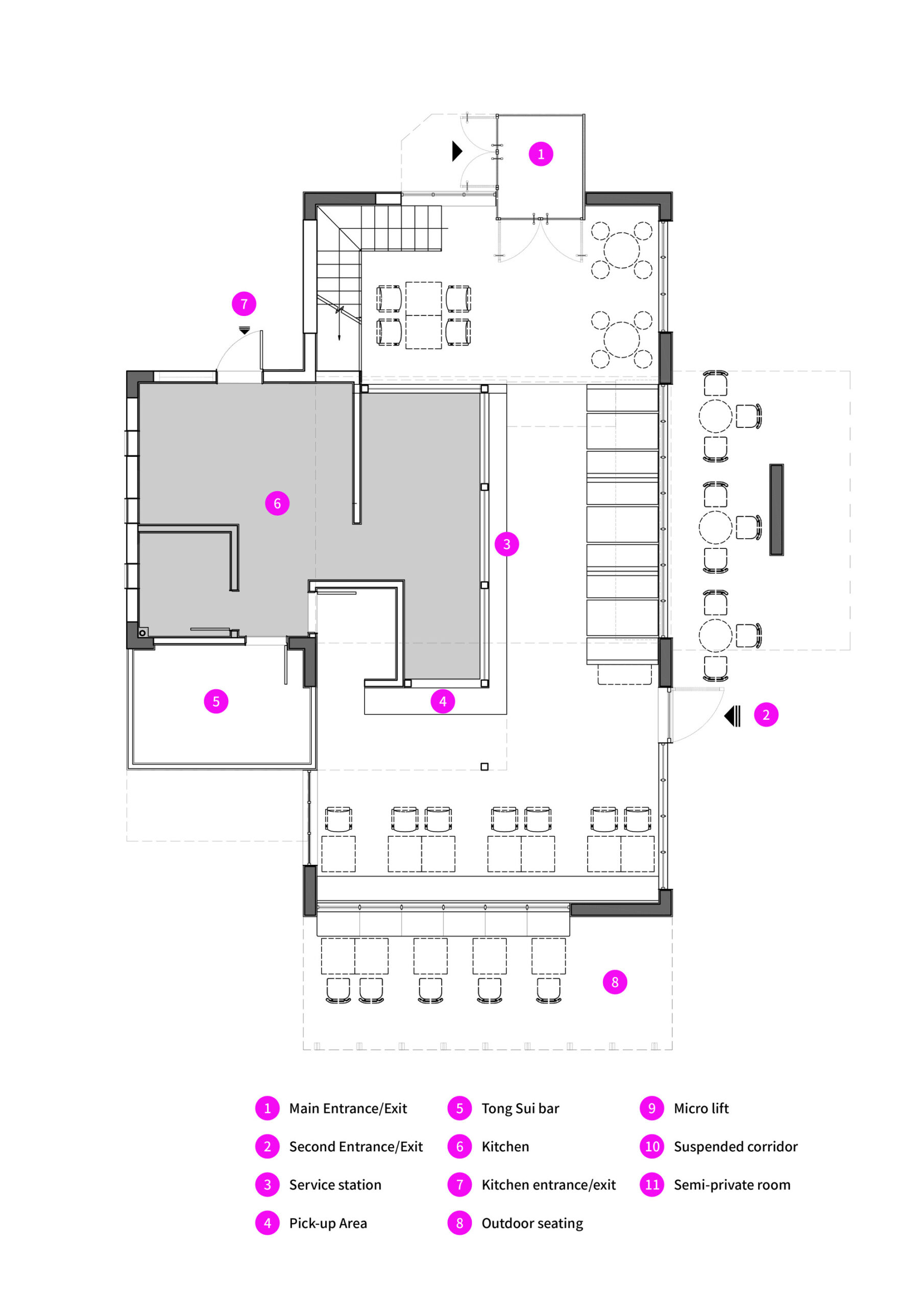
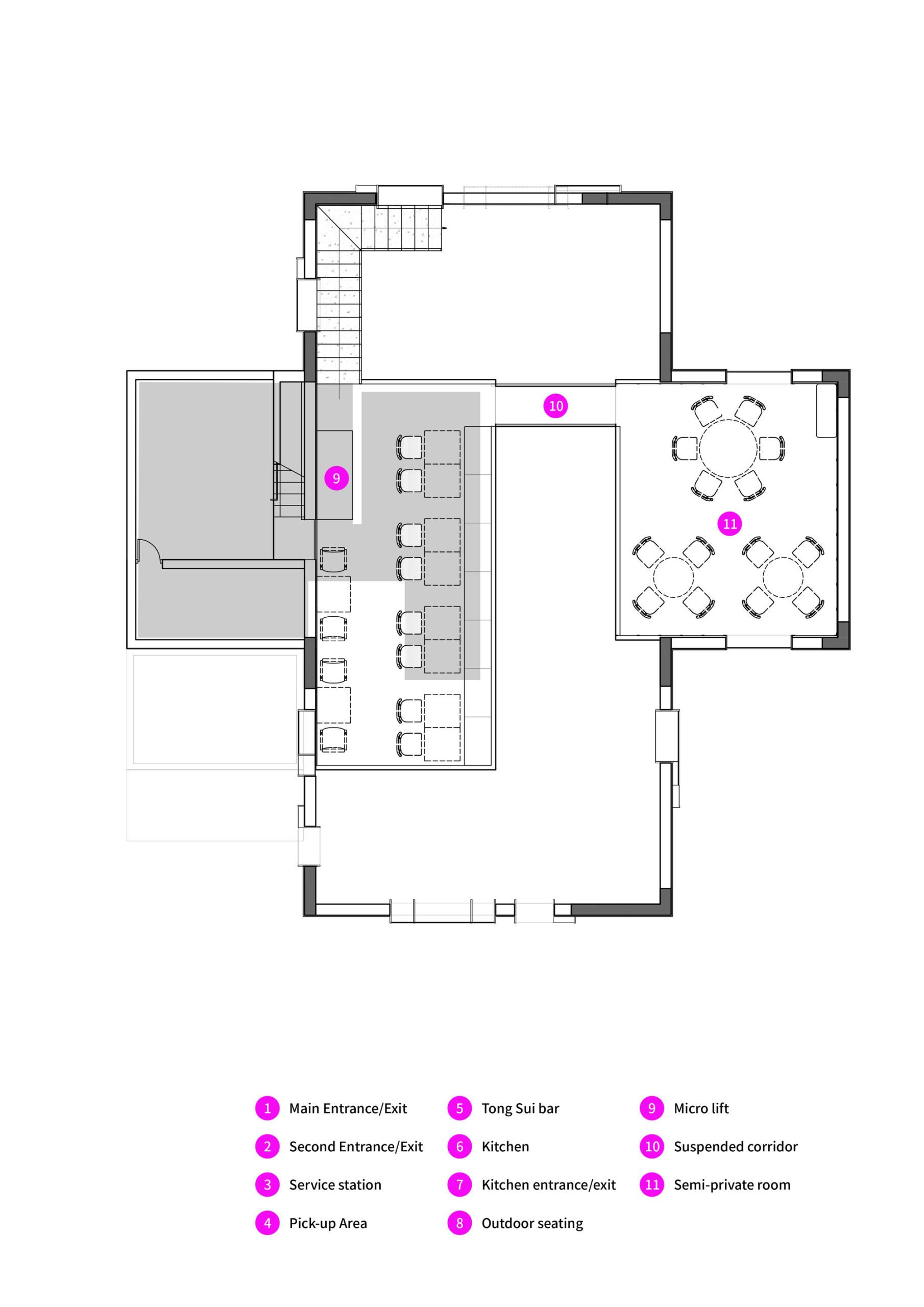
We opted to preserve this unique layout, integrating new functional areas—such as the kitchen, dessert bar, and seating zones—within newly constructed volumes. These volumes are then interconnected through designed elements such as staircases, corridors, and lighting, ensuring a seamless flow and enhancing the overall dining experience.
Project Info
Architects: Projject
Country: China, Qin Huang Dao Shi
Area: 220 m²
Year: 2024
Photographs: Junning Yang
Design Team: Keer Zhang, Yizhi Wang, Huaxi Shi, Wei Meng, Yinan Wu
Clients: Aranya

Anastasia Andreieva is an accomplished Architectural Projects Editor at Arch2O, bringing a unique blend of linguistic expertise and design enthusiasm to the team. Born and raised in Ukraine, she holds a Master’s degree in Languages from Taras Shevchenko National University of Kyiv. Her deep passion for architecture and visual storytelling led her to transition from translation and editorial roles into the world of design media. With a keen eye for conceptual clarity and narrative structure, Anastasia curates and presents global architectural projects with precision and flair. She is particularly drawn to parametric and digital design, cultural context, and emerging voices in architecture. When I’m not analyzing the latest architectural trends, you’ll probably find me searching for hidden gems in cityscapes or appreciating the beauty of well-crafted spaces. After all, great design—like great connections—can be found in the most unexpected places. Speaking of connections, because architecture isn’t the only thing that brings people together.