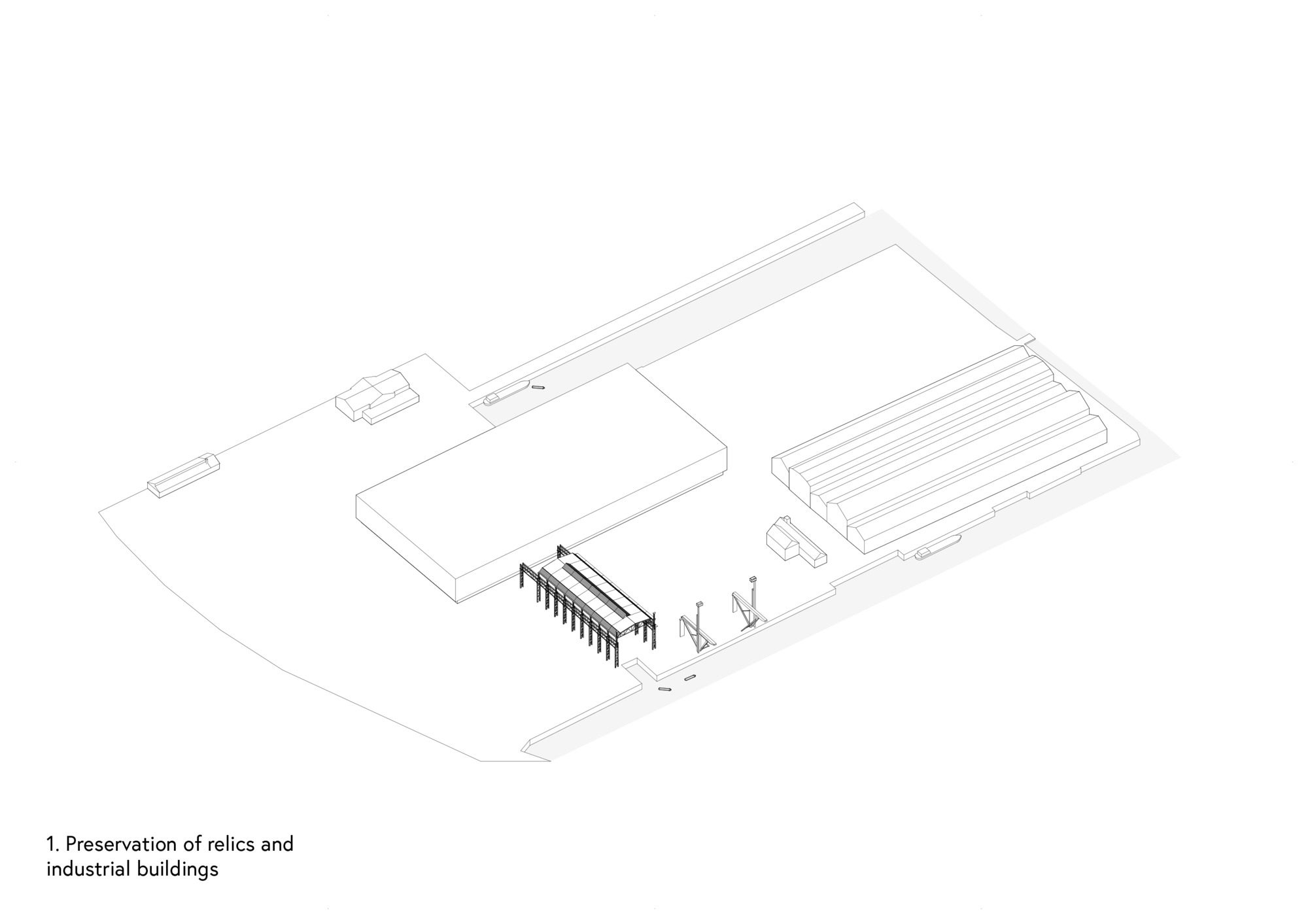


Oostenburg Island in Amsterdam was formed together with the neighbouring Oostelijke Eilanden (Eastern Islands) Kattenburg and Wittenburg by draining part of the IJ river. While Kattenburg and Wittenburg became residential areas, Oostenburg maintained its identity as a working island. The history of Oostenburg dates back to when it was a Dutch East India Company shipyard, which later became a workplace for shipbuilder Stork and by 2005 was the site for the INIT building.
© Sebastian van Damme
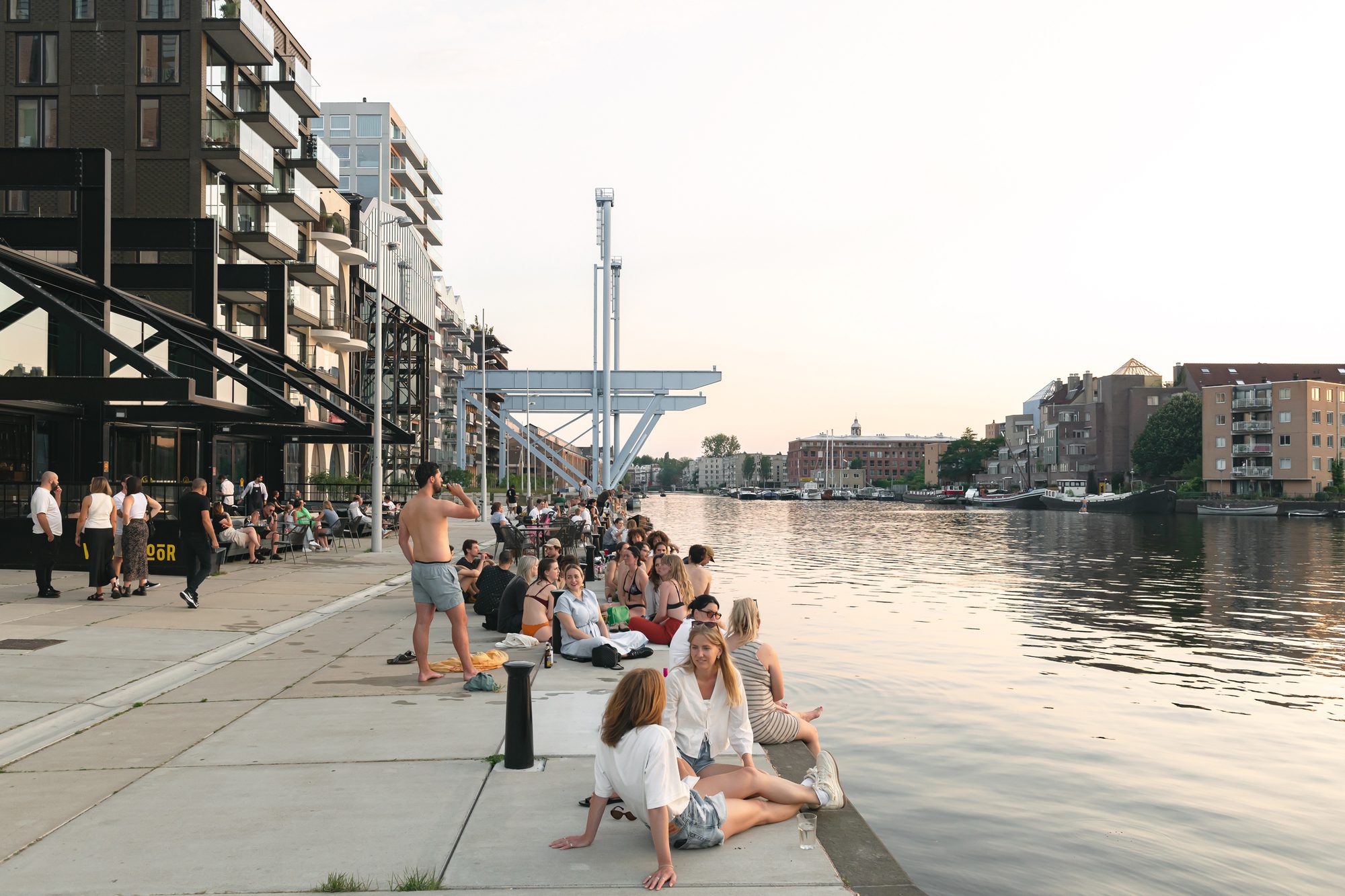
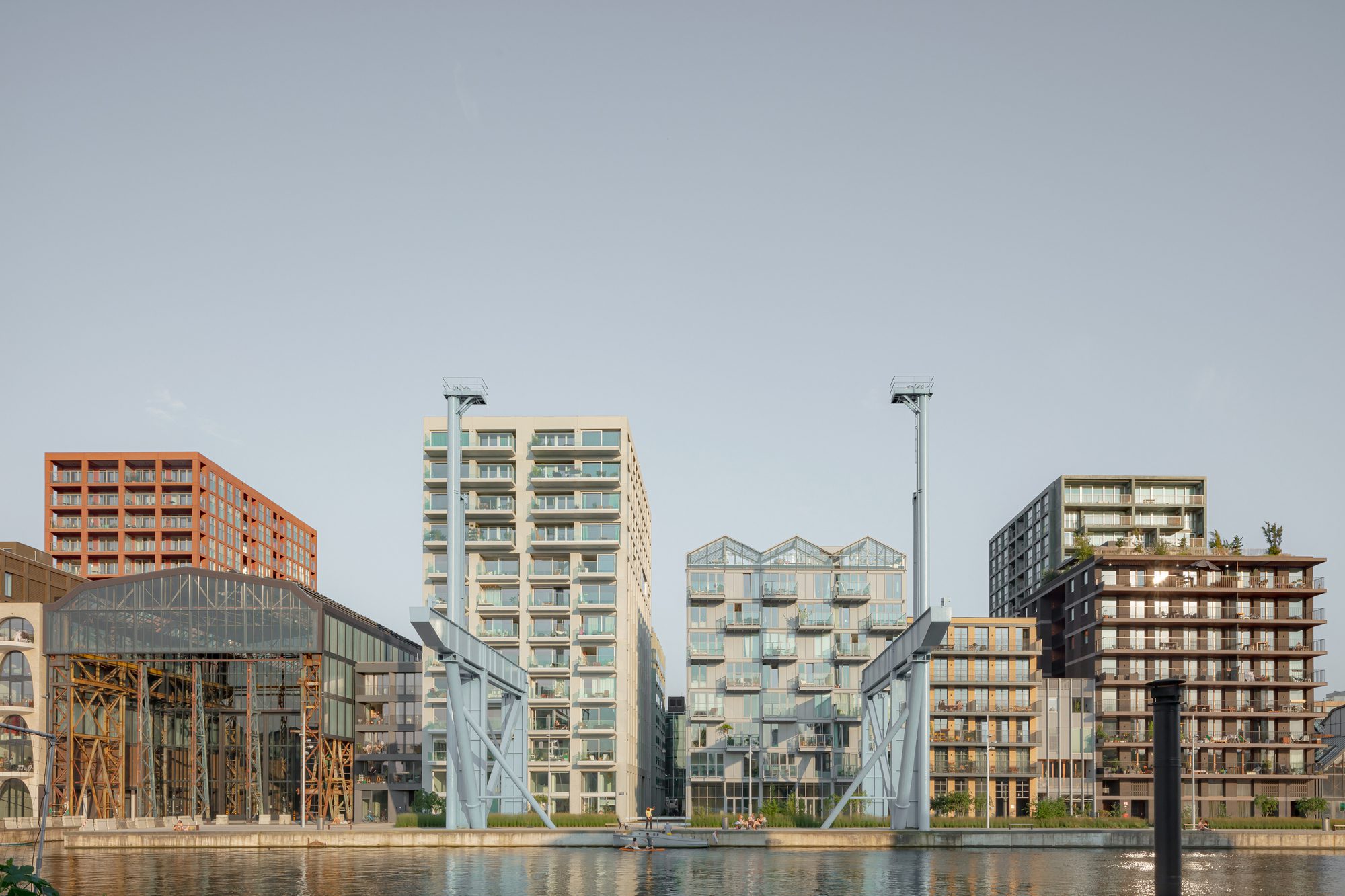
Today, Oostenburg is the final large-scale development in Amsterdam’s city centre. The new island brings together its industrial heritage with an urban density new to Amsterdam, quality public places to reside and the growth of a community.
© Sebastian van Damme
In 2015, Studioninedots was asked to collaborate on the urban plan, which had been launched under the direction of Urhahn Stedenbouw & Strategie in 2012. Together with Urhahn, we worked on the urban design, defining the building envelopes and creating the architectural quality plan.
© Sebastian van Damme
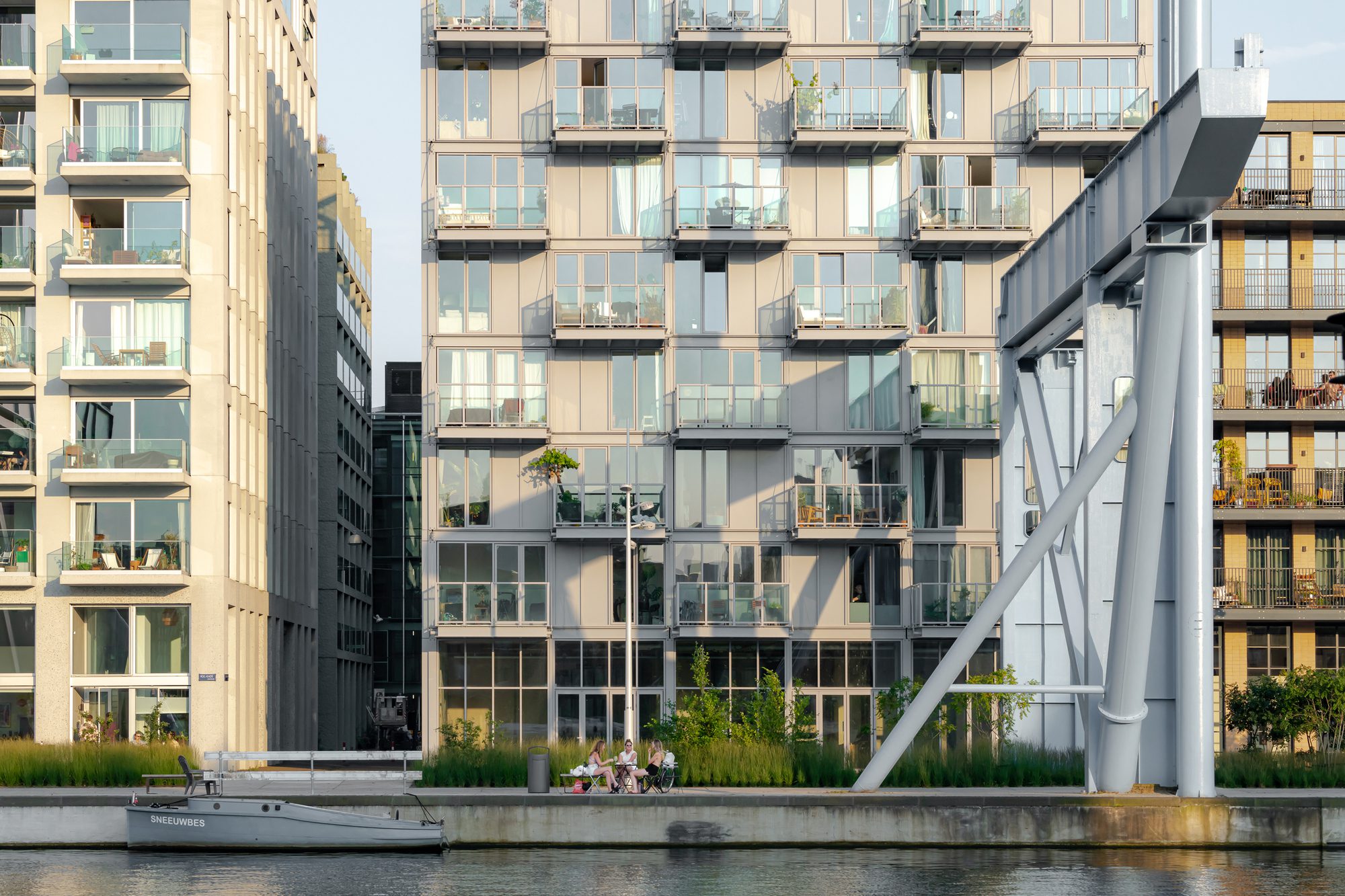
The transformation of Oostenburg into a mixed living-working island kicked off when Stadgenoot acquired the property. In line with Urhahn’s vision, the aim was to form a piece of ‘Spontaneous City’: an urban area open to constant transition, created with and by its residents, thereby becoming a sustainable place to live and work.
© Sebastian van Damme
During development, a different approach was taken than allocating separate ‘plot passports’ to buildings. Instead, larger building plots were laid out, giving developers more freedom within their building envelopes, while still ensuring variety in architectural grain size.
© Sebastian van Damme
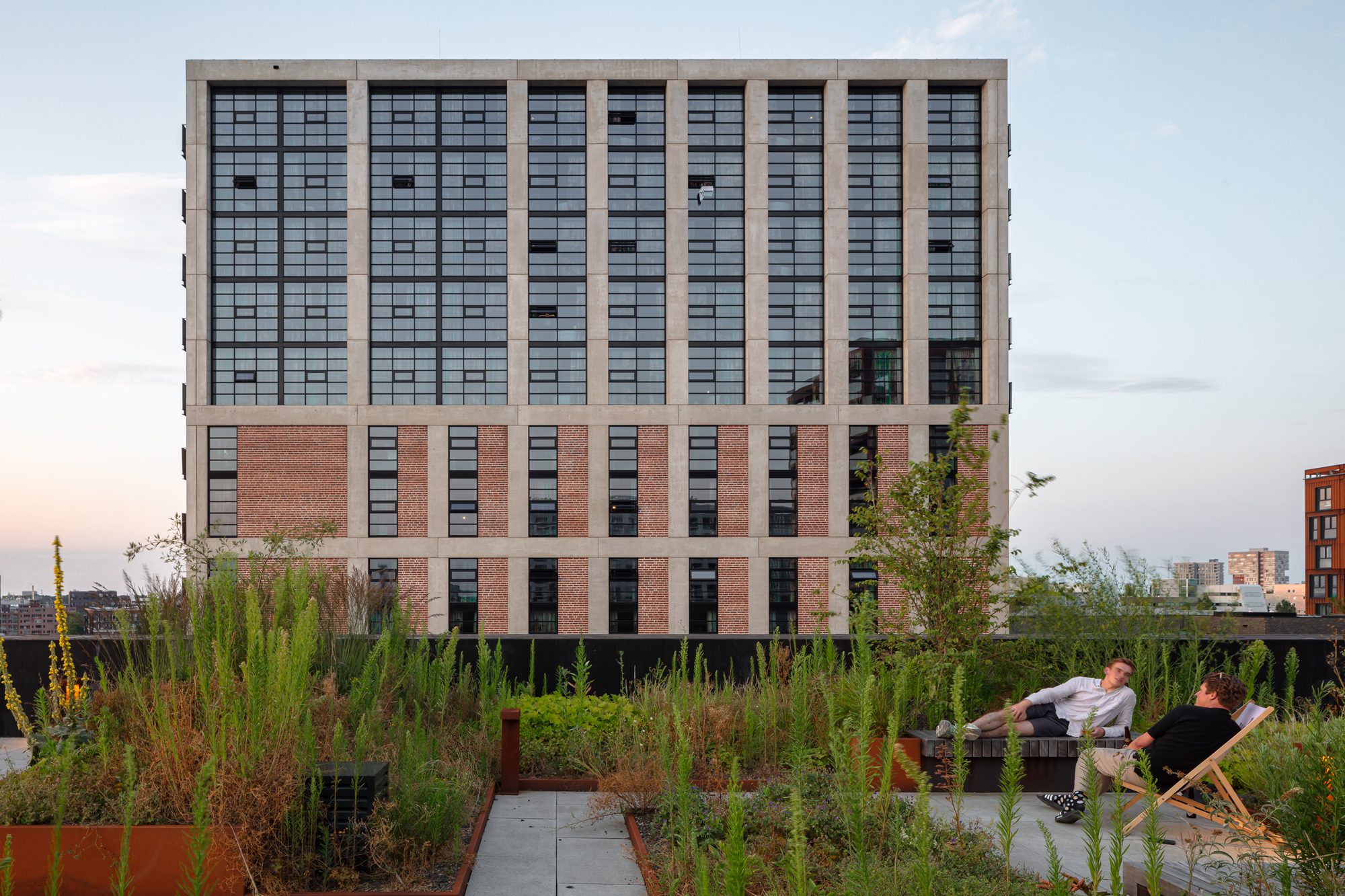
Drawing on our architectural expertise, Studioninedots explored how this diversity could be preserved within the building envelopes combined with the architectural quality plan. This approach merged the directed diversity of the Cityplot concept with the vision of a spontaneously evolving city.
© Sebastian van Damme
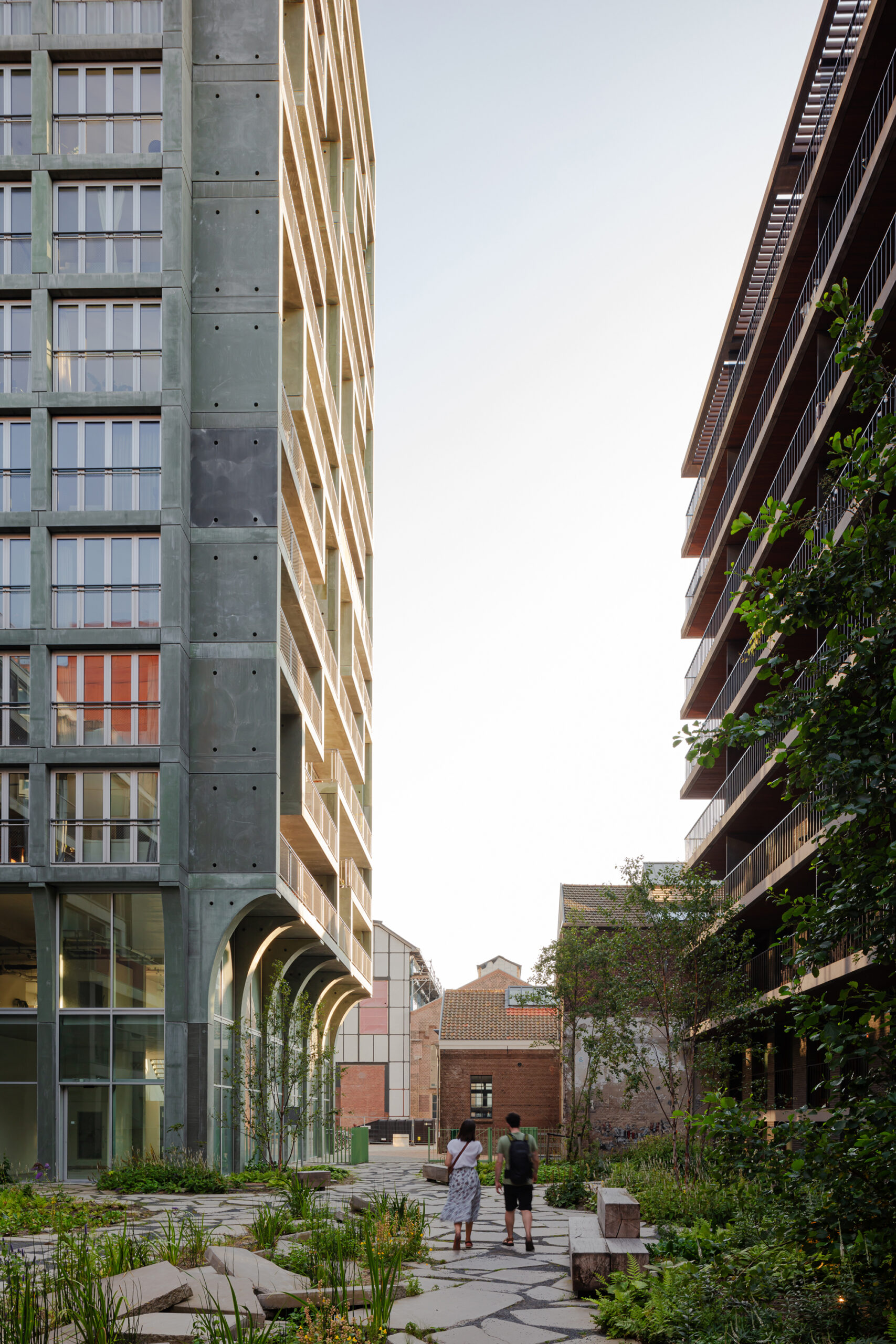
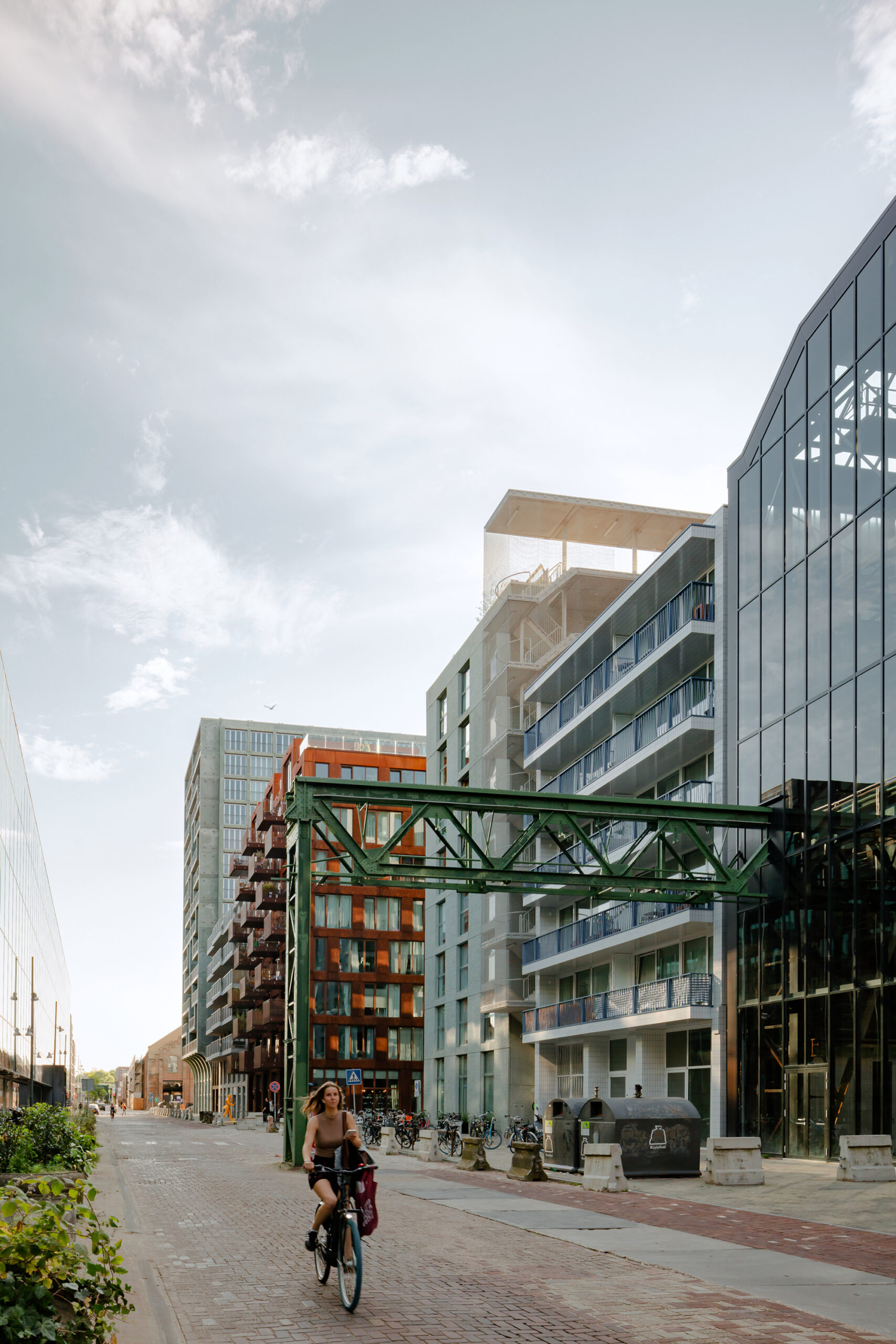
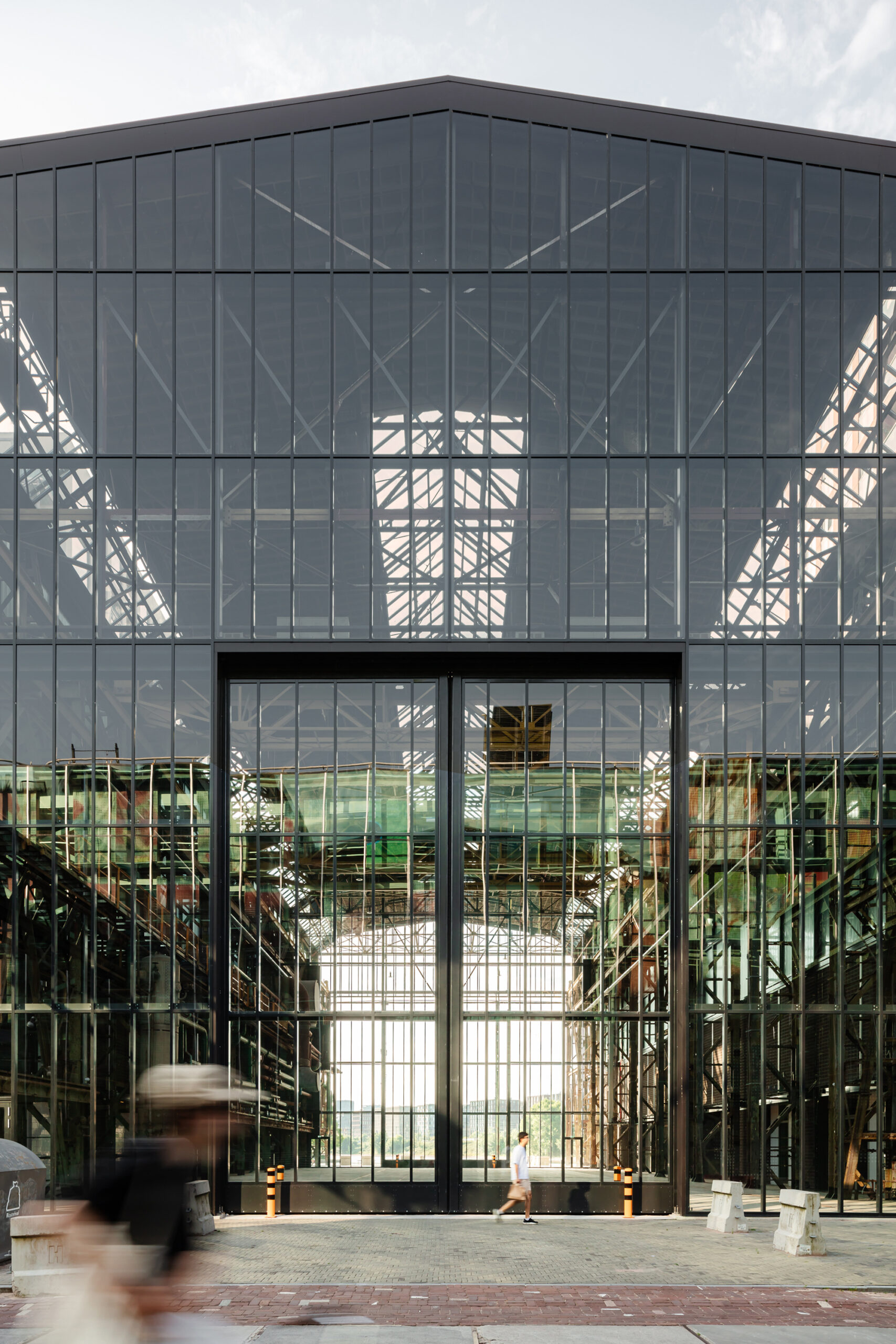
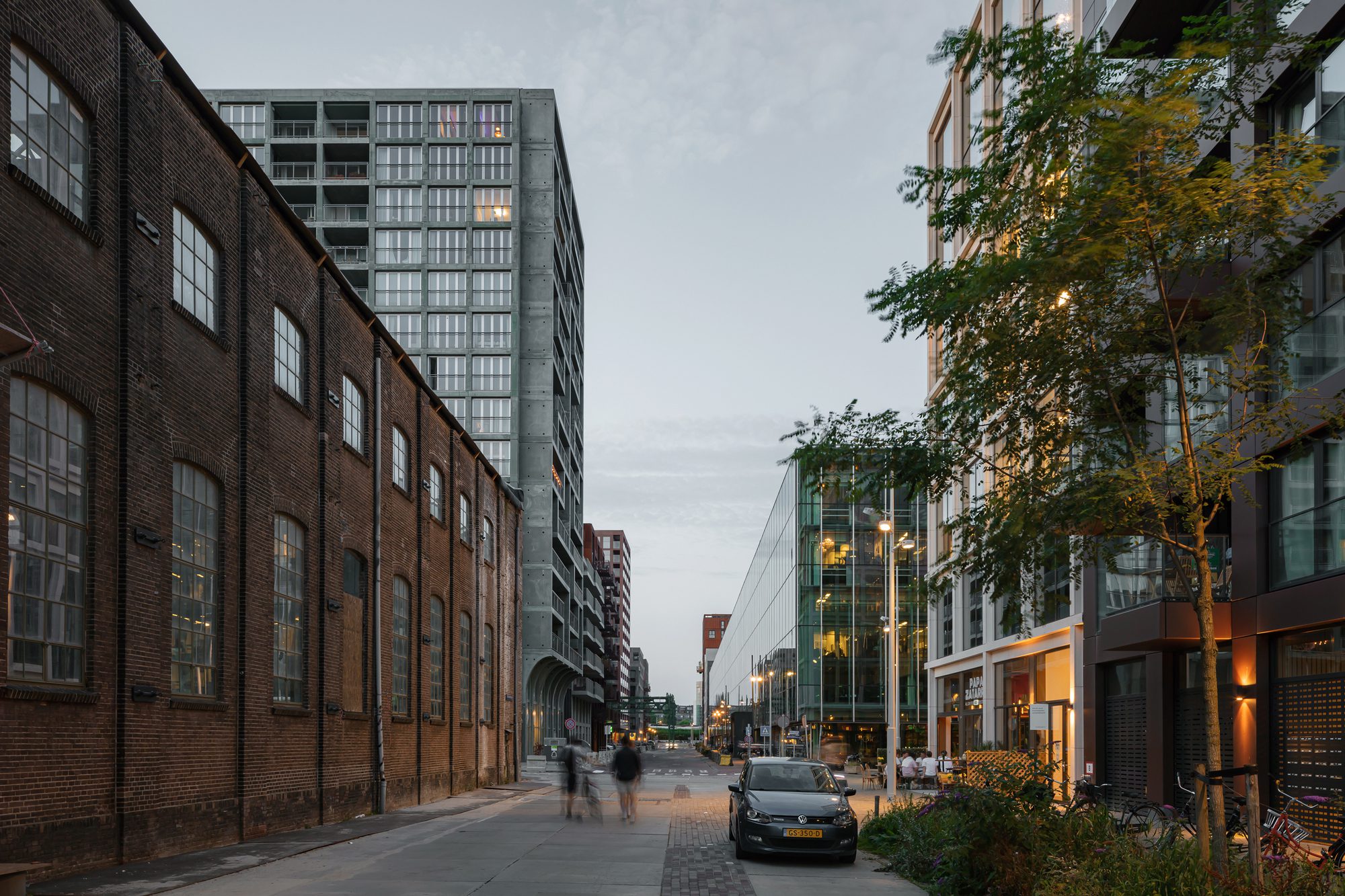
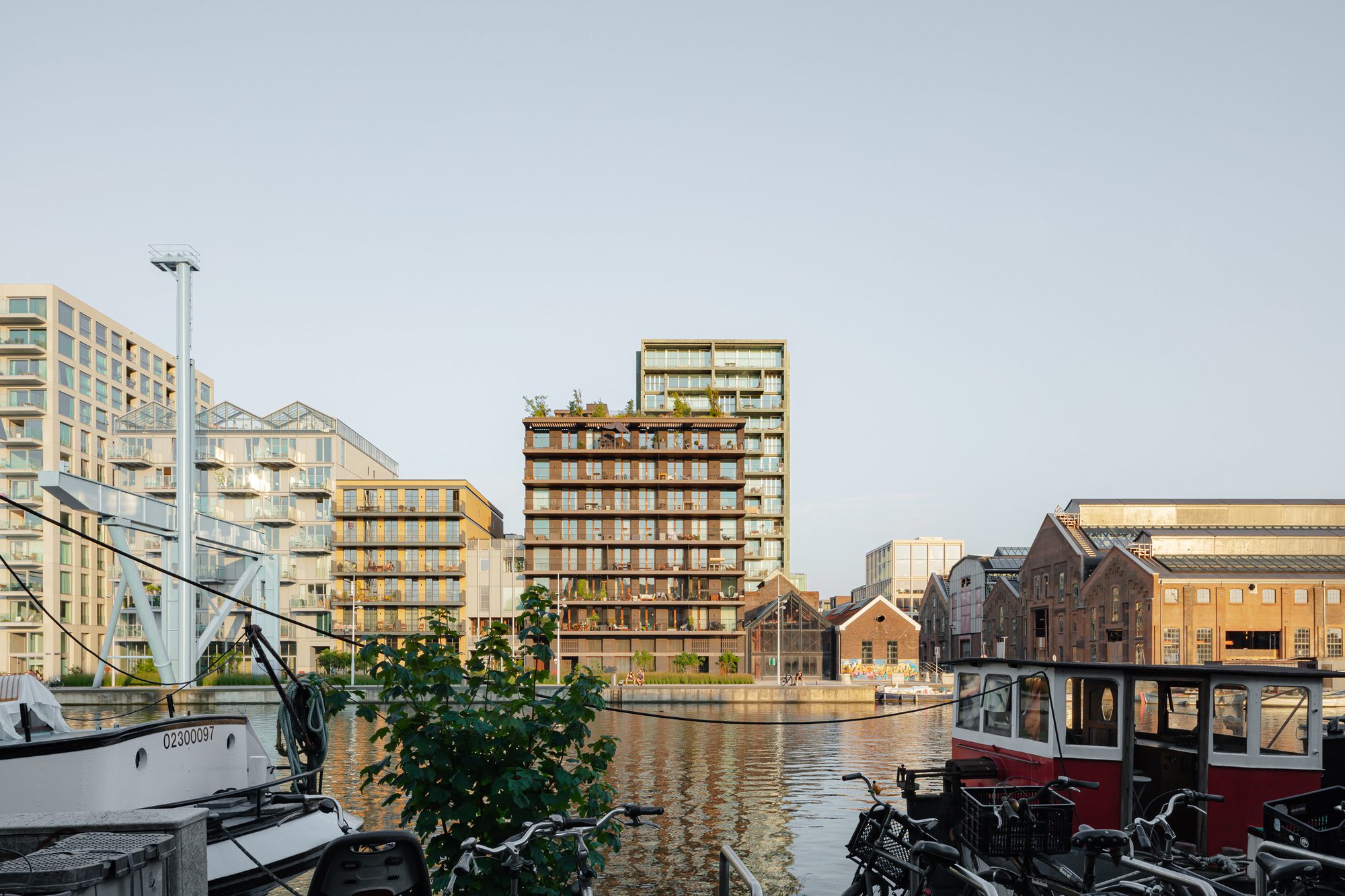
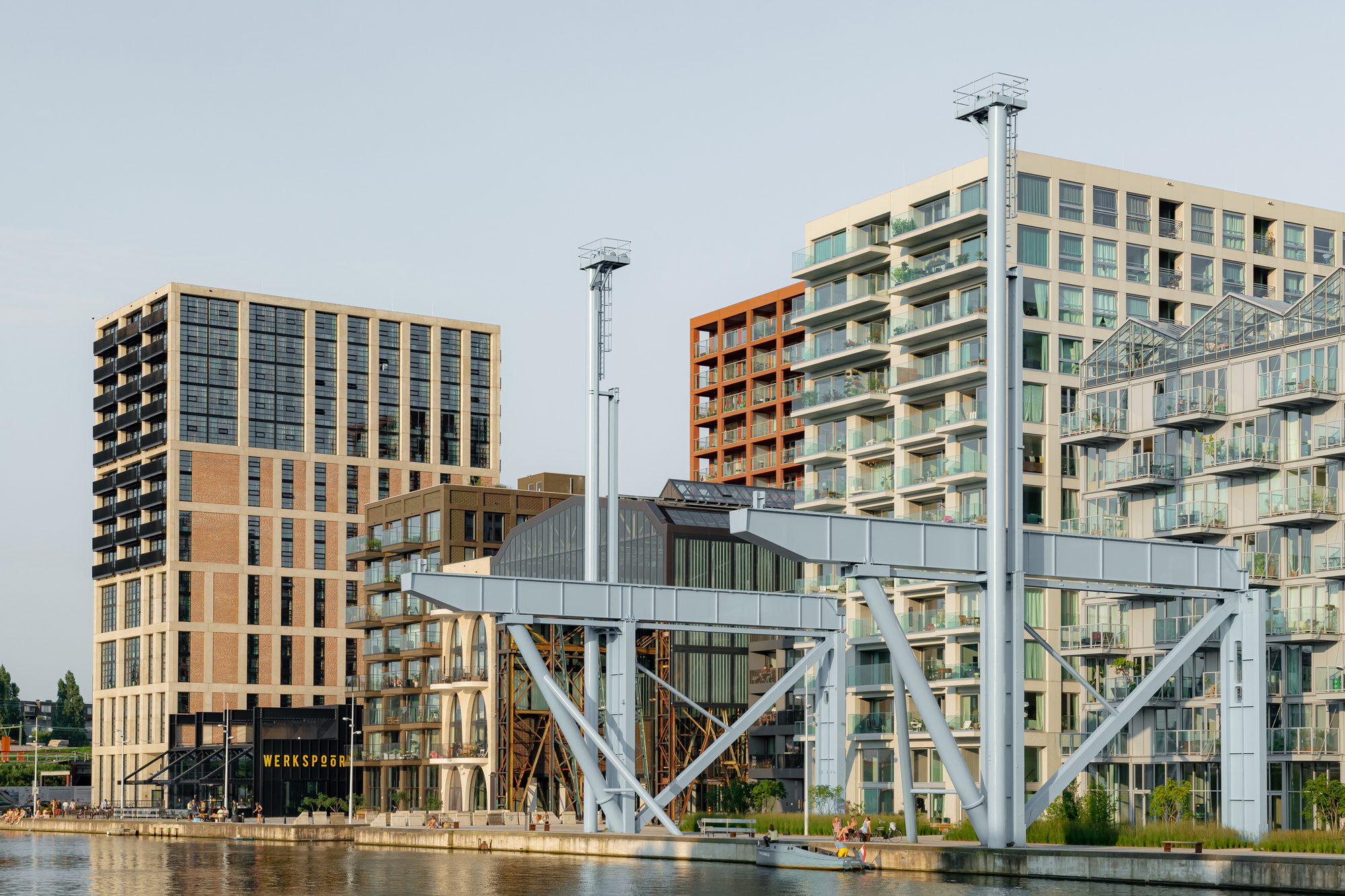
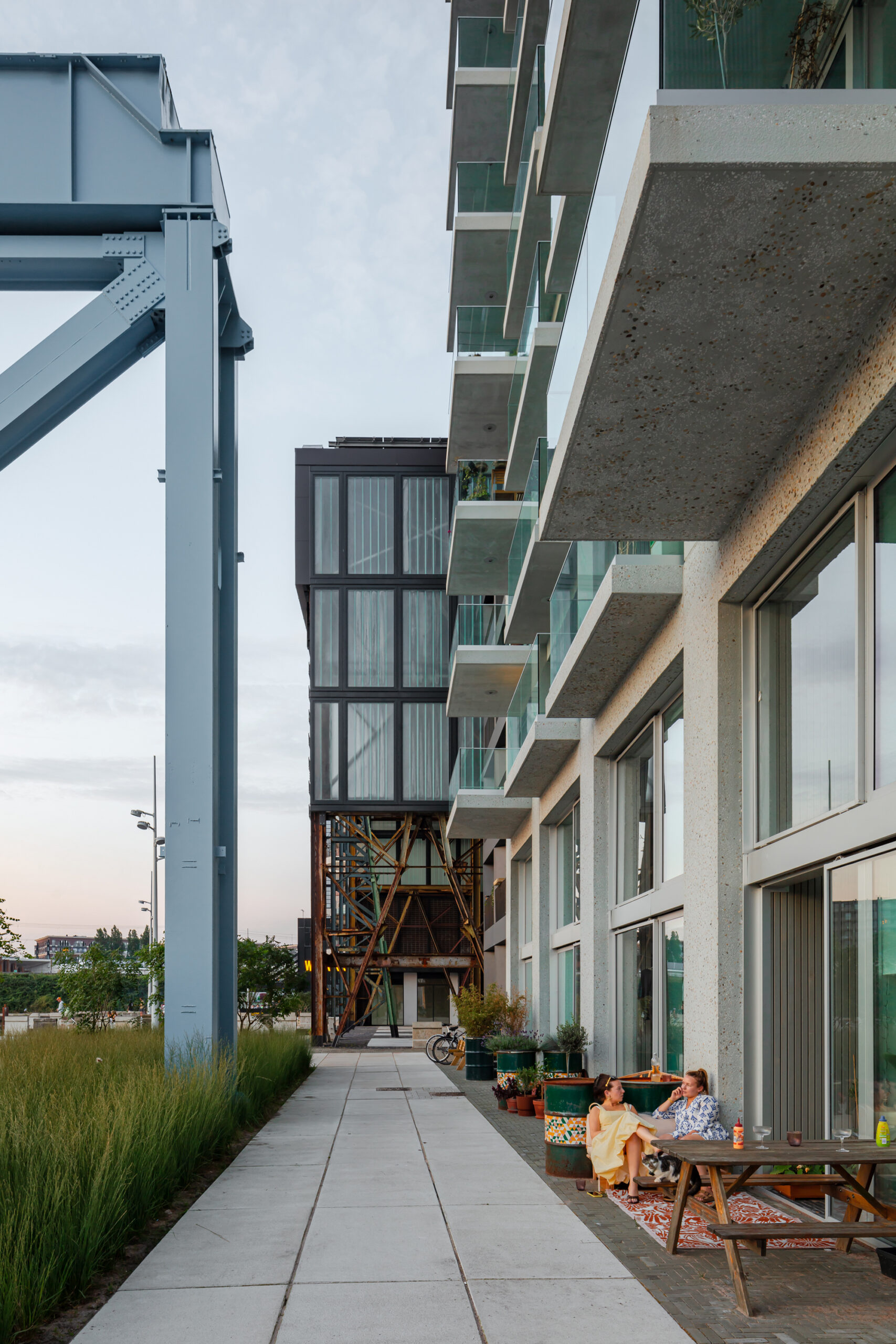
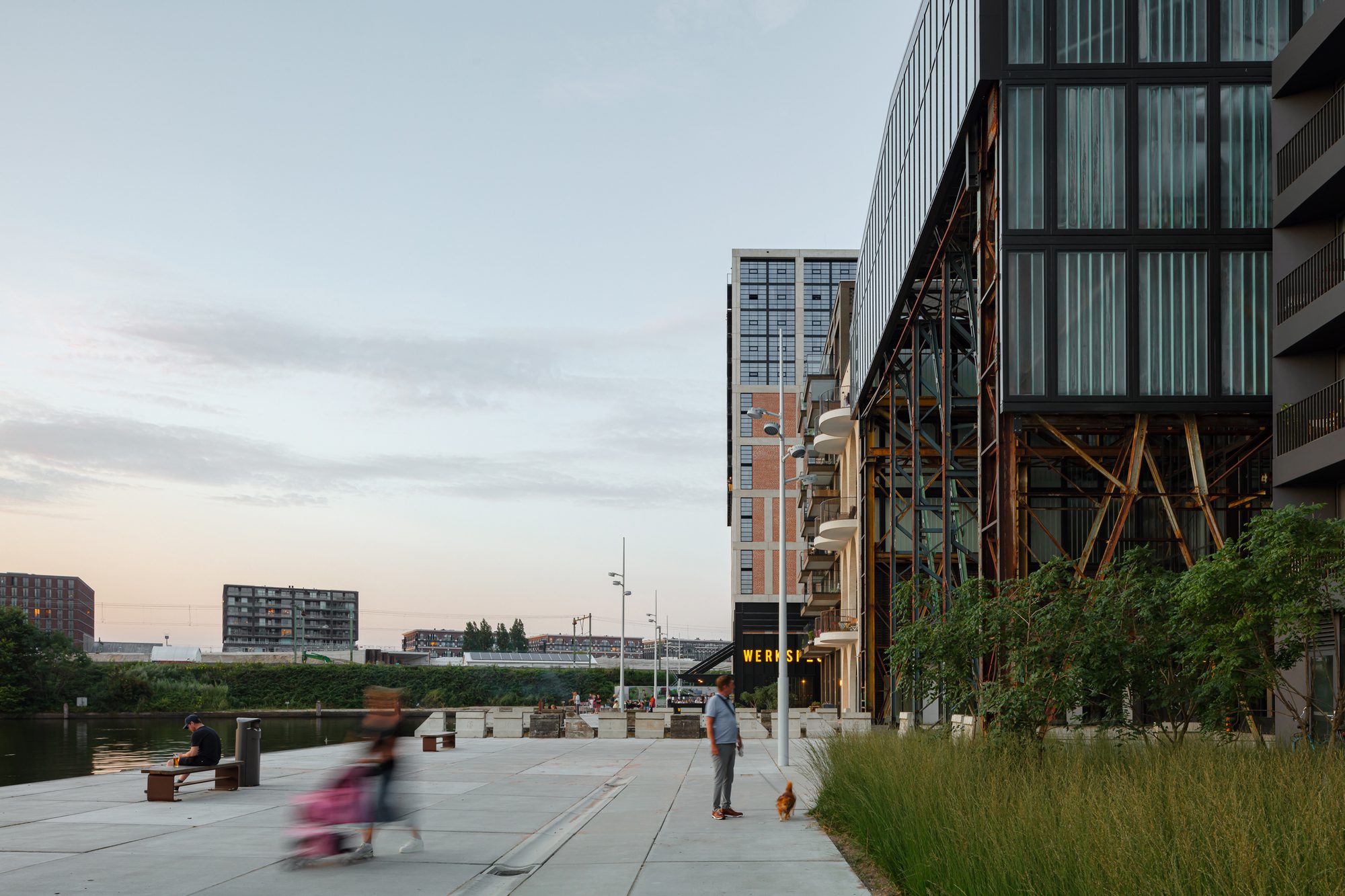
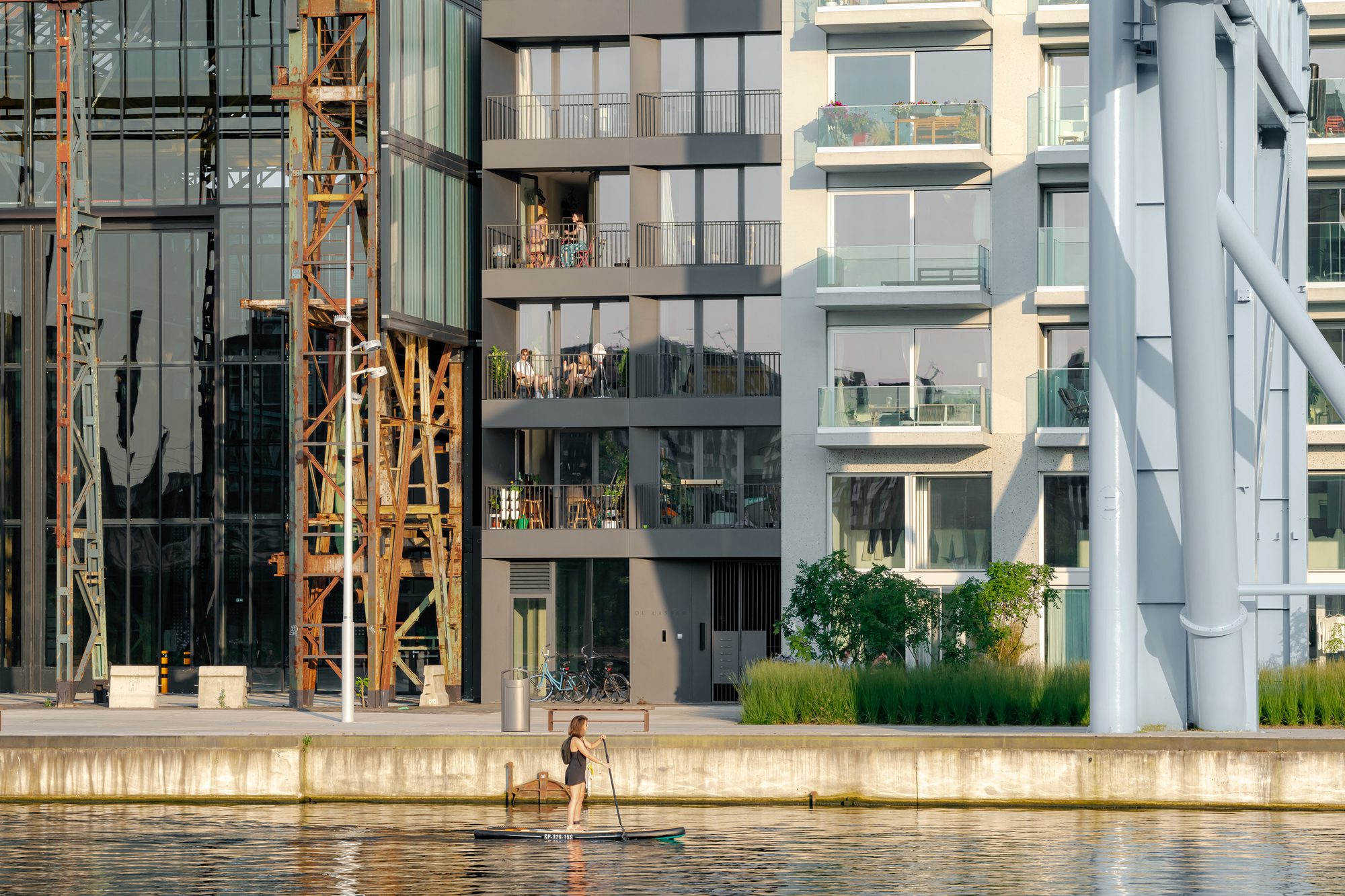
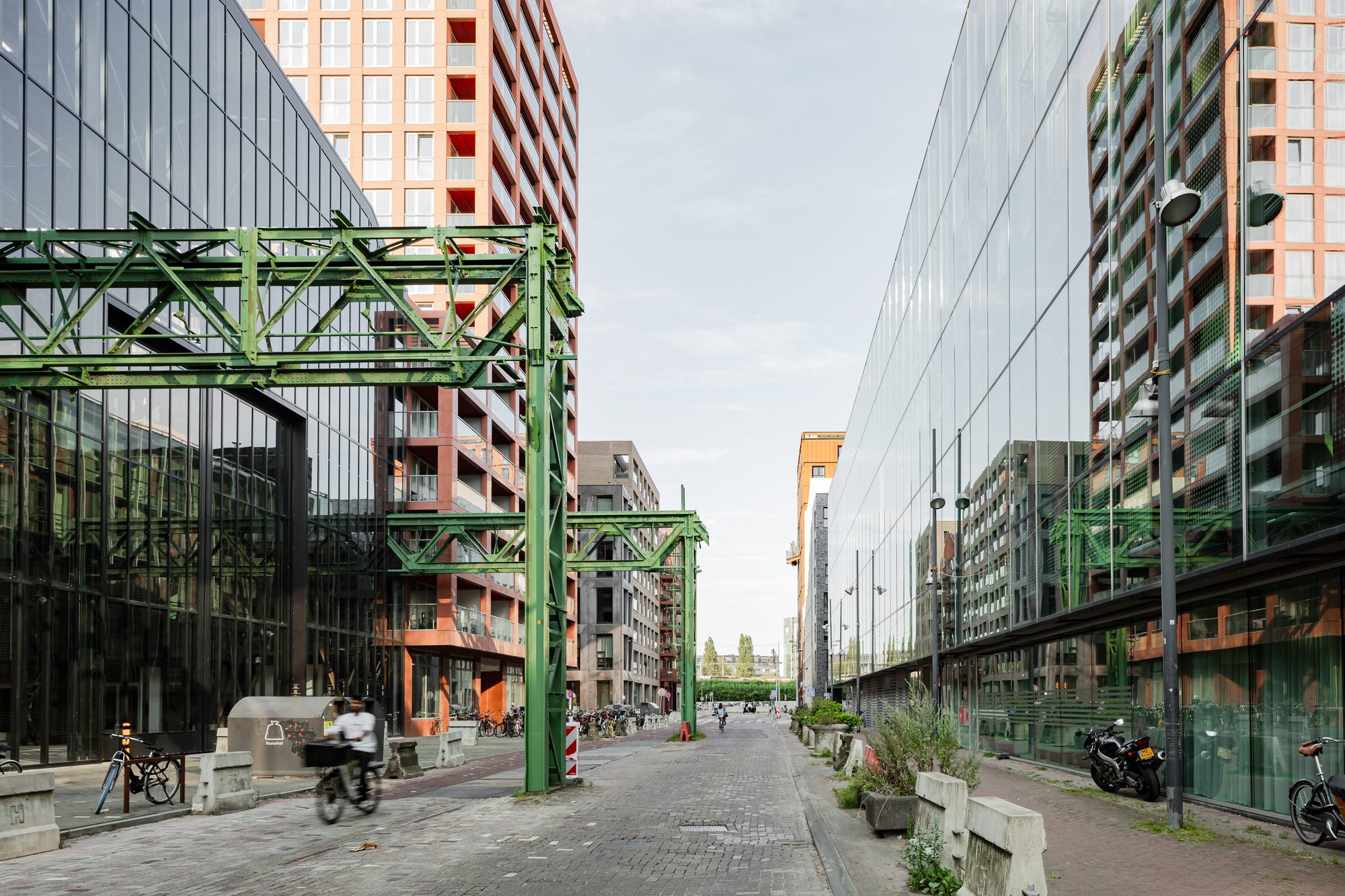
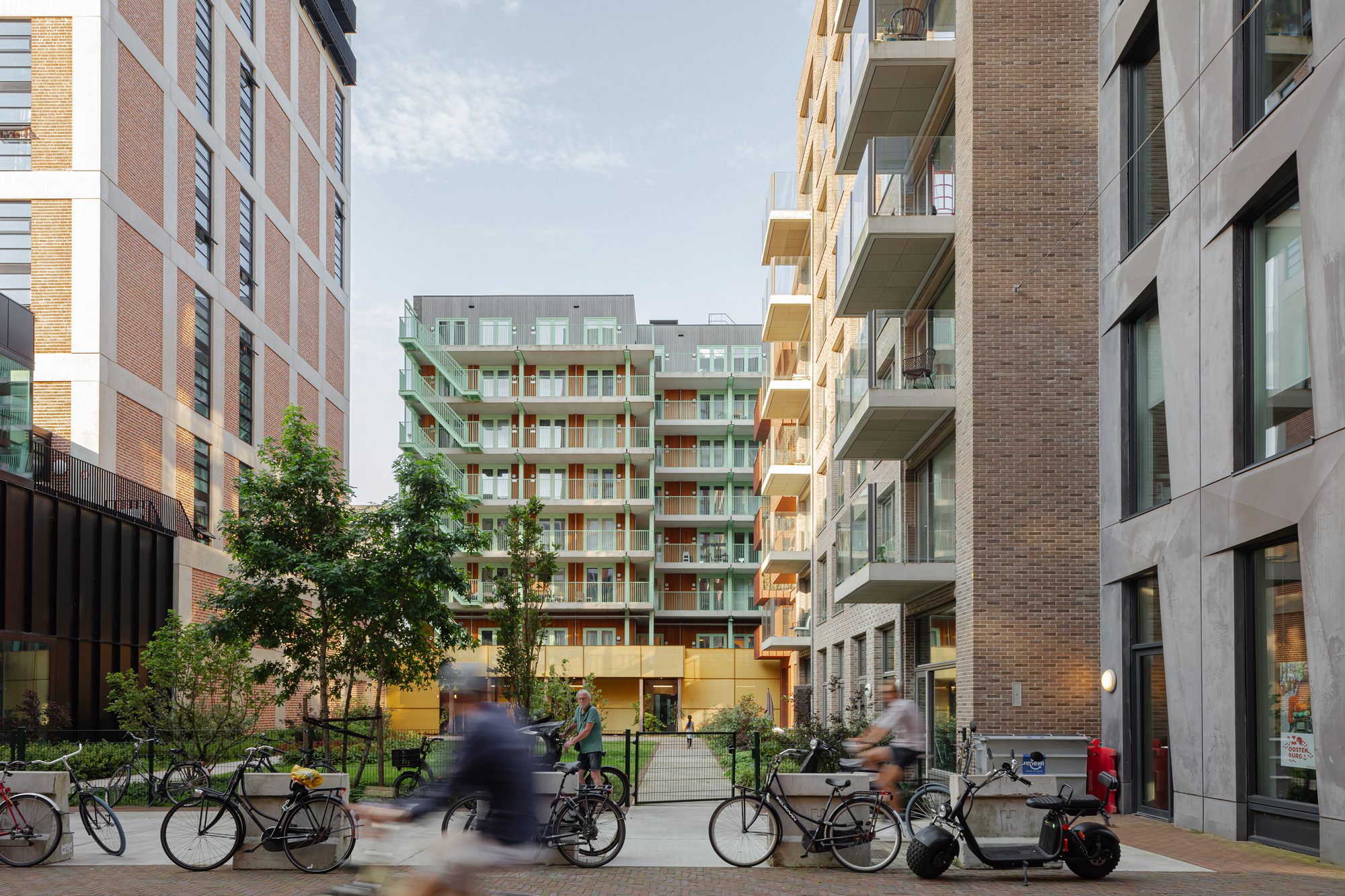
A key focus was on preserving the area’s raw character and remaining relics, such as the Werkspoorhal, the trestles, restaurant Roest and other remnants in which industrial history is palpable. Between larger, existing buildings such as the Van Gendthallen, the INIT building and the Werkspoorhal, we have inserted a cluster of smaller structures.
© Sebastian van Damme
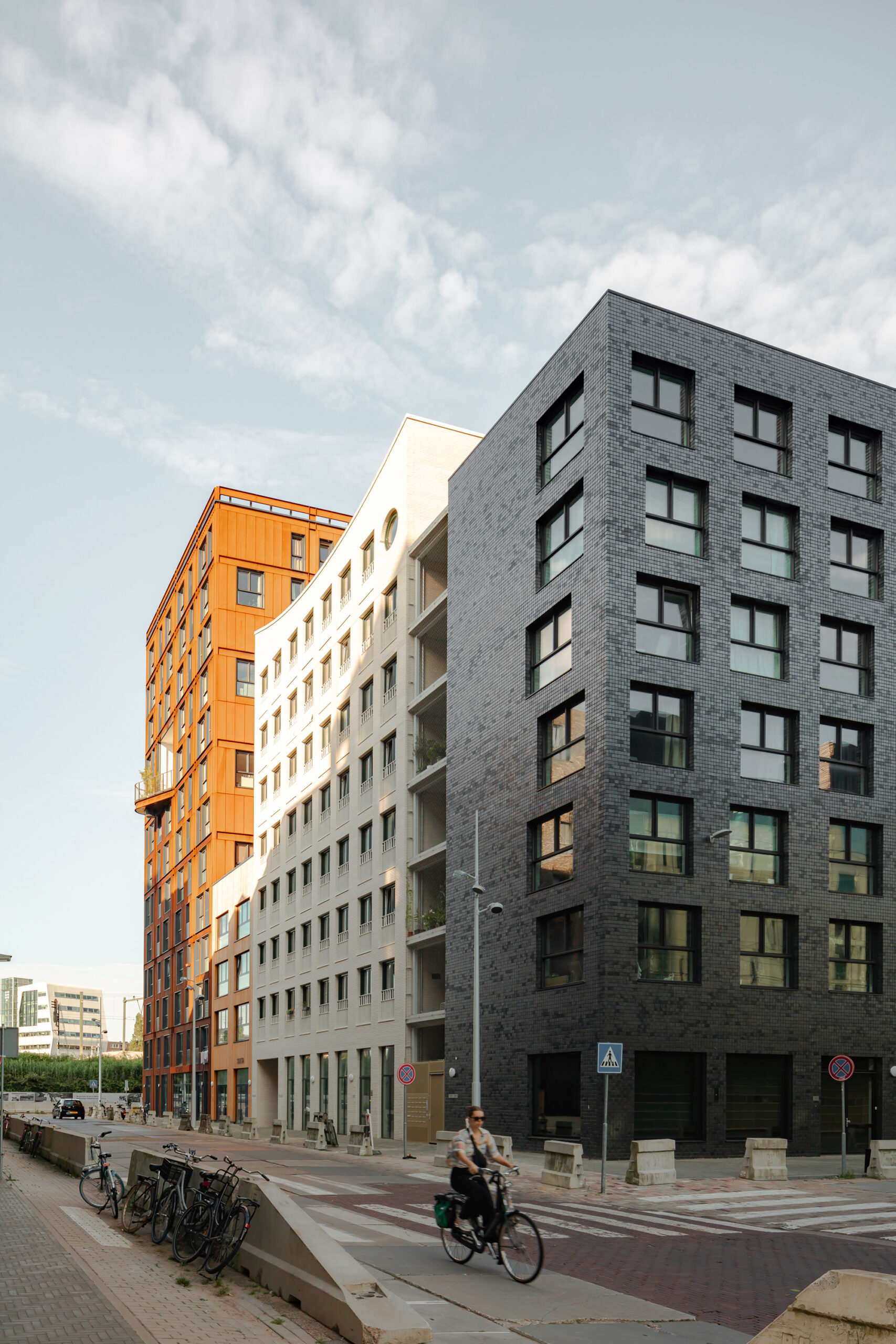
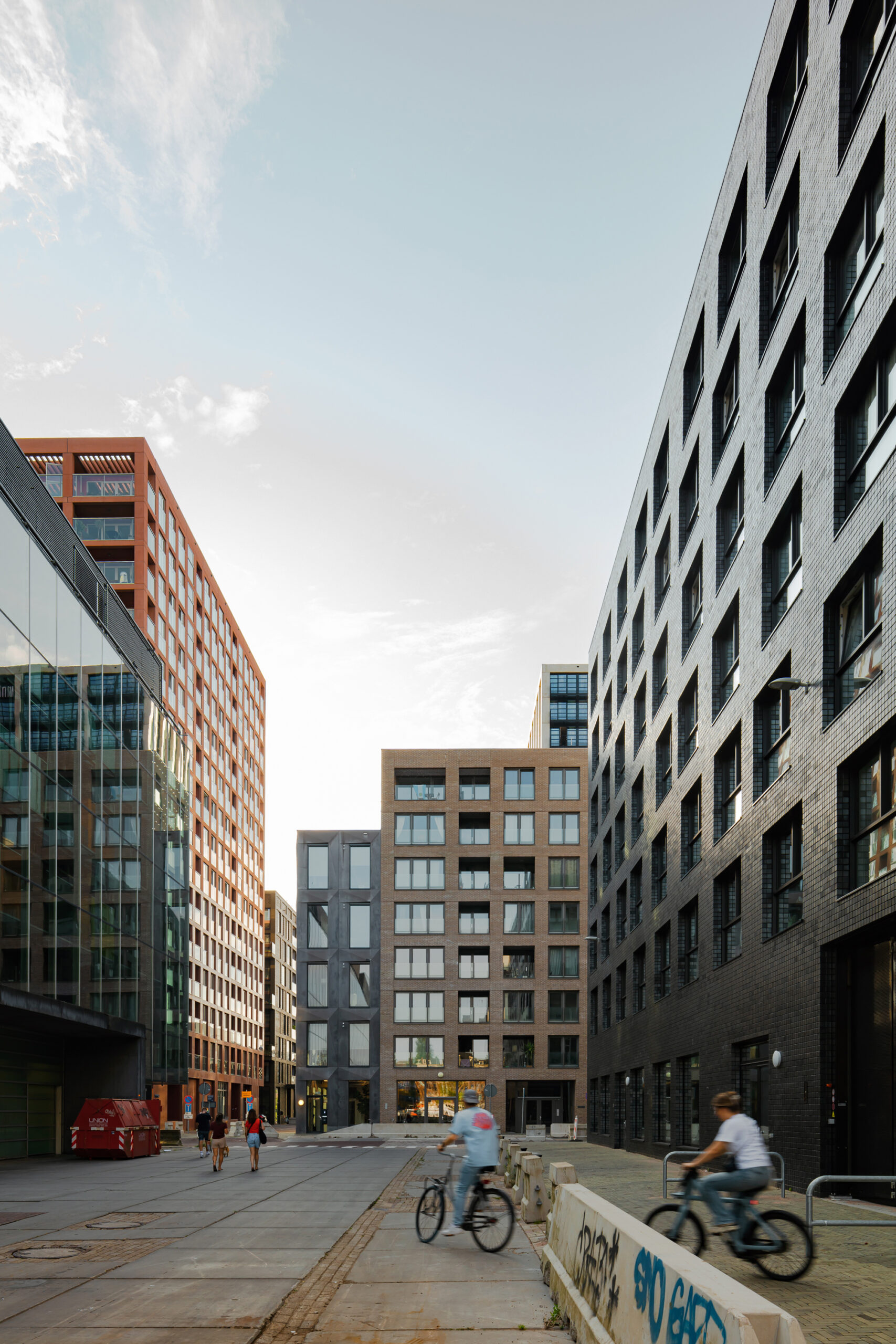
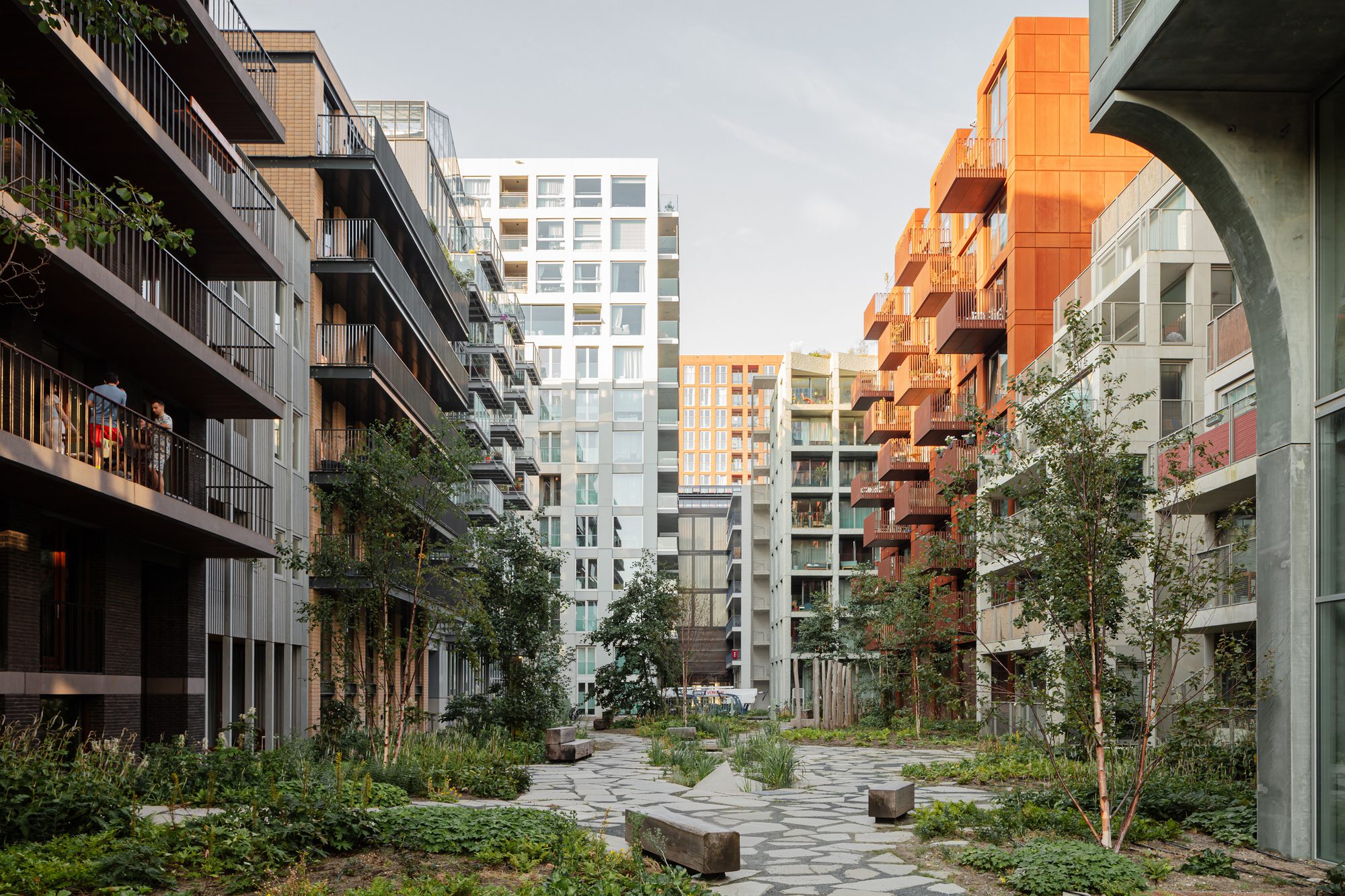
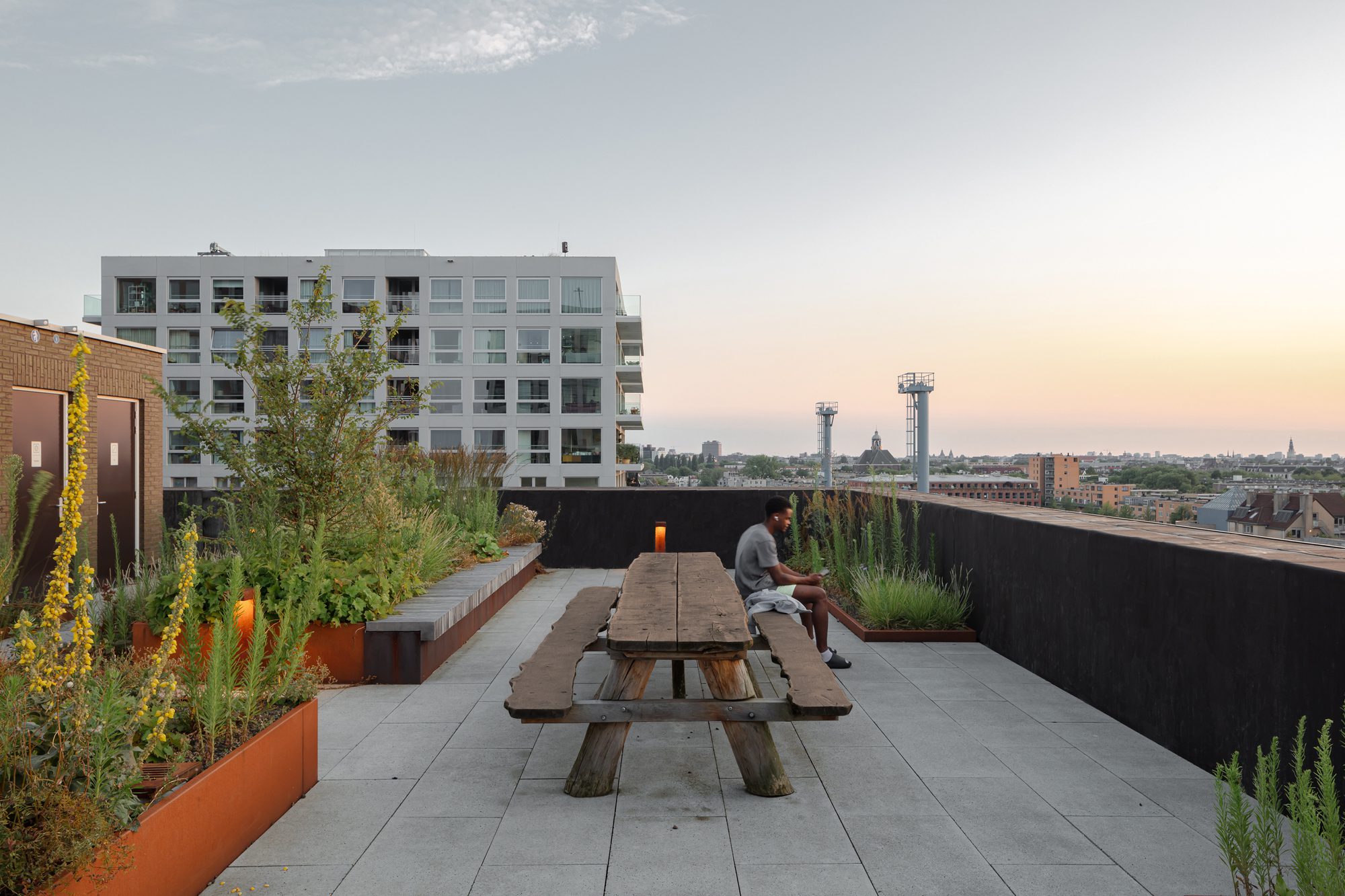
In the architectural quality plan, we have defined uniformity within, yet contrast between these different grain sizes, using variations in scale, colour and materials. To fit in with the city centre, all residential buildings are designed with vertical volumes, providing a bold contrast to both the old and new elongated work buildings. By combining this with smaller and larger buildings on varied plot sizes, we achieved a very high density for Amsterdam, yet maintained the human scale that promotes a sense of community.
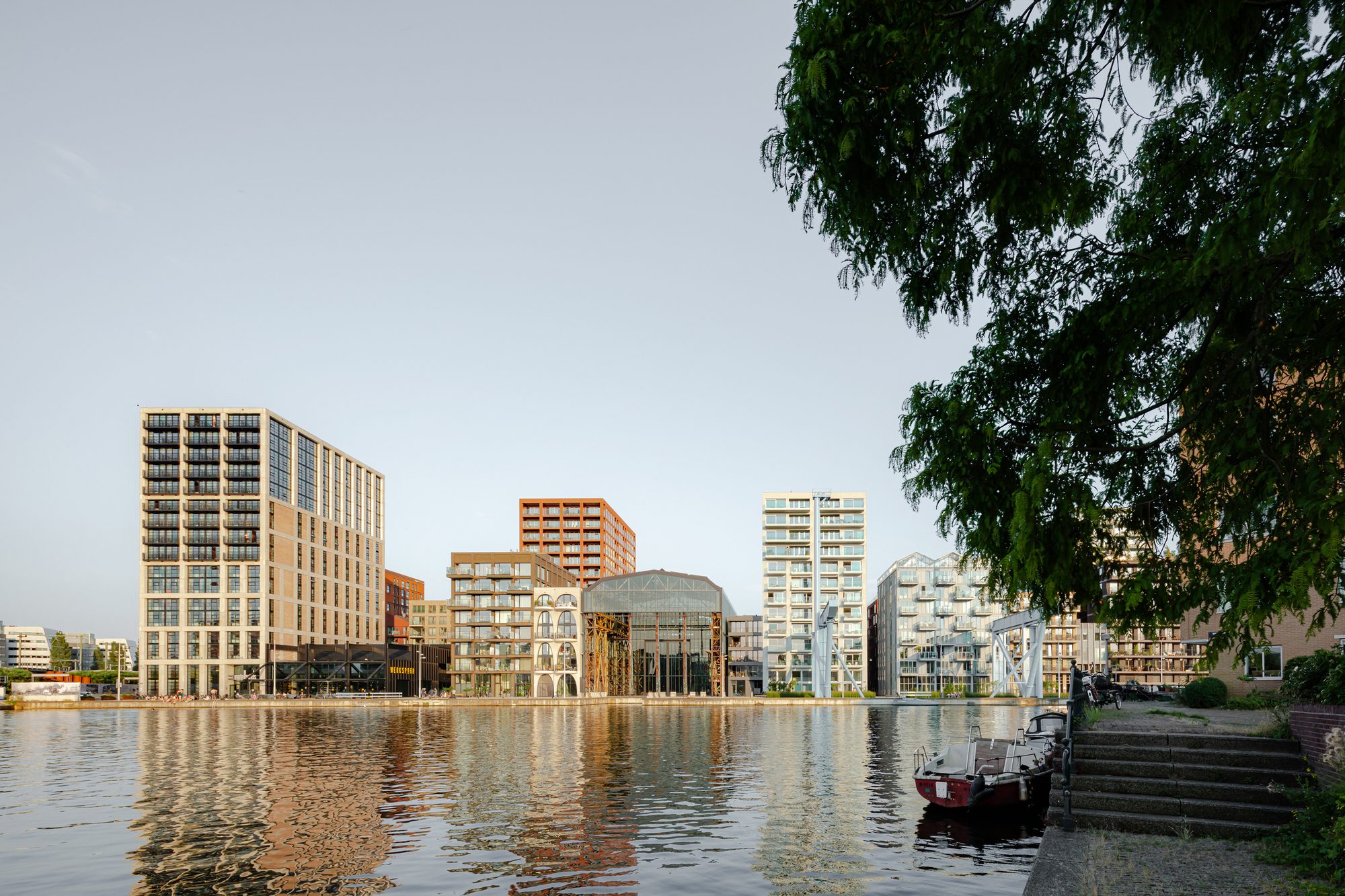
© Sebastian van Damme
Leaving many entrances and stairwells open has created numerous informal connections between the courtyards and public streets, complementing the formal passages. Along with the area’s nearly car-free layout, this design fosters the social interaction among residents, businesses, and visitors, creating a lively district in the new Oostenburg.
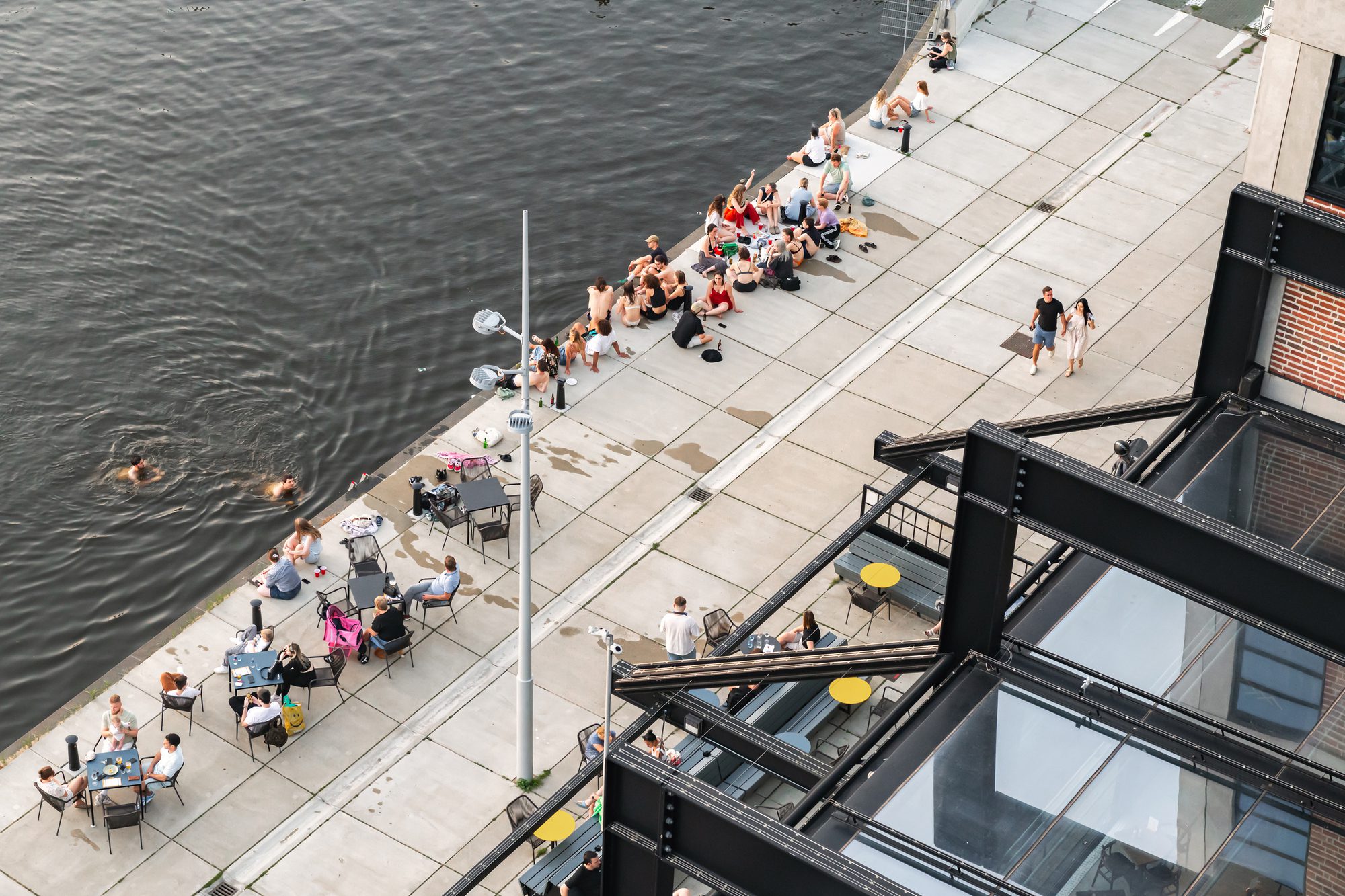
© Sebastian van Damme
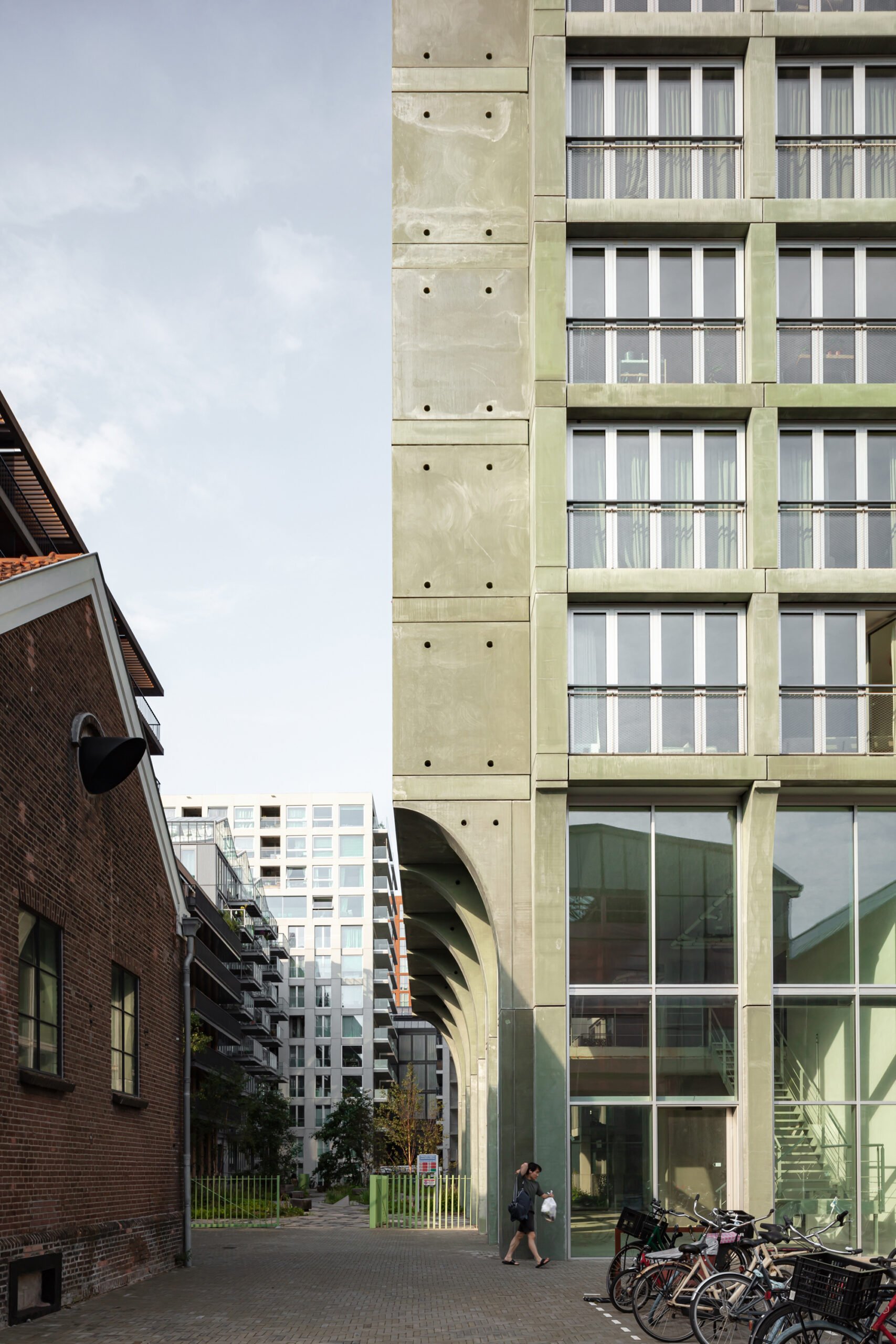
© Sebastian van Damme
Project Info
Architects: Studioninedots
Area: 140000 m²
Year: 2024
Country: Amsterdam, The Netherlands
Photographs: Sebastian van Damme
Design Team: Albert Herder, Vincent van der Klei, Metin van Zijl, Ruben Visser, Wouter Hermanns, Karlijn de Jong, Monika Pieroth
Architects Collaborators: Architectuur MAKEN, BETA, Bureau Fraai, Common Practice, HOH Architecten, Laura Alvarez, Marcel Lok_Architect, MIX architectuur, MVRDV, NEXT architects, OZ Architects, Space Encounters, Studio AAAN, Urban Echoes, Workshop architecten