

Suixian Agricultural Infrastructure Renovation.
1. Terraced Tea-Oil Gardens: From “Idyllic Pastoral” to “Robust Structures”
© Yilong Zhao
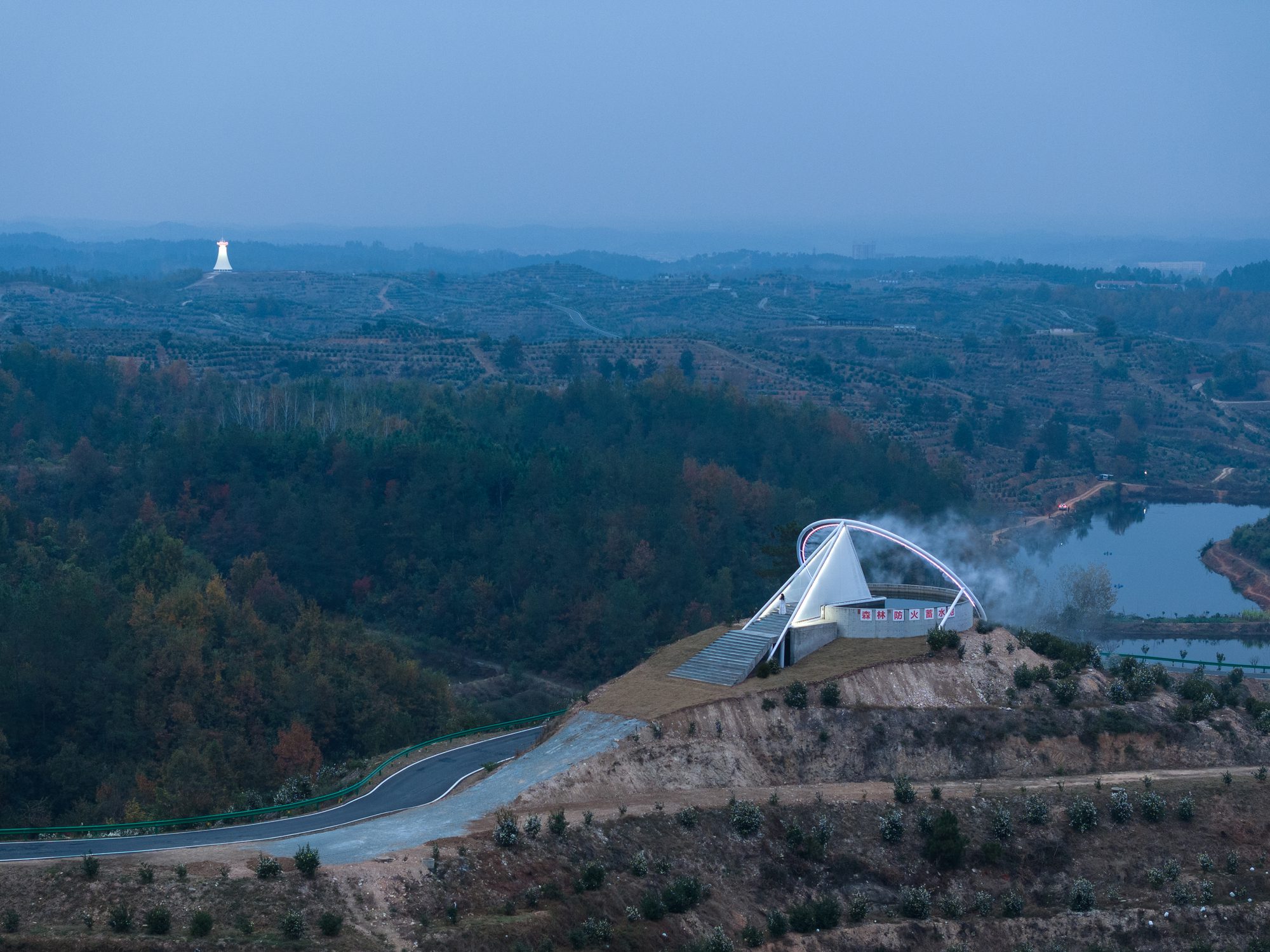
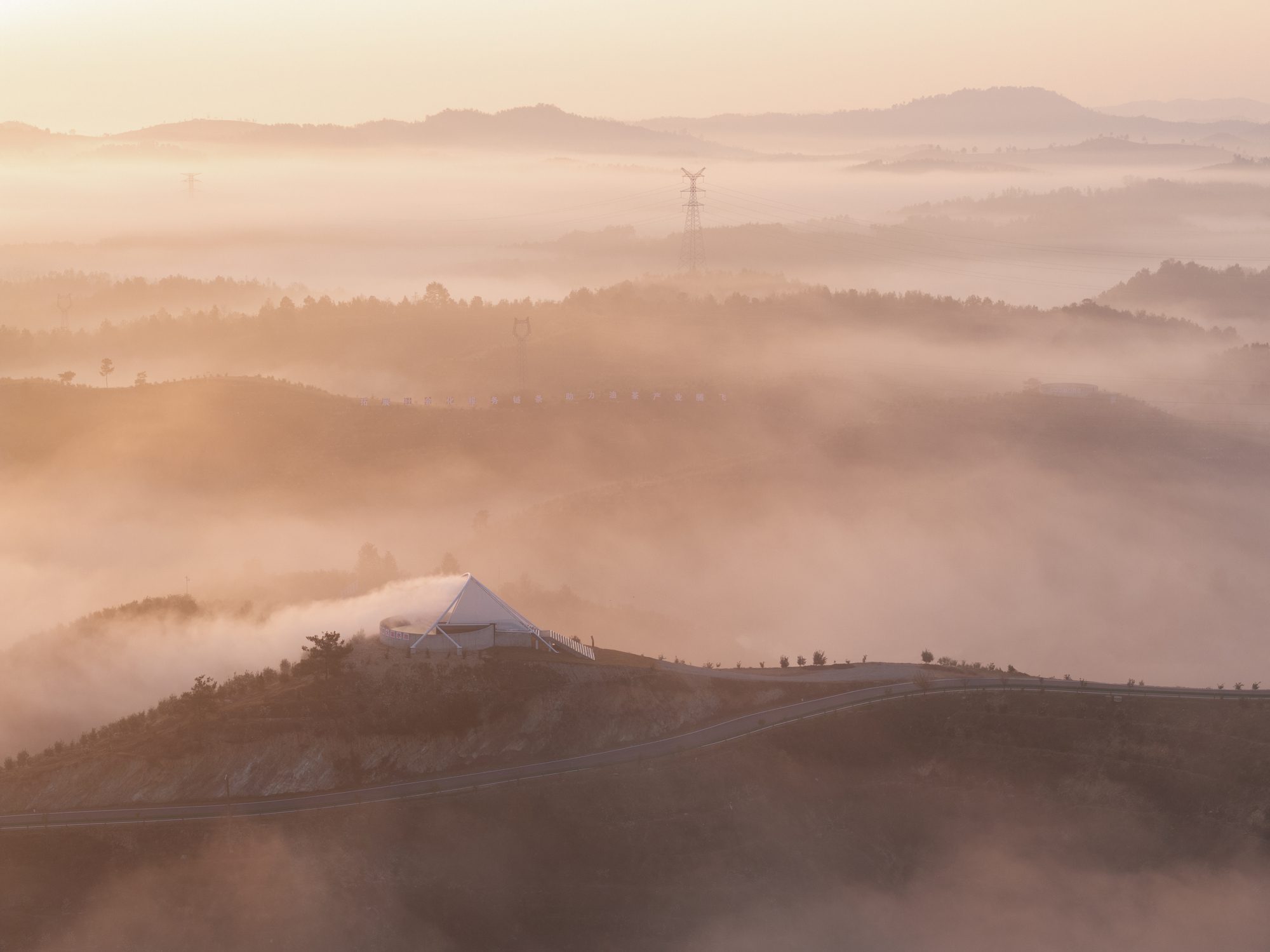
In Huan Tan Town, Suixian County, thousands of acres of tea-oil gardens were cultivated through terraced farming. Here, the beauty of the landscape derives not only from nature’s craftsmanship but also from the marks of human activity. Contemporary rural beauty is no longer merely pastoral poetry; amidst mountains and rivers, there are also various robust infrastructural megastructures: the lines of terraces, the contours of water reservoirs, and the upright forms of transmission towers.
© Yilong Zhao
These elements serve as tools for production and life, yet they also emerge as new landscape symbols. In their raw simplicity, they reveal a sense of utility and strength, showcasing the authenticity of human interaction with nature. On this land, human intervention and natural forms no longer oppose but instead complement and depend on each other. The definition of “landscape” has expanded to a technological system where humans wrestle with, yet coexist with, nature.
© Yilong Zhao
2. Irrigation Reservoir: From “Aerial Perspective” to “Human Connection”
© Yilong Zhao
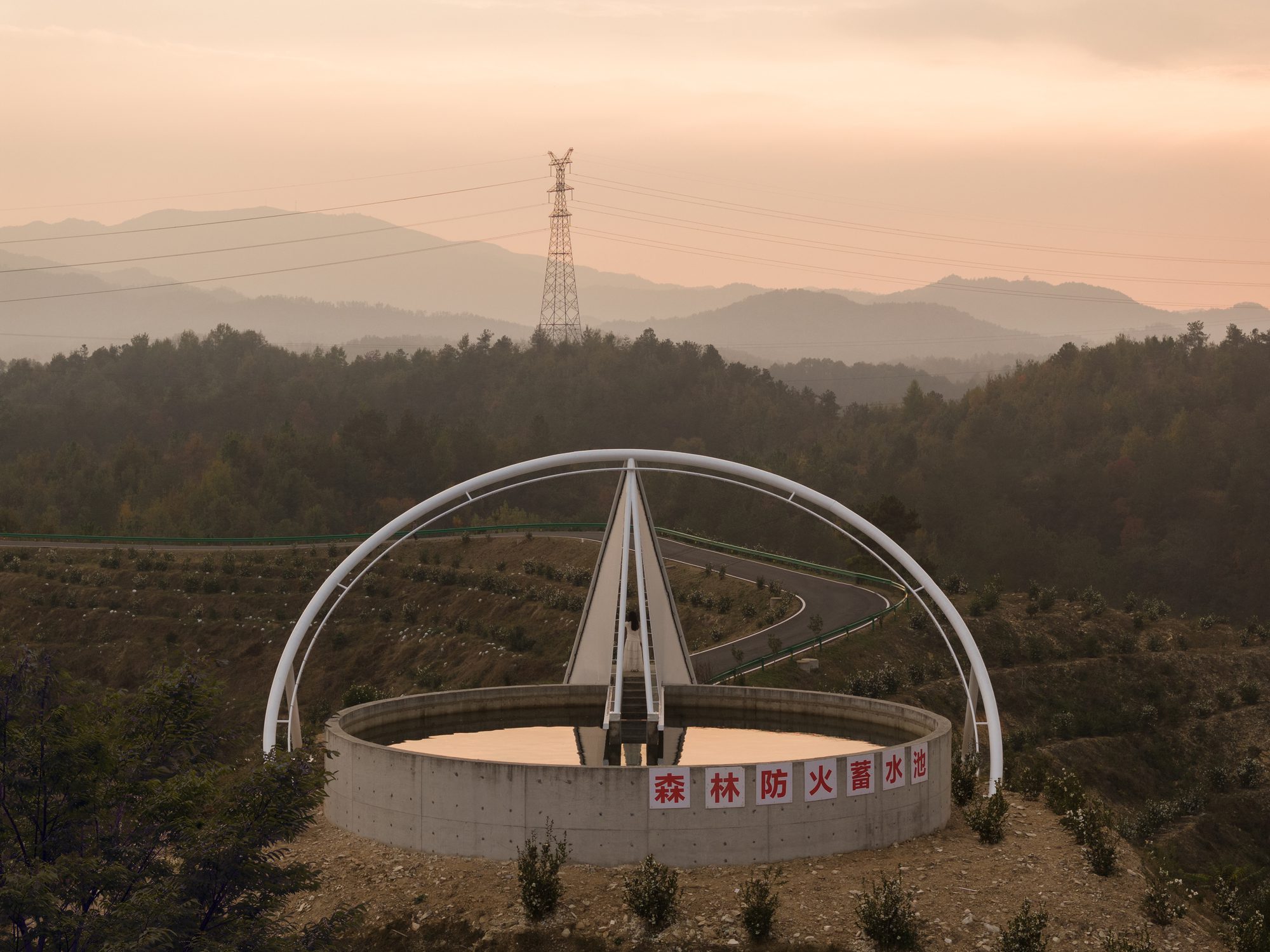
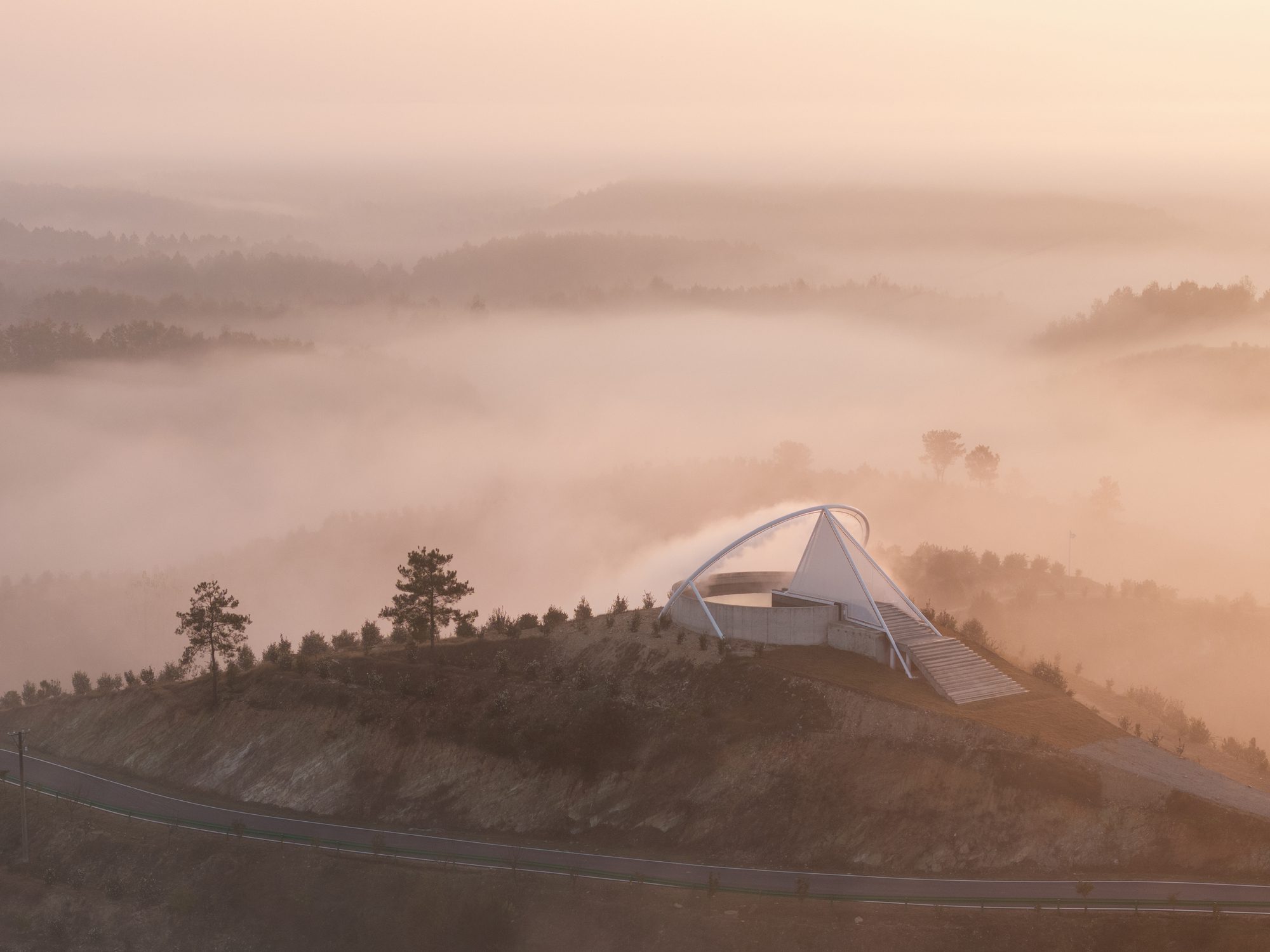
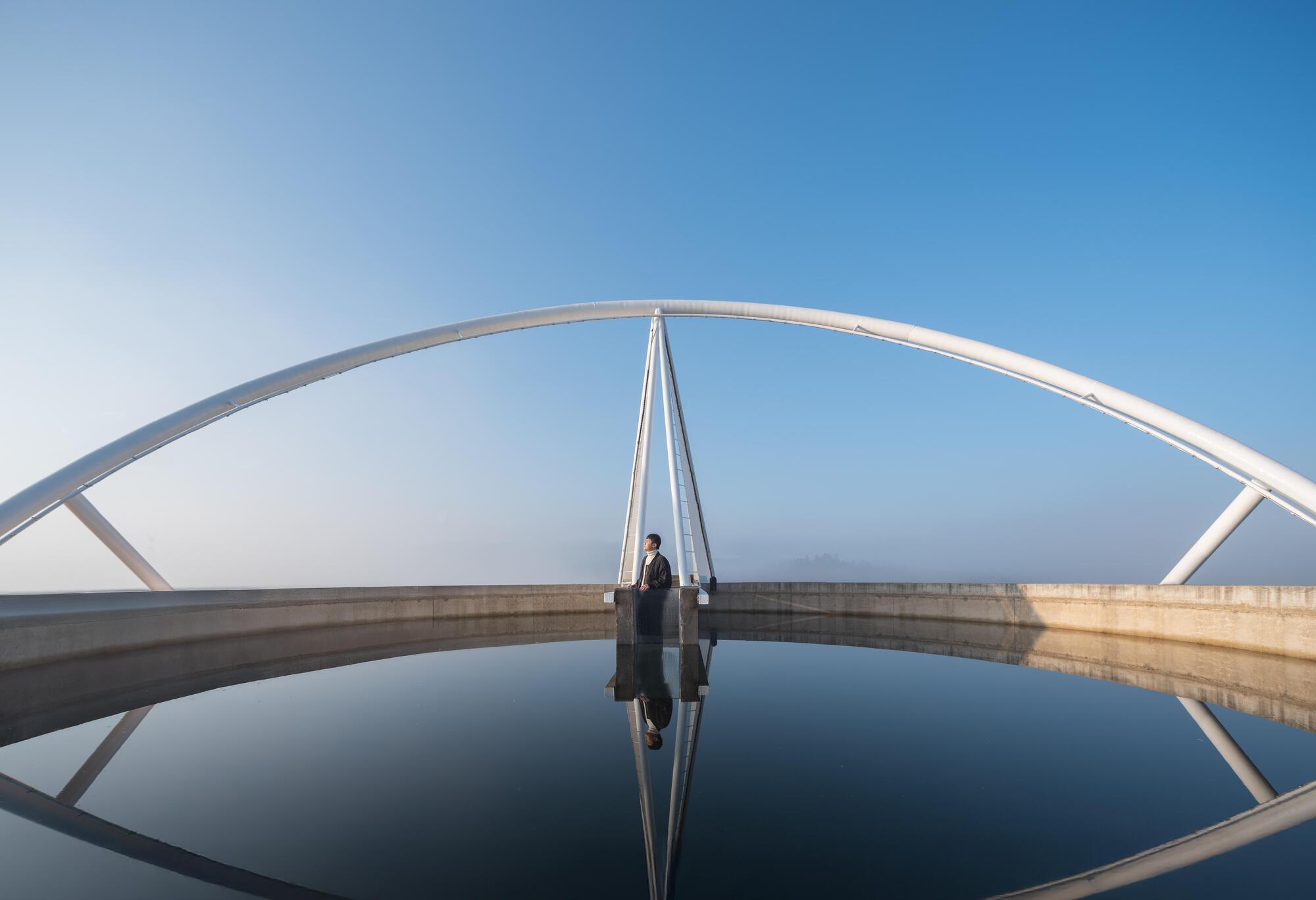
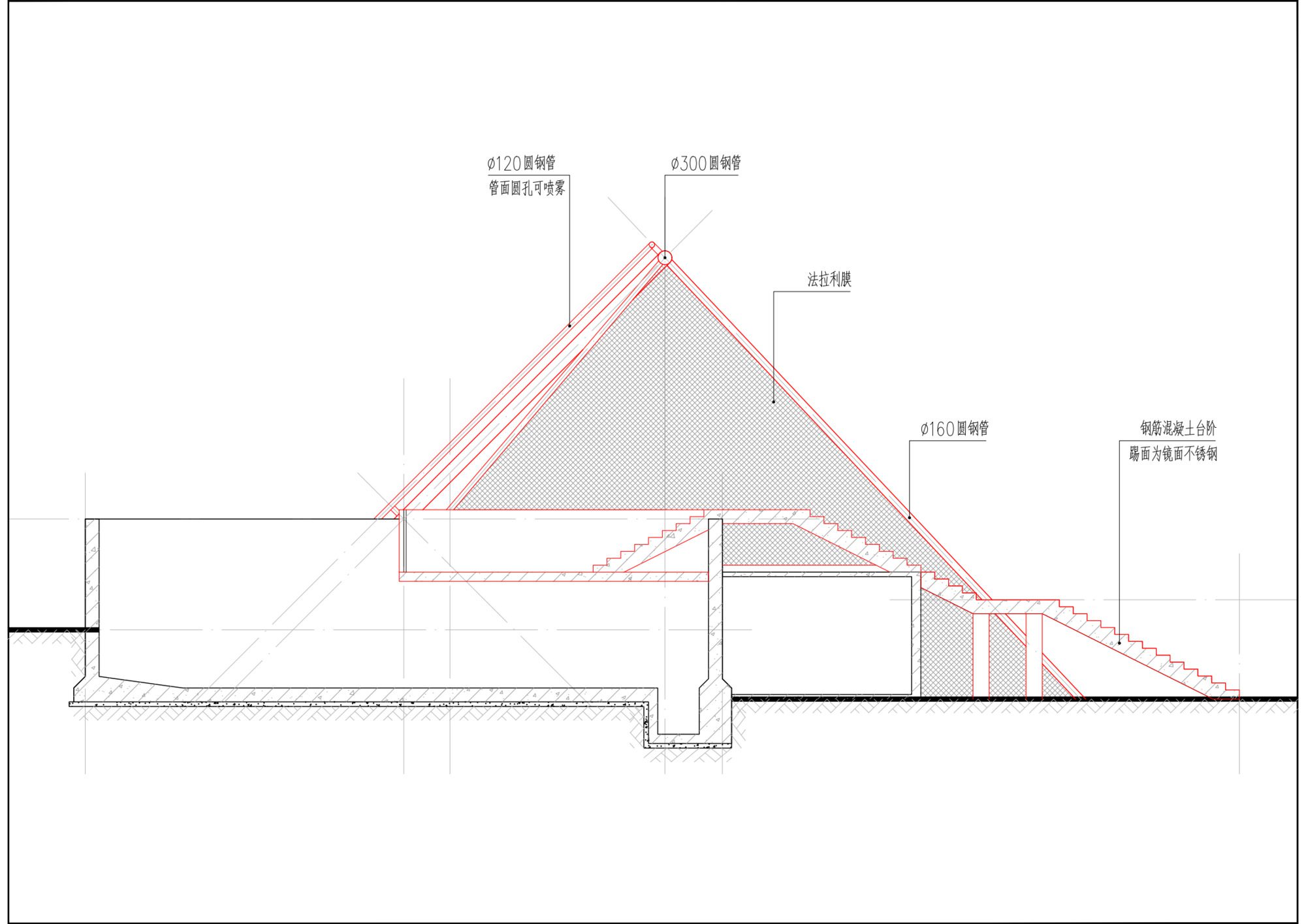
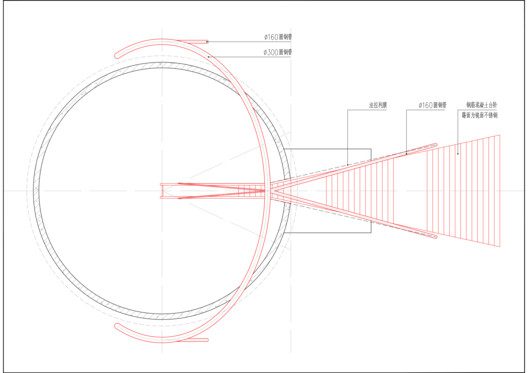
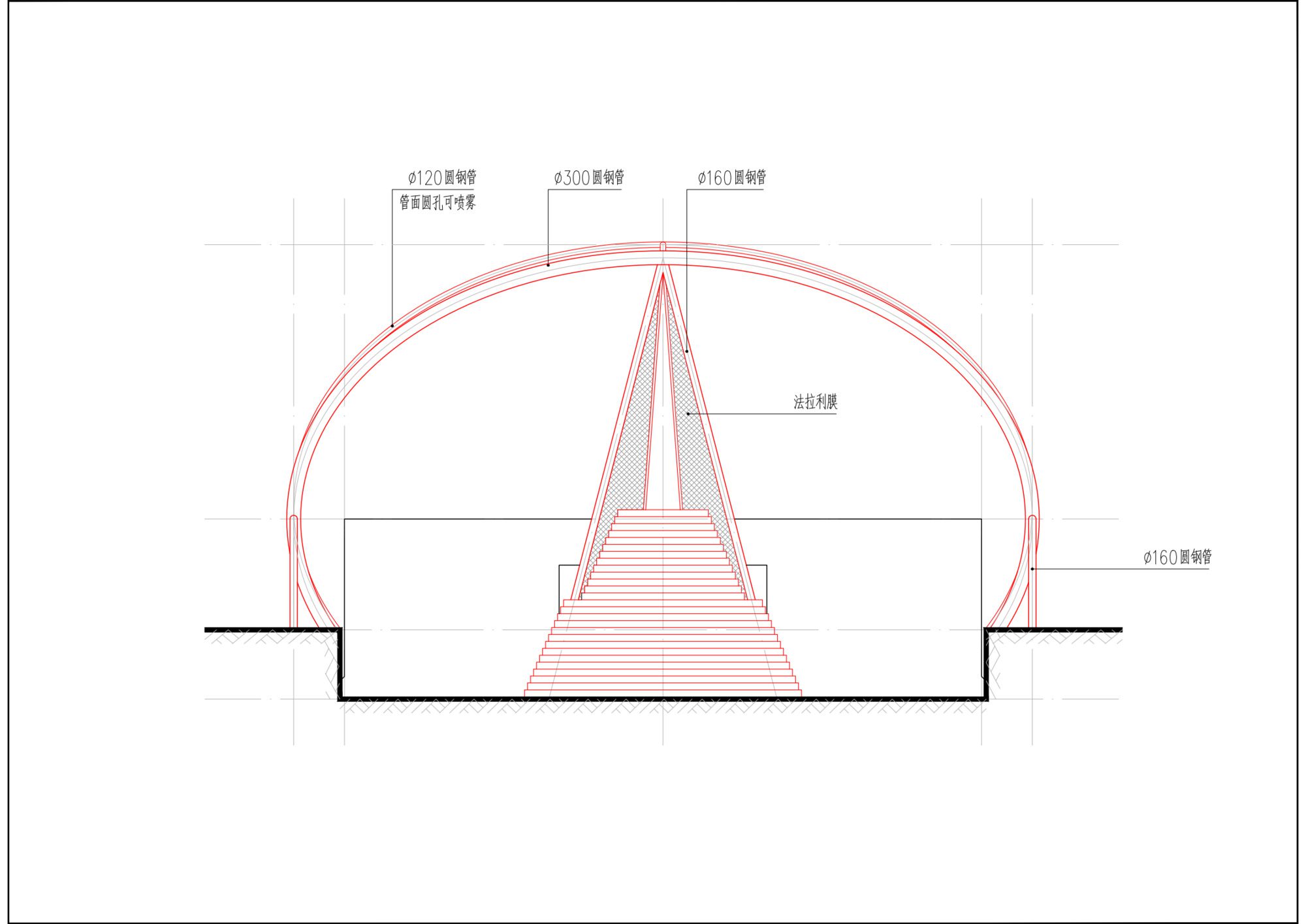
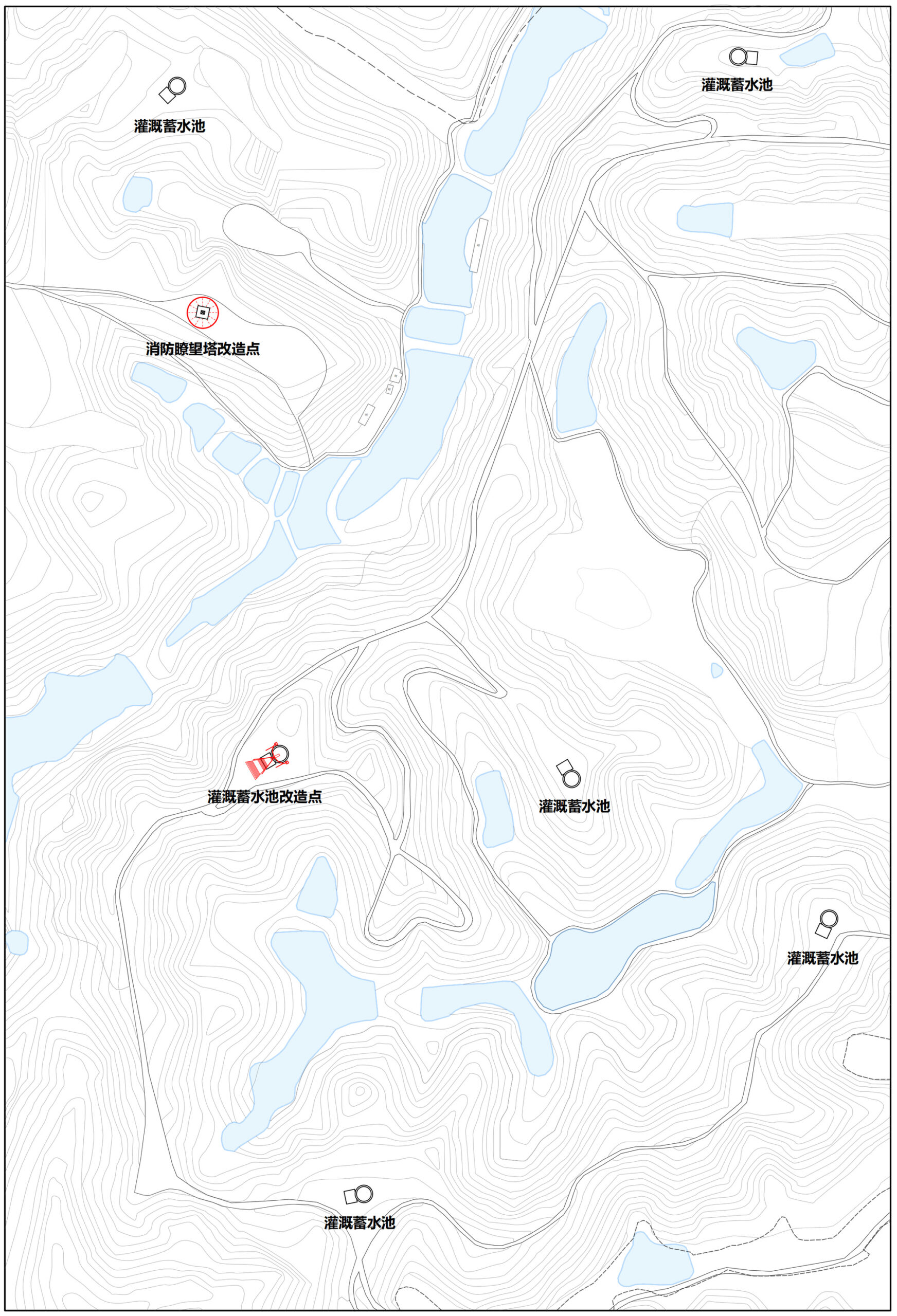
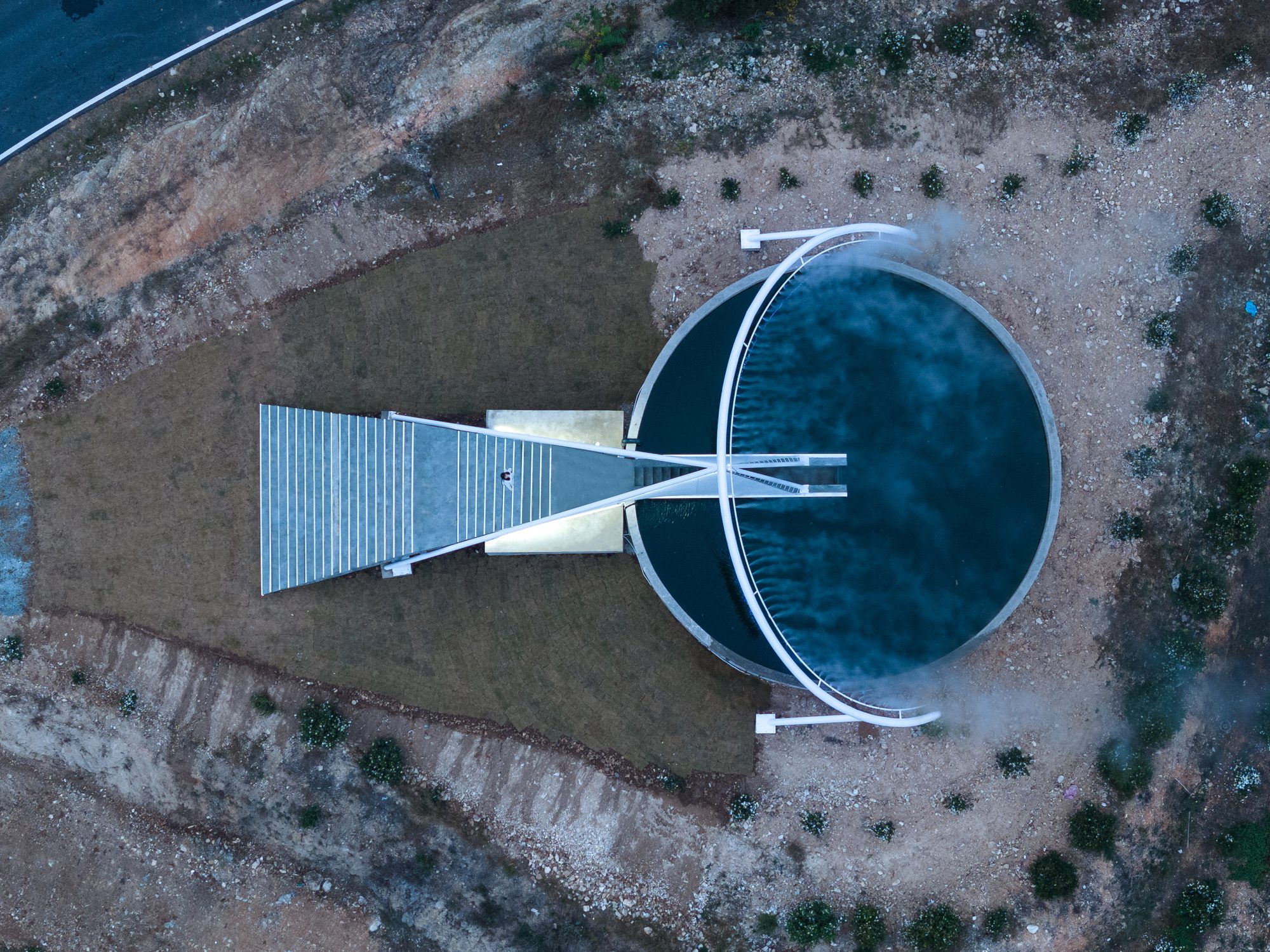
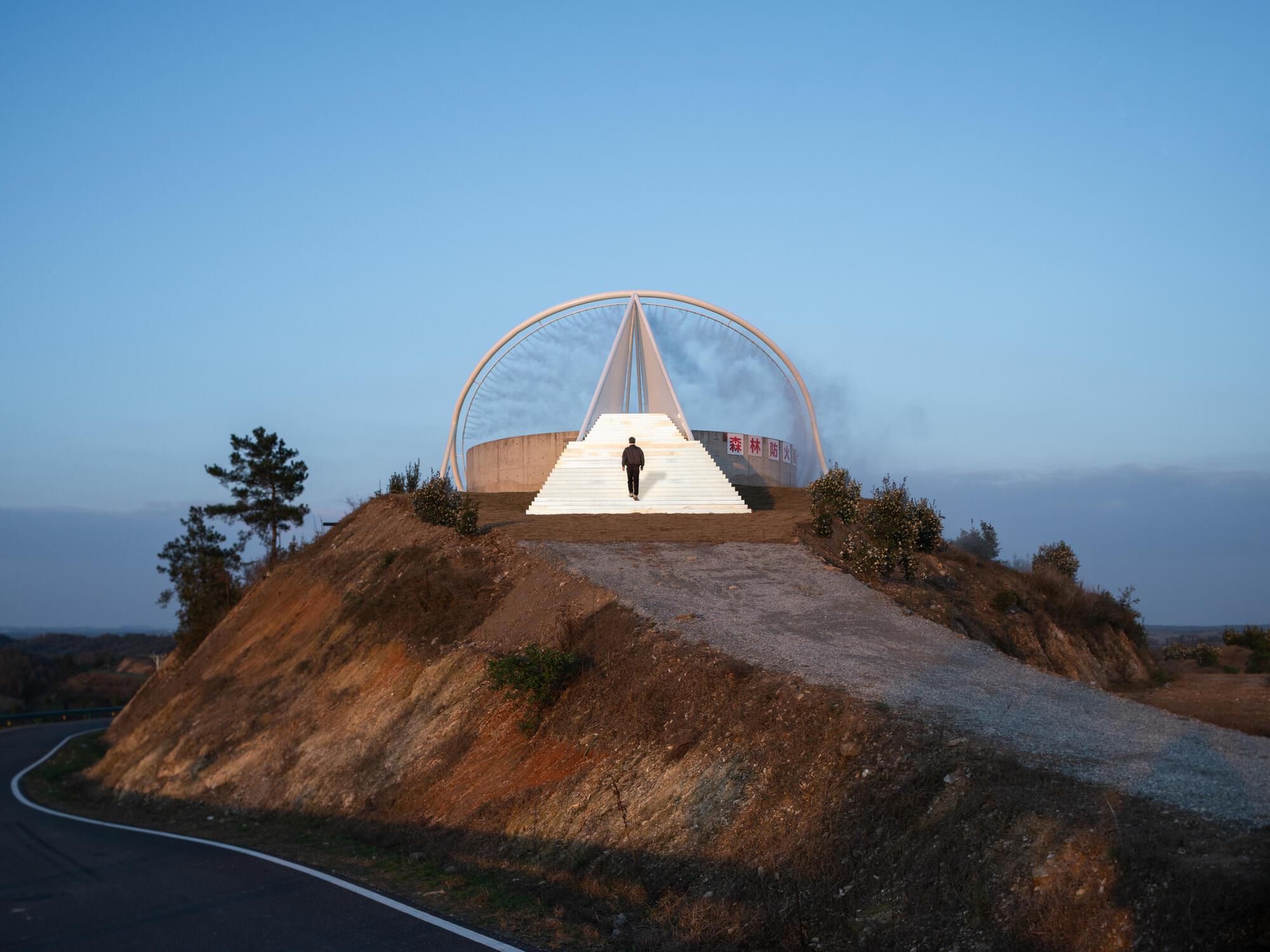
The reservoir resembles a giant circular mirror, quietly embedded among the mountains, reflecting the shifting sky and clouds. Its beauty is profound yet untouchable, belonging to the eyes of drones and the divine, inaccessible to human proximity. To bring this aerial reflection closer to human experience, a large triangular staircase was introduced. Its width tapers from 6 meters at the base to 600mm at the top, with mirror-polished stainless steel risers. The mirrored surfaces give the impression of water cascading down the steps, carrying the rippling reflections of sky and mountain onto the vertical facade, allowing even those at the foot of the mountain to witness this otherworldly illusion.
© Yilong Zhao
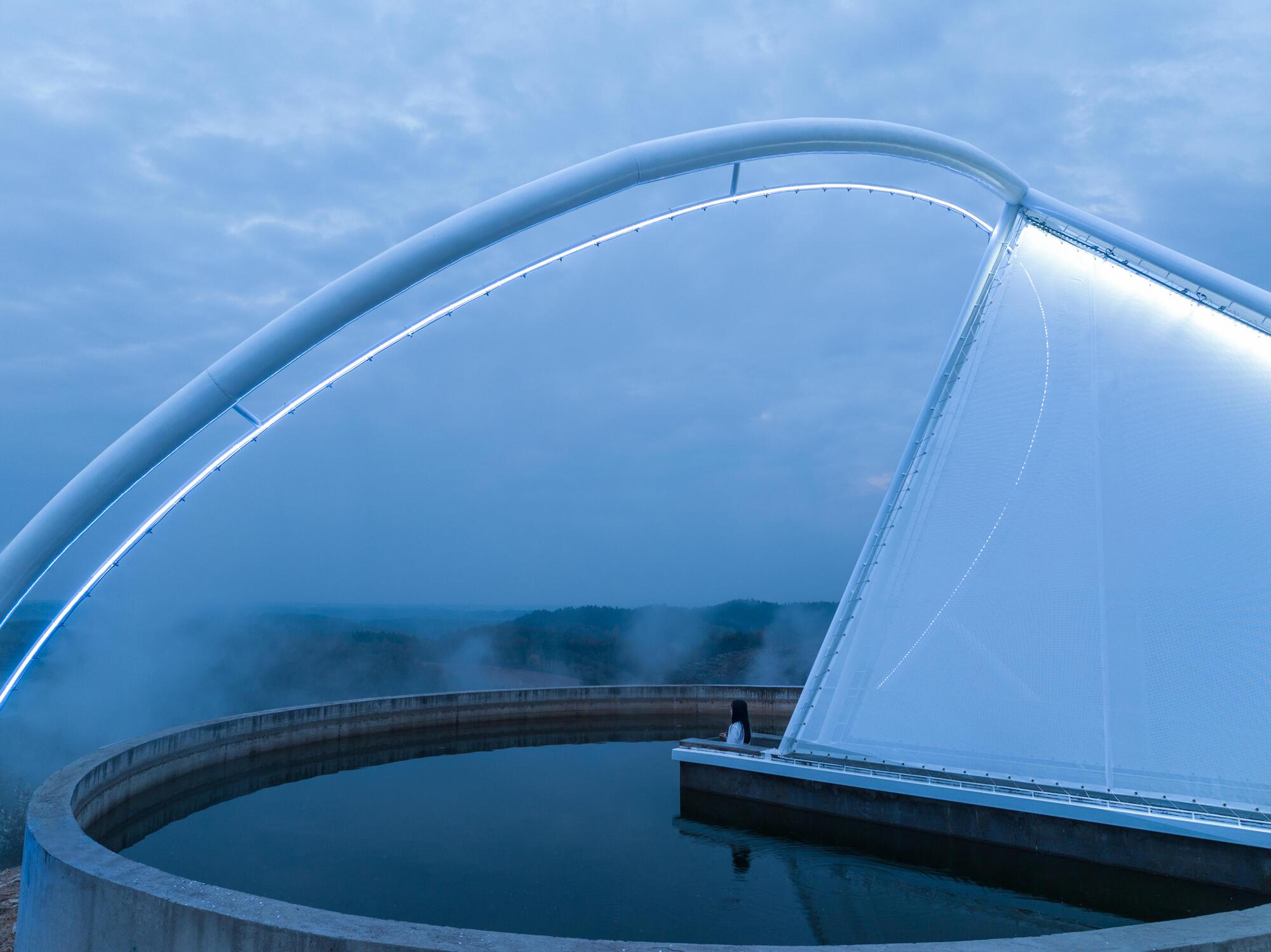
Climbing the staircase to the reservoir’s summit, visitors find themselves on a walkway that leads to the reservoir’s center. Entering this circular frame, their gaze aligns with the water’s surface, where mountain shadows and human reflections intertwine. The vast mirrored surface beneath seems to penetrate the observer’s inner world, washing away any restlessness and noise, leaving only clarity.
© Yilong Zhao
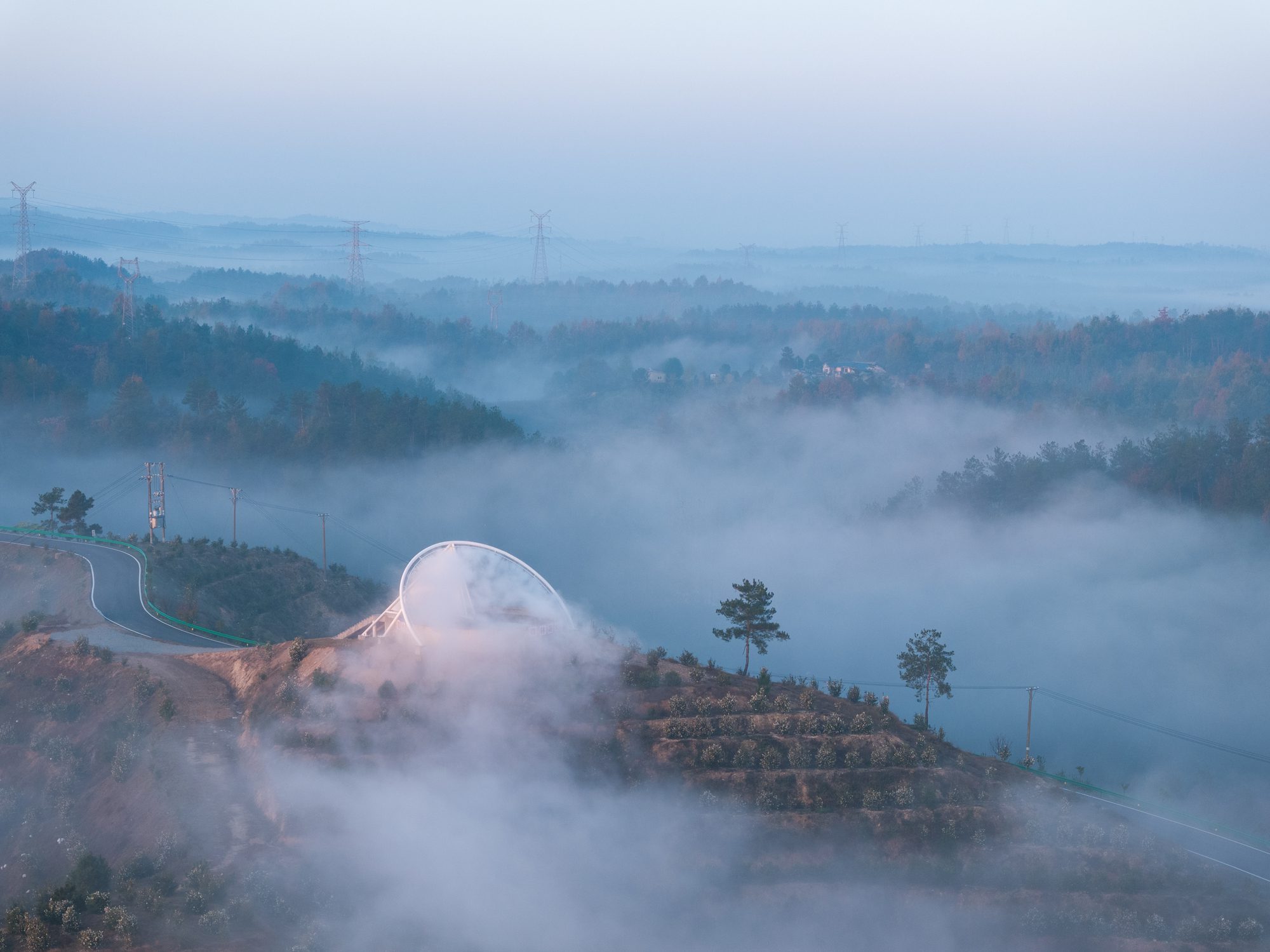
Suspending the water-level walkway is a large circular structure set at a 45-degree angle to the reservoir. Beyond its structural purpose, it channels the reservoir’s water into an arched spray, nourishing the surrounding land. Rising mist and rippling waves romantically visualize the reservoir’s irrigation function.
© Yilong Zhao
3. Fire Lookout Tower: From “Observation Post” to “Community Hub”
© Yilong Zhao
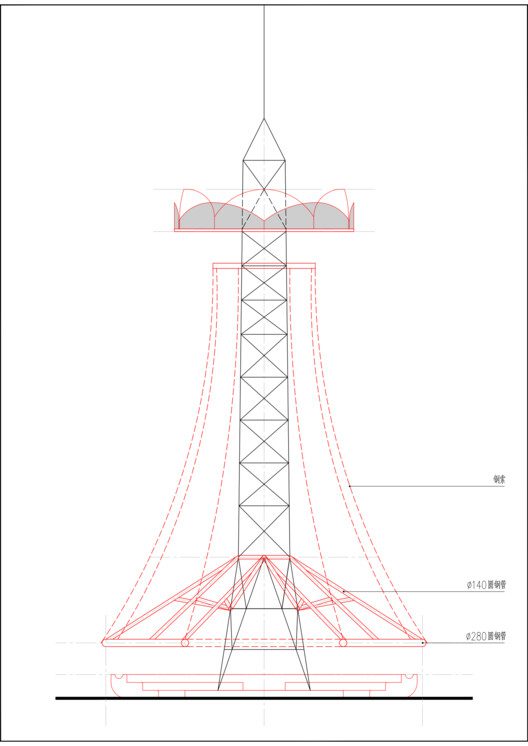
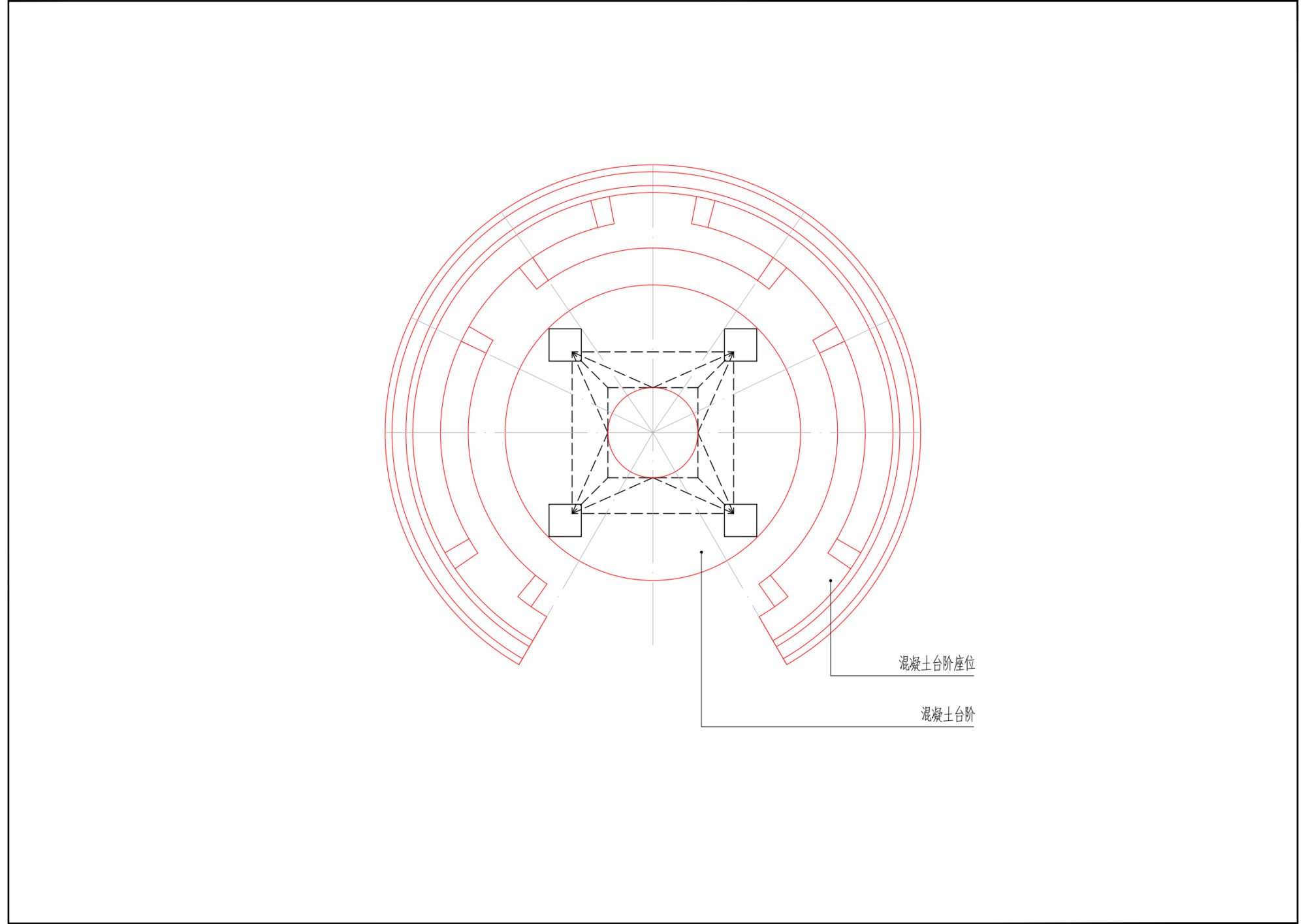
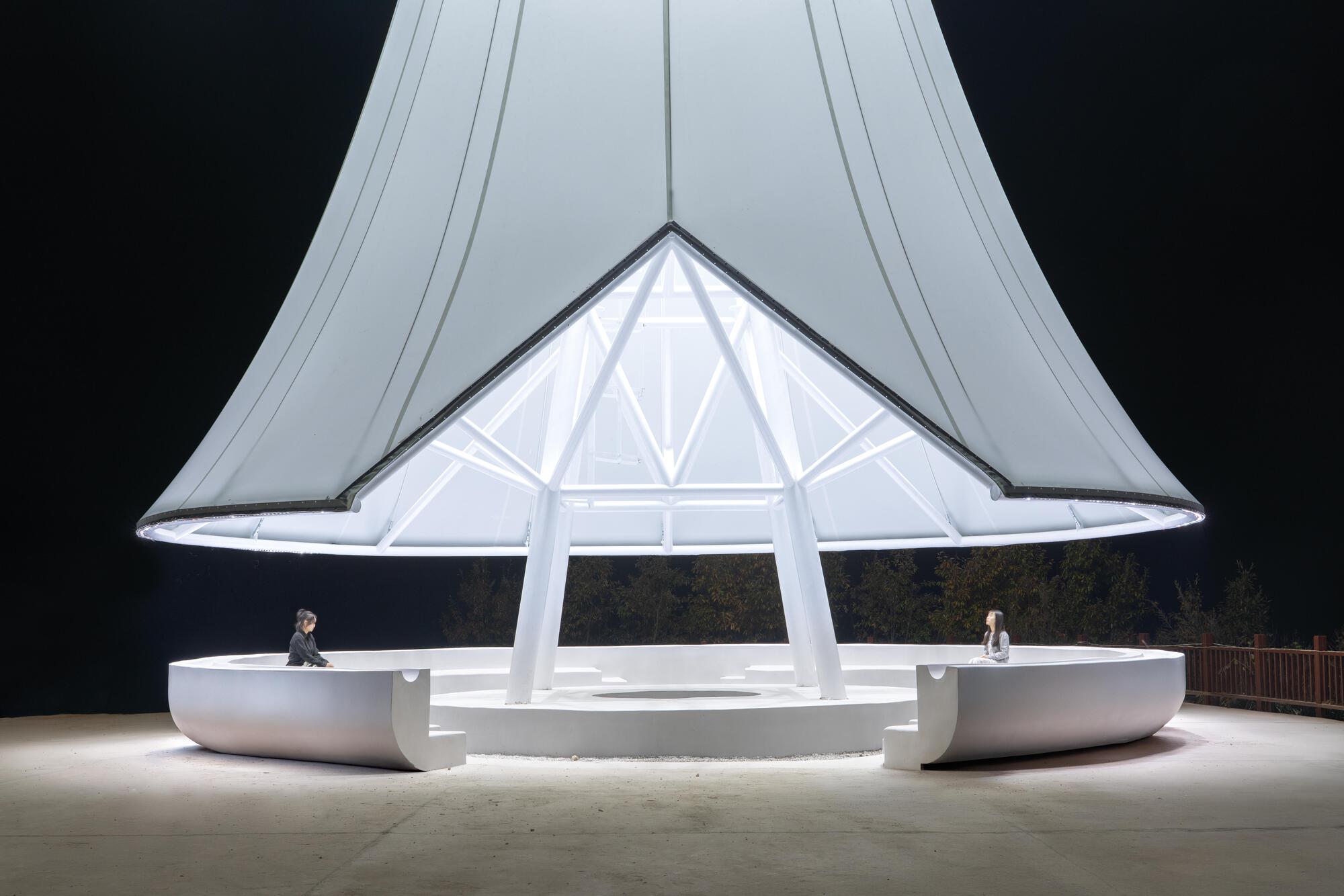
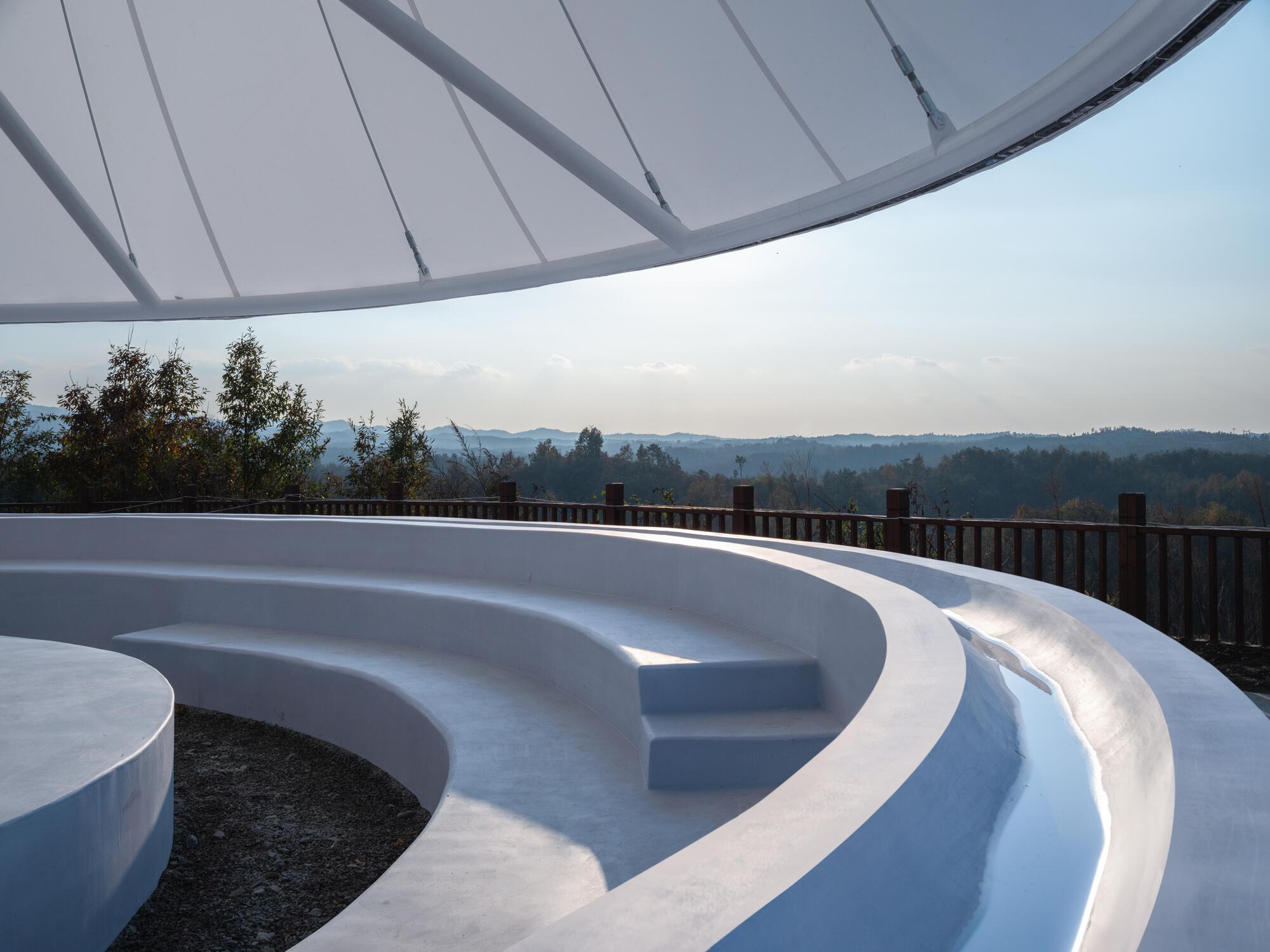
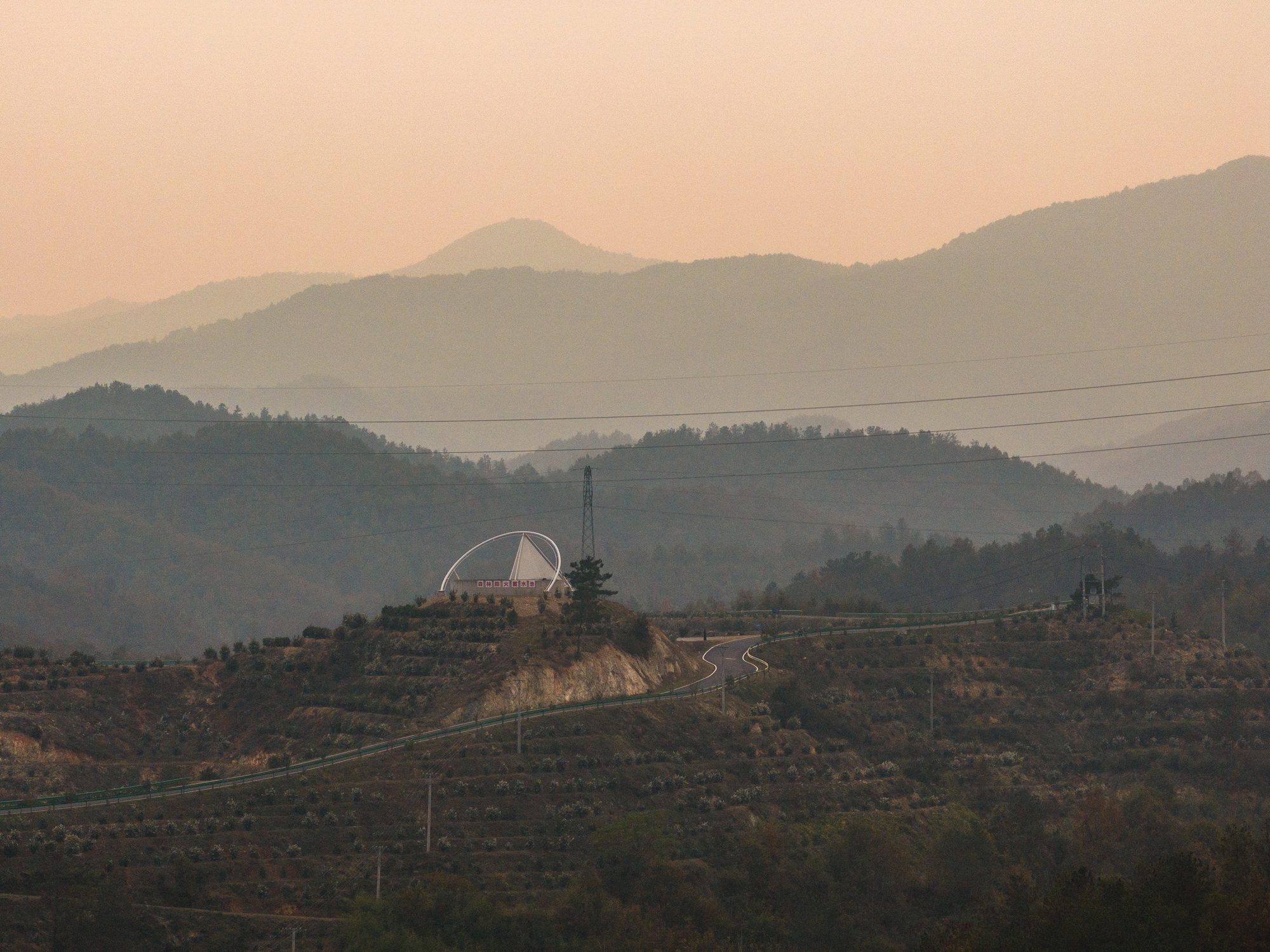
The fire lookout tower, once a solitary and austere observation post, stands on a mountaintop, guarding the safety of the tea mountains. The tower’s slender form is upright yet commanding, like a thumbtack pinning itself into the vast landscape. Around this structure, a 12-meter-diameter circular base with two layers of seating was added, enhancing the tower’s anchoring effect within the site through horizontal circularity that contrasts its vertical stance. This design draws attention and footsteps inward, creating a sense of calm cohesion.
© Yilong Zhao
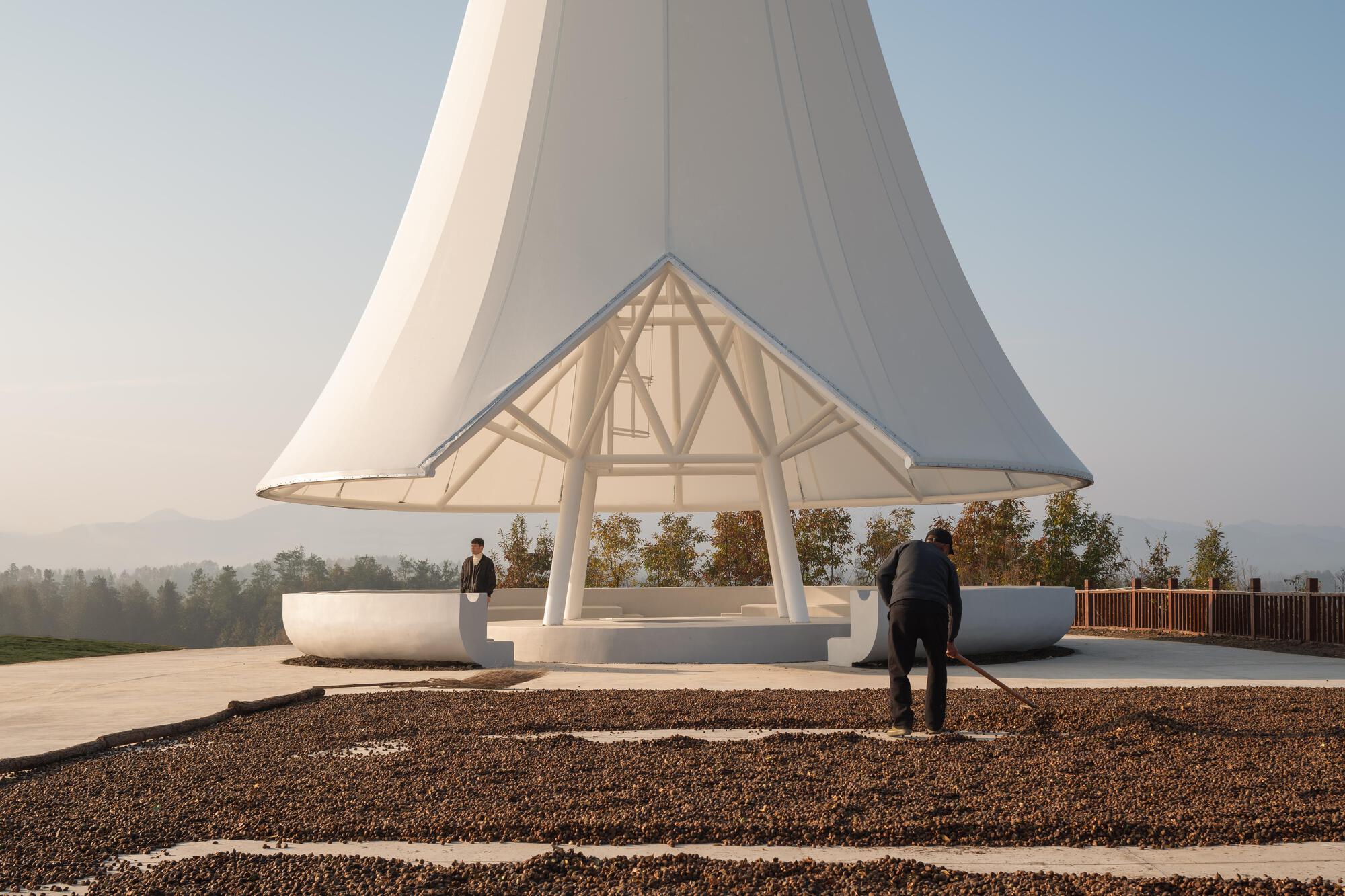
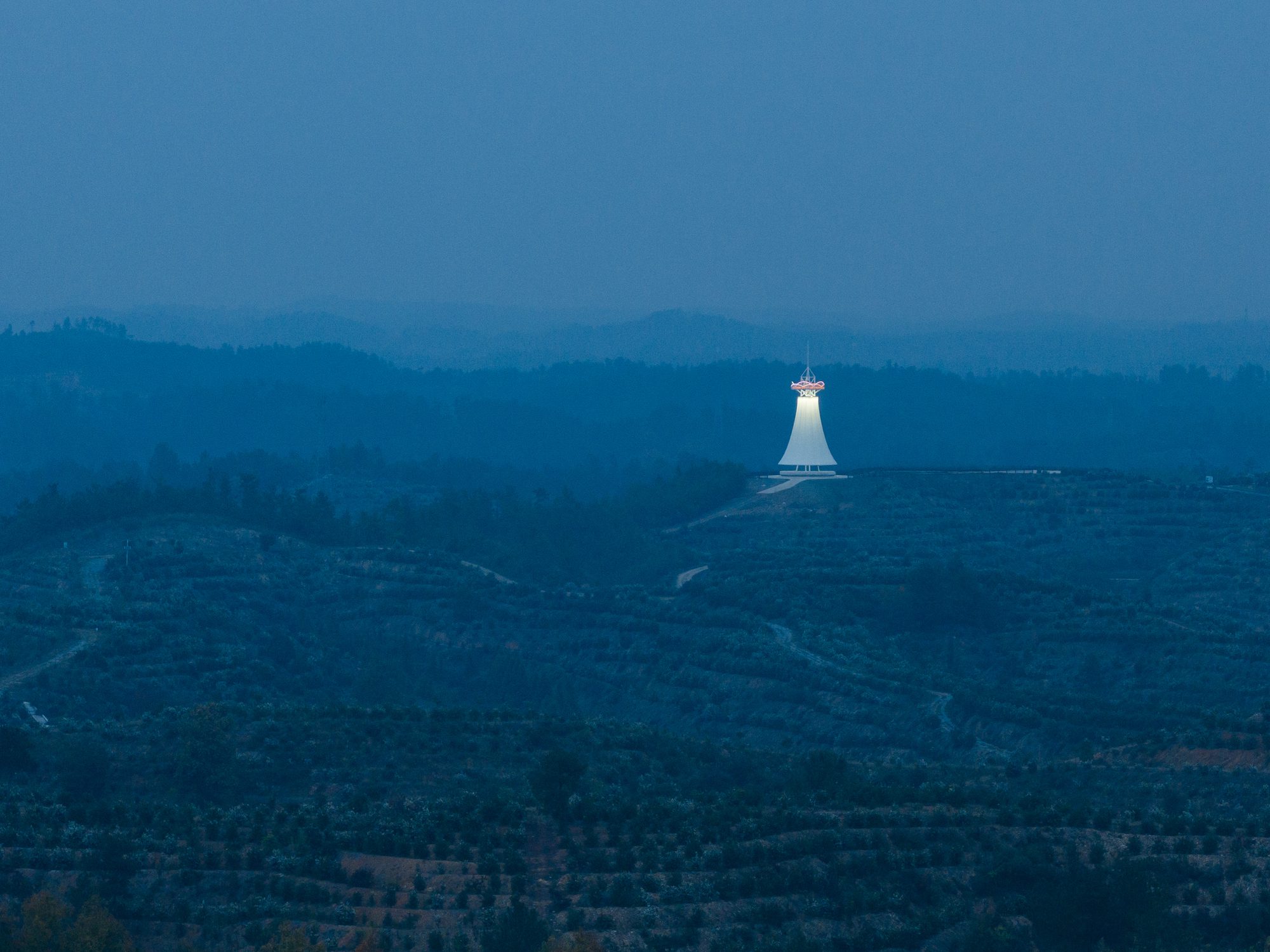
To provide shelter for the expanded base, a steel frame was cantilevered from the tower’s original structure, supporting a semi-transparent membrane. This veil-like material lends a softened texture to the steel megastructure, resembling a skirt cascading from the top of the tower and halting mid-air at a height of 2.1 meters. The membrane cuts the surrounding mountain scenery into a continuous panoramic band, framing it like a long scroll.
© Yilong Zhao
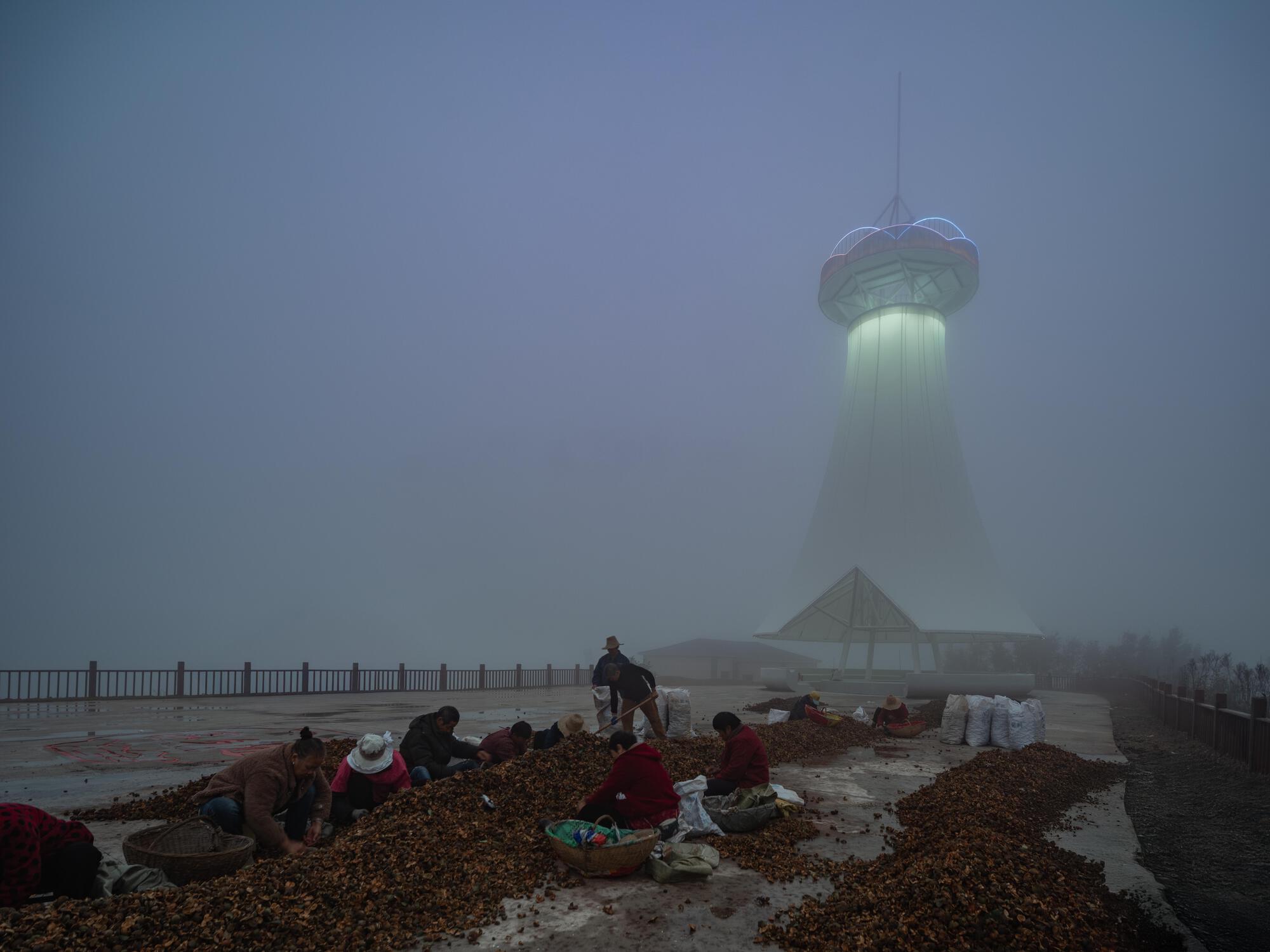
Today, the lookout tower has evolved into an essential communal space for the tea mountains. With seating, lighting, and an open square, tea farmers from near and far gather here, their lively conversations and the crisp sounds of tea fruits drying filling the air day and night. The fire lookout tower has transformed from a distant “eye” into a bustling gathering place, not only anchoring the site physically but also forging deeper connections between people and the land.
Project Info
Architects: Qing Studio
Country: China, Suizhou
Area: 226 m²
Year: 2024
Photographs: Yilong Zhao
Design Team: Hu Xing, Liu Changming, Hu Yi, Li Zhe, Yan Chunyang, Luo Tingkai, Tang Ziji
Deepening Design: Hu Yi, Hubei Pursue Commercial Management Co., Ltd.
Construction: Zhou Jun, Wuhan Jingpengxiang Membrane Structure Engineering Co., Ltd.
Client: Suizhou Yuexiongfeng Ecological Agriculture Co., Ltd.