

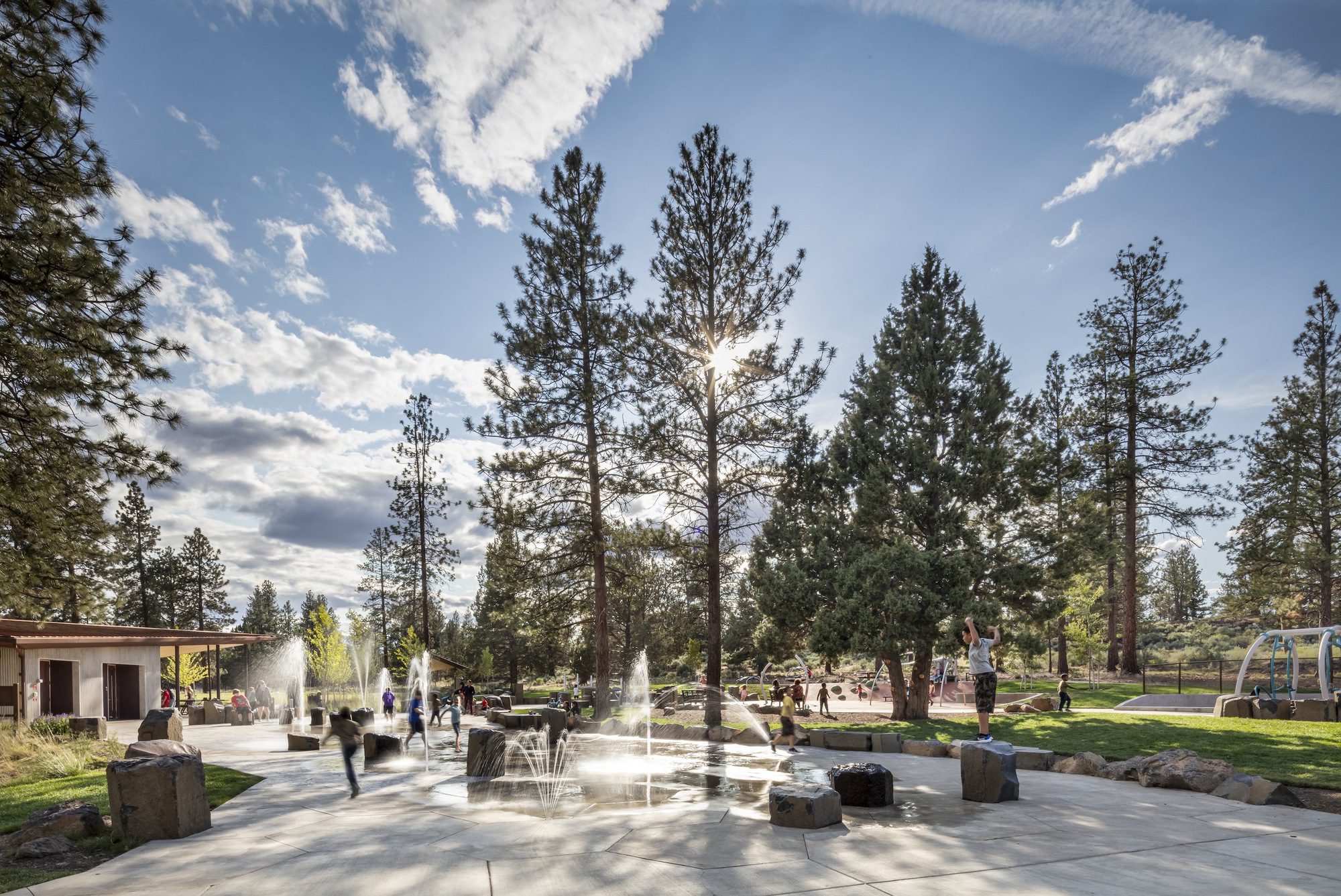
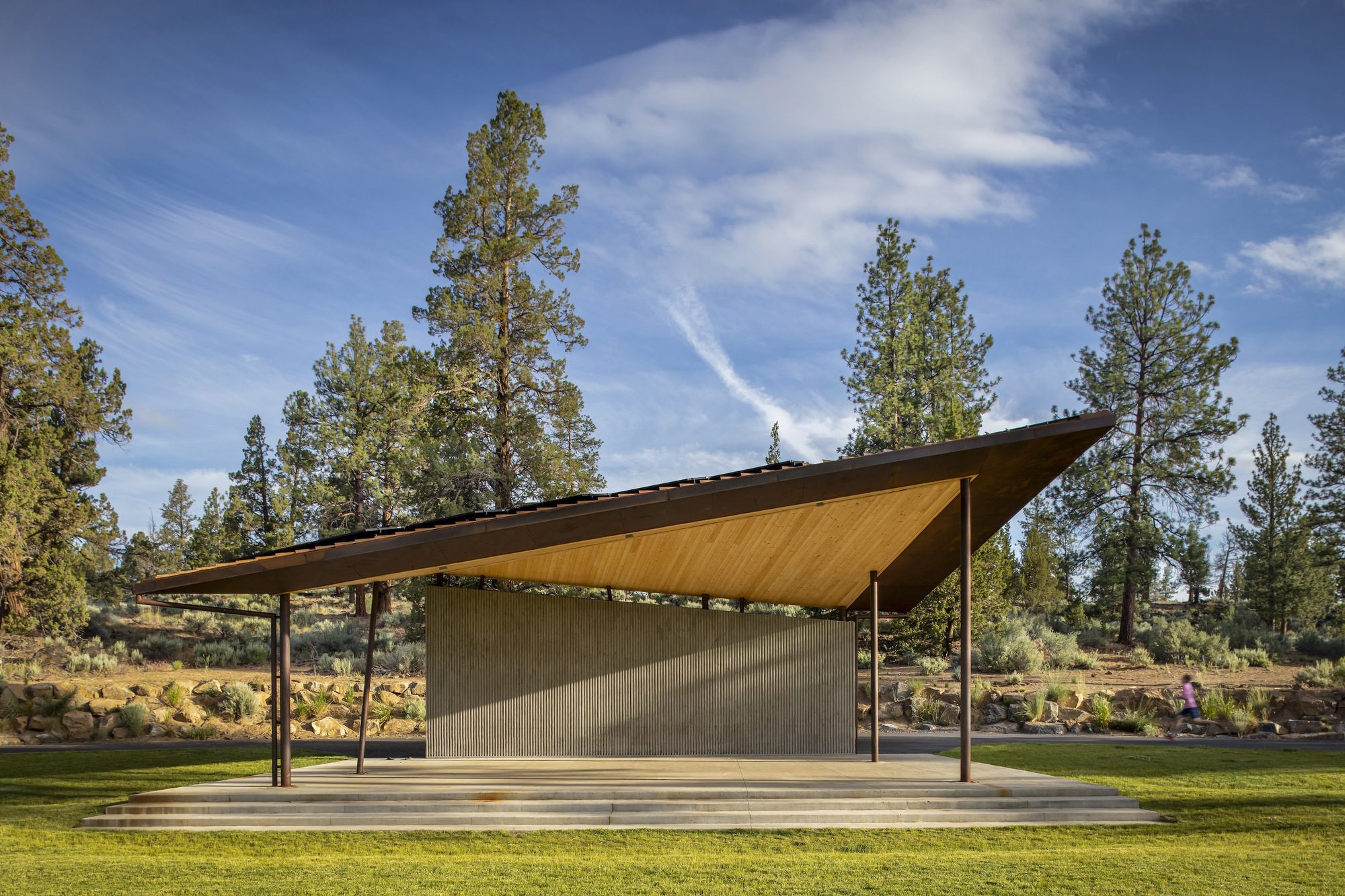
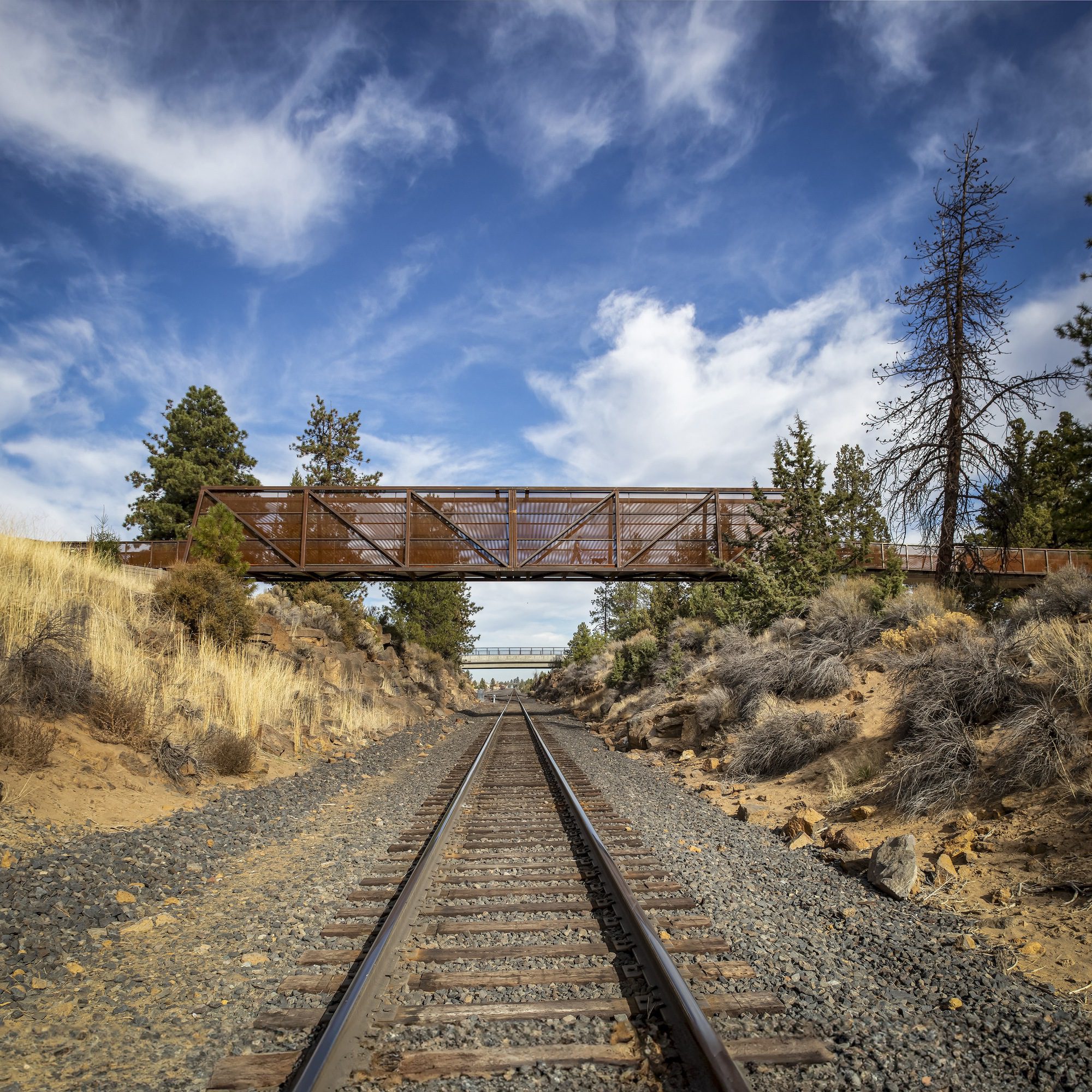
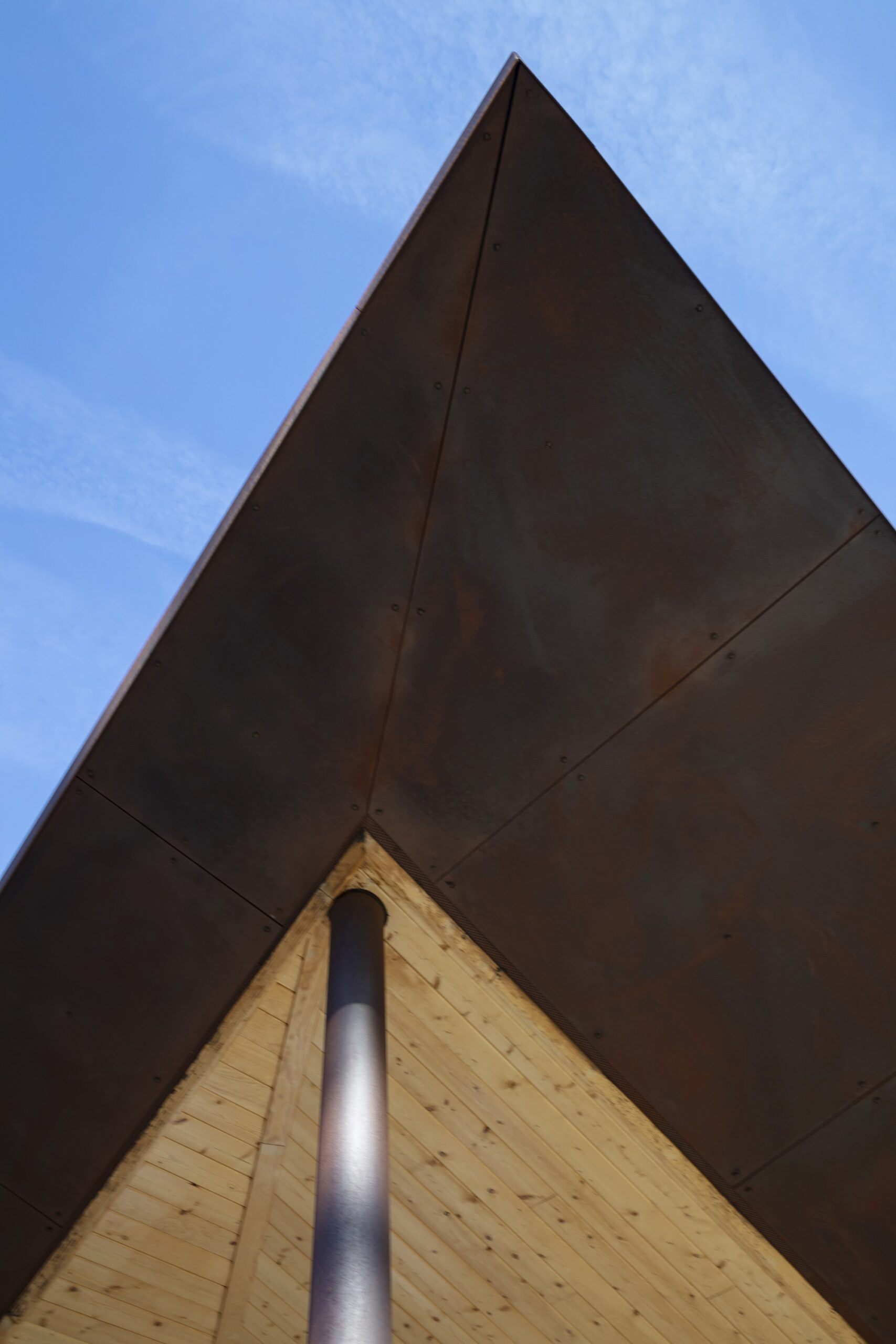
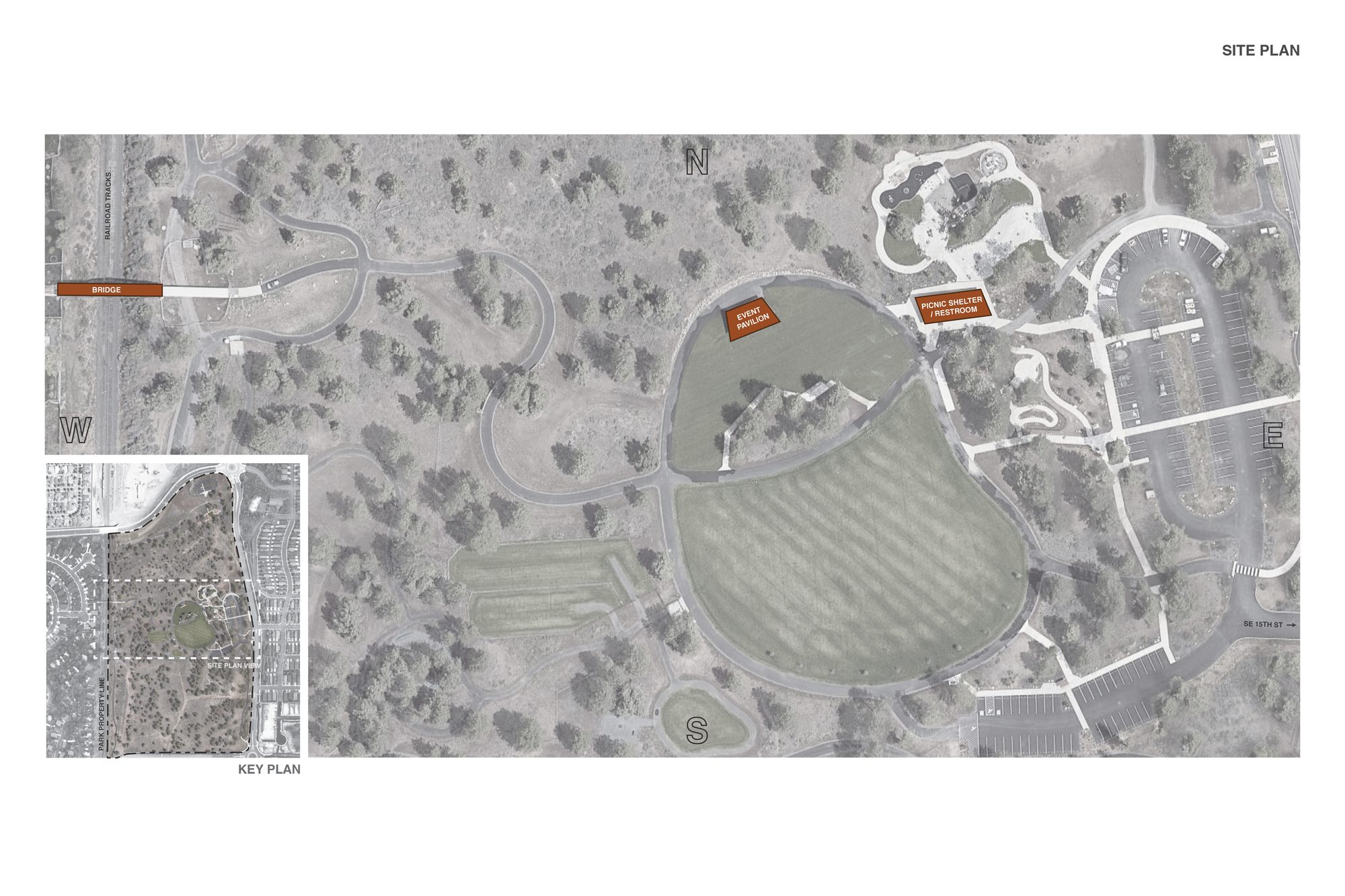
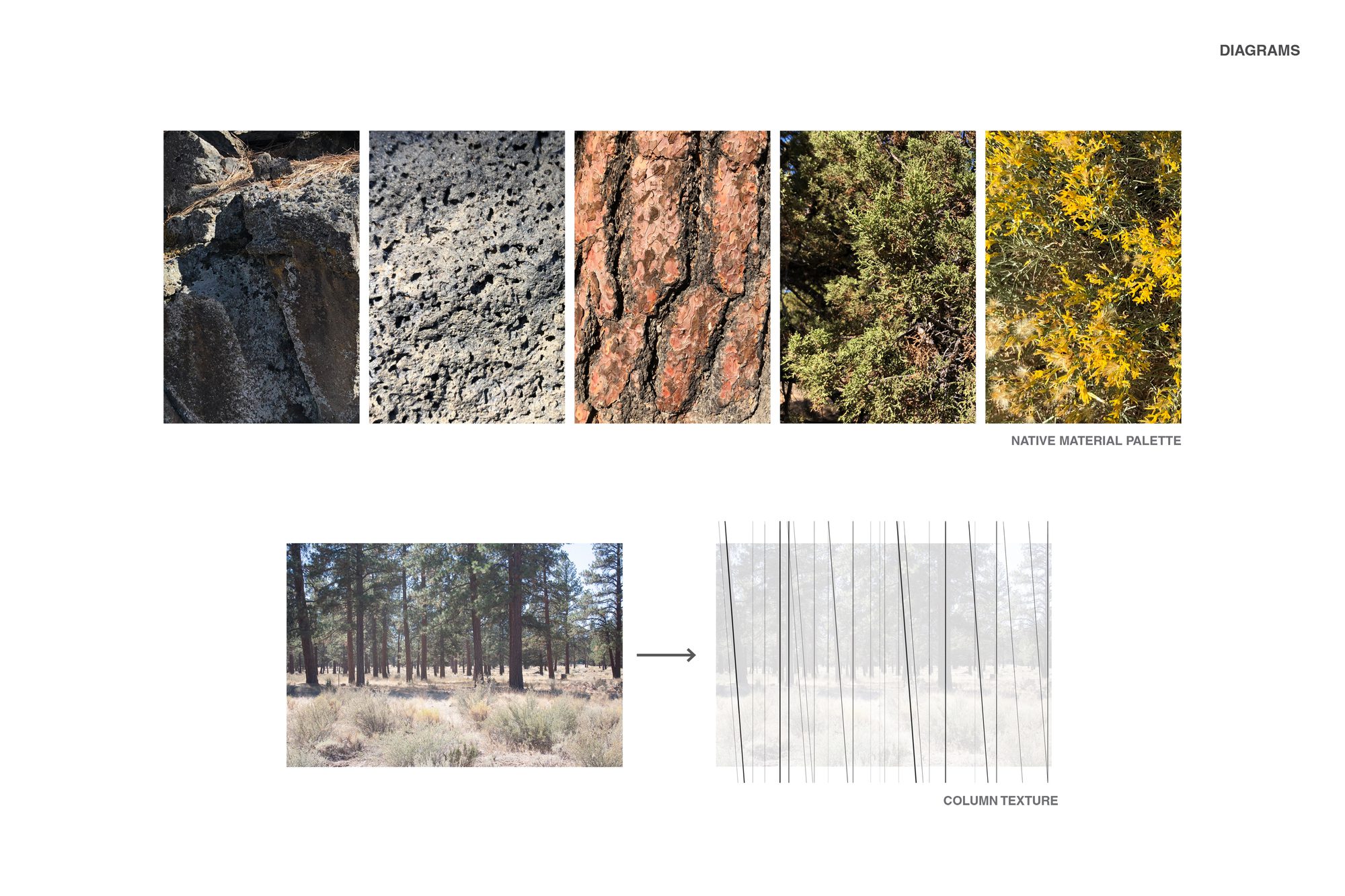
Alpenglow Community Park, a newly developed 37-acre site in Bend, Oregon, showcases the natural beauty of the high desert landscape. The park’s name and architecture are inspired by the volcanic peaks of the Three Sisters and the Cascade Mountain Range, which dominate the western view. The project features three structures: an event pavilion, a picnic/restroom shelter, and a pedestrian bridge. The material palette integrates weathering steel, ribbed concrete, and locally sourced Ponderosa Pine, drawing inspiration from the site’s native vegetation, colors, and basalt rock formations.
© Chris Murray
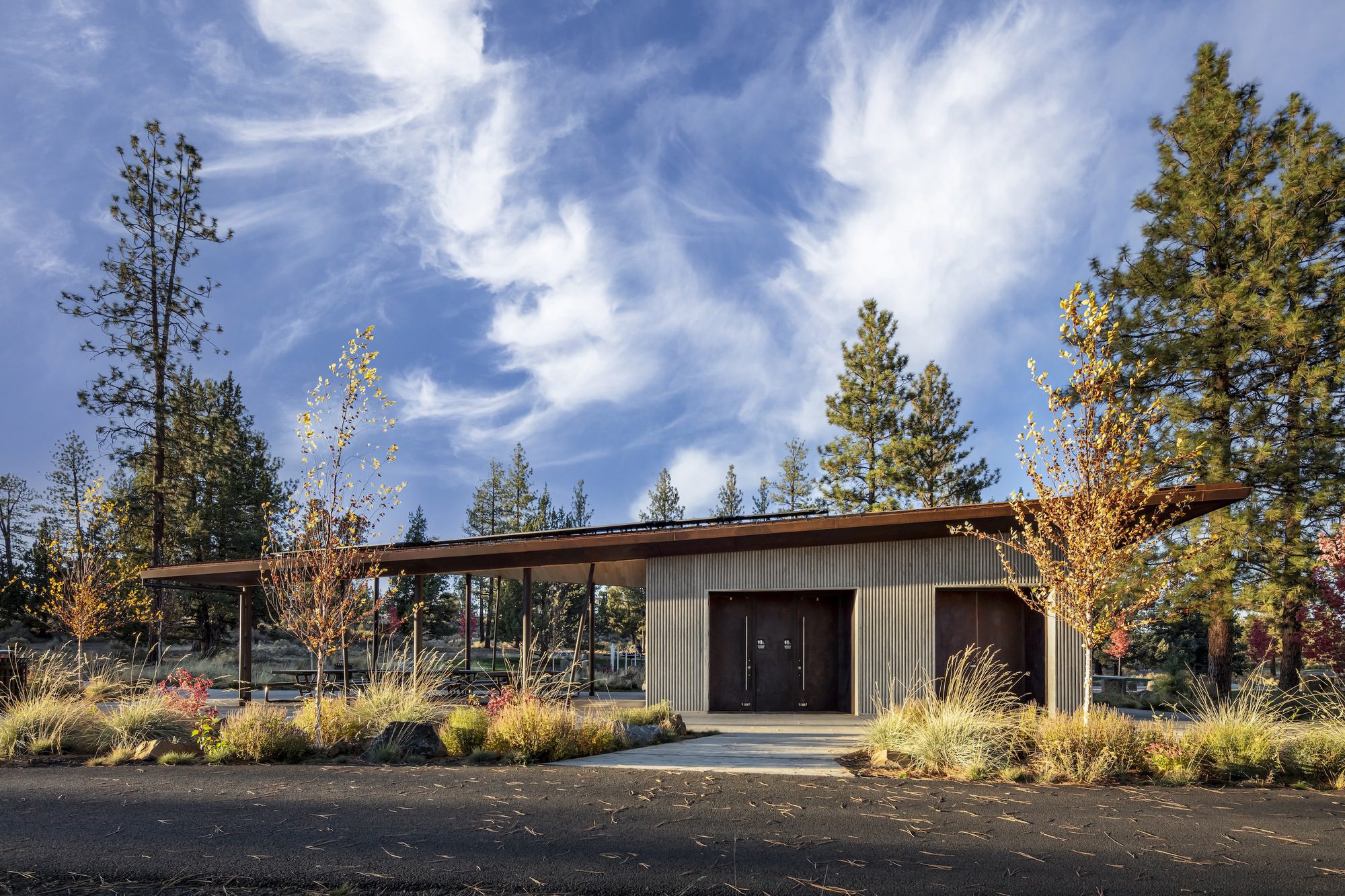
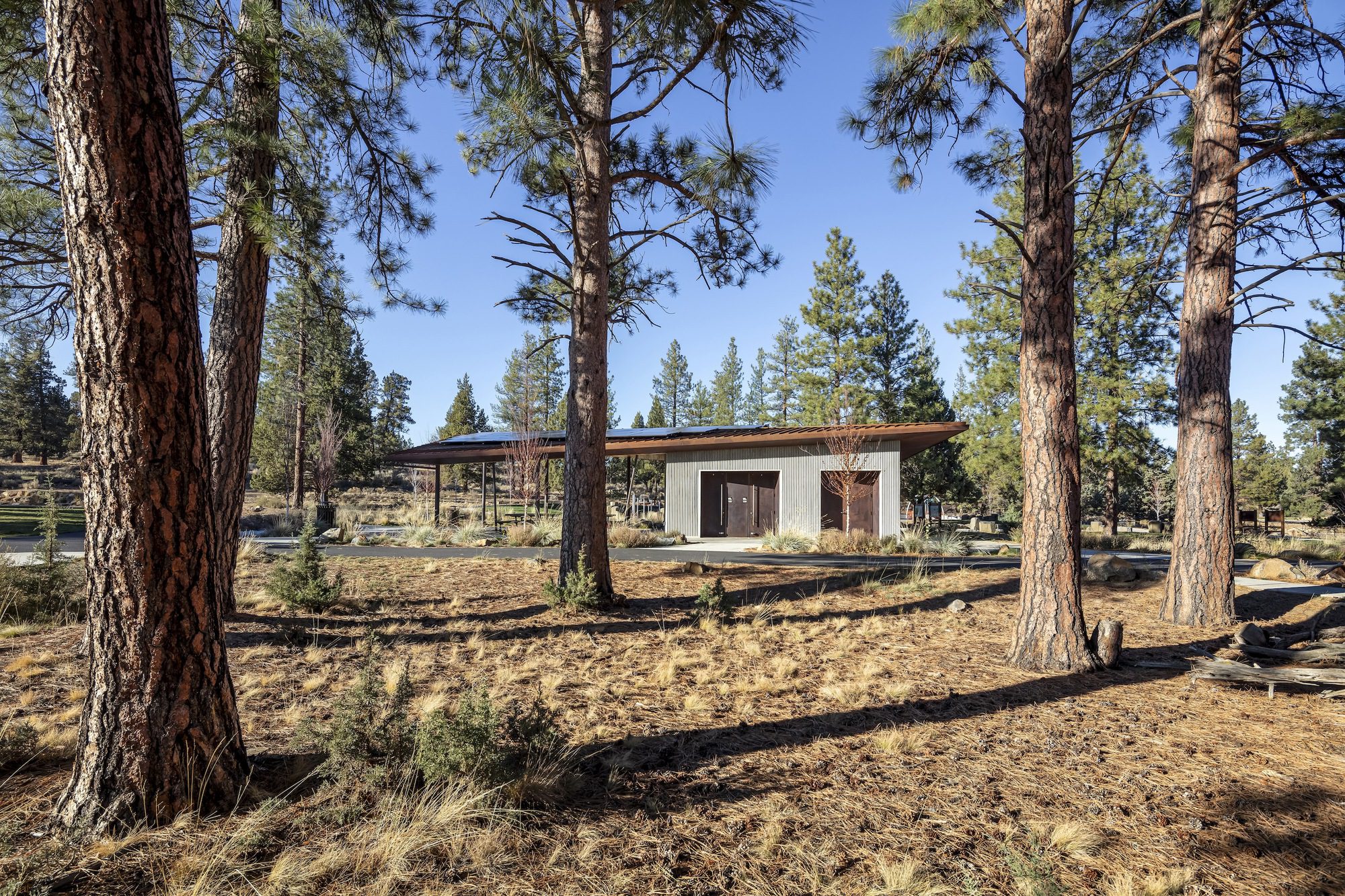
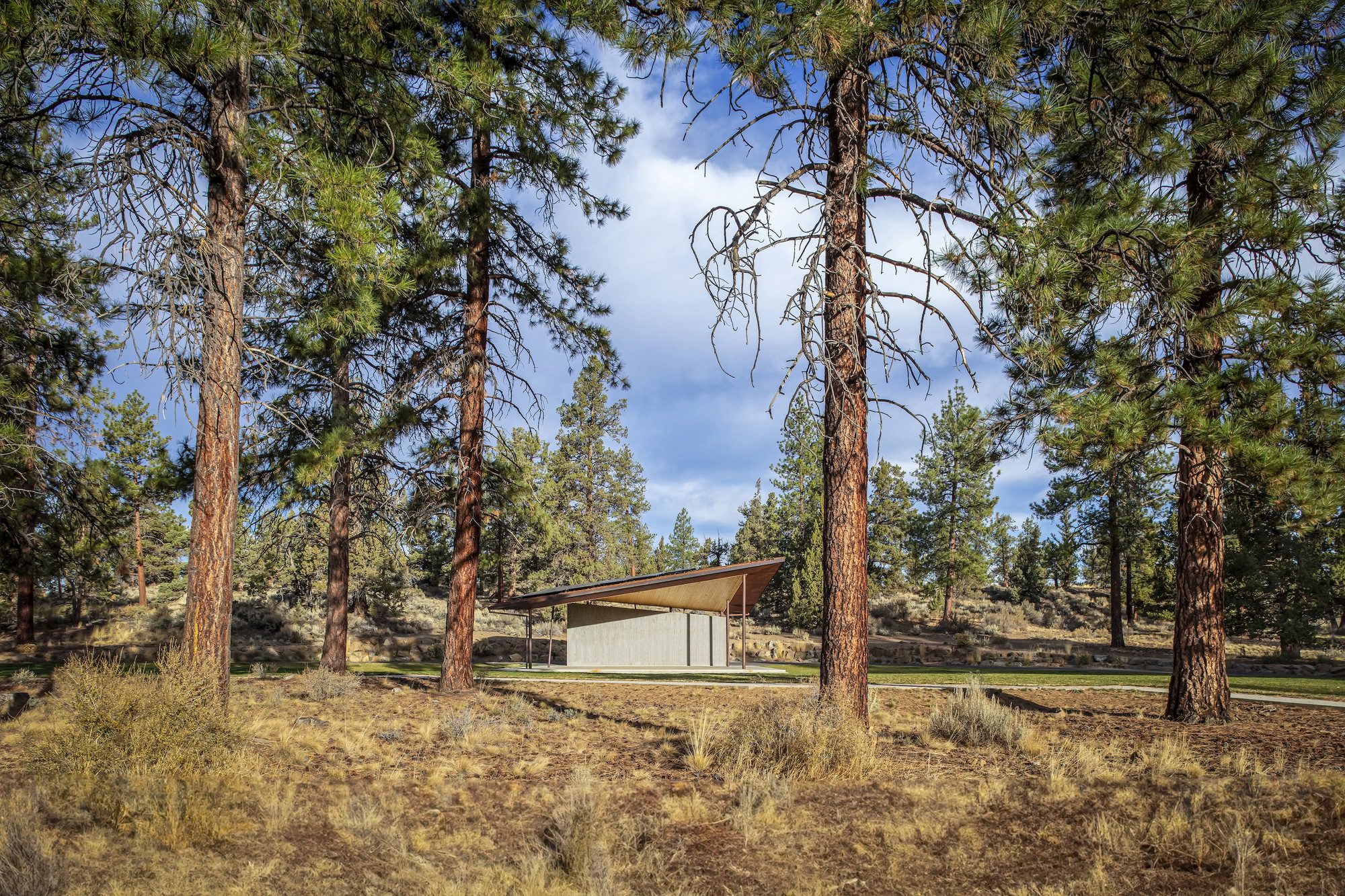
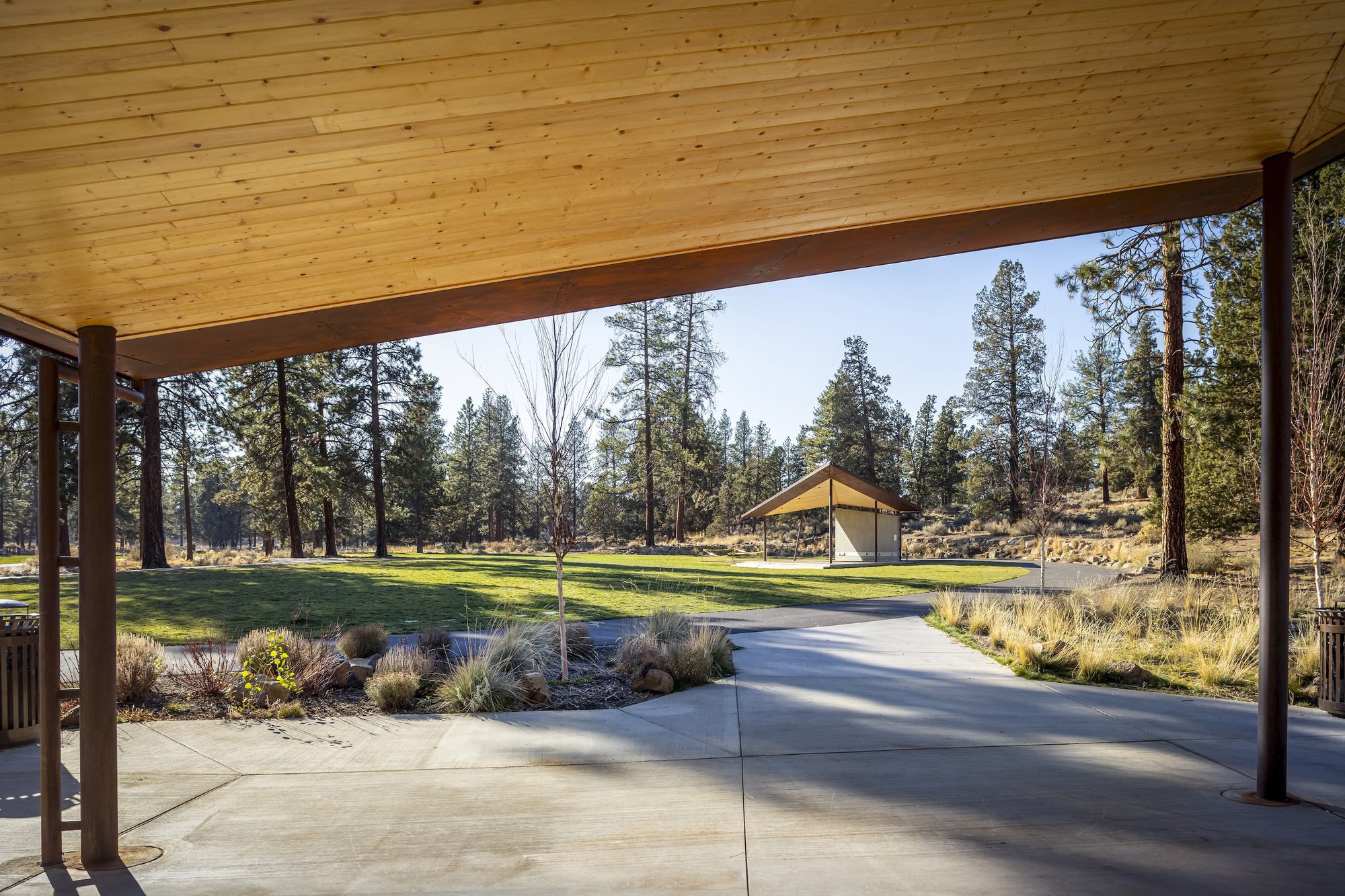
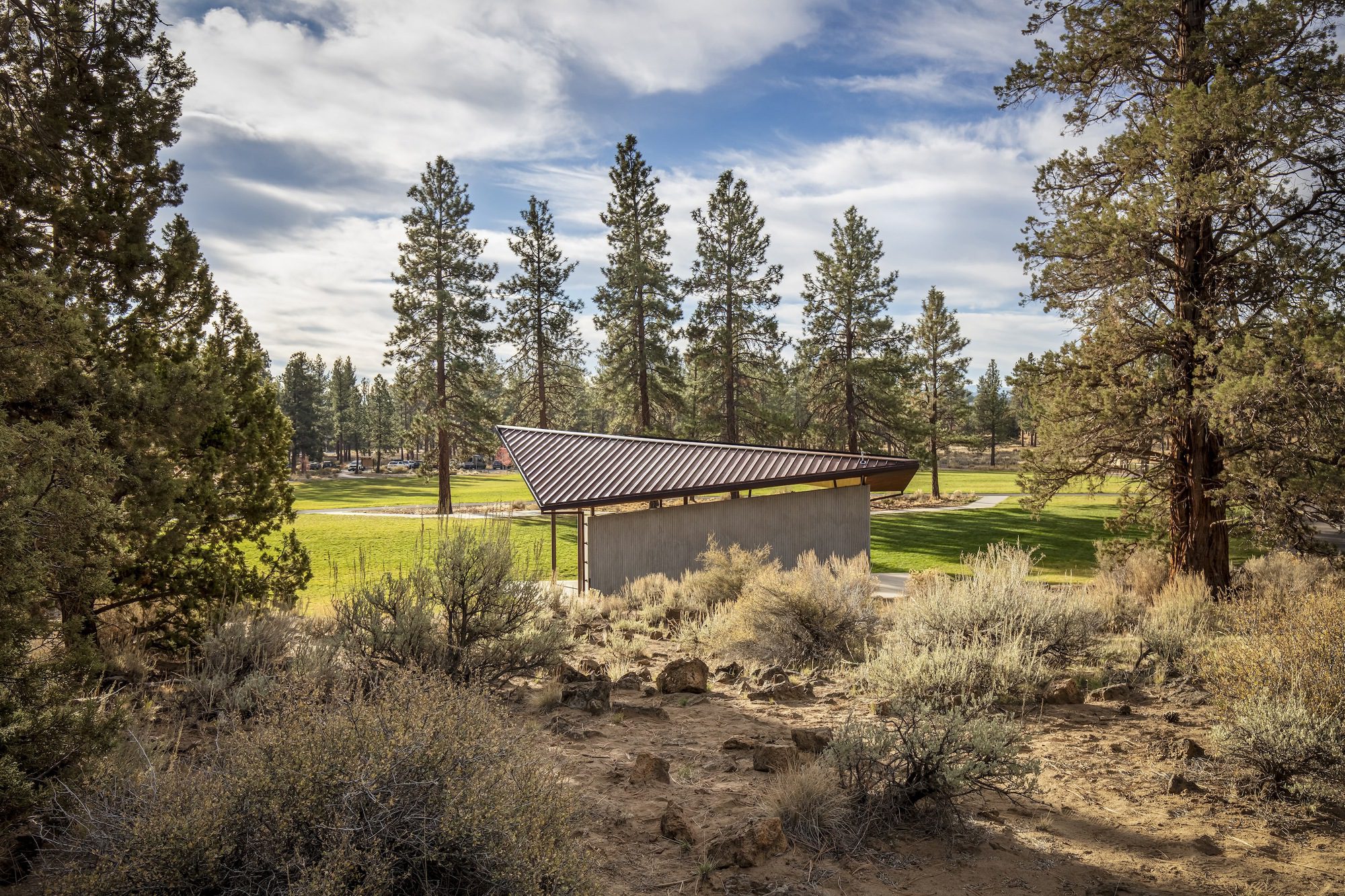
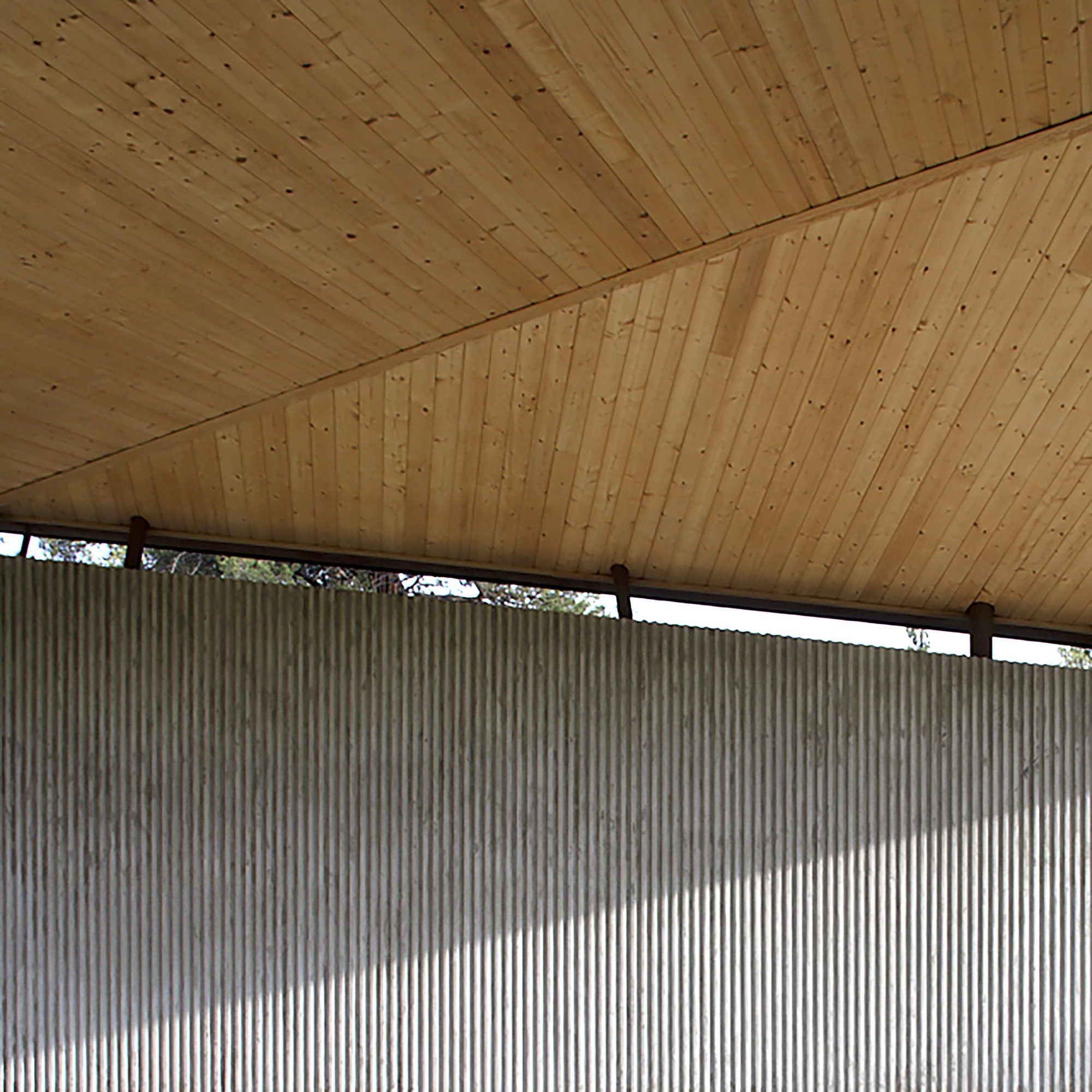
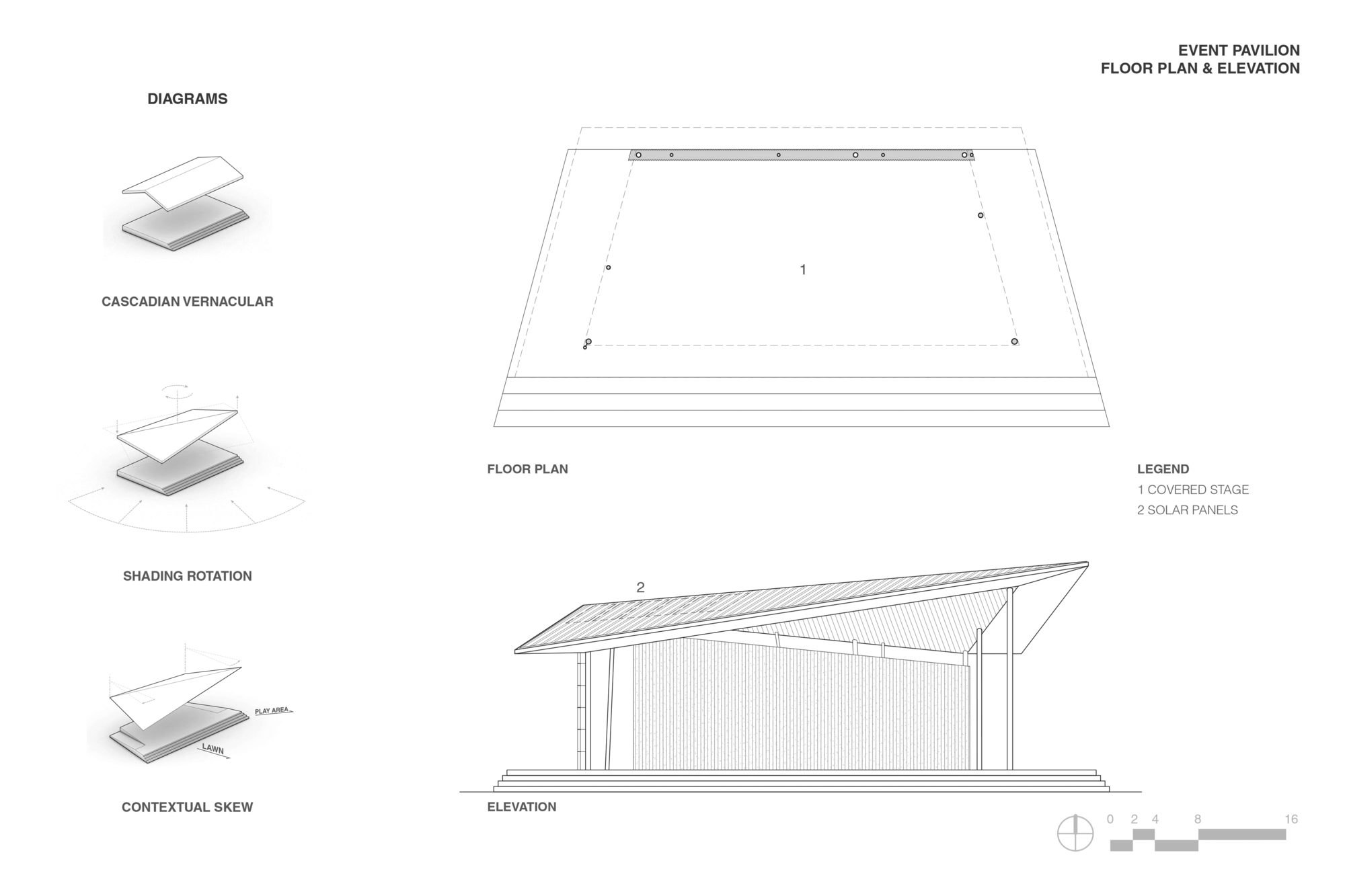
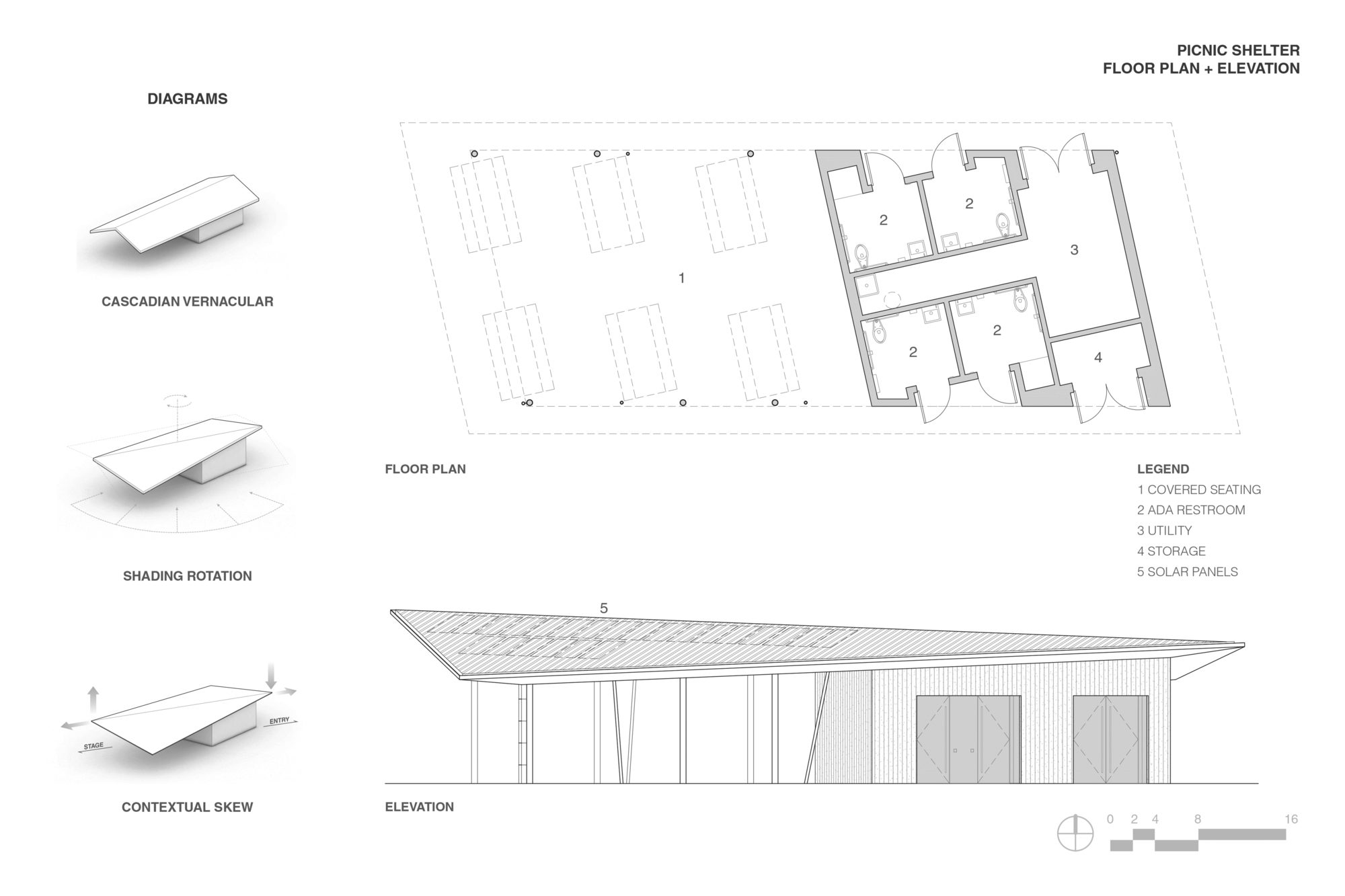
The event pavilion anchors the park’s center, alongside the picnic and restroom shelter. The angular design of both structures mimics the nearby mountain range’s silhouette, with rooflines that frame views within the park and beyond while folding to provide shade and shelter. The columns’ geometry reflects the pattern of the surrounding forest. Ribbed concrete walls, inspired by local basalt formations, provide texture and continuity, while ceilings clad in Ponderosa Pine add warmth. Both structures operate off the grid, with solar panels providing electricity as needed. By grounding the architecture in the high desert landscape, the material palette connects each structure to its surroundings.
© Chris Murray
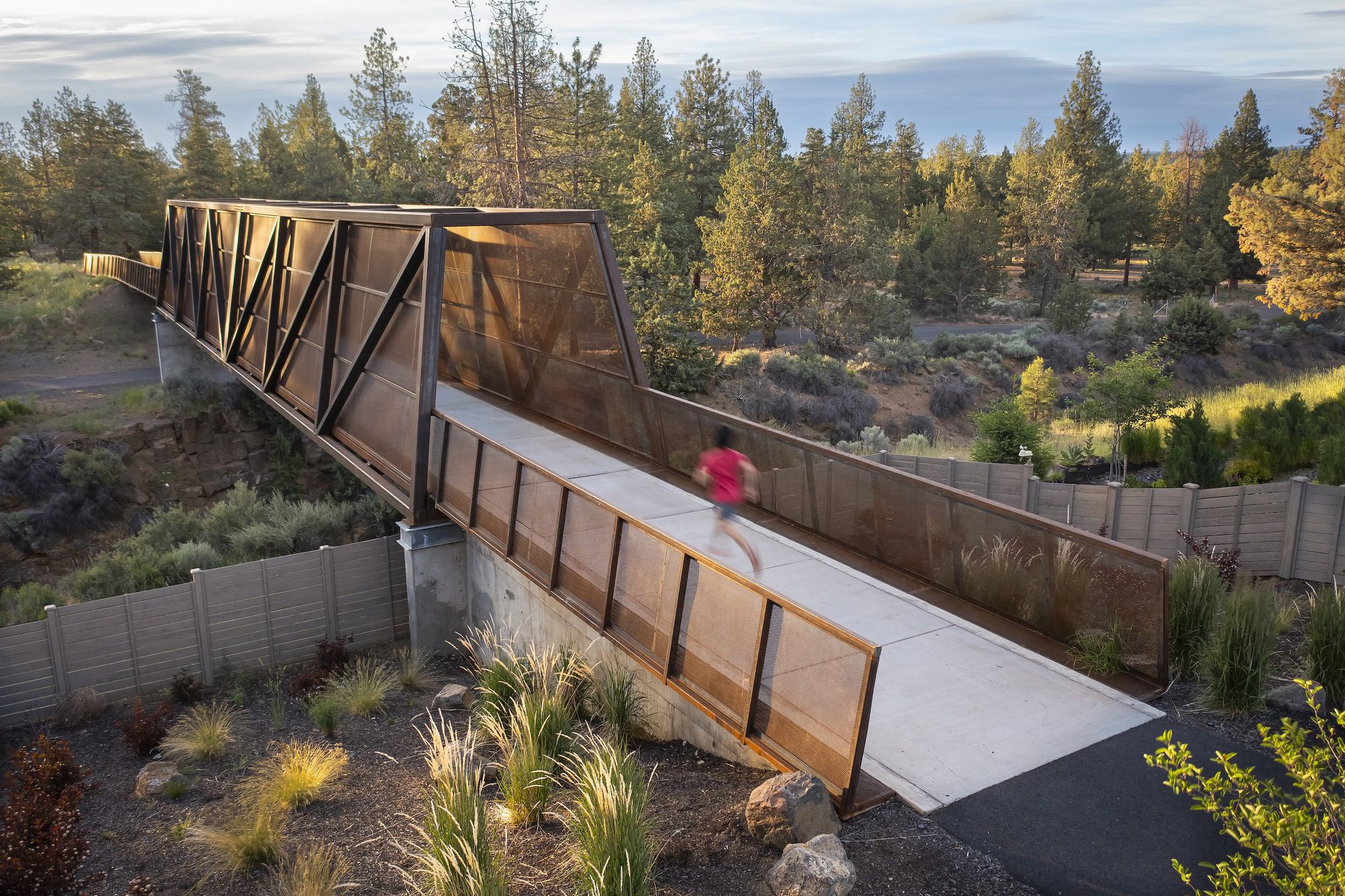
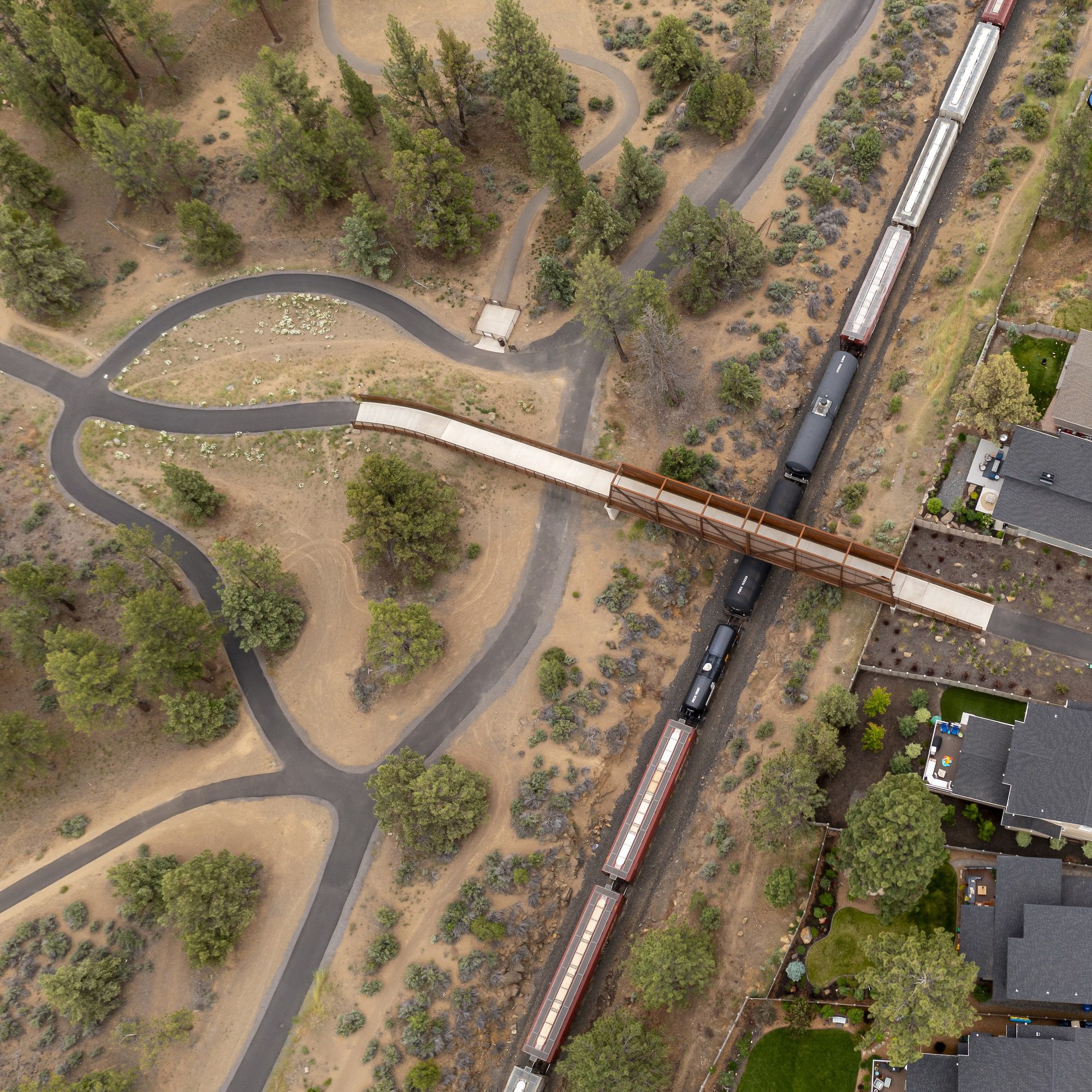
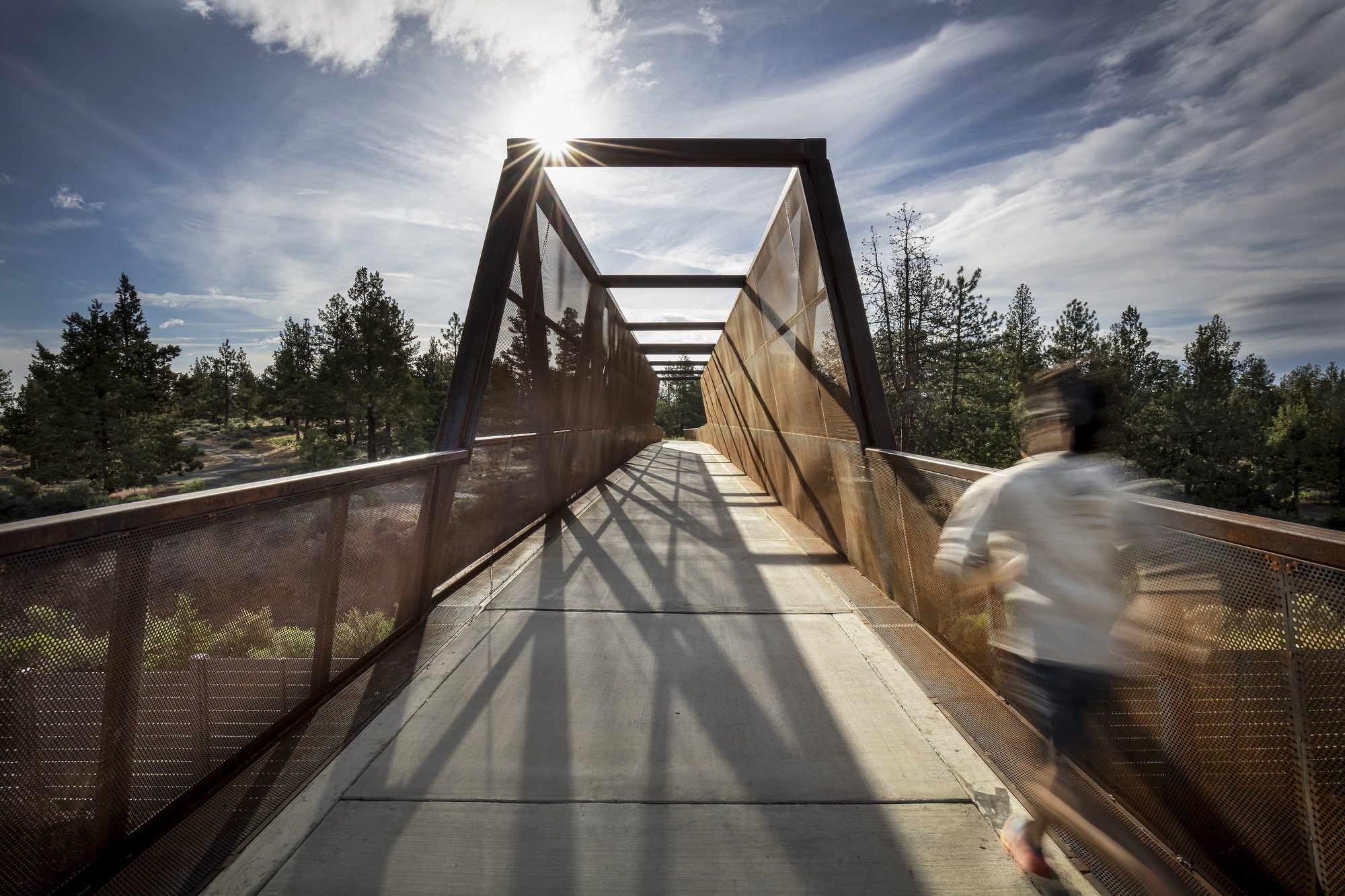
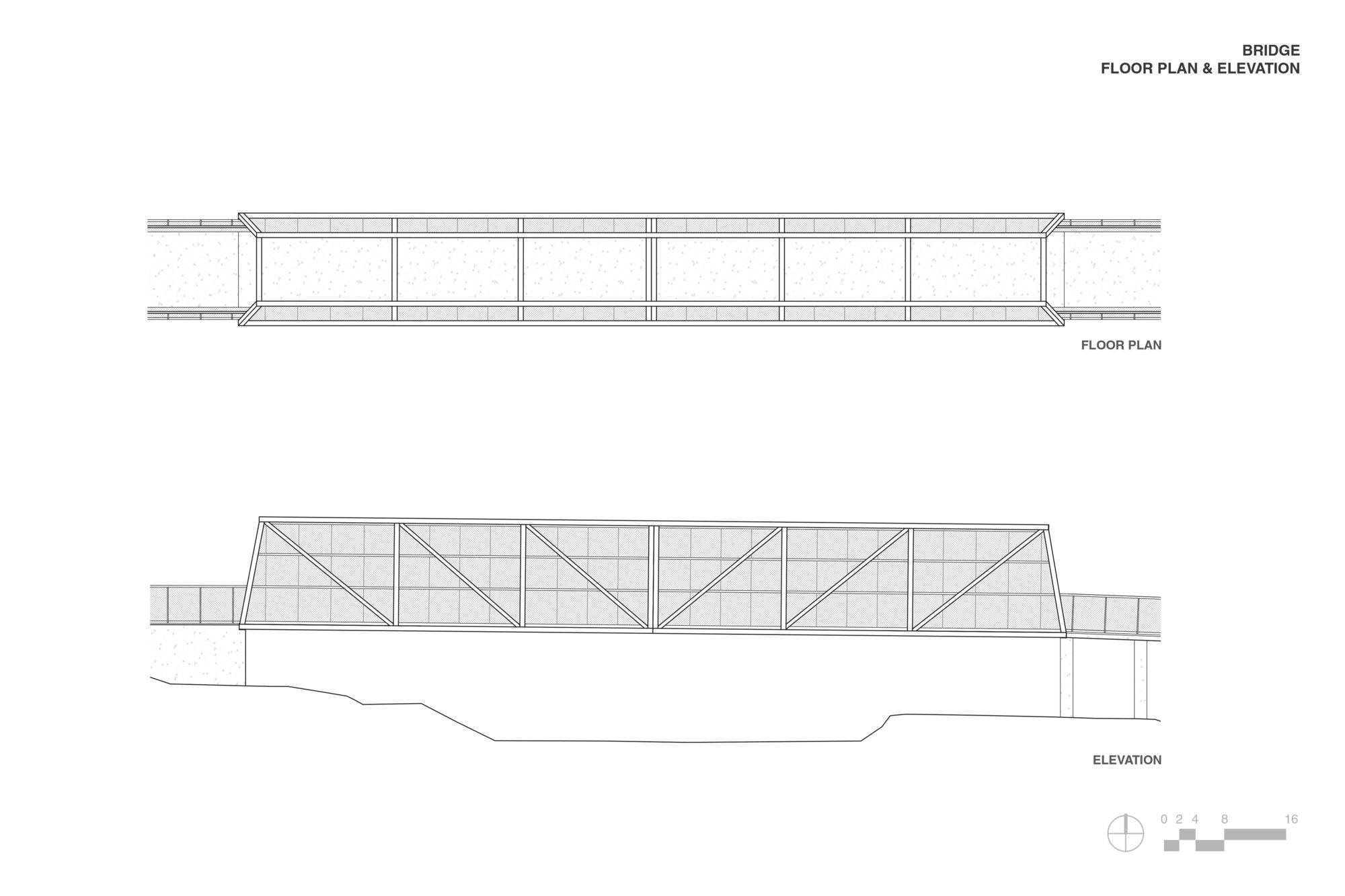
The pedestrian bridge, which connects the park to the neighborhood to the west, spans an active BNSF railroad line west of the event pavilion. Weathering steel is used throughout, with perforated panels employed over a tube frame to comply with BNSF’s fence protection standards while maintaining transparency and capturing views of the surrounding landscape.
© Chris Murray
The structures at Alpenglow are designed to work in concert with the concepts and functions of the park, creating a place that will be meaningful to the community for generations. An integrated design process allowed the architects, landscape architects, and engineers to collaborate from the masterplan scale down to the smallest design detail. The result is a park that connects the surrounding community with the natural beauty of the site and landscape.
© Chris Murray
The design of the park’s structures is driven by the functional needs and requests of the surrounding community. By soliciting community feedback on other local parks, as well as early concept iterations, the designers were able to tailor the structures to the experiences the users were seeking.
© Chris Murray
Although the park is located in a rapidly developing portion of Bend and is served by the surrounding infrastructure, the design team was challenged to provide park structures that function without being connected to the adjacent electrical system. Through sun studies and close collaboration with the engineering teams, the architects were able to design structures that generate 100% of their electricity through roof-mounted solar panels.
© Chris Murray
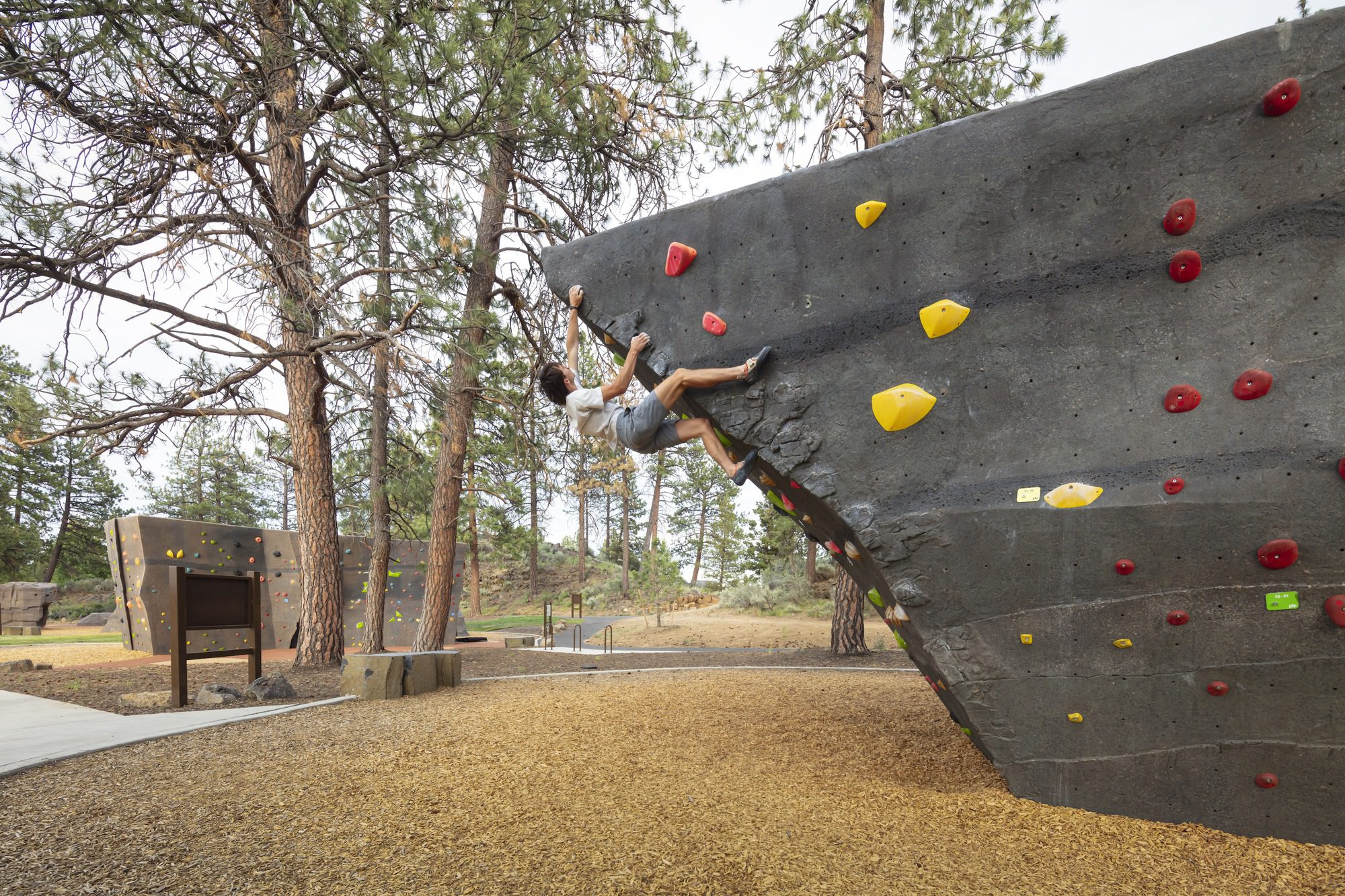
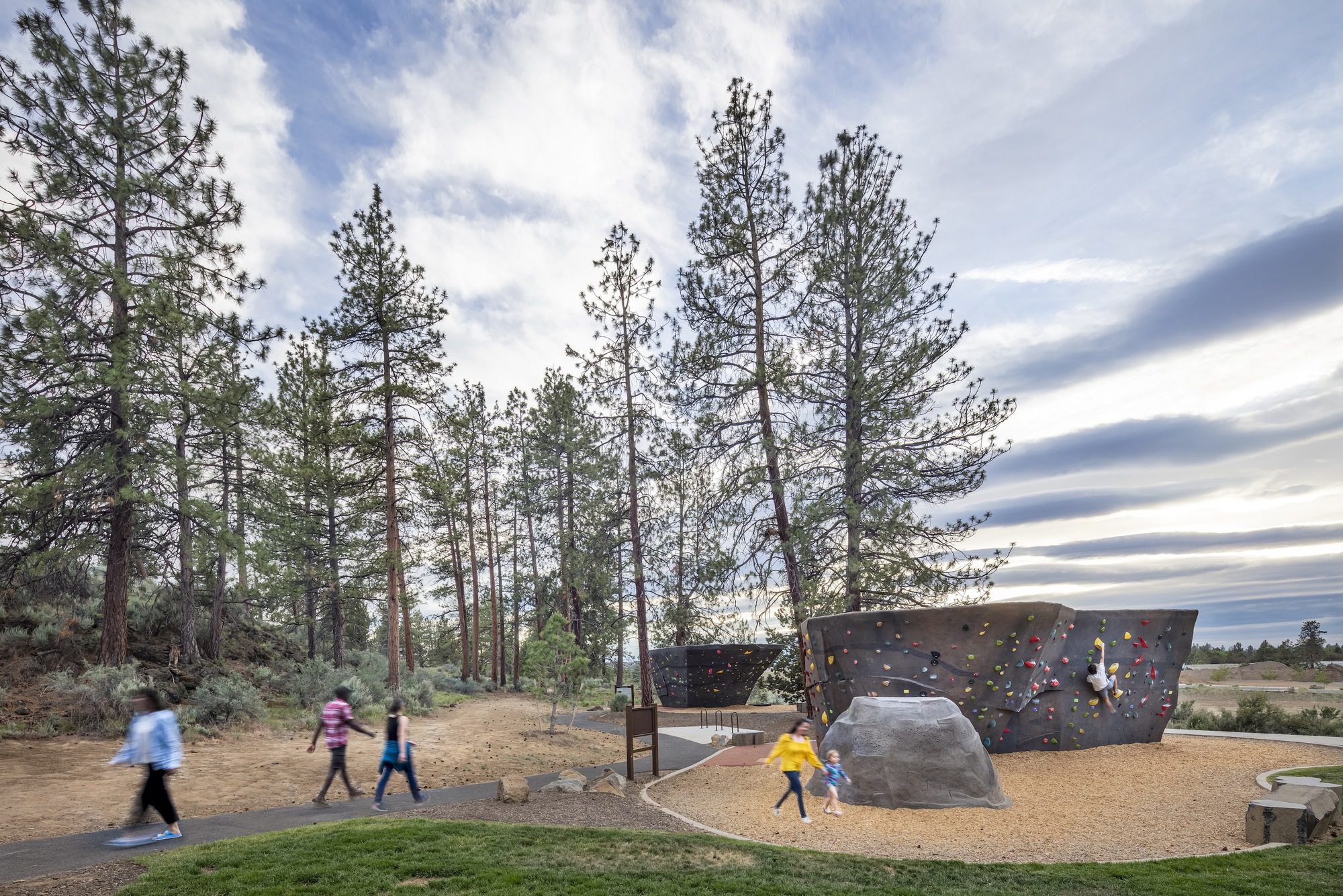
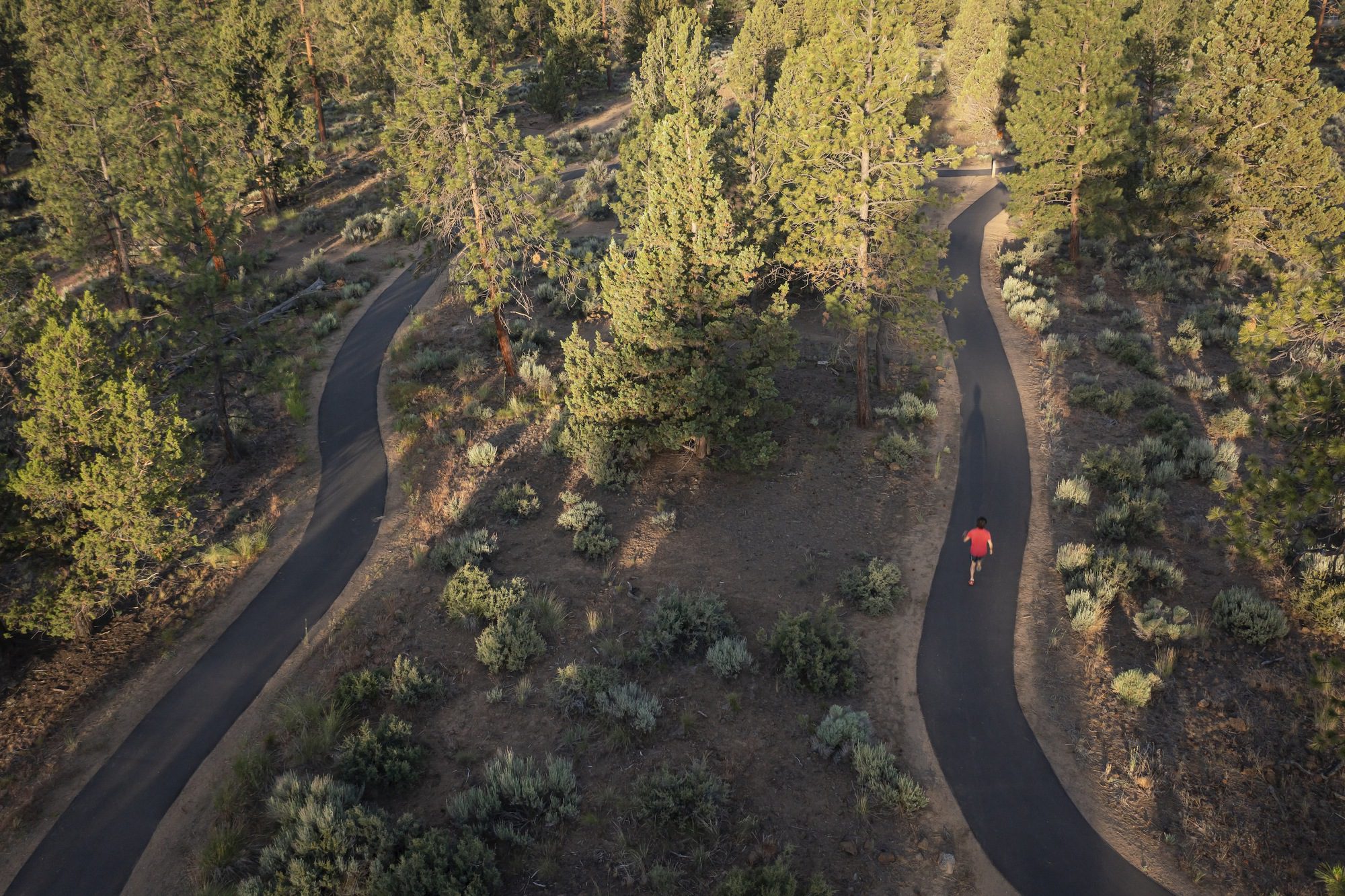
The park is designed to provide connections between people and nature and to be an inclusive gathering place for everyone in the community. Amenities throughout the park encourage exploration of the native landscape and promote healthy activities. The park structures reinforce these values, as well as provide places for engagement and connection between community members.
Project Info
Architects: Fieldwork Design and Architecture
Country: United States, Portland
Area: 4475 m²
Year: 2023
Photographs: Chris Murray
Principal Architect: Cornell Anderson
Principal Interior Designer: Tonia Hein
Project Architect: Brannon Soens
Designers: Karen Marx, Caleb Couch
Staff: Sohee Ryan

Isabelle Laurent is a Built Projects Editor at Arch2O, recognized for her editorial insight and passion for contemporary architecture. She holds a Master’s in Architectural Theory from École Nationale Supérieure d’Architecture de Paris-Belleville. Before joining Arch2O in 2016, she worked in a Paris-based architectural office and taught as a faculty adjunct at the École Spéciale d’Architecture in Paris. Isabelle focuses on curating projects around sustainability, adaptive reuse, and urban resilience. With a background in design and communication, she brings clarity to complex ideas and plays a key role in shaping Arch2O’s editorial