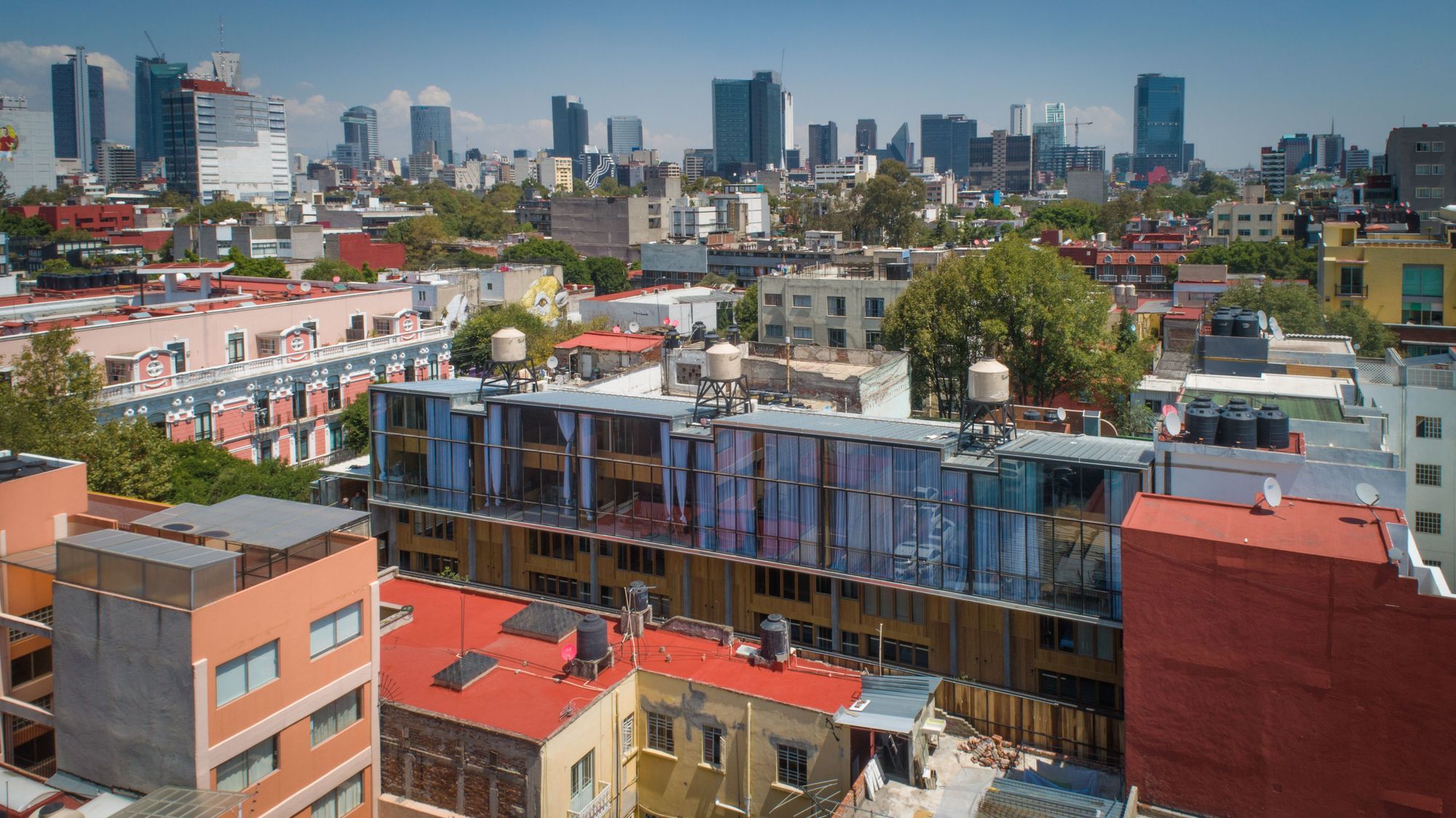
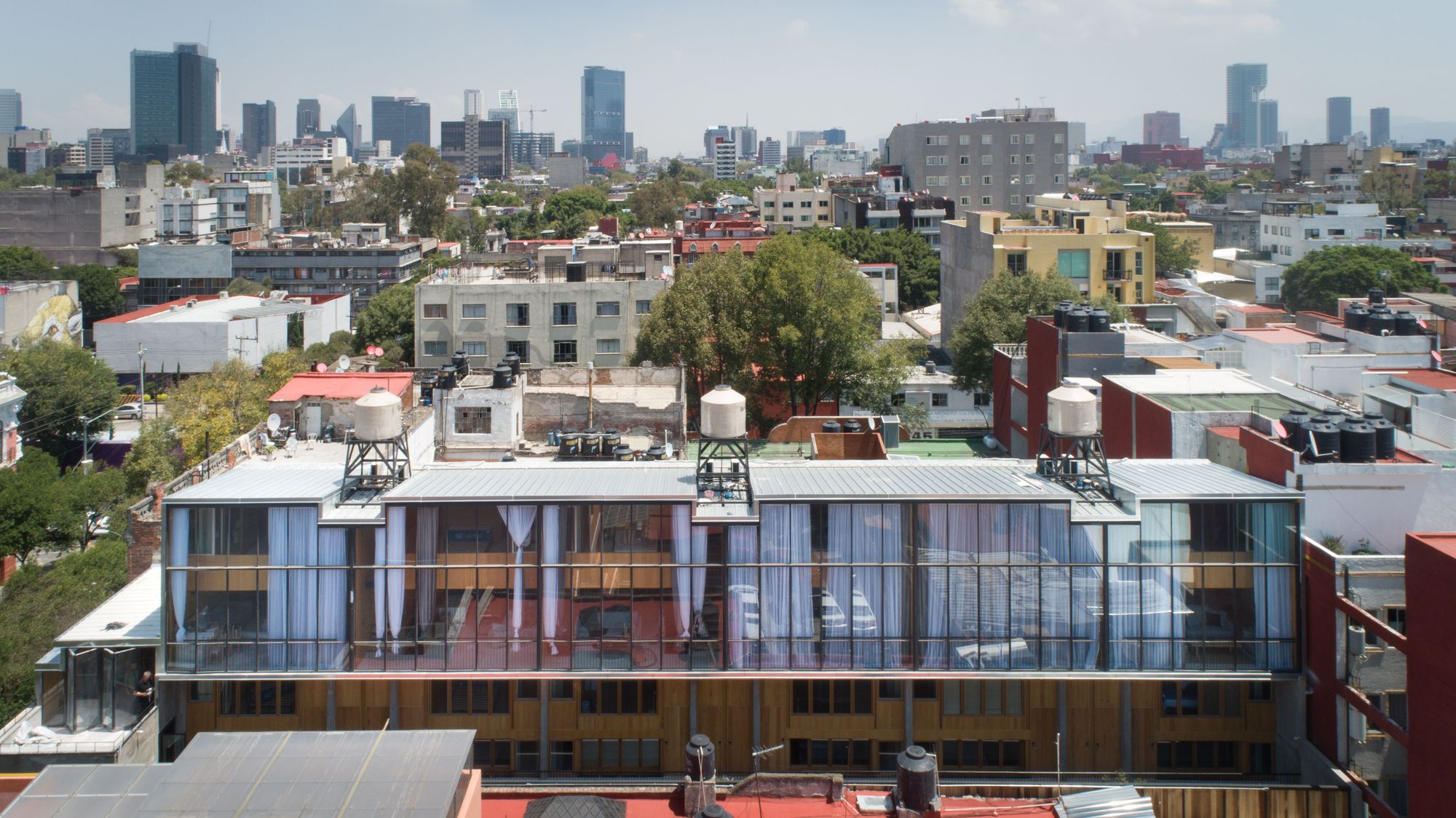
Herencia Progresiva Building | Manada Architectural Boundaries
Architectural practice oscillates continuously between planning ahead and solving ad-hoc. It combines exacting structural grids with loose infill, clarity in layout with free compositional elements, careful planning with smart improvisation. It is a constant balancing, pivoting and turning between the calculated effectiveness of the structural engineer and the sensible intuitions of the artist. In the end, the core of an architect’s work is not so much defined by specific design solutions or material applications (these can change according to program, site, client and mood), but by their working method: by the procedural design methodology, by the way a design process is structured and by what is defined in which exact moment. Many architects are intrigued and fascinated by the mindful planning and meticulous preparation of the construction process. They believe in the imperative rule of the architectural plan, of exact specifications and detailed drawings. They take pride and joy in the precise control and registration of spatial and material definitions.
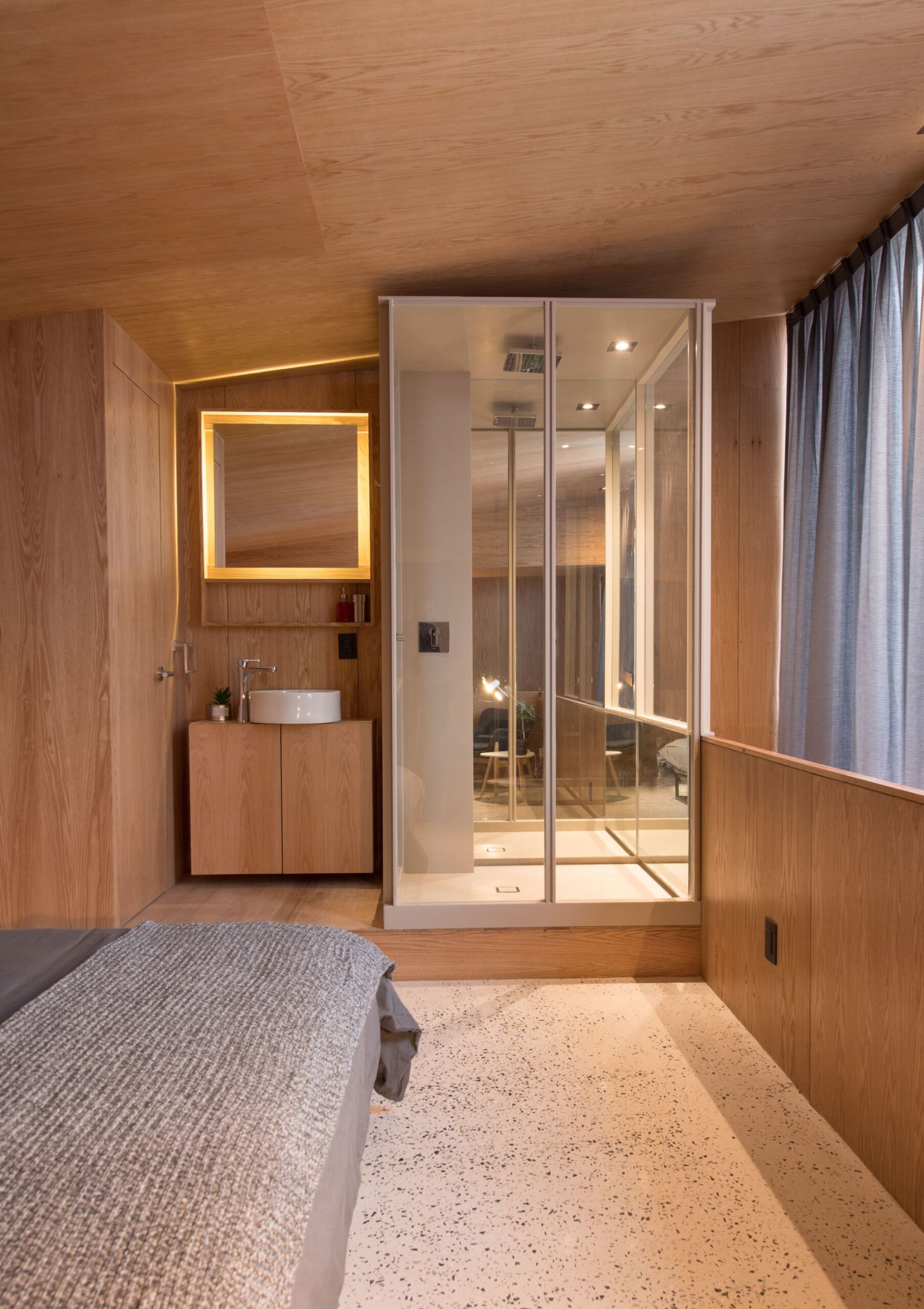
© Jaime Navarro
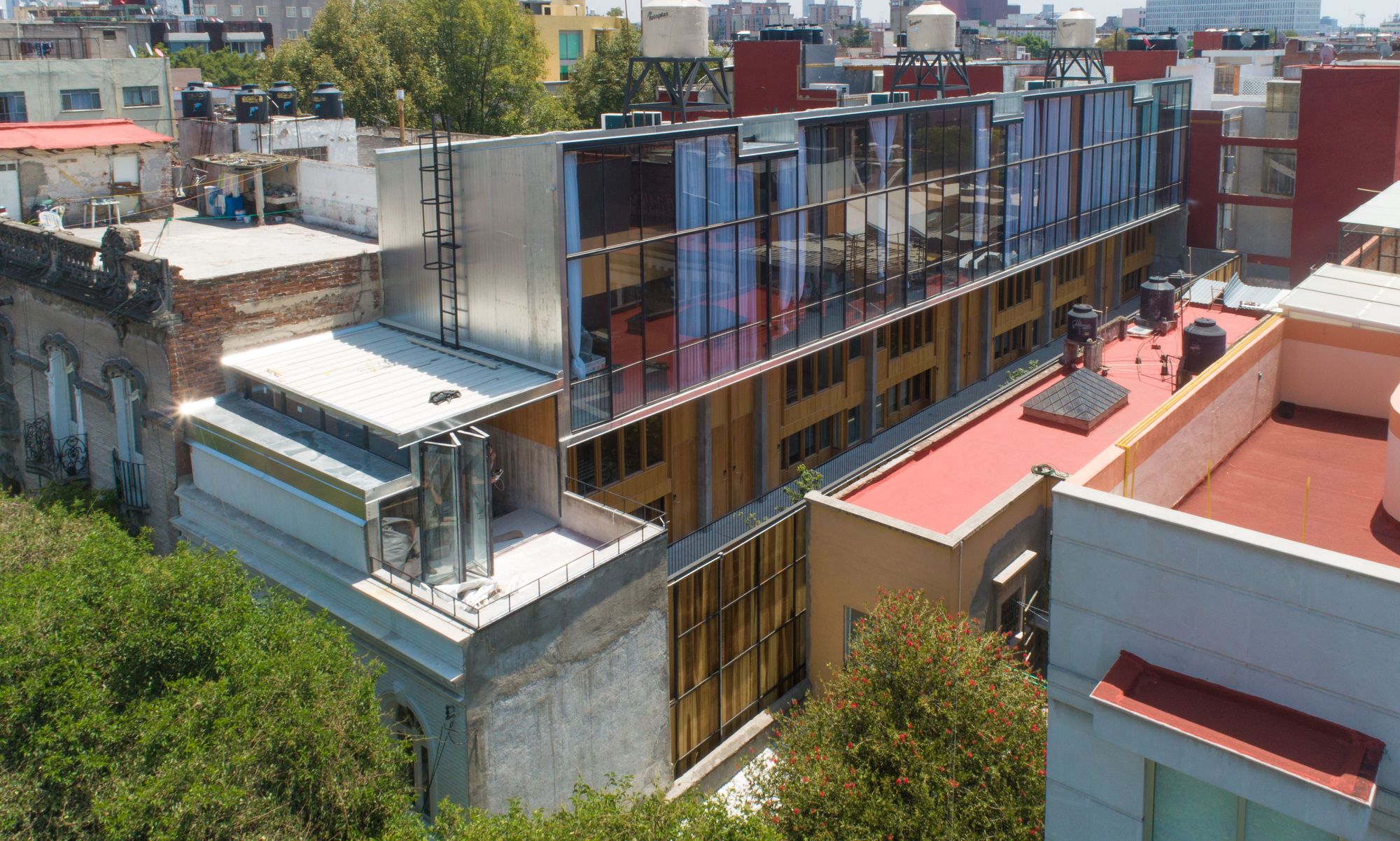
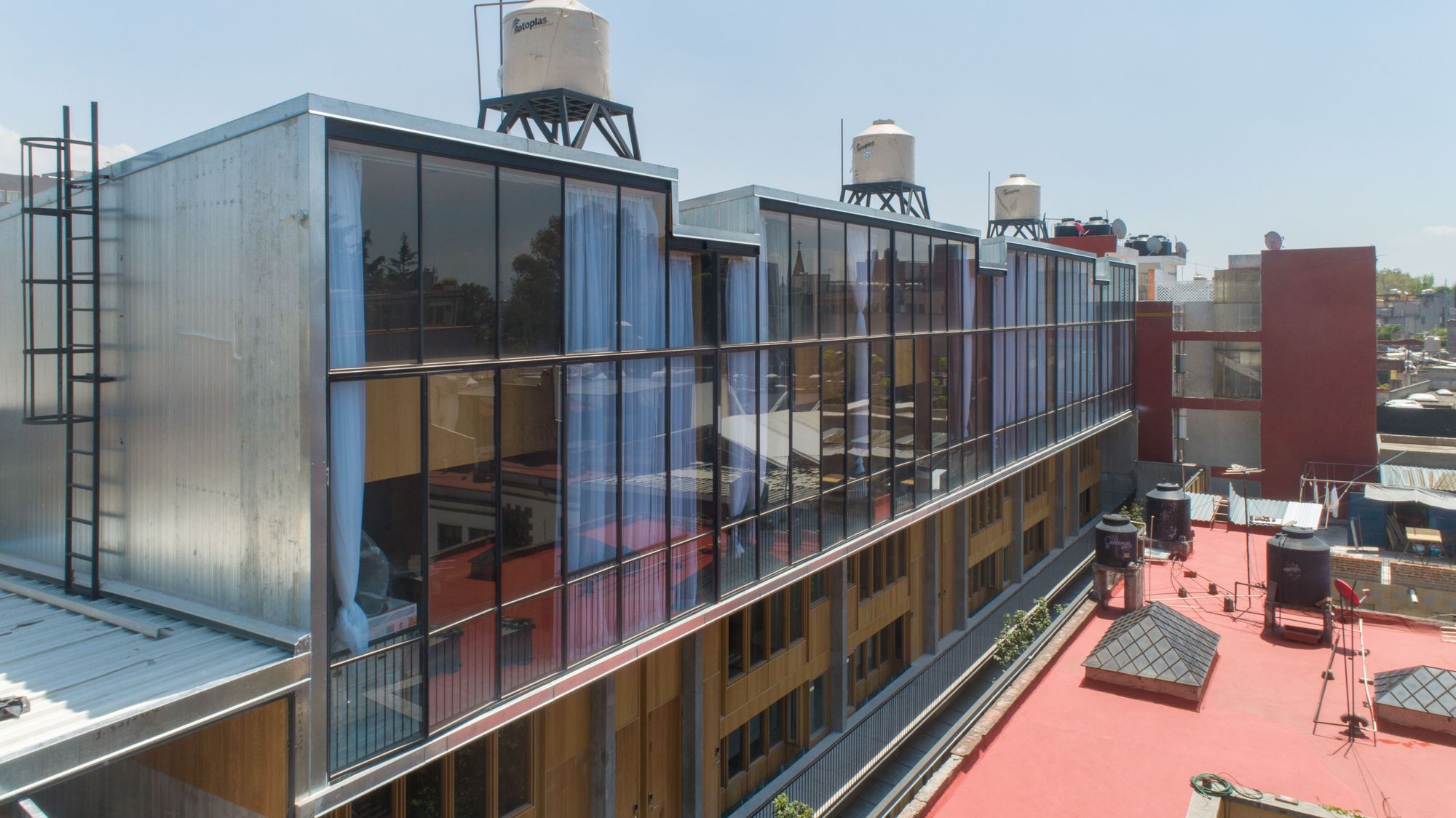
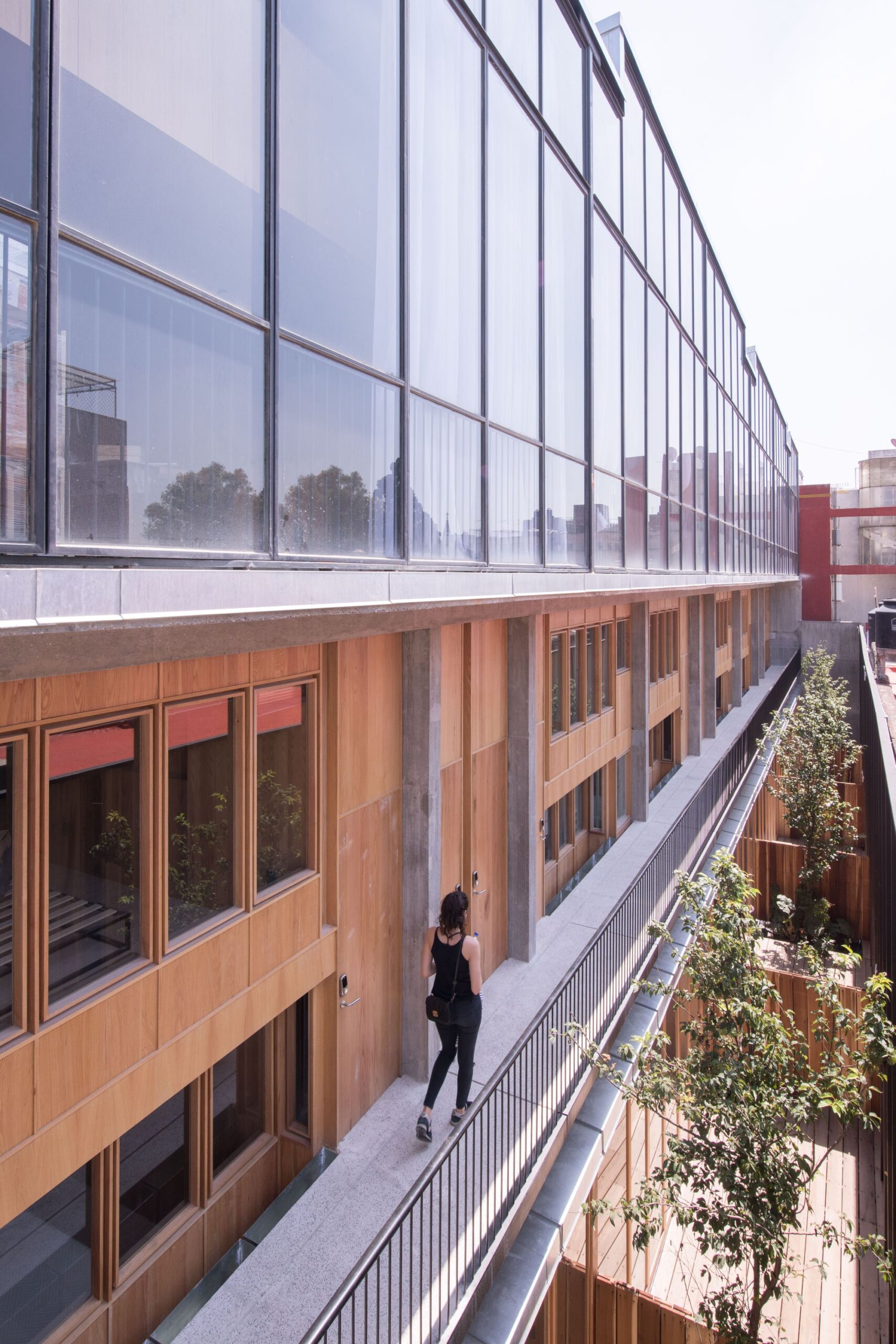
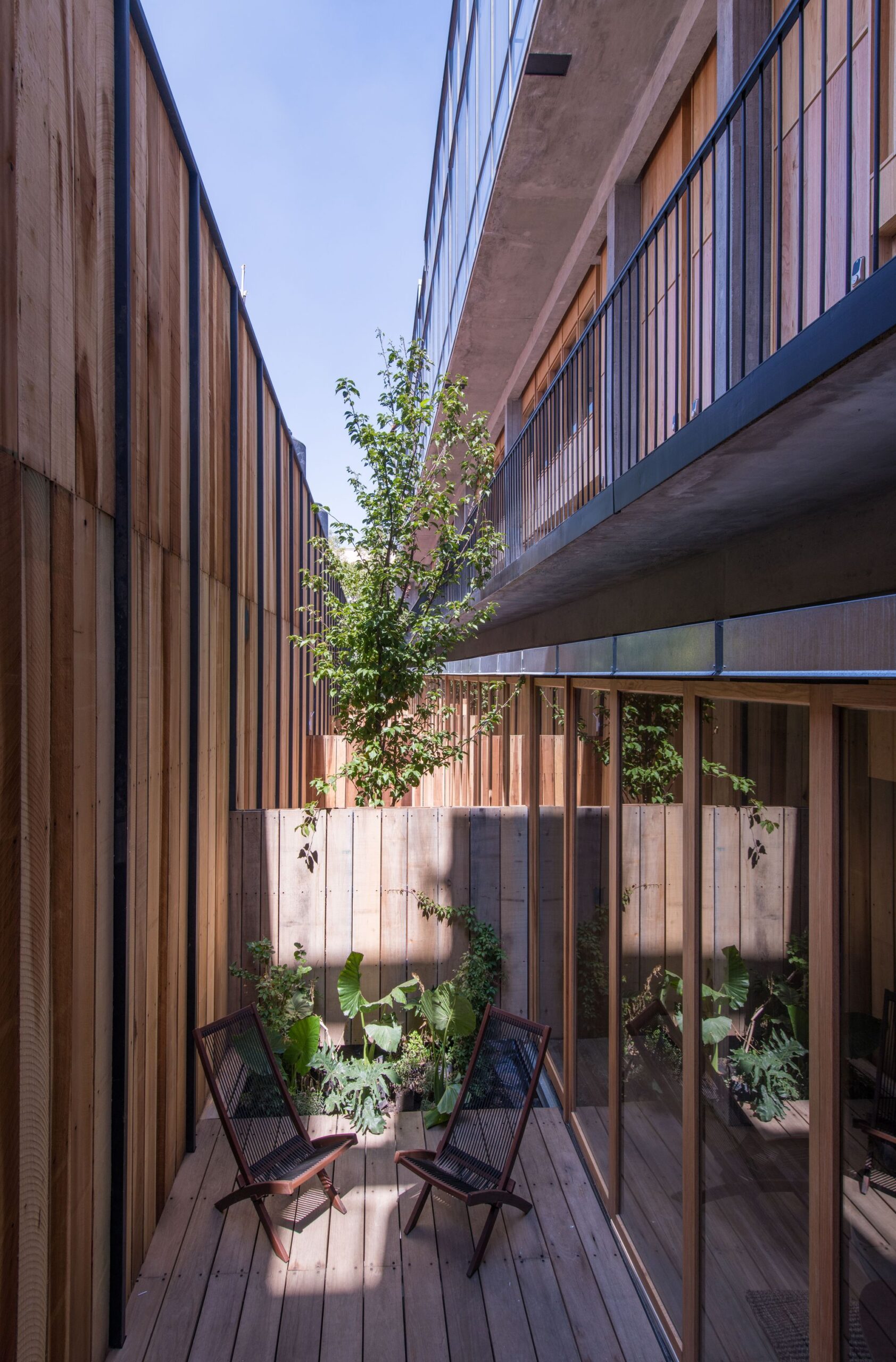
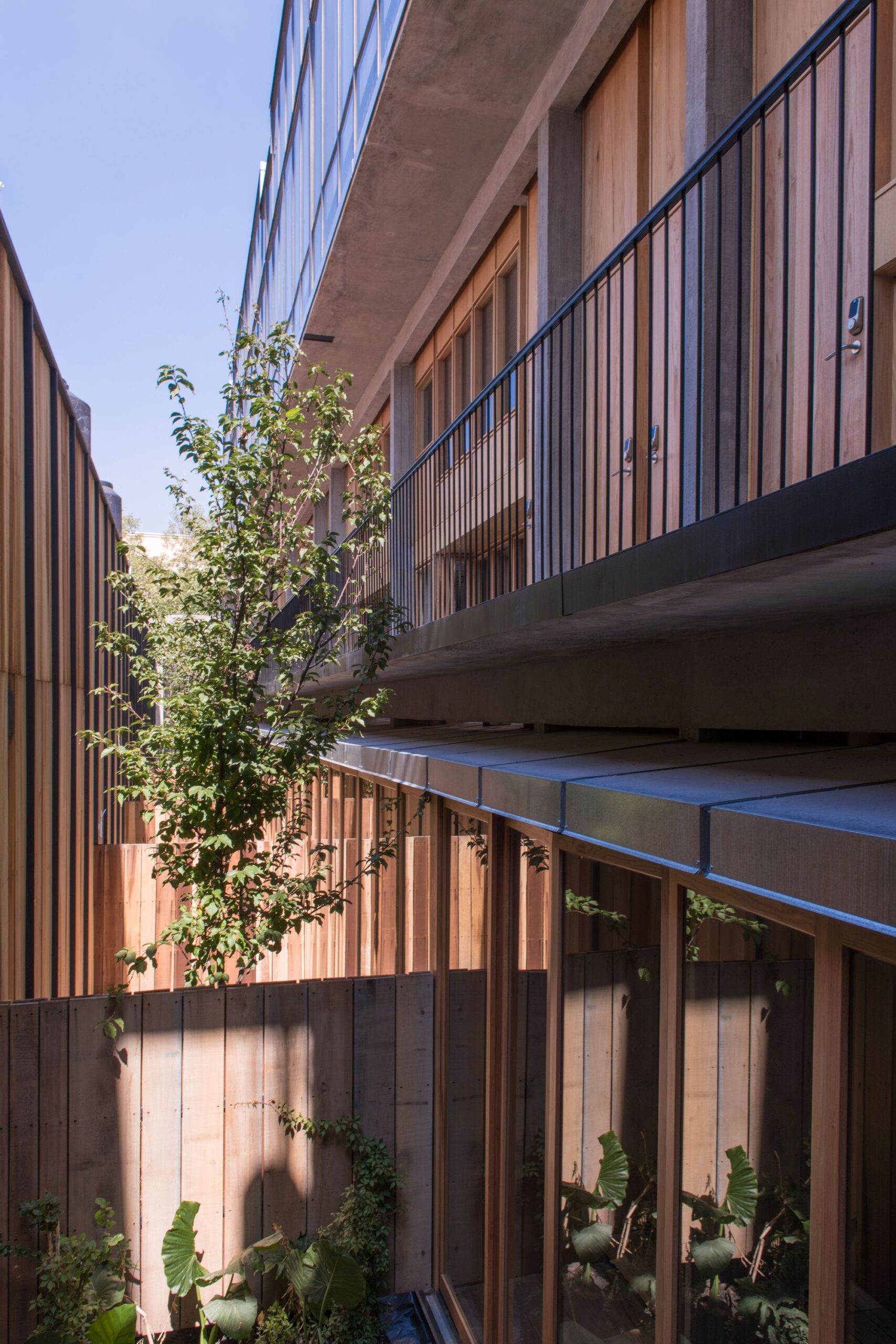
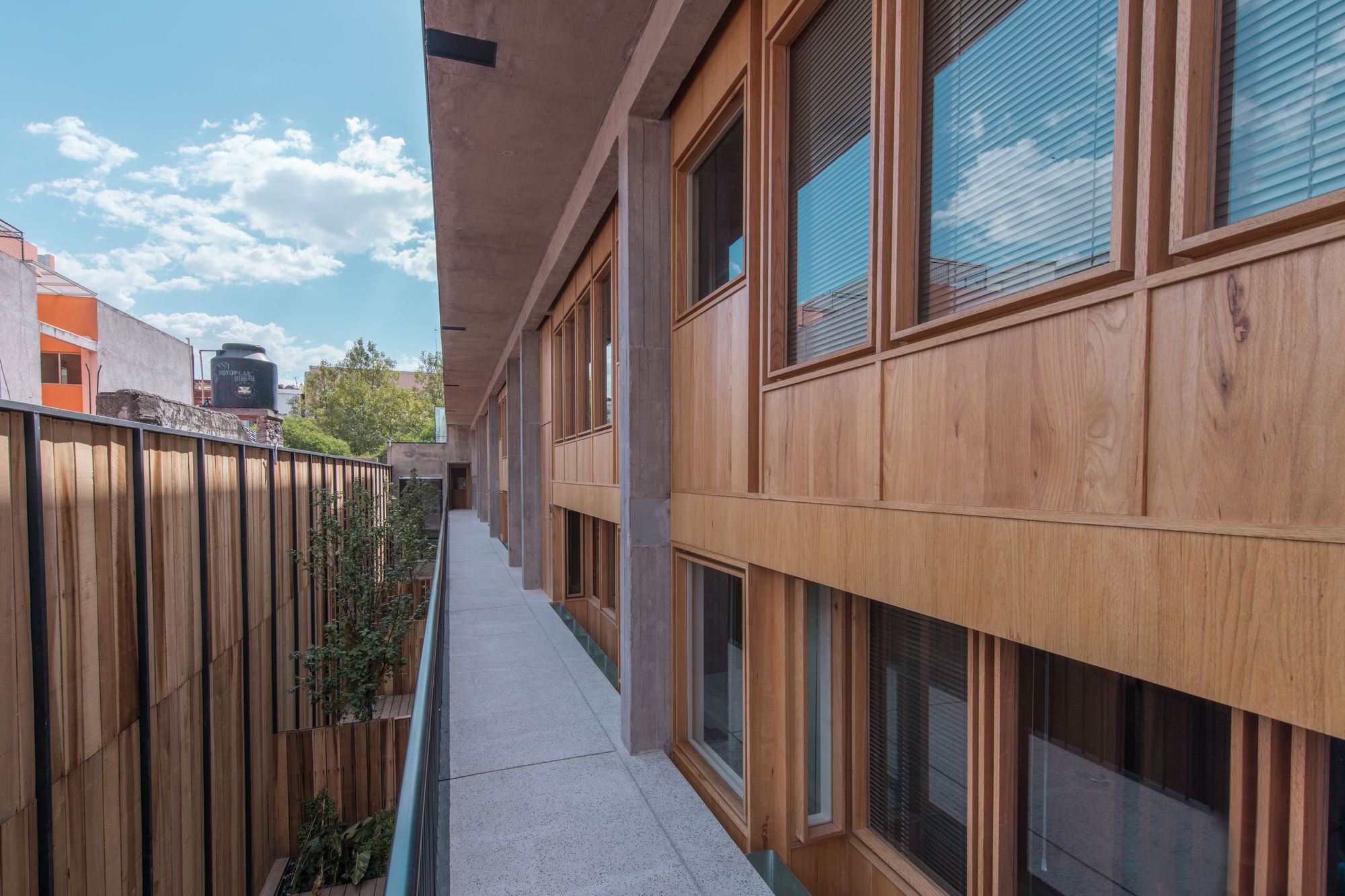
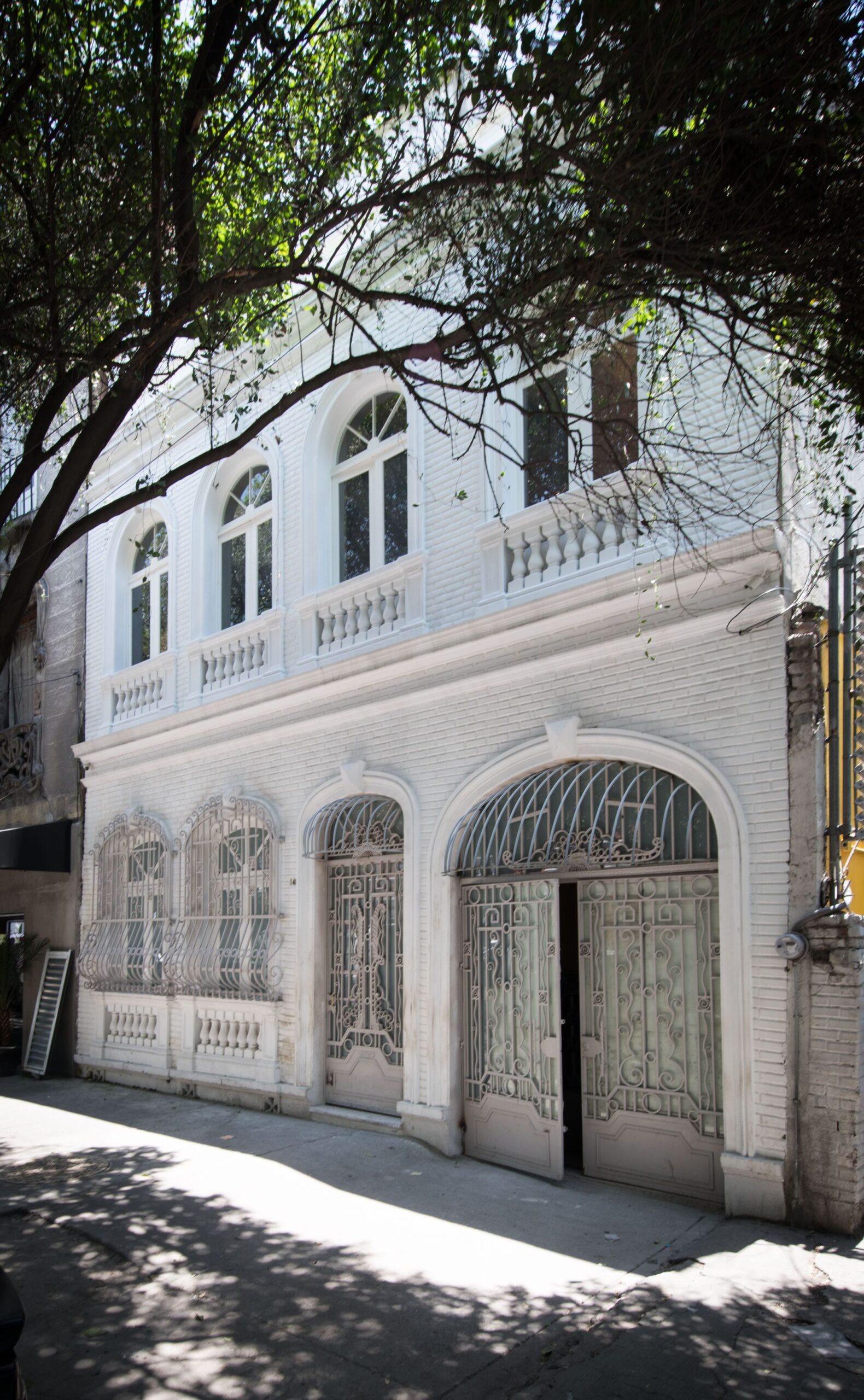
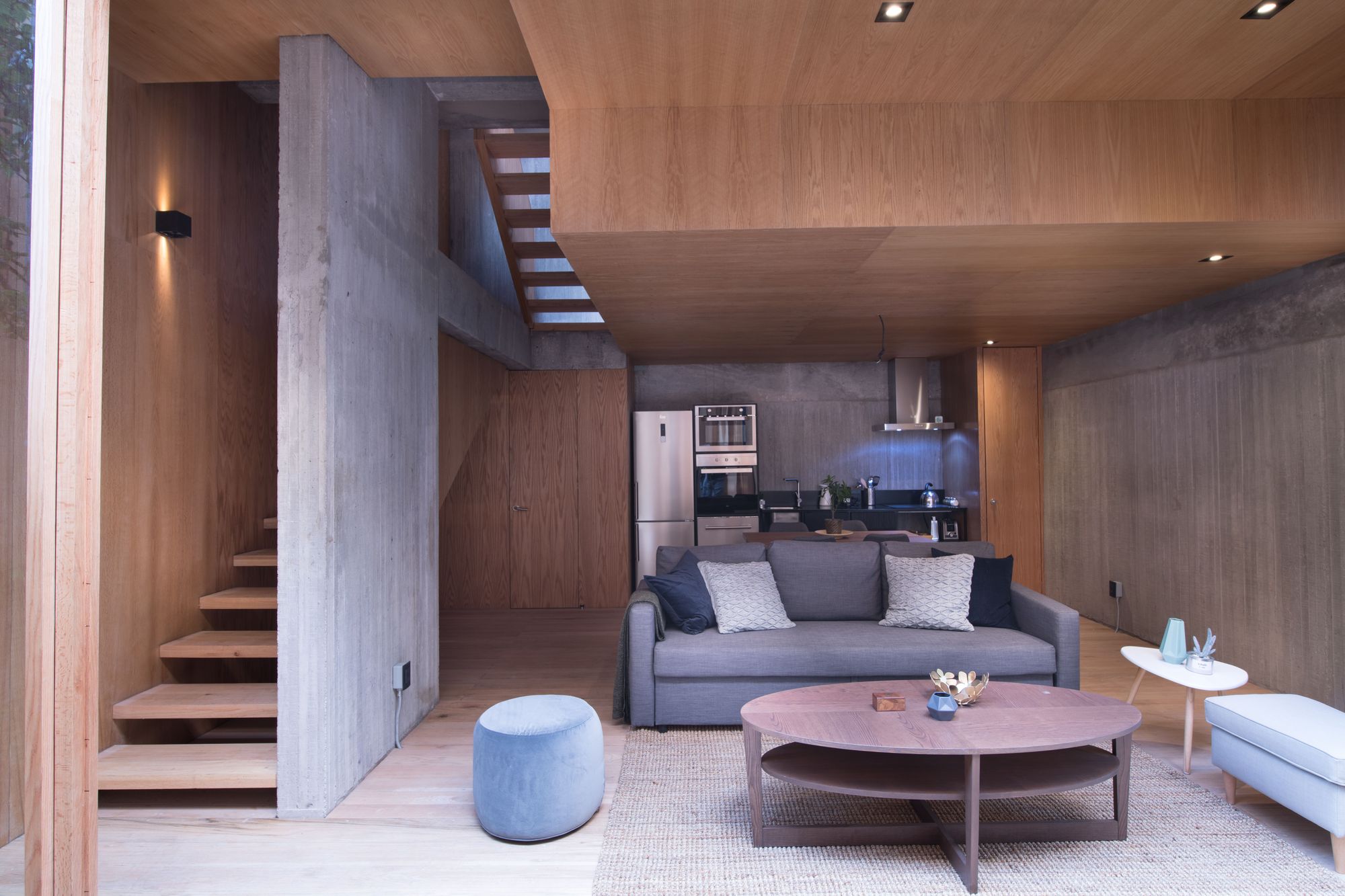
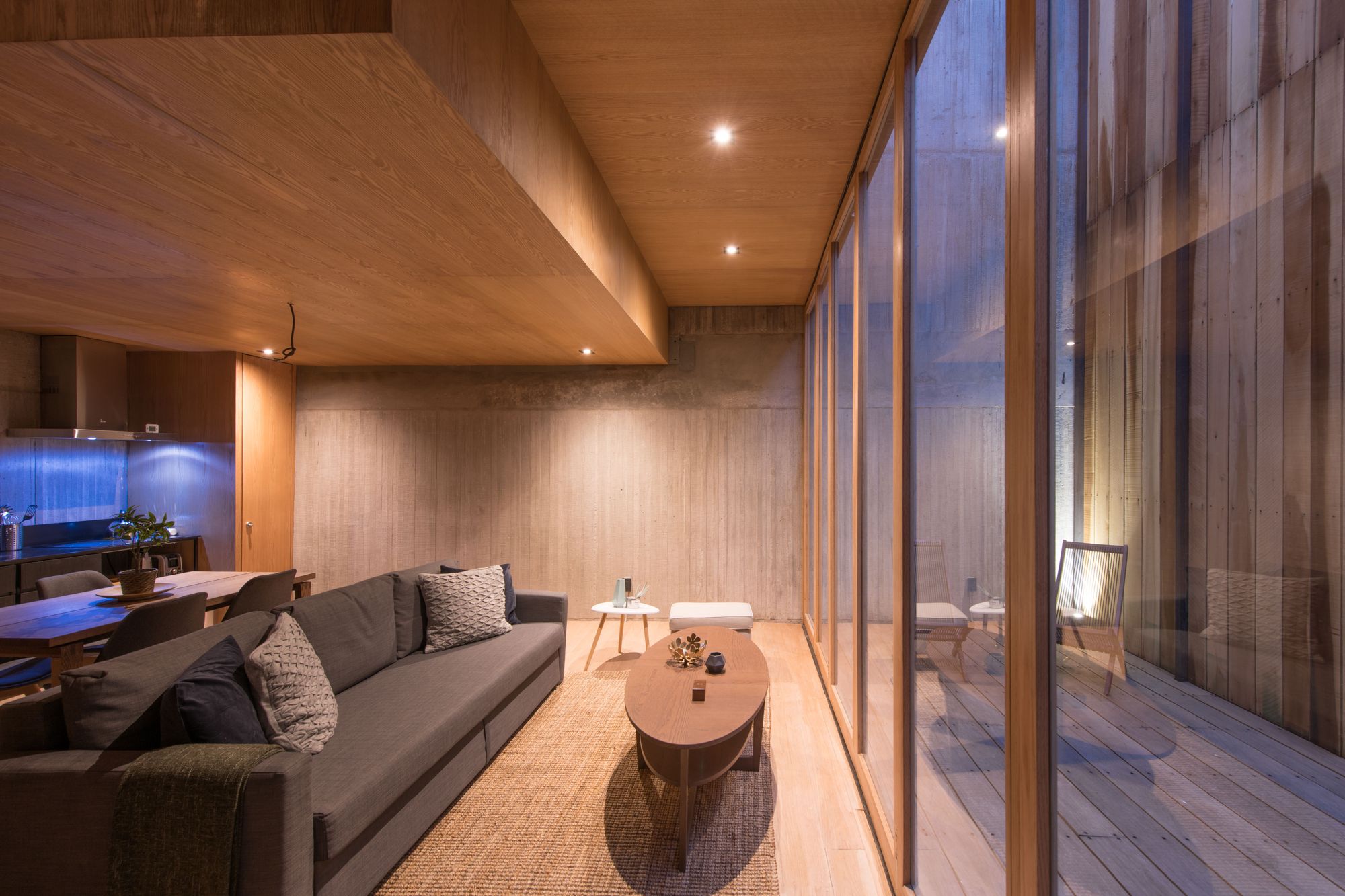
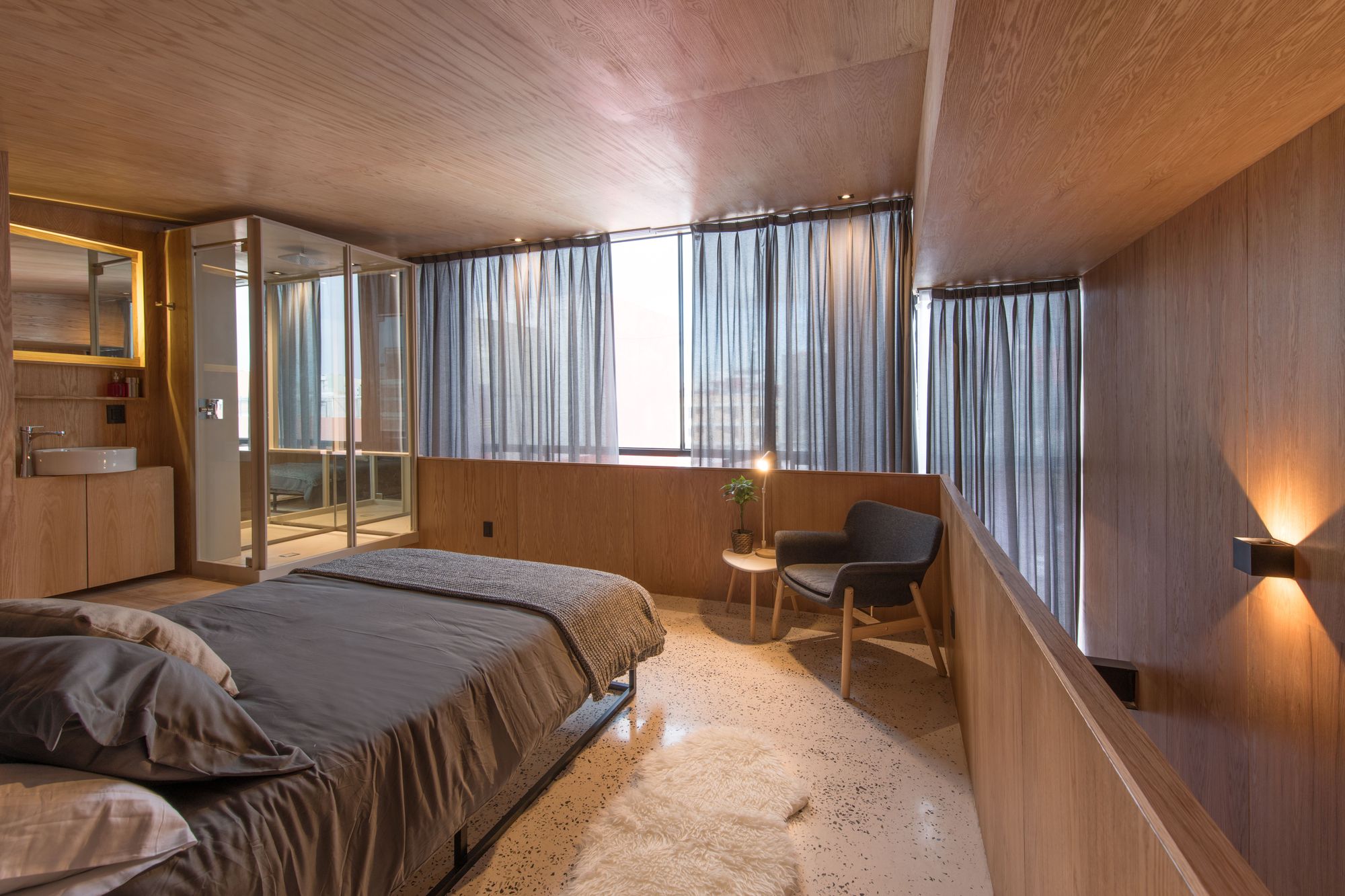
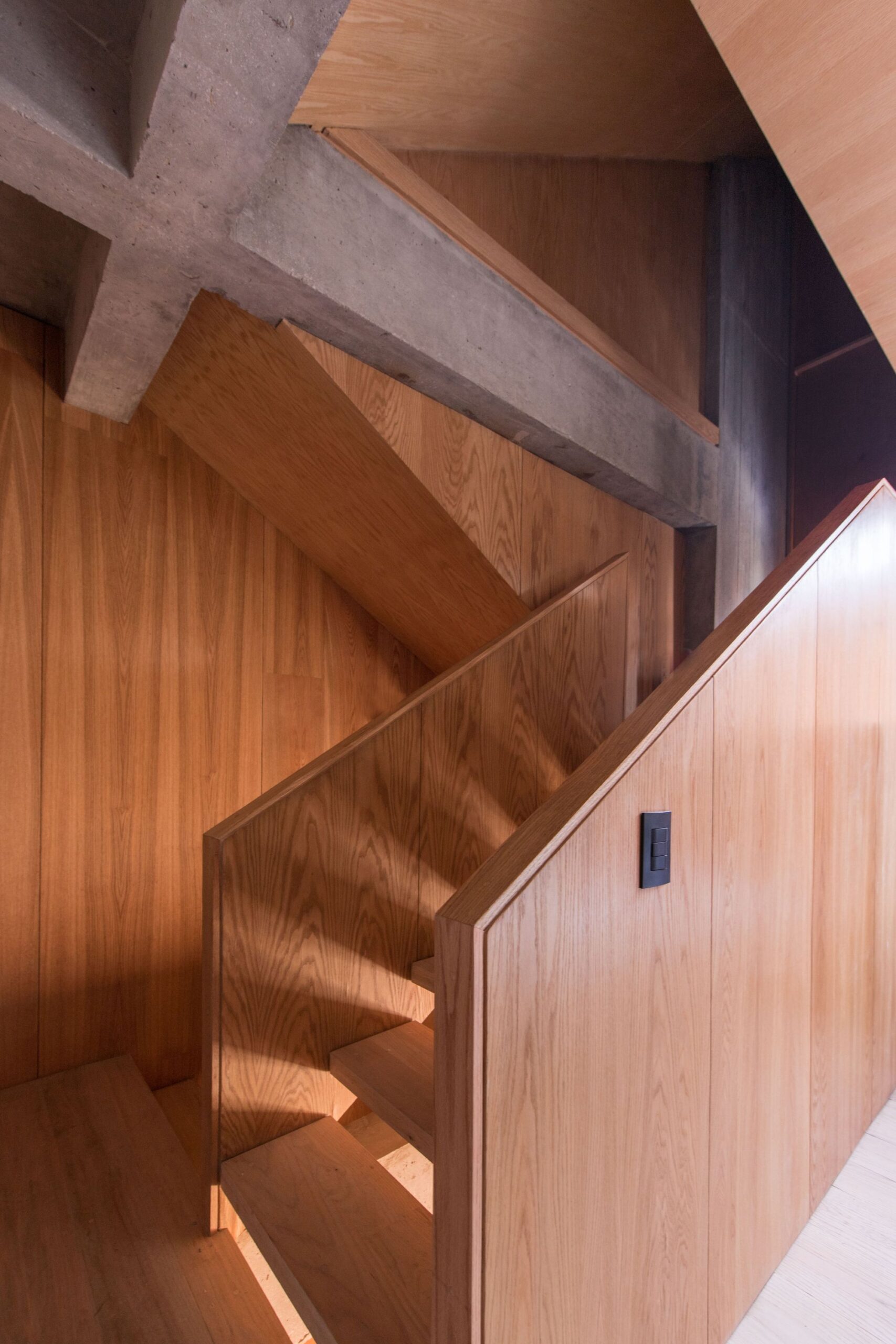
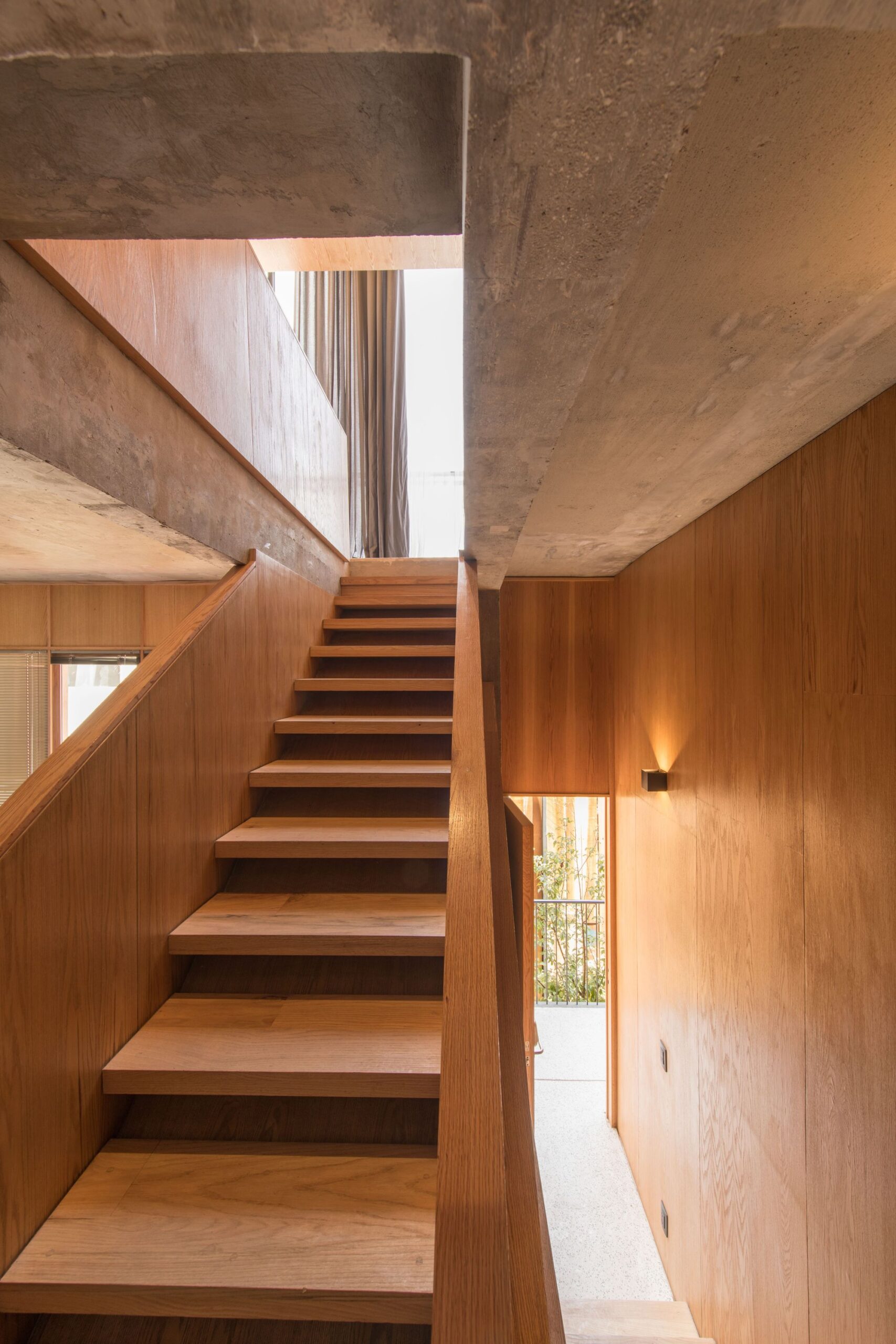
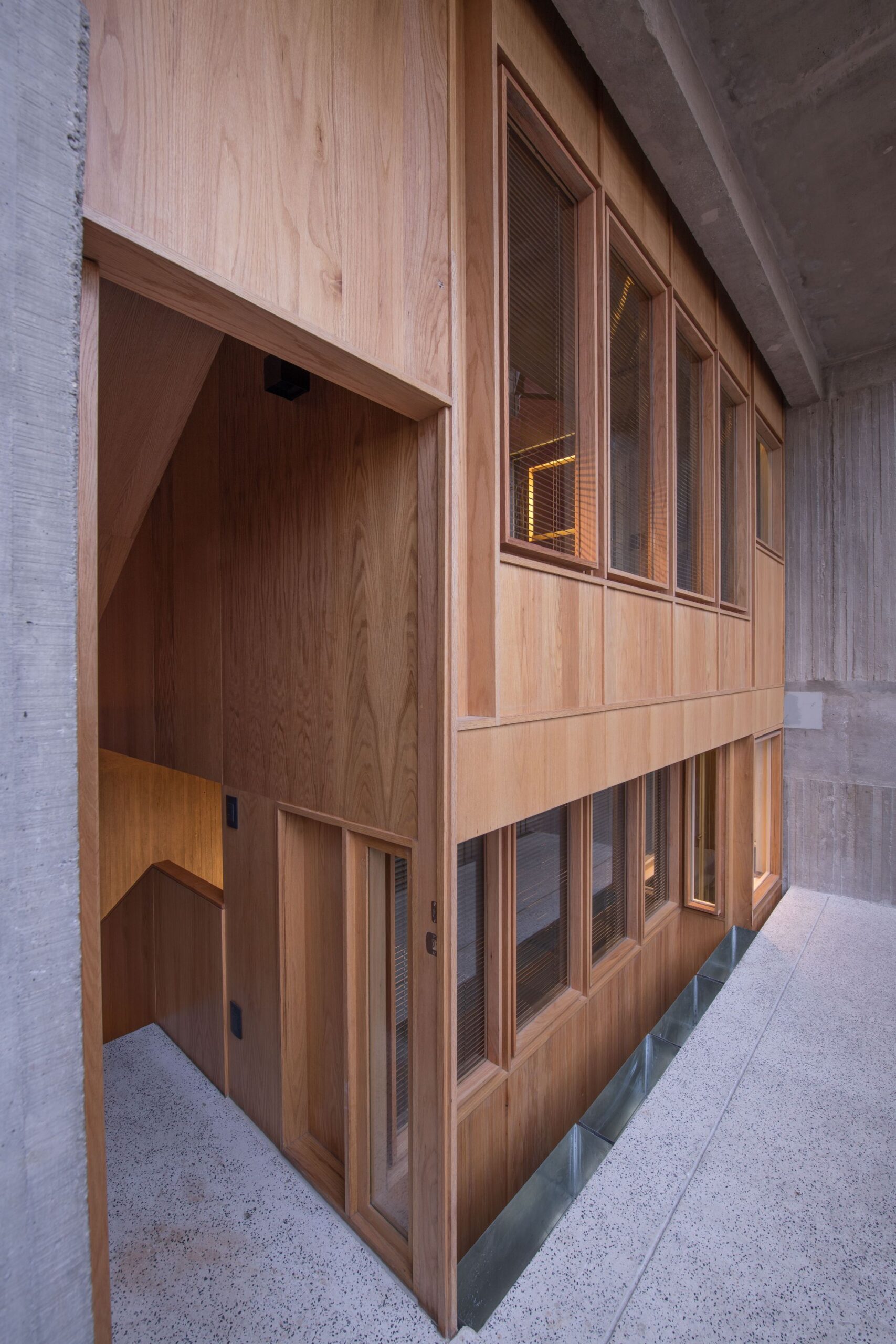
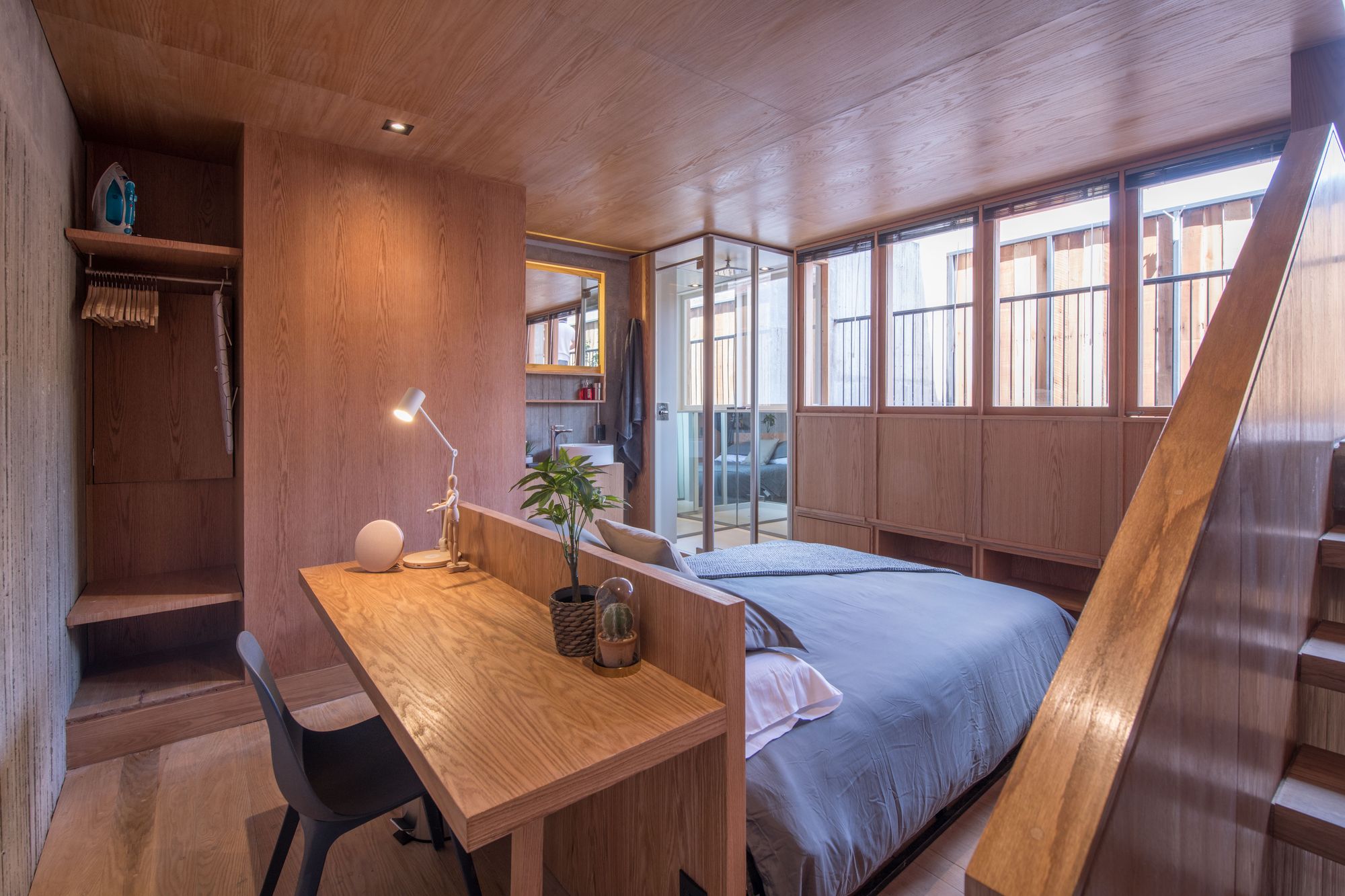
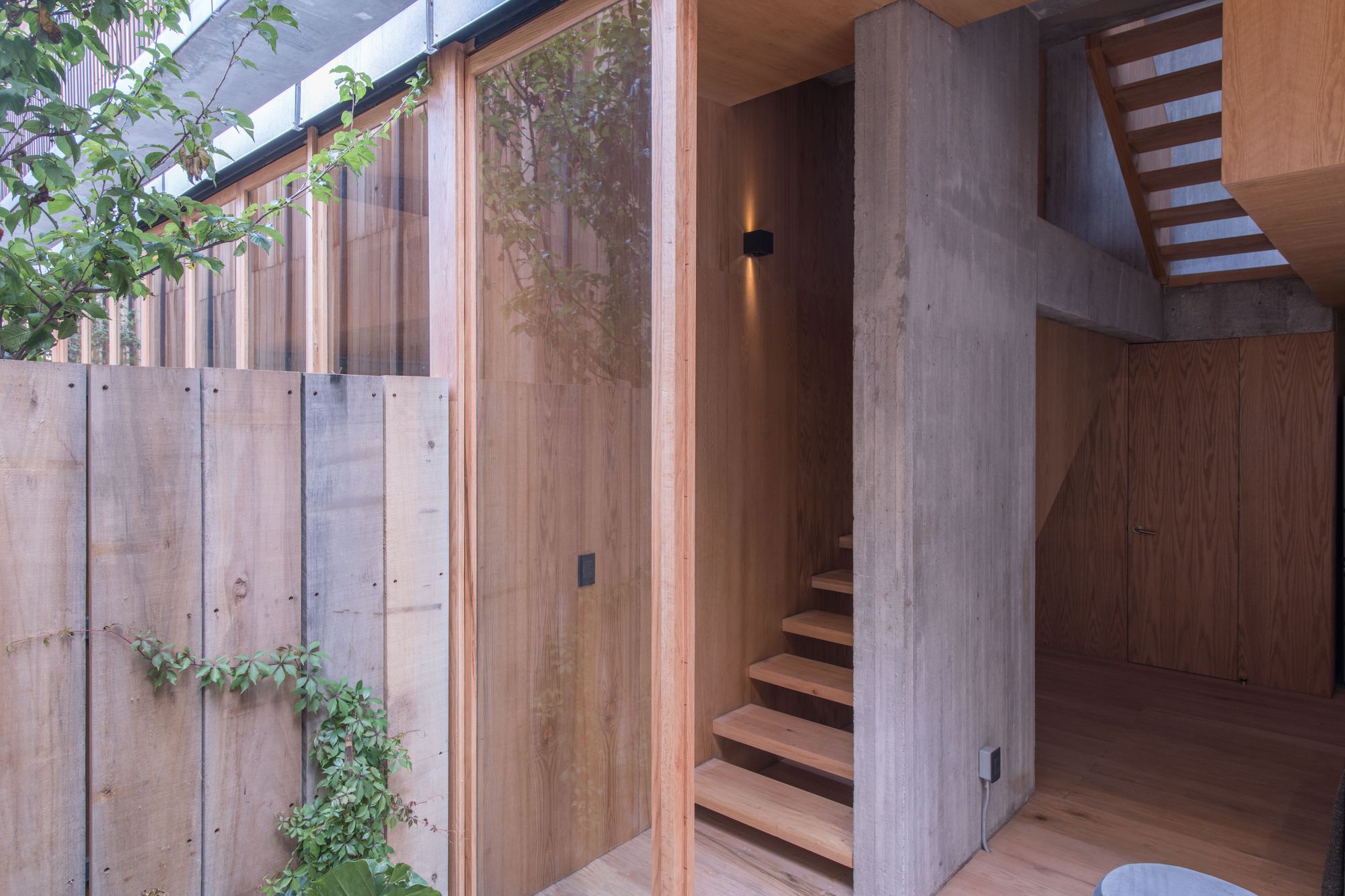
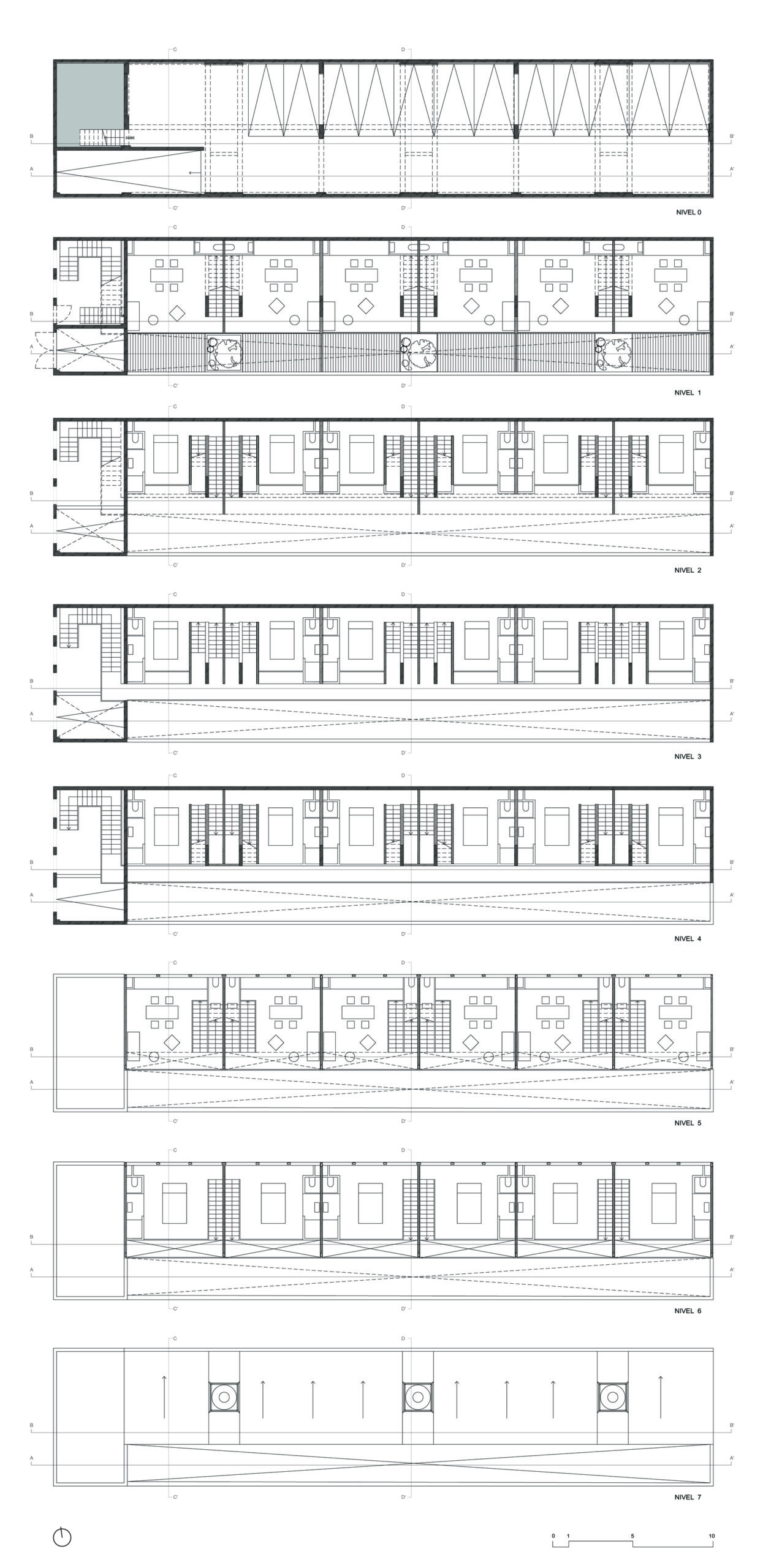
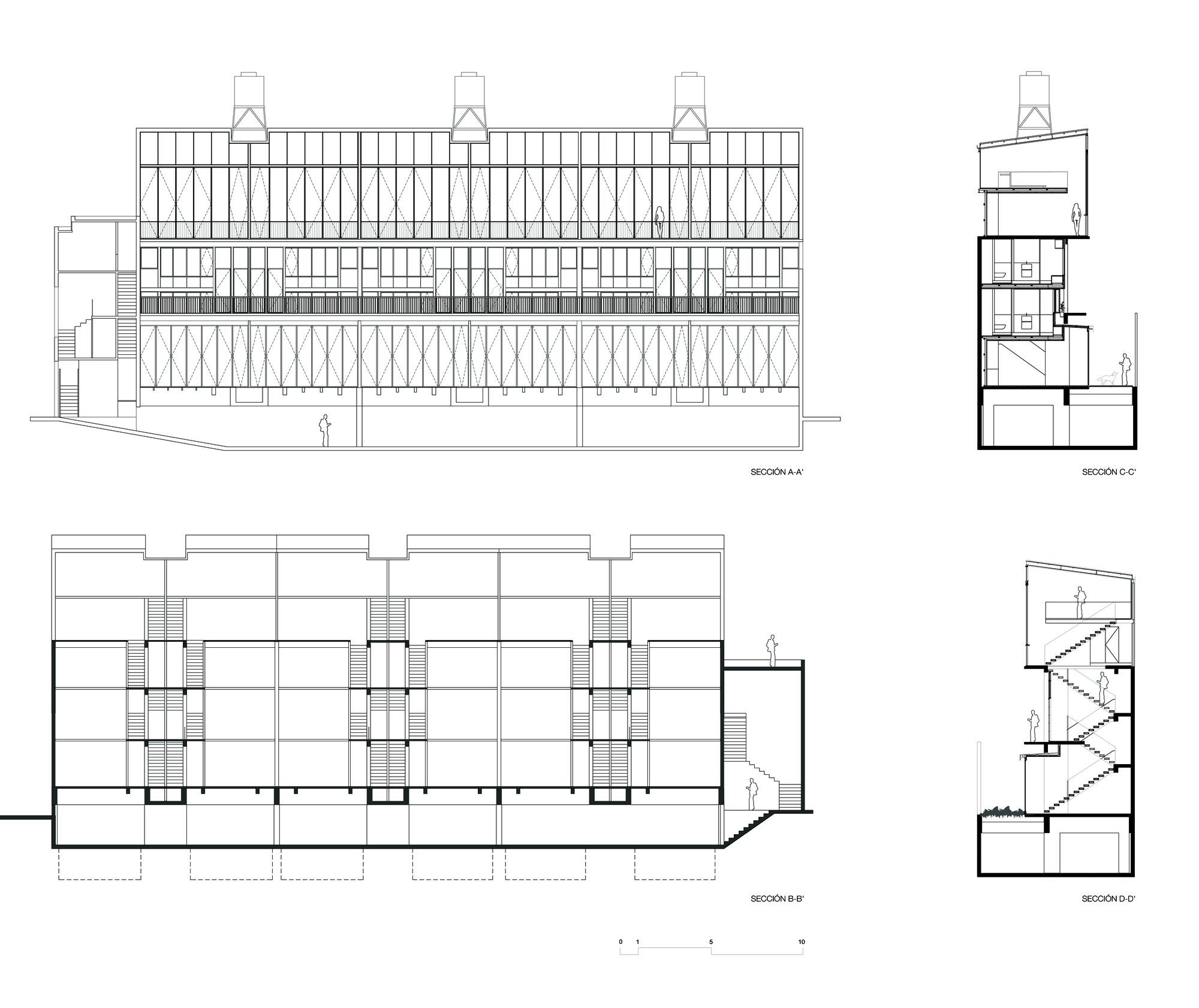
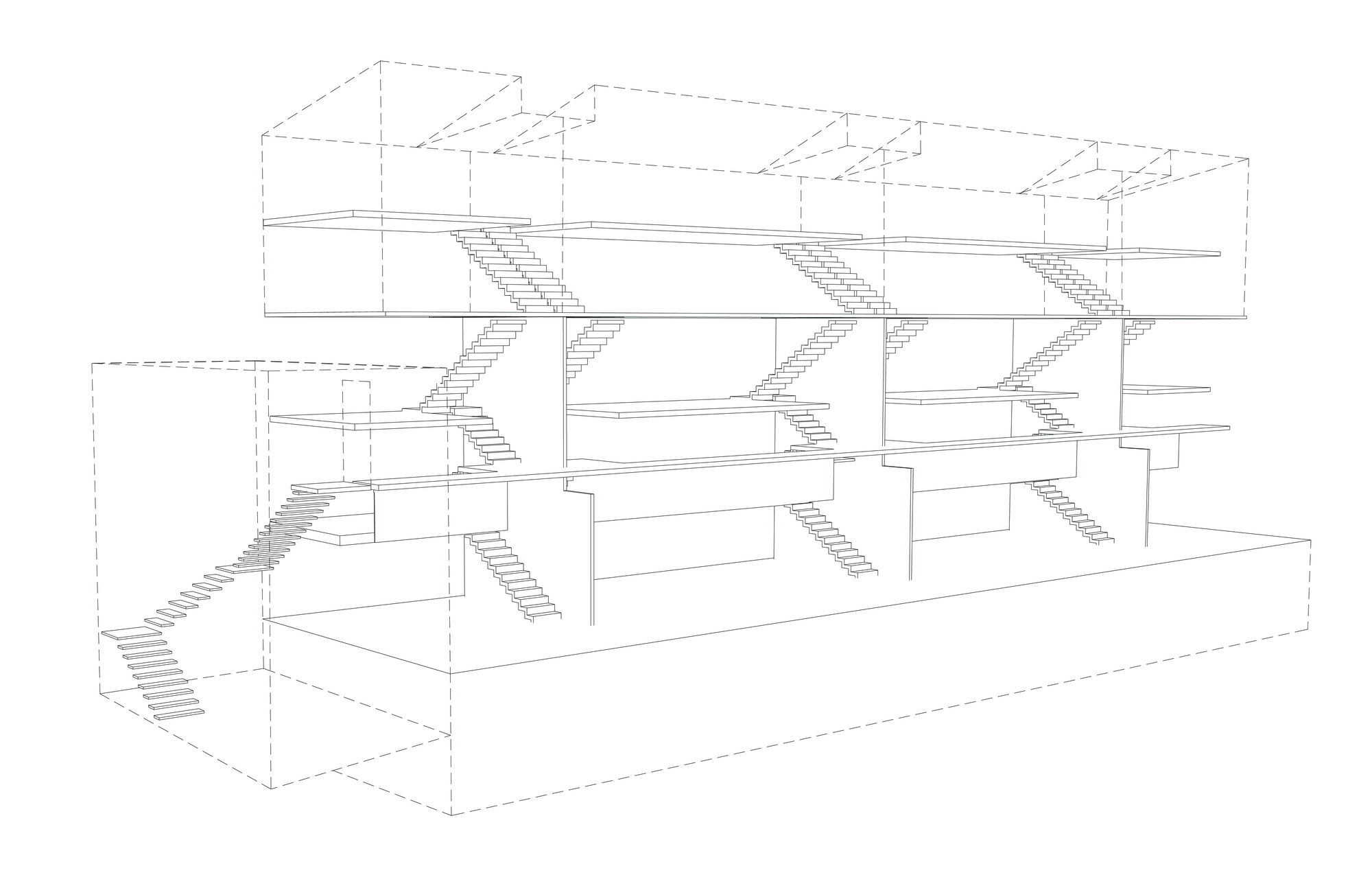
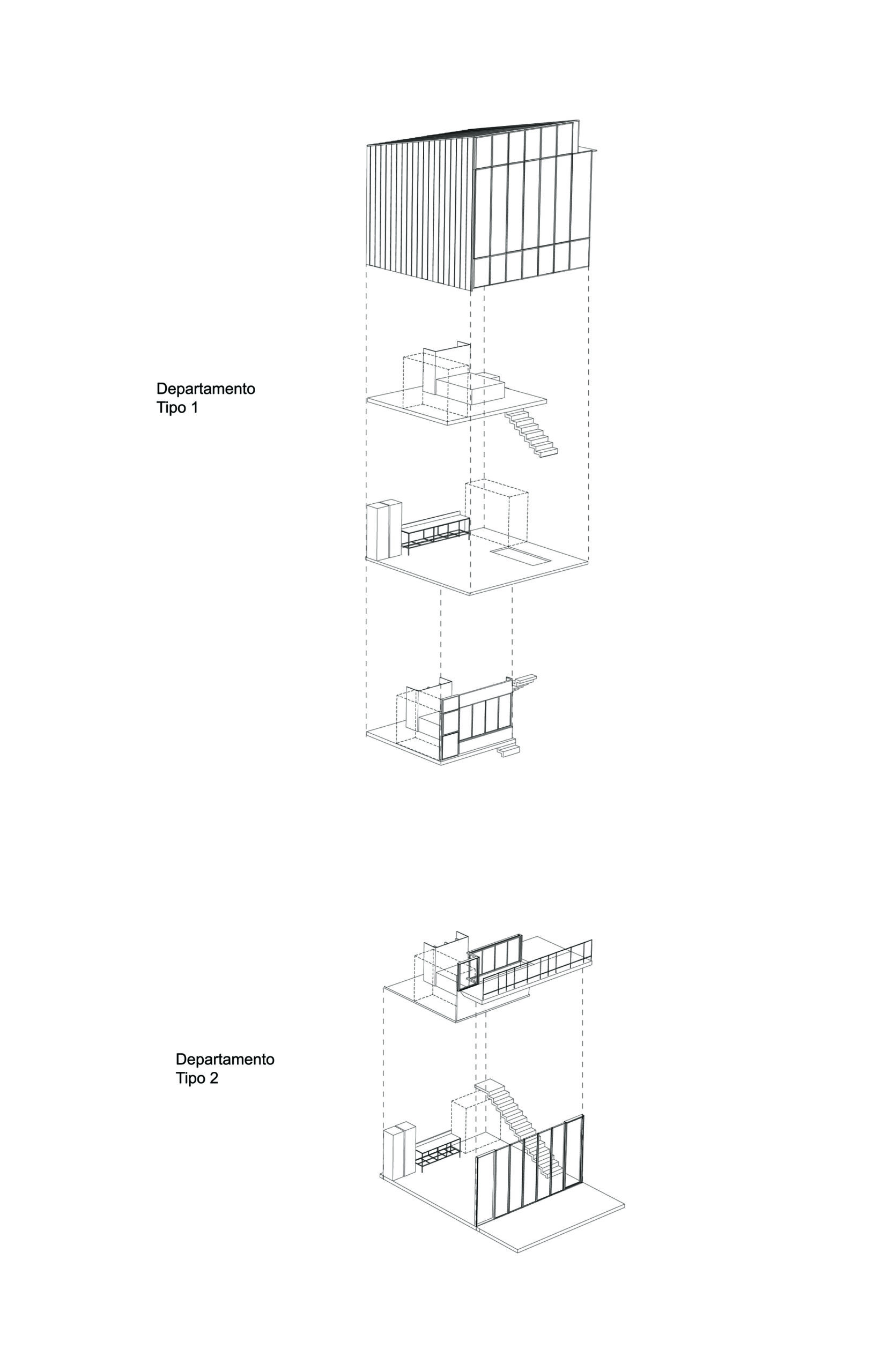
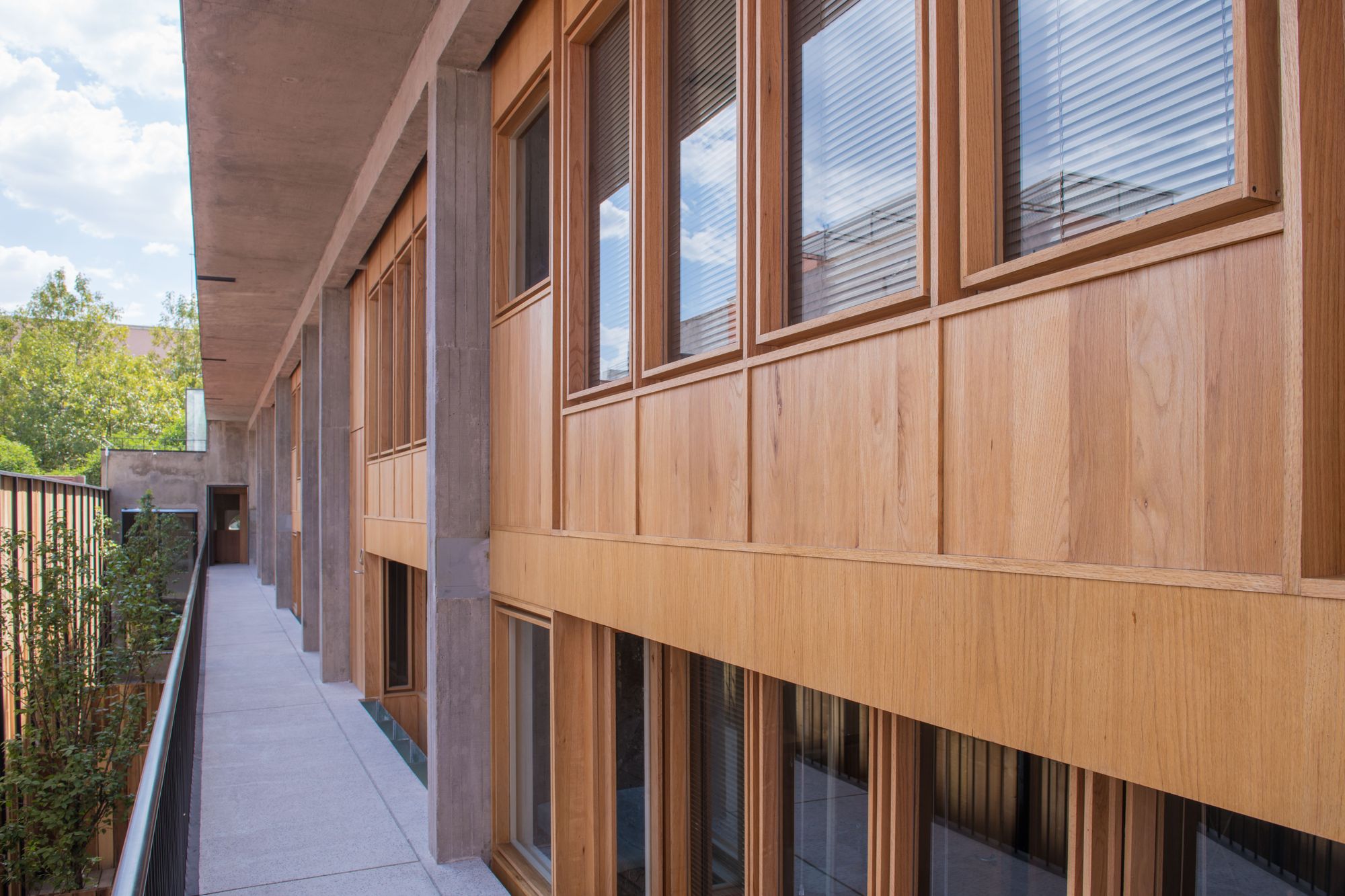
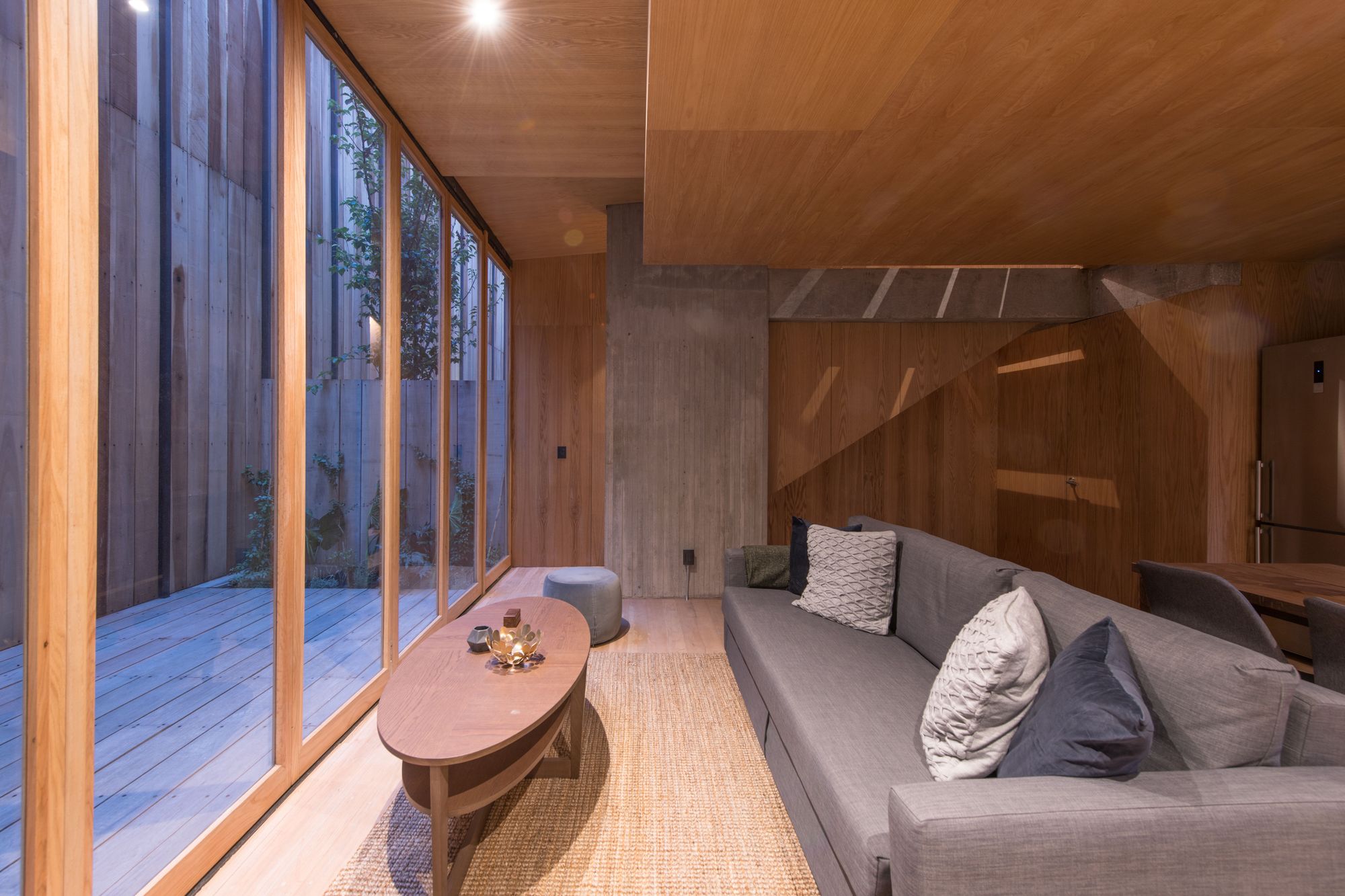
Mies van der Rohe might be an obvious example. When someone tried to explain him the beauty of jazz, he replied by saying canonically one should be careful and wary about improvisation. On the opposite end of the spectrum, Mexico’s own Luis Barragán comes to mind. He was notorious for not delivering complete drawing sets, for having second thoughts once on the construction site and for freely improvising while building. By keeping an open-ended design attitude, he developed a sensitive approach on site, thus adjusting compositions, textures and colors as they materialized. During the planning and construction of the project in Progressive Heritage, I had the chance to visit the building in different moments with architect Alejandro Tapia. The project can be discussed from many angles. For instance, it is primarily designed as an Airbnb listing, and as such, it constitutes a relatively new typology within the city. But what struck me most during our on-site conversations was his rebellious attitude towards the normal-way-of-working and his desire to completely rethink the design process as a normative system. Alejandro told me he would first design and build the main structural partitions in concrete. Only then would he start thinking about finishing, exact position of bedrooms, even plumbing. “Wherever needed, I can perforate the concrete with a new core drill I just bought.” Something only he can do, being an architect and contractor at a time. In Progressive Heritage, the absolute harshness and brutal clarity of an a priori structural system (my favorite: the relentless continuation of the project’s single walkway until it abruptly comes to an end at the rear plot line) is combined with the intuitive nonchalance of after-the-fact detail solving.
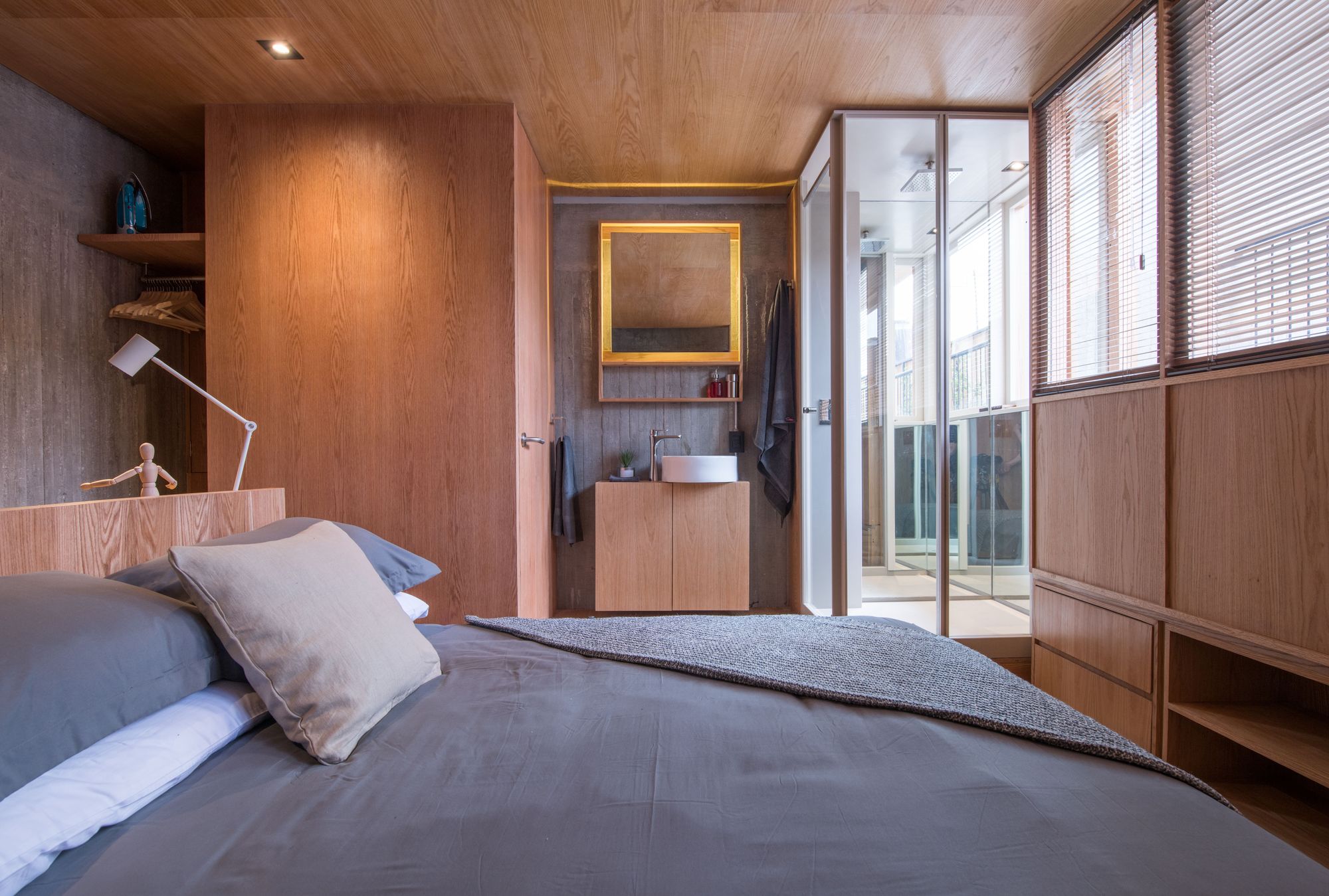
© Jaime Navarro
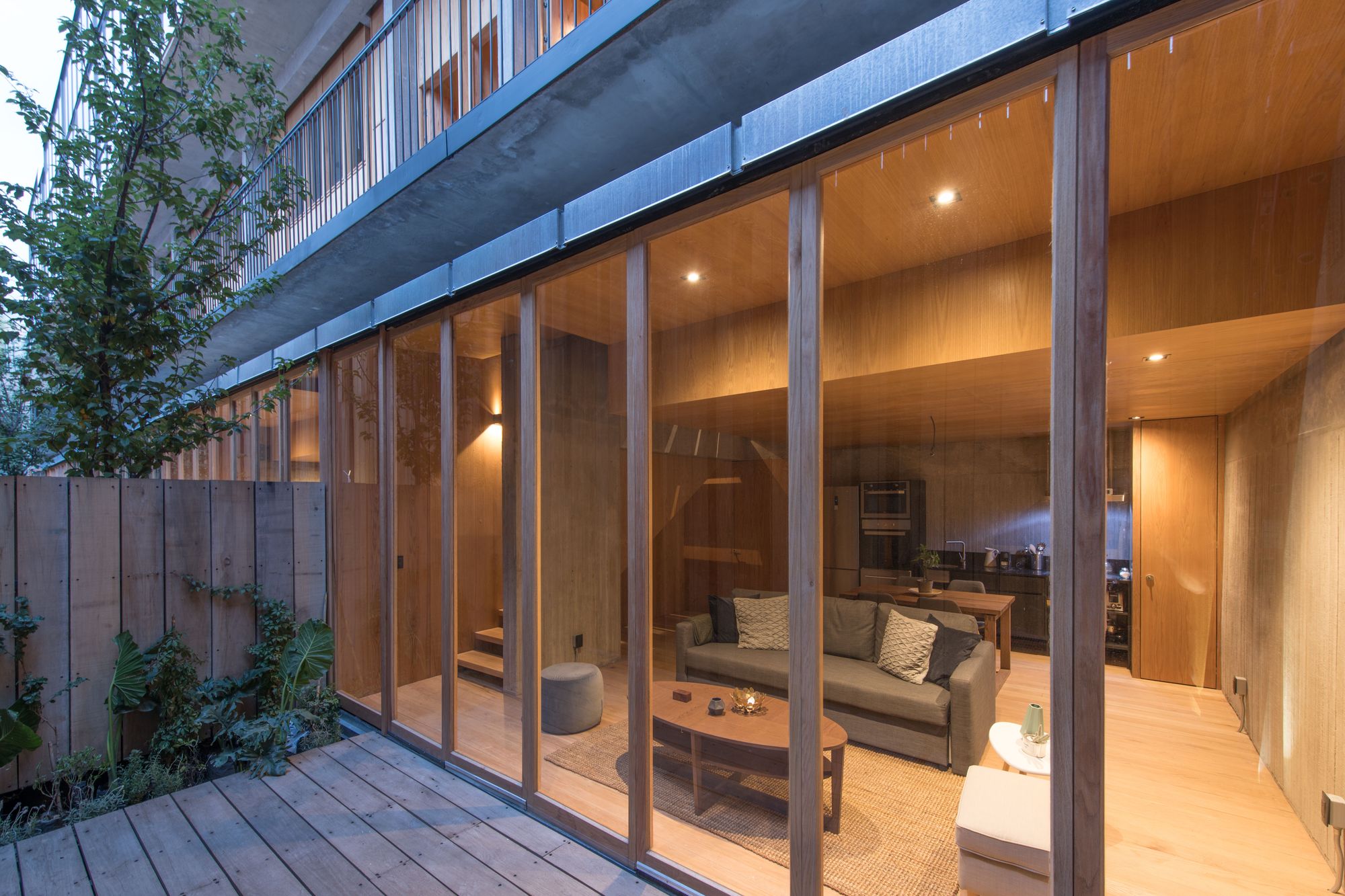
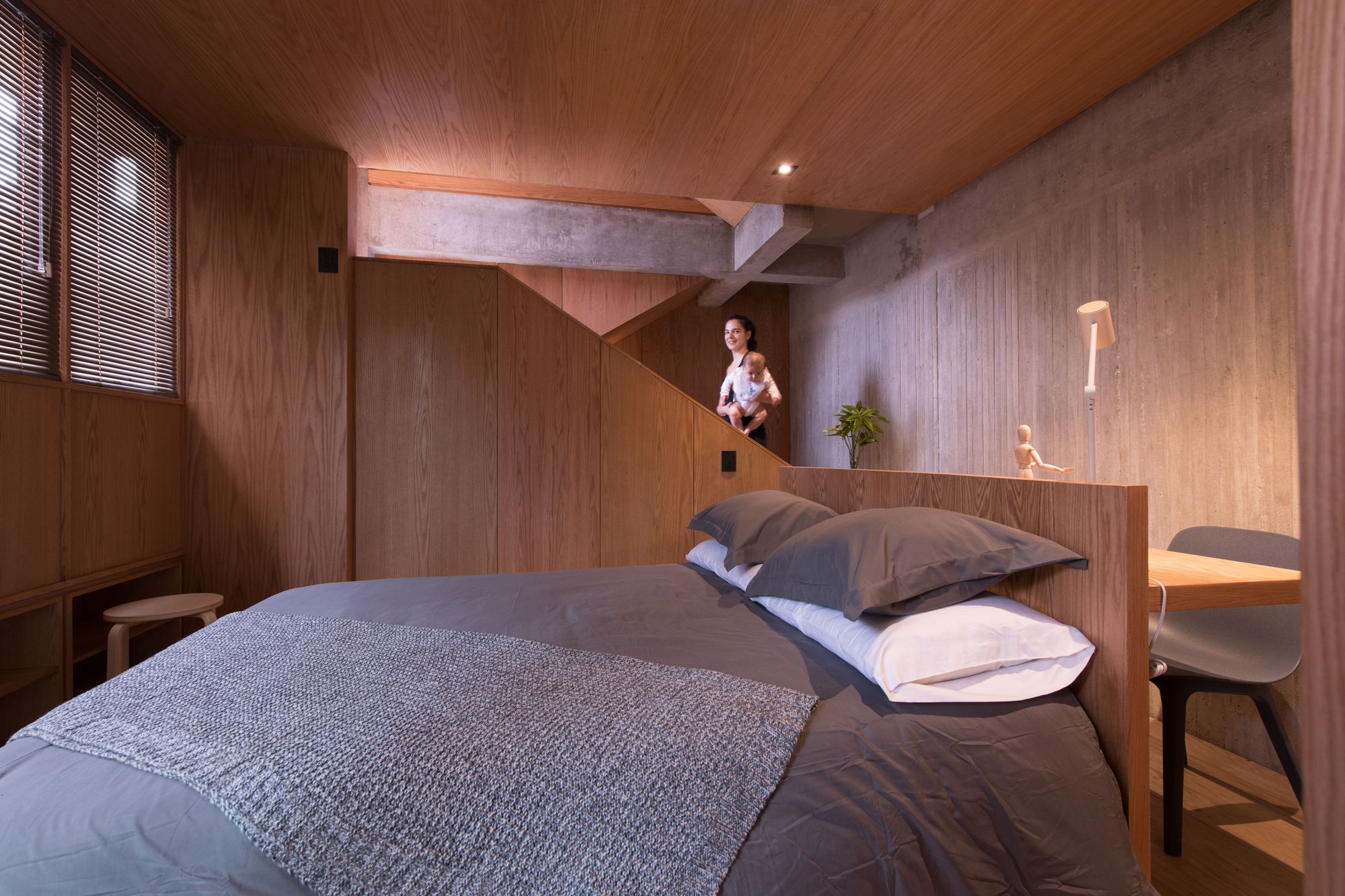
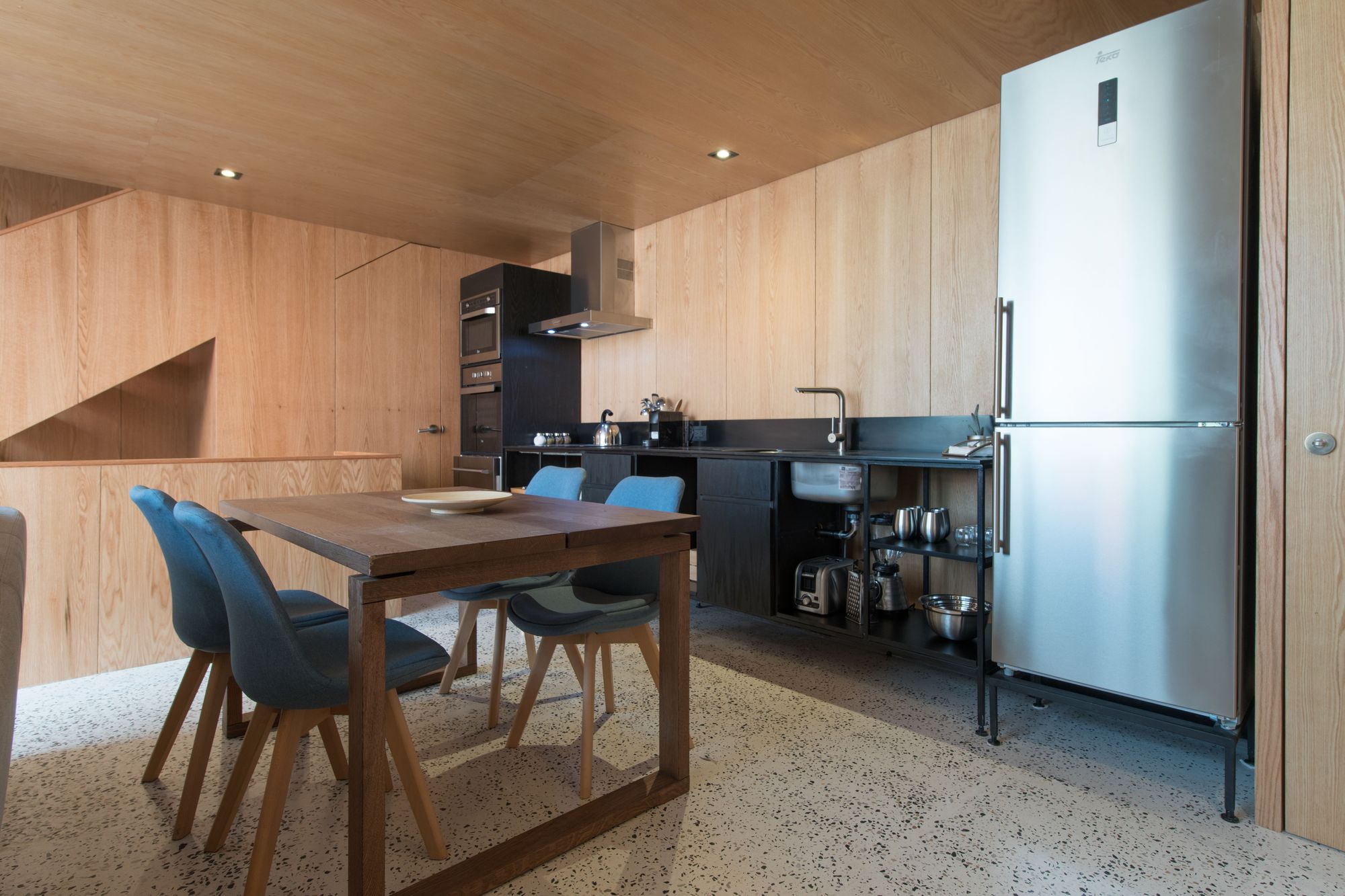
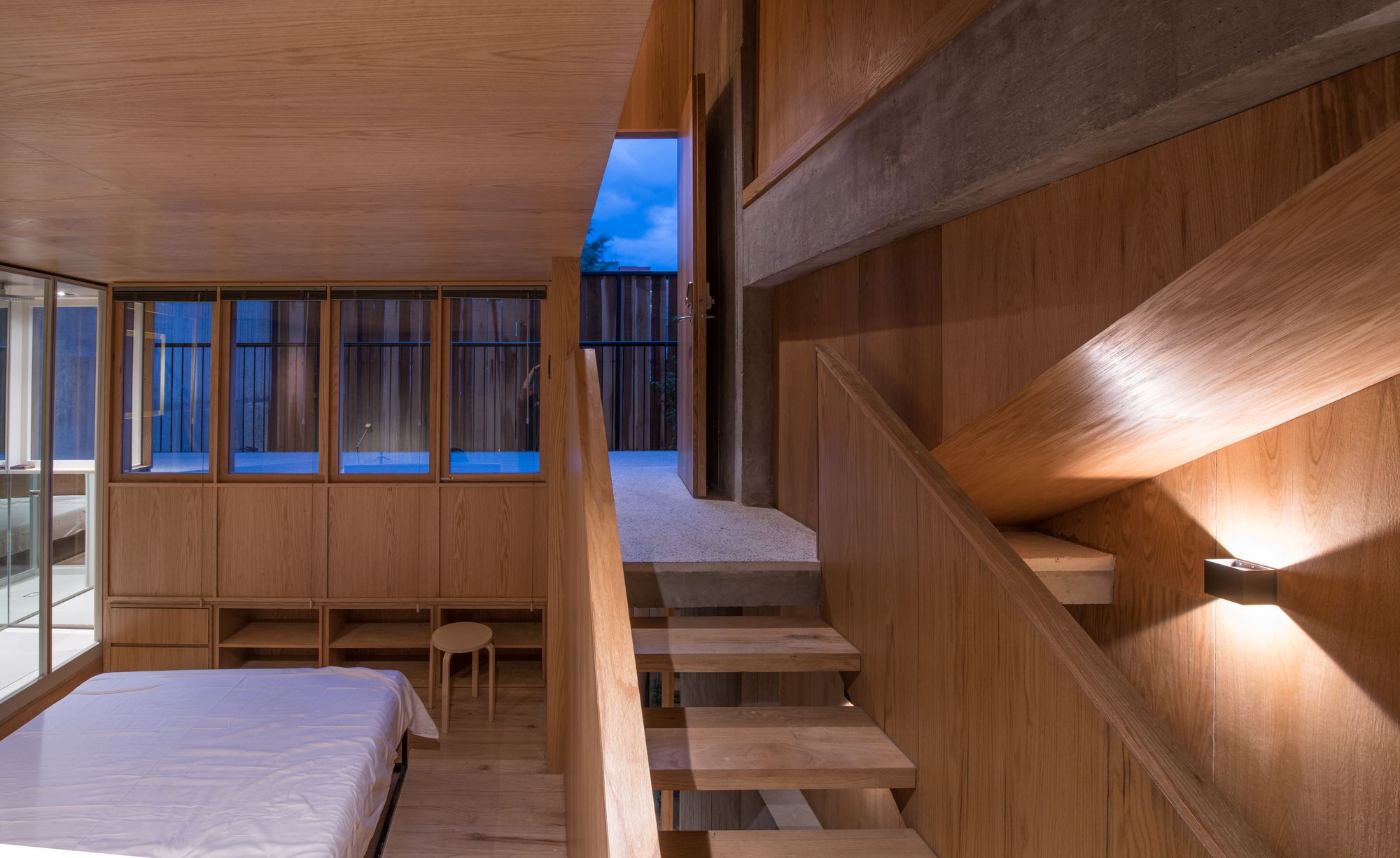
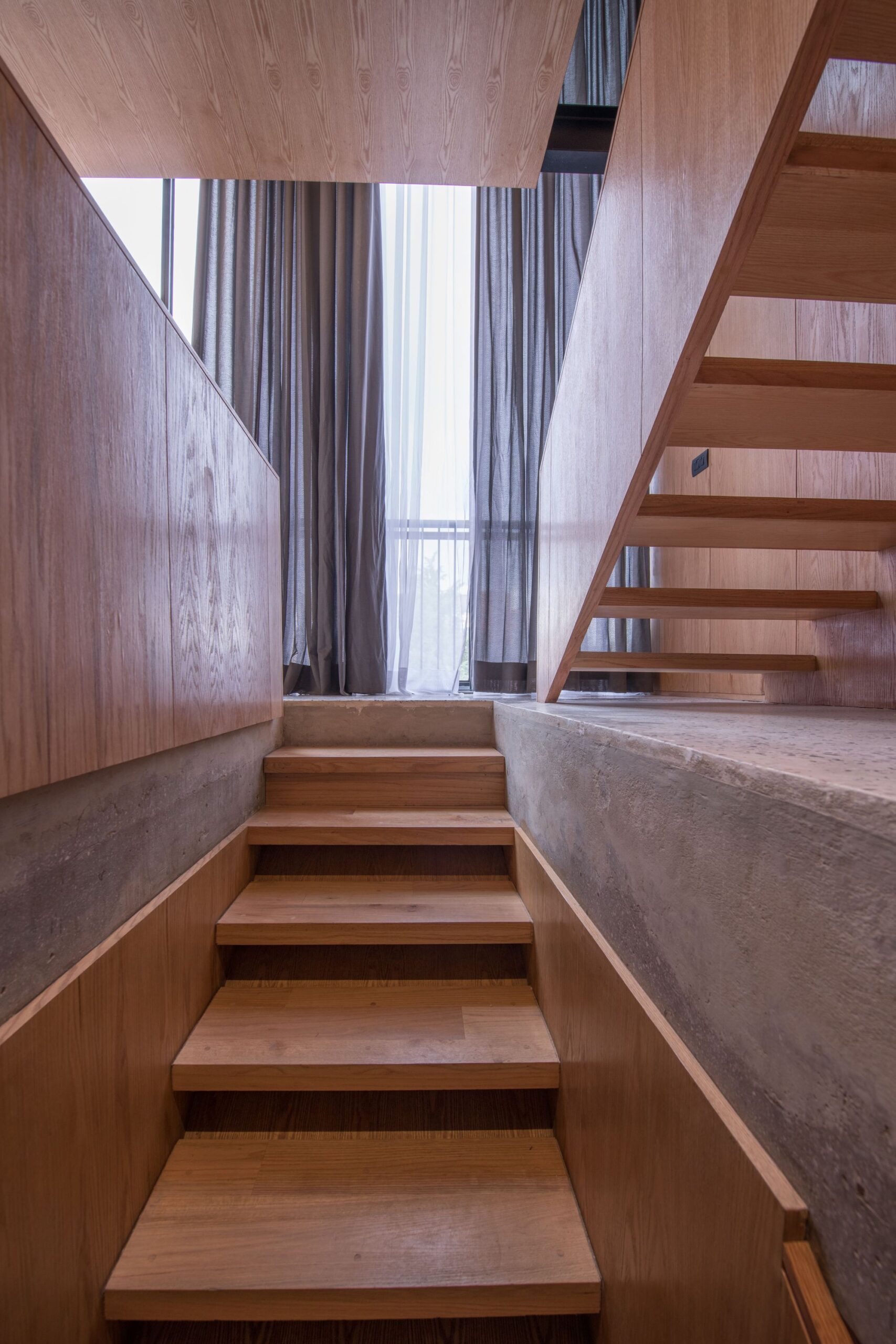
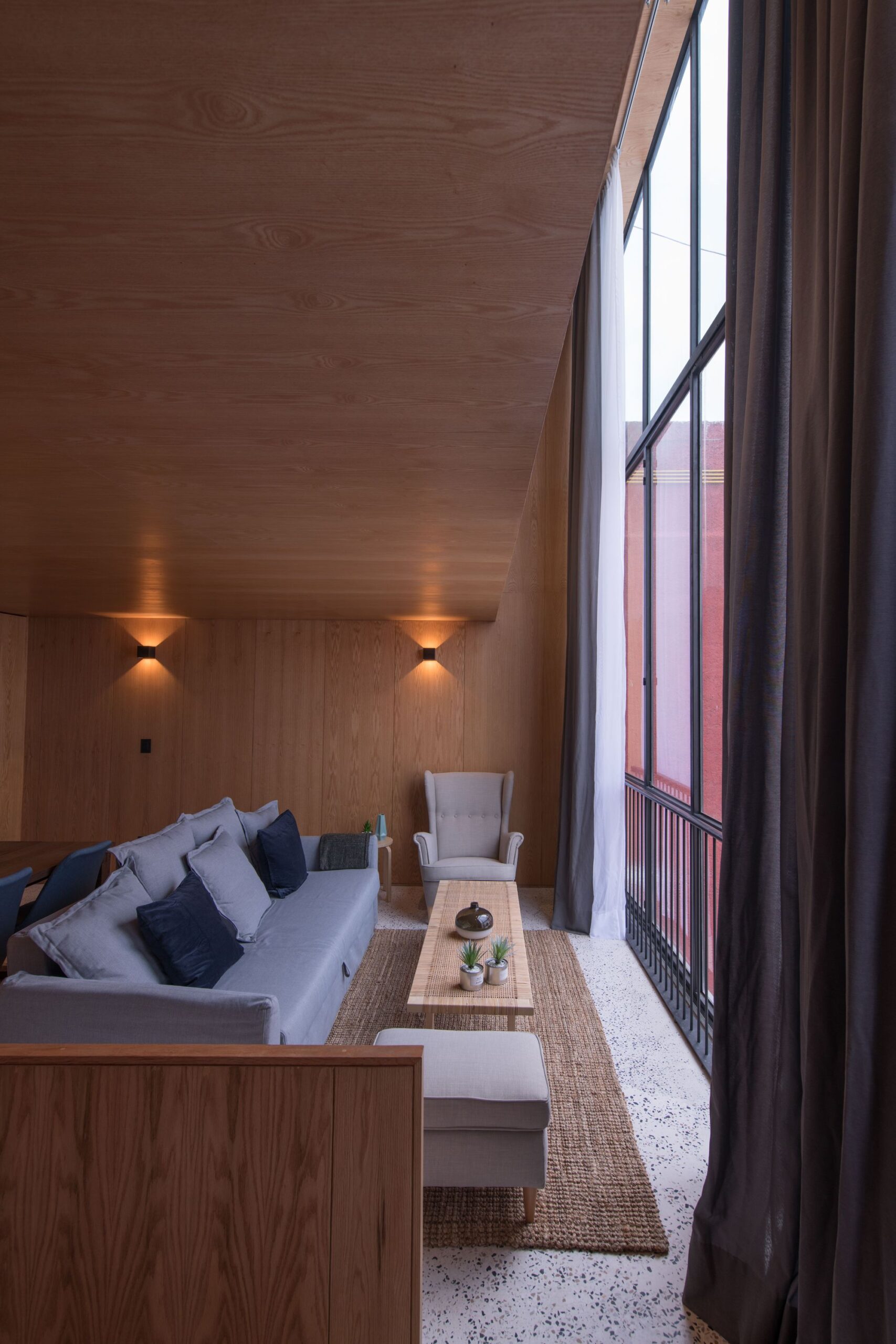
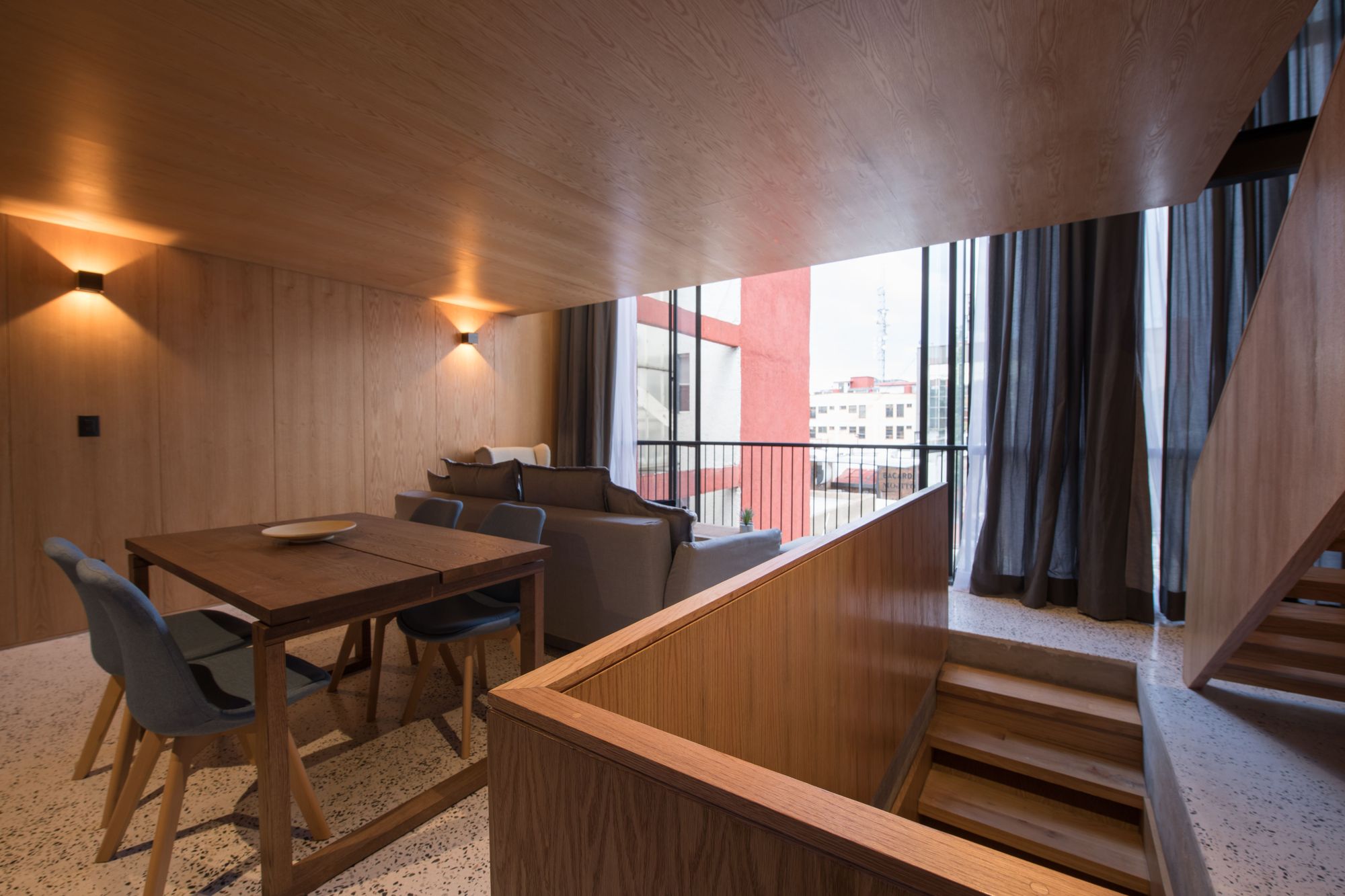
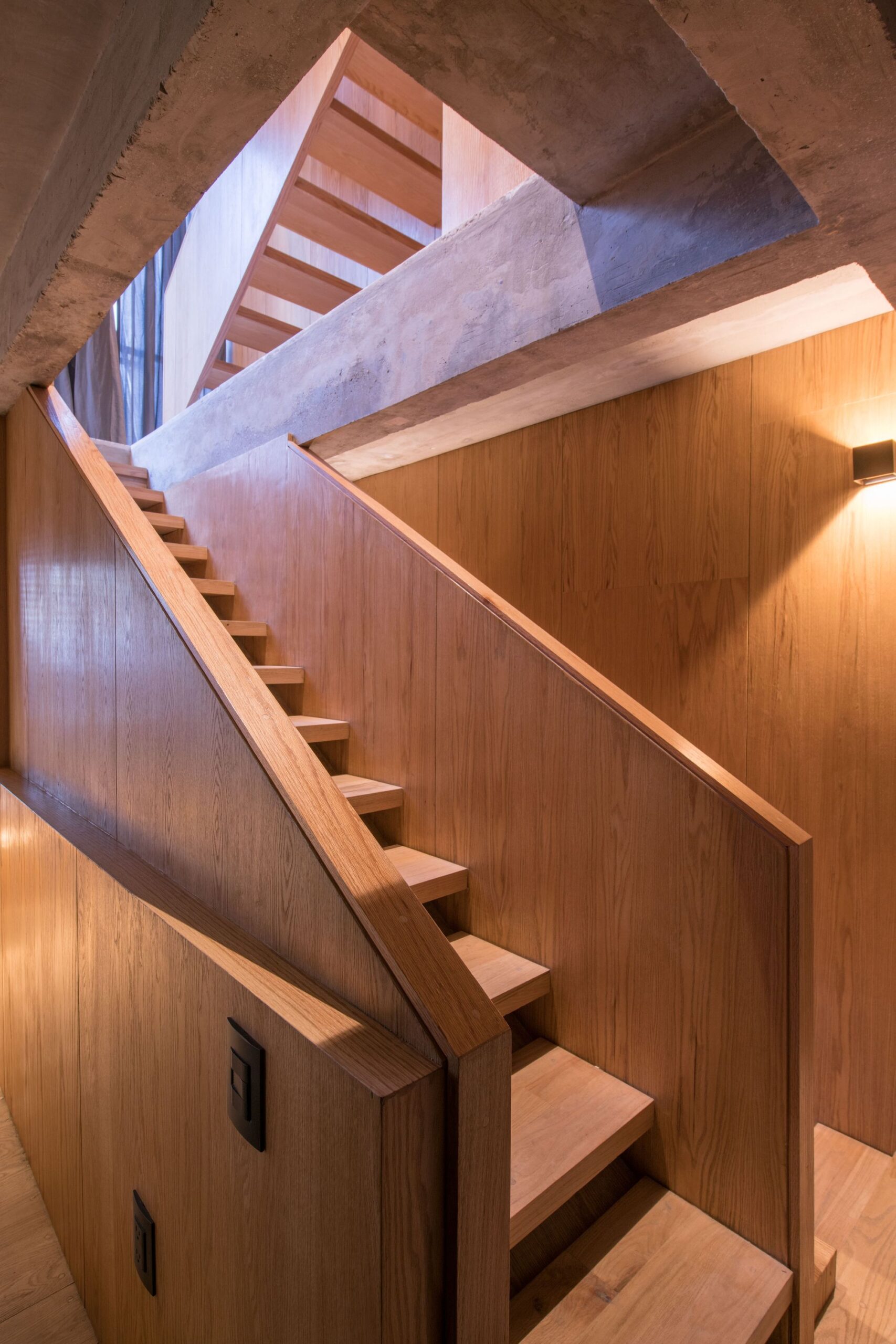
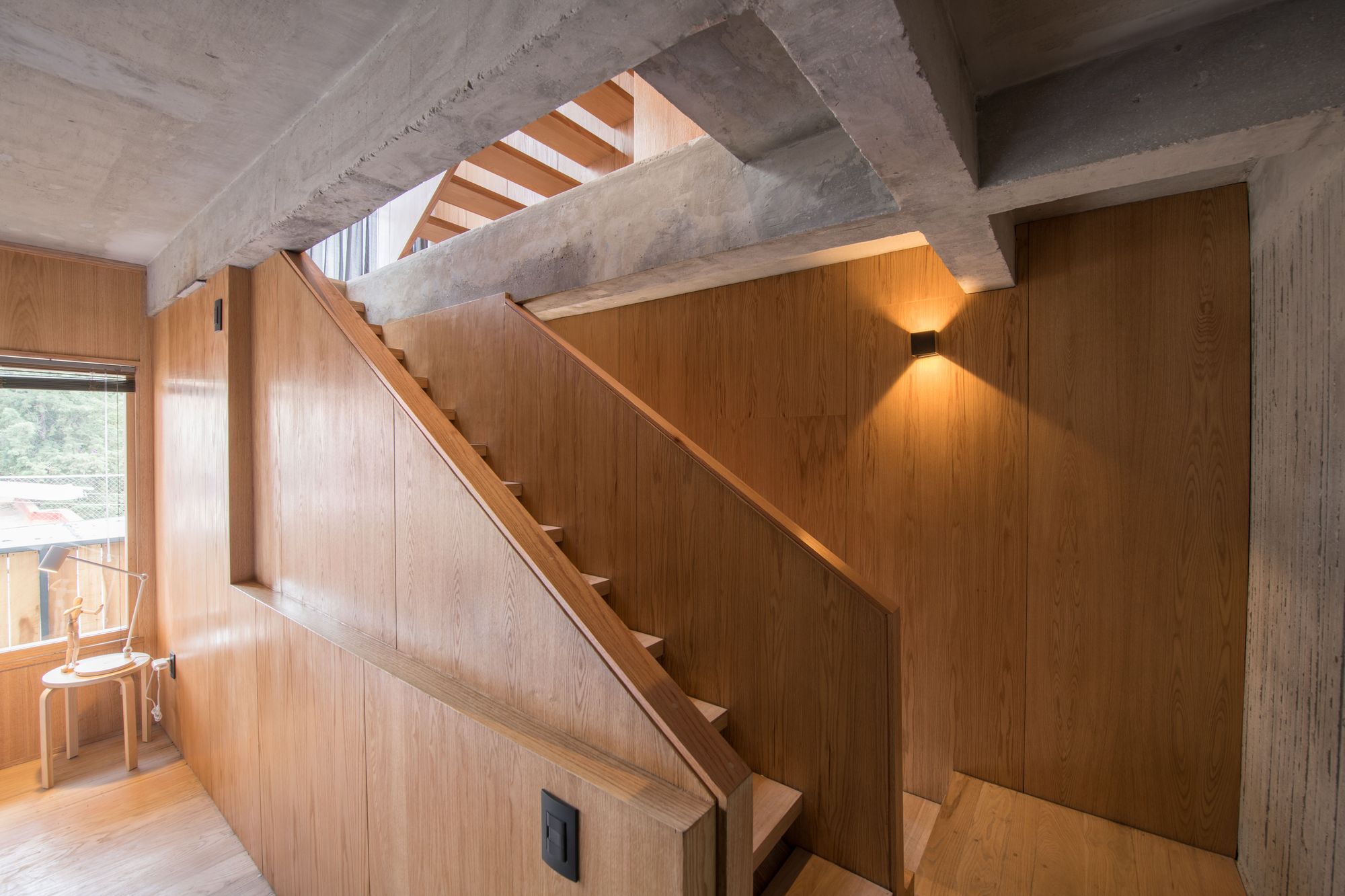
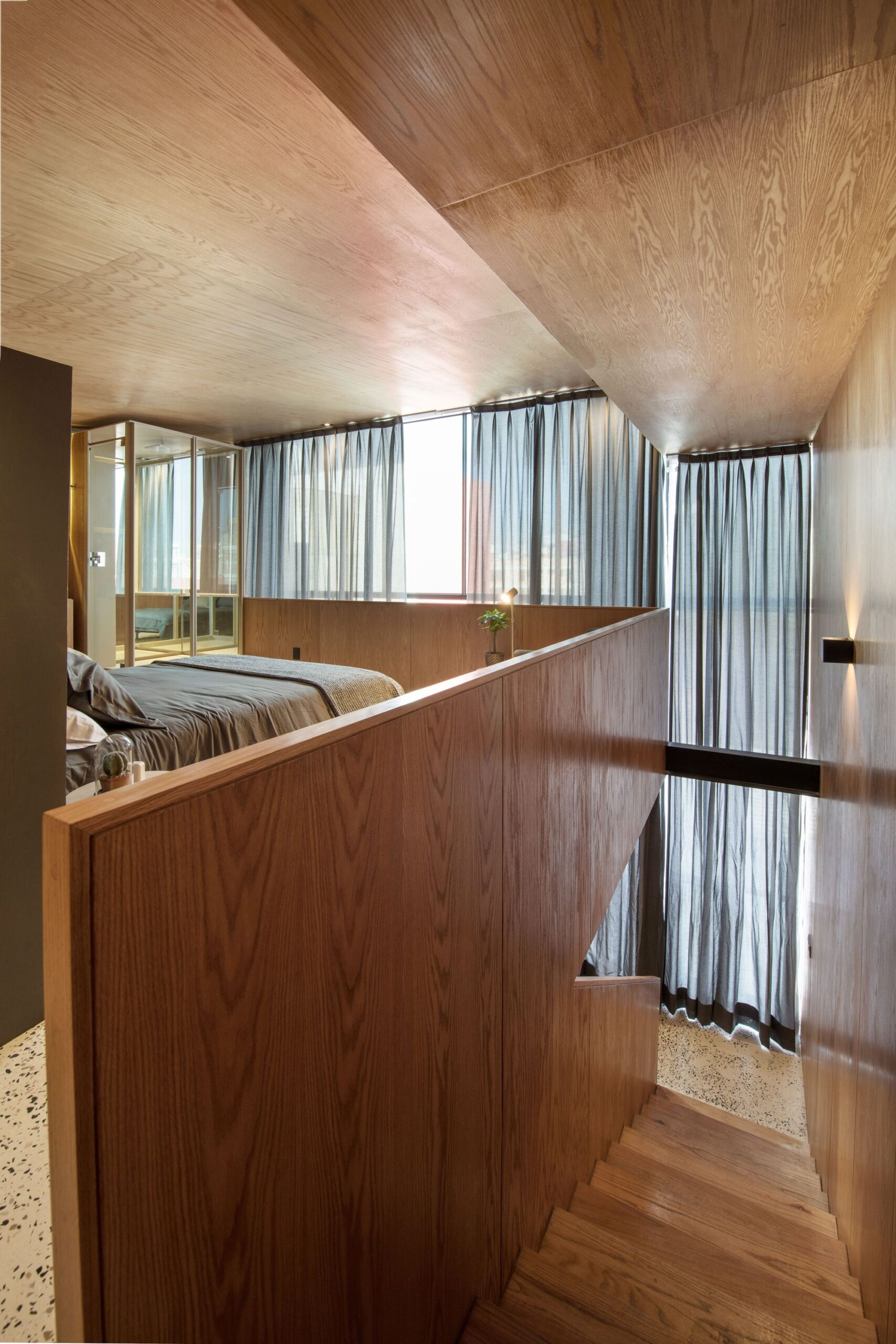
The drawing board (yes, even the 3D CAD Revit powered supercomputer digital drawing board) can only do so much… It produces a project with details and solutions that are testimony of an architect’s generosity, involvement and presence on site: the adventurous split-level solution, the detailing of the fenestration (which reminded me of the woodwork at Kahn’s Salk Institute), the position of the light switches and curtain rails. All in all, the way different materials are placed one on top of the other: sometimes without a clear logic (at least to me), yet in absolute harmony. And there lies the beauty of an architectural project that goes beyond the specific task of building. A design attitude that is willing to rethink and defy the consecutive methodology of the discipline, and looks for openings, cracks and ruptures in the system, in order to allow improvisation and spontaneity to infiltrate the building process. I believe Picasso said: “Once you already know exactly what you are going to make, it is no use making it anymore… because it already exists in your head.”
© Jaime Navarro
© Jaime Navarro
Project Info
Architects: Manada Architectural Boundaries
Area: 1700 m²
Year: 2018
Photographs: Jaime Navarro
Country: Ciudad de México, Mexico
Category: Apartments
Structural Engineering: MANADA
Interiors Design: MANADA
Contractor: Construcción Patente