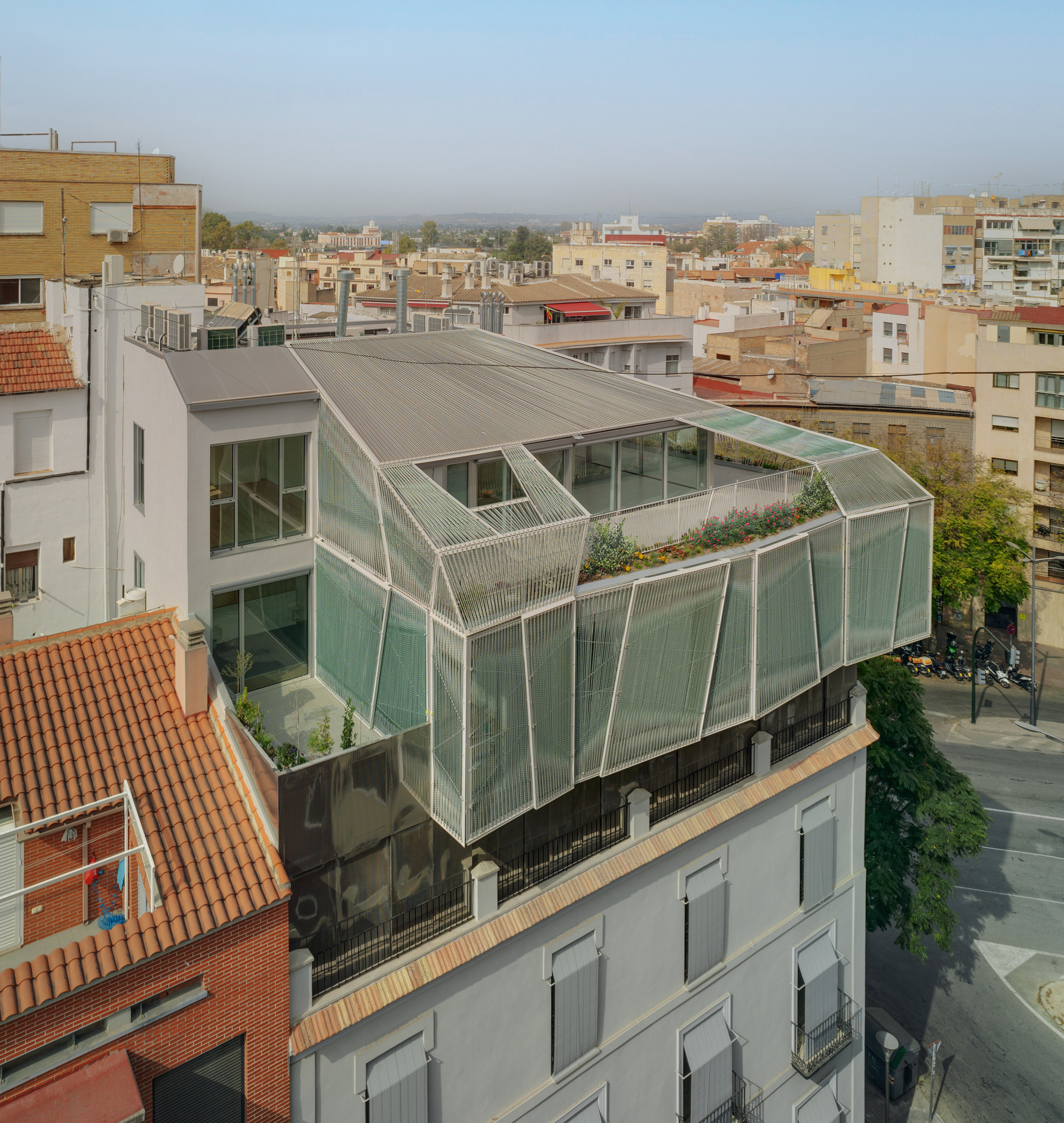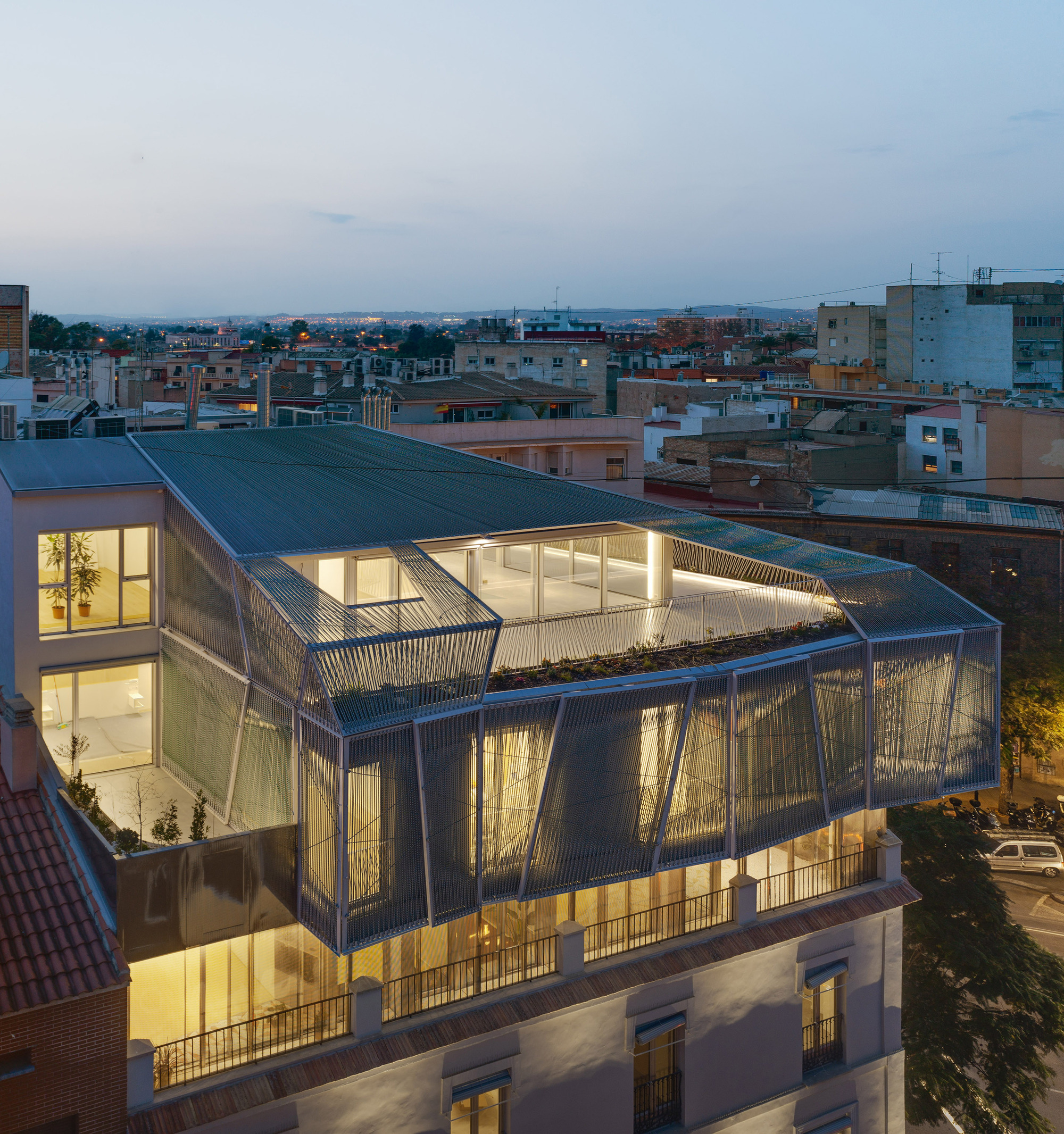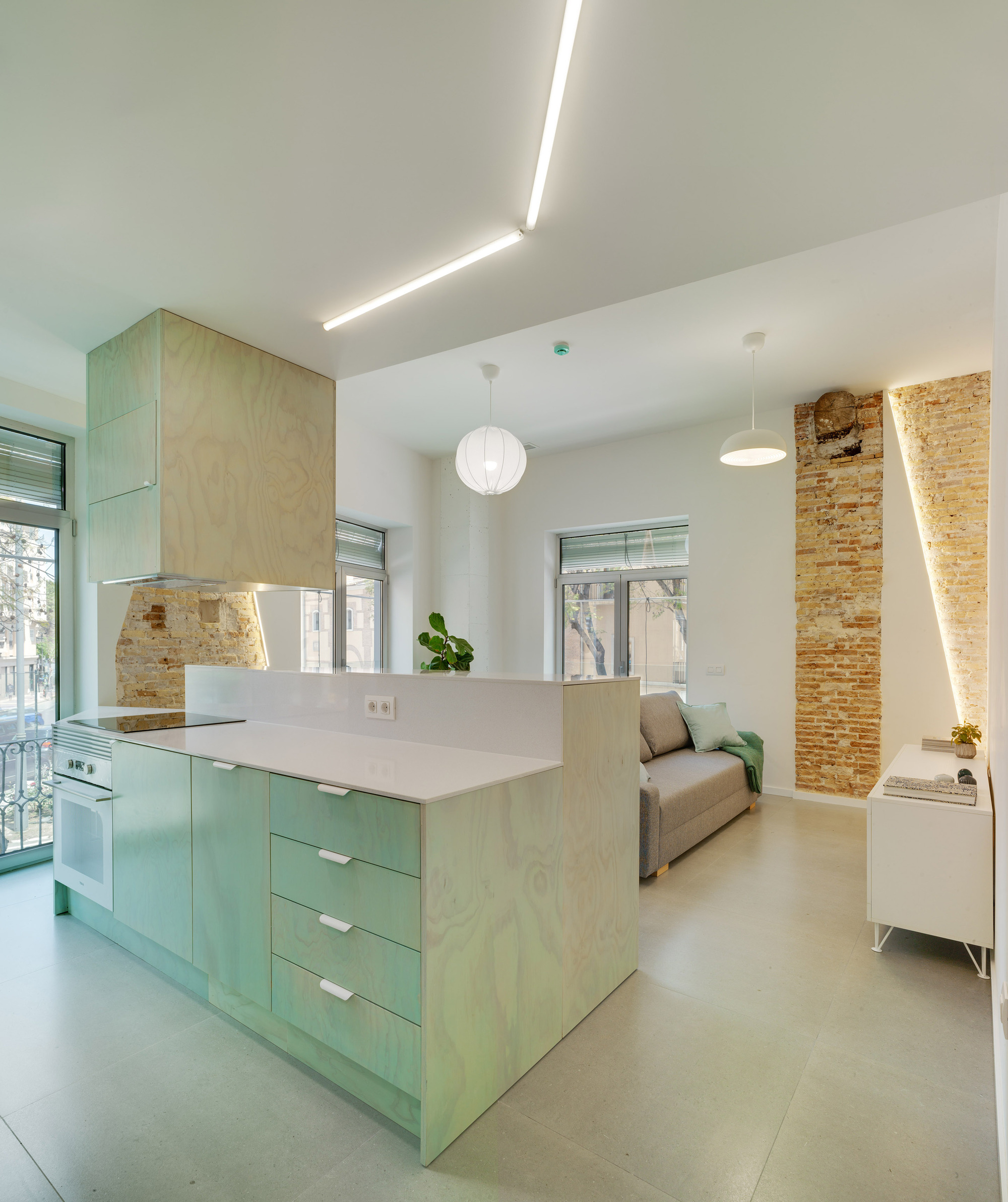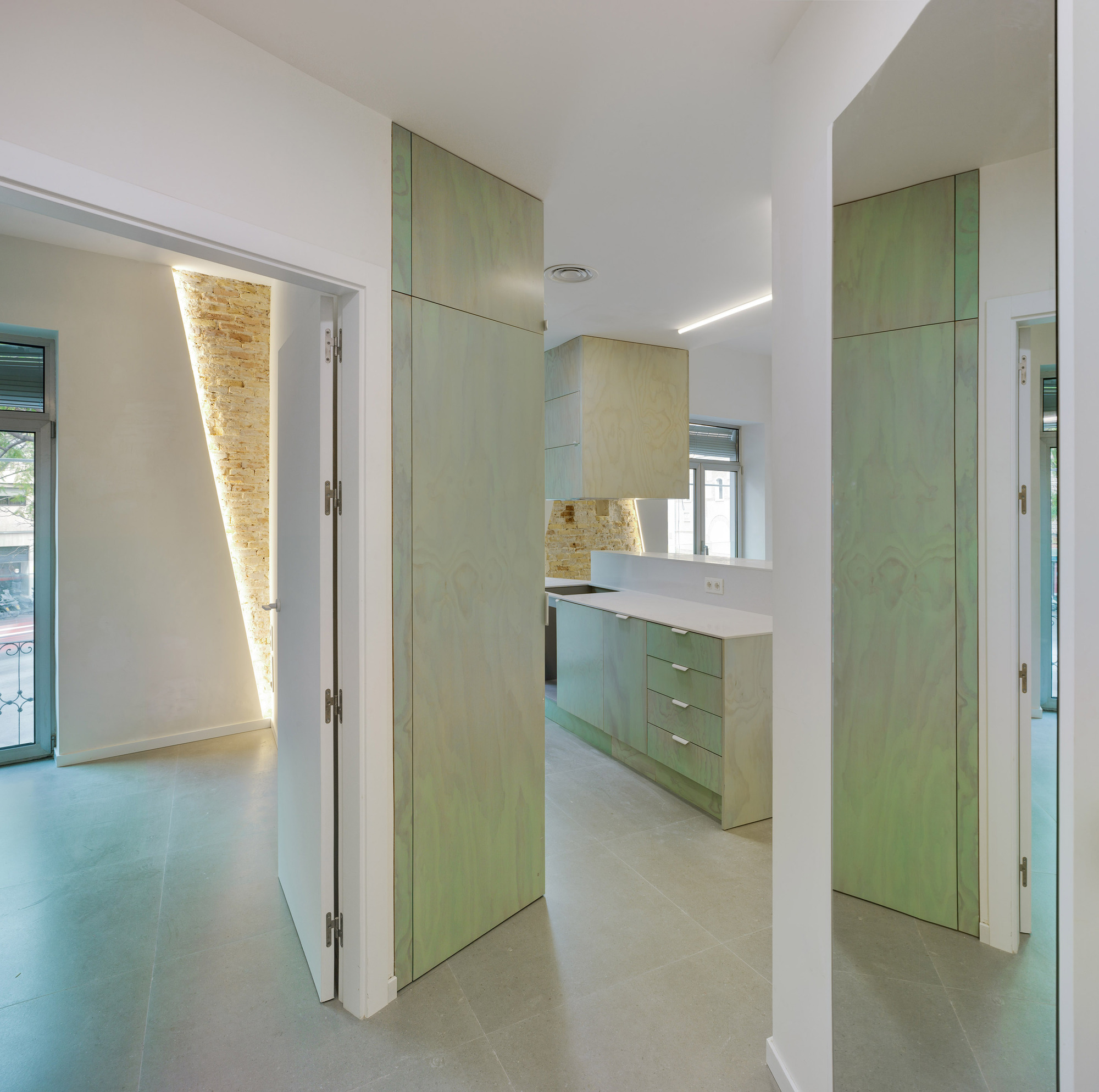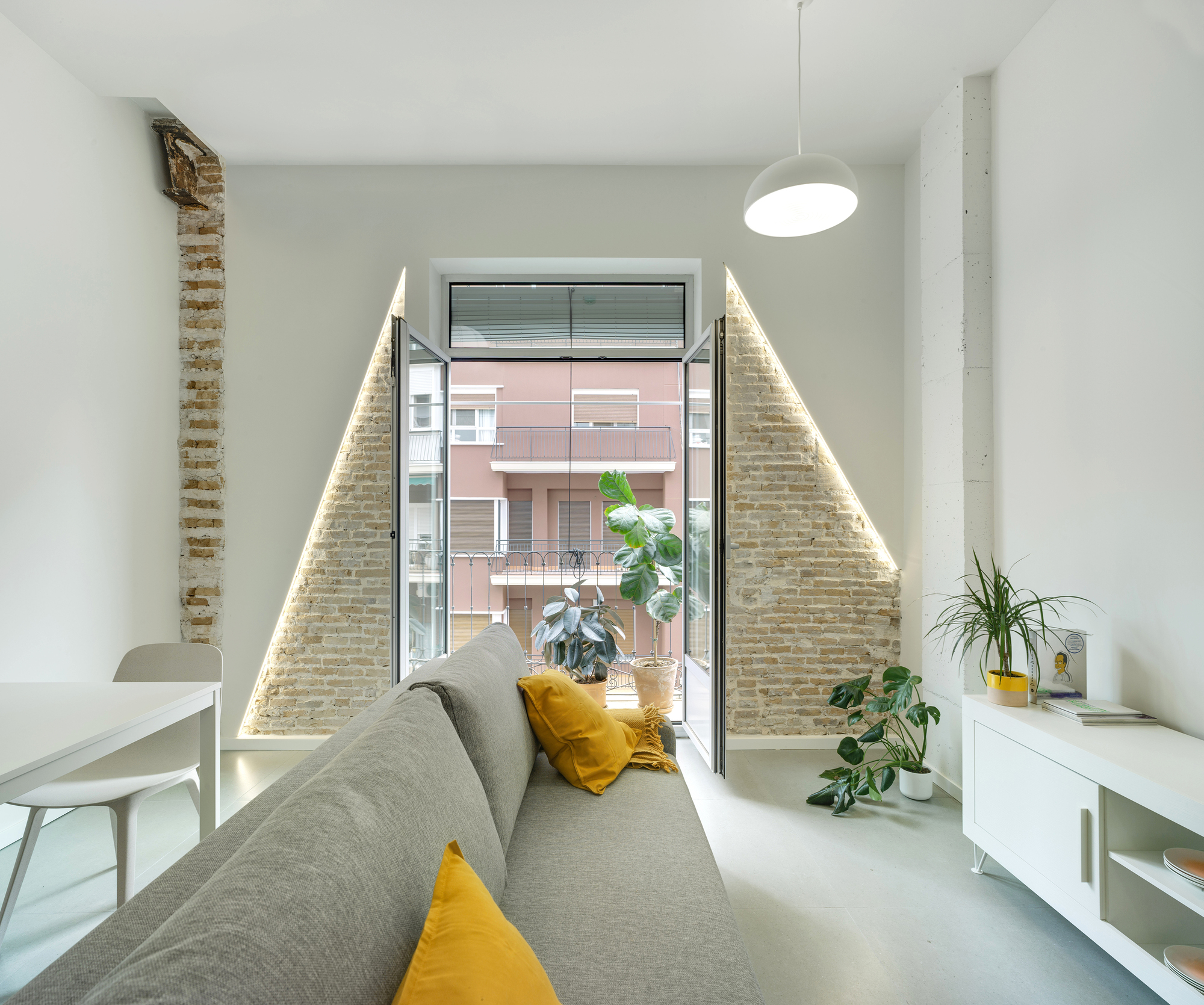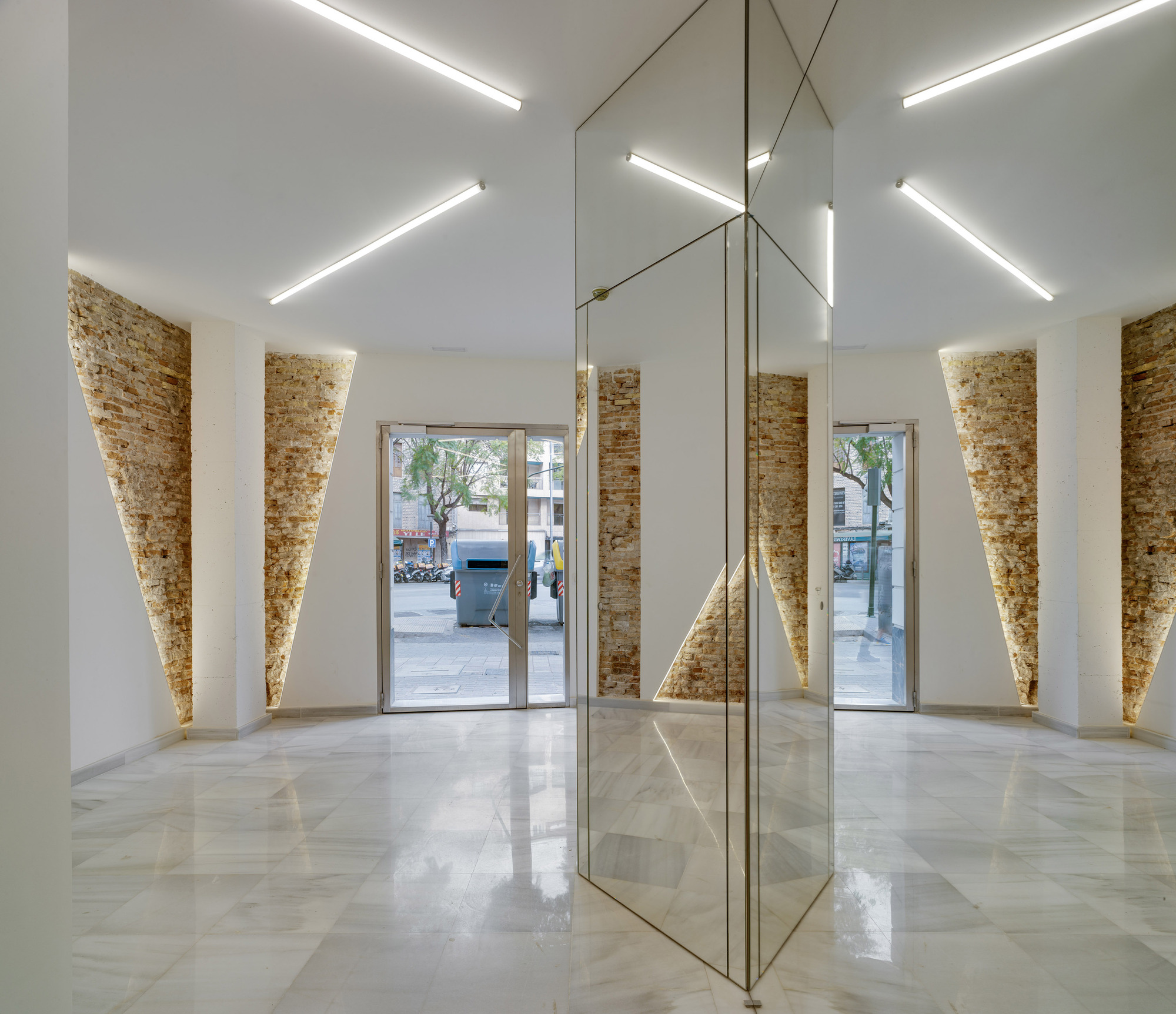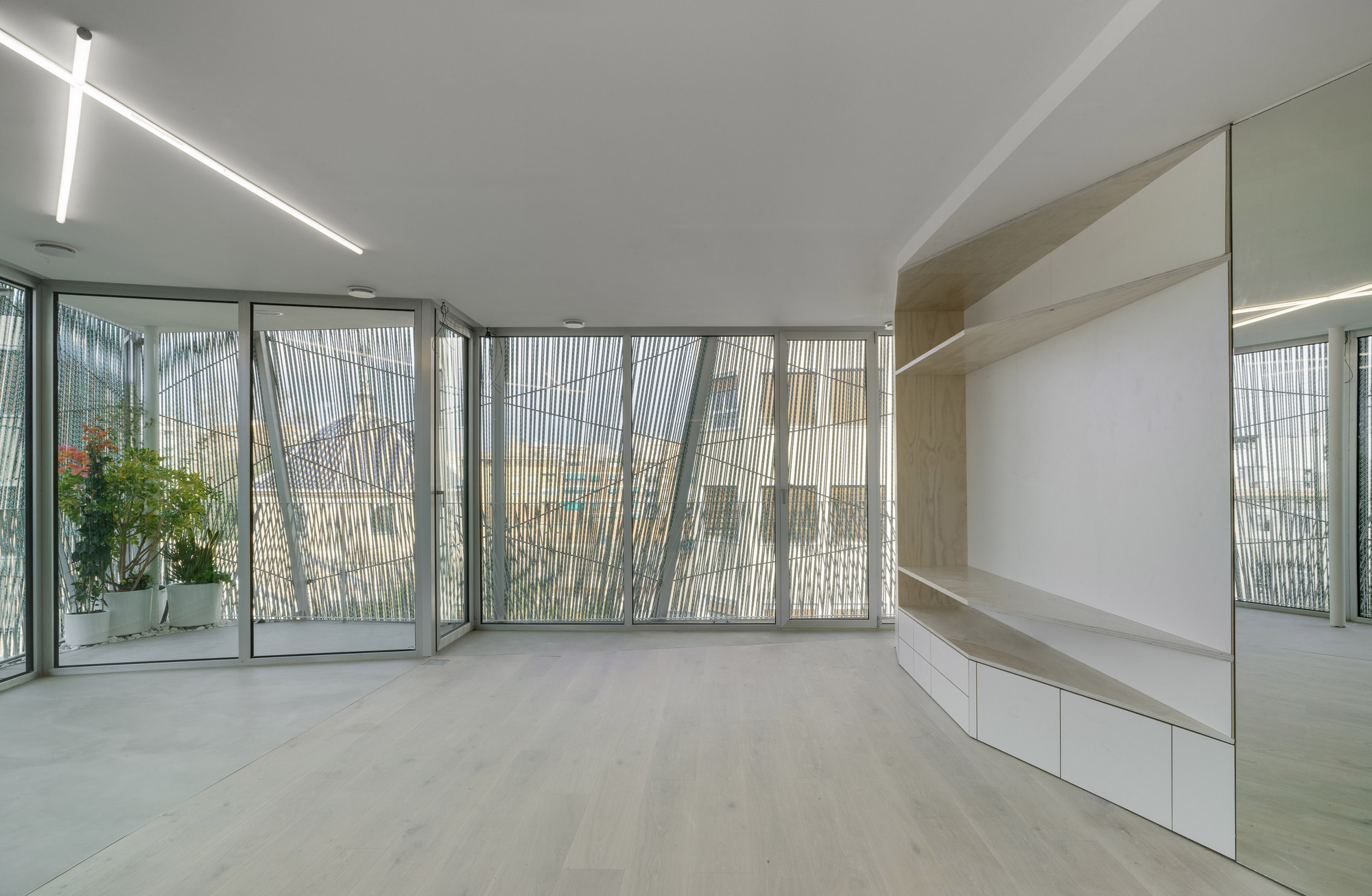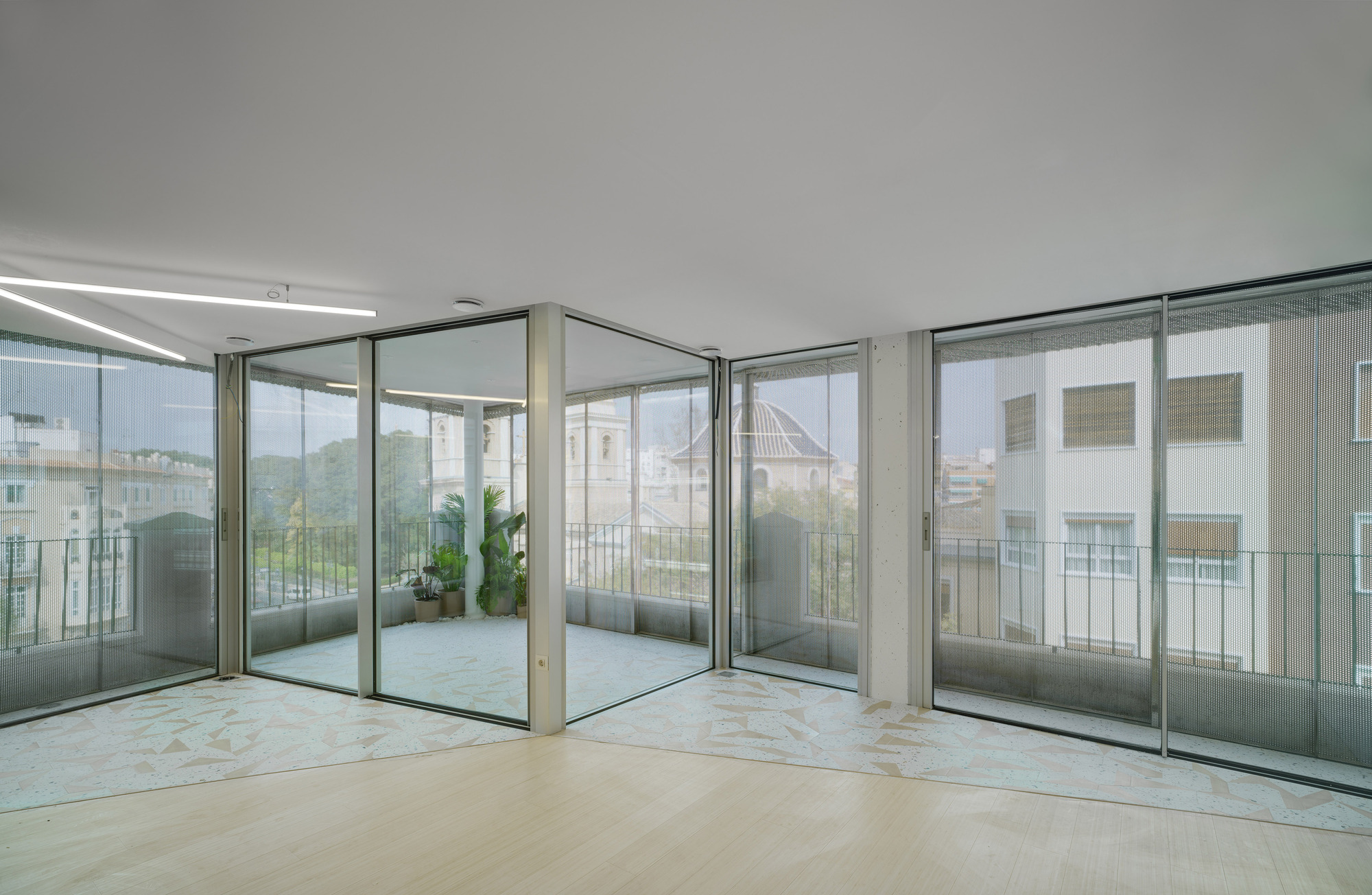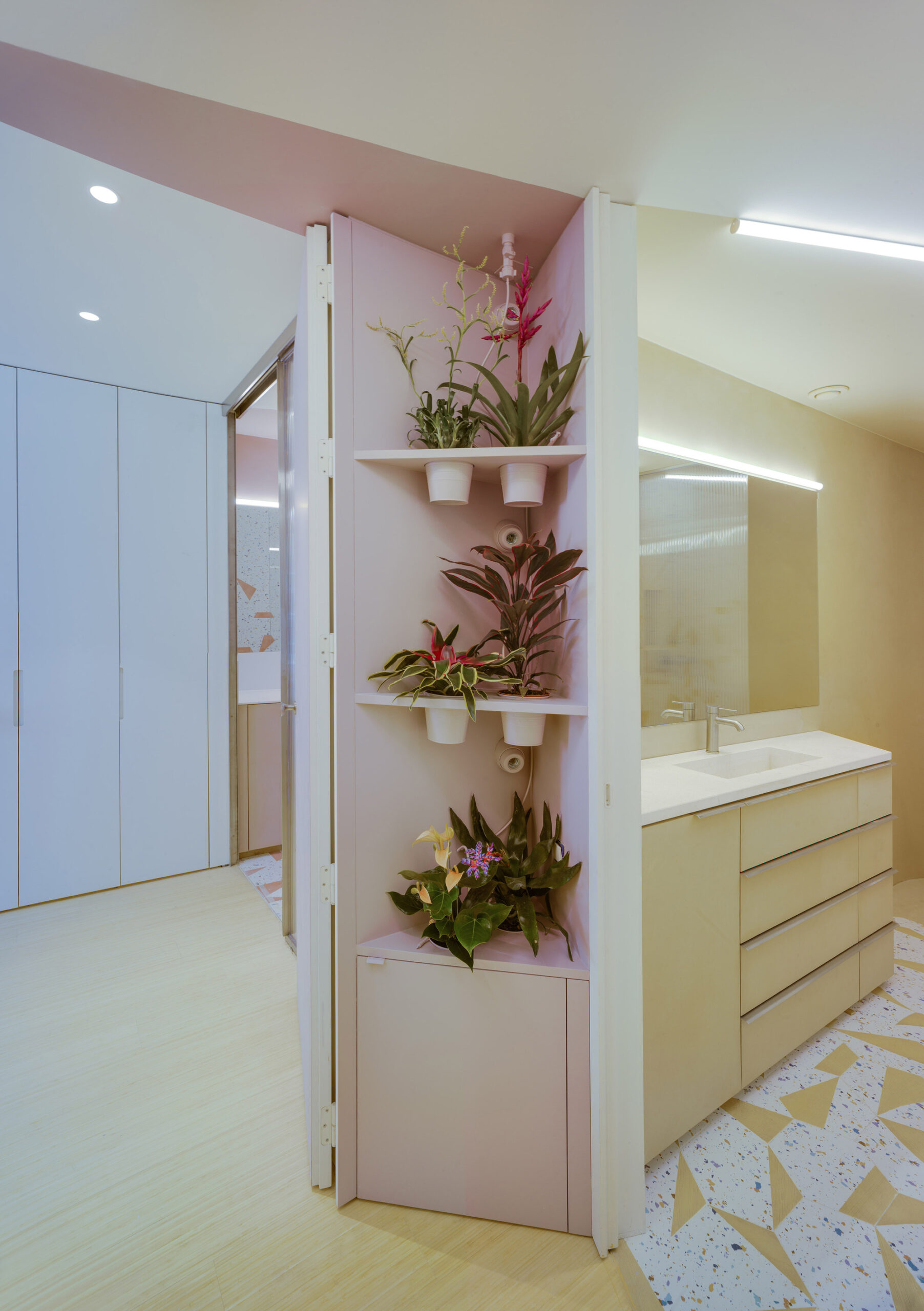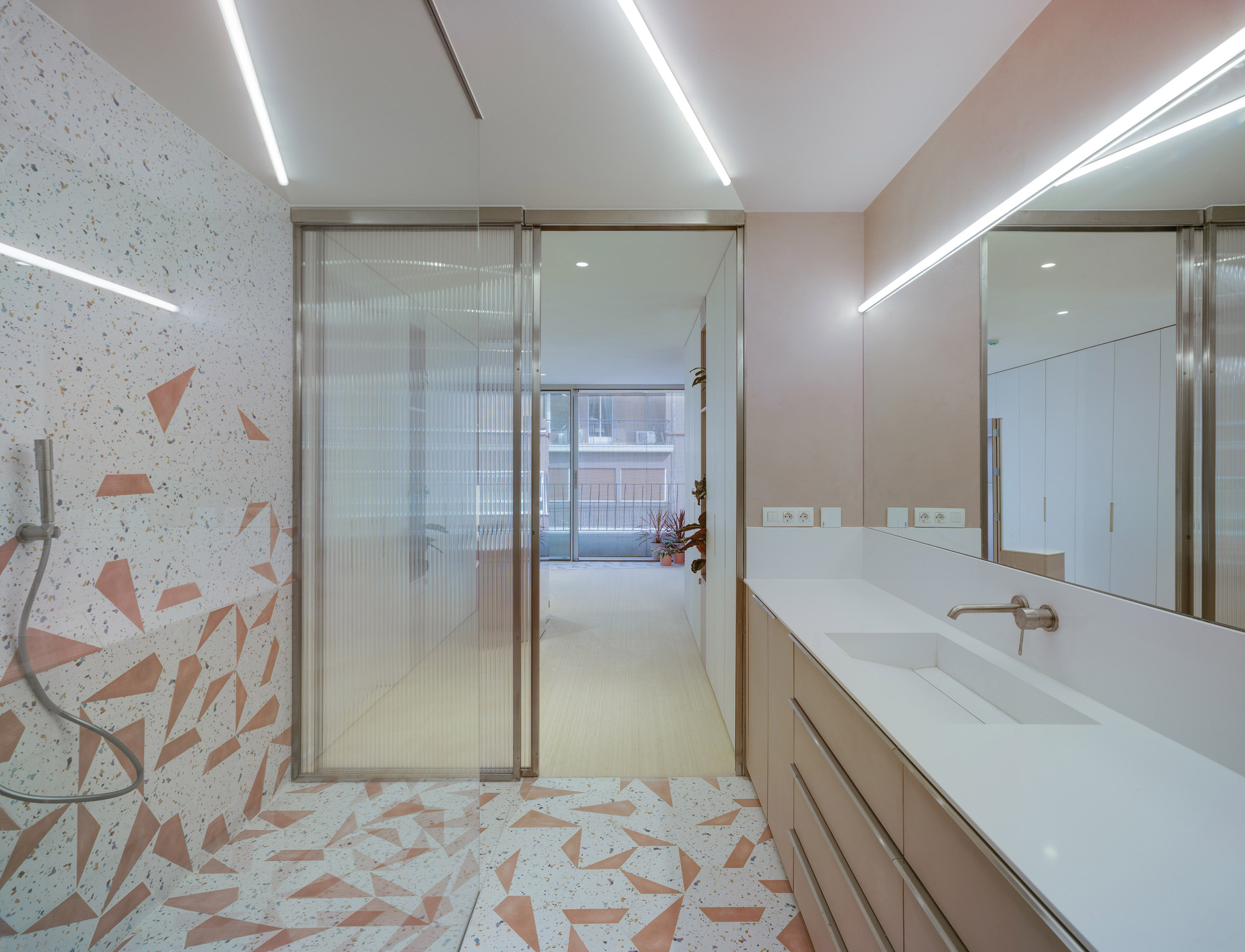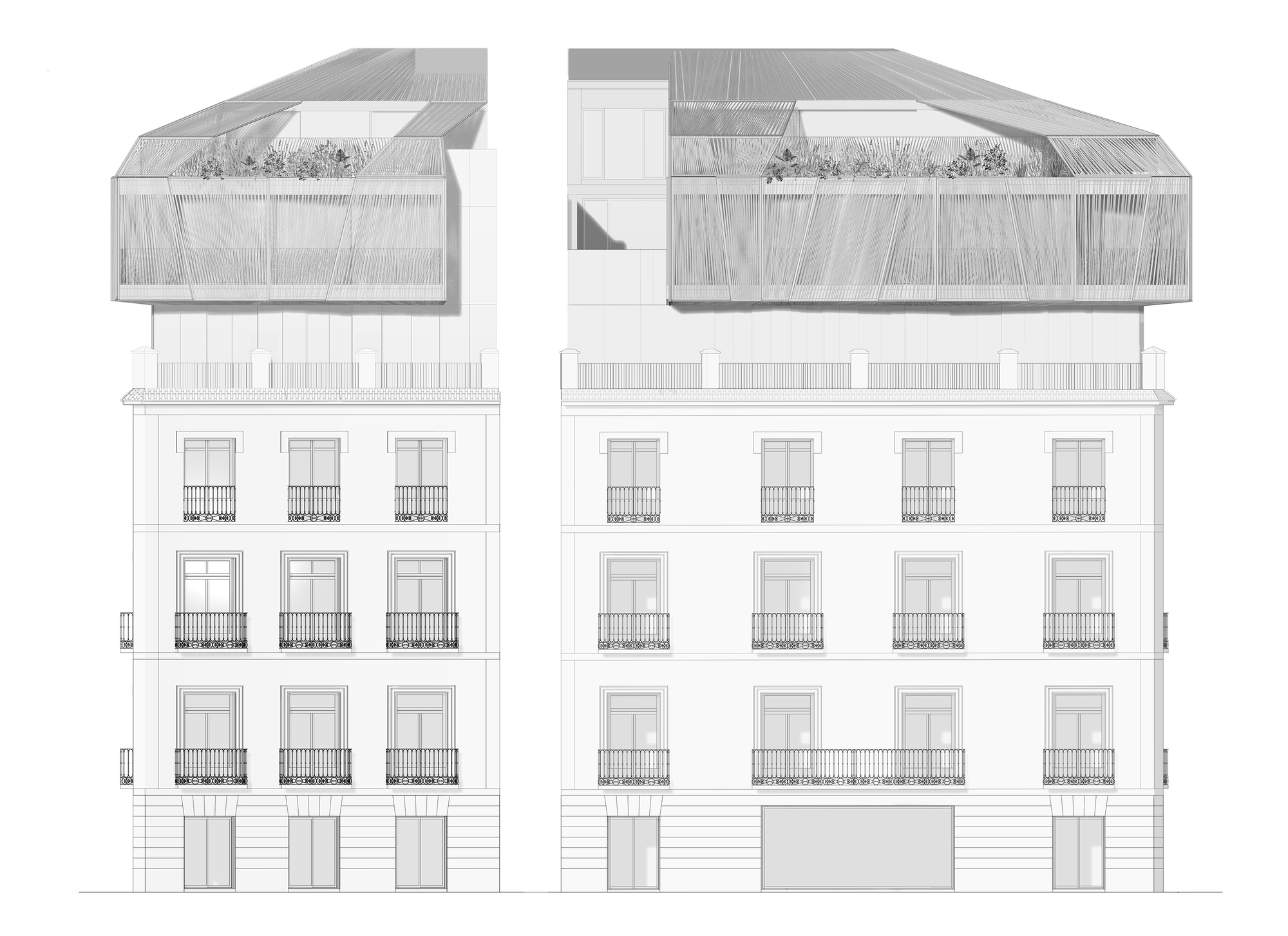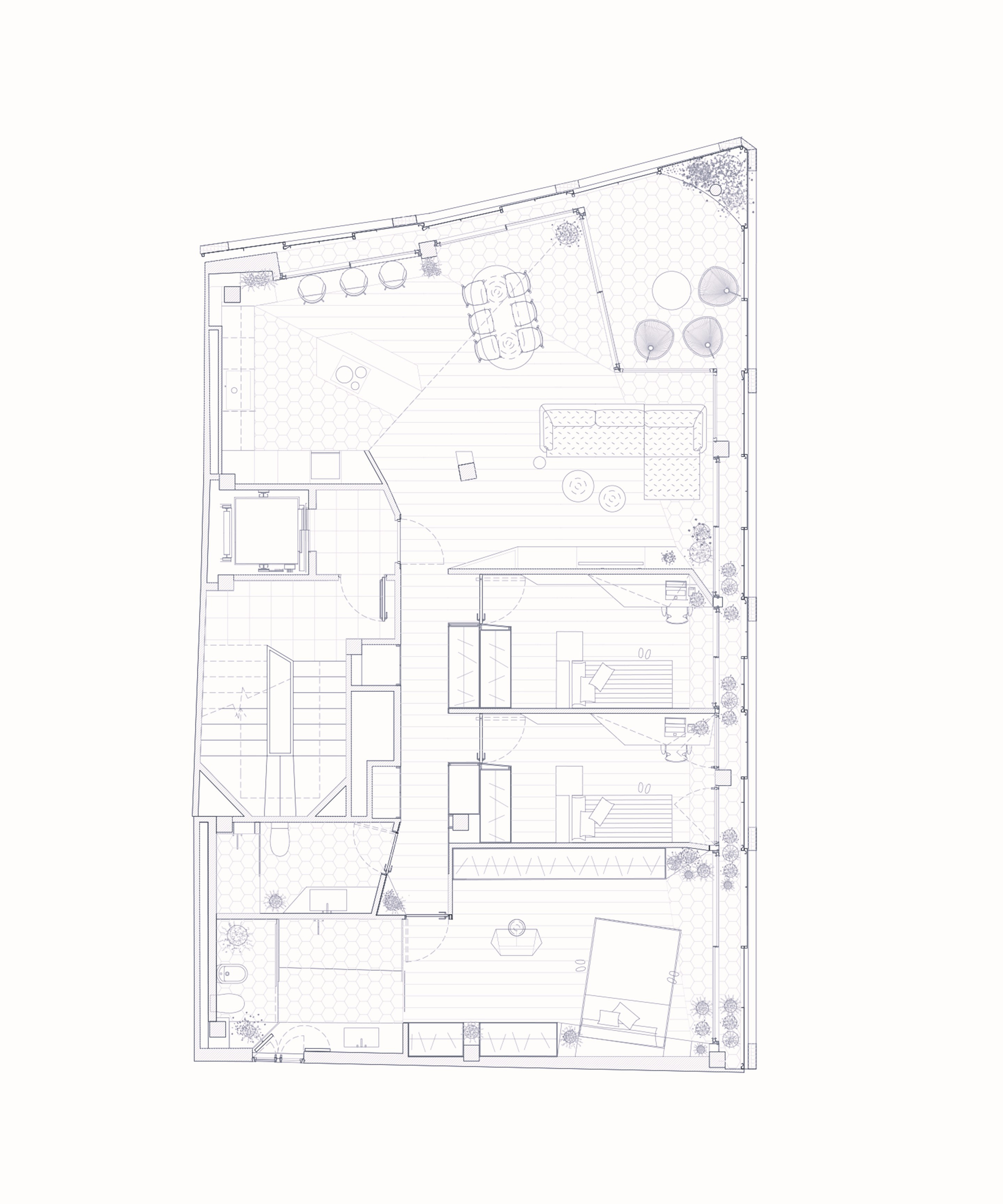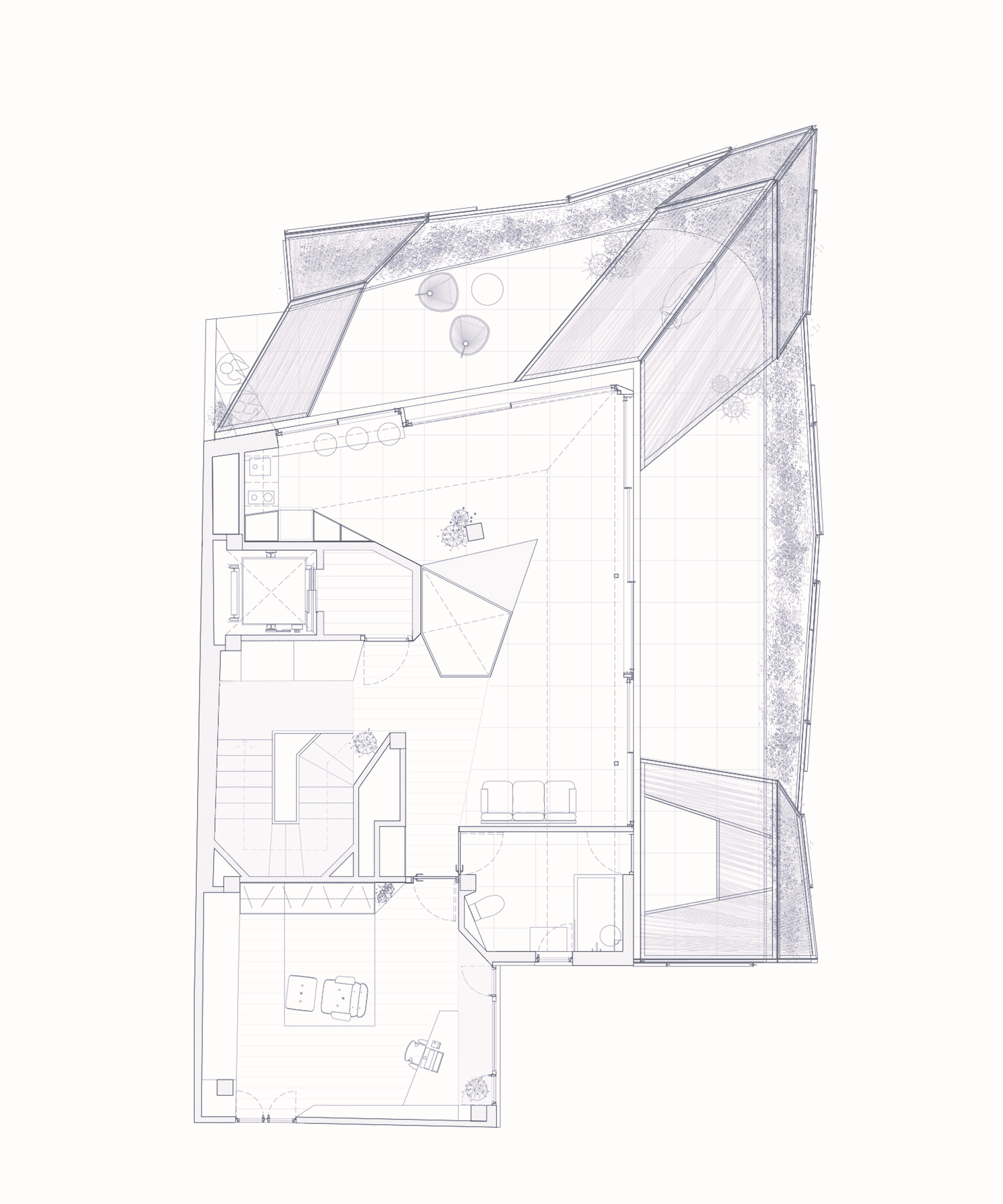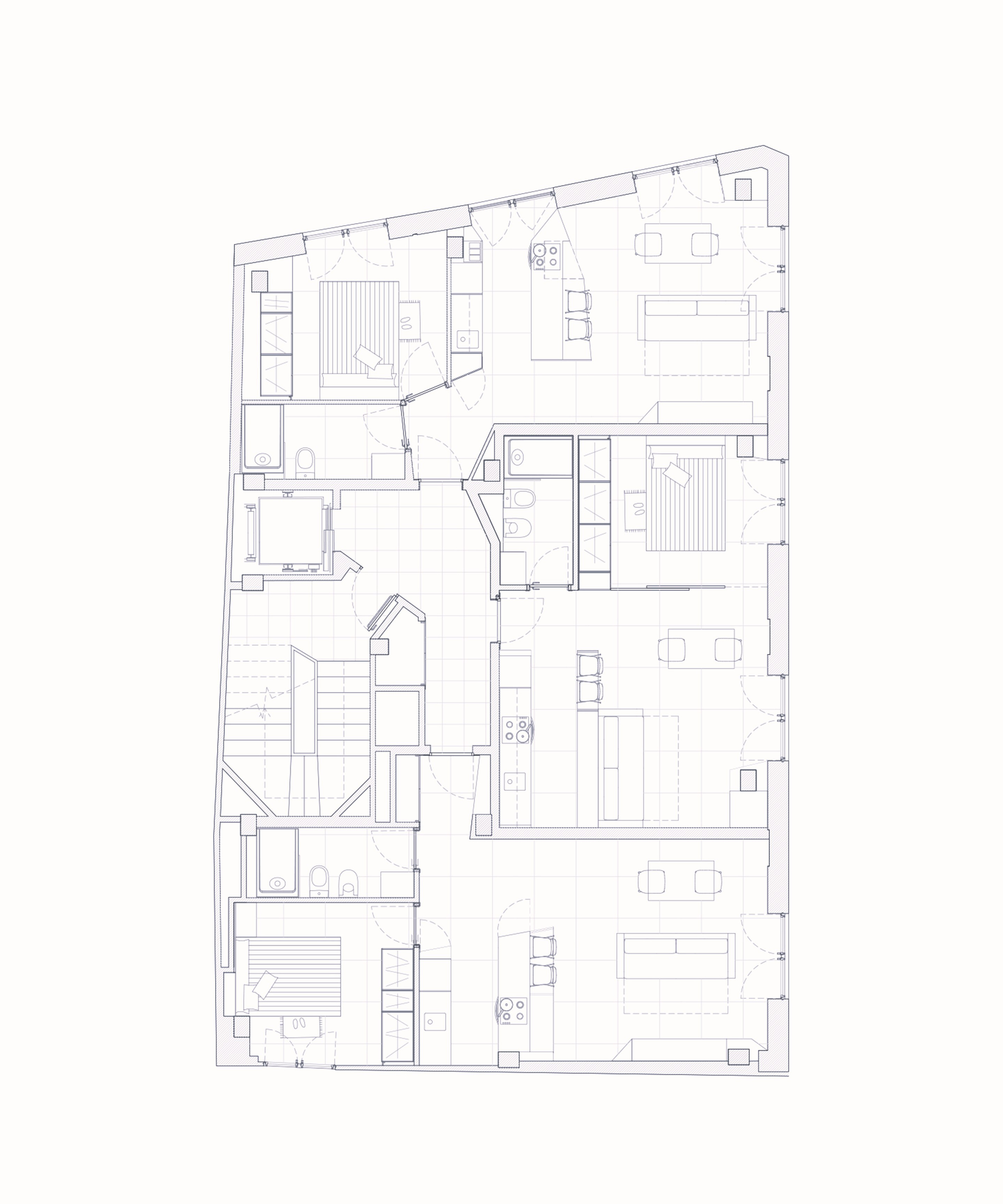


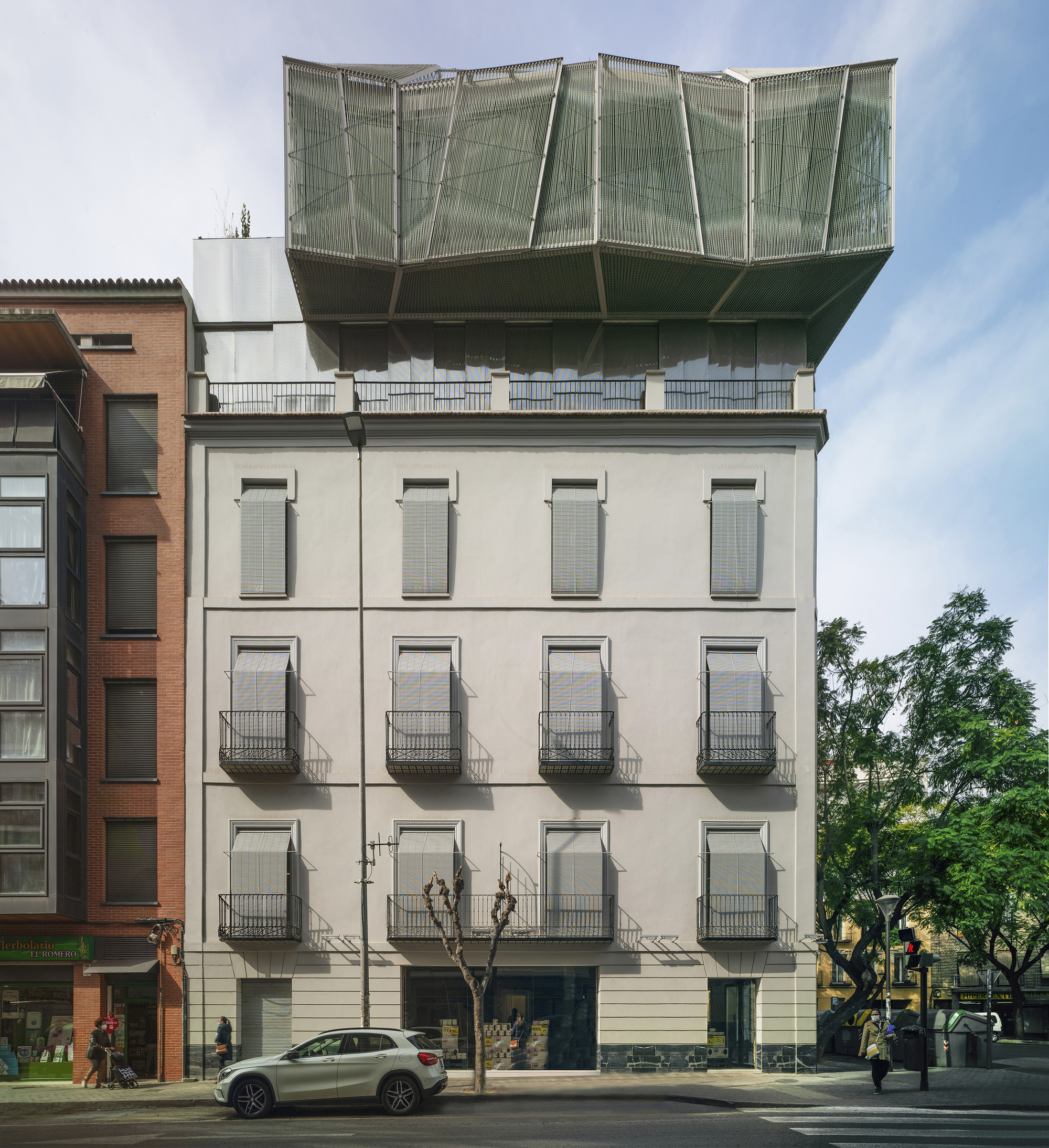
Baltasar building is a collective housing project that addresses the balance between heritage conservation and urban densification from the framework of the three pillars of sustainability:
© David Frutos Photography
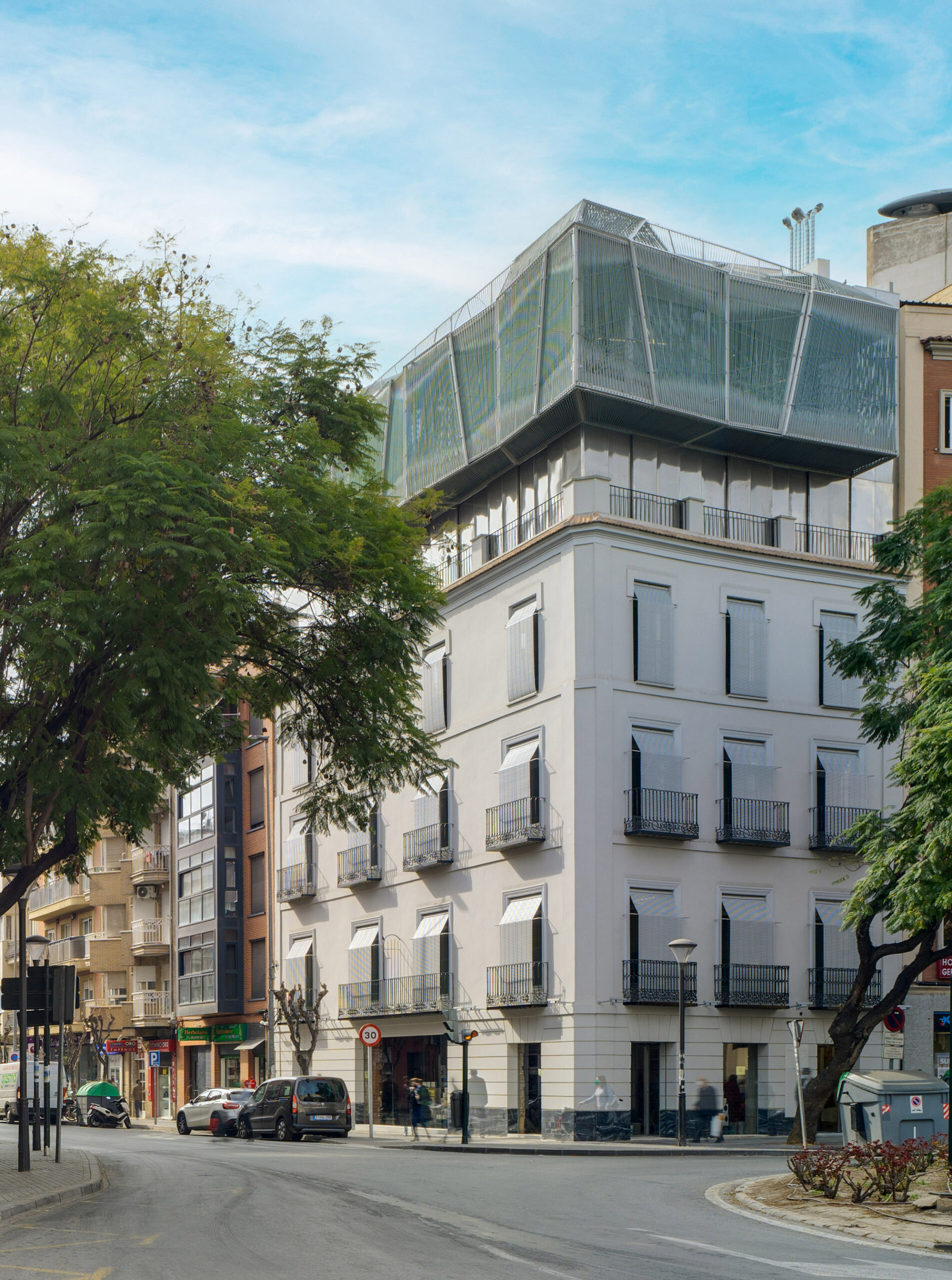
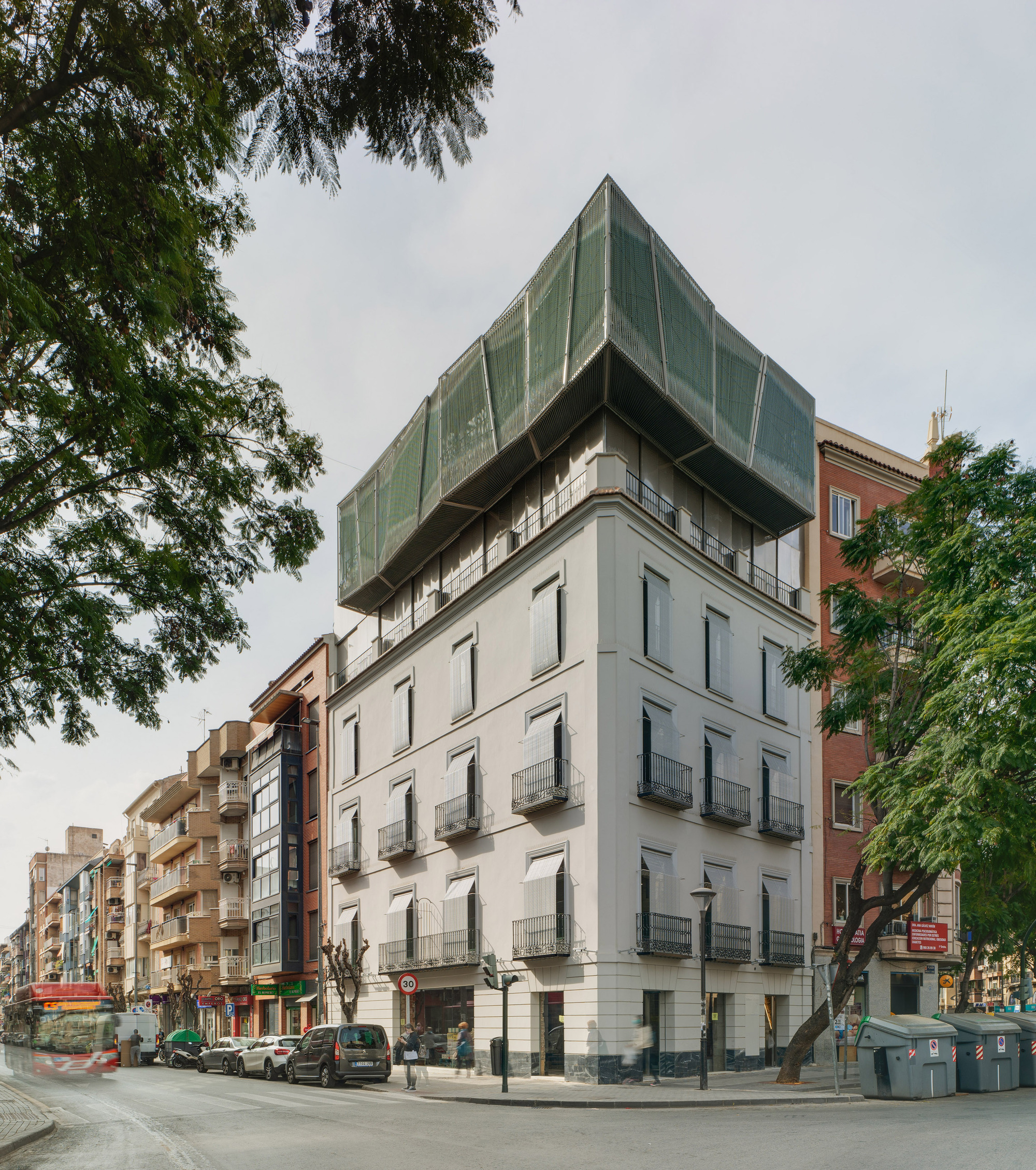
Social Sustainability. Strategy: A project transforming a sober 19th-century neoclassical building in a state of ruin into affordable rental apartments. Two new floors providing private homes are added; bringing a new perspective to the building and the area that merges past and contemporary. A mixed residential model aiming to energize and diversify the social profile in a highly densified neighborhood.
© David Frutos Photography
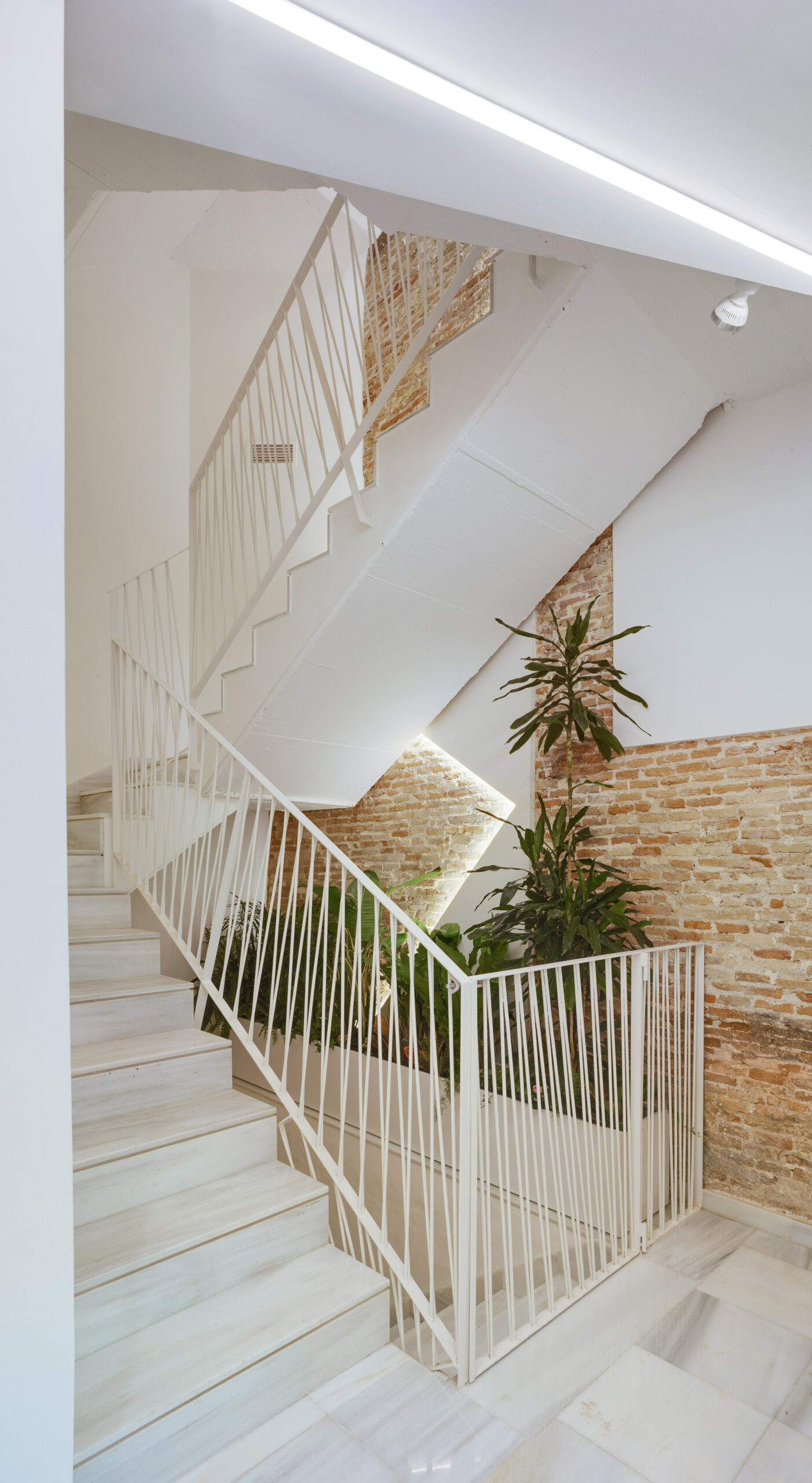
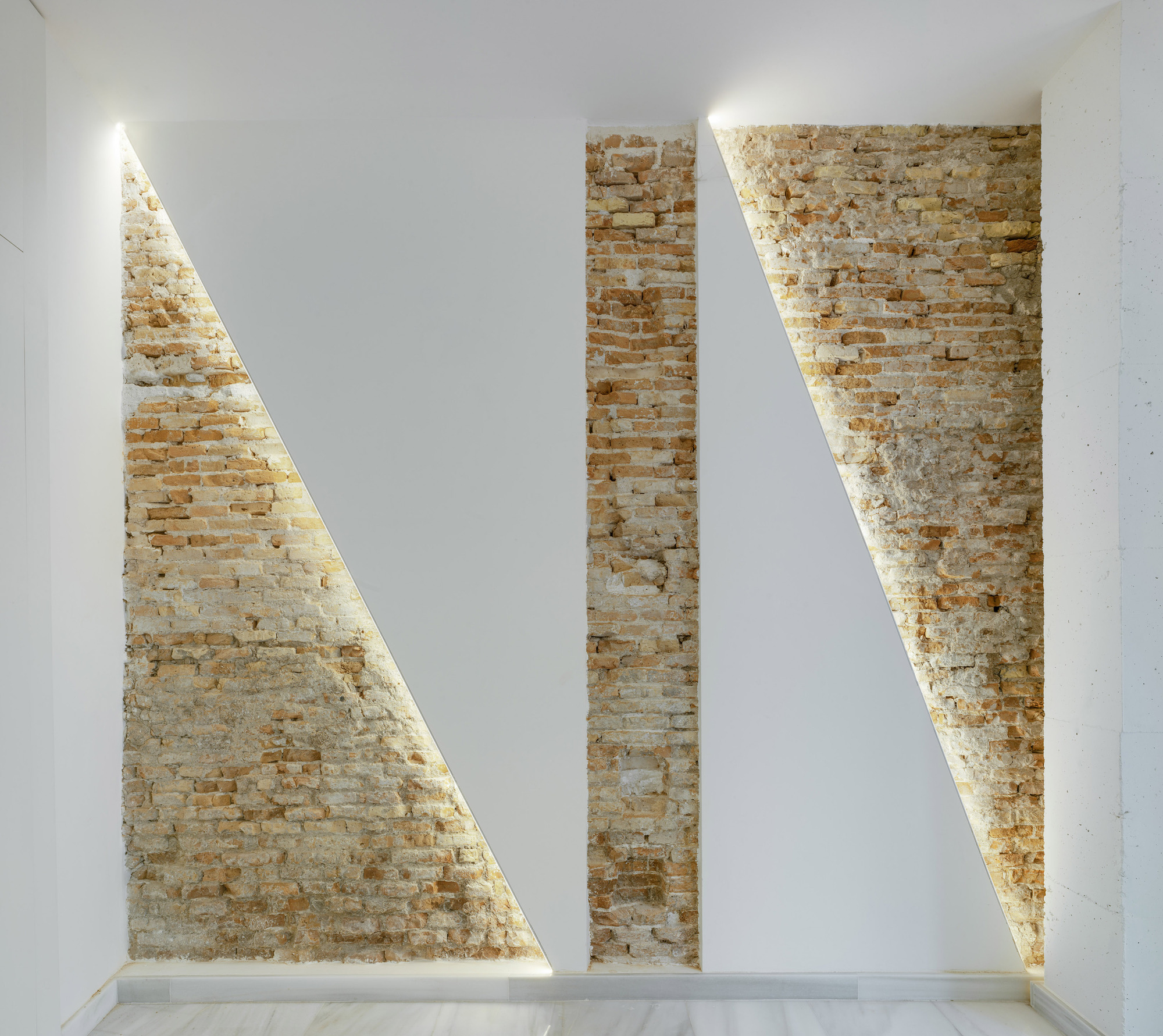
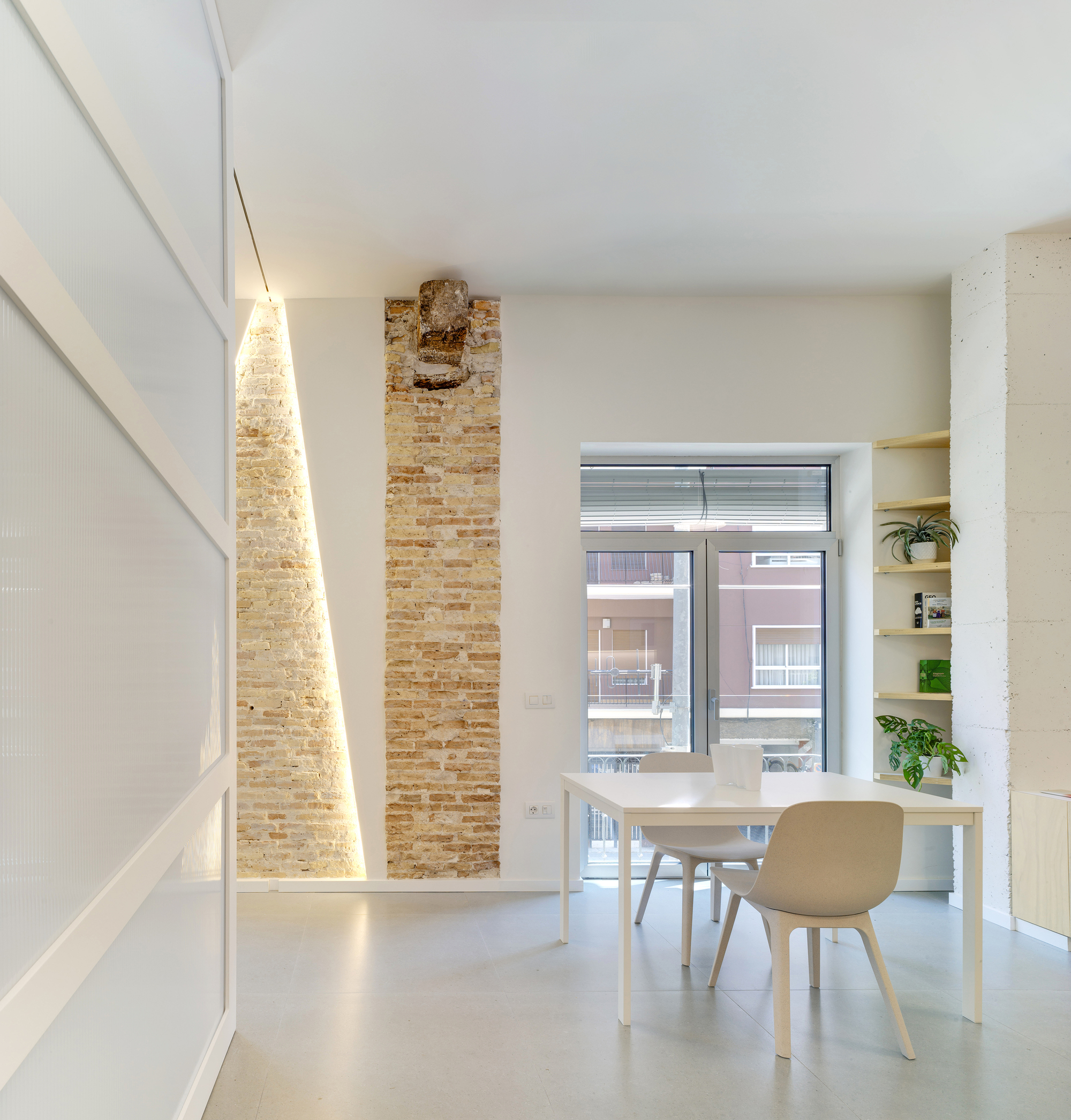
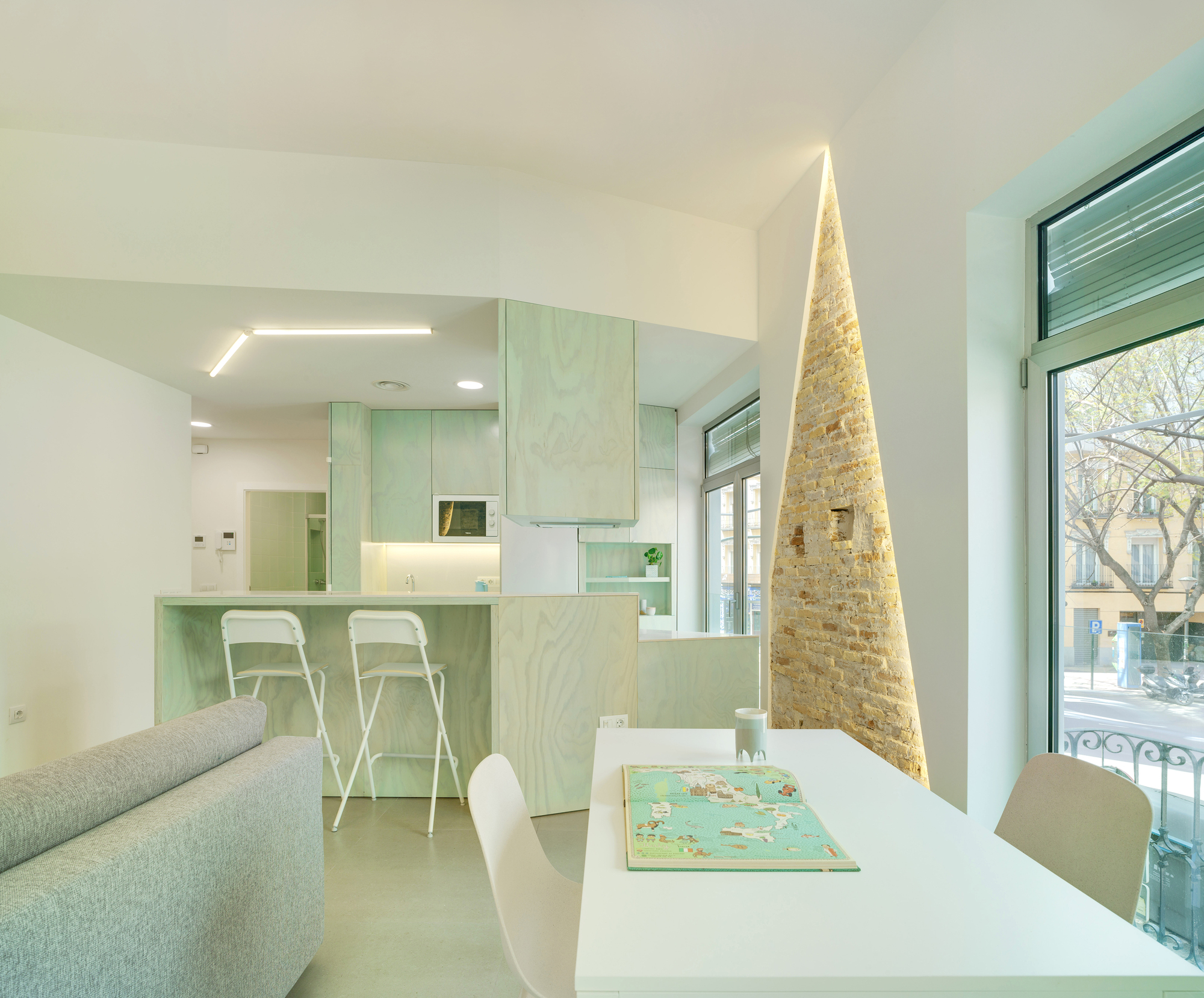
Identity: Connecting with the city’s motto “Priscas novissima exaltat et amor” meaning “to embrace and love the old and new”. A strategy to preserve and put a value on the emblematic elements of the existing building, adapting them to contemporary needs and domesticity.
© David Frutos Photography
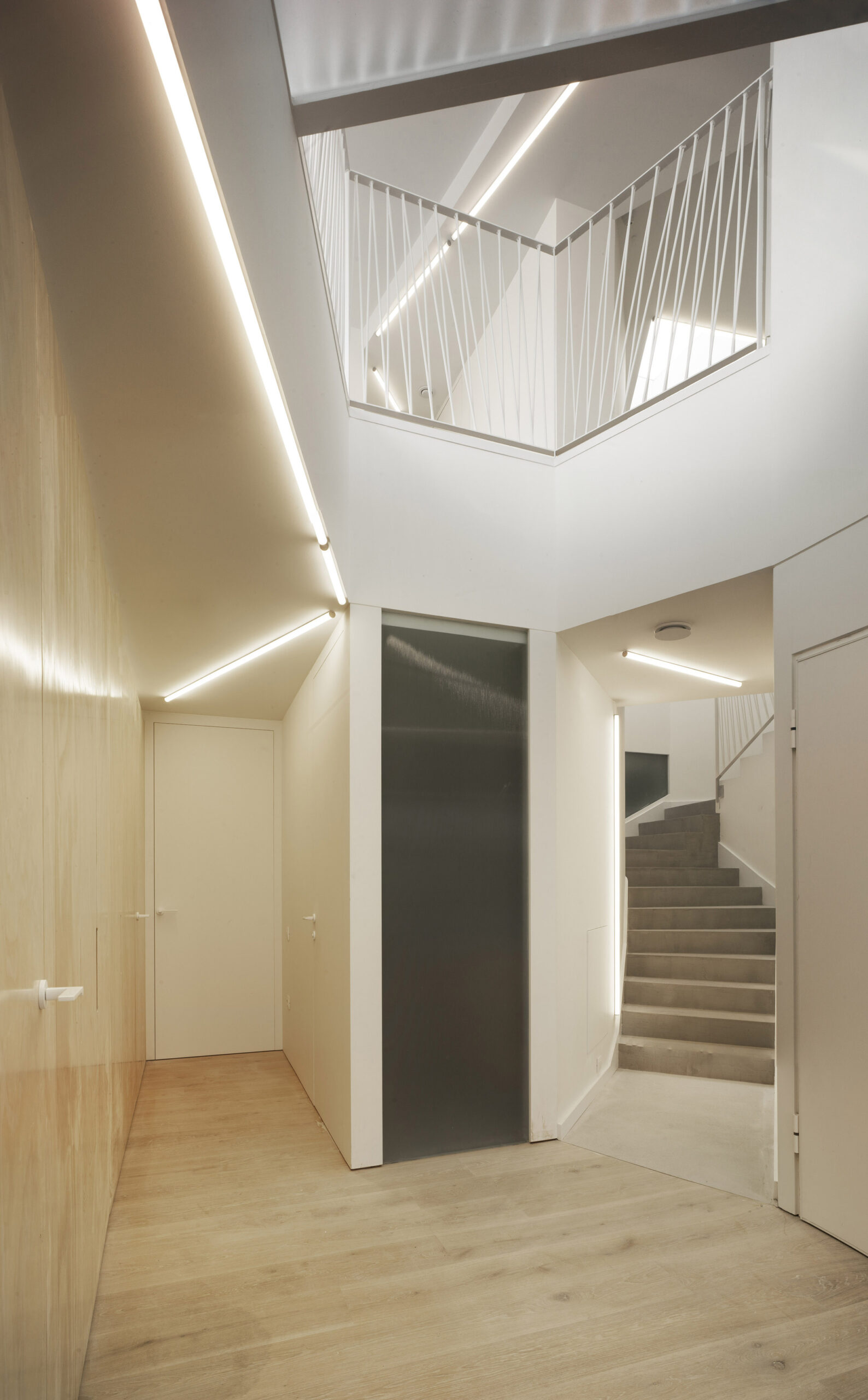
Equity: Balancing the quality of rental and private housing, preventing the hierarchy of property standards by creating an inclusive design that offers a response to different residents and needs.
© David Frutos Photography
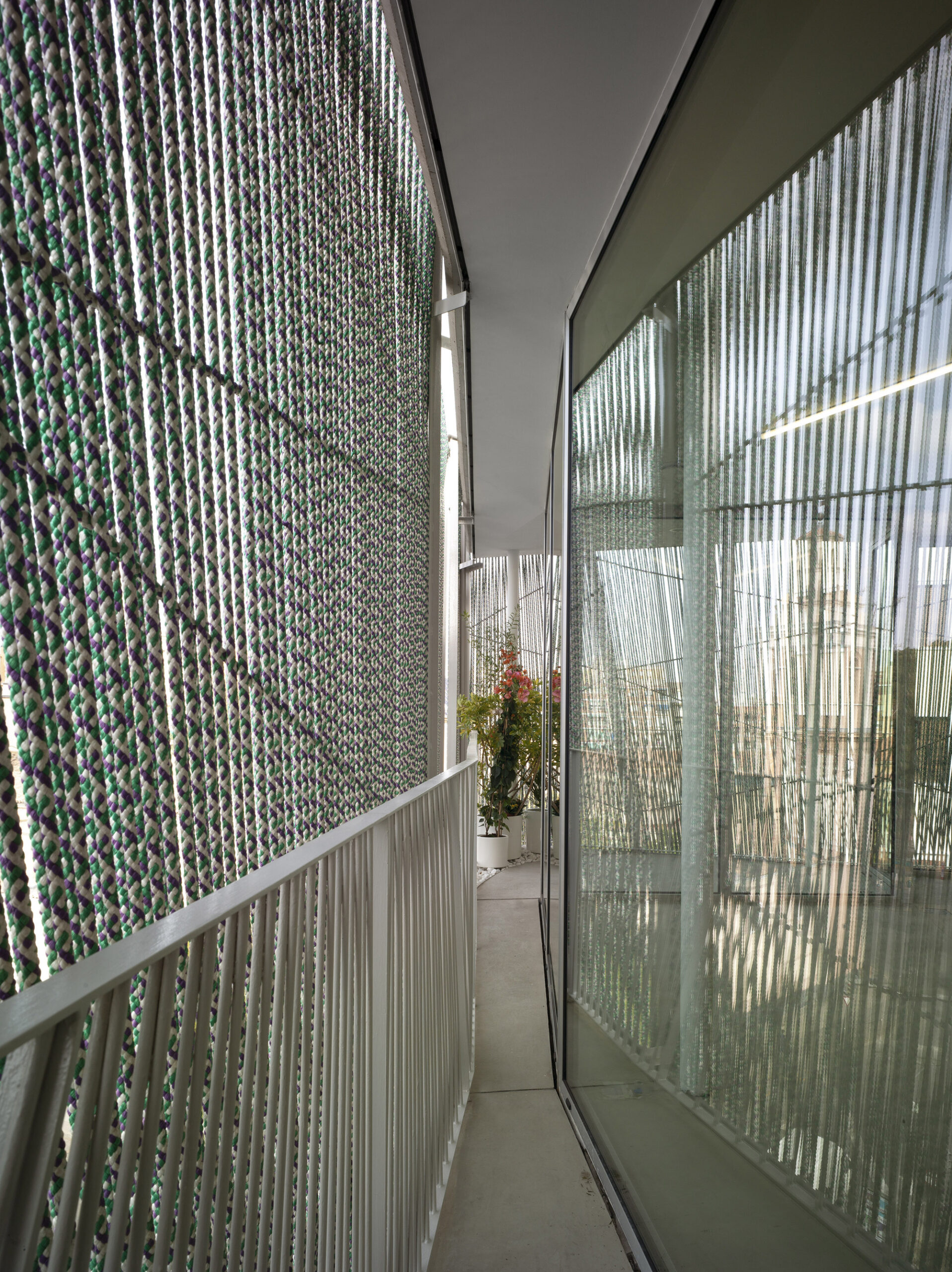
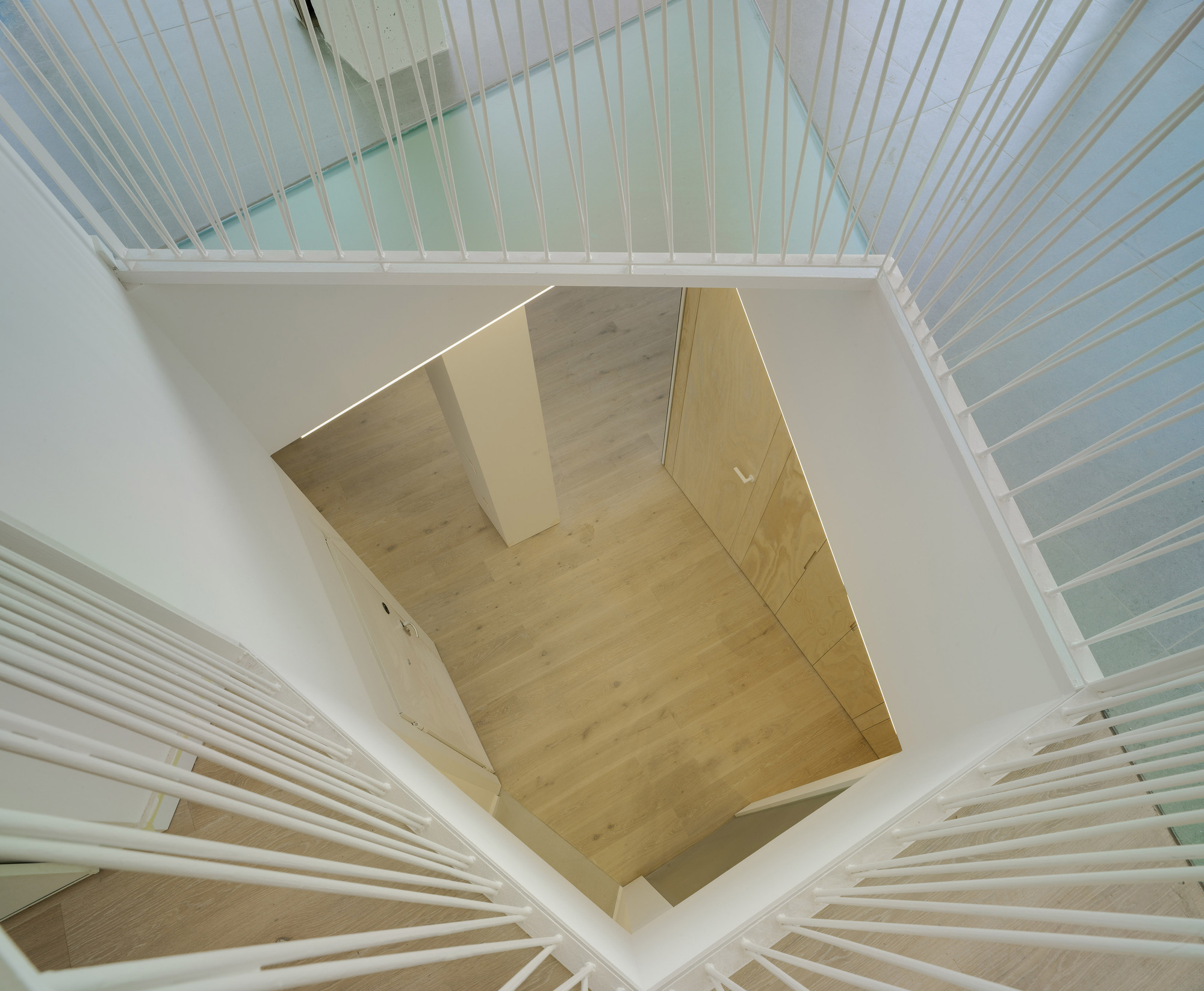
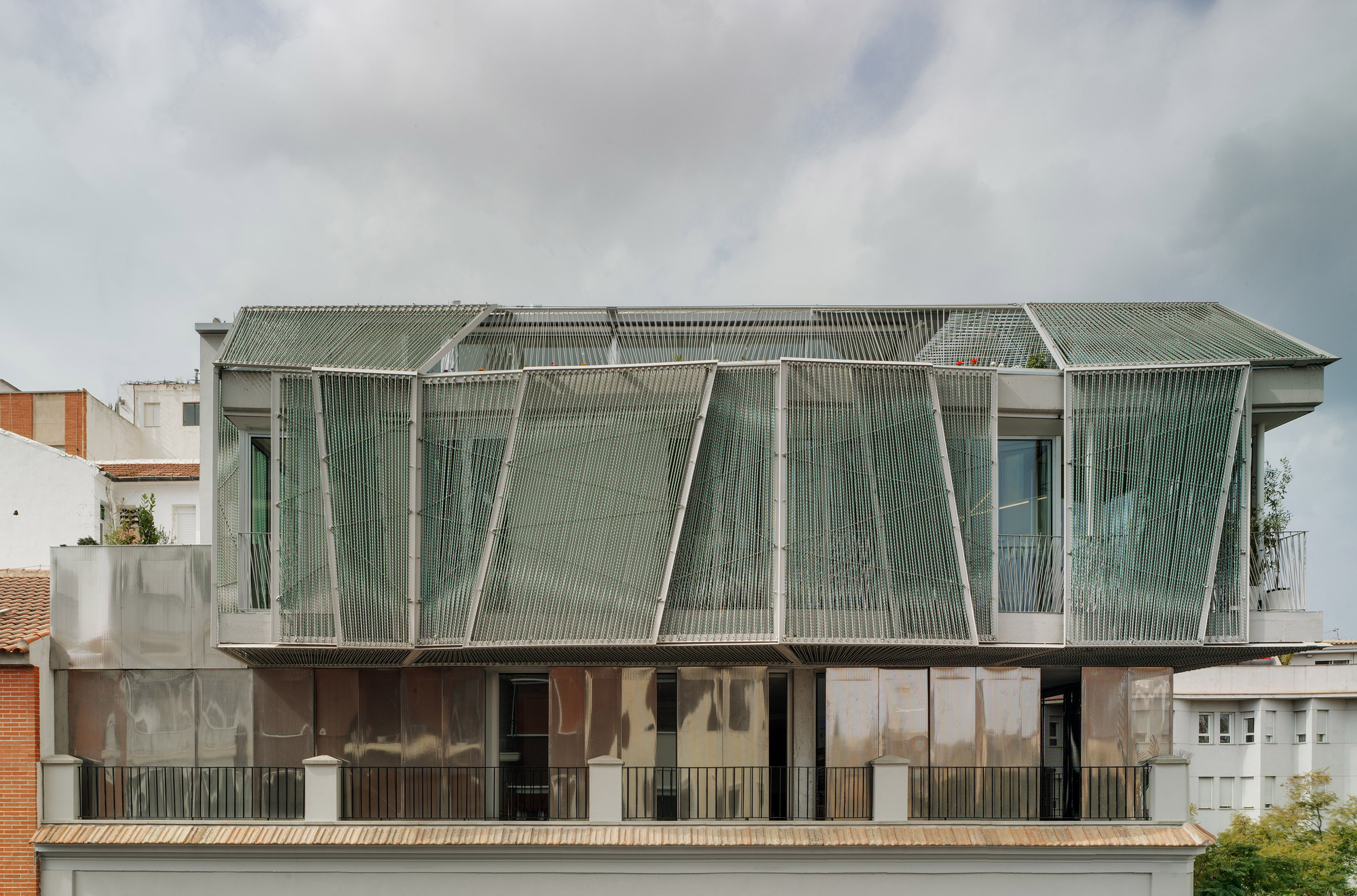
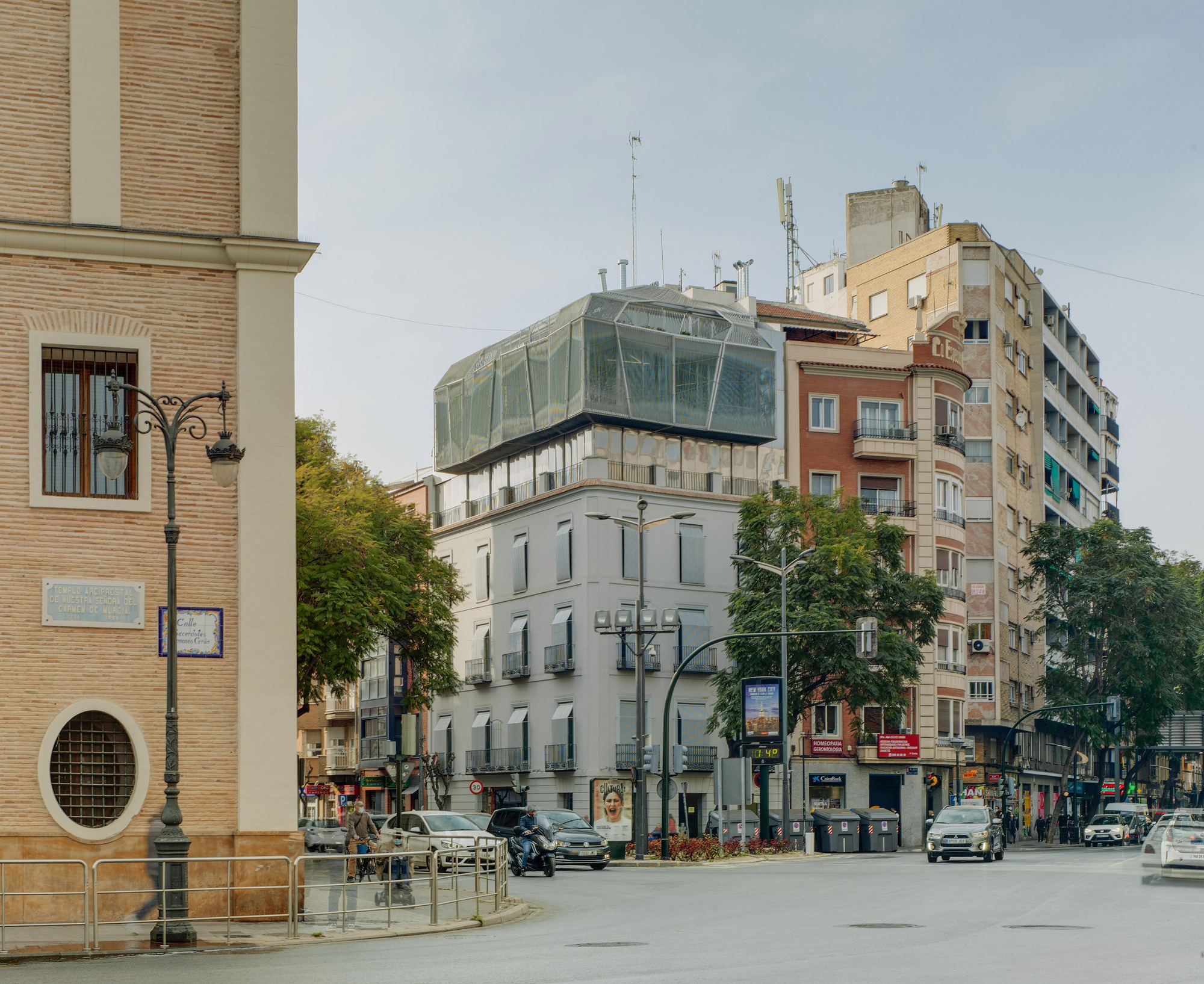
Local crafts and industrial elements. Exploring ornamentation and traditional crafts through the new industrial technique of local manufacturers (such as steel and rope latticework) and a contemporary reinterpretation, in a constant dialogue with the artisan elements of the pre-existing building. In the building extension, the rope lattice and the stainless-steel die-cut sheet lattice are performed by local artisans.
© David Frutos Photography
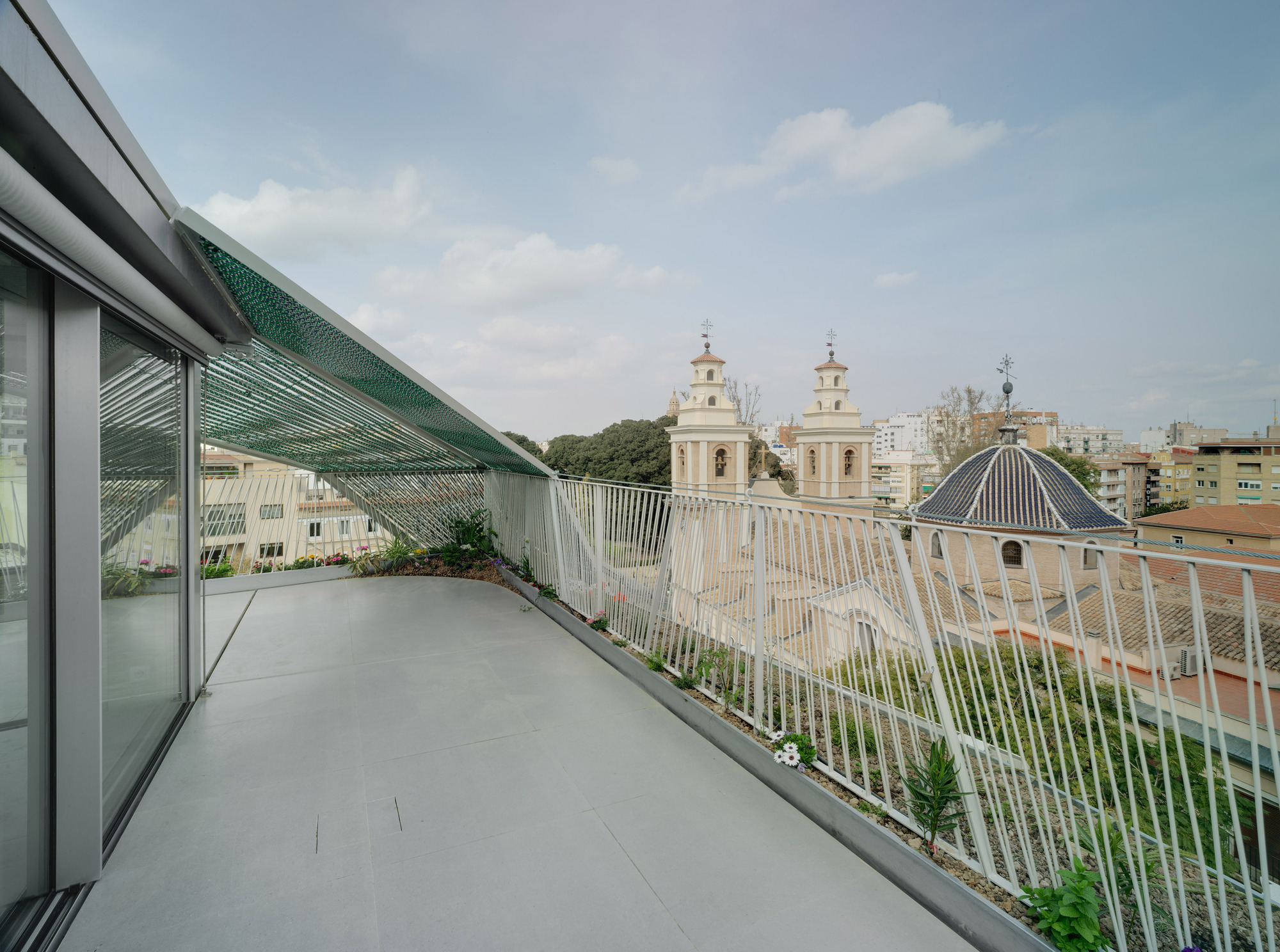
Environmental Sustainability. Biophilia. In order to recover the ecological relationship with nature and its benefits for well-being, new infrastructures related to the support of plants are added, as well as the use of natural colors and materials. On the top floor terraces, a garden of native species is placed with the aim of promoting biodiversity and reducing the heat island effect in the city.
© David Frutos Photography
Bioclimate. There are several bioclimatic solutions to reduce energy consumption. Among them are the EIFS-Thermal Inertia combination, the renovation of windows with a thermal break or the use of solar protection elements, such as traditional external blinds in the existing building, and the use of latticework in the extended floors.
© David Frutos Photography
Economic Sustainability. Achieved from energy efficiency bringing down energy consumption, resource efficiency, rehabilitating and taking advantage of an existing building, or local economy, reducing transport costs, and contributing to improve the economic activity in the area.
Project Info
Architects: Santa-Cruz Arquitectura
Country: Spain, Murcia
Area: 1345 m²
Year: 2022
Photographs: David Frutos Photography
Manufacturers Aparici, Cosentino, Grohe, Btizino, Carpintería Metálica Melga, Cement Design, Cortizo, Cristalería Marín, Fibercord, Finsa, Mármoles San Javier, Roca, Weber: Aparici
Founder: Juan Antonio Santa-Cruz Alemán
Main Director: Juan Antonio Santa-Cruz García
Development Manager: Beatriz Lorente Martínez
Technical Manager: Javier Esquiva López
Creative Direction: Carmen Santa-Cruz García
Gardening: 3SH
Engineering: Secor Proyectos