

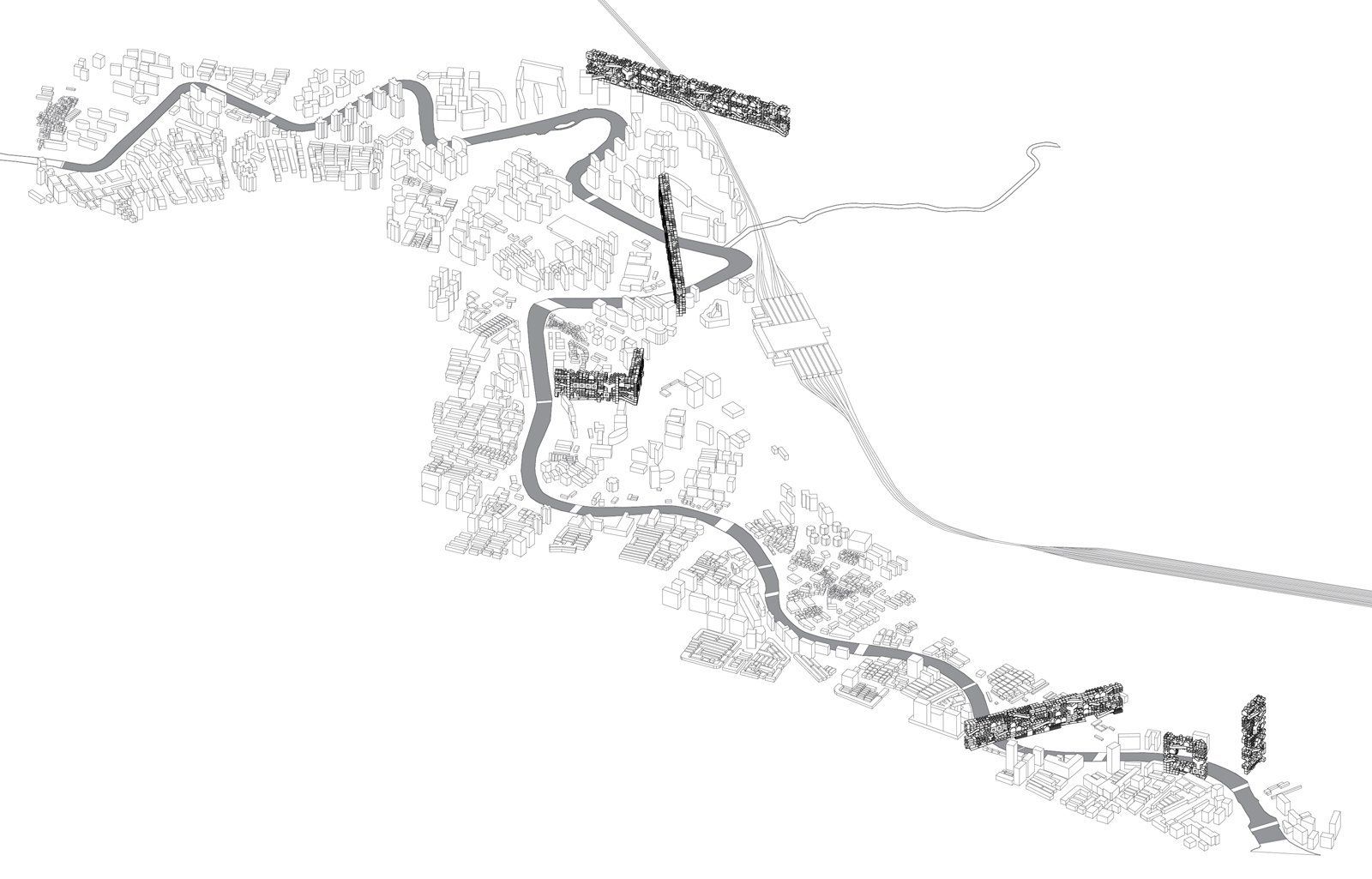
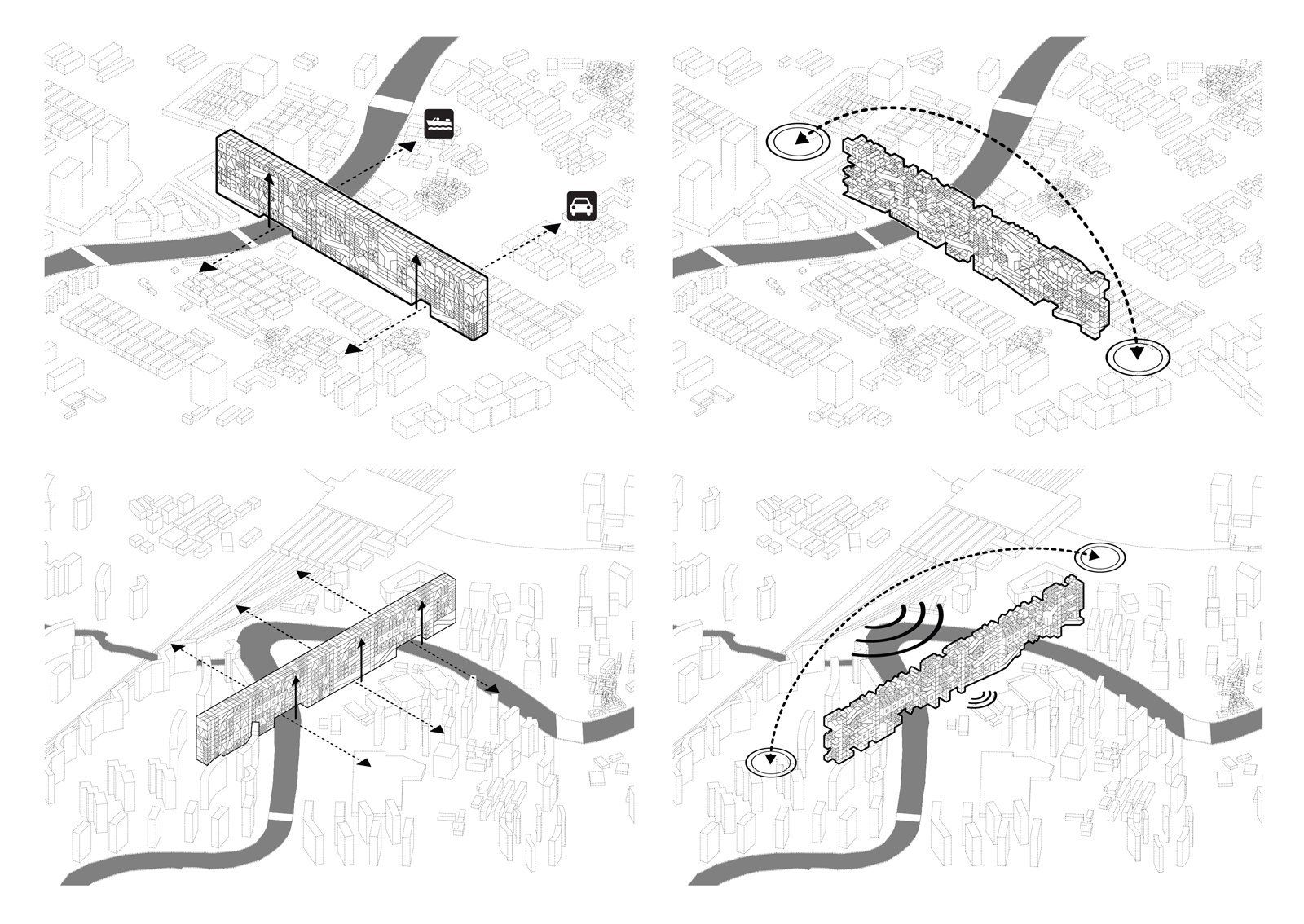
Flip/City, Nico Schlapps from PinkCloud.dk shared with us their proposal for Flip/City, a city that proposes a new urban identity for Shanghai as a model for the development of future cities.

Courtesy of PinkCloud.DK
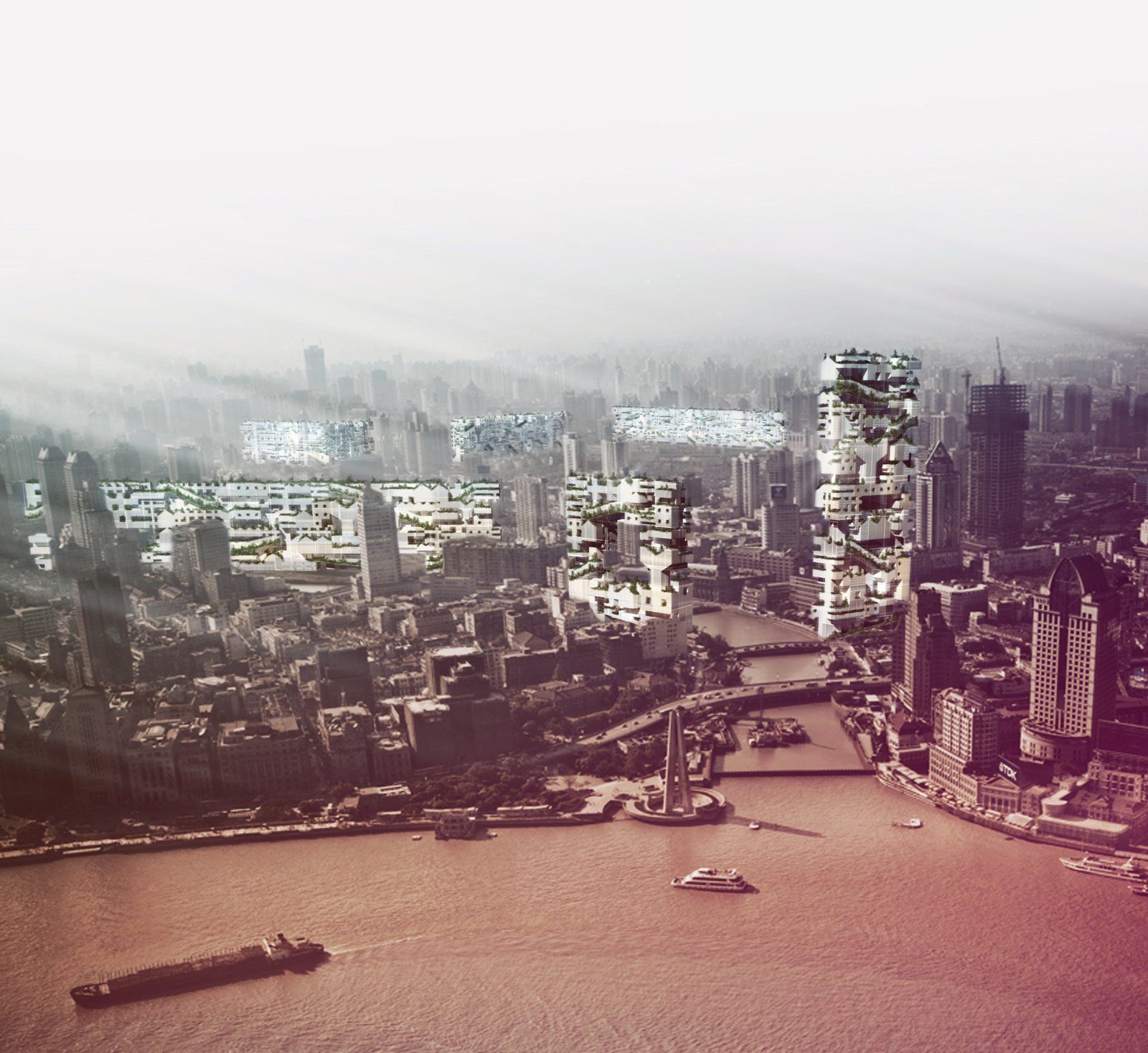
Courtesy of PinkCloud.DK
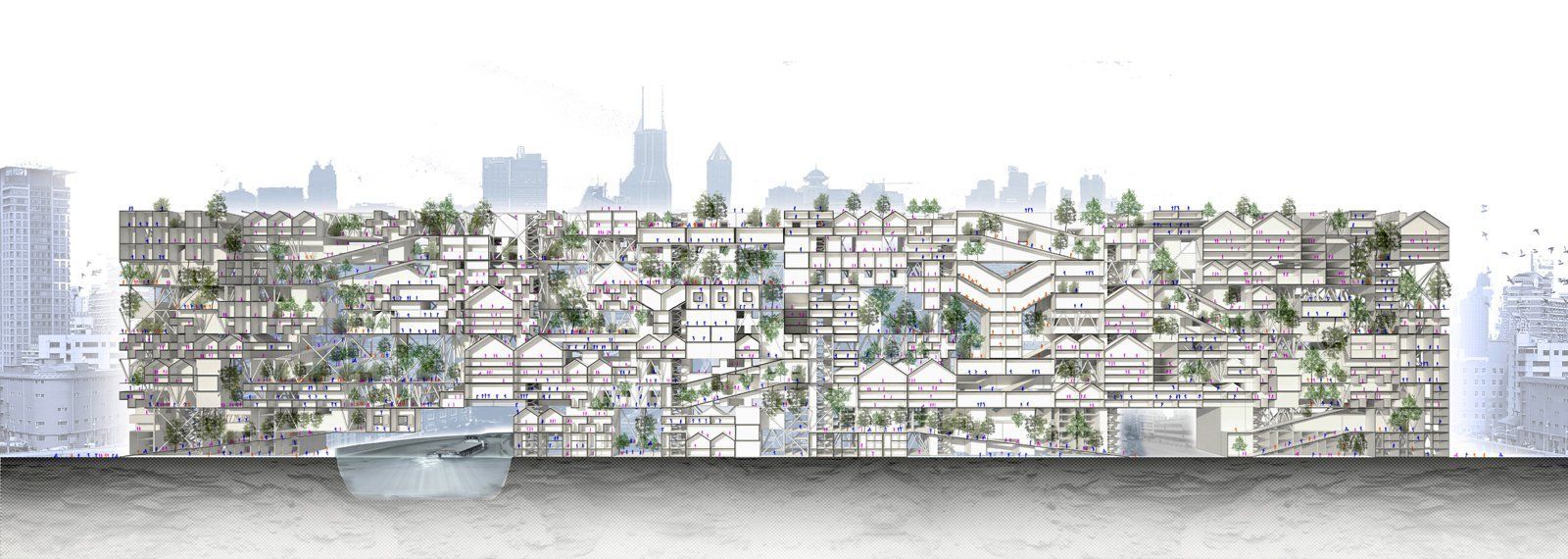
Section
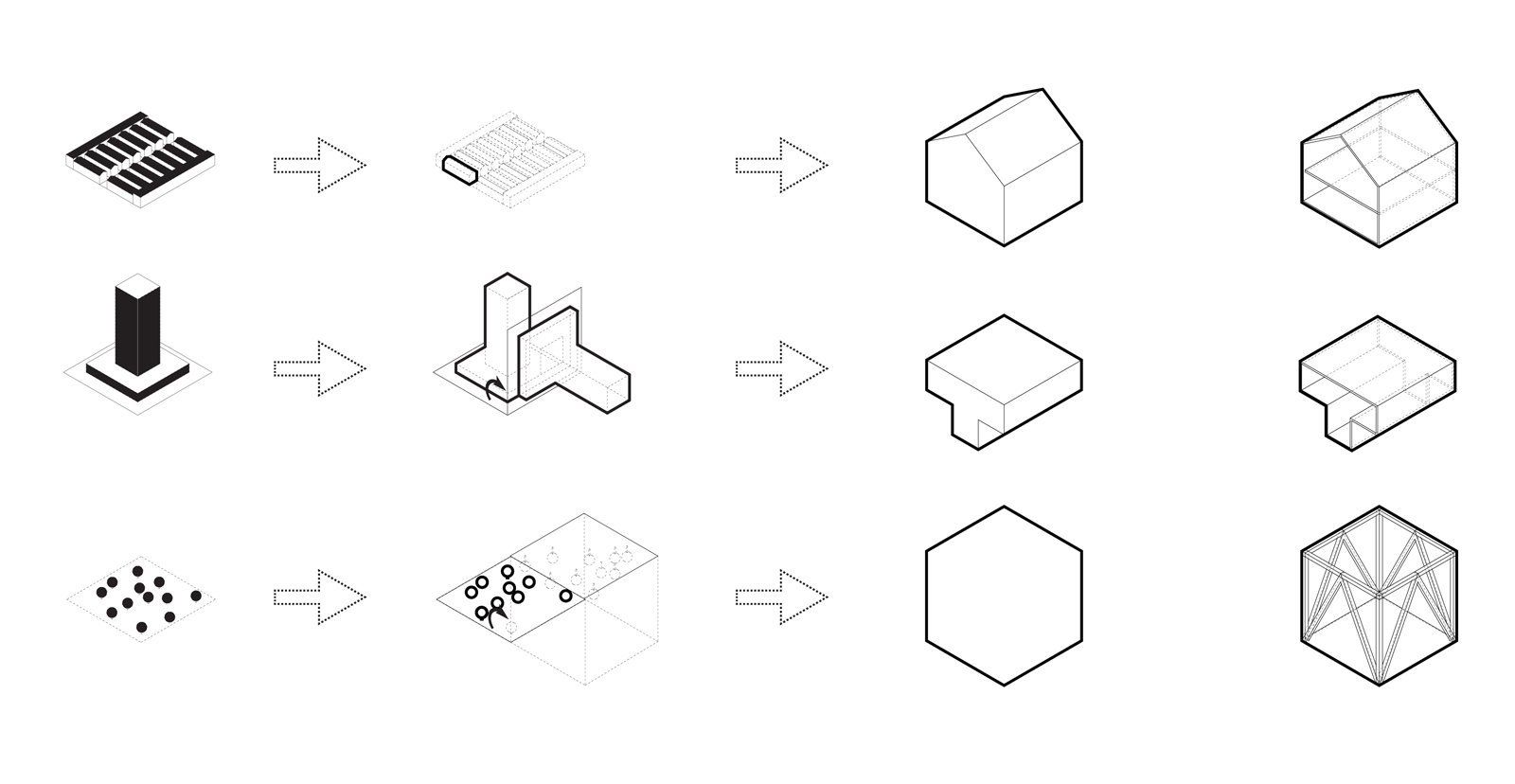
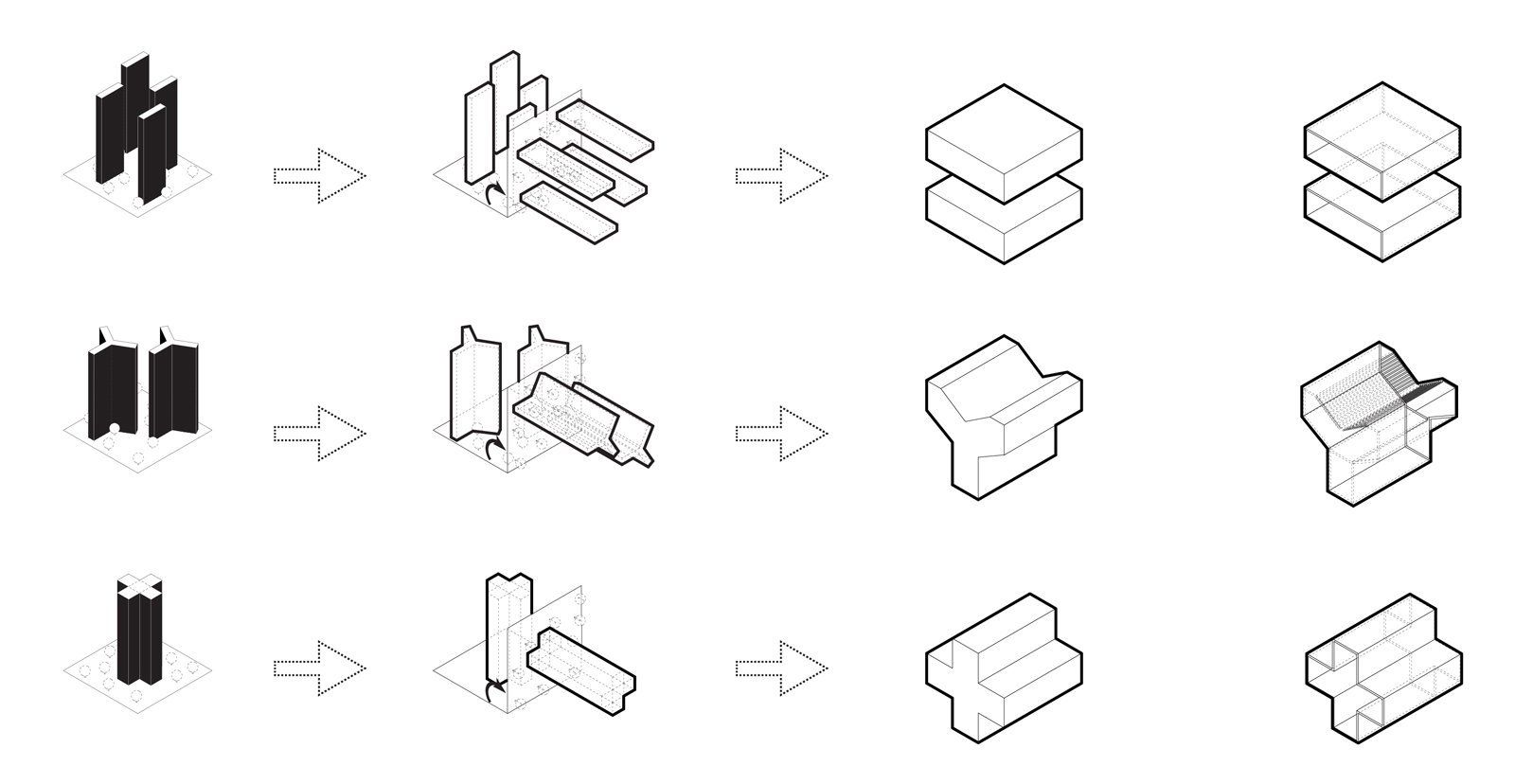
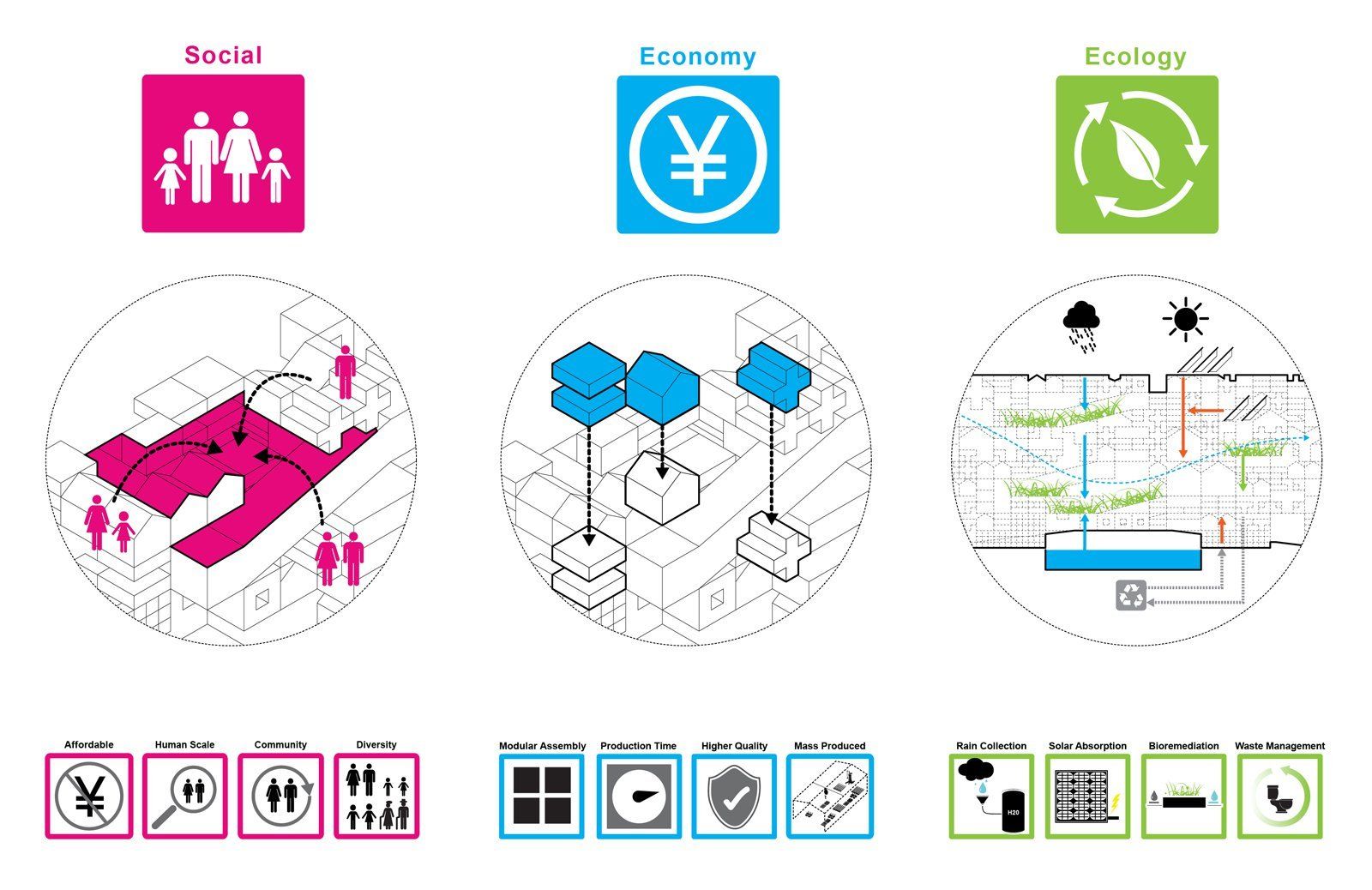
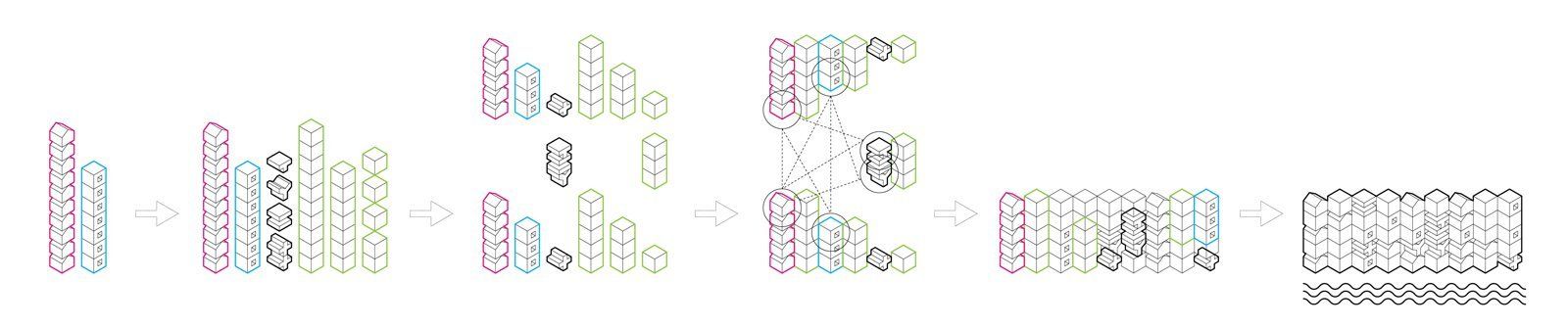
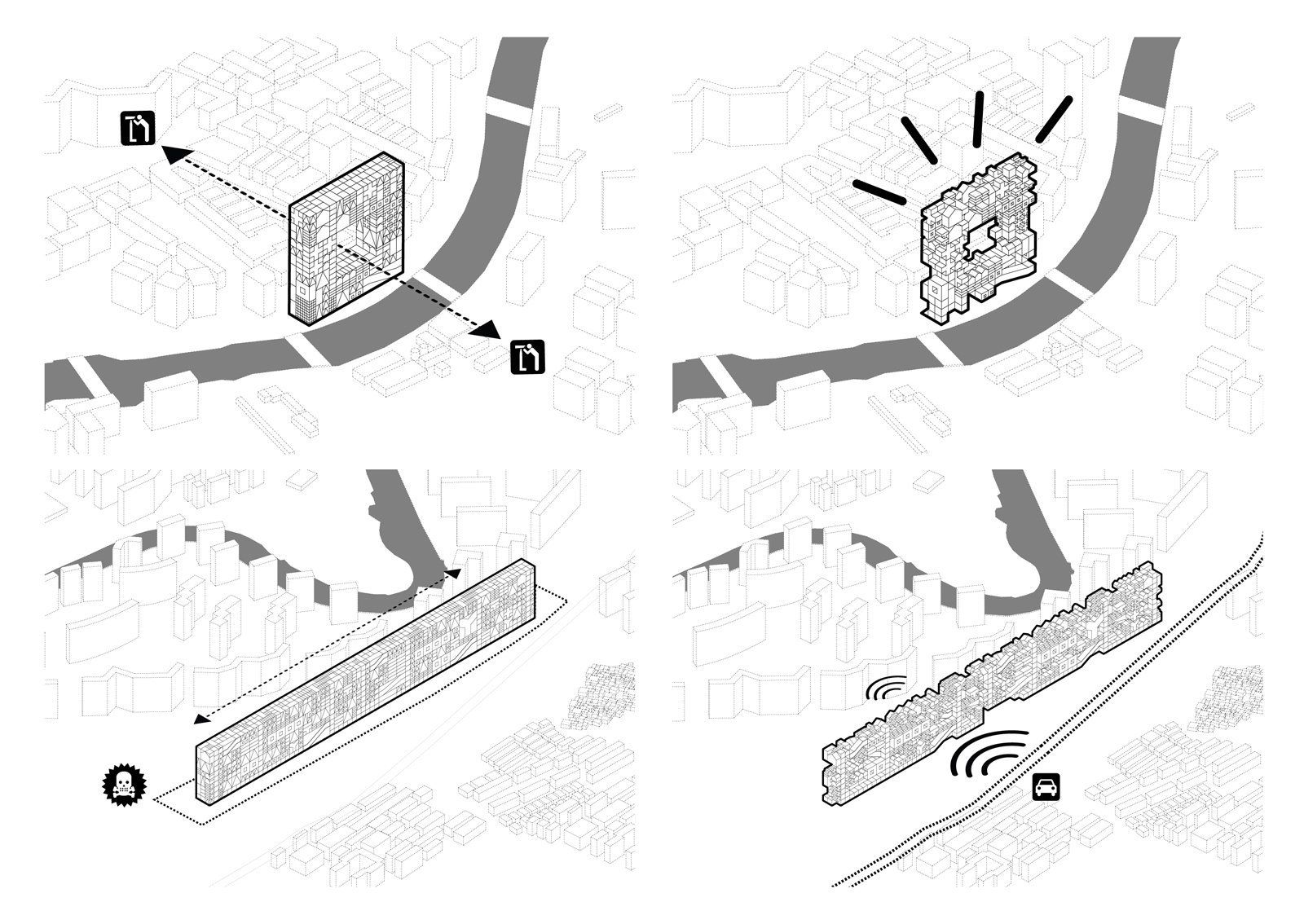
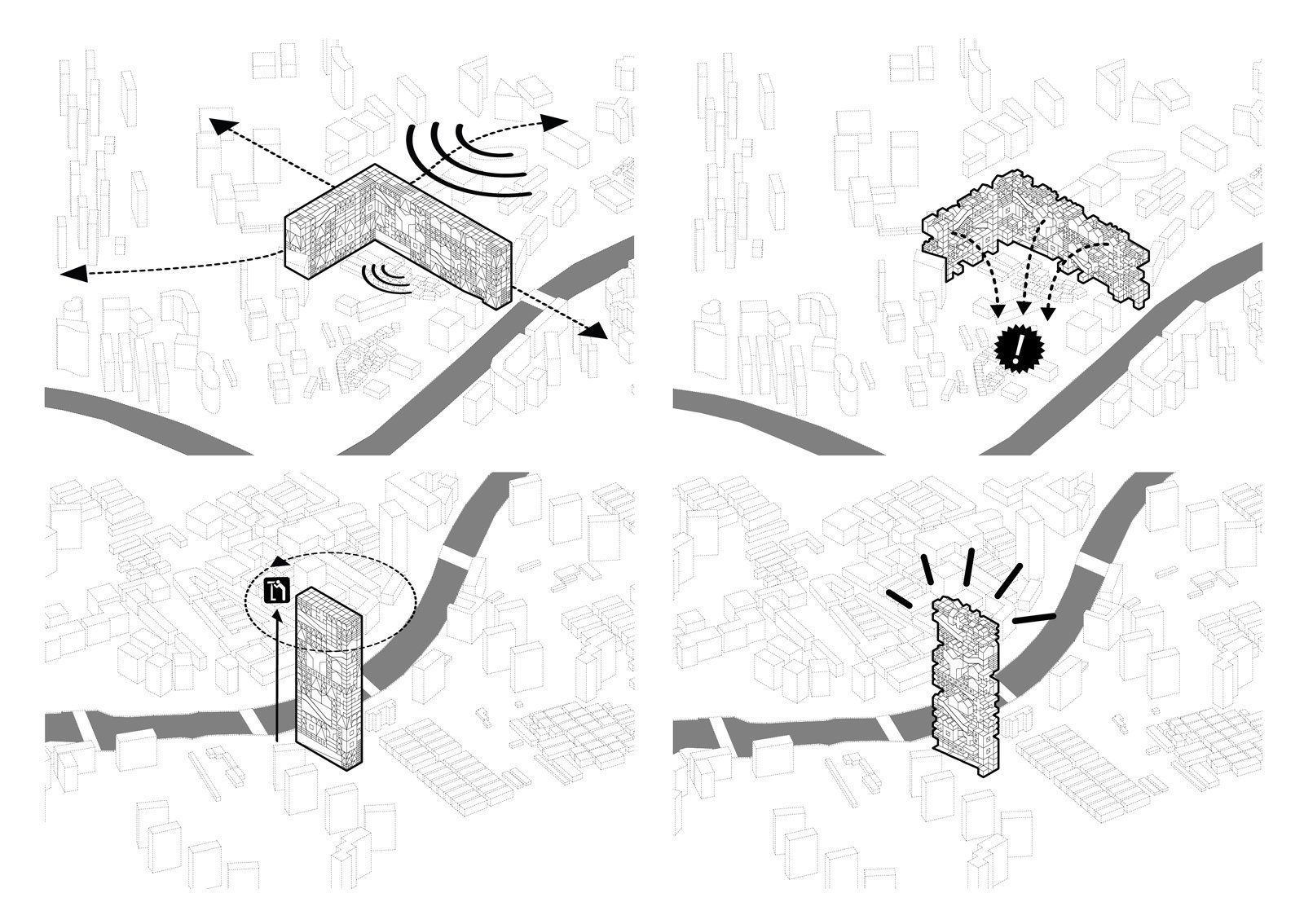
Imagine a city of a unique new typology that meets the needs of its inhabitants while maximizing the quality of life and work. This typology would embrace communities and their citizens as a flexible framework which adapts to environmental and economic changes. As a reactive healing force, this city could renew weak urban zones in decline by filling voids and dead space with functioning, thriving neighborhoods. Most importantly, this new typology would have the capacity to maximize green space and solve infrastructural issues while creating an efficient, accessible circulation system for public transit.
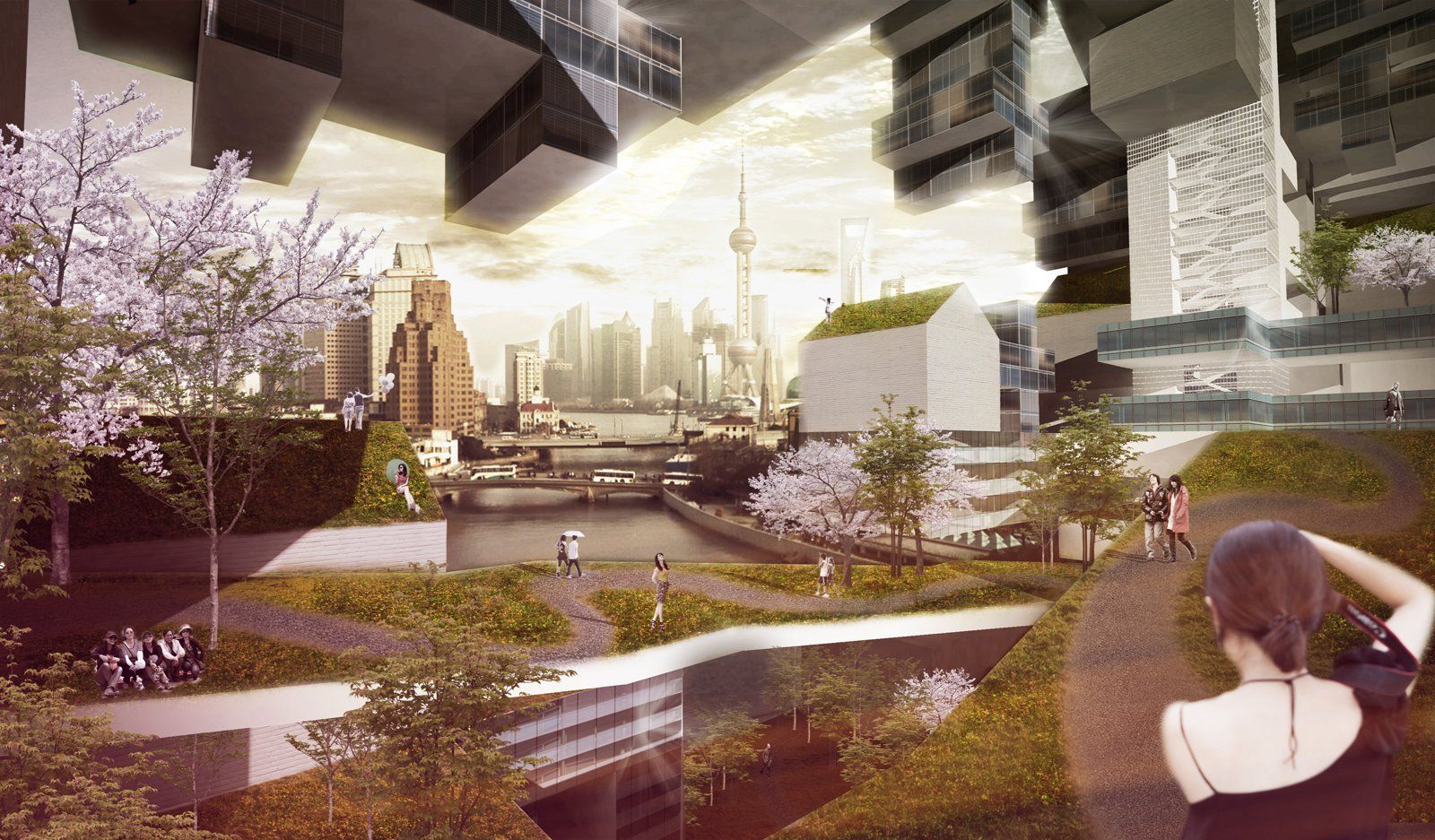
Courtesy of PinkCloud.DK
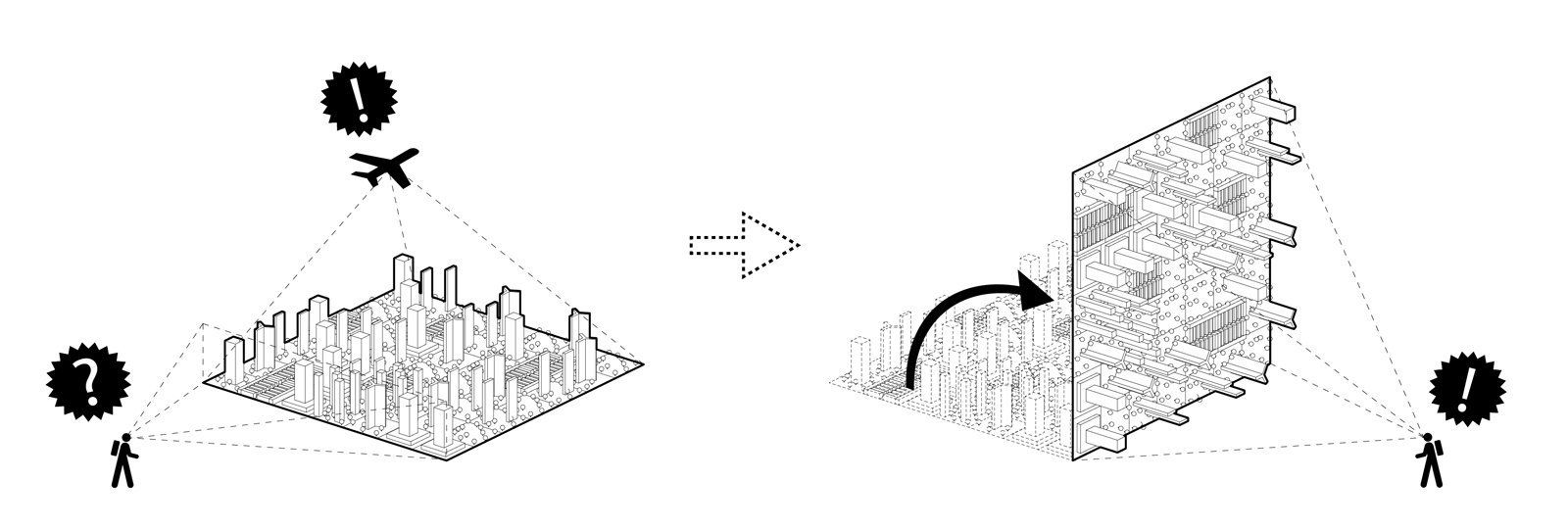
diagram 10
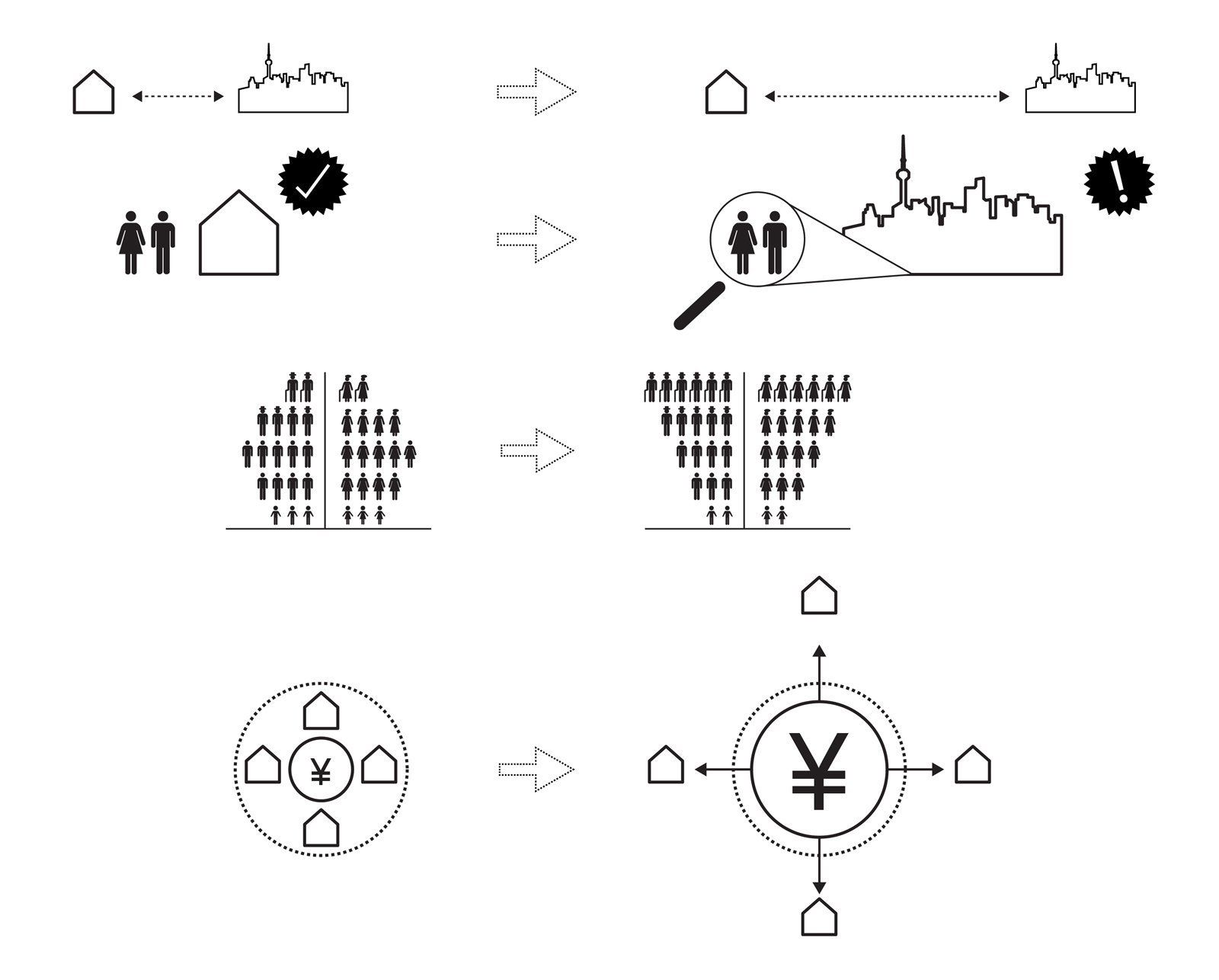
Shanghai’s exponential population growth was incurred by its international importance as a financial epicenter. This population boom lead to the import of Western urban typologies in Shanghai. While the high-rise typology effectively challenges high density with a small footprint, it is typically plagued with a homogeneous function. This contributes to the issue of exclusivity of the city center as a commercial zone. City centers often resemble the financial hub of the city, gradually extending into residential sprawl. This necessitates more transportation infrastructure to bridge long distances between office and residence. High-rise typologies also lose the intimacy of the human scale, forcing citizens to live and work in increasingly alienating, pollutive, and disconnected environments.


Ibrahim Abdelhady is an architect, academic, and media entrepreneur with over two decades of experience in architecture and digital publishing. He is the Founder and CEO of Arch2O.com, a leading platform in architectural media, renowned for showcasing innovative projects, student work, and critical discourse in design. Holding dual PhDs in Architecture, Dr. Abdelhady combines academic rigor with industry insight, shaping both future architects and architectural thought. He actively teaches, conducts research, and contributes to the global architecture community through his writing, lectures, and media ventures. His work bridges the gap between practice and academia, pushing the boundaries of how architecture is communicated in the digital age.