

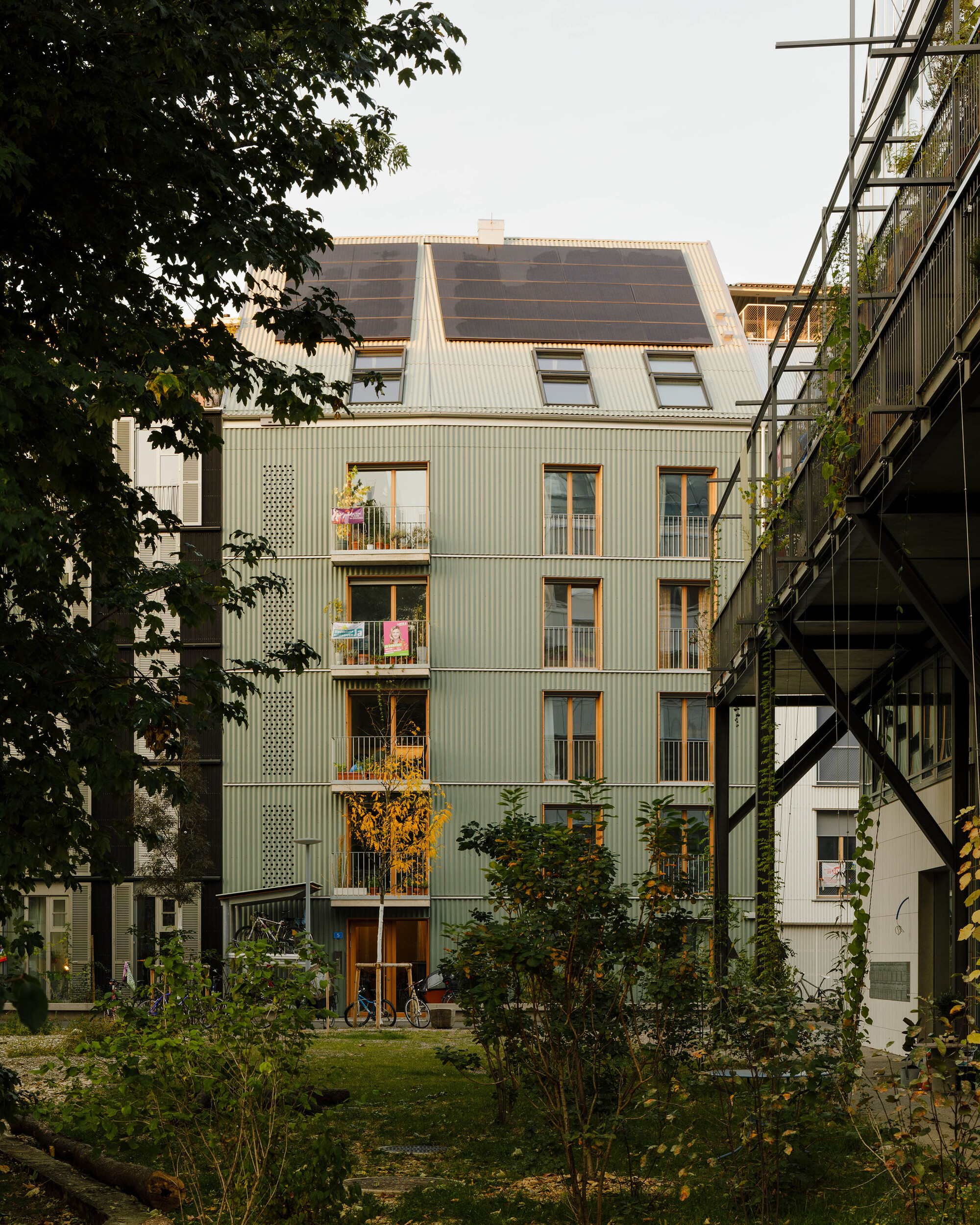
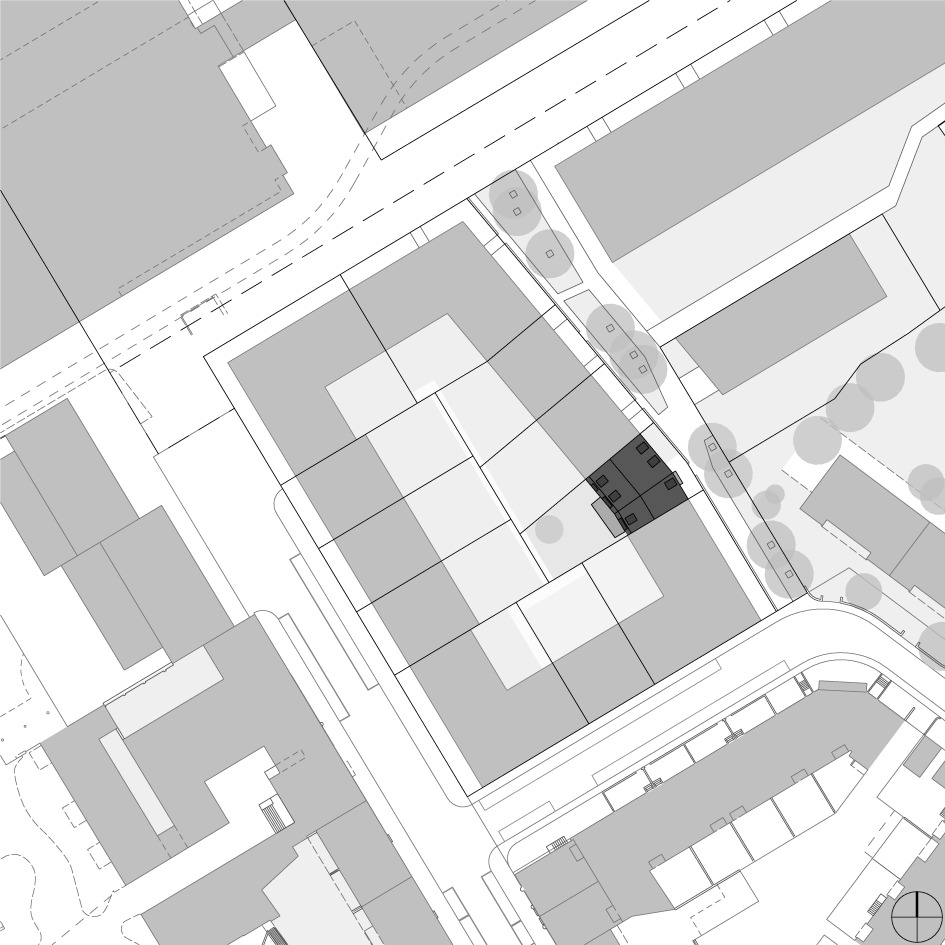
Cooperative Housing Feld4, The central concern of the Feld 4 housing cooperative was the creation of spaces for collective living with intensive, neighborly interaction in the sense of a family house community. The participatory planning began with the first fundamental decisions on the typology and continued through to the fine-tuning of details and materials. In particular, this participatory process led to the development of an individualization for the extension that was appropriate to the size of the house.
© Daisuke Hirabayashi
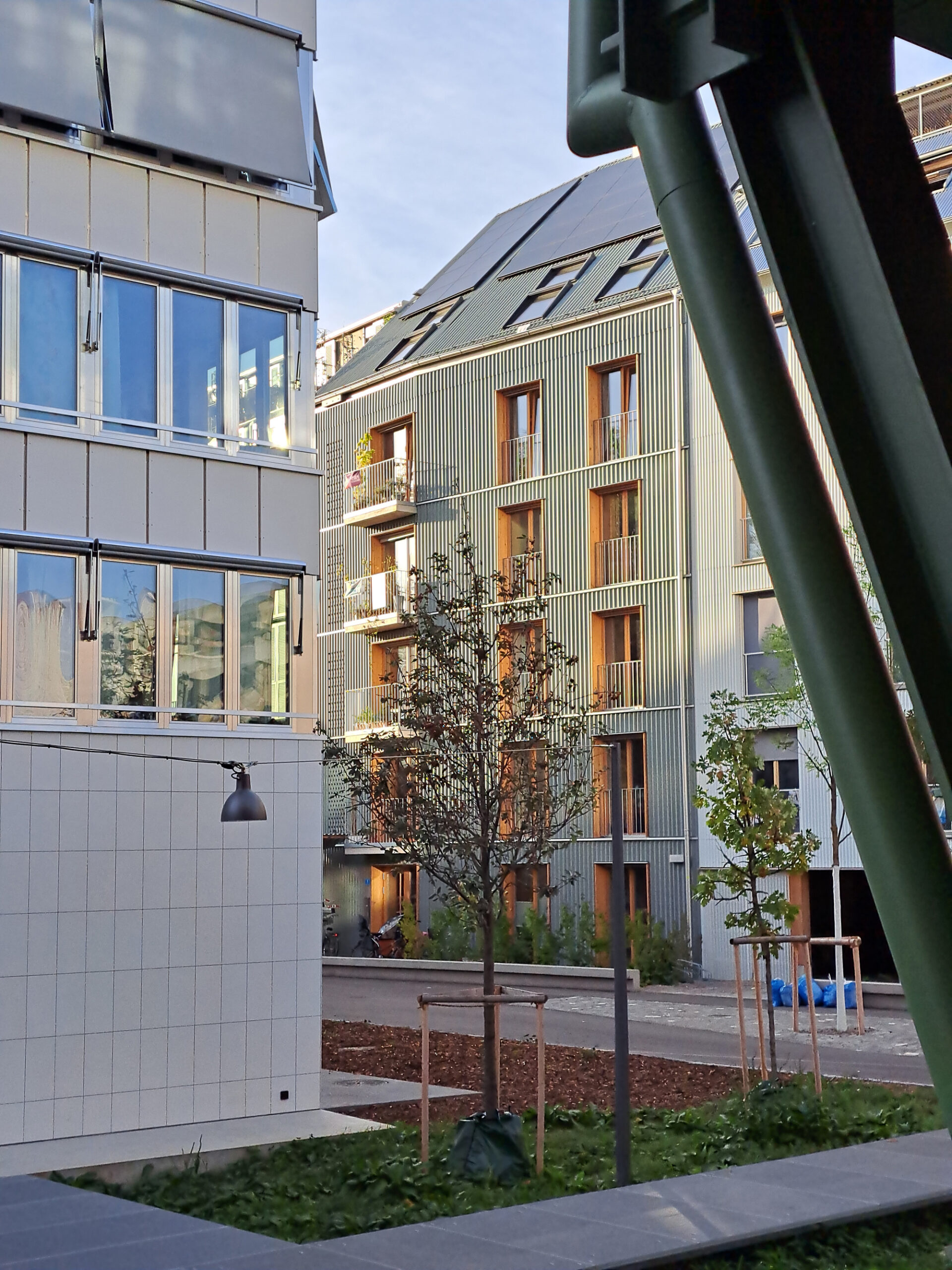
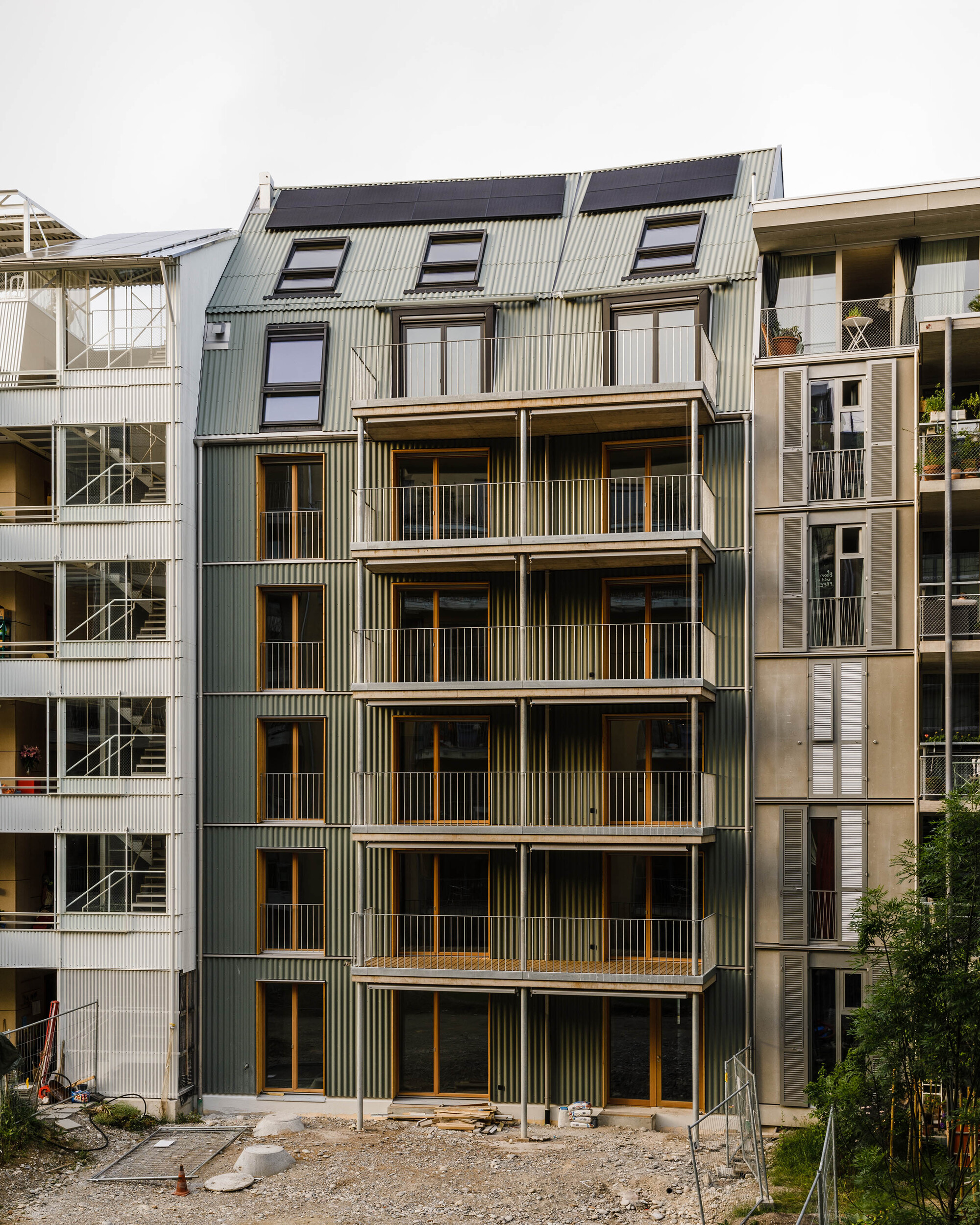
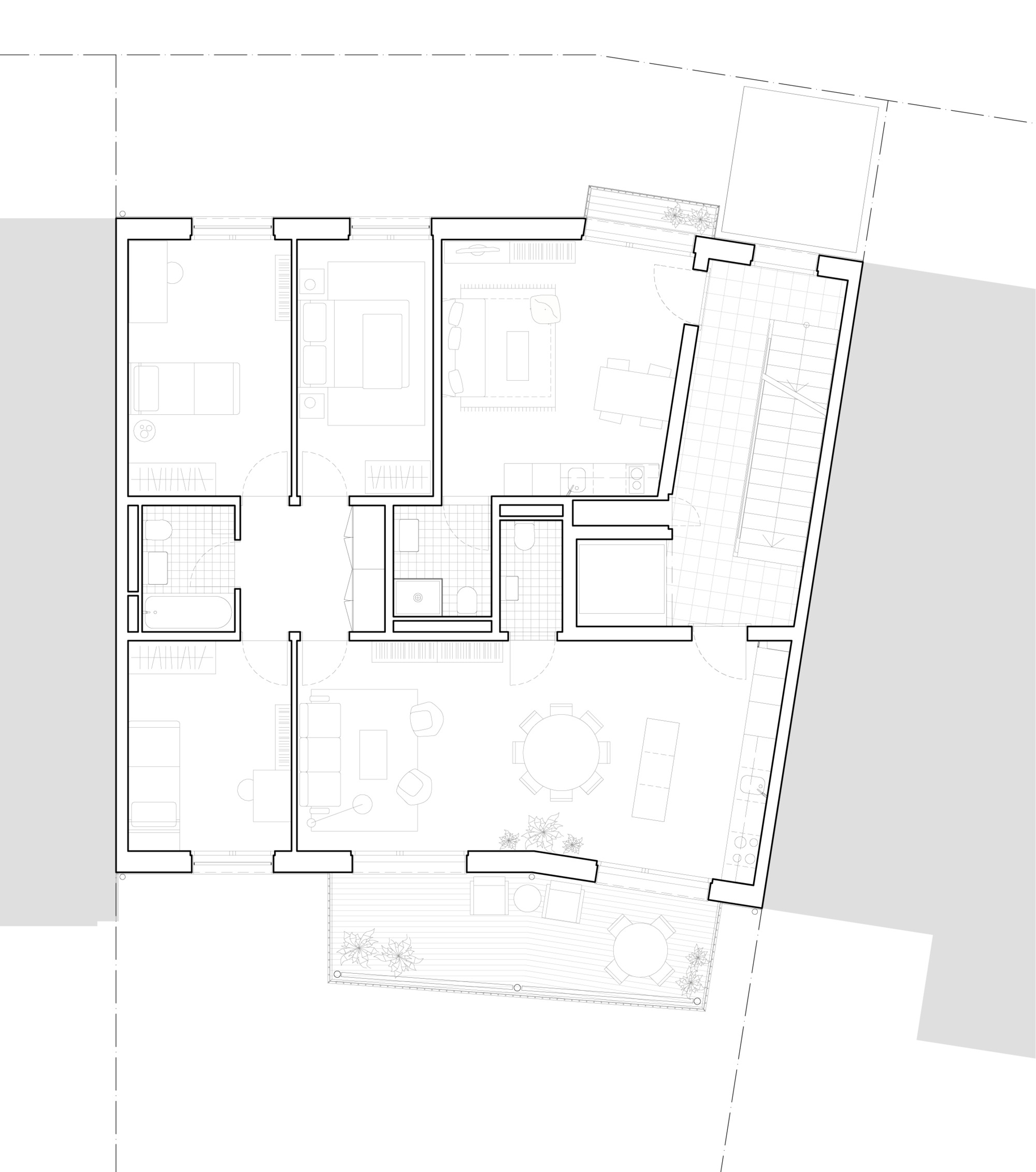
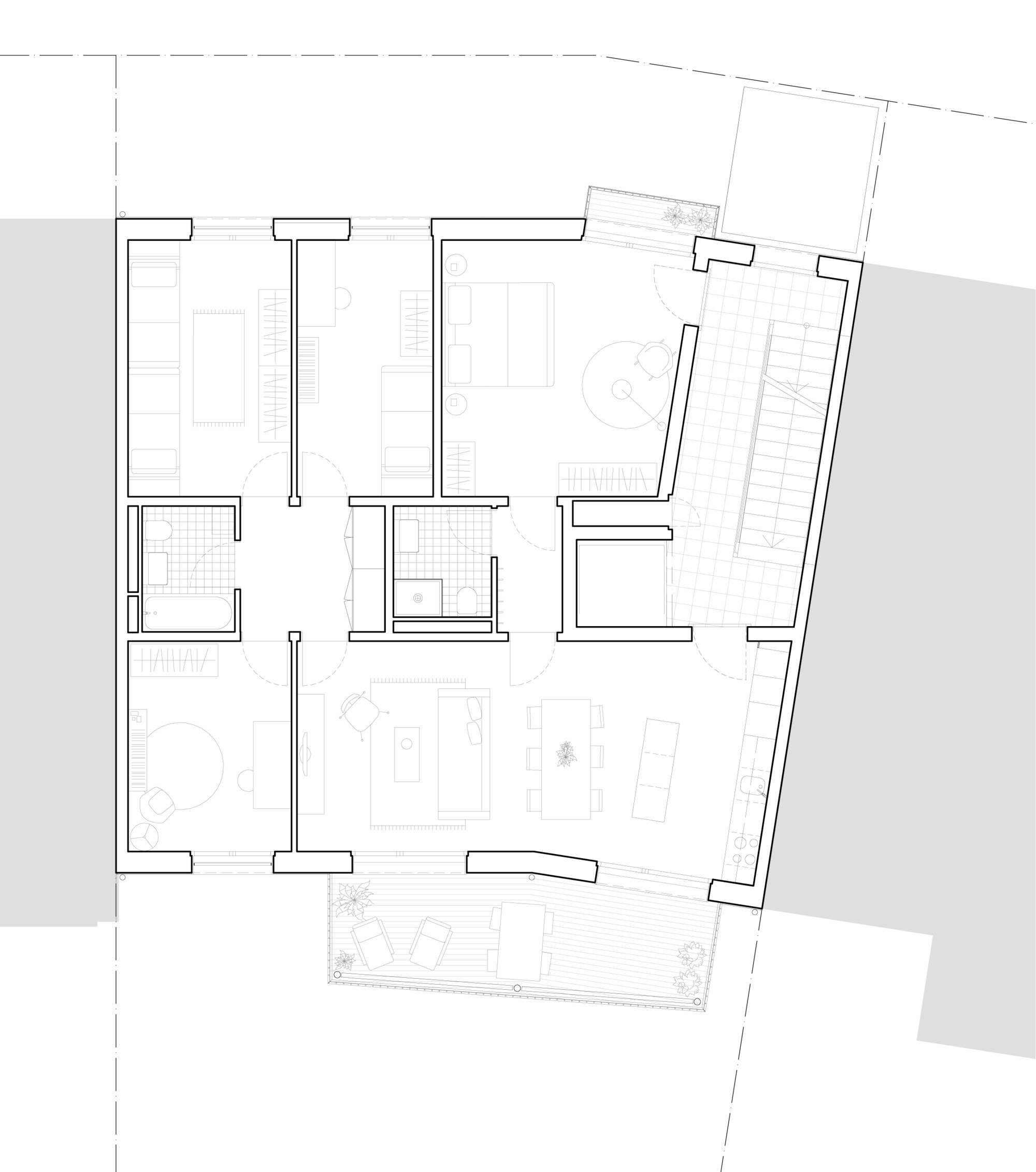
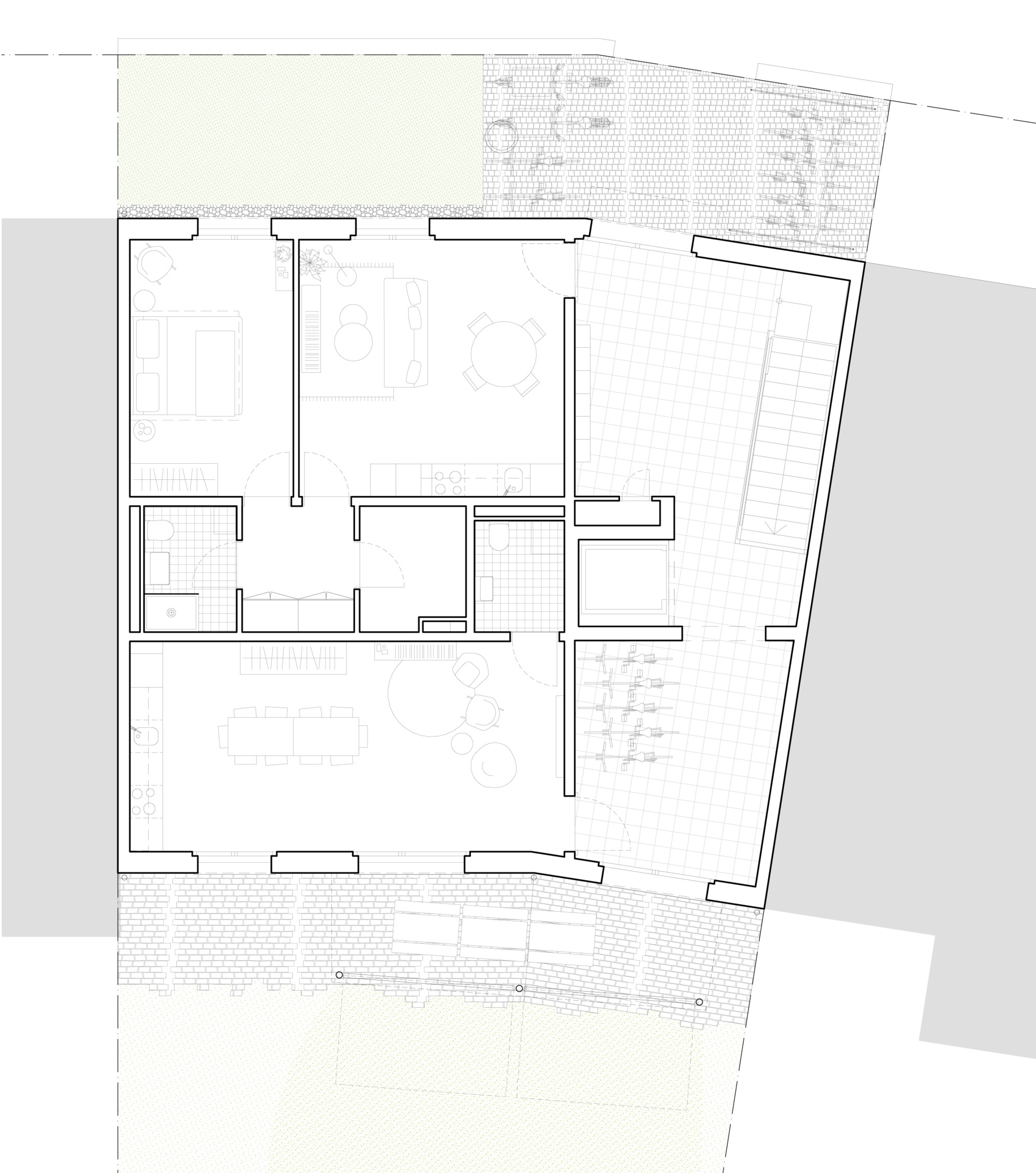
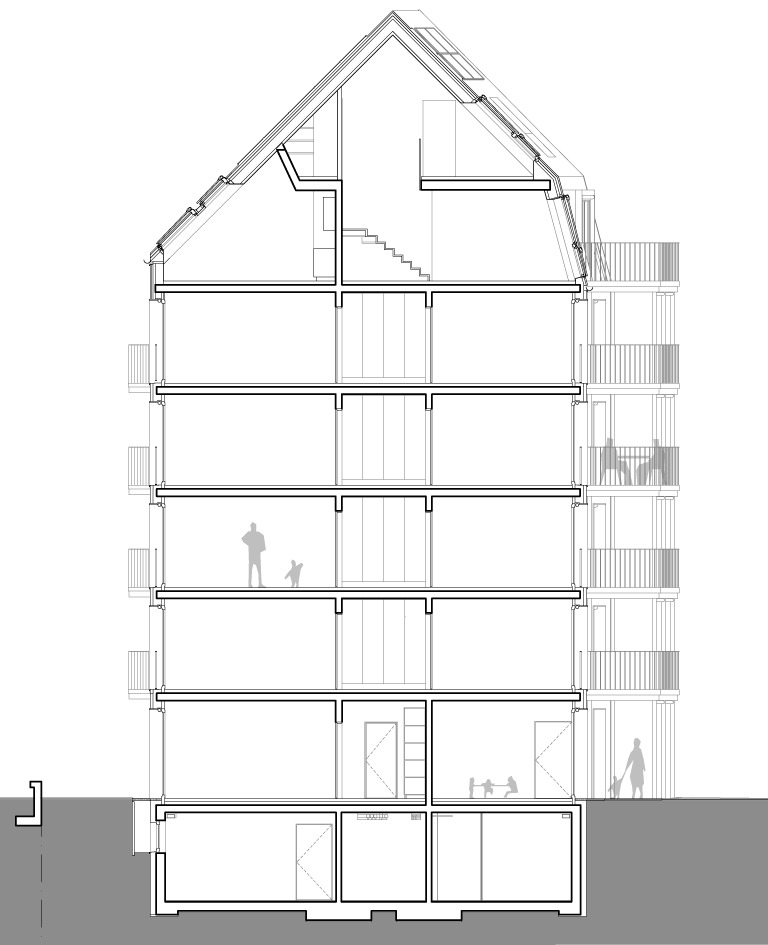
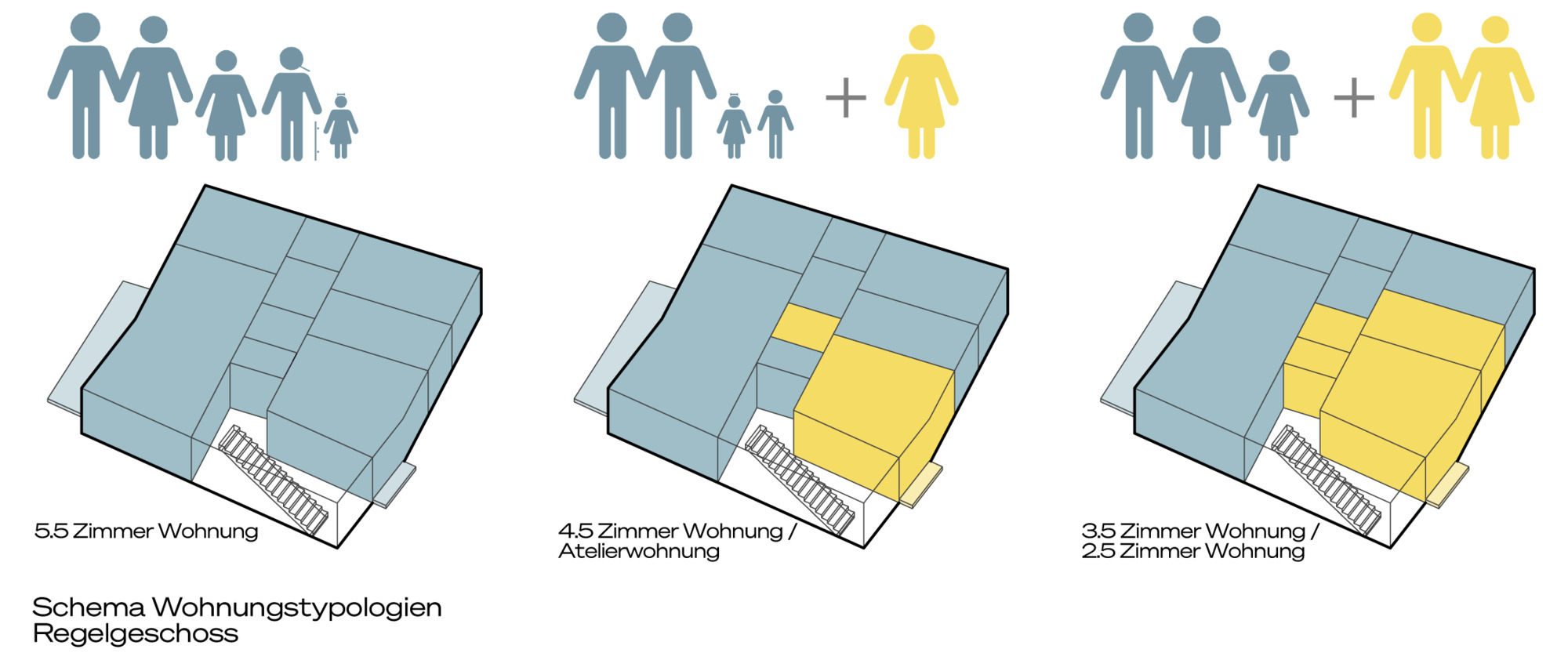
Flexibility of use and adaptability. The building offers a wide range of different apartment typologies from studios up to 5.5-room apartments, so that very different needs can be taken into account. The flexibility of use is at the heart of the objectives. The combination of cooperative apartments for long-term rental and small apartments for low-threshold rental makes it possible to combine different lifestyles and living arrangements. The adaptability of the apartments on each floor ensures dense living and offers WBG F4 the basis for change and development of the cooperative over time in the interests of the respective residents.
© Daisuke Hirabayashi
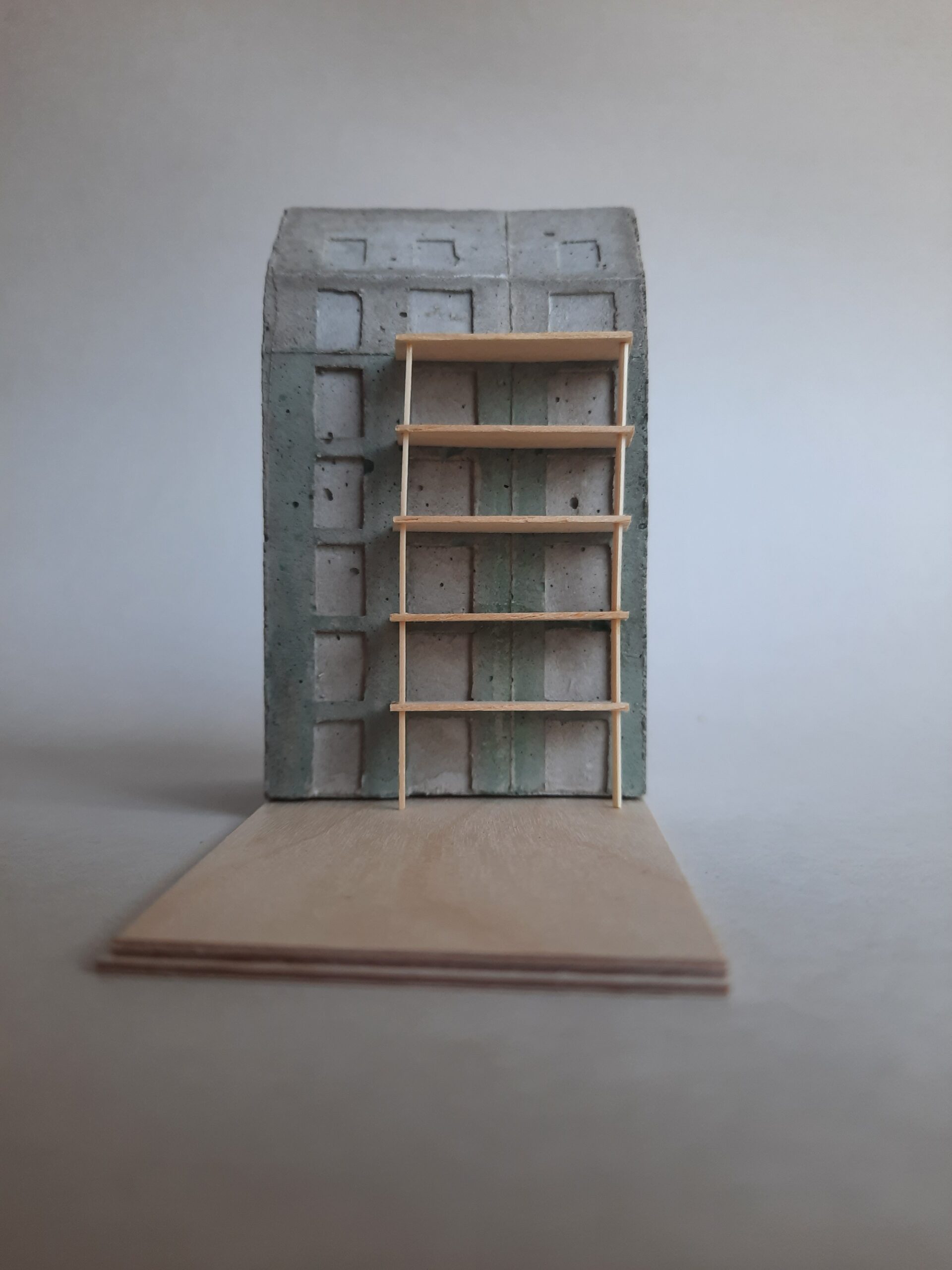
The arrangement offers the option of different divisions on the floor. Using a switch room, 1 to 2 apartments of varying sizes can be offered on the standard floor in this form. This room also offers great flexibility in the multi-story apartment version, as it can be used as a bedroom, home office, or guest room. Convertibility was taken into account right from the start of planning. Recesses were created in the concrete walls for possible doors. The partition walls orthogonal to the outer wall are constructed as lightweight walls, so that door installations and conversions represent minor interventions. The adaptations to the building technology have also been planned with foresight.
© Daisuke Hirabayashi
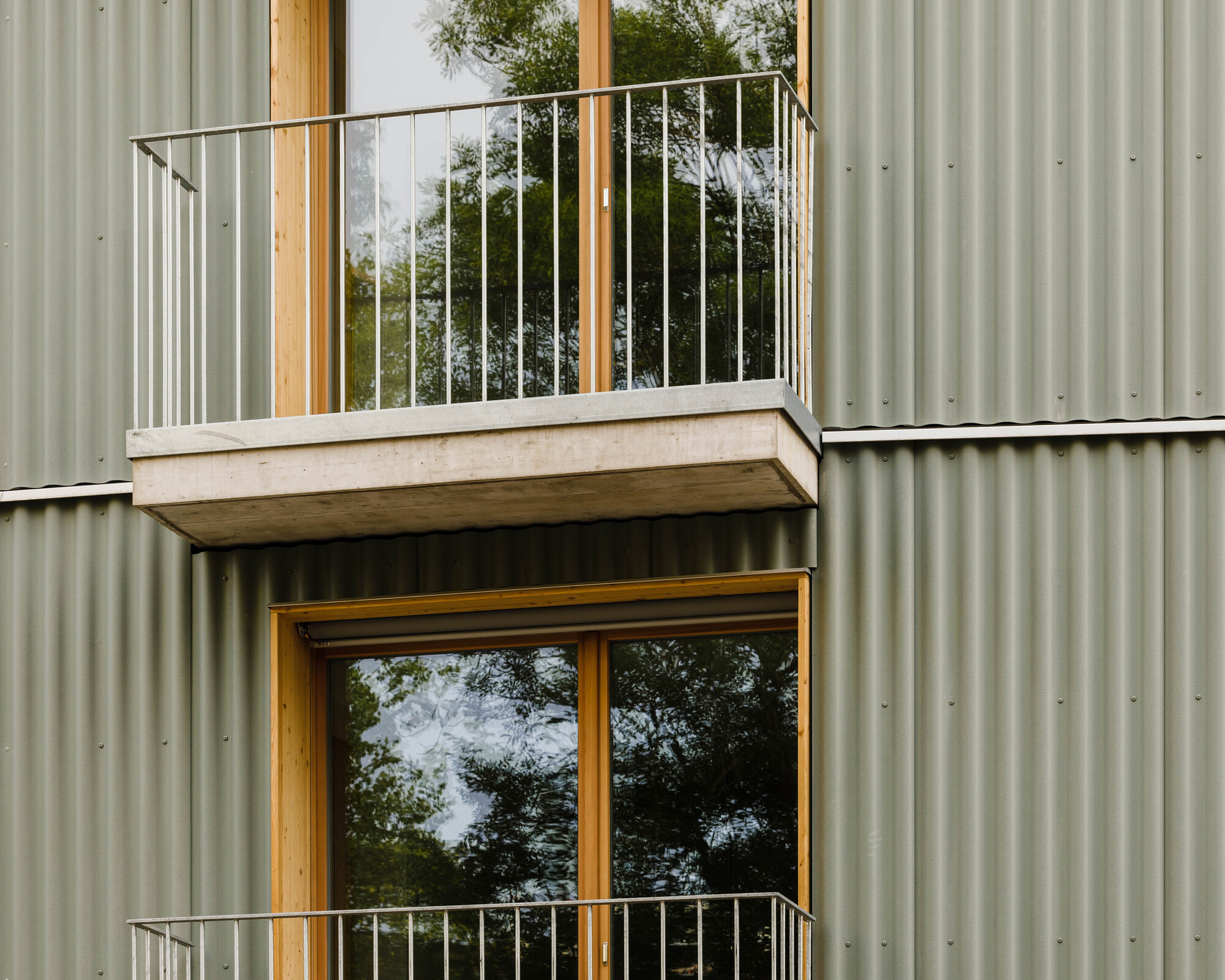
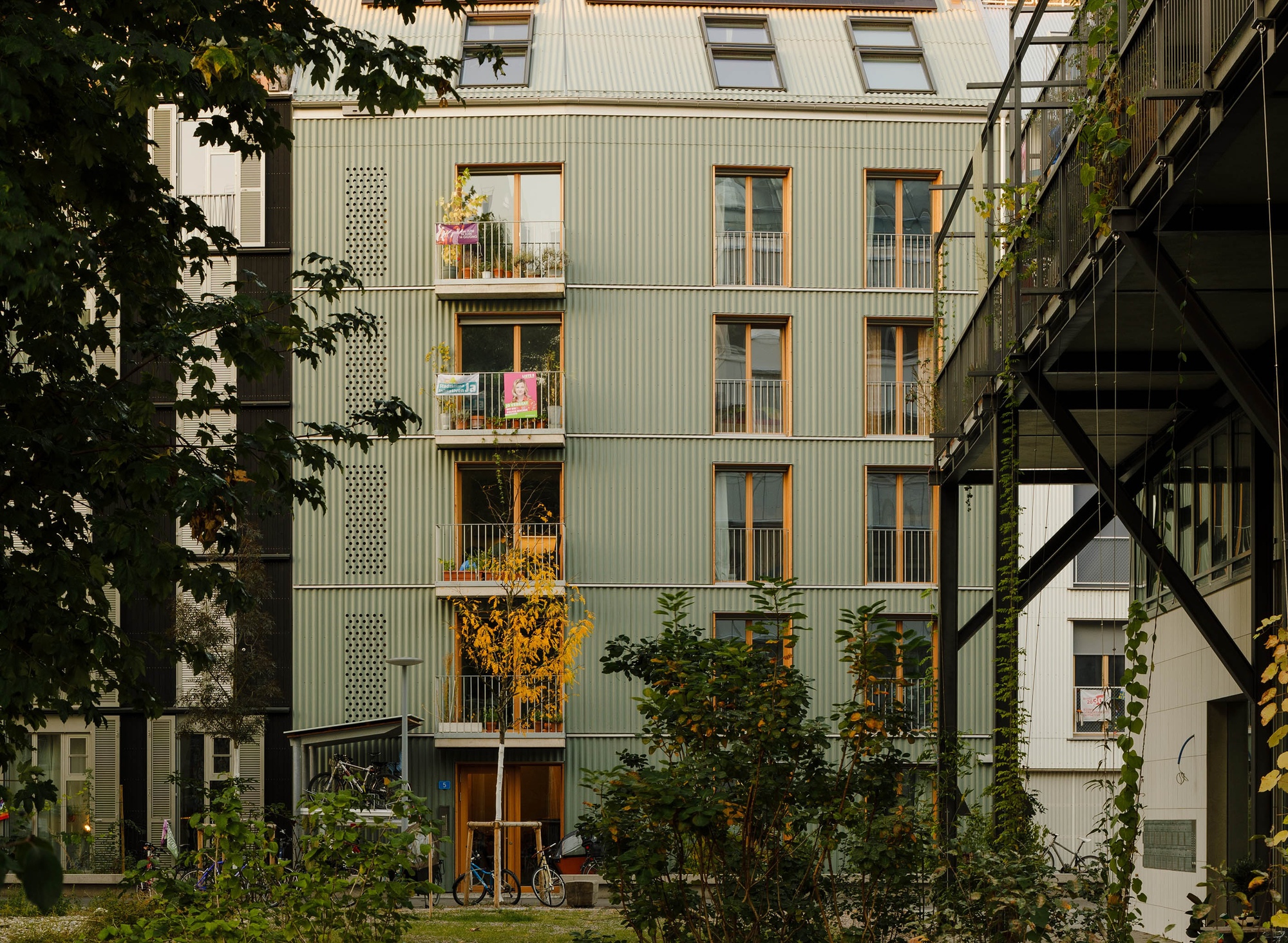
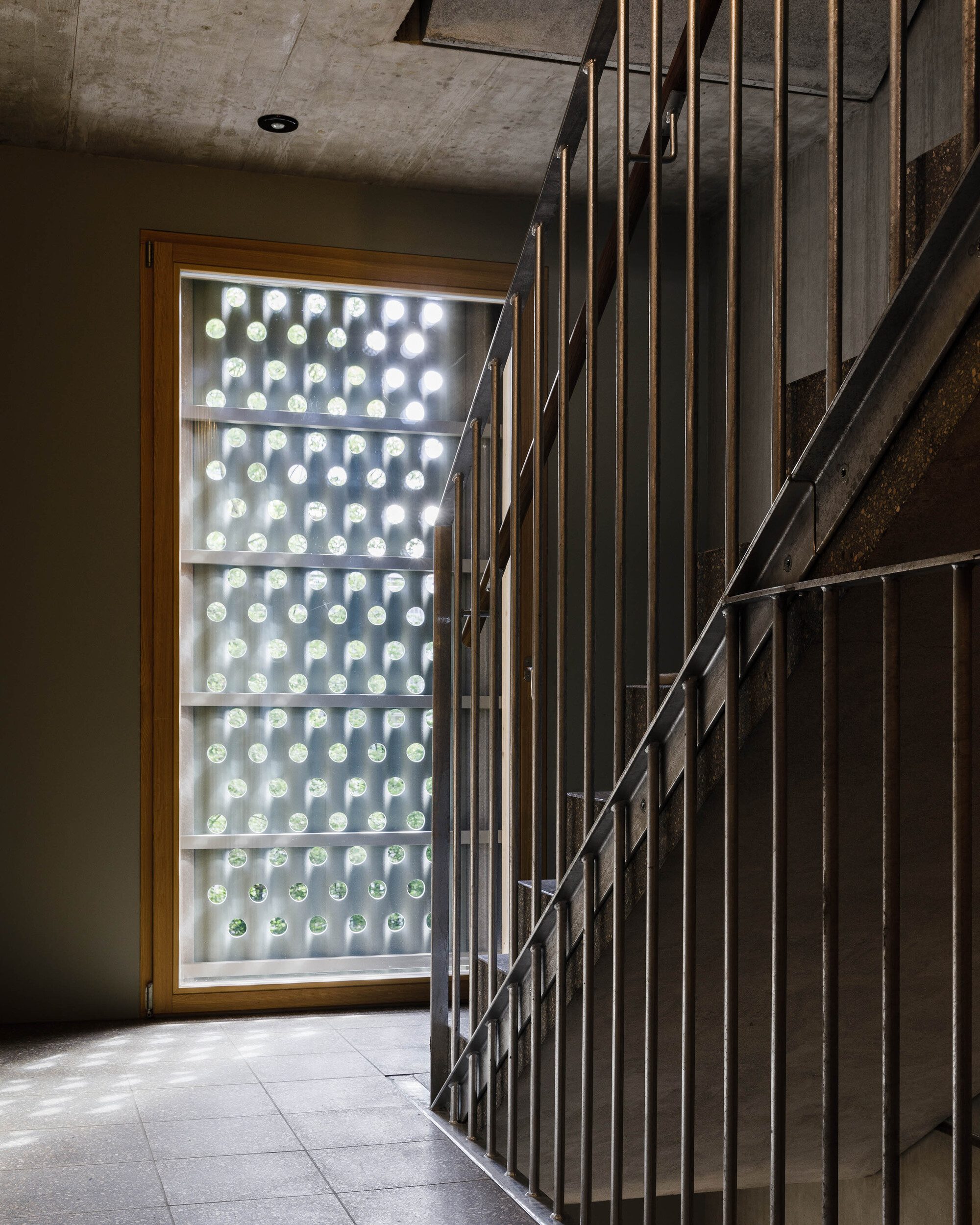
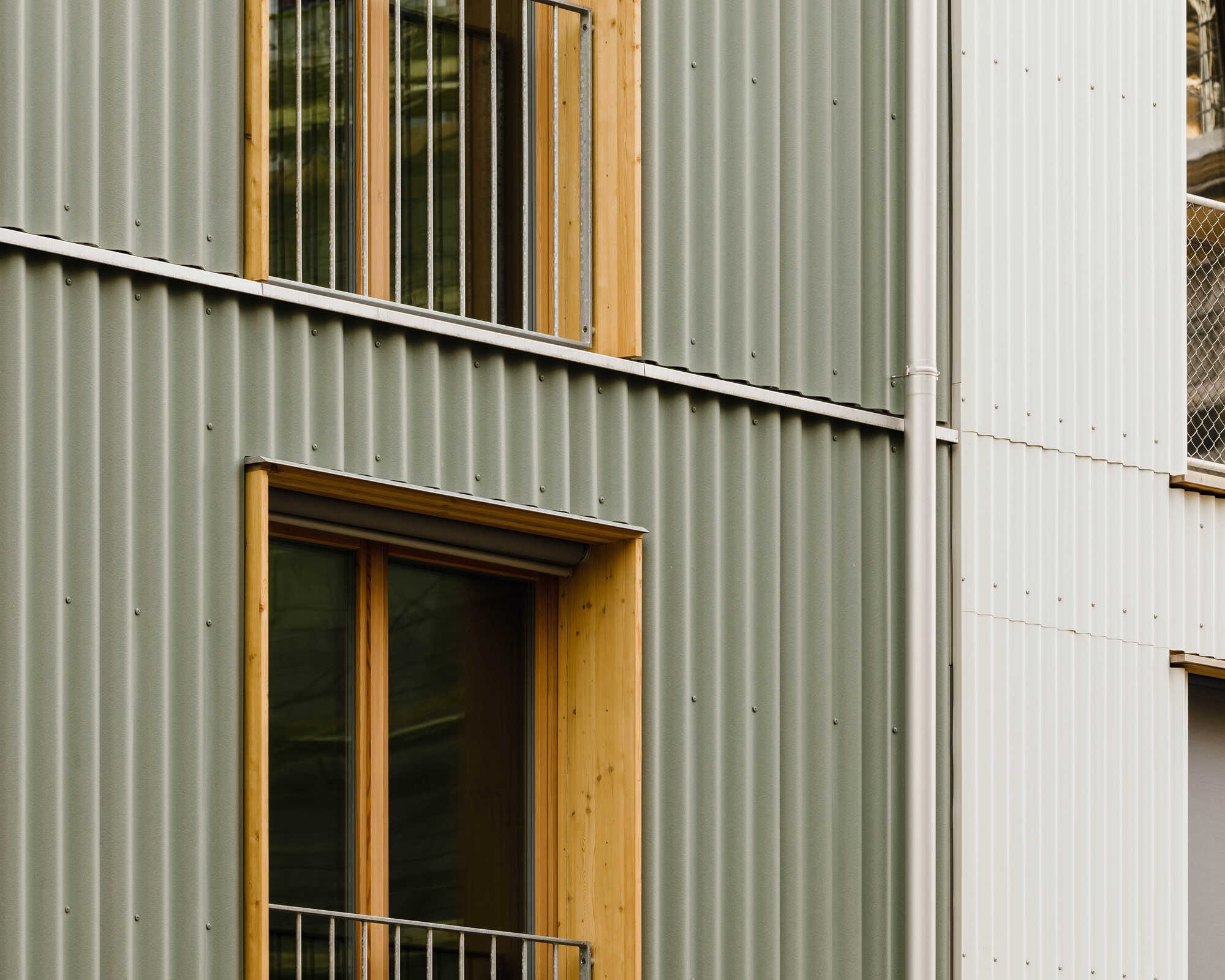
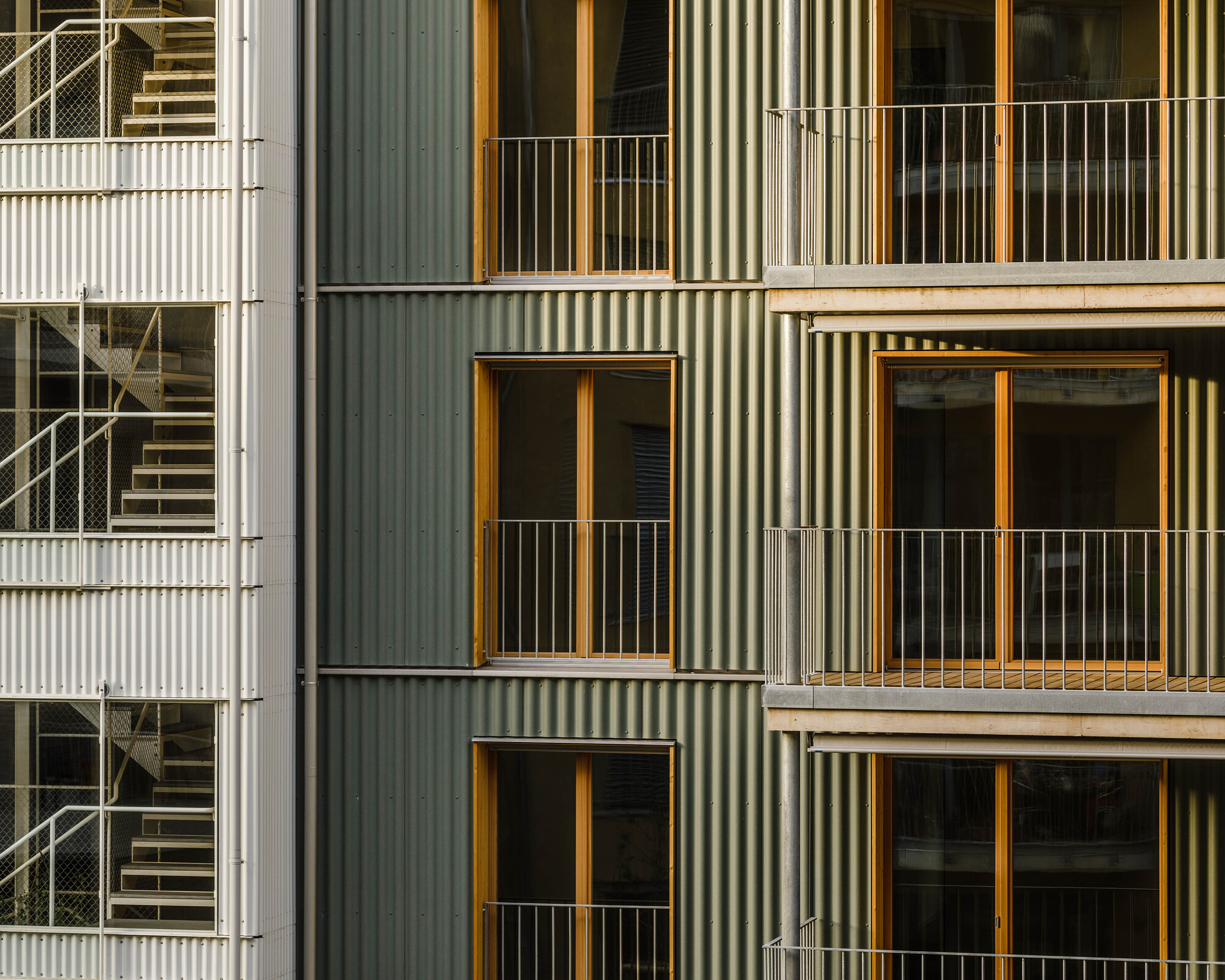
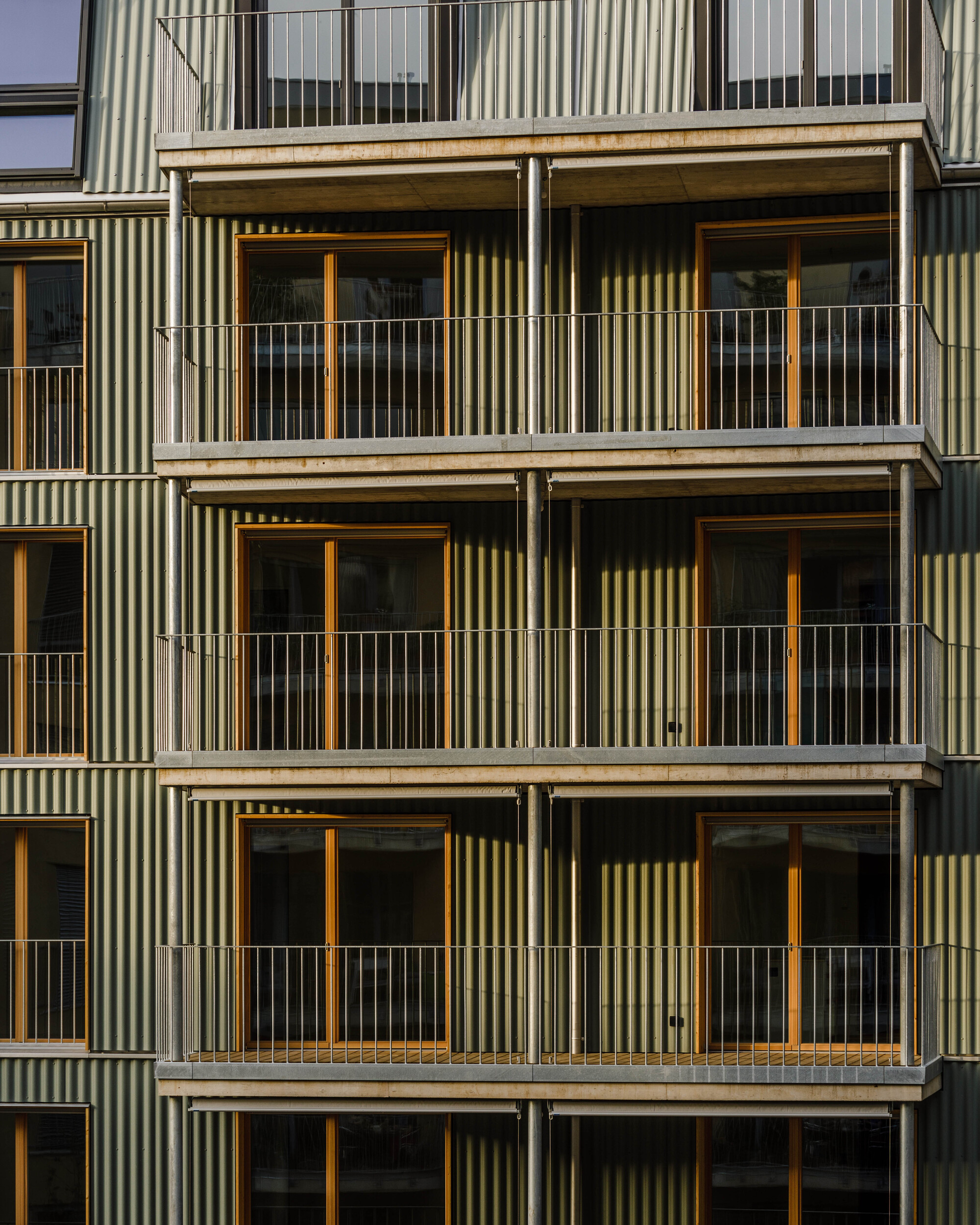
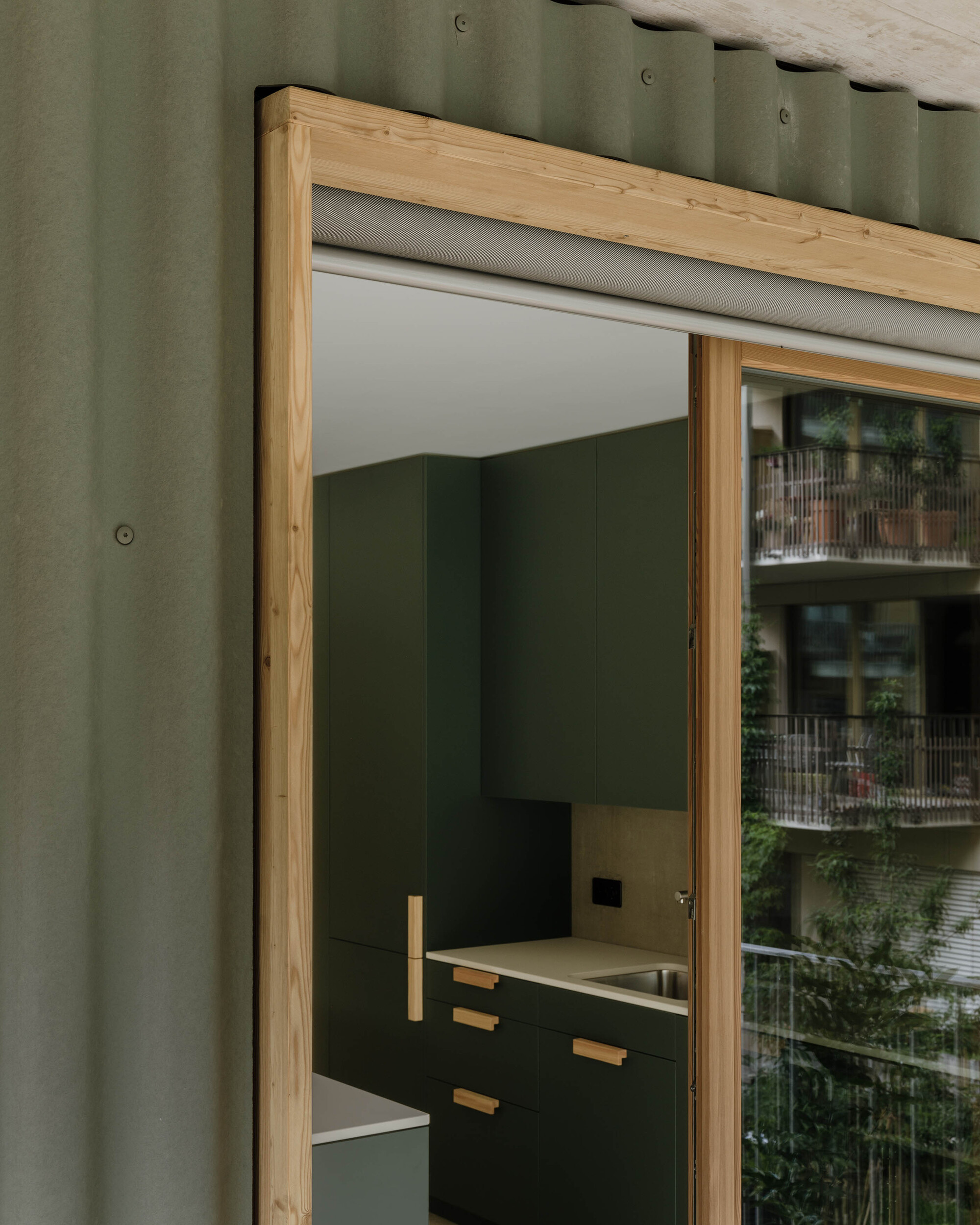
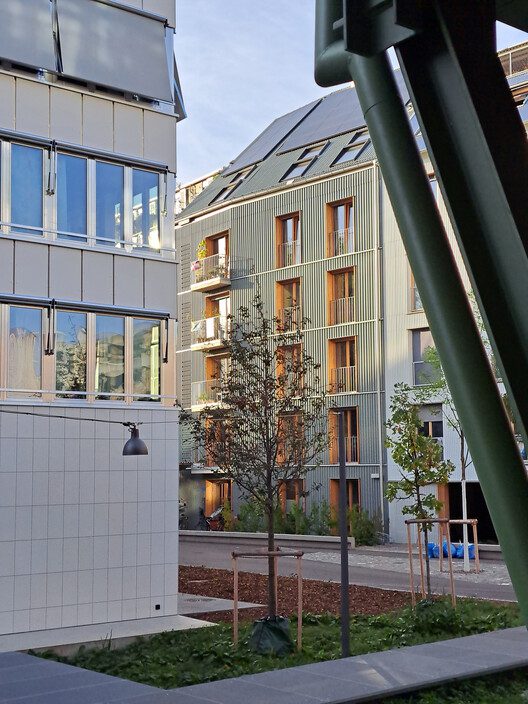
Structure and materialization. The core of the building is an efficient solid construction, with the façade and roof closed in by a timber construction shell. The exterior appearance of the building’s façade cladding is conceptually linked to its former industrial and commercial site use.
© Daisuke Hirabayashi
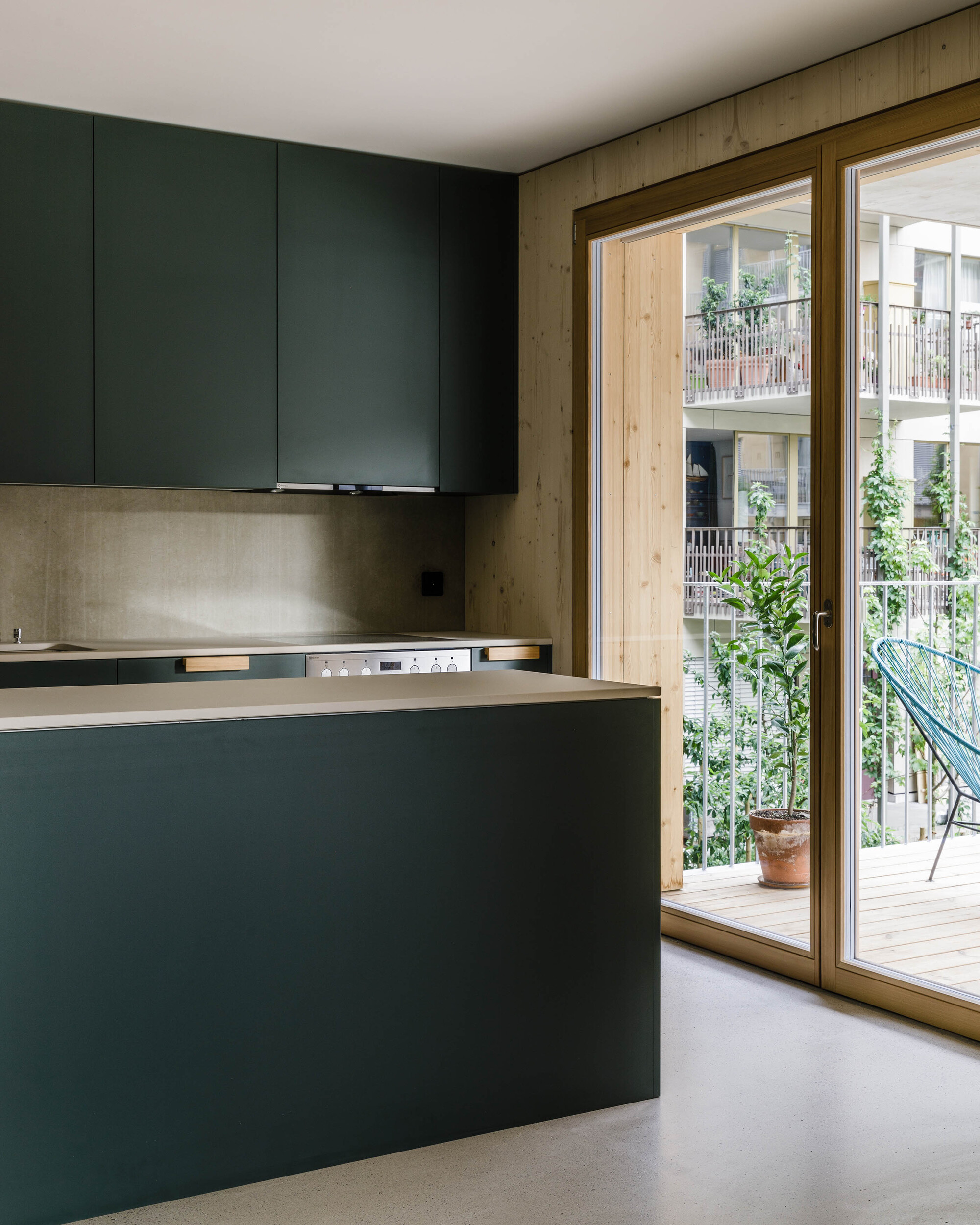
The industrial look is contrasted with wooden elements that directly interact with the residents. Windows and reveals are manufactured accordingly and offer a homely and natural appearance, which also conveys the character of the timber construction to the outside world. The contrast between the two materials of industrial panels and the natural material wood creates a composition: this not only achieves a cost-effective and sustainable building but also creates its aesthetic and quality that reflects an architectural connection between the newly emerging quarter and the former industrial usage structure.
© Daisuke Hirabayashi
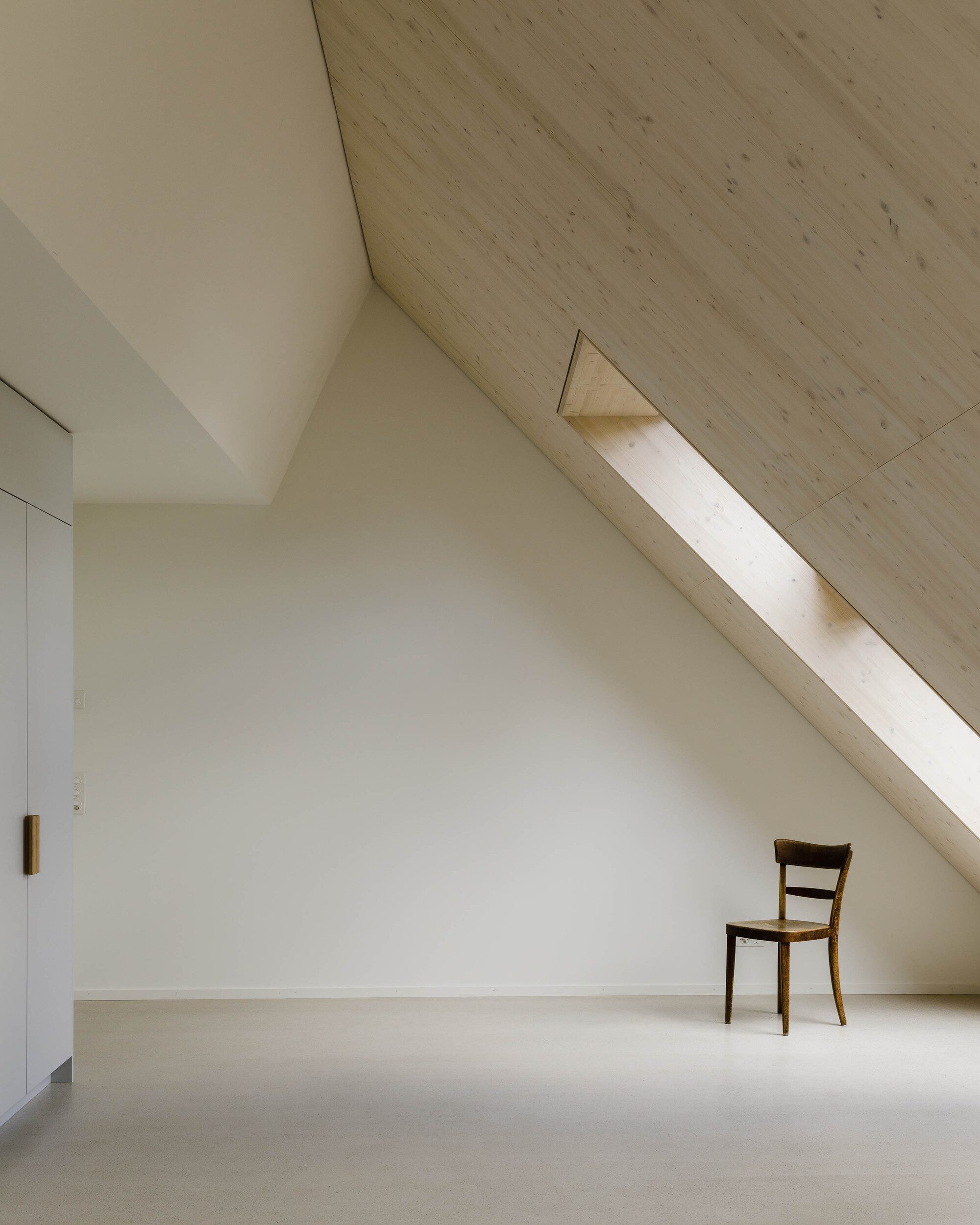
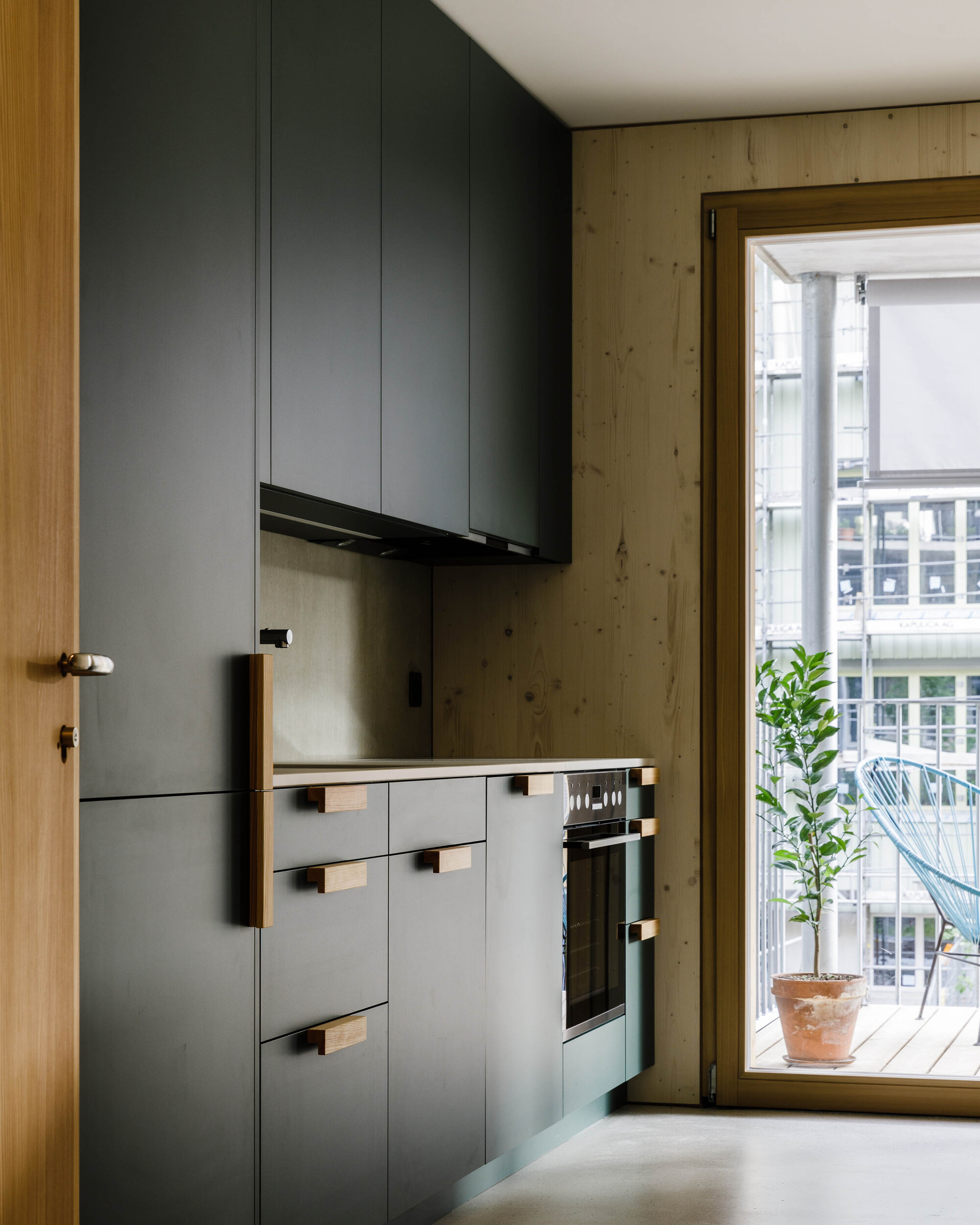
In the interior, emphasis was placed on a bright, natural, and friendly atmosphere. The ceilings and walls are plastered and painted white, the floor is a polished anhydride screed. The exterior façade is clad with a white glazed three-layer spruce panel, thus reflecting the timber construction on the inside as well.
Project Info
Architects: MASStudio
Country: Switzerland, Basel
Area: 1100 m²
Year: 2022
Photographs: Daisuke Hirabayashi
Engineering & Consulting > Other: HeiVi
Engineering & Consulting > Structural: Indermühle

Isabelle Laurent is a Built Projects Editor at Arch2O, recognized for her editorial insight and passion for contemporary architecture. She holds a Master’s in Architectural Theory from École Nationale Supérieure d’Architecture de Paris-Belleville. Before joining Arch2O in 2016, she worked in a Paris-based architectural office and taught as a faculty adjunct at the École Spéciale d’Architecture in Paris. Isabelle focuses on curating projects around sustainability, adaptive reuse, and urban resilience. With a background in design and communication, she brings clarity to complex ideas and plays a key role in shaping Arch2O’s editorial