

Why Is Landscape Architecture Shaping Tomorrow’s Cities?
Here’s a truth that makes urban planners sweat: cities are dying. Not from violence or economics. From terrible design. But landscape architecture is the antidote nobody talks about. While architects build monuments to ego, landscape architects build spaces for life. They design sustainable architecture principles into every park, plaza, and green corridor. They’re crafting the urban planning strategies that will save our concrete jungles. Ready to discover why landscape architecture is architecture’s rebellious younger sibling?
Can you make 6 figures as a landscape architect?
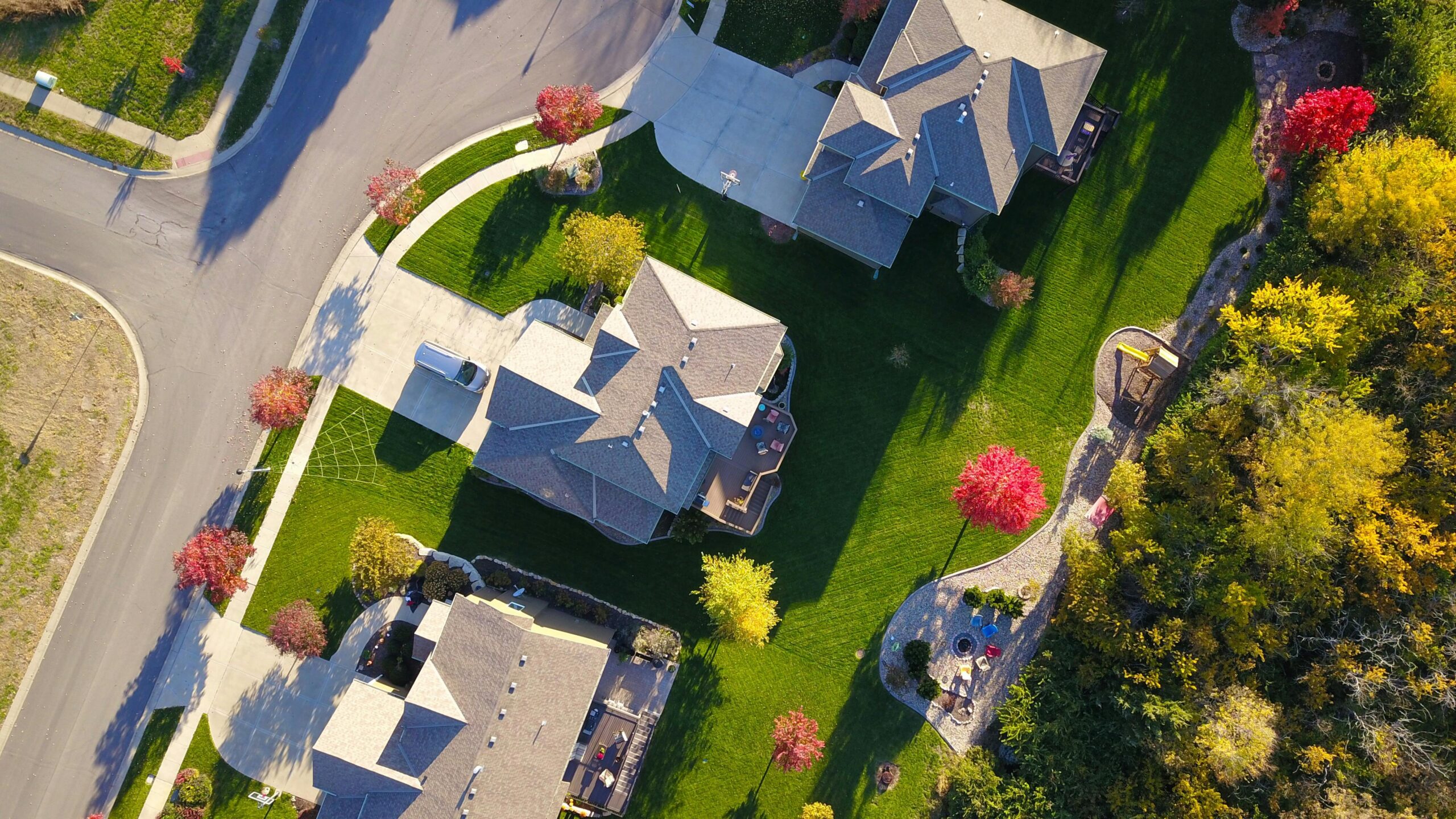
Let’s kill a myth right now. People think landscape architecture is about planting pretty flowers. Wrong. Dead wrong. The Bureau of Labor Statistics says landscape architects earn a median salary of $70,630 annually. But here’s the kicker: senior landscape architecture professionals in major cities easily break six figures.
Top landscape architecture firms pay project managers $120,000 to $180,000 yearly. Principal landscape architects? They’re pulling $200,000 plus. Why? Because landscape architecture solves million-dollar problems. Climate change. Urban flooding. Mental health crises. Social inequality.
- Climate Solutions: Landscape architecture creates carbon-capturing green infrastructure
- Economic Impact: Well-designed landscapes increase property values by 15-30%
- Public Health: Landscape architecture reduces urban heat islands and improves air quality
- Social Equity: Thoughtful landscape architecture provides equal access to green spaces
Smart cities invest billions in landscape architecture. Singapore spends $1.2 billion annually on green infrastructure. New York’s High Line generated $2.2 billion in economic development. That’s landscape architecture paying for itself.
The Science Behind Landscape Architecture’s Power
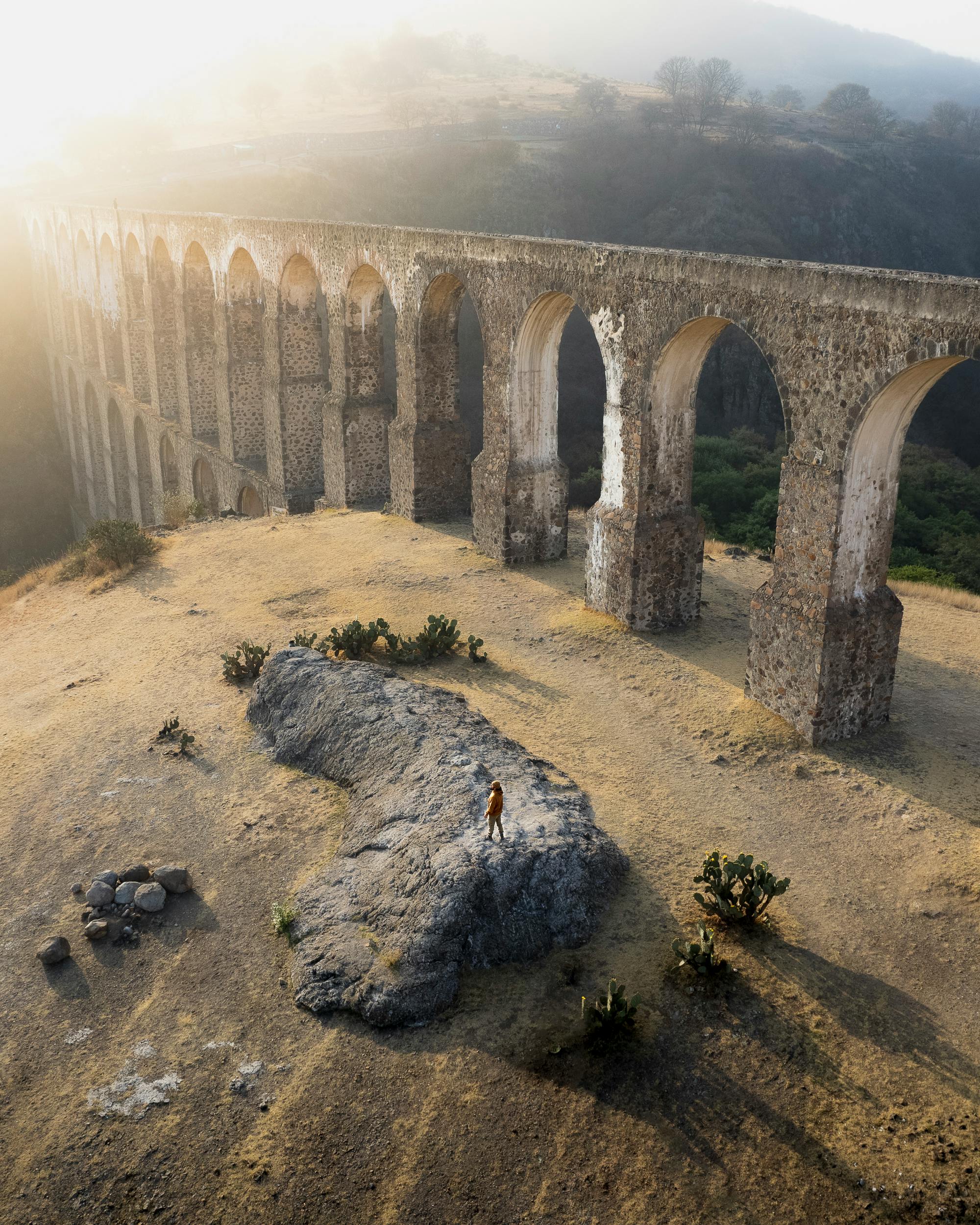
Here’s what architects won’t tell you: buildings are just containers. Landscape architecture is the soul. It’s a STEM profession that merges biology, engineering, psychology, and art. Landscape architecture professionals study soil composition, hydrology, plant genetics, and human behavior.
Consider Tadao Ando’s approach. His Tadao Ando’s Landscape Architecture Addition proves that landscape architecture isn’t decoration. It’s architecture’s missing piece. Ando understands that landscape architecture creates emotional experiences buildings alone cannot.
Landscape architecture operates on multiple scales simultaneously. From regional watershed management to intimate courtyard design. It’s thinking like a forest and acting like a garden. Every landscape architecture project must consider:
- Ecological systems and biodiversity
- Water management and drainage patterns
- Human circulation and social interaction
- Seasonal changes and plant lifecycles
- Maintenance requirements and sustainability
Why Traditional Architecture is Failing Cities
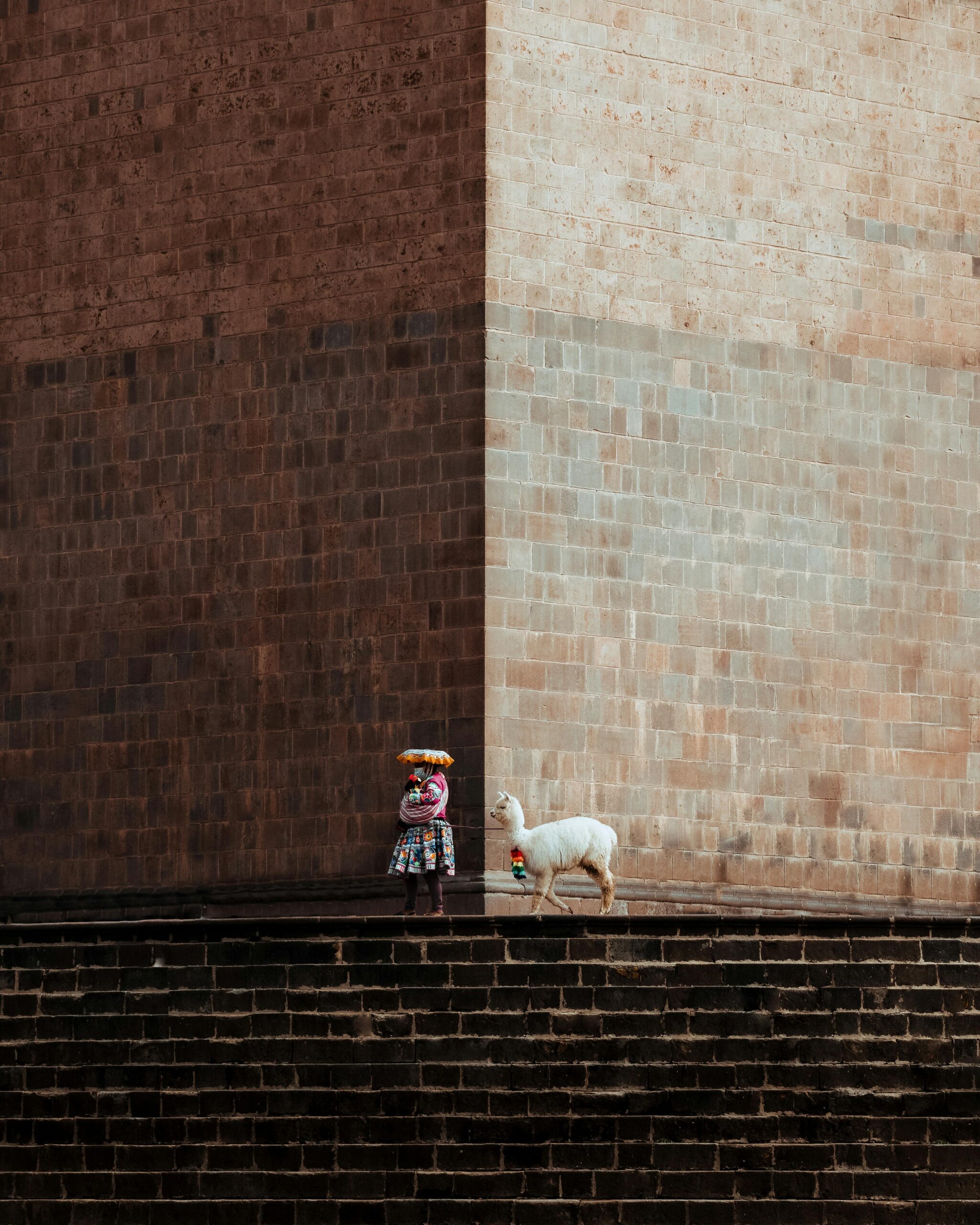
Architecture has an ego problem. Architects design for magazines, not people. They create Instagram-worthy buildings that ignore climate, context, and community. Meanwhile, landscape architecture thinks differently.
Look at any failed urban development. You’ll find buildings without landscape architecture integration. Concrete plazas that become wind tunnels. Housing projects without green space. Commercial districts that die after business hours. This is architecture without landscape architecture thinking.
Successful developments like The Regeneration of Litoral Morrot prove landscape architecture’s power. They show how landscape architecture creates vibrant, sustainable communities. Not just pretty pictures.
The Landscape Architecture Revolution
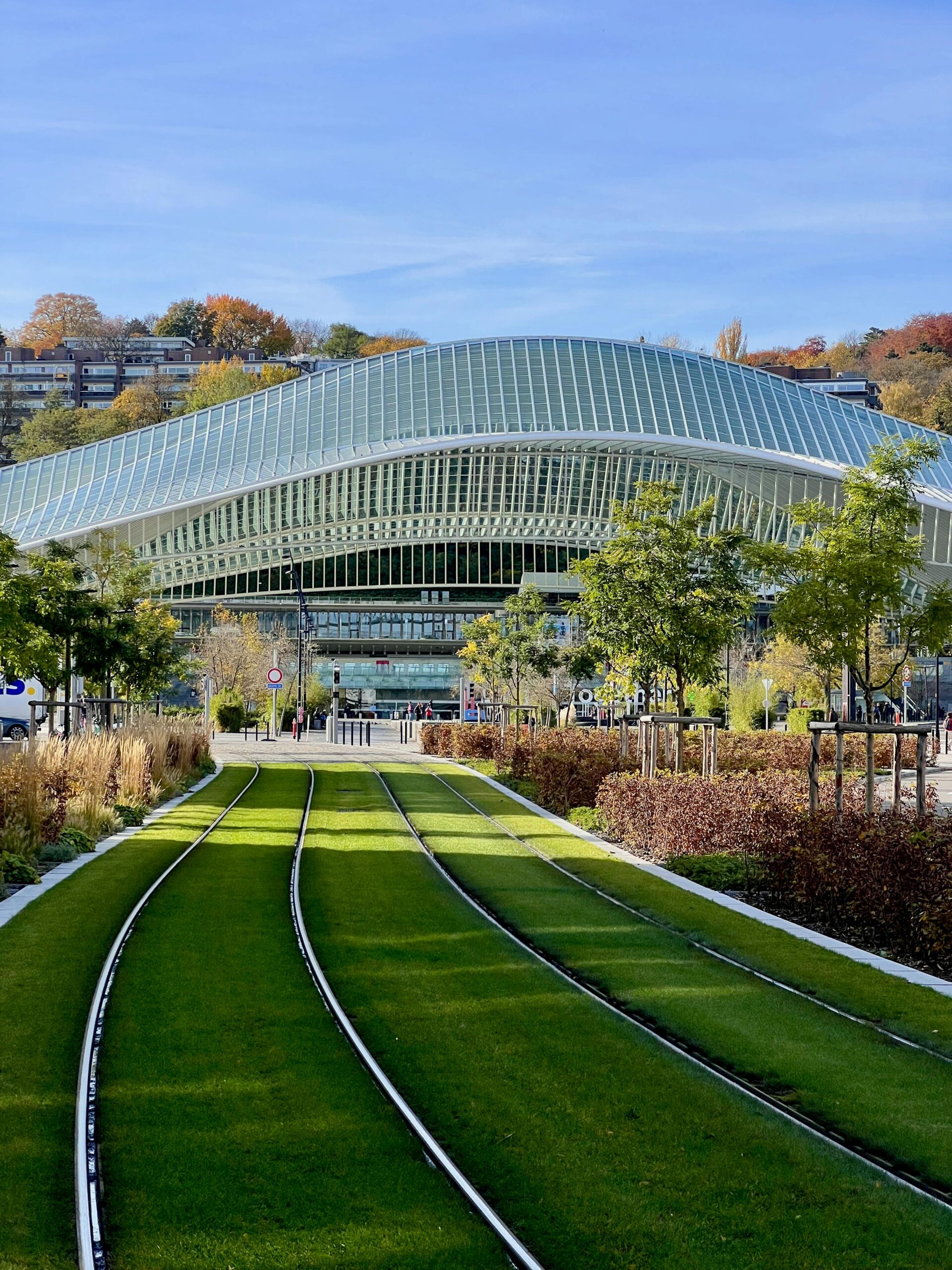
Something radical is happening. Cities are waking up. They’re realizing landscape architecture isn’t luxury—it’s necessity. Climate change demands landscape architecture solutions. Social justice requires landscape architecture thinking.
Progressive firms integrate landscape architecture from day one. They don’t add green space as afterthought. They design with landscape architecture as foundation. Projects like House in the Landscape demonstrate this integrated approach.
The landscape architecture profession is expanding rapidly. Traditional boundaries are dissolving. Landscape architecture now includes:
- Urban agriculture and food systems design
- Resilience planning for climate adaptation
- Social justice and community engagement
- Digital technology and smart city integration
- Therapeutic landscape design for healthcare
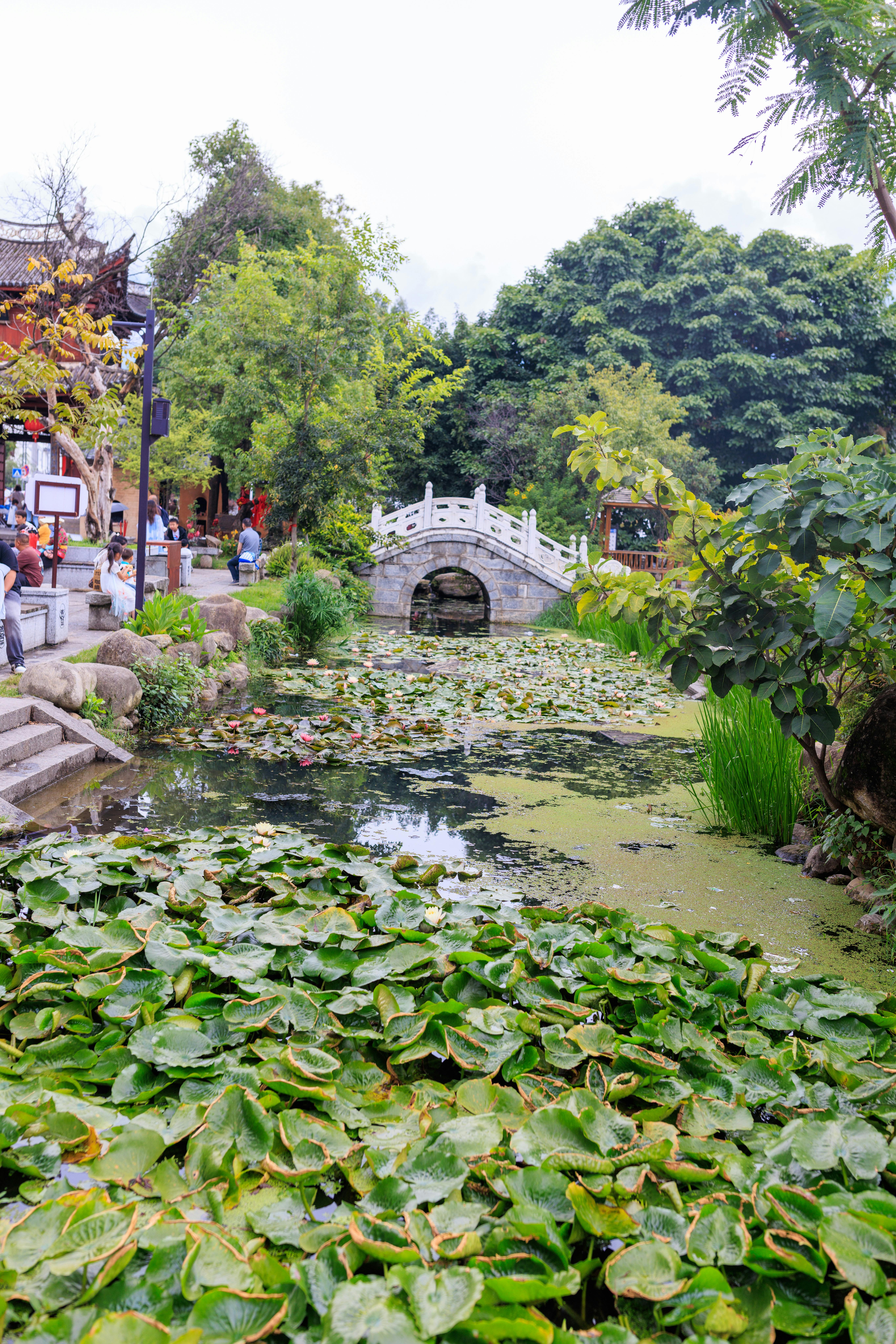
Learning Landscape Architecture: Your Path Forward
Ready to join the landscape architecture revolution? Start learning now. Universities like Texas A&M and UT Austin offer world-class landscape architecture programs. But formal education isn’t your only path.

Sophie Tremblay is a Montreal-based architectural editor and designer with a focus on sustainable urban development. A McGill University architecture graduate, she began her career in adaptive reuse, blending modern design with historical structures. As a Project Editor at Arch2O, she curates stories that connect traditional practice with forward-thinking design. Her writing highlights architecture's role in community engagement and social impact. Sophie has contributed to Canadian Architect and continues to collaborate with local studios on community-driven projects throughout Quebec, maintaining a hands-on approach that informs both her design sensibility and editorial perspective.