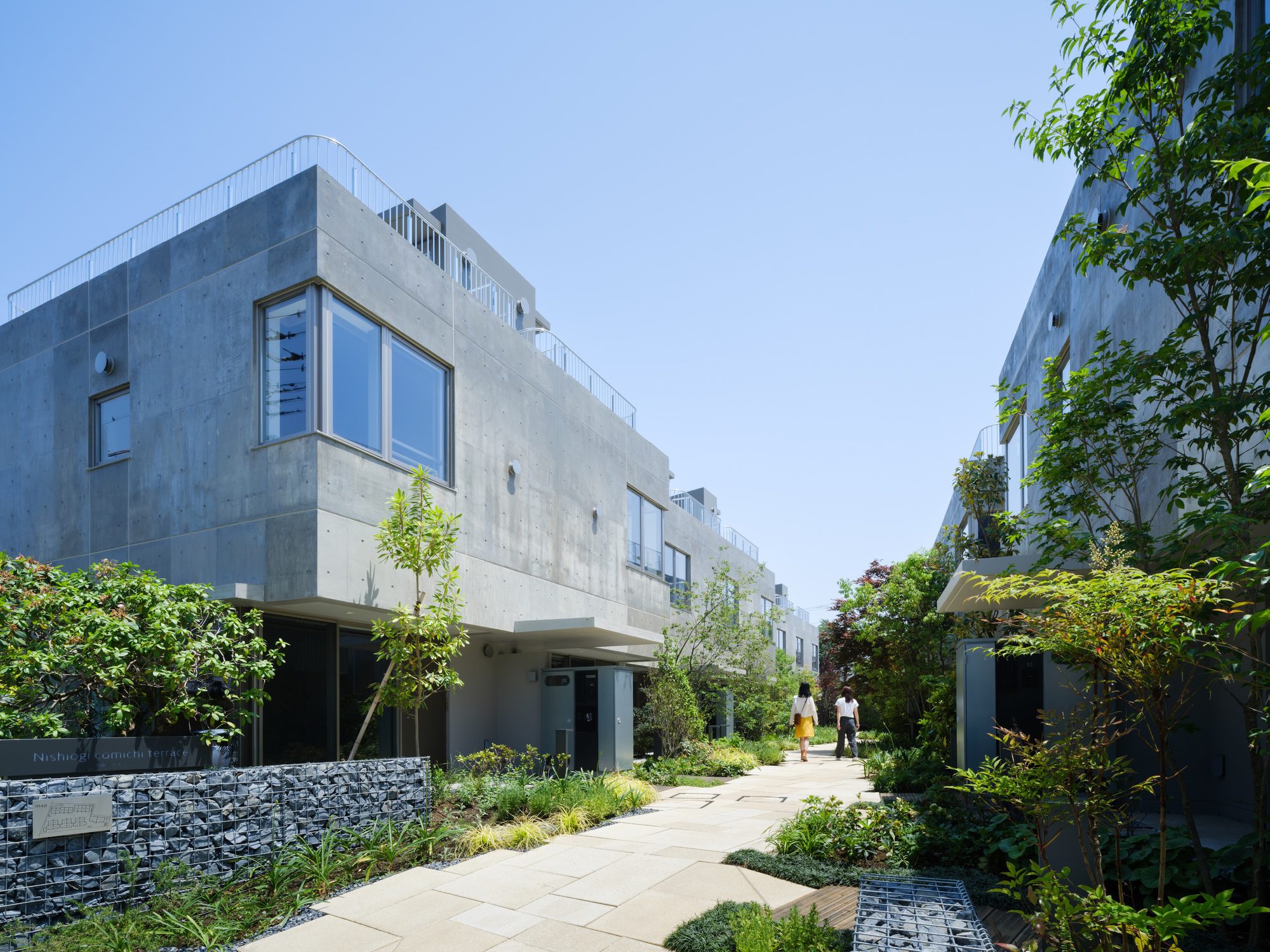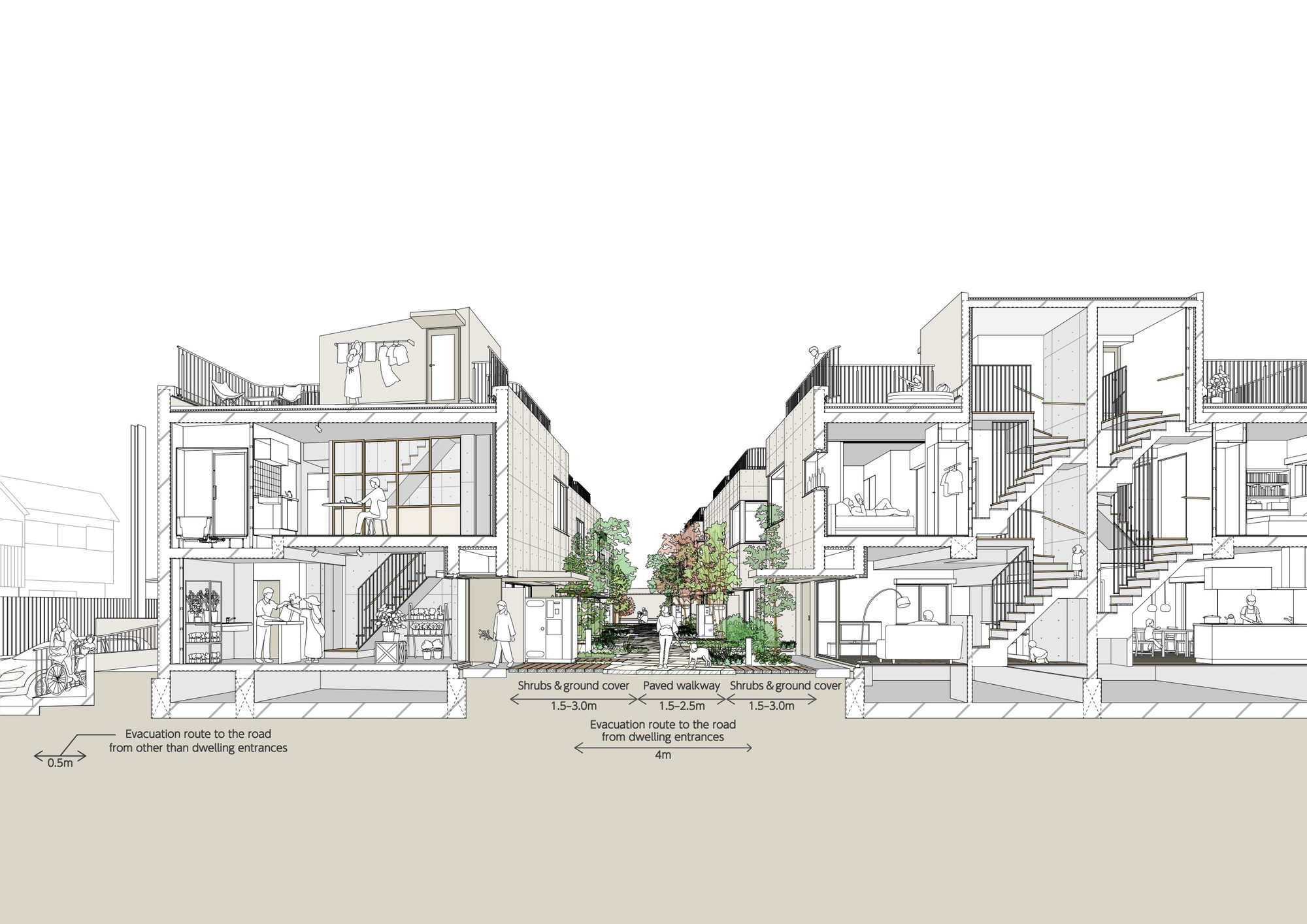


This cluster of row houses is located about ten minutes on foot from Nishi-Ogikubo Station in a quiet residential area of Suginami, Tokyo, within a neighborhood of detached homes. While Nishi-Ogikubo is often associated with its lively backstreets, bars, and independent shops, a short walk away reveals a calmer landscape of narrow lanes, flourishing gardens, and a dense yet humane living environment.
© Masao Nishikawa
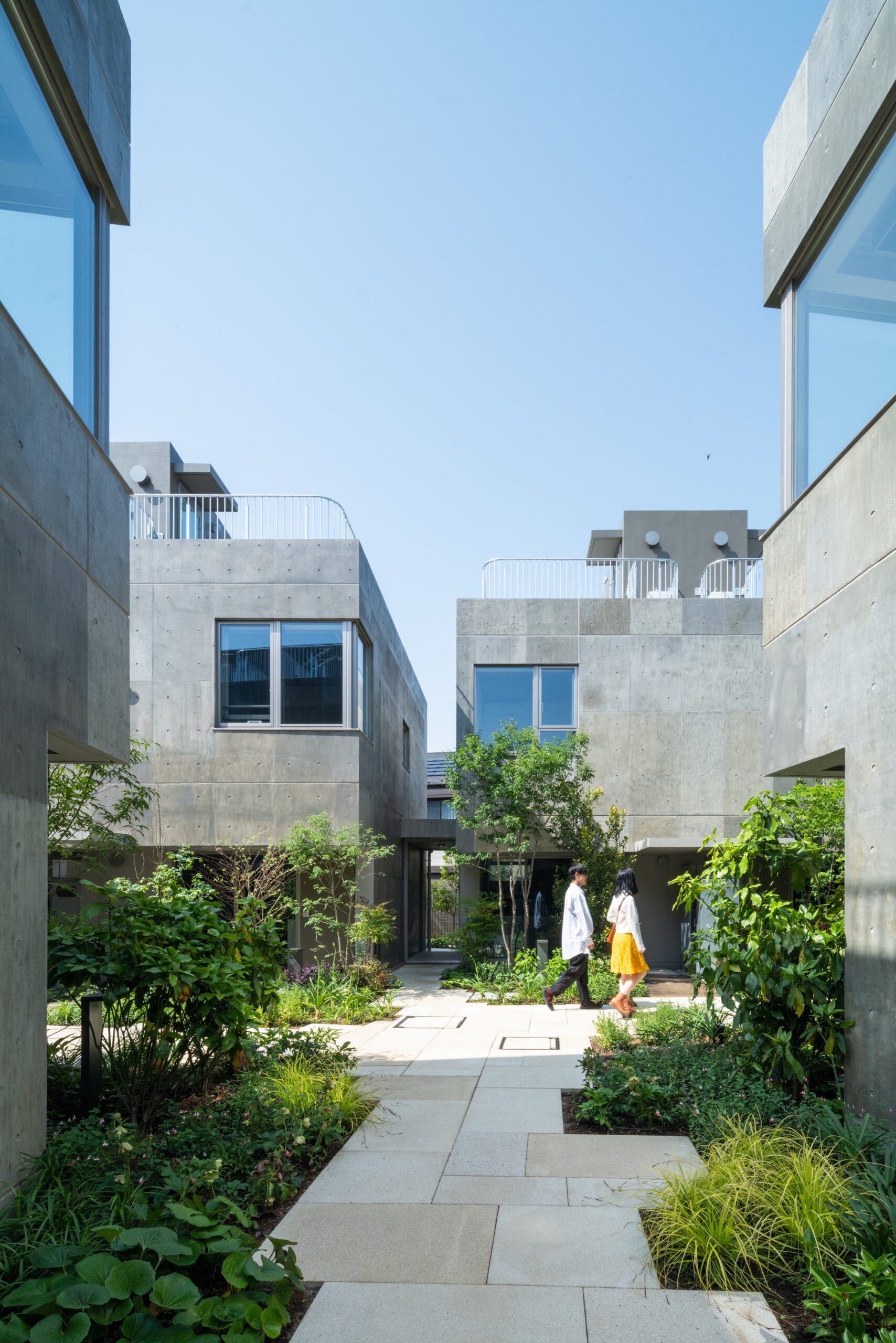
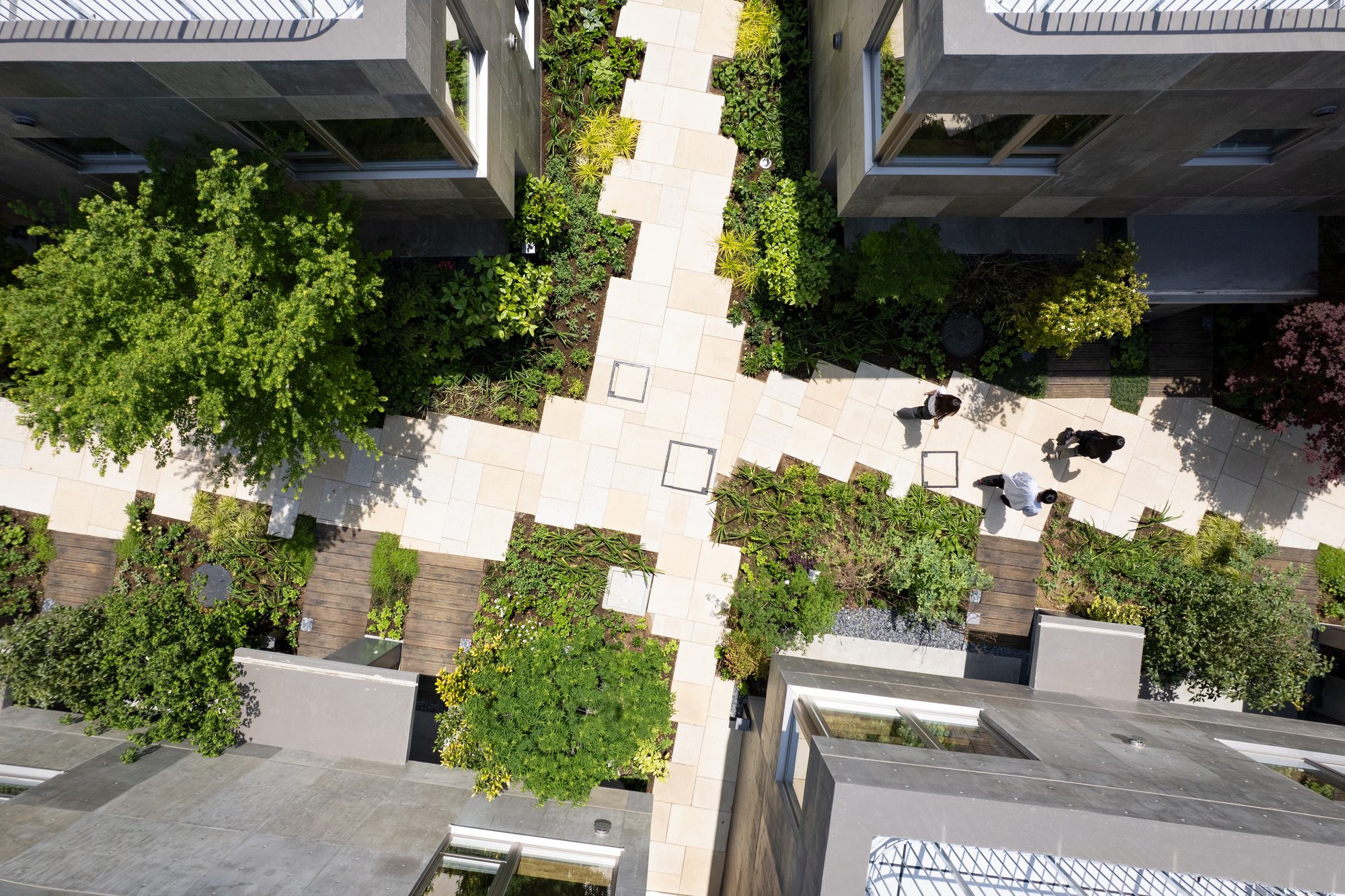
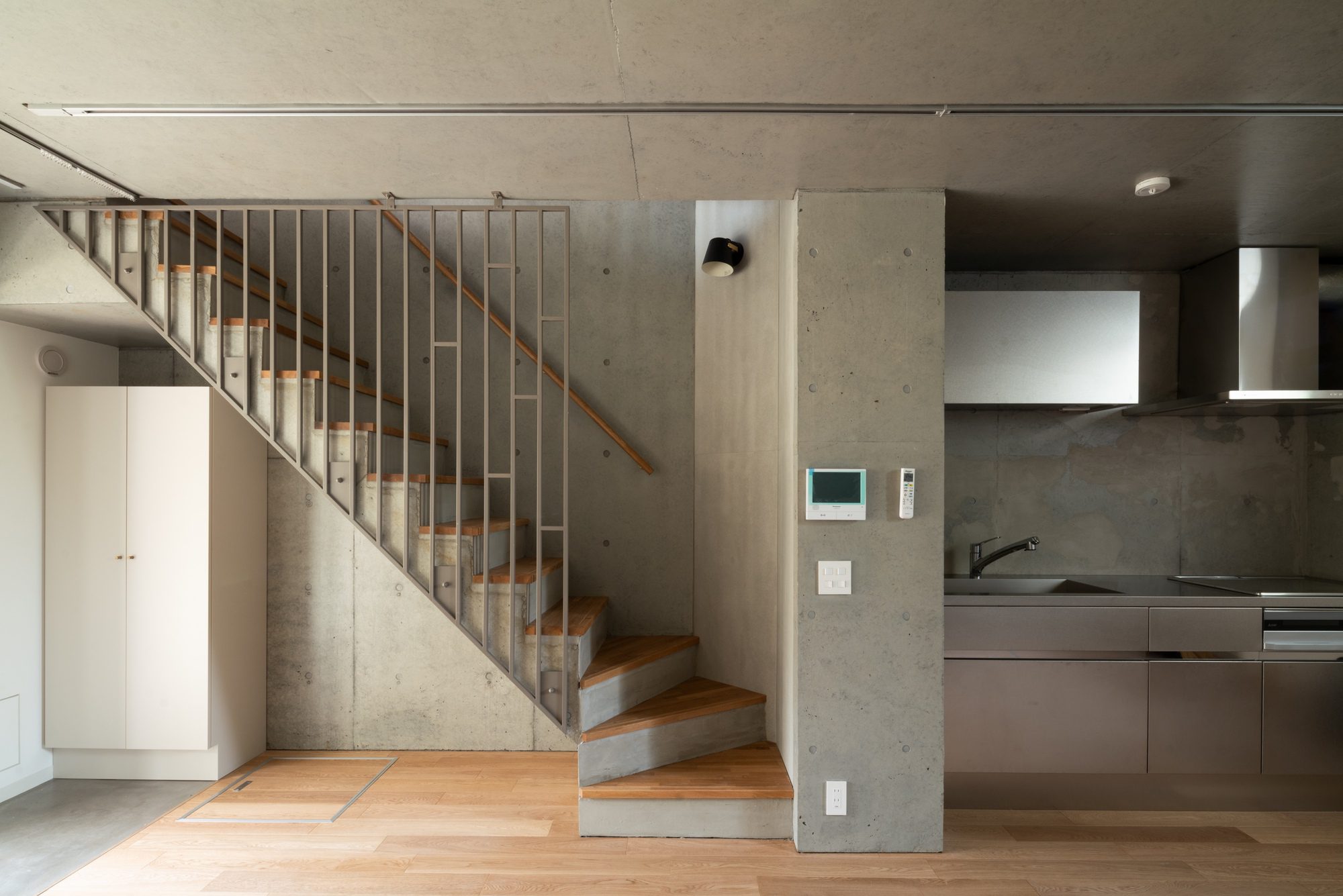
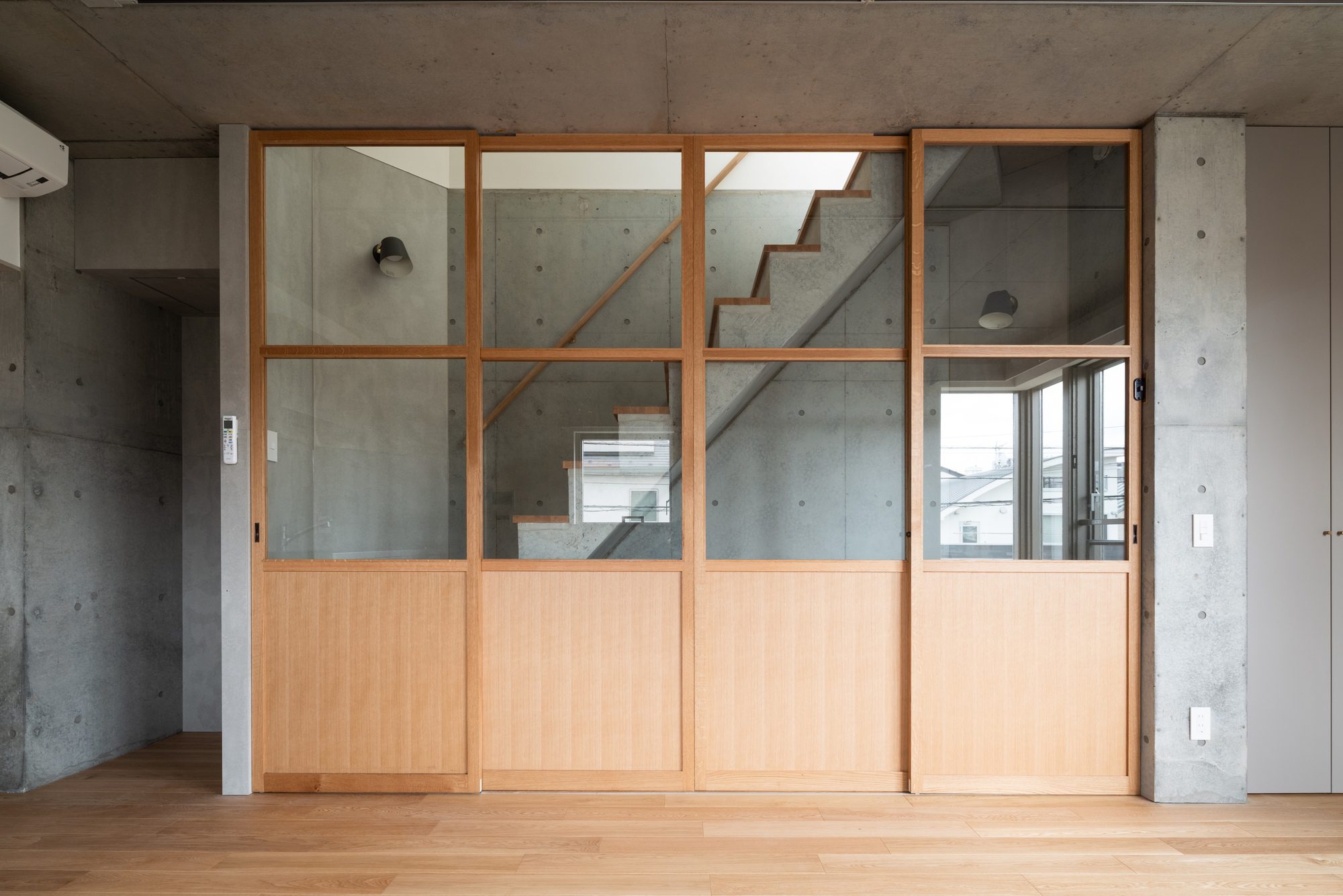
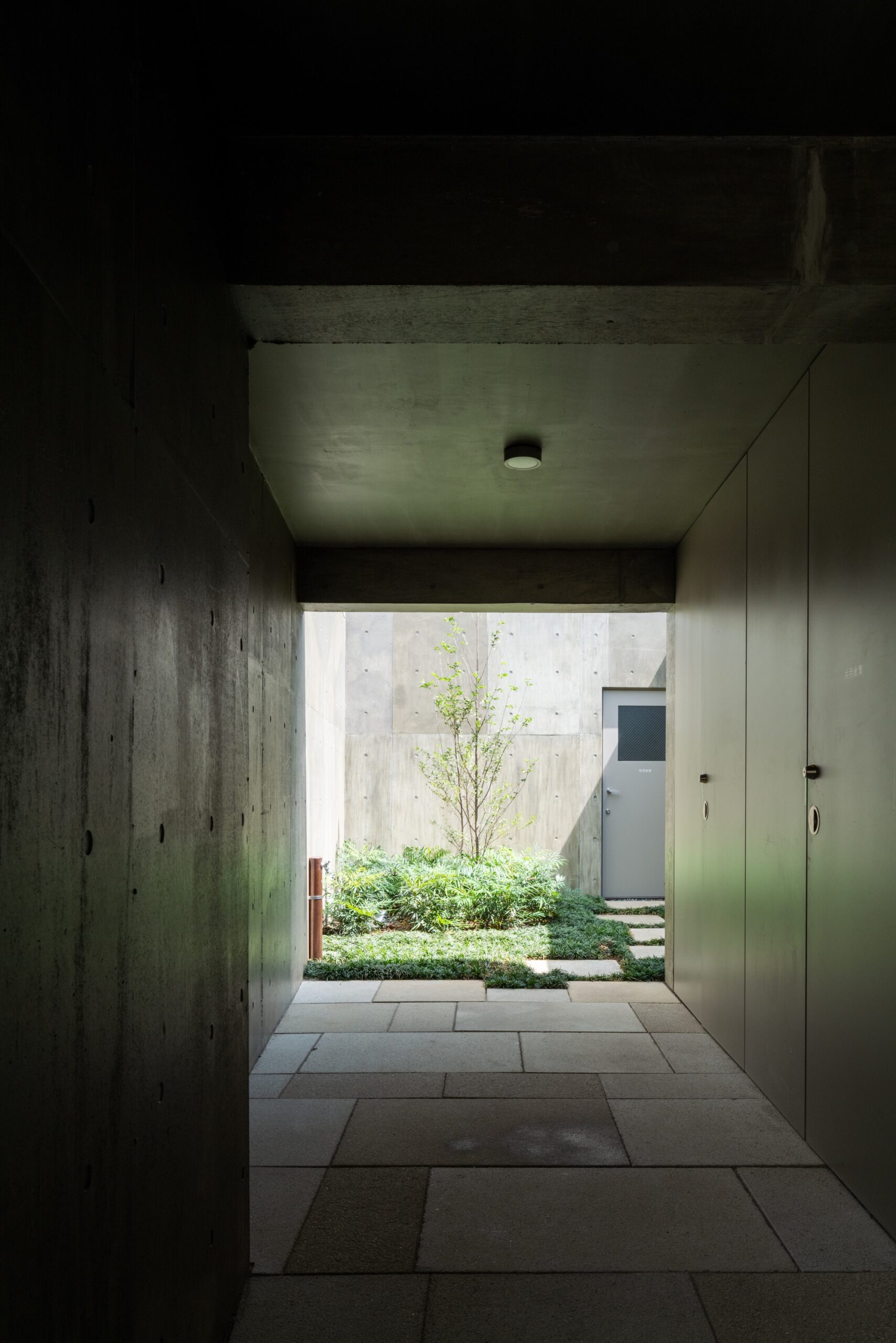
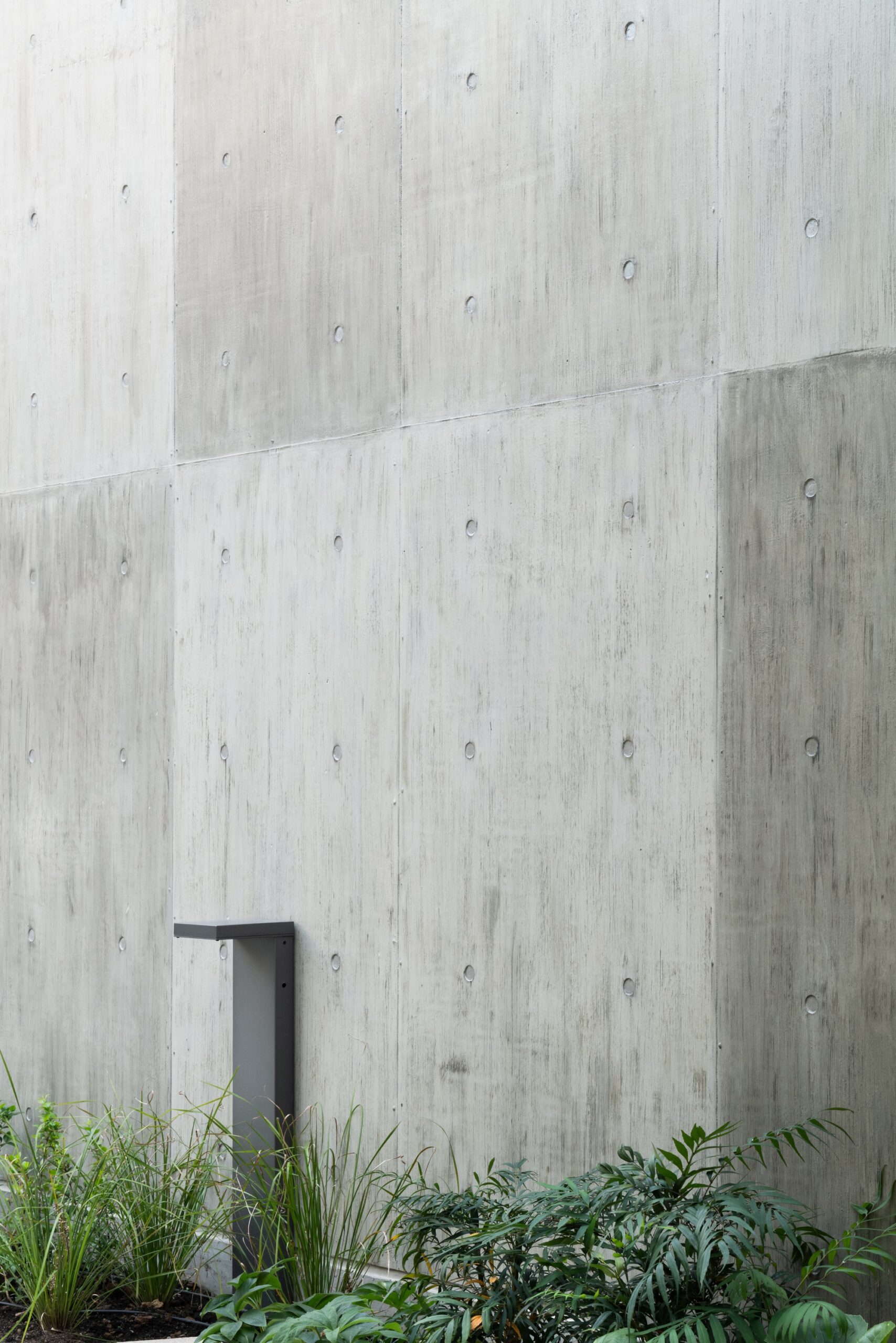
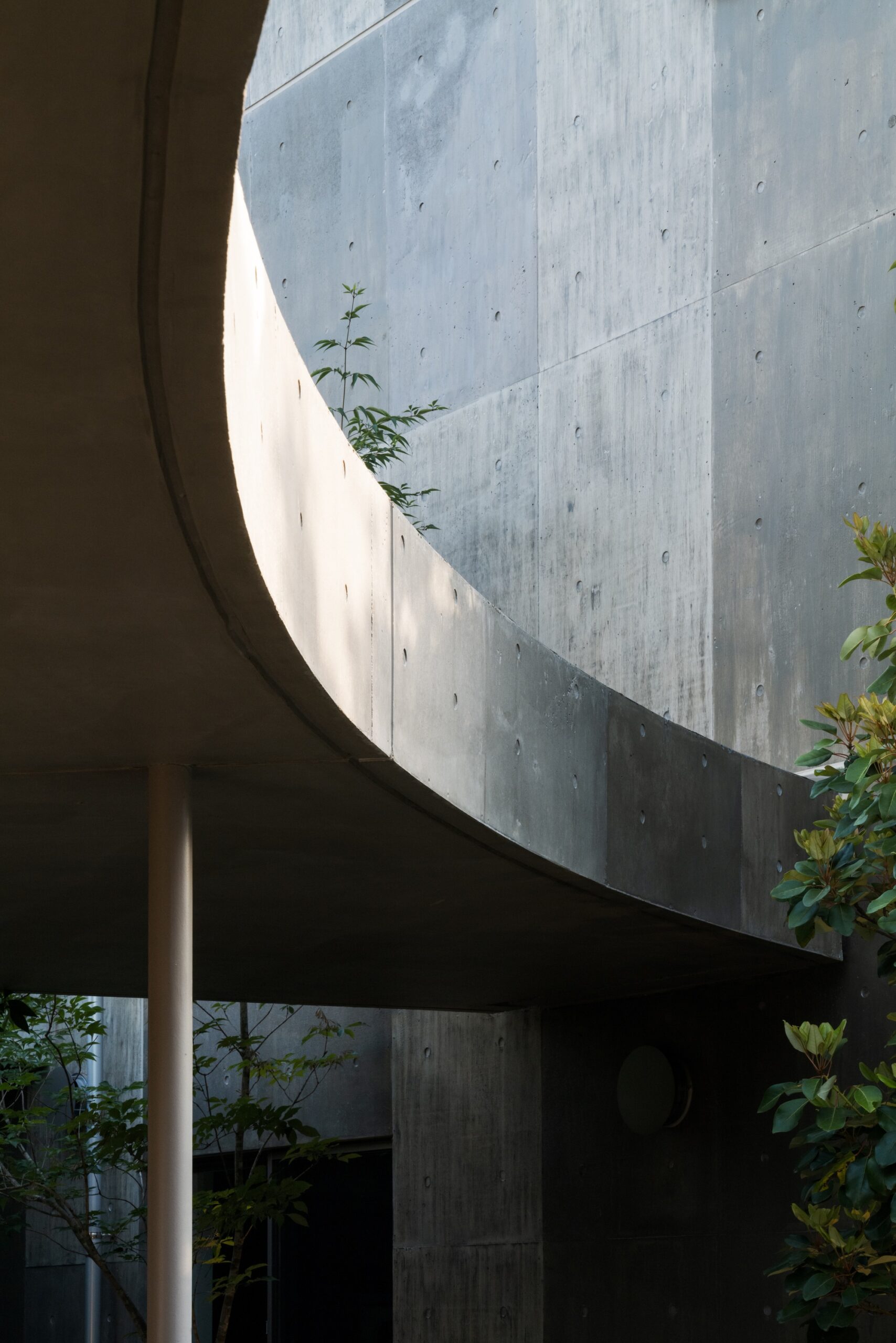
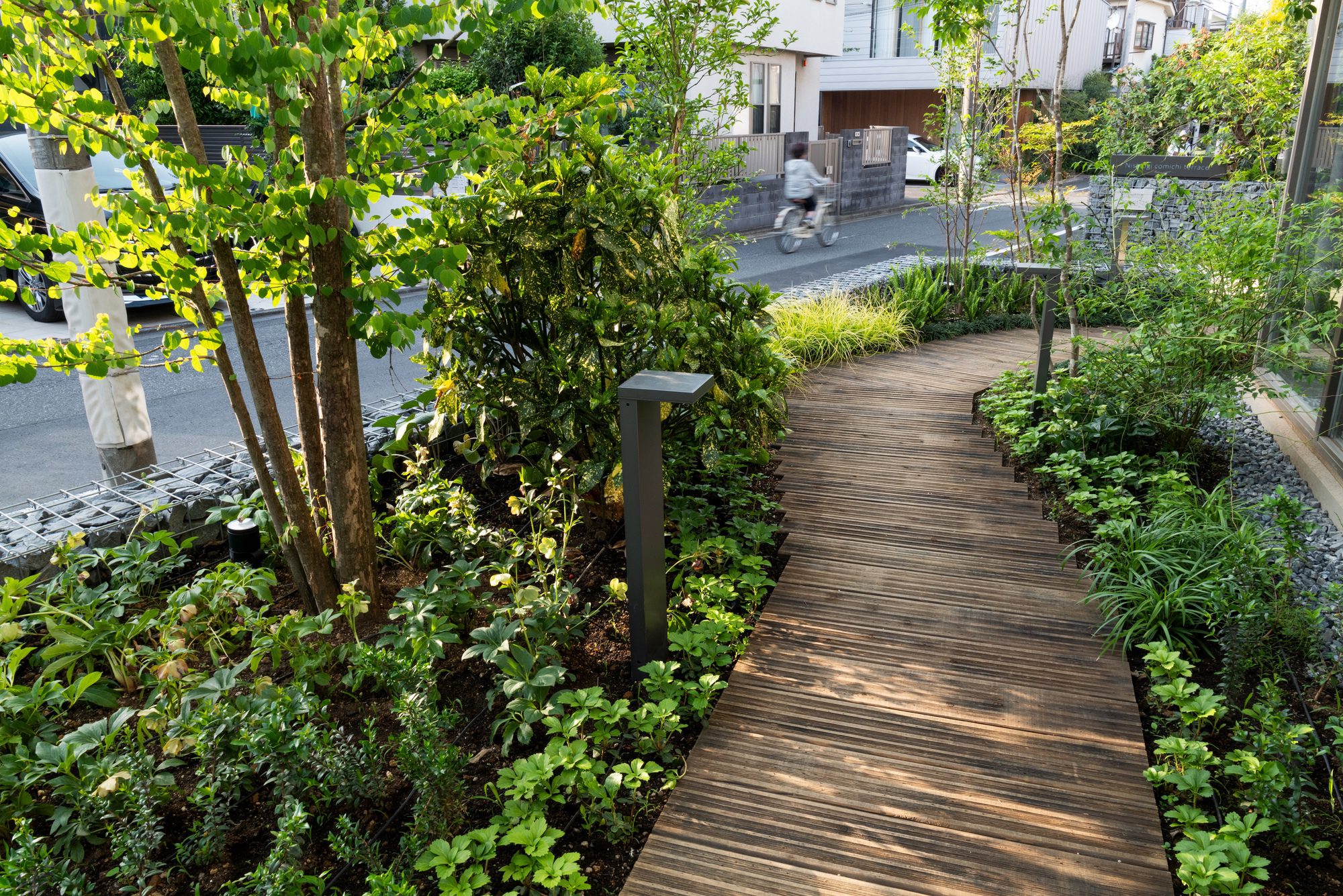
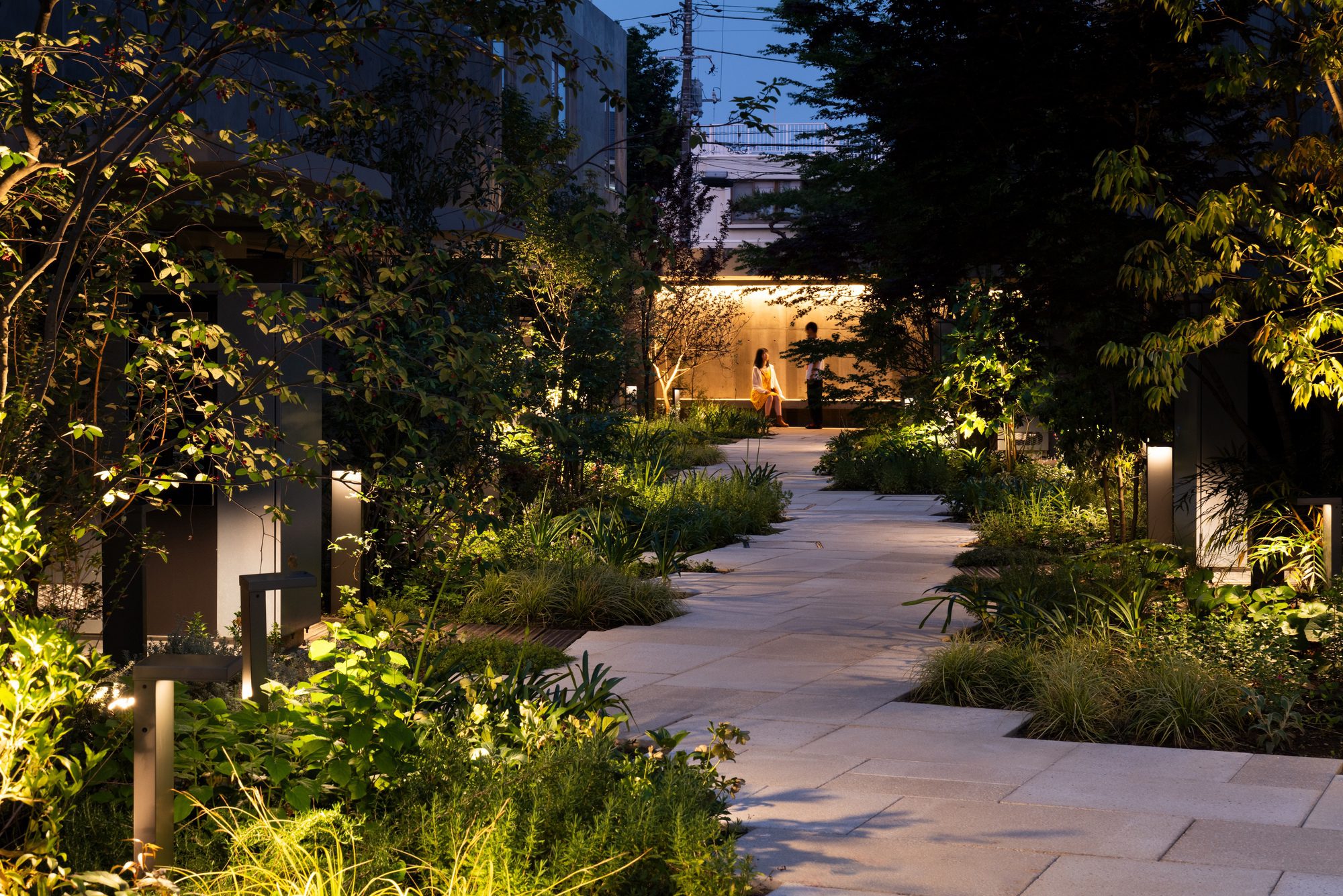
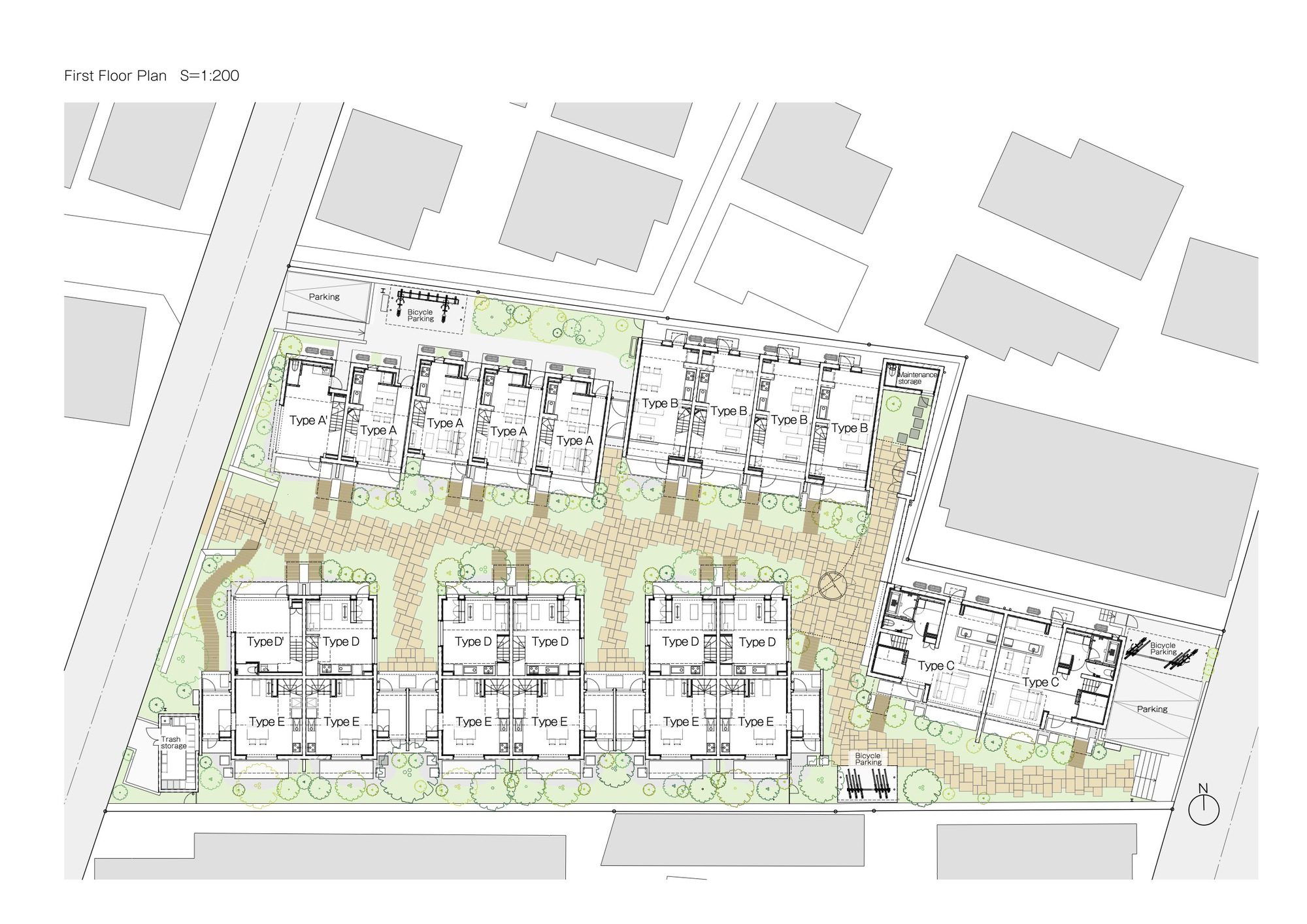
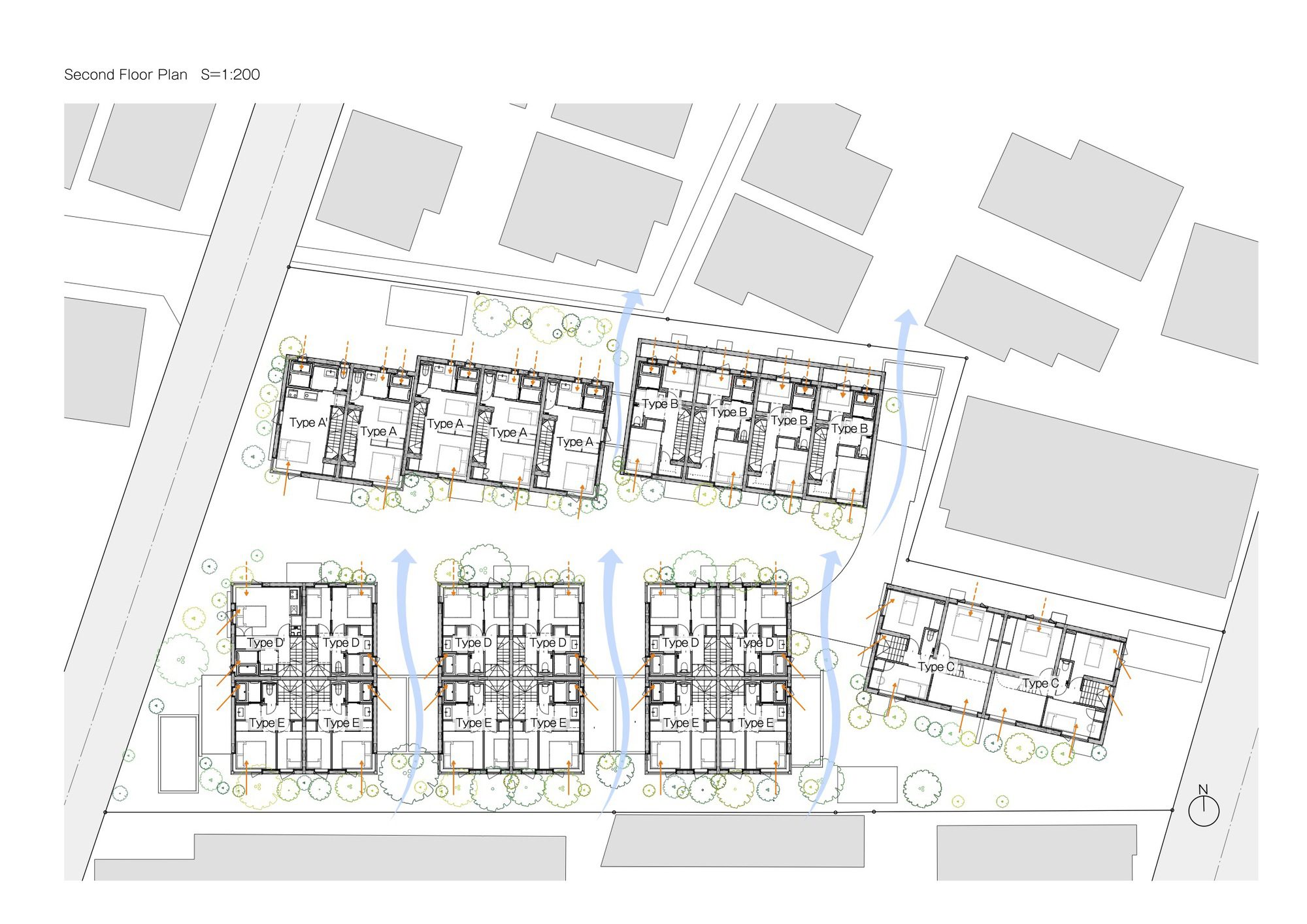
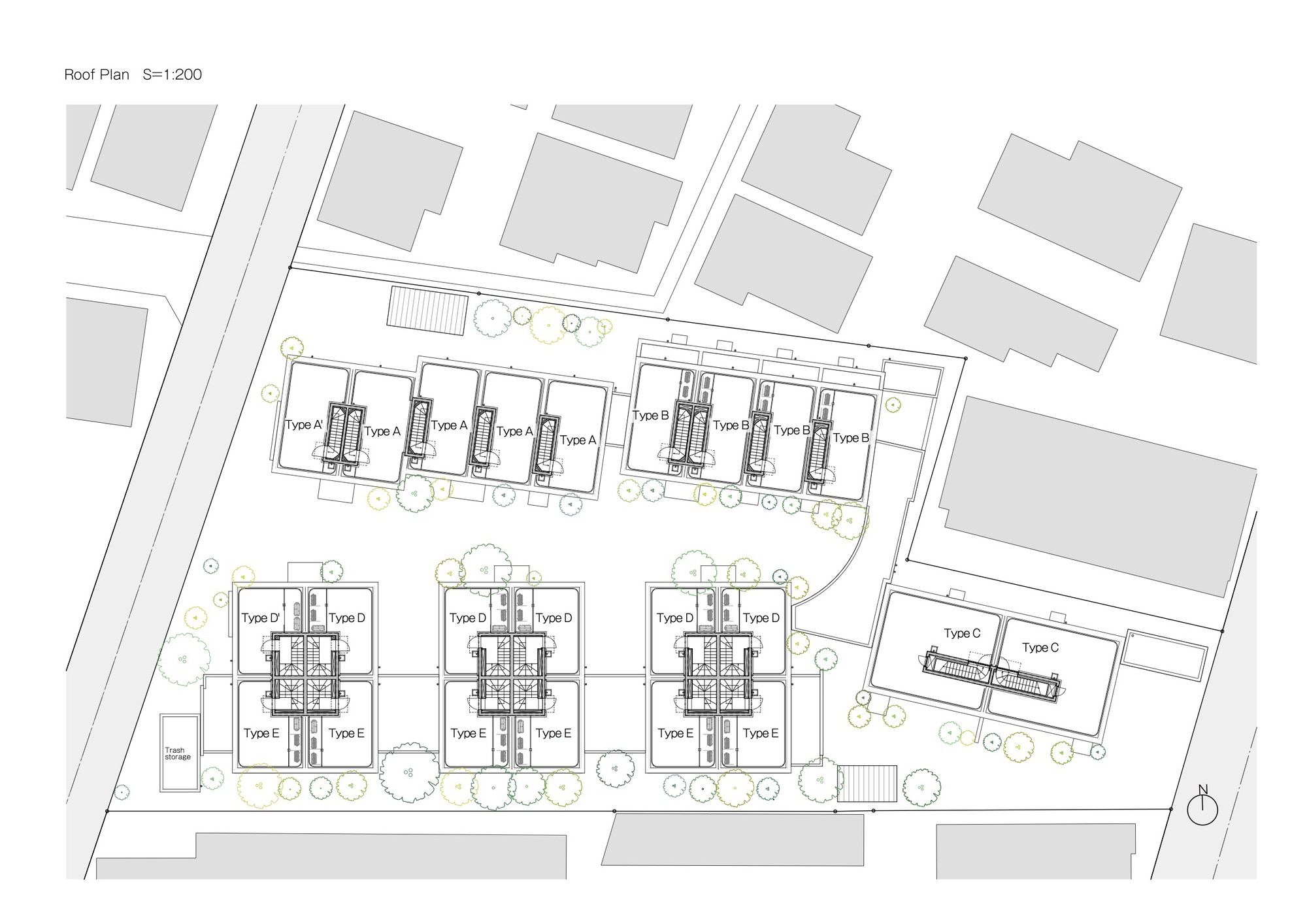
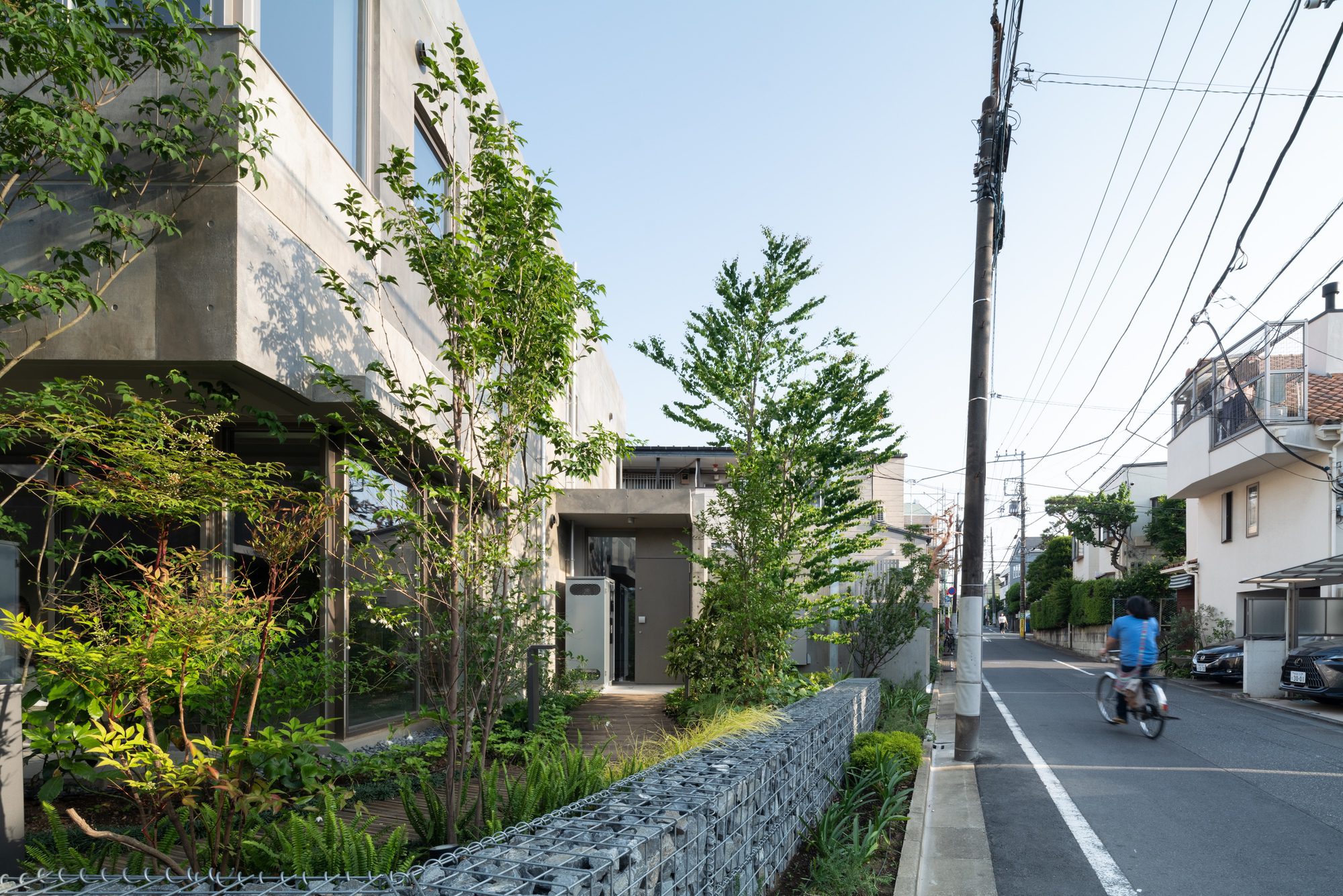
Nishiogi Comichi Terrace was designed to accommodate a total floor area of approximately 1,600 square meters. Rather than imposing a large mass, we sought to form conditions that resonate with the district’s original grain. Twenty-three row houses are connected as one continuous building, yet a narrow path runs east–west through the site, creating permeability and a quiet sense of shared ground.
© Masao Nishikawa
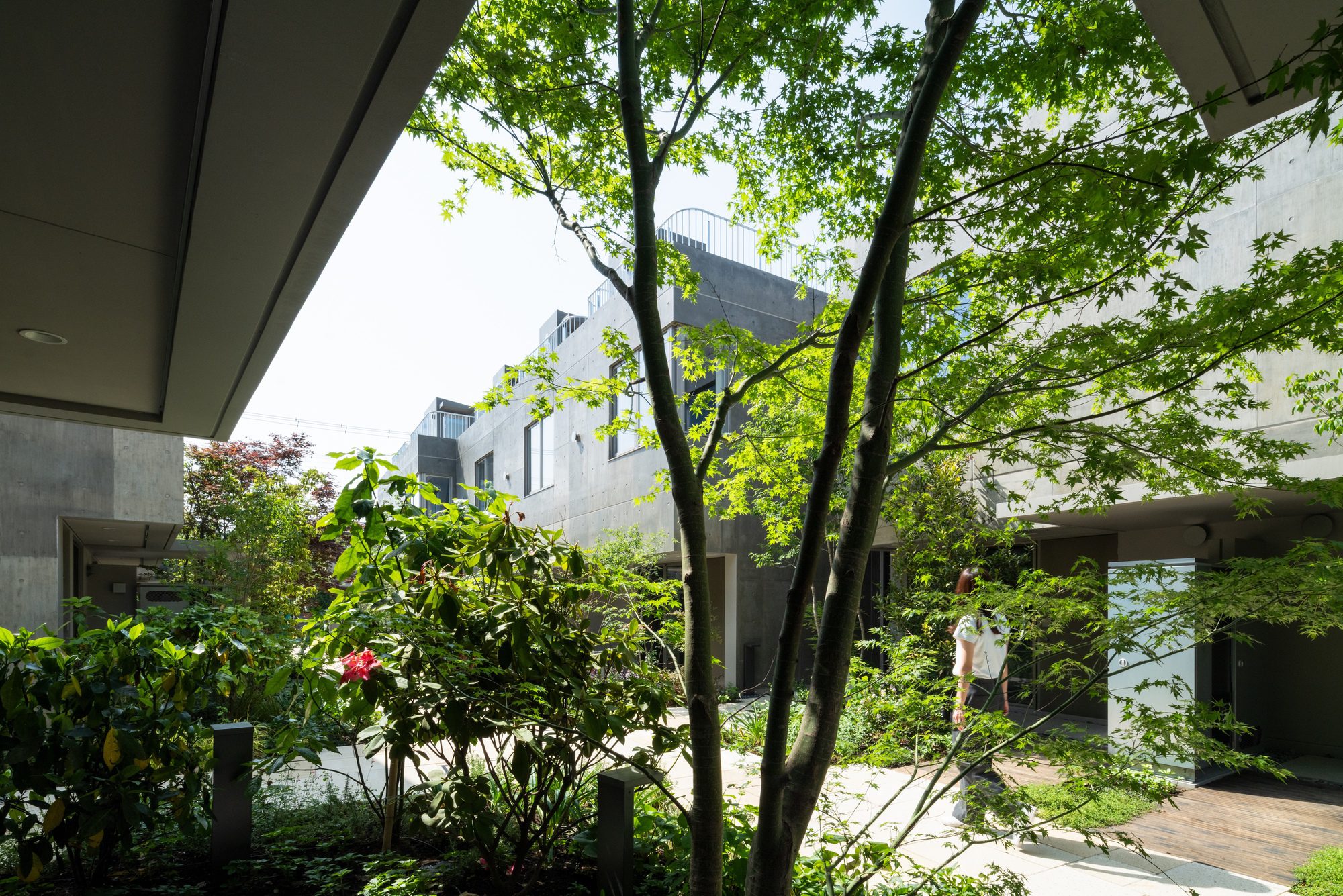
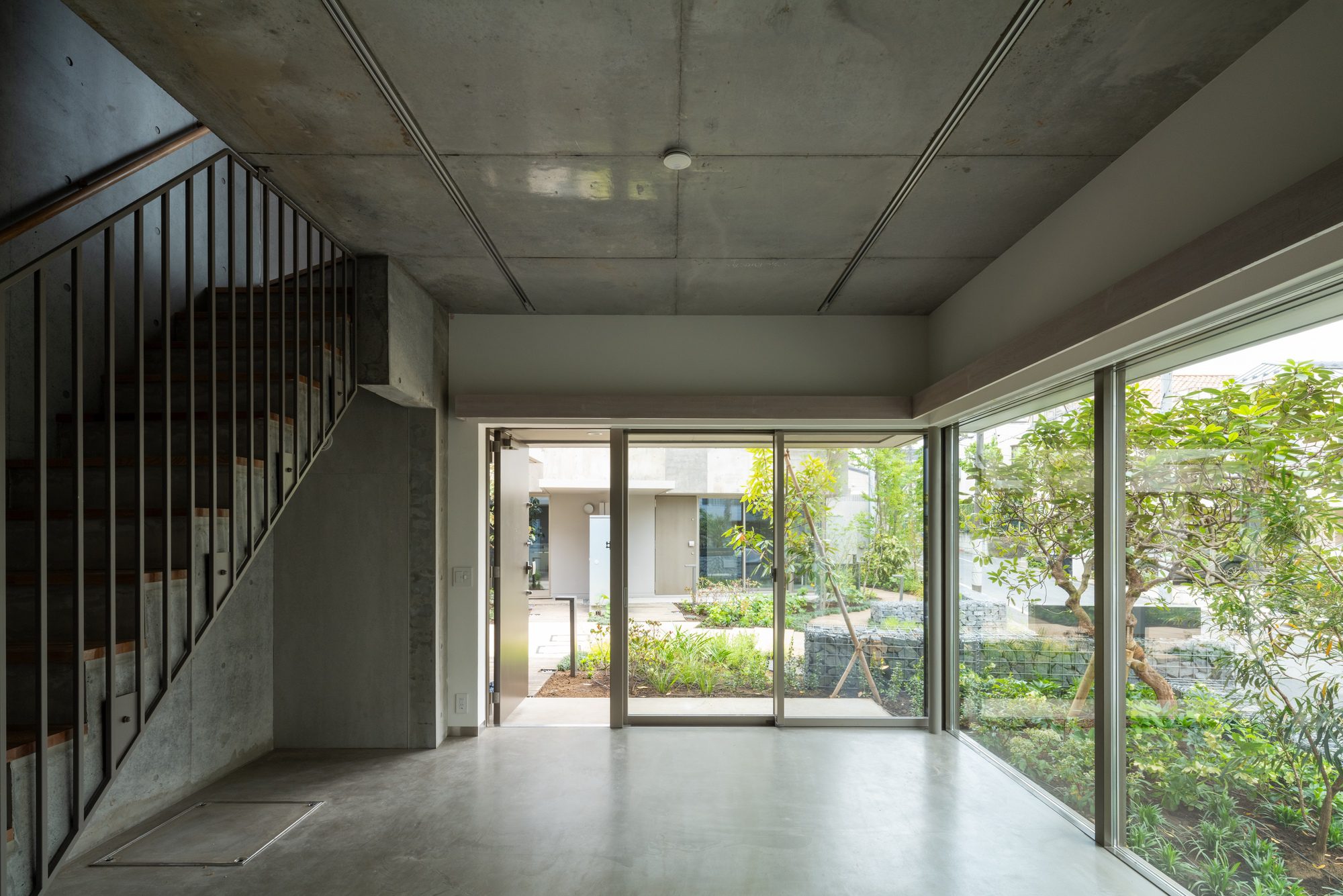
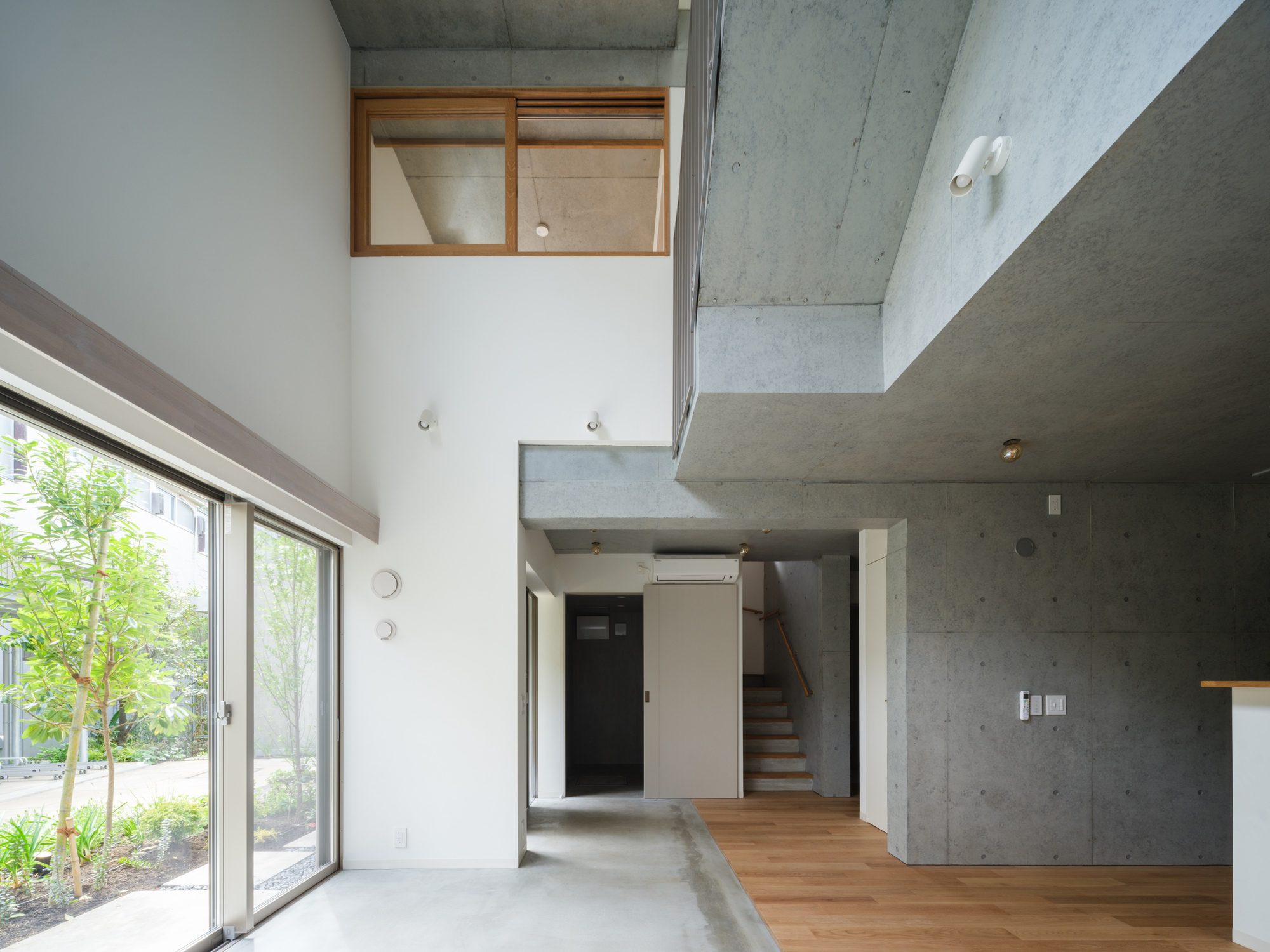
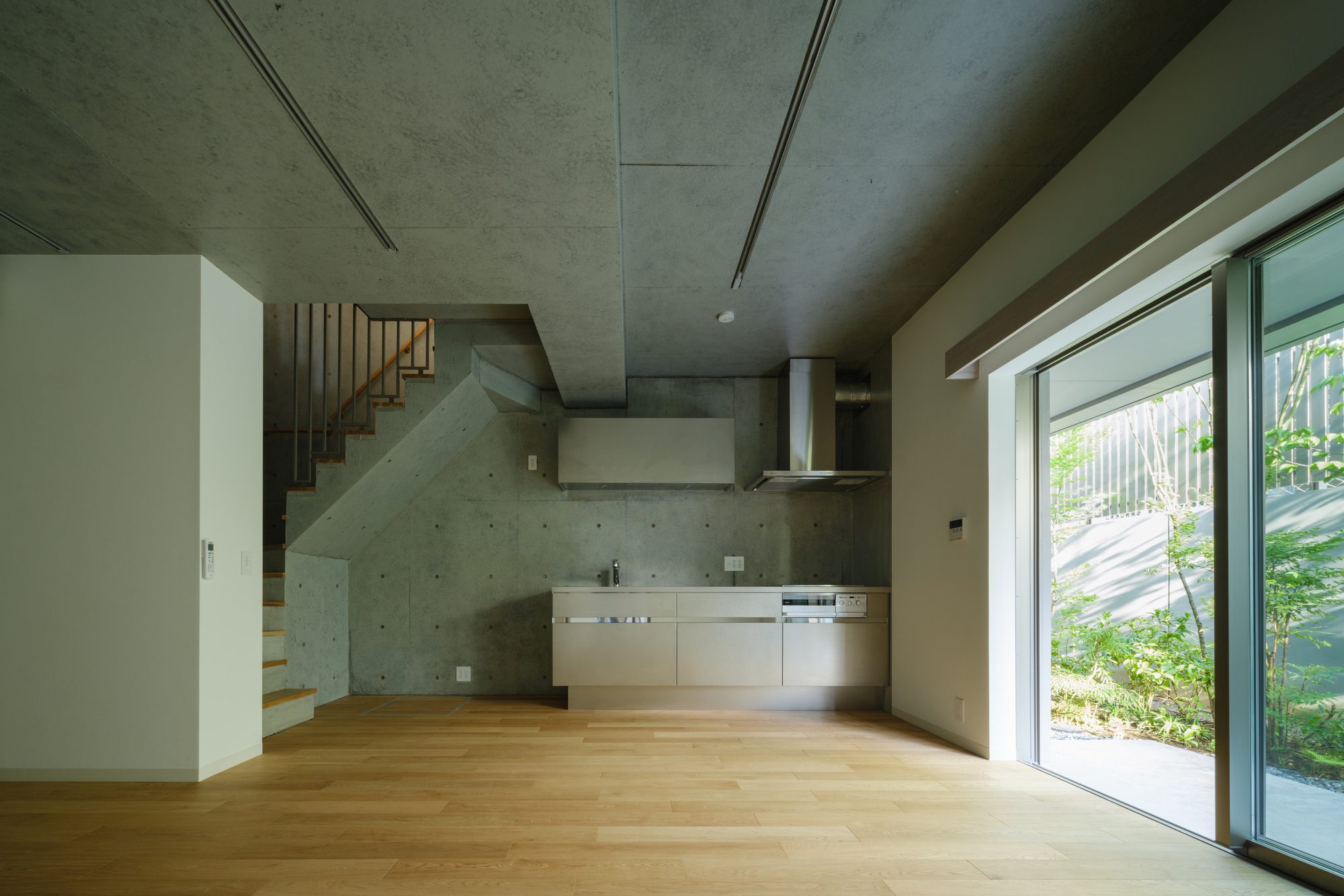
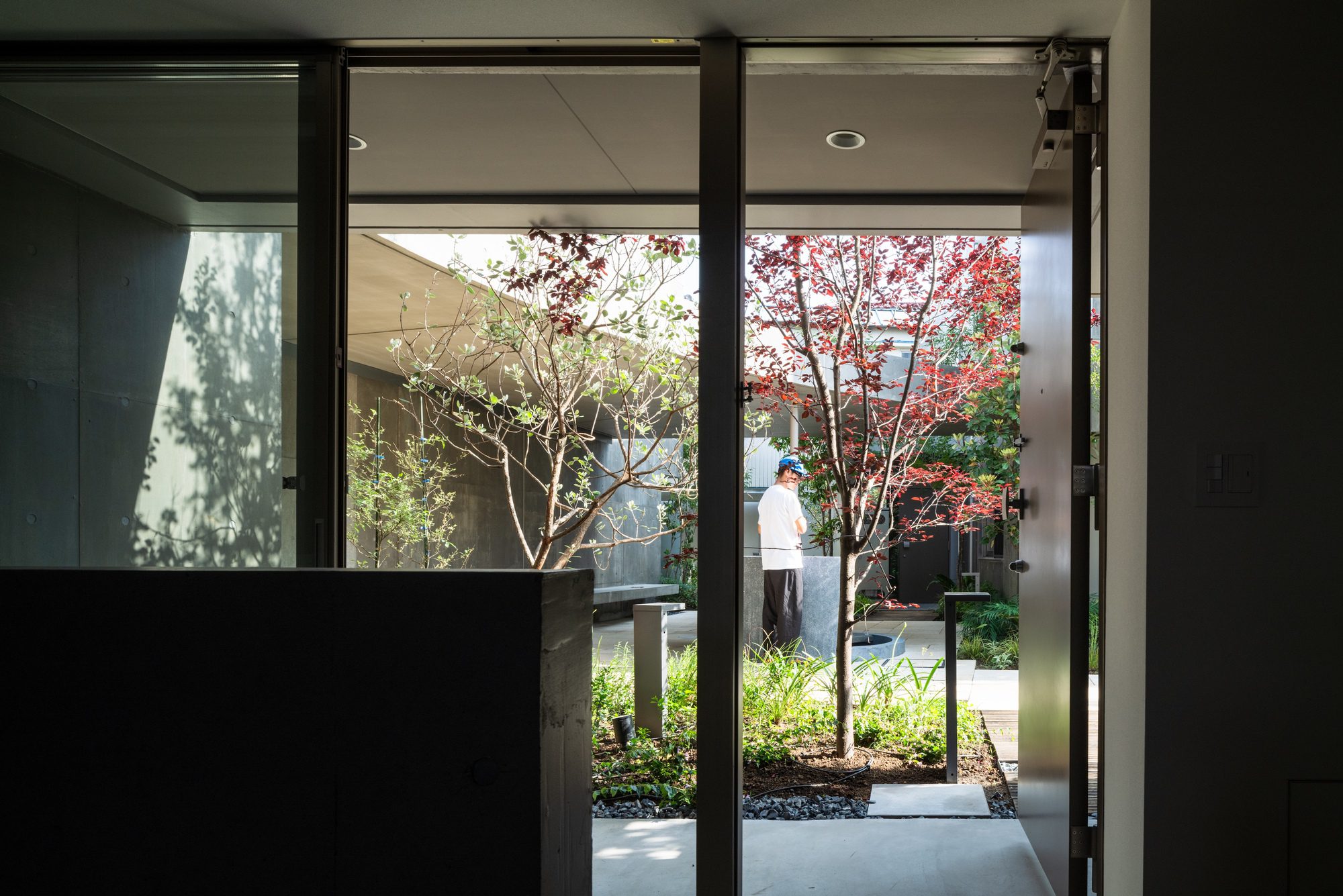
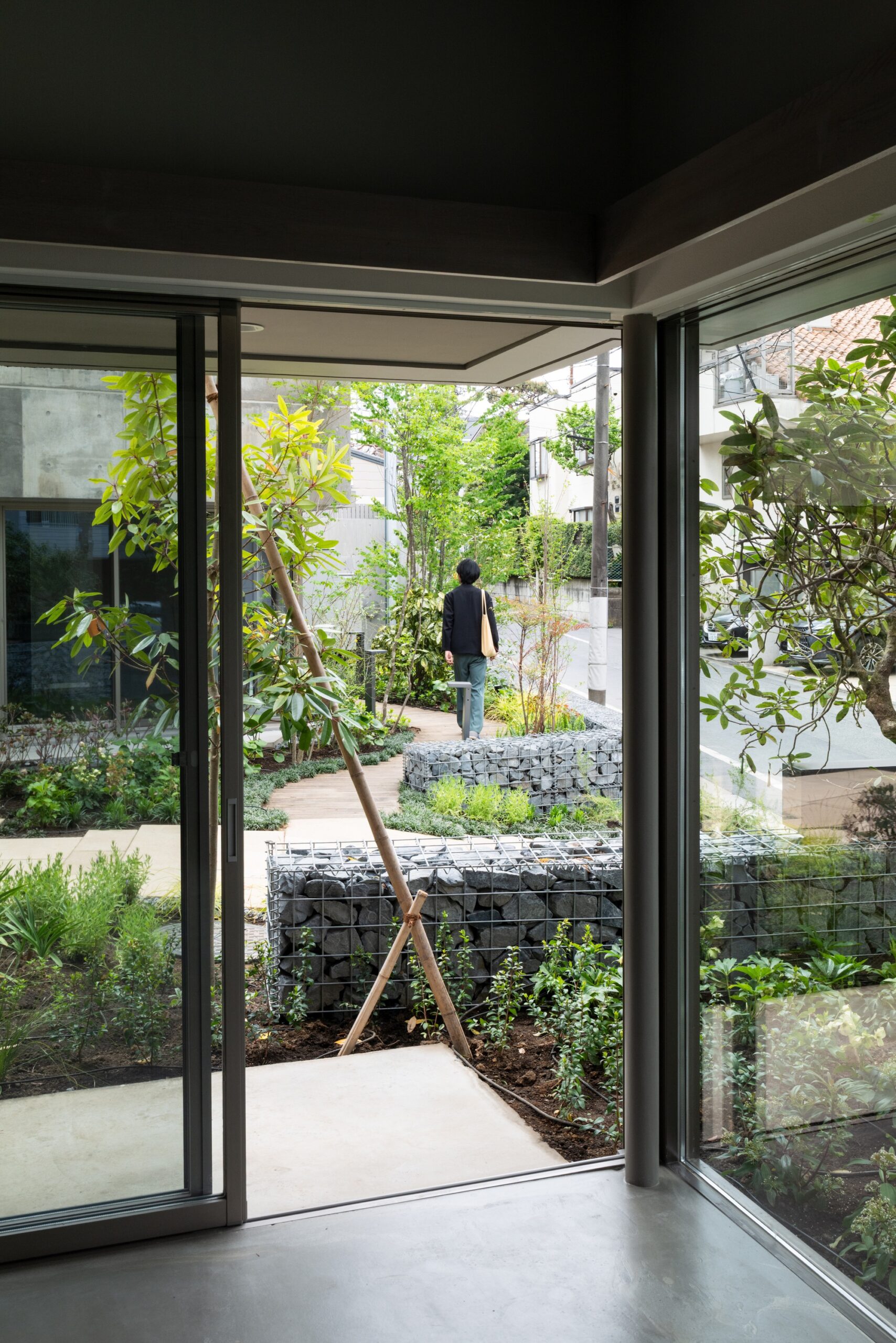
On the first floor, the living-dining areas were carefully designed to mediate between interior life and the garden path that runs through the site, using layers of planting, mounds, and eaves to maintain a gentle balance between connection and privacy.
© Masao Nishikawa
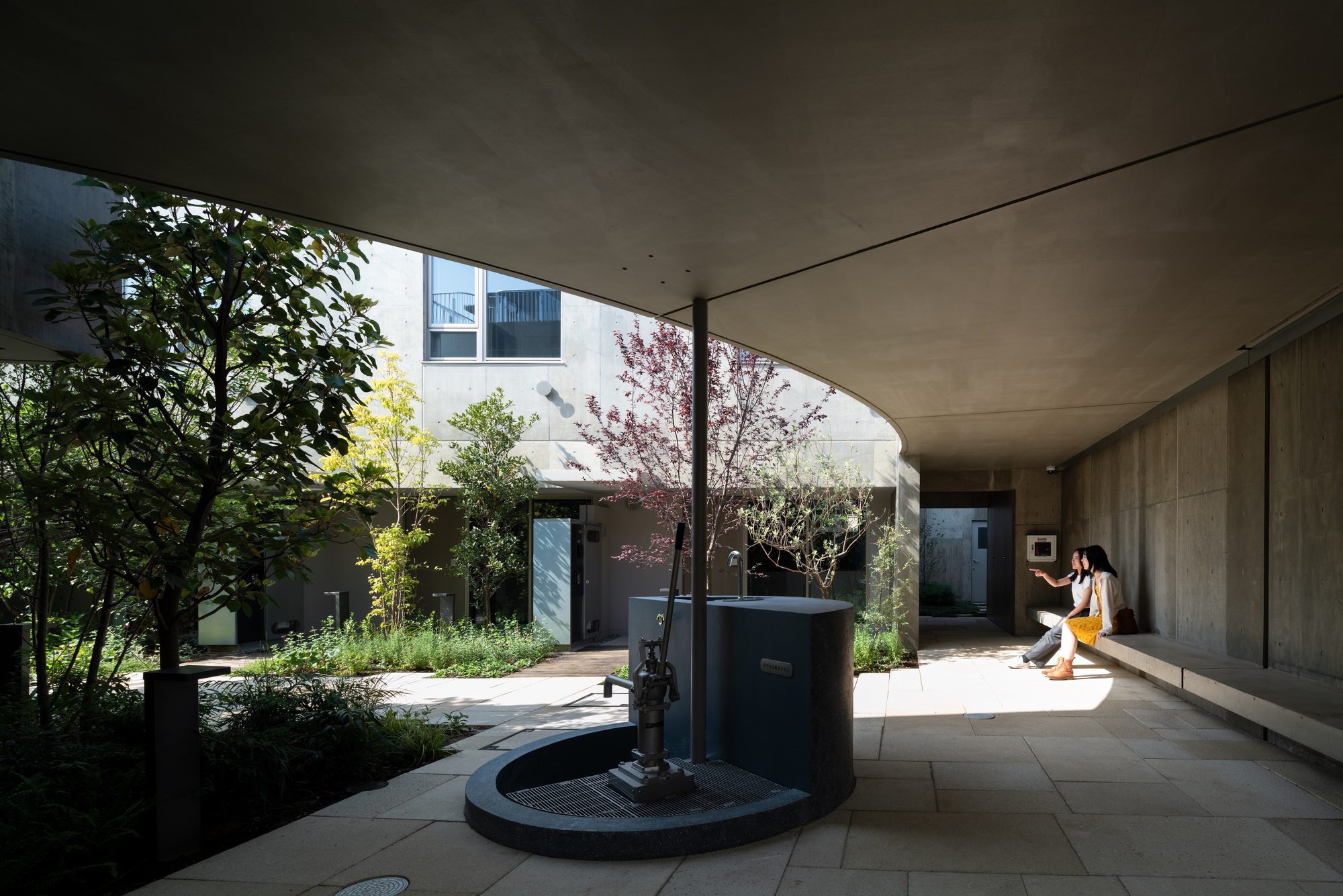
The path serves multiple roles: a circulation route for residents, a casual meeting place, and a playground for children. It enables everyday interactions to occur naturally, allowing neighbors to sense one another’s presence without intrusion, reinstating a scale of living long embedded in the fabric of this neighborhood.
Project info:
Area: 1640 m²
Year: 2025
Photographs: Masao Nishikawa
Manufacturers: Creative life, IOC, Miratap, Sangetsu, Taiheiyo Precast Concrete Industry
Builder: Koshin Construction Co., Ltd.
structural Engineer: Ohno-JAPAN
Air Conditioning: KANKYO ENGINEERING Inc.
electrical: Lapin architectural equipment workshop
Landscape Design: GREEN WISE Co., Ltd.
Construction: GREEN WISE Co., Ltd.
Sanitation: KANKYO ENGINEERING Inc.