

The Oil Silo Home | PinkCloud
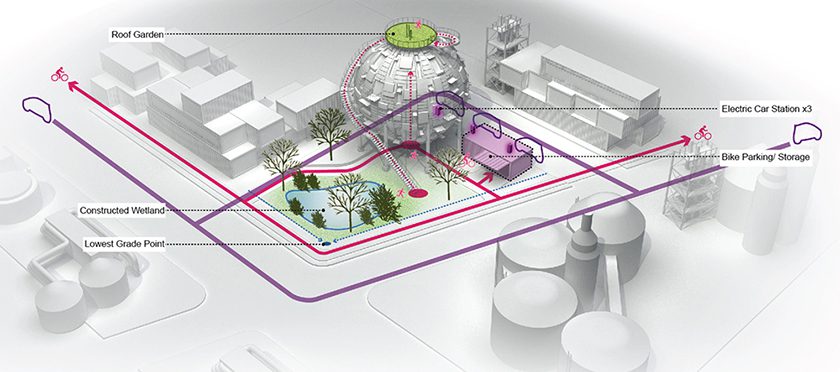
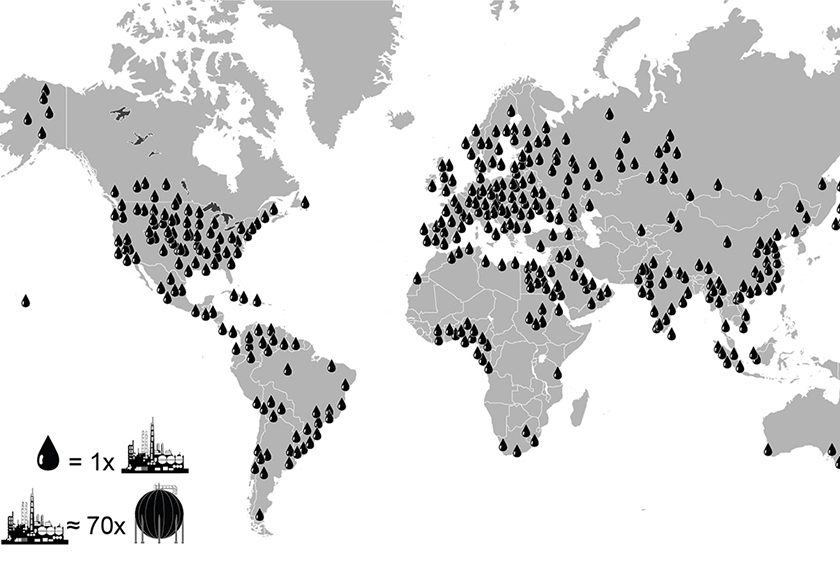
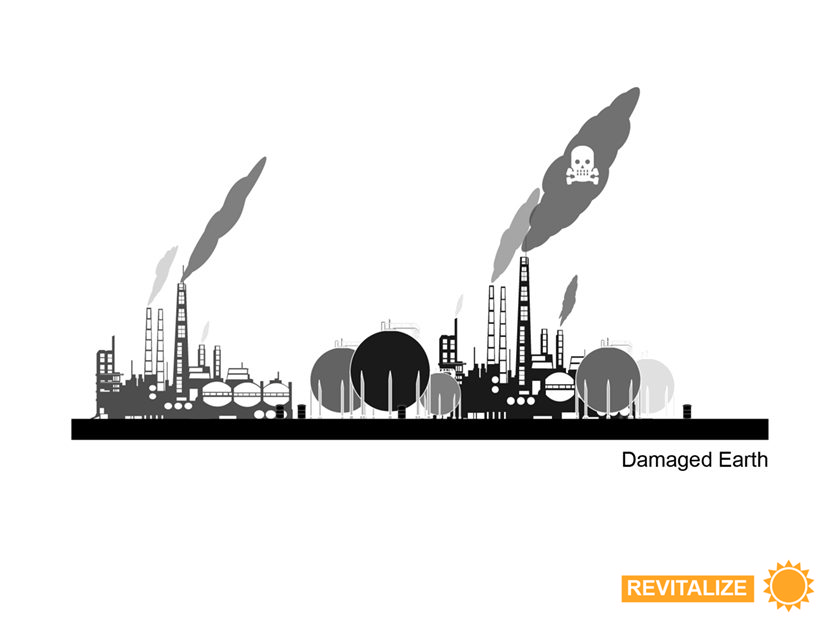
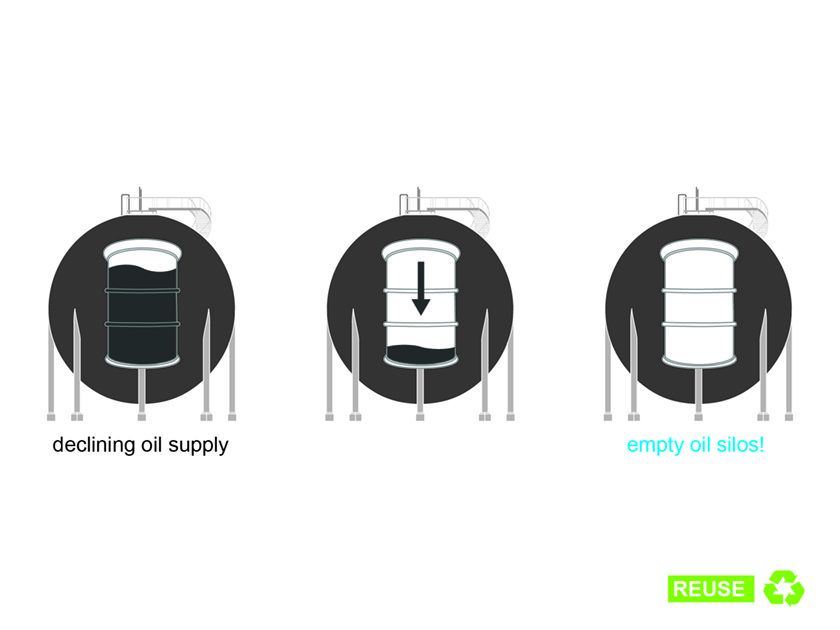
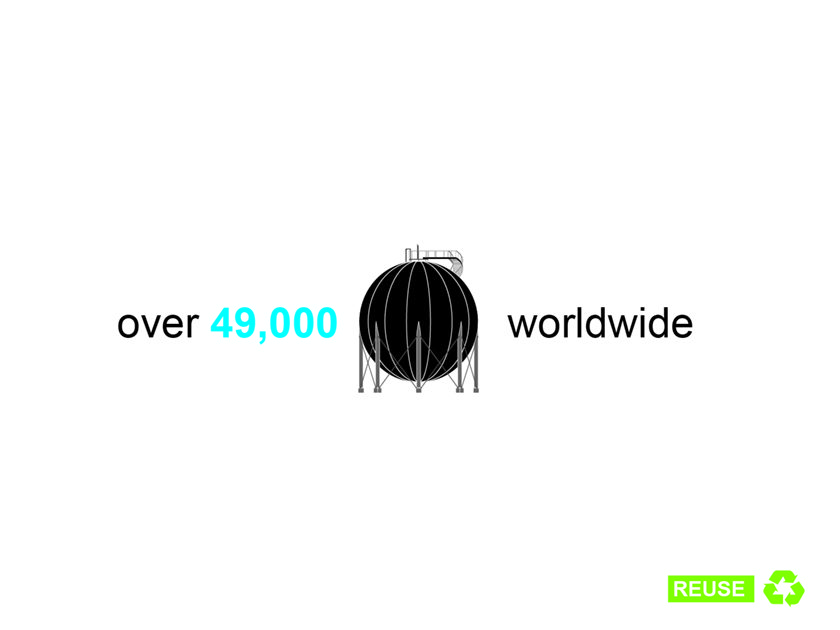
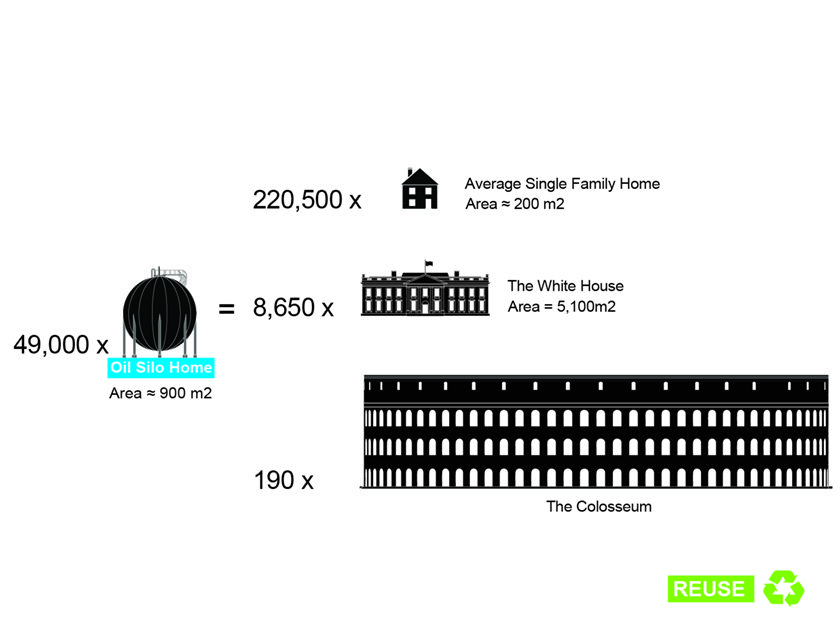
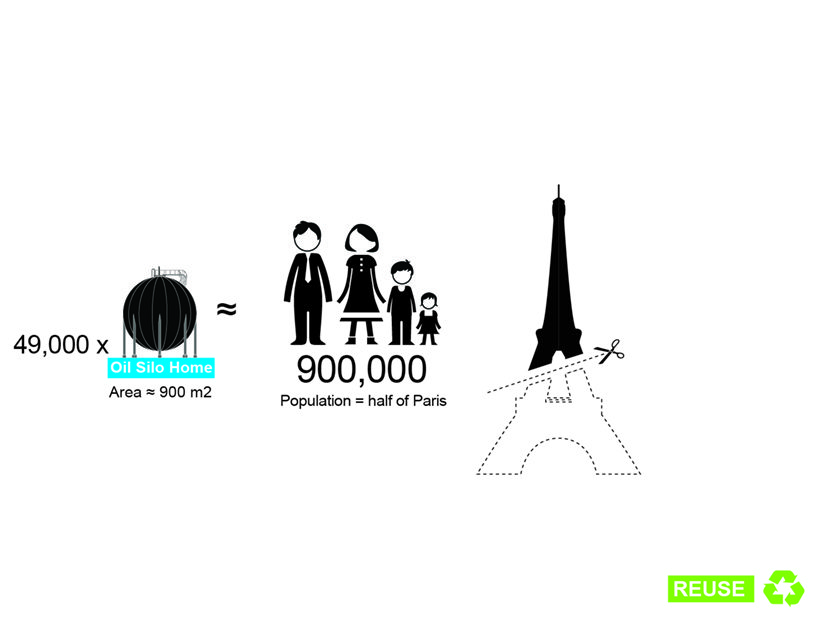
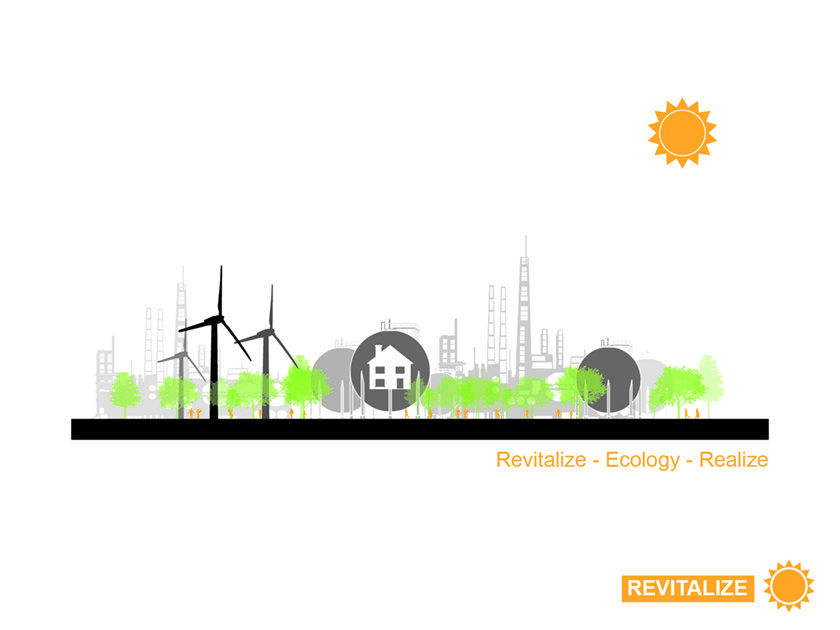
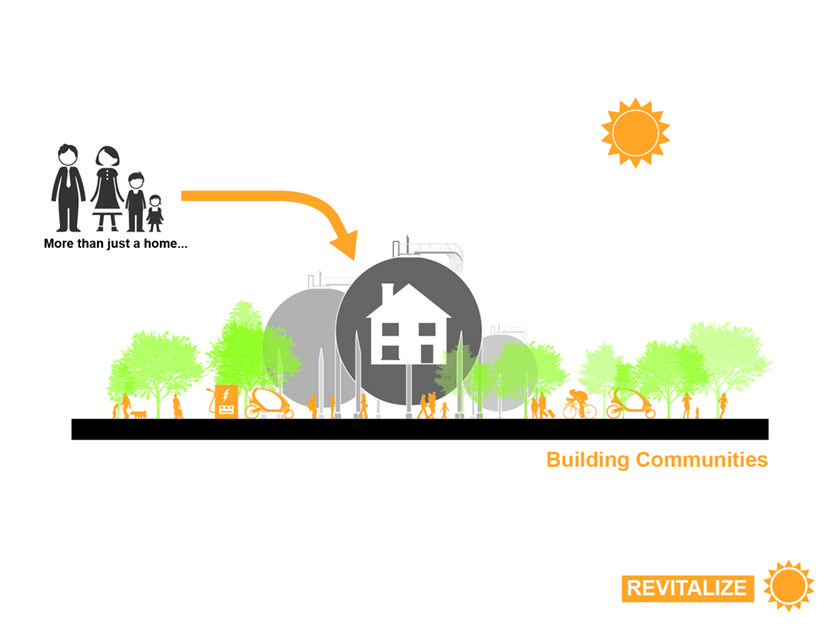
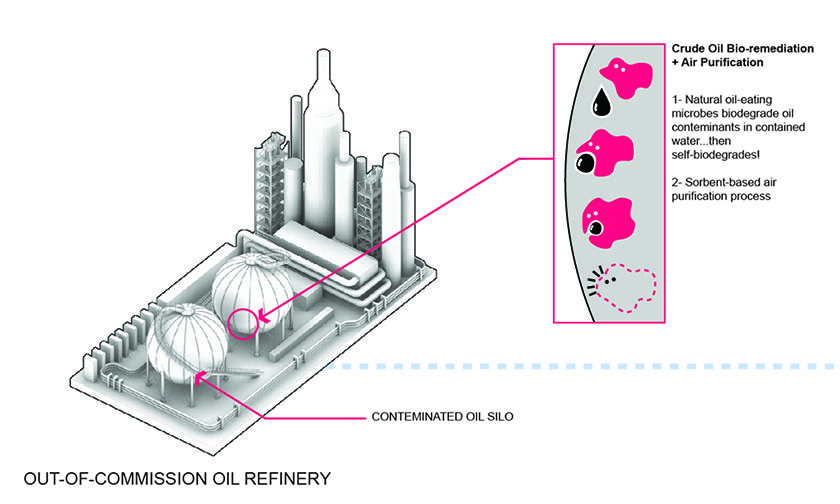
There be oil in them spheres, boys! For now. Humanity burns on, inching ever closer to peak oil and then to the decline of this black junk/gold that we pull from the depths. Almost 50,000 oil silos have been constructed worldwide in conjuncture with some 700 refineries. These units have created their own typology and topography. PinkCloud proposes a solution we can live with(in).

Courtesy of©PinkCloud.DK
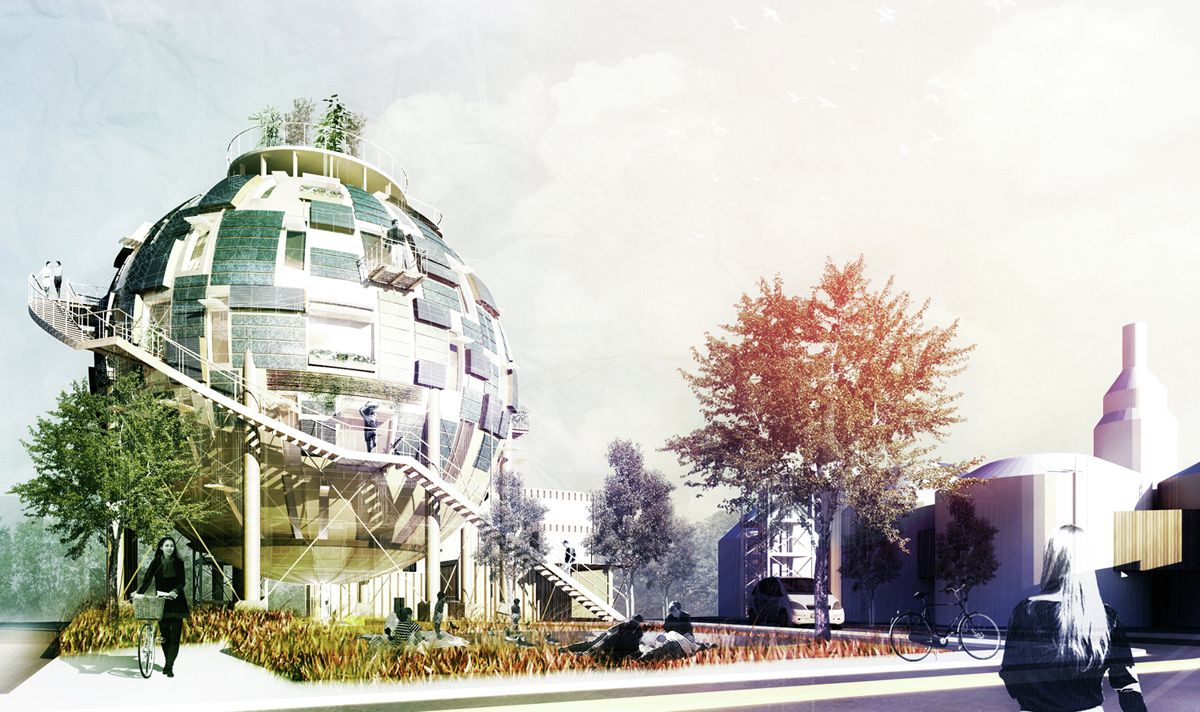
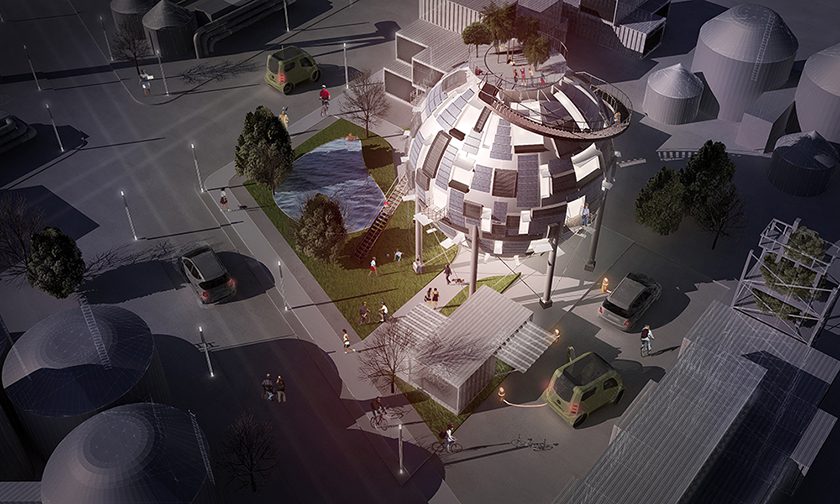
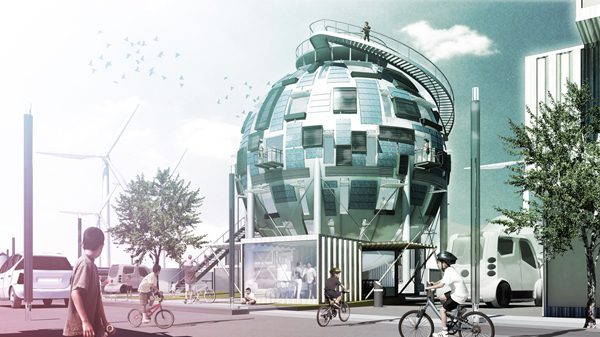
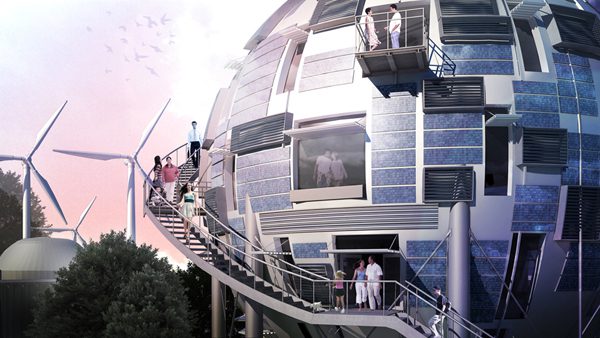
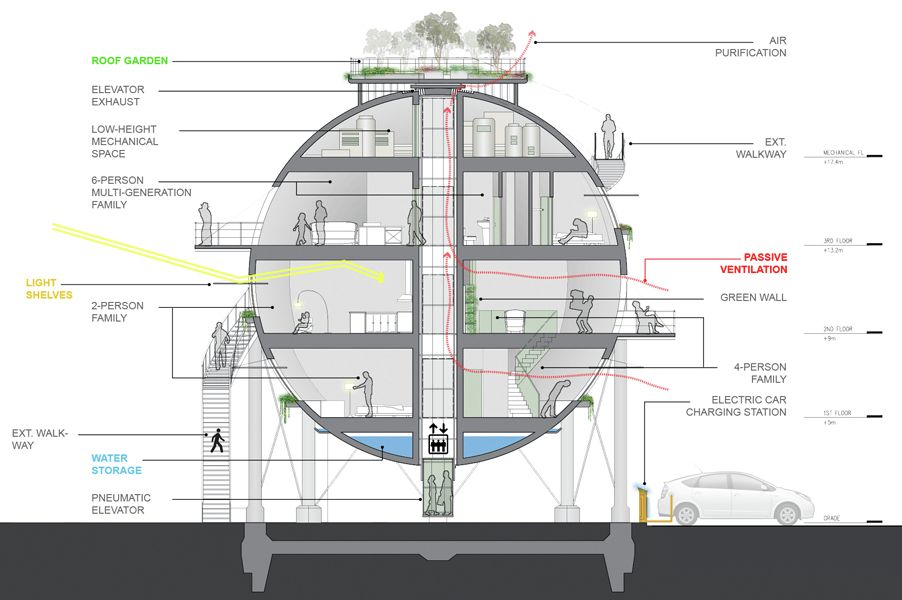
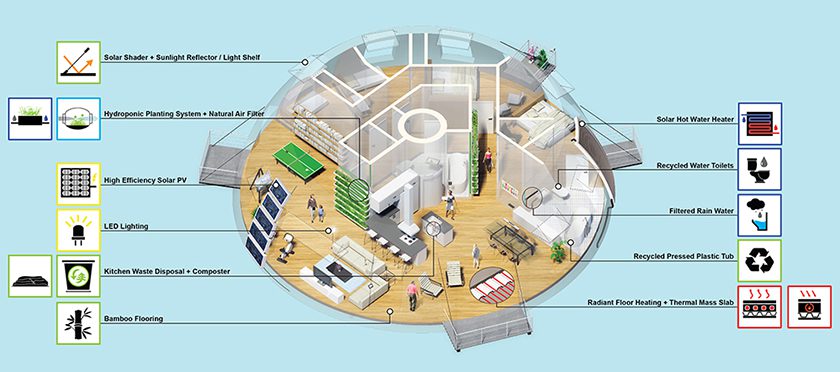
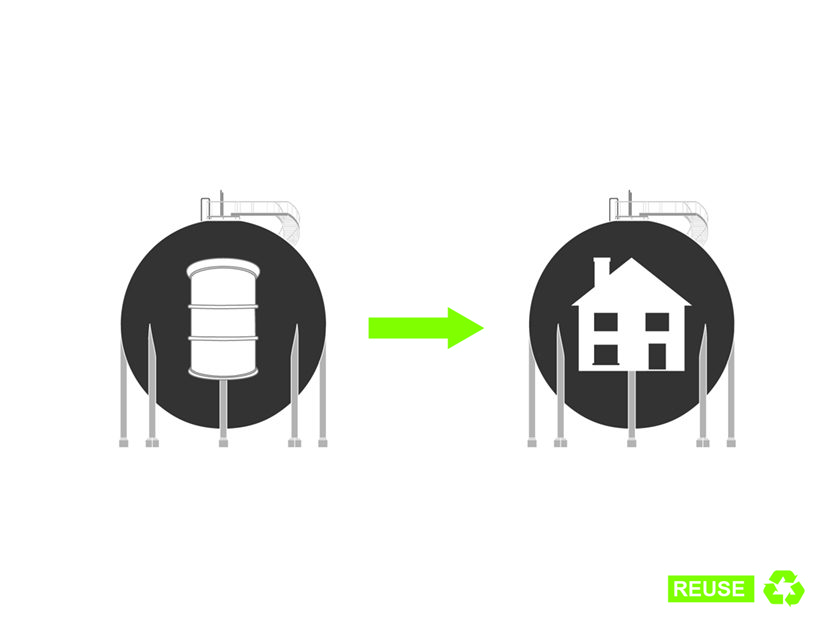
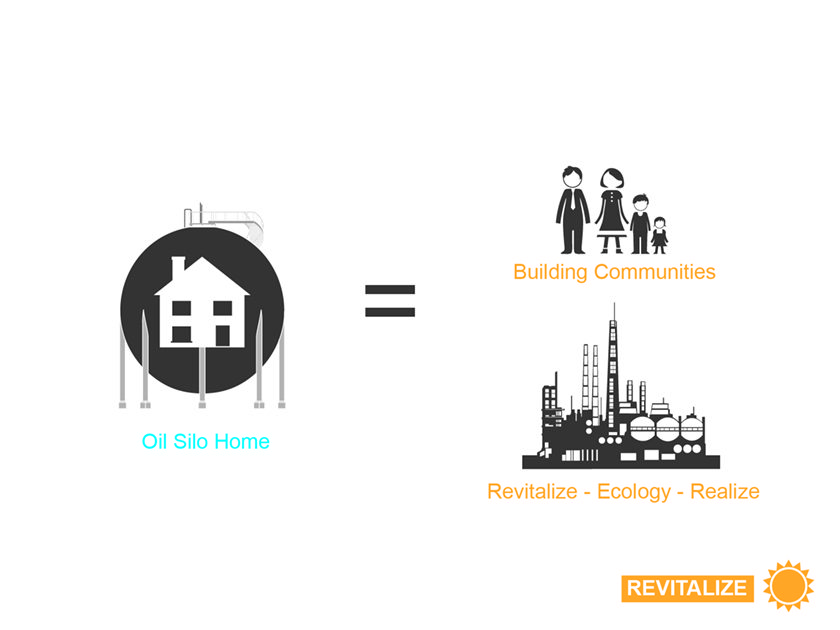
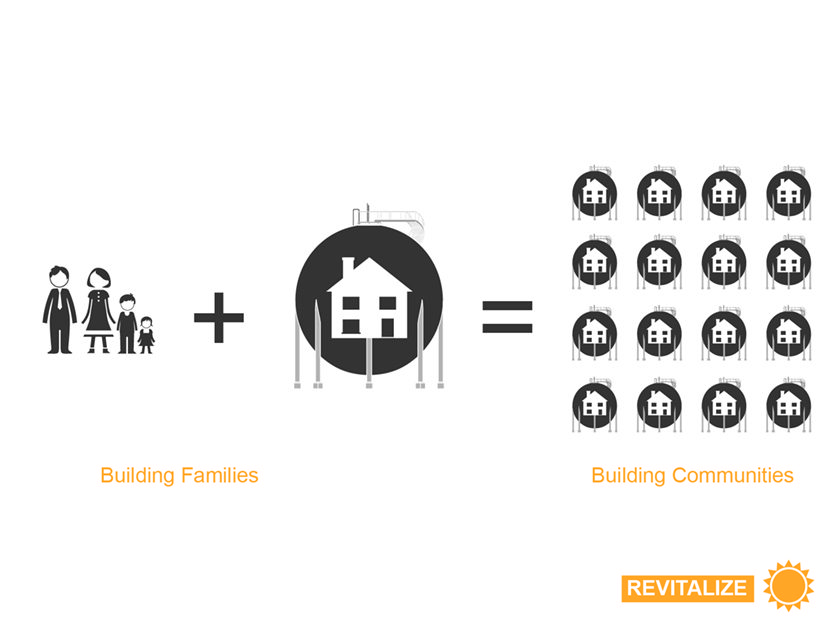
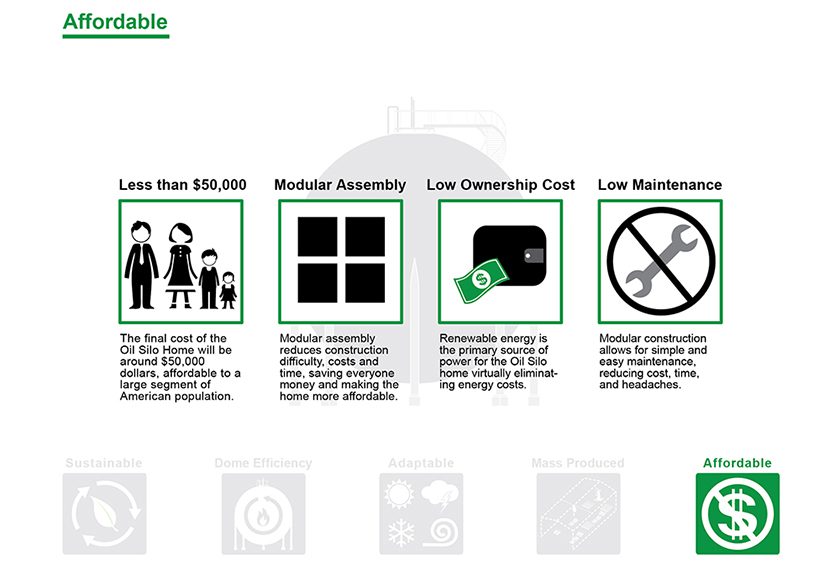
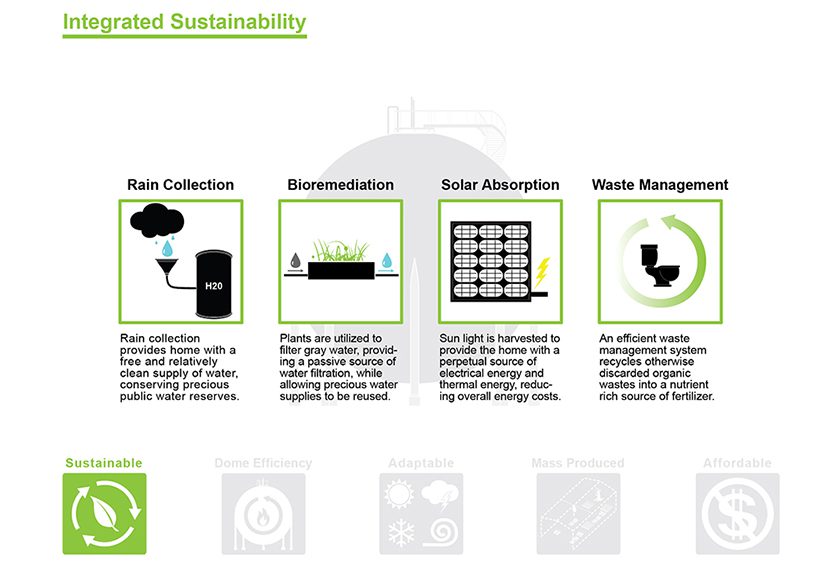
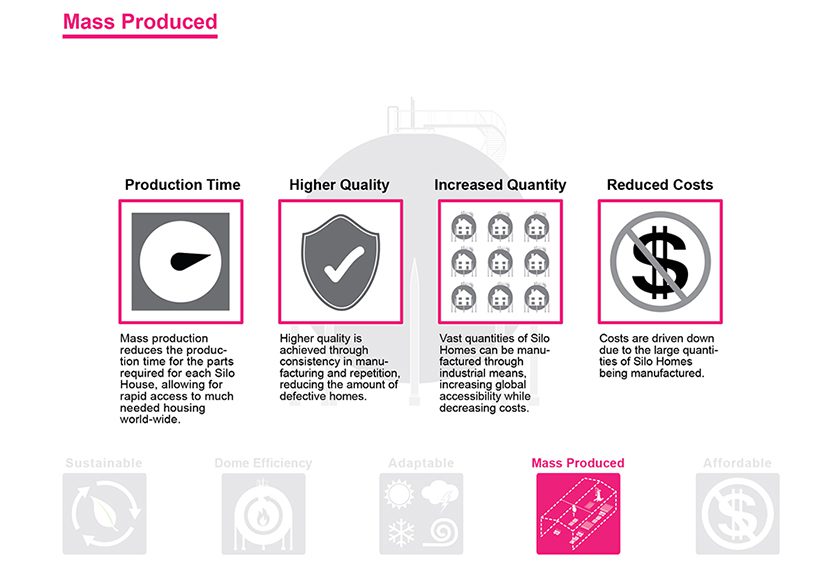
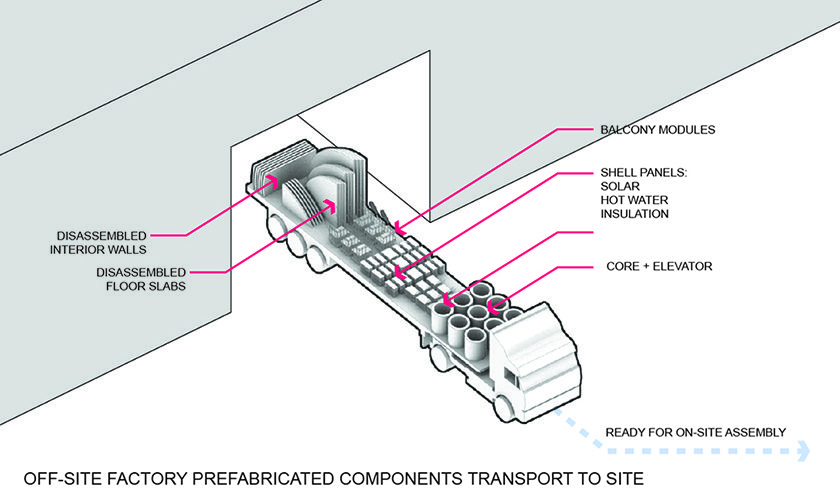
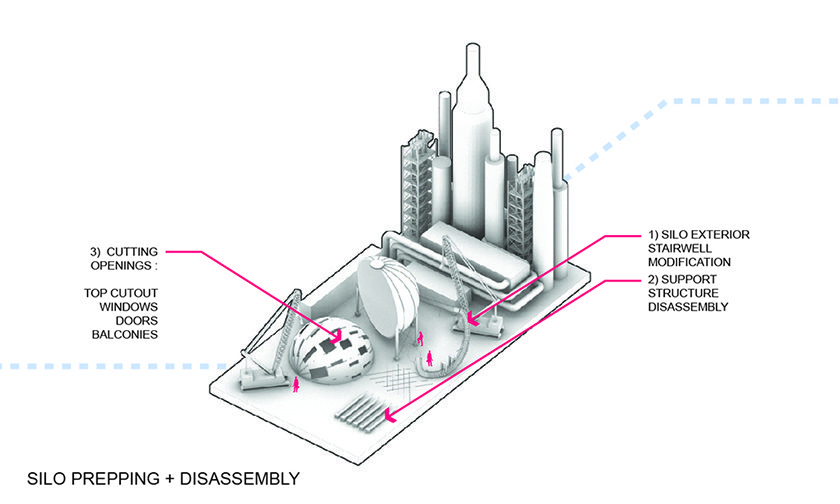
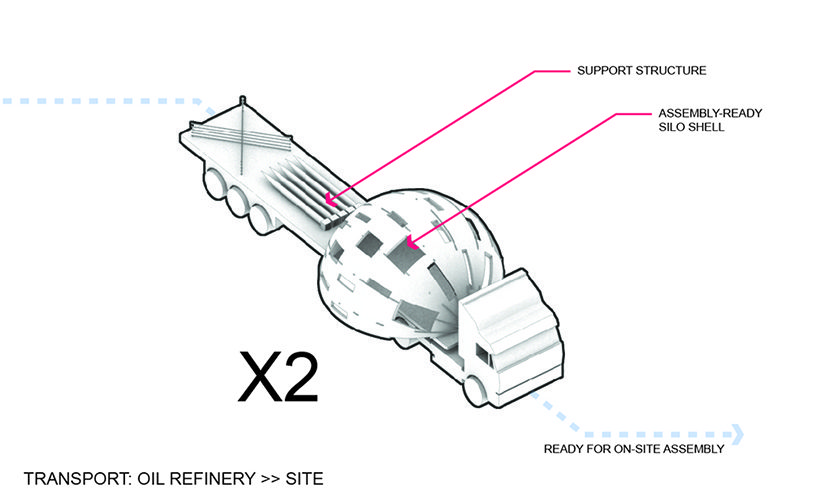
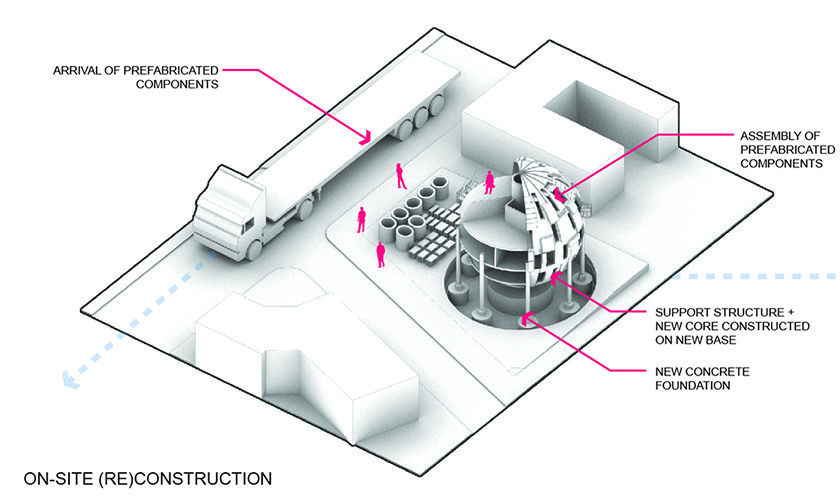
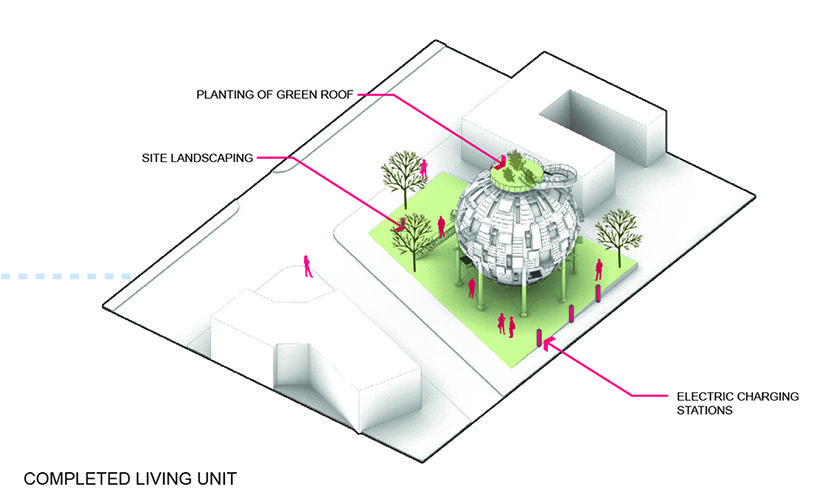
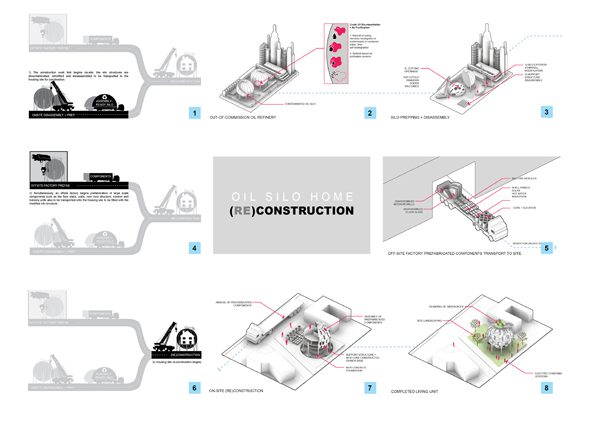
The Oil Silo Home aims to recycle these hulks of industrial infrastructure into affordable family housing. By way of In Situ oil bioremediation, in which soil microbes digest harmful pollutants, leaving relatively harmless byproducts such as CO₂. Cleaned silos are then retrofitted on site using modular systems, with large-scale components being prefabricated offsite. Generous window openings and prefab balconies provide ample amounts of fresh air and natural lighting to the living and sleeping spaces which circumnavigate the Silo Home’s circular plans. Each Silo Home contains three units. One of these, the multi-generational home, encompasses an entire floor plate while the other two, the two and four person family homes are divided into two levels.
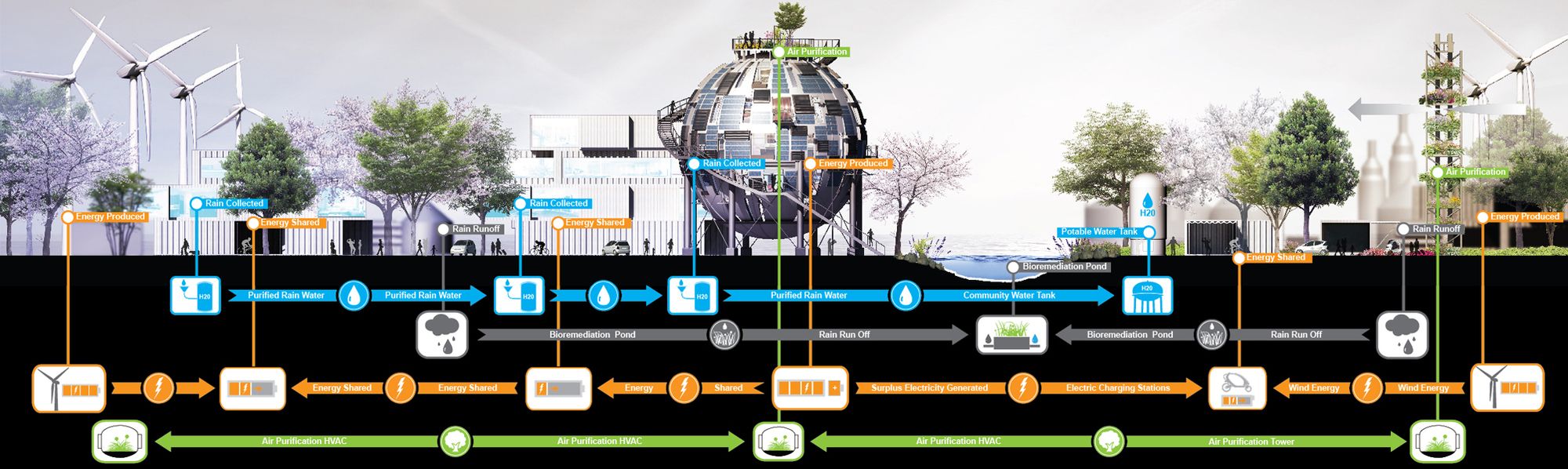
diagram 02
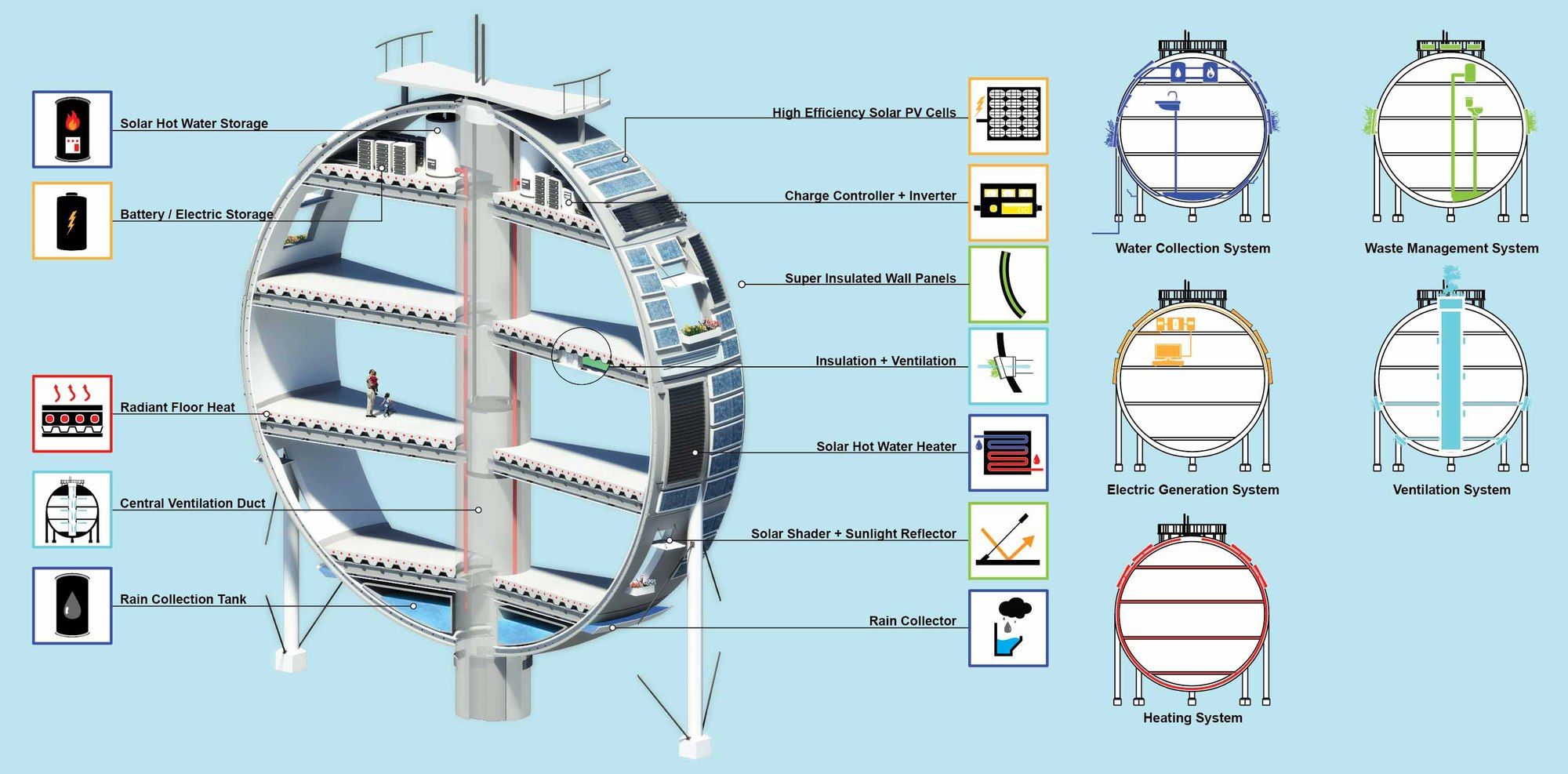
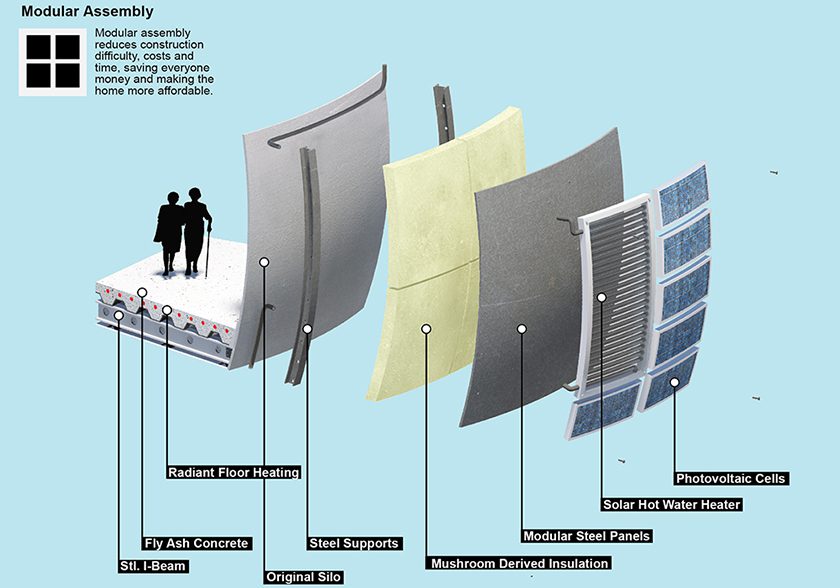
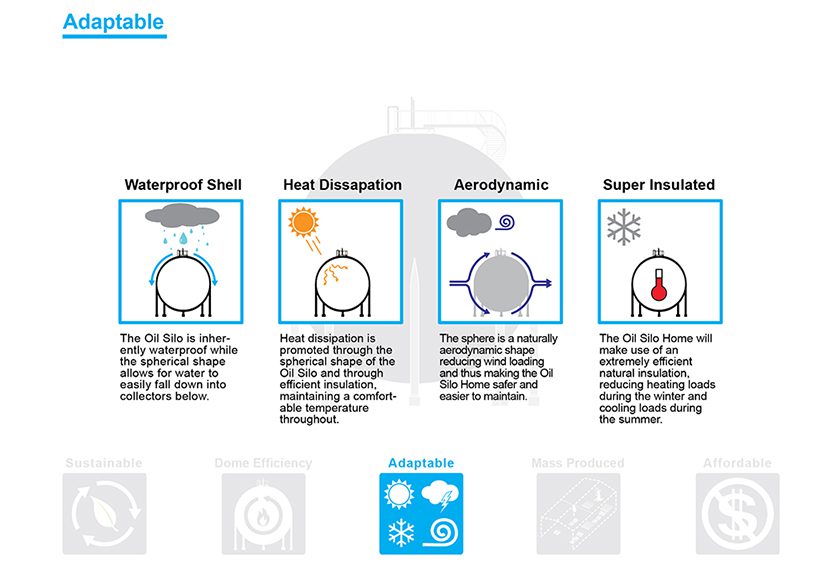
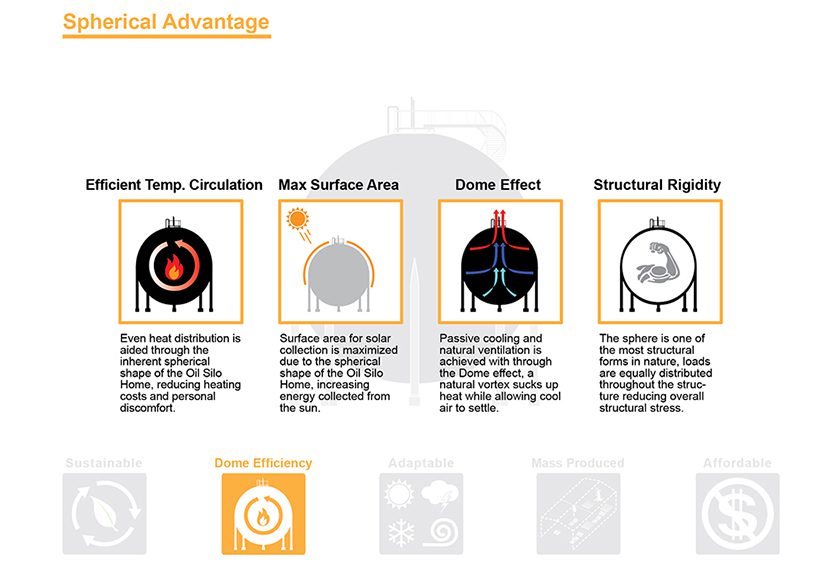
On the exterior of the silos, PV cells and solar hot water panels coat the silo, which due to its spherical geometry enable a high level of energy production. These systems, along with the heavily insulated walls and other remaining industrial qualities such as waterproofing and structure, act to build a home that is carbon neutral, approaching carbon-positive.
Project info :
Designer: PinkCloud
Team: Leon Lai, Eric Tan, Nicolai Schlapps, Sarah Roberts