

Generative Systems for Manufacturing, The RES collaboration between Felipe Escuerdo, Giovanni Parodi, Dimitrije Miletic and Dimitar Pouchnikov studies the behaviour of innovative systems for building and manufacturing. Through an in-depth use of parametric modeling and generative processes, the team has come to conclusions about construction through the means of experimentation based on algorithms,
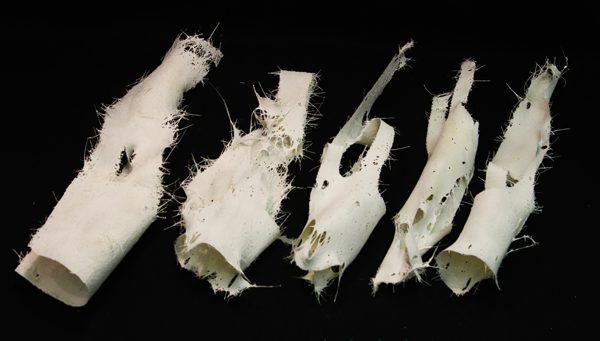
patterns, and systems. Generative architecture is the currently emerging fashion for demonstrating how a building works, what it is composed of and what its parameters are. Hence, it would be important to note that the aim of RES is to seek, through the means of design, a sort of a continuous material organization with a single manufacturing process.
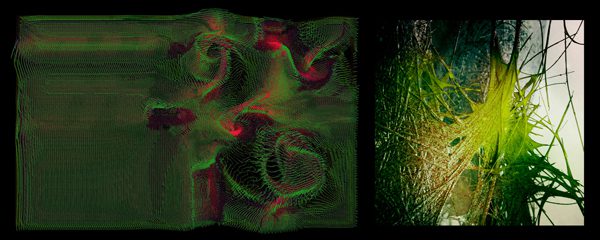
One of the definitions of generative processing indeed is that it designs a system of its own which then builds the building itself and that could lead to an endless possibility of variations due to the fact that each component in the process has its own unique parameters that could be modified by the designer at any time. That is why according to the RES team, the process of building already has occurred during the process of designing and both conceptual thinking, and the manufacturing of parameters can happen simultaneously using computer algorithms.
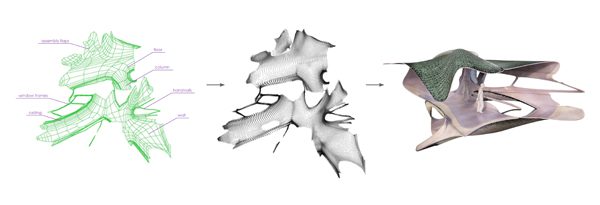
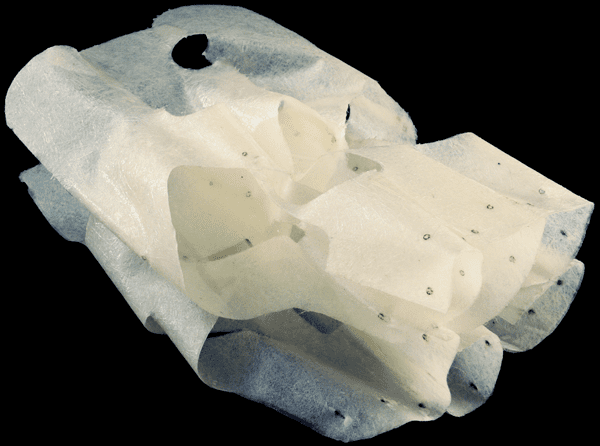
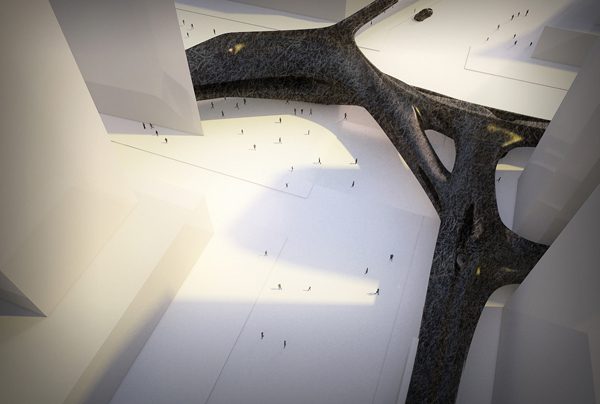
This shows how the RES researchers are trying to understand and demonstrate the ability of manufacturing whole architectural parts as single entities by means of continuous material organization. The material used to demonstrate the systemization of building processes is a fiber-reinforced composite, which is used in a machine-controlled fiber placement and the cast is used in a suspension technique to avoid traditional molding.
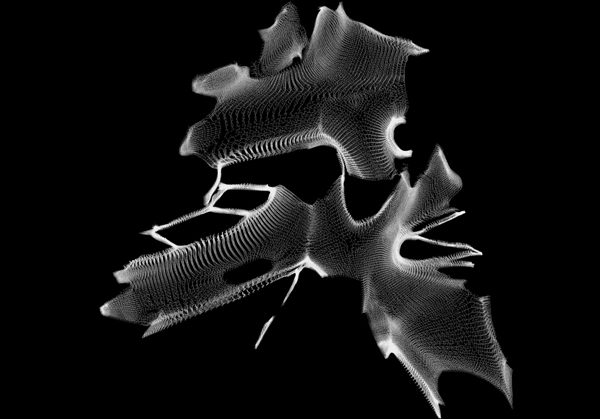
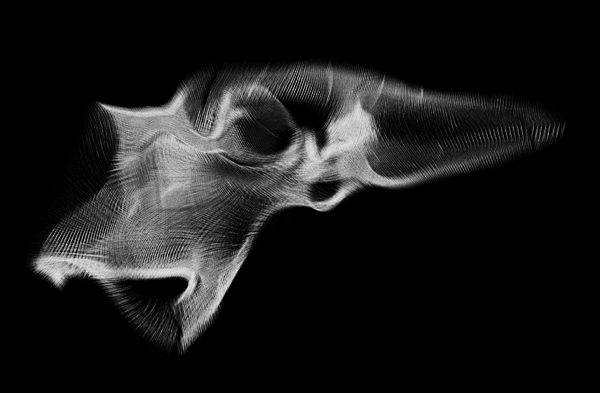
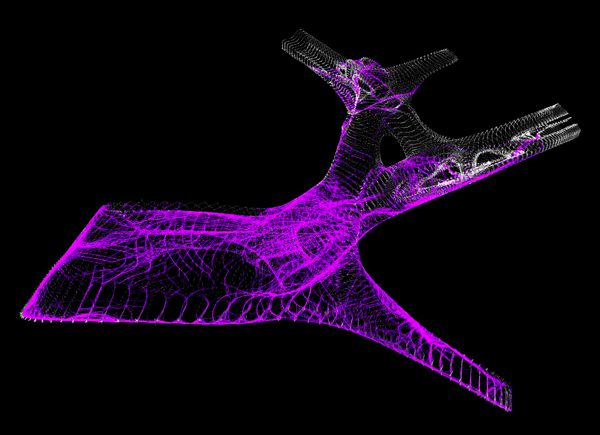
This is how the RES team simulate material behaviour at a high resolution. The outcome is therefore quite visible – the fiber patterning processed during the generative process represents the building form and its parameters. This is how even the structural analysis of a building can be generated at a minimized, almost no physical construction technique provided.


Anastasia Andreieva is an accomplished Architectural Projects Editor at Arch2O, bringing a unique blend of linguistic expertise and design enthusiasm to the team. Born and raised in Ukraine, she holds a Master’s degree in Languages from Taras Shevchenko National University of Kyiv. Her deep passion for architecture and visual storytelling led her to transition from translation and editorial roles into the world of design media. With a keen eye for conceptual clarity and narrative structure, Anastasia curates and presents global architectural projects with precision and flair. She is particularly drawn to parametric and digital design, cultural context, and emerging voices in architecture. When I’m not analyzing the latest architectural trends, you’ll probably find me searching for hidden gems in cityscapes or appreciating the beauty of well-crafted spaces. After all, great design—like great connections—can be found in the most unexpected places. Speaking of connections, because architecture isn’t the only thing that brings people together.