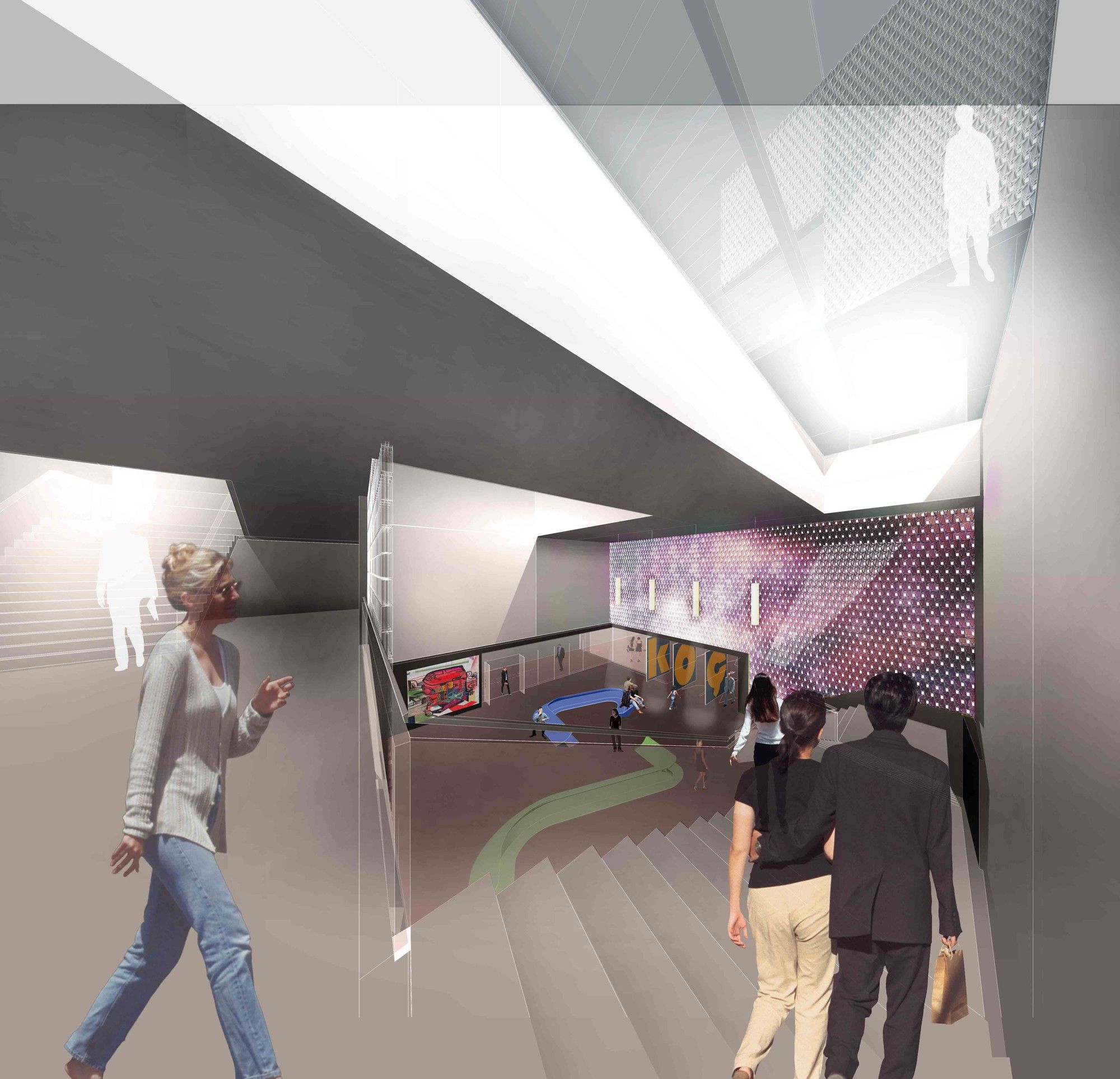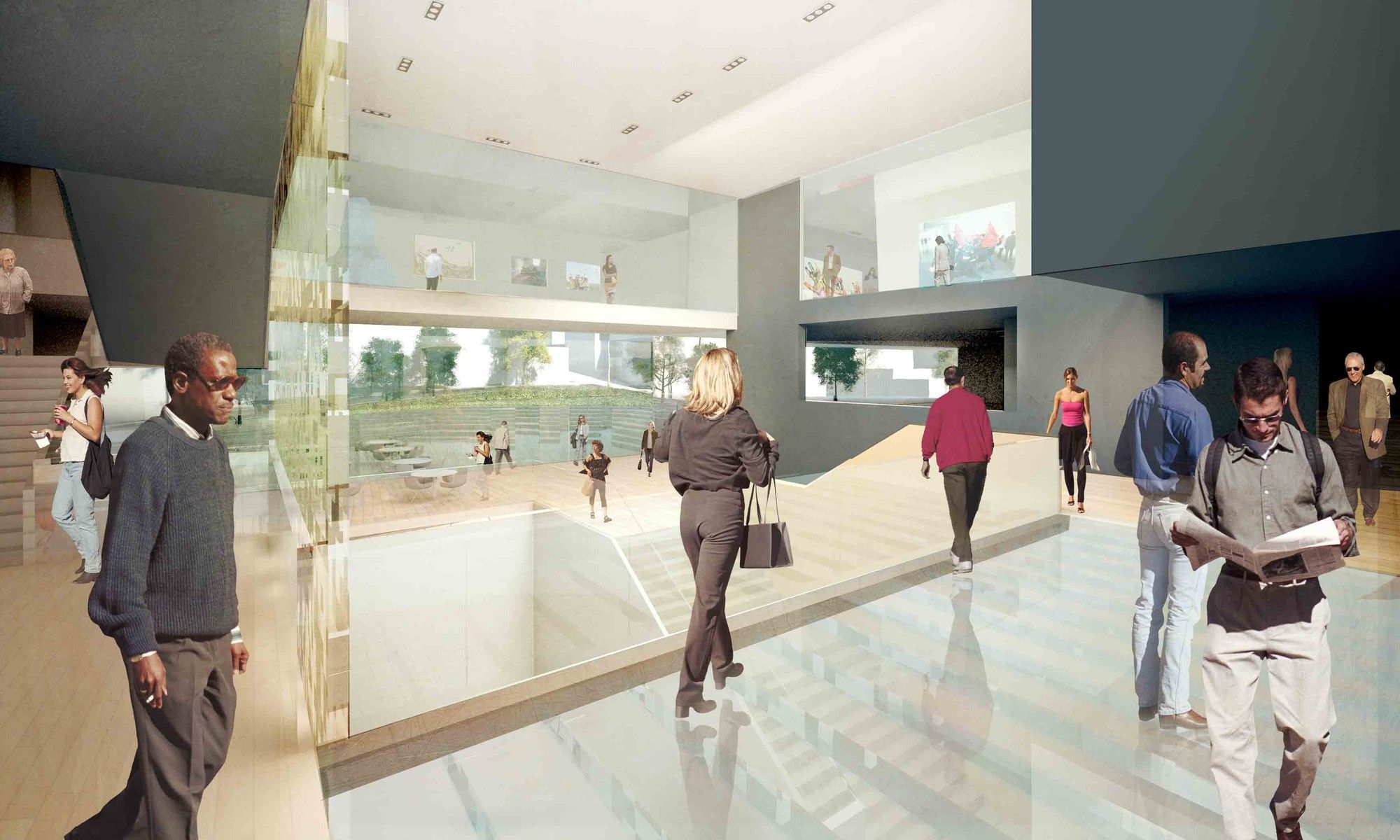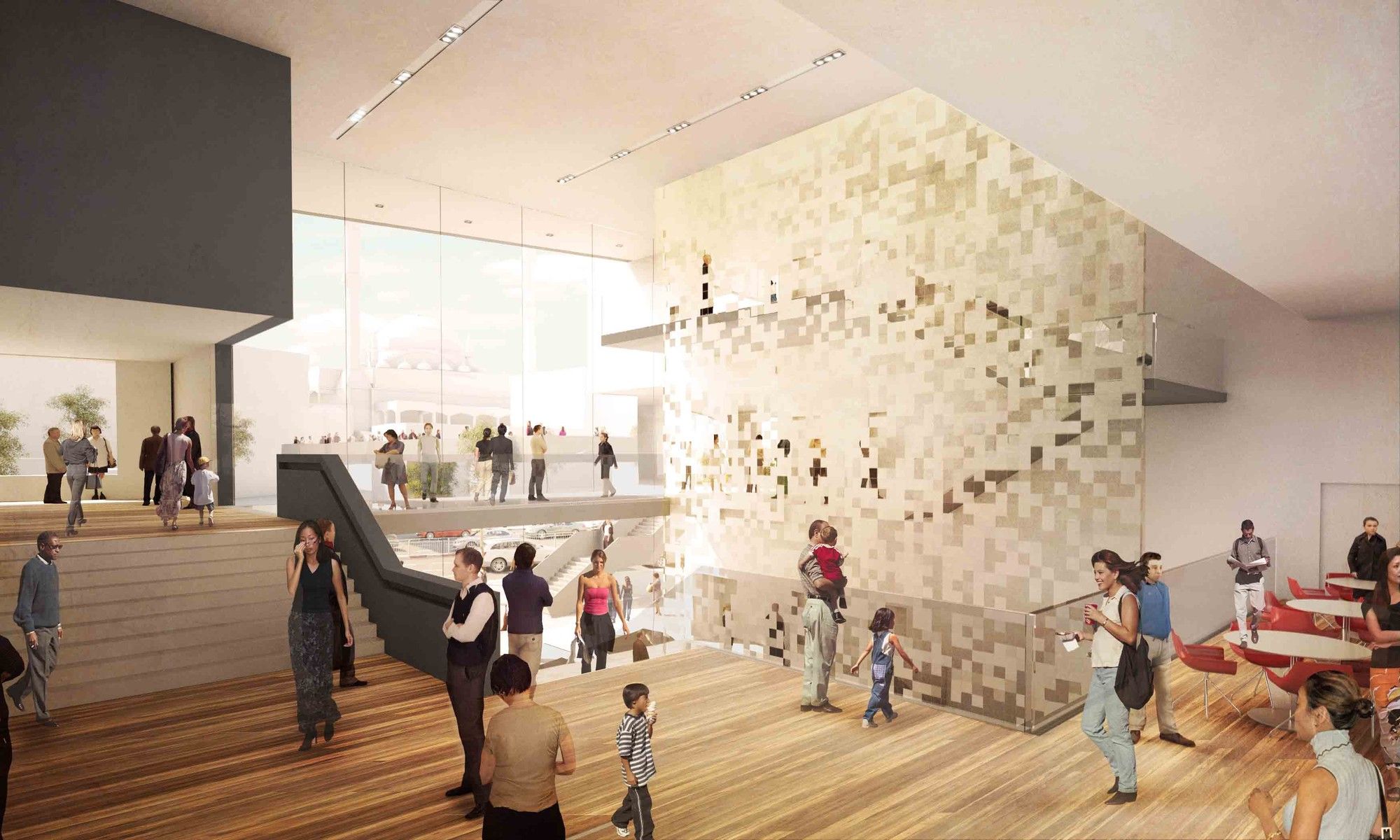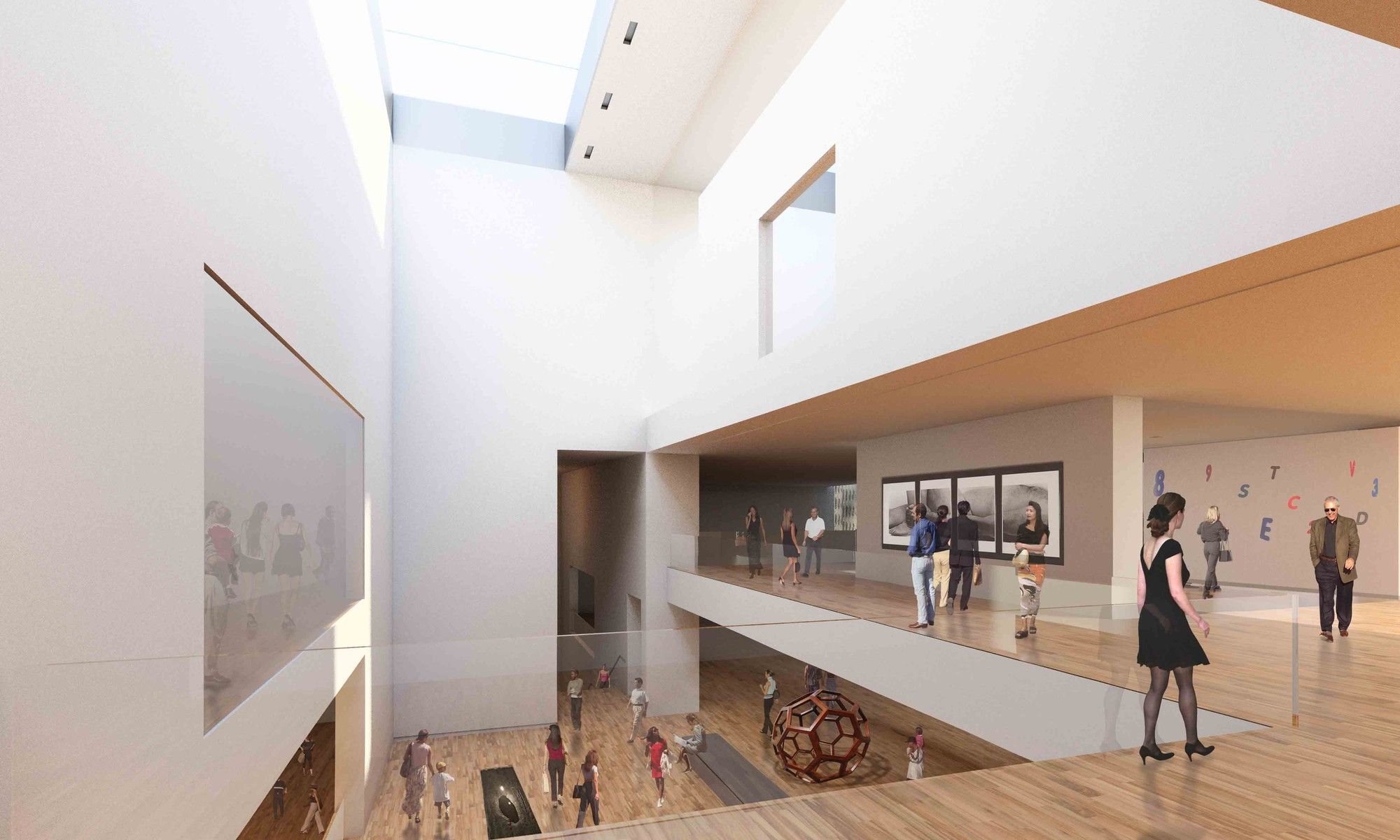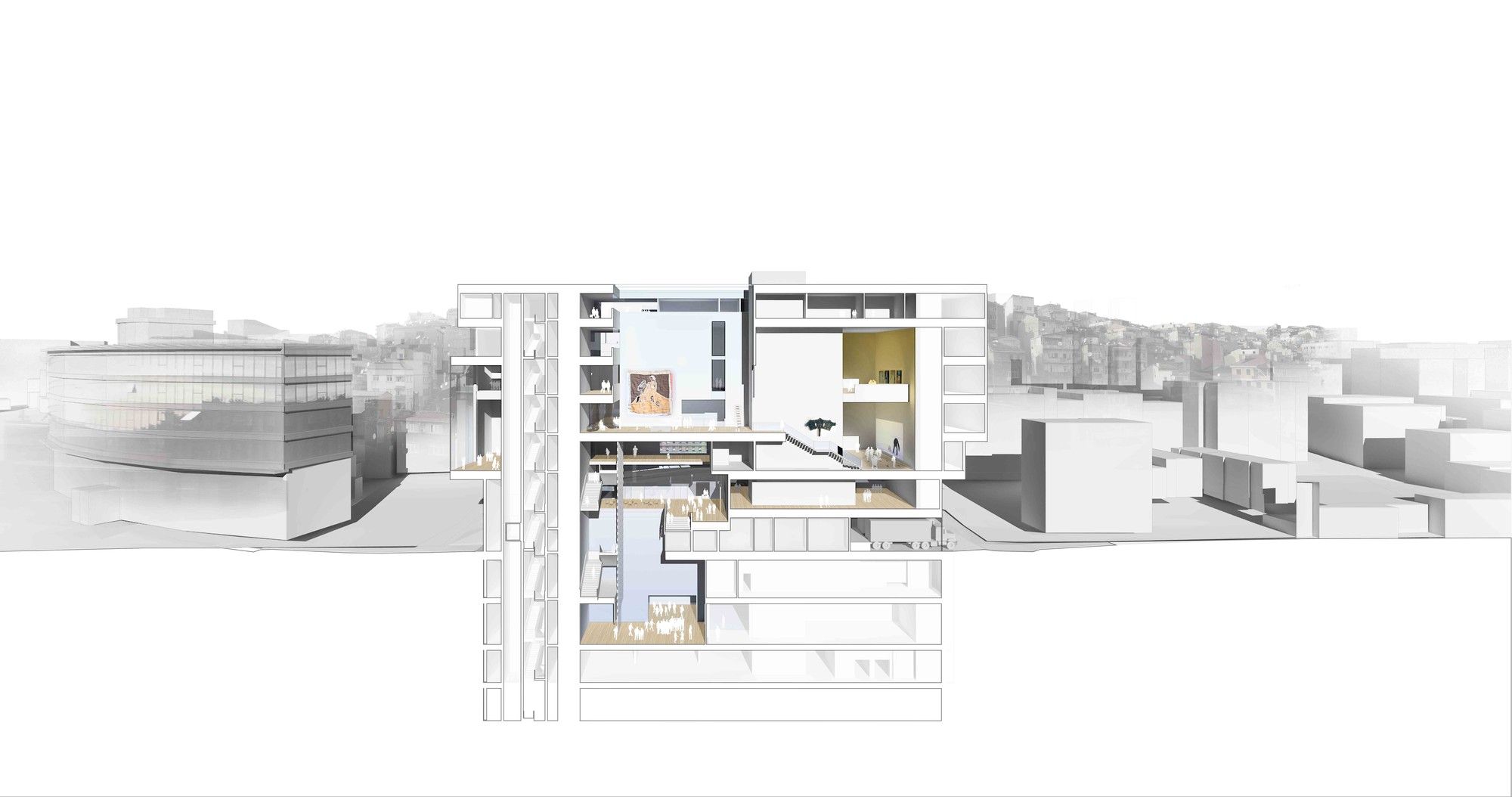


Koç Contemporary Art Museum seeks to be a landmark building in the Beyoglu area of Istanbul. Architects of the project, Grimshaw Architects proposed an interesting piece of architecture to fit in the context of the rich ottoman architectural tradition of Istanbul.
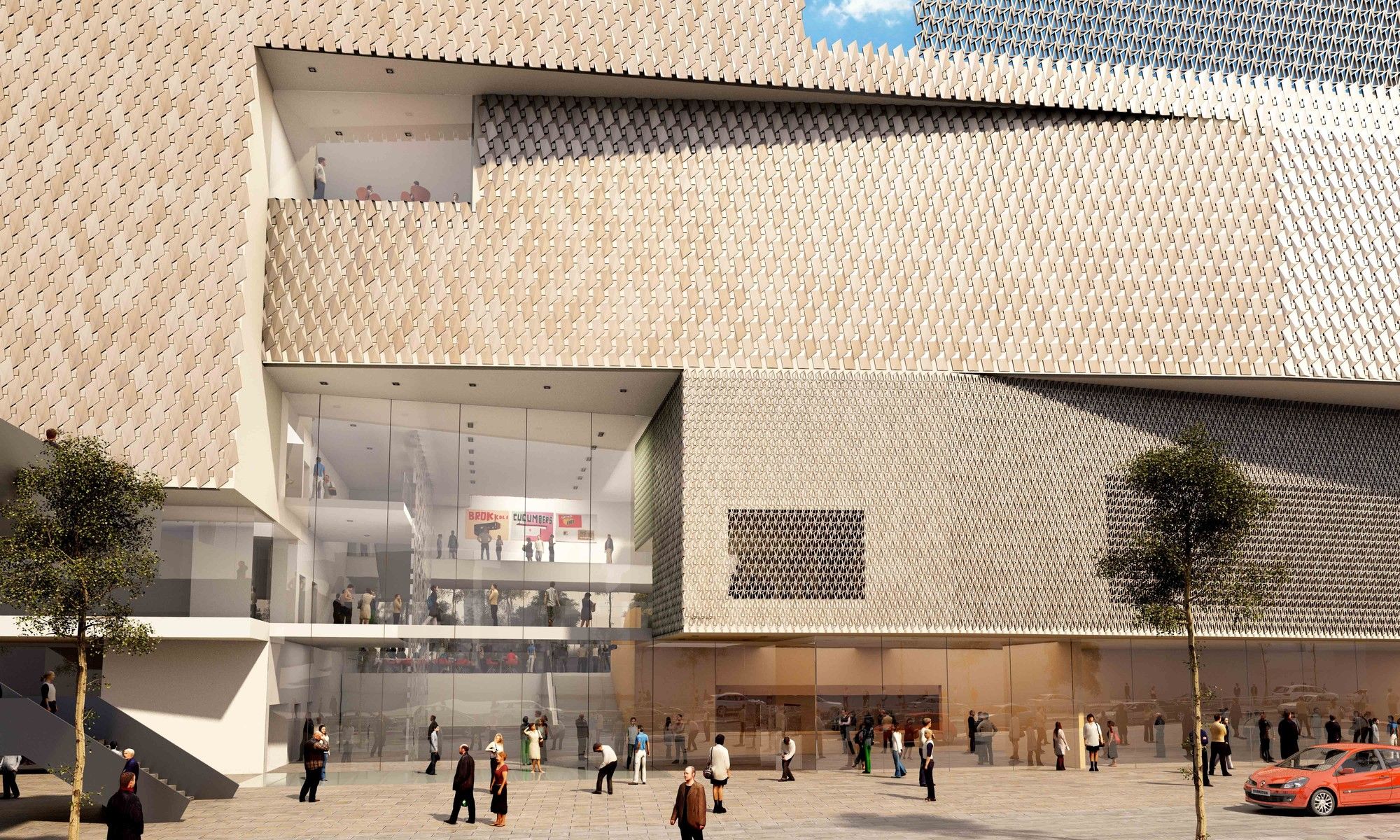
© Grimshaw Architects
The mosaic tiles used for the exterior cladding identifies easily with this architectural tradition. The volumes are arranged in a way to have parts being ‘sliced’ in a way to create niches, which bring a sort of dynamism to the facades. Belonging to the Vehbi Koç Foundation’s, the museum will house a wide collection to cater for the widest possible audience placing the works in a national, regional and international context. The collection will comprise of paintings, video, media installations performance art and music events among others.
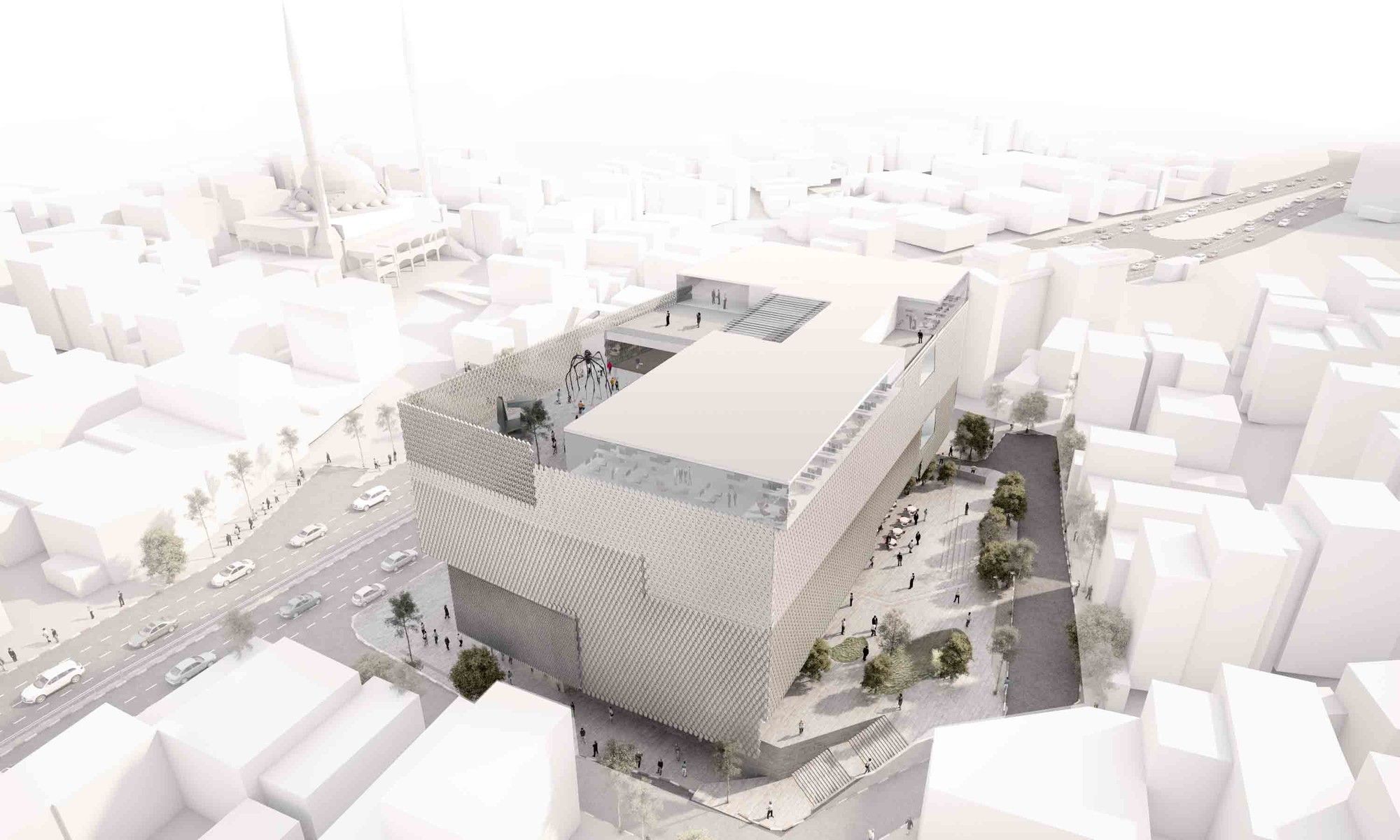
© Grimshaw Architects
The challenge for the design according to the architects was to balance the needs of the visitors and that of the collection.Kristen Lees, partner in charge of the design had this to say; “Koç Contemporary is a hugely exciting and ambitious project that will have a significant impact not only on the role of contemporary art in Istanbul, to educate and exchange ideas, but on the regeneration of a rich and diverse area of the city. The inter-relationship between architecture, place and the collections informed our proposals to enrich the visitor experience.”
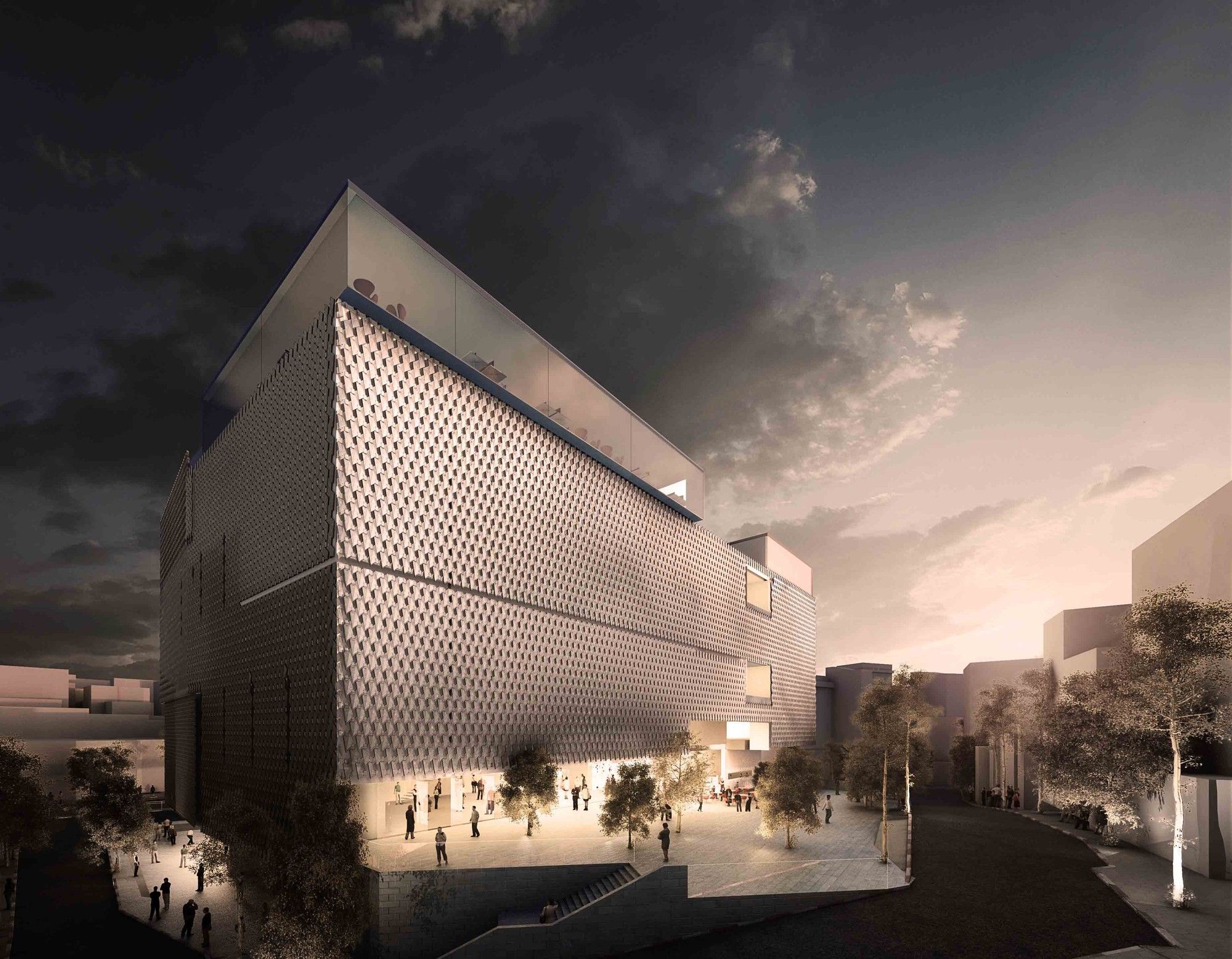
© Grimshaw Architects
Project info:
Designed by: Grimshaw Architects
Partner in Charge: Kirsten Lees
Collaborators: Thornton Tomasetti, Max Fordham, Neill Woodger Acoustics
Lighting Specialists: Jason Bruges
Location: Istanbul, Turkey