

<!– ============================================================
SCHEMA MARKUP BLOCK — paste into of the WordPress page
============================================================ –>
{
“@context”: “https://schema.org”,
“@type”: “Article”,
“headline”: “What Is a Cupola in Architecture? 12 Famous Examples Explained With Photos”,
“description”: “A cupola is a small dome-like structure that sits on top of a roof — but some of the most iconic buildings in history are defined by theirs. Learn what cupolas are, what the different types do, and see 12 famous examples with photos.”,
“image”: {
“@type”: “ImageObject”,
“url”: “https://www.arch2o.com/wp-content/uploads/2023/04/Arch2O-cupolas-in-architecture-101-what-are-they-and-how-to-make-the-most-out-of-them-700×467.jpg”,
“width”: 700,
“height”: 467
},
“author”: {
“@type”: “Organization”,
“name”: “Arch2O”,
“url”: “https://www.arch2o.com”
},
“publisher”: {
“@type”: “Organization”,
“name”: “Arch2O”,
“logo”: {
“@type”: “ImageObject”,
“url”: “https://www.arch2o.com/wp-content/uploads/arch2o-logo.png”,
“width”: 200,
“height”: 60
}
},
“datePublished”: “2023-04-01”,
“dateModified”: “2026-06-16”,
“mainEntityOfPage”: {
“@type”: “WebPage”,
“@id”: “https://www.arch2o.com/what-is-a-cupola-in-architecture/”
},
“keywords”: [
“cupola in architecture”,
“what is a cupola”,
“types of cupolas”,
“famous cupola examples”,
“cupola vs dome”,
“barn cupola”,
“lantern cupola”,
“Brunelleschi cupola”
],
“articleSection”: “Architecture Basics”,
“wordCount”: “2800”
}
{
“@context”: “https://schema.org”,
“@type”: “BreadcrumbList”,
“itemListElement”: [
{
“@type”: “ListItem”,
“position”: 1,
“name”: “Home”,
“item”: “https://www.arch2o.com/”
},
{
“@type”: “ListItem”,
“position”: 2,
“name”: “Architecture Basics”,
“item”: “https://www.arch2o.com/architecture/”
},
{
“@type”: “ListItem”,
“position”: 3,
“name”: “What Is a Cupola in Architecture?”,
“item”: “https://www.arch2o.com/what-is-a-cupola-in-architecture/”
}
]
}
Walk through any old American town, glance up at the courthouse, and there’s probably a small tower sitting on the roof — maybe octagonal, maybe square, almost certainly with little windows on each side. That’s a cupola. George Washington had one on Mount Vernon. Brunelleschi built one on Florence Cathedral that architects were still studying two centuries later. You can add one to a garden shed this weekend for a few hundred dollars. The gap between those three things is enormous, which is part of what makes cupolas interesting.
This guide covers the full picture: what a cupola actually is, what each type does, how one of them changed the course of Western architecture, and twelve of the most remarkable examples ever built — from a half-finished antebellum mansion in Mississippi to a glass-and-mirror parliamentary symbol in Berlin.
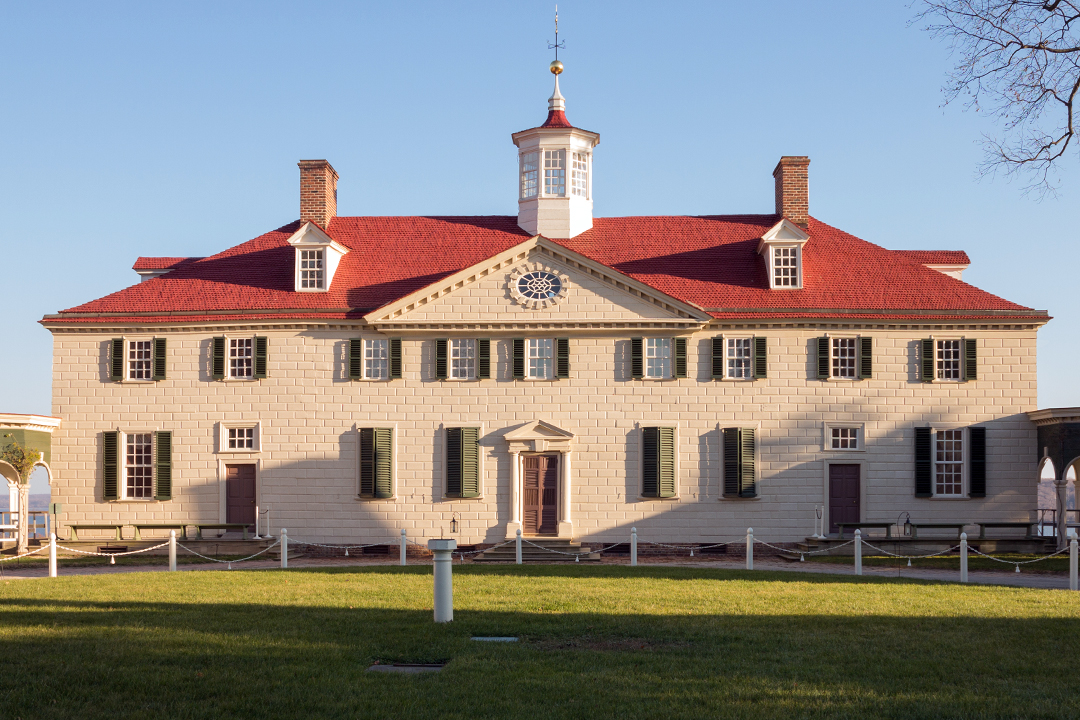
George Washington’s Mount Vernon Mansion. ©StayVA
What Is a Cupola in Architecture?
A cupola is a small structure that projects upward from a roof — hollow inside, topped with a pointed or domed cap, and almost always fitted with side windows or ventilation slats. The word itself comes from the Latin cupula, meaning “small cup.” Flip a cup upside down and place it on a roof: that’s the shape you’re picturing.
In the vast majority of cases, cupolas are noticeably smaller than the building below them — square or hexagonal, a few feet across, sitting at the ridge line like a punctuation mark on the roofline. But there are notable exceptions. Some of the most recognizable buildings in the world are defined entirely by their cupolas, which in those cases are dome-sized structures large enough to shape the whole building’s identity. The US Capitol is essentially a base for its cupola. So is St. Paul’s Cathedral.
The core job of a cupola is visual — to give the roofline something interesting to look at. But cupolas almost always do something useful too, and which function takes priority depends entirely on where it sits and who commissioned it.
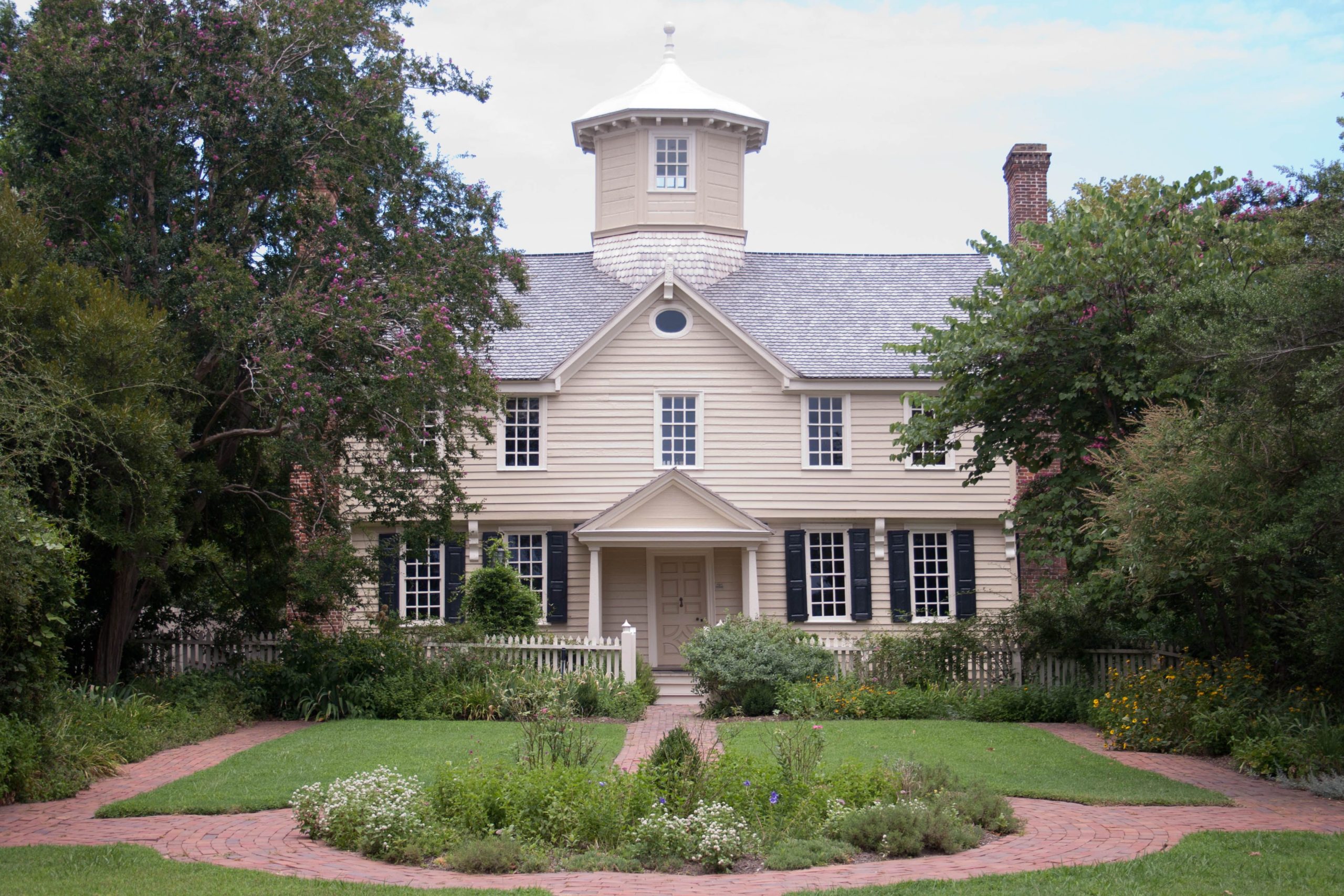
©mavink.com
Cupola vs. Dome: What’s the Difference?
This question comes up a lot, and the answer is simpler than most people expect. A dome is a primary roof structure — it spans an entire room or building and is the main thing holding up the sky above that space. A cupola is secondary. It sits on top of something else — on a flat roof, on a pitched roof, or right at the crown of a dome — as the final layer of the composition.
Brunelleschi’s Florence Cathedral is the cleanest example of both working together. The dome is the engineering achievement that no one thought was possible. The cupola — a lantern structure at its very peak — is the finishing touch that pulls daylight down into the interior. Remove the cupola and the dome still stands. Remove the dome and the cupola has nothing to sit on.
In everyday usage, the line between a very large cupola and a dome blurs considerably, and architects have argued about where one ends and the other begins for centuries. For practical purposes: if it spans the whole building, it’s a dome. If it sits on top of something else, it’s a cupola.
Types of Cupolas — Compared
Not every cupola does the same job. The type you’re looking at tells you a lot about why it was built and what the architect — or farmer — was trying to solve.
| Type | Primary Function | Most Common On | What Makes It Different |
|---|---|---|---|
| Louver Cupola | Ventilation | Barns, garages, sheds | Angled slats let air out, keep rain in |
| Window Cupola | Natural light | Houses, stables, workshops | Glass panels on all sides bring daylight in |
| Lantern Cupola | Lighting — day and night | Cathedrals, civic buildings | Houses a light source or candle at the crown |
| Dome Cupola | Ornamental / monumental | Capitols, cathedrals, palaces | Large enough to define the building’s entire silhouette |
| Barn Cupola | Ventilation + decoration | Farm buildings | Almost always topped with a weathervane |
| Belvedere Cupola | Observation / lookout | Victorian houses, estates | Enclosed room with 360° windows — a room you can actually stand in |
What Does a Cupola Actually Do?
The short answer is: it depends on the type. But in most cases, a cupola is doing at least two things at once.
Ventilation is the most common function, especially on agricultural and residential buildings. Louver cupolas pull hot, humid air out of garages, workshops, and barns through angled slats — the same physics that makes a chimney draw smoke upward. On a barn, this matters a great deal. Heat and moisture trapped inside a barn accelerate mold growth, rot the structural timbers, and can create dangerous concentrations of methane from decomposing hay. A well-sized cupola keeps the interior dry, extends the life of the building, and keeps the animals healthier through winter.
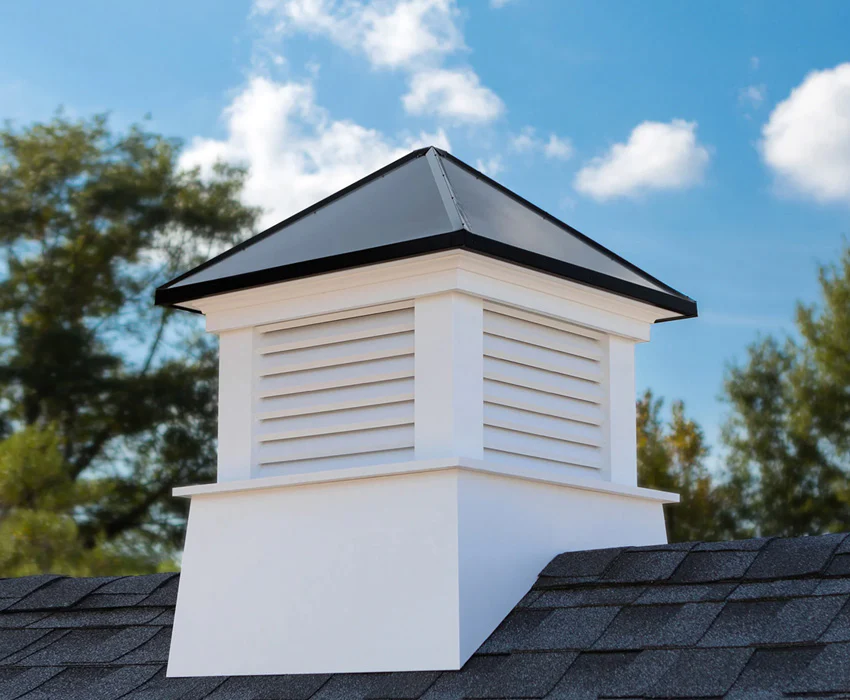
Louver Cupola. ©Good Directions
Natural light is the job of window cupolas. A glass-sided cupola positioned over a stairwell, workshop, or upper hallway can reduce artificial lighting significantly during daylight hours. The light it delivers is also better than most window light — softer, more diffuse, less directional — because it comes from above. At night, fitting the same cupola with a lantern turns it into a warm visual feature on the roofline and a useful landmark for anyone finding their way to the property after dark.
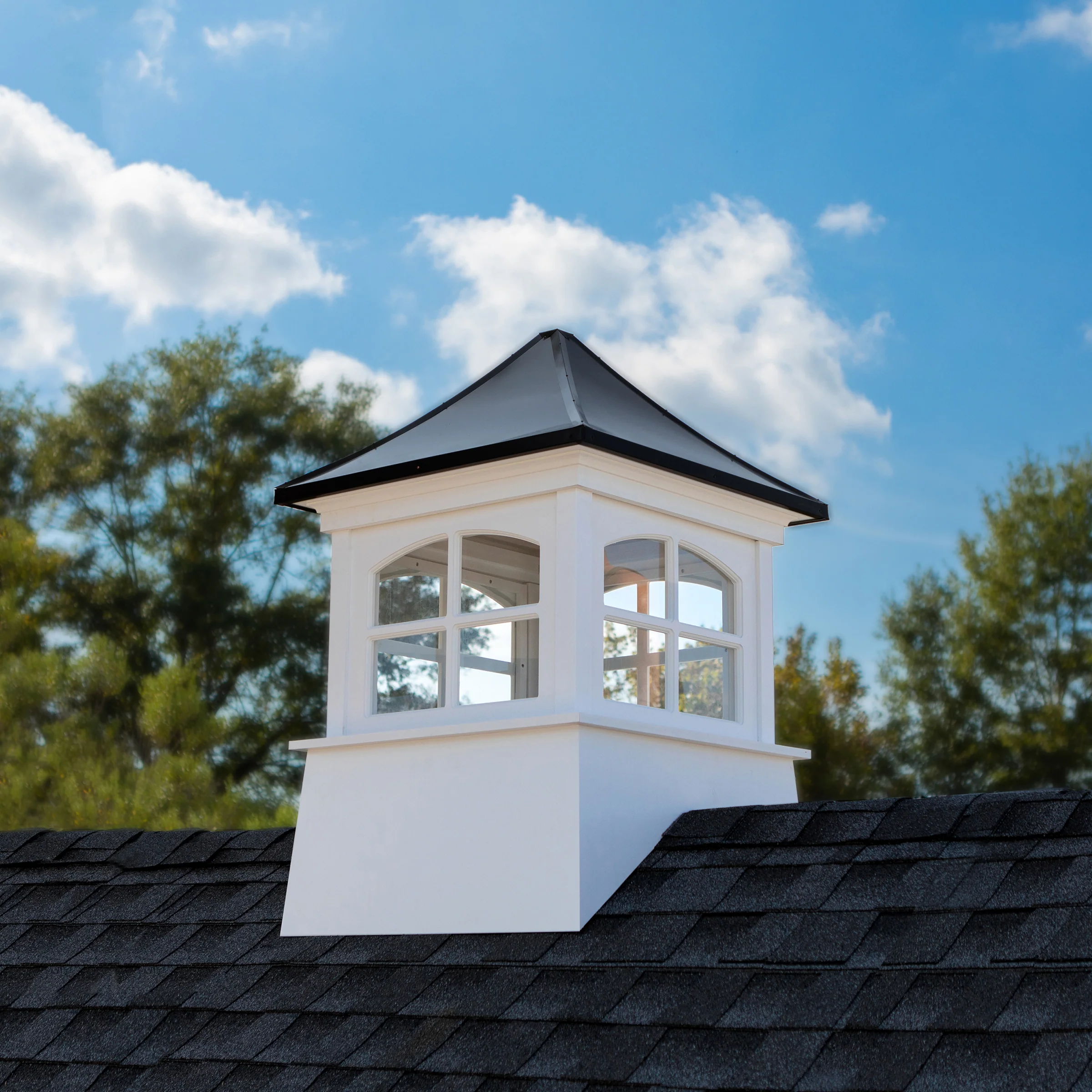
Window Cupola. ©Good Directions
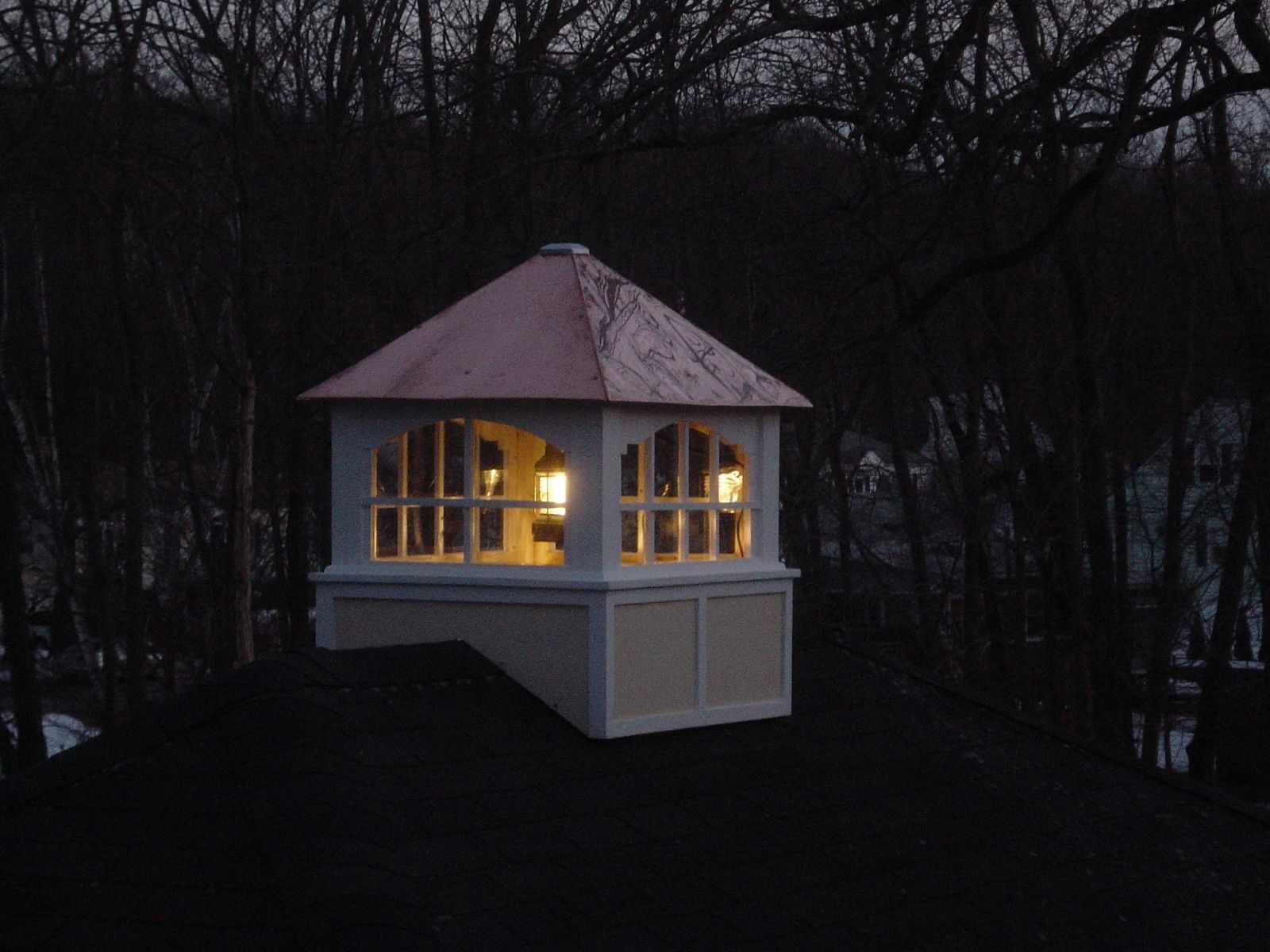
Cupola Lantern. ©CustomMade
Aesthetics is the third function — and for most homeowners adding a cupola today, it’s the real reason. A well-chosen cupola gives a roofline a focal point and visual hierarchy. A traditional cedar cupola with a rooster weathervane on a dark red steel pole says American farmhouse. A copper-capped hexagonal cupola on a cedar-shingled workshop says something quieter and more refined. The right cupola doesn’t decorate a building so much as it finishes it — the way a frame finishes a painting.
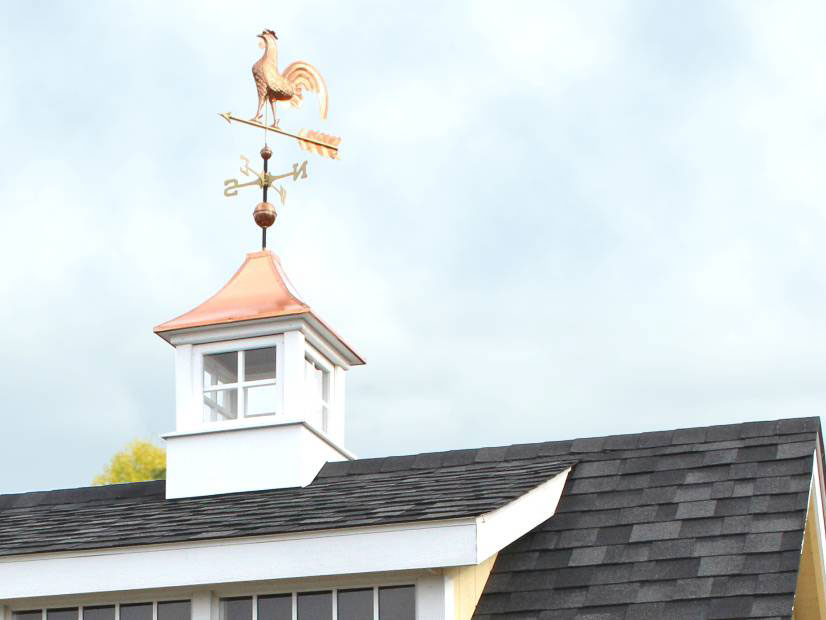
Classic Rooster Weathervane. ©Best in Backyards
How One Cupola Changed Western Architecture
Construction on Florence Cathedral began in 1296. The original design called for a dome larger than anything that had been built since the Pantheon in Rome — and that dome had been constructed with the help of a supporting earthen mound that was removed after the concrete set. The medieval builders of Florence had no such option: the crossing of the cathedral was too large, the technology didn’t exist, and the question of how to span it had sat unanswered for over a hundred years. By the early 1400s, the general consensus had quietly shifted toward the idea that it simply could not be done.
Then Filippo Brunelleschi entered a competition for the commission, won it — reportedly by demonstrating that he could balance an egg upright on a flat marble surface in a way no one else could — and proceeded to solve a problem that had stumped everyone for a century. His method was a self-supporting double-shell brick structure that built itself upward in interlocking rings, each course of bricks slightly tilted so that gravity kept them in place while the mortar set. He invented new tools and hoisting machines to execute it. The dome he built remained the largest in the world for over a century and is still the largest brick dome ever constructed.
The cupola — the lantern he placed at the crown of the dome between 1446 and 1461 — was not structurally necessary. The dome was entirely self-supporting without it. But it pulled daylight into the interior, completed the composition visually, and gave the whole structure a sense of resolution that the bare oculus would have lacked. Michelangelo studied it before designing St. Peter’s Basilica in Rome. The influence runs through virtually every major domed building in the Western world since.
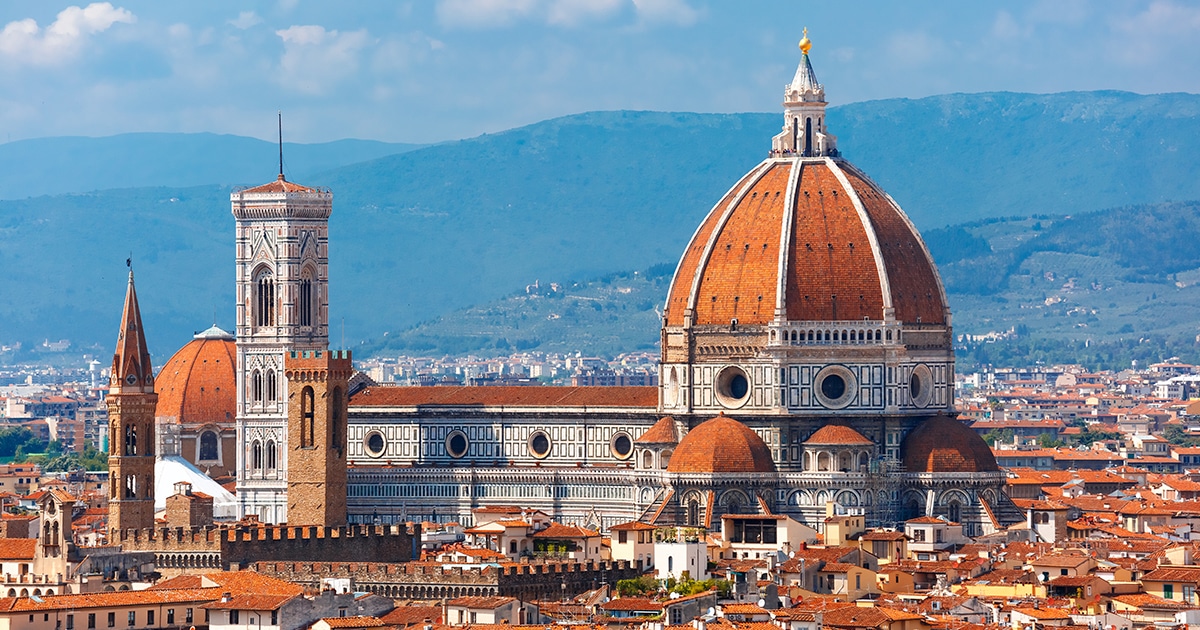
Florence Cathedral. ©Kavalenkava/Shutterstock
12 Famous Cupola Examples in Architecture
Cupolas appear across centuries, building types, and every continent. The twelve examples below show the full range — from a Moorish-inspired plantation house in Mississippi to a glass-and-mirror democratic symbol in Berlin. Each one uses a cupola differently, and each one shows something the others don’t.
1. Longwood Plantation House — Natchez, Mississippi, USA
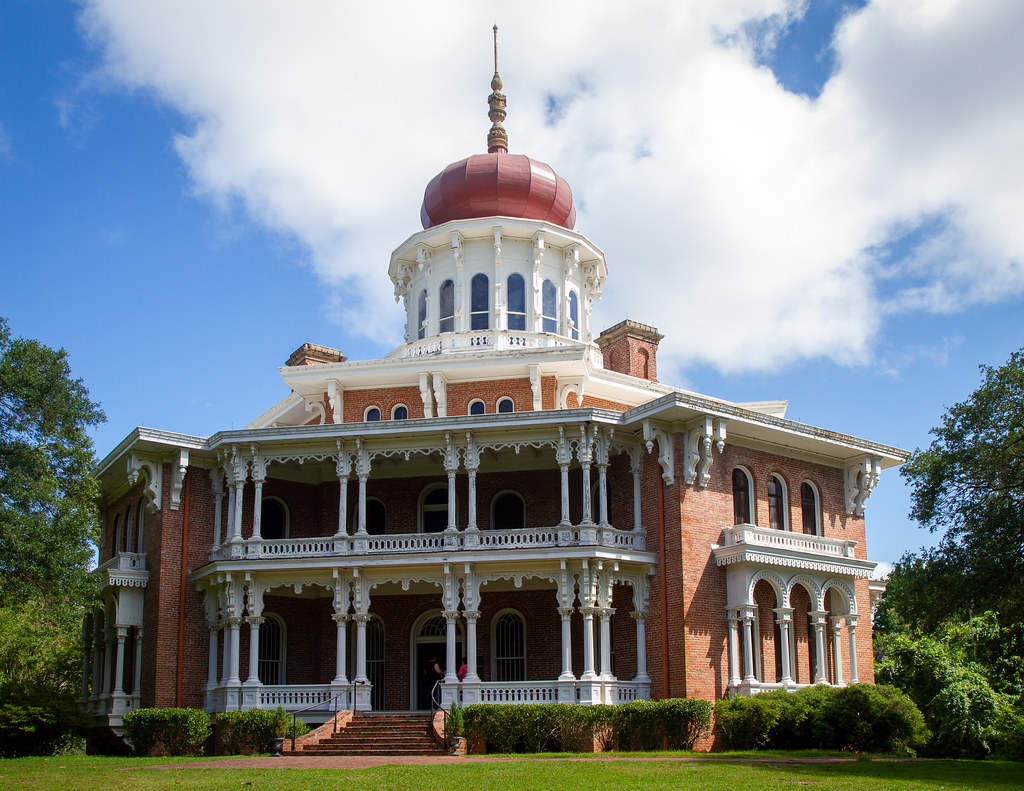
Longwood Plantation House. ©Arthur T. LaBar, Flickr
Longwood is the largest octagonal house in the United States, and its Moorish-inspired onion dome cupola is impossible to miss. Built in the 1850s in Natchez, Mississippi, by a wealthy cotton planter named Haller Nutt, the house was designed so that the cupola would ventilate the entire structure — drawing cool air upward through its multiple floors using the stack effect, long before mechanical air conditioning existed.
Construction stopped when the Civil War broke out in 1861. The Northern craftsmen building it packed their tools and left. The Nutt family moved into the only finished floor — the basement — and never left. The upper floors remain unfinished to this day: paint cans still sit where the workers abandoned them, plaster is still stacked in corners, scaffolding has never been taken down. Longwood is now a National Historic Landmark and one of the most haunting domestic spaces in the American South.
2. Brunelleschi’s Lantern — Florence Cathedral, Italy

©Susanne Kremer, Fototeca 9X12
When Brunelleschi placed his lantern cupola at the summit of Florence Cathedral’s dome in the 1460s, he was solving a lighting problem as much as a compositional one. The lantern draws daylight down into the cathedral interior through a ring of windows at its base, creating the luminous atmosphere the space is still known for. It carries no structural load — the dome below it is self-supporting — but it finishes the design in a way that makes everything below feel resolved. Removing it would be like pulling the last note out of a piece of music just before the cadence.
Michelangelo reportedly stood beneath it and studied it at length before designing the dome of St. Peter’s in Rome. The influence is visible — both domes share the same double-shell principle and the same lantern logic at the crown.
3. Sheldonian Theatre — Oxford, United Kingdom
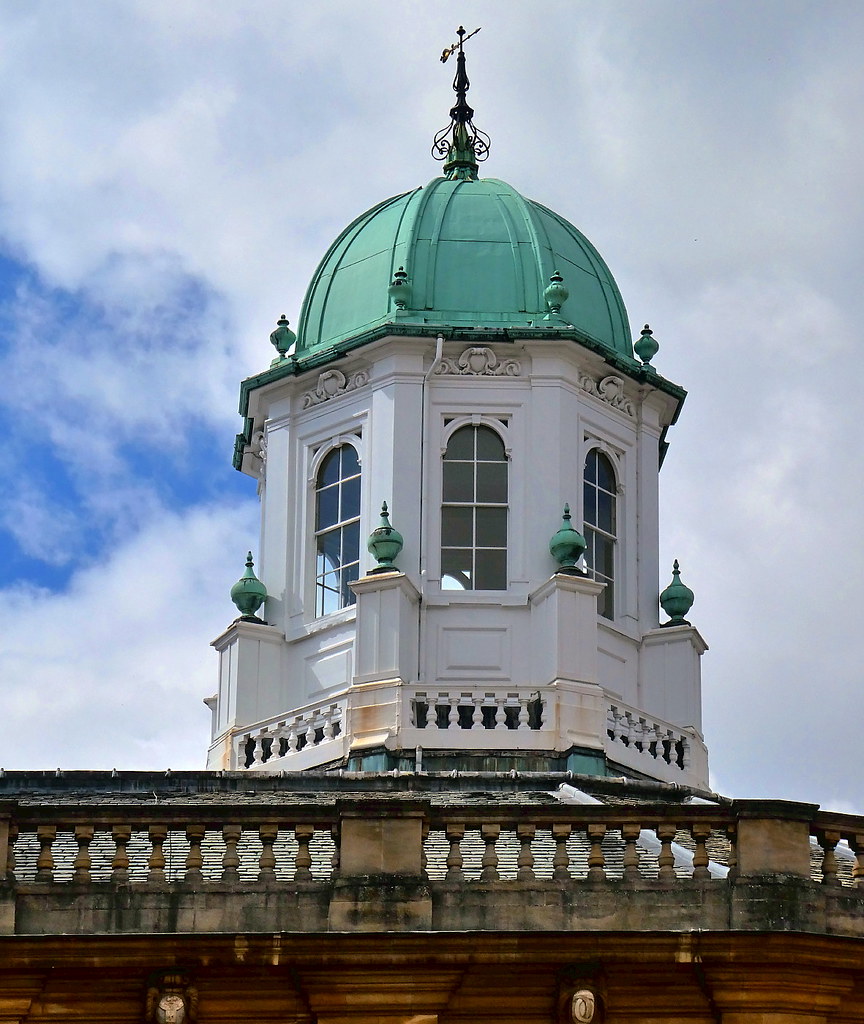
©Snapshooter46, Flickr
Christopher Wren designed the Sheldonian Theatre between 1664 and 1669 as a ceremonial hall for the University of Oxford, and — much like Brunelleschi before him — his preoccupation was building a large roof without columns interrupting the floor space below. The cupola at the top is technically surplus to the building’s structural requirements. But it does something the structure can’t: it gives visitors a 360-degree view across Oxford’s rooftops and spires that people still climb the steep interior stairs to see.
Mathematicians continue to study the geometry of the Sheldonian’s roof structure. Wren was, among other things, a mathematician, and the Sheldonian is as much a geometric exercise as a building.
4. United States Capitol — Washington D.C., USA
The cast-iron dome of the US Capitol was completed in 1868, during and just after the Civil War. President Lincoln insisted that construction continue through the war as a symbol that the nation would survive — there are photographs of the half-built dome with Union Army encampments visible on the grounds below it. At the very top of the dome sits a lantern cupola above the Statue of Freedom, and that lantern is illuminated whenever Congress is in night session, making the US Capitol one of the very few cupolas in the world that functions as a real-time civic signal visible across the city.
5. St. Paul’s Cathedral — London, United Kingdom
Christopher Wren’s masterpiece, completed in 1710, contains one of the most technically sophisticated dome-and-cupola systems ever built. The problem Wren faced was the same one that has confronted dome builders across history: a dome that looks right from the outside tends to be too flat to read as impressive from below, and a dome that looks dramatic from inside tends to look too tall and thin from the street. Wren solved it by building three separate shells — an inner dome visible from inside, an outer lead-covered dome visible from the street, and a hidden brick cone between them that carries the weight of the stone lantern at the top. The lantern cupola is pure ornament on the outside, but structurally it rests on an engineering solution invisible to anyone who hasn’t read the drawings.
6. Monticello — Virginia, USA
Thomas Jefferson designed the octagonal dome and cupola at Monticello himself, working from memory and sketches he had made while watching the Hôtel de Salm being built in Paris during his time as American minister to France. It sits above the building’s third floor — a floor Jefferson deliberately kept hidden from the exterior by designing the roofline so that only two stories appear from the outside. The cupola was his personal signature on the roofline and his clearest nod to the European neoclassical architecture he admired. There is no record that he ever made much use of the room below the cupola, but the visual effect was apparently the point.
7. Panthéon — Paris, France
The Panthéon’s dome has one of the most quietly beautiful lantern cupolas in French neoclassical architecture. Completed in 1790, the building spent the first years of its existence caught between its original purpose — a church — and what the French Revolution had in mind for it, which was a secular mausoleum for the nation’s great figures. The cupola at the crown lets light fall directly into the center of the floor below, where it lands on tombs that now include Voltaire, Rousseau, Victor Hugo, Émile Zola, Marie Curie, and, more recently, Josephine Baker. The light makes the space feel ceremonial without the light source ever being visible.
8. Mount Vernon — Virginia, USA
George Washington was directly involved in the design of the cupola at Mount Vernon — letters survive showing his specific instructions about its dimensions and placement. He wanted it to serve as the visual anchor of the roofline while ventilating the attic space below, and he got both. It worked well enough that it helped establish the cupola as a standard feature of American vernacular architecture for the following century — if Washington’s house had one, the argument for adding one to your own property was considerably easier to make.
9. Pioneer Courthouse — Portland, Oregon, USA
Built in 1875, the Pioneer Courthouse is the oldest federal building in the Pacific Northwest. Its Second Empire cupola has stood at the center of Portland’s downtown skyline for 150 years, which puts it in the same category as civic cupolas in 19th-century America that served as deliberate demonstrations of institutional permanence. The federal government was new to the Pacific Northwest; a stone building with a proper cupola was the architectural equivalent of planting a flag.
10. Sacré-Cœur — Paris, France
The Sacré-Cœur Basilica, completed in 1914, rises from Montmartre hill over a cluster of Romano-Byzantine domes topped by a central cupola at 83 meters. The interior of the cupola offers one of the best unobstructed panoramas in Paris — up to 30 kilometers on a clear day, taking in the Eiffel Tower, the Seine, and most of the city’s major landmarks. It is one of the most visited religious buildings in Europe, and on almost any day, the view from the cupola draws as many visitors as the basilica itself.
11. Hagia Sophia — Istanbul, Turkey
Built in 537 AD, the Hagia Sophia represents one of the oldest surviving examples of a cupola used deliberately to manipulate interior light. The main dome is pierced by 40 windows at its base, and the effect they create — particularly in the morning, when low-angle sunlight streams through them — is that the dome appears to float above the space below rather than rest on it. Sixth-century visitors described it as being suspended from heaven by a golden chain. The central lantern cupola at the dome’s crown is what makes this possible: without light entering from above, the dome would read as solid mass. With it, the whole upper half of the building seems to dissolve into light.
12. The Reichstag Dome — Berlin, Germany
Norman Foster’s glass cupola, added to the Reichstag in 1999, may be the most carefully thought-through cupola built in the 20th century. It sits above the restored German parliament building and is open to the public every day of the year without charge. Inside, a mirrored funnel reflects daylight down into the parliamentary chamber directly below — so the people in the gallery above are literally looking down at the elected representatives working below them, with light passing between the two spaces. The symbolism is deliberate: citizens above, parliament below, connected by light. It is simultaneously a working skylight, a public observation deck, and one of the most visited architectural spaces in Germany.
How to Choose the Right Cupola for Your Building
If you’re adding a cupola to a residential or agricultural building, the decision comes down to three questions: what do you want it to do, what size works with your roof, and what material fits your climate.
Function first. If the space below needs ventilation — a garage, a barn, a workshop — choose a louver cupola sized to at least 1.25 square inches of vent area per square foot of floor space. If you want light, choose a window cupola and orient it to catch morning sun. If you want pure visual effect, either works; the choice comes down to the building’s style.
Size matters more than most people expect. The general rule is one inch of cupola width for every foot of unbroken roofline. A 40-foot barn ridge needs a cupola roughly 40 inches (just over three feet) wide. A cupola that’s too small reads as an afterthought; one that’s too large looks like it belongs on a different building entirely.
Materials depend on climate. Cedar and redwood hold up well in most climates and weather naturally to grey. Copper is extremely durable and develops a distinctive patina over time — it’s the premium option. Vinyl is the low-maintenance choice for humid or coastal environments where wood tends to deteriorate quickly. Avoid untreated pine in any climate with wet winters.
Weathervanes are optional but traditional. If you add one, make sure it’s properly grounded electrically and balanced so it turns freely — a weathervane that doesn’t move is just a rooster stuck at northeast for the rest of its life.
Watch: Cupola Architecture Explained
This short video walks through the history and engineering of famous cupolas — a good companion to the examples above if you want to see them in context rather than just photographs.
[Recommended: Embed a YouTube video here — search “Brunelleschi dome explained” or “what is a cupola architecture” on YouTube and embed the most relevant result using WordPress’s built-in YouTube embed block.]
Frequently Asked Questions About Cupolas
What is a cupola in architecture?
A cupola is a small dome-like structure that projects upward from a building’s roof. The word comes from the Latin cupula, meaning “small cup.” Most cupolas feature a pointed or domed cap with side windows or ventilation slats, and they serve three main purposes: ventilation, natural lighting, and visual interest on the roofline. Some of the most famous buildings in the world — the US Capitol, St. Paul’s Cathedral, the Reichstag — are largely defined by theirs.
What is the difference between a cupola and a dome?
A dome is a large curved structure that spans an entire room or building as the primary roof. A cupola is smaller and sits on top of something else — either a flat roof, a pitched roof, or directly at the crown of a dome — as a secondary structure. The cupola is the finishing detail; the dome is the main event. Brunelleschi’s lantern cupola on Florence Cathedral shows both working together at their best.
What are the different types of cupolas?
The six main types are louver cupolas (ventilation, most common on agricultural buildings), window cupolas (natural light through glass panels), lantern cupolas (a light source at the crown, common on cathedrals and civic buildings), dome cupolas (large ornamental structures that define major civic or religious buildings), barn cupolas (agricultural ventilation, almost always topped with a weathervane), and belvedere cupolas (enclosed observation rooms with 360° windows, common on Victorian estates).
What is the most famous cupola in the world?
Brunelleschi’s lantern cupola on Florence Cathedral, completed in 1461, is widely considered the most historically significant. Other well-known examples include the Sheldonian Theatre in Oxford, the US Capitol dome, St. Paul’s Cathedral in London, the Panthéon in Paris, and Norman Foster’s glass cupola on the Reichstag in Berlin.
What is the purpose of a cupola on a barn?
Barn cupolas are primarily ventilation devices — they pull hot, humid air out through angled louver slats, preventing mold, wood rot, and dangerous fume buildup. They also help dry stored hay and reduce condensation in winter. Most are topped with a weathervane, adding a decorative element to what is otherwise a straightforwardly functional structure. They have been a standard feature of American farm buildings since at least the 18th century.
How much does a cupola cost?
A basic prefabricated cupola for a garden shed or small garage starts at around $150–$300. Mid-range cedar or copper cupolas for residential buildings typically run $500–$2,000 installed, depending on size and material. Custom-built or architectural-grade cupolas for larger structures can exceed $10,000. The weathervane, if included, adds anywhere from $50 to several hundred dollars depending on the design and material.
Can I add a cupola to an existing building?
Yes — most prefabricated cupolas are designed specifically for retrofit installation and can be added to an existing roof without structural modification. The main requirement is a solid ridge or flat section of roofline to mount it. For buildings with complex or steeply pitched roofs, it’s worth consulting a roofer before purchasing a cupola to confirm the mounting approach and make sure the flashing is properly waterproofed.
Sources
King, R. (2000). Brunelleschi’s Dome: How a Renaissance Genius Reinvented Architecture. Walker & Company.
Murray, P. (1986). The Architecture of the Italian Renaissance. Thames and Hudson.
National Trust for Historic Preservation. Longwood Plantation House, Natchez, Mississippi.
Foster + Partners. (1999). Reichstag New German Parliament. Berlin, Germany.

Aly Bayoumi is an editor with a sharp eye for detail and a deep commitment to clarity and precision. Passionate about architecture and design, he sees every project as an opportunity to shape compelling narratives that bring creative visions to life. With a focus on accuracy and engaging storytelling, Aly combines editorial expertise with a dedication to elevating the voices and ideas that shape the built environment.