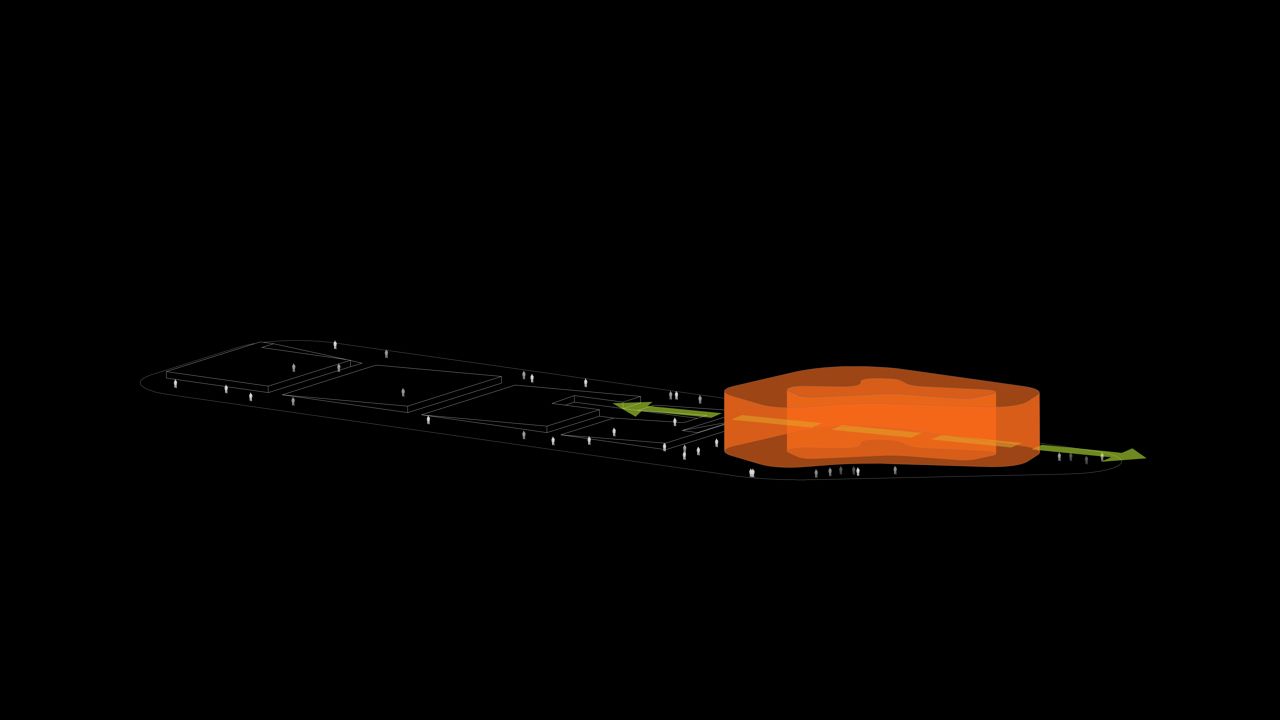
A “factory”for the city … A space to do things …. anything! Simply do things …Communicate. Communicate with the World … Know … Learn in a fun way!
A building that needs to dialogue with the city. An organic block, which gently lands on a square … A kind of constant sensory challenge that appeals to the discovery, experimentation, to a new way of experiencing this amazing city!
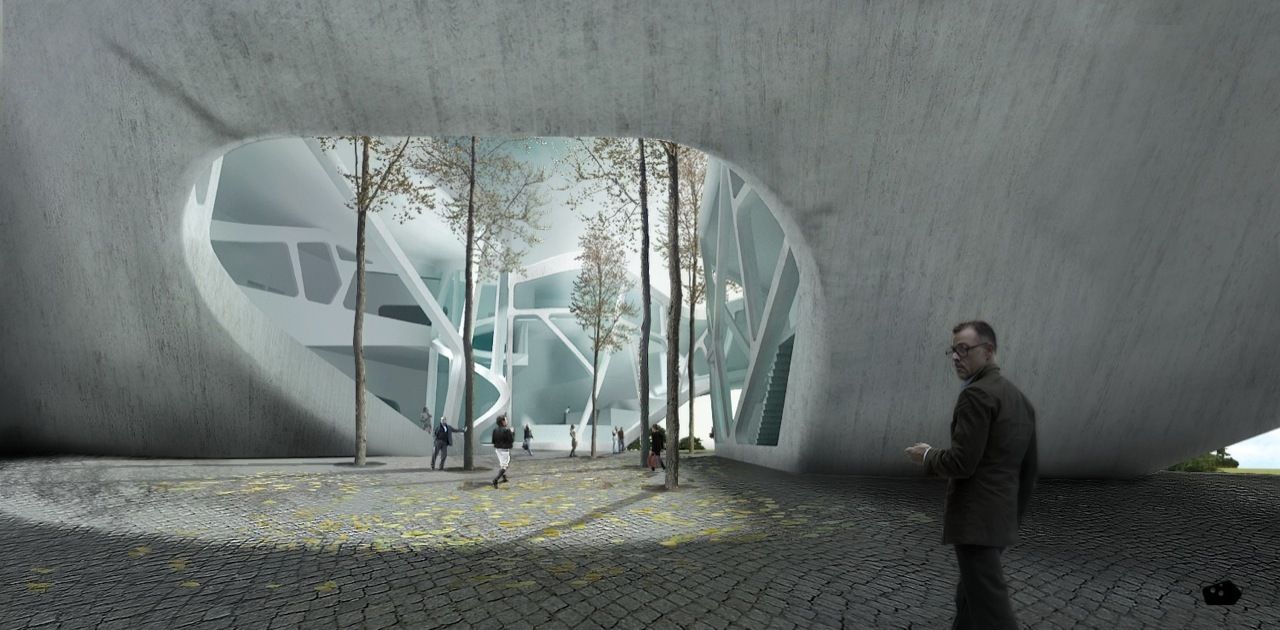
Courtesy of Spaceworkers
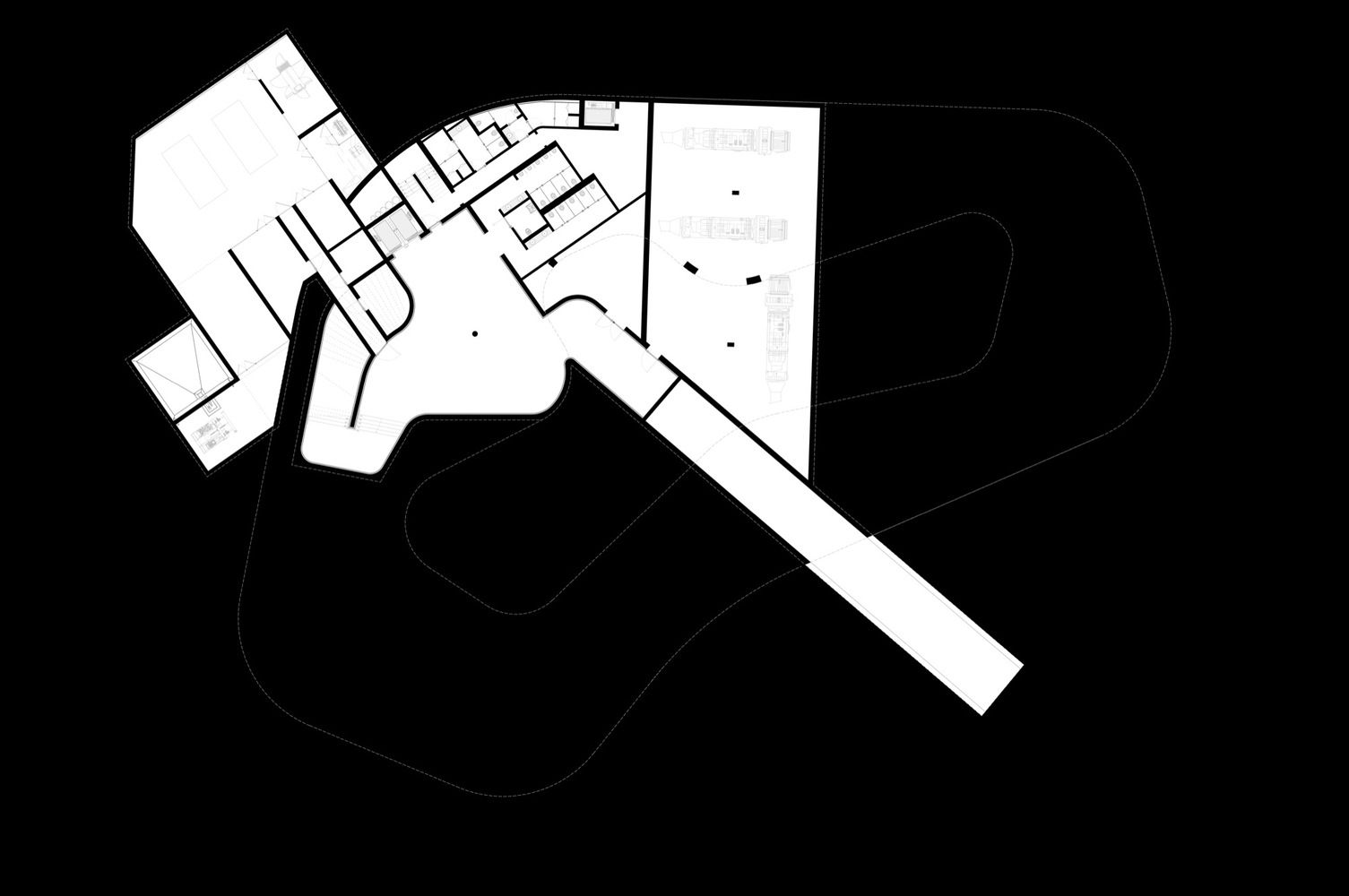
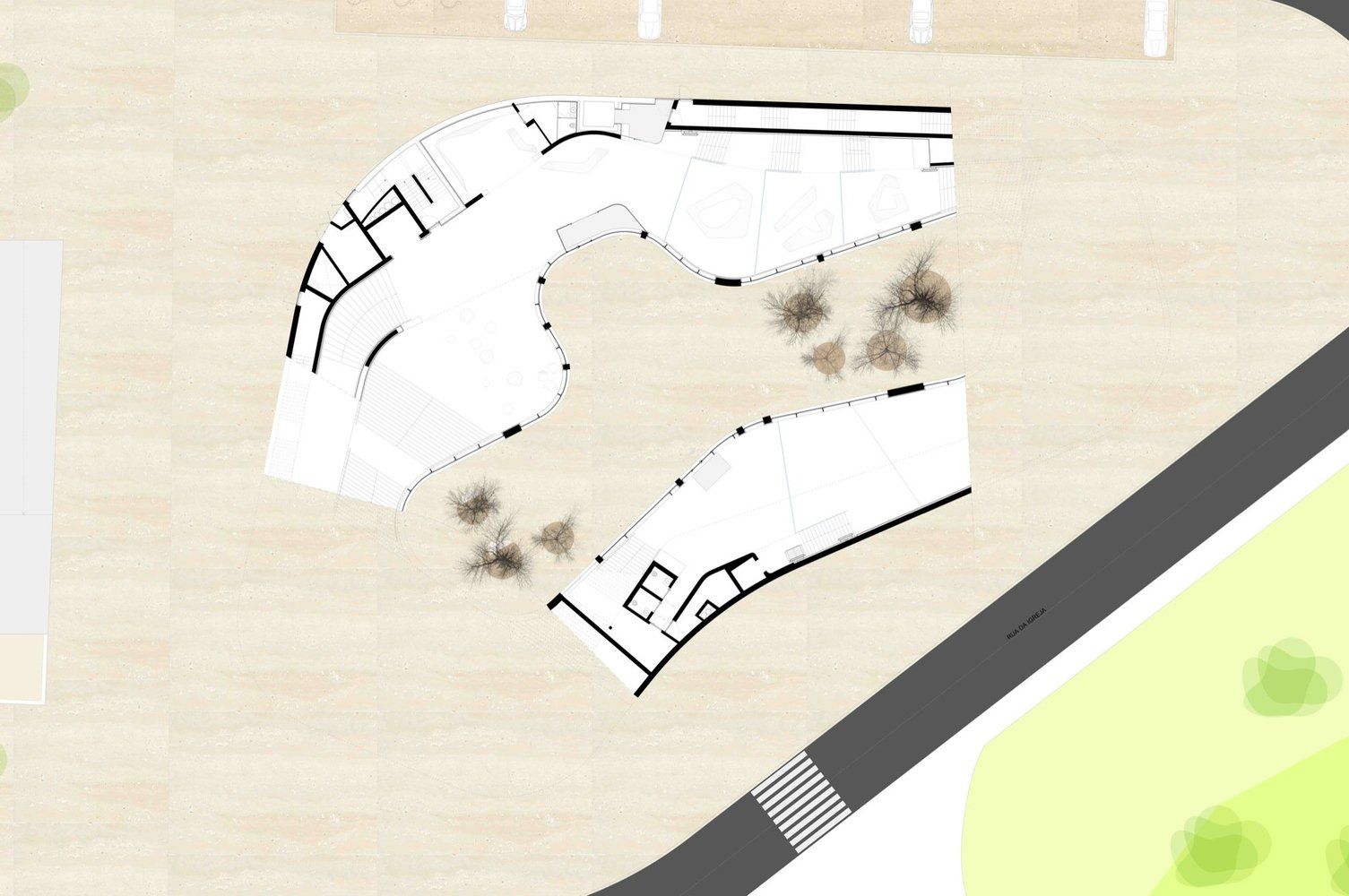
A space where the physical boundaries of the site are diluted in the geometry of the shape and permeability zones created by the balance sheet, reinforcing the desired fluidity of the surrounding urban space.
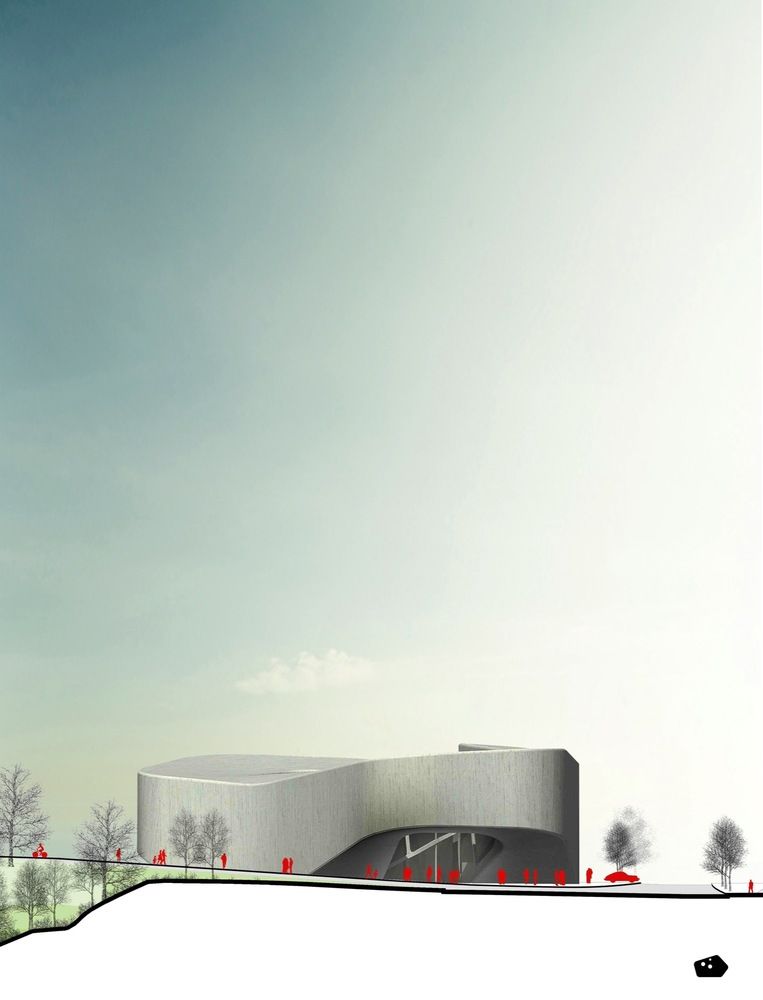
The building looks like a massive form, modeled on the basis of foreign relations to enhance, easily seized at car speed and able to stimulate the curiosity of passersby, in a constant game of seduction between “show” and “hide”.
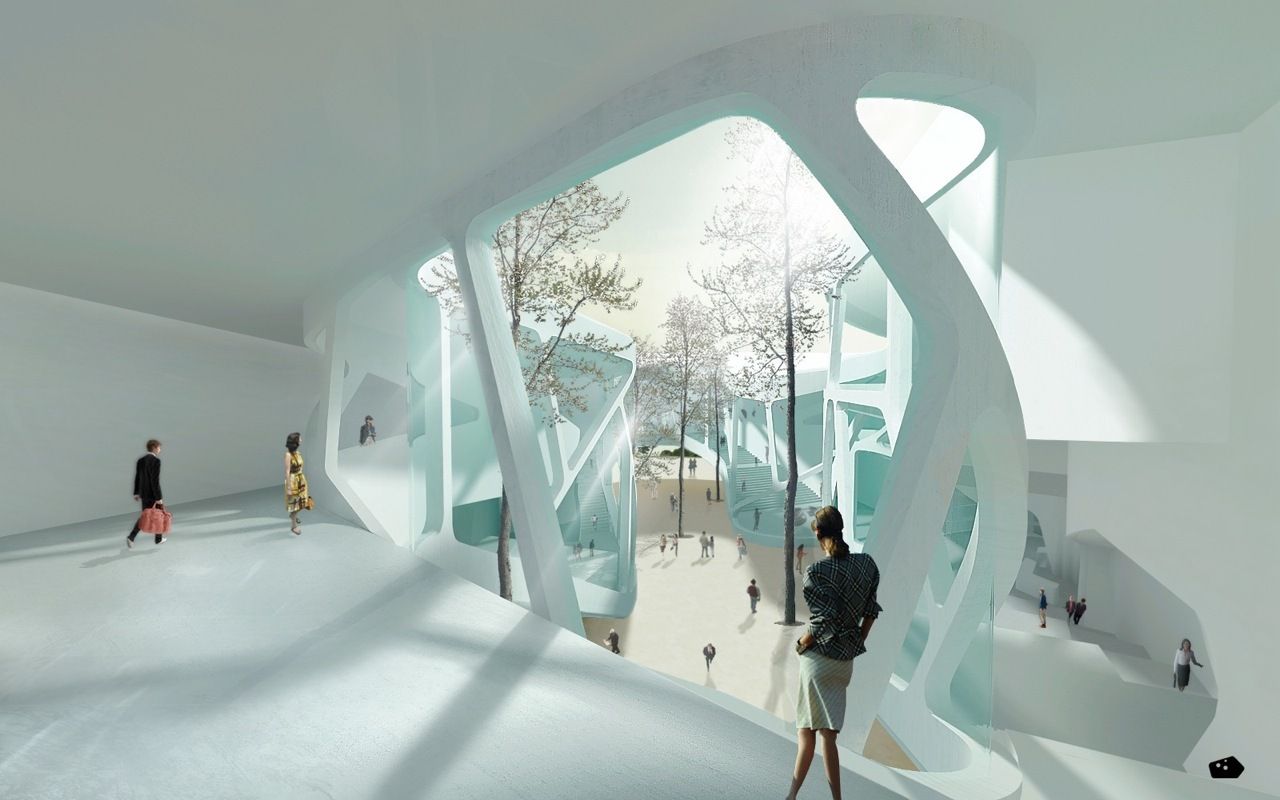
Courtesy of Spaceworkers
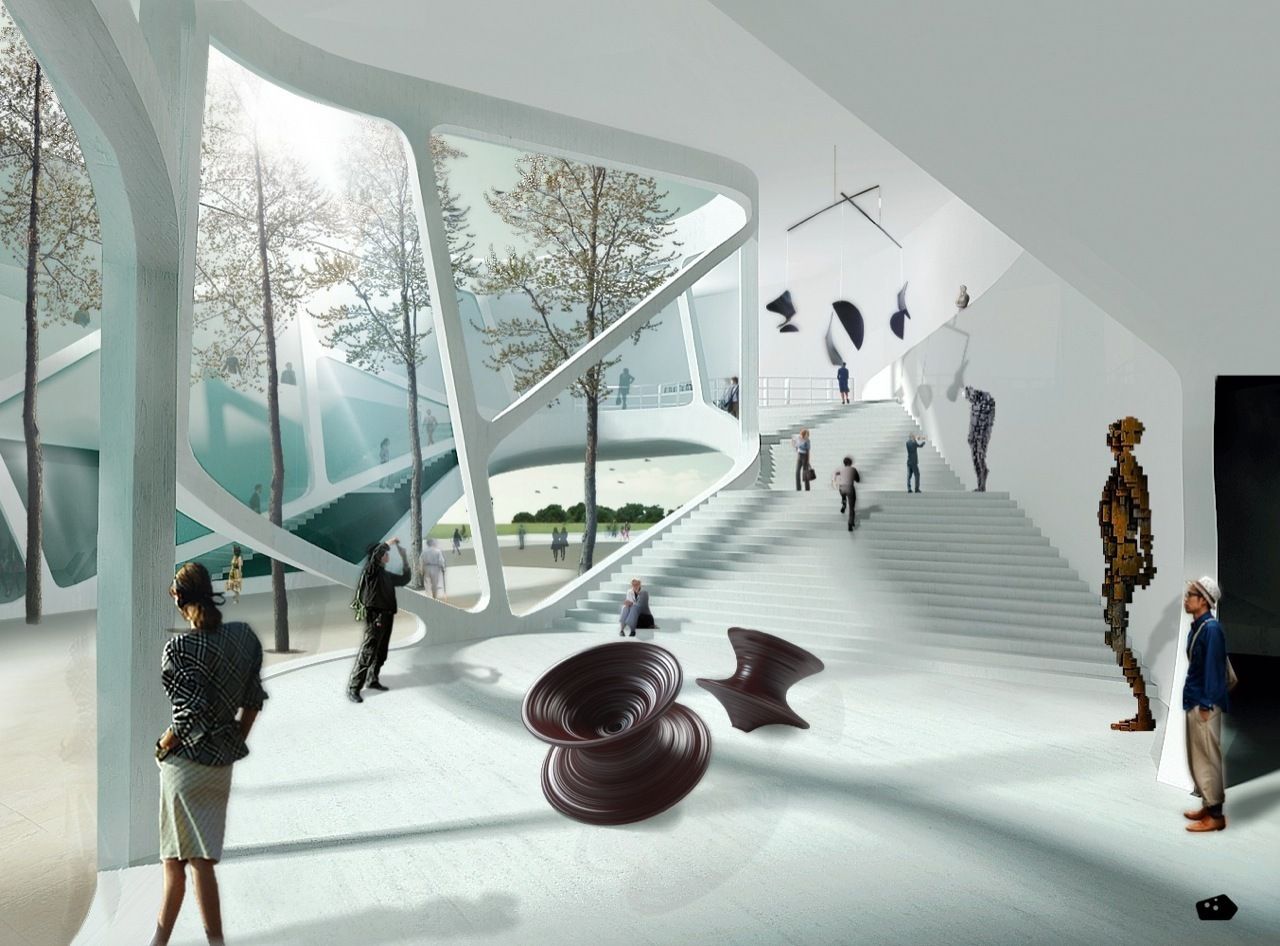
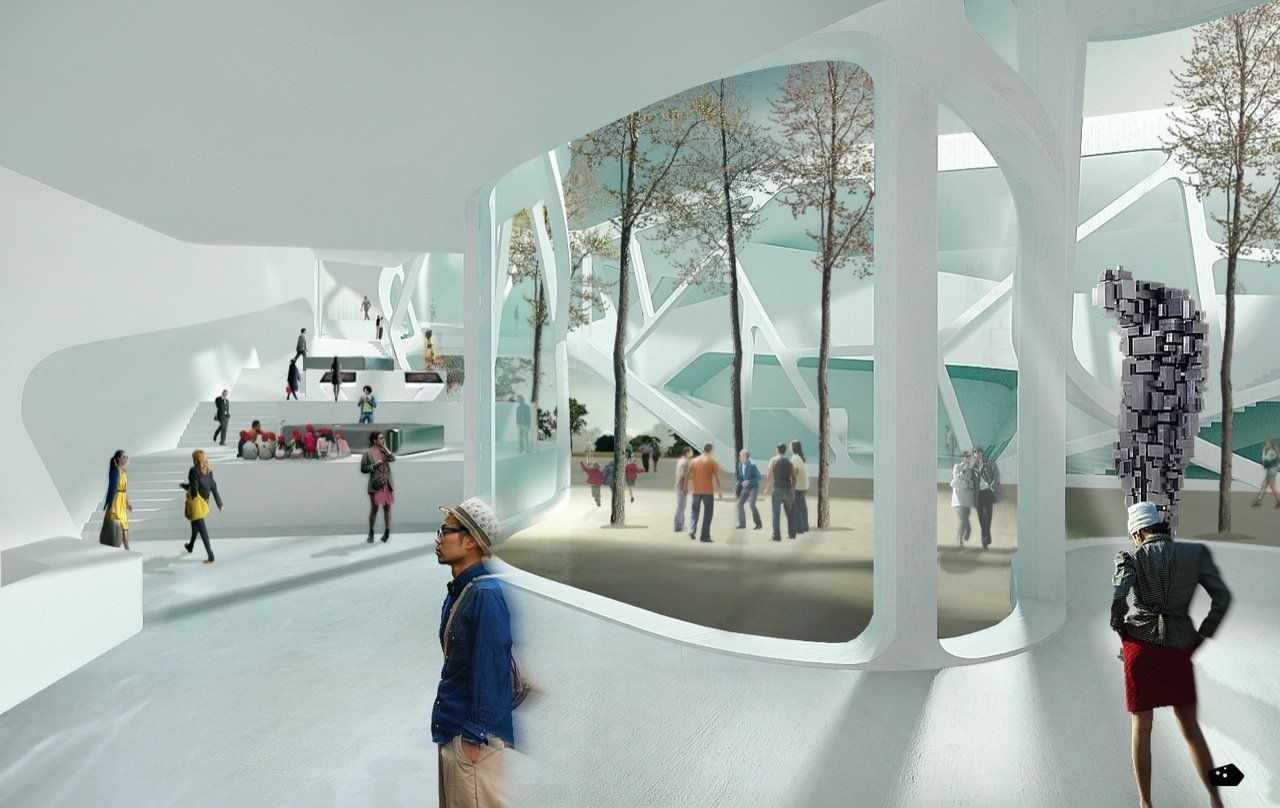
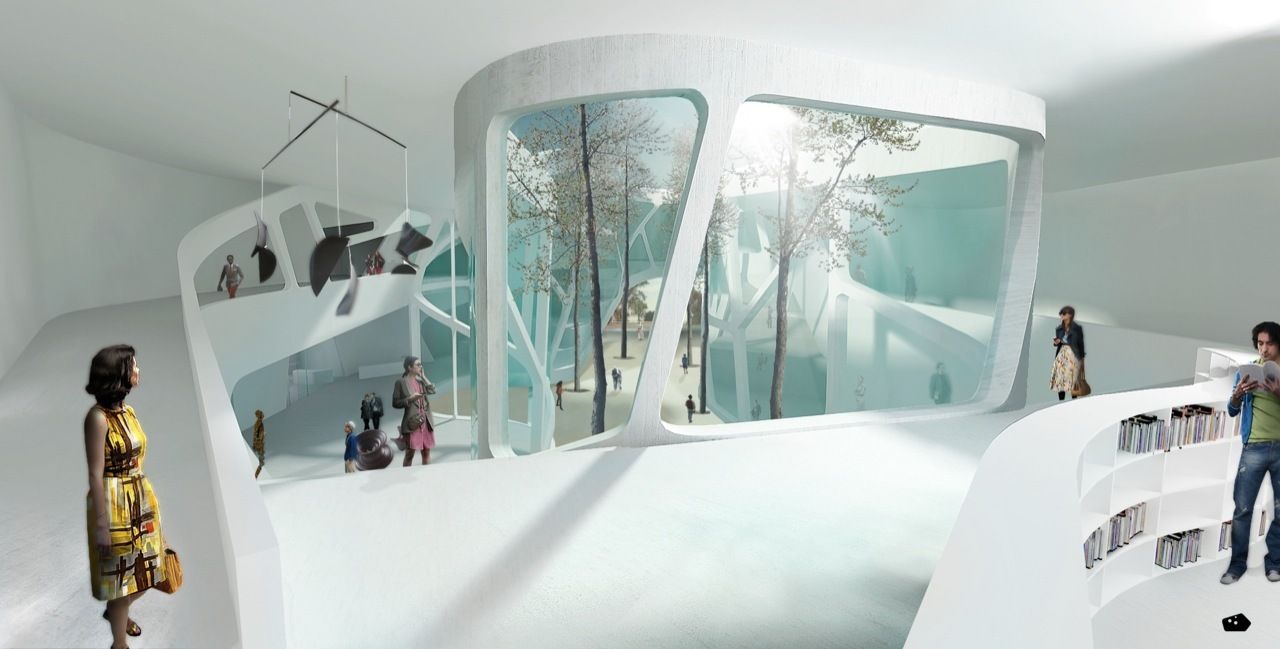
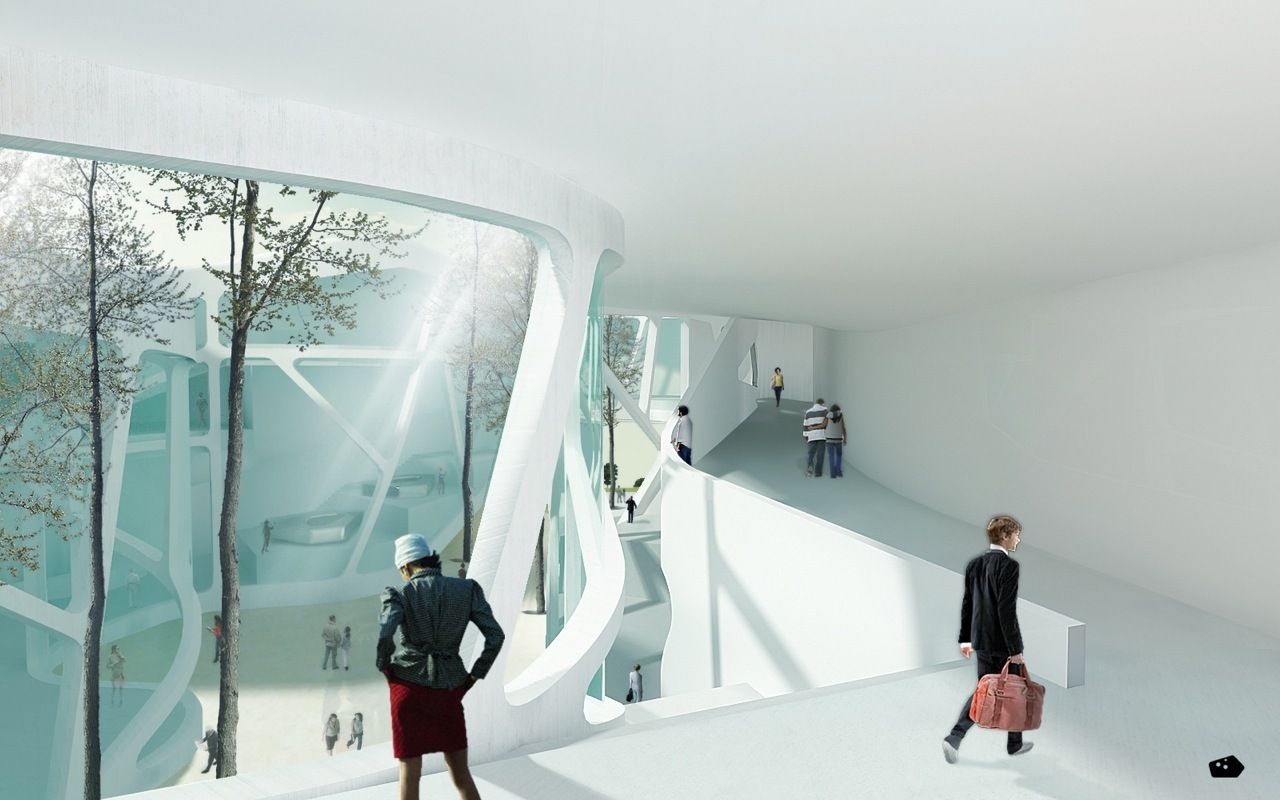
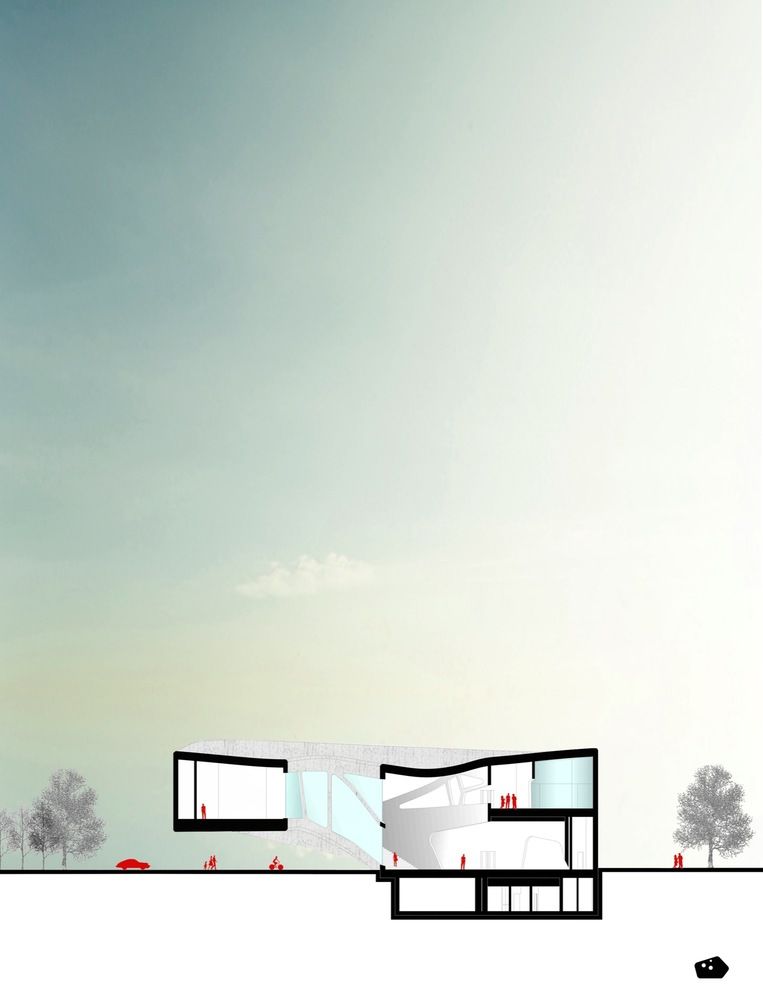
The interior is thought of as a kind of continuous functional spiral around a huge central void, exploring an idea of transparency, diluted in a lacy structure (suggesting the branches of trees in a dense forest), making the perception of different spaces possible and be a constant invitation to the movement and the discovery of spaces that are visible.
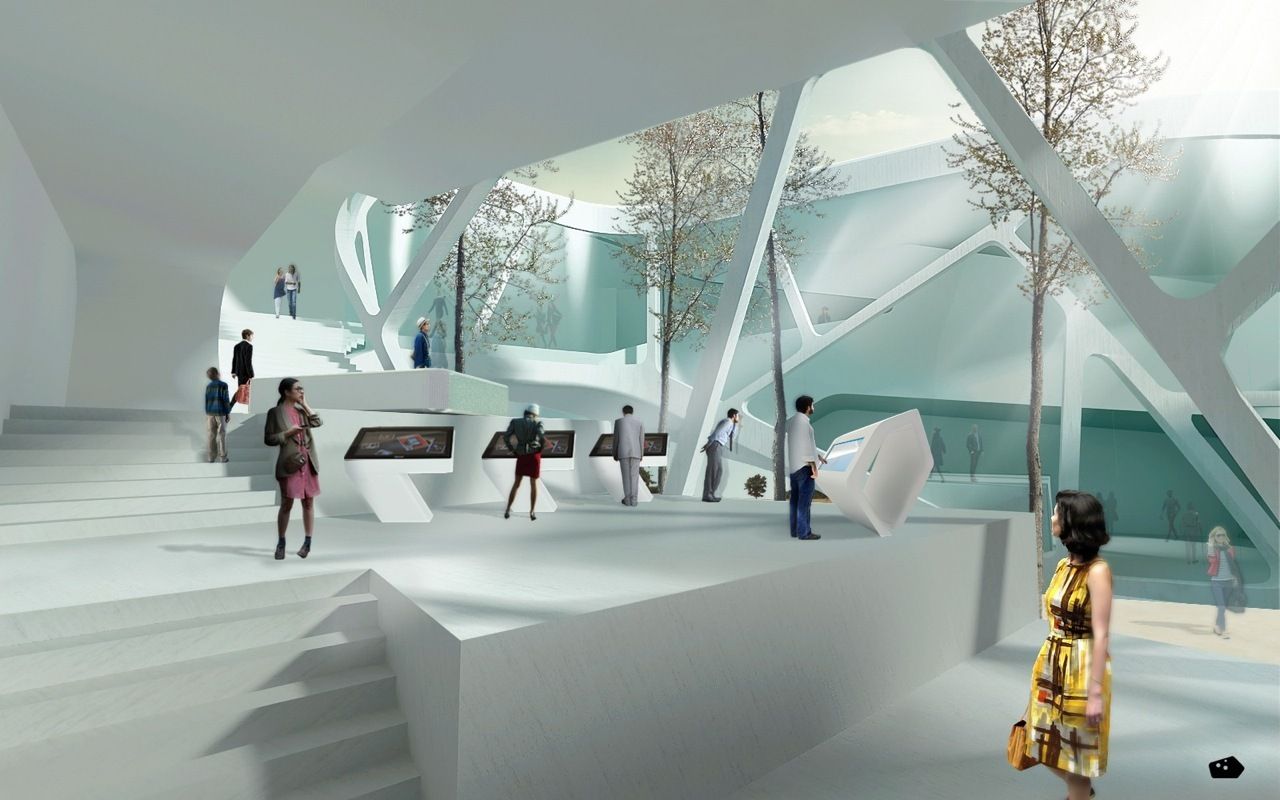
Courtesy of Spaceworkers
09FDIP PUBLIC BUILDING
Designer: Spaceworkers
Year: 2009
Size: 4000m2
Location: Lordelo | Paredes
Client: Câmara Municipal de Paredes
Principal architects: Henrique Marques and Rui Dinis
Team: Rui Miguel, Rui Rodrigues and Sérgio Rocha
Finance director: Carla Duarte – CFO