

The philosophy behind a concept car is pretty simple. It’s about marketing the image of the car manufacturer, trying new design concepts and expressing the design and tendencies of the brand’s future. A concept car is never meant to be a prototype for a future serial car, thus making it unique.

Courtesy of Gran Turismo
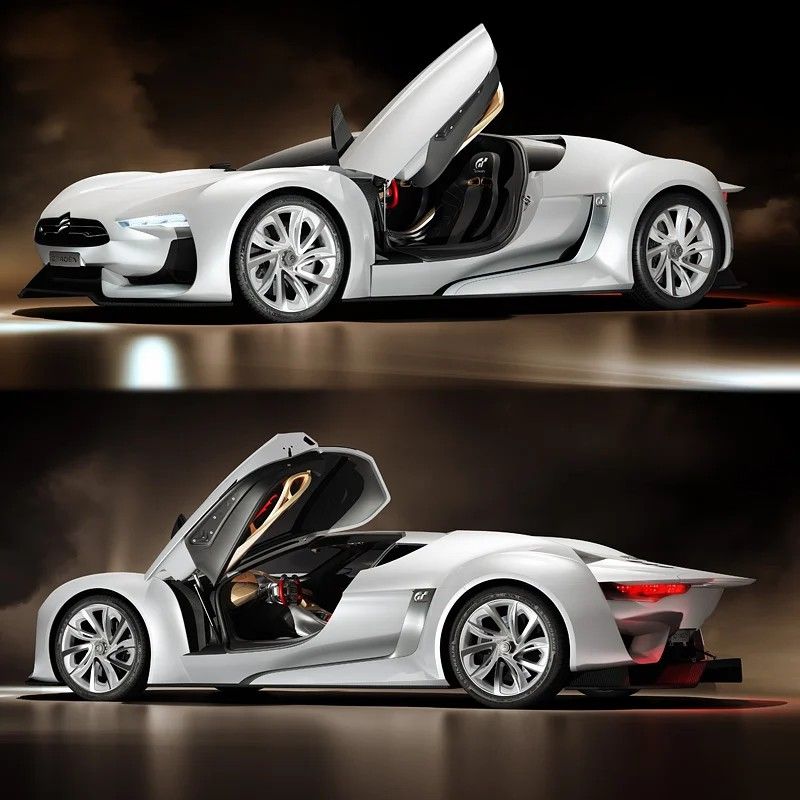
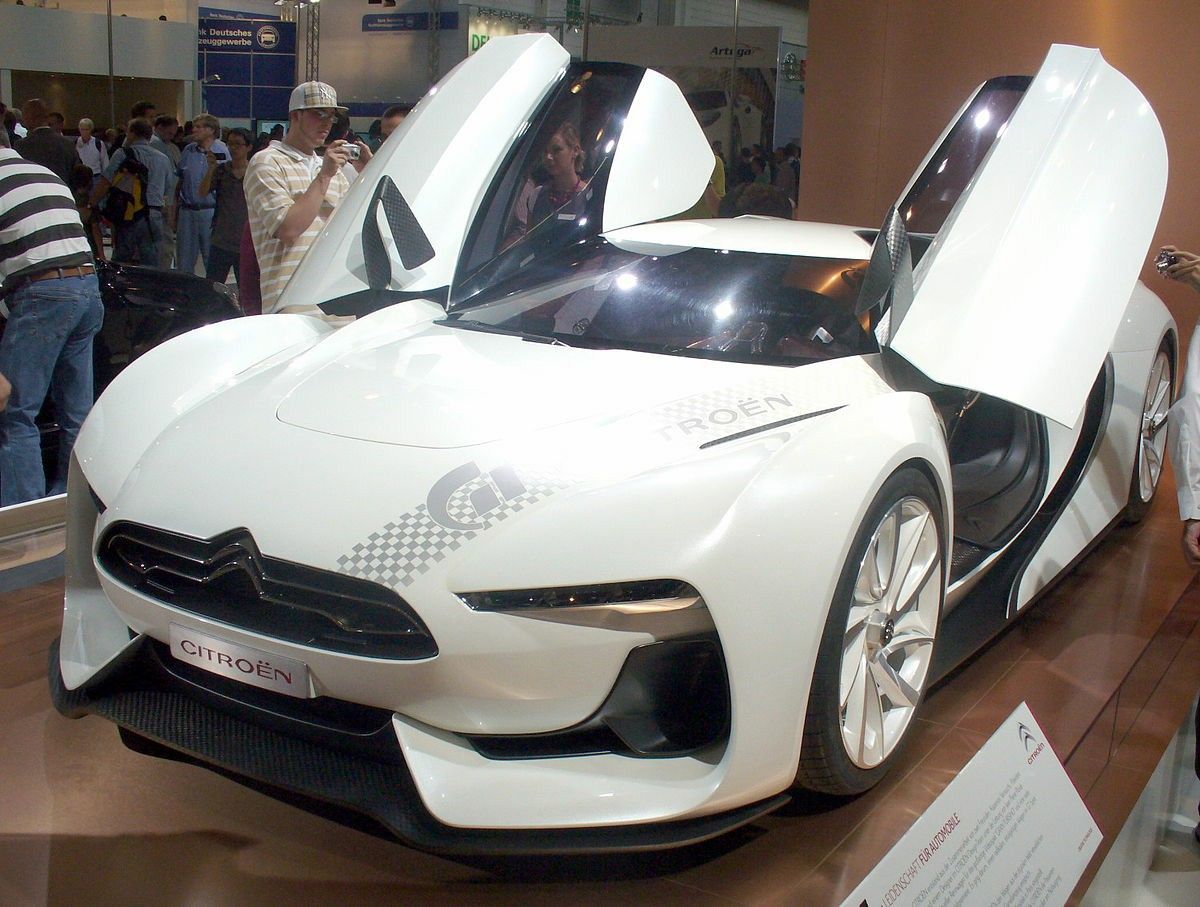
One of the best selling and most exciting racing games out there is Gran Turismo 5. And one of the most remarkable cars in that racing game has to be the GT by Citroën. In 2008, Citroën, Polyphony (the makers of the game) and Materialise joined forces and the virtual racecar was turned into a real fully-functional car. Later that year, the five-meter long concept car made its global premiere at the Paris Motor Show. We do a lot of 3D printing work on concept cars but are sadly almost never allowed to talk about it. Luckily, this time, we’ve been given permission to show you how 3D printing was used to create a large portion of this supercar.
Courtesy of Gran Turismo
“GT by Citroën shows how the worlds of virtual and real-life motoring can join together to create a truly innovative partnership. To see the GT by Citroën take shape in our game studios and then for real has been a truly unique experience – as our work normally stays in the digital world.” — Kazanori Yamauchi, President of Polyphony Digital Inc and creator of Gran Turismo




Ibrahim Abdelhady is an architect, academic, and media entrepreneur with over two decades of experience in architecture and digital publishing. He is the Founder and CEO of Arch2O.com, a leading platform in architectural media, renowned for showcasing innovative projects, student work, and critical discourse in design. Holding dual PhDs in Architecture, Dr. Abdelhady combines academic rigor with industry insight, shaping both future architects and architectural thought. He actively teaches, conducts research, and contributes to the global architecture community through his writing, lectures, and media ventures. His work bridges the gap between practice and academia, pushing the boundaries of how architecture is communicated in the digital age.