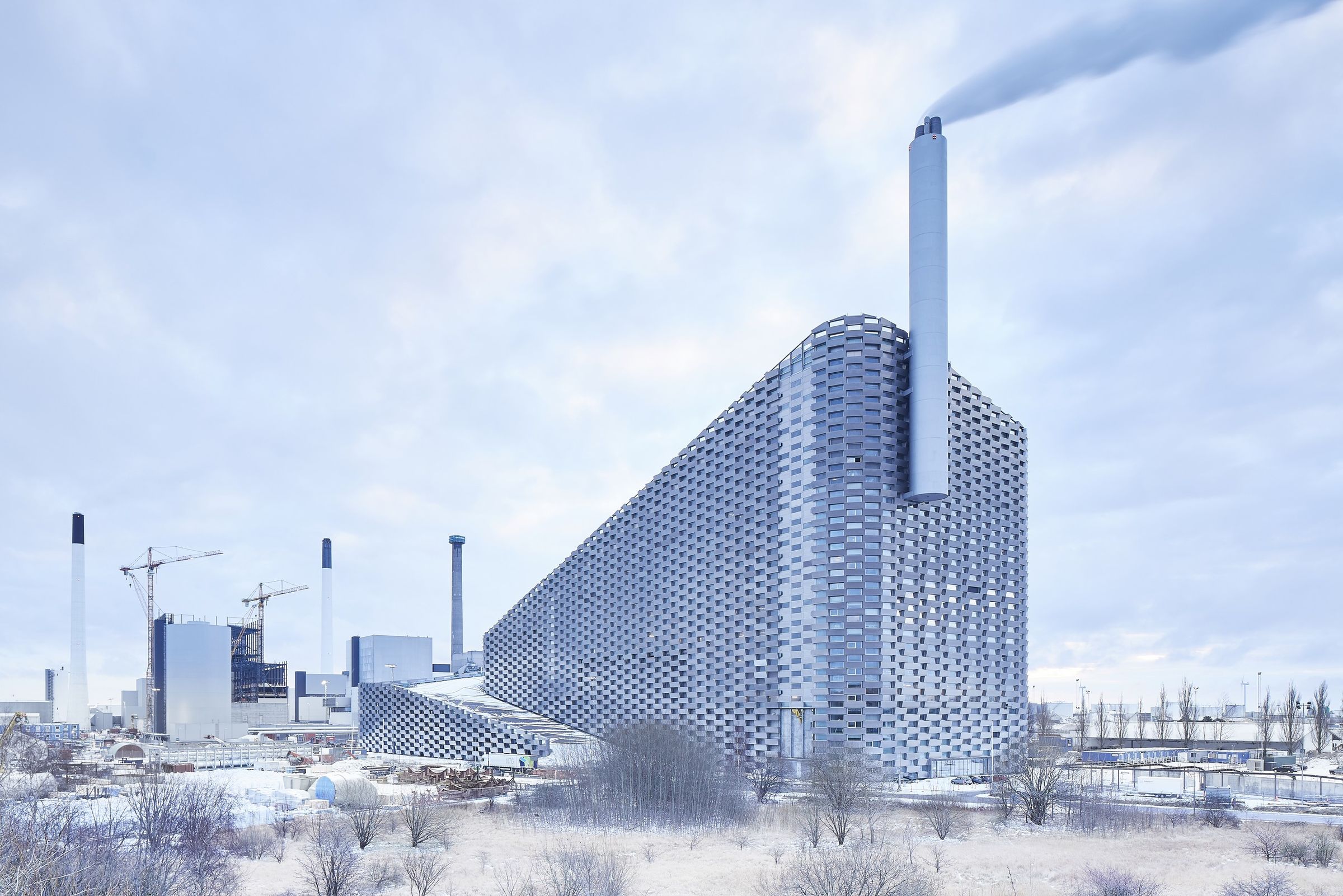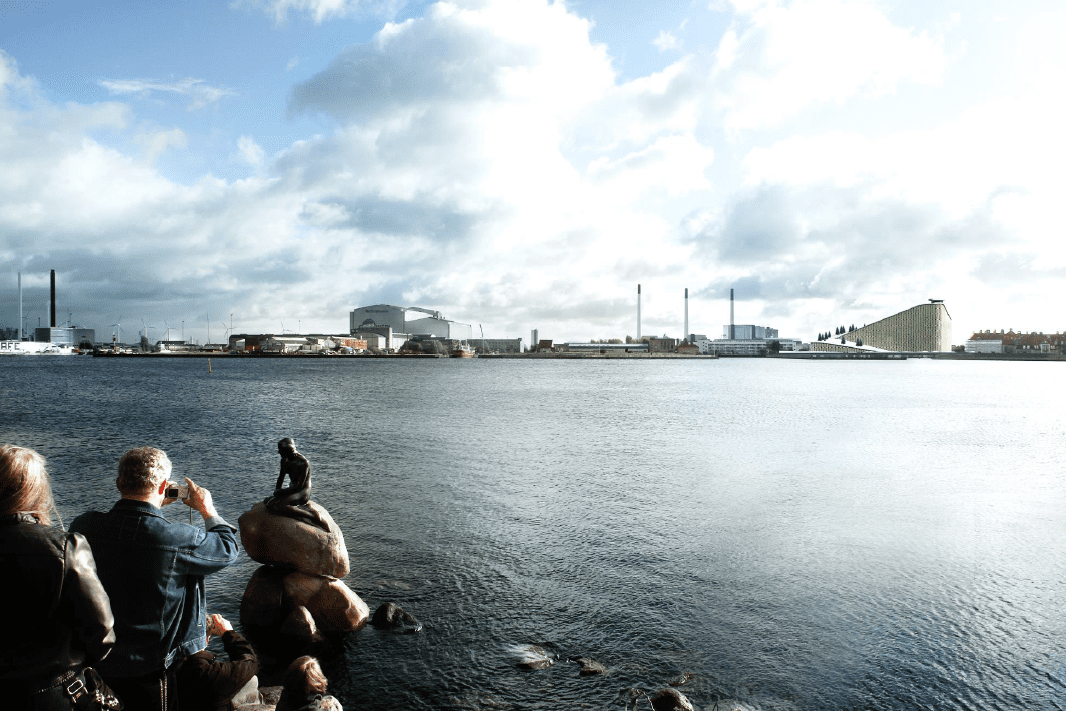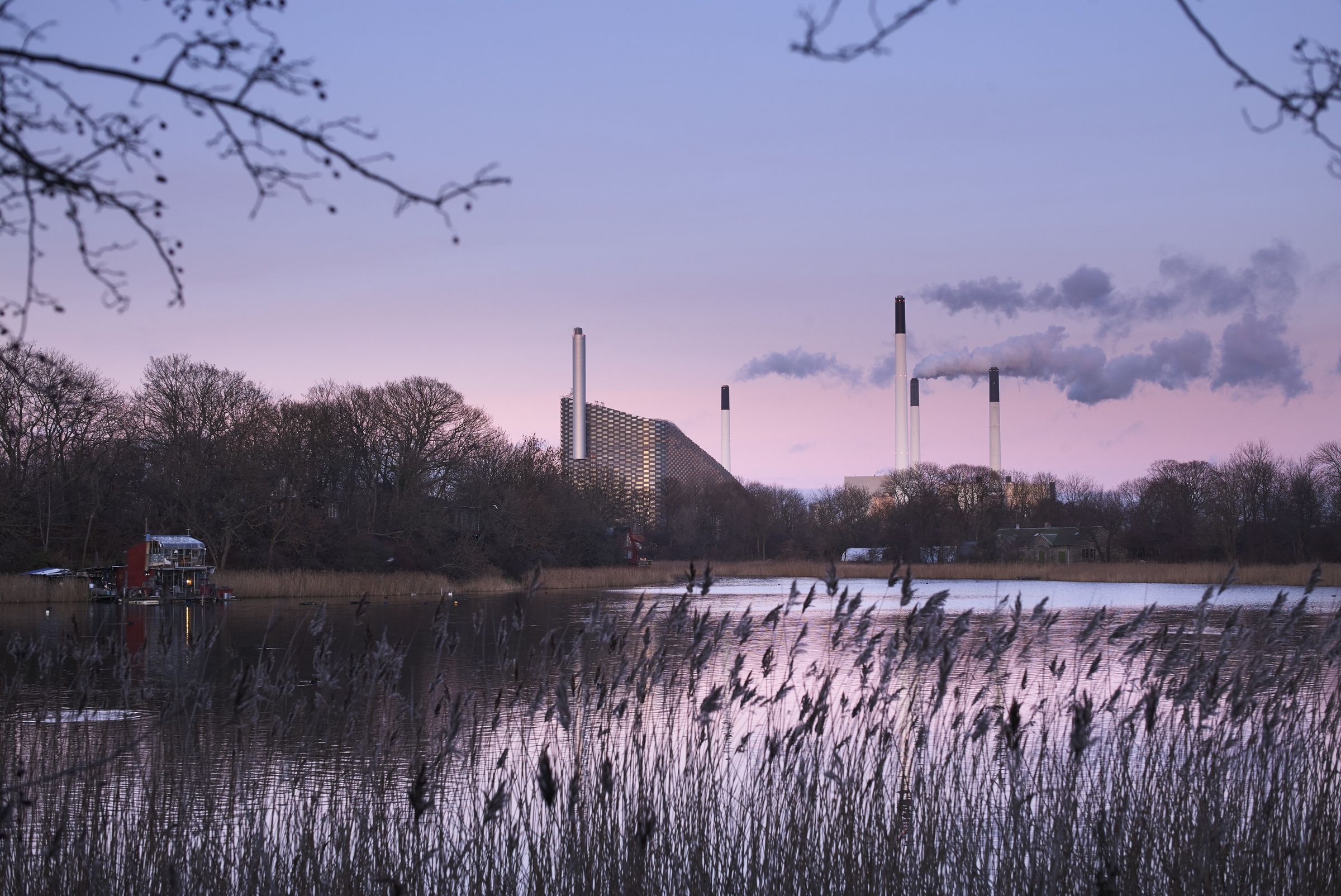


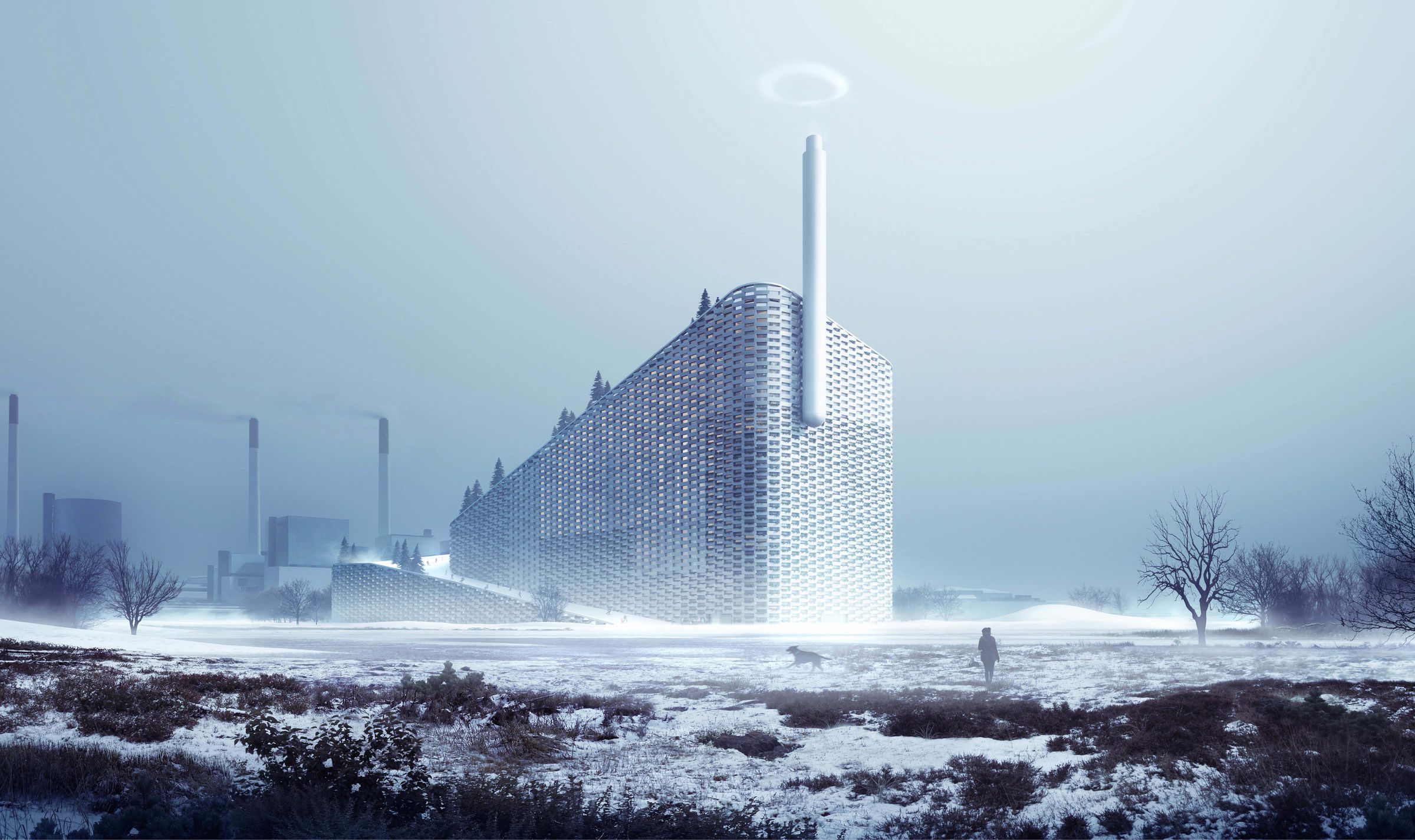
Projects such as this one by BIG are a reminder that architecture can do far more than fulfill a prompt. The Amager Bakke Waste-to-Energy plant is described by the architects as ‘the single largest environmental initiative in Denmark’.
Courtesy of BIG
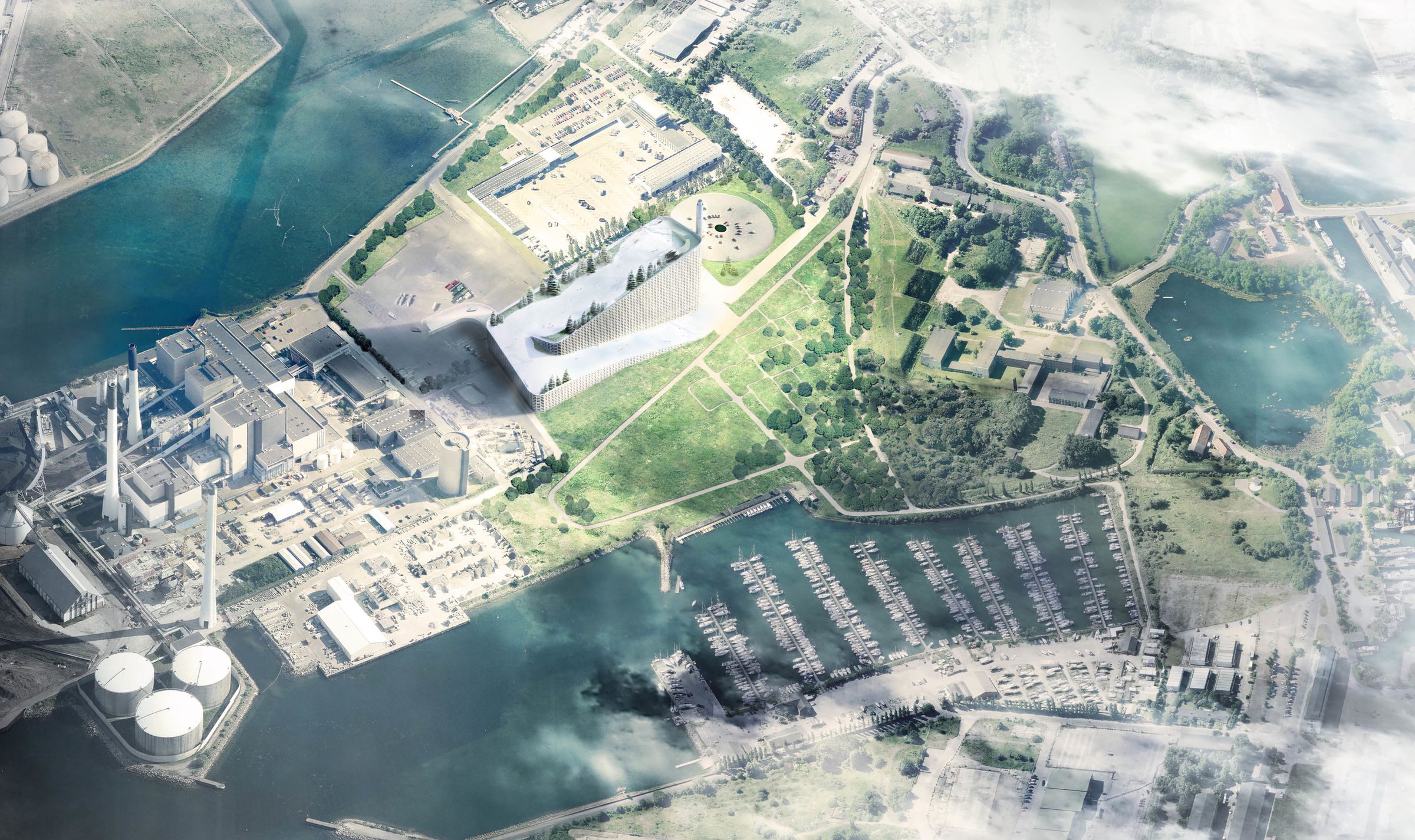
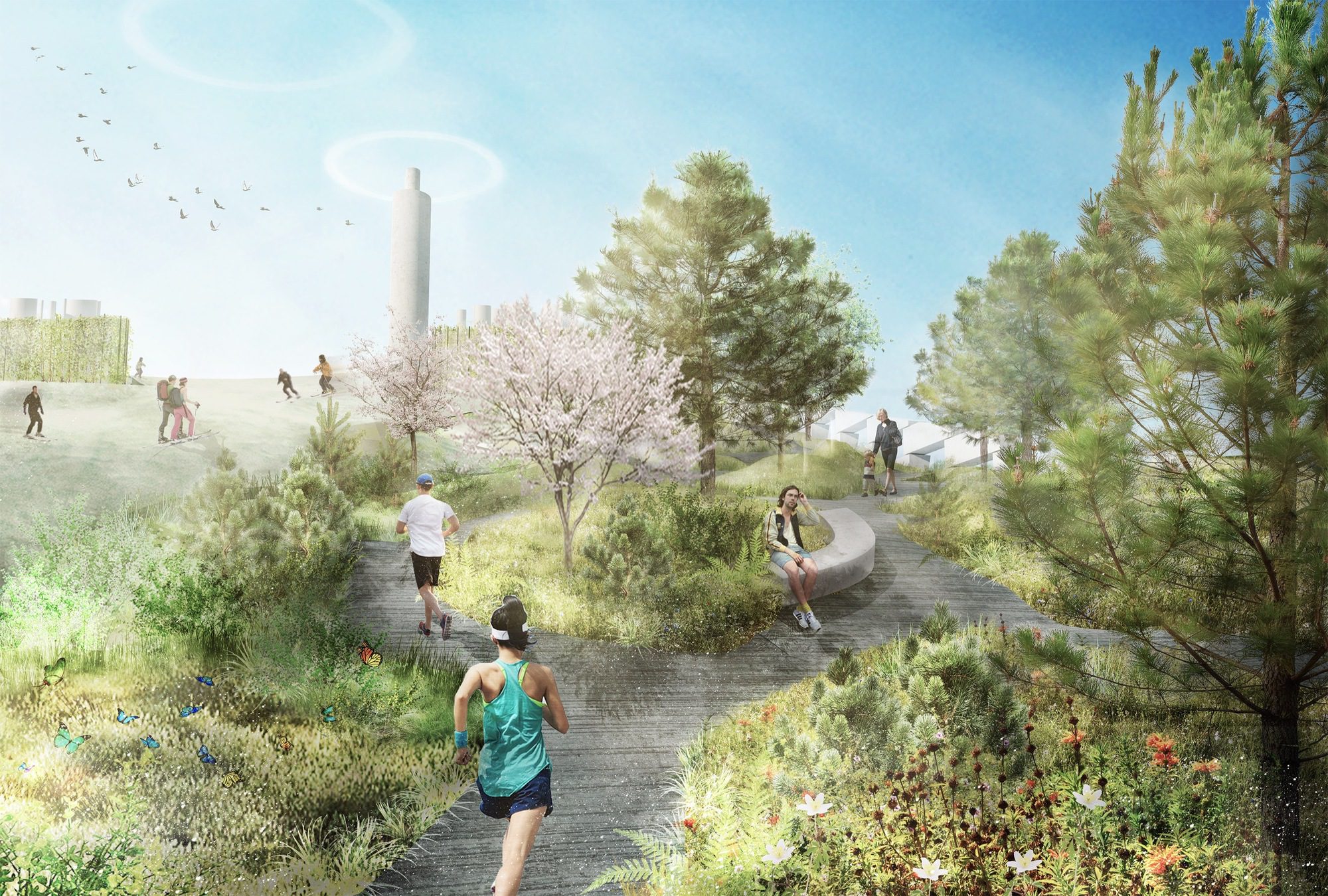
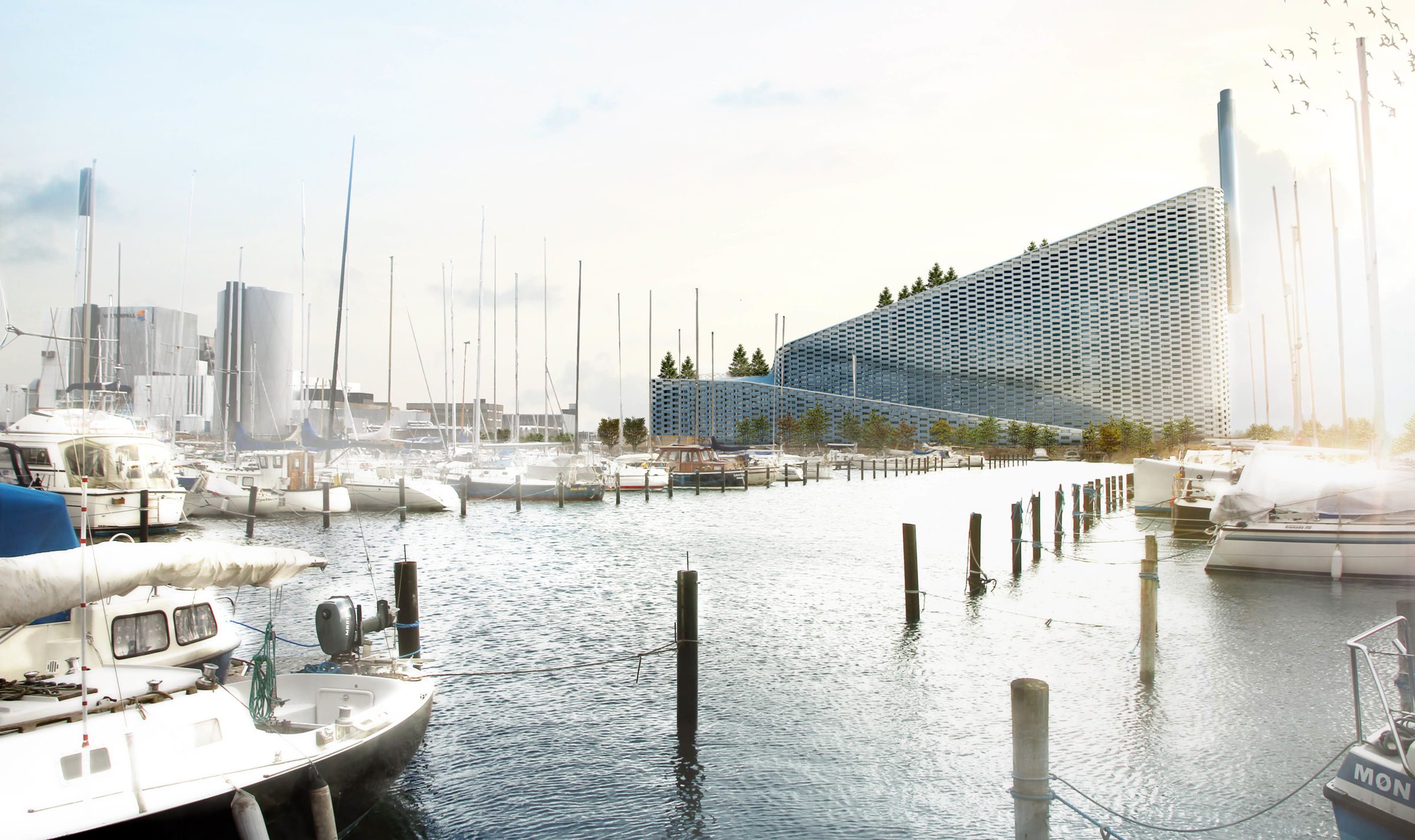
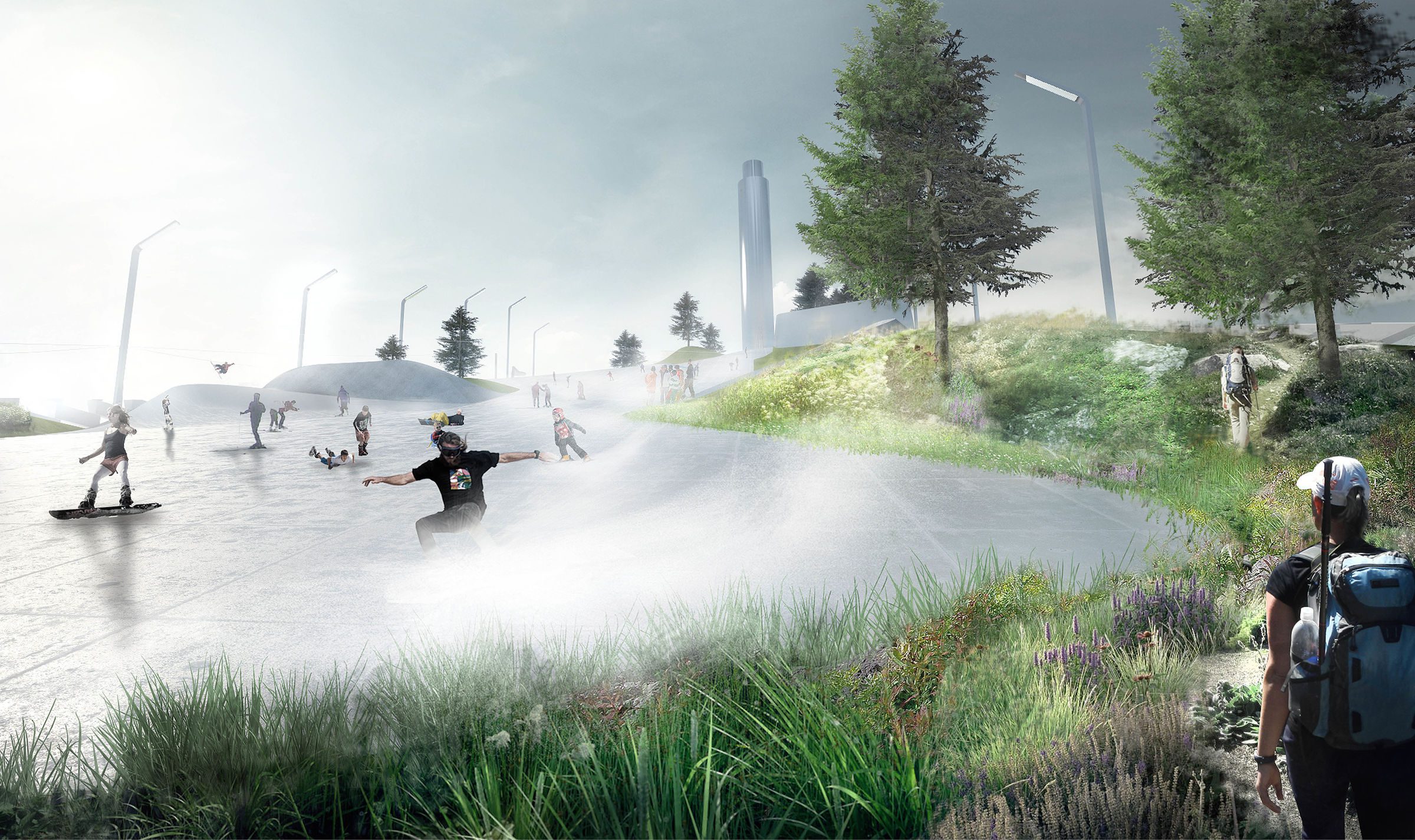
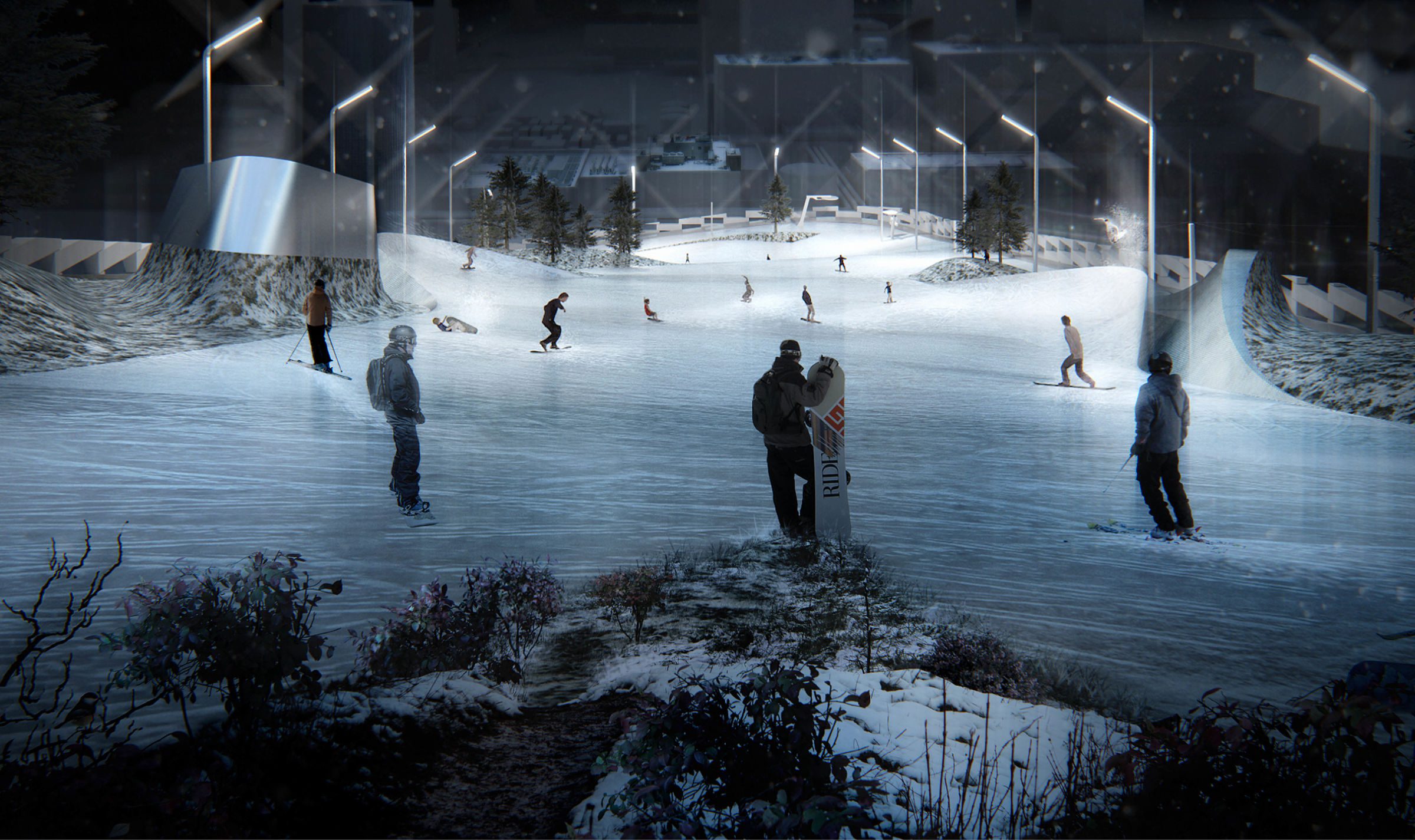
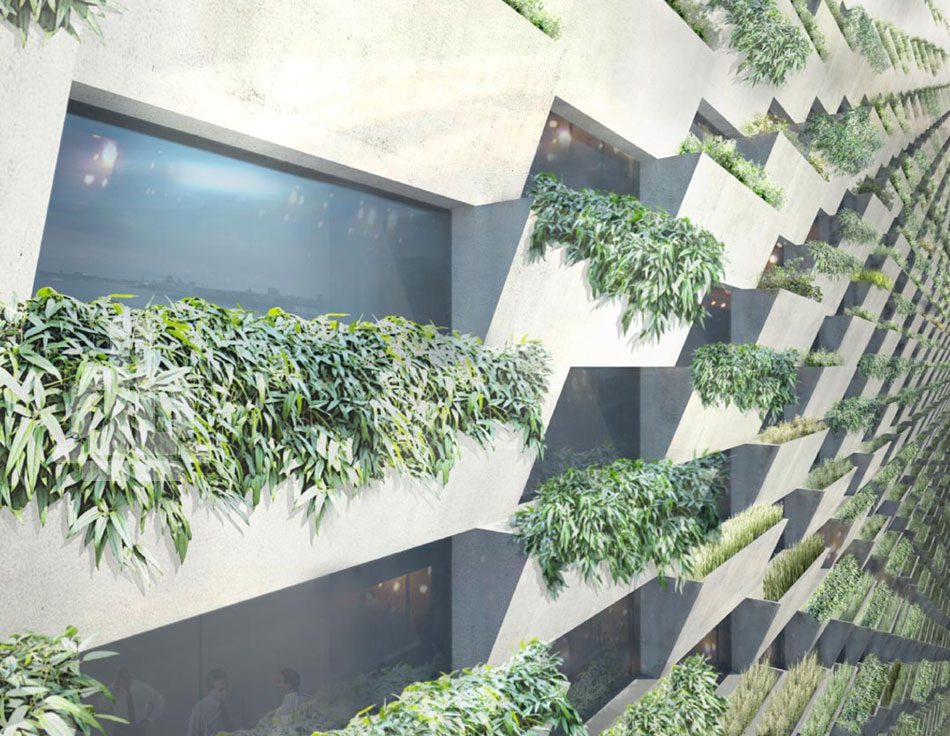
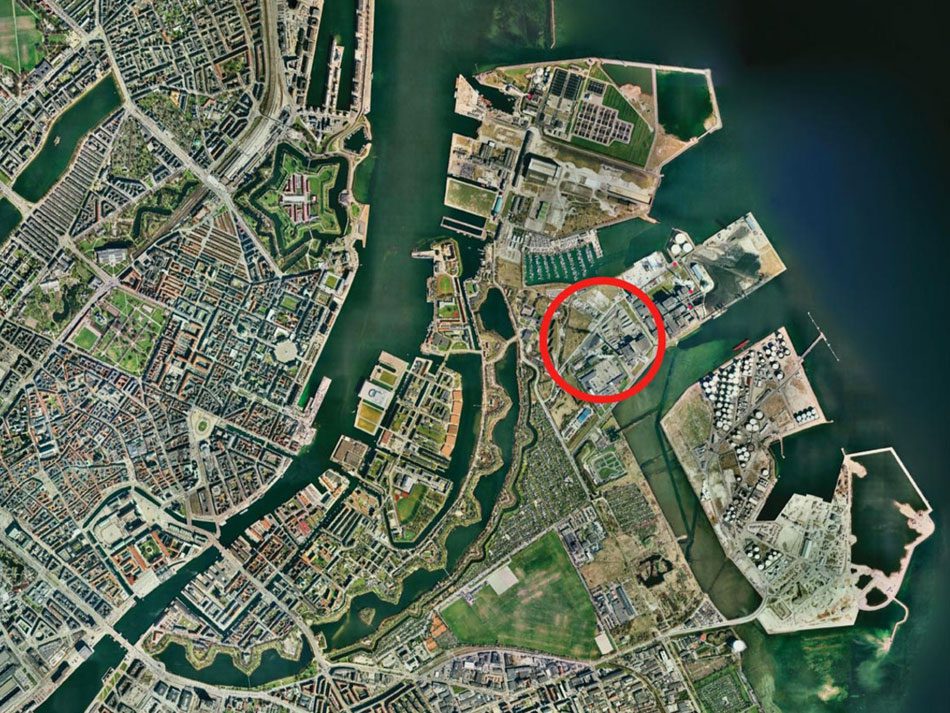
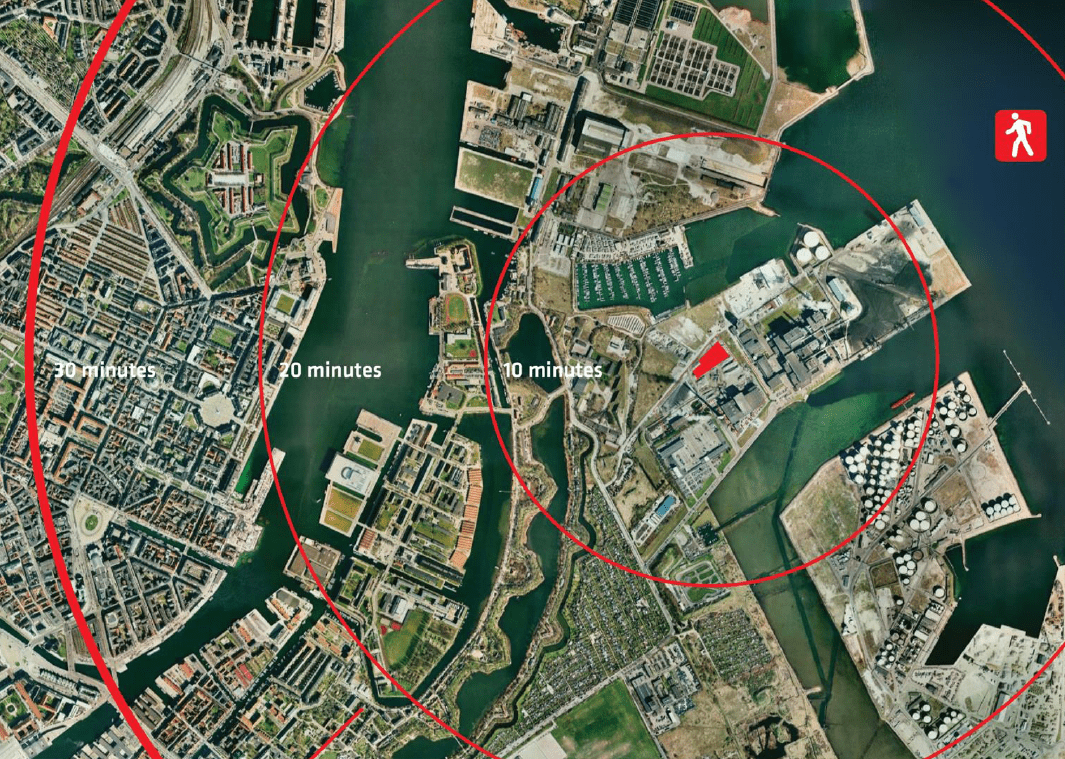
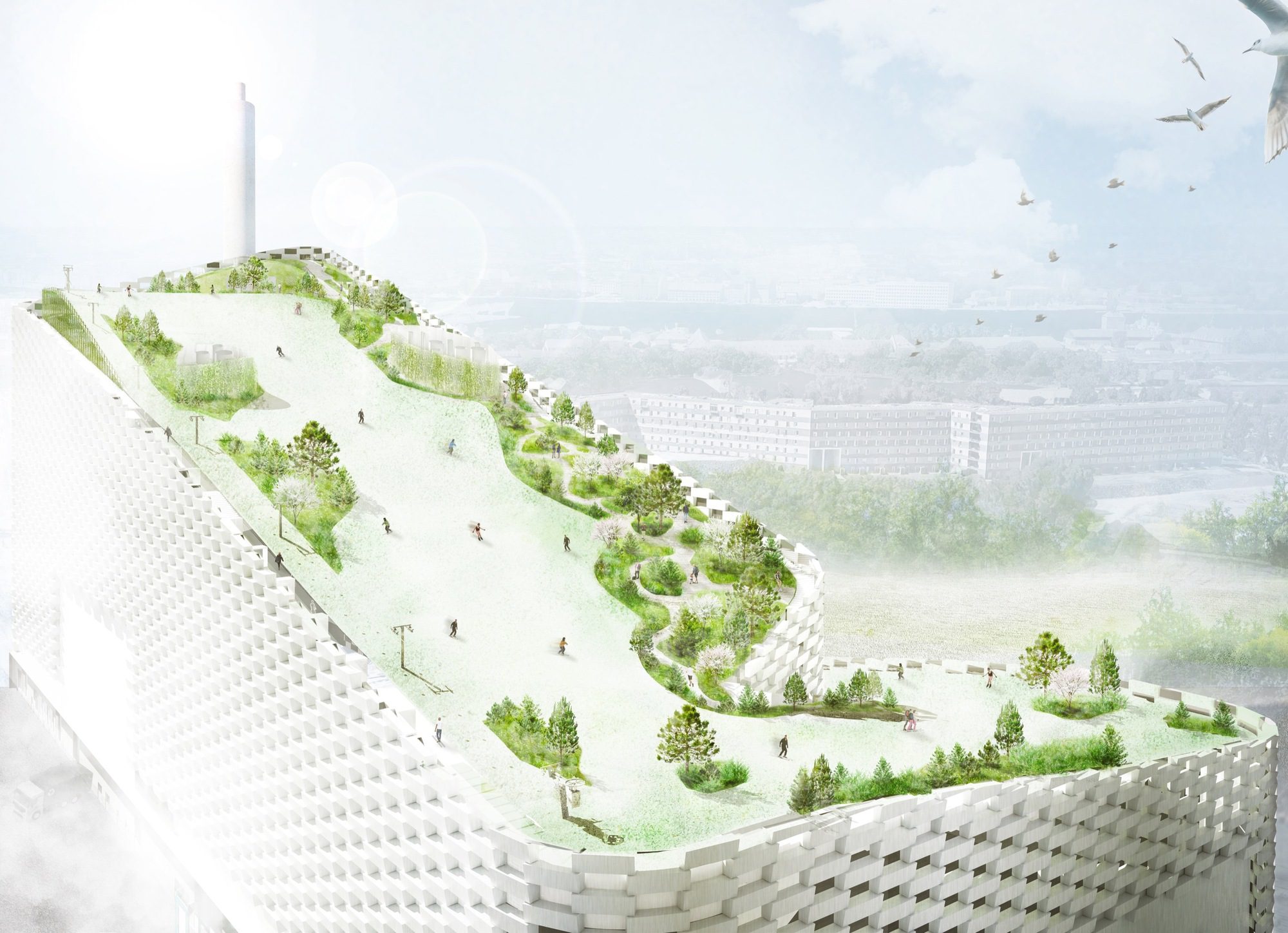
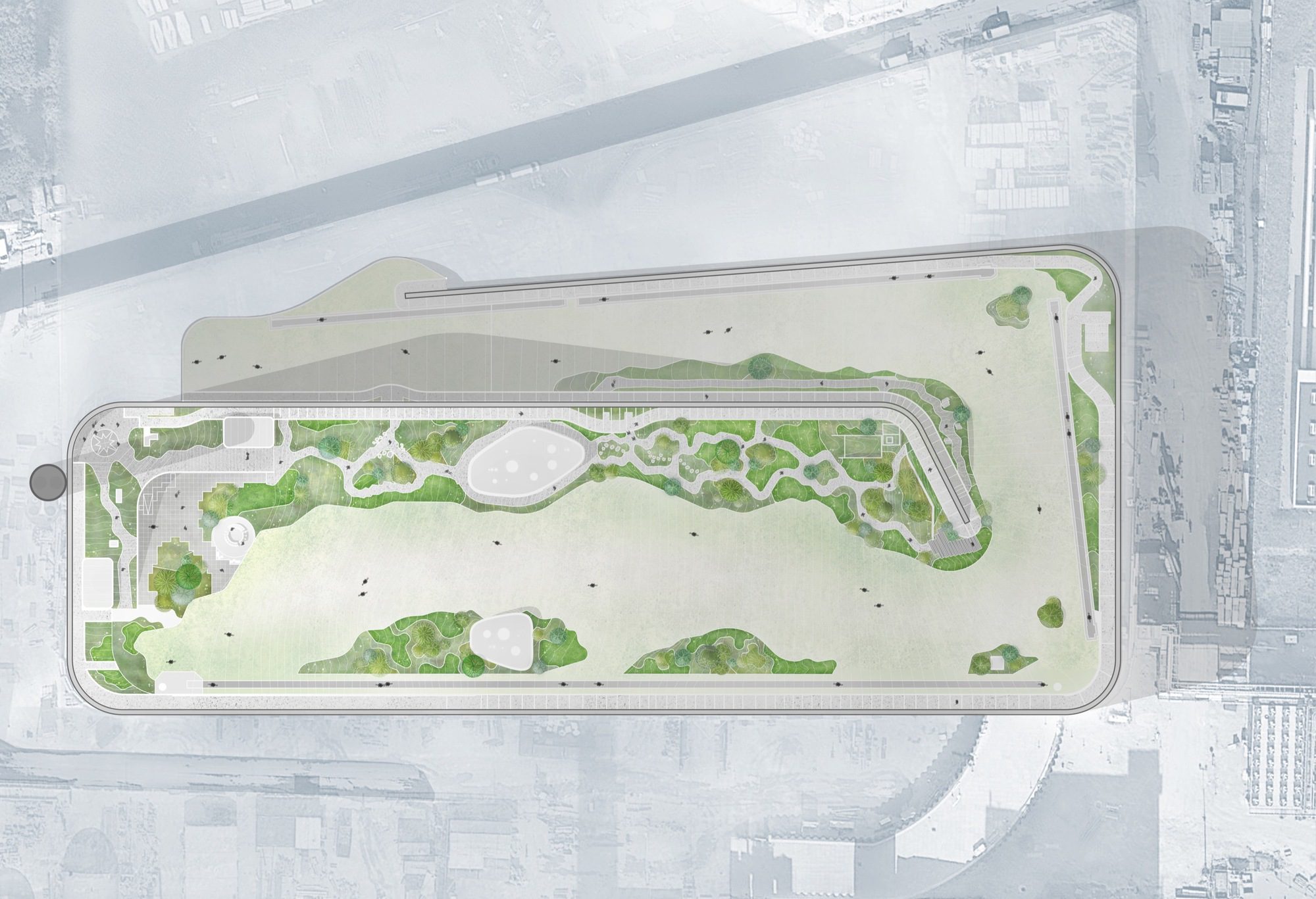
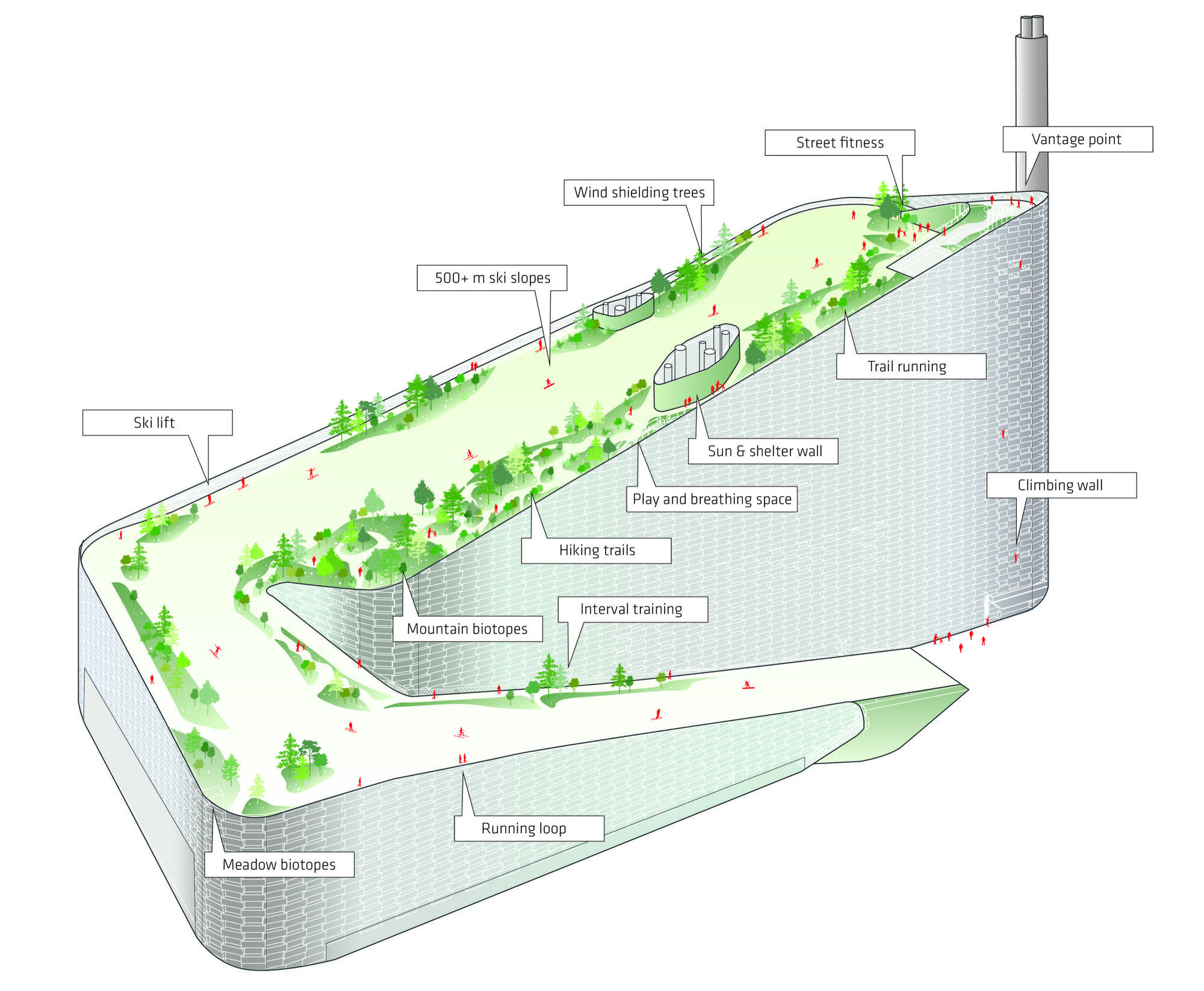
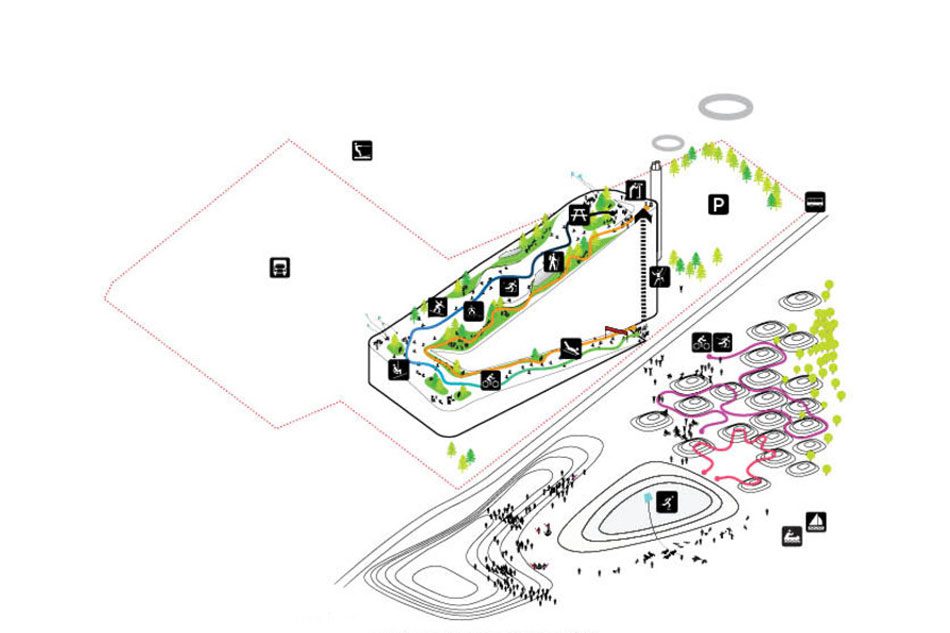
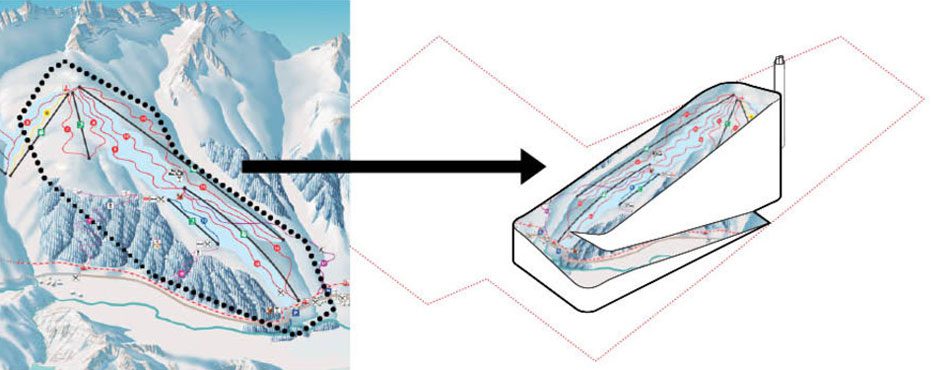
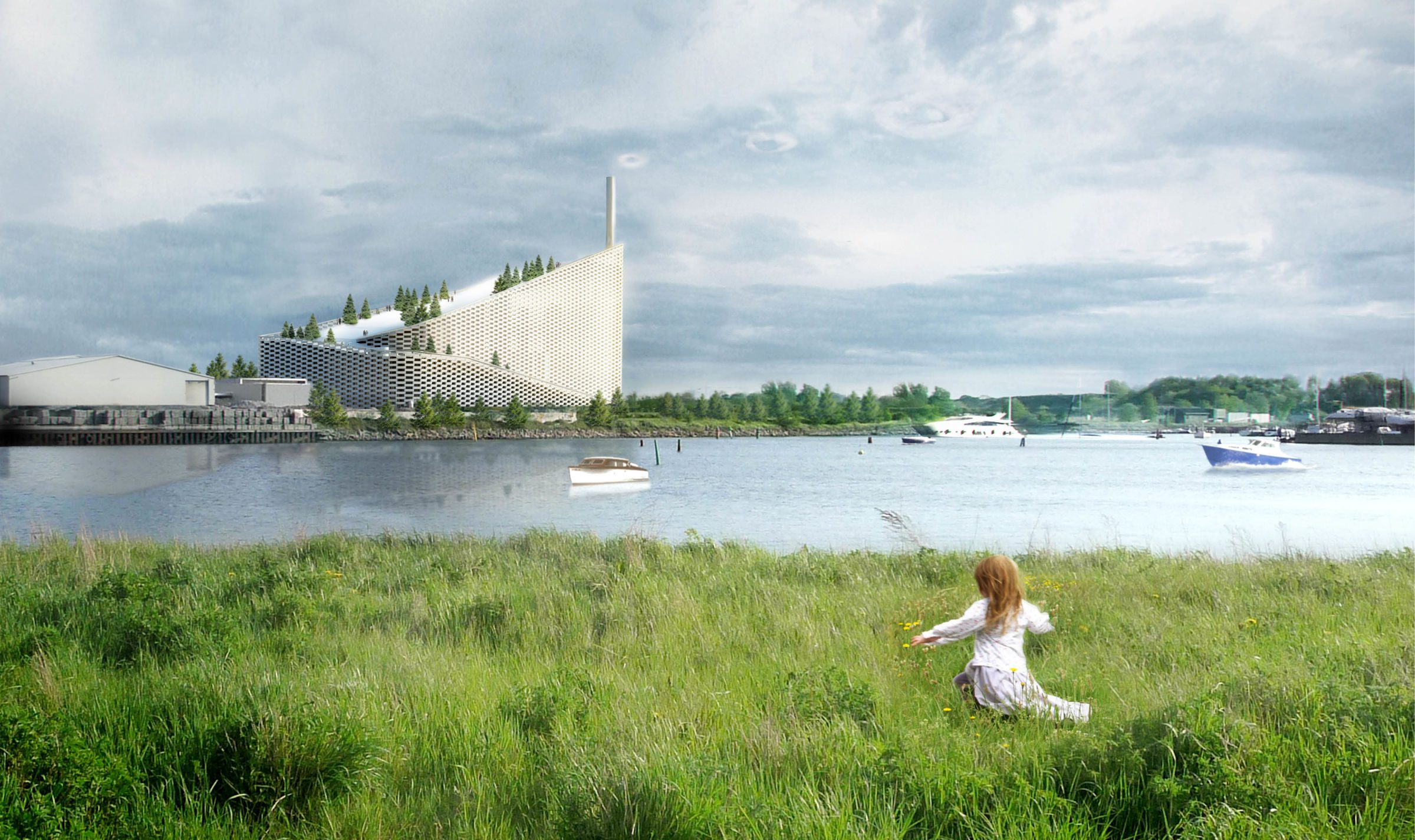
Replacing the aging Amagerforbraending plant, the new wedge-shaped building will occupy a plot within an industrial zone, near the city centre of Copenhagen. Here it will not fulfill the preconceived notion of power plants being dirty things to be shunned and tucked away. Instead, the plant seeks to be a destination in and of itself. A 31,000 m² ski slope will exist atop the building’s switchback roof, offering a fun, multi-skill-level visitor attraction to the city.
Courtesy of BIG
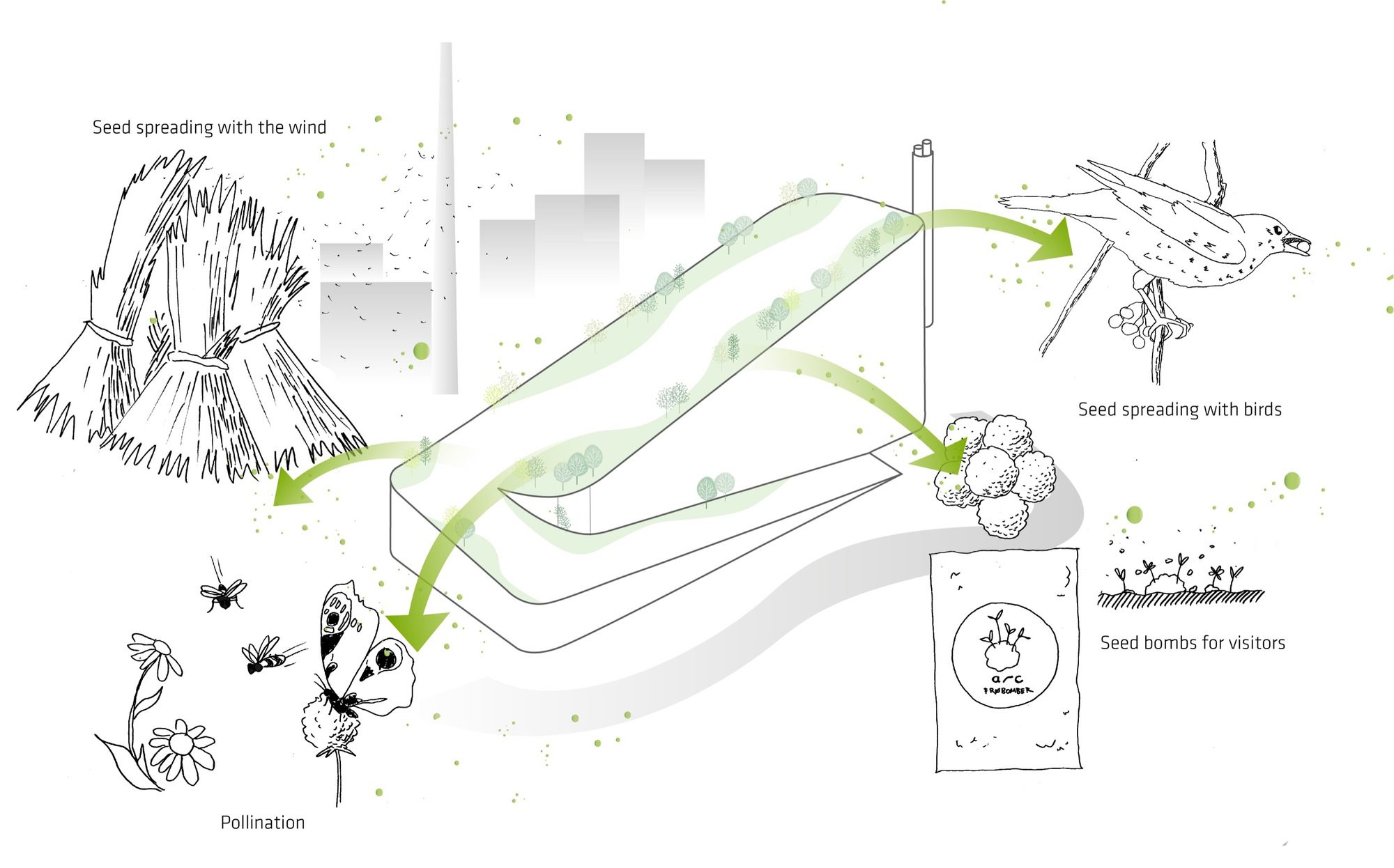
At the pinnacle of this sloping roof, the plant’s smoke stack reaches skyward and is itself an attraction in its own right. Every time one ton of CO₂ is released into the atmosphere, the stack, through some clever engineering, puffs out a billowing smoke ring. At night these smokers’ follies are illuminated by lasers.
Every aspect of the power plant is designed in such a way that society’s carbon footprint is visible and brought into the public consciousness.
Project info :
Area: 41000 m²
Photographs: Laurian Ghinitoiu, Soren Aagaard, Dragoer Luftfoto, Aldo Amoretti
Manufacturers: Kalwall®, Unidrain