Hutong Bubble 32
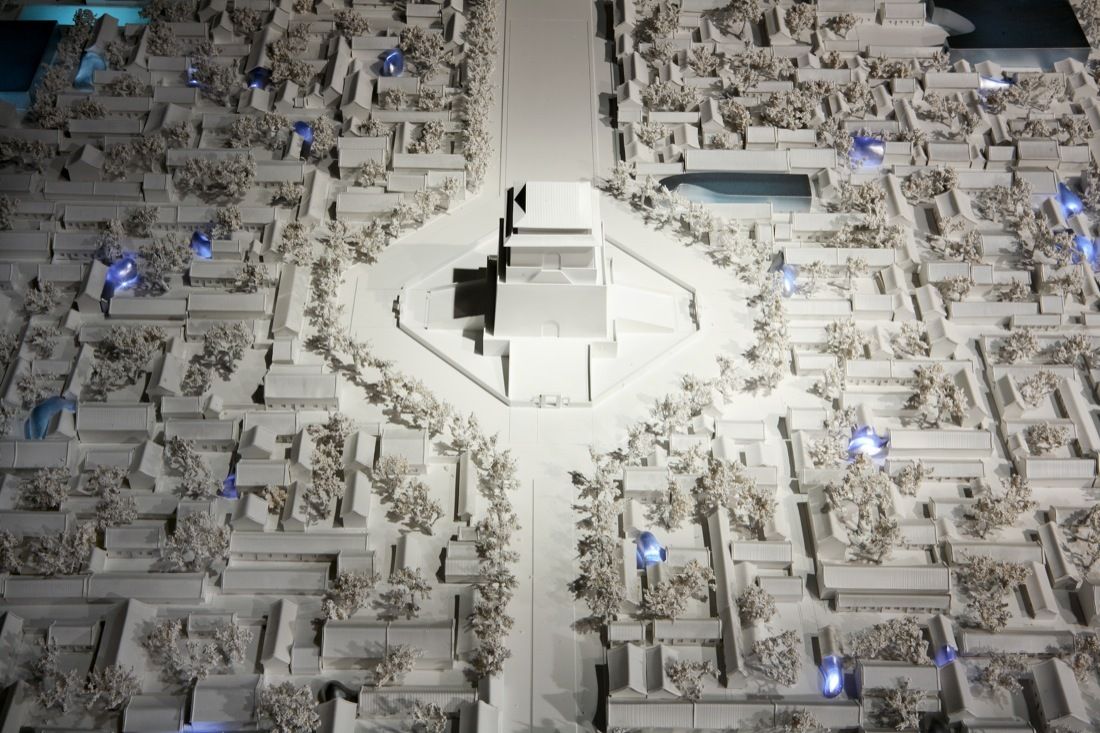
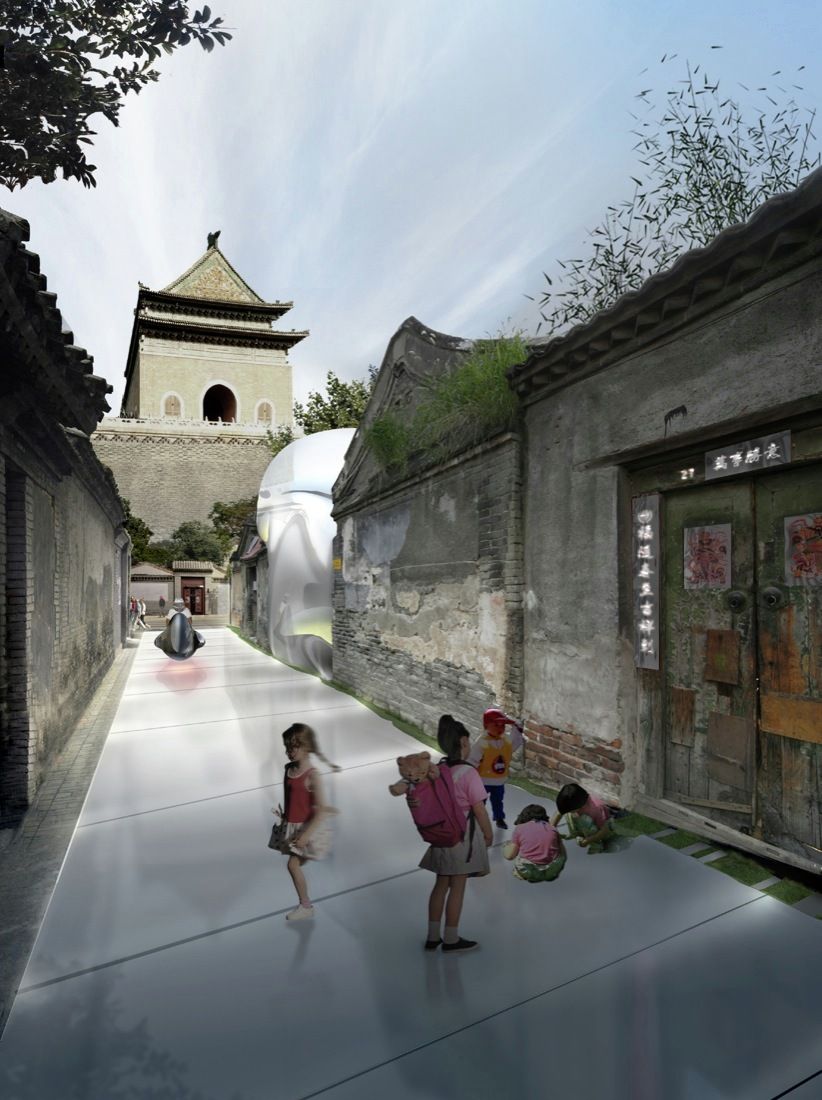
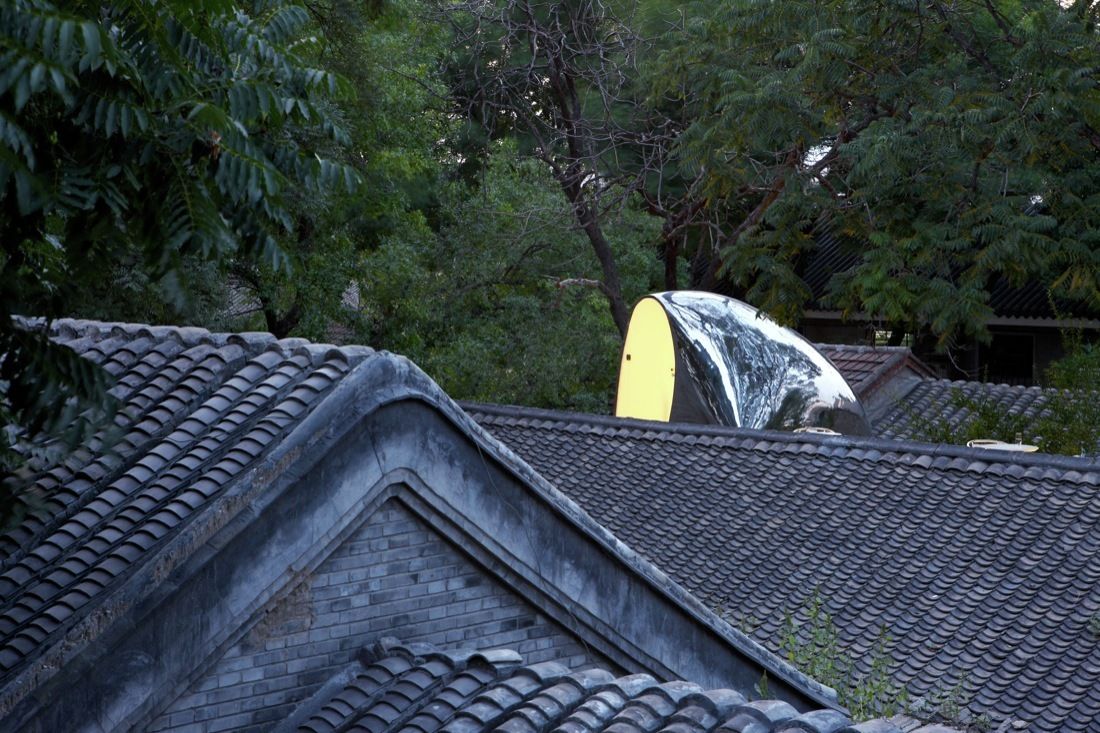
MAD’s proposal for a future Beijing was first revealed at its exhibition MAD IN CHINA, shown during the 2006 Venice Architecture Biennale. Beijing 2050 imagined three scenarios for its future ―a green Public Park in Tiananmen Square, a series of floating islands above the city’s Central Business District (CBD), and the ‘Future of Hutongs’, which featured metallic bubbles scattered throughout Beijing’s oldest neighborhoods. Three years later, the first hutong bubble appeared in a small courtyard in Beijing.
photography by © ShuHe
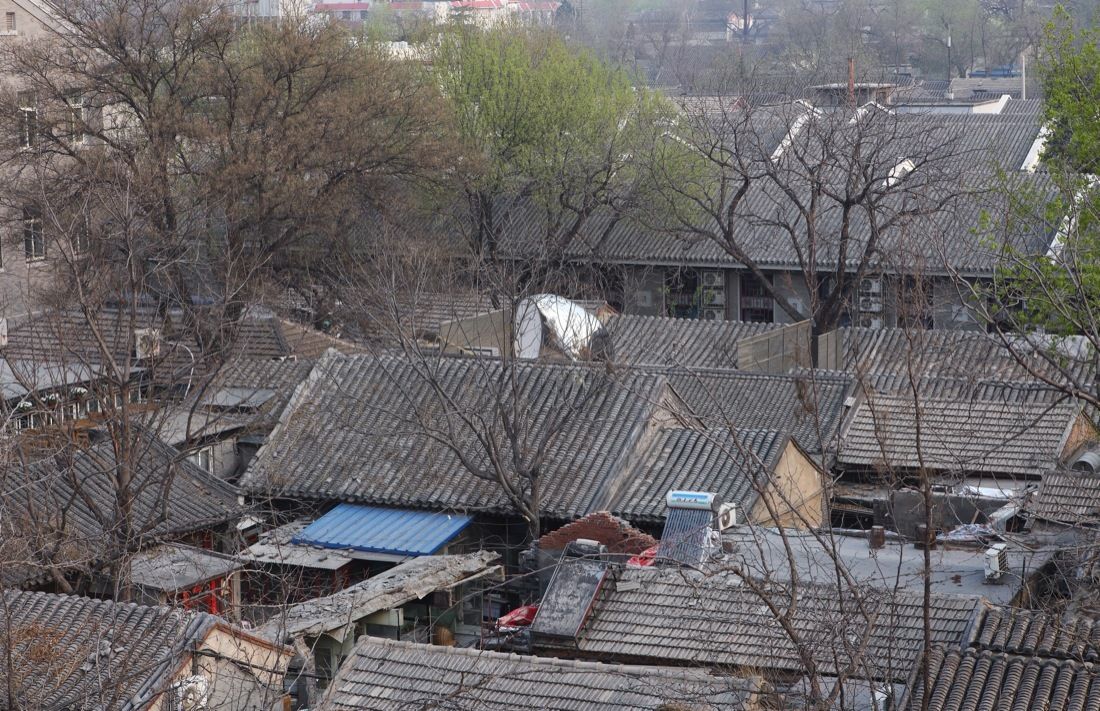
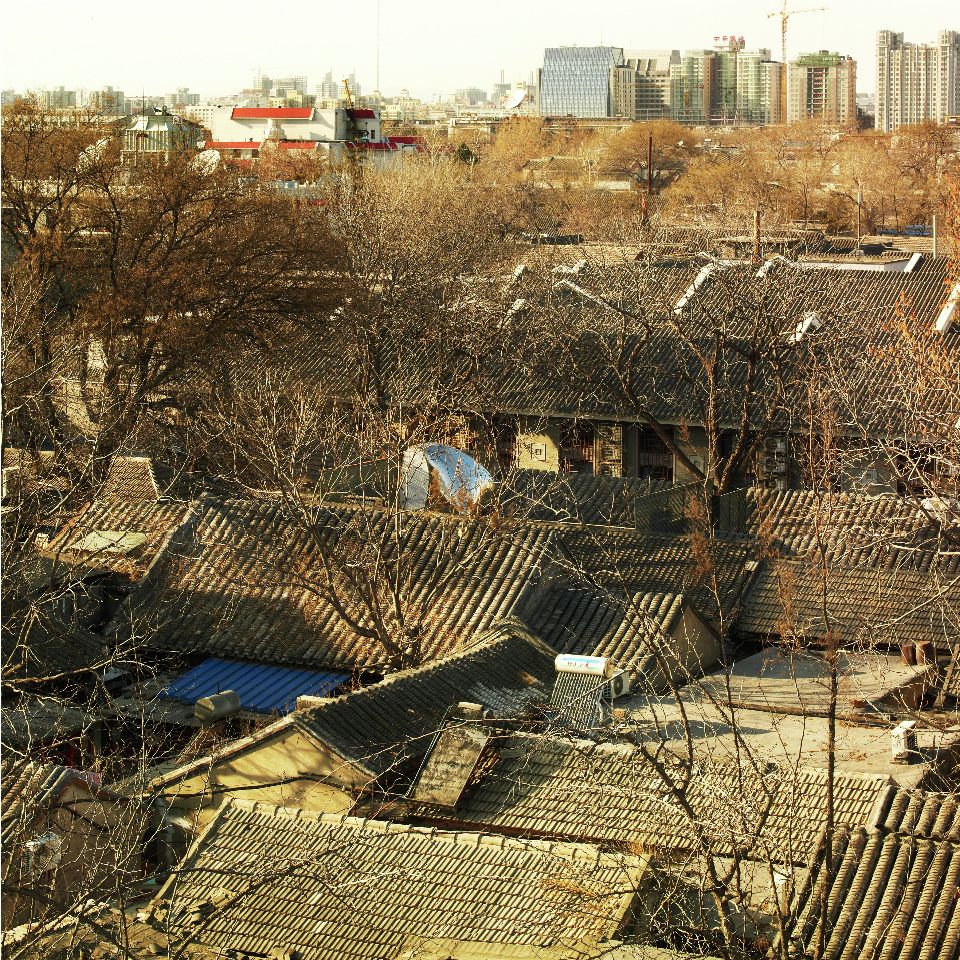
China’s rapid development has altered the city’s landscape on a massive scale, continually eroding the delicate urban tissue of old Beijing, particularly the traditional alleyway neighborhoods known as ‘hutongs’. Such dramatic changes have forced an aging architecture to rely on the right opportunity, spontaneous renovations to keep pace with the ever-changing neighborhood. In addition, poor standards of hygiene have turned unique living spaces and potentially thriving communities into derelict districts. Hutongs are increasingly disregarded by their own residents and turned into quaint theme parks for tourists.
photography by © ShuHe
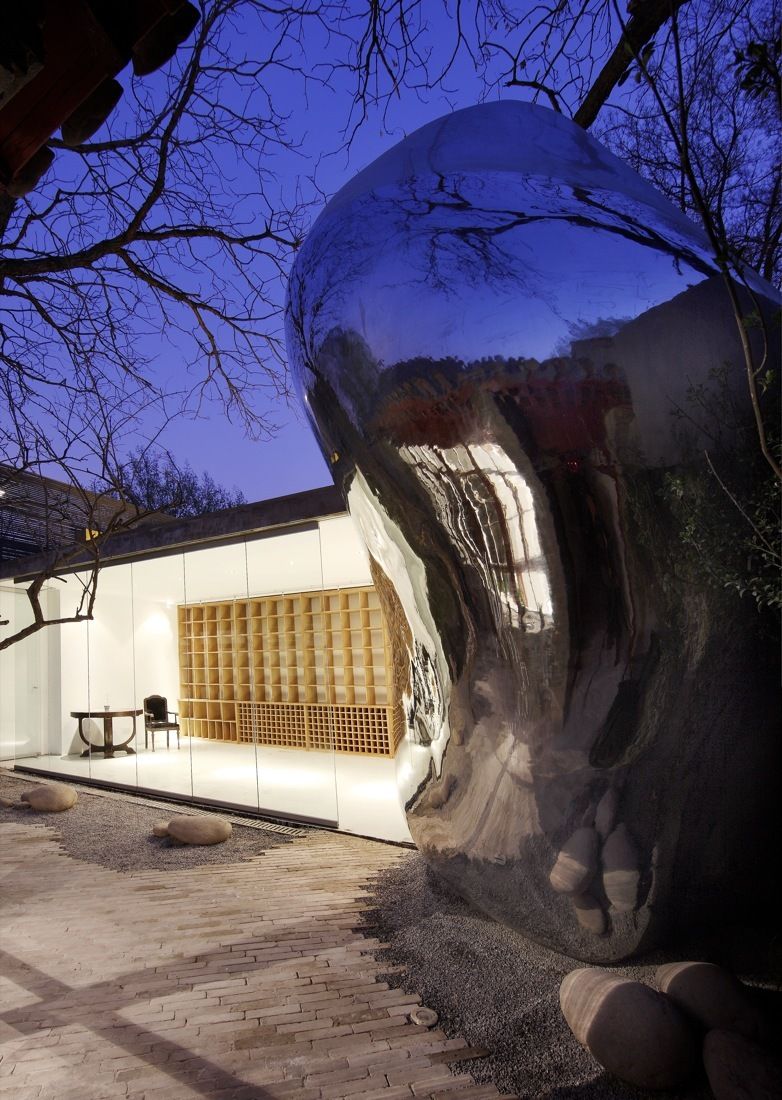
The self-perpetuating degradation of the city’s urban tissue requires a change in the living conditions of local residents. Progress does not necessarily call for large scale construction – it can occur as interventions at a small scale. The hutong bubbles are plugged into the urban tissue attracting new people, activities, and resources to bring together into a neighborhood. They exist in symbiosis with the old. It is fueled by urban residue and the bubbles are transformed to support the community’s needs. It allows the local residents to continue living in the old neighborhoods. At the same time, these interventions will become part of Beijing’s extending history, newly formed membranes within the city’s urban tissue.
photography by © ShuHe
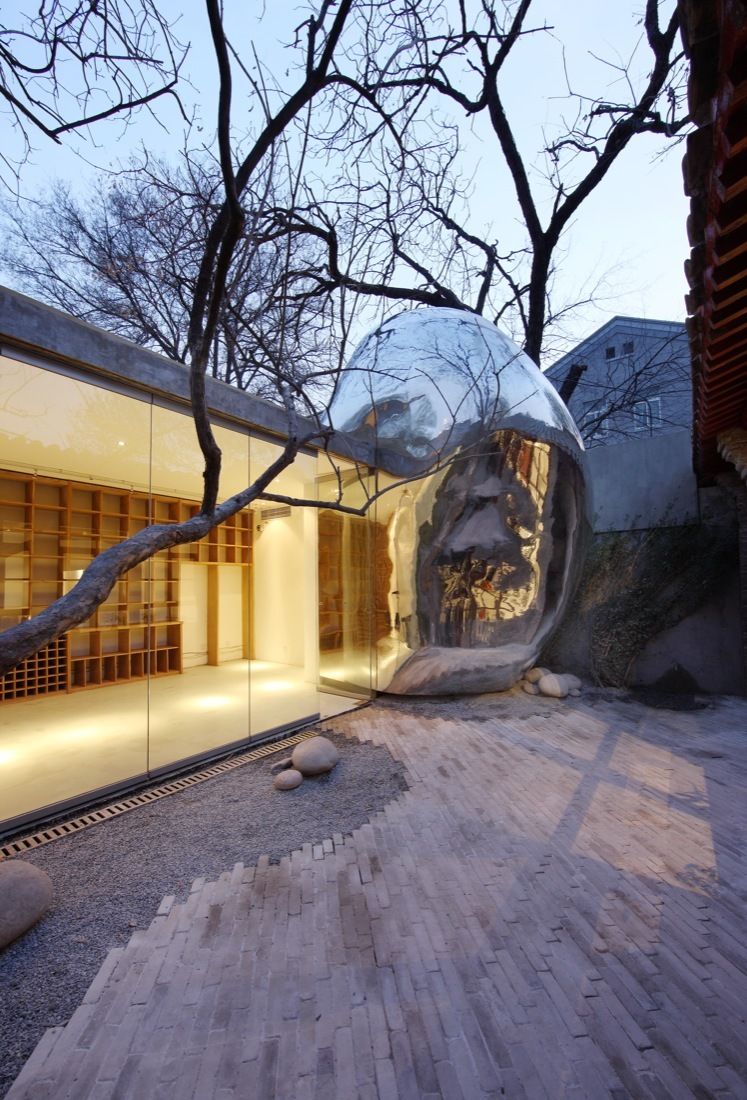
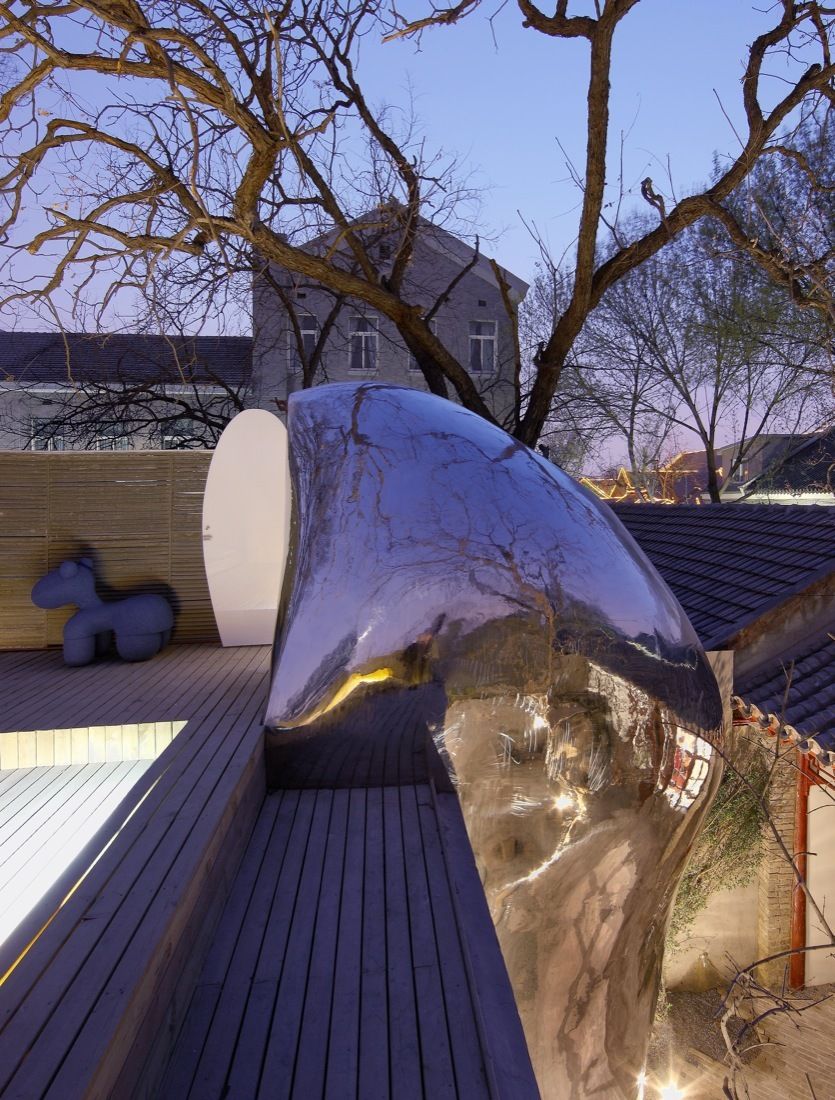
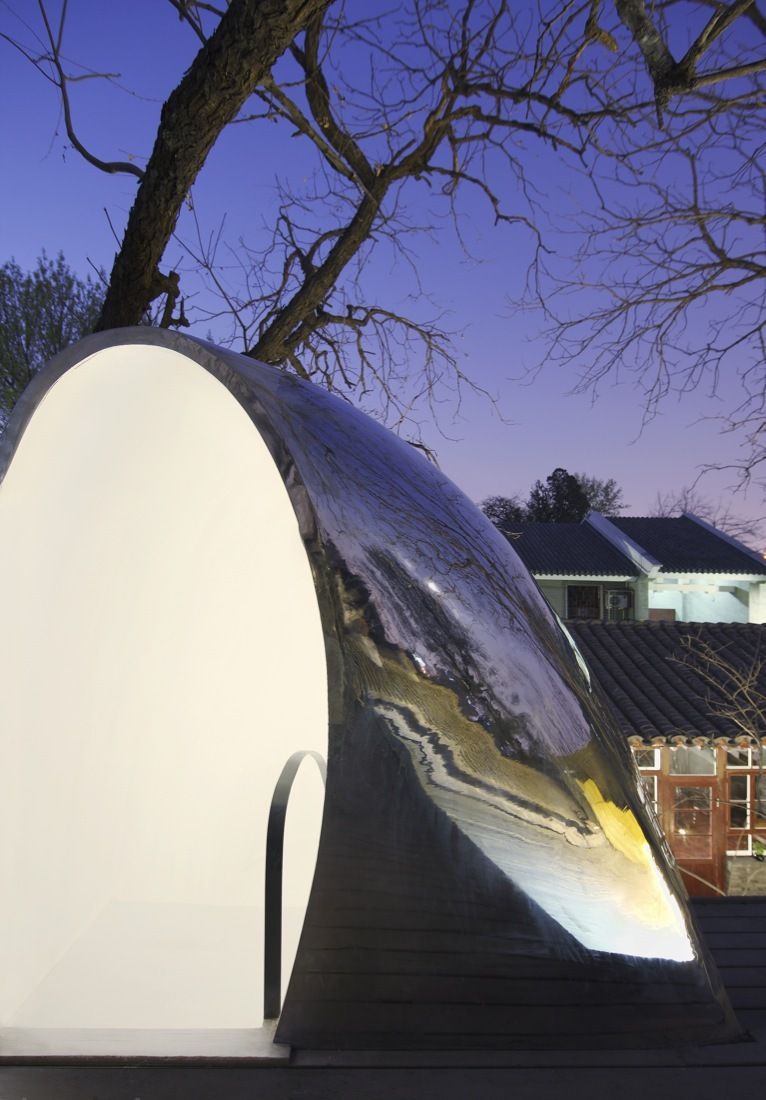
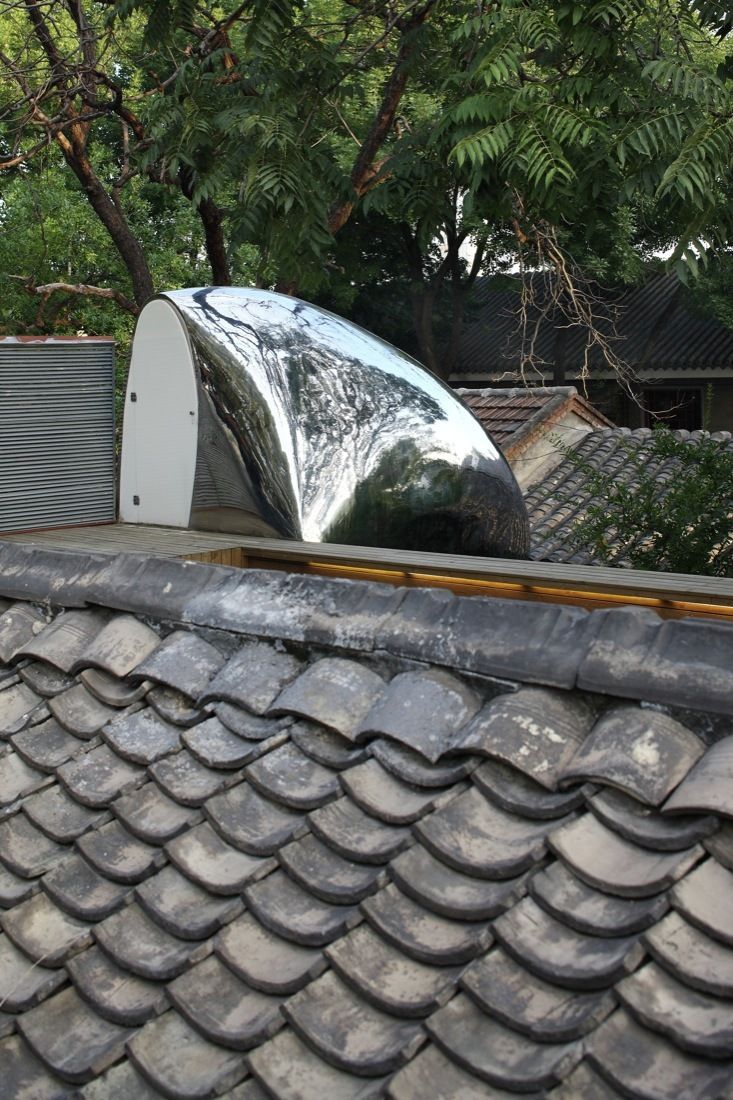
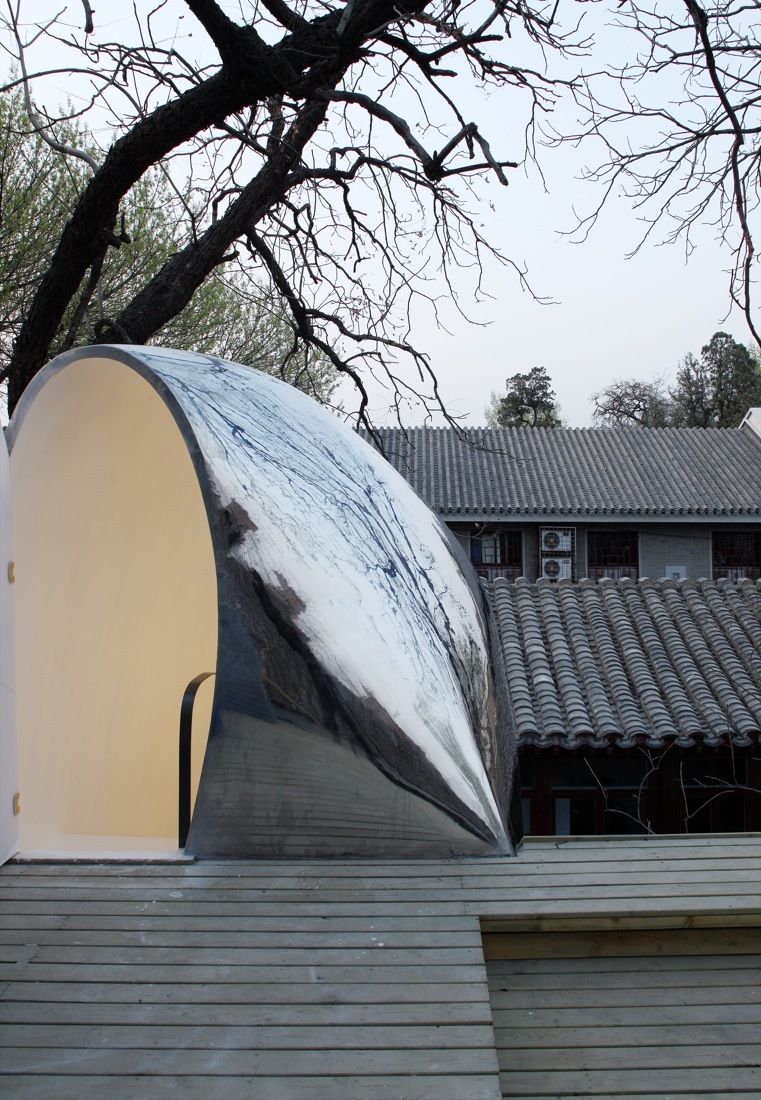
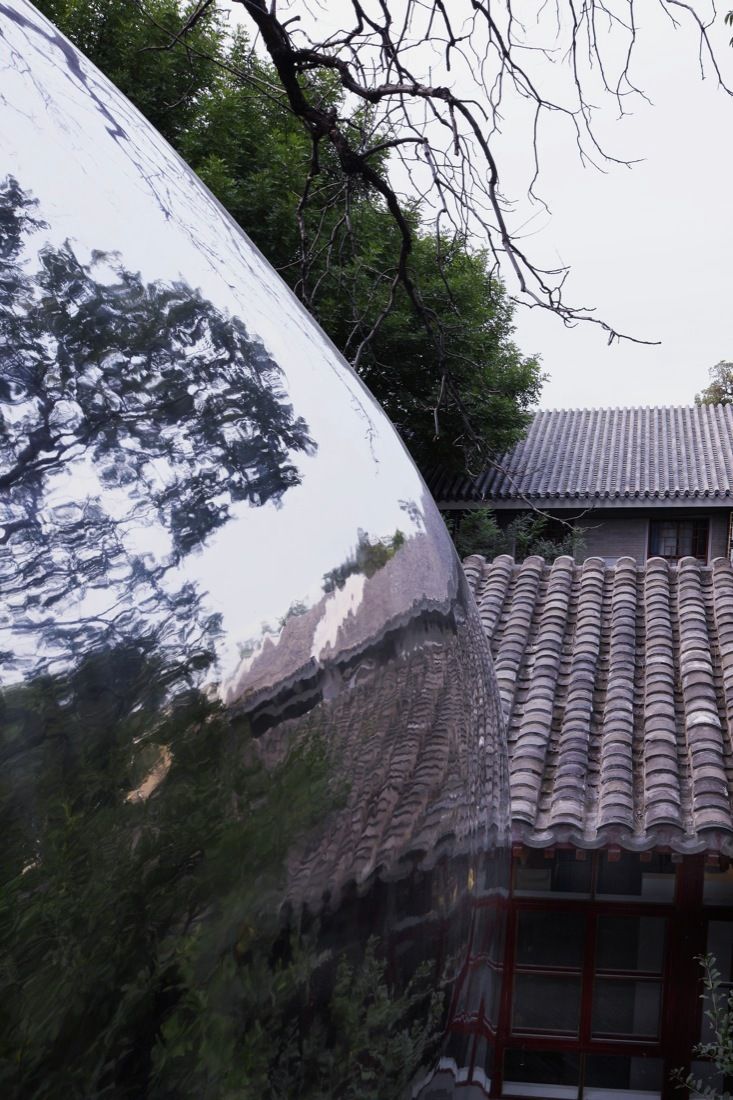
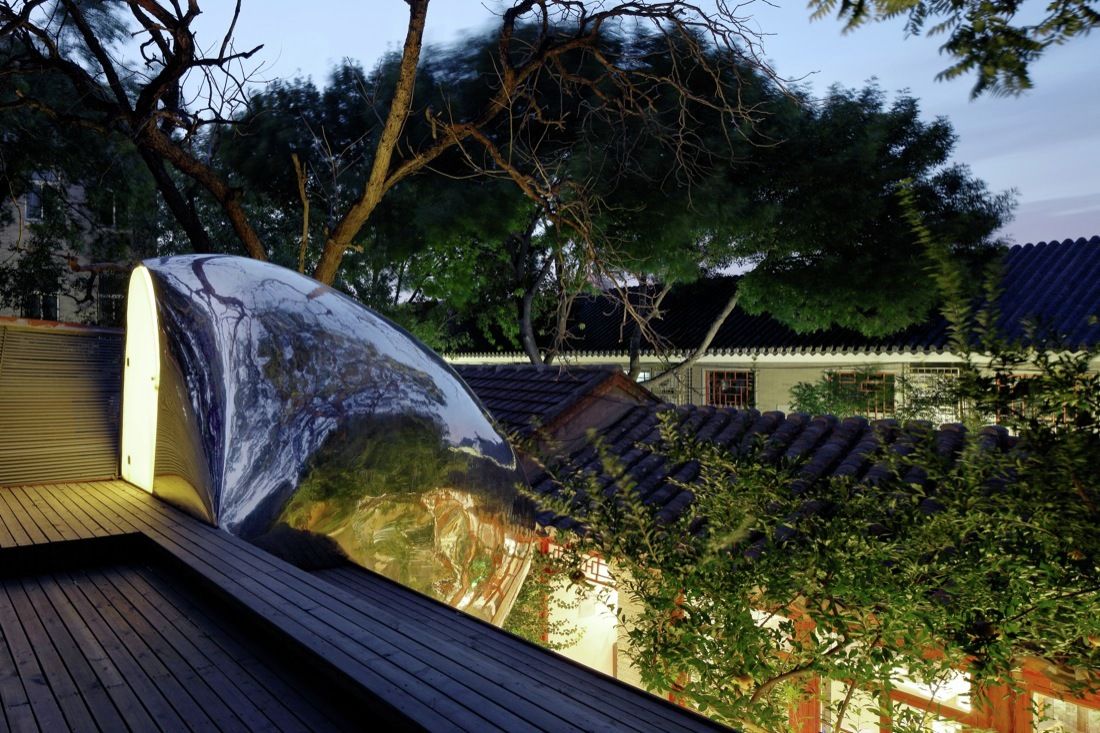
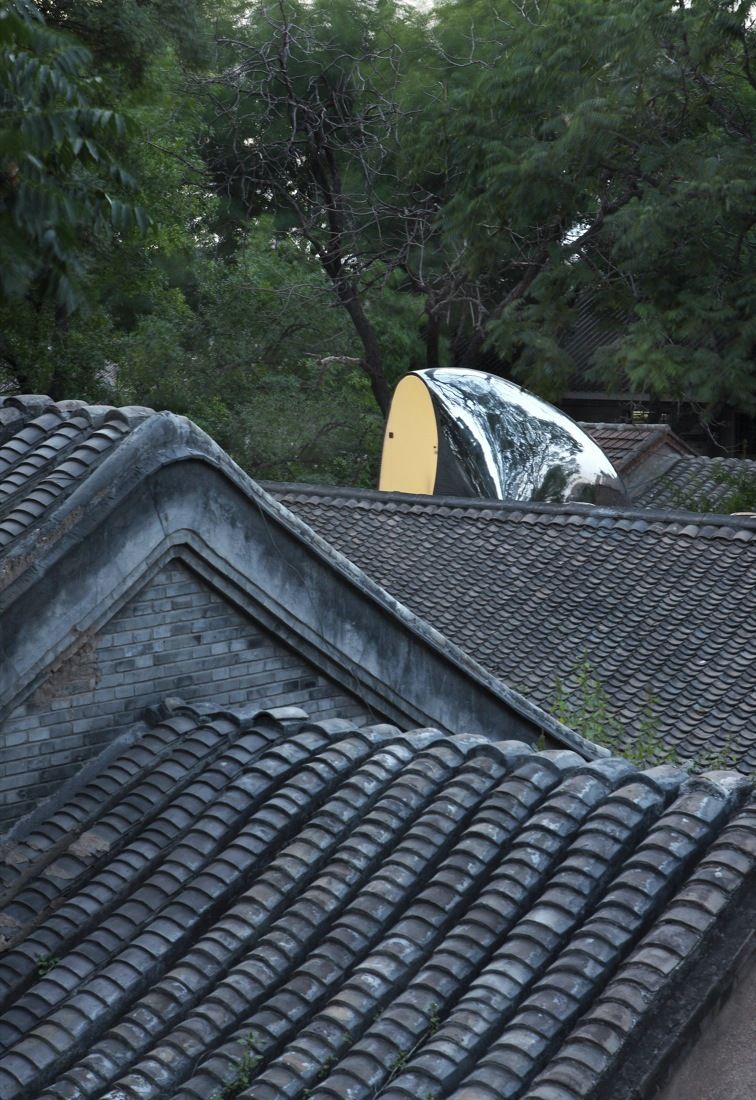
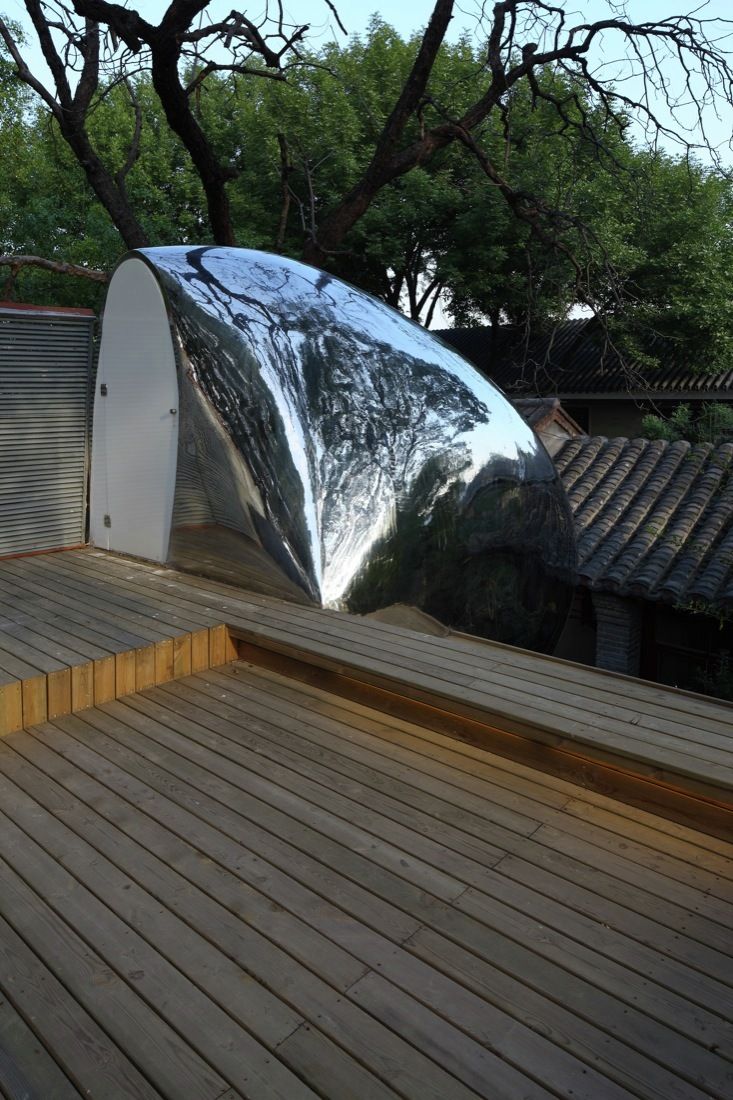
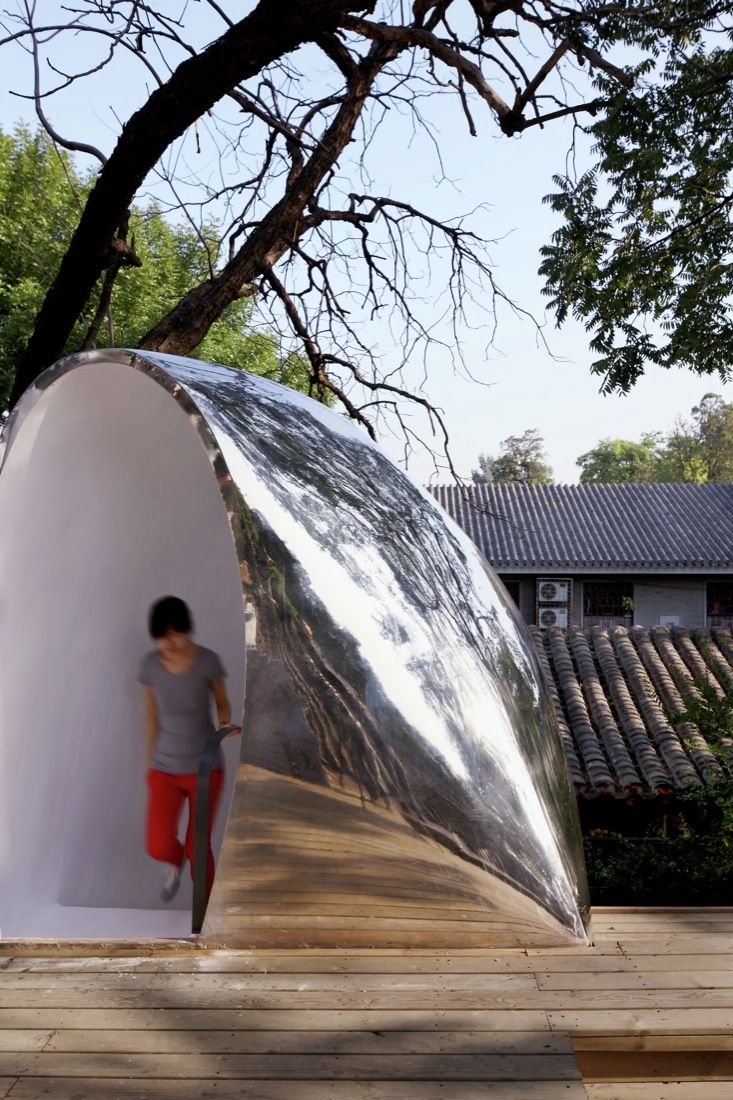
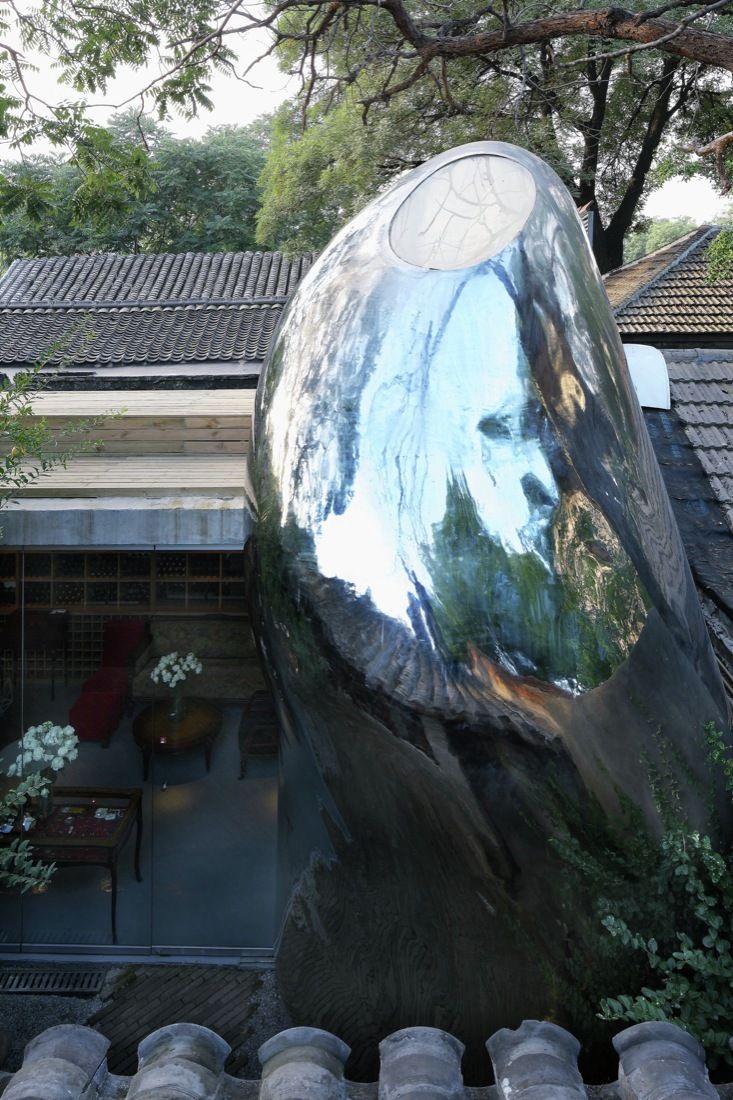
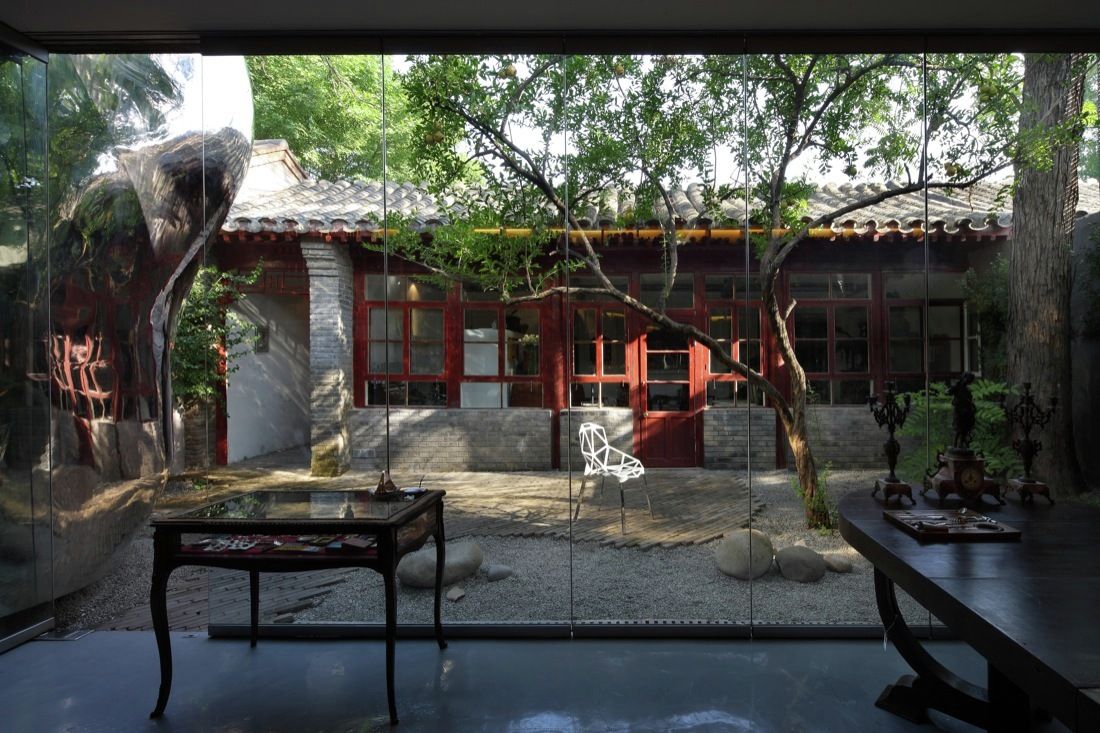
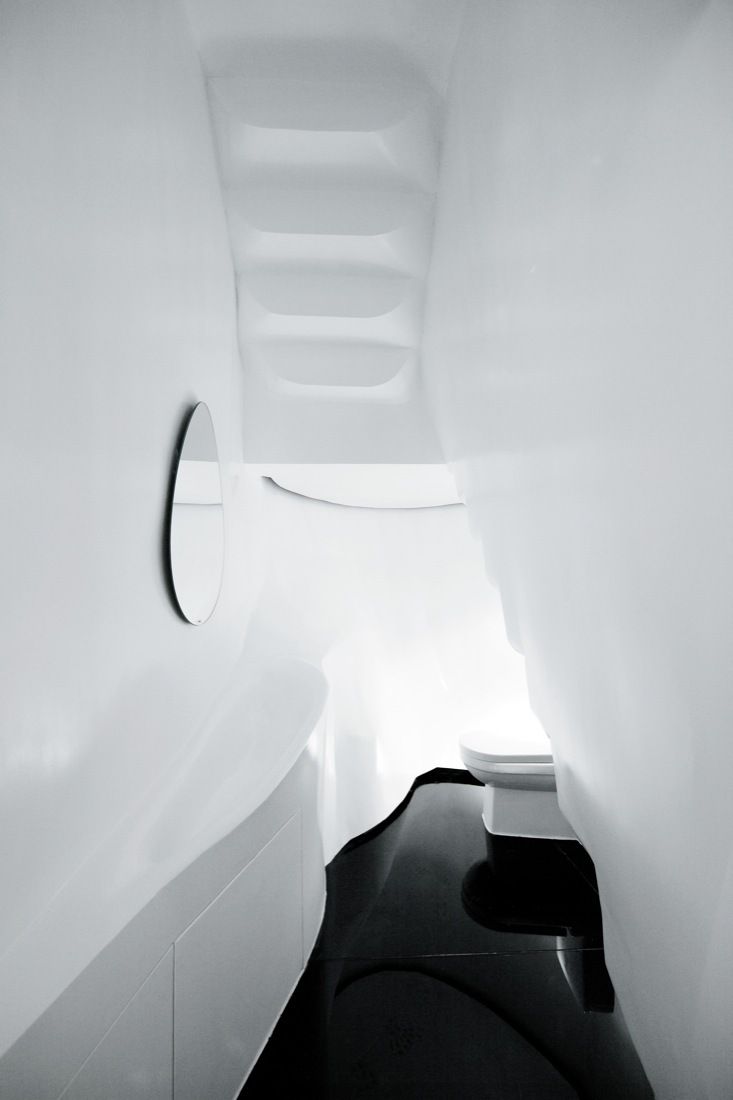
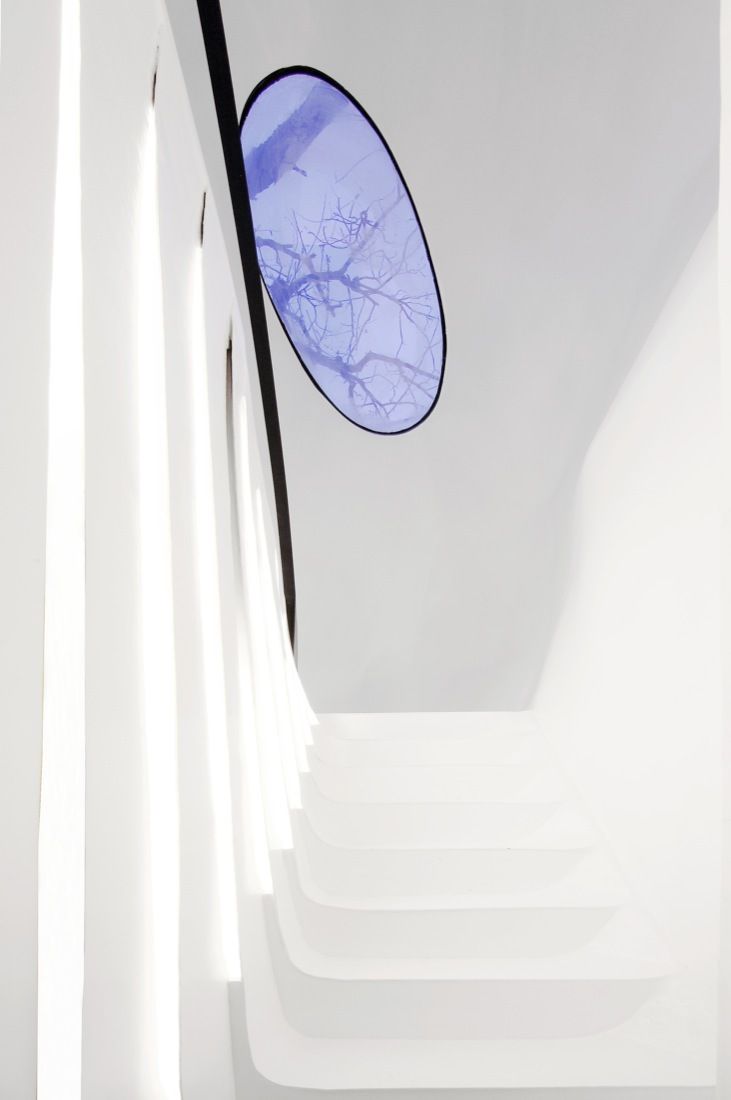
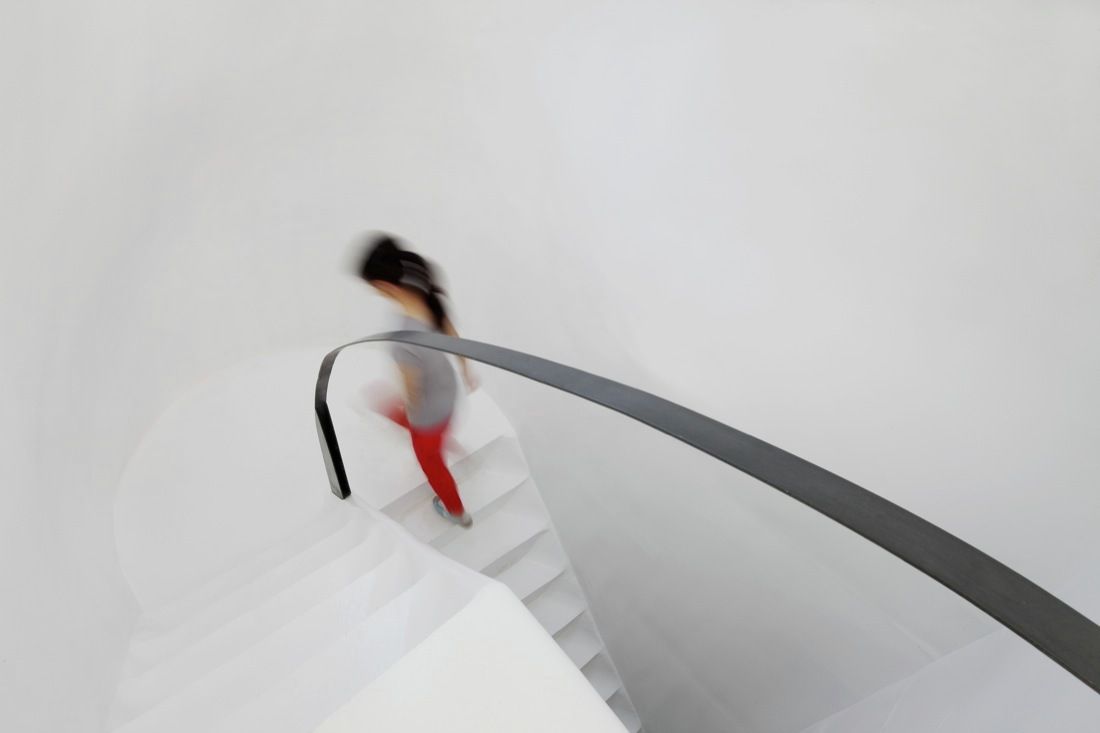
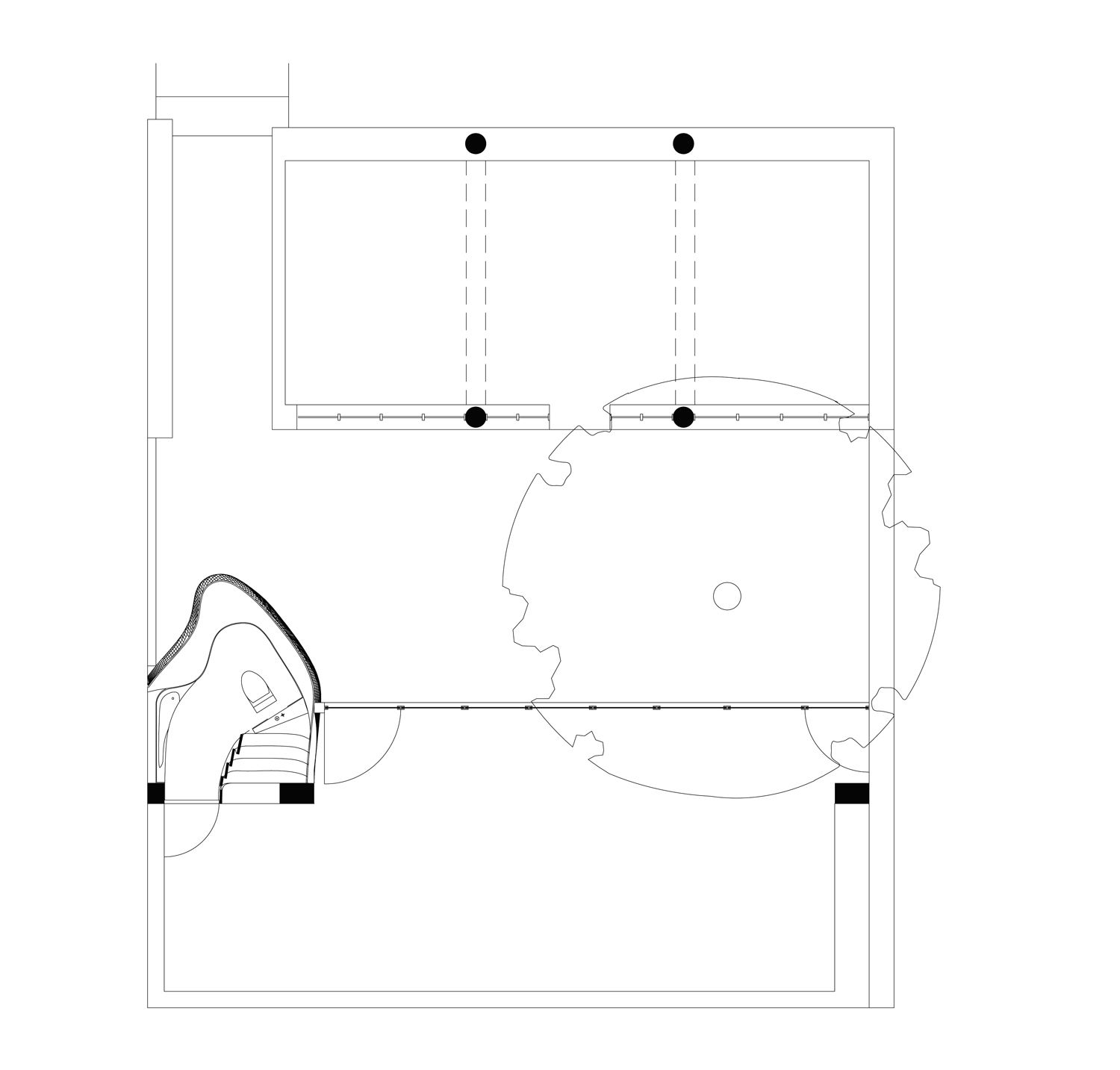
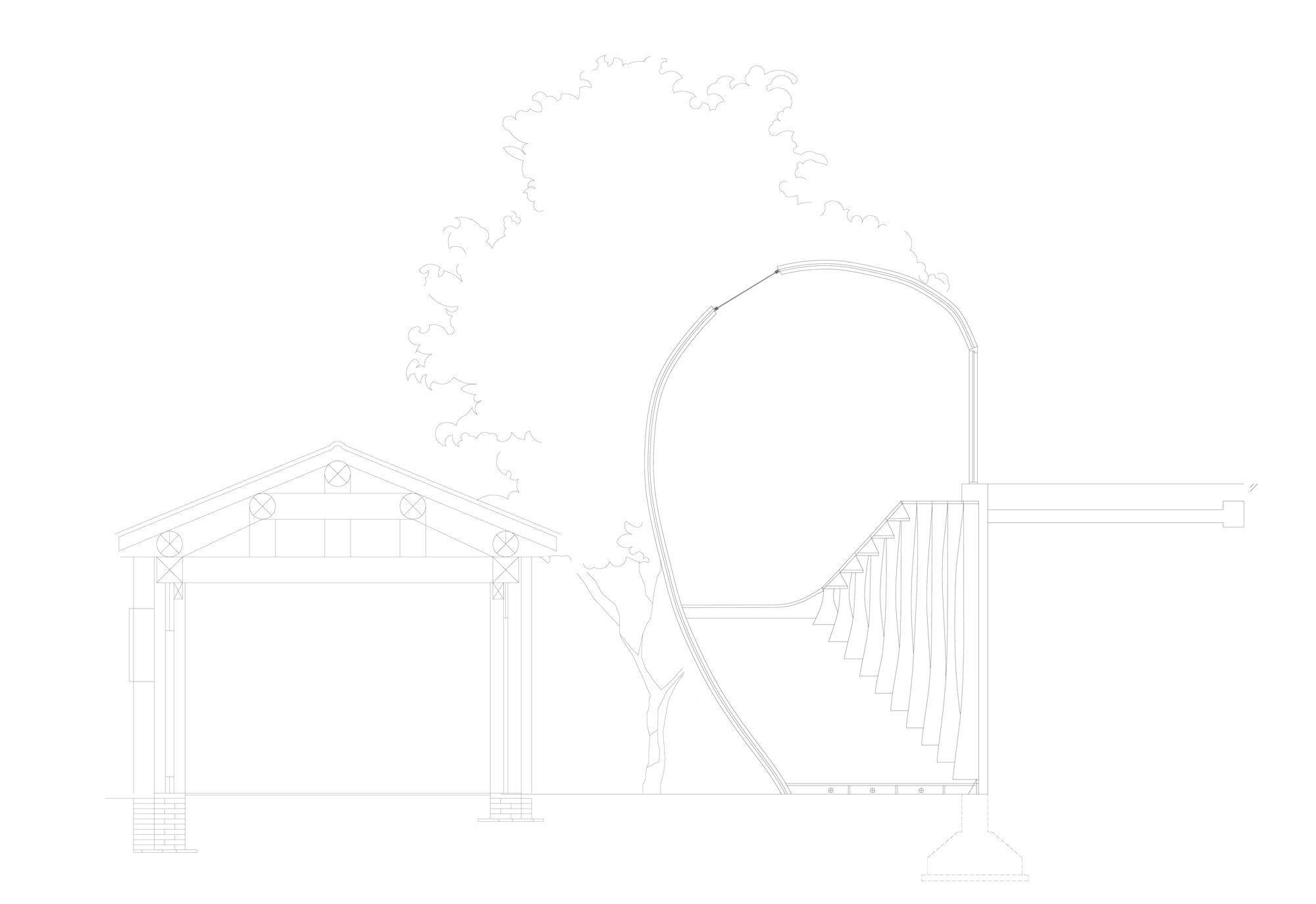
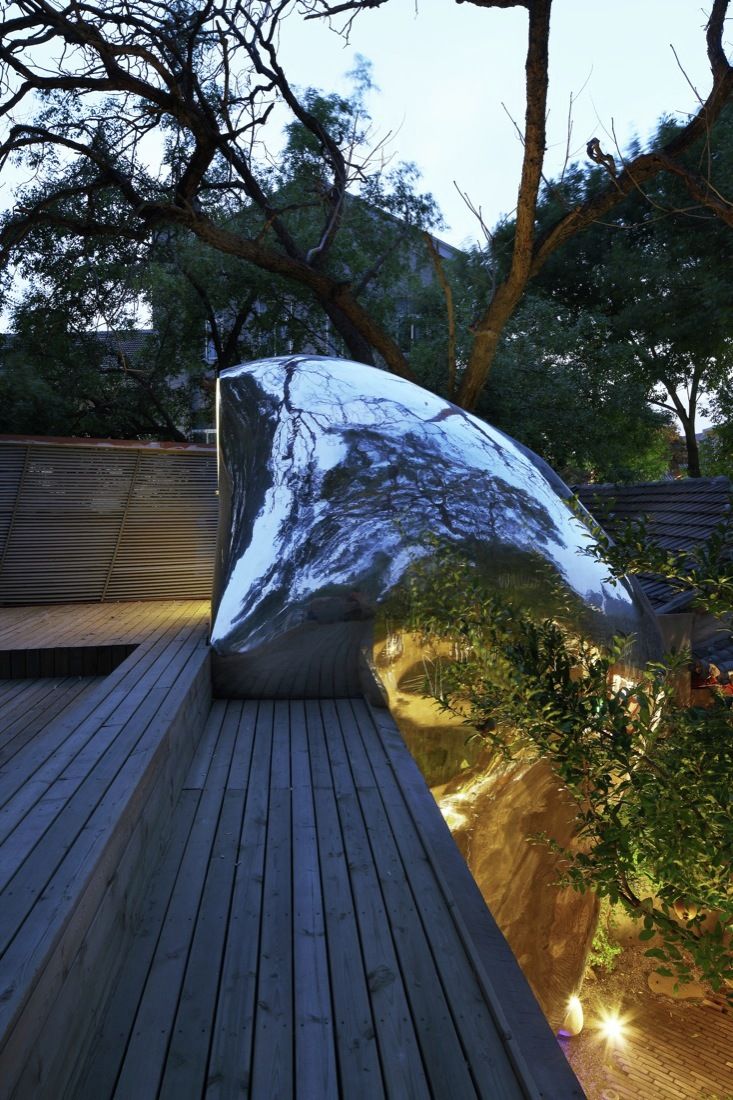
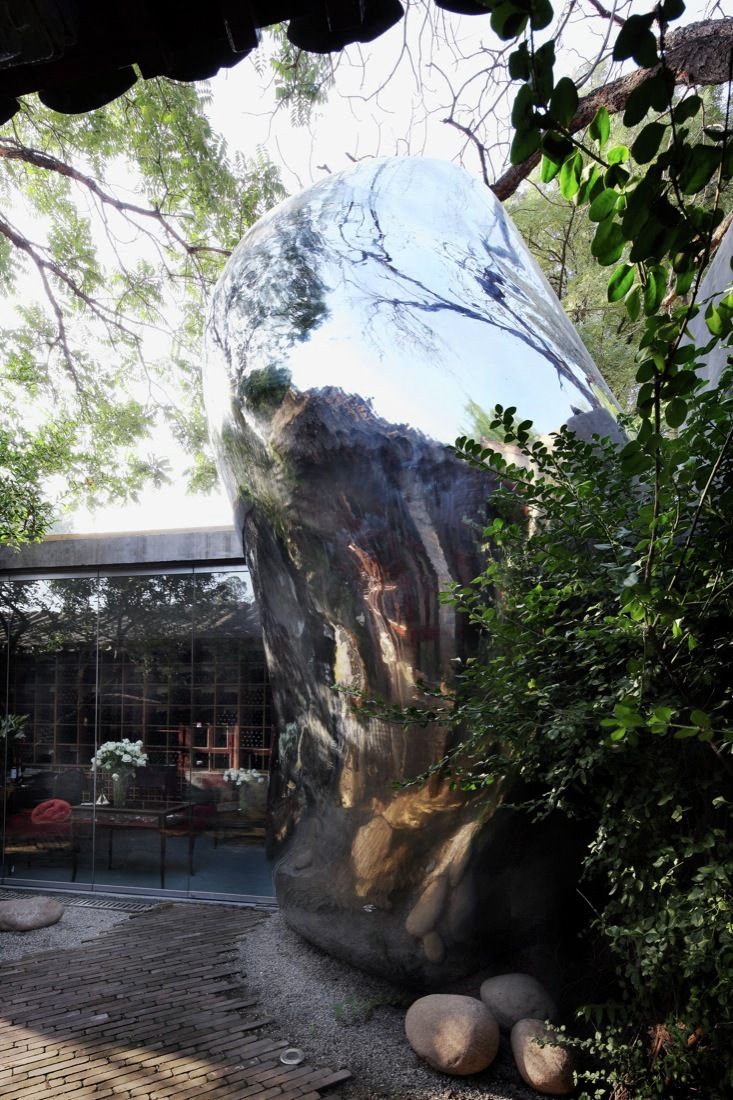
Hutong Bubble 32 provides a toilet and a staircase that extends onto a roof terrace for a newly renovated courtyard house. Its shiny exterior renders as an alien creature, and yet at the same time, it morphs into the surrounding wood, brick, and greenery. The past and the future can thus coexist in a finite, yet dream-like world. The real ambition for the Hutong Bubble 32 is to connect to the culturally rich urban environment and to connect to each individual’s vision of a better Beijing. The bubble is not a singular object, but an architecture that will initiate a renewed and energetic community. Under the current fast-paced development, it must be remembered of Beijing’s long term goals and the direction of its creativity. Perhaps it should shift the sights away from the glory attraction of the new iconic, instead see how the mass citizen of the city’s illuminates through this new network.
photography by © ShuHe
Project Info:
Location: Beijing, China
Area: 305 m²
Year: 2019
Photographs: Fangfang Tian
Builder: First Construction Engineering Office of Beijing Dalong Construction Group Co.Ltd
Principals In Charge: Yansong Ma, Qun Dang, Yosuke Hayano
Design Team: Wei He, Yuanhao Li, Li Shang, Changrui Fu, Tao Wang, Dmitry Seregin, Cesar D. Rey
Design Institute: Beijing Architectural Design and Research Institute EA4
Tenant: Damochang Urban Revitalization Program
Owner: Tianjie Group