

Frozen but not cold
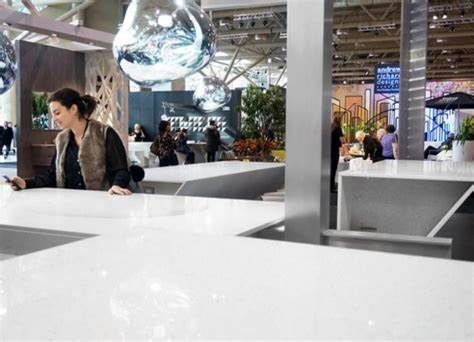
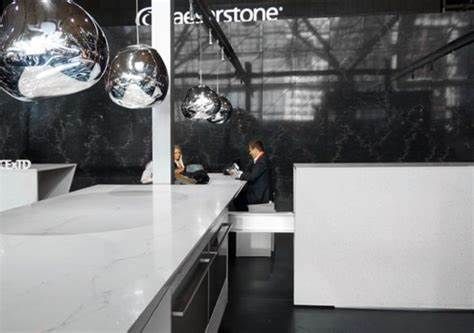
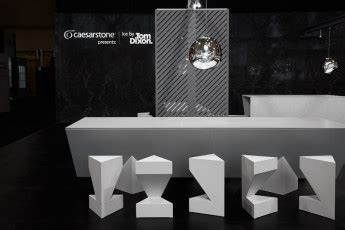
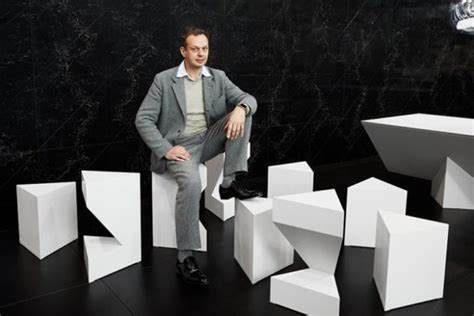
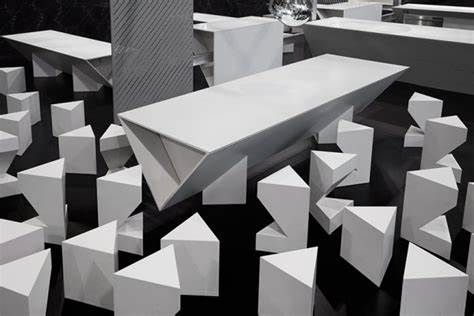
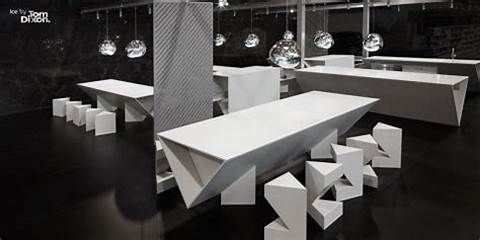
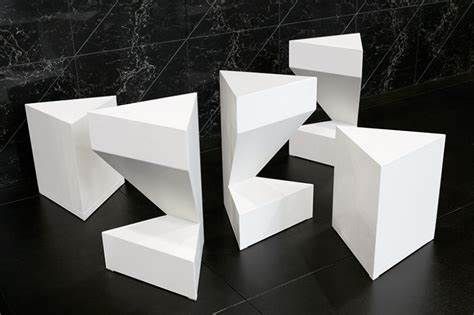
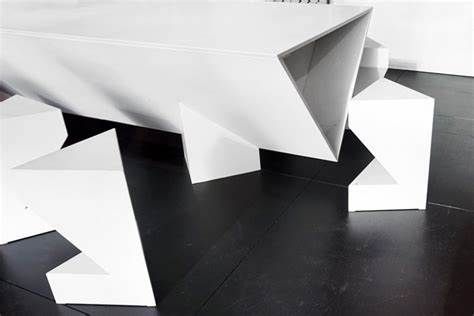
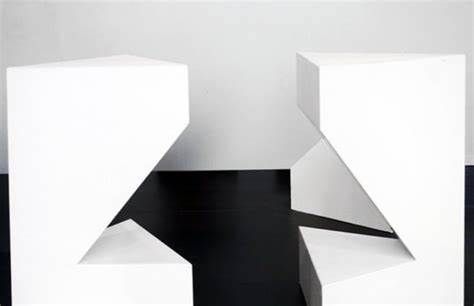
Since Toronto, Canada, it might as well that their kitchen is made of ice cubes. During the interior design show (IDS) in Toronto Caesarstone – the leading manufacturer of premium quartz surfaces — presents the ‘ICE’ kitchen installation by Tom Dixon. The result of the year-long collaboration between Caesarstone’s and Tom Dixon is a series of monolithic triangular prisms in various volumes and heights form the base of the kitchen, having a food prep area, serving stations, surfaces, and stools The inspiration for the creation of “ICE” kitchen came from the winter, frozen lakes and the icebreakers of Canada. As a secondary material, extruded aluminum was used to ensure a cold, industrial aesthetic and simultaneously acting as the structural support and lighting rig, where Dixon’s mirrored ‘melt’ lights complement the theme. Among the four semi-professional kitchens design shows references the elements of ice, fire, earth, and air. The Toronto ‘ICE’ installation is the first one. The next one is expected to be at Milan Design Week 2016. About the link of the natural elements and the kitchen and the next in the series, the designer explains: “There are four elements that we’re working with – water, earth, air, and fire – they’re sort of the medieval elements. So water is for Toronto, for their icebergs, snow melting…that’s sort of your memory of Canada. That then lends itself to freezing things, steaming things, boiling things in a kitchenette”.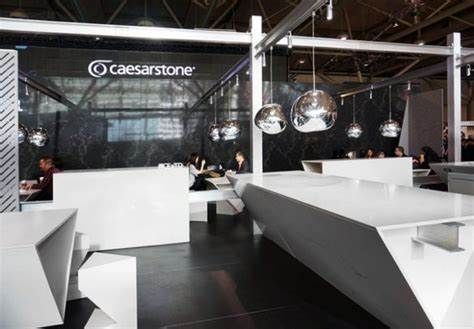
By: Armine Sargsyan

Ibrahim Abdelhady is an architect, academic, and media entrepreneur with over two decades of experience in architecture and digital publishing. He is the Founder and CEO of Arch2O.com, a leading platform in architectural media, renowned for showcasing innovative projects, student work, and critical discourse in design. Holding dual PhDs in Architecture, Dr. Abdelhady combines academic rigor with industry insight, shaping both future architects and architectural thought. He actively teaches, conducts research, and contributes to the global architecture community through his writing, lectures, and media ventures. His work bridges the gap between practice and academia, pushing the boundaries of how architecture is communicated in the digital age.