


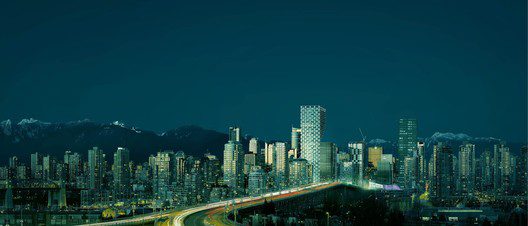
Vancouver House, As the year of 2015 approaches towards its end, World Architecture Festival (at Marina Bay Sands, Singapore) emerged as one of the important annual events. Not only did it summarize the recent breakthroughs in architecture, but also identified noteworthy projects. As the event folded up, Vancouver’s ‘Beach and Howe Tower aka Vancouver House’, a project by Bjarke Ingels Group (BIG), bagged the title for ‘Future Project of the Year’.
Courtesy of BIG
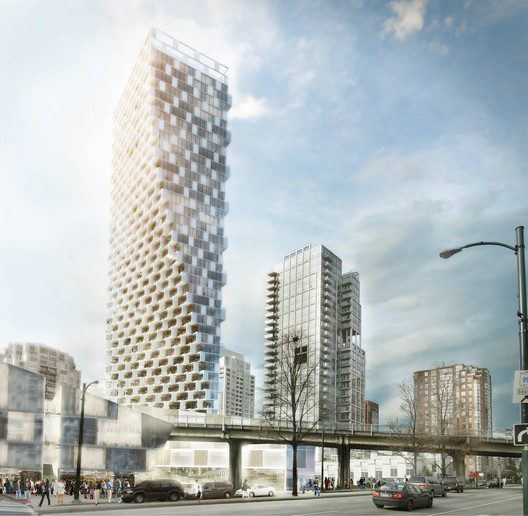
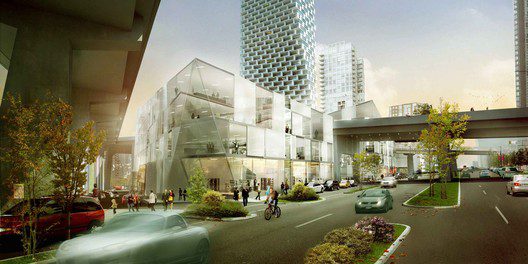
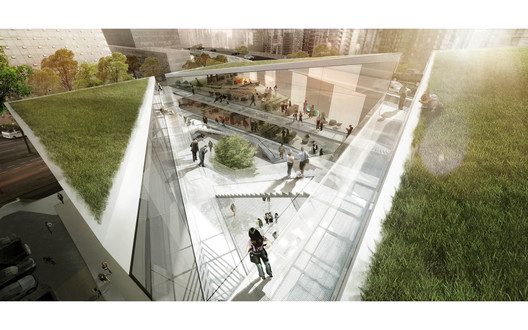
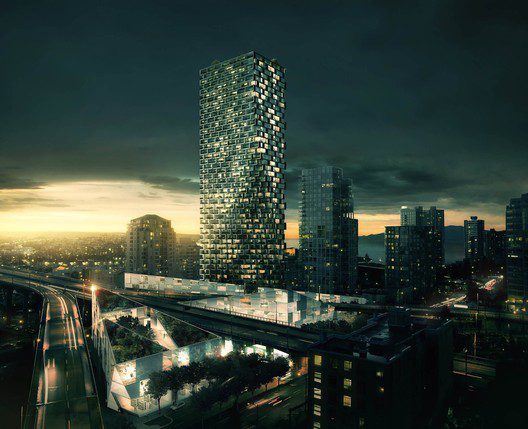
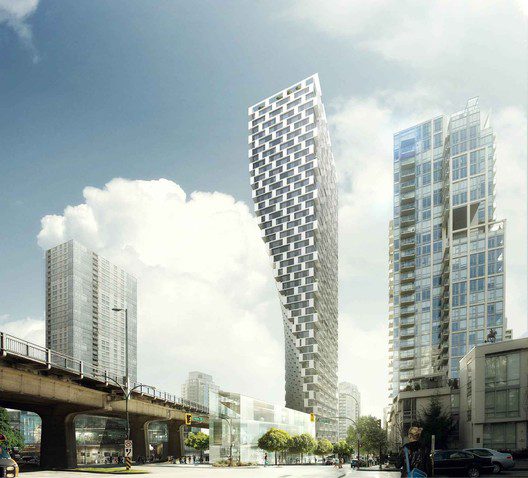
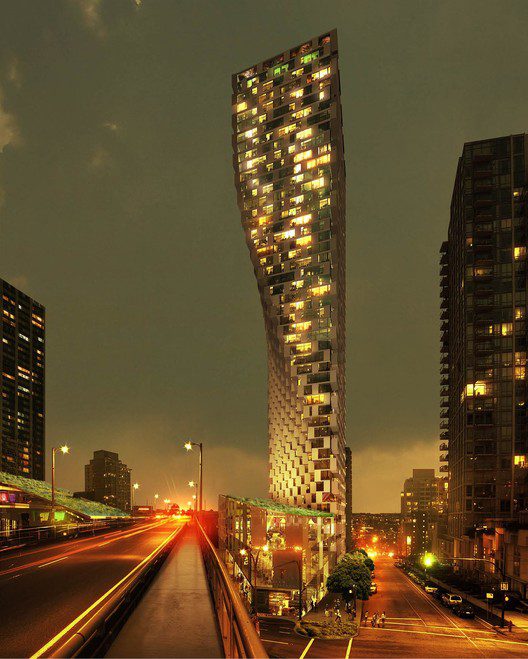
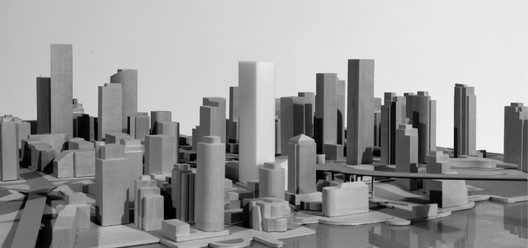
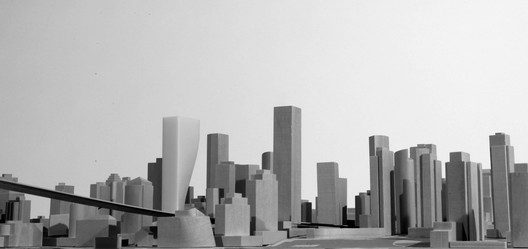
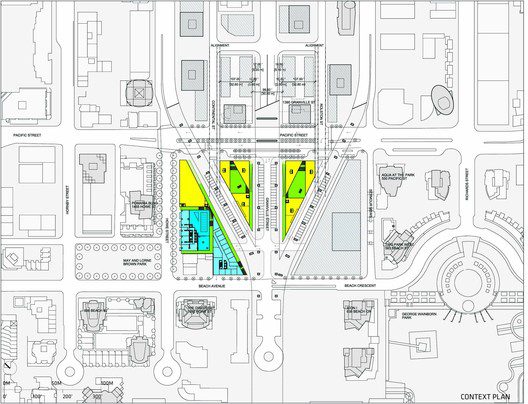
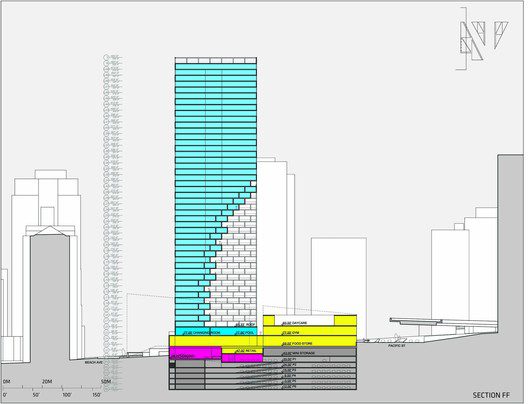
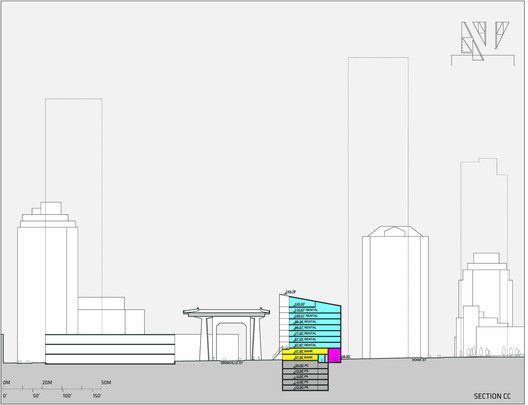
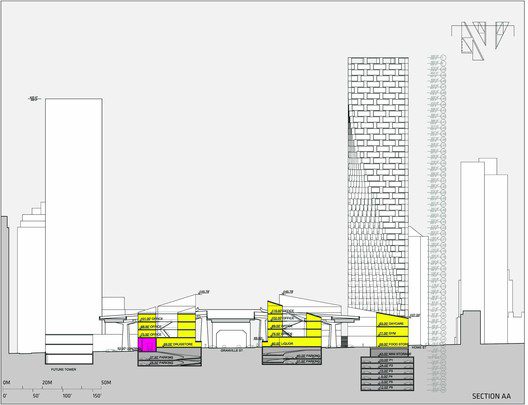
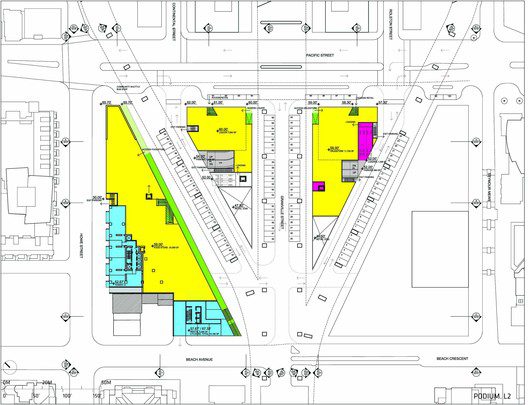
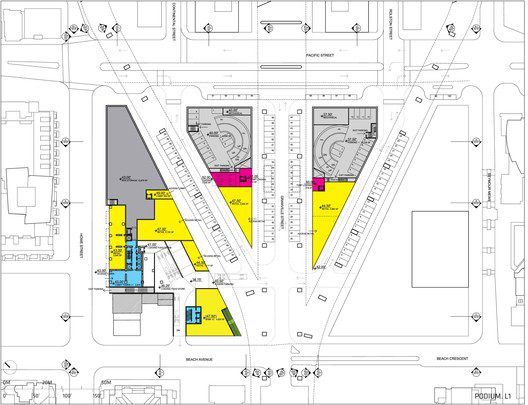
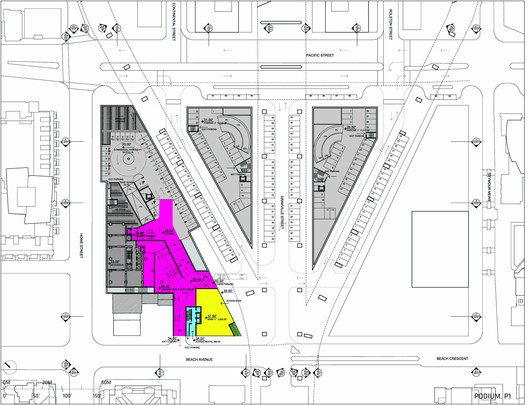
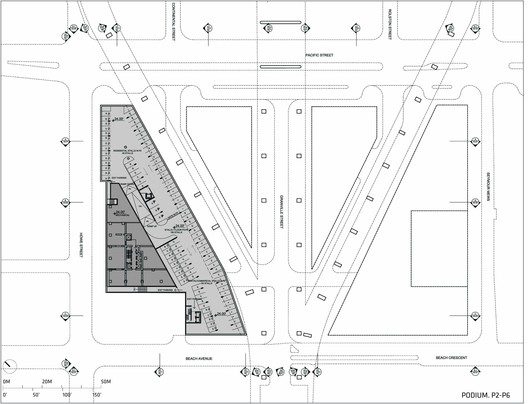
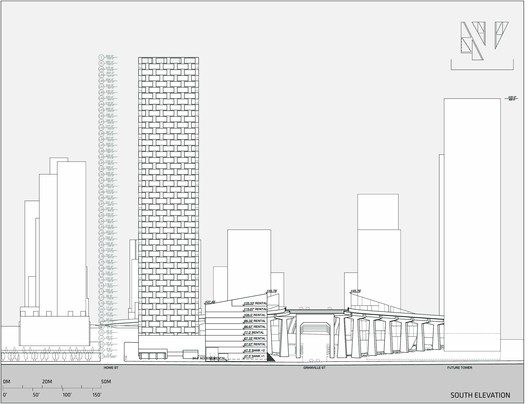
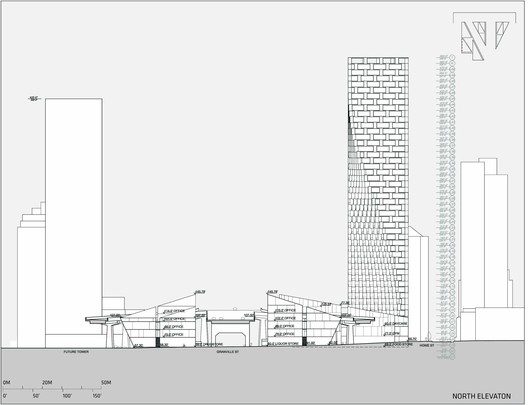
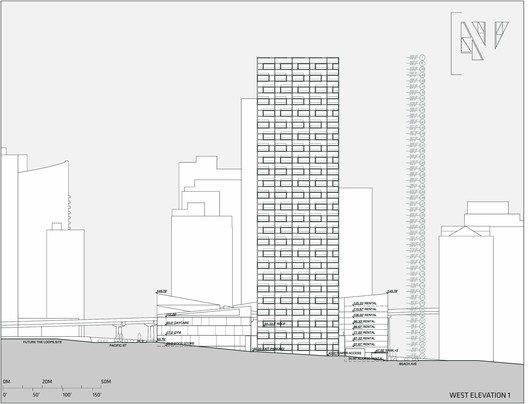
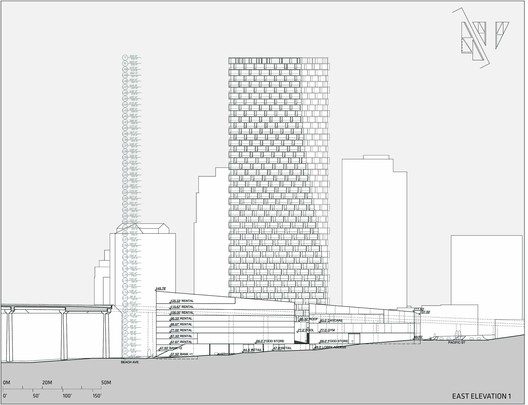
This conceptual skyscraper, with its 150-meter height and 49 floors, would seemingly change the face of Vancouver’s skyline, after being constructed. Proposed by the name of ‘Vancouver House’ or ‘Beach and Howe Tower’, this mixed use skyscraper would accommodate about 600 residential units. The residential zone would be located over the 9 storey tall base which includes commercial and retail activities.
Courtesy of BIG
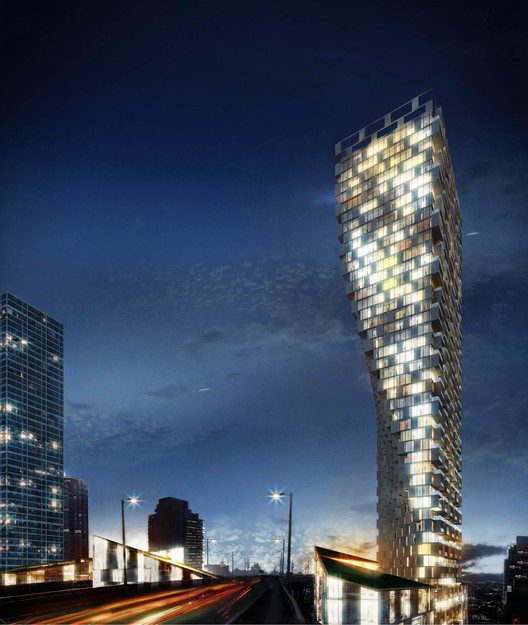
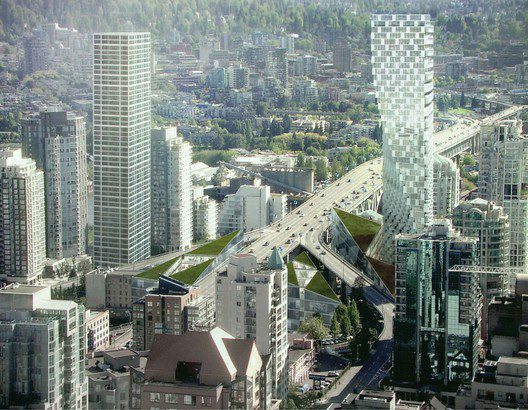
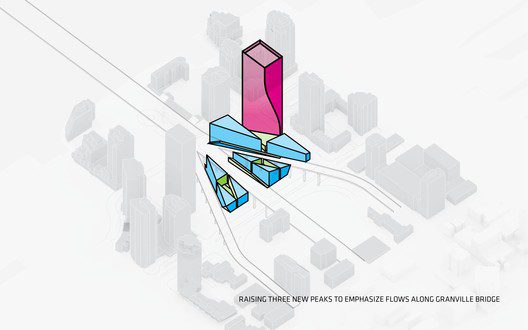
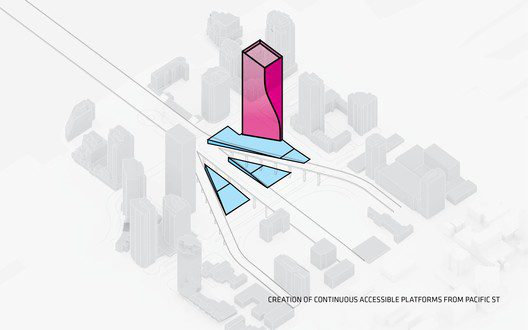
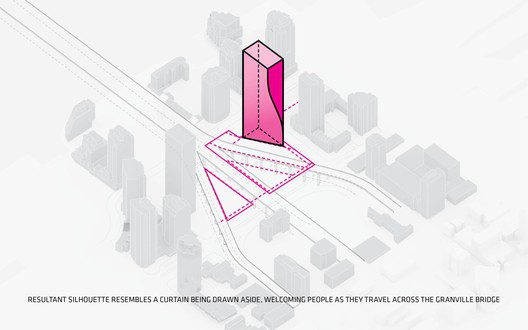
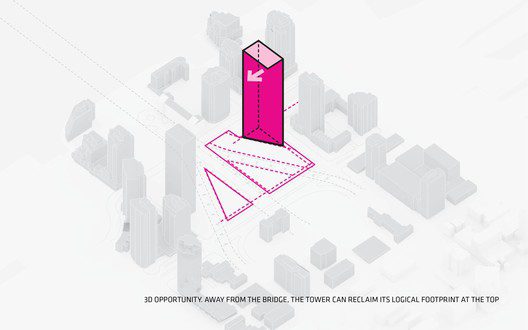
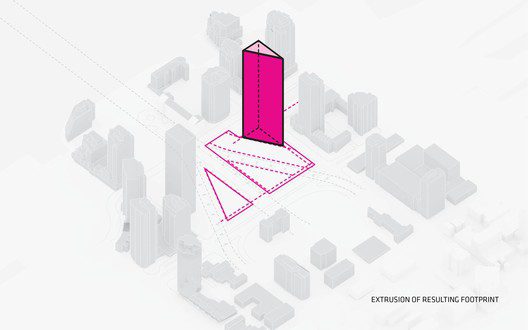
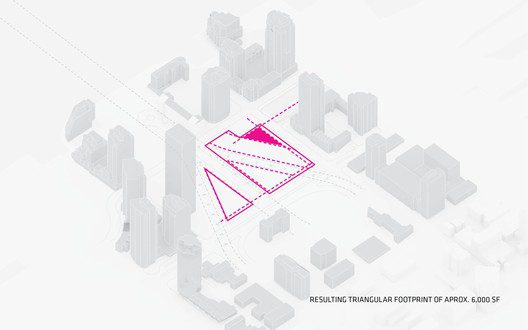
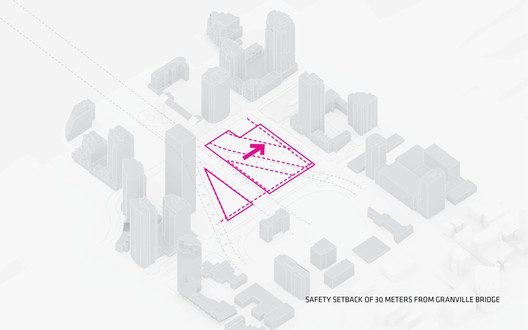
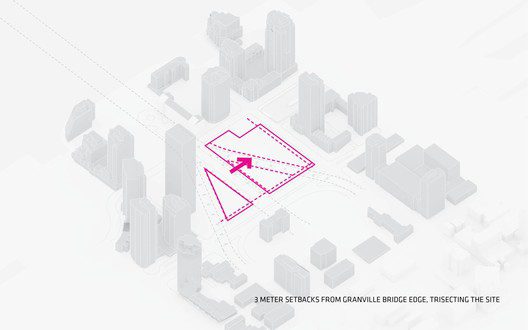
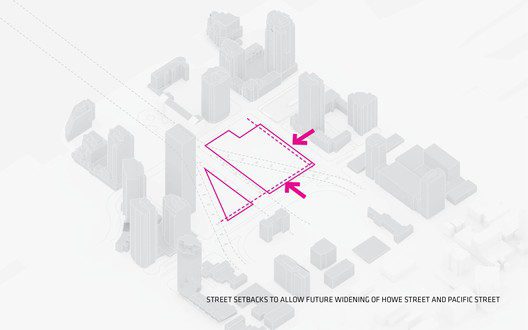
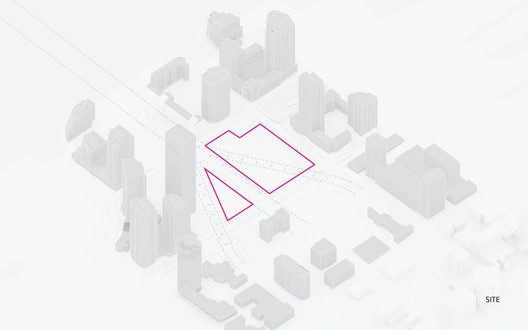
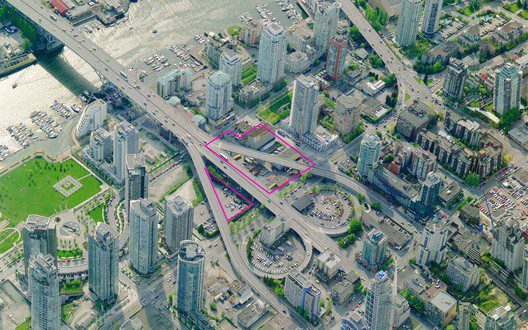
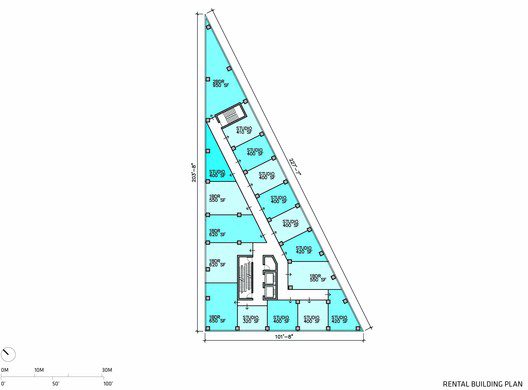
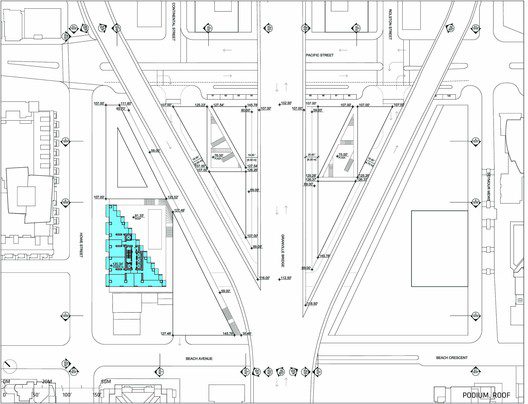
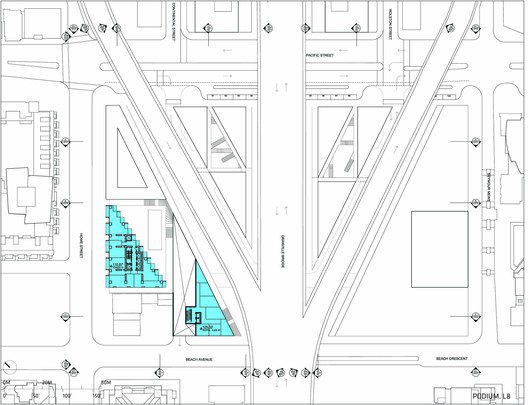
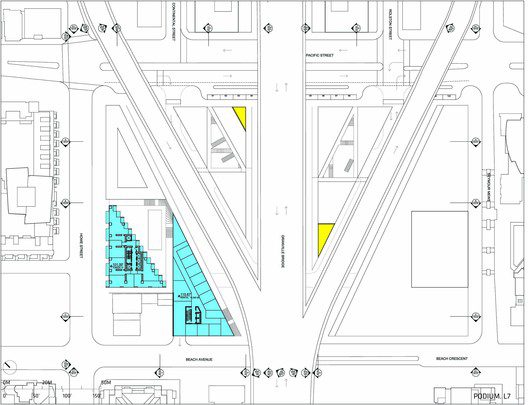
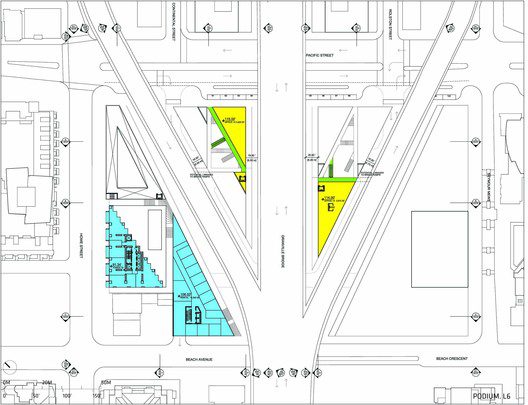
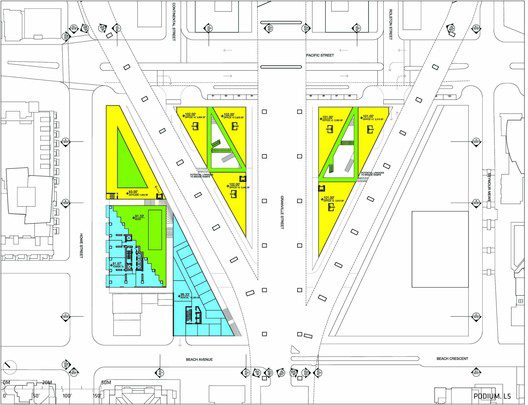
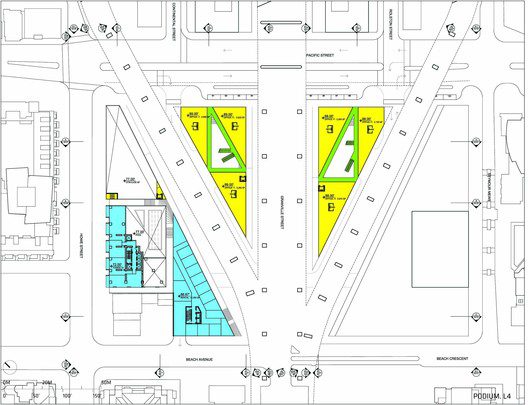
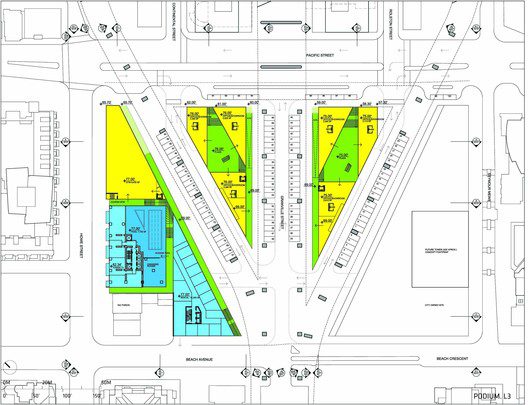
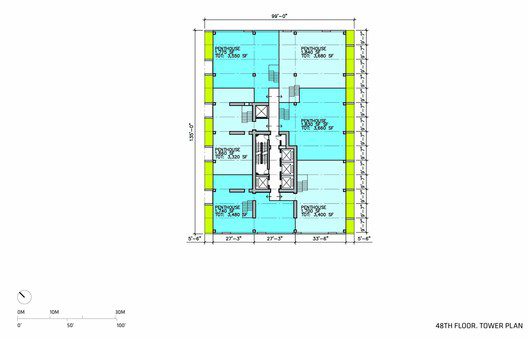
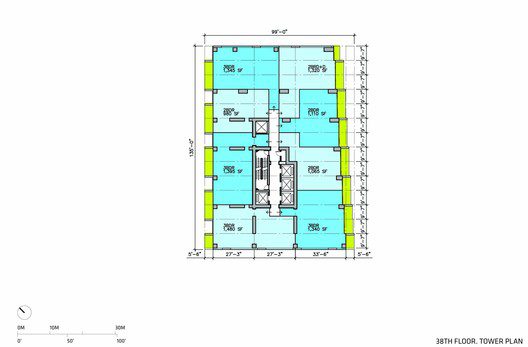
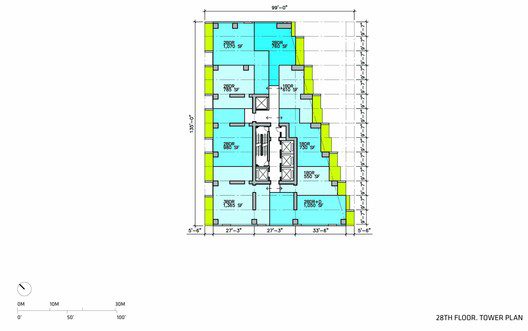
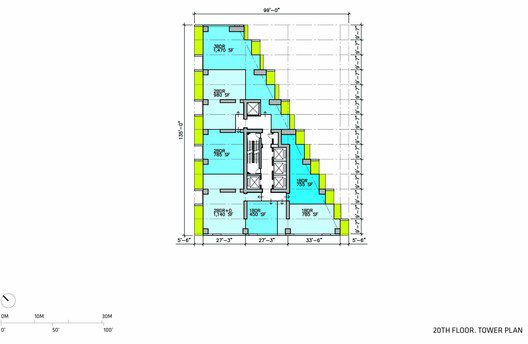
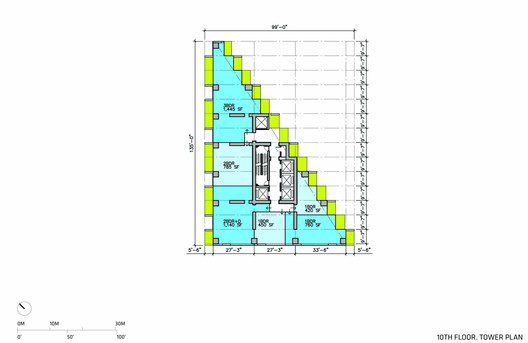
The turning profile of this skyscraper is born from an attempt to minimize the congested conditions around the Granville Bridge and flyover. The triangular footprint of the tower is arrived to after subtracting substantial setbacks from the impact sites, which gradually extends to become a cantilevering rectangular floor plate, availing more area for the residential zone. This gentle turning of the form creates a unique dynamic appearance, a different view from every angle and thus offers an urban landmark to the city of Vancouver.
Courtesy of BIG
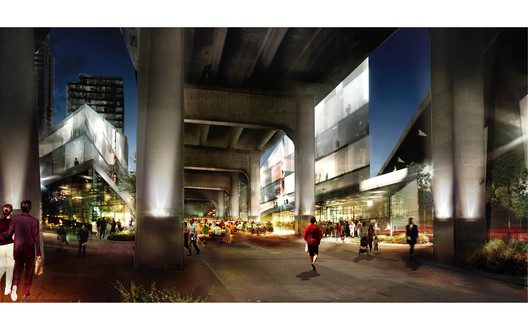
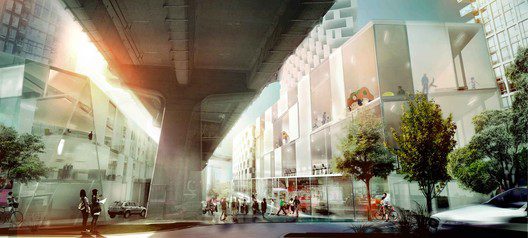
The criteria, behind shortlisting this project and ultimately declaring it as the winner for this particular category, as explained by the judges was, that “this skyscraper mitigates the destructive impact of the highway flyover on infrastructure and urban form, and generates an exemplar new urban typology. It is a delightful project that will impact positively on many future municipality- and developer-led agendas for cities across the world.“
Courtesy of BIG
This project is an example, whereby an optimal confluence of three aspects, namely utilitarian architecture, integrated public realm and a well-planned commercial front, jointly redefine our approach towards the growing cities and their challenges.

With her avid interest for architectural inquiry through literary aspects, Khushboo loves exploring experimental domains; via academic and practical endeavors. Her interests include architectural theory, phenomenology, vernacular/indigenous technologies, sustainability and conservation. Along with her architectural practice, she's affiliated with Posi+tive Magazine as a Contributing Editor and also a faculty at the School of Environmental Design and Architecture, Navrachana University, India.