

Bridge Cinema
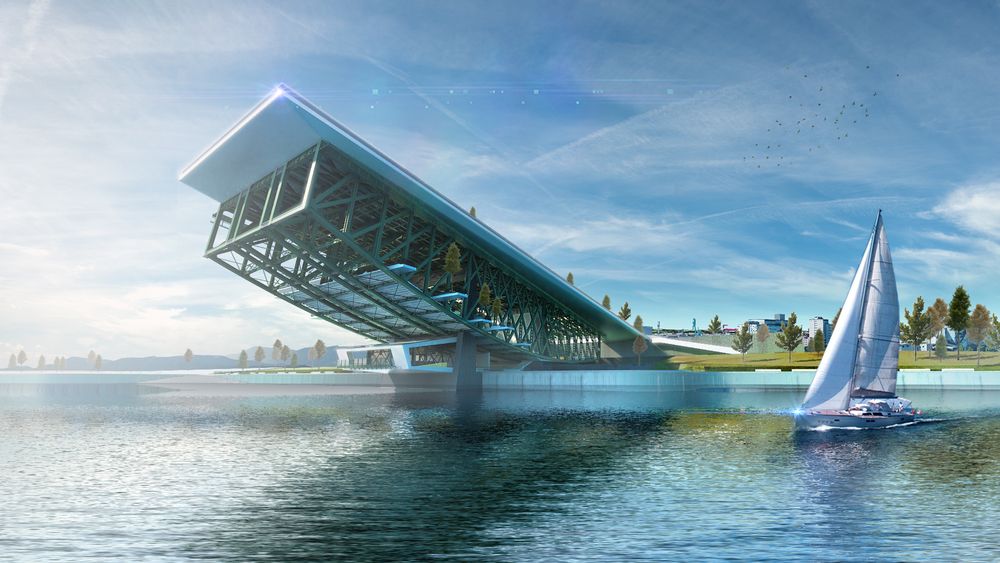
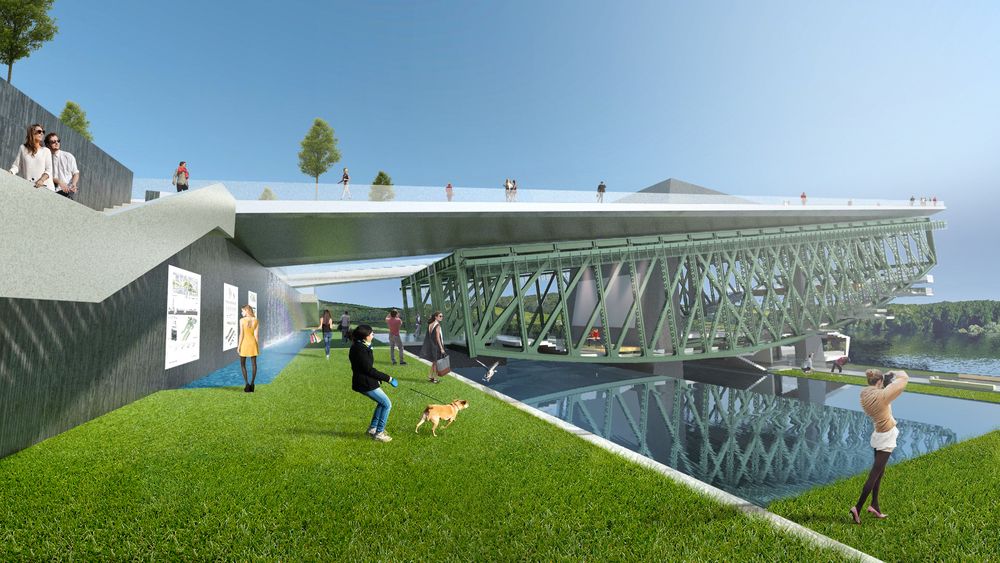
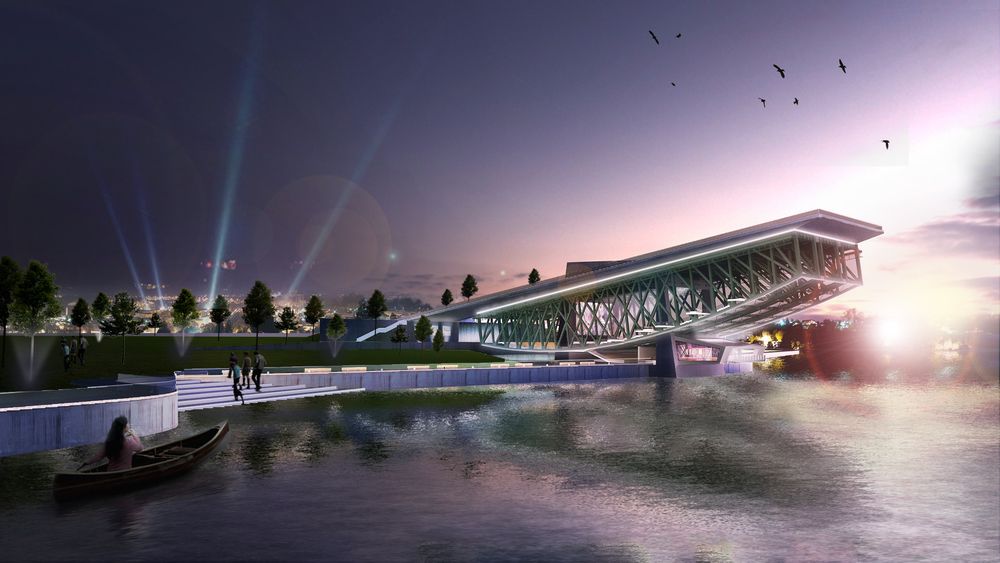
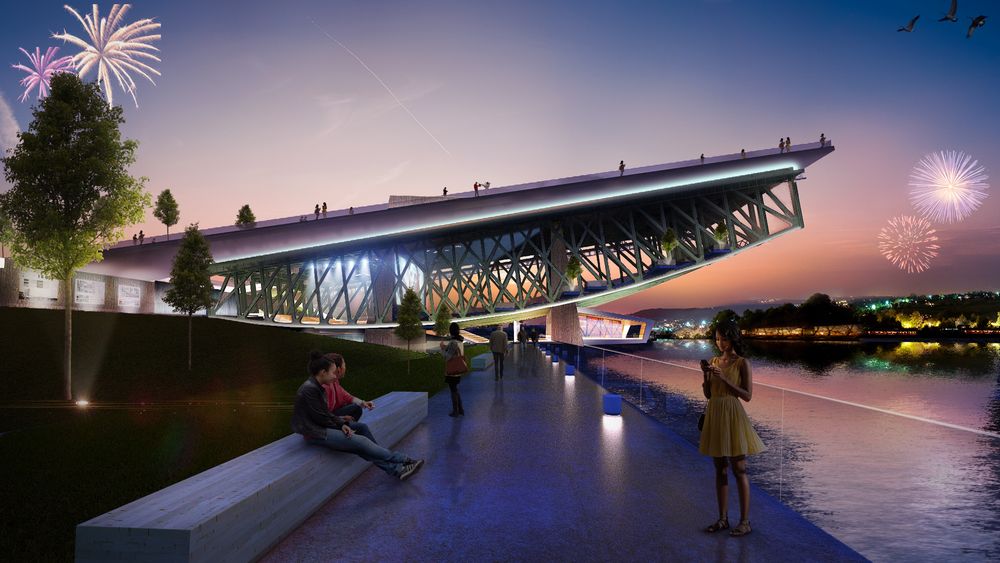
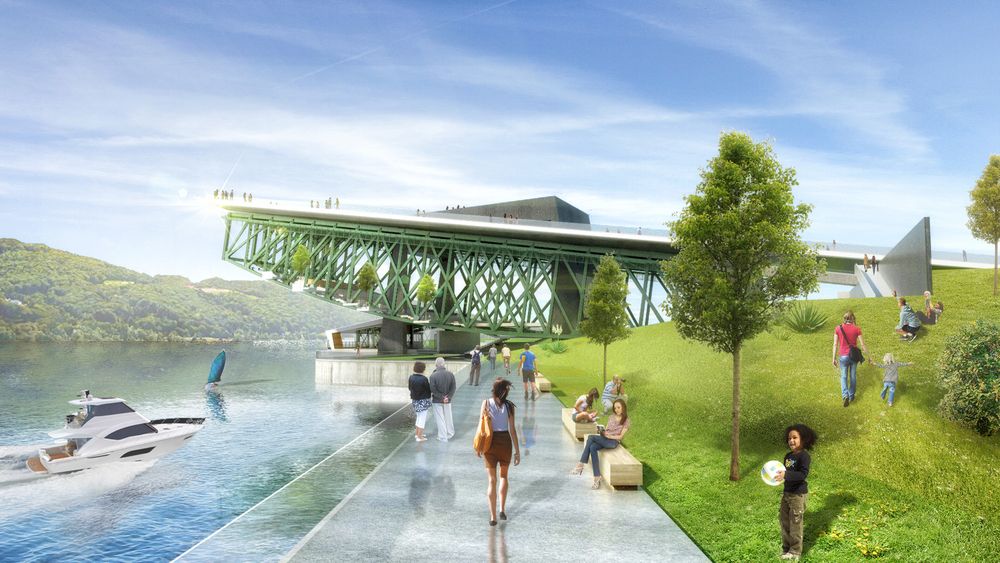
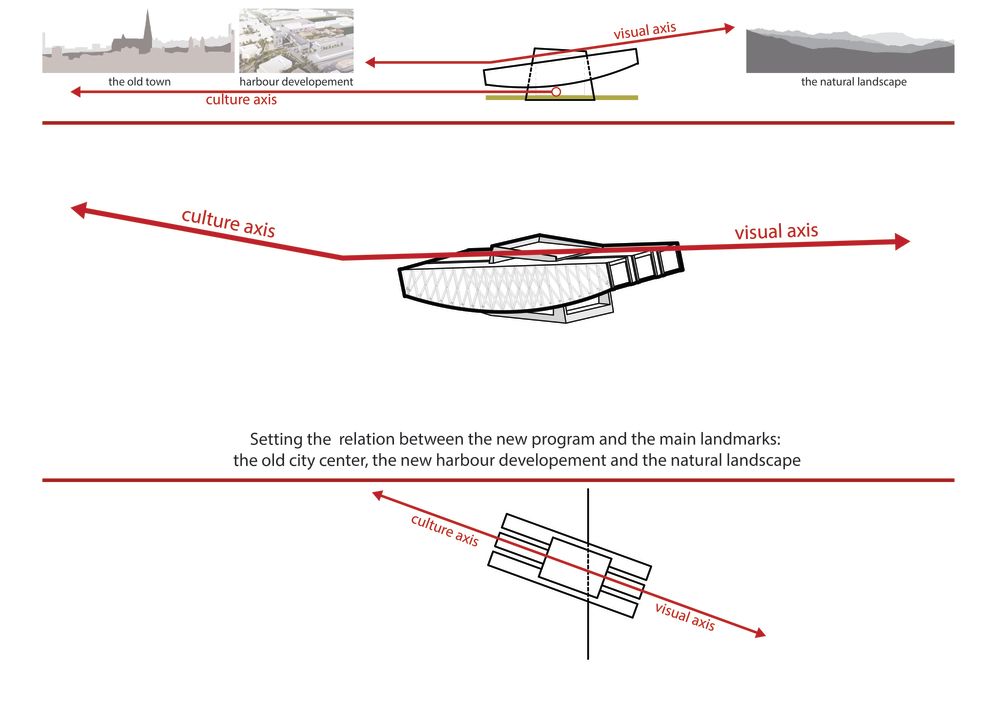
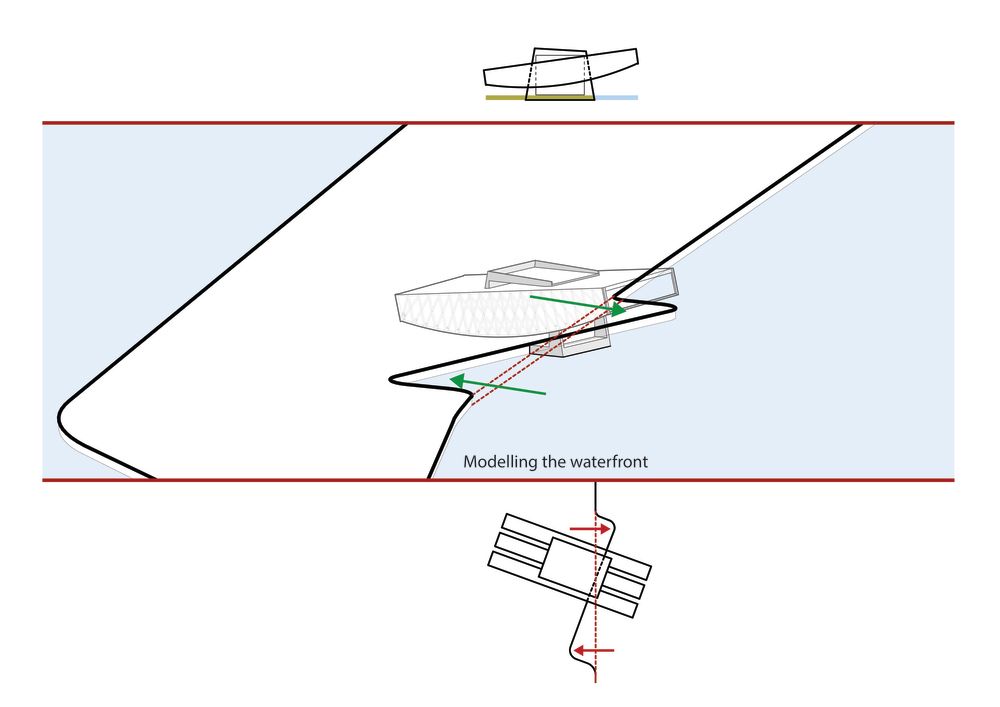
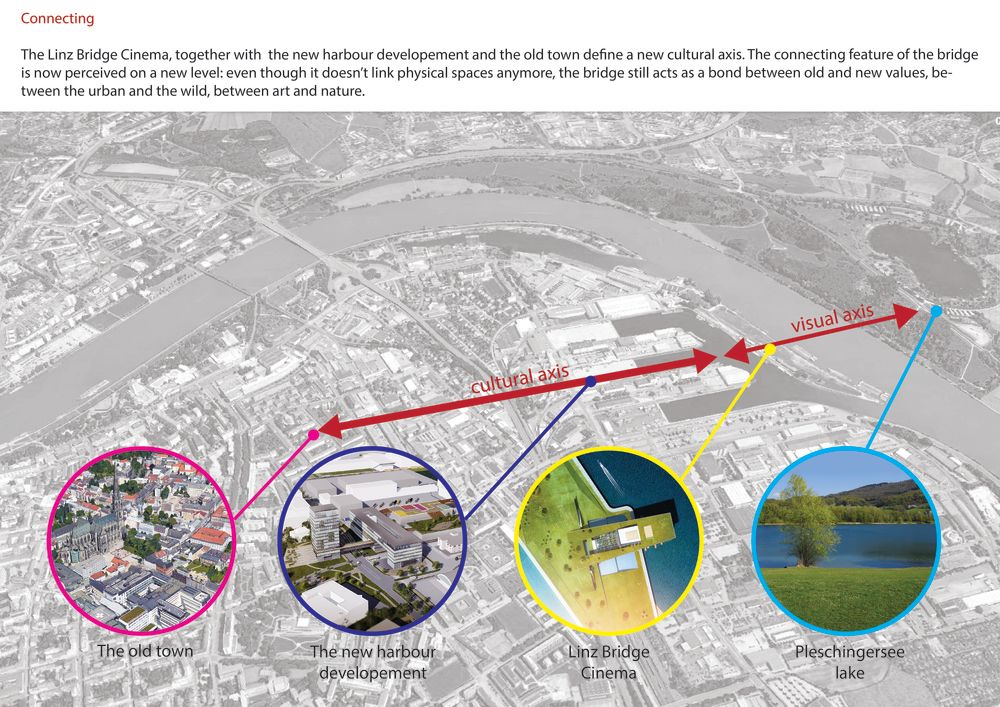
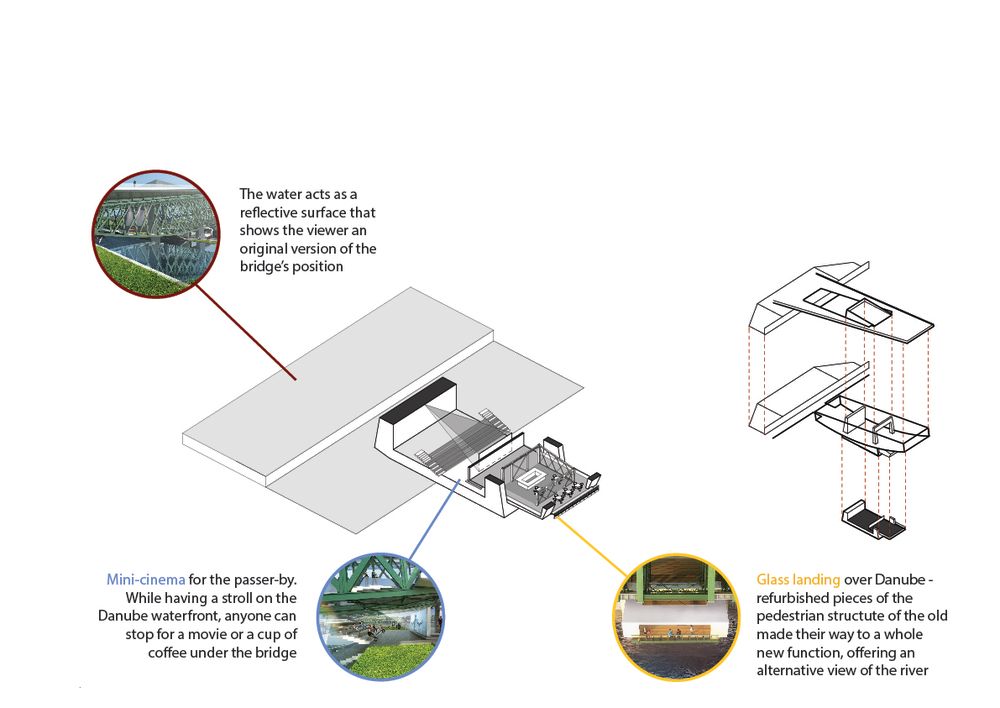
The Linz Bridge Cinema, together with the new harbor development and the old town, define a new cultural axis. The connecting feature of the bridge is now perceived on a new level. Even though it doesn’t link physical spaces anymore, the bridge still acts as a bond between old and new values, between the urban and the wild, art and nature. Although inverted, the original image of its dominant structure can be seen as a reflection in the Danube or in the water basins created underneath the bridge.
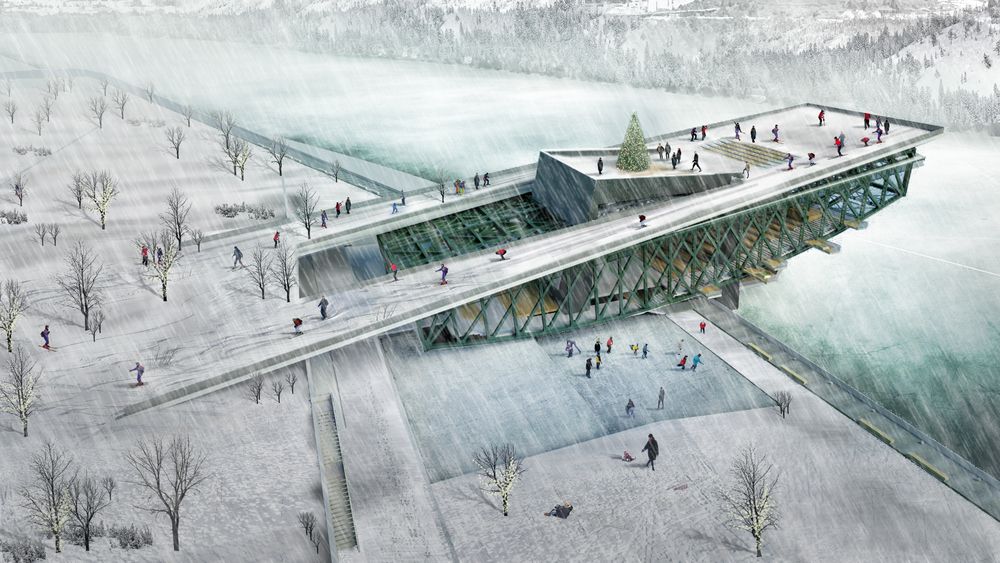
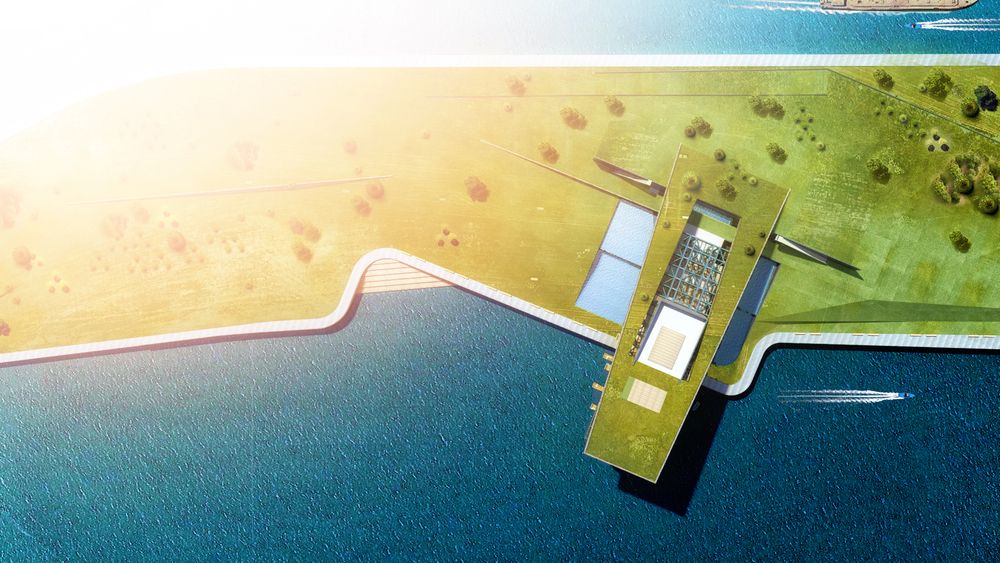
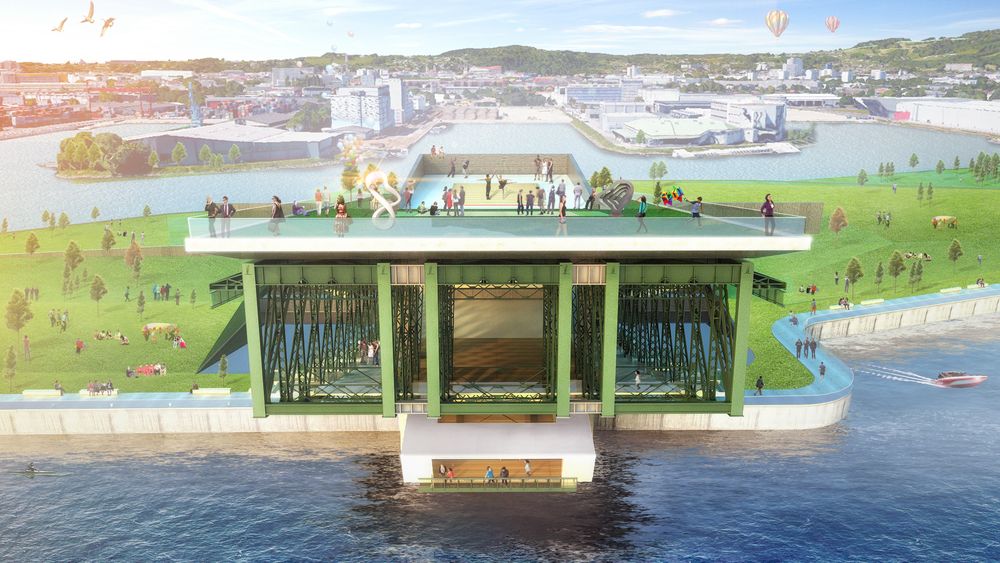
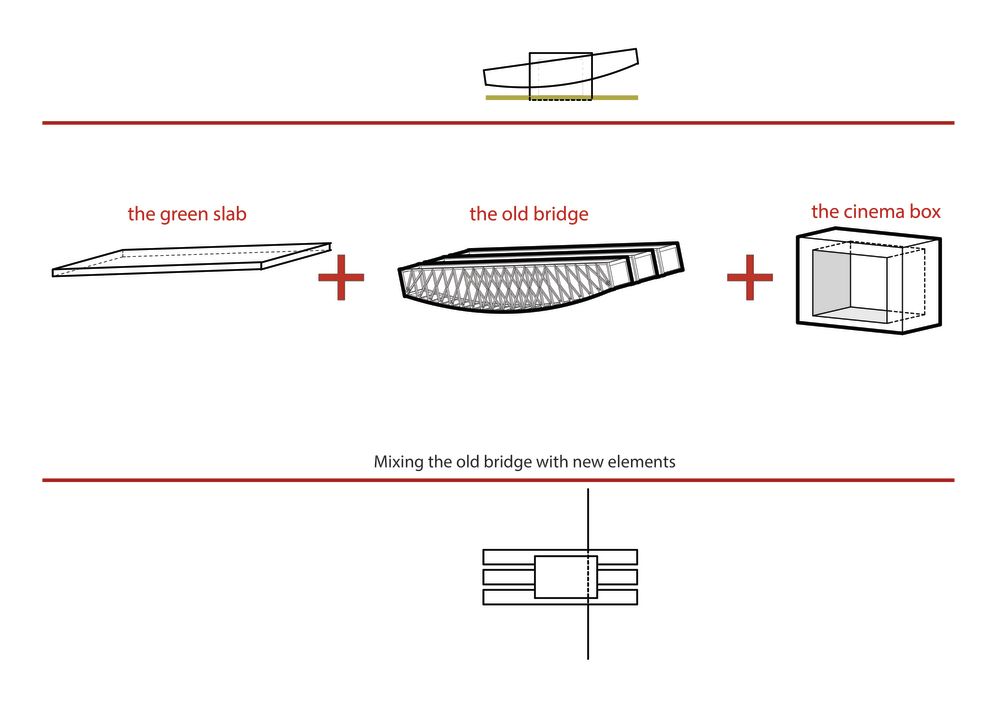
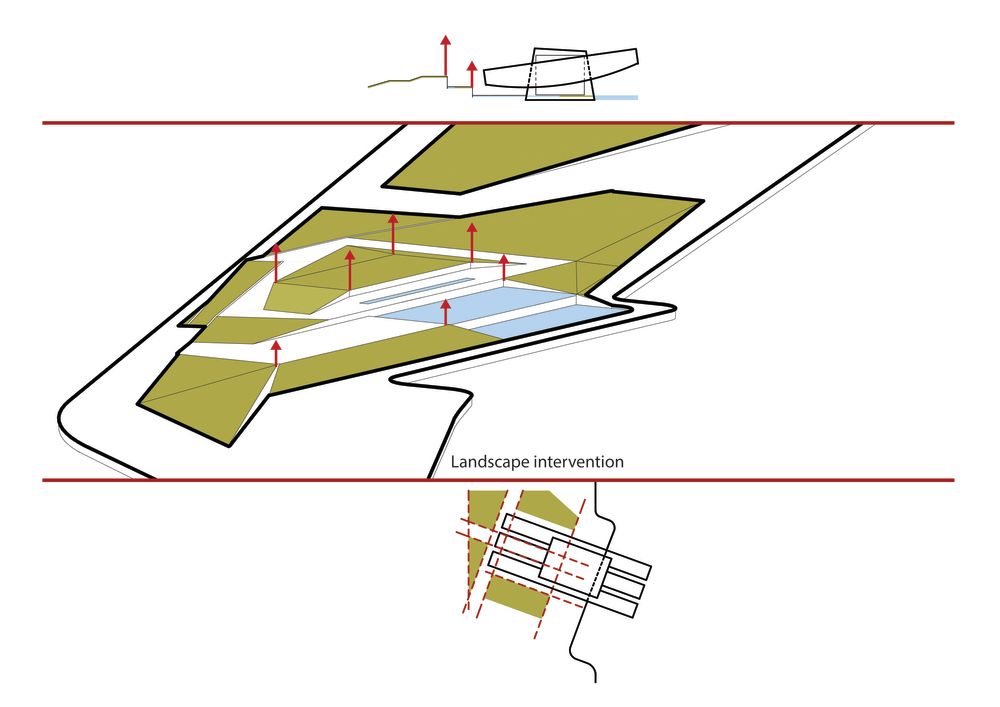
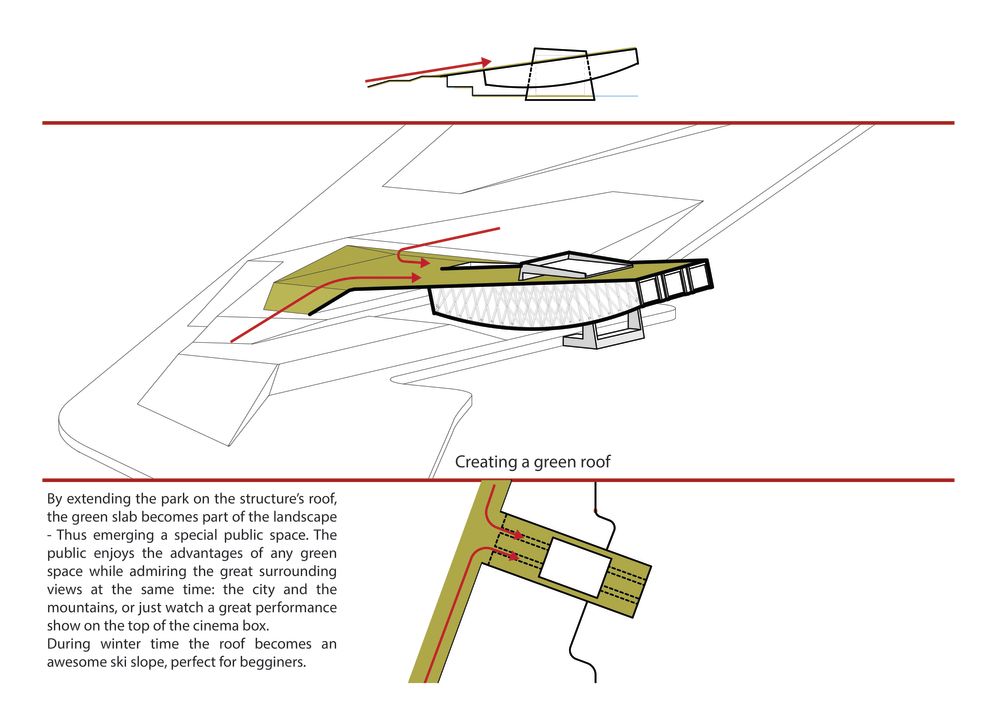
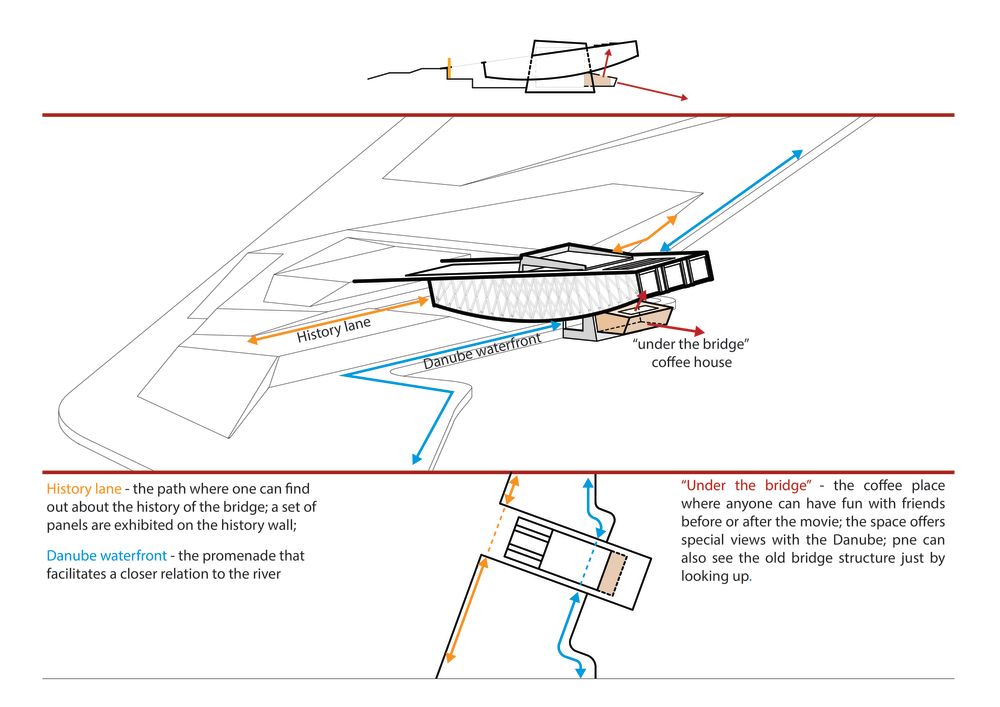
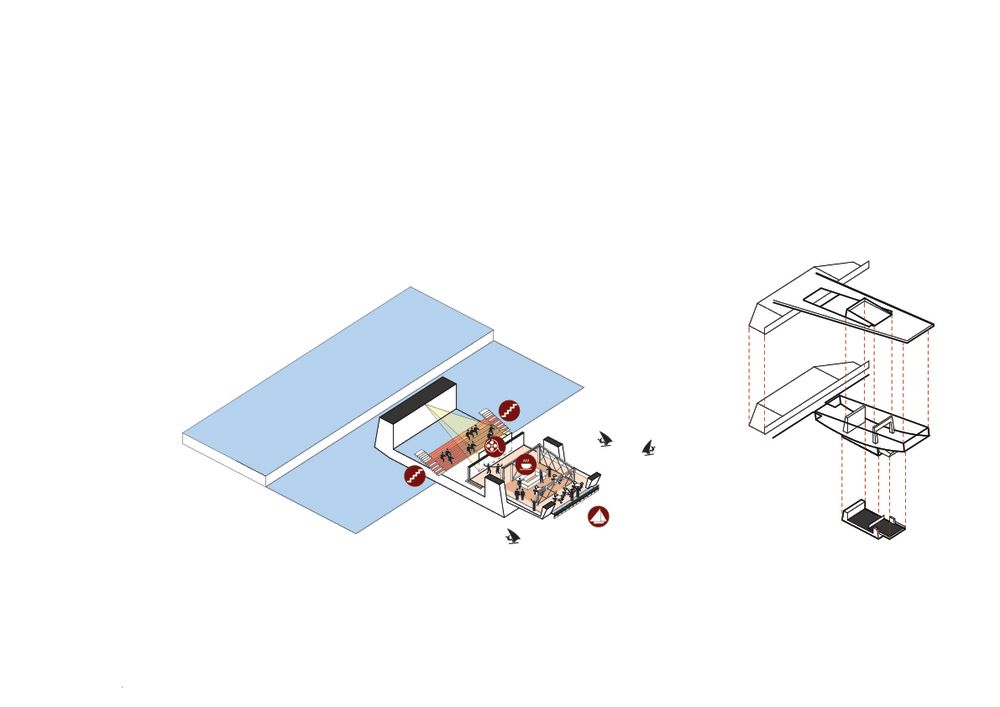
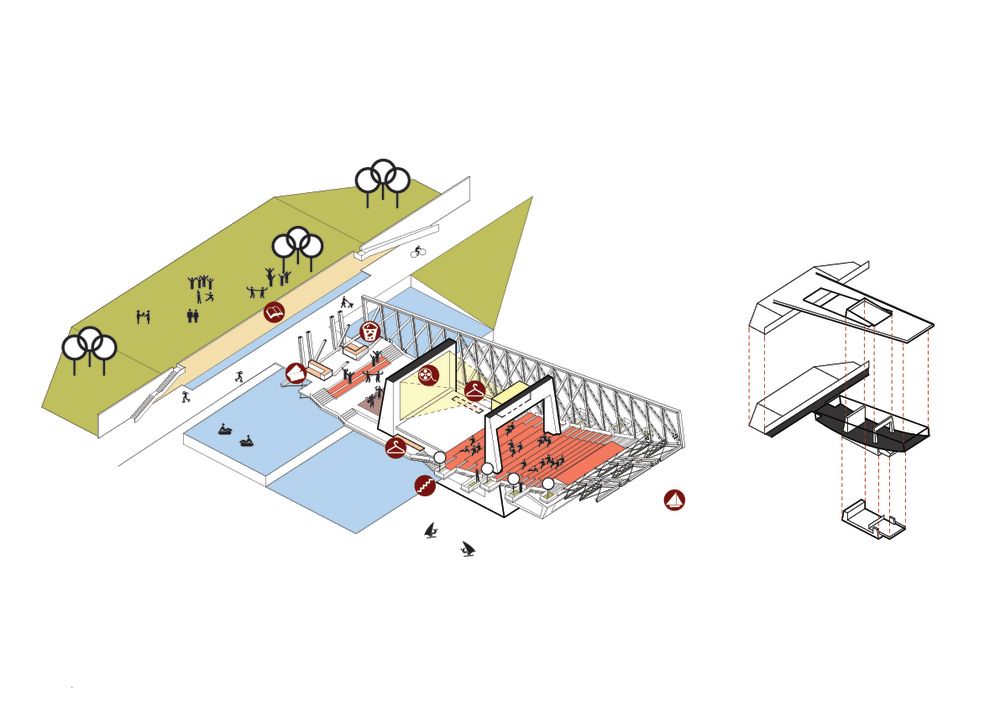
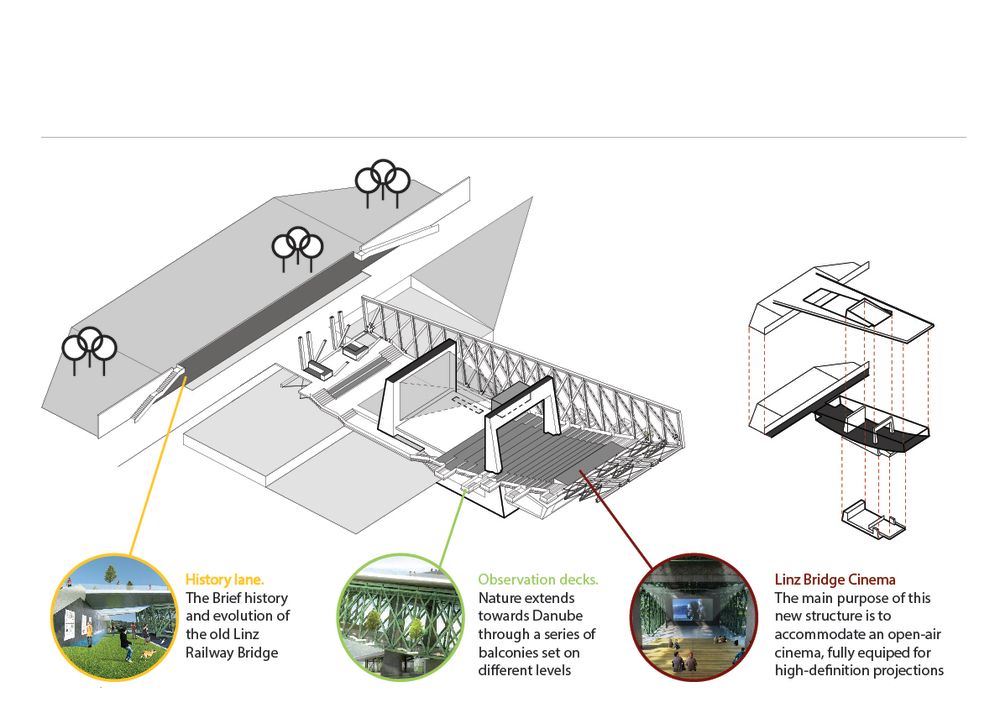
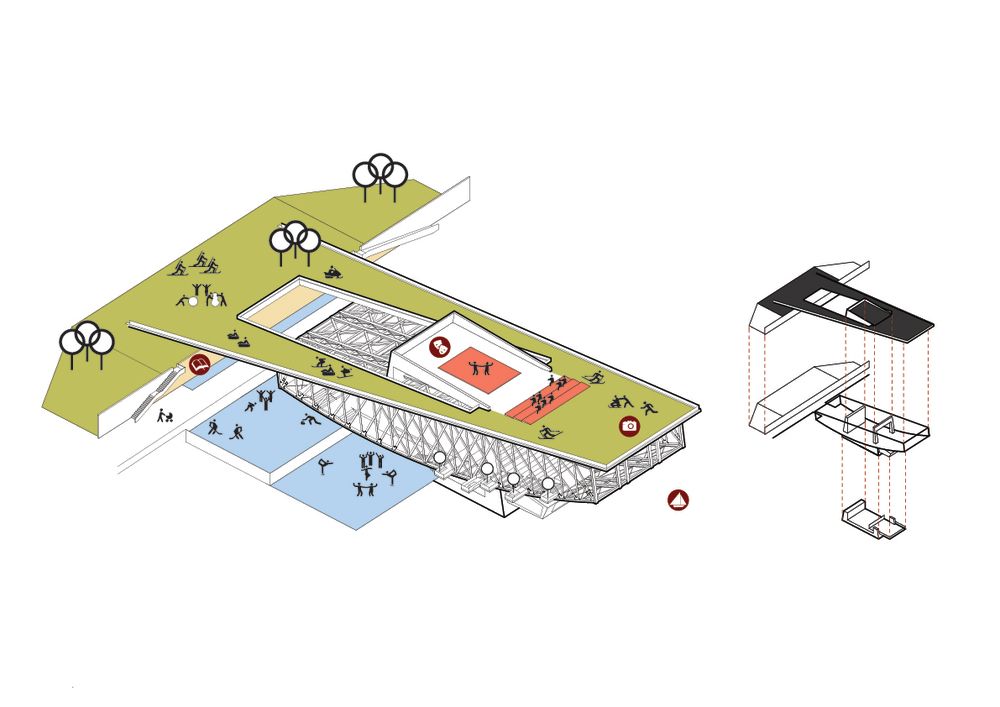
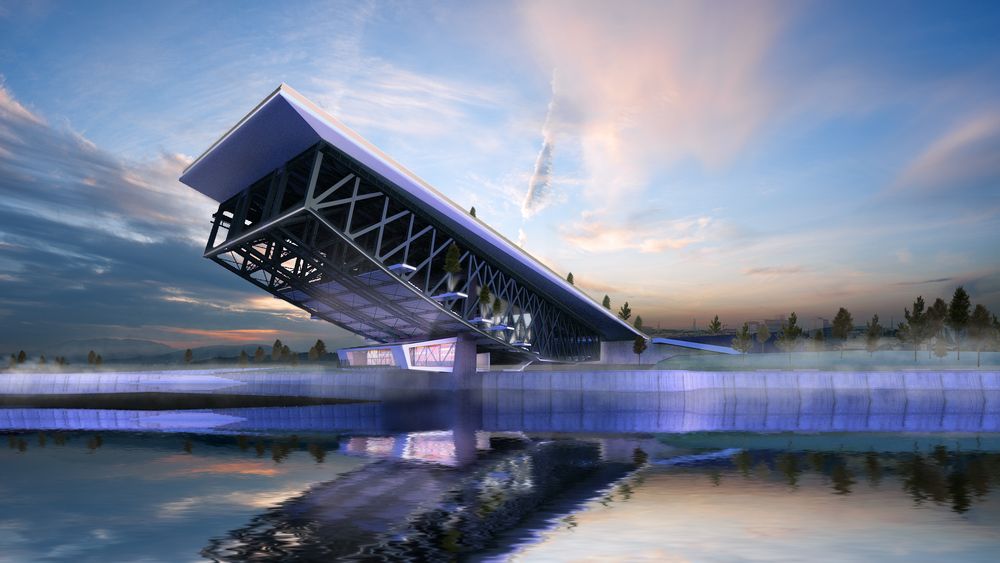 The bridge is being reused as a multifunctional ensemble. While the main function is that of an Outdoor Cinema, also bringing together a small amphitheater, an interactive mini-cinema, a “history-wall” and a waterfront coffee-house, symbolically named “Under the Bridge”. Aside these functions, the rooftop defines itself as an observation deck, as well as natural space, a park where everyone can relax and enjoy the views, prone to draw in activity seekers during winter (ski, sledding).
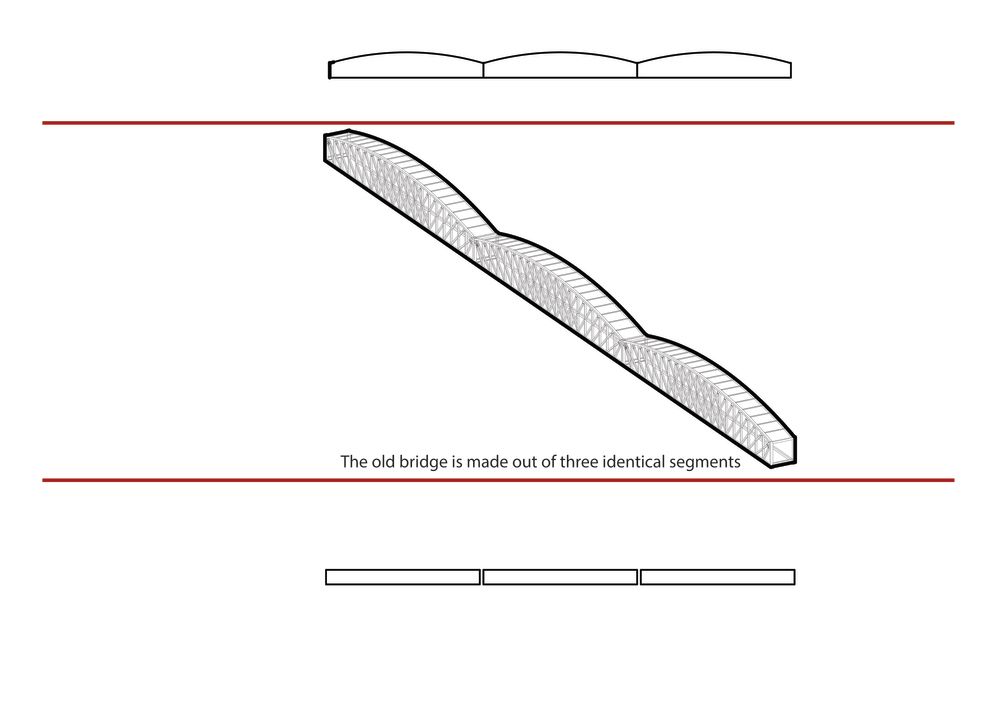
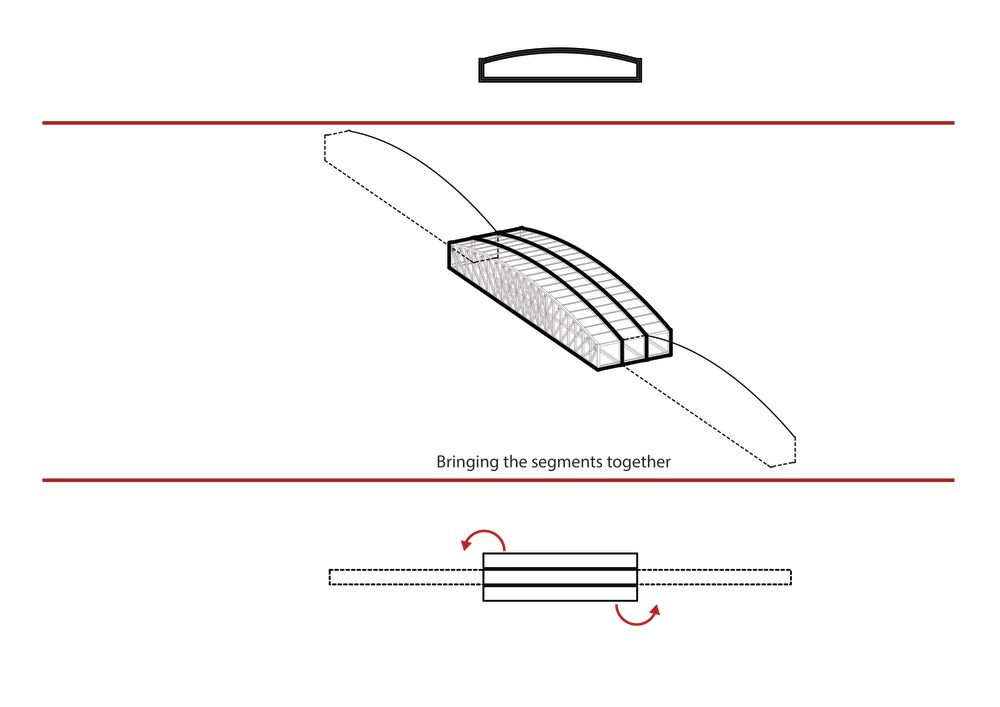
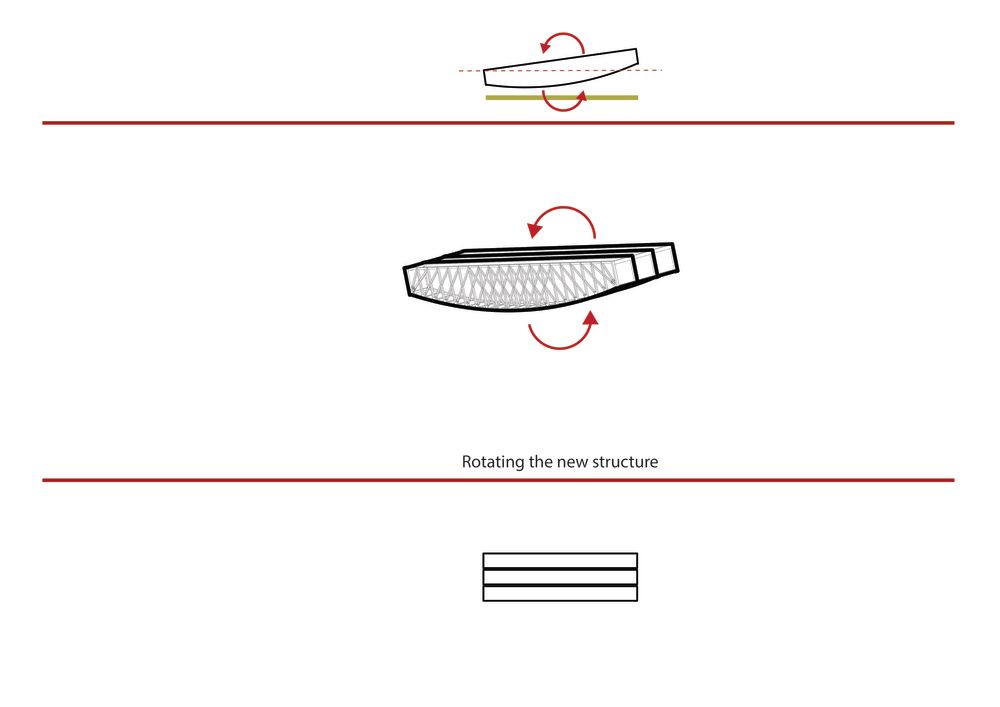
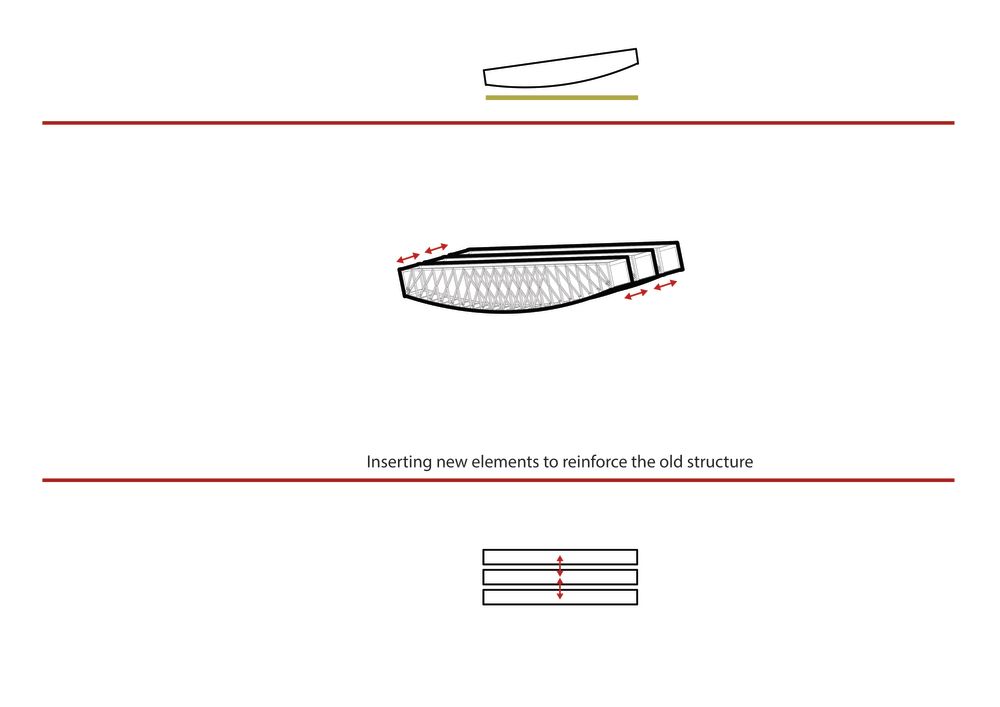
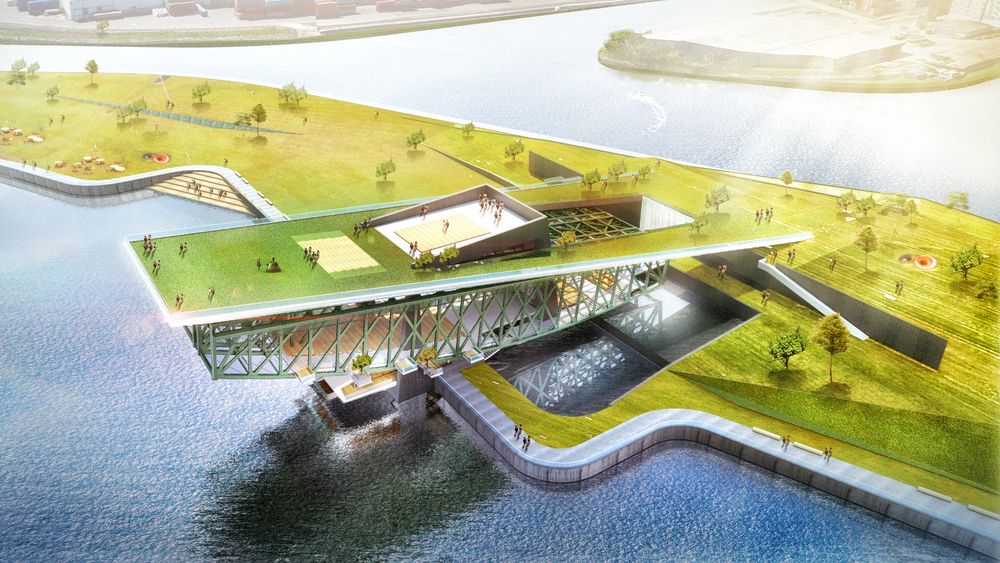 The 3 central segments are being reused in a different manner to create a protective space. While the visual integrity of the Old Bridge is maintained on the outside, the whole structure is being reinforced and suspended over a concrete “box”-the cinema box and screen, creating a floating effect for the passer-by. The trusses that support the pedestrian walkway are being reused in two ways: as a cornice for the side facades, used for illuminating, and as a glass landing linked to the coffeehouse.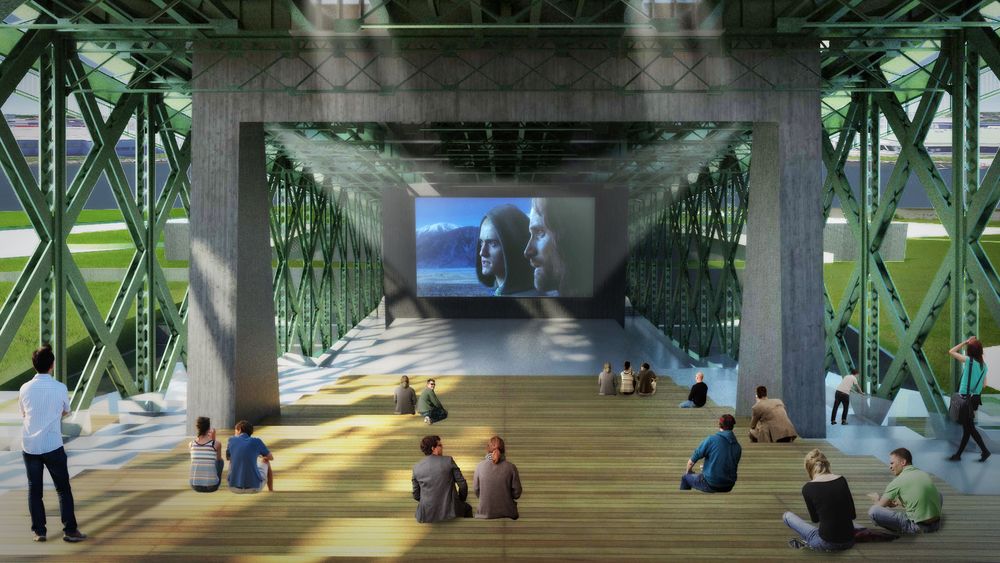


Ibrahim Abdelhady is an architect, academic, and media entrepreneur with over two decades of experience in architecture and digital publishing. He is the Founder and CEO of Arch2O.com, a leading platform in architectural media, renowned for showcasing innovative projects, student work, and critical discourse in design. Holding dual PhDs in Architecture, Dr. Abdelhady combines academic rigor with industry insight, shaping both future architects and architectural thought. He actively teaches, conducts research, and contributes to the global architecture community through his writing, lectures, and media ventures. His work bridges the gap between practice and academia, pushing the boundaries of how architecture is communicated in the digital age.