

Rafael Viñoly, the Uruguay-born architect, died in 2023 at the age of 78. His work spans cultural, commercial and civic projects in several countries. His practice’s own description emphasises an approach responding to the specific technical, cultural and organisational conditions of each project.
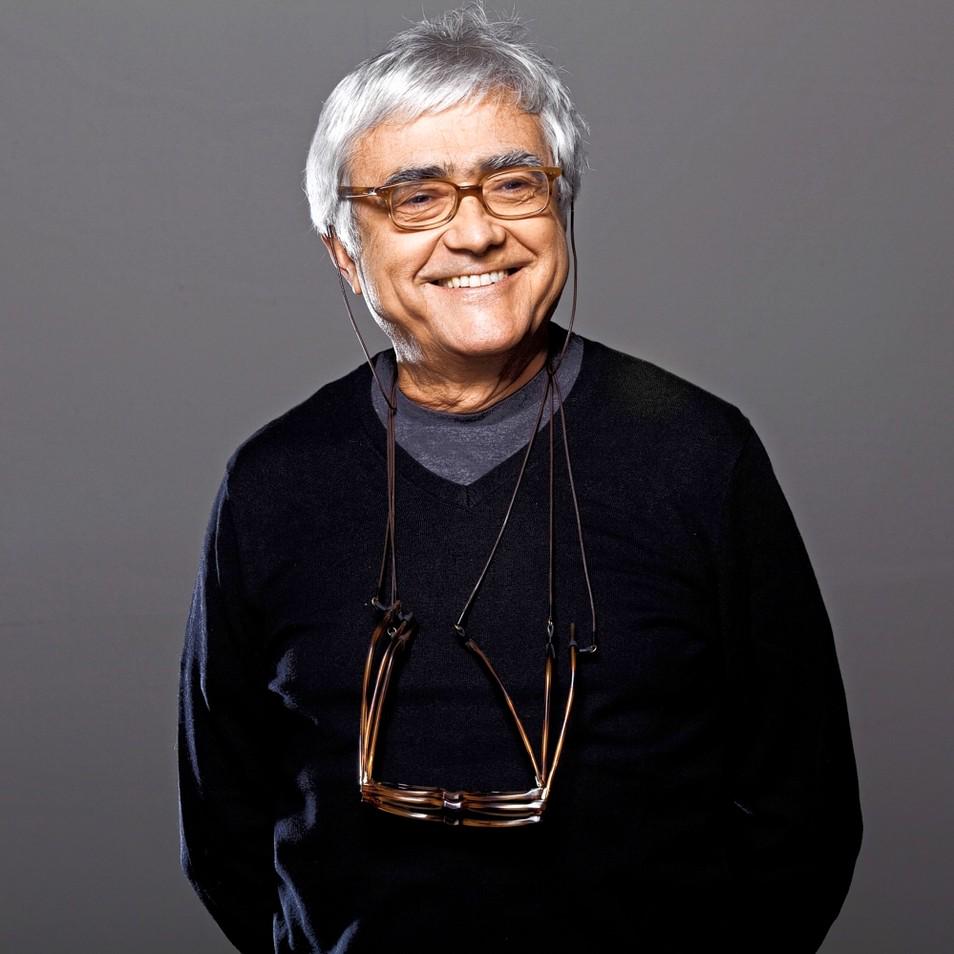
Rafael Viñoly: different briefs, different forms
That offers a productive way to study a large body of work. Instead of searching only for a recurring shape, compare the problems each commission presented. Programme, site, structure and public use can lead to very different buildings while still reflecting a consistent method of inquiry.
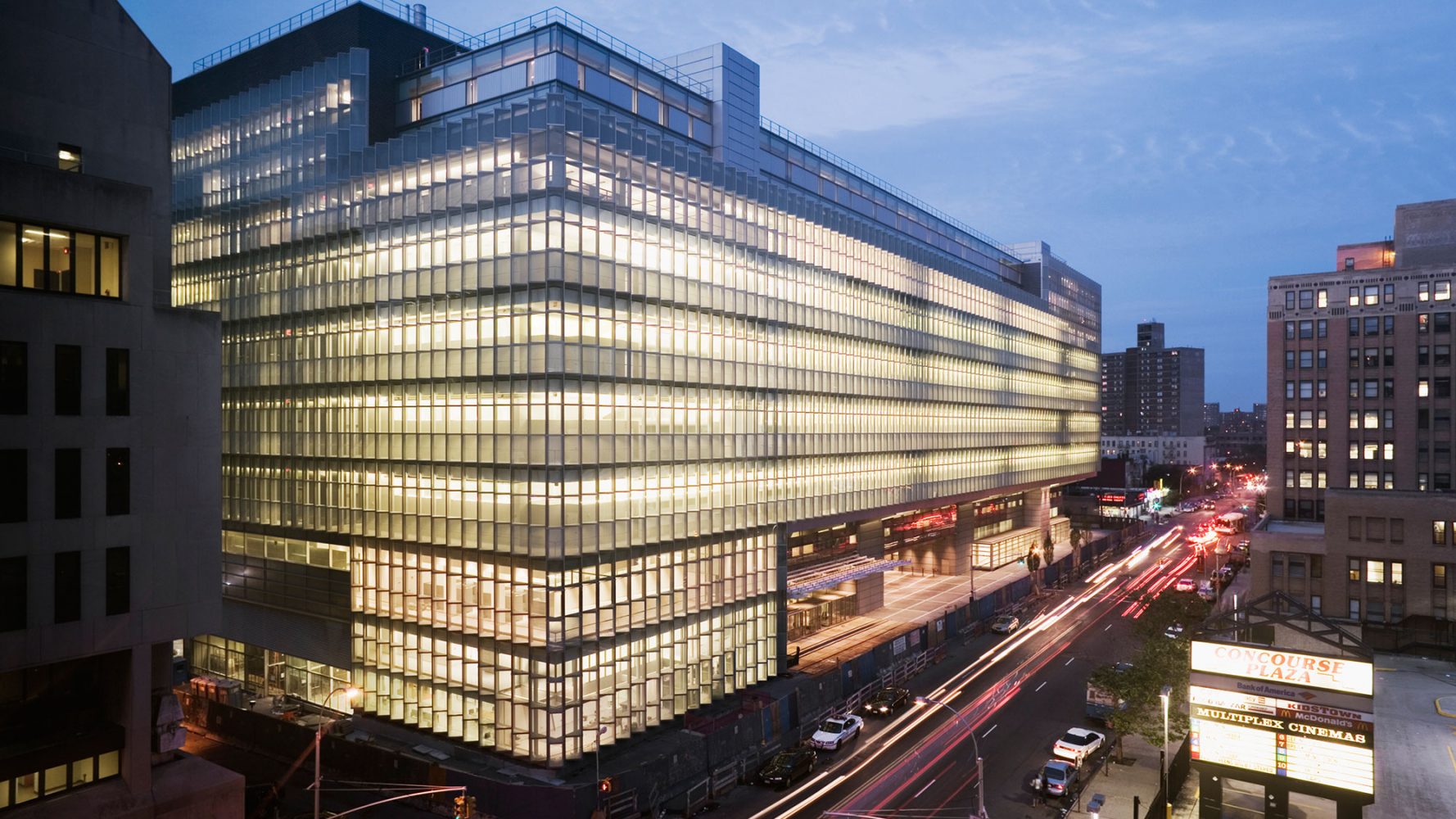
For a precedent analysis, identify the brief before judging the image. Ask what the building had to accommodate, what constrained the site and how people move through it. Then examine the relationship between a prominent architectural gesture and those requirements. A recognisable silhouette may be one consequence of the design, but it is not a complete explanation.

Reading the work beyond the silhouette
A balanced architectural legacy also leaves room for criticism and evidence. Awards and professional tributes describe influence; they do not replace assessment of how individual buildings perform and are experienced. For readers, the useful outcome is a set of questions that can be applied to work by any architect: what was being solved, how was it solved and whose experience is represented in the published account?
The selected images give two contrasting ways into that study. At the Bronx County Hall of Justice, the large civic envelope presents a question about institutional scale and arrival. At Laguna Garzón Bridge, the circular plan makes movement itself the dominant visual idea. Comparing a building and a bridge is useful precisely because their briefs differ: begin with what each route must accommodate before treating both as examples of a single personal style.
Place the visual language in a broader historical context with our guide to architectural styles: architectural styles and their histories.
Key takeaways
- Use a dated retrospective rather than “yesterday” news language.
- Compare briefs and design decisions across the career.
- Distinguish professional tributes from building-performance evidence.
Related reading on Arch2O
Sources and further reading

Ruba Ahmed, a senior project editor at Arch2O and an Alexandria University graduate, has reviewed hundreds of architectural projects with precision and insight. Specializing in architecture and urban design, she excels in project curation, topic selection, and interdepartmental collaboration. Her dedication and expertise make her a pivotal asset to Arch2O.