


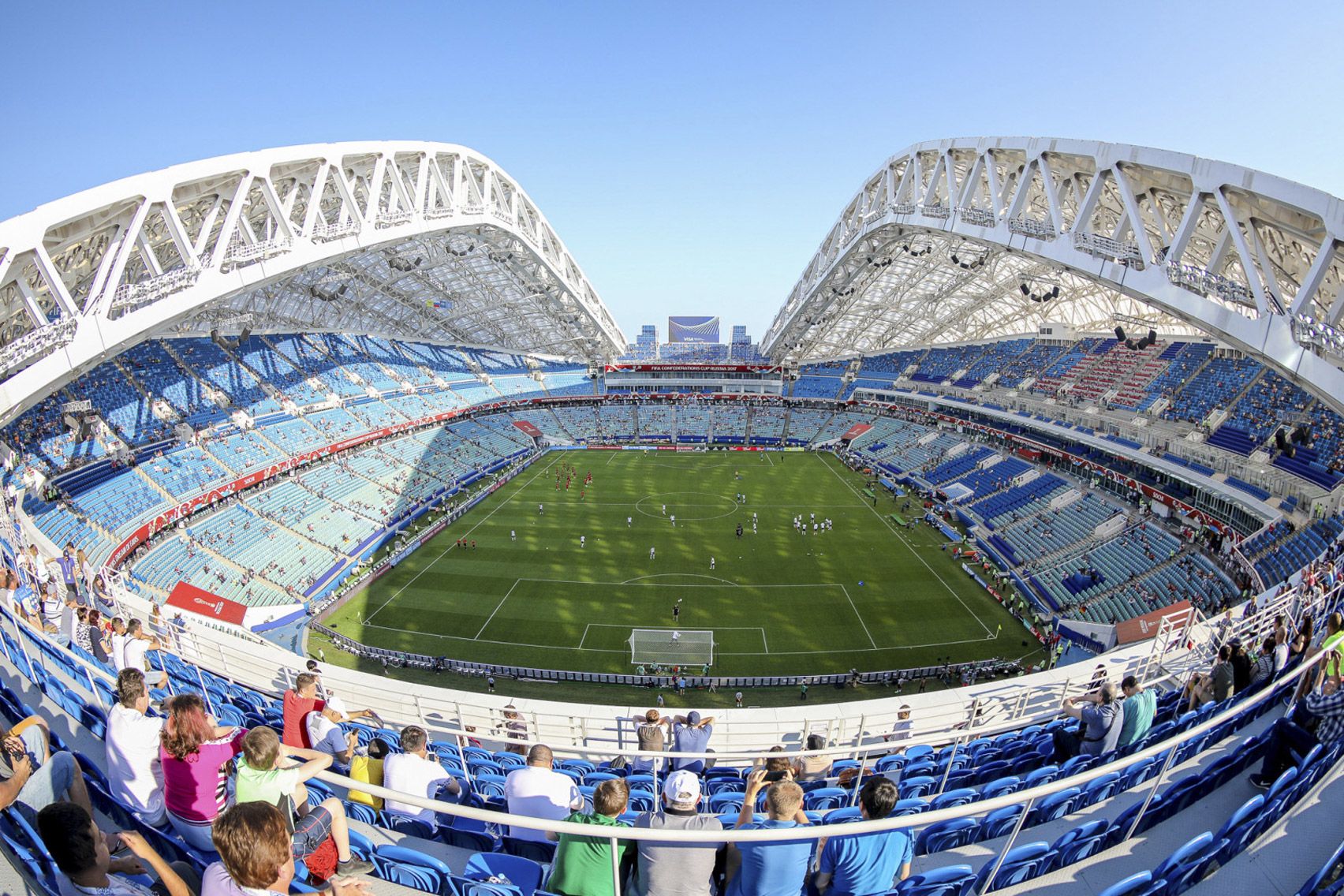
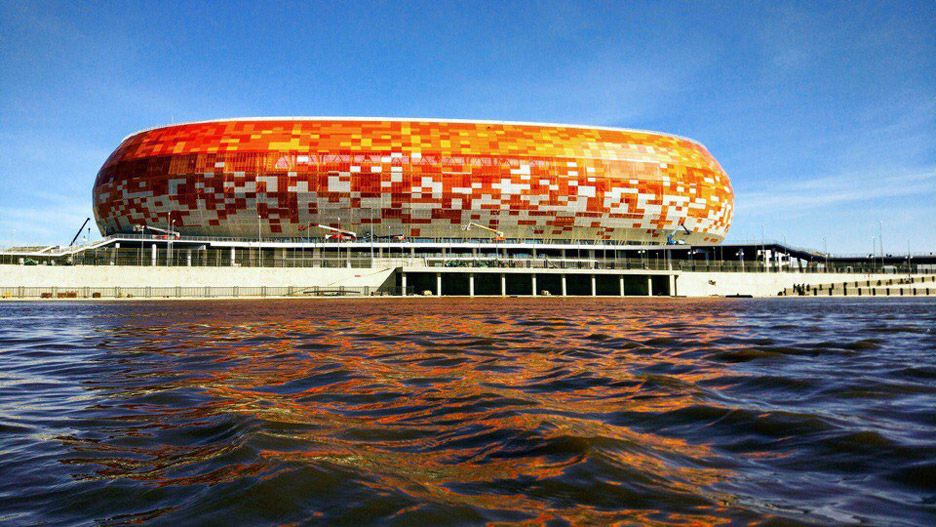
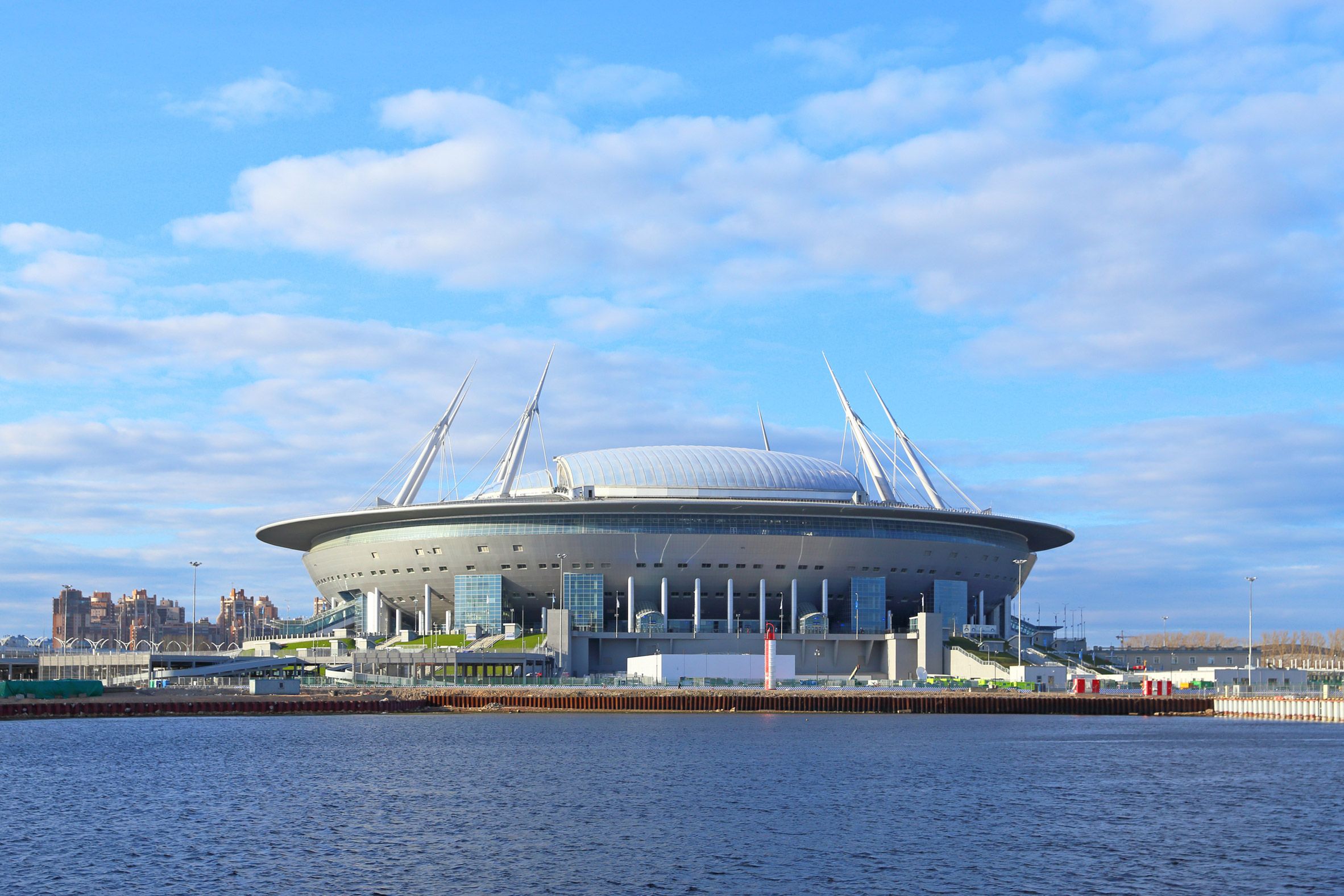
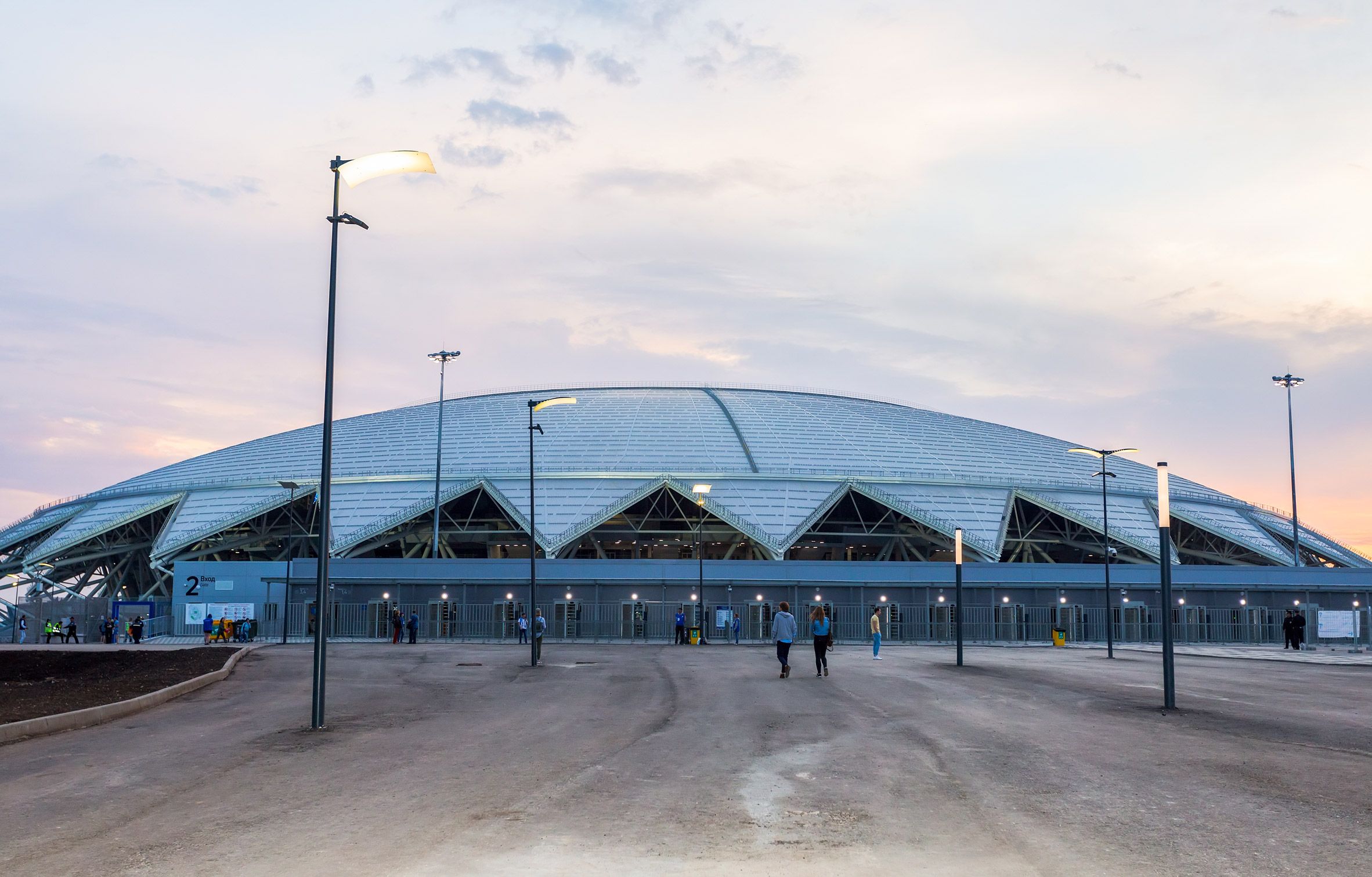
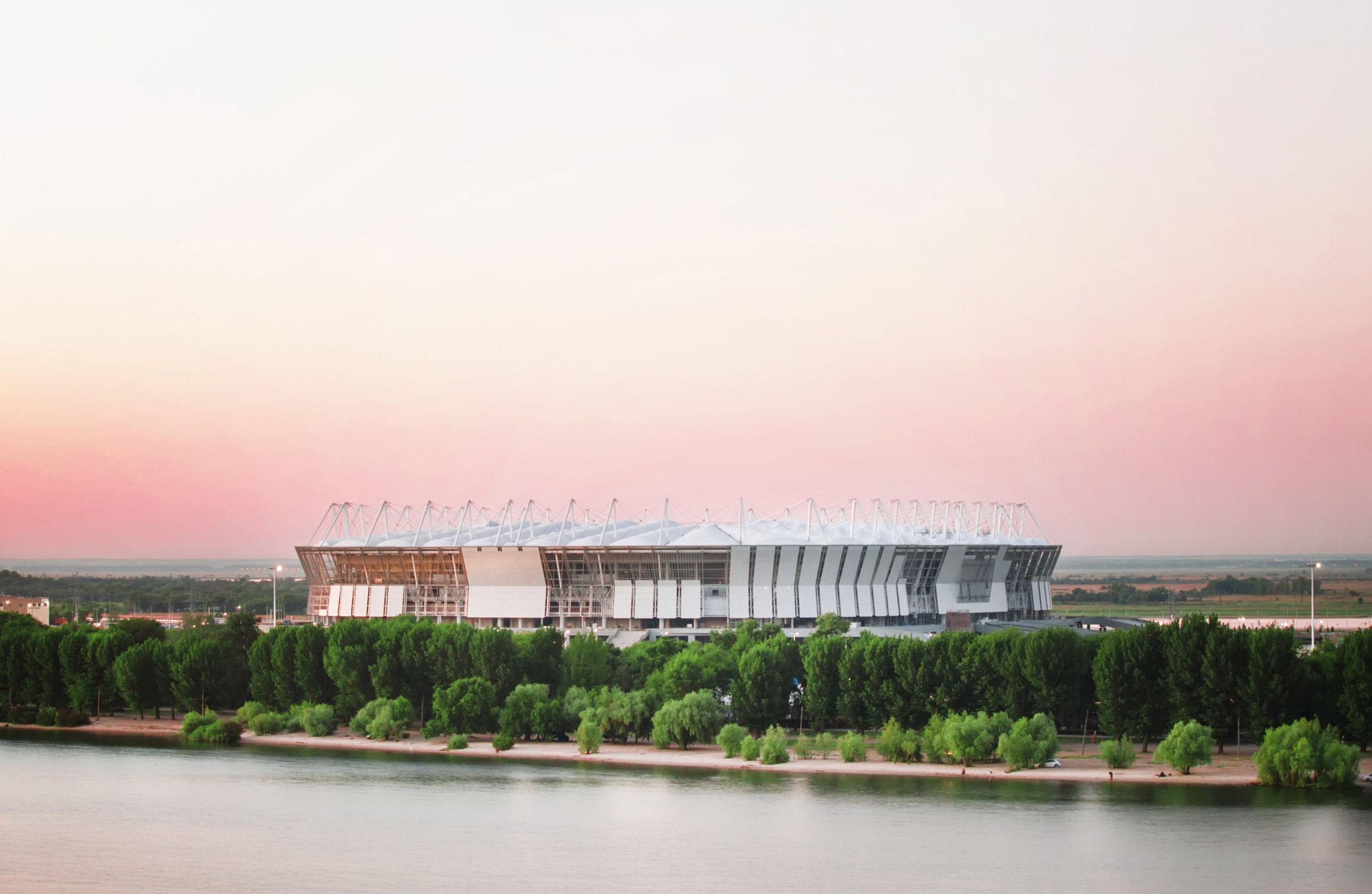
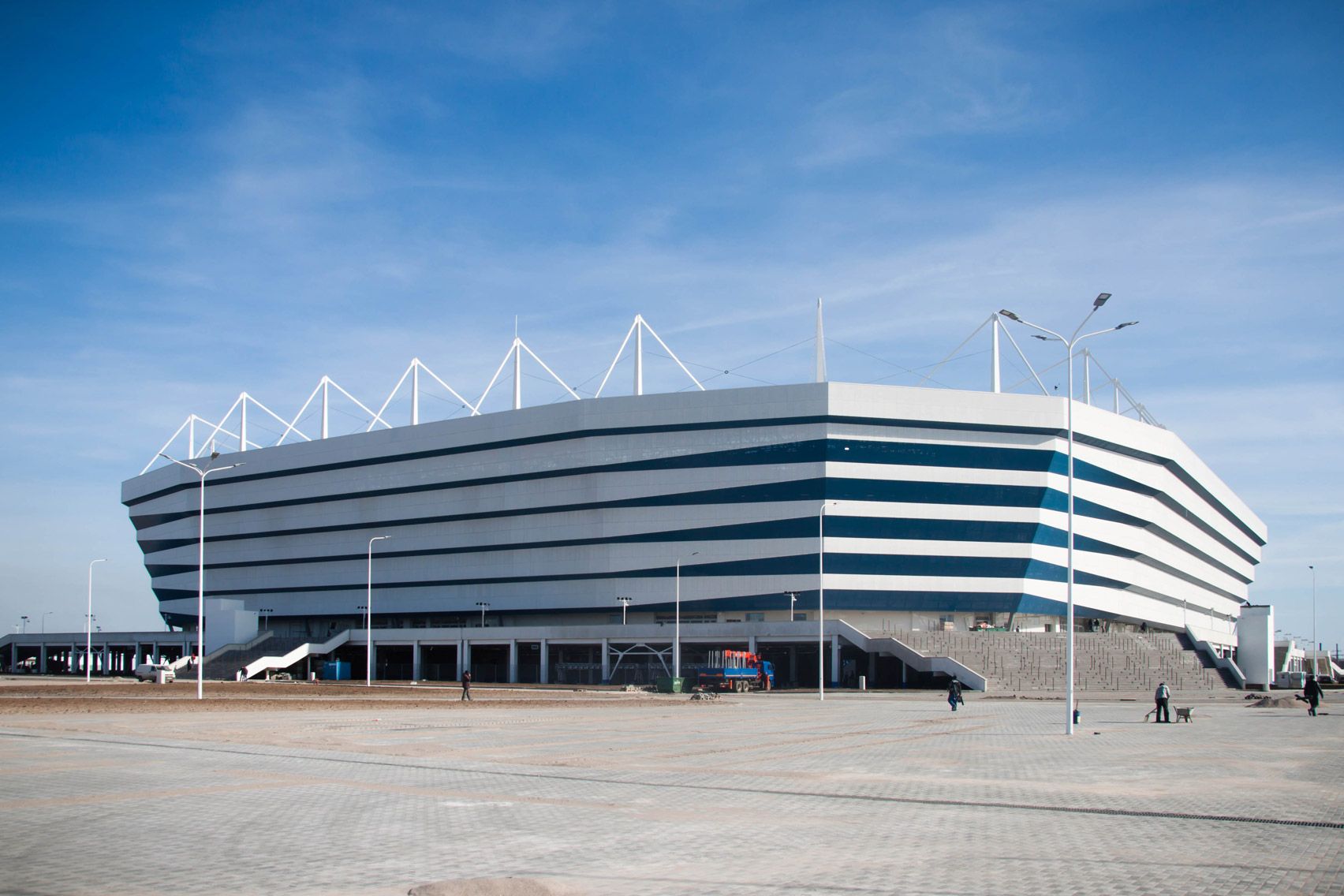
Populous, architects of the London 2012 Olympic stadium, Sochi 2014 Olympic stadium and Soccer City 2010 World Cup stadium, have been selected as designers of the new Rostov Stadium. This will be the fourth stadium that Populous has designed in Russia to be used for the 2018 World Cup, together with Kazan, Saransk, Sochi.
Courtesy of © Populous
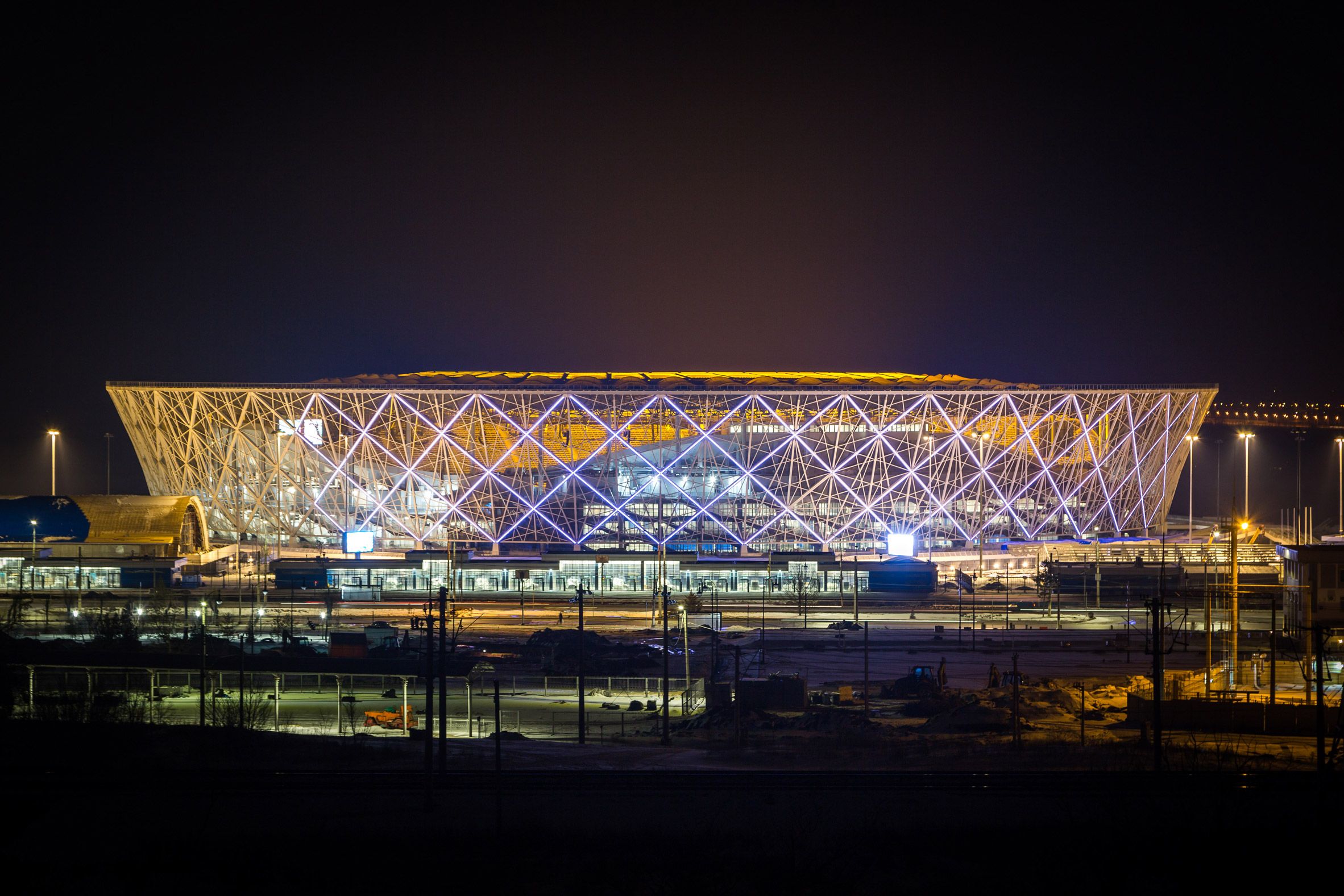
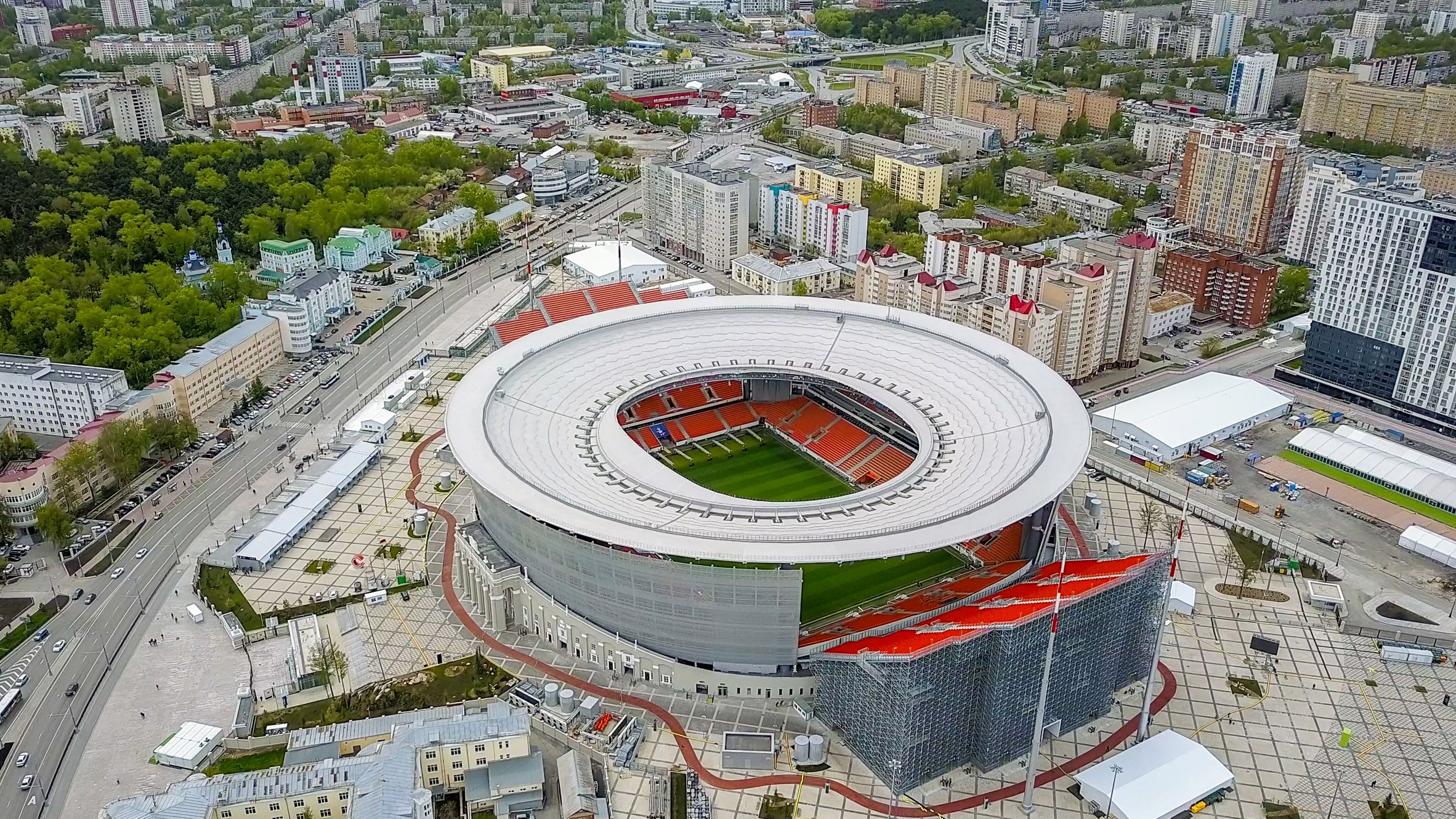
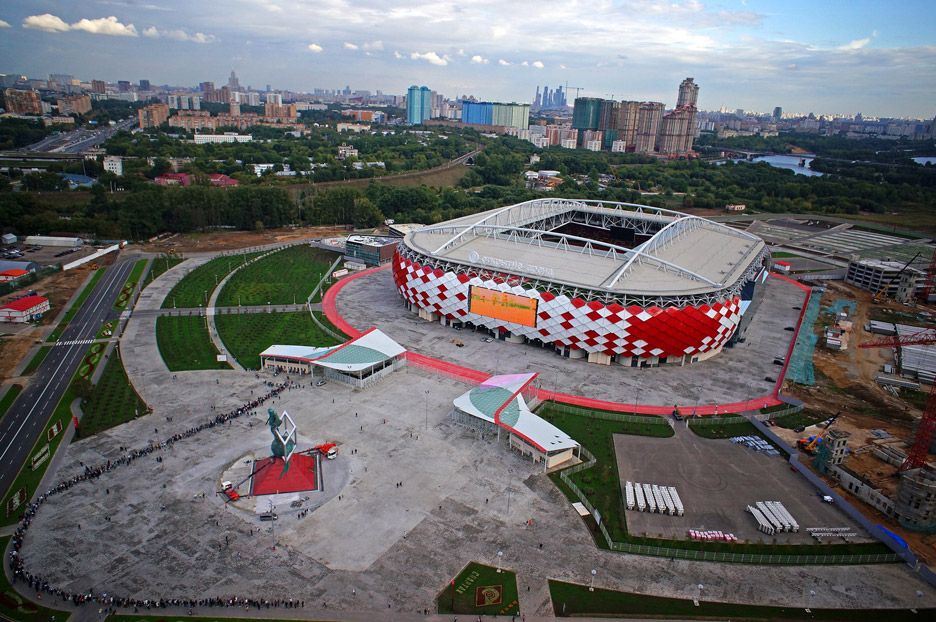
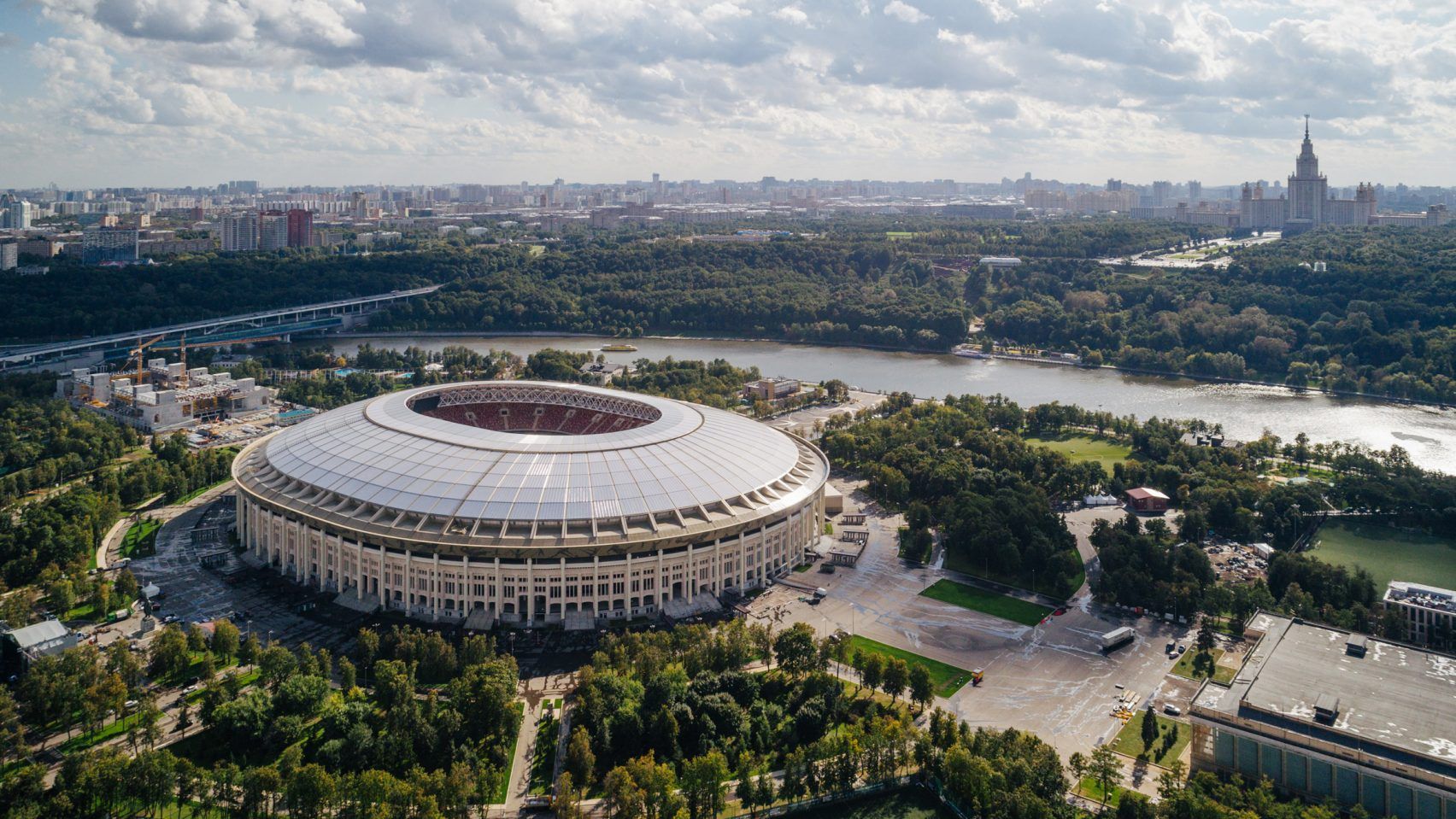
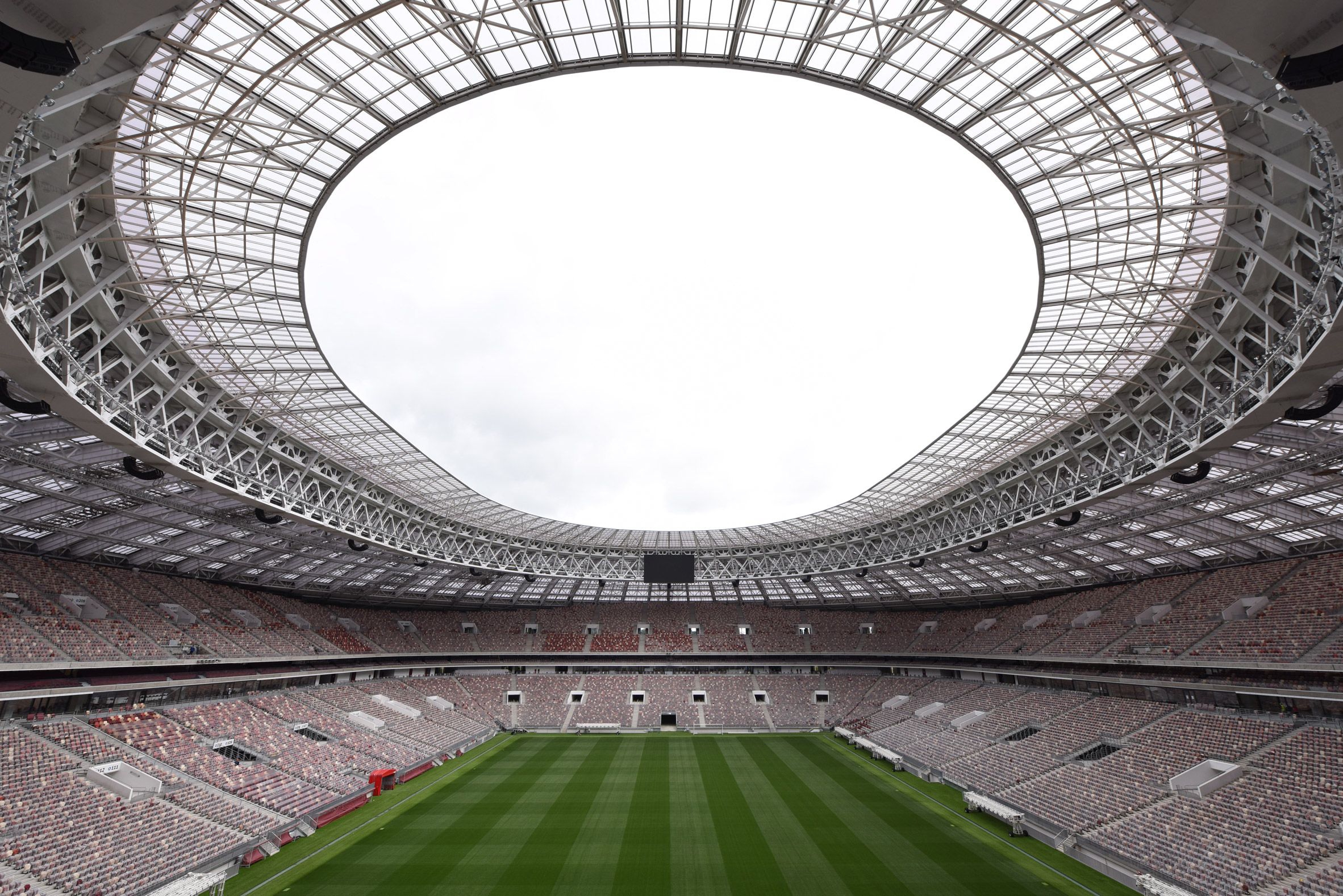
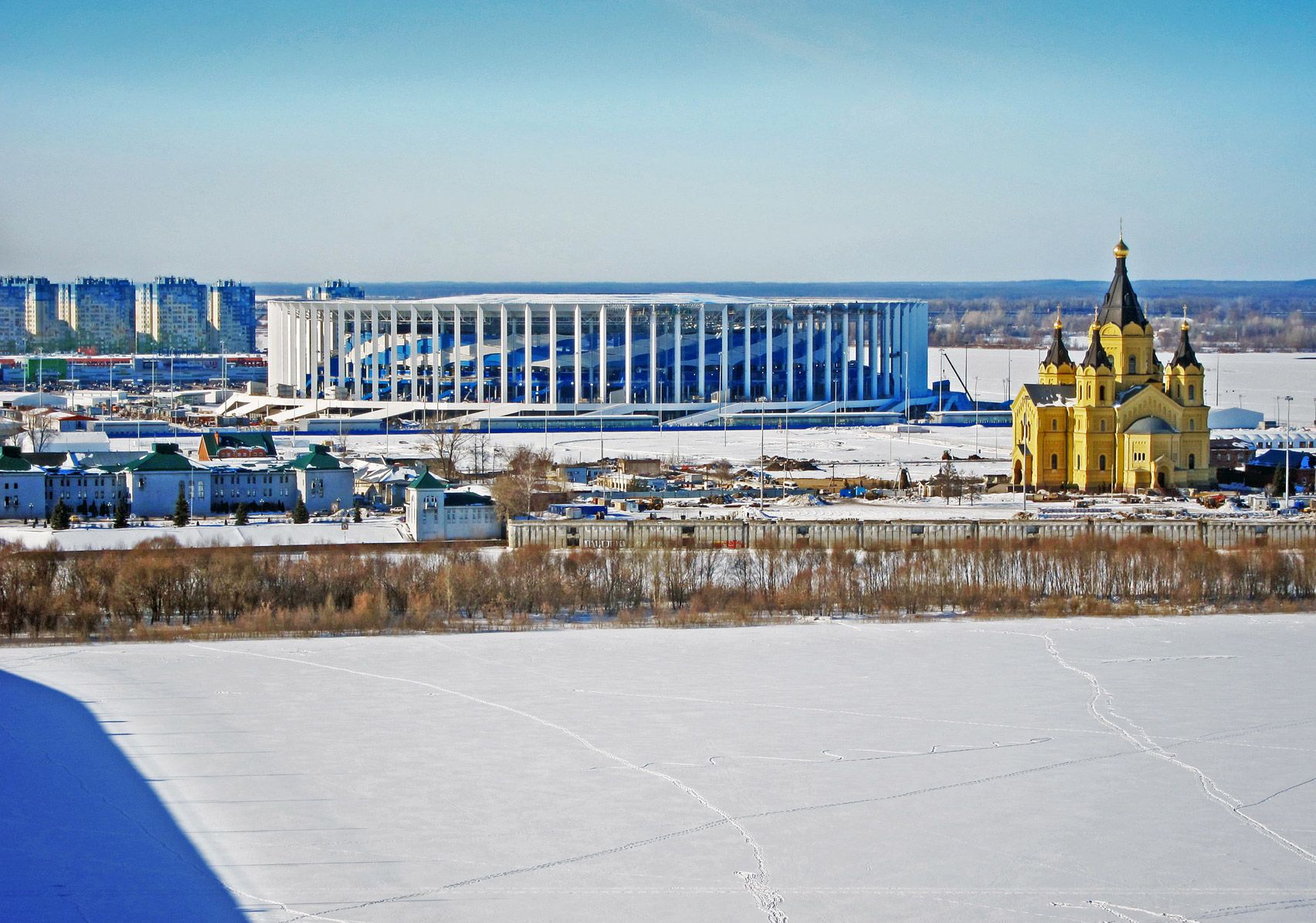
In September 2012 the eleven host cities that will organize the 2018 FIFA World Cup tournament in Russia were announced. The sixty-four matches will be staged at twelve venues. Among the host cities are: Moscow, being the only city with two stadiums selected, Saint Petersburg, Kaliningrad, Nizhny Novgorod, Kazan, Samara, Saransk, Volgograd, Rostov-on-Don and Yekaterinburg.
Courtesy of © Populous
Part of an overall landscape, this urban design is planned for the whole region. It is inspired by the ancient earthworks along the banks of the river, the Kurgans. These archaeological mounds of earth were used for burial pagan rituals, creating major forms in the landscape.
Courtesy of © Populous
The stadium will have a capacity of 45,000 seats for the World Cup and will be scaled down to 25,000 seats in legacy. The concept had embraced sustainable credentials, as it will be the core of a green city project, which protects the wetlands to the south of the river.
Courtesy of © Populous
Damon Lavelle, Principal at Populous, commented “It’s been a pleasure to work with Intex, the city and the governor of Rostov-on-Don to promote the project. After our experience on the World Cup in 2010 and London 2012, we are certain that the stadium will be a great catalyst for the city and this part of the river.
Courtesy of © Populous

Ibrahim Abdelhady is an architect, academic, and media entrepreneur with over two decades of experience in architecture and digital publishing. He is the Founder and CEO of Arch2O.com, a leading platform in architectural media, renowned for showcasing innovative projects, student work, and critical discourse in design. Holding dual PhDs in Architecture, Dr. Abdelhady combines academic rigor with industry insight, shaping both future architects and architectural thought. He actively teaches, conducts research, and contributes to the global architecture community through his writing, lectures, and media ventures. His work bridges the gap between practice and academia, pushing the boundaries of how architecture is communicated in the digital age.