

Popular Routes Used By Runners
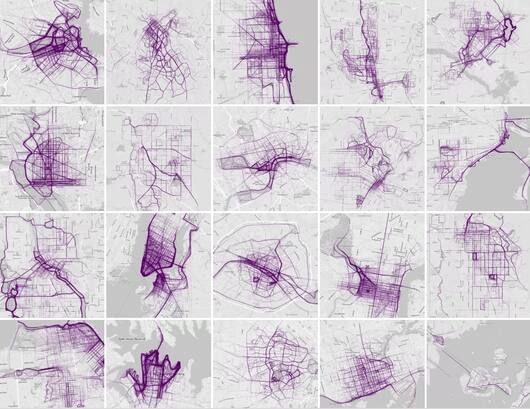
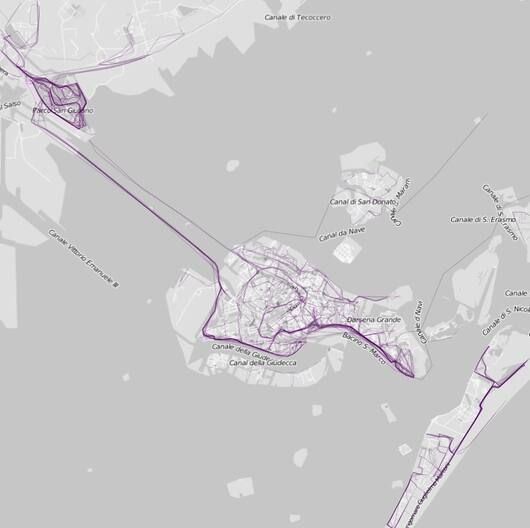
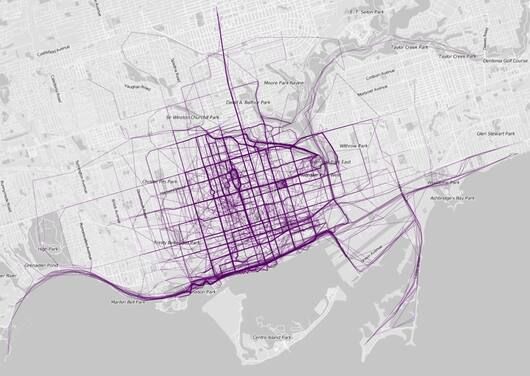
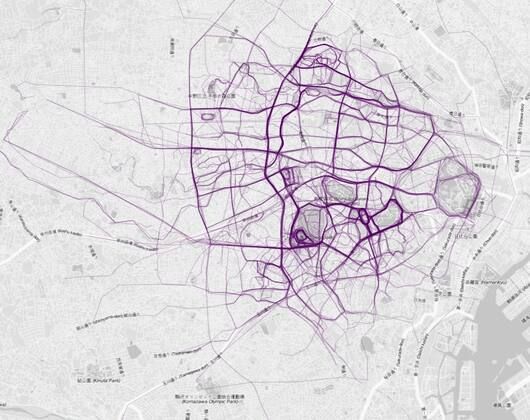
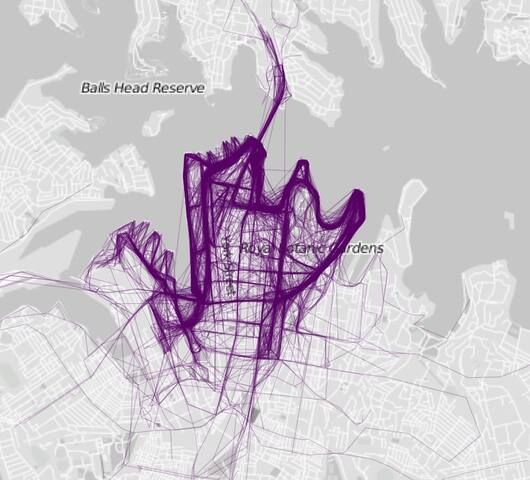
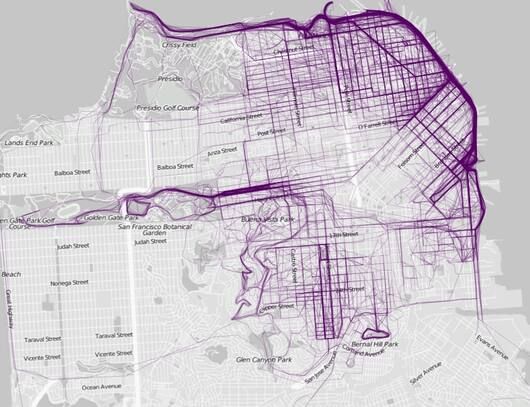
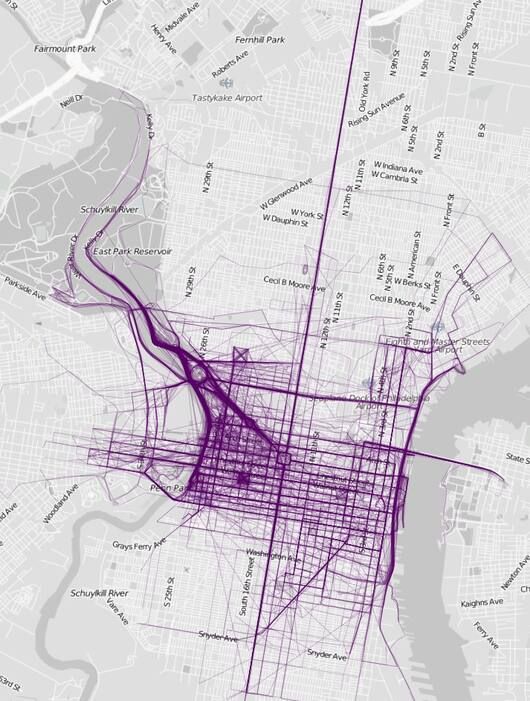
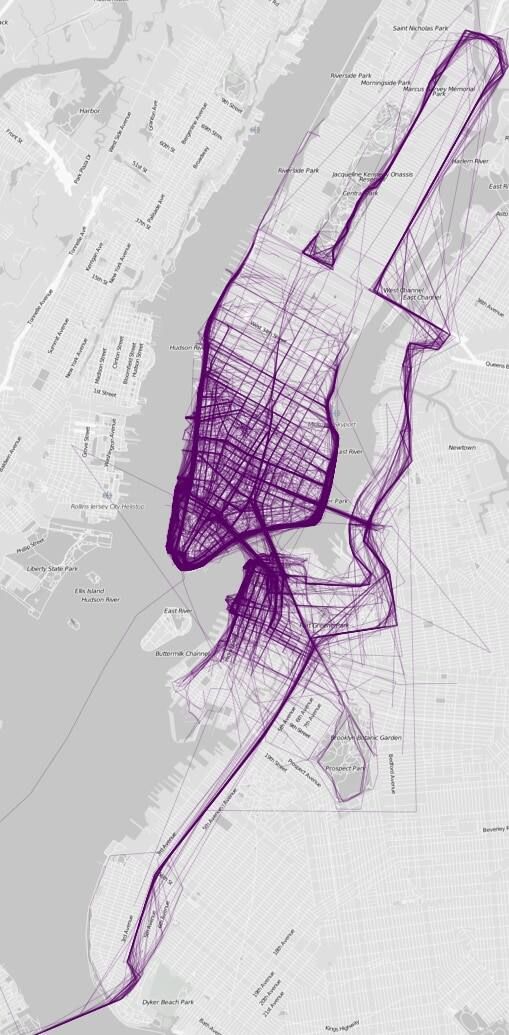
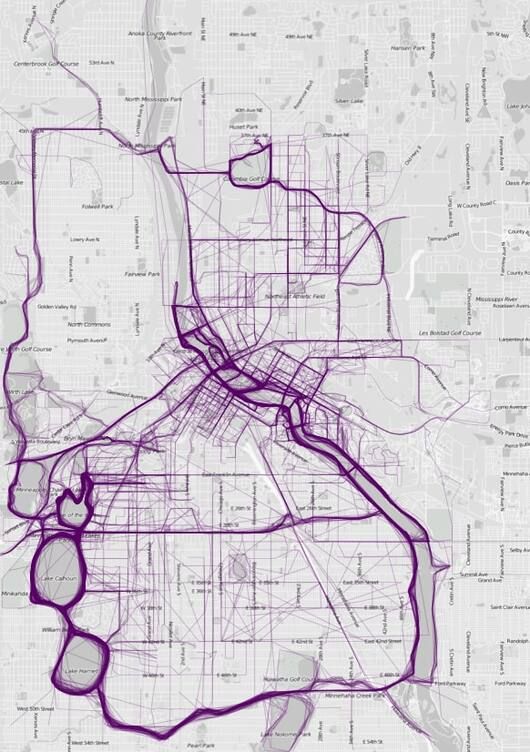
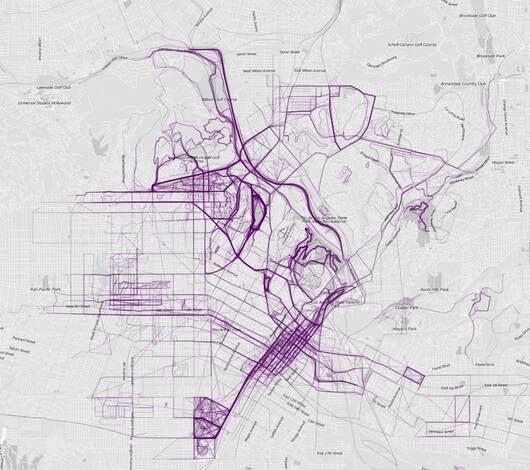
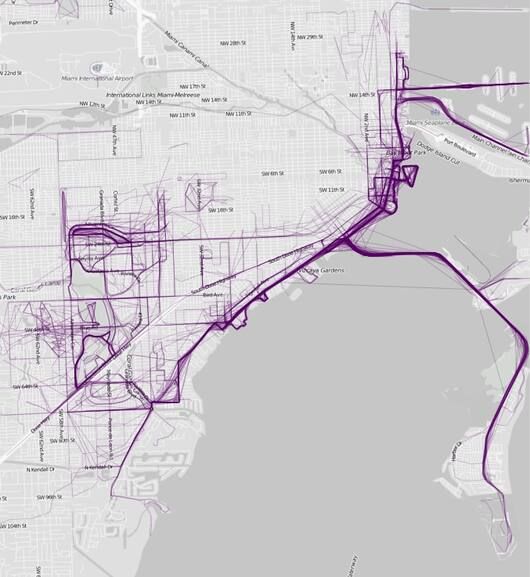
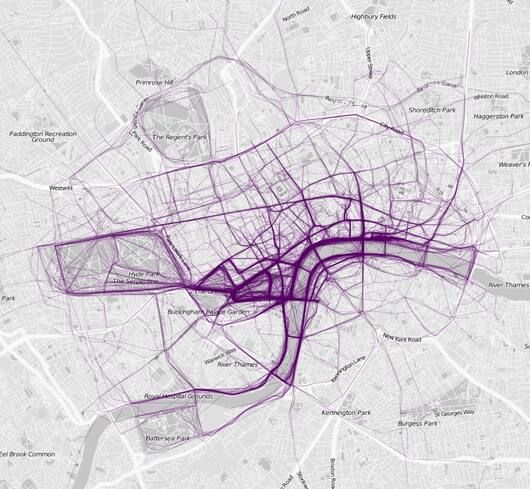
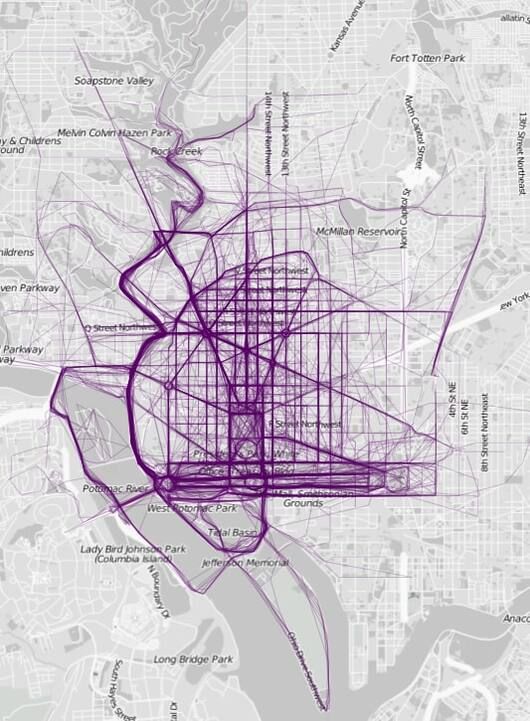
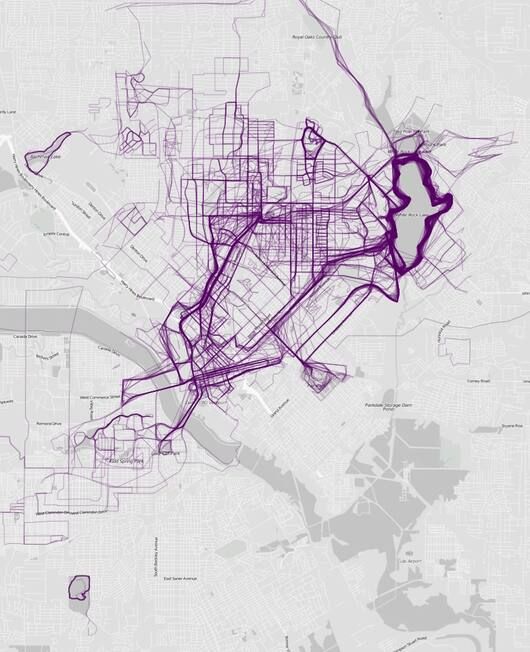
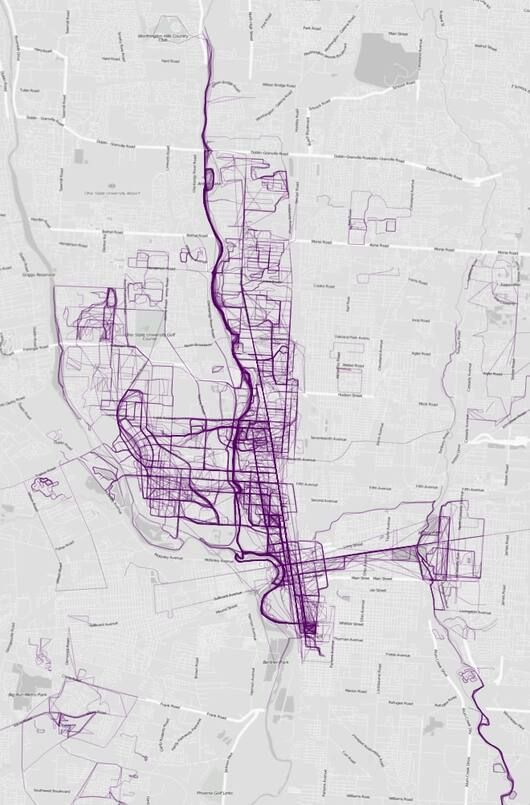
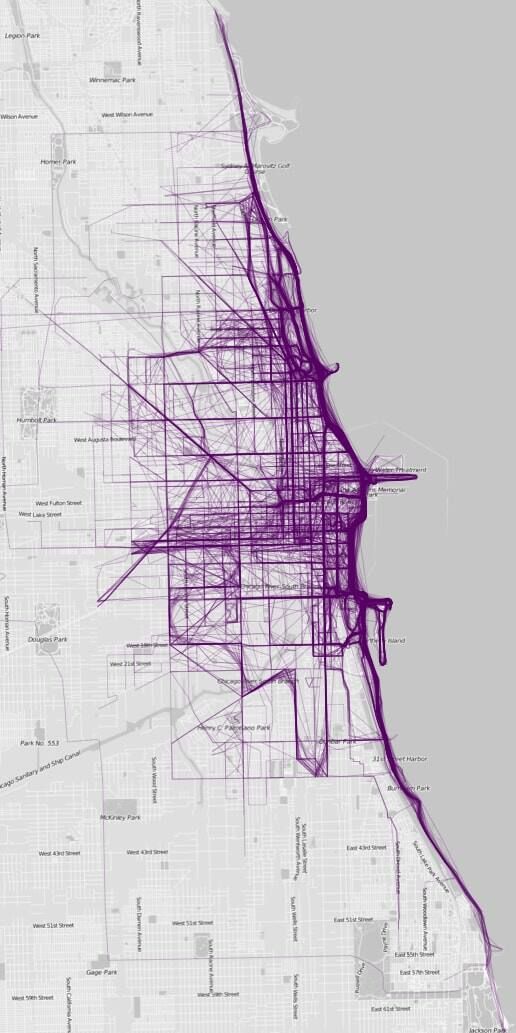
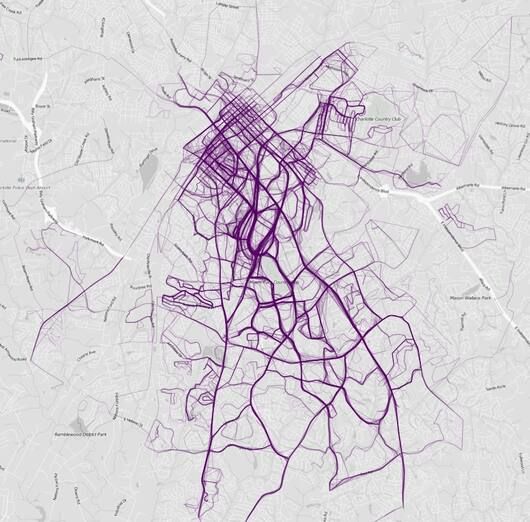
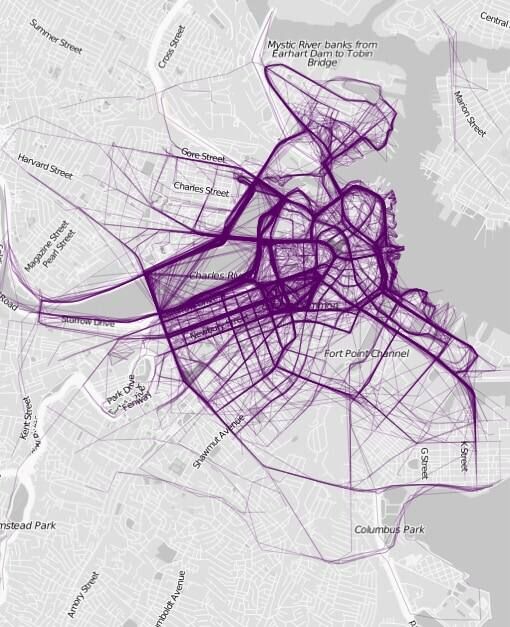
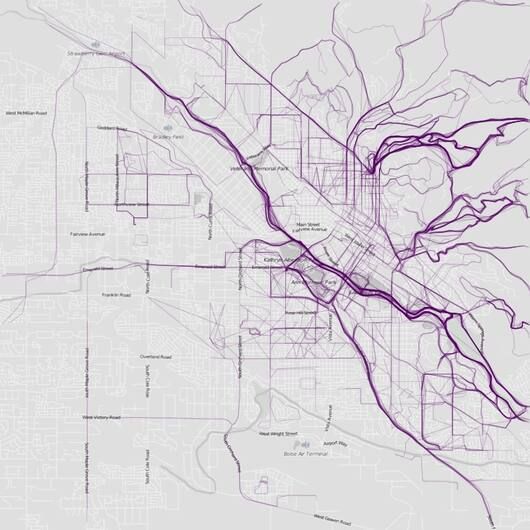
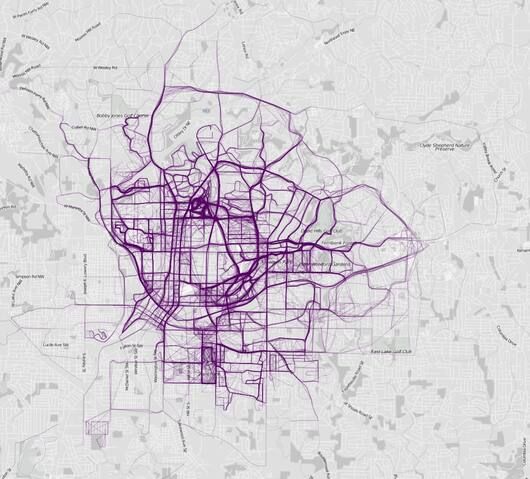
The map isn’t the territory, but that only means that there are endless possibilities to represent a certain land. Nathan Yau, who runs the blog Flowing Data, has created a series of unique maps using data from the app RunKeep, which tracks the most popular routes used by runners in various cities throughout the world.
Tokyo
Mapping the running routes from 20 major cities in the world, Yau states that they are not complete and accurate maps, since they represent only running track by RunKeeper, and there is also some “noise” in the data (errors such as tracking runs in the water have occured).
Dallas
This way of centralising people’s running habits has revealed general tendancies – for example, people prefer to run near bodies of water or in parks, something highlighted in the minimalistic maps through the use of thicker lines. The simple act of tracking the way in which we run has unveiled contemporary parameters about the needs and likes of the general public.
Philadelphia
Whether they are exact representations or simply the result of a app-generated trigger, Nathan Yau’s maps are surely contemporary works of art, with a strongly social concept behind.

Lidia Ratoi is a Romanian architect, educator, and researcher, currently serving as Assistant Professor at the University of Hong Kong’s Department of Architecture. With a background in both architectural design and theory, her work explores the intersections of technology, media, and politics in the built environment. Ratoi’s research focuses on the aesthetics of power, surveillance, and virtuality, with a strong interest in critical and speculative design. She has practiced internationally and exhibited in venues across Europe and Asia. Passionate about challenging conventional narratives, Ratoi integrates digital tools with philosophical inquiry, encouraging experimental approaches to architecture. Her contributions continue to shape emerging discourses in design and architectural pedagogy.