

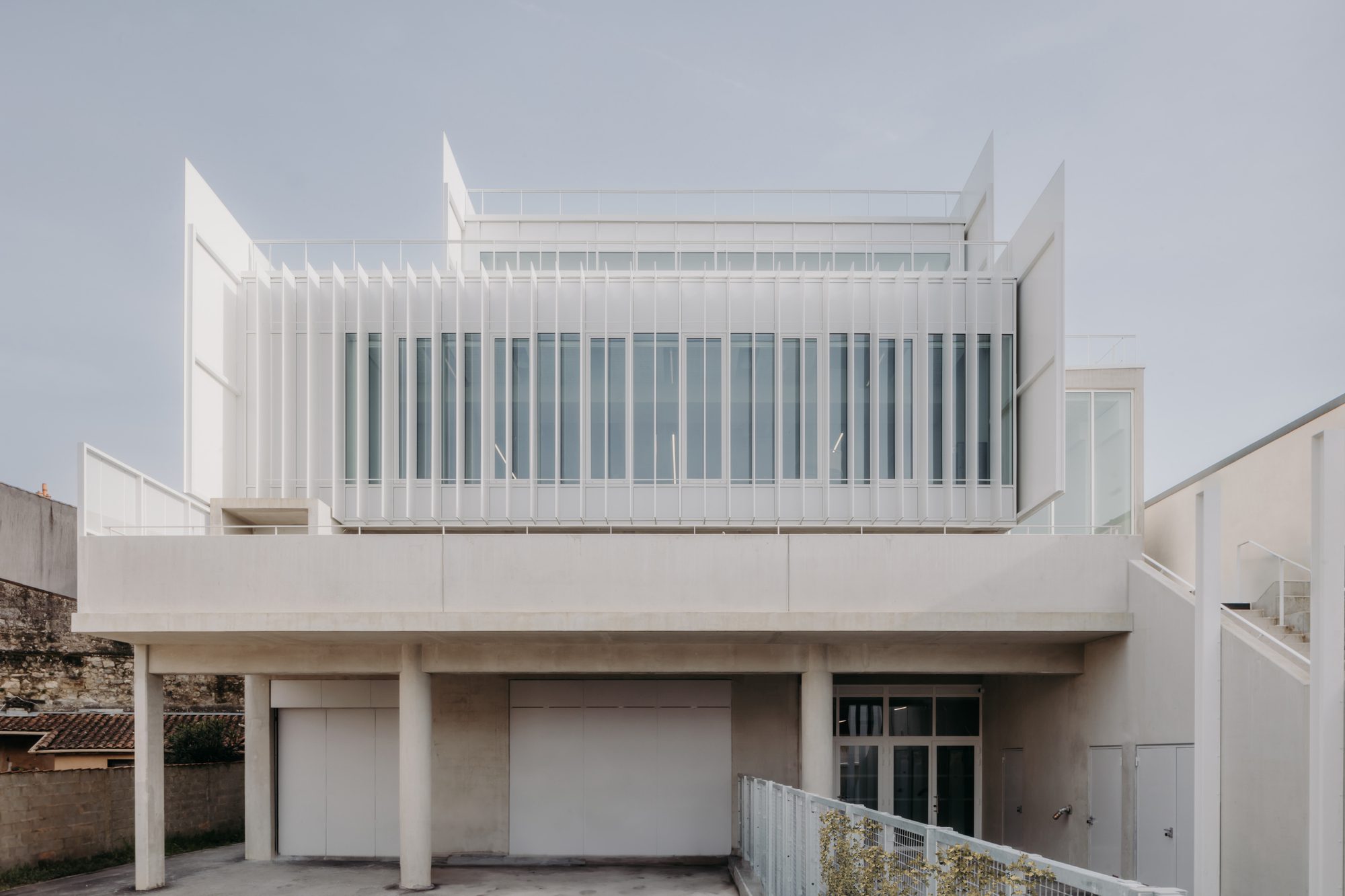
136 Quai des Chartrons, In Bordeaux, the transformation and rehabilitation of the Hôtel des Ventes des Chartrons breathe new life into this historic building. Designed with architectural recycling principles, and minimizing demolition, the project reimagines this structure for dual purposes: a higher education institution and an auction hall.
© Yoris Couegnoux
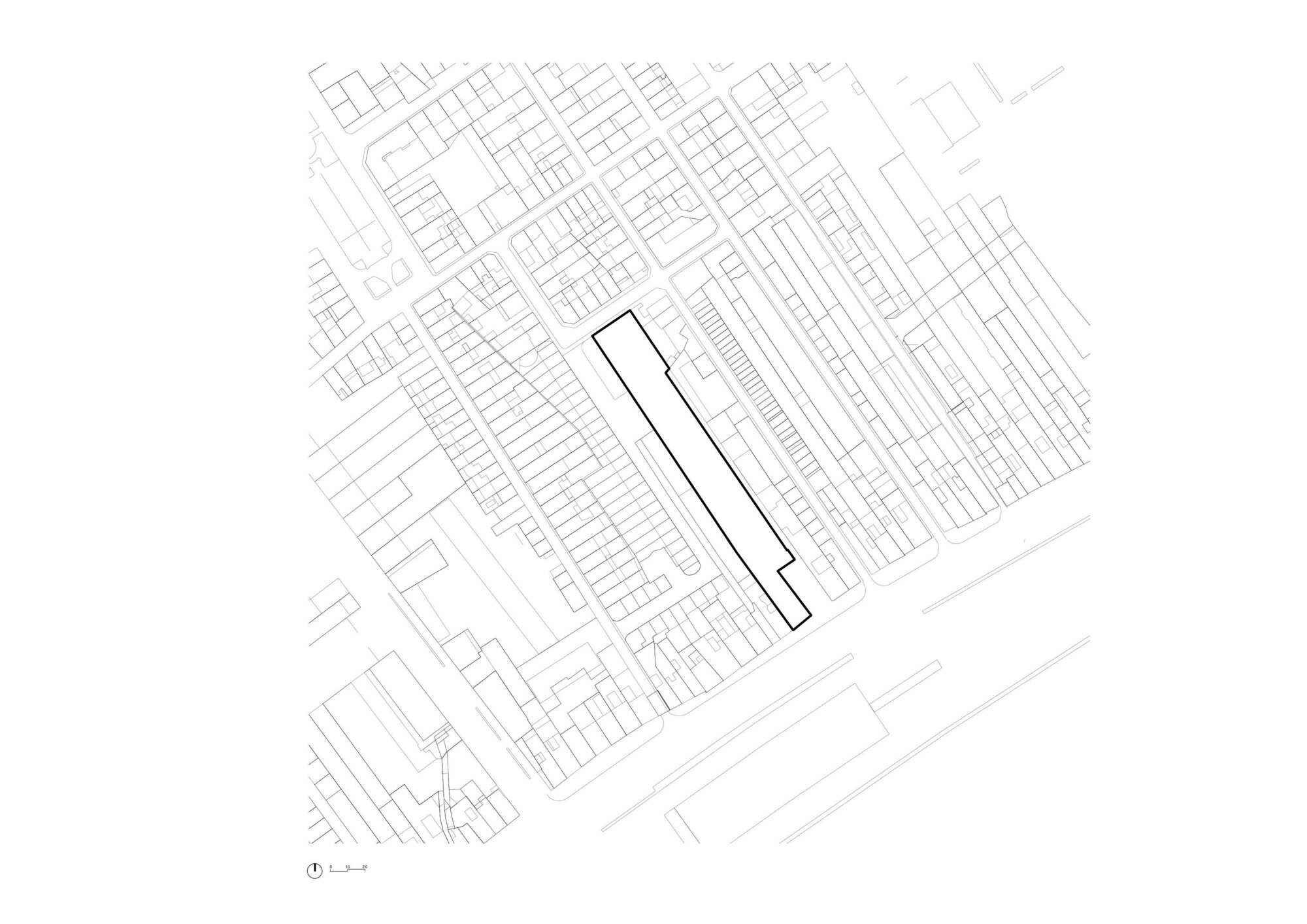
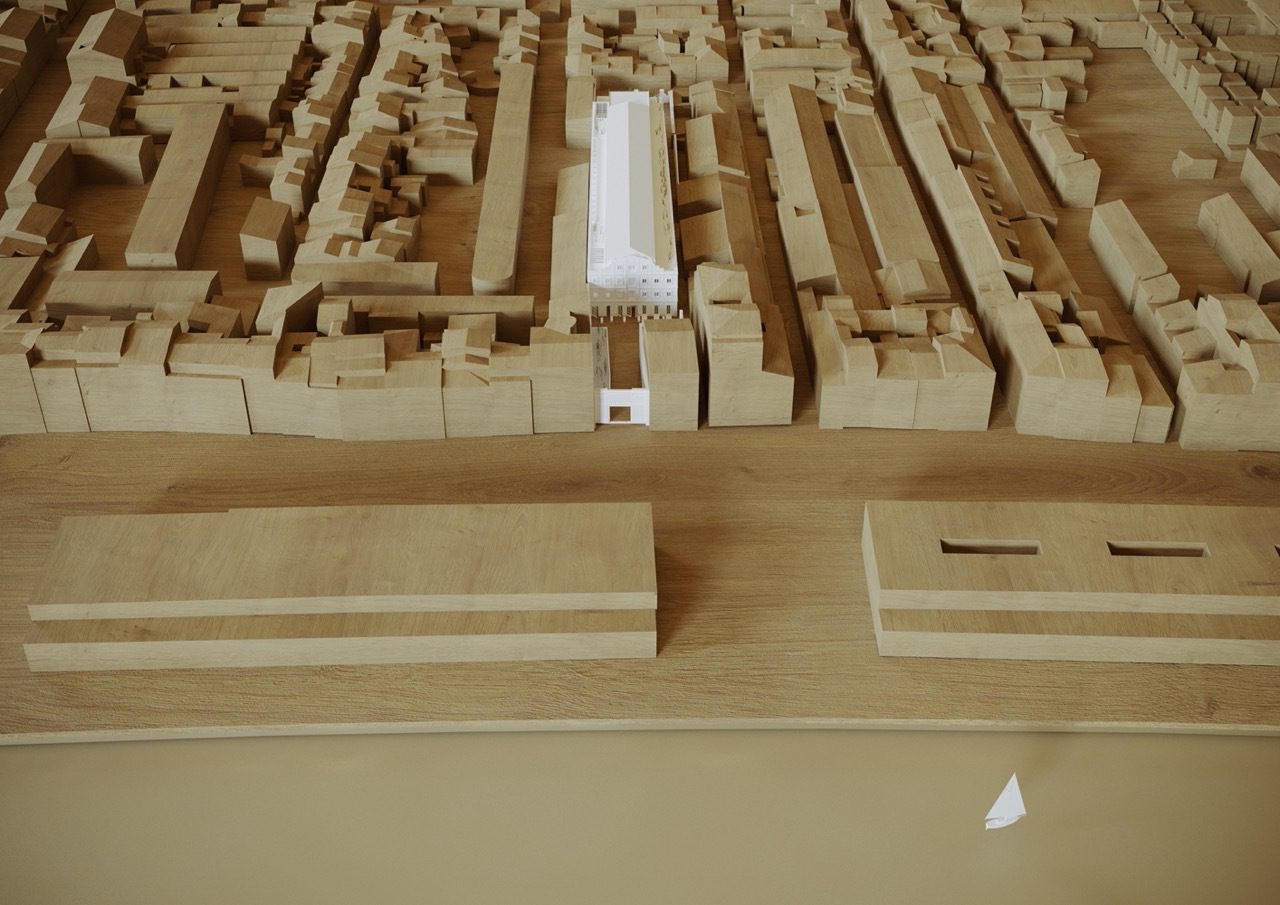
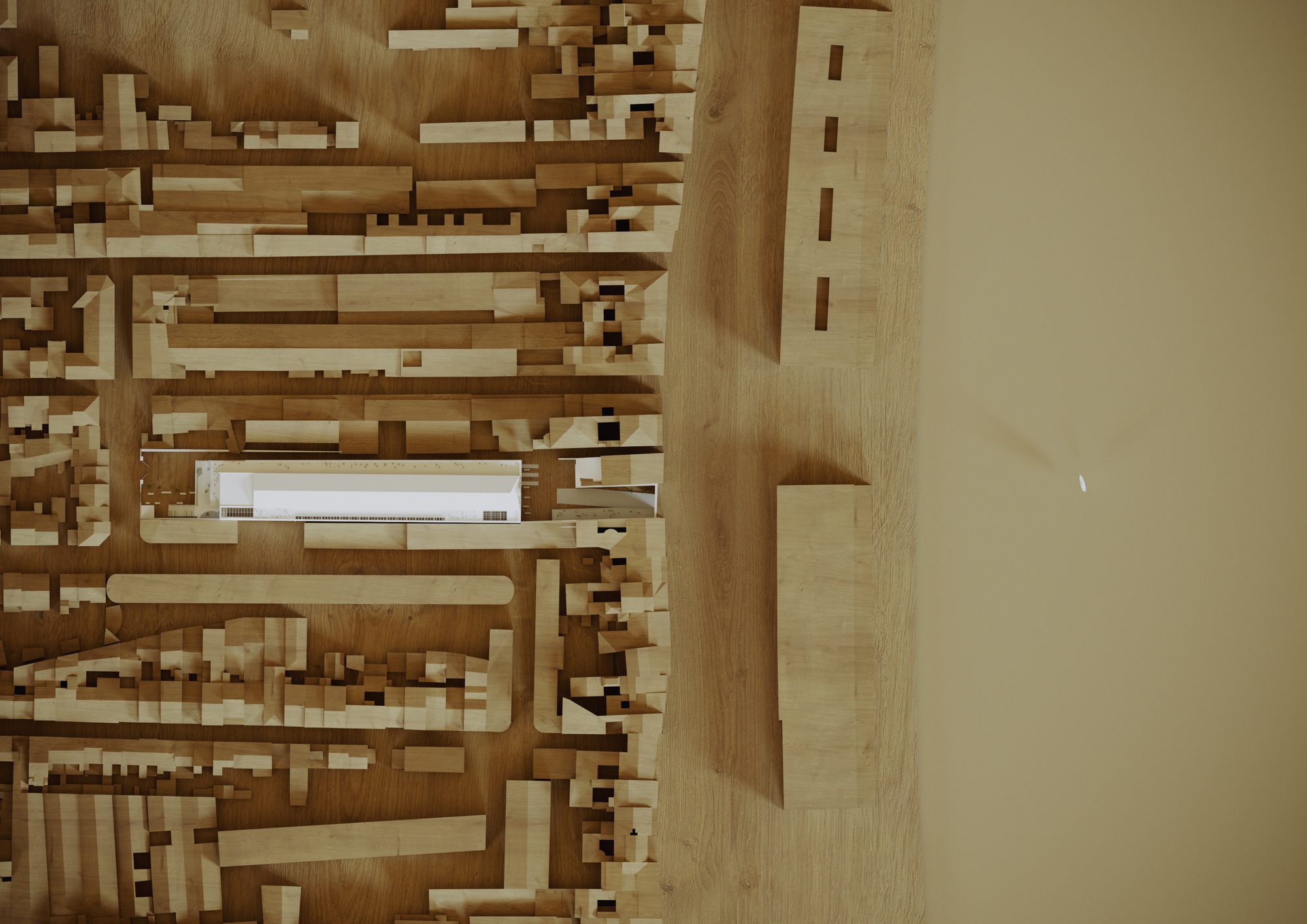
Les Chartrons, is a neighborhood with character. Located on the quays of the Chartrons district, just north of the historic city center, the site is part of an urban landscape shaped by the river and the commercial history of this former wine merchant suburb. Positioned behind the warehouses, the building boasts a unique linear architecture with a substantial surface area.
© Yoris Couegnoux
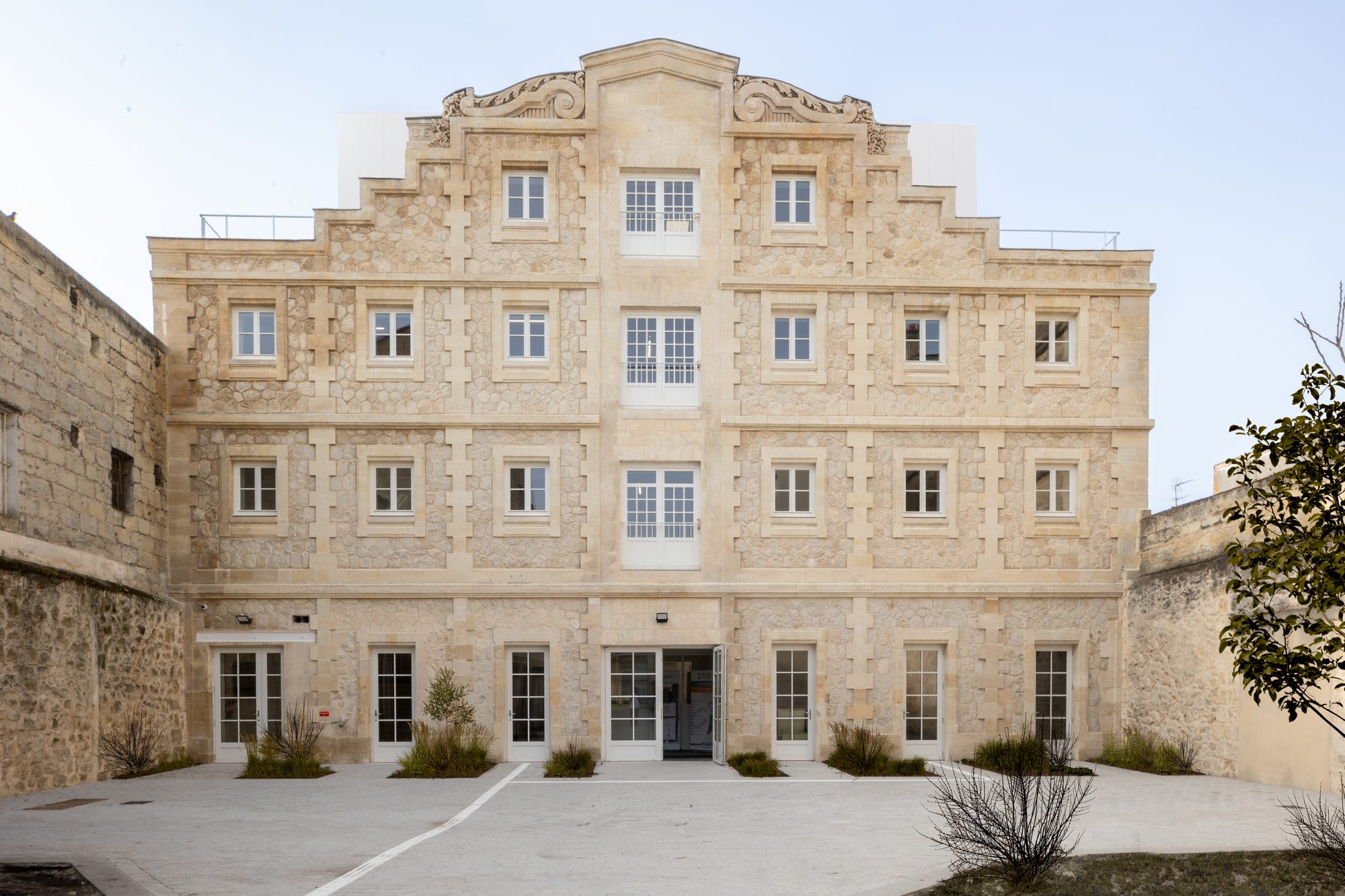
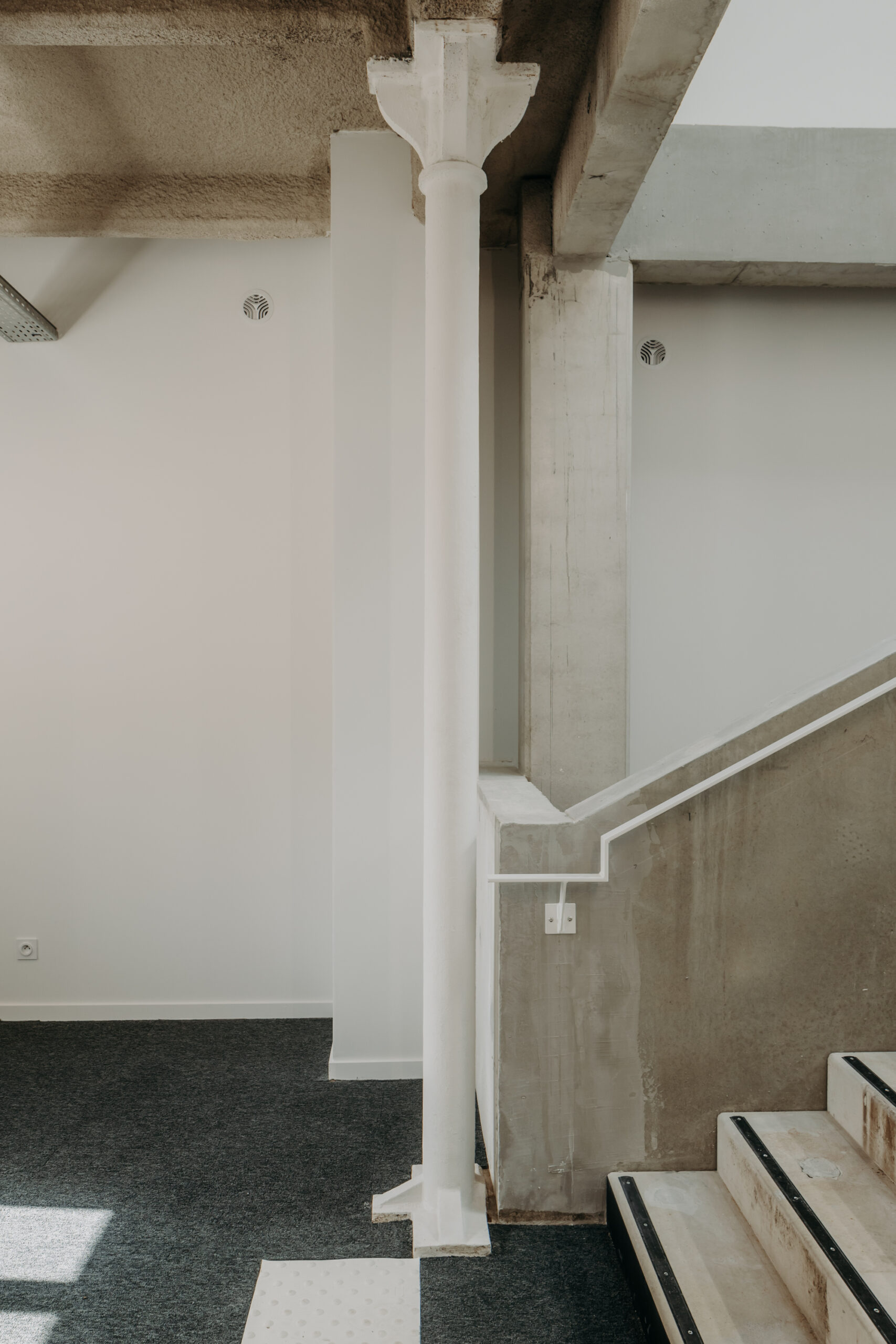
Recycling is a rational tool-building. Notable for its atypical façade and set-back positioning, 136 Quai des Chartrons is a key heritage structure along the quays. Originally intended for logistical and industrial use, the building’s intelligent construction serves as the foundation for the project. Its rational structure, proportions, layout, and position of openings demonstrate its ability to adapt and transform with ease. The new project blends the existing elements with a vision that respects heritage while embracing bold modernity.
© Yoris Couegnoux
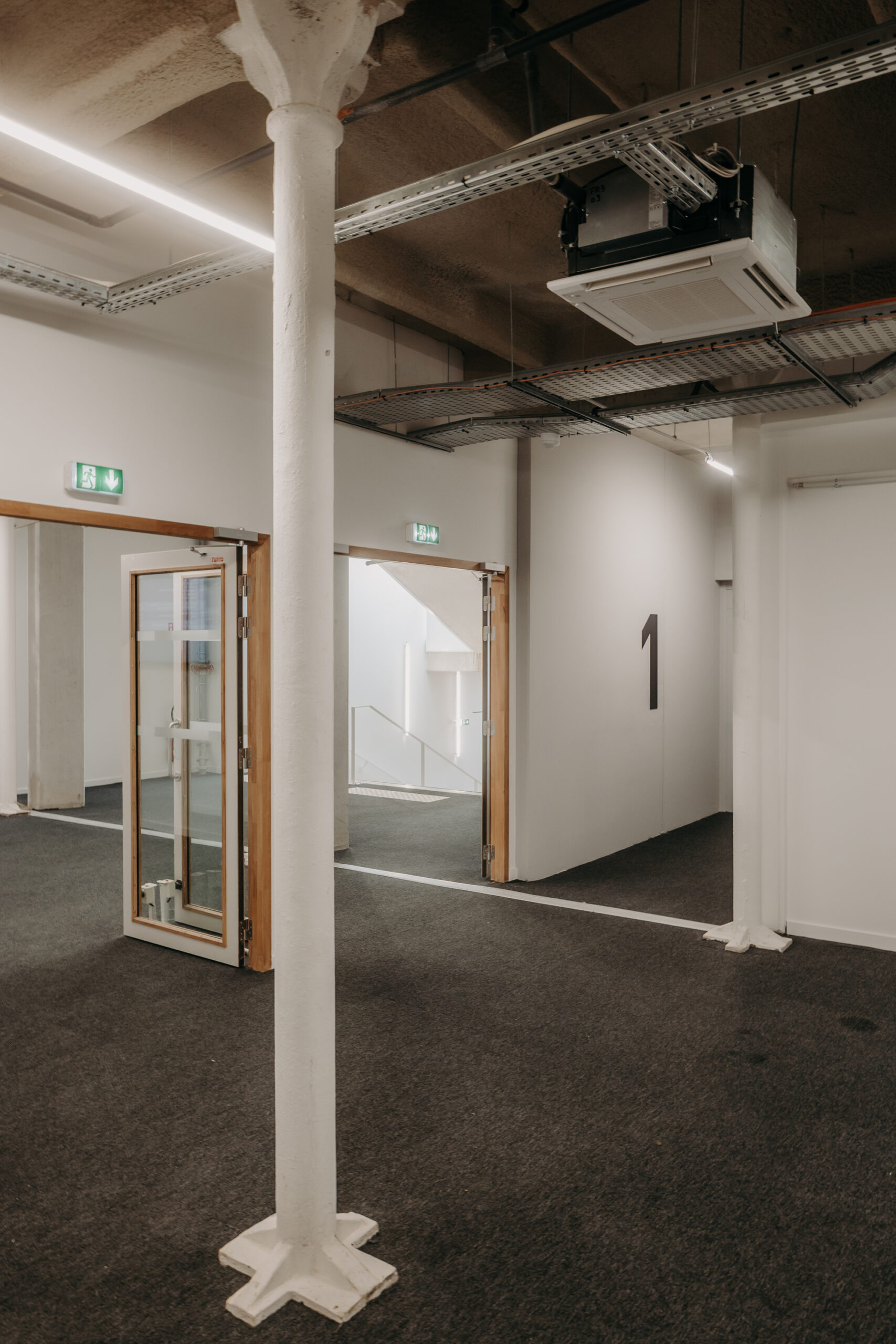
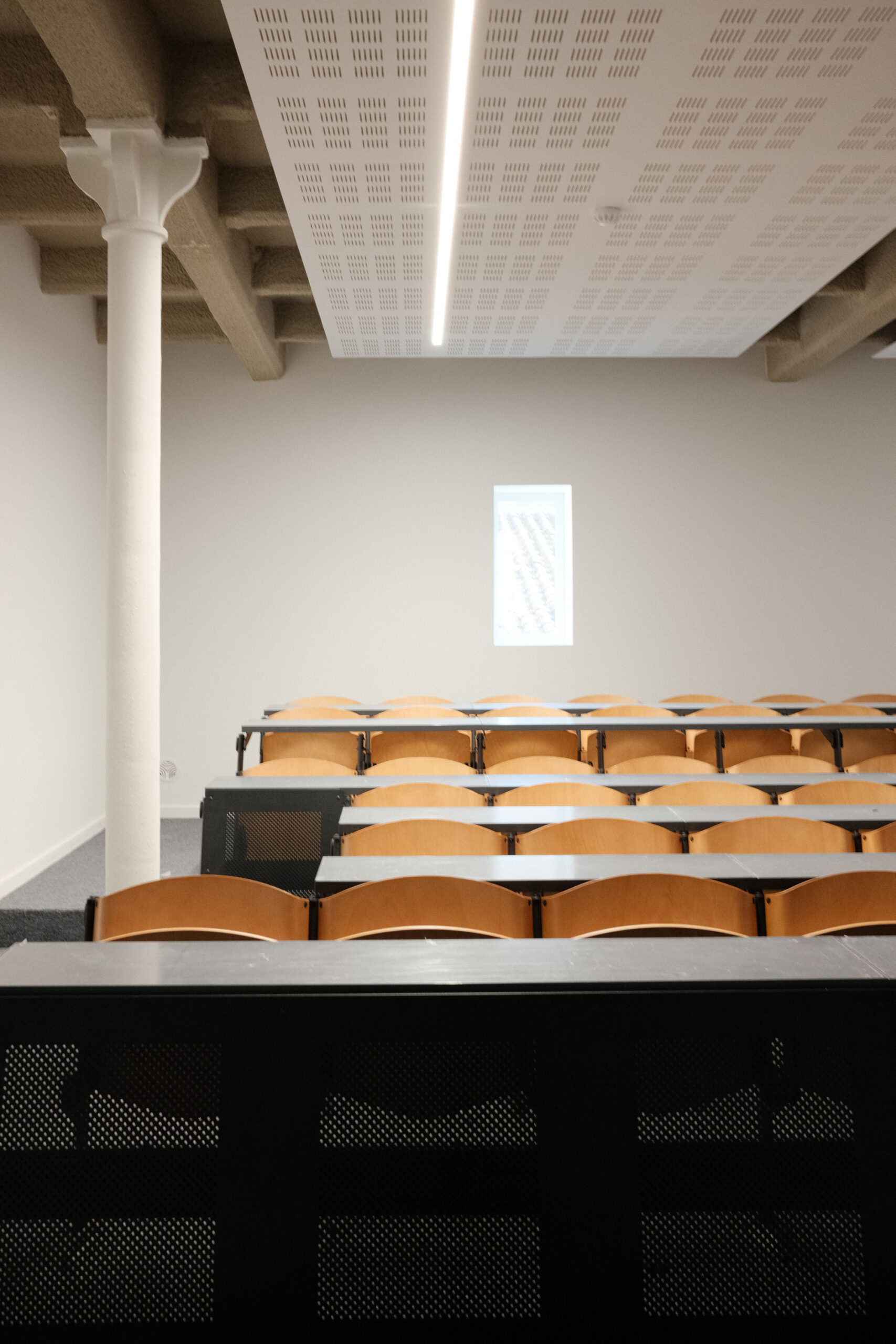
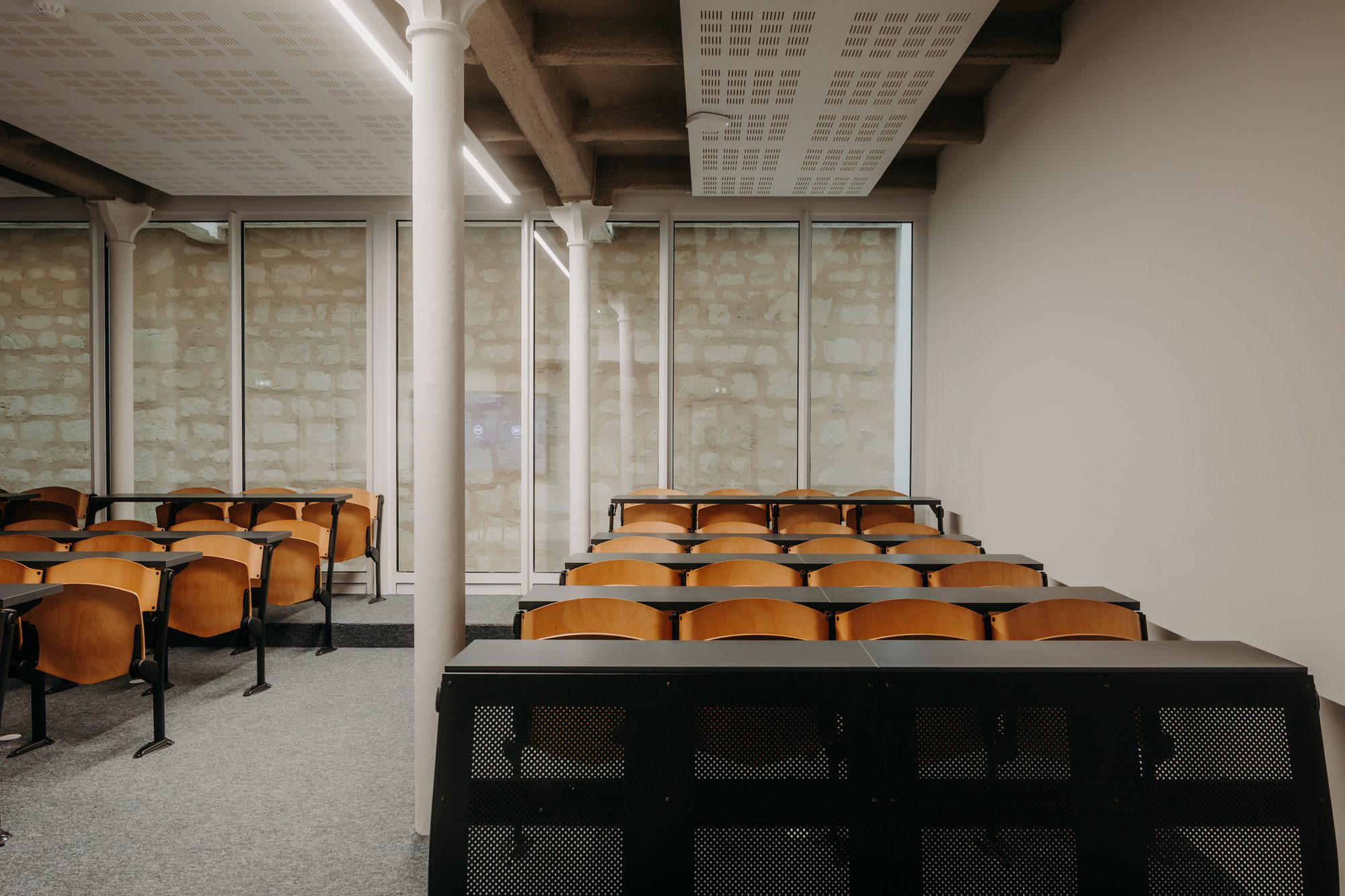
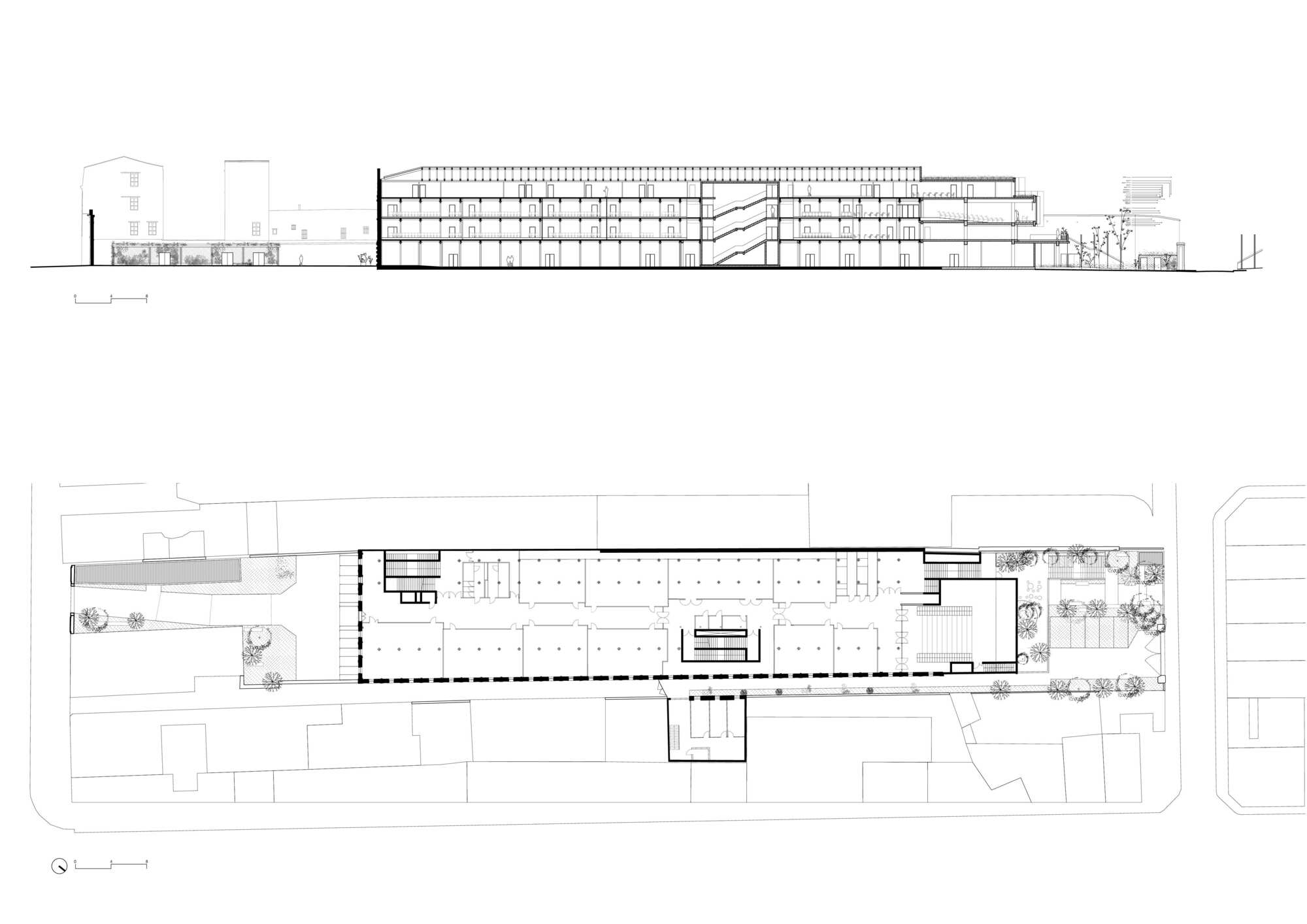
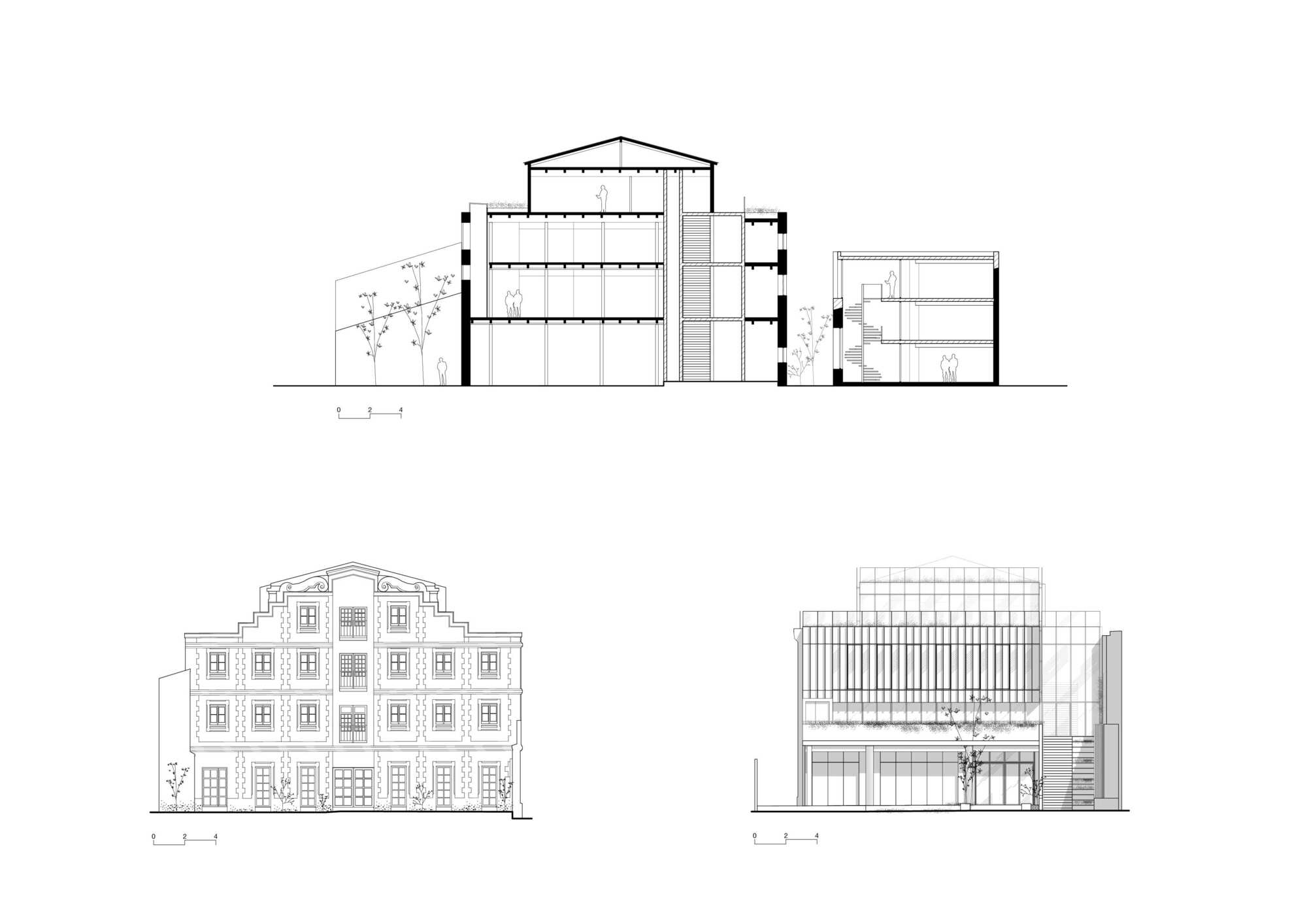
Reversibility of the existing structure. The project integrates into the original skeleton, using the structural grid of cast iron columns and concrete floors, providing the spatial conditions to house both programs. The ground floor retains the auction activity, while the upper floors accommodate the educational program.
© Yoris Couegnoux
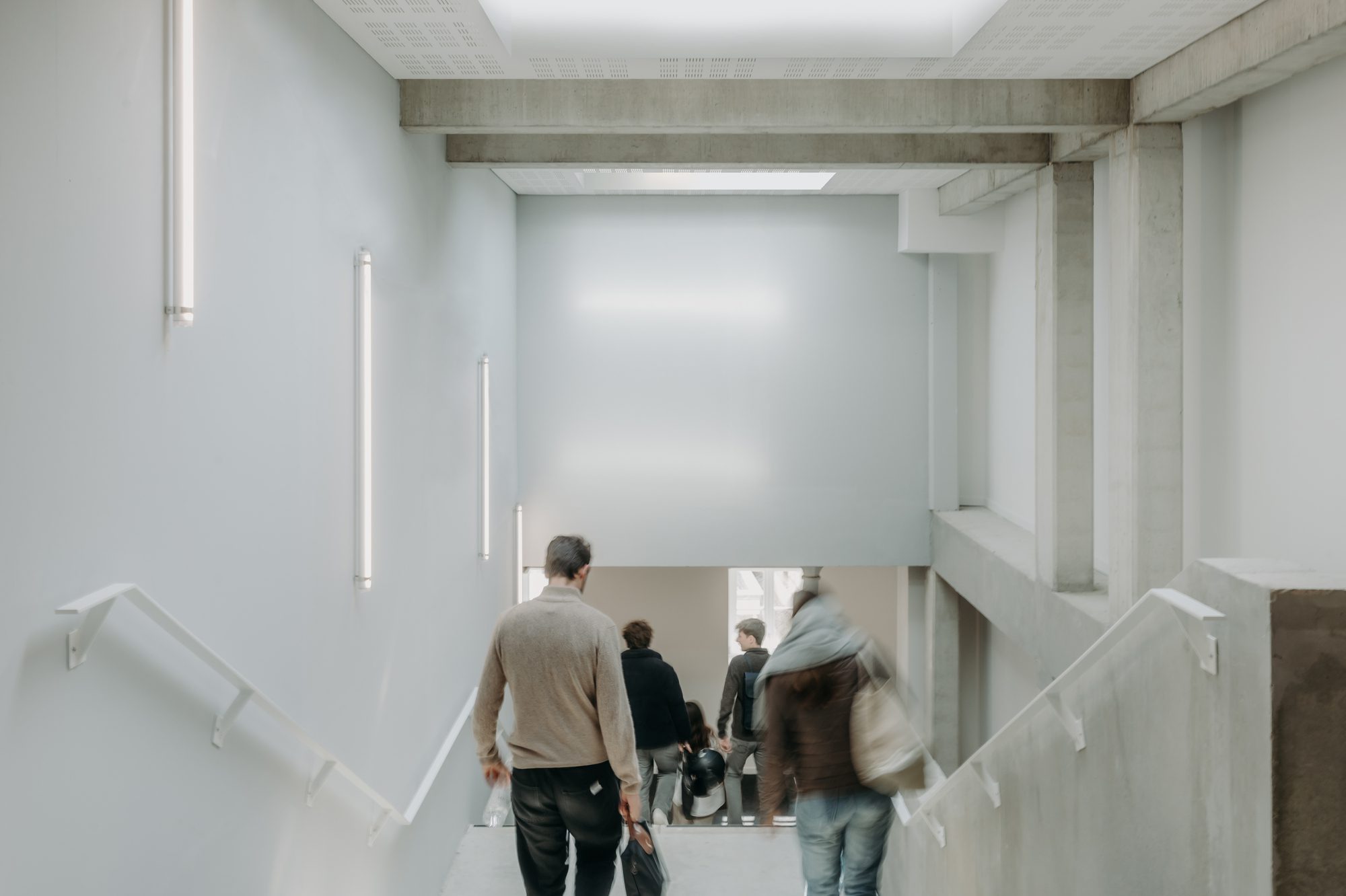
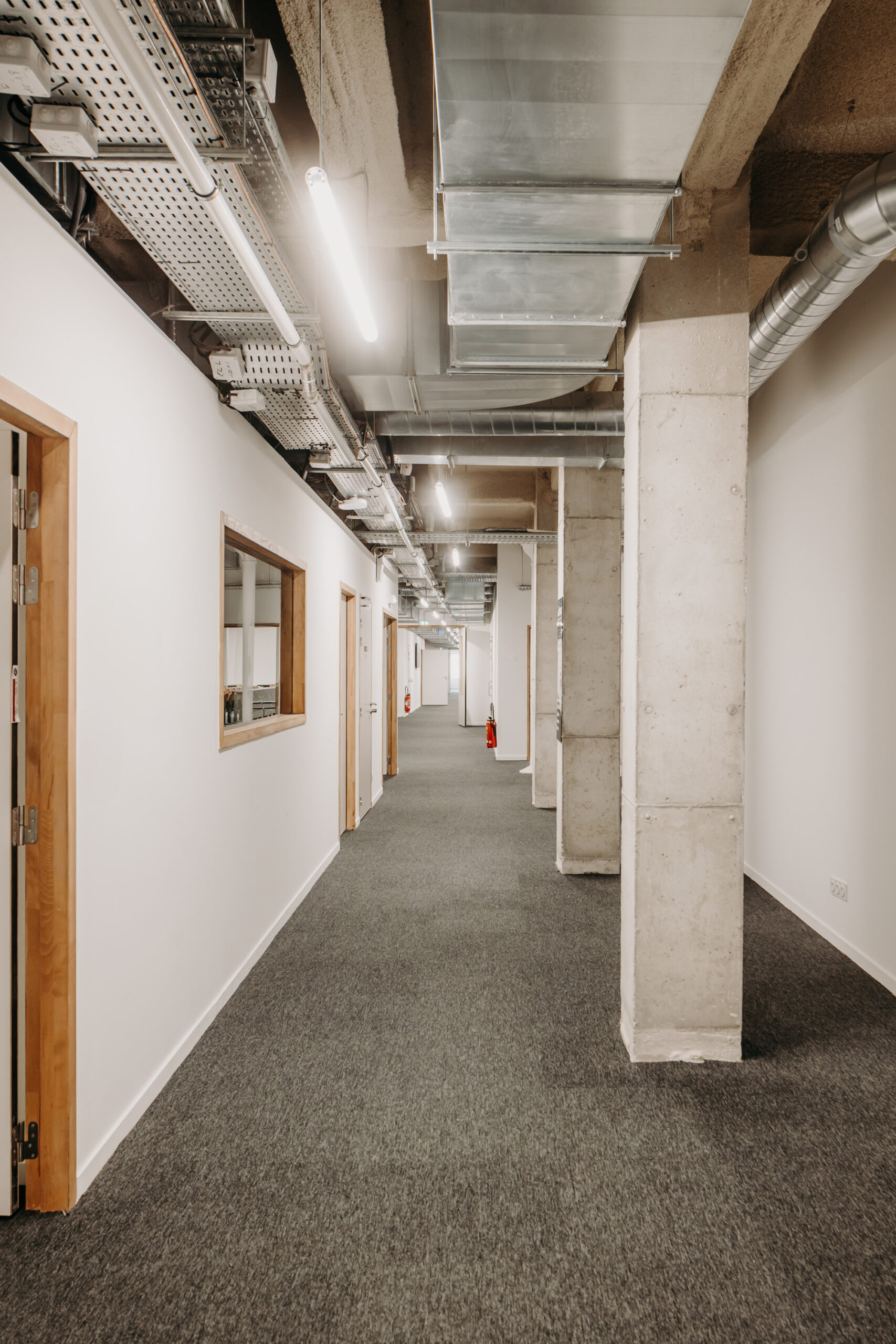
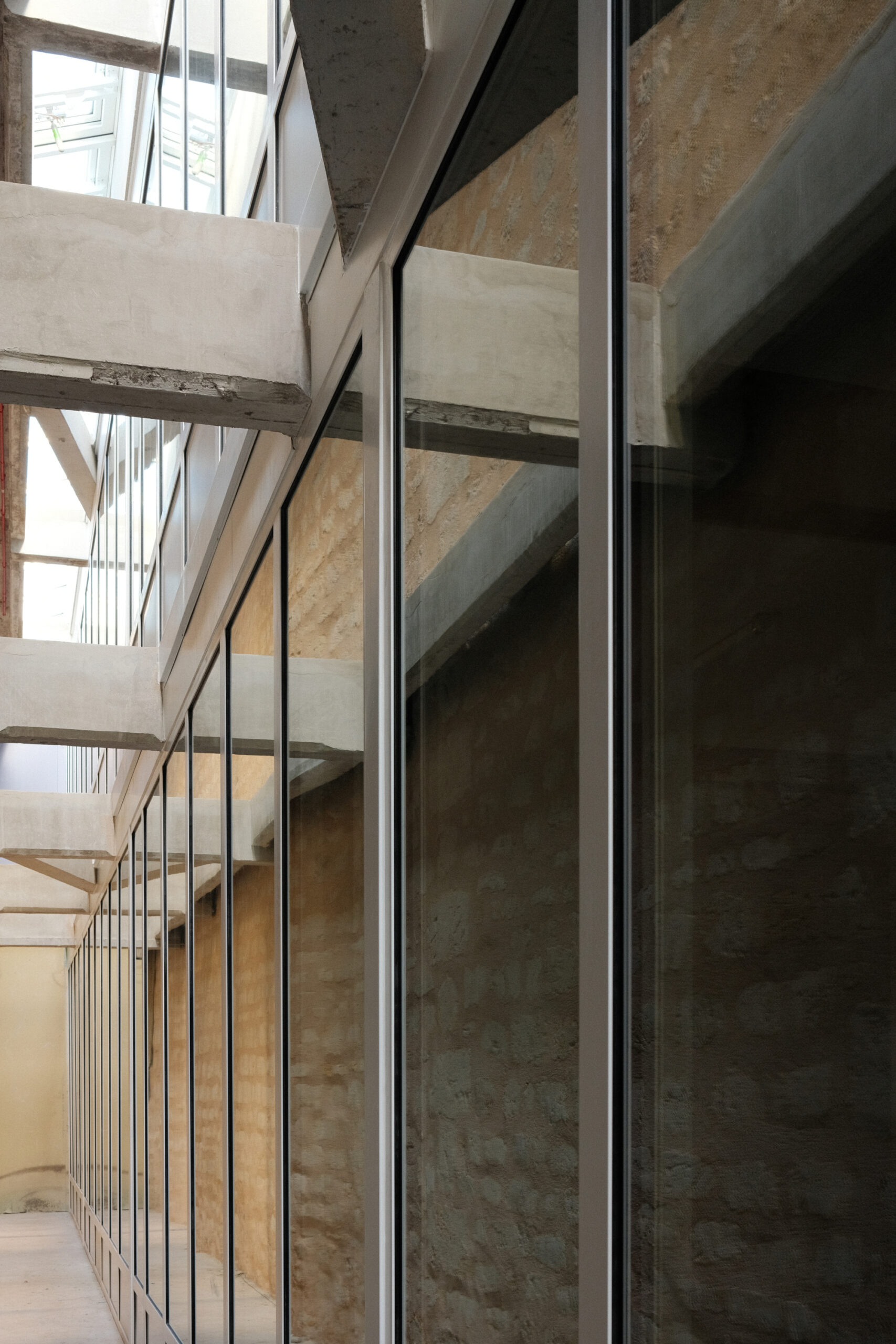
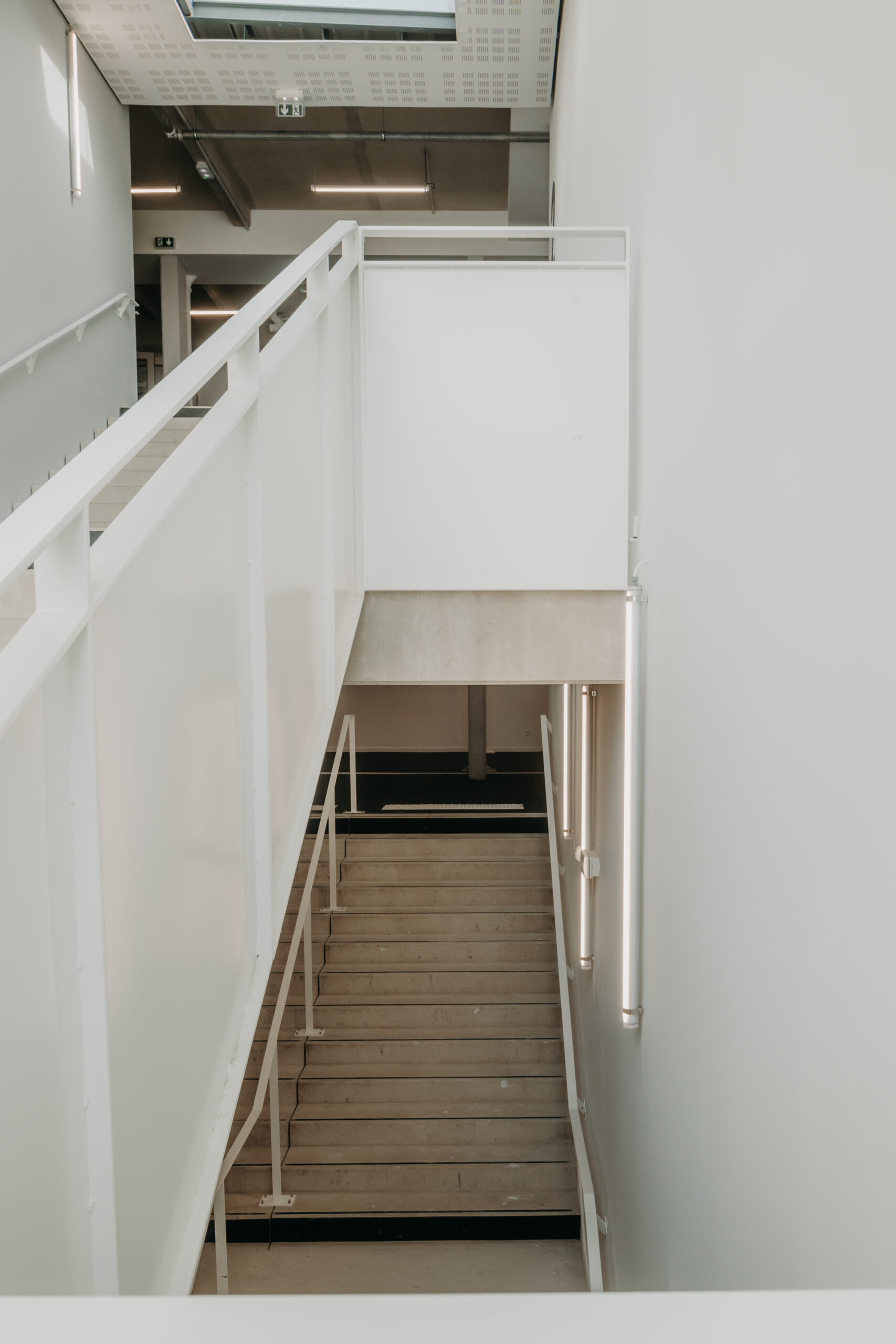
Transforming the building into an educational institution involves defining room types and communal spaces that fit the existing structure. The large existing floors offer significant spatial modularity. A “central street” runs the length of the building, providing access to study rooms and offices on each side. Structural and technical interventions are necessary, such as creating large openings in the floors for staircases suited to the new traffic flows and adding features to bring light into the heart of the building.
© Yoris Couegnoux
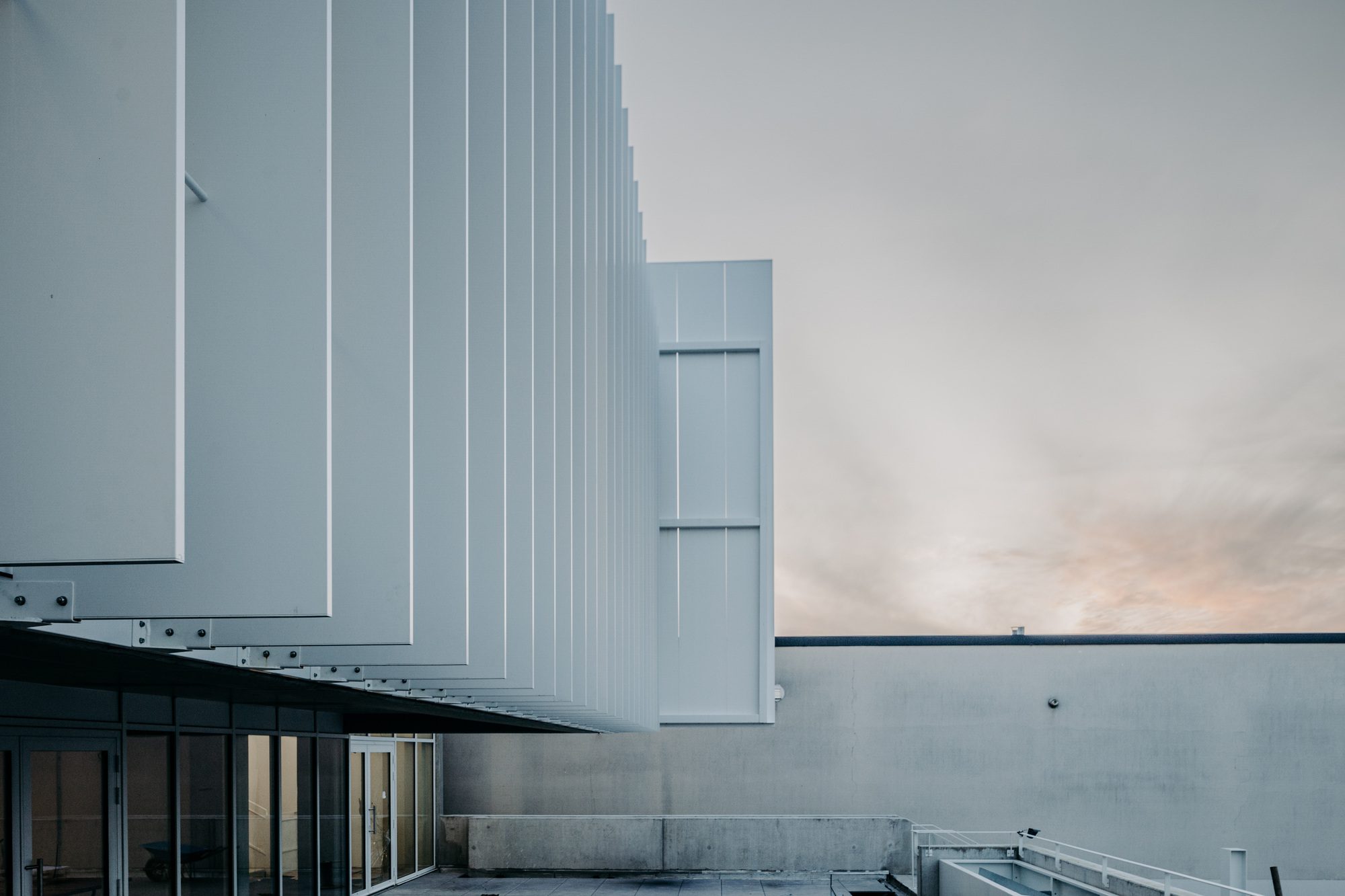
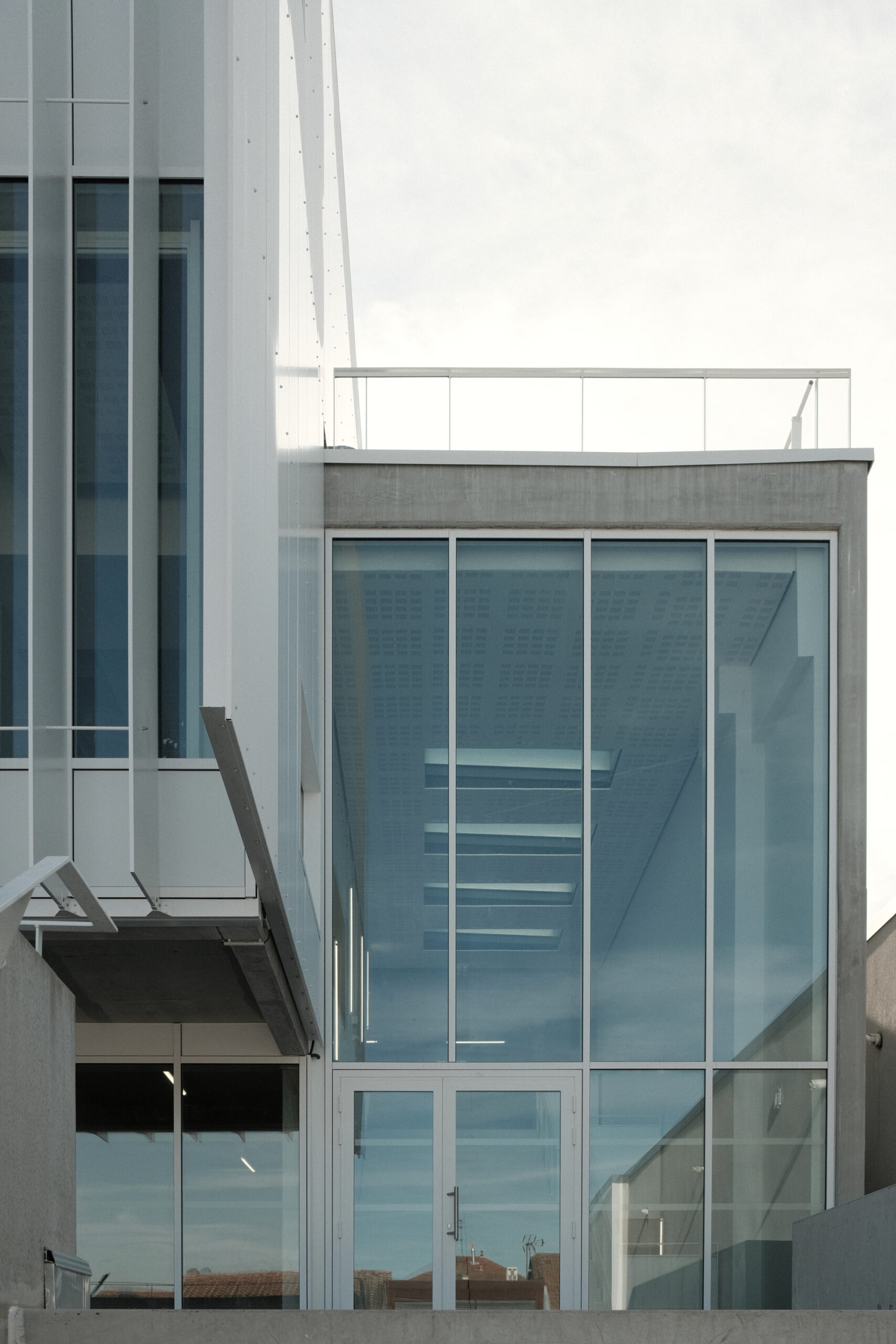
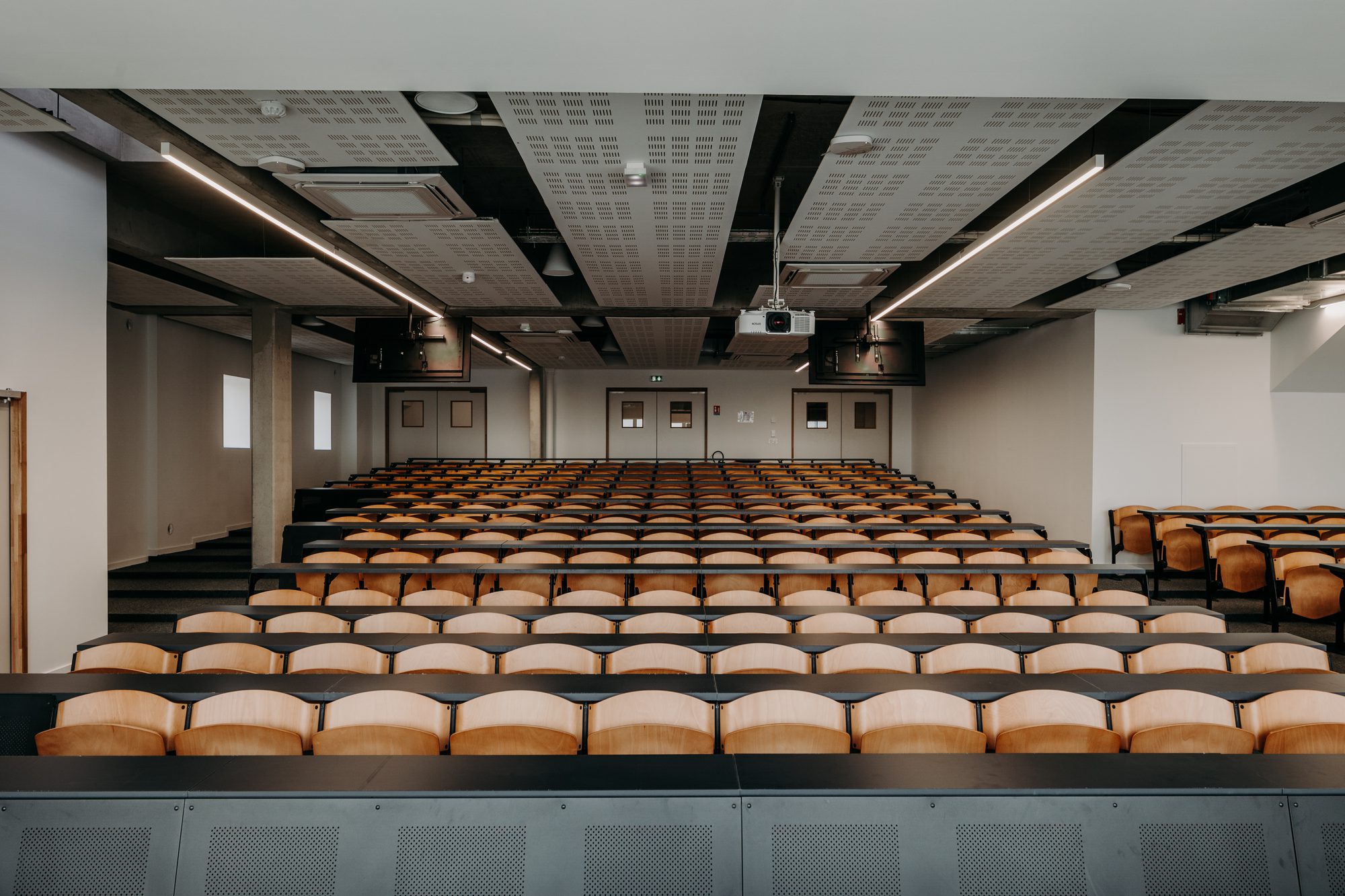
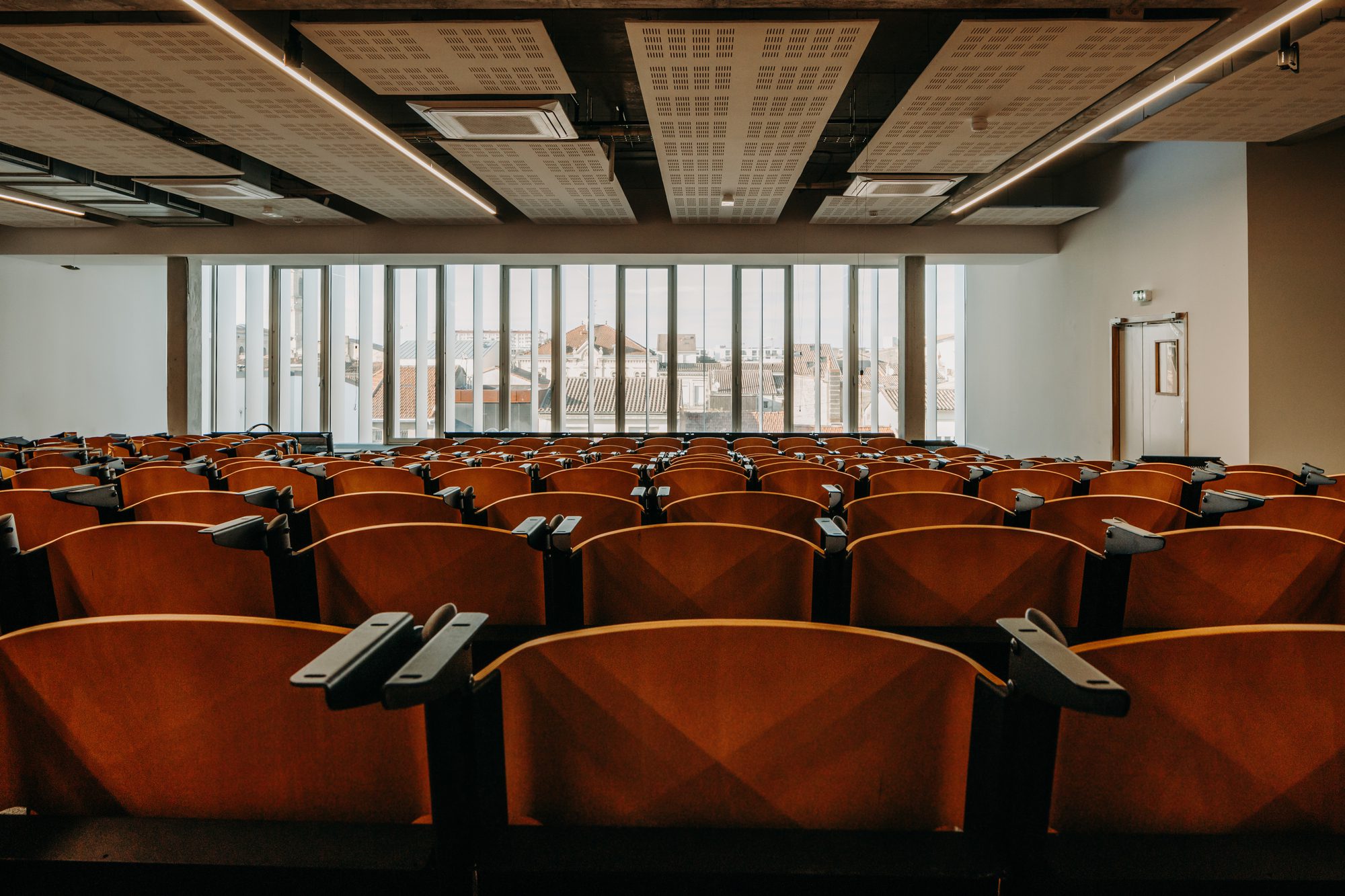
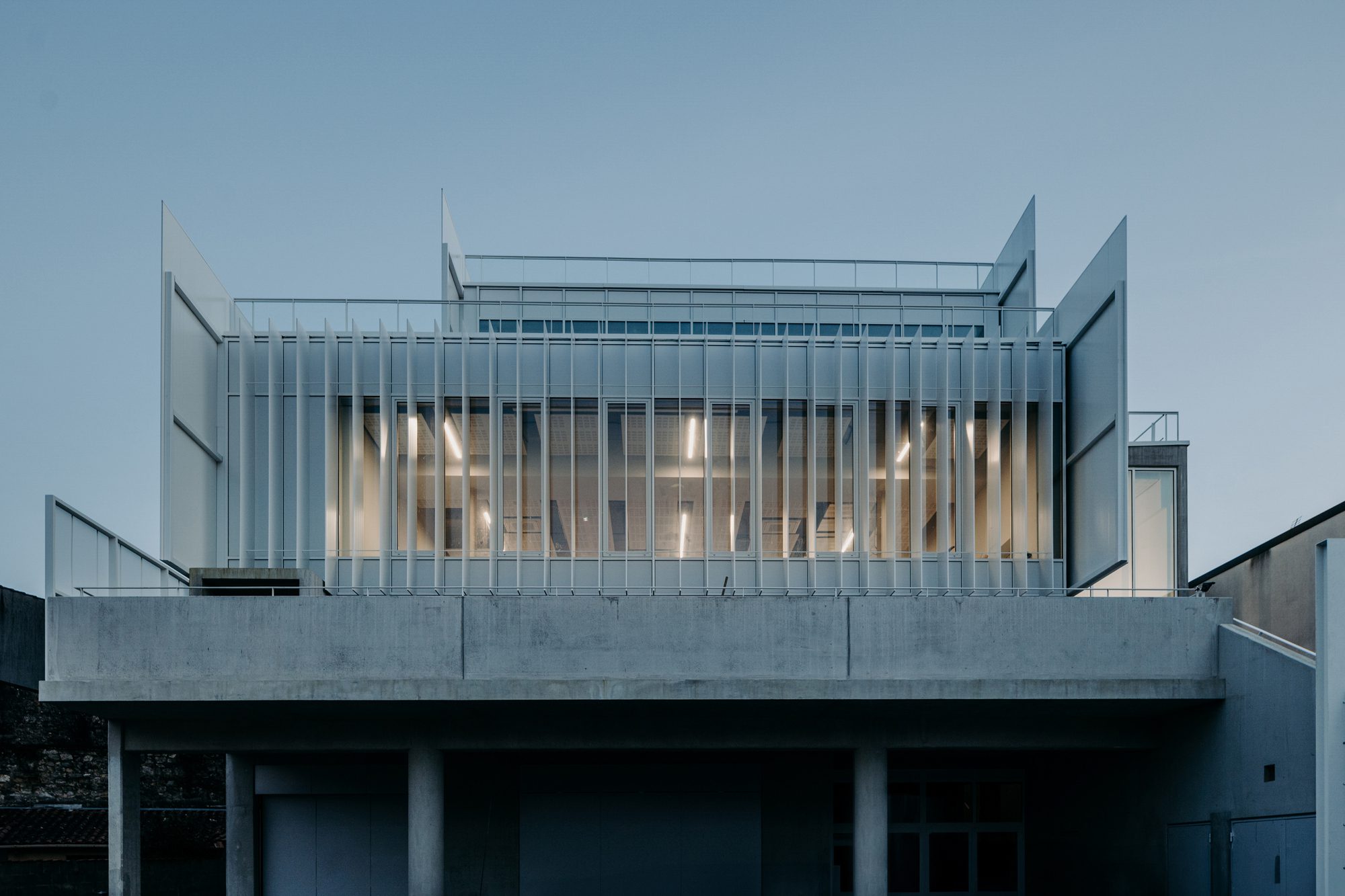
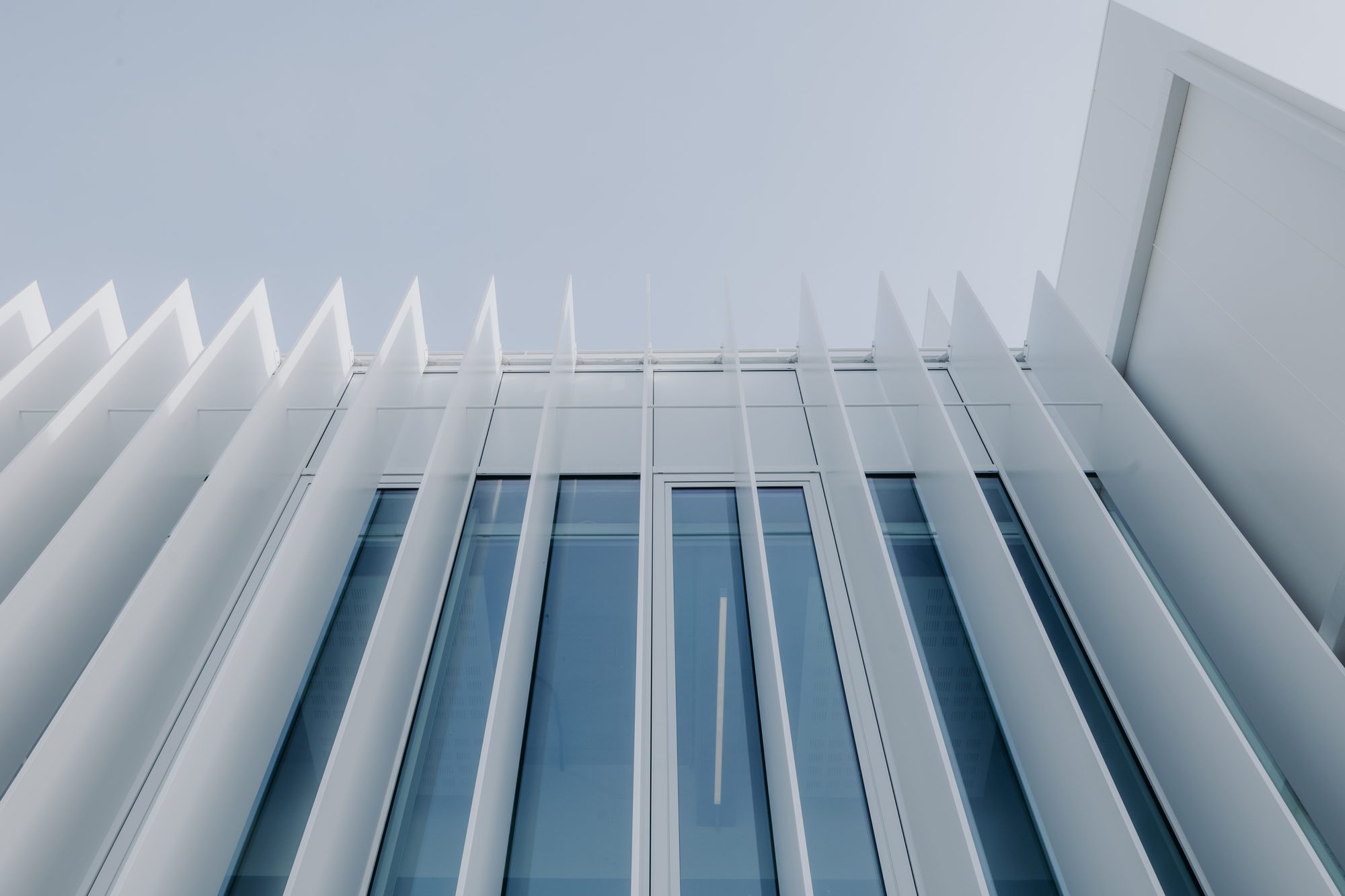
New Use, New Appearance. The building’s evolution is particularly shown in the façades. On the quayside, the historic, robust stone façade is restored and enhanced with landscaped forecourt improvements. On the city side, a contemporary extension reshapes the façade, reflecting the transformation. This architectural addition, technically complex, allows for the creation of a suspended amphitheater offering a panoramic view of the urban landscape. The materiality is distinct, reinforcing the concept of a dual-faced architecture, balancing both the river and the city.
© Yoris Couegnoux
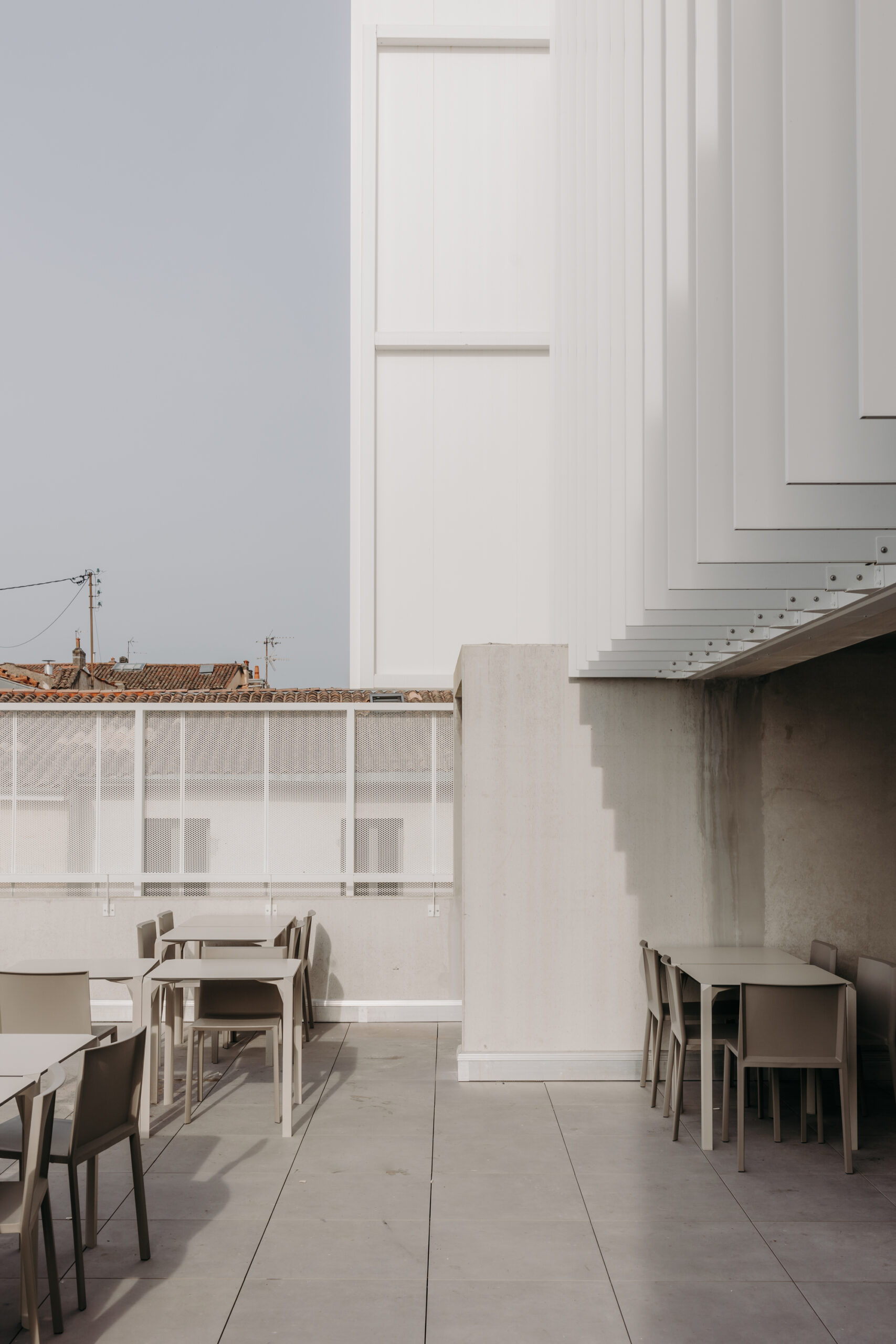
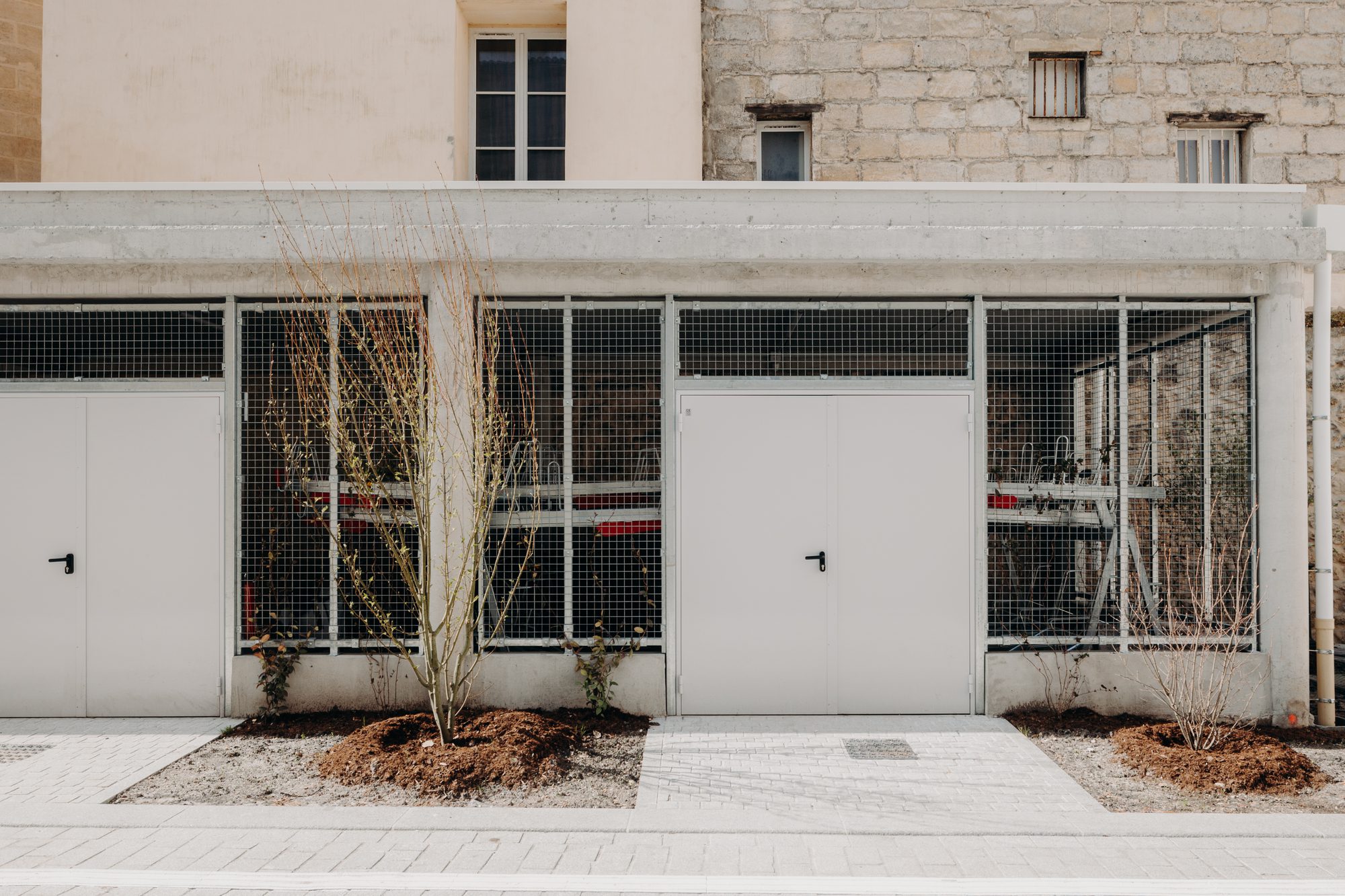
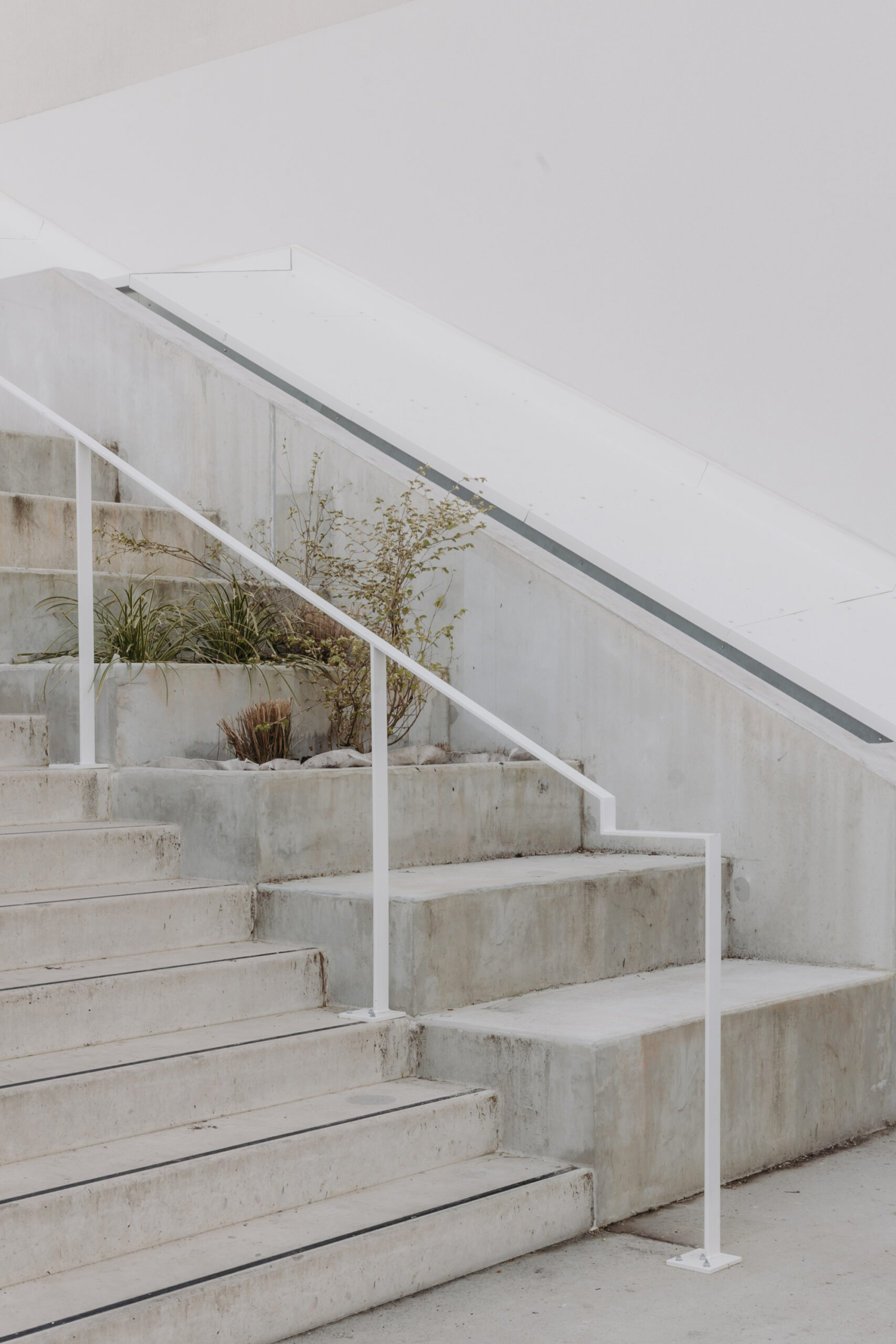
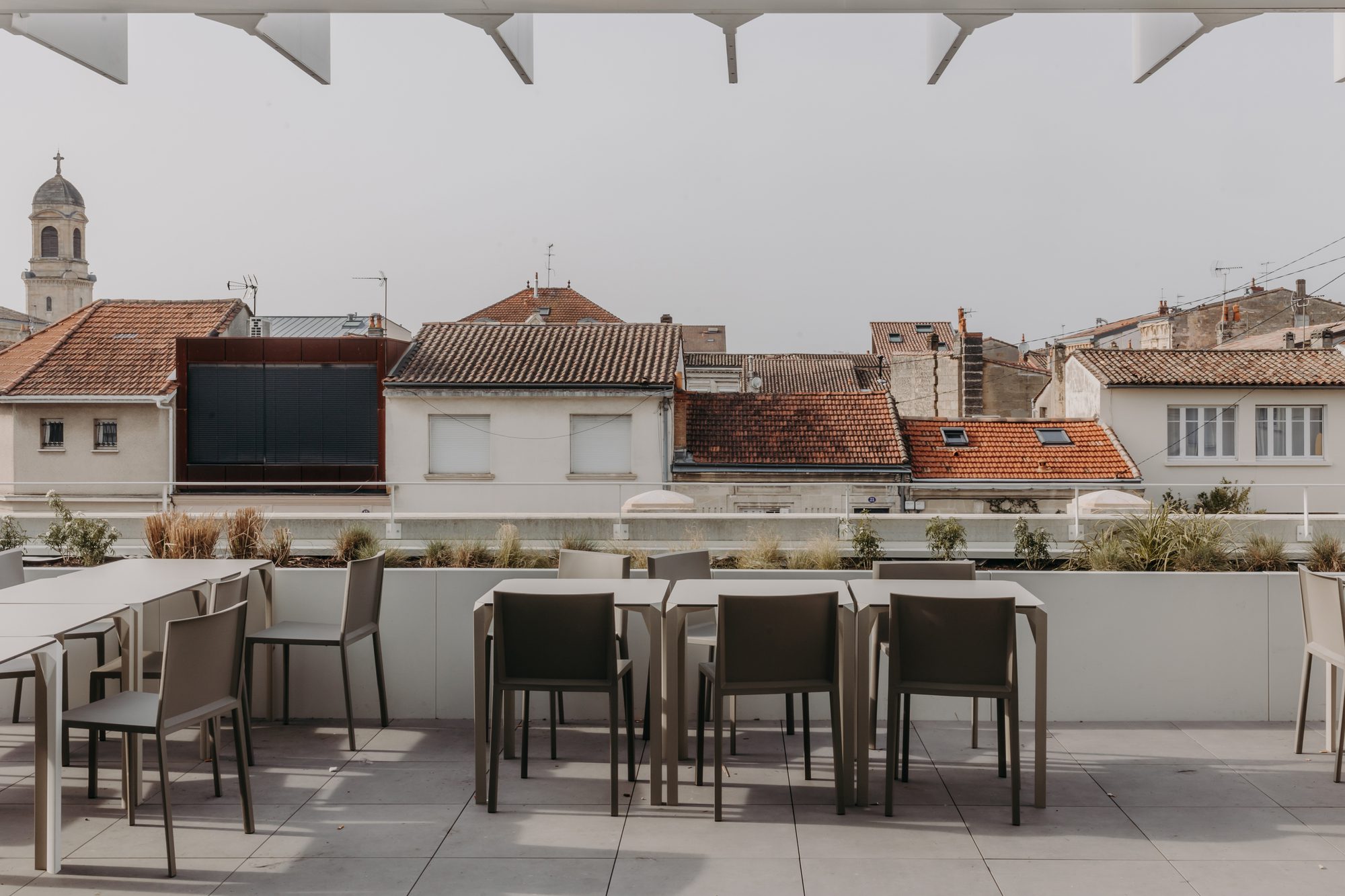
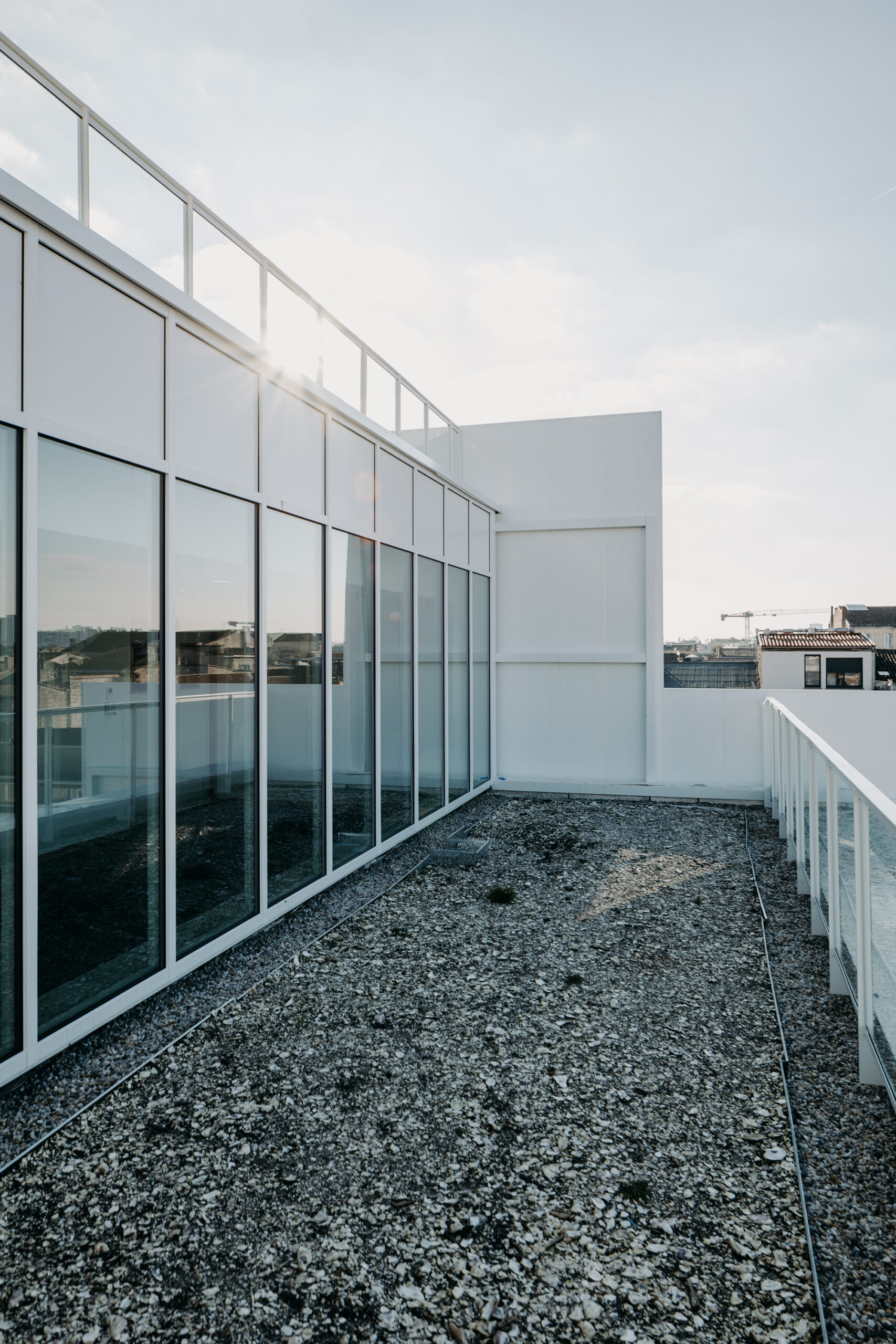
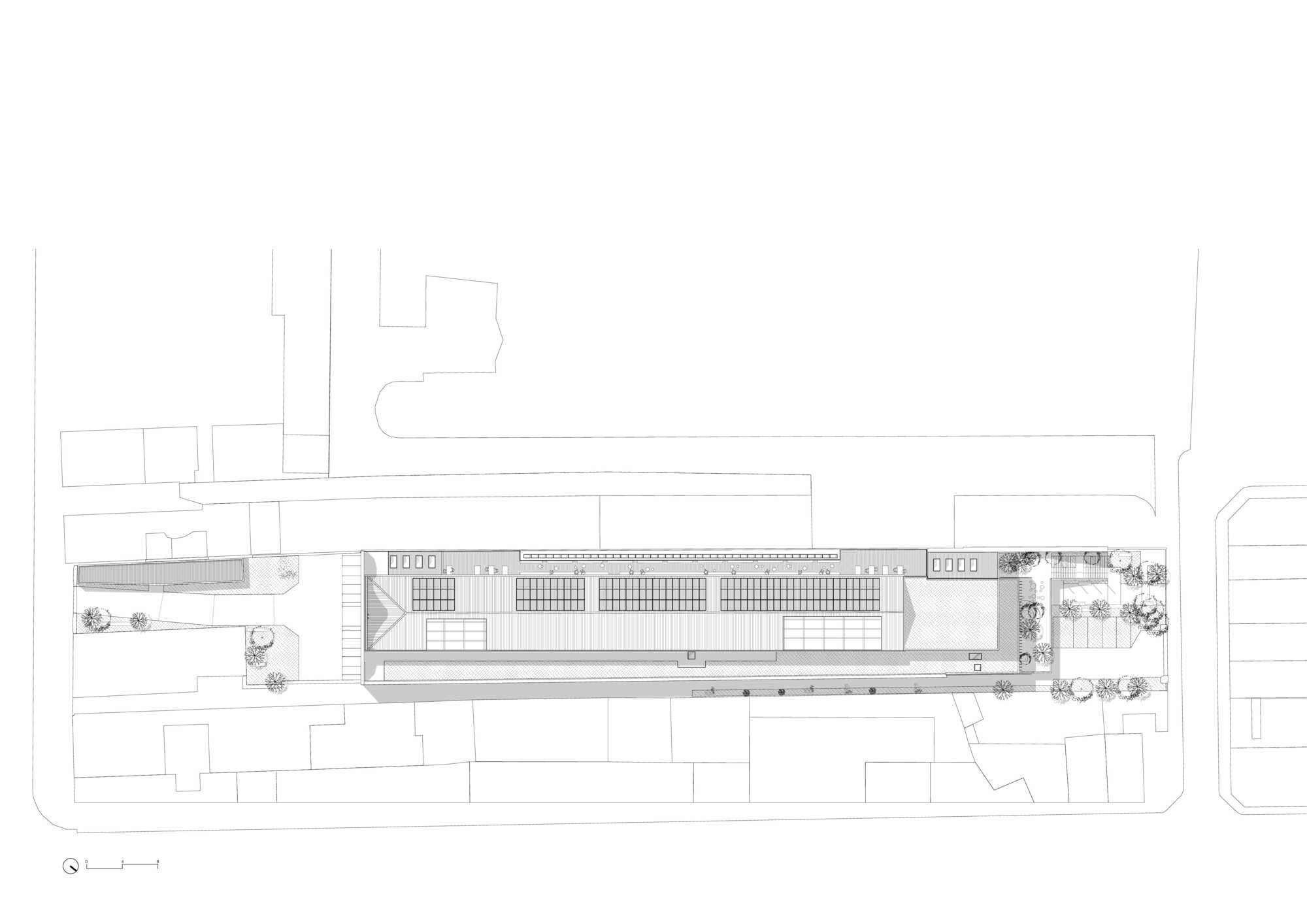
Courtyards and roofs: Foundations of eco-design. The renovated courtyards become true transitional and convivial spaces, introducing a landscaped dimension and controlled natural growth. The quay-side courtyard is fully paved and designed as an entrance garden. On the city side, access stairs are designed like steps in an upcoming green space.
© Hugo Martin
This eco-responsible approach extends to the use of sustainable materials and methods on the roofs (zinc, photovoltaic panels, green roof terraces, oyster shell substrate), which help the building minimize energy consumption and promote waste valorization. The project exemplifies a commitment to environmental and human considerations and the building’s longevity.
Project Info
Architects: Nicolas Zweyacker, César Lacoste
Country: France, Bordeaux
Area: 6700 m²
Year: 2024
Photographs: Yoris Couegnoux, Hugo Martin, ZWA
Manufacturers Interface, CIMALTO system of vegetalized roof with oyster, Indelague, Sapa, Tellier Brise-soleil: Interface
Landscape Designer: Catherine Cloup
Fluids Engineer: vivalto
Economist: By-Optim
Execution Supervision Assisttants: vivalto
Roads & Networks Engineering: HBR
Label: BREEAM Very Good

Anastasia Andreieva is an accomplished Architectural Projects Editor at Arch2O, bringing a unique blend of linguistic expertise and design enthusiasm to the team. Born and raised in Ukraine, she holds a Master’s degree in Languages from Taras Shevchenko National University of Kyiv. Her deep passion for architecture and visual storytelling led her to transition from translation and editorial roles into the world of design media. With a keen eye for conceptual clarity and narrative structure, Anastasia curates and presents global architectural projects with precision and flair. She is particularly drawn to parametric and digital design, cultural context, and emerging voices in architecture. When I’m not analyzing the latest architectural trends, you’ll probably find me searching for hidden gems in cityscapes or appreciating the beauty of well-crafted spaces. After all, great design—like great connections—can be found in the most unexpected places. Speaking of connections, because architecture isn’t the only thing that brings people together.