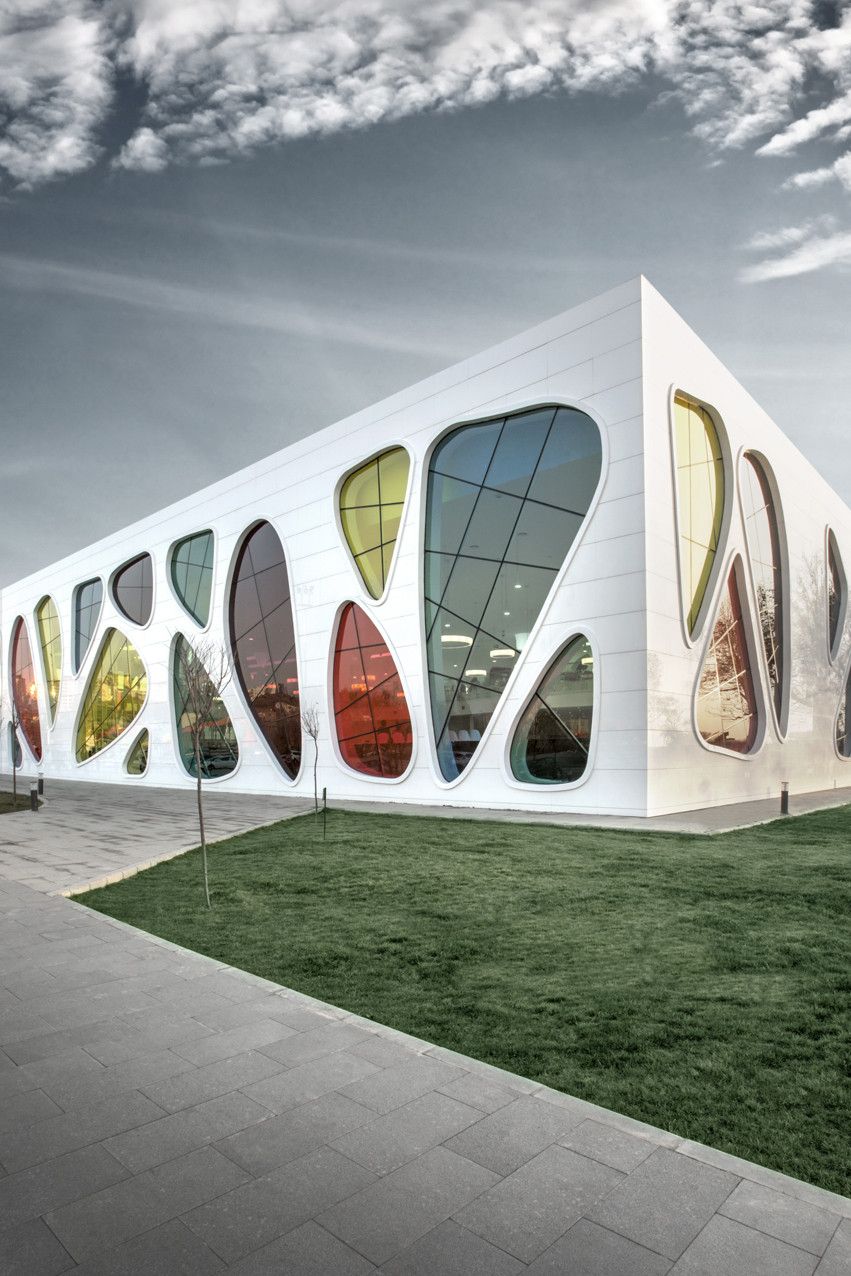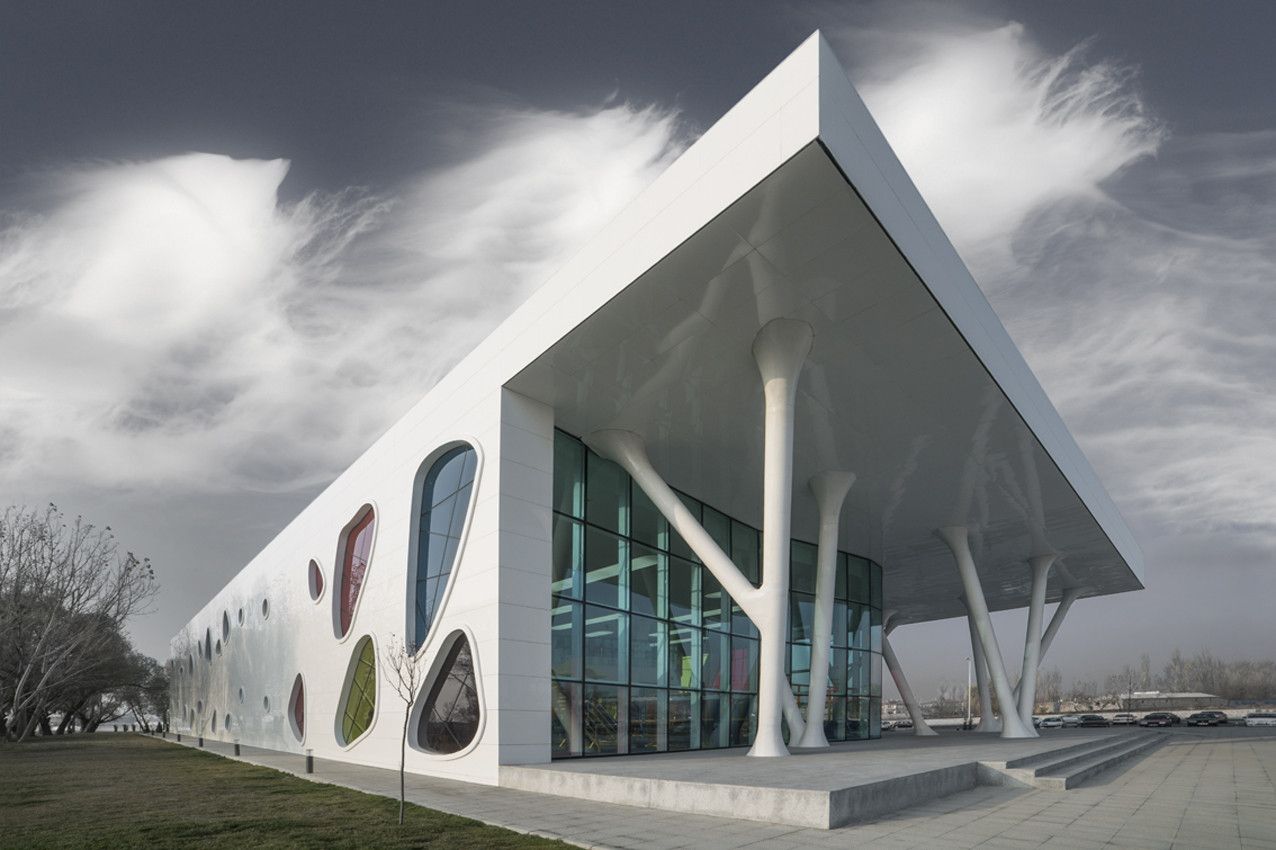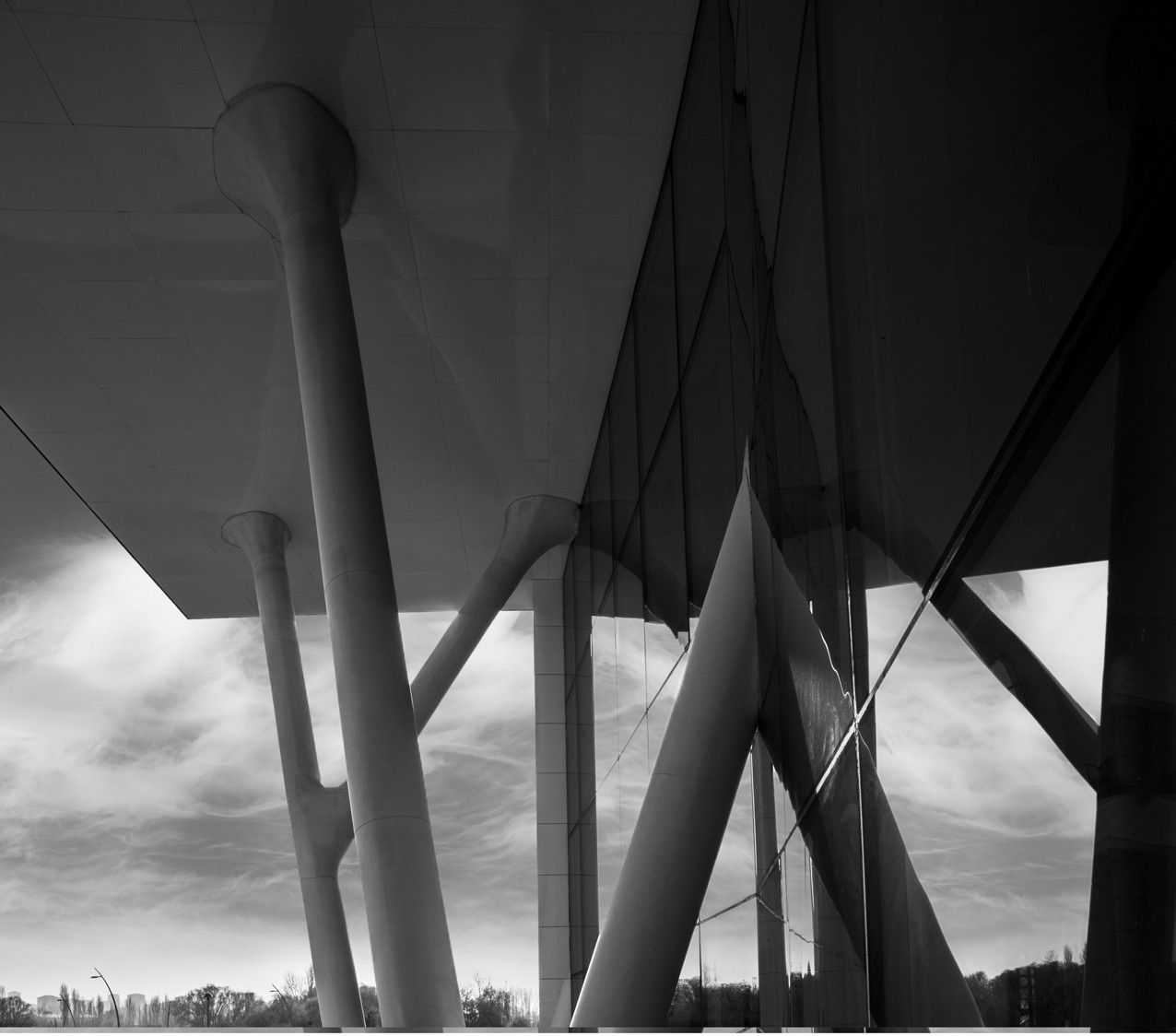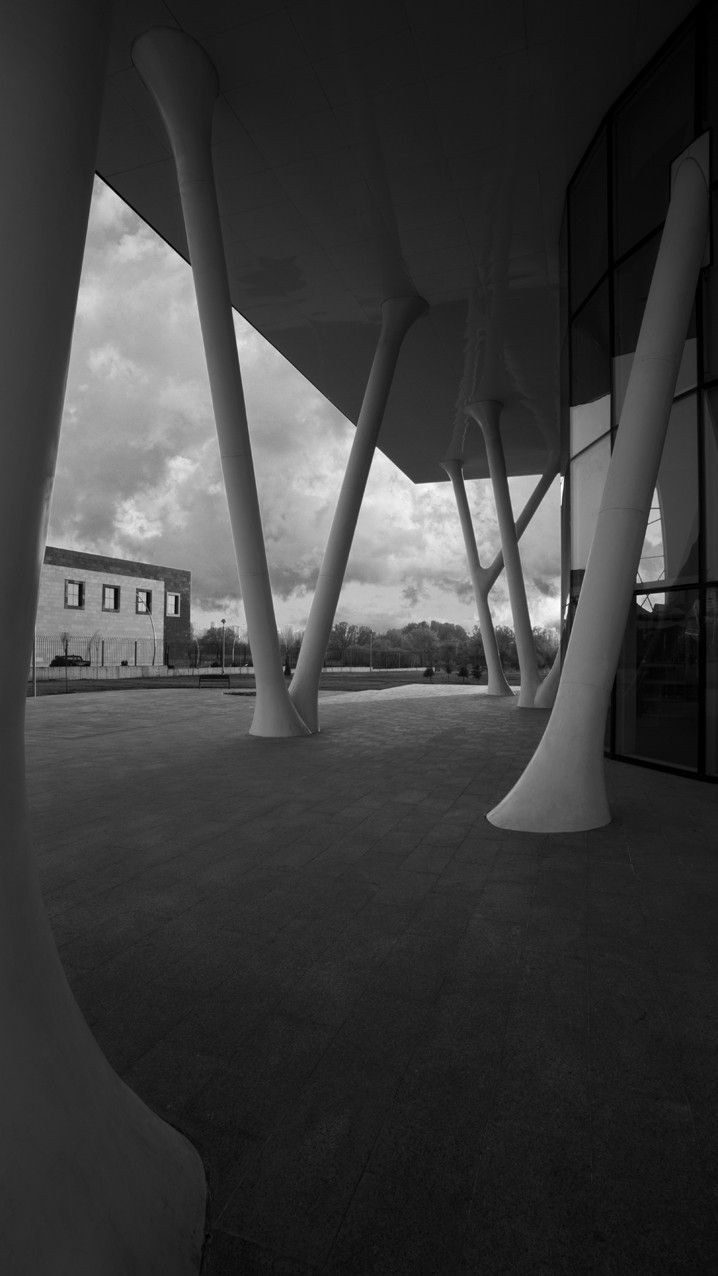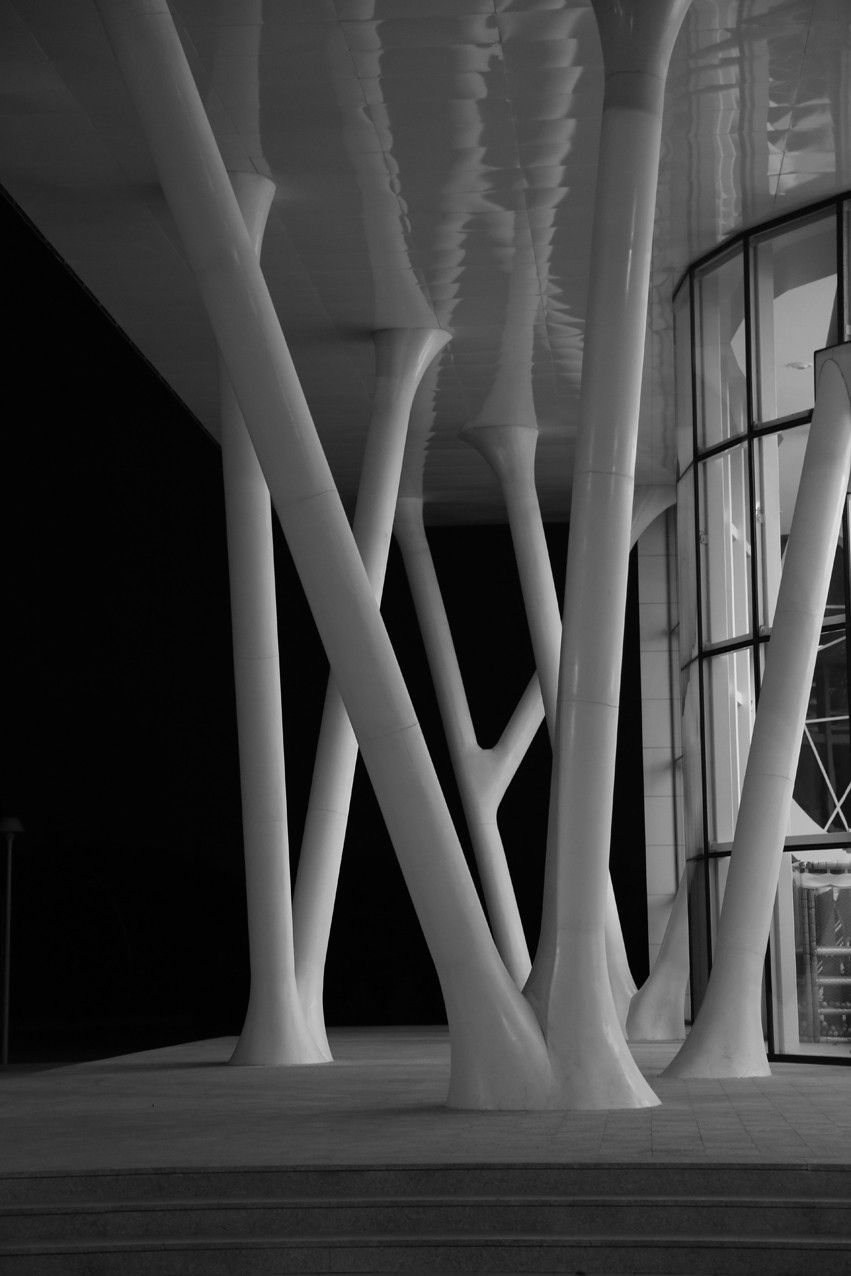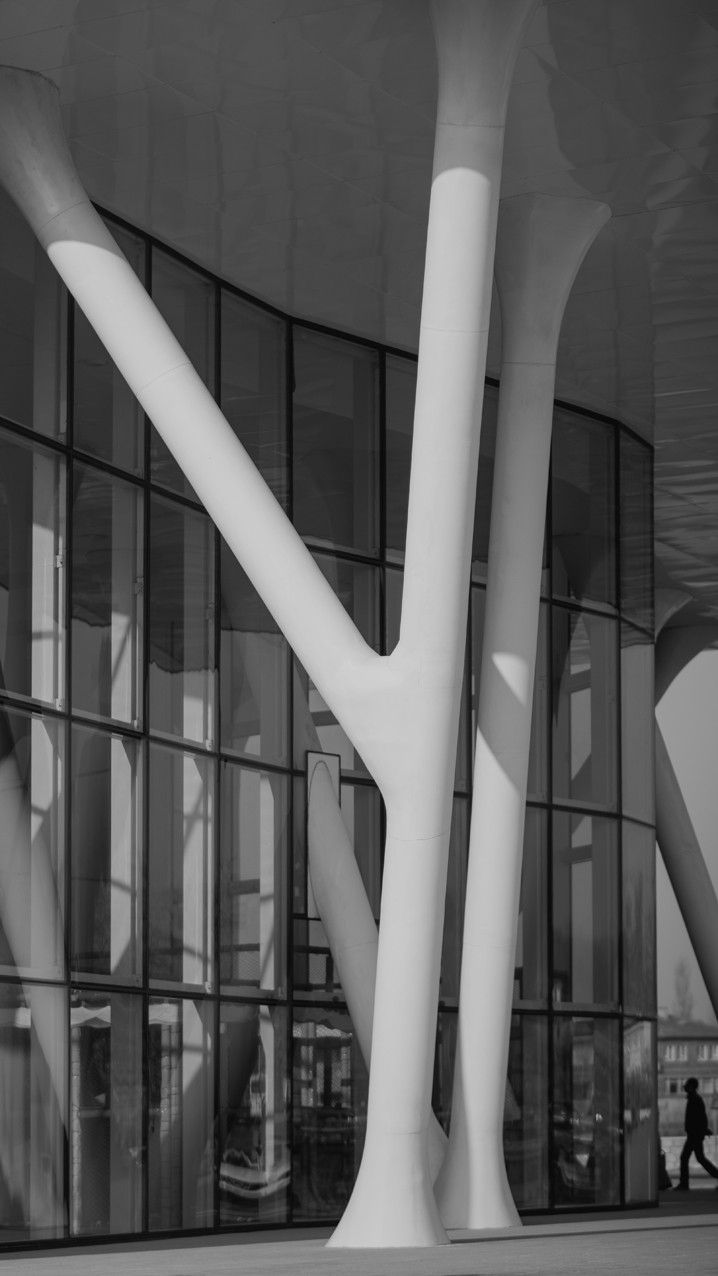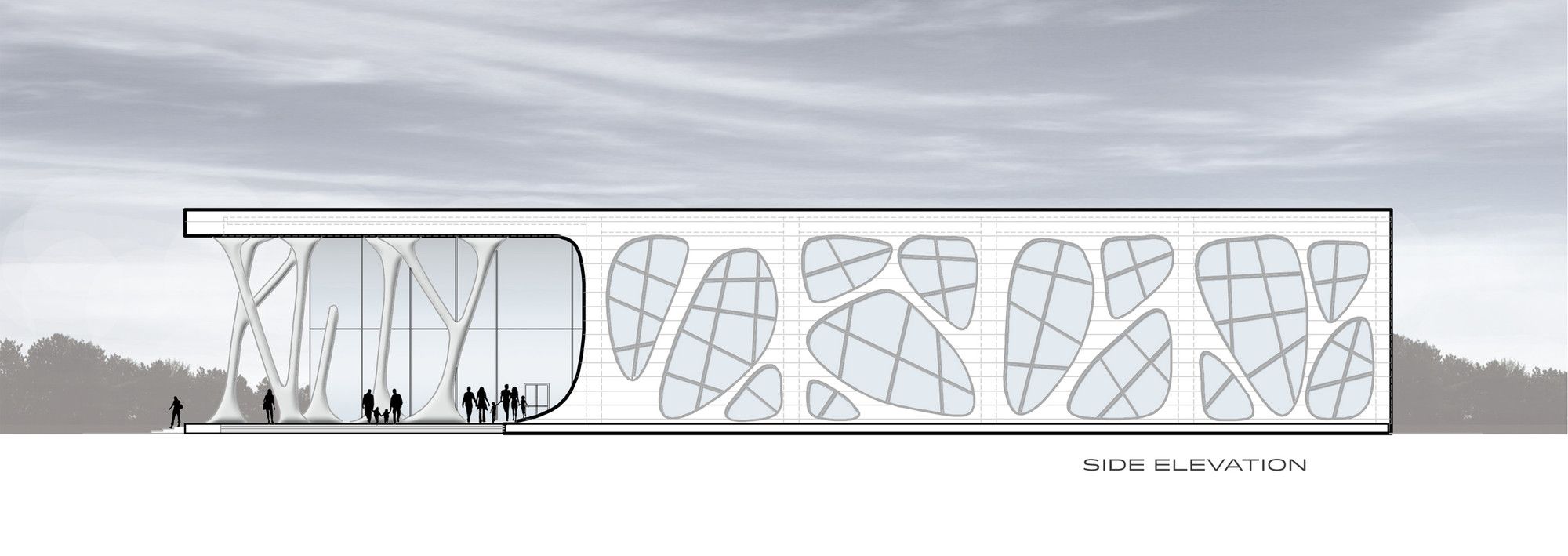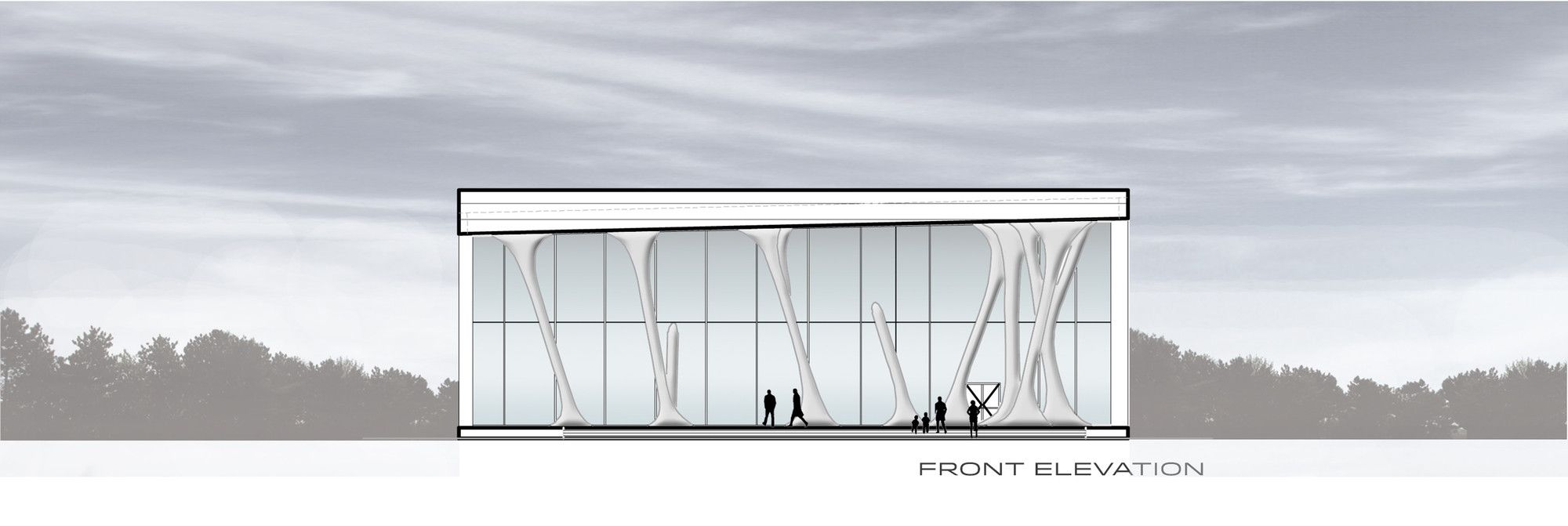


Kayseri Ice Ring is placed 9 km far away from the city center and inside the 10.000 square meters site. With the transportation facilities like car, minibus, bus and railway system; the Ice Ring has the chance to make citizens life more sportive.When designing the form of the building, the relation between the ice and the air comes into the mind. Besides, by the meaning of ice, global warming in our today’s world has the consideration for the citizens. For the changing climates, the less green and our apathetic stands can be more conscious in this way.
Courtesy of BKA-BahadırKulArchitects
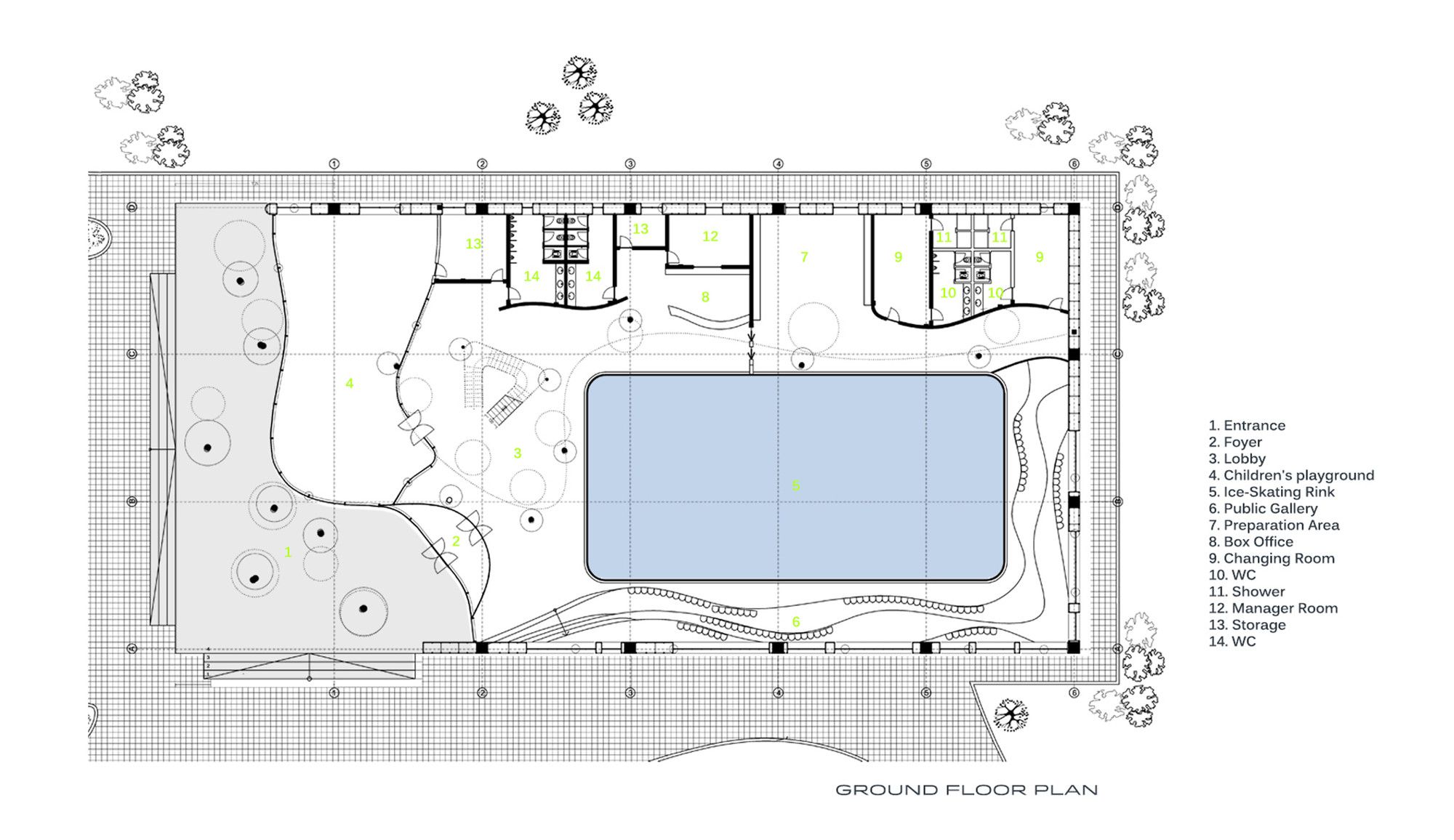
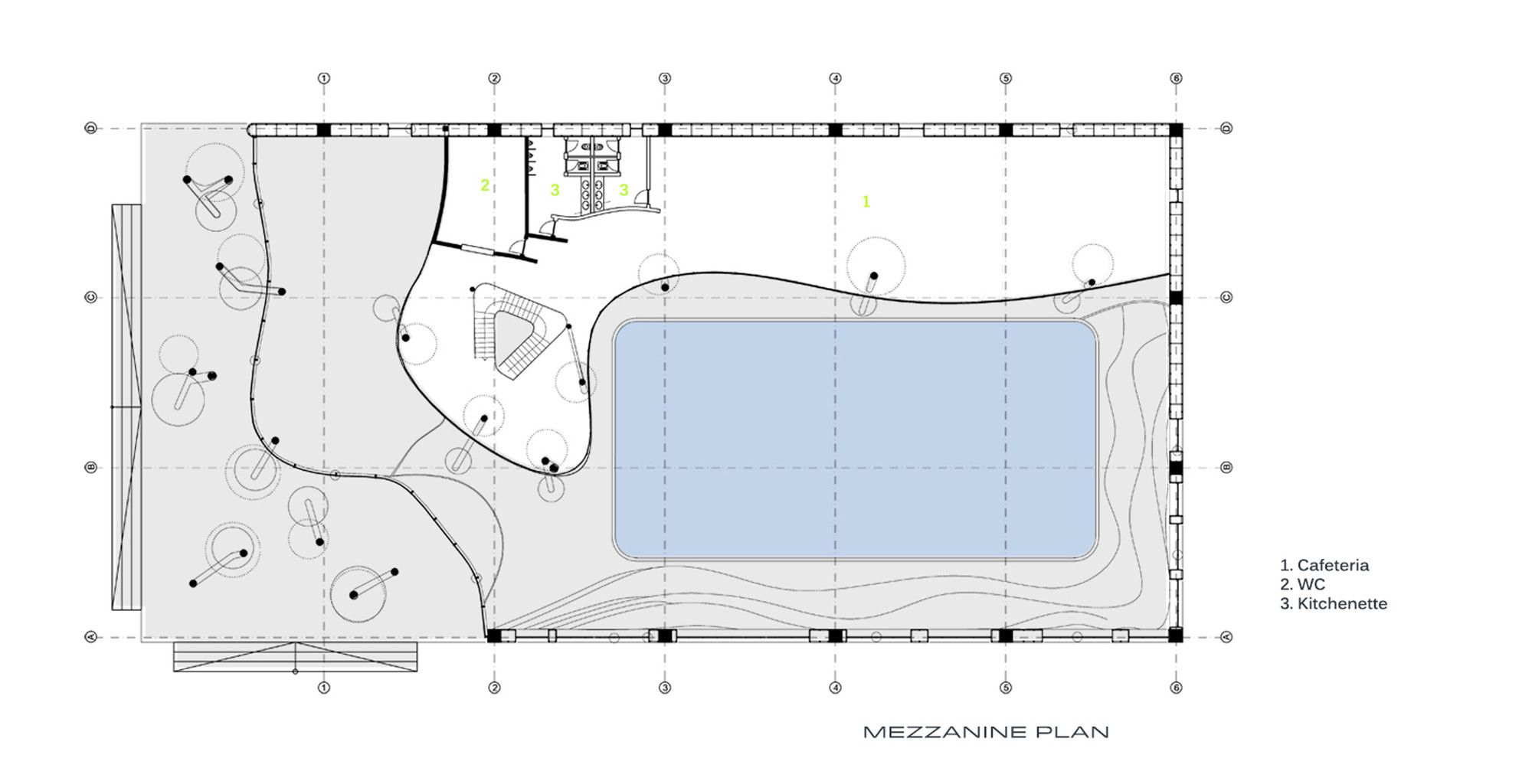
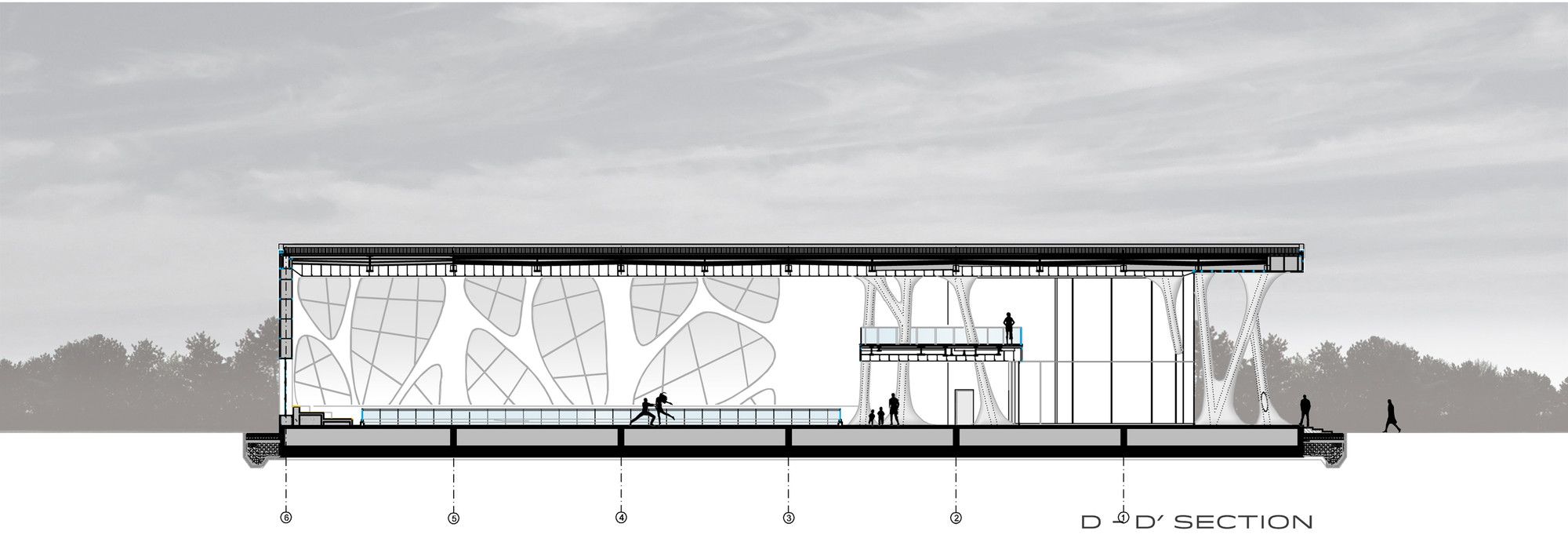
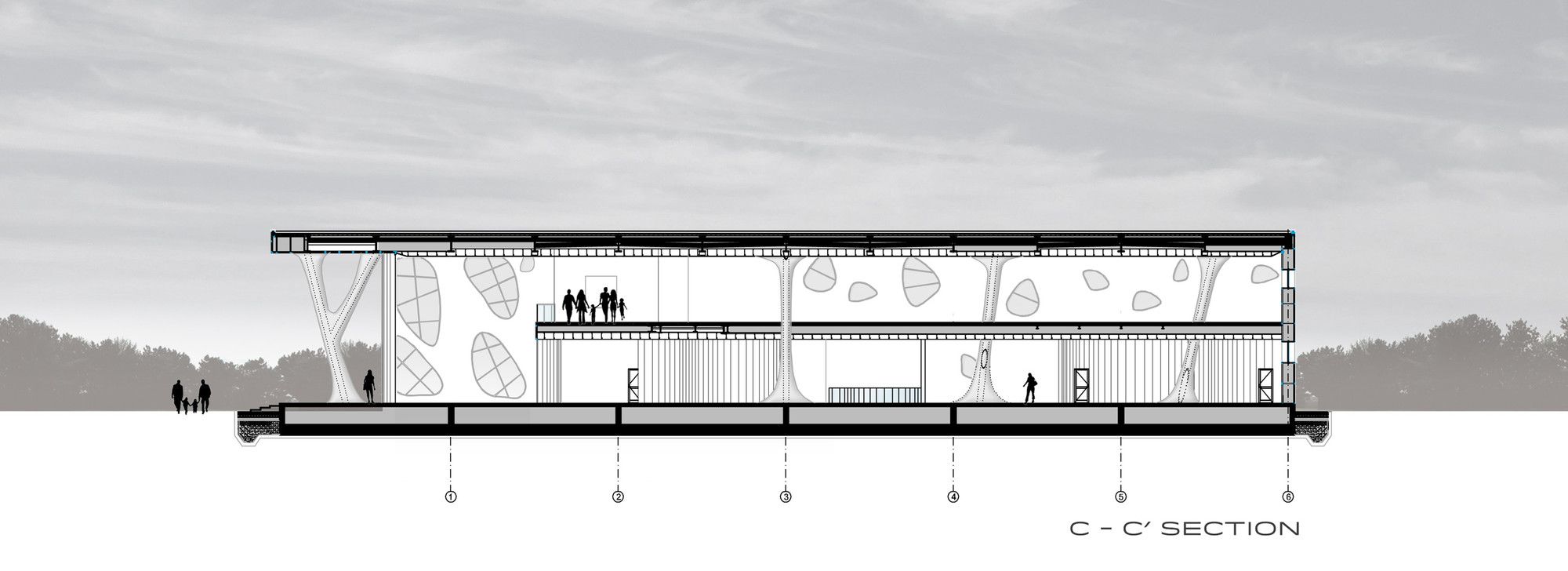
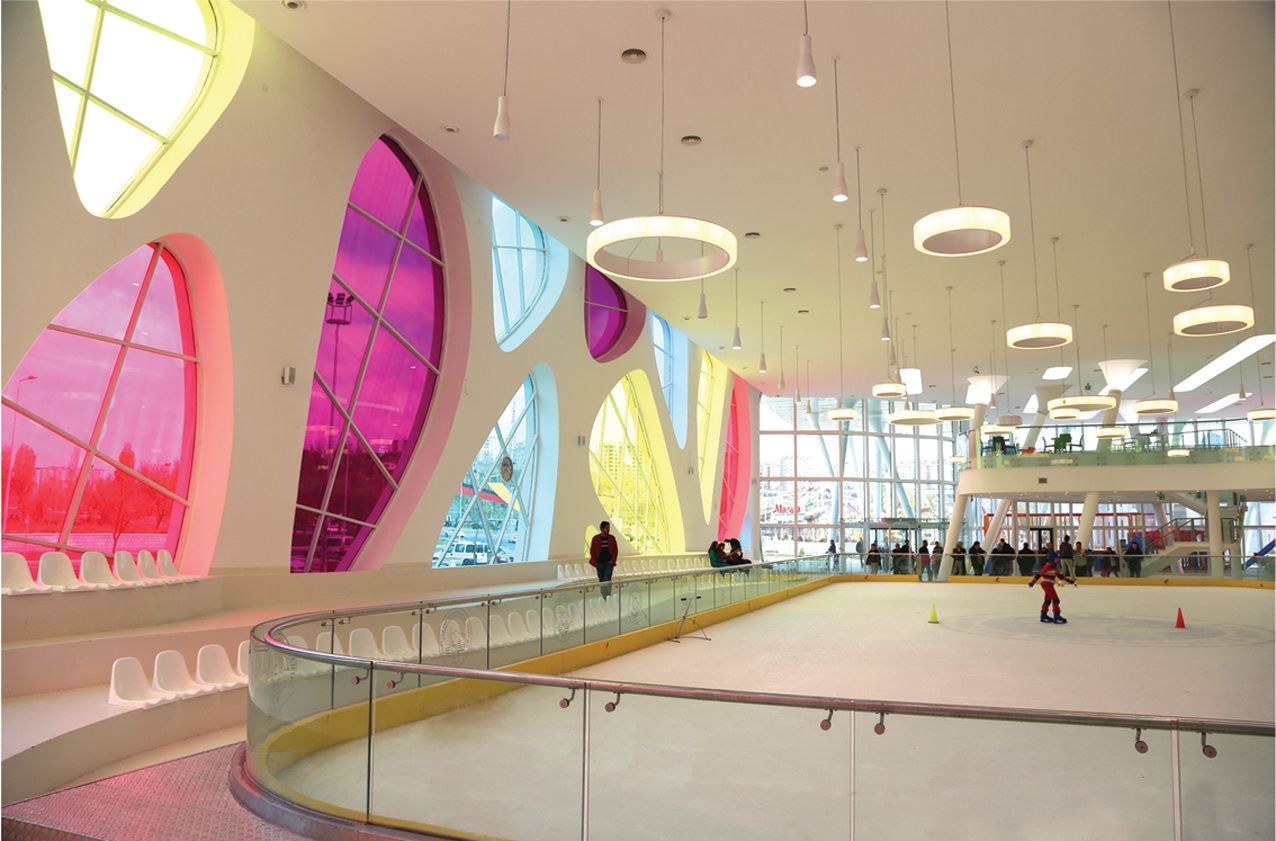
Ice skating ring with an area of 2000 m² consists of two floors which are the ground floor and mezzanine floor. The total construction area is 2600 m². The surrounding lounge accommodates public functions and social activities when not occupied for rink use.
photography by © Ket Kolektif
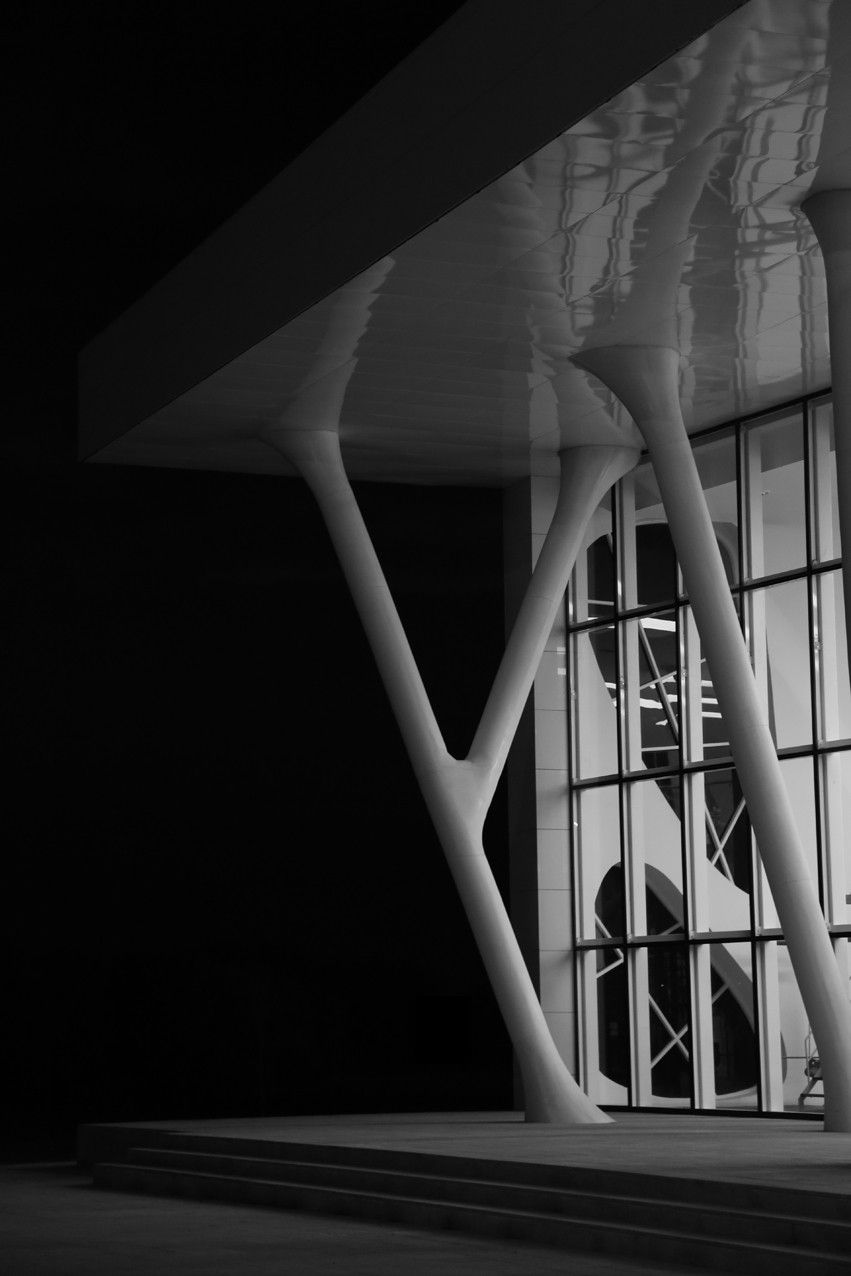
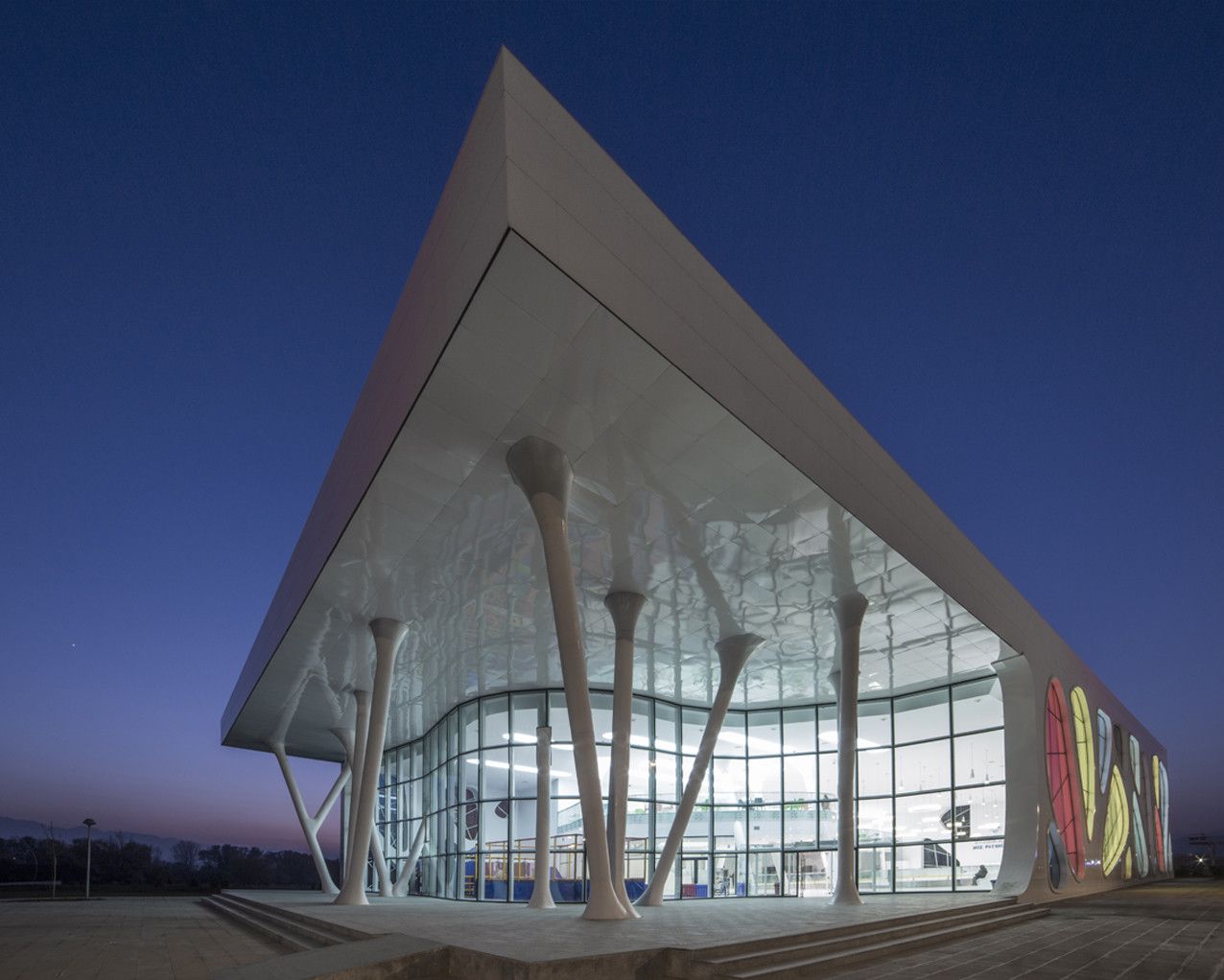
The synthetic ice ring with 30×15 m dimensions is surrounded by the audience seating, the locker rooms and the kindergarten which is separated by the glass surfaces. The cafe on the mezzanine floor enables the audience to monitor the ring. The platform which was raised by stairs create a coherent spatial with the structure and provides a semi-open area.
photography by © Ket Kolektif
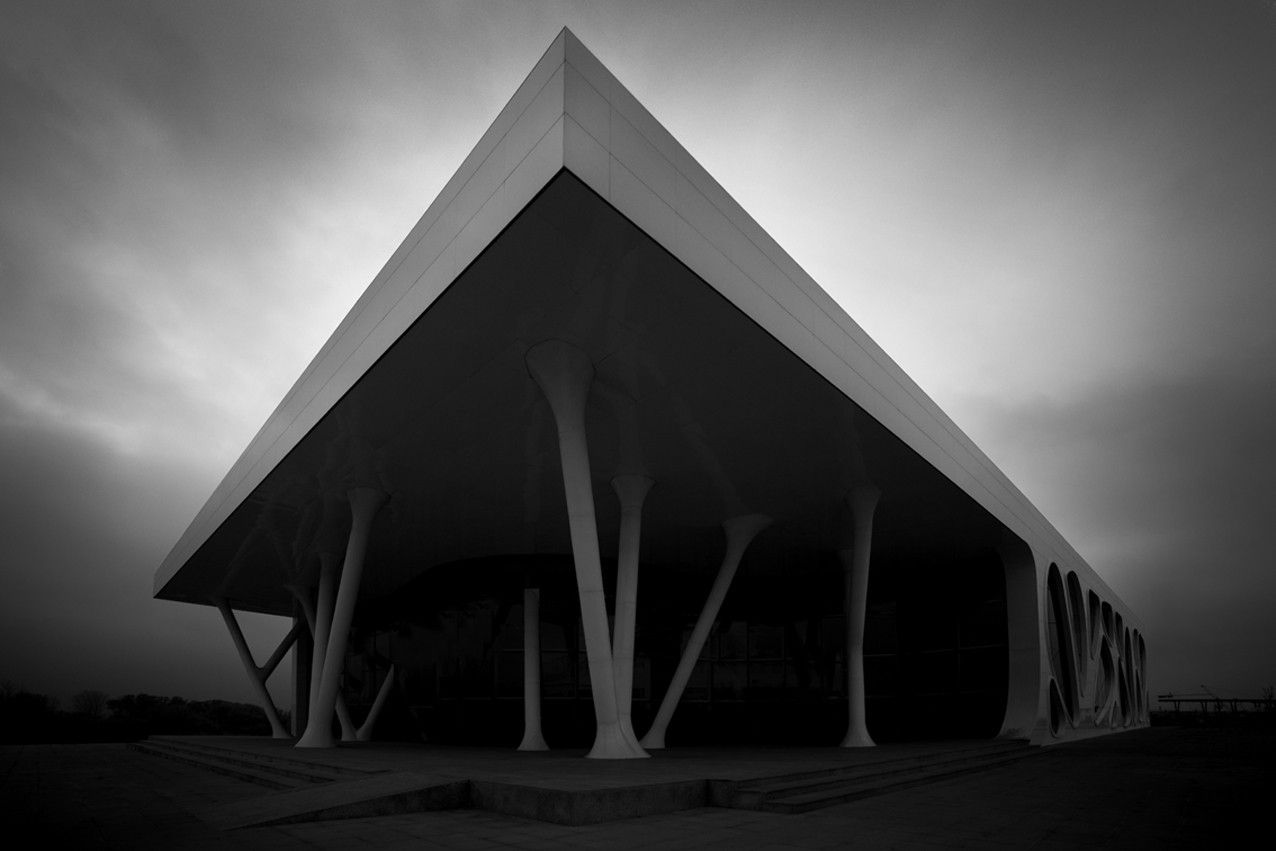
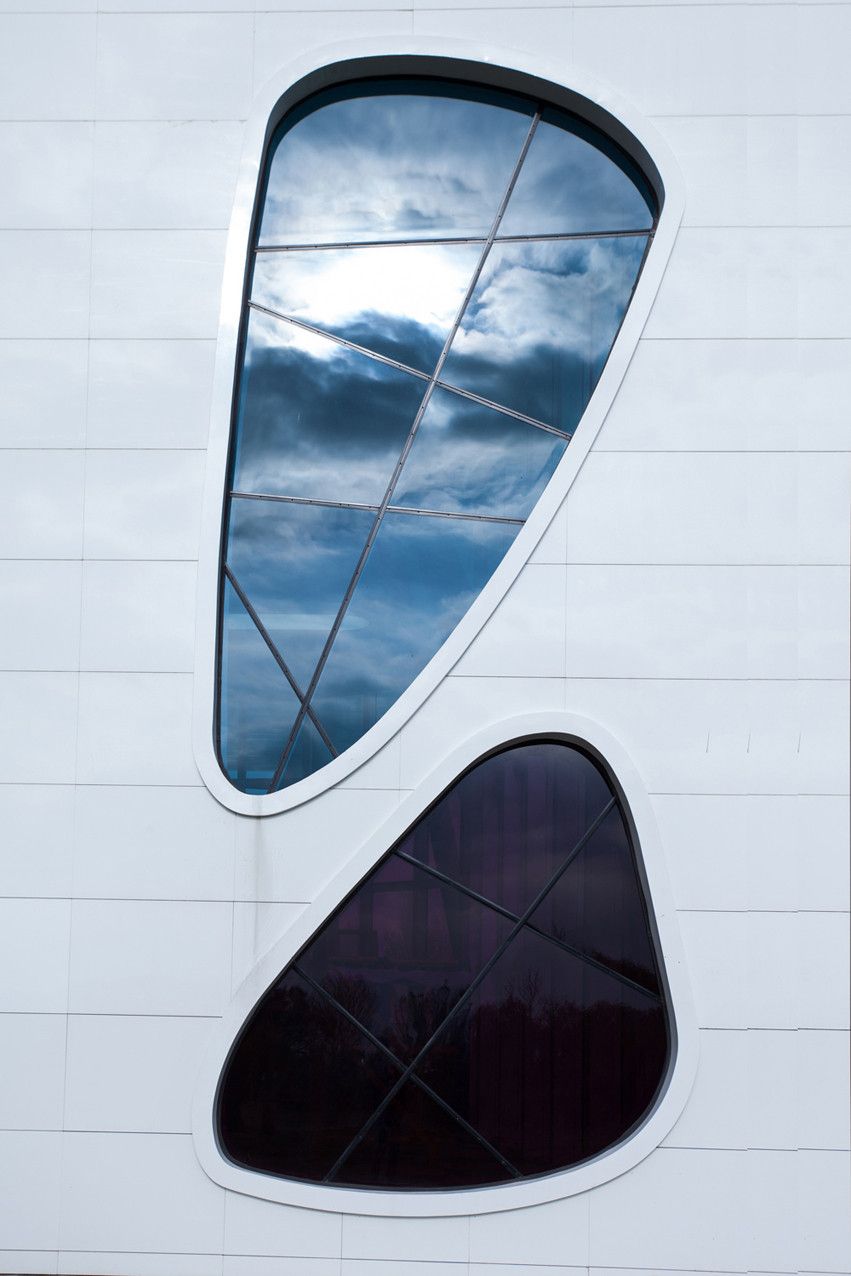
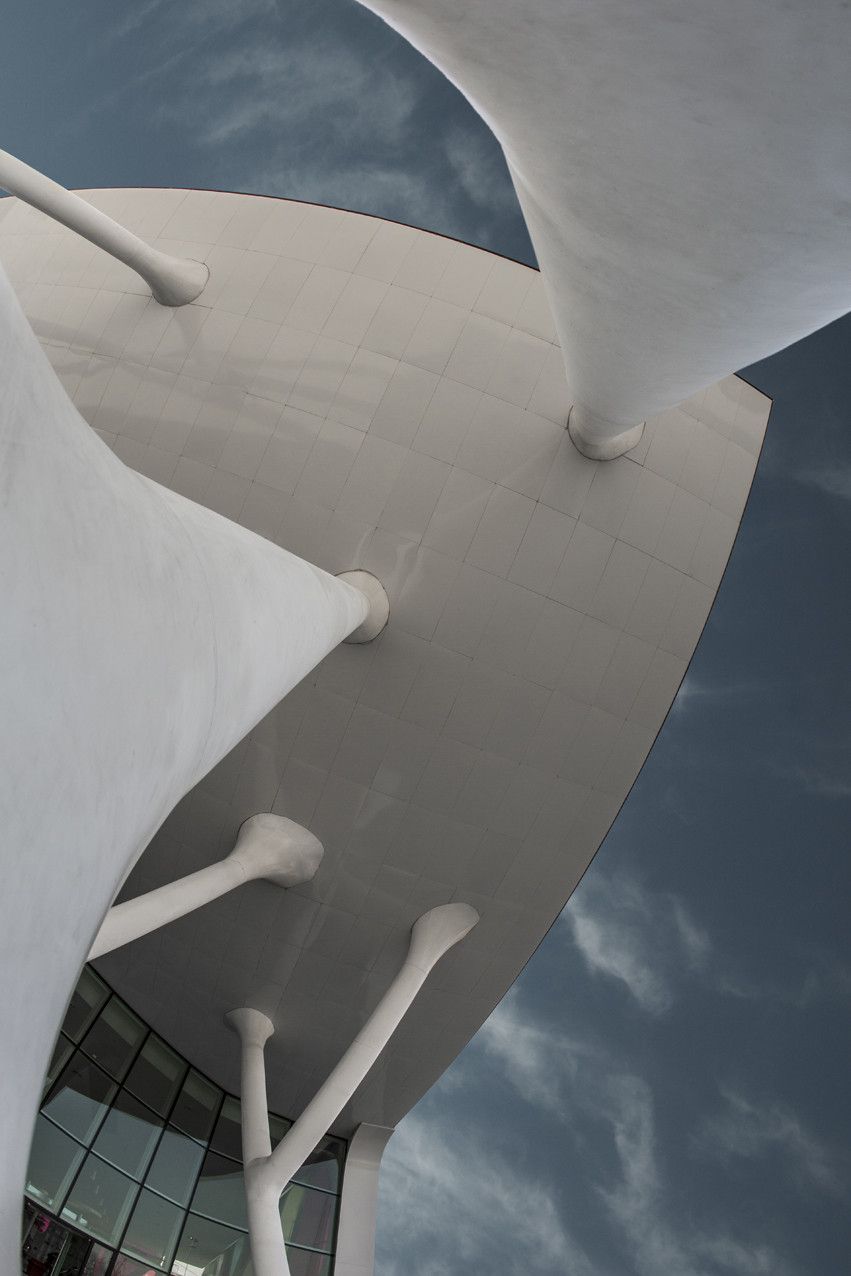
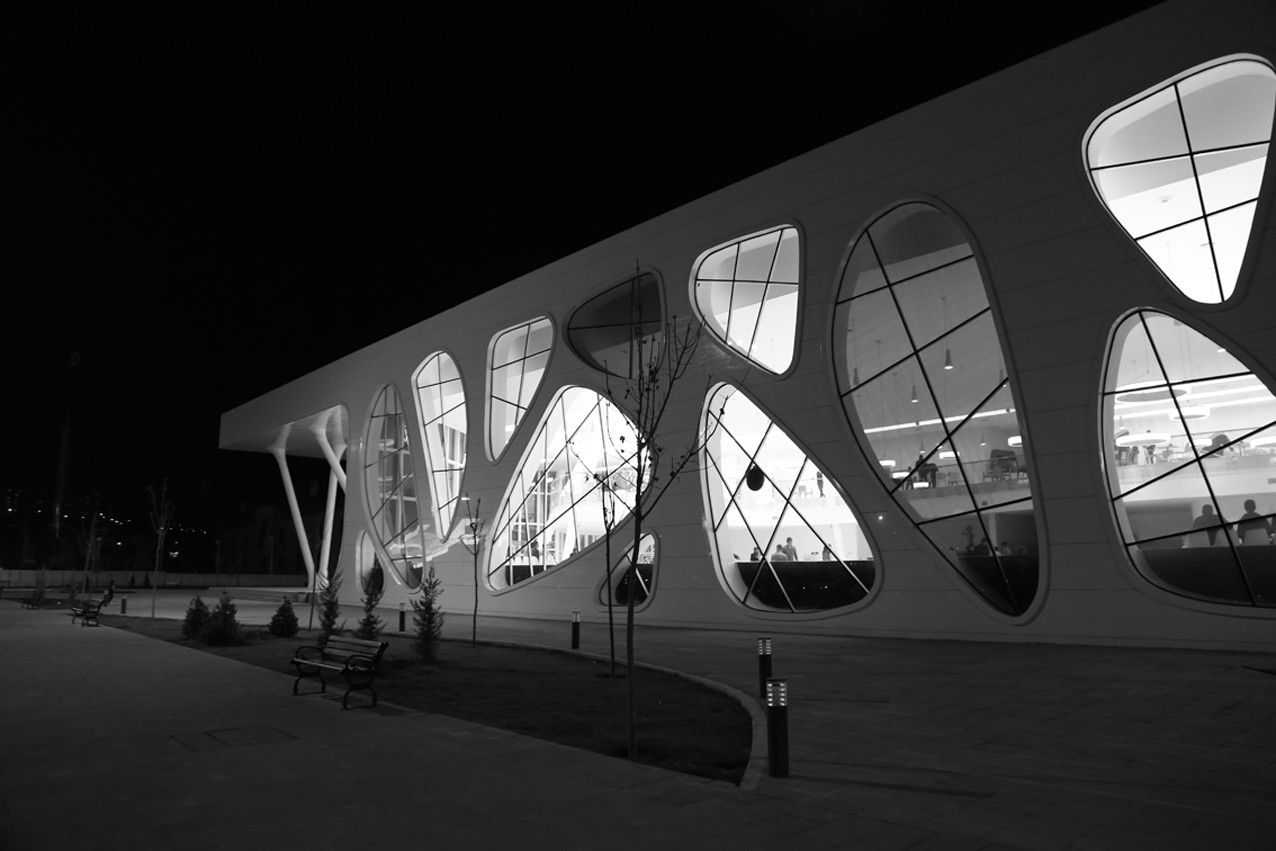
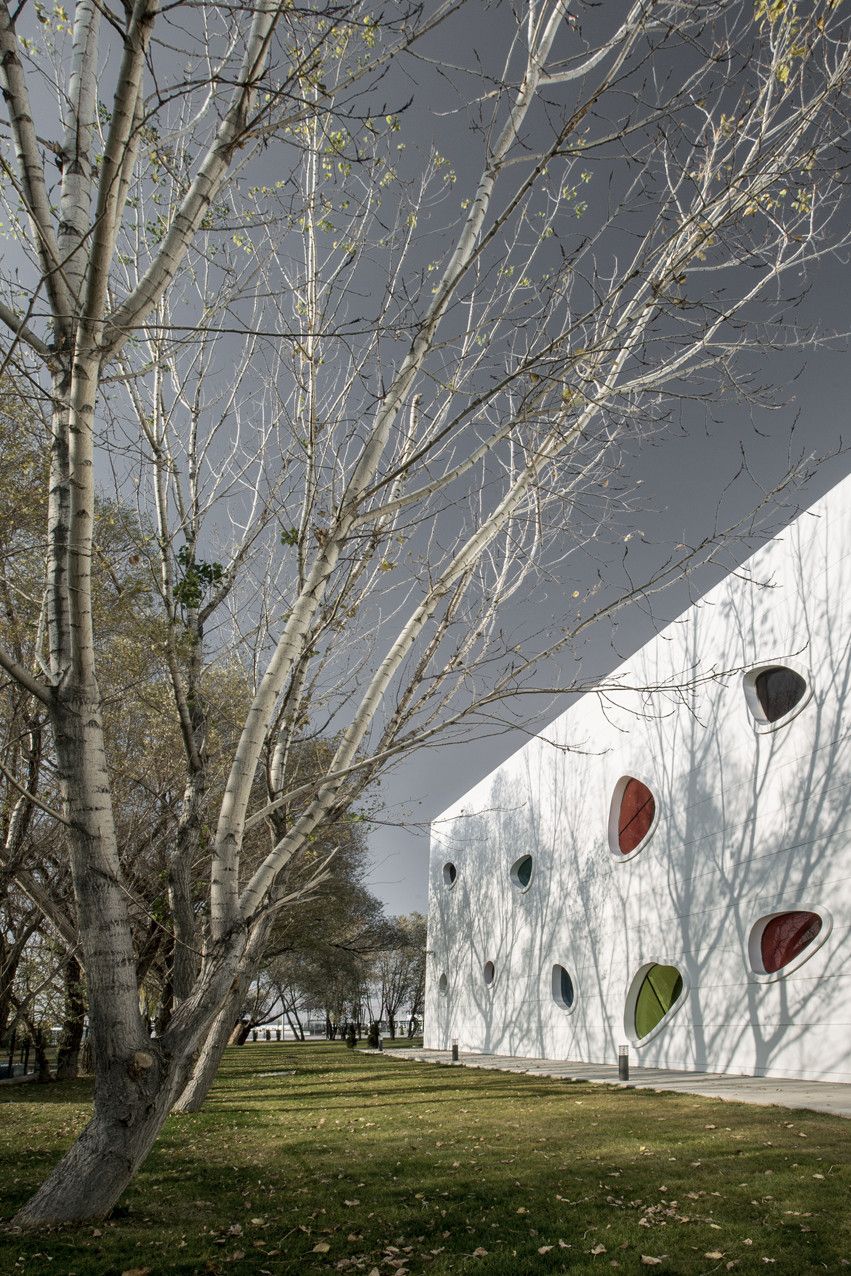
The roof which extends to the entrance, forms like a fringe and covers the roof patio, while the clear structure reaches to a rectangle shape. This clear prism shaped amorphous structures become noticeable and make a difference with the amorphous gaps. The colored glasses on the amorphous gaps validate that the structure was intended to build for entertainment and sports.
Courtesy of BKA-BahadırKulArchitects
Project Info:
Architects:BKA-Bahadır Kul Architects
Project Location: Kayseri/Kayseri Province, Turkey
Project Year: 2012
Site Area: 10.000 m2
Project Area: 2600.0 sqm
Client: Greater Municipality of Kayseri
Photographs: Ket Kolektif, Emre Mollaoglu