

Buddhism Temple | Miliy Design
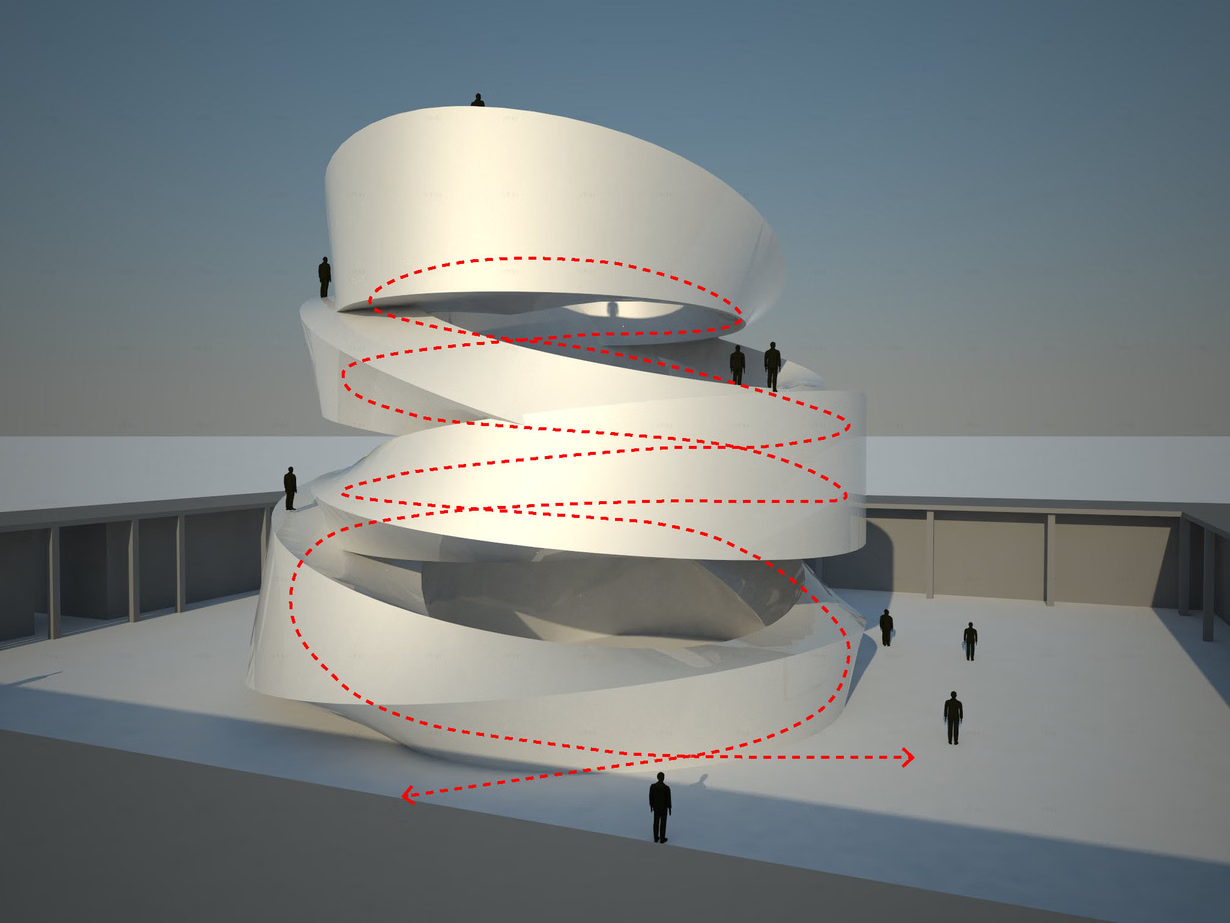
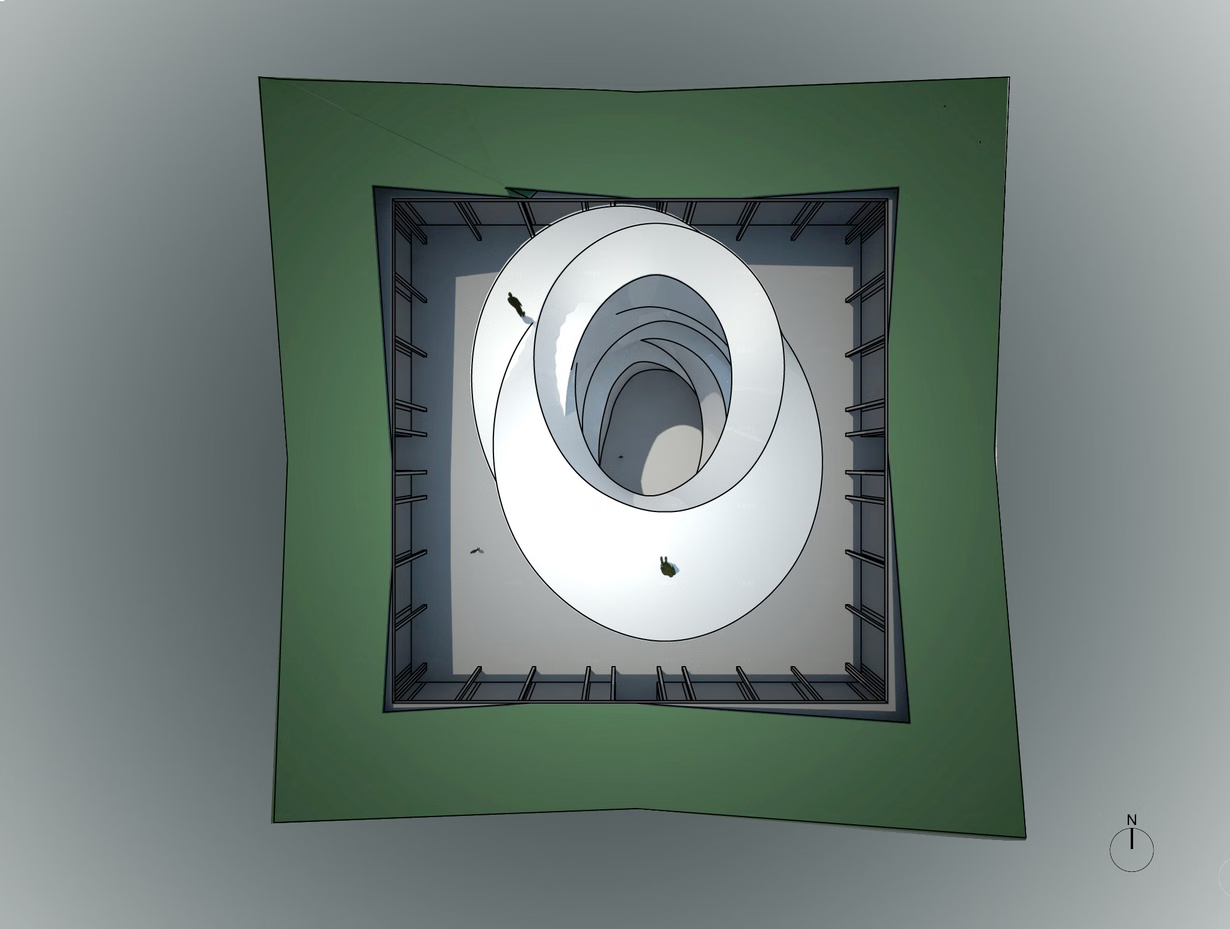
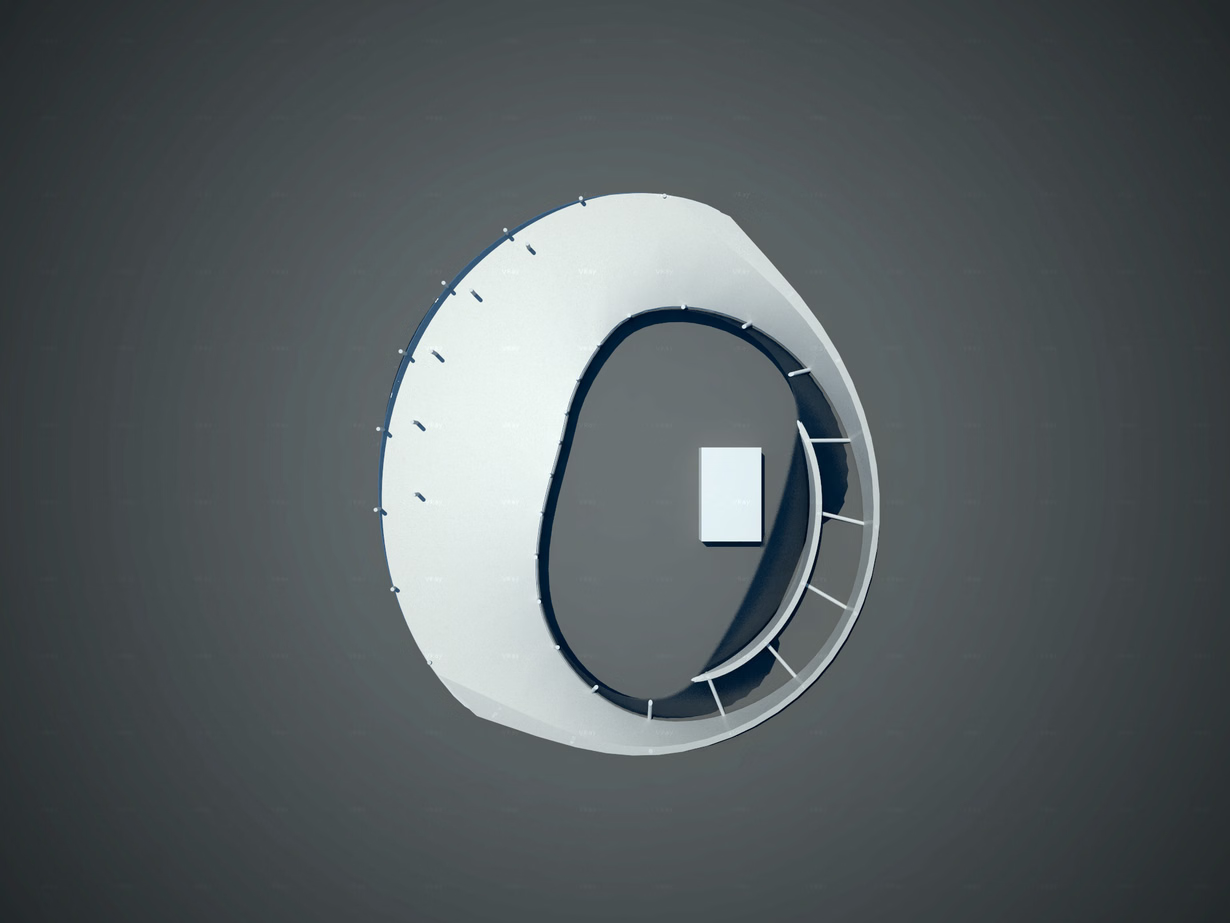
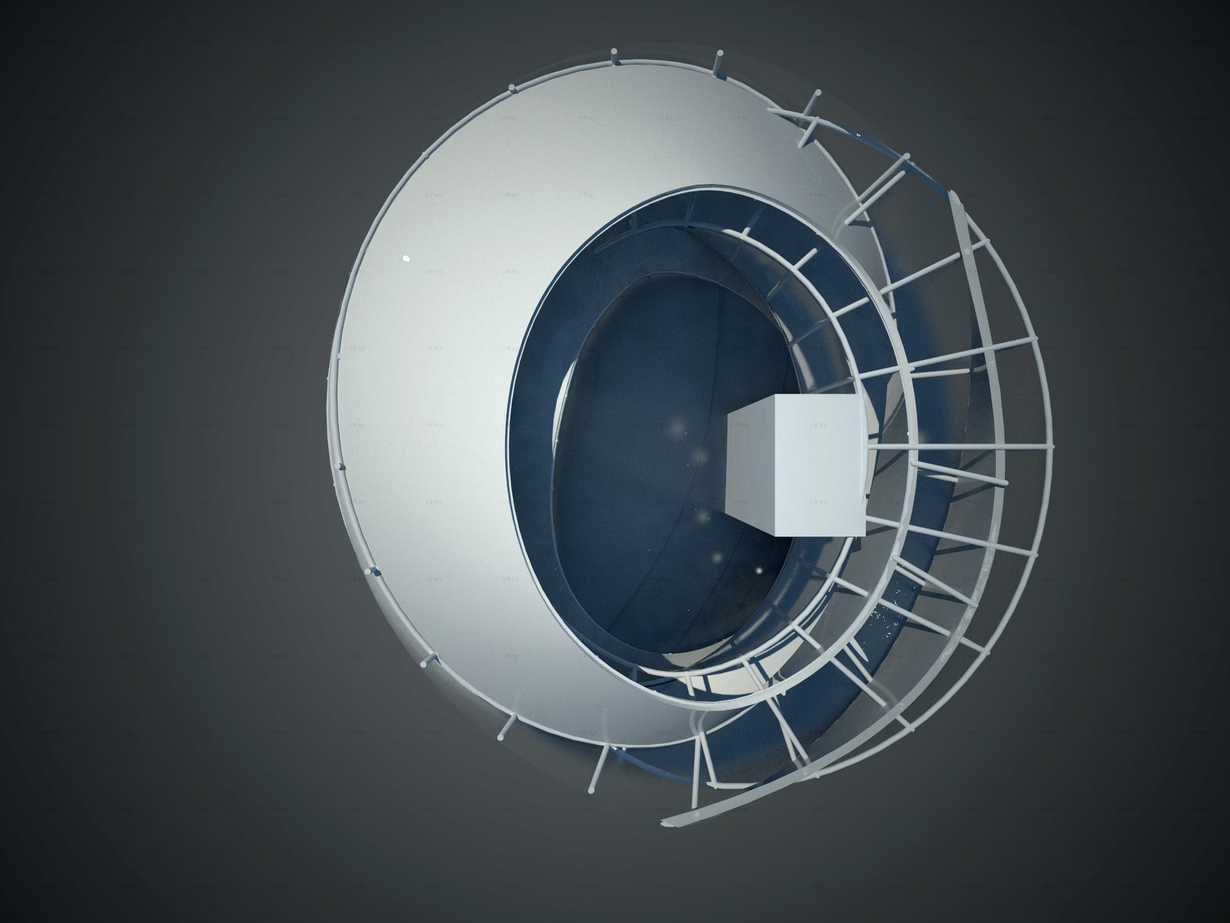
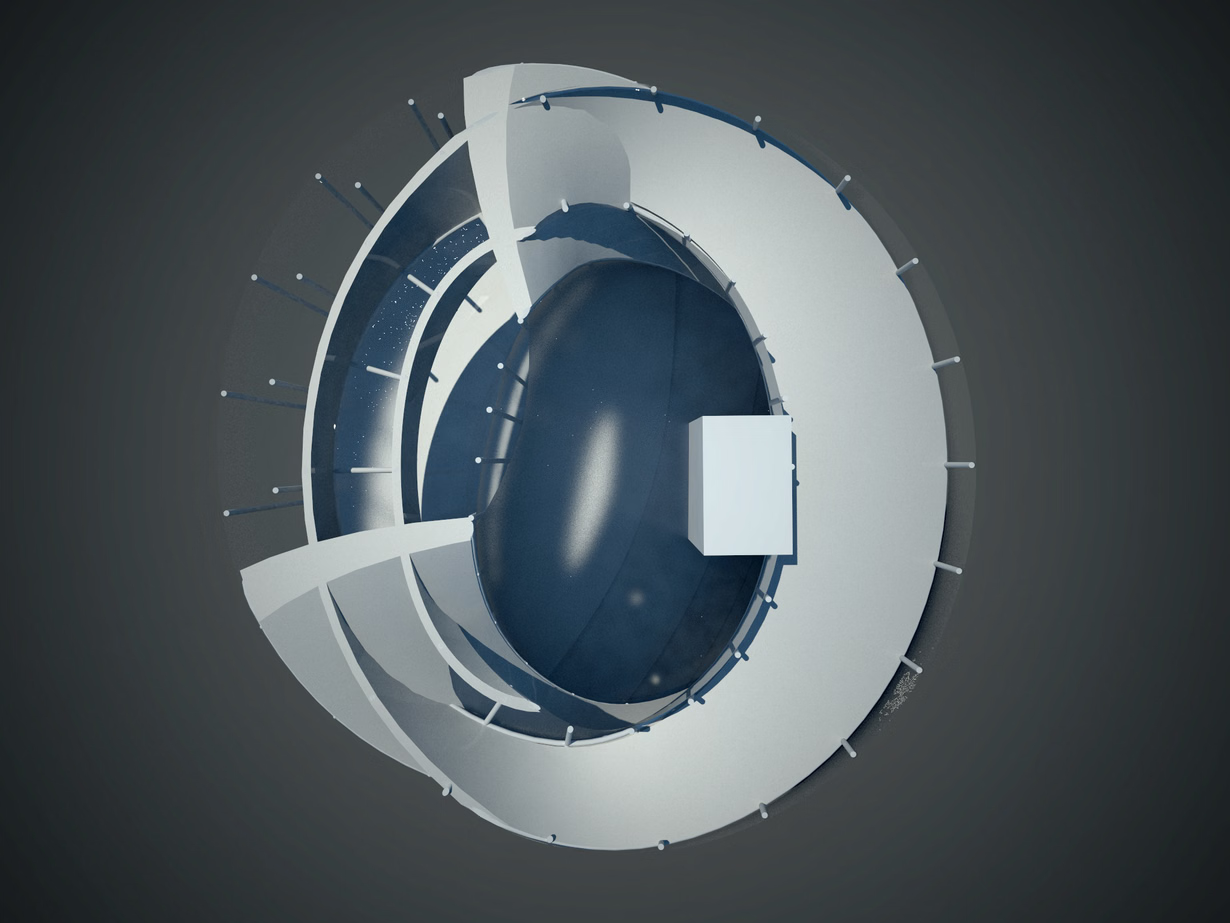
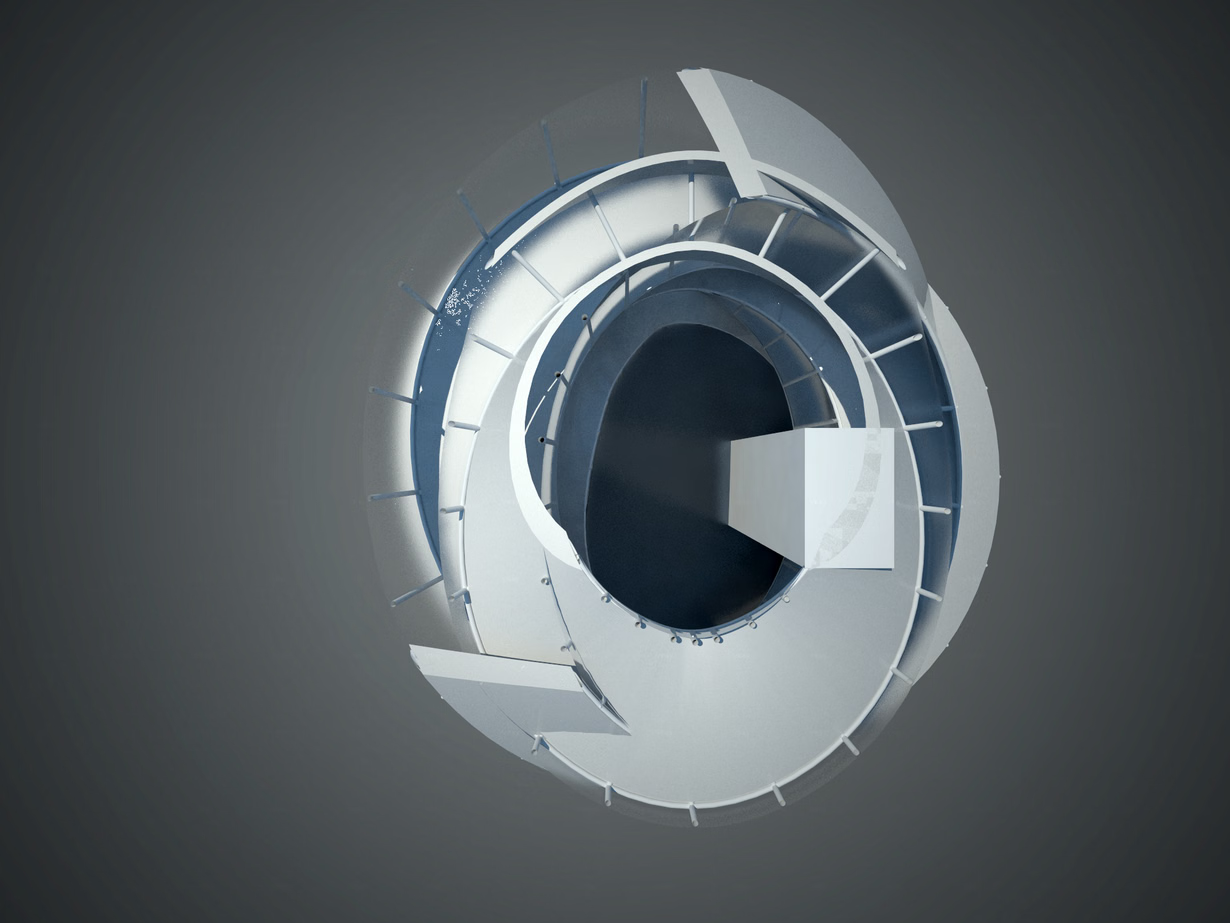
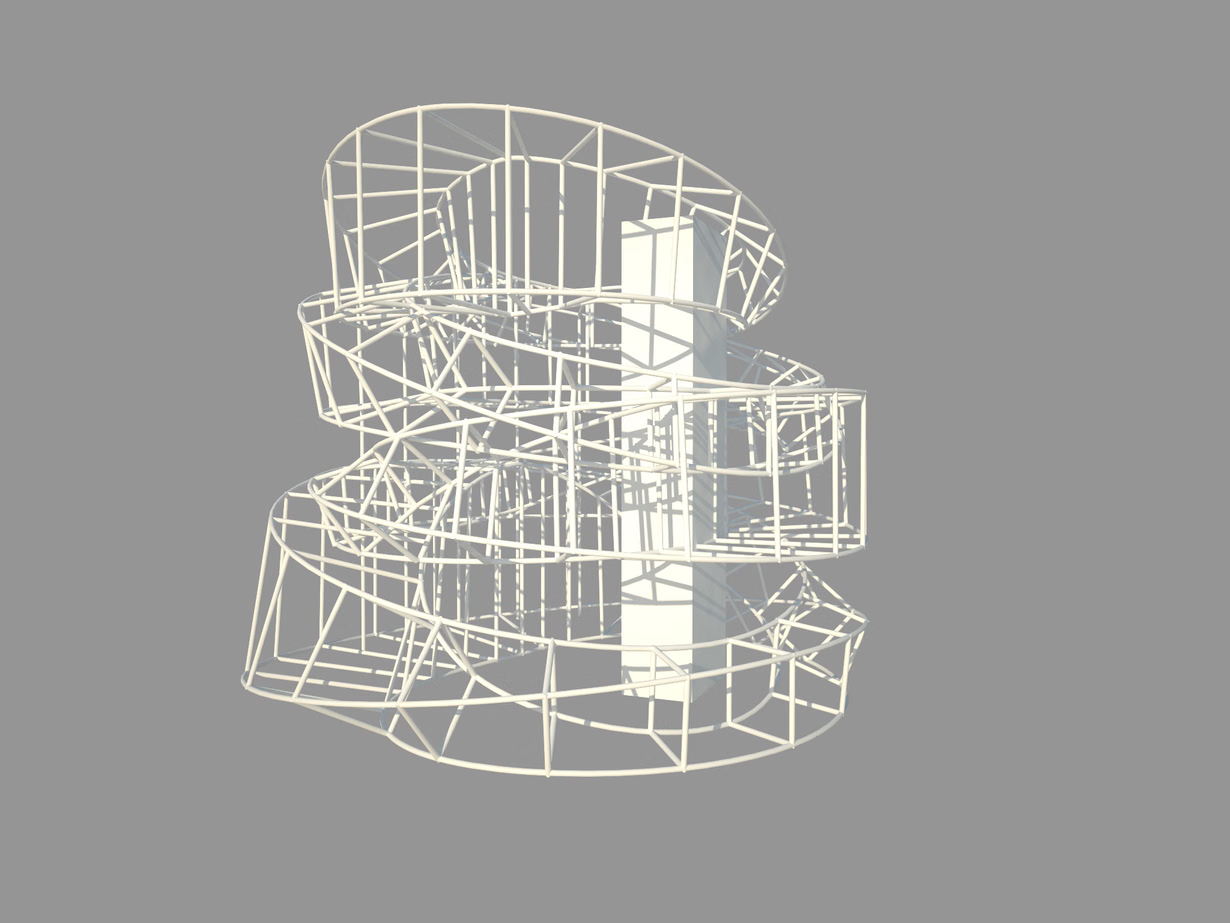
The Möbius strip has the mathematical property of being non-orientable, while the Möbius strip has several curious properties. A line drawn starting from the seam down the middle will meet back at the seam but at the “other side”. If continued the line will meet the starting point and will be double the length of the original strip. This single continuous curve demonstrates that the Möbius strip has only one boundary.
Courtesy of Miliy Design
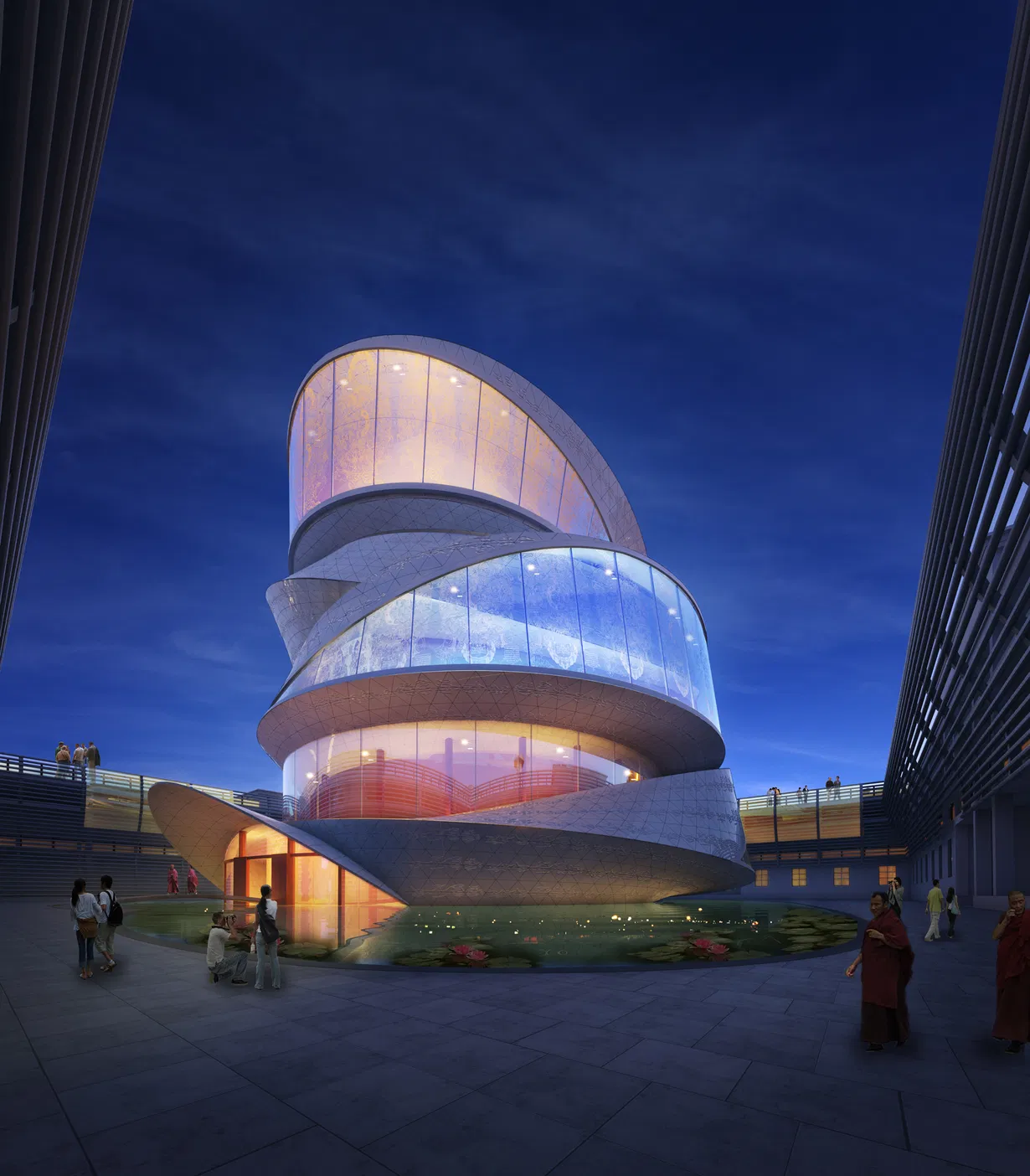
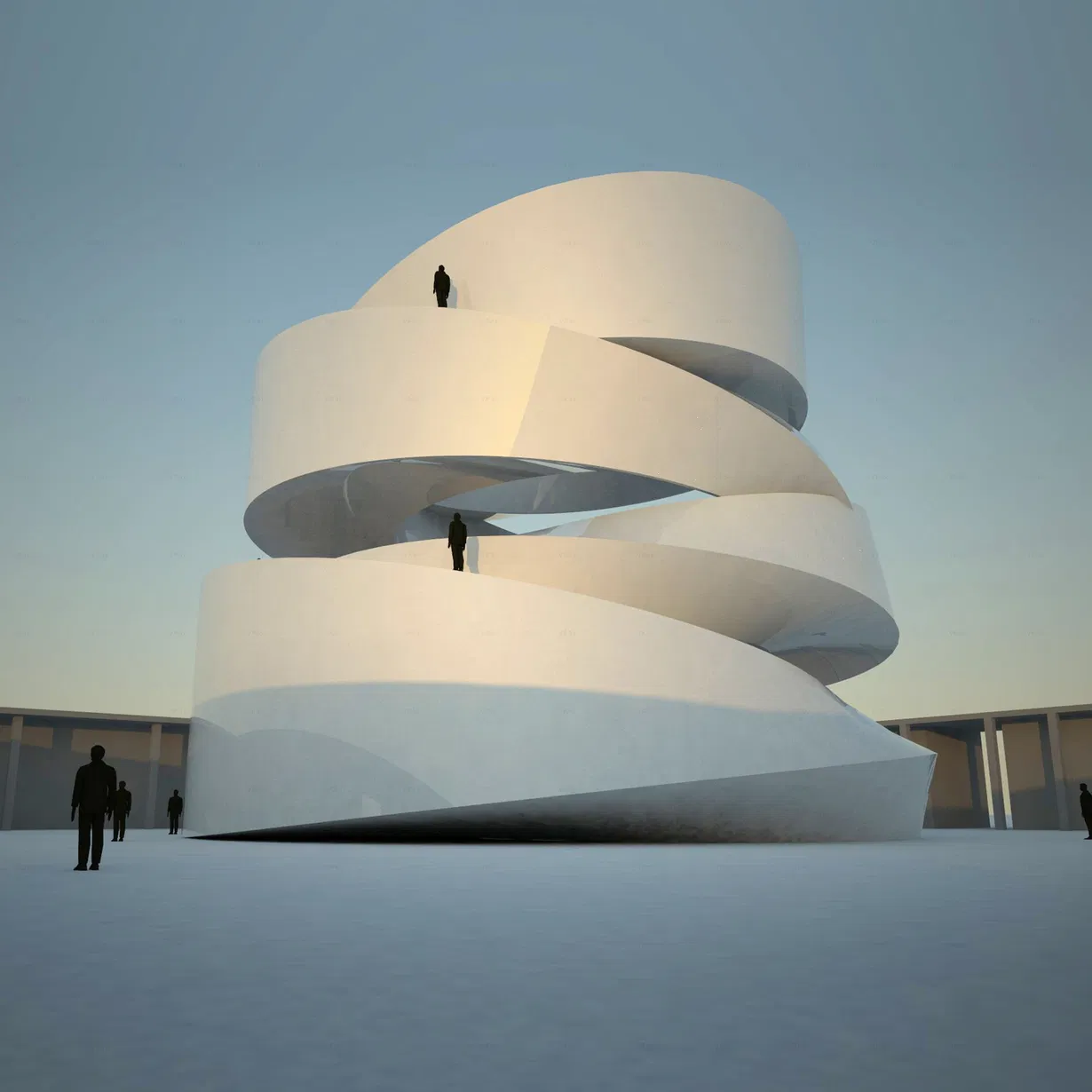
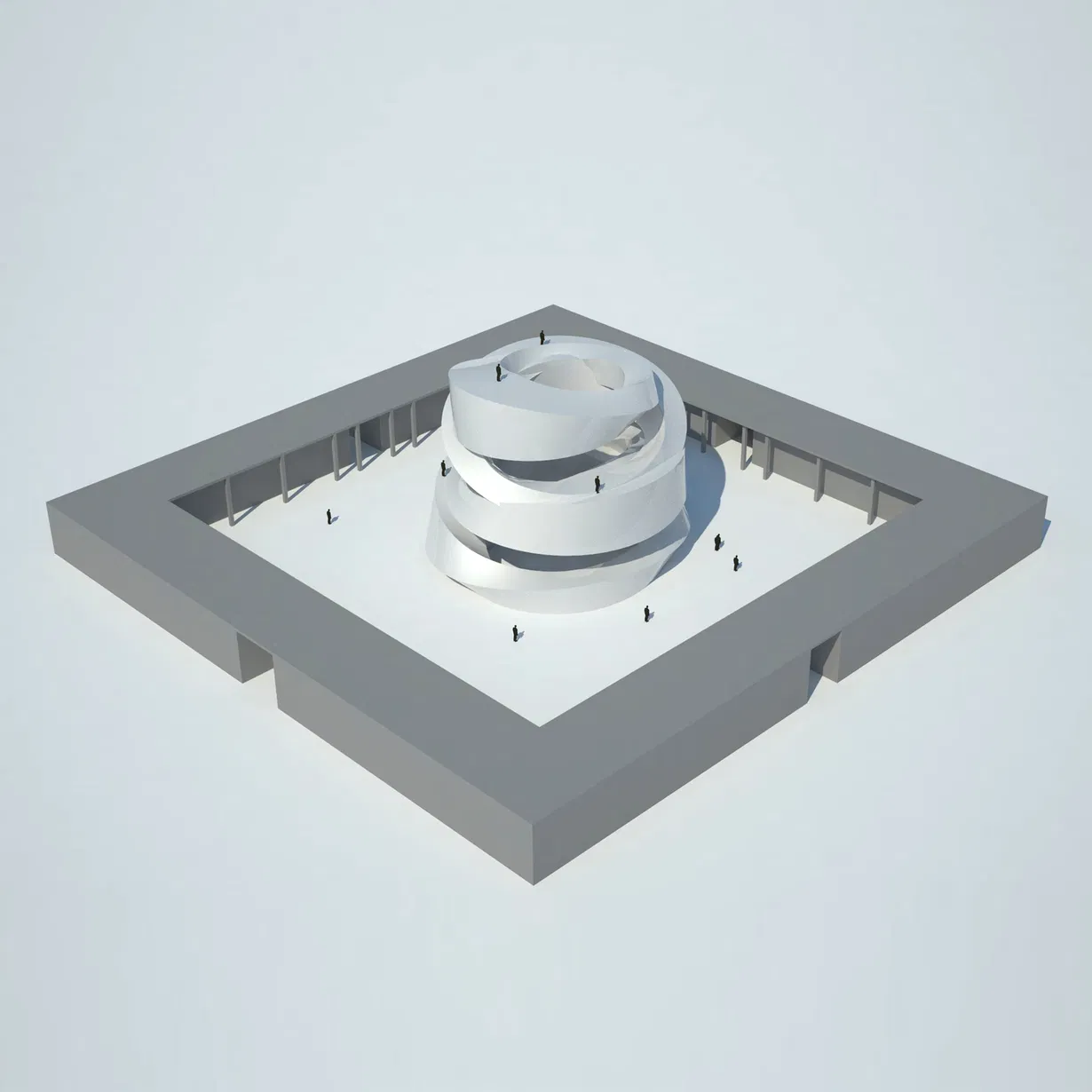
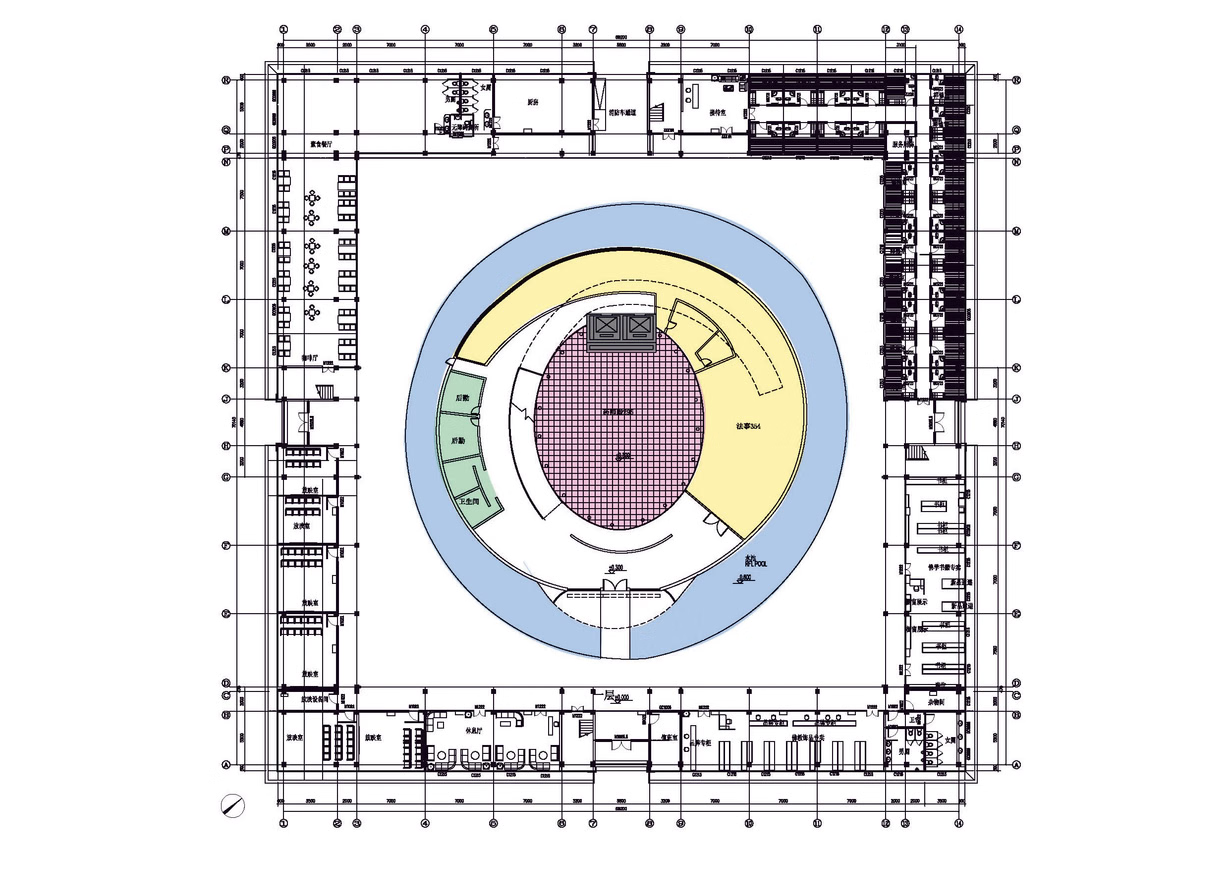
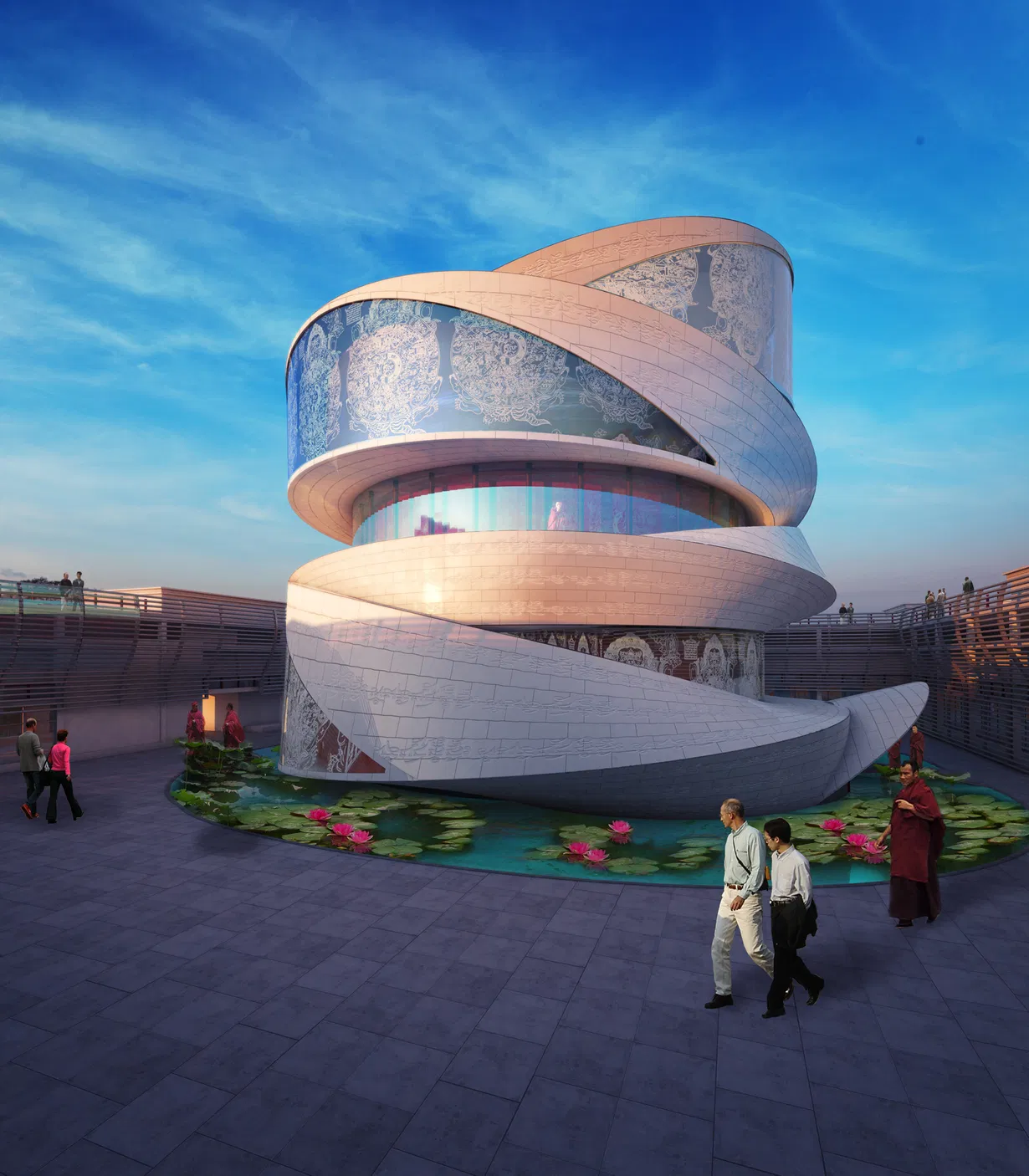
The Buddhism temple , designed by Miliy Design, based on the concept of reincarnation and envisioned for a location in Chinese city of Taichang. The essence of Buddhism’s Sutra is so called “formlessness”. Based on this, the form searching of the architecture becomes the path from the beginning to the end, while the shape of the project allows the inner and outer surface to meet in the same point seamlessly. The prototype of Buddhism’s temple is from ancient time and based on ancient tectonic and space defining logic. With the aid of digital design and fabrication techniques, the solution will have different possibilities.
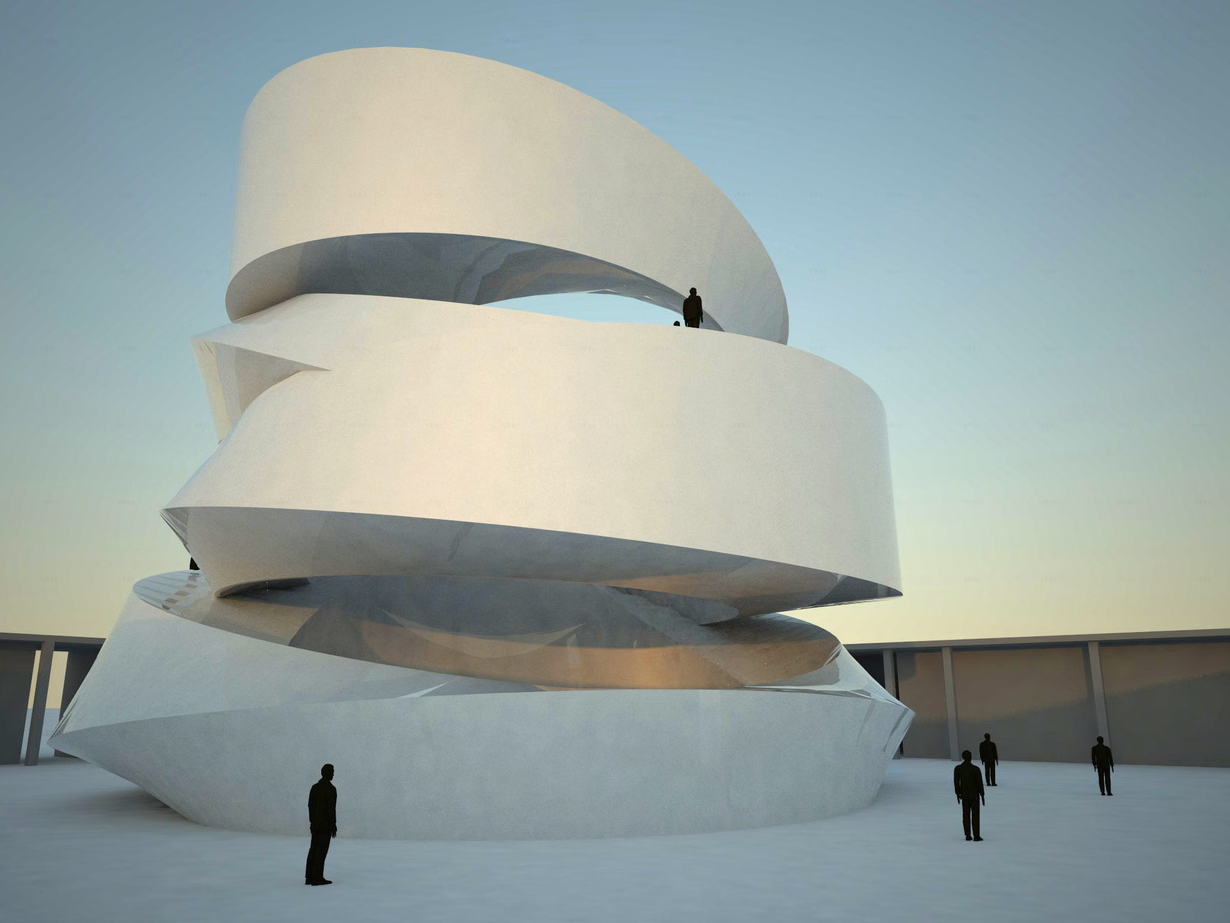
Courtesy of Miliy Design
Project info :
Project Name: A Contemporary Buddhism Temple
Architects: Miliy Design
Location: Taichang, Jiangsu, P.R.China
Architect In Charge: Steven Wang,
Design Team: Jeff Ding, Chenjia Tang, Wen Zhang, Xin Qi
Project Year: 2011
Project Area: 1,200 sqm
Developer: Shanghai Kingswel Industry Group